Refutation of the Doubt Regarding the Breastfeeding of Salim (Mawla Abu Hudhayfah)
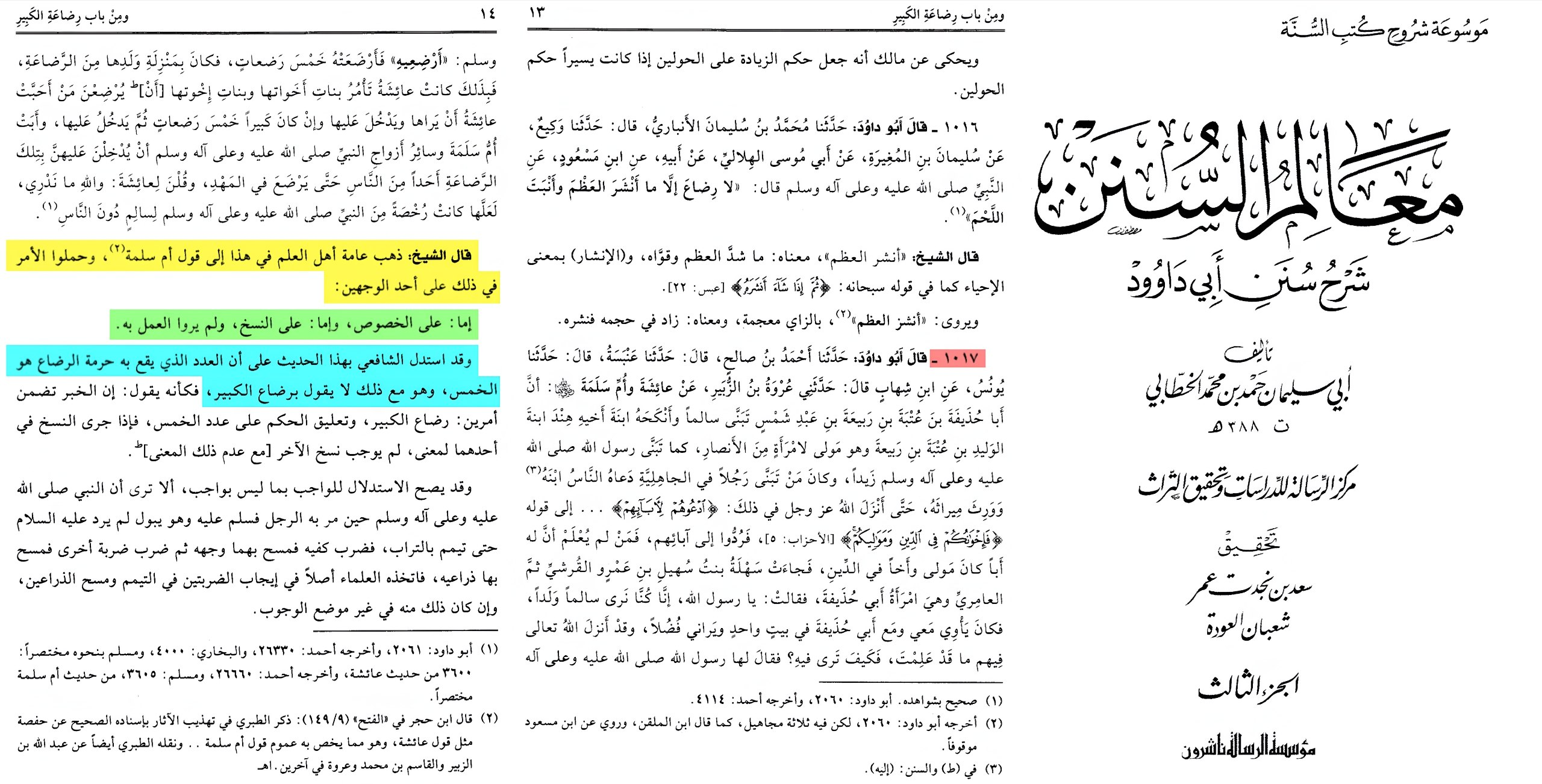
Document Overview This document compiles scholarly responses and dawah arguments refuting the misuse of the hadith of Salim’s breastfeeding by enemies of Islam. Two source texts have been merged and structured for reference and study. All human language, quotations, and context are preserved without alteration.
Opening Statement (Document 1) The enemies of Islam have cited the hadith of the breastfeeding of Salim, the freed slave of Abu Hudhayfah, may Allah be pleased with him, when he was an adult, from Sahla, the wife of Abu Hudhayfah, may Allah be pleased with them both, to attack the Prophet, may Allah’s prayers and peace be upon him, and the great Islam.
Opening Statement (Document 2) Praise be to Allah and prayers and peace be upon the Messenger of Allah. Whenever the misguided Christians are unable to argue and strike argument with argument, they throw in our faces the suspicion of breastfeeding an adult… The problem with this suspicion — in my humble opinion — is the misguided Christians’ flawed understanding of the words of the Noble Messenger… I am now in the process of refuting that suspicion briefly and collecting the responses of scholars and preachers to that suspicion so that it will be, by the will and power of the Lord, a crushing response that leaves no room for further comment.
The Hadith in Question
Ṣaḥīḥ Muslim — Book of Breastfeeding, Chapter on Breastfeeding an Adult — Hadith 1453 Amr al-Naqid and Ibn Abi Umar told us that Sufyan ibn Uyaynah told us, on the authority of Abd al-Rahman ibn al-Qasim, on the authority of his father, on the authority of Aisha, who said: Sahla bint Suhayl came to the Prophet, may Allah’s prayers and peace be upon him, and said: O Messenger of Allah, I see on the face of Abu Hudhayfah the entrance of Salim, who is his ally. The Prophet, may Allah’s prayers and peace be upon him, said: Breastfeed him. She said: How can I breastfeed him when he is an adult? The Messenger of Allah, may Allah’s prayers and peace be upon him, smiled and said: I know that he is an adult. Amr added in his hadith: He had witnessed Badr. In the narration of Ibn Abi Umar: The Messenger of Allah, may Allah’s prayers and peace be upon him, laughed.
The Story in Detail
Full Background (Ṣaḥīḥ al-Bukhārī — Book of Marriage, Hadith 4800) Abu al-Yaman told us, Shu’ayb told us, on the authority of Al-Zuhri, he said, Urwah bin Al-Zubayr told me, on the authority of Aisha, may God be pleased with her, that Abu Hudhayfah bin Utbah bin Rabi’ah bin Abd Shams, who was among those who witnessed Badr with the Prophet, may God bless him and grant him peace, adopted Salim and married him to his brother’s daughter Hind bint Al-Walid bin Utbah bin Rabi’ah, and he was a client of a woman from the Ansar, just as the Prophet, may God bless him and grant him peace, adopted Zayd, and whoever adopted a man in the pre-Islamic period, people would call him to him and he would inherit from his inheritance until God revealed: Call them to their fathers, according to his saying, and your clients, so return to their fathers. Whoever does not know his father, he is a client and a brother in religion. Then Suhaila bint Suhayl ibn Amr al-Qurashi, then al-Amiri, came, and she is the wife of Abu Hudhayfah ibn Utbah, to the Prophet, may God bless him and grant him peace, and she said, O Messenger of God, we used to see Salim as a son, and God has revealed about him what you know.
Order of Events (Document 2)
Sahla bint Suhayl and her husband Hudhayfah adopted Salem when he was a child and raised him until he grew up.
Islam forbade adoption and denied that it is forbidden like kinship and breastfeeding without two years.
Hudhayfah’s heart changed towards Salem.
To solve the problem of this household that was harmed by the prohibition of adoption, a transitional phase was necessary. Salem would have been deprived of his mother who adopted him and raised him, which would have broken the heart of this mother who loved Salem as if he were her real son. Here the Messenger granted this concession to Salem and his mother.
Sunan Abī Dāwūd — Hadith 2063 …Then came Sahlah bint Suhayl ibn Amr al-Qurashi — She was the wife of Abu Hudhayfah. She said, “O Messenger of God, we used to see Salim as a child, and he used to live with me and Abu Hudhayfah in one house, and he used to see me as superior. God Almighty has revealed about them what you know, so what do you think of him?” The Prophet, may God bless him and grant him peace, said to her, “Breastfeed him.” So she breastfed him five times, so he was like her own foster son.
First Point — The Method of Breastfeeding
Core Argument Salim’s breastfeeding from Sahla does not require direct contact, or more precisely what a child does by taking his mother’s breast. Breastfeeding is proven even if it is from a cup, or a cup or something similar in an indirect way.
Linguistic Evidence — The Term Wajur
Lisān al-ʿArab — Ibn Manẓūr And the medicine is swallowed bit by bit. Abu Khayrah: If a man drinks water reluctantly, then he is wajur and takarah. And the maijr and maijra: It is similar to the one who sneezes and the medicine is swallowed, and the name of that medicine is wajur. Ibn Al-Sikkit: The wajur is in whatever mouth it is, and the worm is in one of its sides, and I have wajured it and wajured it. Abu Ubaidah said: I have wajured it with water, spear, and anger, I have done in all of this. Abu Zaid: I have wajured it with the medicine and I have put it in my mouth.
Scholarly Positions on Indirect Breastfeeding
Al-Nawawī — Commentary on Ṣaḥīḥ Muslim, Book of Breastfeeding, Chapter on Breastfeeding an Adult And he, may God bless him and grant him peace, said: (Breastfeed him). The judge said: Perhaps she milked him and then he drank it without him touching her breast or their skins meeting. What the judge said is good, and it is possible that he was excused from touching it due to necessity, just as he was exempted from breastfeeding when he was old, and God knows best.
Ibn Qudāmah — Al-Mughnī, Part Eight, Book of Breastfeeding — Issue 6413 Al-Shafi’i: (And snuff is like breastfeeding, and so is wajur) meaning Snuff: Pouring milk into one’s nose from a vessel or other. And al-Wujur: Pouring it into one’s throat from something other than the breast. The narrations differed regarding the prohibition of both of them. The most correct of the two narrations is that the prohibition is established by that, just as it is established by breastfeeding. This is the opinion of al-Sha’bi, al-Thawri, and the people of opinion. Malik said the same regarding al-Wujur…
Because this brings the milk to where it reaches through suckling, and the growth of flesh and development of bones occurs through it as occurs through suckling, it must be equal to it in prohibition, and the nose is a way of breaking the fast for the fasting person. So it was a way of prohibition, like suckling through the mouth.
Al-Zarqānī — Commentary on Muwatta Mālik, Book of Breastfeeding Abu Umar said: The description of breastfeeding an adult is that milk is milked for him and given to him to drink, but that a woman should feed him her breast is not appropriate according to any of the scholars.
Ibn Sa’d’s Narration — Sahla Milked Into a Vessel
Ibn Saʿd — Al-Ṭabaqāt al-Kubrā (8/271) | Al-Iṣābah — Ibn Ḥajar (7/716) Sahla used to milk a bottle or a vessel the size of a bottle, and Salim would drink it every day until five days had passed. After that, he would enter upon her while she was bareheaded, as a concession from the Messenger of Allah (blessings and peace of Allah be upon him) for Sahla.
Key Logical Point (Document 2) Have these people forgotten that the Prophet (blessings and peace of Allah be upon him) forbade shaking hands? How can he permit touching the breast while he forbade hand to hand?
Then we ask these people: Does the ruling of breastfeeding apply to a child who drinks milk without suckling directly from the breast or not? The answer, as the majority of scholars have stated, is that it is proven. Therefore, we say that if drinking milk without touching the breast proves the ruling of breastfeeding for a child, then it is more appropriate for an adult, because drinking milk without touching the breast can be considered breastfeeding.
Second Point — Is the Ruling General or Specific to Salim
The Two Questions (Document 2) First: Is this ruling general or specific… In other words, does a woman breastfeed her driver and cook as the backward people say, or does a woman who sponsors an orphan breastfeed him when he grows up at the age of twenty!! Or was the ruling specific to Salem only, and therefore there is no such thing as breastfeeding an adult now?
Second: Does breastfeeding mean that she will breastfeed him by having him take her breast and suck it?
Sheikh al-Khaṭīb — On the Justification of Specificity The specificity here is justified by the fact that it is the only case that arose from the ruling on adoption that the Qur’an decided to prohibit, as this case was existing and occurring, so the prohibition was revealed as an emergency, and then what happened to Abu Hudhayfah happened from jealousy because Salim entered his house and became a stranger to him, and to Abu Hudhayfah’s wife from being sad because of Salim’s separation. As for the others, it is inconceivable why? Because by the decision to prohibit adoption, the door was closed from the beginning, so it is inconceivable that a woman would be attached to a stranger, as Abu Hudhayfah’s wife was attached to Salim, due to the lack of approval of the reason that produced this type of relationship, which is the adoption system.
So it is a case that will not be repeated due to the lack of approval of its reason, which is adoption, or to put it more professionally, it will not need a ruling because the reason for prohibiting adoption did not occur.
Opinion of the Wives of the Prophet ﷺ
Ṣaḥīḥ Muslim — Book of Breastfeeding — Hadith 1454 Abdul Malik bin Shu’aib bin Al-Layth told me. My father told me. My grandfather told me. Aqeel bin Khalid told me. Ibn Shihab said that Abu Ubaidah bin Abdullah bin Zam’ah told me that his mother Zainab bint Abi Salamah told him that her mother Umm Salamah, the wife of the Prophet, may God bless him and grant him peace, used to say that the rest of the wives of the Prophet, may God bless him and grant him peace, refused to let anyone enter upon them through that breastfeeding, and they said to Aisha, By God, we do not see this as anything but a concession that the Messenger of God, may God bless him and grant him peace, granted to Salim. Especially since no one has come to us with this breastfeeding nor has he seen us.
Opinion of Umar Ibn al-Khattab
Muwaṭṭaʾ Imām Mālik — Book of Breastfeeding — Hadith 1289 Malik related to me from Abdullah ibn Dinar that he said: A man came to Abdullah ibn Umar while I was with him at the courthouse and asked him about breastfeeding an adult. Abdullah ibn Umar said: A man came to Umar ibn al-Khattab and said: I had a female slave and I used to have intercourse with her. My wife went to her and breastfed her. I went in to her and she said: Go ahead, by God, I breastfed her. Umar said: Hurt her and go to your slave girl, for breastfeeding is only for the young.
Sunan al-Bayhaqī — On the Authority of Jābir ibn ʿAbdullāh A man came to Omar bin Al-Khattab and said: My wife breastfed my concubine to make her forbidden to me. Omar ordered the woman to be flogged and that he should come to his concubine after breastfeeding.
Opinion of Ibn Masʿūd
Muṣannaf ʿAbd al-Razzāq — Book of Divorce, Chapter on Breastfeeding an Adult — Hadith 13895 Abd al-Razzaq, from ath-Thawri, from Abu Hasin, from Abu Atiyyah al-Wadi’i, who said: A man came to Ibn Mas’ud and said: My wife was with me and her milk became trapped in her breast, so I sucked it and spat it out. I went to Abu Musa and asked him, and he said: She is forbidden to you. He said: So he got up and we got up with him, until he reached Abu Musa and he said: What did you issue a fatwa on this one? So he told him what he had issued a fatwa on. Ibn Masoud said, taking the man’s hand: “A nursing mother, you see this. Breastfeeding is what produces flesh and blood.” Abu Musa said: Do not ask me about anything as long as this scholar is among you.
Opinion of ʿAlī Ibn Abī Ṭālib
Muṣannaf ʿAbd al-Razzāq Ali used to say: His wife gave him milk from his concubine or his concubine gave him milk from his wife to make her forbidden to him, but that did not make her forbidden to him.
Opinion of Ibn ʿUmar
Sunan al-Bayhaqī — No. 15439 On the authority of Ibn Umar, may God be pleased with him, who said: Nothing is forbidden from breastfeeding except what is done in childhood.
Regarding the Fatwa of Aisha
Note on ʿĀʾishah’s Ijtihād Lady Aisha used to order her sisters and nieces to breastfeed whoever came to her. Lady Aisha is our mother and mistress and is equal to the Muslims filling the earth today. However, she was wrong in this. We do not say this out of personal whims, but because “there is no interpretation with a text.” We have clear texts from the noble Messenger that say that “there is no breastfeeding except in the first two years.” There are even scholars who have confirmed the abrogation of the hadith about breastfeeding an adult, such as Imam al-Tabari and al-Jassas in al-Ahkam, and there are many evidences for this, not to mention the consensus of all the companions that breastfeeding an adult does not make a marriage forbidden.
Note on Āʾishah’s Practice — First Clarification She, may God be pleased with her, did not breastfeed herself directly, but rather her sister Umm Kulthum bint Abi Bakr was the one who breastfed (and direct breastfeeding is not a condition here).
Muwaṭṭaʾ Imām Mālik — Book of Breastfeeding, Chapter on What Was Said about Breastfeeding after Growing Up Yahya told me, on the authority of Malik, on the authority of Ibn Shihab, that he was asked about breastfeeding an adult… So Aisha, the Mother of the Believers, took that into account when she loved men to enter upon her, so she would order her sister Umm Kulthum bint Abi Bakr Al-Siddiq and her nieces were allowed to breastfeed whomever she wanted to have from the men to enter upon her, and the rest of the wives of the Prophet, may God bless him and grant him peace, refused to have anyone enter upon them through that breastfeeding, and they said, “No, by God, we do not see what the Messenger of God, may God bless him and grant him peace, ordered Suhailah bint Suhayl to do except as a concession from the Messenger of God, may God bless him and grant him peace, in breastfeeding Salim alone. No, by God, no one will enter upon us through this breastfeeding.”
Second Clarification — Age of Those Breastfed by Umm Kulthūm Those whom Umm Kulthum bint Abi Bakr breastfed were those who had not yet reached puberty, not those who had reached puberty.
Ṣaḥīḥ Muslim — Book of Breastfeeding — Hadith 1453 Muhammad bin Al-Muthanna told us, Muhammad bin Ja’far told us, Shu’bah told us, on the authority of Humayd bin Nafi’, on the authority of Zainab bint Umm Salamah, who said, “Umm Salamah said to Aishah, ‘The young boy whom I do not like to enter upon me enters upon you.’ Aishah said, ‘Do you not have an example in the Messenger of God, may God bless him and grant him peace?’ She said, ‘The wife of Abu Hudhayfah said, O Messenger of God, Salim enters upon me while he is a man, and there is something in Abu Hudhayfah’s soul about him. The Messenger of God, may God bless him and grant him peace, said, Breastfeed him until he enters upon you.’”
Al-Nawawī — Commentary on Ṣaḥīḥ Muslim — Explanation of “the young boy” And her saying (the pubescent boy enters upon you) is with the double ya’ from below and with the fa’, and he is the one who is close to puberty but has not reached puberty, and its plural is (ayfa’). The boy has become yafi’ and yafi’ and he is a yafi’, and God knows best.
Third Point — Breastfeeding Only Applies in Infancy
Qur’ānic Evidence
Sūrat al-Baqarah {Mothers shall breastfeed their children for two complete years for whoever wishes to complete the breastfeeding.}
Scholarly Deduction The completion of breastfeeding is two years, so no breastfeeding after its completion forbids anything.
Hadith Evidence
Sunan al-Tirmidhī — Book of Breastfeeding — Chapter: Breastfeeding does not prohibit except in infancy before two years — Hadith 1152 Qutaybah narrated to us, Abu Awanah narrated to us, on the authority of Hisham ibn Urwah, on the authority of his father, on the authority of Fatimah bint al-Mundhir, on the authority of Umm Salamah, who said: The Messenger of God, may God bless him and grant him peace, said: Nothing is prohibited from breastfeeding except what opens the intestines in the breast and is before weaning. Abu Isa said: This is a good and authentic hadith, and the majority of the people of knowledge from the companions of the Prophet, may God bless him and grant him peace, and others acted upon this, that breastfeeding does not prohibit except what is less than two years, and what is after two complete years, then it does not prohibit anything.
Ṣaḥīḥ al-Bukhārī — Book of Marriage — Chapter: Whoever says there is no breastfeeding after two years — Hadith 4814 Abu al-Walid narrated to us, Shu’bah narrated to us, on the authority of al-Ash’ath, on the authority of his father, on the authority of Masruq, on the authority of Aisha, may God be pleased with her, that the Prophet, may God bless him and grant him peace, entered upon her while there was a man with her, and his face changed as if he disliked that, so she said, “He is my brother.” He said: “Look at your brothers, for breastfeeding is only for famine.”
Additional Hadith Evidence (Document 2)
Al-Tirmidhī (authenticated): “Nothing is forbidden from breastfeeding except what opens the intestines and is before weaning.”
Al-Dāraquṭnī on the authority of Ibn ʿAbbās (marfūʿ): “There is no breastfeeding except in the two years.”
Abū Dāwūd on the authority of Ibn Masʿūd (marfūʿ): “There is no breastfeeding except that which causes the flesh to grow and the bones to develop.”
Agreed upon: “Breastfeeding is only from hunger.”
Fourth Point — Scholarly Consensus
Summary of Scholarly Positions The majority of scholars agreed that breastfeeding by an adult does not establish a mahram relationship, and that what was mentioned from the Prophet, may God bless him and grant him peace, is a special concession for Salim, the freed slave of Abu Hudhayfah, may God be pleased with him.
Al-Mubarakfuri in Tuhfat al-Ahwadhi
Al-Mubārakfūrī — Tuḥfat al-Aḥwadhī — Commentary on Sunan al-Tirmidhī, Book of Breastfeeding His saying: (It is not forbidden) with emphasis on the broken ra’ (from breastfeeding)… meaning: that which splits the intestines of the child like food, and the place of nourishment falls from it, and that is to be in the time of breastfeeding… al-Shawkani said his saying in the breast, meaning: in the time of the breast, and it is a well-known language, for the Arabs say so-and-so died in the breast, meaning: in the time of breastfeeding before weaning…
And the practice is based on this according to most of the scholars among the companions of the Prophet, that breastfeeding does not prohibit anything except that which is less than two years… Because Allah the Almighty said: “Mothers shall breastfeed their children for two complete years for whoever wishes to complete the breastfeeding. The completion of breastfeeding is two years, so no breastfeeding after its completion forbids anything.”
Al-Shawkani in Nayl al-Awtar
Al-Shawkānī — Nayl al-Awṭār, Part One, Book of Breastfeeding This has been used as evidence by those who said: Breastfeeding an adult establishes prohibition, and this is the doctrine of the Commander of the Faithful Ali ibn Abi Talib, may Allah be pleased with him, as narrated by Ibn Hazm. As for Ibn Abd al-Barr, he denied the narration from him in that regard and said: It is not valid. Aisha, Urwah ibn al-Zubayr, Ata ibn Abi Rabah, al-Layth ibn Sa’d, and Ibn ‘Ulayyah went to him, and al-Nawawi narrated it from Dawud al-Dhahiri, and Ibn Hazm went to him. This is supported by the generalities of the Qur’an, such as the Almighty’s saying: {And your mothers who breastfed you and your foster sisters}. The majority of scholars held that the ruling of breastfeeding is only established for the young, and they responded to the story of Salim by saying that it is specific to him.
Ibn Hajar in Fath al-Bari
Ibn Ḥajar — Fatḥ al-Bārī — Commentary on Ṣaḥīḥ al-Bukhārī, Book of Breastfeeding And he used it as evidence that feeding with the milk of a wet nurse is forbidden, whether it is by drinking or eating in any way, even by eating, snuffing, porridge, cooking, and other things if that occurs according to the mentioned condition of the number, because that drives away hunger, and it is found in all that was mentioned, so it agrees with the news and the meaning, and the majority said this…
However, the Hanafis excepted the injection, and Al-Layth and the people of the apparent meaning disagreed in that and said that the forbidden breastfeeding is only by taking the breast and sucking the milk from it, and Ali bin Hazm mentioned that according to their statement, there is a problem in Salim taking the breast of Sahla while she is a stranger to him. Ayyad answered the problem by saying that it is possible that she milked him and then he drank it without touching her breast. Al-Nawawi said: This is a good possibility…
Al-Qurtubi said: In his statement “For breastfeeding is only for hunger” there is an explicit general rule in considering breastfeeding during the time in which the infant can dispense with food with milk, and it is supported by the statement of God Almighty for whoever wants to complete breastfeeding, as it indicates that this period is the maximum period of breastfeeding that is usually needed and is considered by the Shari’ah, so what is more than that is not usually needed and is not considered by the Shari’ah, since there is no rule for the rare…
The majority went to consider young age in prohibited breastfeeding and they responded to the story of Salim with answers: including that it is an abrogated ruling and Al-Muhibb Al-Tabari was certain of this in his rulings… And from them is the claim of exclusivity for Salim and the wife of Abu Hudhayfah, and the basis for it is the saying of Umm Salamah and the wives of the Prophet: We do not see this except as a concession that the Messenger of God, may God bless him and grant him peace, granted specifically to Salim.
Ibn Qudama in Al-Mughni
Ibn Qudāmah — Al-Mughnī, Volume 8, Book of Breastfeeding If this is proven, then one of the conditions for the prohibition of breastfeeding is that it be within two years. And this is the opinion of most of the people of knowledge. It was narrated something similar to this from Omar, Ali, Ibn Omar, Ibn Masoud, Ibn Abbas, and Abu Hurairah. The wives of the Prophet, peace and blessings be upon him, except Aisha, and this is what Al-Sha’bi, Ibn Shubrumah, Al-Awza’i, Al-Shafi’i, Ishaq, Abu Yusuf, Muhammad, Abu Thawr, and a narration from Malik went with…
And for us, the statement of Allah, the Most High: {And mothers may breastfeed their children for two complete years for whoever wishes to complete the nursing period.} He made the completion of breastfeeding two years, which indicates that she has no ruling after that…
Based on this, it is necessary to interpret the report of Abu Hudhayfah as being specific to him and not to people, as the rest of the wives of the Prophet, may Allah bless him and grant him peace, said. The statement of Abu Hanifah is a ruling that contradicts the apparent meaning of the Book and the statement of the Companions.
Ibn Baz’s Fatwa
Ibn Bāz — Fatwa in Response to a Question on This Matter Praise be to Allah, and may Allah’s prayers and peace be upon the Messenger of Allah, his family, his companions, and those who follow his guidance. As for what follows: The scholars differed regarding the breastfeeding of an adult: Does it have an effect or not?
The reason for this is that it was reported in the authentic hadith on the authority of Aisha (may Allah be pleased with her) that the Prophet (peace and blessings of Allah be upon him) ordered Sahlah bint Suhayl to breastfeed Salim, the freed slave of Abu Hudhayfah, who was an adult and was a freed slave of her husband. When he grew older, she asked the Prophet (peace and blessings of Allah be upon him) for permission to do so, so he ordered her to breastfeed him five times. The scholars differed on this.
The correct opinion of the scholars is that this is specific to Salim and Sahlah bint Suhayl, and is not general for the Ummah. This was said by most of the wives of the Prophet (peace and blessings of Allah be upon him) and by a large group of scholars.
This is correct, because the Prophet (peace and blessings of Allah be upon him) said: “There is no breastfeeding except that which opens the intestines and is before weaning,” and because the Prophet (peace and blessings of Allah be upon him) said: “Breastfeeding is only for famine,” narrated by the two sheikhs in their Sahihs. He (peace and blessings of Allah be upon him) also said: “There is no breastfeeding except during the two years.” These hadiths indicate that breastfeeding is specific to the two years, and breastfeeding after that has no effect, and this is correct.
And Allah, the Almighty, is the Grantor of success.
Clarifications Regarding Aisha’s Practice
Aḥkām al-Qurʾān — al-Jaṣṣāṣ It was narrated on the authority of Ali Ibn Abbas, Abdullah, Umm Salamah, Jabir bin Abdullah and Ibn Umar said that breastfeeding an adult does not make a marriage forbidden, and we do not know of any of the jurists who said that breastfeeding an adult does not make a marriage forbidden, except for something narrated from Al-Layth bin Saad… this is an odd statement because it has been narrated from Aisha that which indicates that it does not make a marriage forbidden…
Al-Jassas, Al-Shafi’i, Al-Tabari, and many of the scholars of the nation see the abrogation of the ruling on breastfeeding an elder, as he says: “It has been proven with us and with Al-Shafi’i that the breastfeeding of an elder has been abrogated.”
And on this statement (Ali bin Abi Talib — Ibn Abbas — Ibn Mas’ud — Jabir — Ibn Umar — Abu Hurairah — Umm Salamah — Sa’id bin Al-Musayyab — Ata’ — Al-Shafi’i — Malik — Ahmad — Ishaq — Al-Thawri)
Al-Zarqānī — Commentary on Muwatta Mālik, Book of Breastfeeding Because he — may God bless him and grant him peace — said: Breastfeed him and you will be forbidden to him (so Aisha, the mother of the believers, took that from those men she loved to enter upon her) foreigners (so she used to order her sister Umm Kulthum) the daughter of Abu Bakr Al-Siddiq and the daughters of her brother Abd Al-Rahman (to breastfeed those men she loved to enter upon her). Ibn Al-Mawaz said: I do not know of anyone who took it generally except Aisha, and if someone took it to lift the veil, I would not criticize him and leaving it is more beloved…
Abu Omar said: This indicates that it is a hadith that was abandoned long ago and was not acted upon, and the majority did not accept it in general, but rather they accepted it as specific.
Who Is Salim
The Status of Sālim ibn Mawlā Abī Ḥudhayfah (رضي الله عنه)
The Messenger of God, may God bless him and grant him peace, said: “Learn the Qur’an from four: Abdullah ibn Mas’ud, Salim, the freed slave of Abu Hudhayfah, Ubayy ibn Ka’b, and Mu’adh ibn Jabal.”
The Messenger of Allah, may Allah bless him and grant him peace, said when he heard him recite the Quran: “Praise be to Allah, who has made in my nation someone like you.” — Musnad of Imām Aḥmad
Omar bin Al-Khattab, may Allah be pleased with him, said: “If one of two men were to live to see me and I entrusted this matter to him, I would trust him: Salim, the freed slave of Abu Hudhayfah, and Abu Ubaydah bin Al-Jarrah.” — Musnad of Imām Aḥmad
Point of Argument (Document 2) It is enough that the Messenger of Allah praised him and Omar bin Al-Khattab almost appointed him as his successor over the Muslims. So where are the minds of the Christians that they would think ill of him, may Allah be pleased with him and satisfy him?
Response to Christian Polemics
The Double Standard Argument Then I wonder how they criticize us Christians while they have what we can call the suckling of God Jesus, whom they believe to be divine, came out of his mother’s womb and was circumcised and suckled from his mother’s breasts
Luke 11:27–28 While he was still speaking these things, a woman from the crowd lifted up her voice and said to him, “Blessed is the womb that bore you, and the breasts at which you nursed.” But he said, “But blessed are those who hear the word of God and keep it.”
Song of Songs 1:12–13 While the king sits in his palace, My nard sends forth its fragrance. My beloved is to me like a bag of myrrh; He lodges between my breasts.
Proverbs 5:19 A gazelle beloved, And a pleasant deer. To satisfy you with her breasts at all times, and to be intoxicated with her love always.
Interpretation of Tadros Malti — Luke 11:27 When the woman heard the Lord’s speech, she was blessed who bore him and nursed him. And without a doubt, Saint Mary deserves to be blessed, but the Lord did not take away her beatitude, but urged us to also attain to the beatitude by saying: “Blessed are those who hear the word of God and keep it.” And as Saint John Chrysostom says, Saint Mary was purified more by these words because she bore him in her soul as she bore him in her body. And Saint Augustine says: [Her approach as a mother would not benefit Mary if she had not carried him in her heart in a blessed way, more than she carried him in her body].
Pauline Todry’s Interpretation — Luke 11:27 And here the voice of a woman rose up, who was amazed by his teaching, so she began to praise his mother who carried him and nursed him, so the Lord of Glory added with praise of one who hears the word of the Lord and keeps it…
Response to Common Objections Q: What about a woman who sponsored an orphan child, and after this child grew up, should she throw him out or breastfeed him?
We say to him think with your mind not your hands (O wise one) because your question is originally contradictory. What prevents a woman from breastfeeding him when he is a child under two years old so that he becomes her son through breastfeeding? Sponsoring an orphan in Islam is not adoption but rather sponsoring care, upbringing, education, clothing, food and drink and not adoption in the sense of taking him as a son.
Q: Why is the ruling specific to Salem alone — does he have a feather on his head?
Because Salem’s case is the only case that was harmed by the prohibition of adoption, so she has the right to permission.
Al-Khattabi, may God have mercy on him, said: The majority of scholars adopted the statement of Umm Salamah (that it does not establish a prohibited relationship), and they interpreted the matter in one of two ways: either as a specific case, or as an abrogation, and they did not consider it to be acted upon. Al-Shafi’i used this hadith as evidence that the number of times breastfeeding establishes a prohibited relationship is five, yet he does not accept breastfeeding an adult.
did islam allow breastfeeding an adult scholarly refutation of the salim hadith misconception
Gospel of Luke 6:41 — Cited as Conclusion “And why do you notice the speck of straw in your brother’s eye, but do not notice the great beam that is in your own eye? Or how can you say to your brother, ‘Brother, let me pull out the speck that is in your eye,’ when you do not notice the log that is in your own eye? You hypocrite, first take the plank out of your own eye, and then you will see clearly to take out the speck that is in your brother’s eye.”
I do not know why Christians’ understanding of the Quran and Sunnah is limited to trying to discover a loophole in our true religion? Why did Christians not look at the hadith, for example, as evidence of prophecy? Just as it was mentioned that the Messenger promised Suhaila bint Suhayl that what was in her husband’s soul would go away, and she came after she did what the Messenger had ordered her to do and said, “By Him who sent you as a prophet with the truth, I have never seen anything more hateful in the face of Abu Hudhayfah after that.” So why did you not look at him with that positive view?
Why do you always try to argue with falsehood and cling to doubts about abrogated Islamic rulings that do not exist now, such as breastfeeding an adult and temporary marriage, for example?! Why do you insist on distancing yourself from the fundamentals of disagreement, such as monotheism, the Trinity, and the true God, is He the God of the so-called holy book or the God of the Quran? And the alleged divinity of Christ, the alleged sin, the prophethood of the noble Messenger, his miracles, and the prophecies about him in the shadow of the remnants of the Torah, the Gospel, and the books of the prophets?
Finally, I appeal to all those who still convince themselves that there is something currently called “adult suckling” to read the words of their God and the sexual lust in the Song of Songs and Ezekiel 23 and to think about their God Jesus who came down from heaven — according to them — to suck the breast of the girl Mary when she was 12 years old…
[!tip] Whatever success comes from Allah, and whatever error or slip is from me and from Satan, and Allah, His infallible Messenger, and the Muslims are innocent of it.
References Cited in This Document
Ṣaḥīḥ Muslim — Book of Breastfeeding (1453, 1454)
Ṣaḥīḥ al-Bukhārī — Book of Marriage (4800, 4814)
Sunan Abī Dāwūd (2063)
Sunan al-Tirmidhī — Book of Breastfeeding (1152)
Muwaṭṭaʾ Imām Mālik — Book of Breastfeeding (1289)
Muṣannaf ʿAbd al-Razzāq — Book of Divorce (13895)
Sunan al-Bayhaqī (15439, 16071)
Sunan al-Dāraquṭnī (4410)
Al-Mughnī — Ibn Qudāmah (Vol. 8)
Fatḥ al-Bārī — Ibn Ḥajar al-ʿAsqalānī
Tuḥfat al-Aḥwadhī — Al-Mubārakfūrī
Nayl al-Awṭār — Al-Shawkānī
Sharḥ al-Zarqānī ʿalā al-Muwaṭṭaʾ (3/316)
Al-Ṭabaqāt al-Kubrā — Ibn Saʿd (8/271)
Al-Iṣābah — Ibn Ḥajar (7/716)
Aḥkām al-Qurʾān — Al-Jaṣṣāṣ
Lisān al-ʿArab — Ibn Manẓūr
Musnad Imām Aḥmad (4504)
Footnote sources: Sheikh Dr. al-Khaṭīb | A Christian Book Asks and We Answer | Dr. Hesham Azmy
Muslim 1453b
Counter
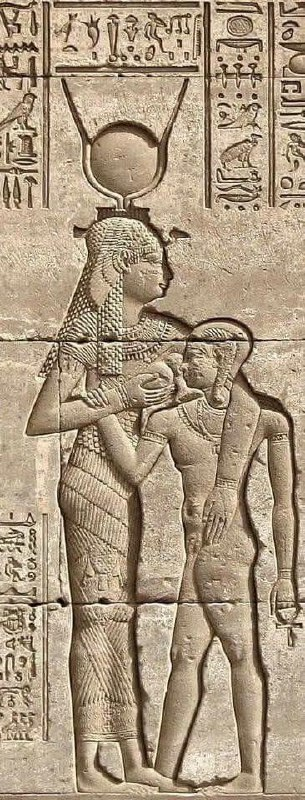
The image of an adult breastfeeding practiced by the ancient Egyptians caught my attention while I was browsing a photo website. It was taken at one of the ancient Egyptian temples (Dendera), and it reminded me of the vicious campaigns waged against Islam by the Kemet group and their supporters among atheists and secularists who hate Islam! These same people are willing to accept and even boast about the practice of adult breastfeeding among the ancient Egyptians, and secularists encourage them to use this culture to attack Islam! Yet, these same secularists make a fuss about a specific incident mentioned in a particular context, turning it into a subject of ridicule, and constantly repeating the phrase “adult breastfeeding”!
did islam allow breastfeeding an adult scholarly refutation of the salim hadith misconception 2
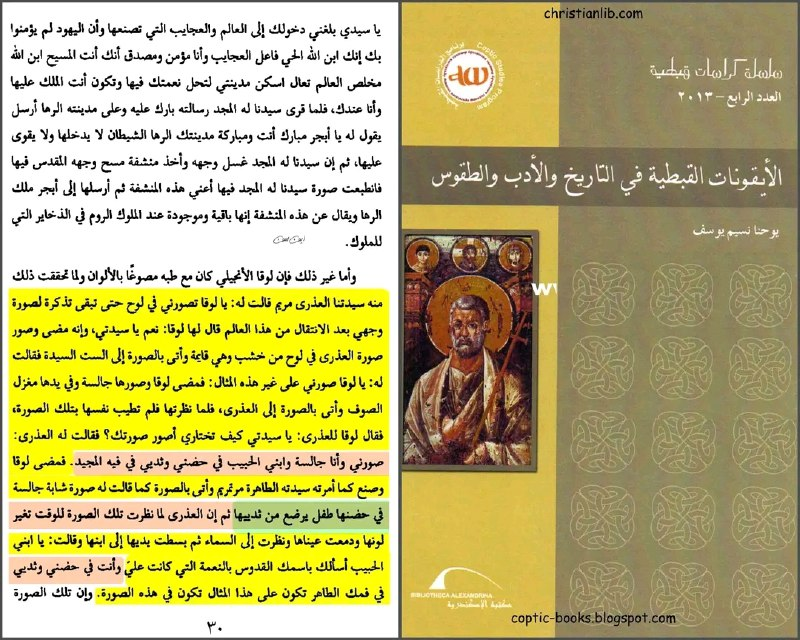
The Virgin said to him: “Picture me sitting with my beloved Son in my lap and my breast in his glorious mouth.” Luke went and did as his pure mistress Mary had commanded him and brought the picture as she had told him: a picture of a young woman sitting with a child suckling at her breasts in her lap.
did islam allow breastfeeding an adult scholarly refutation of the salim hadith misconception 3
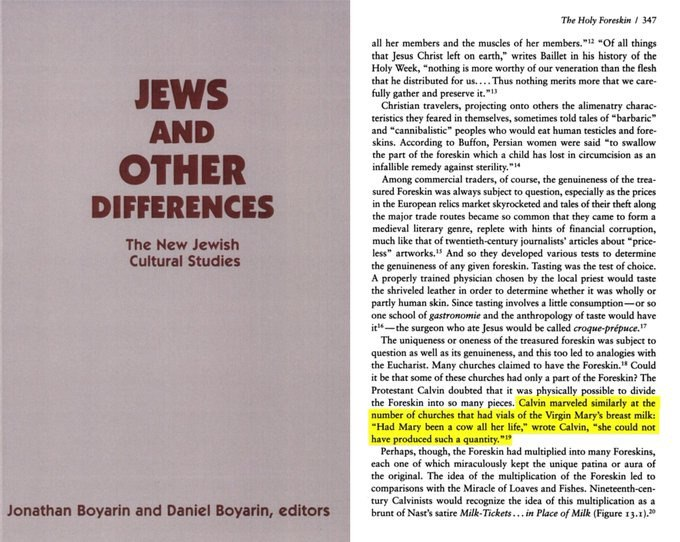
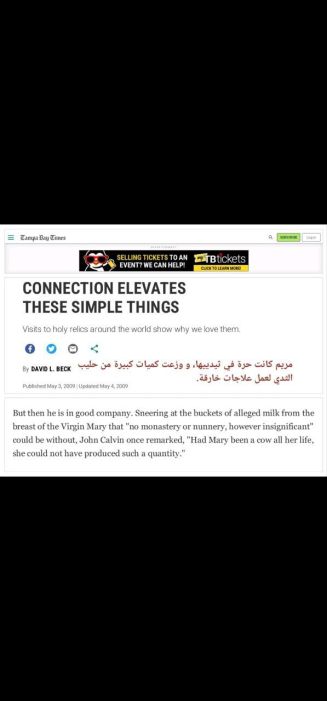
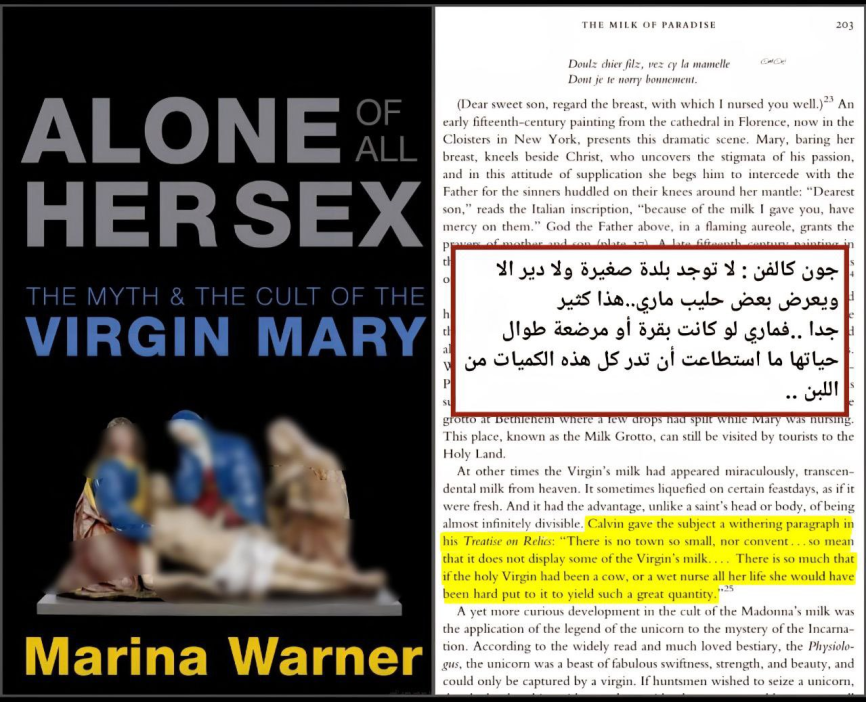
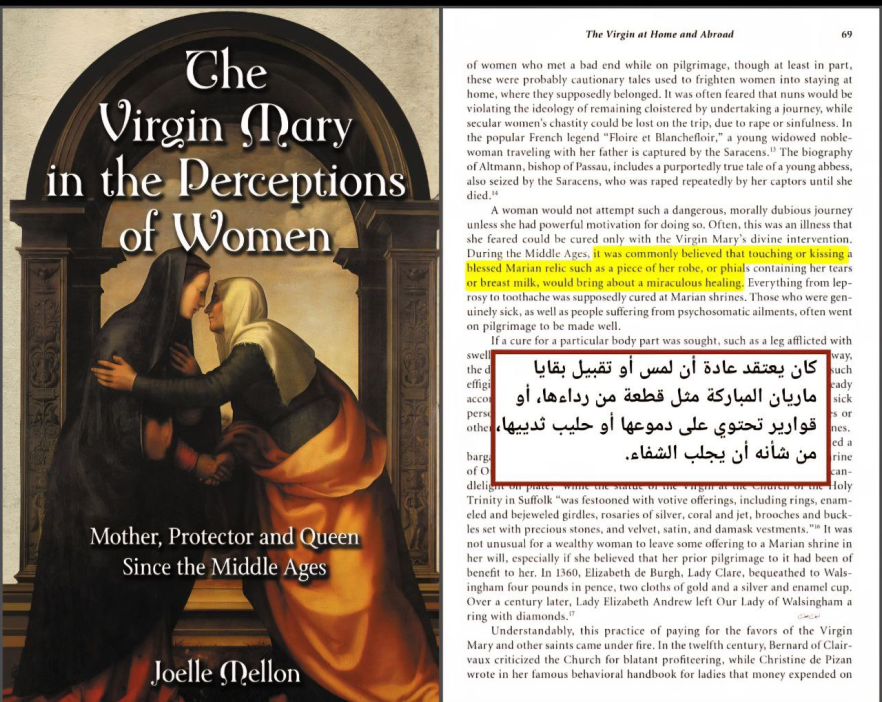
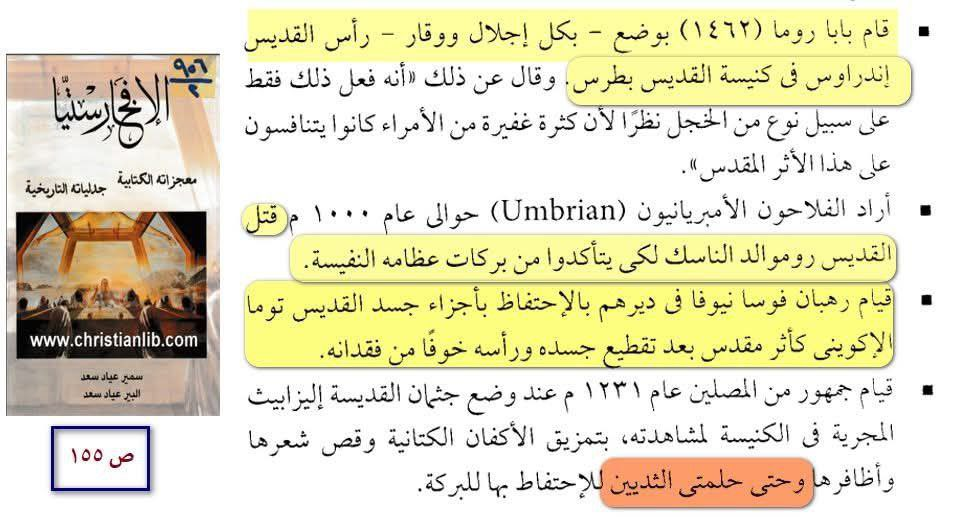
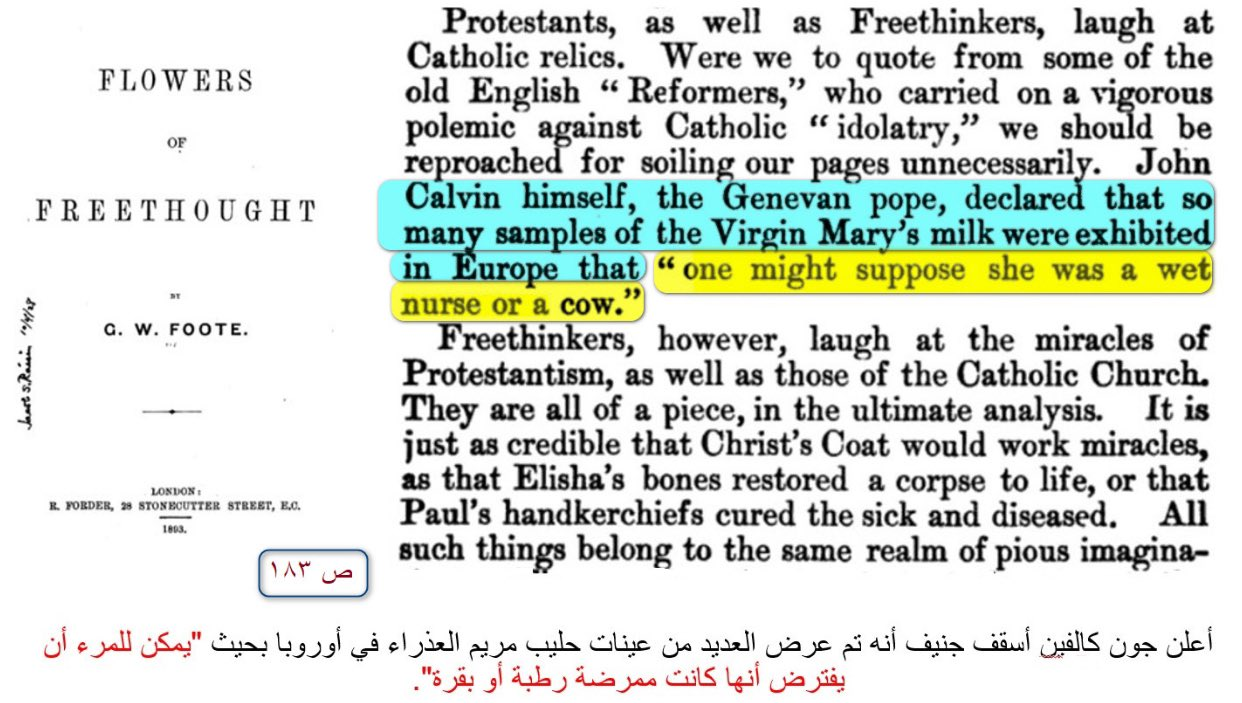
There is a Christian legend that says that Mary went out to a number of saints who prayed to her and she breastfed them directly. Here, the churches were filled with bottles of milk that were claimed to belong to Mary, the Mother of God! … John Calvin comments, saying, “If Mary had been a cow, she would not have produced all this milk!”
did islam allow breastfeeding an adult scholarly refutation of the salim hadith misconception 4did islam allow breastfeeding an adult scholarly refutation of the salim hadith misconception 5did islam allow breastfeeding an adult scholarly refutation of the salim hadith misconception 6did islam allow breastfeeding an adult scholarly refutation of the salim hadith misconception 7did islam allow breastfeeding an adult scholarly refutation of the salim hadith misconception 8
Saint Bernard claimed the Virgin Mary breastfed him through her icon. Priests then competed, saying their icons produced milk too. Calvin mocked it, saying only a cow could produce that much milk.
did islam allow breastfeeding an adult scholarly refutation of the salim hadith misconception 9did islam allow breastfeeding an adult scholarly refutation of the salim hadith misconception 10