Meaning of Word Khatam
.
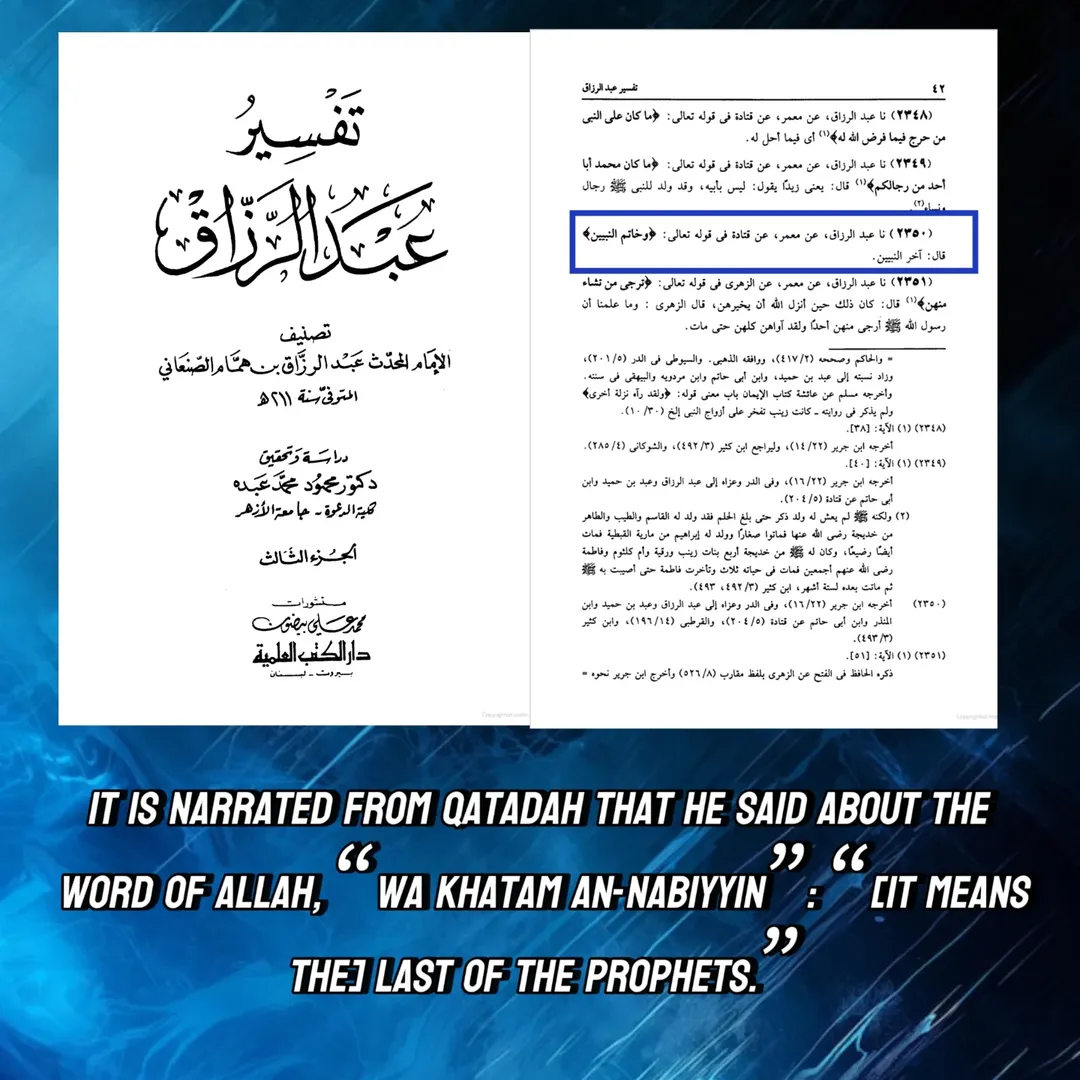
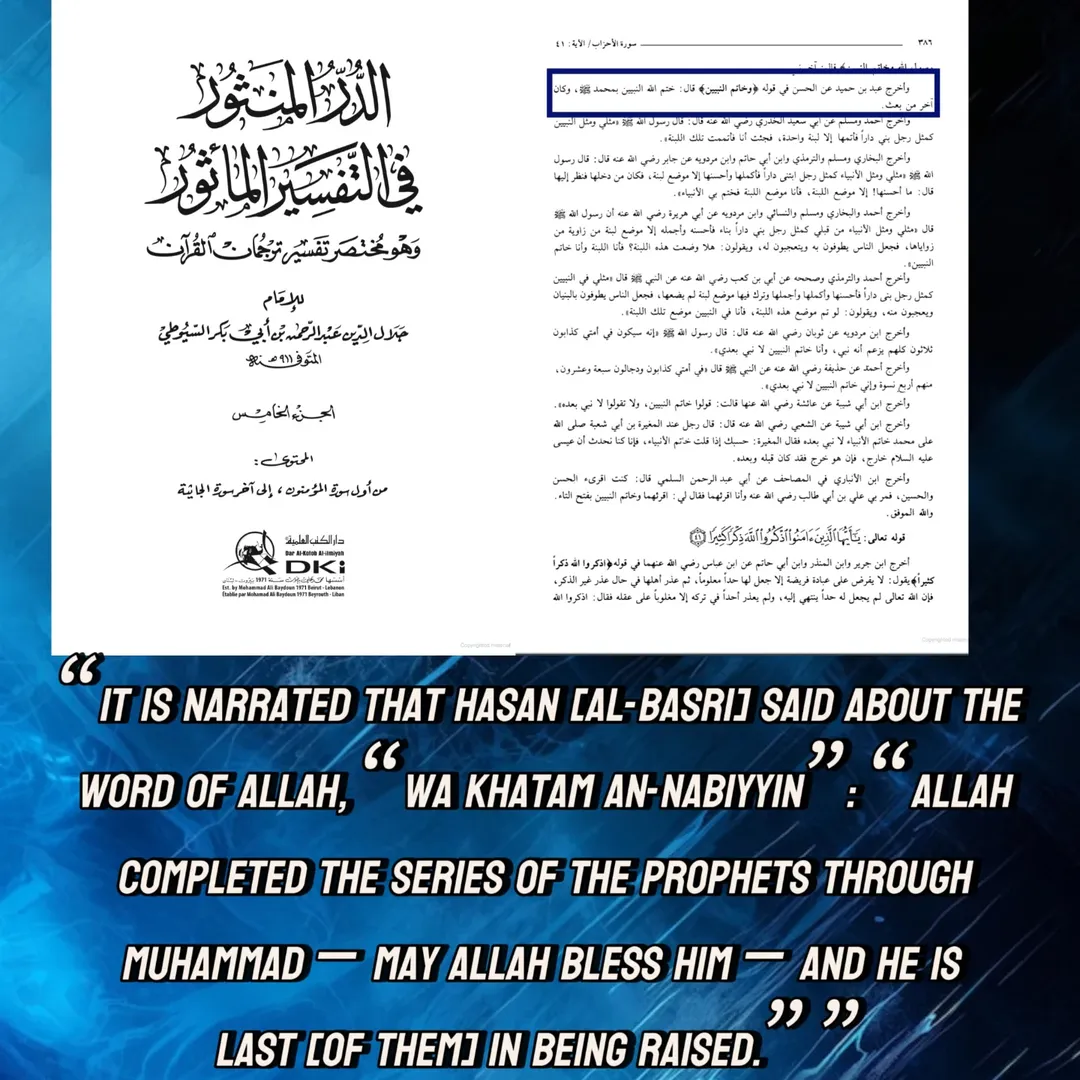
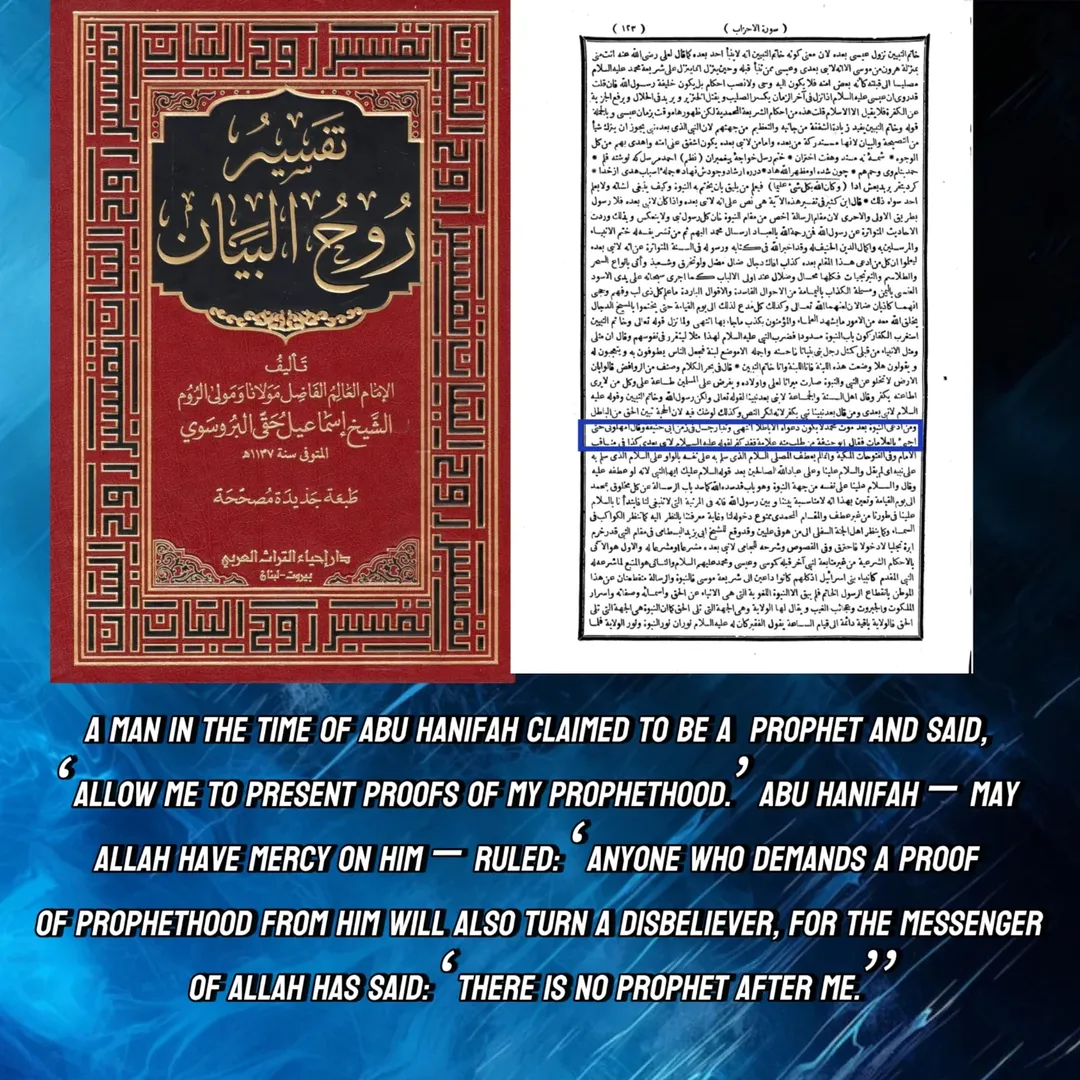
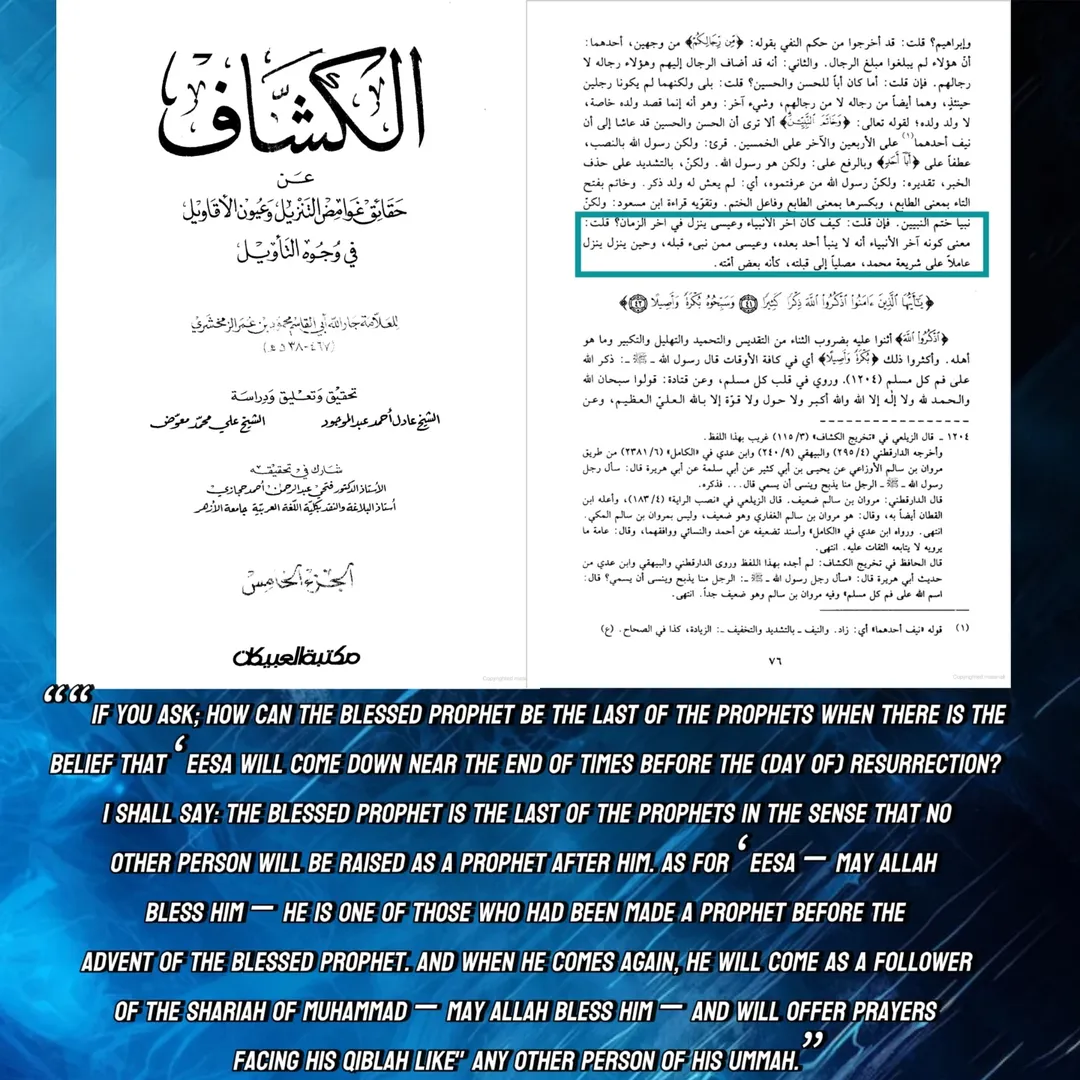
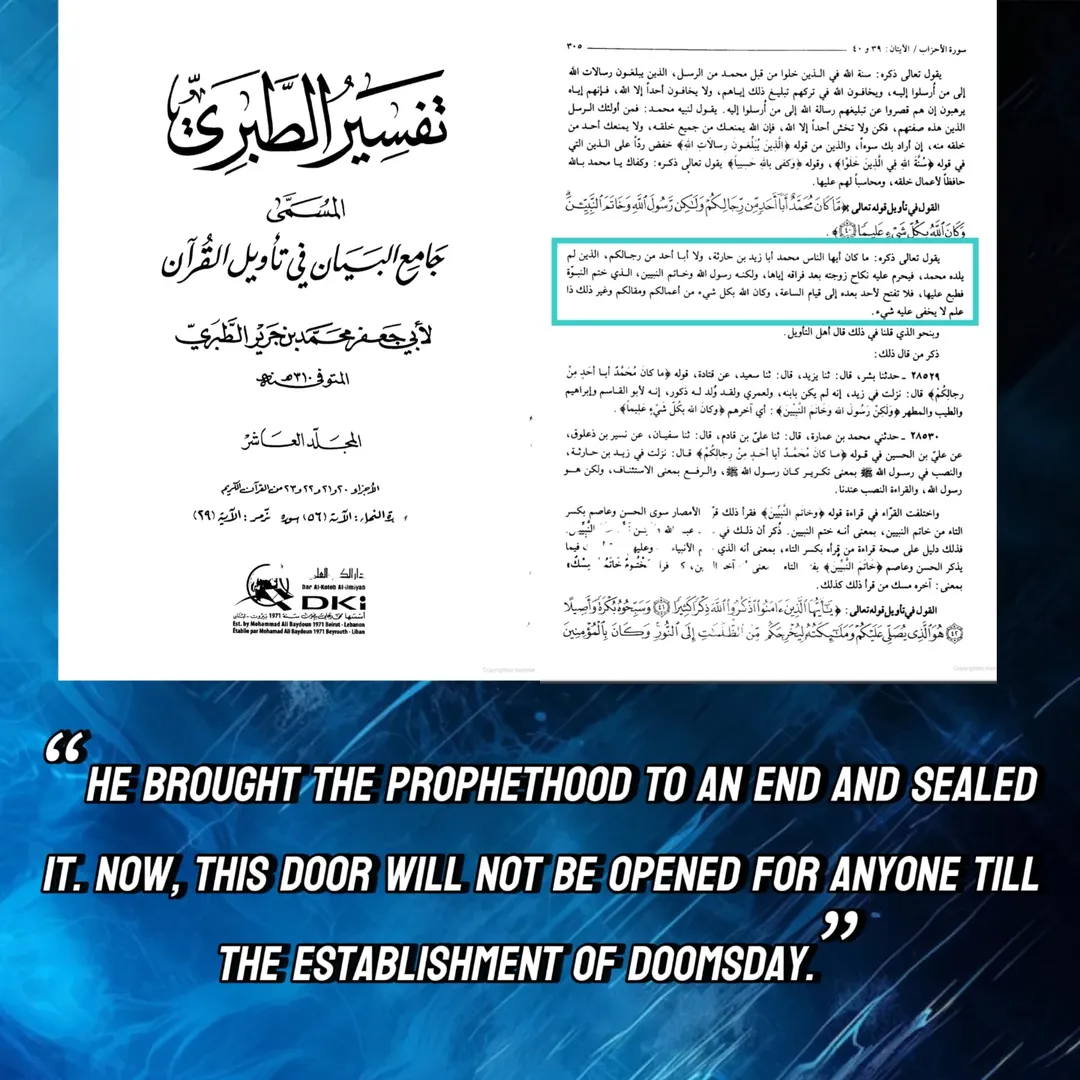
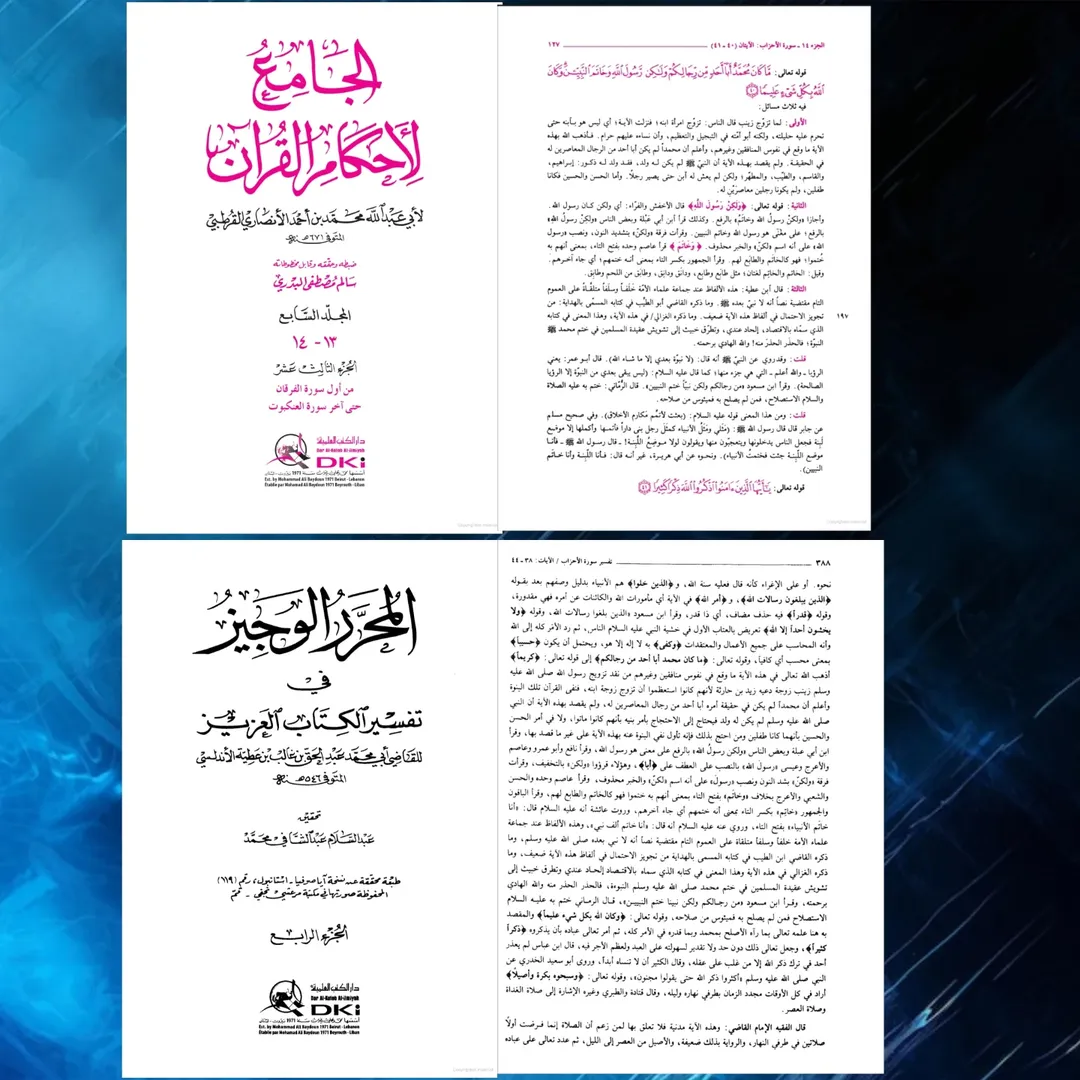
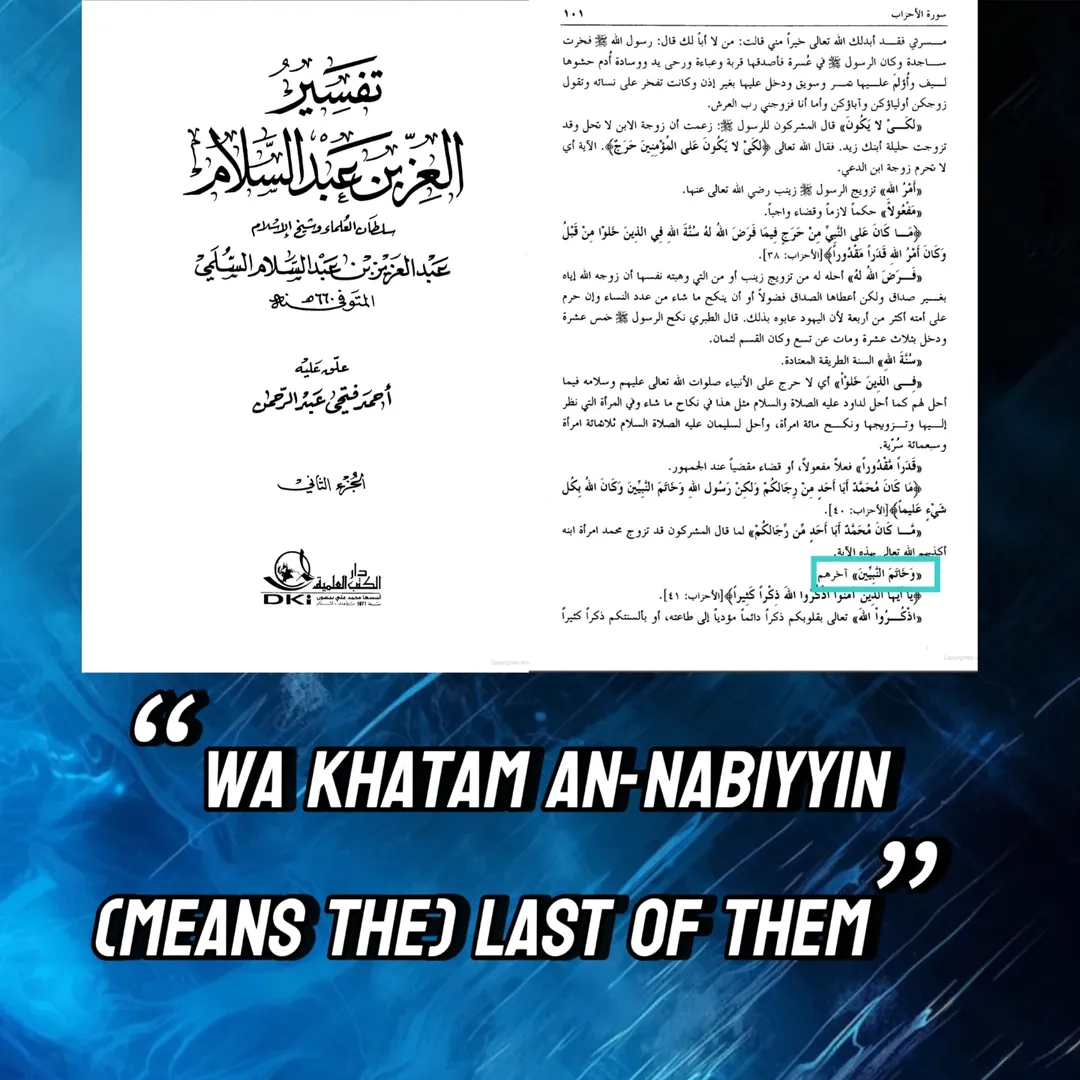
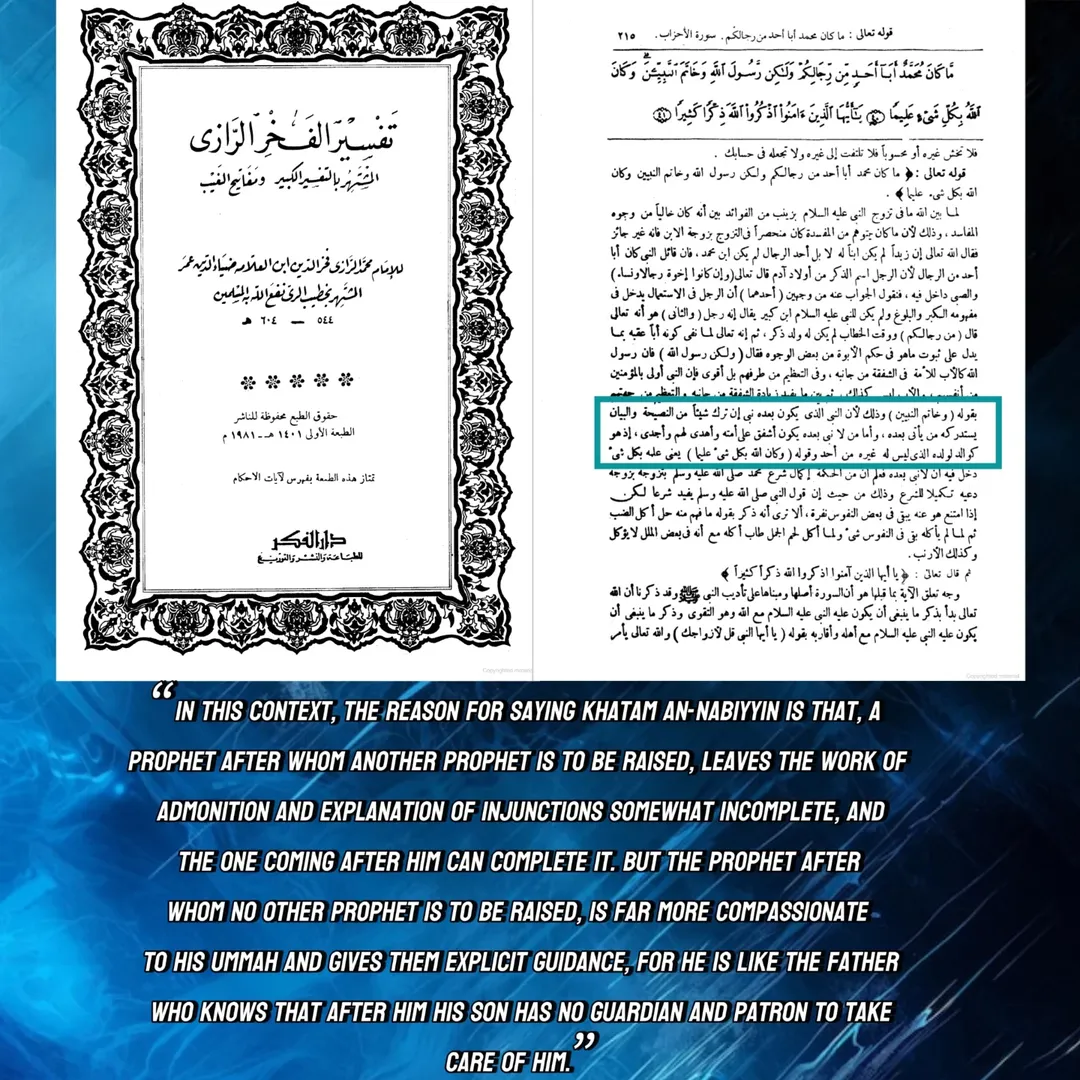
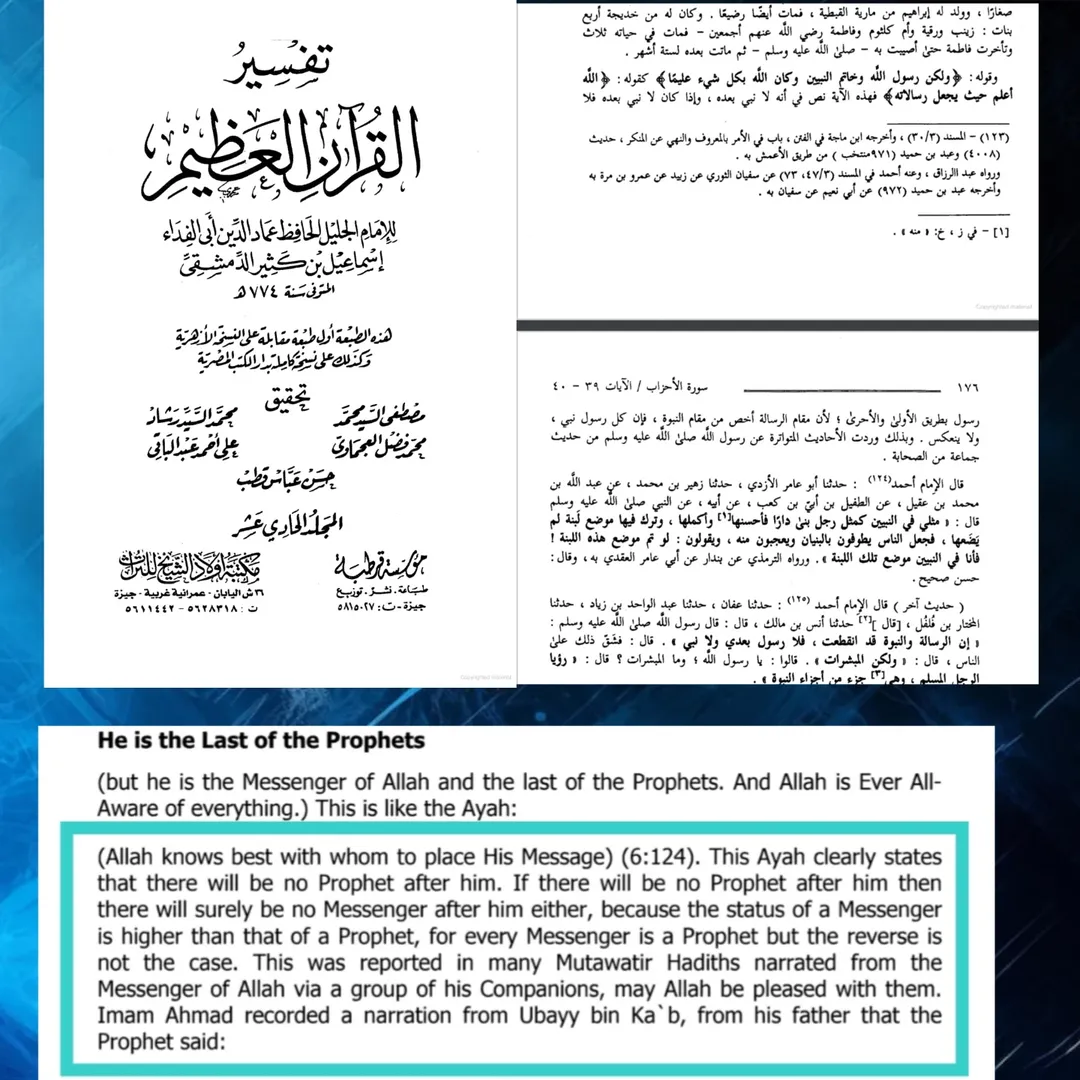
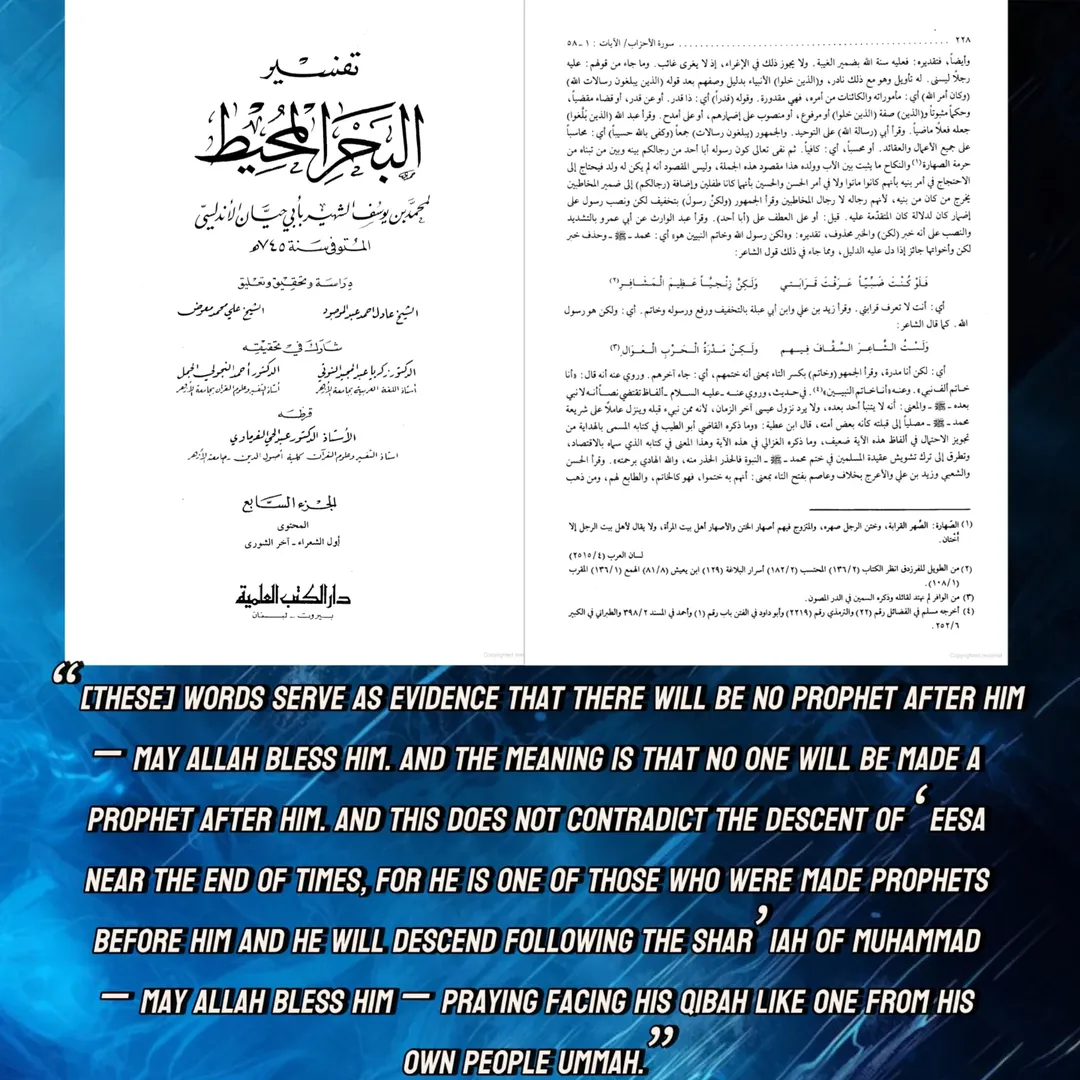
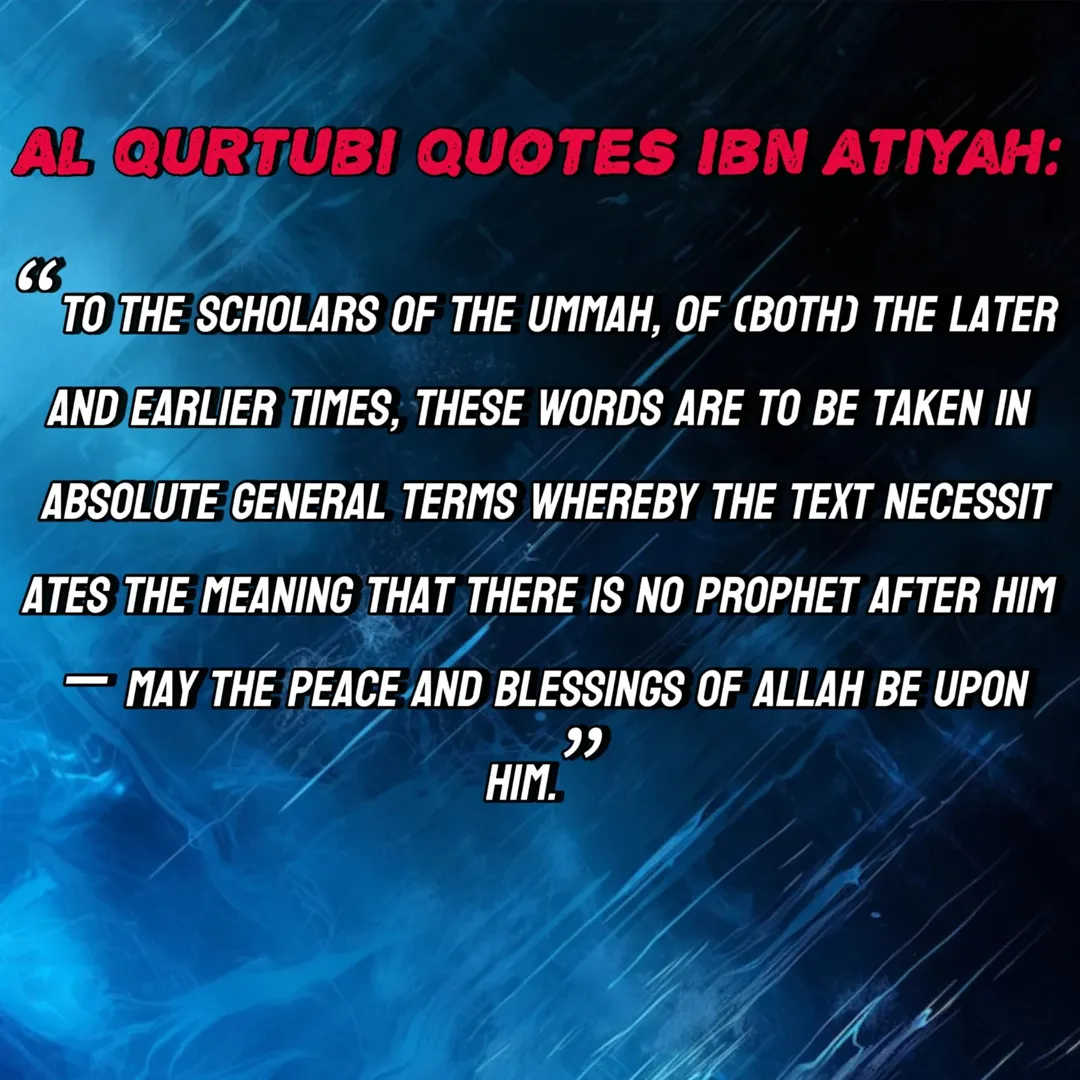
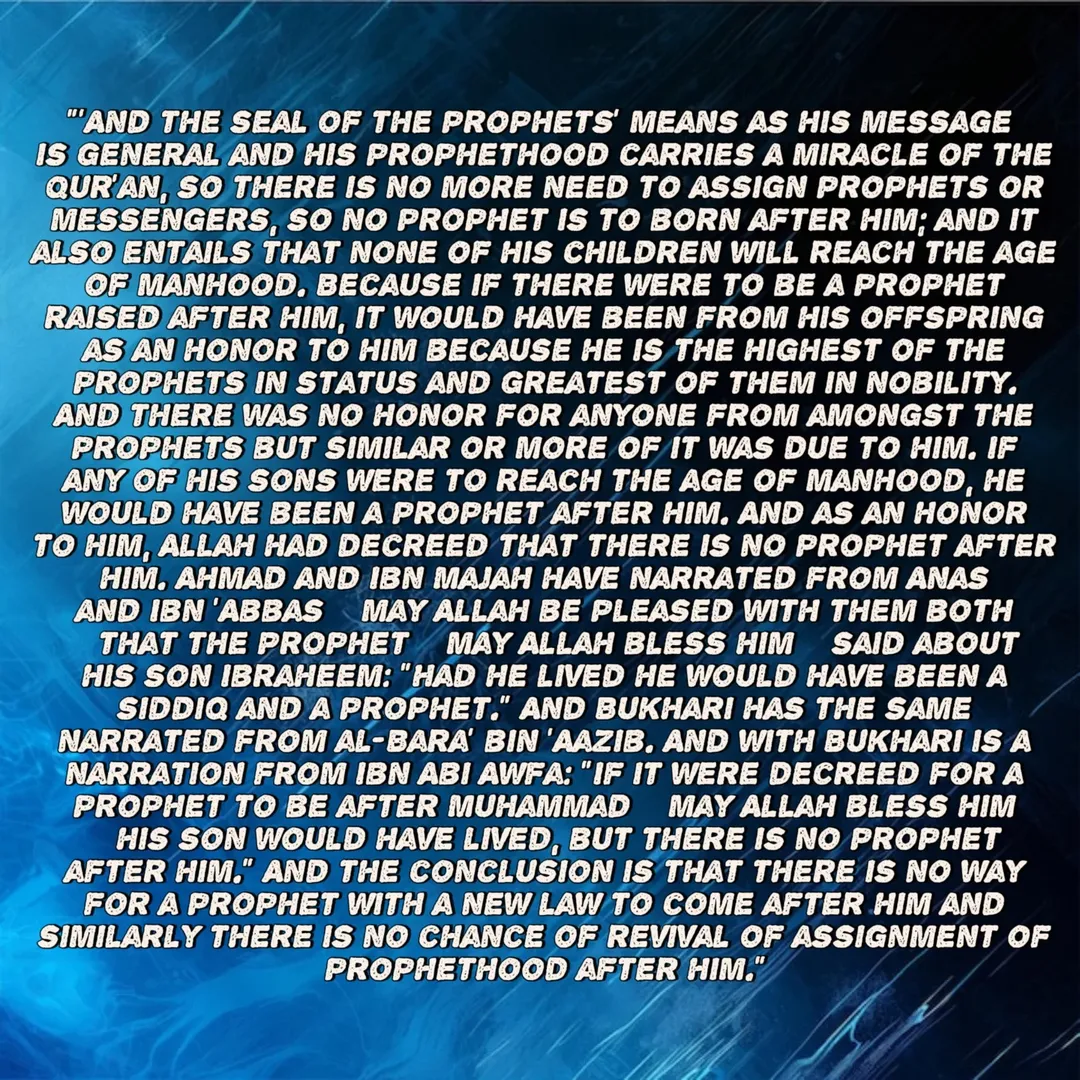
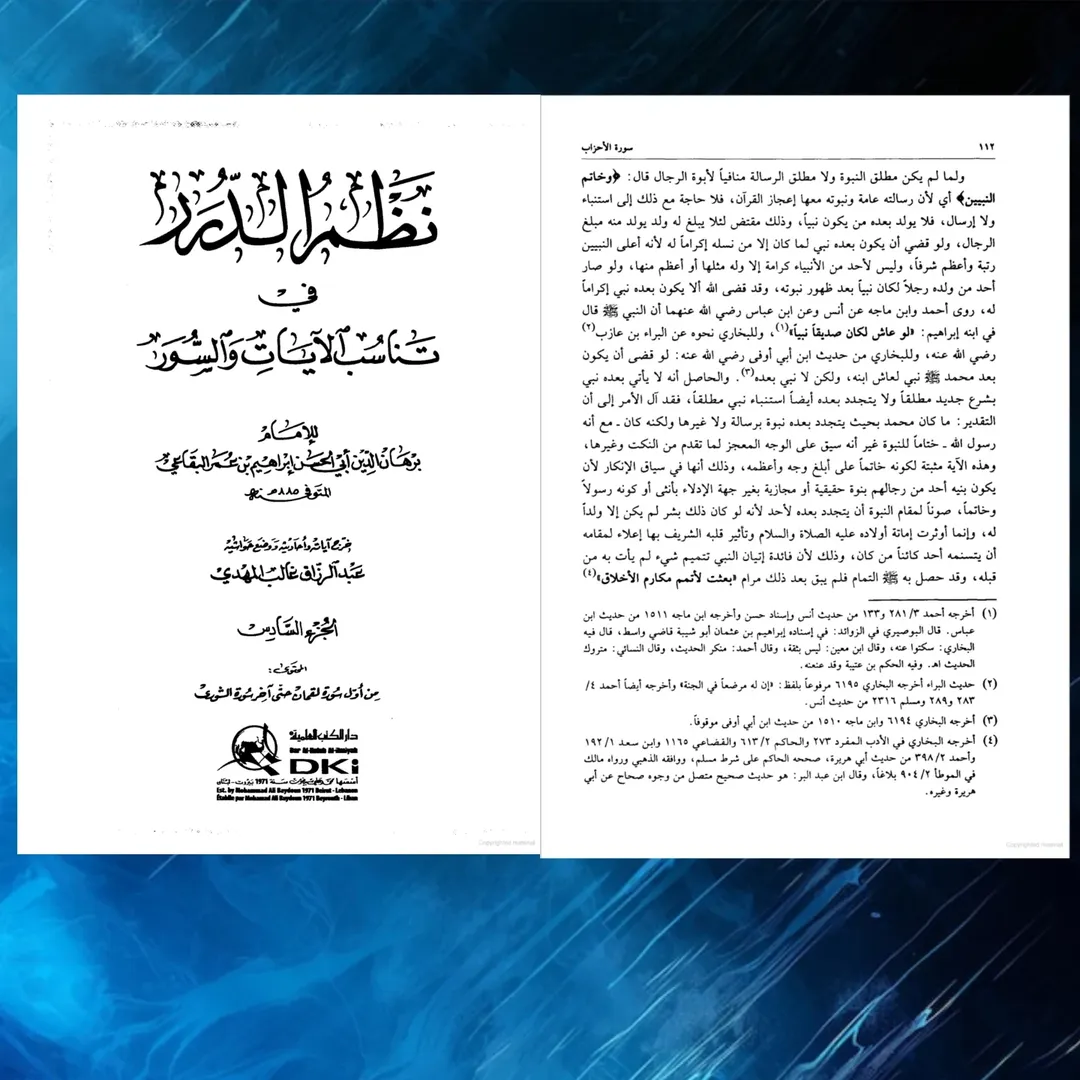
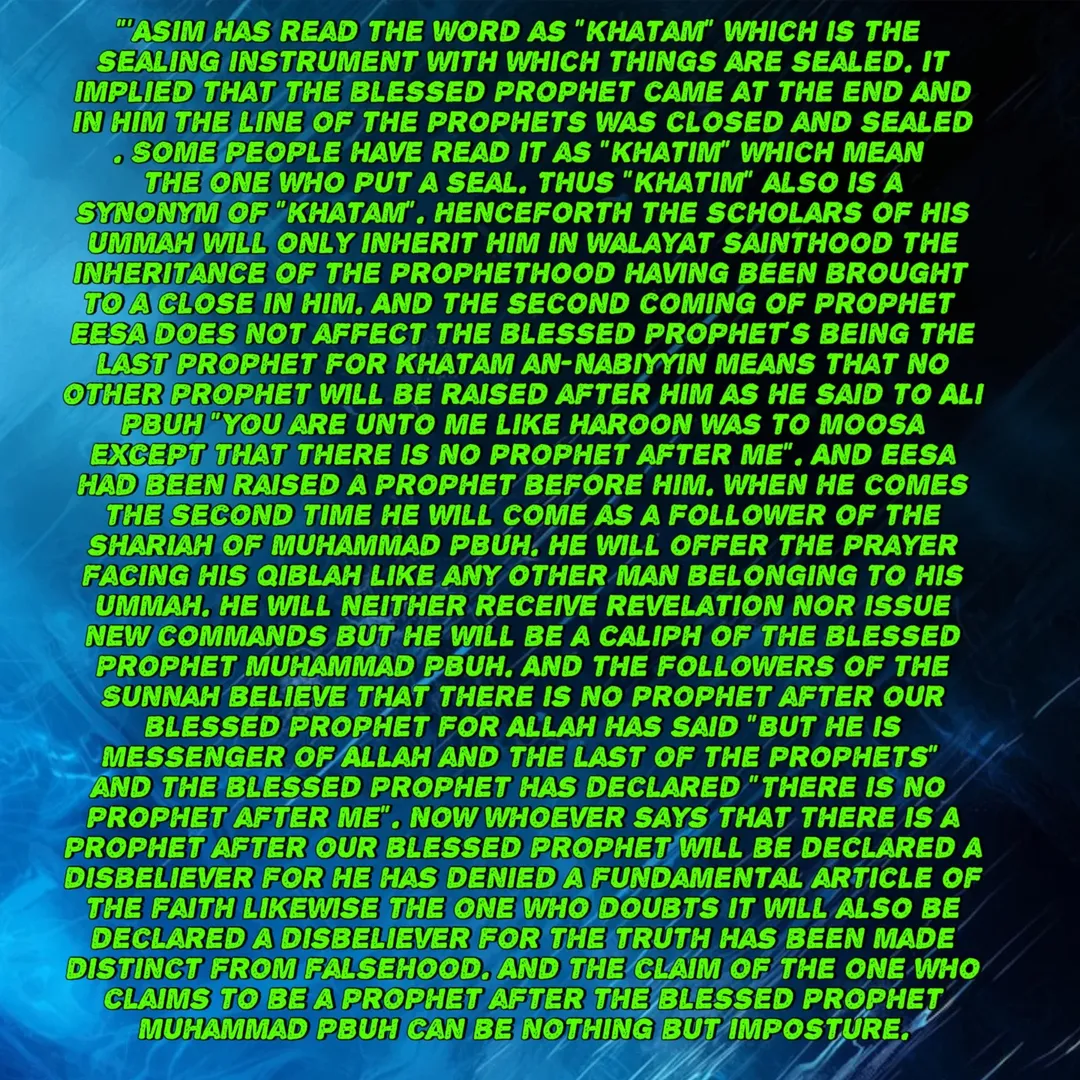
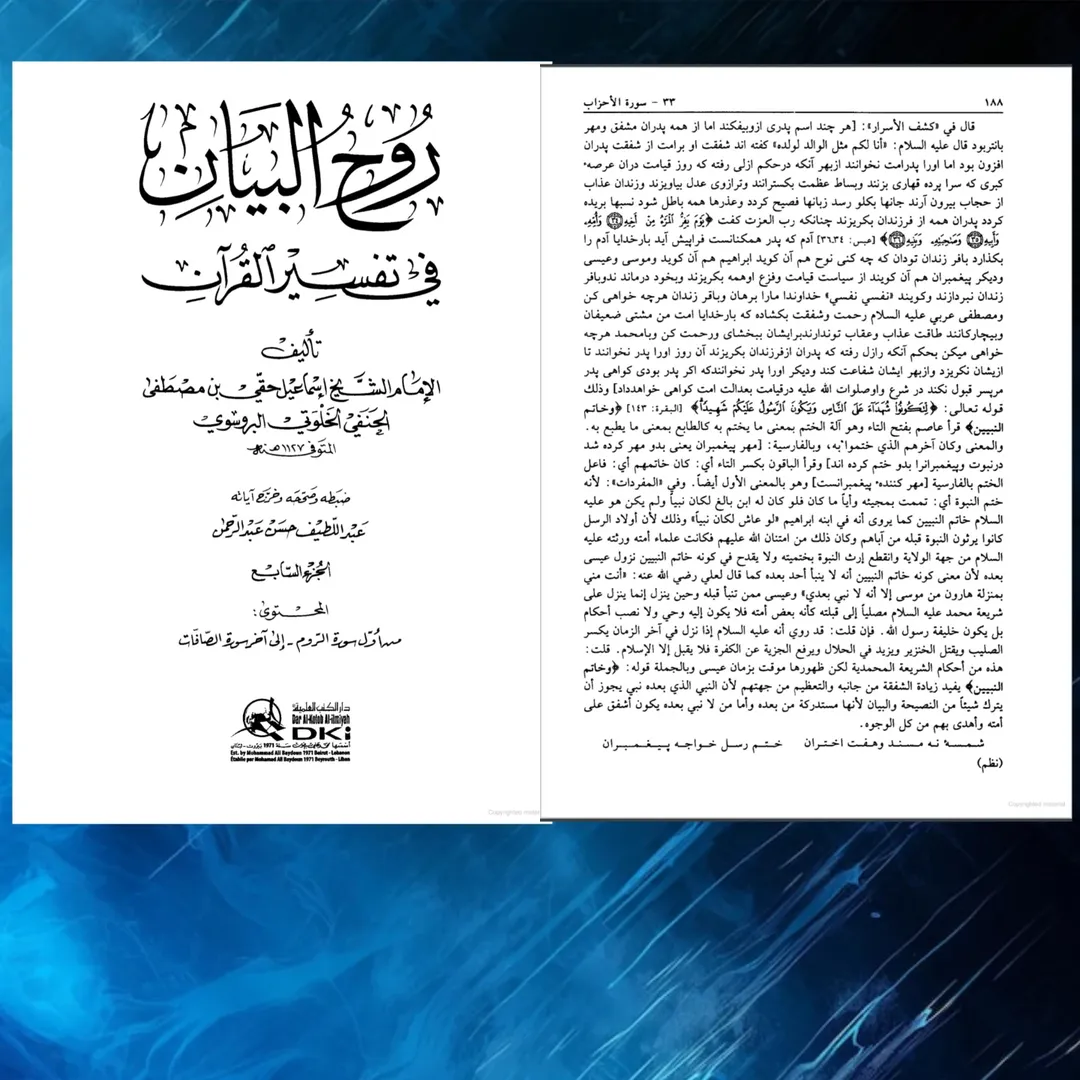
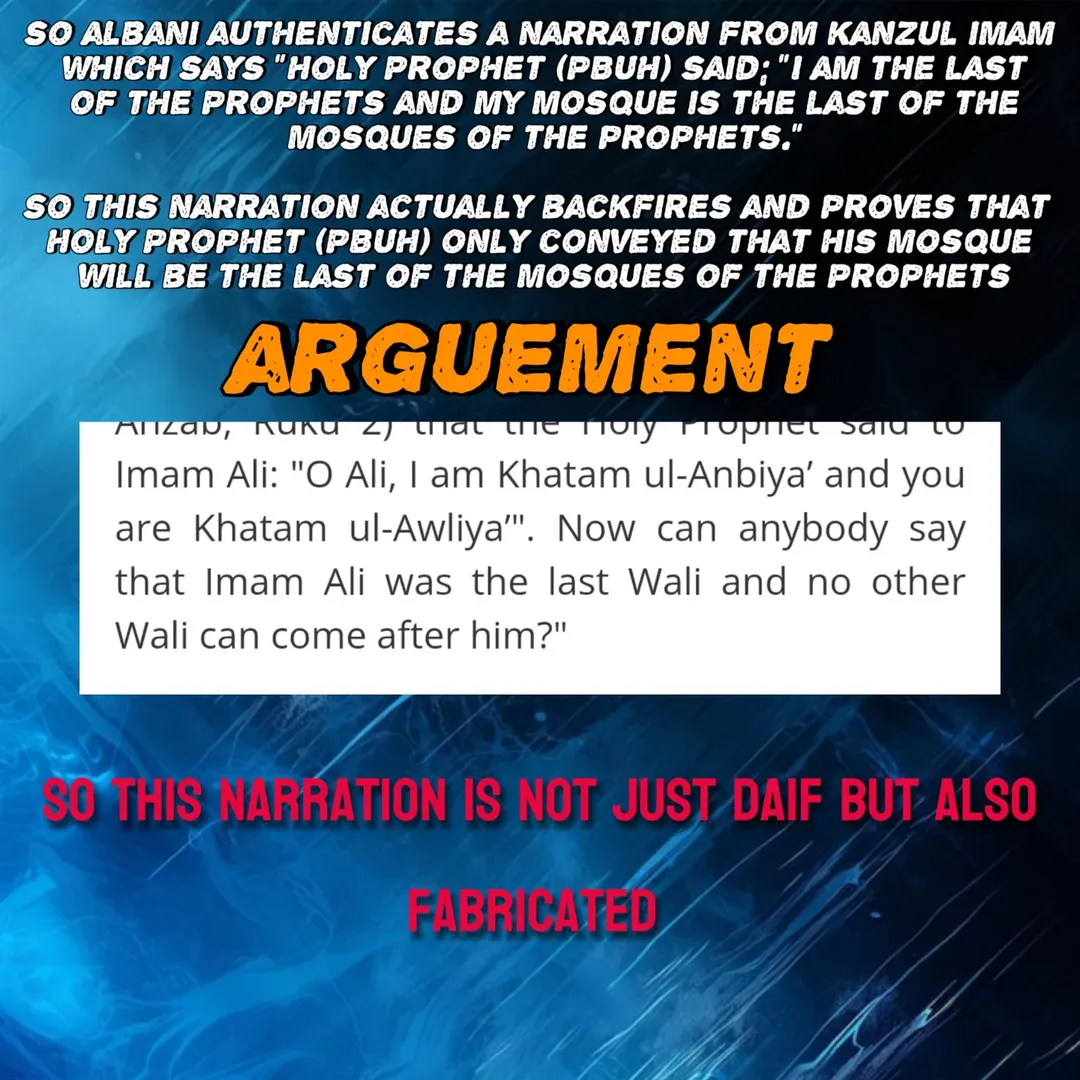
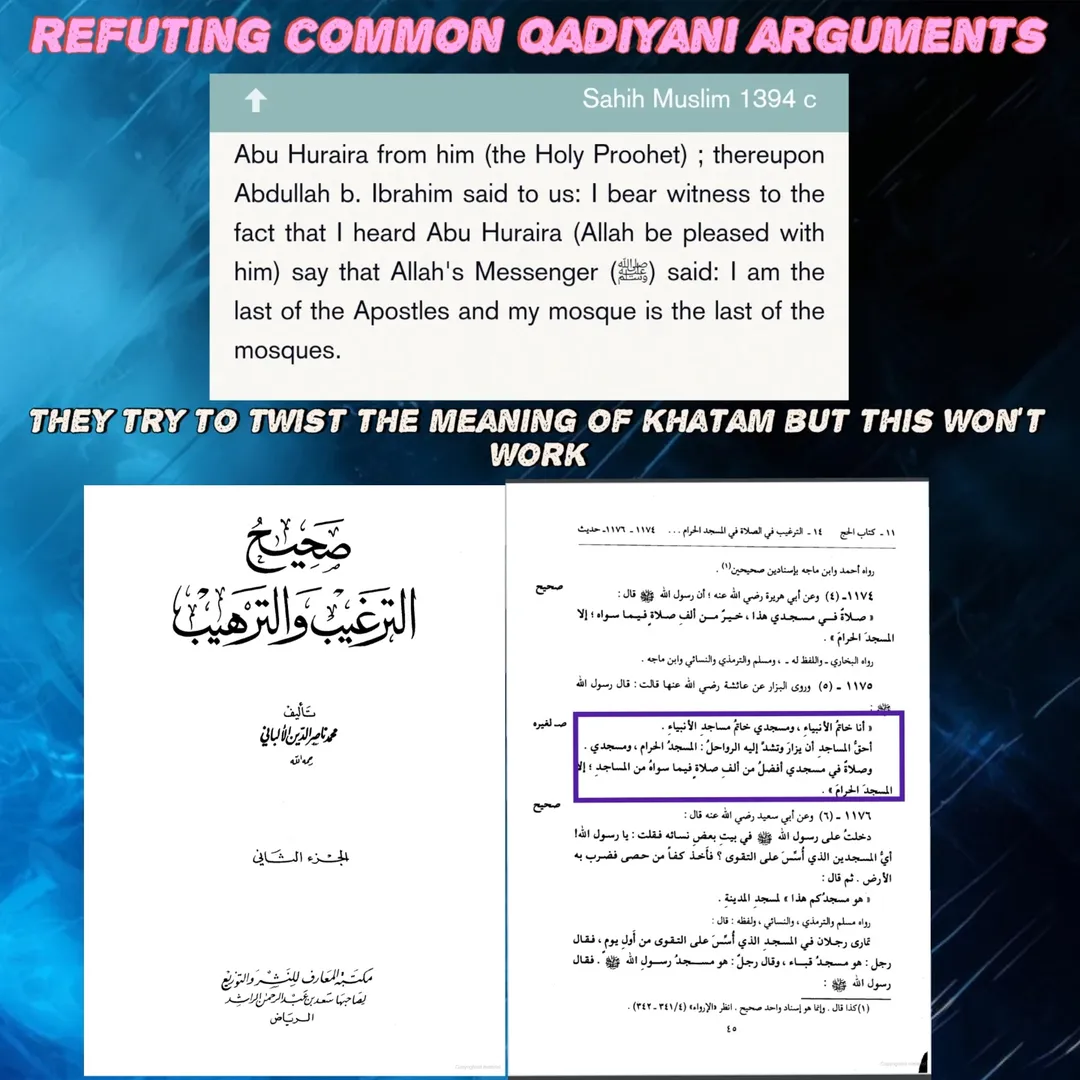
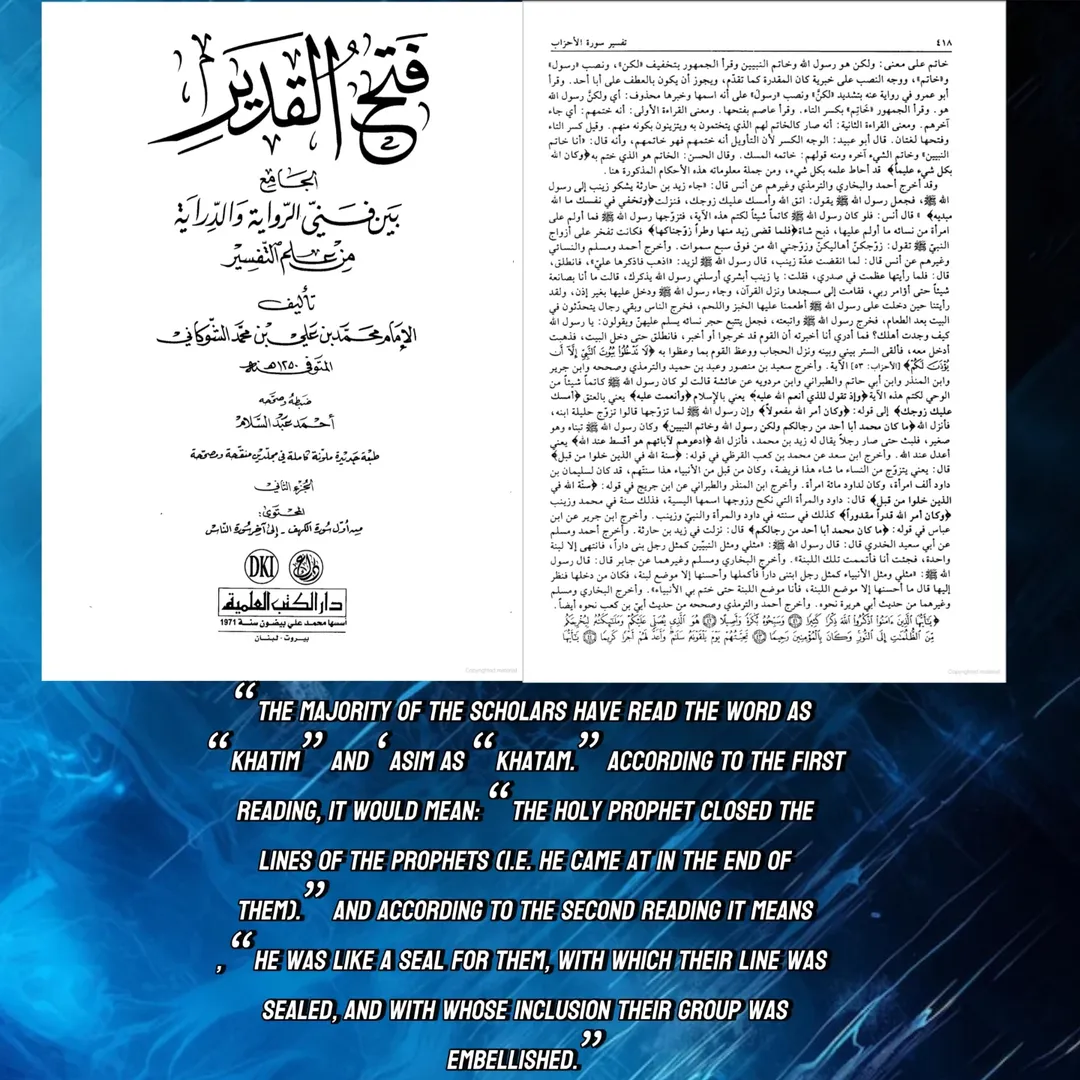
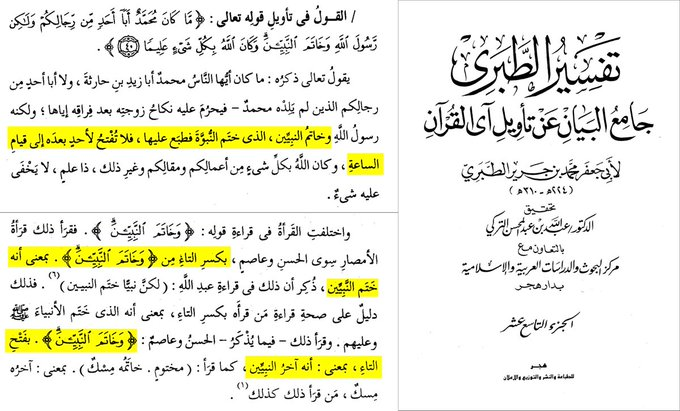
At-Tabari explaining the meaning of Khatim/Khatam An-Nabiyyin :
-
Khatim An-Nabiyyin, who sealeAt-Tabari explaining the meaning of Khatim/Khatam An-Nabiyyin :
-
Khatim An-Nabiyyin, who sealed the prophethood, so it will not be opened to anyone after him until the coming of the Hour.
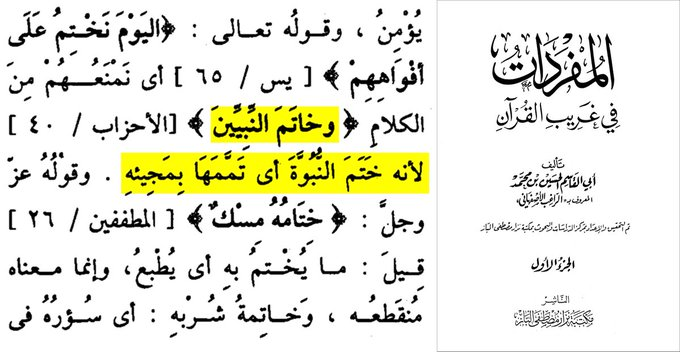
Ar-Raghib Al-Asfahani explaining the meaning of Khatam An-Nabiyyin :
Muhammad ﷺ is Khatam An-Nabiyyin because he sealed the prophethood, meaning that he completed it with his advent.
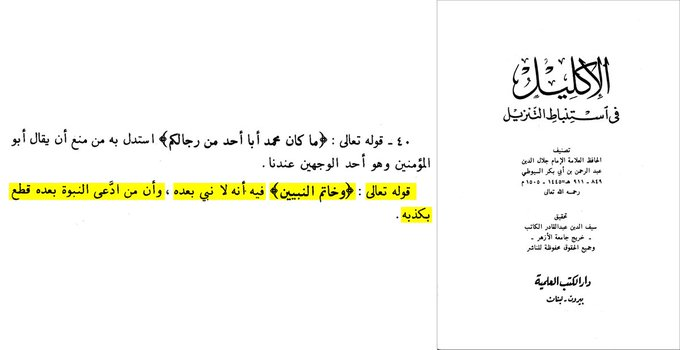
As-Suyuti explaining the meaning of Khatam An-Nabiyyin :
It means that there is no prophet after Muhammad ﷺ, and that whoever claims prophethood after him is definitely a liar.
Ibn Kathir said :
Allah ﷻ said in his book, and His Messenger ﷺ in the mass-transmitted Sunnah that there is no prophet after him, so that people know that whoever claims prophethood after him is a liar, dajjal, misguided, misleader.
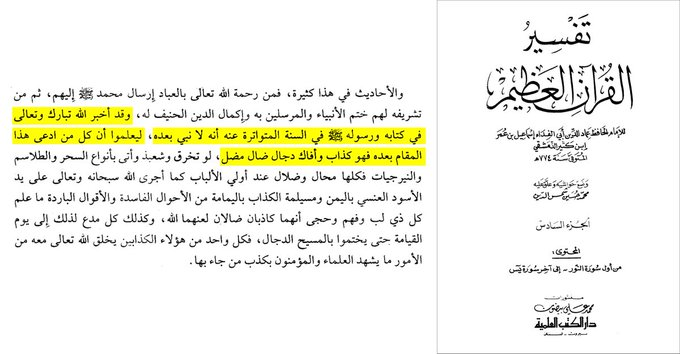
As usual Qadianis make up linguistic rules to justify their corrupted beliefs.
In Arabic ختم (to seal) and طبع (to stamp) are synonymous, both mean to close something so that nothing can enter it.
Both are used interchangeably in the Quran, even in the Qadiani translation.
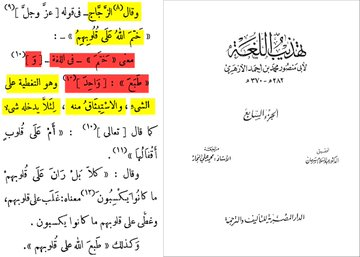
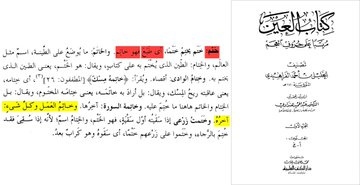
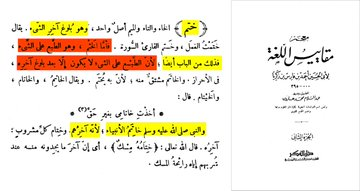
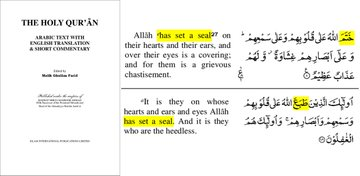
Both (Khatam) as اسم آلة and (Khatim) as اسم فاعل mean “last” when added to a plural.
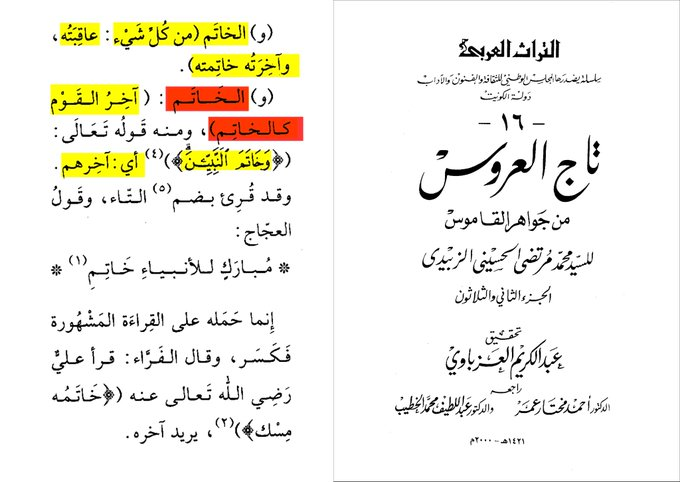
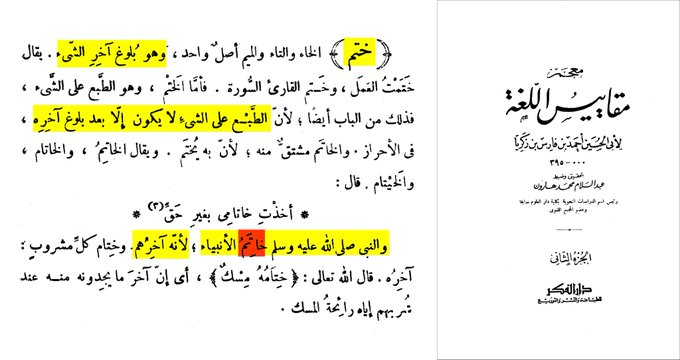
description of Al-Mutanabbi as خاتم الشعراء the “Khatam” of poets and other similar examples to claim that “Khatam” in this context and similarly in Ayah 33:40 means “best” not “last/final”.
They argue that it’s rationally impossible for Al-Mutanabbi to be the last/final poet when we have poets up to this day, so the word “Khatam” must mean something else.
The usage of rationally impossible descriptions is well known in Arabic rhetoric “بلاغة” as a type of exaggeration called “غلو”, for example Abu Nuwas praised Harun Ar-Rashid by saying that he scared the people of shrik to the extent that the sperm-drops fear him.
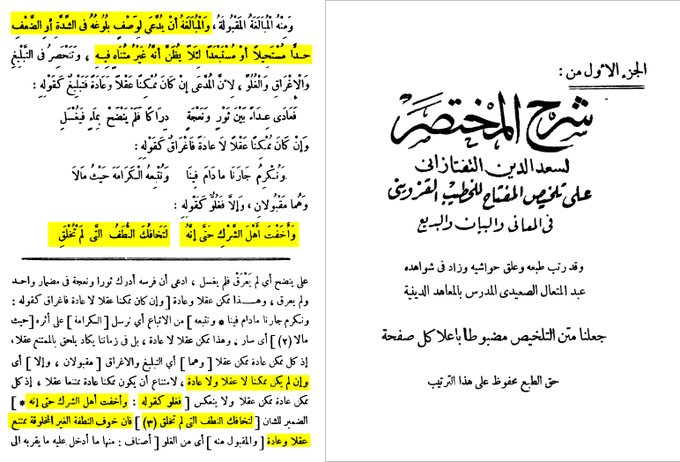
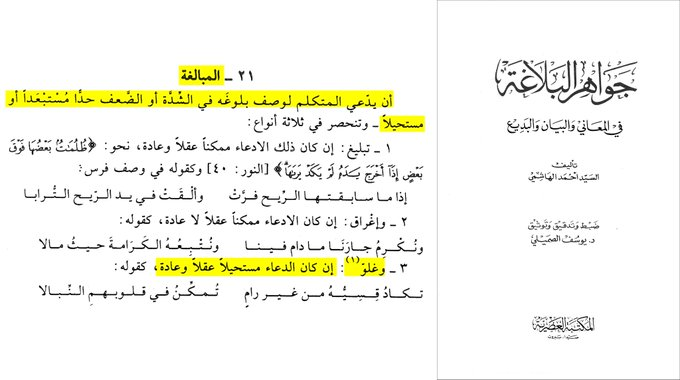
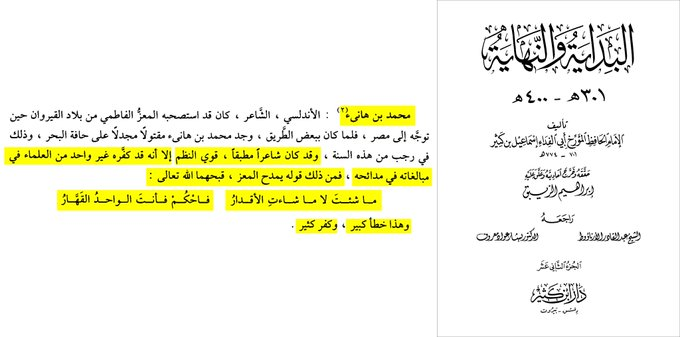
Some poets took it so far that scholars considered their exaggeration to be Kufr, like Ibn Hani’ who praised Al-Mu’iz by saying that his will is superior to the divine decree (Qadar) and by calling him الواحد القهار (the One, the Subduer) which are names of Allah ﷻ.
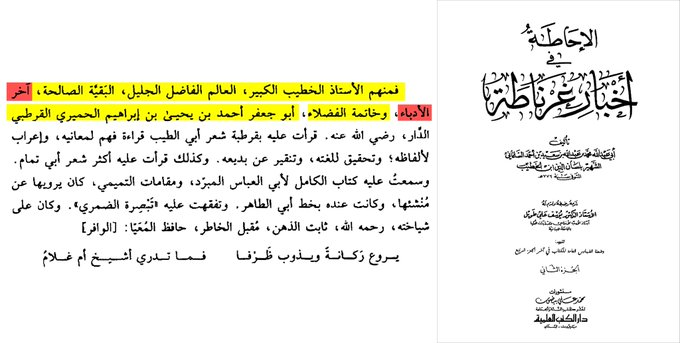
Coming back to the usage of(Khatam) as a type of exaggeration, the wordآخر which literally means last is also used in the exact same way, for example Ahmad Ibn Yahia (died 610 AH) was described asآخر الأدباء(the last of literary figures) and that didn’t change the meaning of آخر.
So when Qadianis cite these examples as evidence that (Khatam) in Ayah 33:40 doesn’t mean last, in reality their argument is that Allah ﷻ described Muhammad ﷺ as the last of prophets but he was just exaggerating سُبْحانَهُ وَتَعالى عَمَّا يَقُولُونَ عُلُوًّا كَبِيراً.
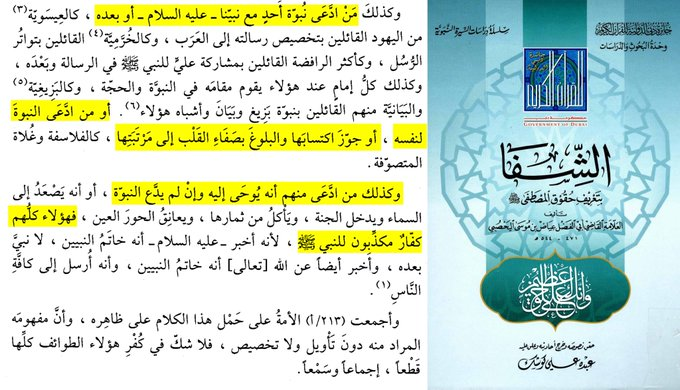
Al-Qadi ‘Iyad said Whoever did any of these after the prophethood of Muhammad ﷺ, IS a KAFIR:
-Claimed the prophethood of someone.
-Claimed prophethood for himself or considered gaining prophethood a possibility.
-Claimed receiving revelation even without claiming prophethood.
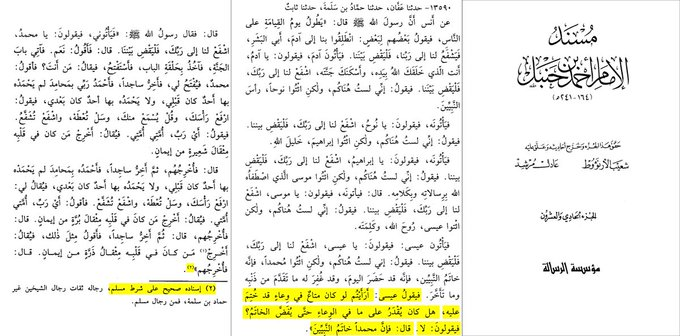
Isaﷺ explaining (Khatamun-Nabiyyin):
-
Isaﷺ : Have you considered if there were belongings in a container that was sealed? Would the contents of the container be accessible, unless the seal is broken?
-
People : No.
-
Isaﷺ : Indeed, Muhammadﷺ is the seal of the prophets.