The Objection’s Hidden Assumption Critics of the Moon Splitting miracle demand physical or scientific corroboration as a precondition for accepting it. This premise must be rejected before any evidence is even examined.
The objection rests on a flawed philosophical assumption: that for a miracle to be real, it must leave measurable, scientifically verifiable consequences. But by definition, a miracle is an event that operates outside the ordinary laws of nature. Demanding that it conform to scientific frameworks is self-defeating — it is precisely because miracles transcend natural explanations that they are called miracles. Setting that standard as a prerequisite rules out the very category of event in question before any investigation begins.
Having cleared that up, the evidence for the splitting of the moon is examined below — from both Islamic and non-Muslim sources.
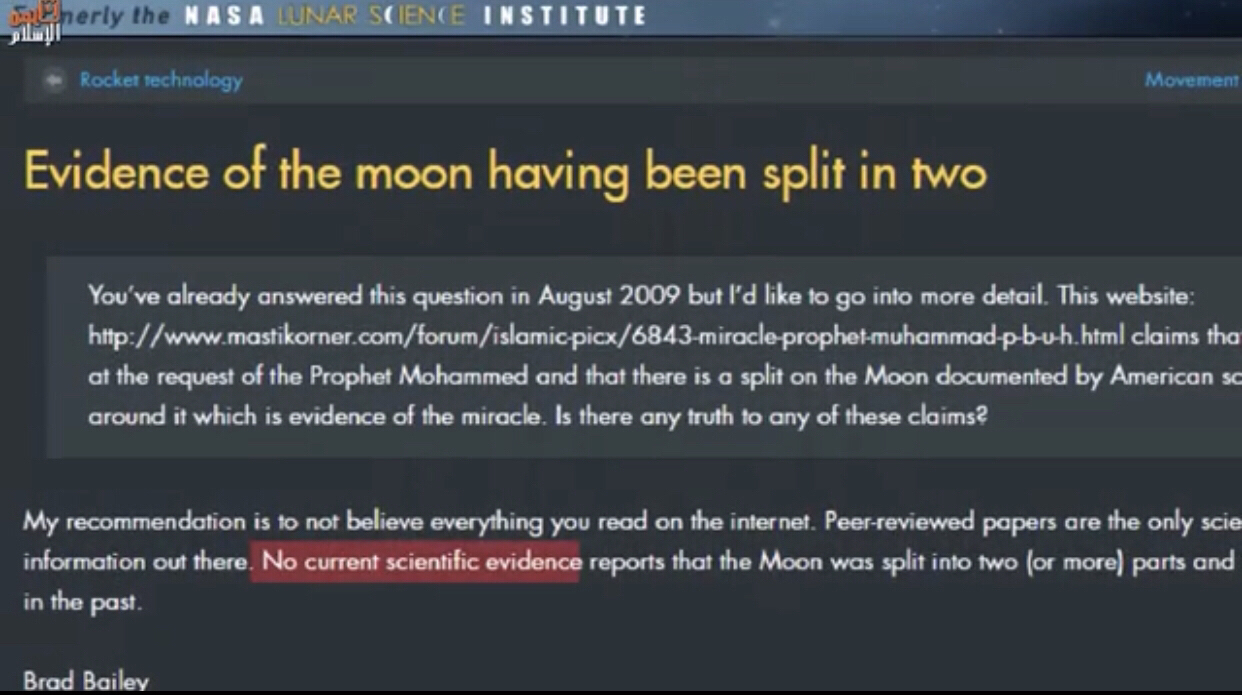
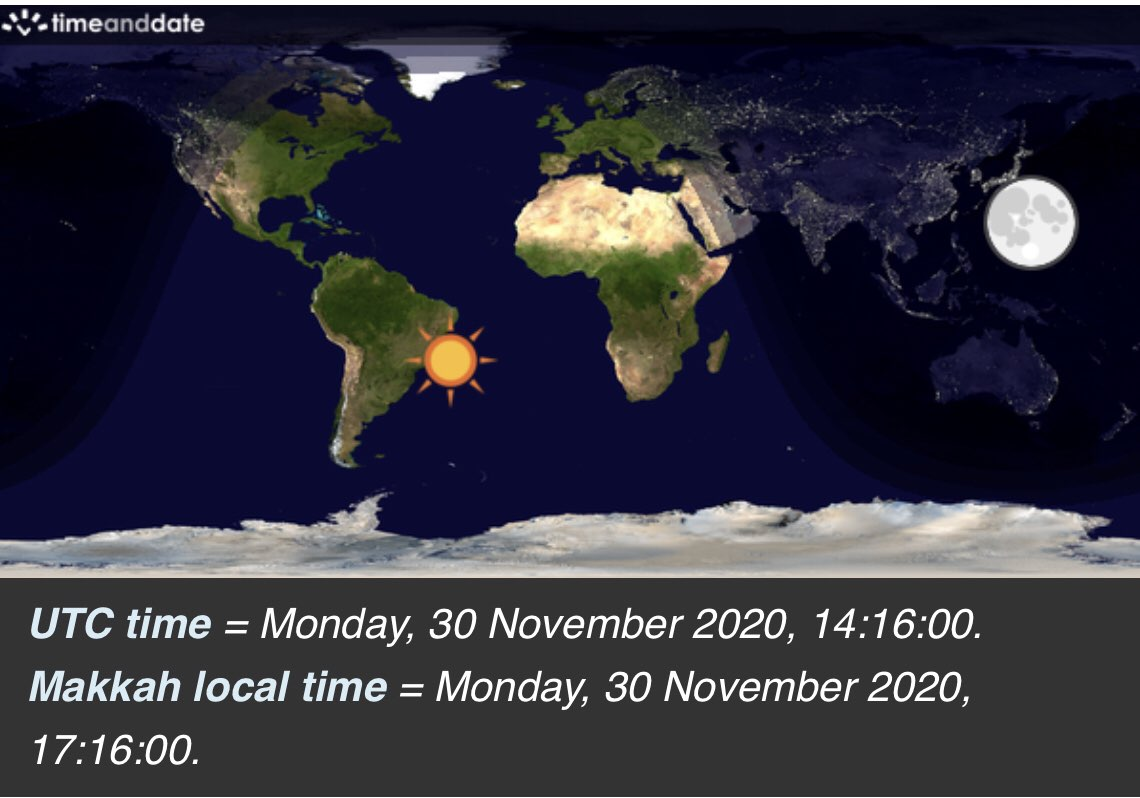
Refuting the NASA Argument
The Objection “NASA said the moon never split.” Critics cite NASA’s statement as a definitive scientific refutation of the miracle.
132d1 a4d0f02edb755776
The Critical Distinction: “Current” Evidence NASA’s statement uses the word “current” — meaning they have not currently found evidence. This is fundamentally different from saying the event never occurred. An absence of current evidence is not evidence of absence. Scientific findings are limited by the tools, data, and investigative scope available at any given time. A discovery not yet made cannot be used to rule out the event it has not yet examined.
The logical structure of the objection collapses the moment this distinction is recognized. “We haven’t found evidence yet” is a statement about the limits of current knowledge — not a proven refutation of a historical event.
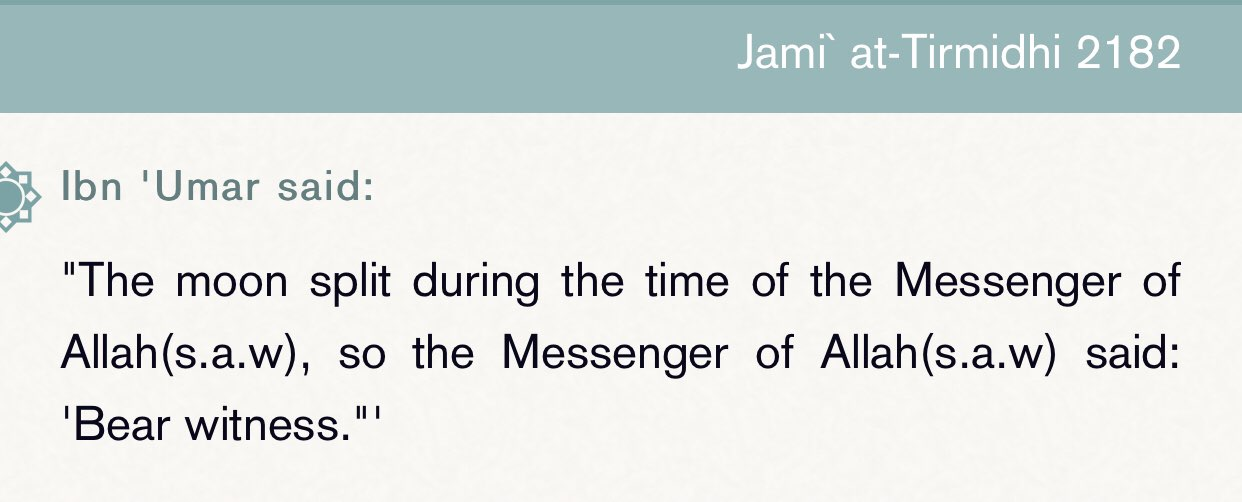
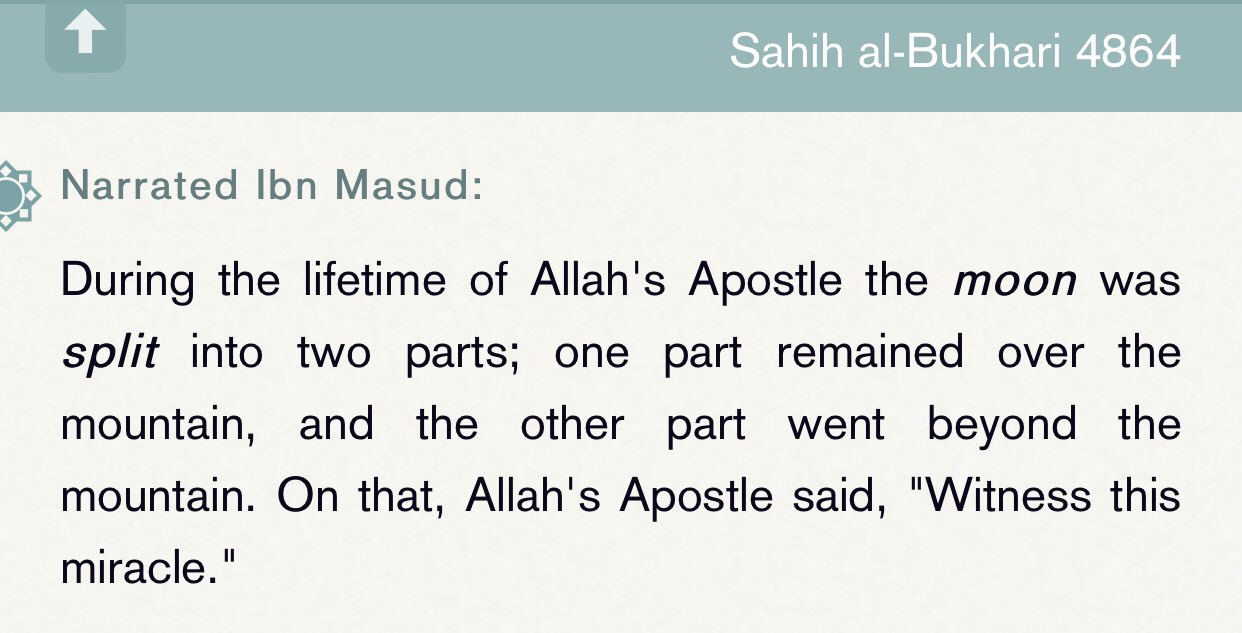
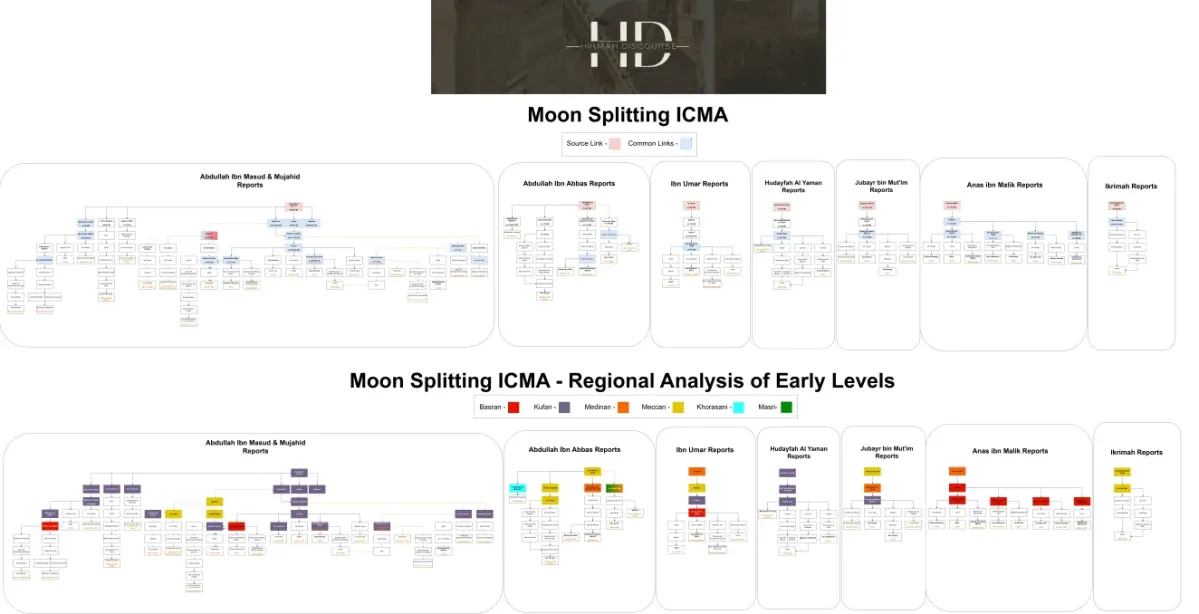
The splitting of the moon is not reported in a single narration or by a single chain. It is recorded across multiple sahih (authentic) narrations and is classified by classical hadith scholars as mutawatir — mass-transmitted beyond the possibility of collective fabrication.
132d2 b6aab47427d70216132d3 269063f58ec3a44c
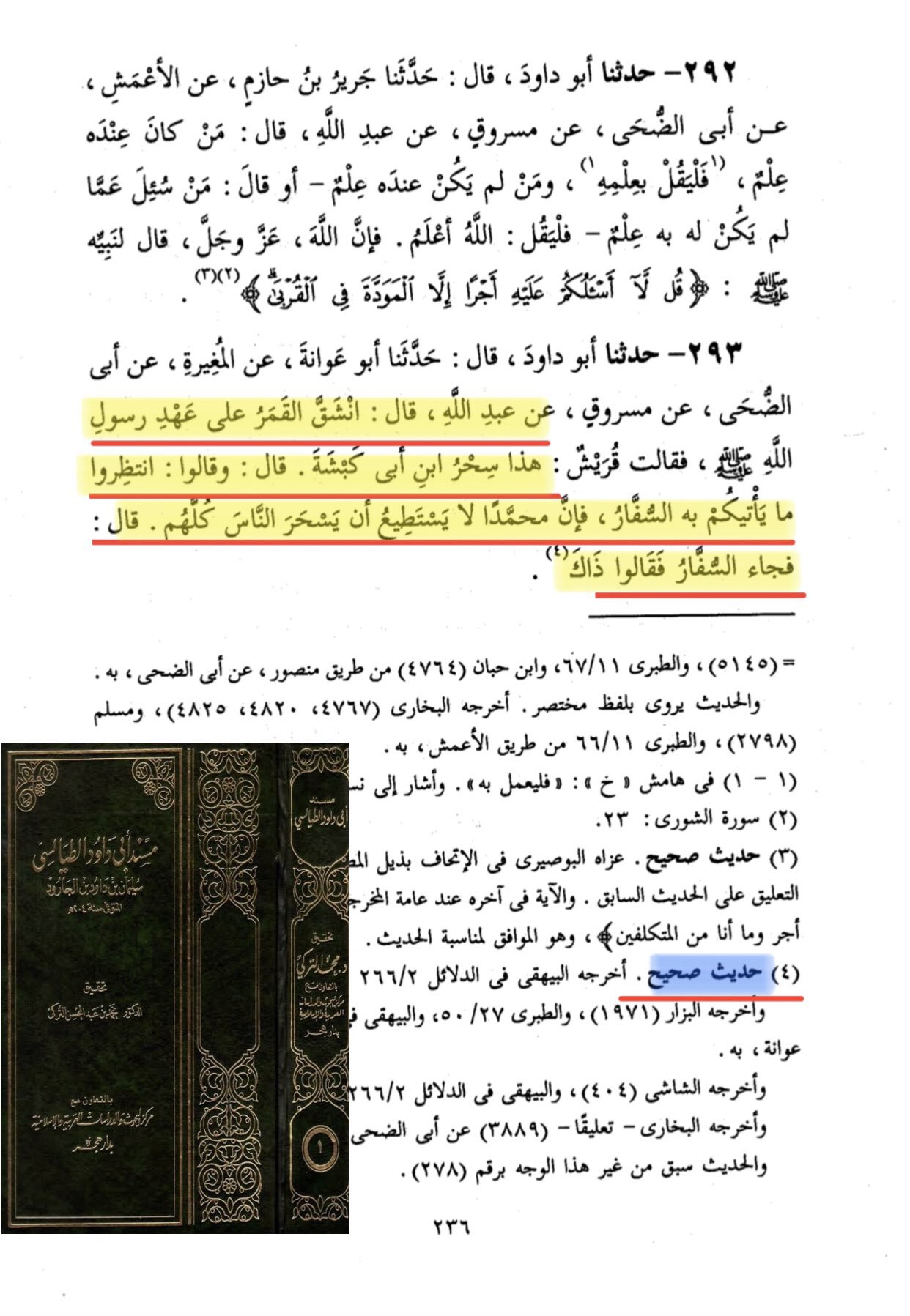
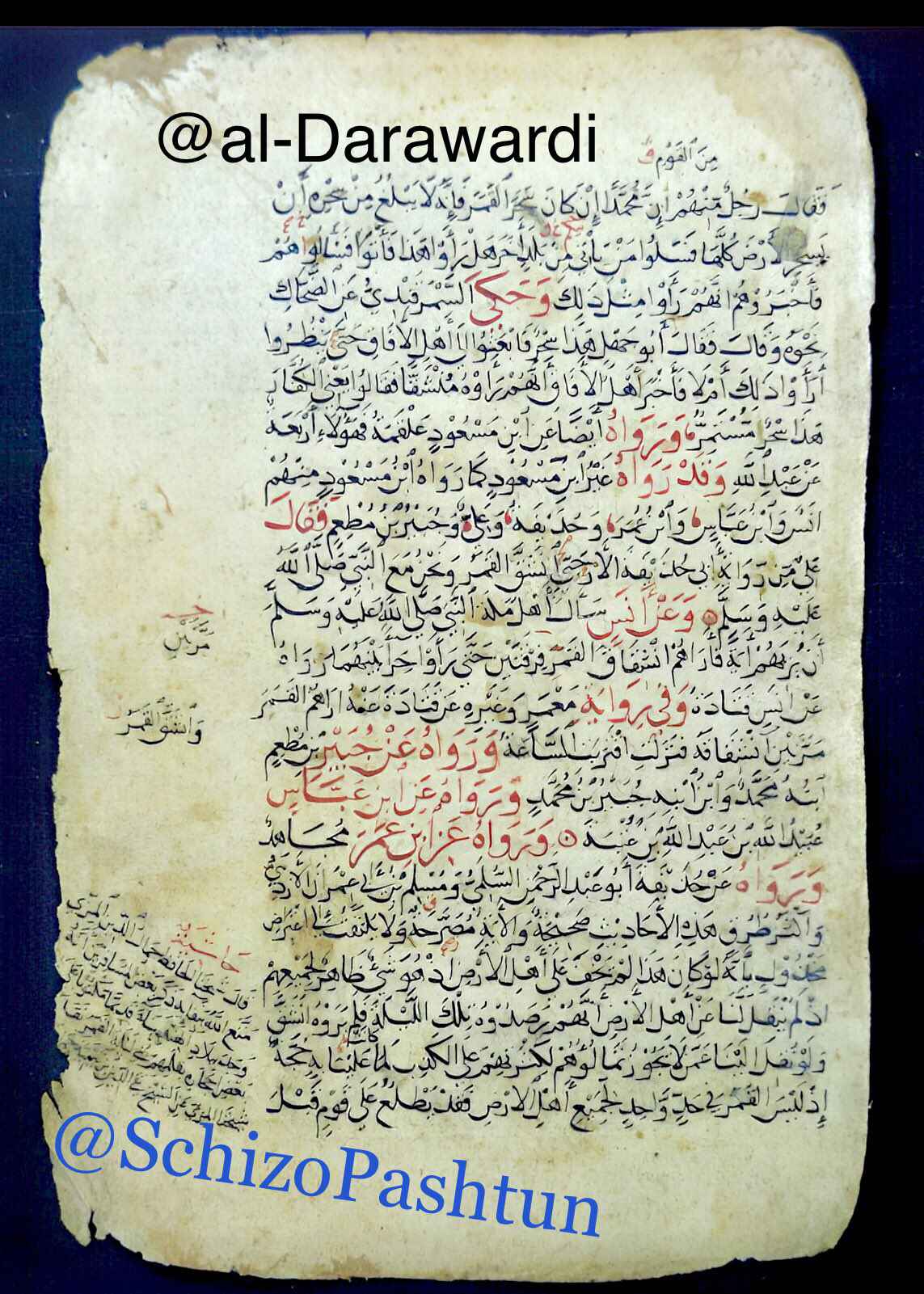
Musnad Abu Dawud al-Tayalisi (293) — Graded Sahih From ‘Abdullah: “The moon has split at the time of the Messenger of Allah ﷺ, so Quraysh has said: ‘This is the magic of Ibn Abi Kabshah,’ so they said: ‘Wait till the travelers come to you, for Muhammad cannot enchant all of you.’ Then the travelers came and said the same thing — that the moon was split.”
132d4 a779de16192b3d58
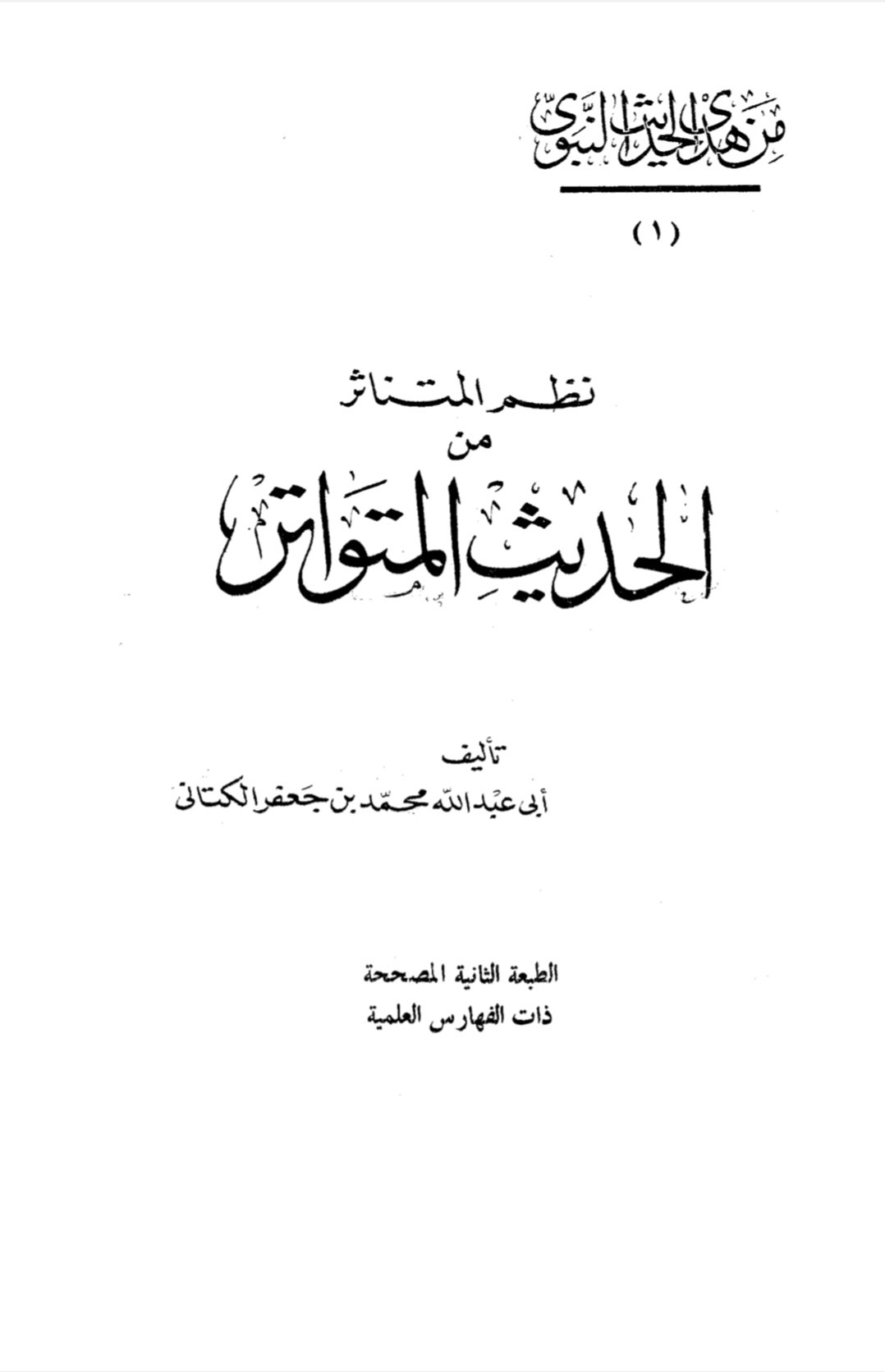
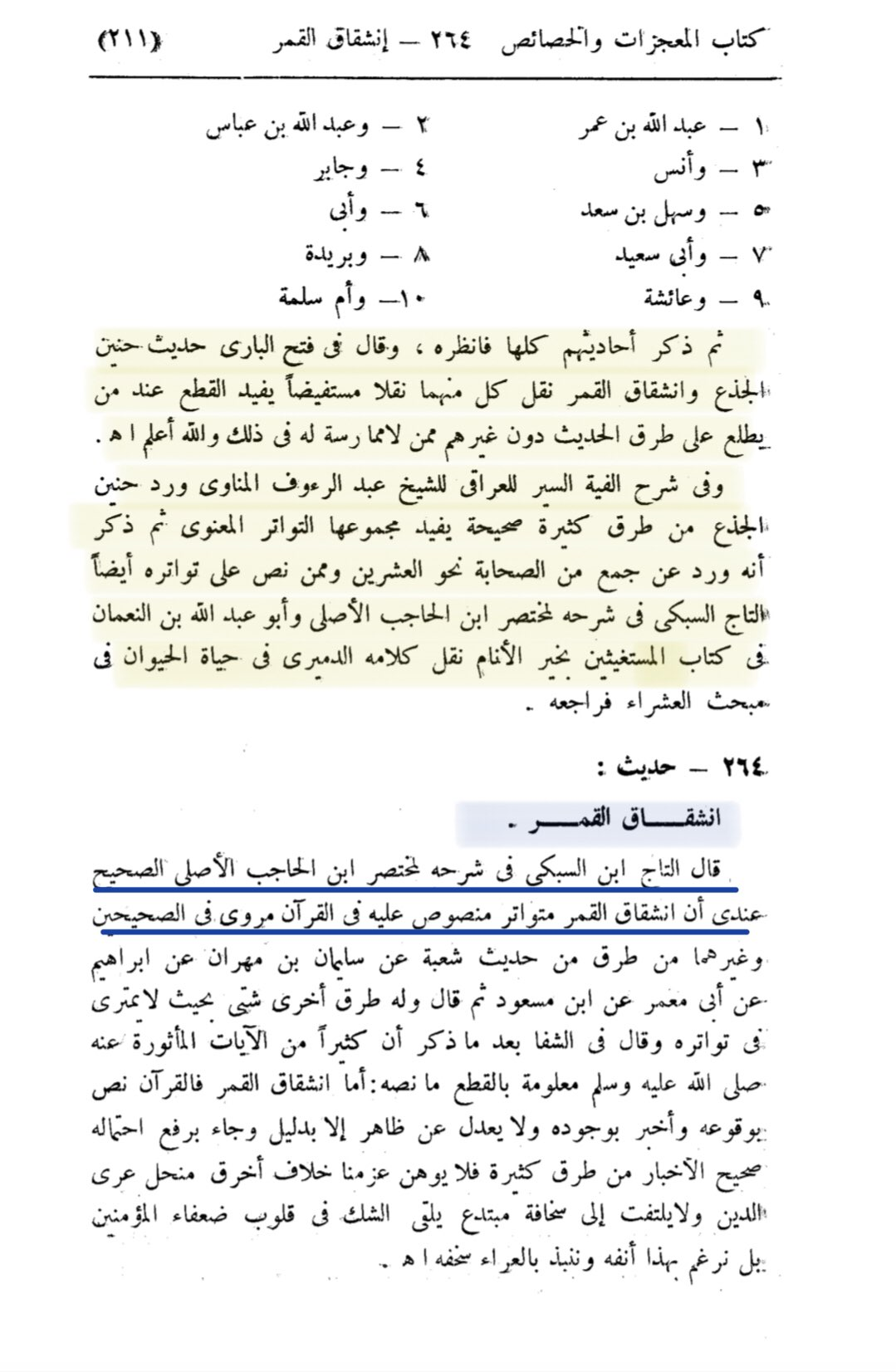
Source: Nadhm al-Hadith al-Mutawatir, p. 211, Entry No. 264 Ibn al-Subki stated that the reports of the moon split are mutawatir (mass-transmitted). The event is recorded in the Qur’an and in both Sahih al-Bukhari and Sahih Muslim.
132d5 85dd7dbc6928a1cd132d6 9973f08e0ecc5733
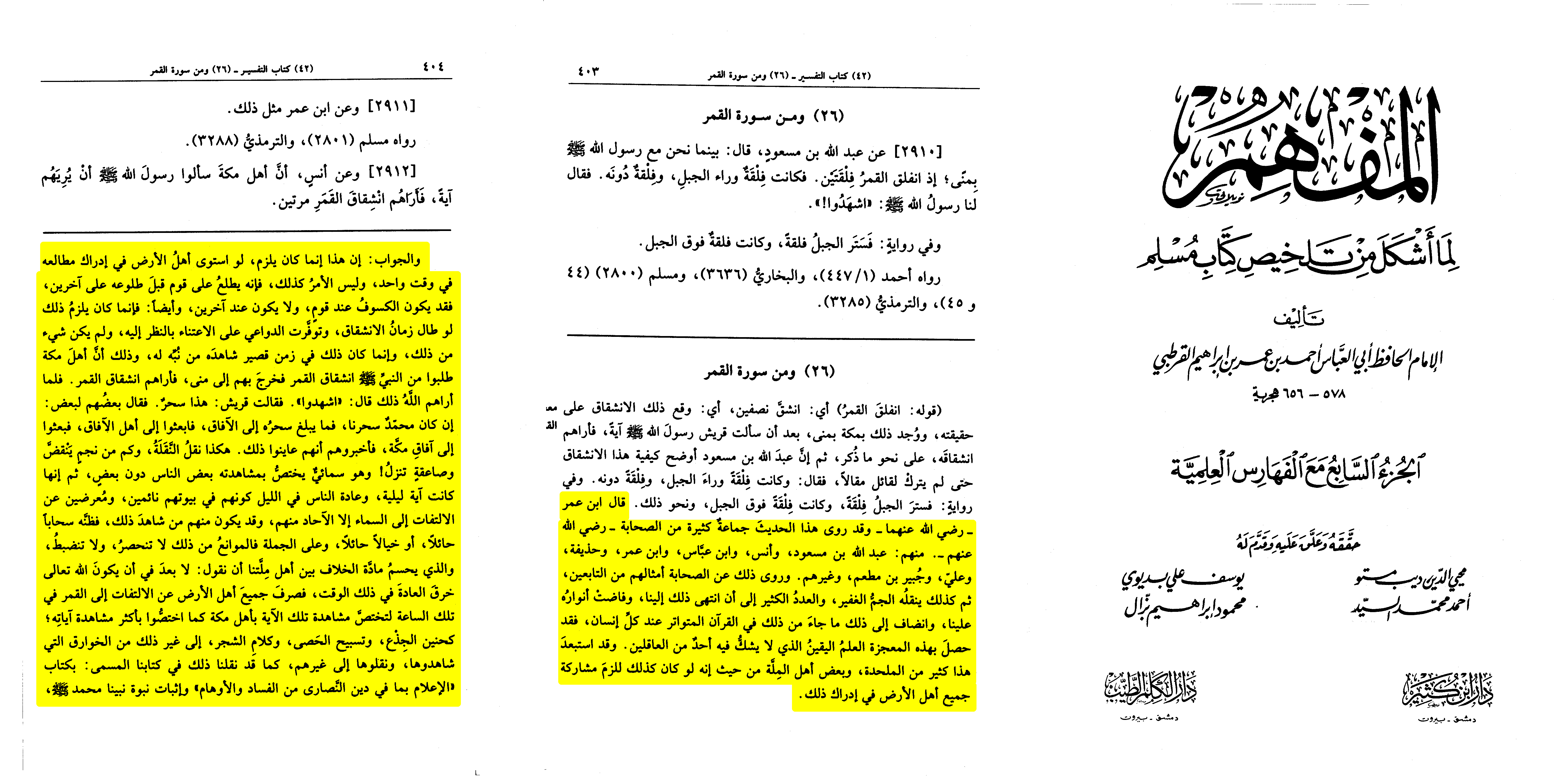
Al-Qurtubi records the full scope of the transmission:
Al-Qurtubi — Al-Mufhim, Vol. 7, pp. 403–404 Ibn Omar (RA) said this hadith was narrated by many Companions, including: Abdullah ibn Mas’ud, Anas, Ibn Abbas, Ibn Omar, Hudhayfah, Ali, Jubayr ibn Mut’im, and others (RA). It was also narrated by the Tabi’in, and the numbers of transmitters grew until it reached us with full illumination. This, added to what came in the Qur’an, makes it a miracle that cannot be denied by any person of sound mind.
The Quraysh Reaction as Internal Proof
The Verification Test Performed by the Quraysh Themselves The Quraysh — the very people most hostile to the Prophet ﷺ and most motivated to deny his miracles — did not deny that the moon appeared split. Instead, they attributed it to sorcery. Their proposed test was to wait for travelers from outside Mecca who would have had no exposure to Muhammad’s alleged “magic.” The travelers confirmed what the Quraysh themselves had witnessed. This internal account contains its own verification mechanism.
Abdullah ibn Mas’ud (RA) — Narrated in Sahih Sources “The moon split in Mecca until it became two halves. The disbelievers of Mecca said: ‘This is magic that Ibn Abi Kabsha has used to bewitch you! Look at the travelers; if they saw what you saw, then he spoke the truth, and if they did not see what you saw, then it is magic.’ So the travelers were asked, and they came from every direction, and they said: ‘We saw it.’”
132d9 57bea2abc60c3262
Answering the Forgery Claim
The Objection Some claim the hadith narrations about the moon split are historical forgeries.
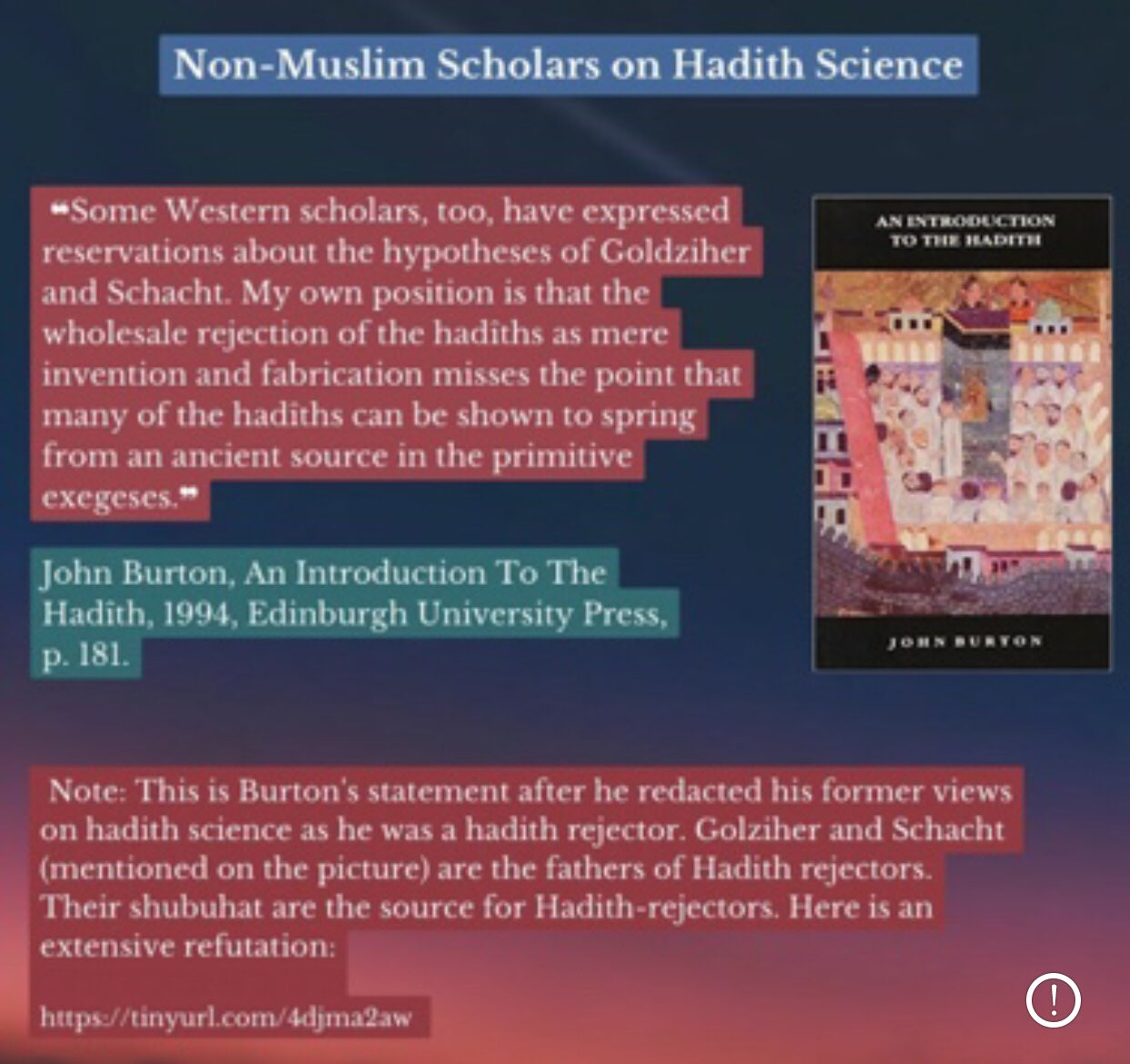
132d7 93467c6e68eb2f5e132d8 d392ef68a783ad89
Response The mass-transmission (tawatur) classification means the narration was reported by such a large number of independent witnesses across multiple generations that coordinated fabrication becomes logically impossible. A mutawatir report is the highest standard of historical certainty in Islamic hadith methodology. The forgery argument cannot apply to narrations at this level of transmission. Furthermore, even if some non-Muslim sources do not record the event, the absence of external documentation does not discredit internally sound evidence — sources are routinely lost or left unrecorded throughout history.
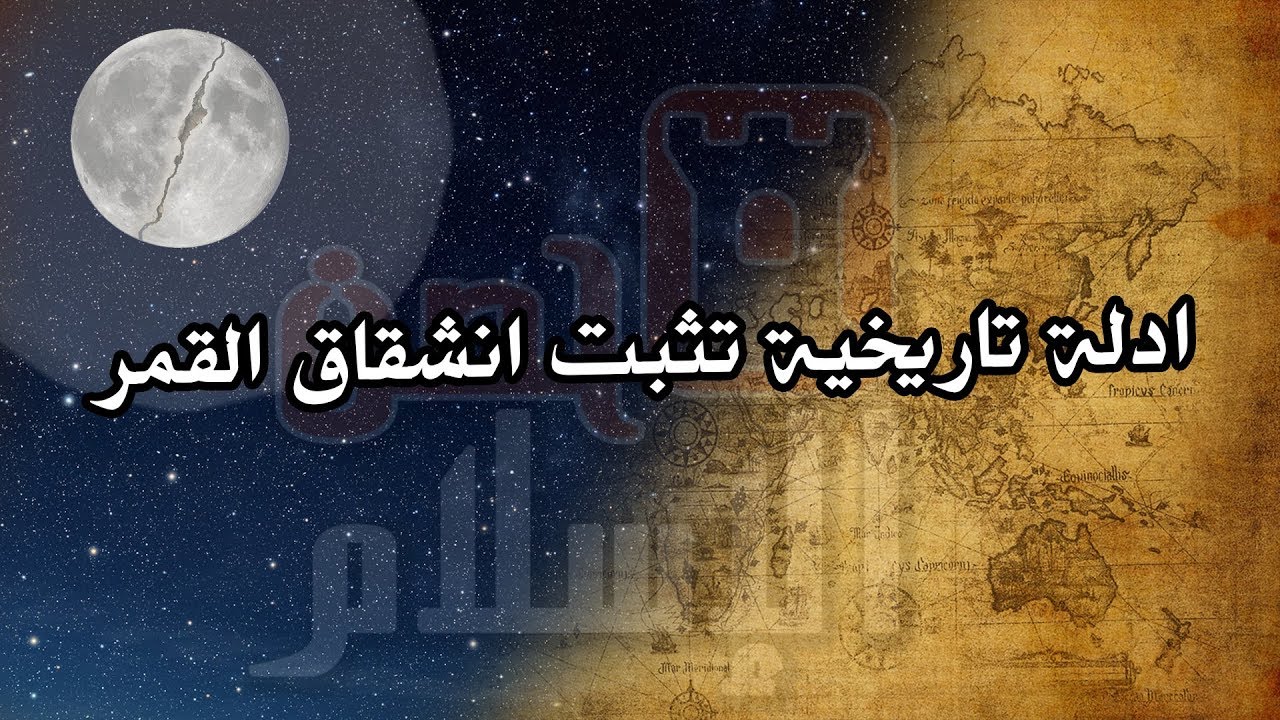
For a more detailed treatment of the hadith proofs, see:
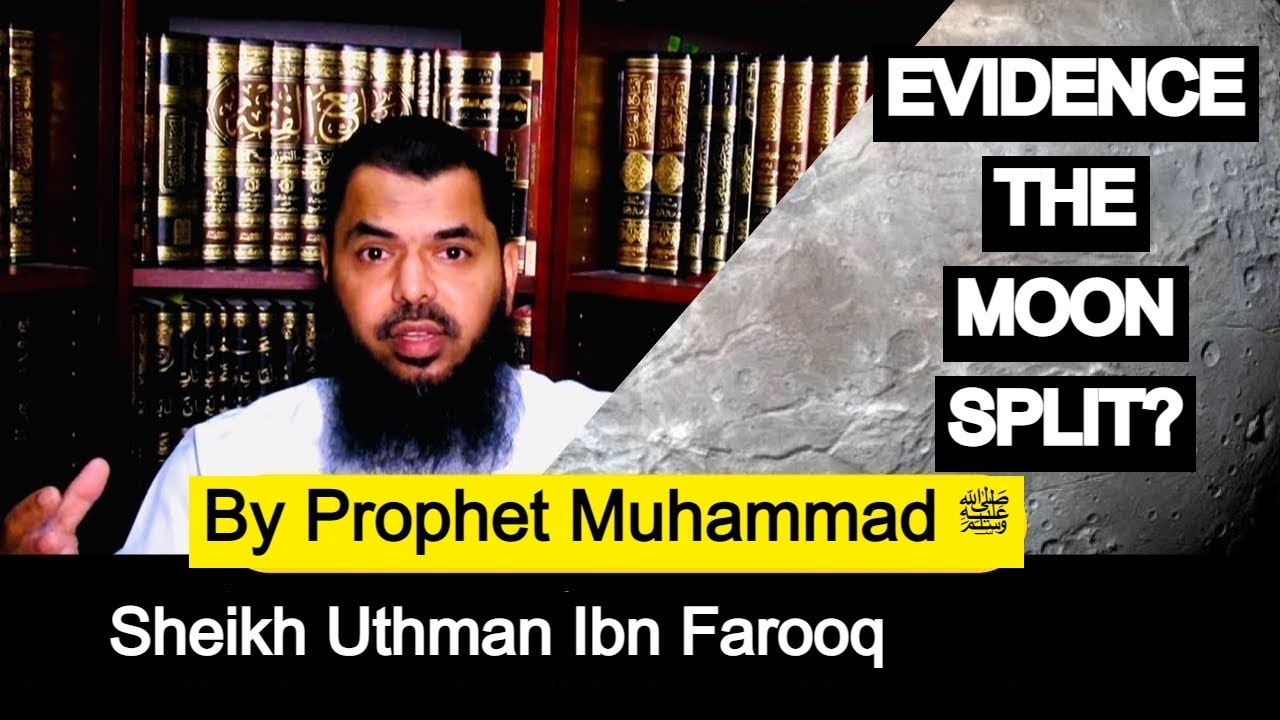
maxresdefault 4052a63b0aa8b6ad
Video Reference:
Non-Muslim Historical Evidence
Prefatory Note Even without any non-Muslim corroboration, the Islamic evidence alone — being mutawatir — is sufficient. The non-Muslim evidence presented here is supplementary. If a critic dismisses it, their position changes nothing with respect to the already-established Islamic case. As the Quraysh did before them, the only remaining refuge for the denier is to claim sorcery — a claim that collapses under its own weight.
Mayan Evidence: The Madrid Codex
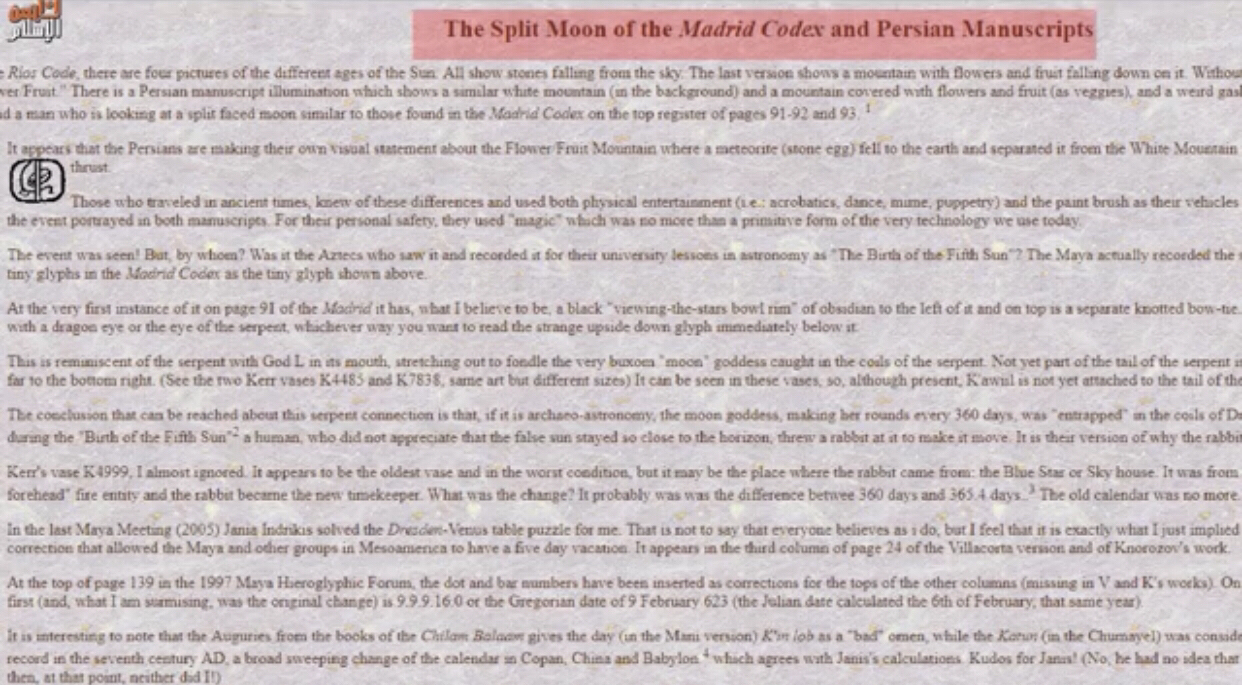
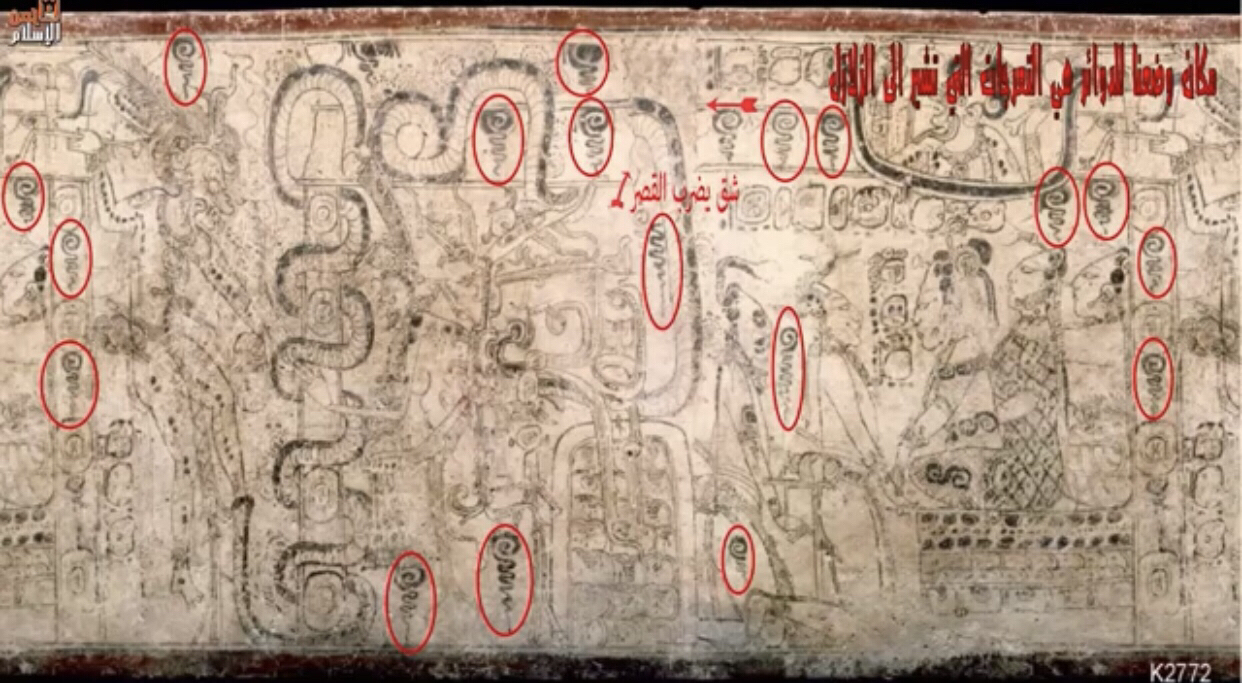
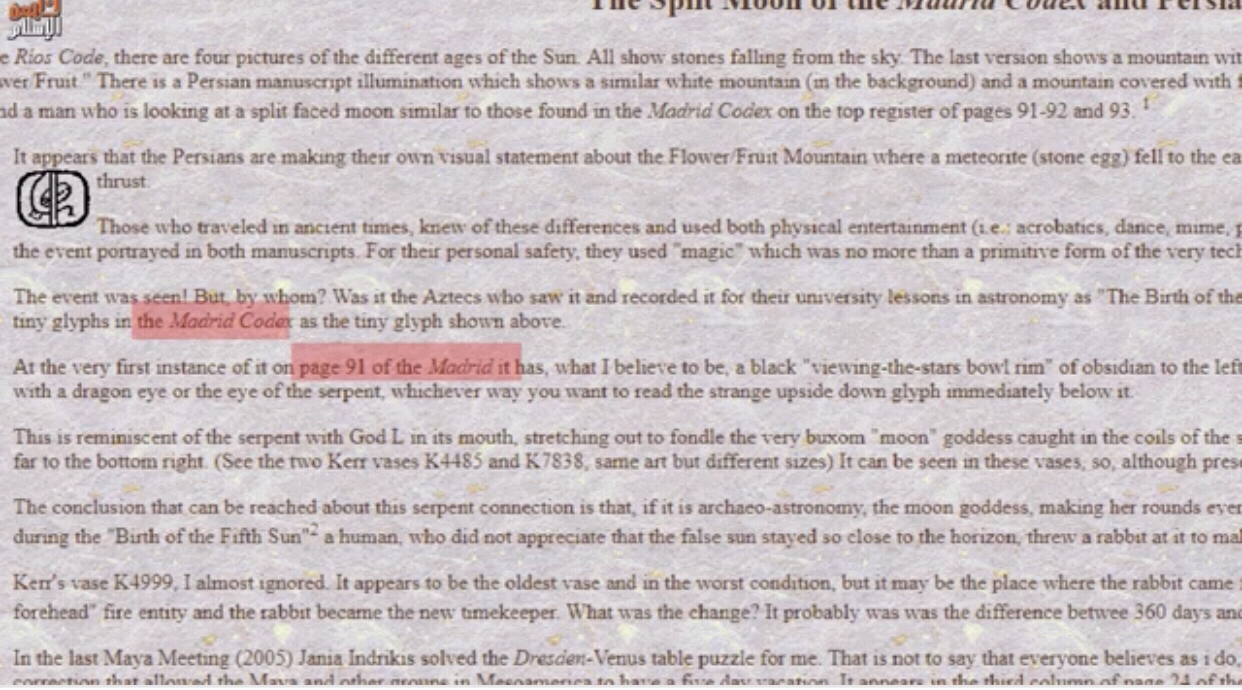
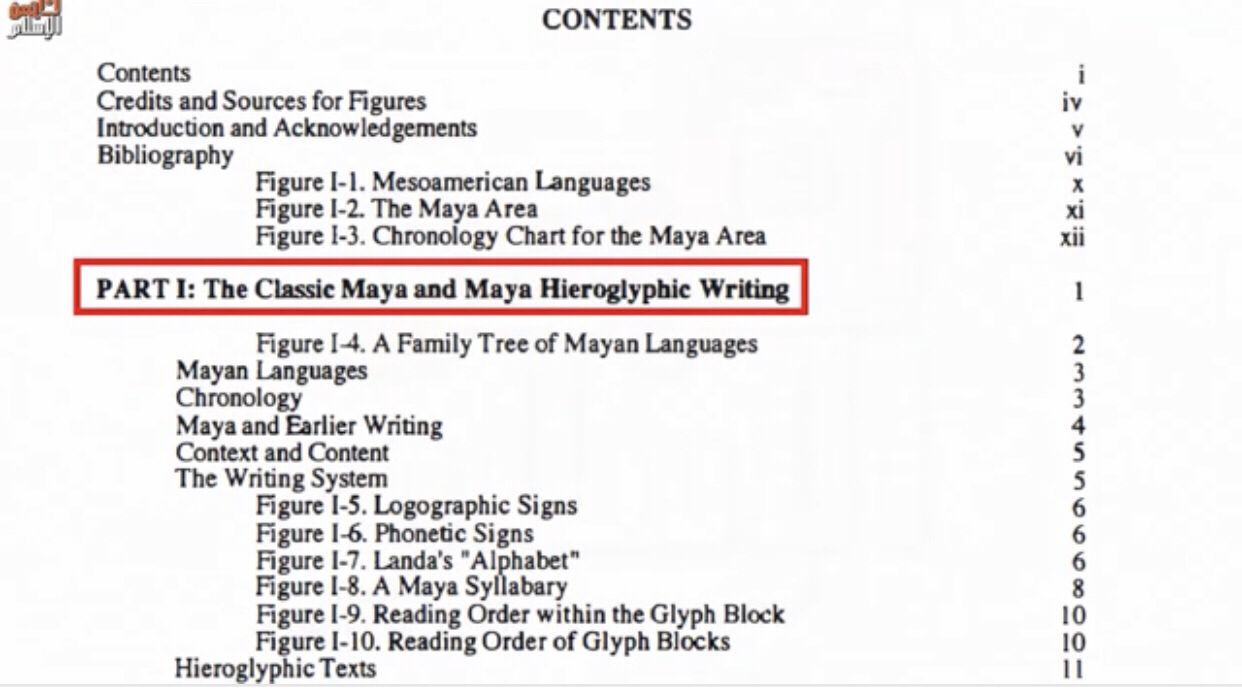
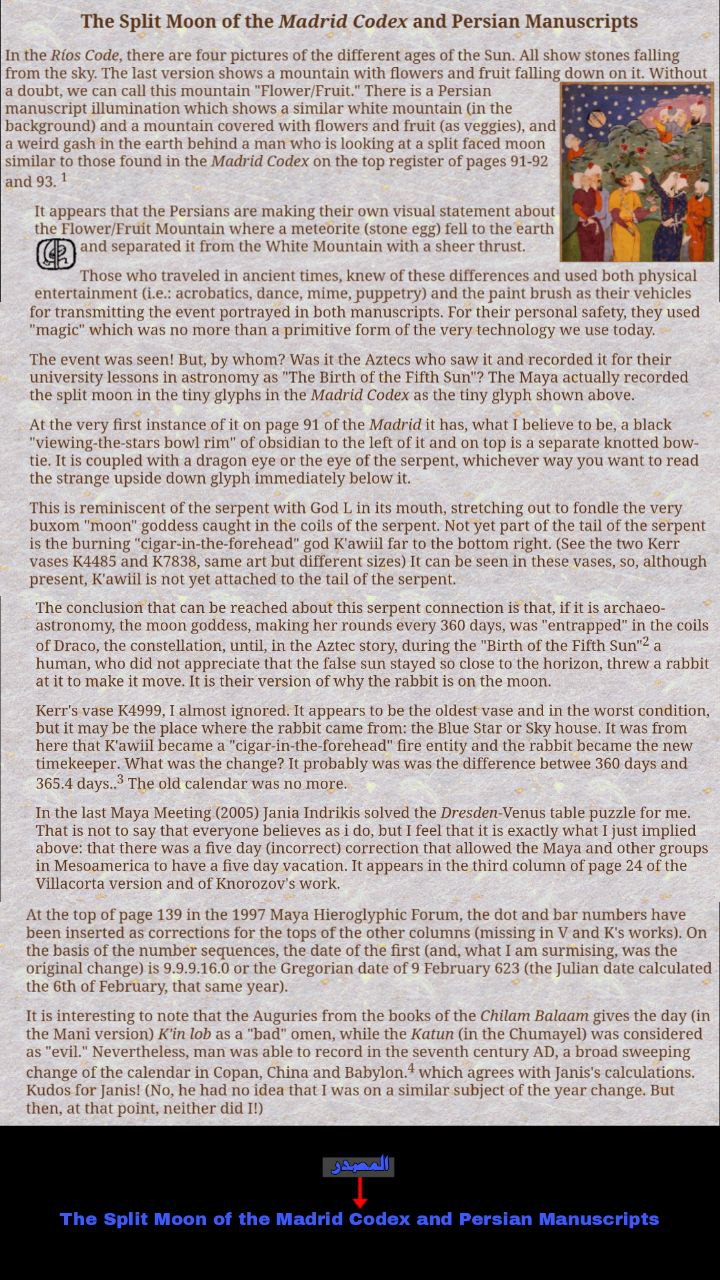
One of the most remarkable pieces of external corroboration comes from Mayan civilization. The Book of Maya Hieroglyphic Writing (page 231) records that in the 7th century CE the Mayans began a new time-counting system, triggered by an important and catastrophic event. A historical article — subsequently edited 54 times — described this event in a way that, without the author realizing it, pointed to the splitting of the moon.
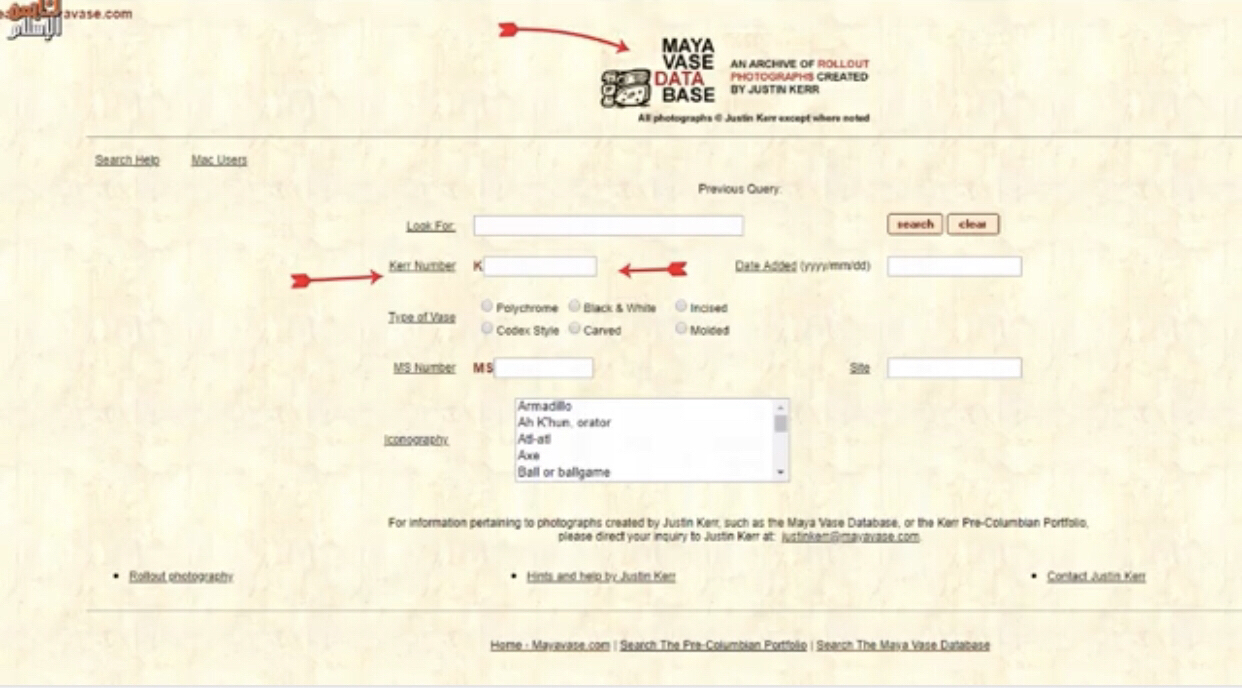
Step 1: Identifying the Code
When the relevant code is searched, the result points to a palace of the moon being shaken, with question marks indicating an unknown or inexplicable cause.
132da 387ba3f3290483fb132db 773d50c8c541d67d
Step 2: Verifying the Code Through a Trusted Source
132dc 8798057d5e18895f132dd 66e987b4500c5841
The article proves accurate upon verification.
Step 3: The Madrid Codex, Pages 90–91
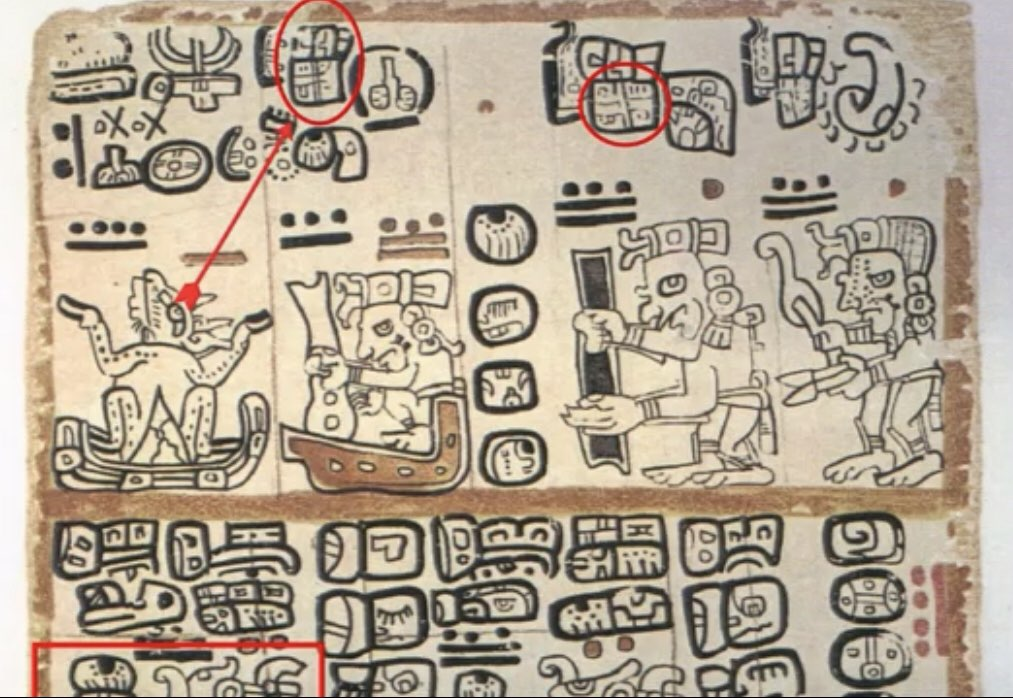
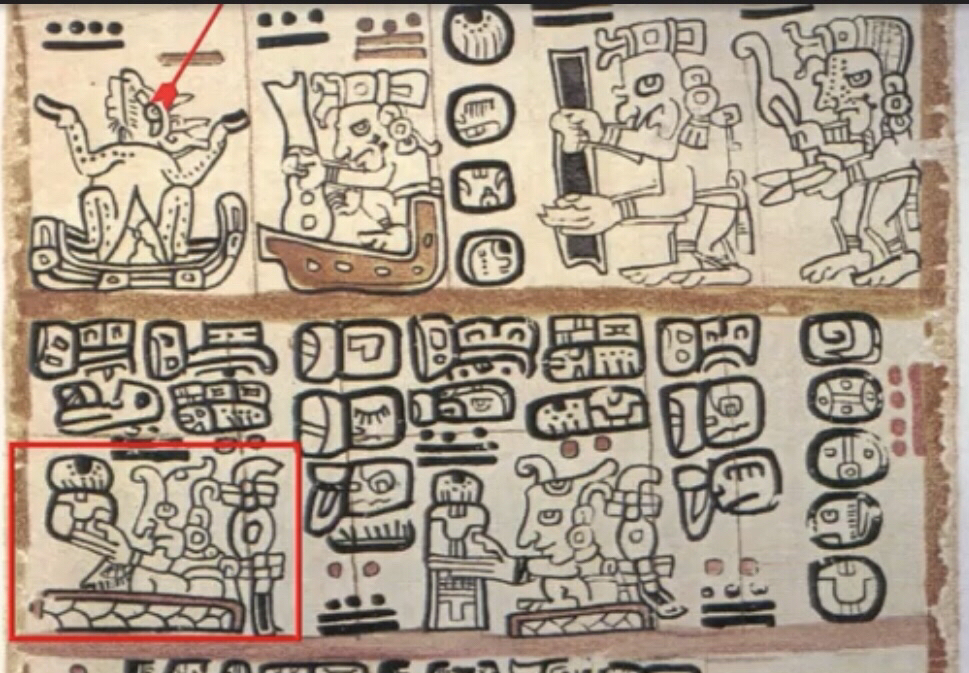
The article then quotes the Madrid Codex — a pre-Columbian Mayan manuscript found in Madrid, Spain. Pages 90–91 contain the same description.
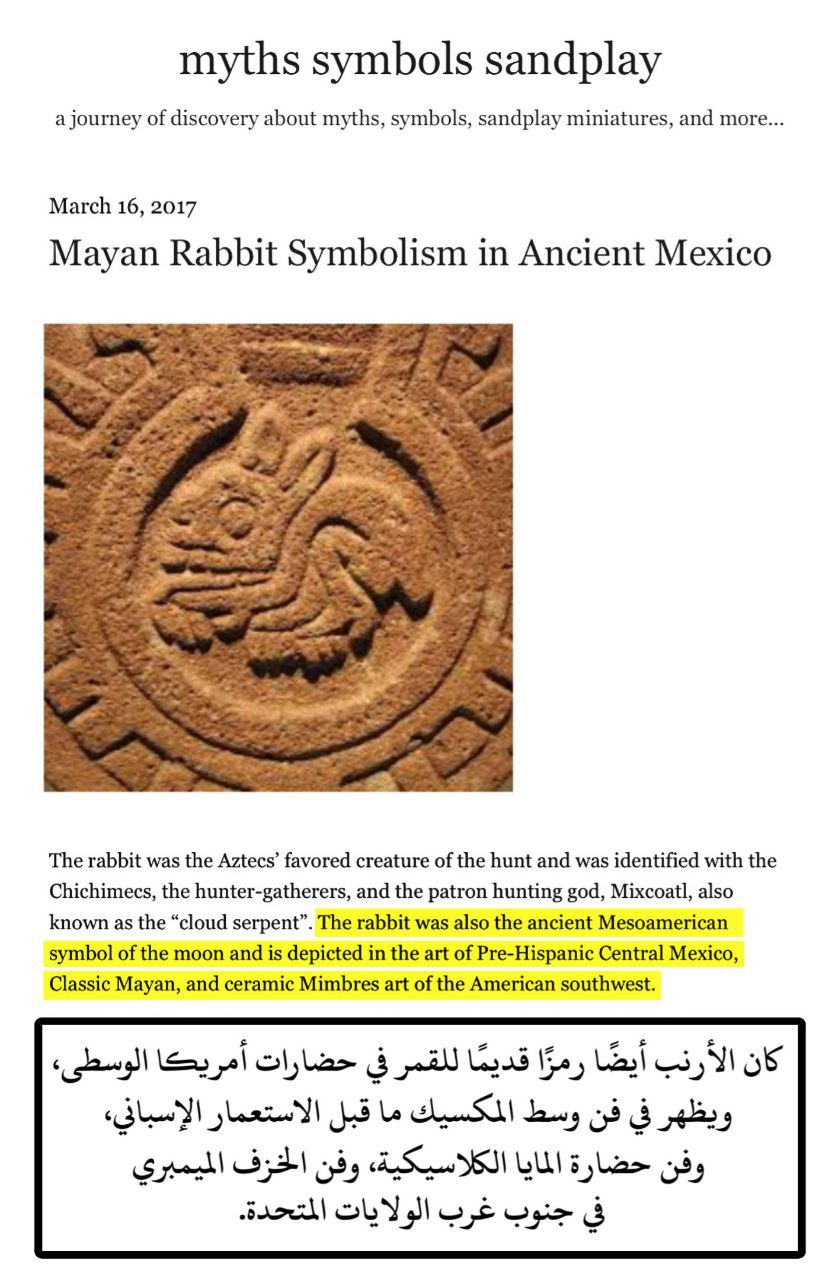
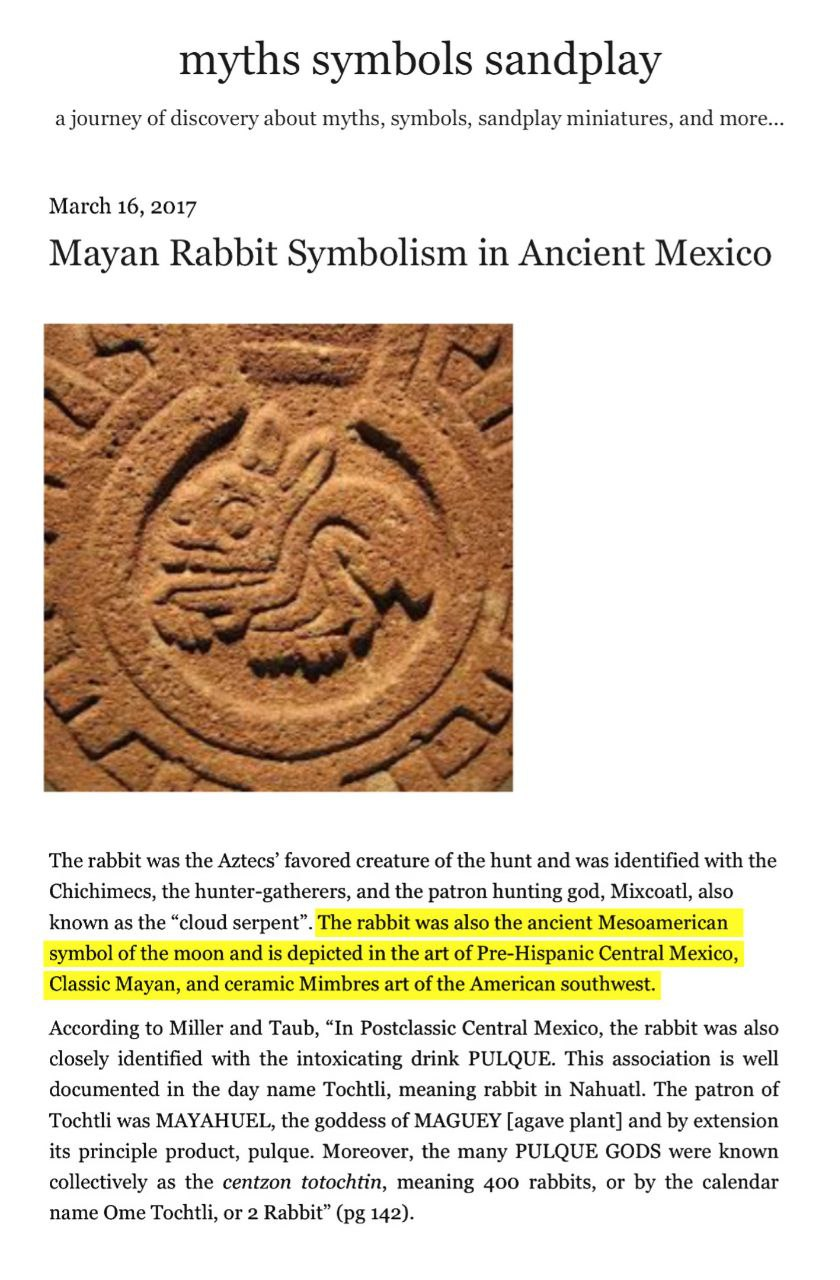
Step 4: The Rabbit Symbolizes the Moon in Mayan Civilization
A natural question arises: why does the imagery involve a rabbit, and how does this connect to the moon?
Maya Hieroglyphic Writing, Second Edition, 2011 — Page 1 Maya civilization is divided into pre-Classical, Classical, and post-Classical periods. The event in question occurred in the late pre-Classical to Classical transition period.
132dh d7589f4630ccb88a
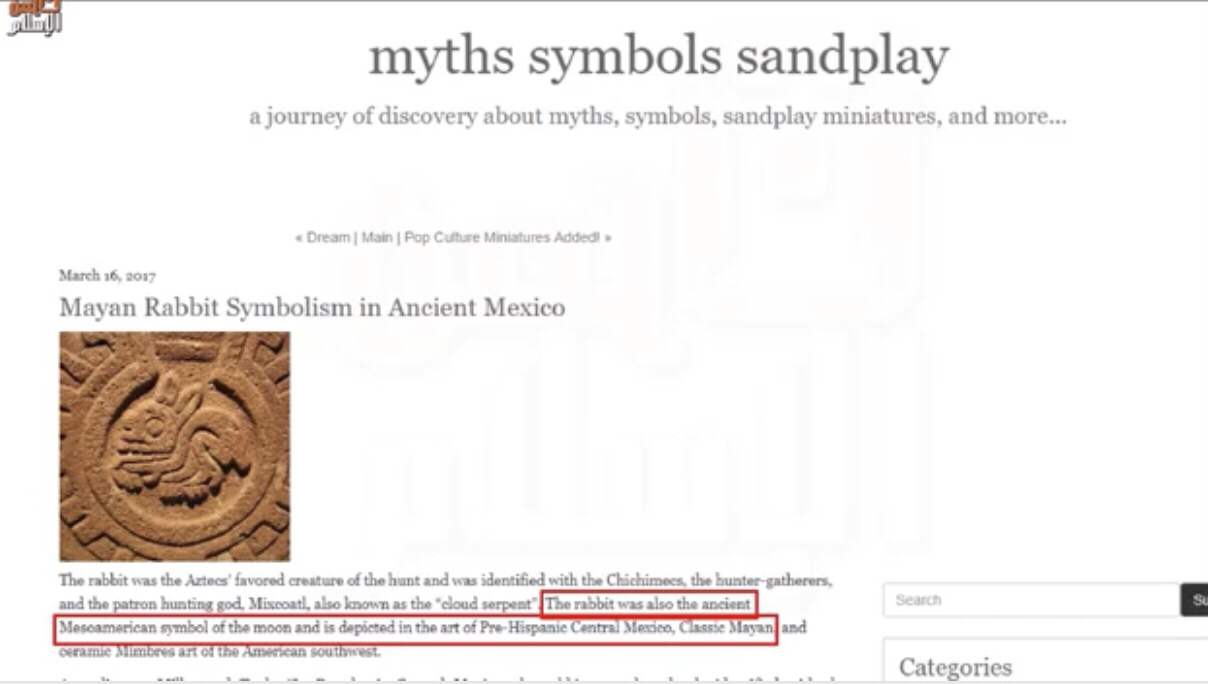
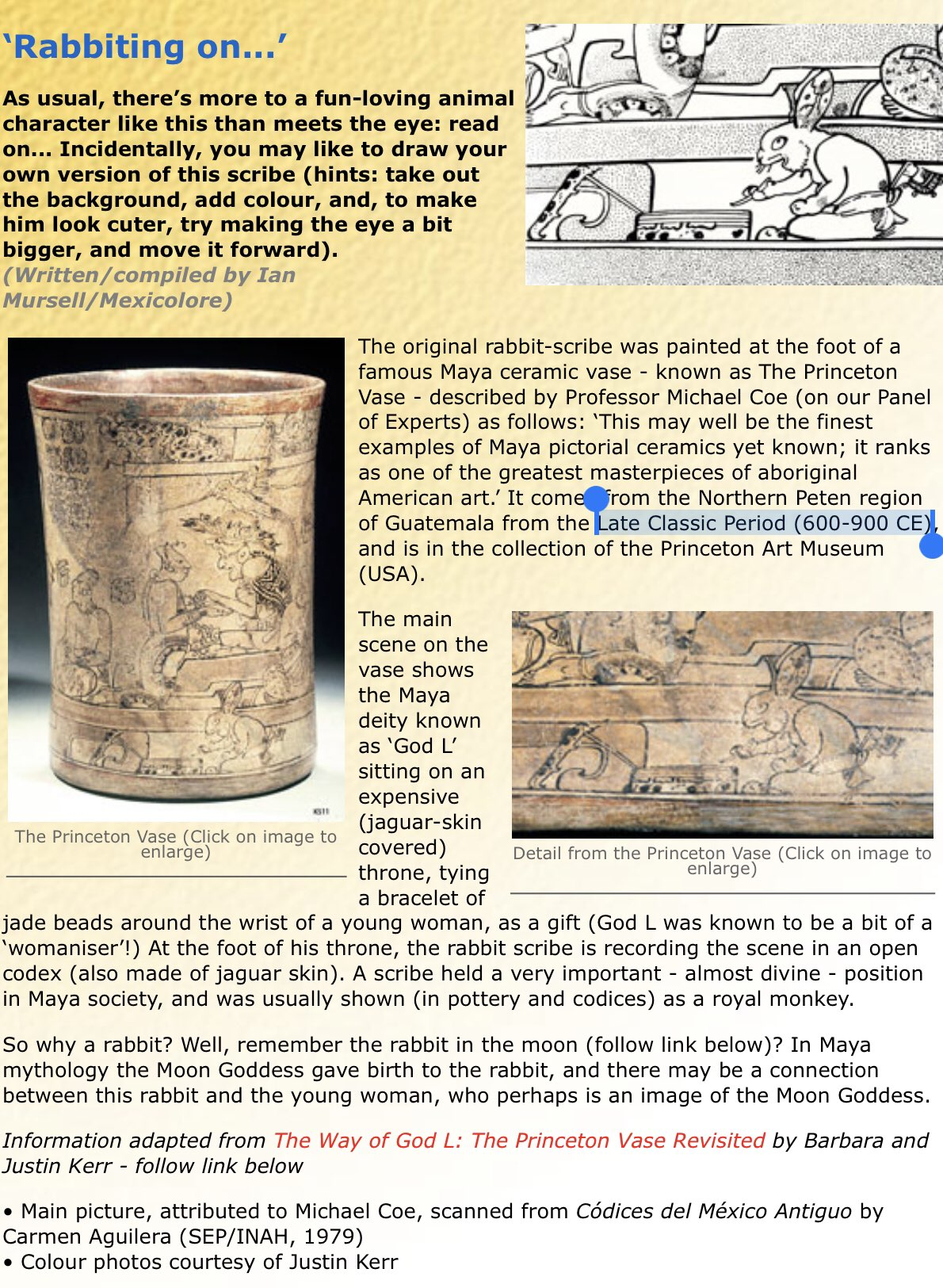
In the encyclopedia of Mayan symbolism, the rabbit in the pre-Classical to Classical period was the established symbol for the moon.
132di 3a45ebc5c60276a3
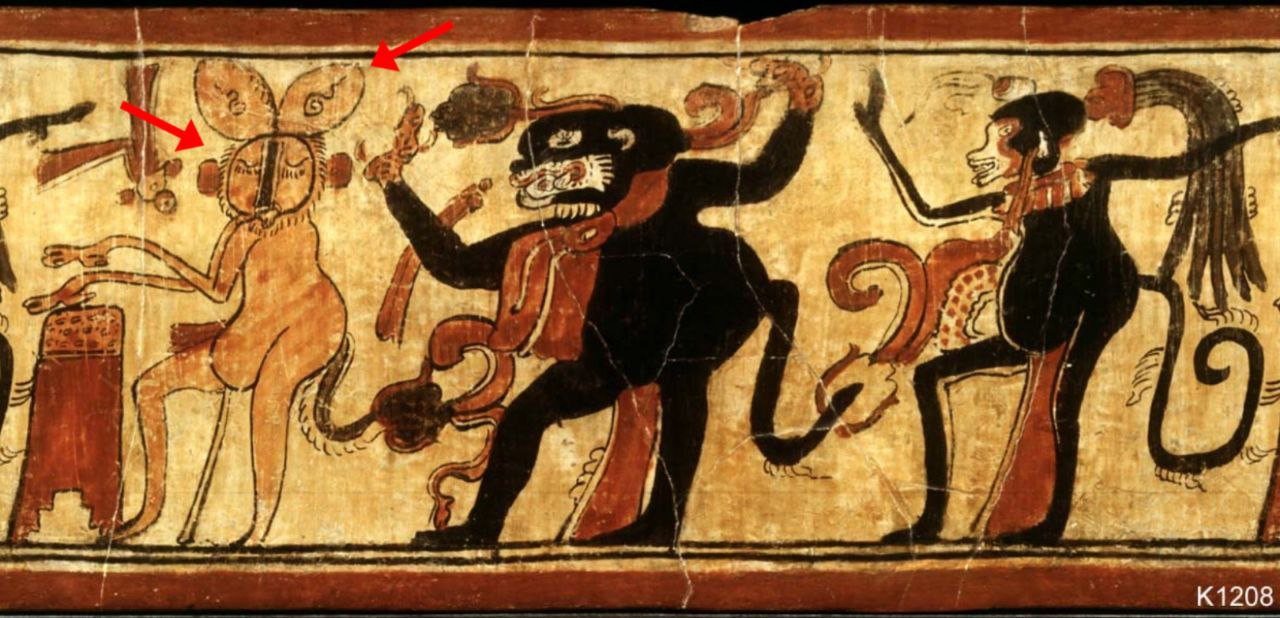
The Logical Chain: Rabbit = Moon; Rabbit Split = Moon Split In Mayan civilization, the rabbit symbolized the moon, and the Madrid Codex depicts the rabbit’s face splitting open. Rabbit = Moon. Rabbit’s face split = Moon split.
The additional Mayan artifacts from the ADDITIONS section confirm this:
Step 5: The Calendar Change Coincides with the Date of the Split
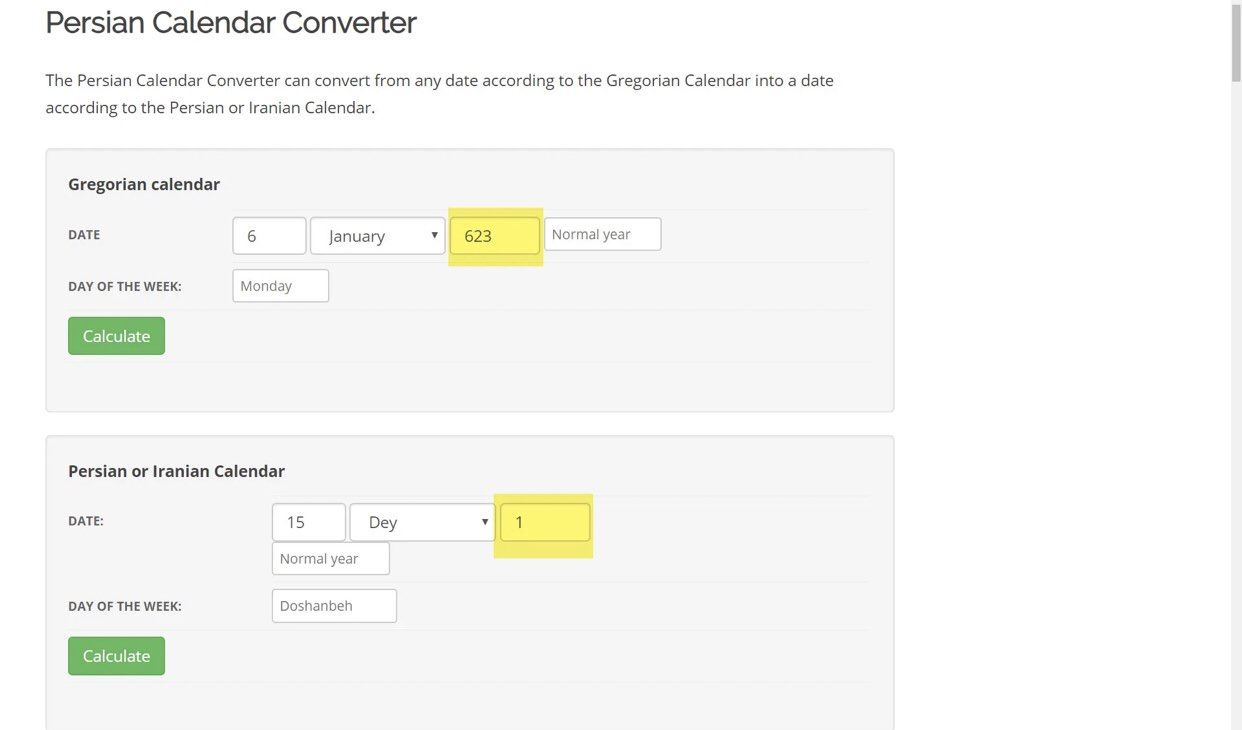
It may not be a coincidence that the day the Mayans changed their calendar is the same day as the documented splitting of the moon.
132dj 978d76939c24a588
Step 6: Dating the Codex to the 6th–9th Century
Source: Mexicolore The Madrid Codex is confirmed to date from the 6th to 9th century CE — the period that includes the time of the Prophet ﷺ.
132dk 0517e197014fe43e
Step 7: Authenticity of the Manuscript Confirmed
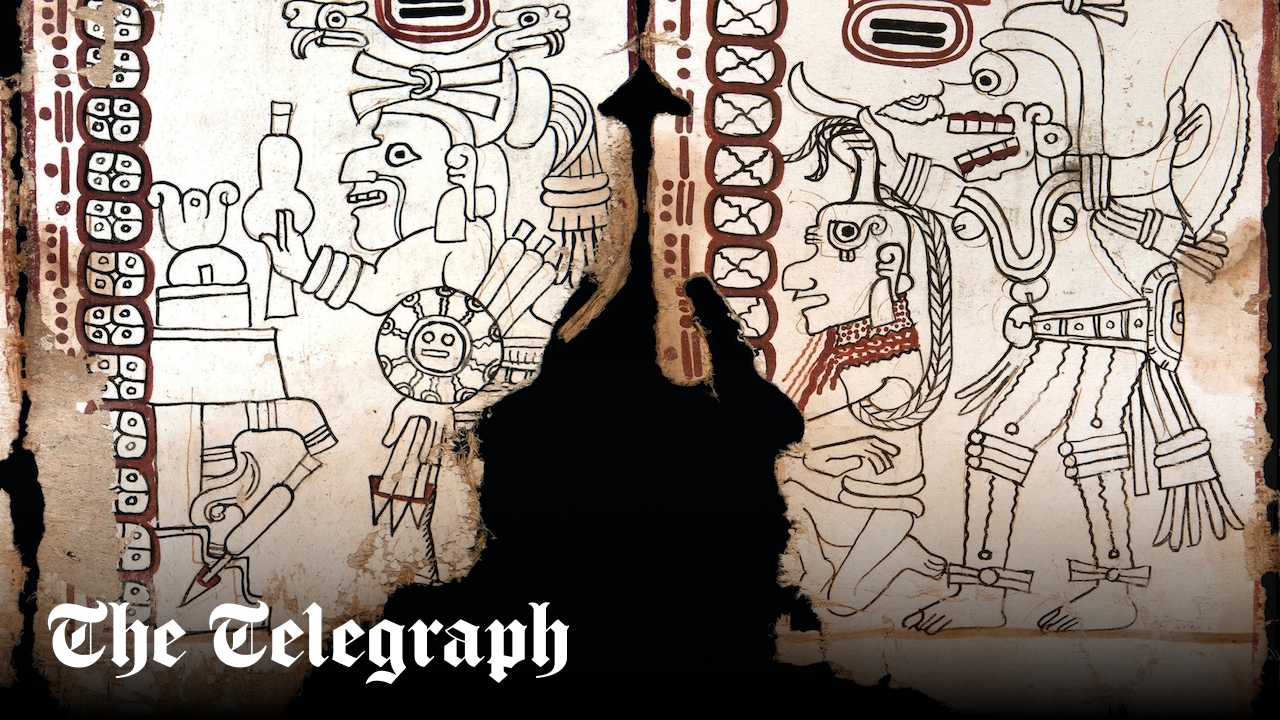
Source: The Telegraph, 31 August 2018 Fifty-four years after it was sold by looters, an ancient Maya pictographic text has been judged authentic by Mexican scholars.
TELEMMGLPICT000172923777 trans NvBQzQNjv4B fca5f654c32552ee
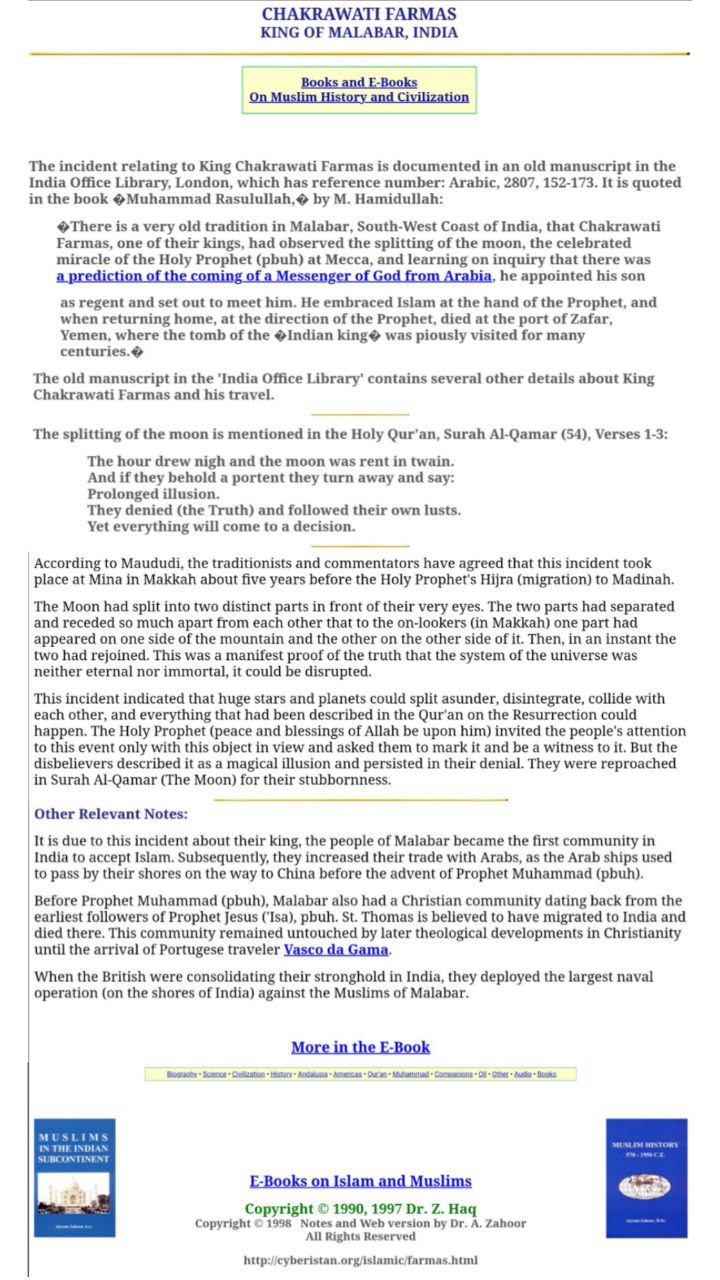
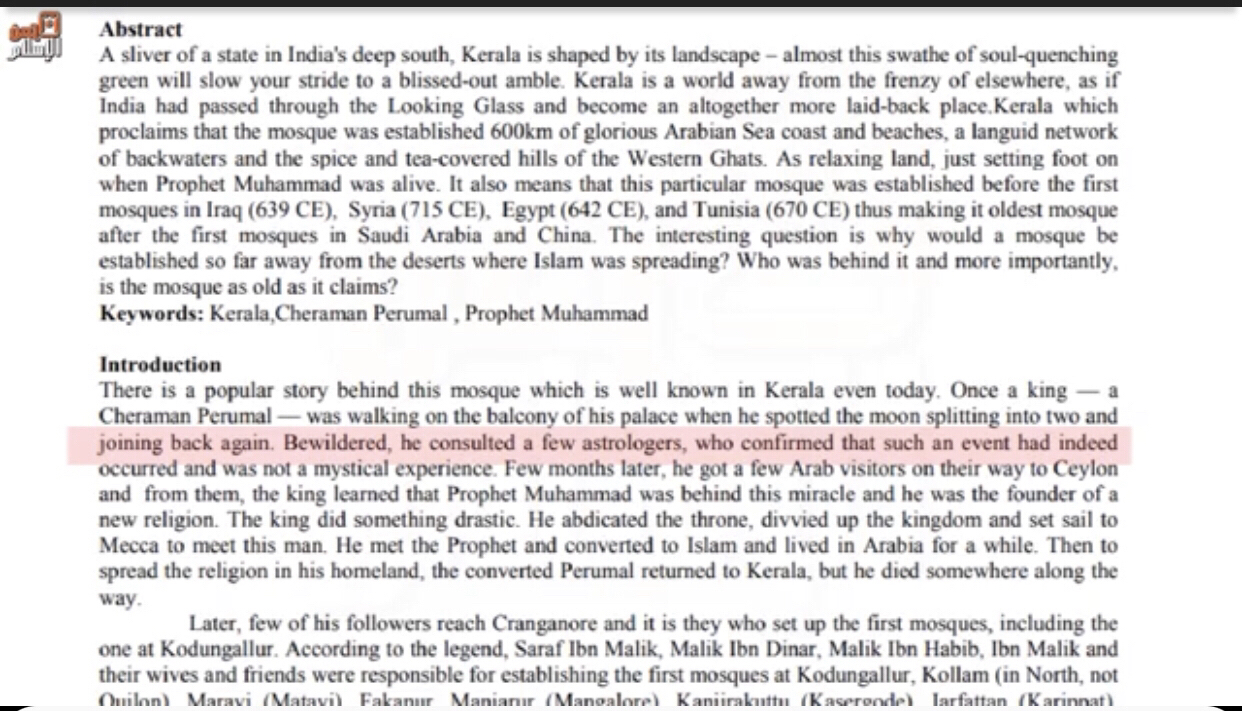
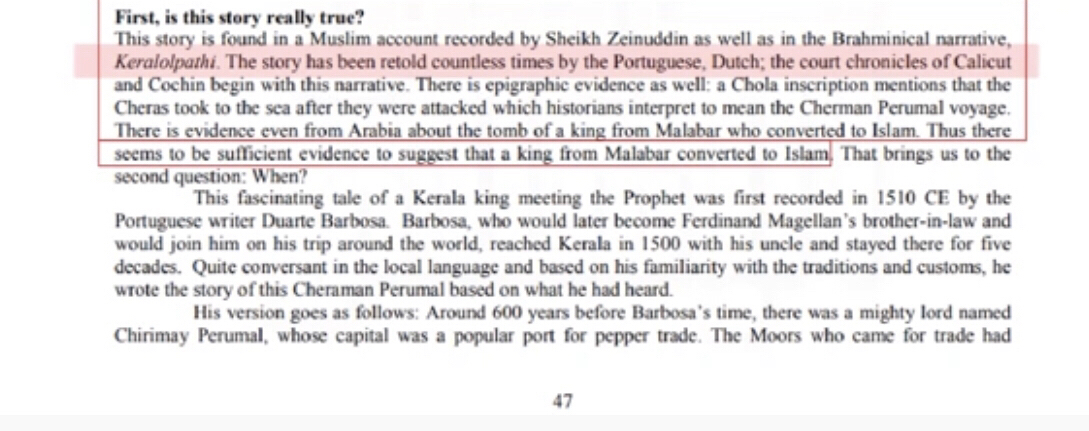
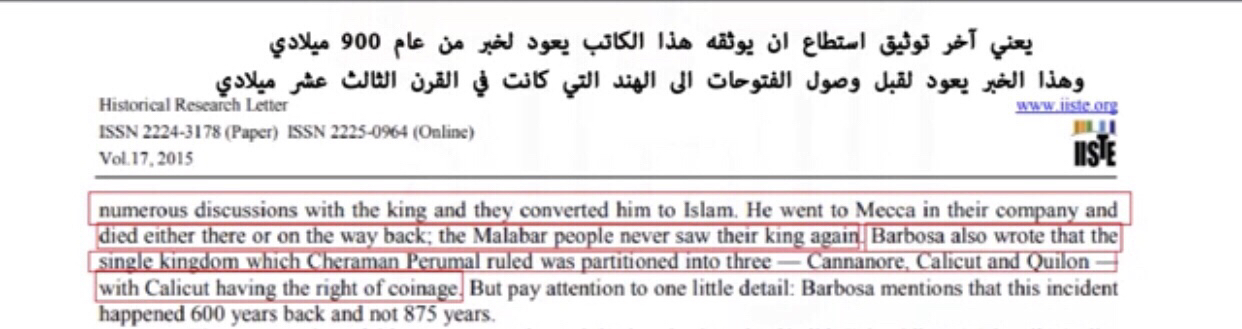
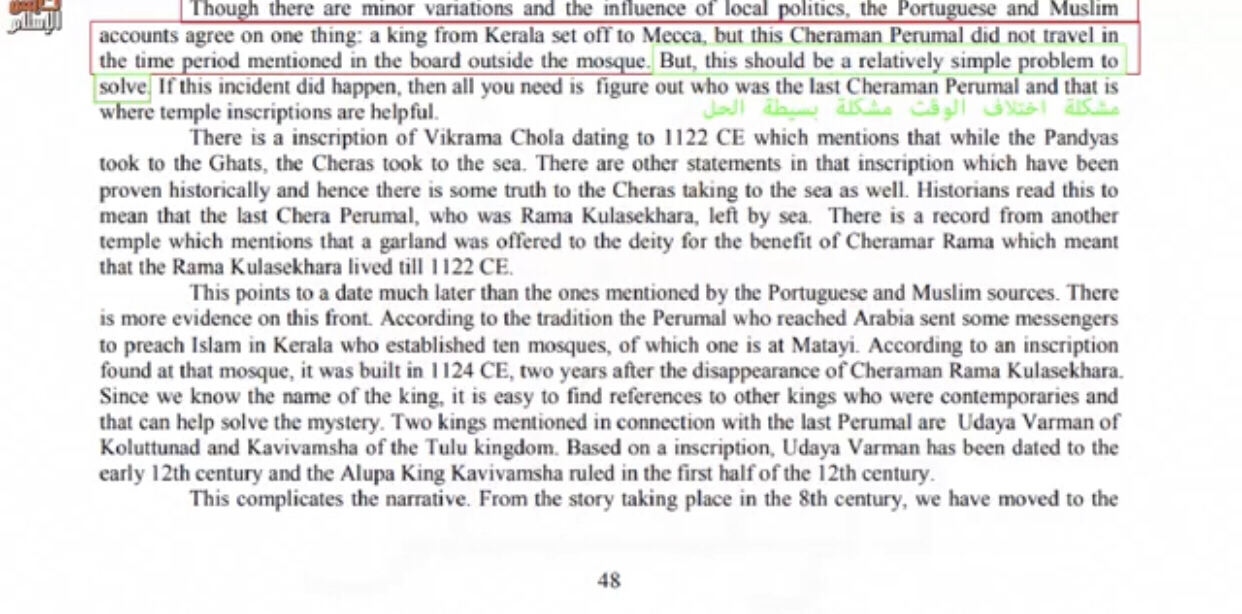
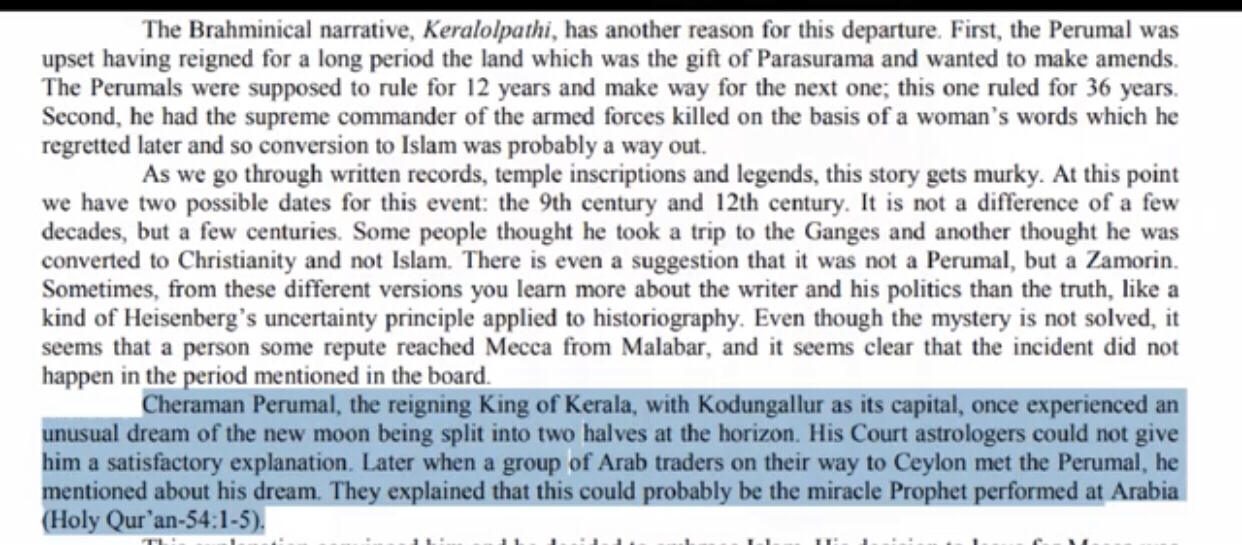
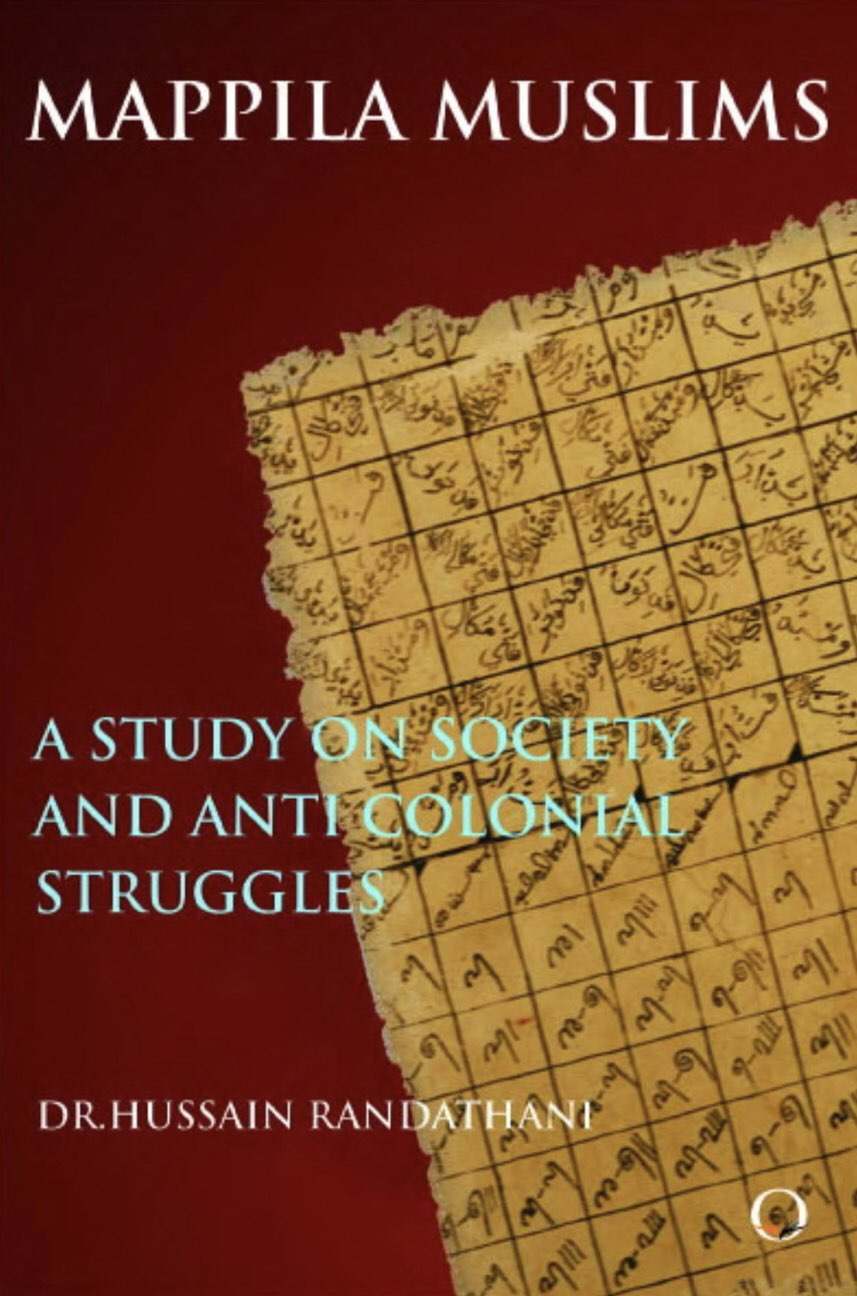
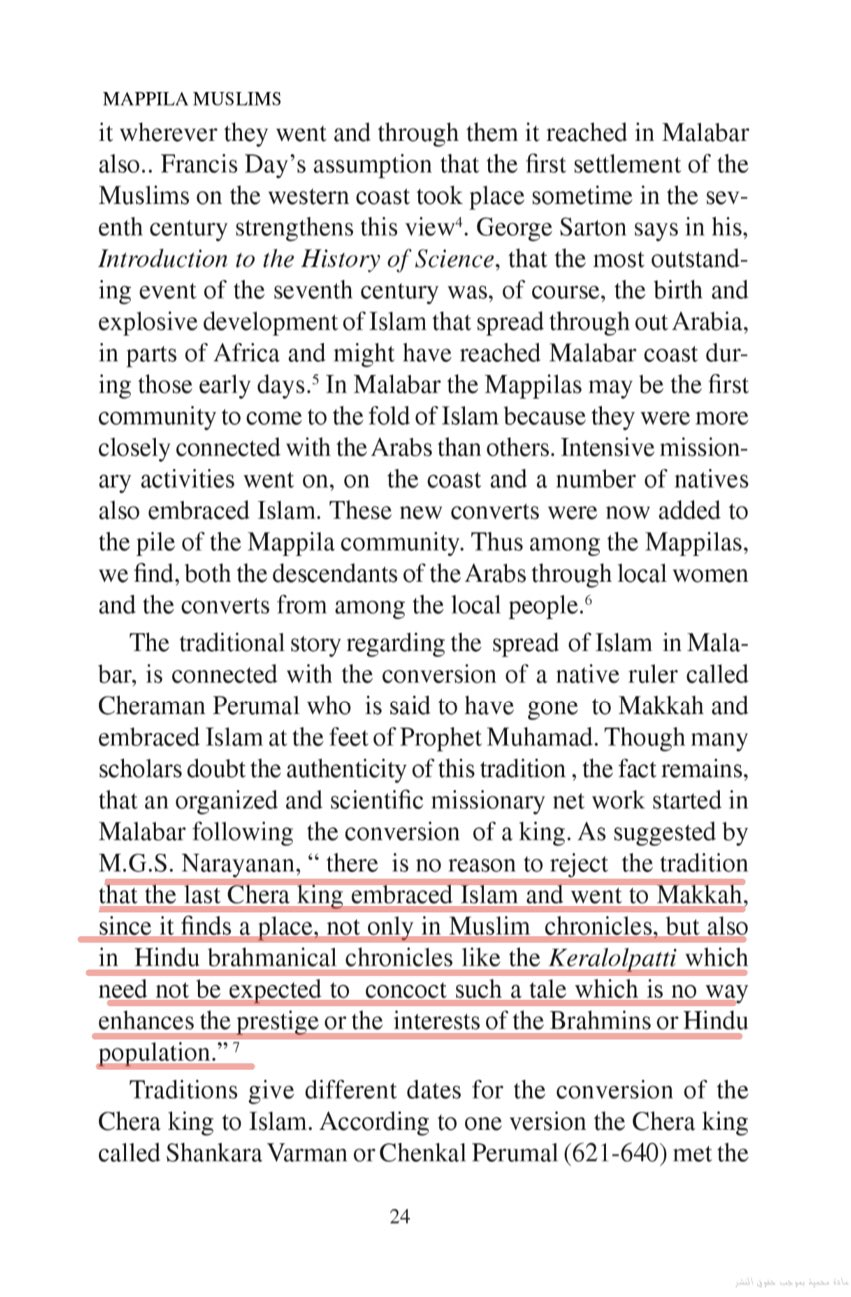
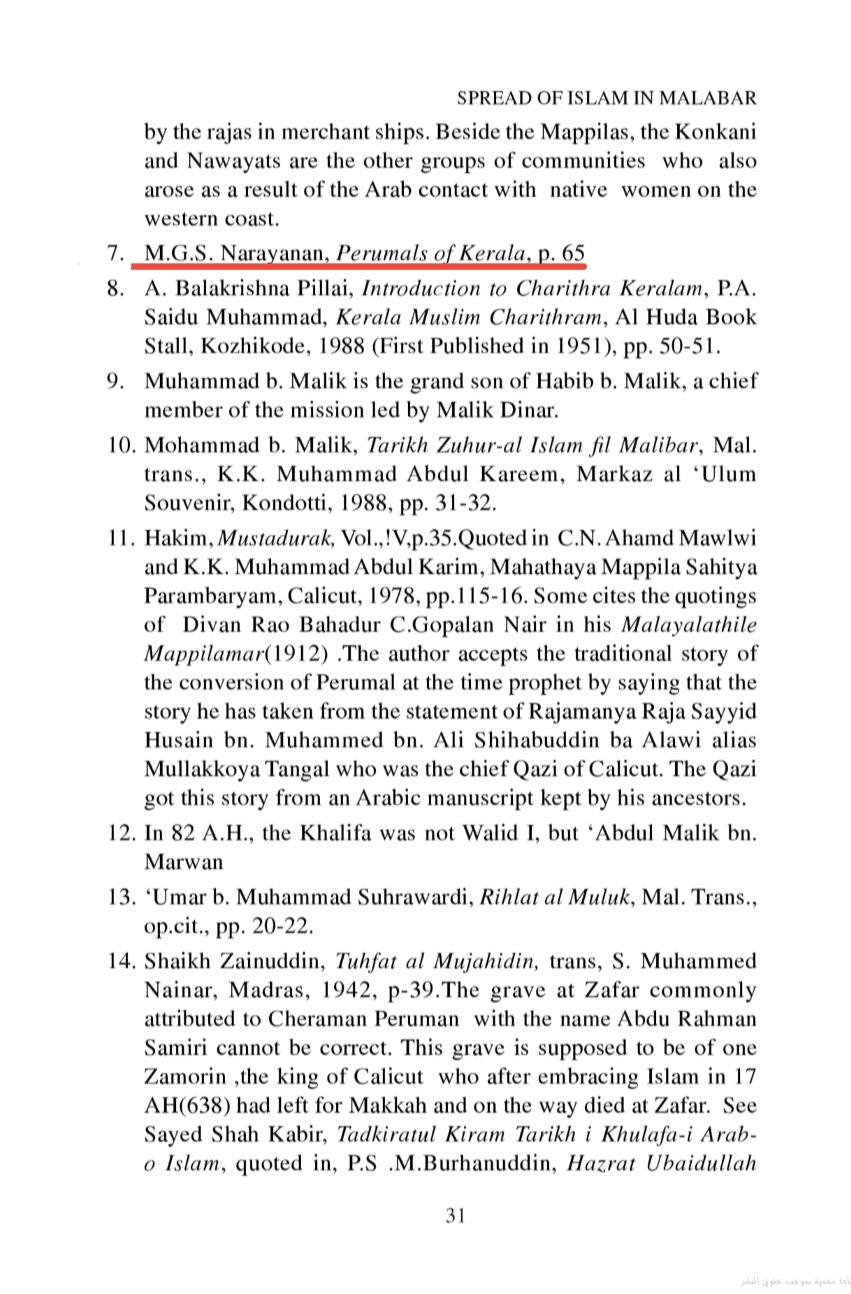
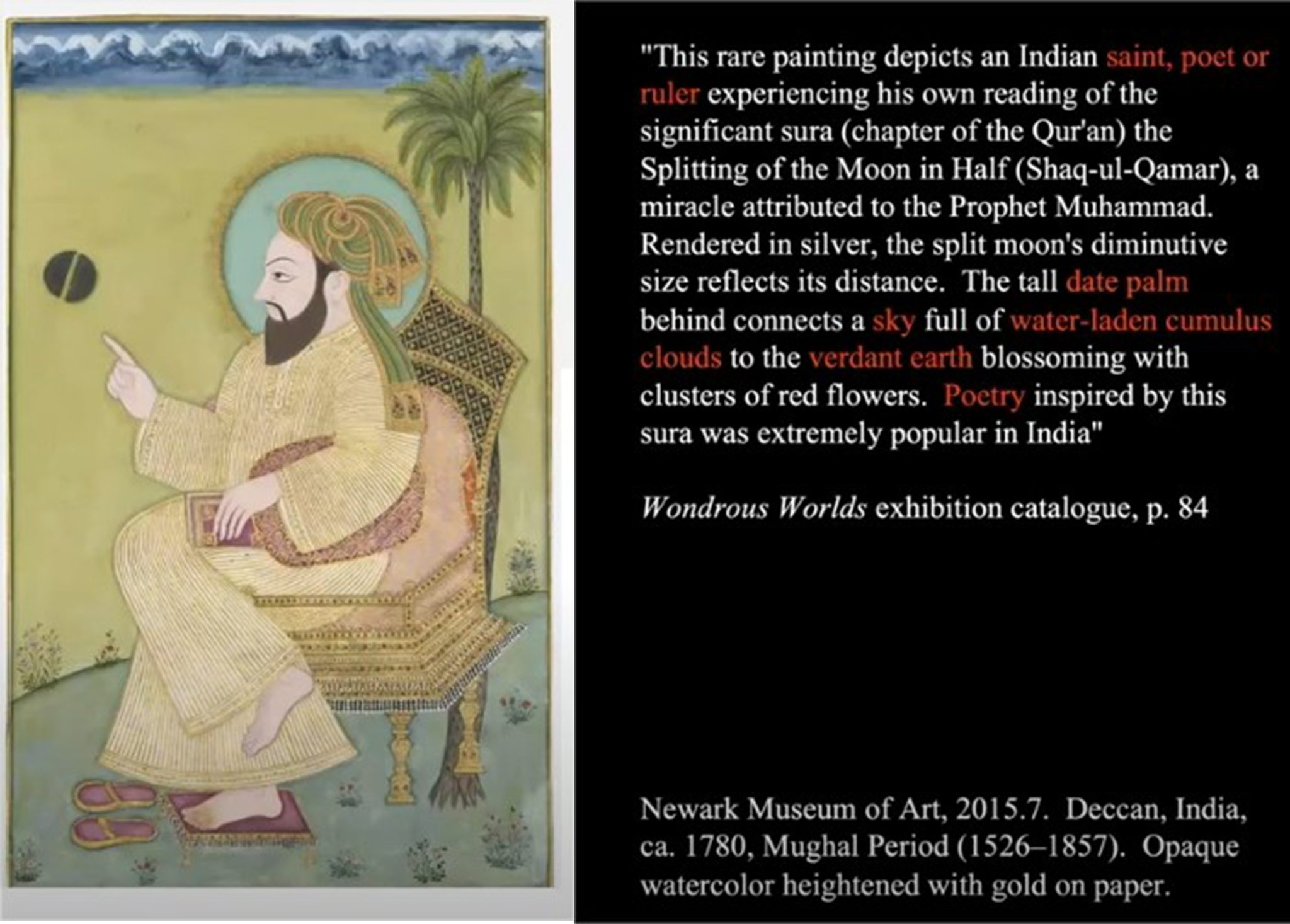
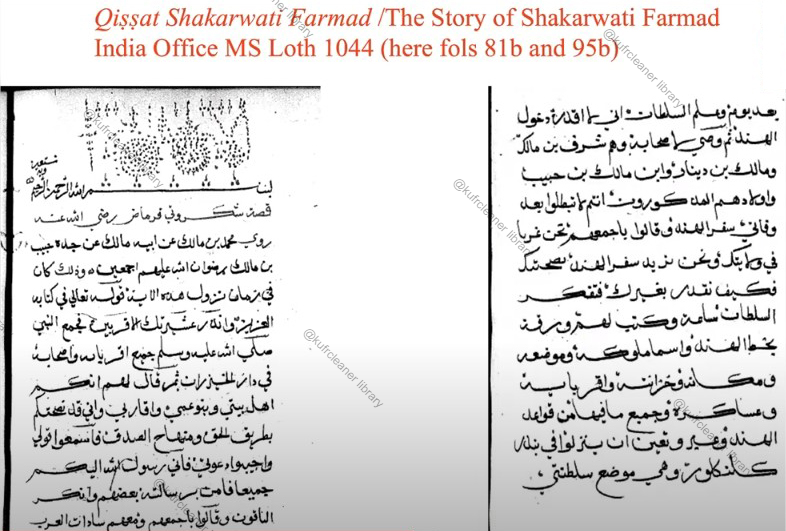
One of the most historically documented pieces of non-Muslim corroboration comes from the Indian subcontinent. Dr. Hassena V.A. has conducted comprehensive research on this, and the most important passages are reproduced below.
Context A claim was raised that the story of the Indian king’s conversion is a forgery, introduced by a Hindu text to discredit Islam by altering the dates to 835 CE. Dr. Hassena V.A.’s research addresses this directly, drawing on multiple independent Western and non-Muslim scholarly sources that confirm the king’s encounter with the moon split.
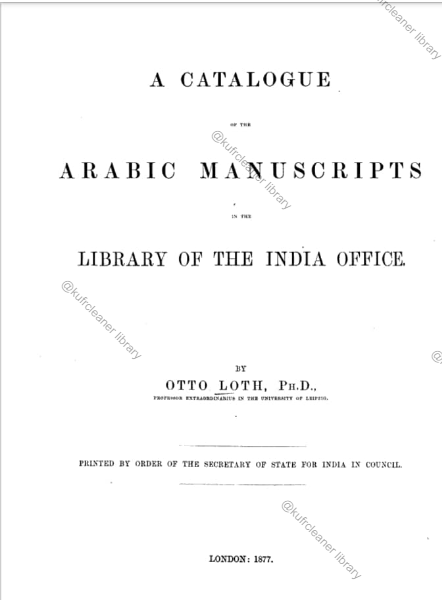
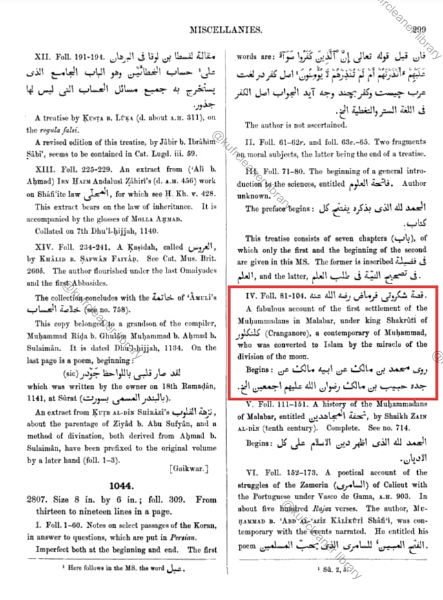
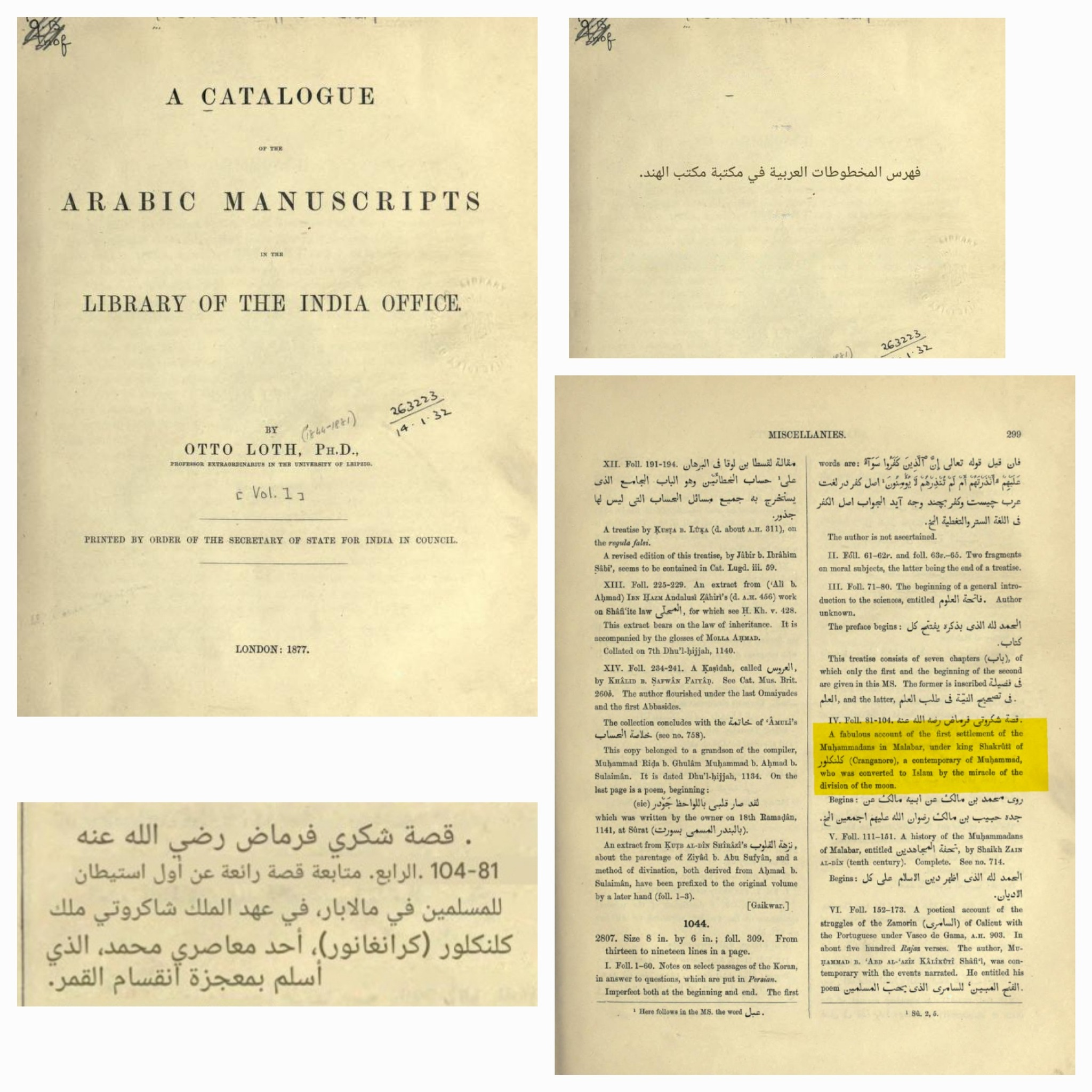
Source 1: Otto Loth, 1877
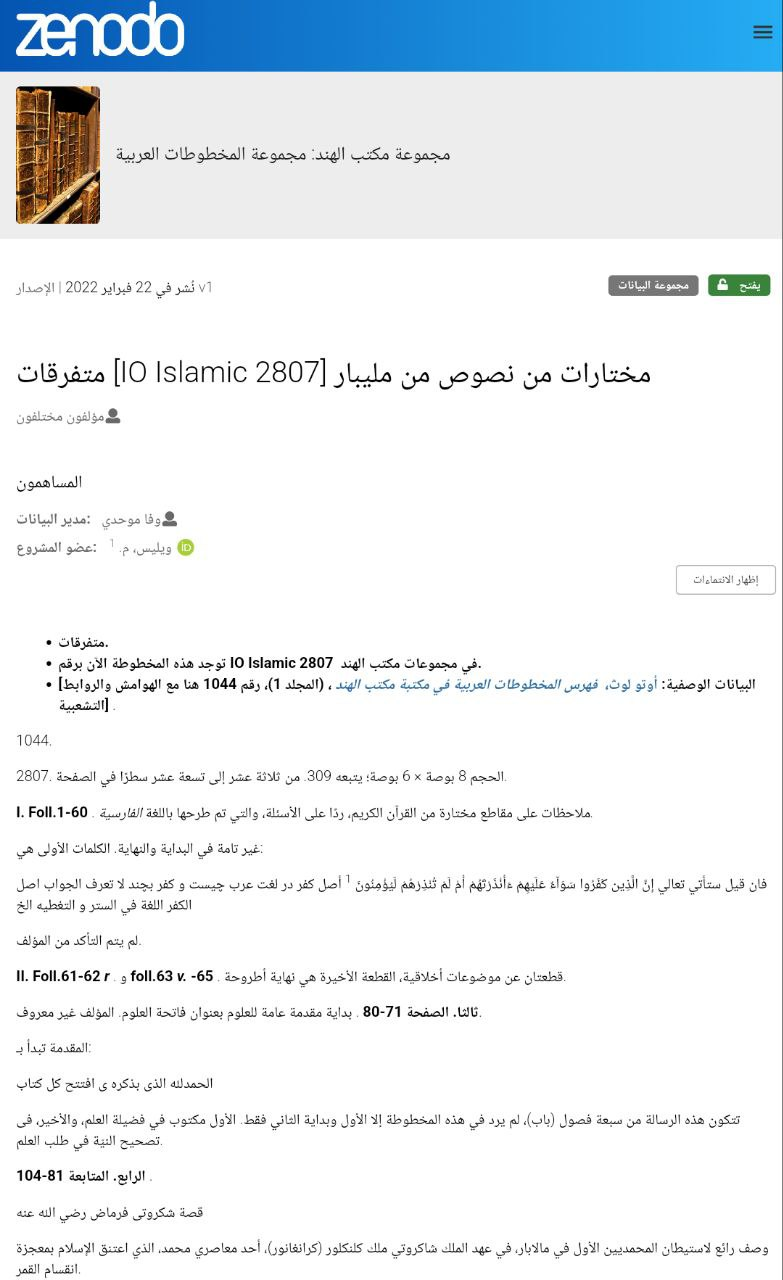
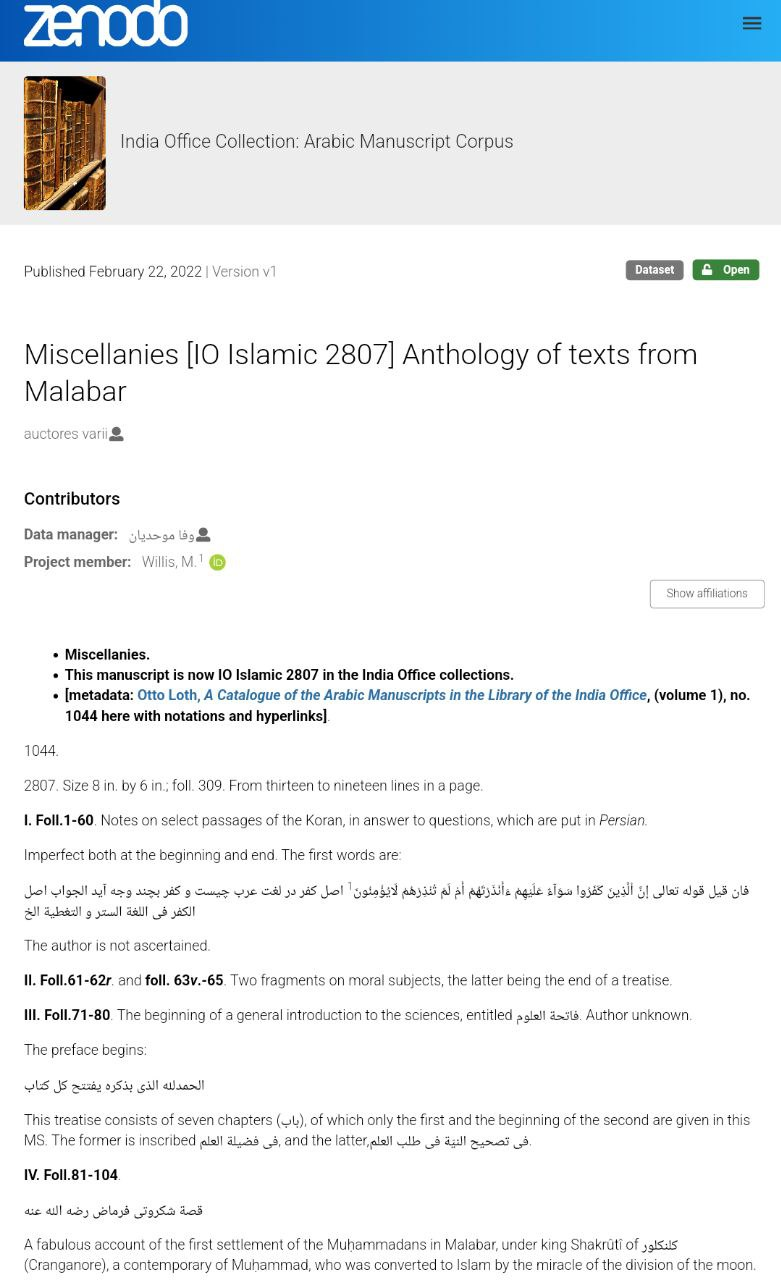
Otto Loth — Catalogue of the Arabic Manuscripts in the Library of the India Office, Vol. 1, p. 299 (1877) A fabulous account of the first settlement of the Muhammadans in Malabar, under king Shakrûti of Cranganore, a contemporary of Muhammad, who was converted to Islam by the miracle of the division of the moon.
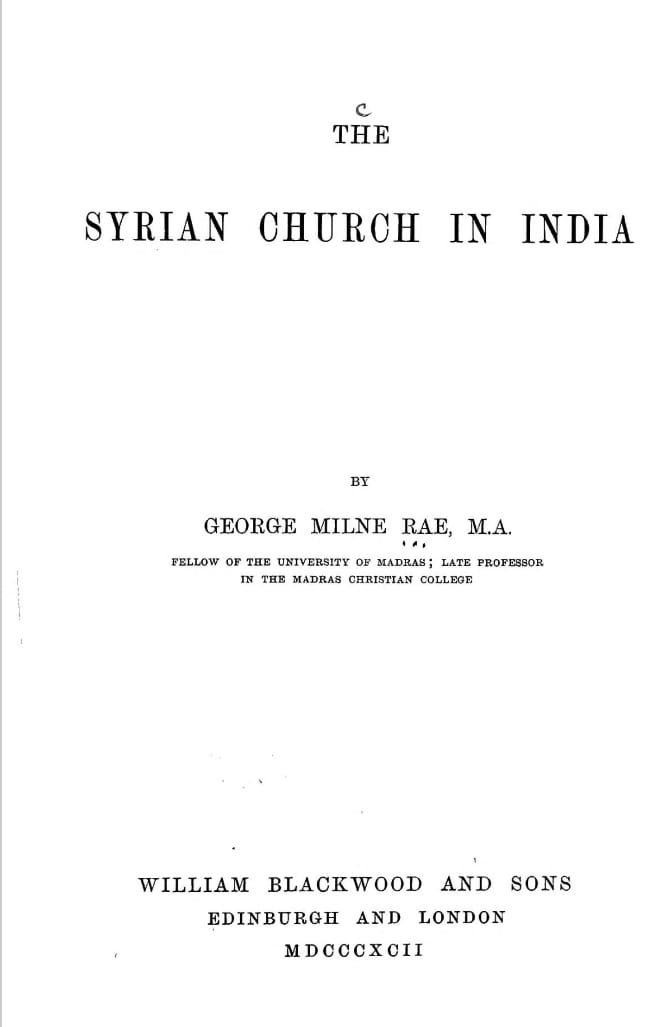
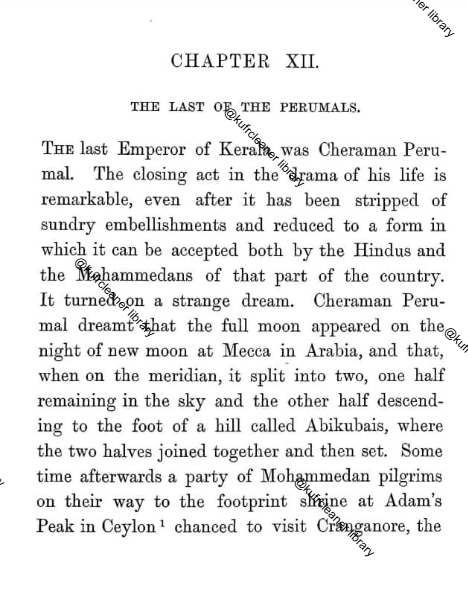
Source 2: George Milne Rae, 1892
George Milne Rae — The Syrian Church in India, p. 169 (1892) The last Emperor of Kerala was Cheraman Perumal. The closing act in the drama of his life is remarkable even after it has been stripped of sundry embellishments and reduced to a form in which it can be accepted both by the Hindus and the Muslims of that part of the country. It turned on a strange dream. Cheraman Perumal dreamt that the full moon appeared on the night of new moon at Mecca in Arabia and that when on the meridian it split into two — one half remaining in the sky and the other half descending to the foot of a hill called Abikubais — where the two halves joined together and then set.
Source 3: Nathan Katz — Even Hindu Tradition Records It
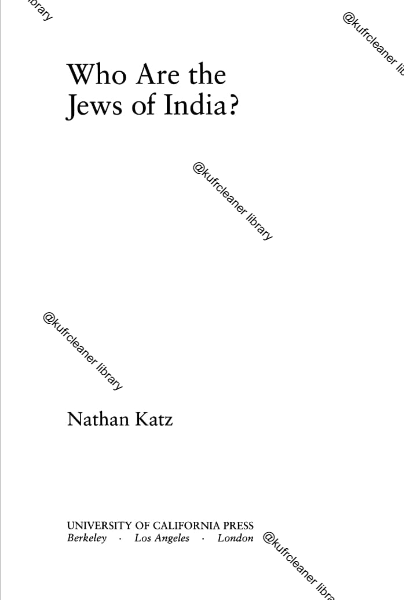
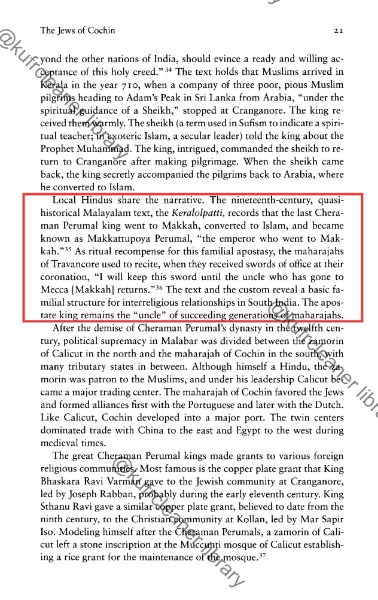
Nathan Katz — Who Are the Jews of India?, p. 21 Local Hindus share the narrative. The nineteenth-century, quasi-historical Malayalam text, the Keralolpatti, records that the last Cheraman Perumal king went to Makkah, converted to Islam, and became known as Makkattupoya Perumal — “the emperor who went to Makkah.” As ritual recompense for this familial apostasy, the maharajahs of Travancore used to recite, when they received swords of office at their coronation: “I will keep this sword until the uncle who has gone to Mecca returns.” The text and the custom reveal a basic familial structure for interreligious relationships in South India. The apostate king remains the “uncle” of succeeding generations of maharajahs.
Source 4: Sebastian R. Prange — Monsoon Islam
Sebastian R. Prange — Monsoon Islam, pp. 1–2 Upon witnessing this unwonted celestial occurrence, Cheraman Perumal summoned his Hindu astronomers, who — although competent enough to accurately forecast eclipses — could not account for this unprecedented phenomenon. Some years later, a group of Jewish and Christian traders disembarked on the Malabar Coast. Granted a royal audience, these traders told the king about an agitator back in Arabia, a man called Muḥammad ibn ‘Abd-Allāh who claimed to be a prophet and was said to have employed magic to split the moon. A few years later still, a group of Muslim pilgrims arrived at the Chera court on their way to Sri Lanka. The king quizzed these Muslims about their faith and its prophet. They related to him the miracle of the splitting of the moon, as recorded in Sūrah al-Qamar of the Qur’an. The king requested that the pilgrims return to his court on their homeward journey. When they did so, he divided his realm among his ministers before joining the Muslims on their voyage back to Arabia. There, Cheraman Perumal was converted to Islam at the hands of the Prophet himself ﷺ, becoming the first Indian Muslim.
Imam Ibn Taymiyyah “Some travelers mentioned that an ancient structure was found in the lands of India, with an inscription on some of its stones in their script: ‘Built on the night of the moon split.’”
20250204 165917 978e2facb60c2bf3
Significance This report from Ibn Taymiyyah, one of the most rigorous scholars in Islamic history, independently corroborates the Indian tradition. A physical structure was built and inscribed to commemorate an astronomical event — the night of the moon split — by people who had no known connection to Islamic dawah or Muslim motivations.
Canterbury 1178: English Church Records
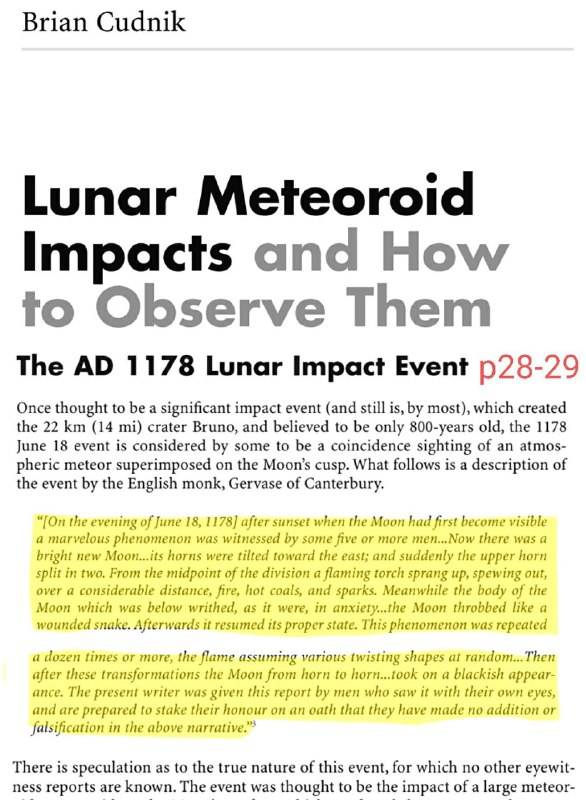
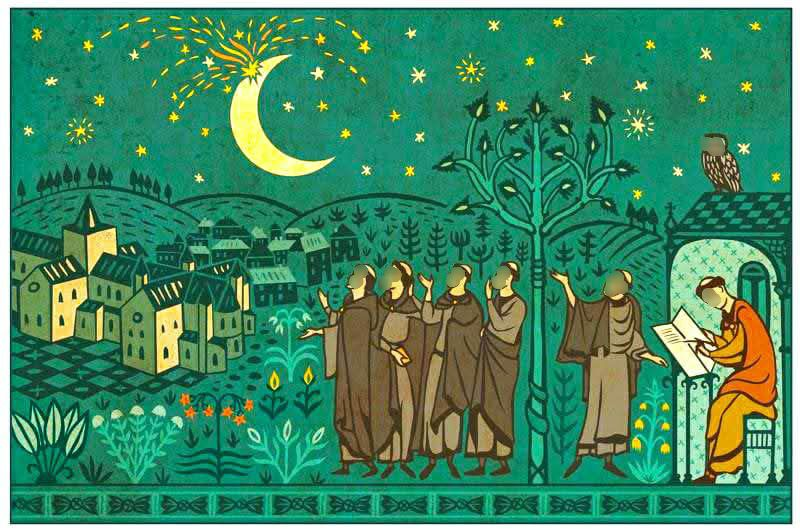
Perhaps the most striking piece of non-Muslim corroboration comes from medieval England. English church records document a rare celestial event involving the moon witnessed by five monks of Canterbury in 1178 CE.
Source: Brian Cudnik — Lunar Meteoroid Impacts and How to Observe Them, pp. 28–29 According to the monk Gervase, the men were observing a new crescent moon when they saw the upper part “split in two.” From the point of the split, a huge flame erupted, spewing sparks and glowing coals. The lower part of the moon appeared to writhe and ache, which Gervase likened to a “wounded snake.” The phenomenon was repeated more than 12 times with varying shapes. The flames eventually covered the moon from horn to horn in black — the entire body of the moon darkened. The witnesses recorded a visual splitting of the moon accompanied by a fiery flash and a strange tremor, followed by a change in colour, as if a rift and disturbance had occurred on the lunar surface.
A Pointed Rhetorical Challenge Would anyone find a skeptic who doubts this moon splitting among the Christian English the way they do when the same type of account is told by Arab Muslims? The double standard in how Muslim and non-Muslim testimonies of the same category of event are treated is itself evidence of motivated reasoning, not principled historical criticism.
Why the Event Wasn’t Universally Recorded: Classical Scholars Respond
The Objection “If the moon truly split, why don’t all nations and civilizations record it? Why didn’t Europe, India, or China write about it?”
Classical Islamic scholars addressed this objection centuries ago. Their responses are documented in the primary literature.
Al-Khattabi
Al-Khattabi — ‘Ilam al-Hadith, Vol. 2, p. 1619 This miracle was something that a special group from the people of Mecca witnessed at night. The moon is the sign of the night and has no authority in the day. Most people at night are asleep, living in buildings and enclosed spaces. Before any healing or consistency, the moon often has an eclipse, and people do not notice it until one of them or a few individuals from their group inform them. It was only perceived visually at the moment of direct observation, and this was brief.
Al-Qurtubi
Al-Qurtubi — Al-Mufhim, Vol. 7, pp. 403–404 It would only be necessary for all people to witness it if all people around the globe were conscious of it at the same time — and it was not like that. The moon rises for some people before others. It would also be necessary only if the duration of the split were long — and it was not. It was rather for a short time. Also, it was night, and the norm of people at night is to sleep. From this, the objections do not count and do not work.
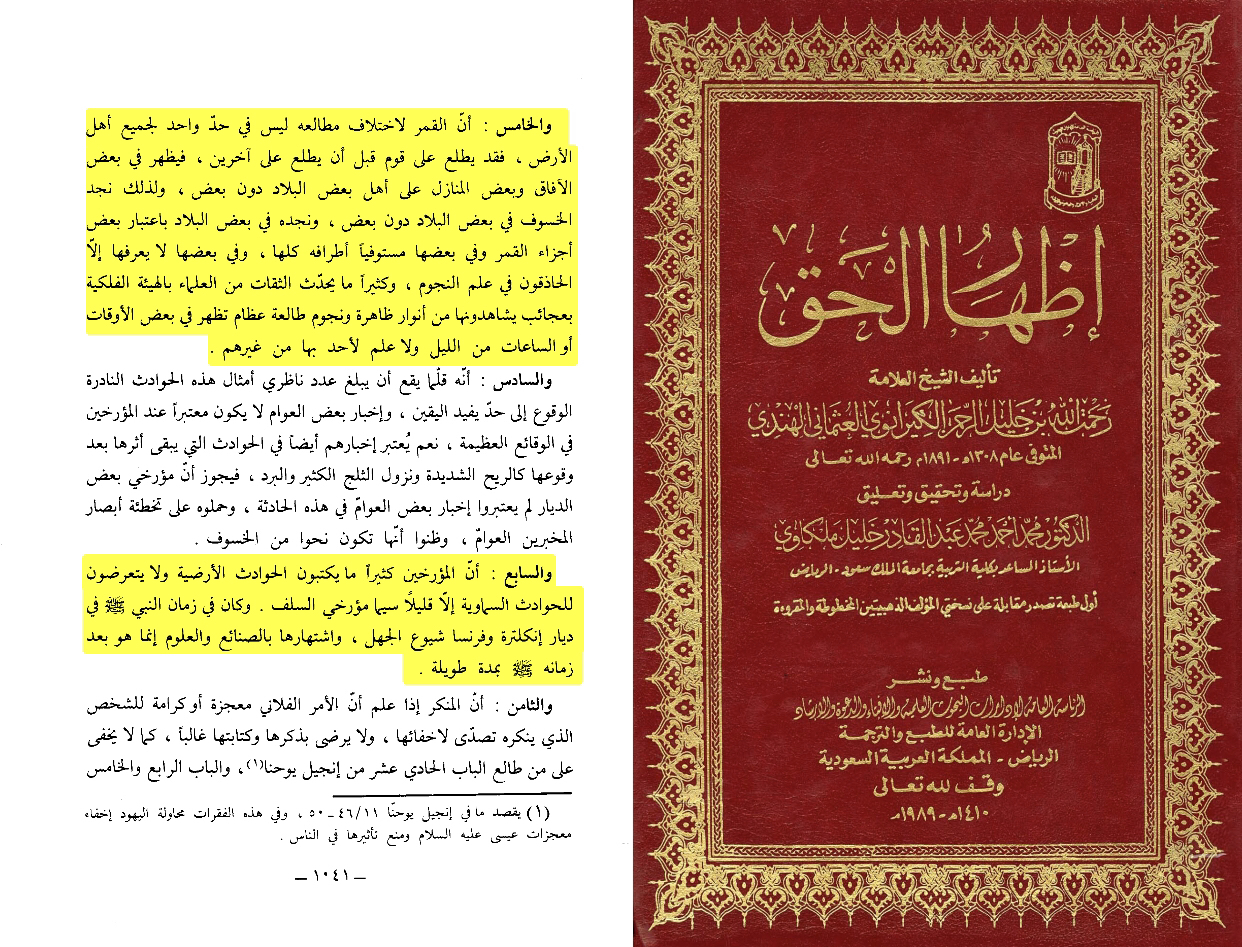
Rahmatullah al-Hindi
Rahmatullah al-Hindi — Izhar al-Haqq, p. 1041 Because of the differences in the rising of the moon it is not the same view for all people around the globe — the moon rises for some before others. Also, it is frequent that historians write of earthly phenomena without recording celestial/atmospheric ones, except rarely. And in England and France, scholars of that era were in ignorance and only gained knowledge long after the time of the Prophet ﷺ.
132dw 7dd89a1d466bfc17132dx b61c68b17d1652f2
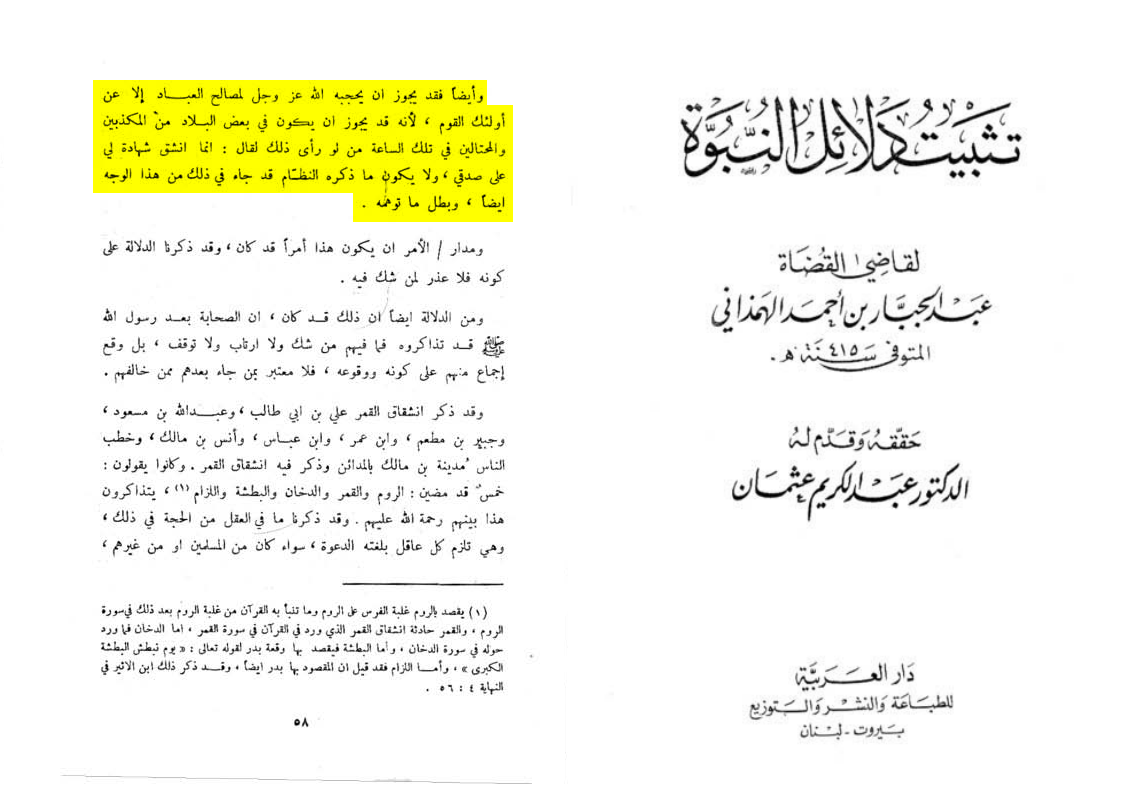
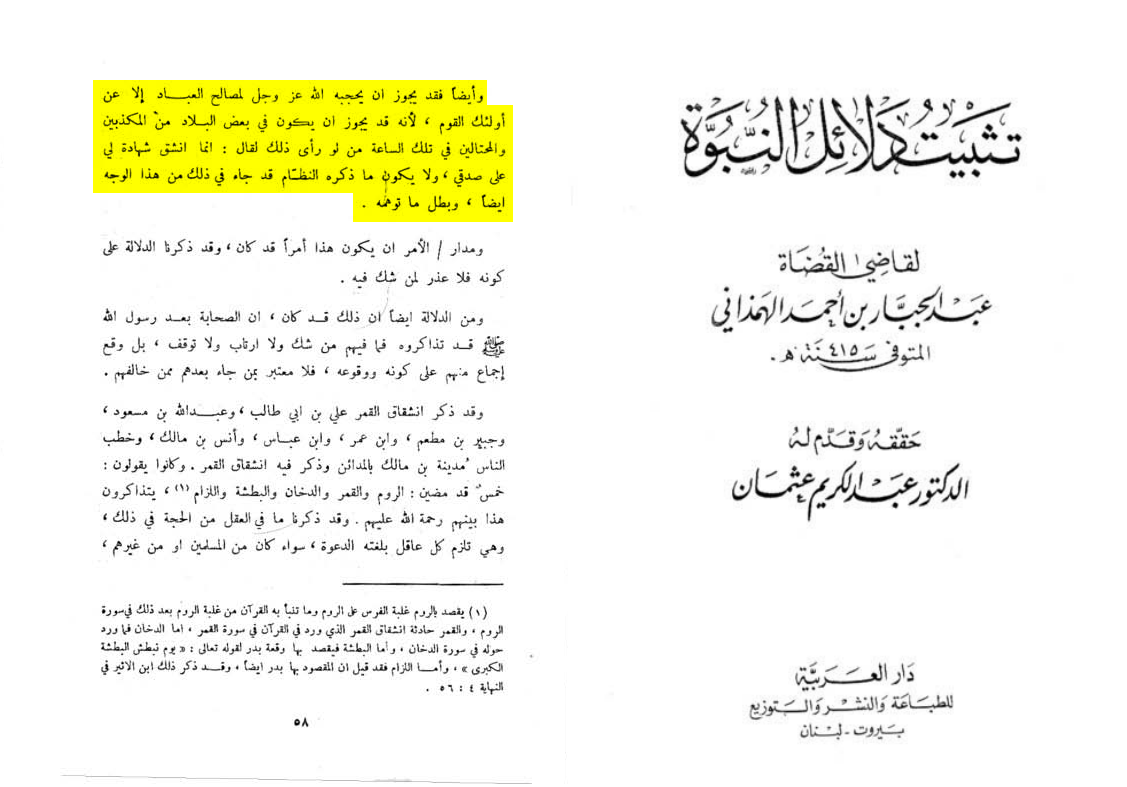
Al-Qadi Abd al-Jabbar
Al-Qadi Abd al-Jabbar (d. 415 AH) — Tathbit Dala’il, p. 58 It may be permissible that Allah hid it for the benefit of His servants, except for those people — the Meccans — because it is possible that in some countries there are liars and deceivers, and if such a person had seen it, he would say: “The testimony has only been withheld from me because of my truthfulness.” What is assumed to be a necessary condition for miracles is not required to come in this way.
132dz 9c73a4a9550f866a
Ibn Uthaymeen
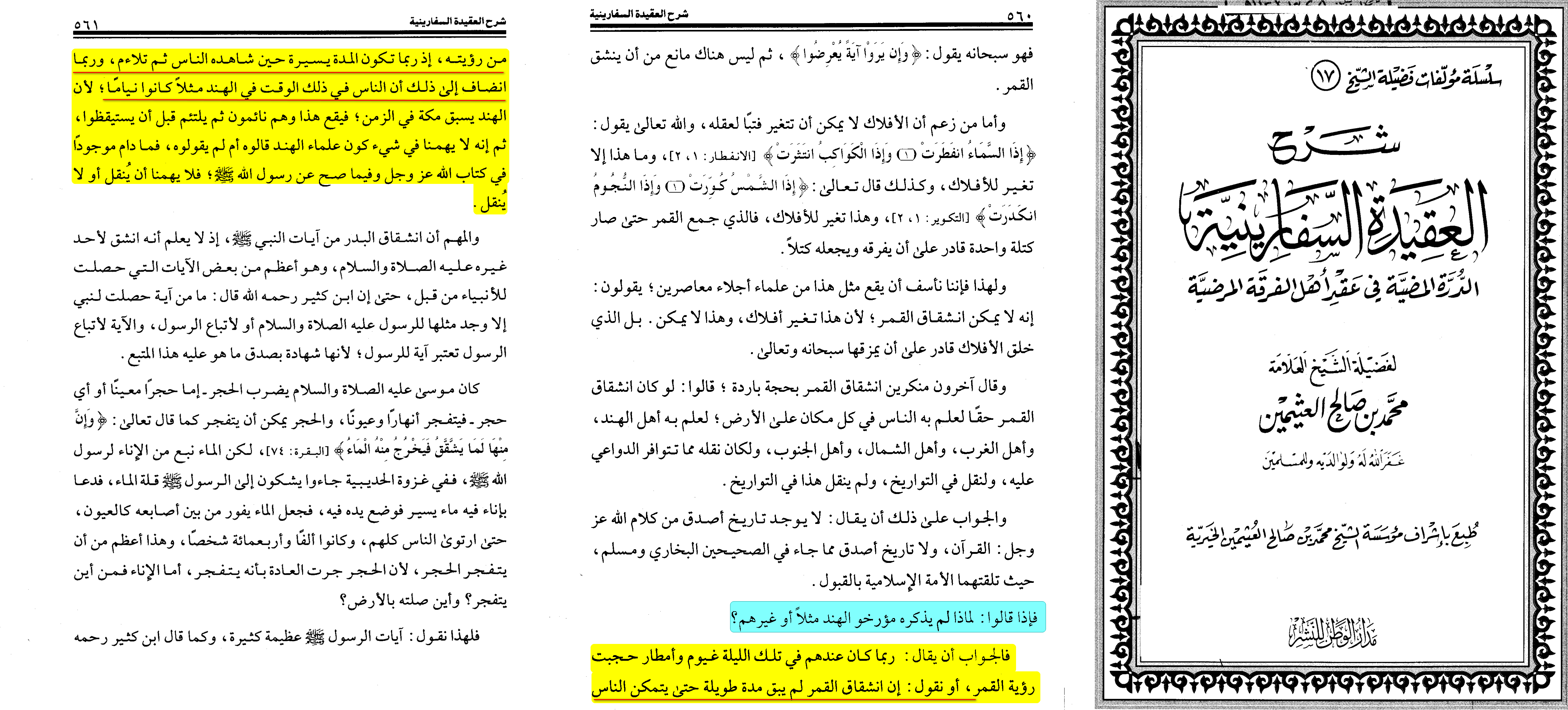
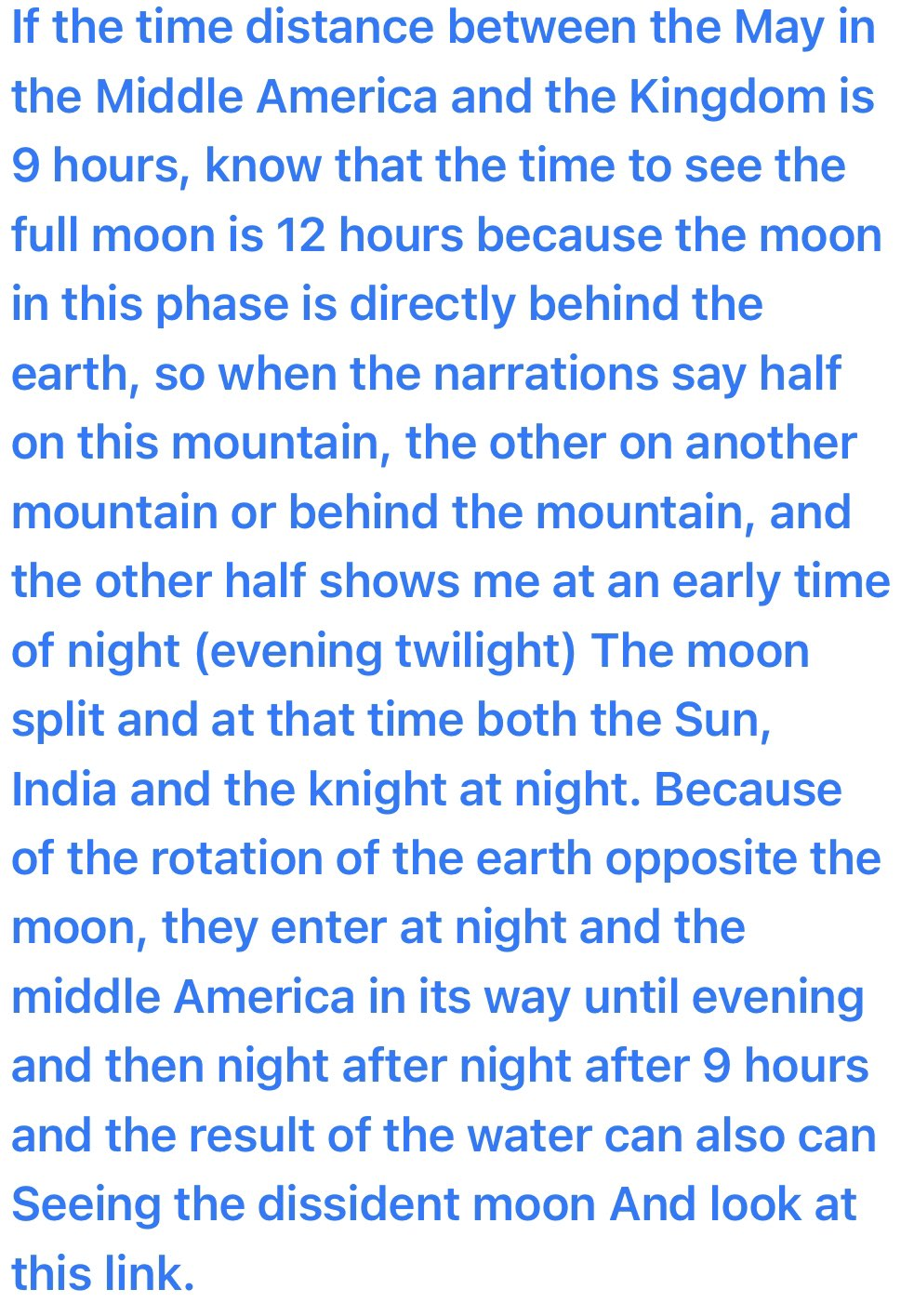
Ibn Salih al-Uthaymeen — Sharh al-‘Aqidah al-Safraniyah, pp. 560–561 If they say: “Why didn’t the Indian historians mention it?” — they are answered: Perhaps they had clouds that night that prevented them from seeing the split of the moon. Or we say that the moon split did not last for long. Or we say that at that time, the people were sleeping.
Cumulative Conclusion of the Scholars Four independent classical scholars — al-Khattabi, al-Qurtubi, Rahmatullah al-Hindi, al-Qadi Abd al-Jabbar, and Ibn Uthaymeen — converge on the same set of explanations: the event was brief, it was at night when most sleep, the moon rises at different times for different peoples, and celestial events are historically underdocumented compared to earthly ones. The objection from silence is not a valid historical argument.
Comparison: The Miracle of Fatima Refuted
Purpose of This Section Christians often cite the Miracle of the Sun at Fatima (1917) as evidence of Christianity, claiming it was witnessed by tens of thousands simultaneously. This claim is examined here to demonstrate that a supposedly better-evidenced Christian miracle actually fails under scrutiny — while the moon split stands firm under the same standards of criticism.
The Christian Claim The Miracle of Fatima is presented as a mass-witnessed public miracle that vindicates Christianity. If we apply the same evidentiary standards critics apply to the moon split, does Fatima hold up?
Problem 1: Not Everyone Present Witnessed It
Documentação Crítica de Fátima, pp. 89–91 Among the more educated classes, no one told me that they had seen the celestial apparition, but it is certain that all of them, learned and unlearned, manifested their faith.
Documentação Crítica de Fátima, pp. 126–130 It would not be surprising if among the thousands of people present, there were others like our coachman, to whom I asked while standing by the car at the top of the valley: “So, Mr. Manuel, did you like and see the sun?” — It seems that at that moment, he was feeding the horses!
Father Martindale also mentions individuals who failed to see the miracle — two English women and two Portuguese women who reportedly saw nothing, perhaps due to location in the crowd or distraction. The claim by John Haffert that everyone witnessed the events is therefore contradictory to the primary source documentation.
Problem 2: Embellishments Not Found in Original Sources
Some claimants, including John Haffert, include details like everyone’s clothes drying up instantaneously — a detail absent from original first-hand sources. Fabrications like this call the broader testimony’s reliability into question.
Problem 3: Photographic Evidence Contradicts Eyewitness Claims
Many who were present claimed the people and the earth had taken on a yellowish or purple hue. Photography in 1917 was both advanced and widely available. When contemporary colorization software is applied to photographs taken at the time, people appear entirely normal — not bathed in the described coloured light.
132dy 77b1364635adee3b
It is unlikely the event was entirely fabricated — but the severe discrepancies in testimony make hallucination due to collective ecstasy, combined with rumours and exaggerations, far more plausible than an actual cosmic event.
Problem 4: Satan Can Cause Hallucinations
The Islamic Response on Satanic Deception Even if something supernatural took place, Islam teaches that Shaytan can take human form, and some scholars hold that he can also cause hallucinations. The Bible itself acknowledges this:
2 Corinthians 11:14 And it is not wonderful, for Satan himself transforms himself into an angel of light.
Some of the children involved in the Fatima events subsequently began engaging in self-harm practices, with the “Virgin Mary” never appearing to tell them to stop. Would a miracle from God produce such effects?
Problem 5: A Failed Prophecy
The Fatima miracle was accompanied by a prophecy that World War I would end on the day of the miracle. It did not.
Father Joaquim I have consulted many people about this, and they all confirm the same thing that the witnesses to the same document said… what has currently cooled some people’s faith a bit is that one of the shepherds said that the war would end the same day, or the next night, and it still went on with the whole increment.
Deuteronomy 18:22 If what a prophet proclaims in the name of the Lord does not take place or come true, that is a message the Lord has not spoken. That prophet has spoken presumptuously, so do not be alarmed.
Comparative Conclusion The Miracle of Fatima — presented by Christians as a model of mass-witnessed, publicly verifiable supernatural events — fails on multiple fronts: inconsistent eyewitness testimony, photographic contradiction, embellishment, a failed prophecy, and the theological possibility of Satanic deception. The moon split, by contrast, rests on mutawatir hadith, Quranic testimony, and corroborating non-Muslim historical records from the Mayan codex, the Kerala tradition, Ibn Taymiyyah’s inscription report, and the Canterbury church records. The evidential comparison favors the Islamic miracle decisively.
Conclusion
Summary of the Refutation The claim that the Splitting of the Moon is historically untenable fails at every level of analysis. The arguments are summarized as follows.
The NASA argument fails because NASA said it has not currently found evidence — which is not a denial. The forgery argument fails because the narrations are mutawatir, making collective fabrication logically impossible. The silence-of-other-nations argument fails because five independent classical scholars explain why — the event was brief, occurred at night, the moon rises differently for different peoples, and celestial events are routinely underdocumented.
On the positive side, the evidence is substantial. The Islamic tradition provides mutawatir narrations recorded in the Qur’an, Sahih Bukhari, Sahih Muslim, and multiple other chains. The Quraysh themselves confirmed the event and tested it against independent travelers who verified it. Non-Muslim corroboration comes from the authenticated Madrid Codex of Mayan civilization, multiple independent Western scholars documenting the Cheraman Perumal tradition of Kerala, Ibn Taymiyyah’s report of an Indian inscription, and the Canterbury church records of 1178 CE.
The Qur’an declared it. The mutawatir hadith confirmed it. History, from multiple civilizations, did not forget it.