The Objection Critics allege that Quran 9:30 — “The Jews say, ‘Uzair is the son of Allah’” — contains a historical error, because no Jews are known to have called Ezra the son of God, and because modern Jews do not hold this belief. They conclude that the Quran was mistaken or fabricating.
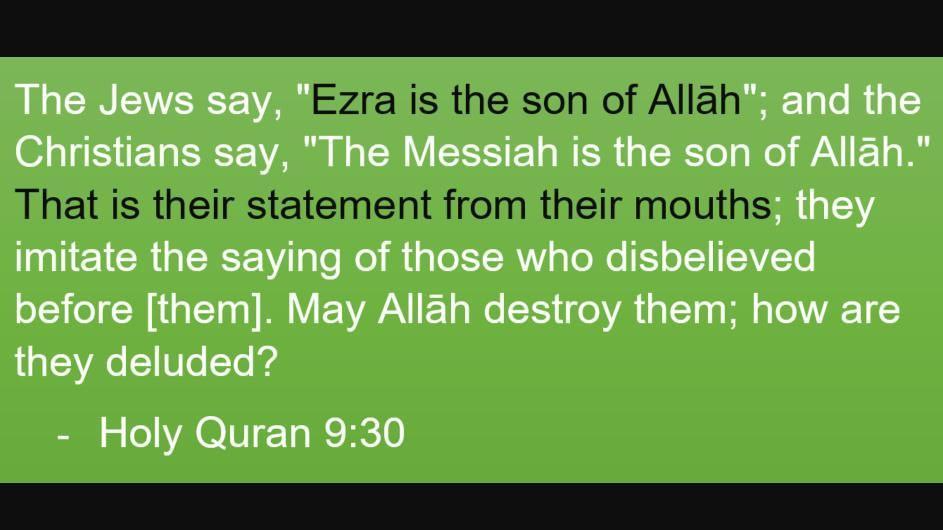
Quran 9:30 “The Jews say, ‘Uzair is the son of Allah,’ and the Christians say, ‘The Messiah is the son of Allah.’ That is their saying from their mouths. They imitate the saying of those who disbelieved before them. May Allah destroy them; how are they deluded?”
This article addresses the objection at every level — the Quranic text itself, classical Islamic scholarship, non-Muslim academic research, Jewish historical tradition, and the unique character of Arabian Judaism. The case for the historical accuracy of the verse is established through all of these independently converging lines of evidence.
The Verse’s Own Framing: A Verbal Claim, Not a Universal Creed
The first and most important point is what the verse actually says — and what it does not say.
qrh1 b95df24f816b1335
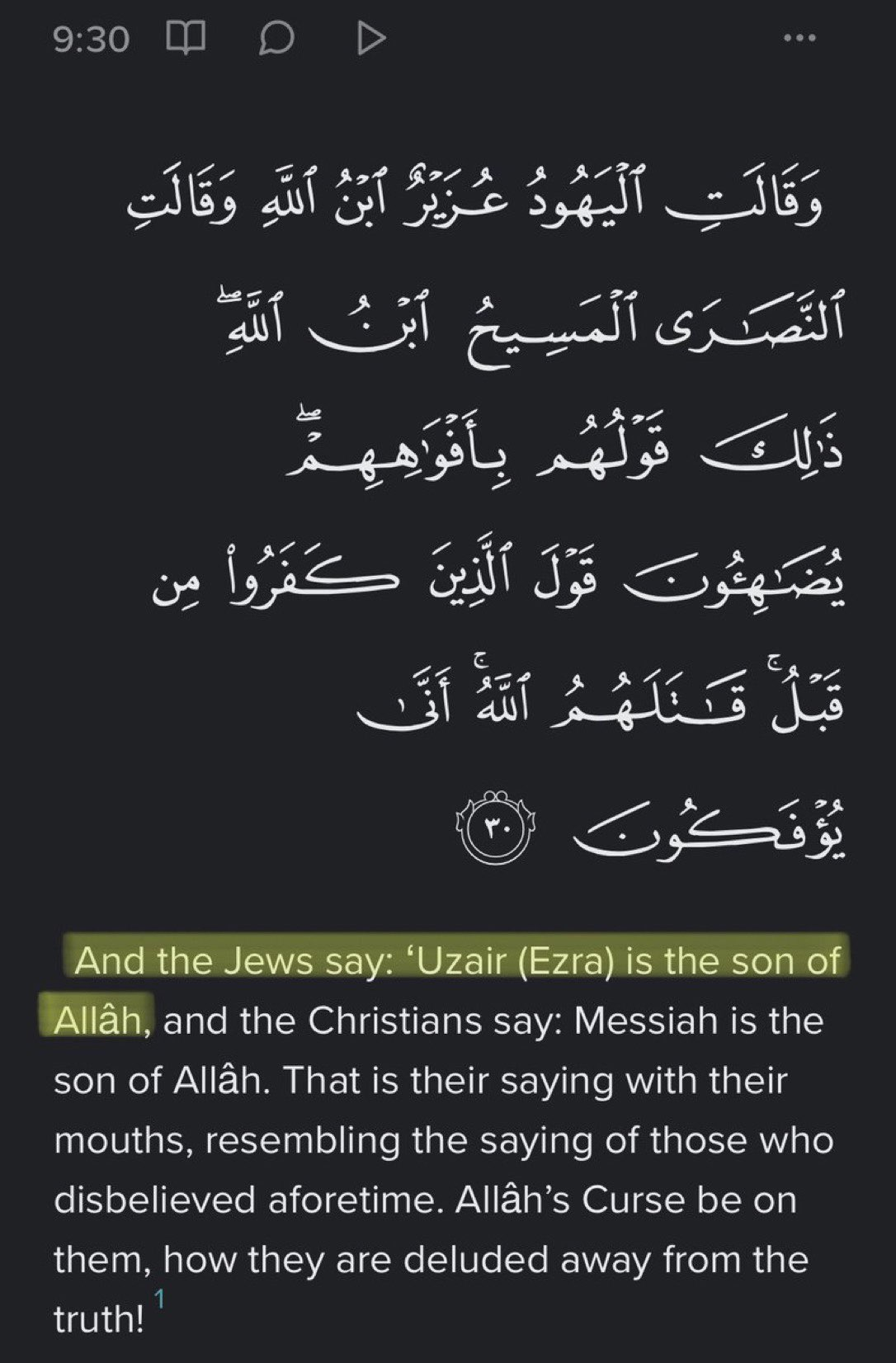
Source: Quran 9:30 — Opening Clause This screenshot shows Qur’an 9:30 with the opening clause highlighted: the Jews say, “Uzair is the son of Allah.” The verse presents a spoken claim attributed to Jews, not a requirement that the doctrine must appear as a formal creed in every Jewish scripture or among every Jew in every later period.
qrh2 09fa8febdad2e660
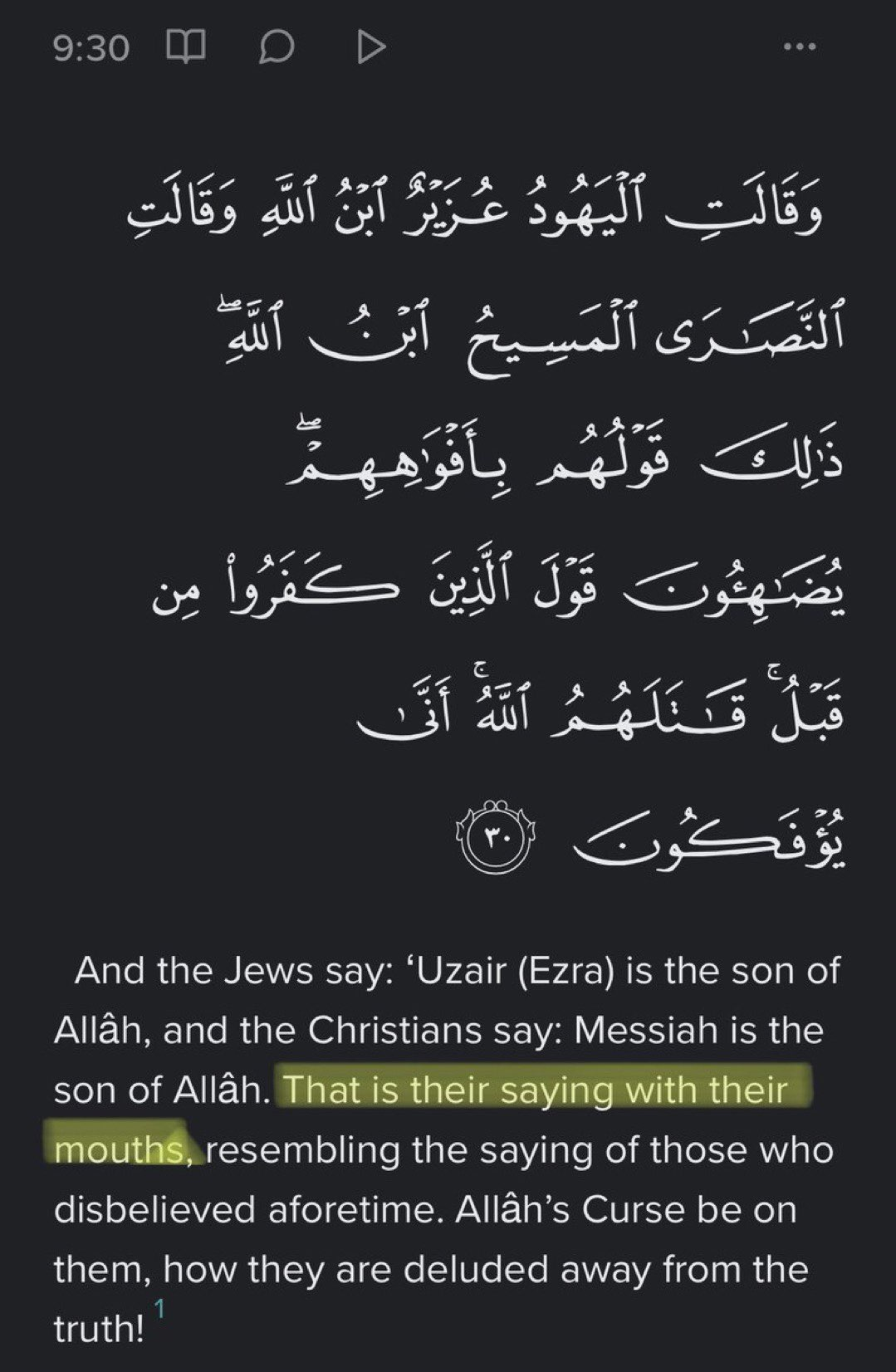
Source: Quran 9:30 — “That Is Their Saying from Their Mouths” This screenshot highlights the phrase “that is their saying with their mouths.” The verse itself frames the issue as a verbal claim — something said by a group — not as a requirement that the belief be preserved in a later canonical Jewish book.
Four Preliminary Observations First: The verse was revealed in Medina, where Jews were present. There is not a single hadith or narration — whether authentic or weak — recording that any Jew of Medina objected to this verse when it was revealed. Jews, Christians, and Arab pagans regularly came to the Prophet ﷺ, questioned him, debated with him, and objected to his recitations. None objected to this verse.
Second: The verse explicitly says the belief was expressed “from their mouths” — a verbal claim made by a party, not a recorded theological dogma expected to appear in their scripture.
Third: “Son of God” in Jewish usage of that period did not necessarily mean what it came to mean in later Christian theology. The term was applied to pious prophets and righteous individuals, including angels, in the Jewish religious environment.
Fourth: The Quran chose Uzair specifically because some Jews in Medina held this belief about him — it was not a universal Jewish position but a claim made by a specific group in a specific time and place.
Arabic Linguistic Style: General Attribution for a Specific Group
Before examining the historical evidence, a linguistic point must be established that resolves much of the apparent difficulty in the verse.
image 9a0736f0687922c1
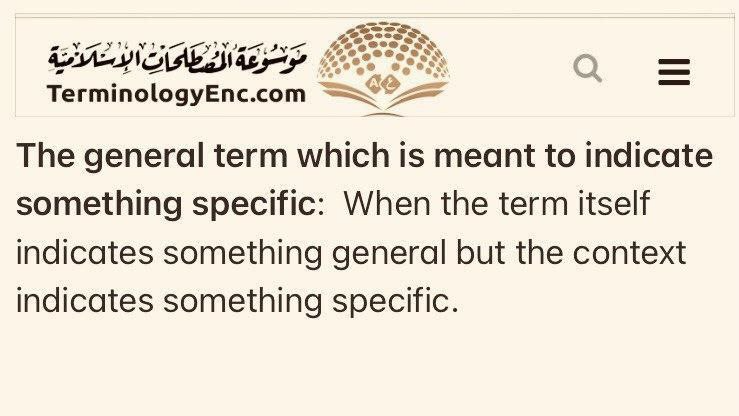
Arabic Grammar: General Attribution of a Specific Characteristic The Arabic linguistic style can attribute a characteristic to the entire group when only some of them are characterized by it. This rhetorical device is well-established in classical Arabic.
image d9afccd7dc1ce631
Linguistic Term: اللفظ العام المراد به الخصوص This device is called in Arabic: اللفظ العام المراد به الخصوص — “the general term by which something specific is intended.” It is a recognized and documented feature of Quranic and Arabic expression.
Al-Zamakhshari (467–538 AH) confirmed this application directly:
Al-Zamakhshari This statement was not said by all of the Jews, rather it was said by some of the Jews who lived in Medina. Allah attributed this statement to all of the Jews based on the Arabic grammatical principle which refers plurality into singularity.
The same principle appears throughout the Quran. When the Quran says “the Jews” or “the Christians” said something, it does not always require that every individual member of that community held the belief. This is standard Quranic usage — and standard Arabic rhetorical practice.
Islamic Sources: Who Said It and How Many?
Ibn Abbas and Ubaid Ibn Umair
The classical tafsir tradition preserves two distinct accounts of who specifically made the statement. Both reinforce the limited-attribution reading.
Ibn Abbas (3 BH – 68 AH) reports:
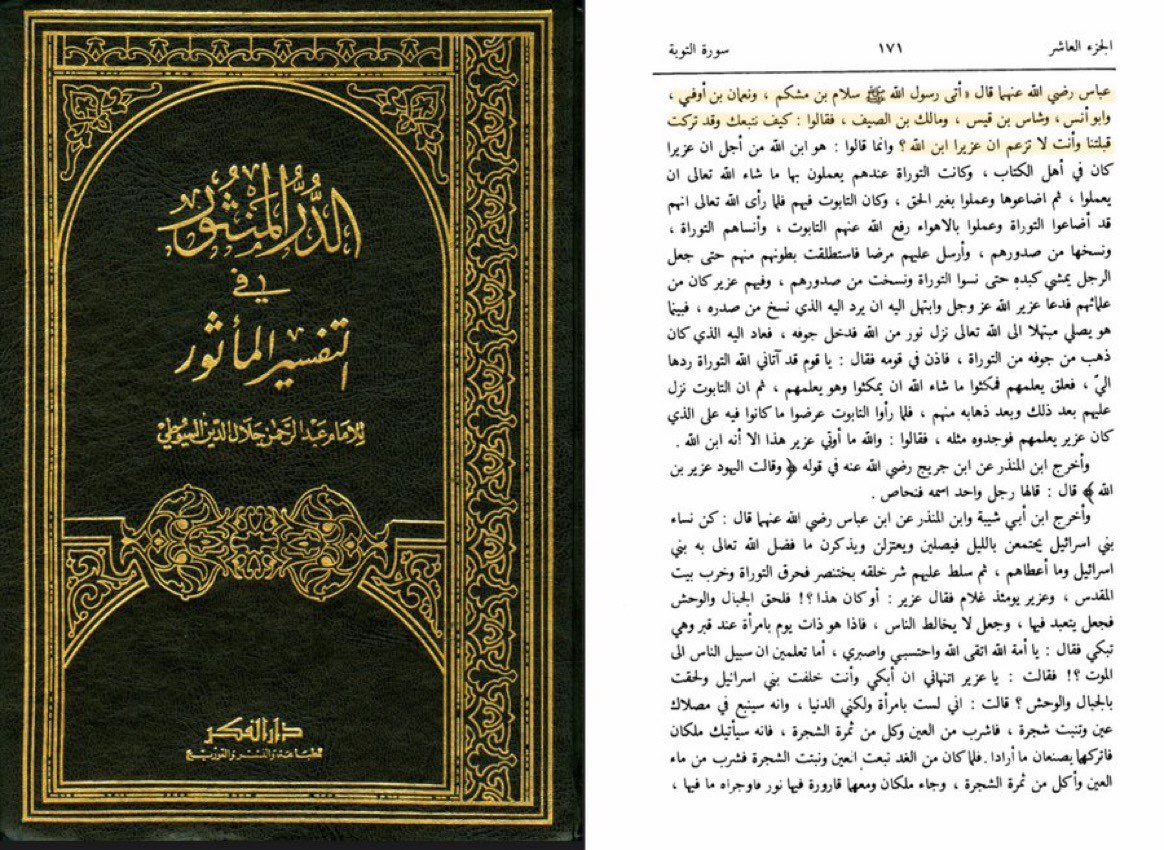
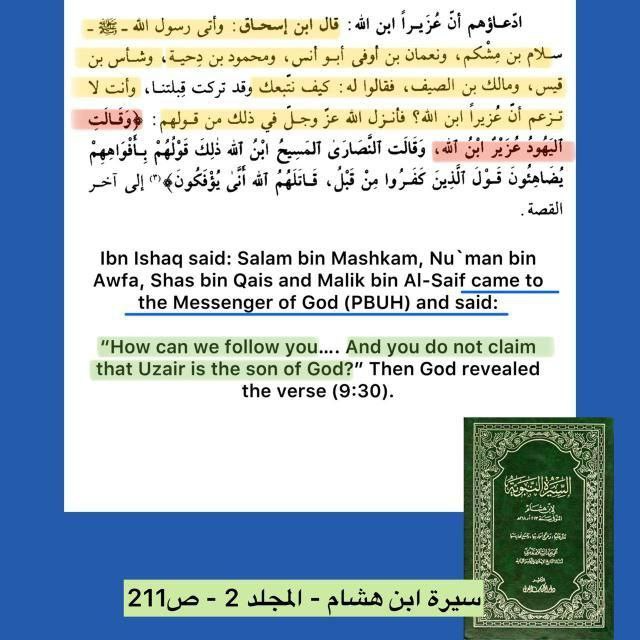
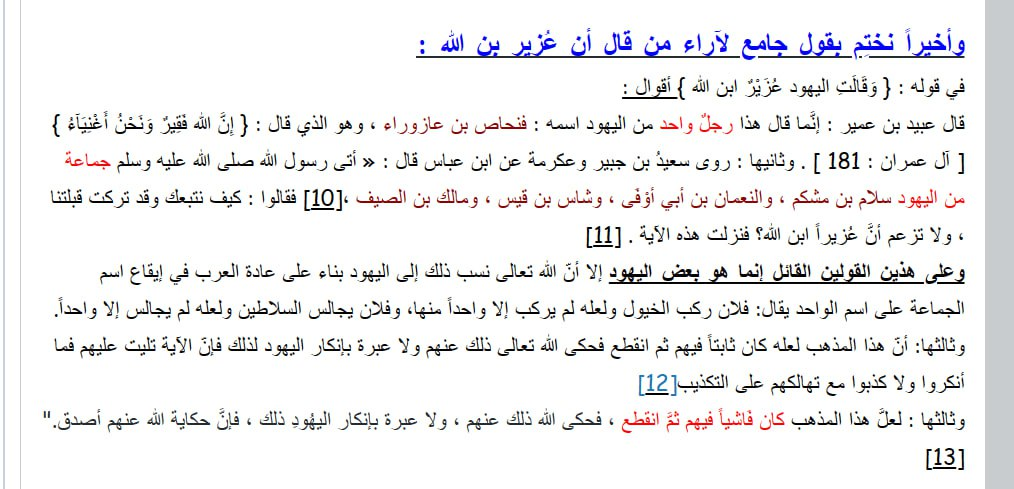
Ibn Abbas — Named Individuals Salam ibn Mashkam, Nu’man ibn Awfa, Sha’s ibn Qays, and Malik ibn al-Sayf came to the Prophet ﷺ and said: “How can we follow you while you do not follow our qiblah and you do not say that Uzair is the son of Allah?”
Ubaid ibn Umair (d. 68–73 AH) reports an even more specific account:
Ubaid ibn Umair — One Named Individual This statement was said by one man among the Jews named Fanhas ibn Azura.
qrh3 7717abe2cf006a0f
Source: Al-Suyuti, Al-Durr al-Manthur — Tafsir of Surah al-Tawbah This scan from Al-Suyuti’s Al-Durr al-Manthur cites both reports: Ibn Abbas naming the four Jews, and Ubayd ibn Umayr reporting that one man named Finhas ibn Azura said it. The scan confirms that the claim was attributed to a small named group or a single individual — not to all Jews universally.
Ibn Ishaq also records Jews visiting the Prophet and making this claim about Ezra:
Source: Ibn Ishaq — Jews Visiting the Prophet Ibn Ishaq records Jews coming to the Prophet ﷺ and putting forward the claim that Uzair is the son of God. This provides additional early Islamic documentation that the claim was made in the Prophet’s presence by identifiable members of the Jewish community in Medina.
Al-Tabari: Scholars Differed
qrh5 3c0168b972e816f1
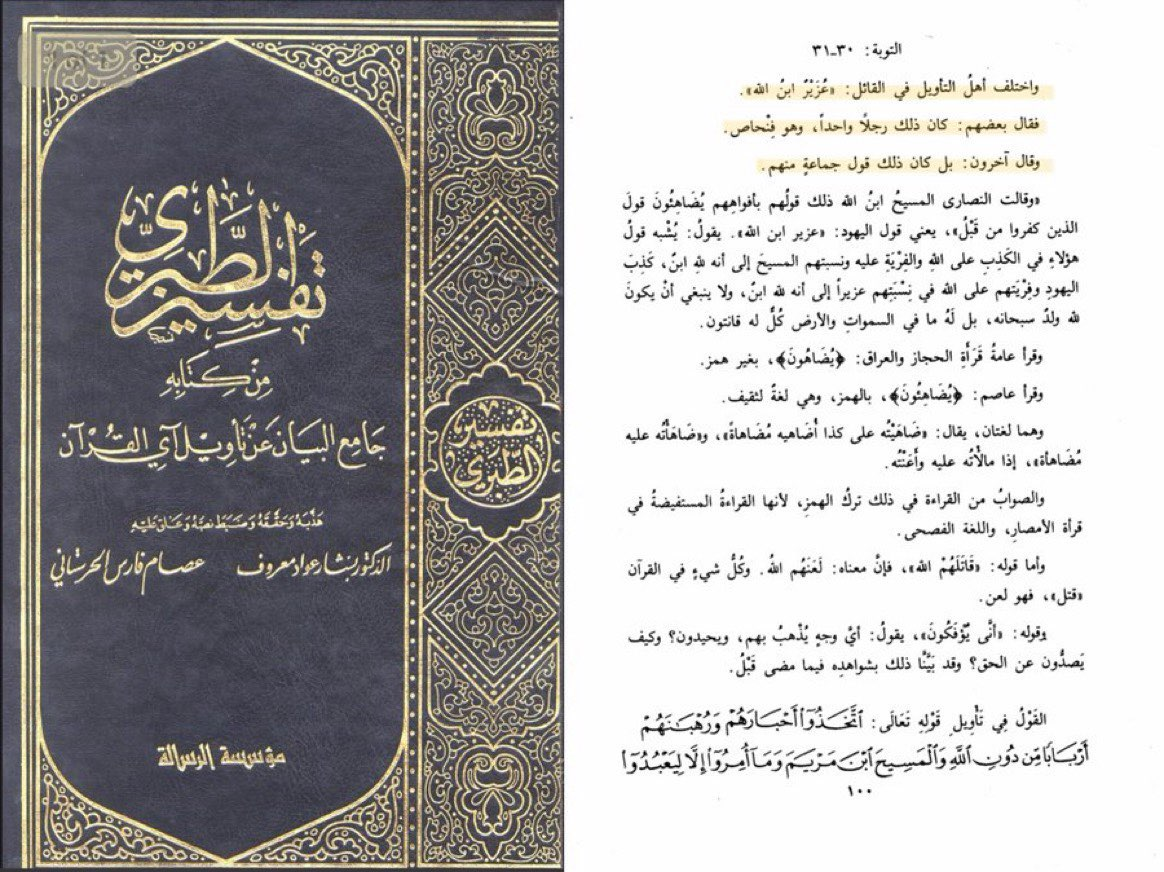
Source: Tafsir al-Tabari (Jami’ al-Bayan) on Quran 9:30 This scan from al-Tabari’s tafsir states that the scholars of interpretation differed over who said it: some said it was one man named Finhas, while others said it was a group among the Jews. The classical tafsir tradition preserved both readings without treating either as an embarrassment, because neither reading implies all Jews everywhere held the belief.
Al-Tabari (224–310 AH) The people of interpretation differed regarding the one who said the statement “Uzair is the son of Allah.” Some of them said it was said by one person named Fanhas. Others said it was said by a group of them.
Al-Jassas: The Sect Became Extinct
Al-Jassas provides the decisive answer to the modern objection that no Jews currently hold this belief:
qrh6 cb110a73cf91ce13
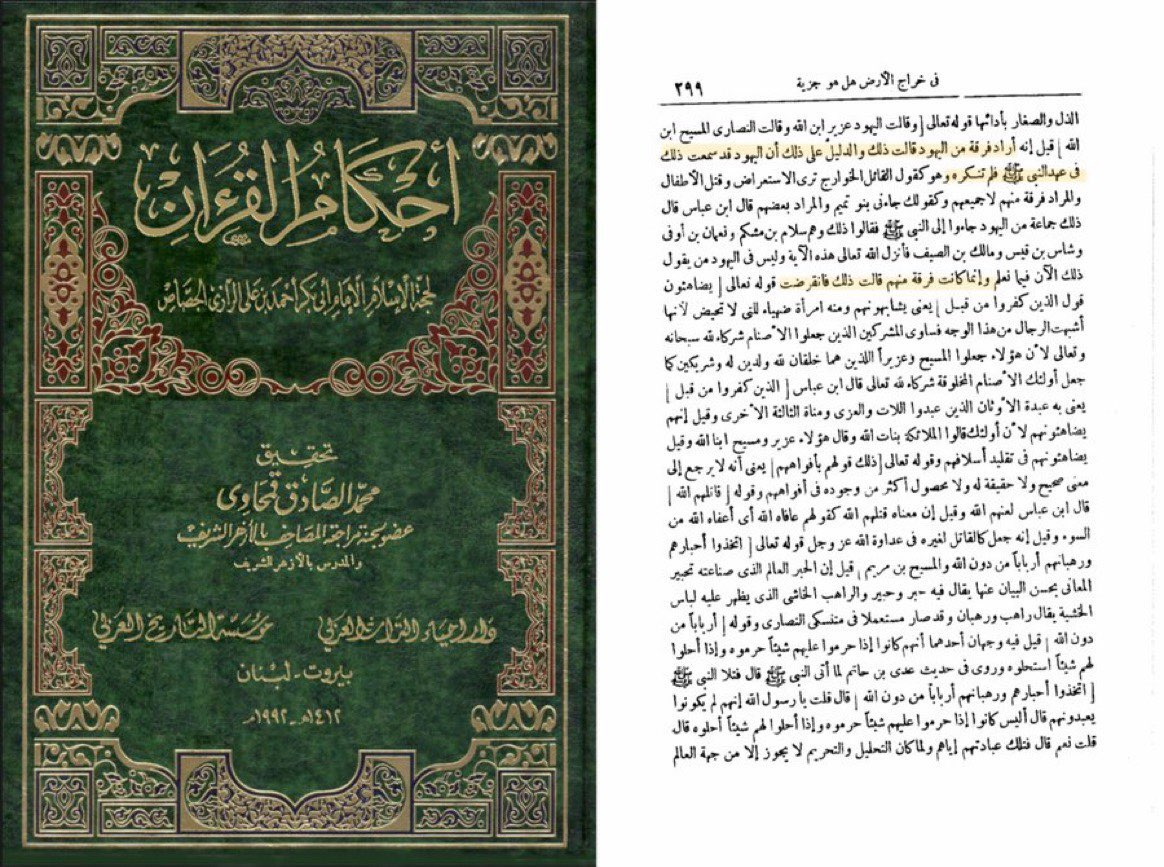
Source: Al-Jassas, Ahkam al-Qur’an This scan from al-Jassas explains that the verse refers to a group among the Jews who held the belief. Jews heard the accusation in the Prophet’s time and did not deny it. The page notes that no Jews say it now because that group disappeared — directly answering the objection that modern Jews do not hold this doctrine.
Al-Jassas (305–370 AH) It meant a group among the Jews who believed in that. The evidence for that is the fact that the Jews heard this accusation at the time of the Prophet ﷺ and did not deny it. There are none among the Jews who say that now, and that group became extinct.
The Answer to “Modern Jews Don’t Believe This” The absence of this belief among modern Jews is not a refutation. Al-Jassas identified this reality over a thousand years ago and explained it: the specific sect that held the belief died out. A belief that no longer exists among a community does not retroactively prove it never existed.
Al-Zamakhshari: Some Jews in Medina
Al-Zamakhshari (467–538 AH) This statement was not said by all of the Jews, rather it was said by some of the Jews who lived in Medina. Allah attributed this statement to all of the Jews based on the Arabic grammatical principle which refers plurality into singularity.
Ibn Taymiyyah: Collective Attribution and Collective Silence
qrha 7770b8e0e3593ac1
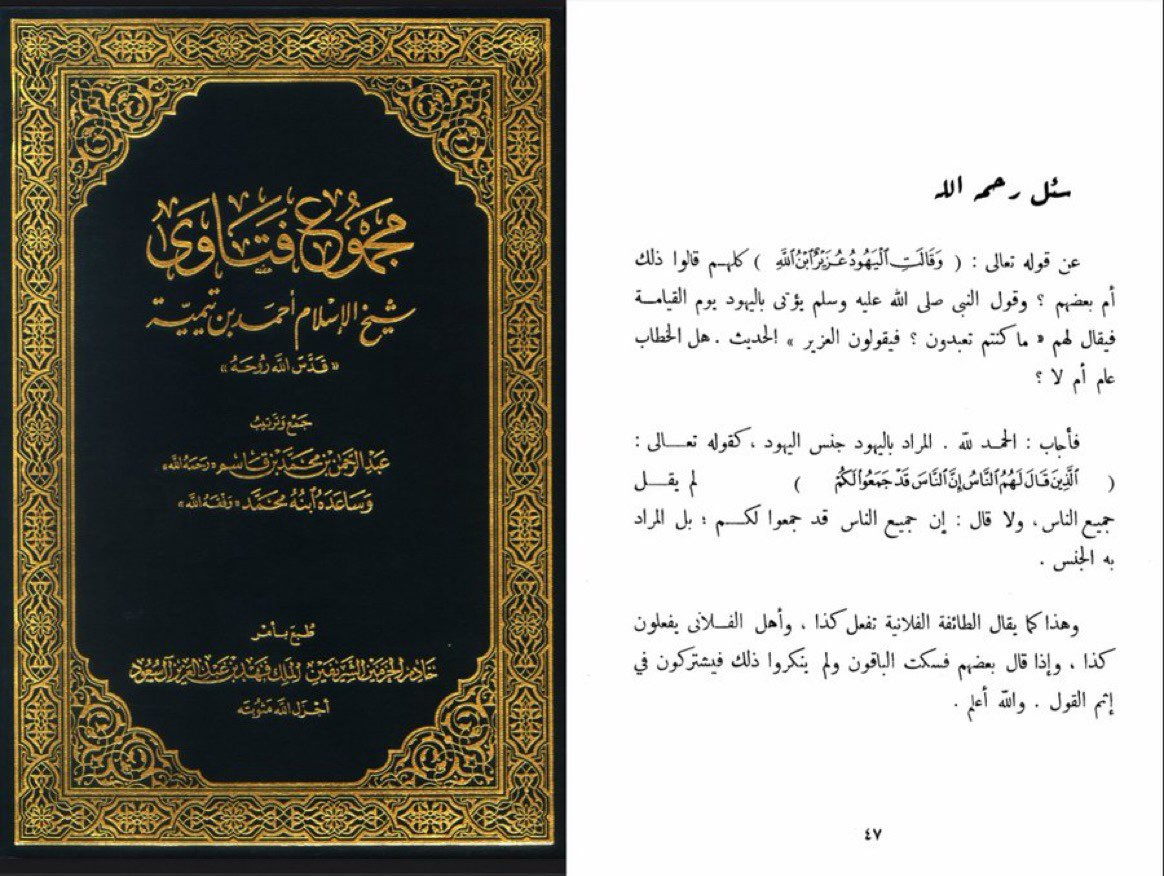
Source: Ibn Taymiyyah, Minhaj al-Sunnah This scan from Ibn Taymiyyah’s Minhaj al-Sunnah explains that Qur’anic expressions such as “the Jews” can refer to a category or faction, not necessarily every individual. If some of them openly say something and the rest do not reject it, the statement can be attributed to the collective.
Ibn Taymiyyah (661–728 AH) What is meant by “the Jews” is a category of people, as in the verse (3:173). If some of them hold that view and express it and the rest remain silent and do not object to it, then they all have a share in the sin of that view.
The summary of the Islamic tafsir tradition on this question is captured in the following scan:
surah tawbah 30 ezra god 1
Summary Scan — Classical Tafsir Conclusion This Arabic scan summarizes the classical tafsir material on Quran 9:30: the saying was attributed to some Jews, not all Jews, and the particular group or belief later disappeared. This is the settled position of the classical Muslim scholarly tradition.
Non-Muslim Academic Corroboration
Josef Horovitz
qrhd 5eaacde3b837b928qrhe eb80e52ecbbbff9d
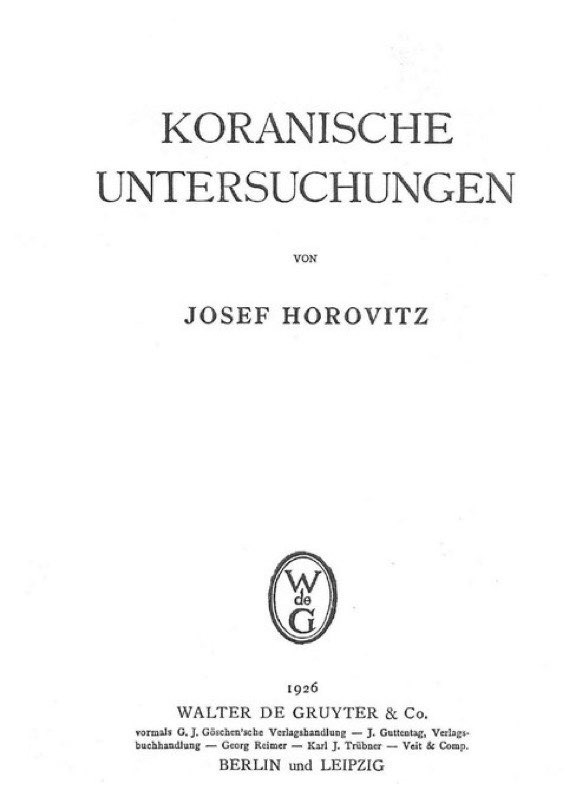
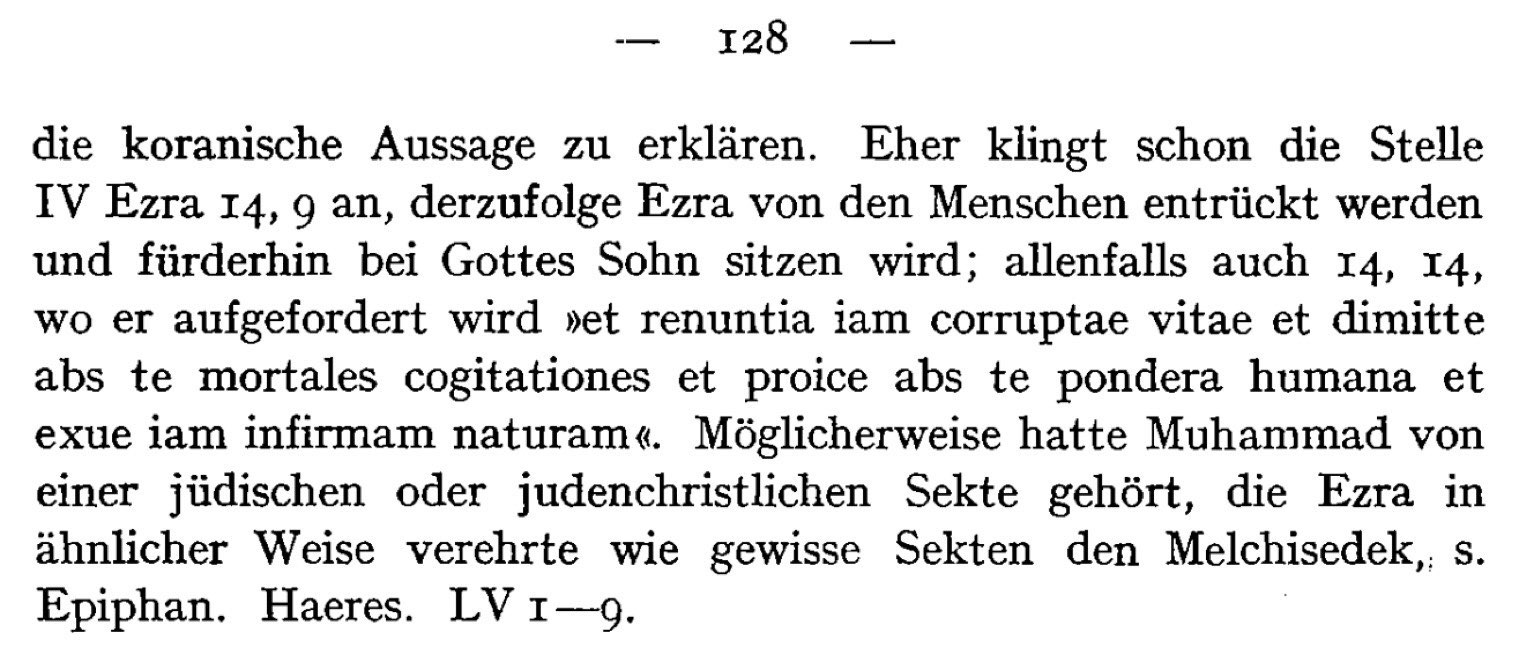
Source: Josef Horovitz, Koranische Untersuchungen This scan discusses how the Qur’anic statement about Ezra may be explained through traditions around the Fourth Book of Ezra, especially the passage where Ezra is taken away from mankind and said to dwell with God’s son. The highlighted part adds that Muhammad ﷺ may have heard of a Jewish or Judeo-Christian sect that revered Ezra in a way comparable to how some sects revered Melchizedek.
Josef Horovitz — Non-Muslim Orientalist It is possible that Muhammad had heard of a Jewish or Judeo-Christian sect that similarly revered Ezra to how certain sects venerated Melchizedek.
George Sale
qrhf 903d3cd89f8b4899
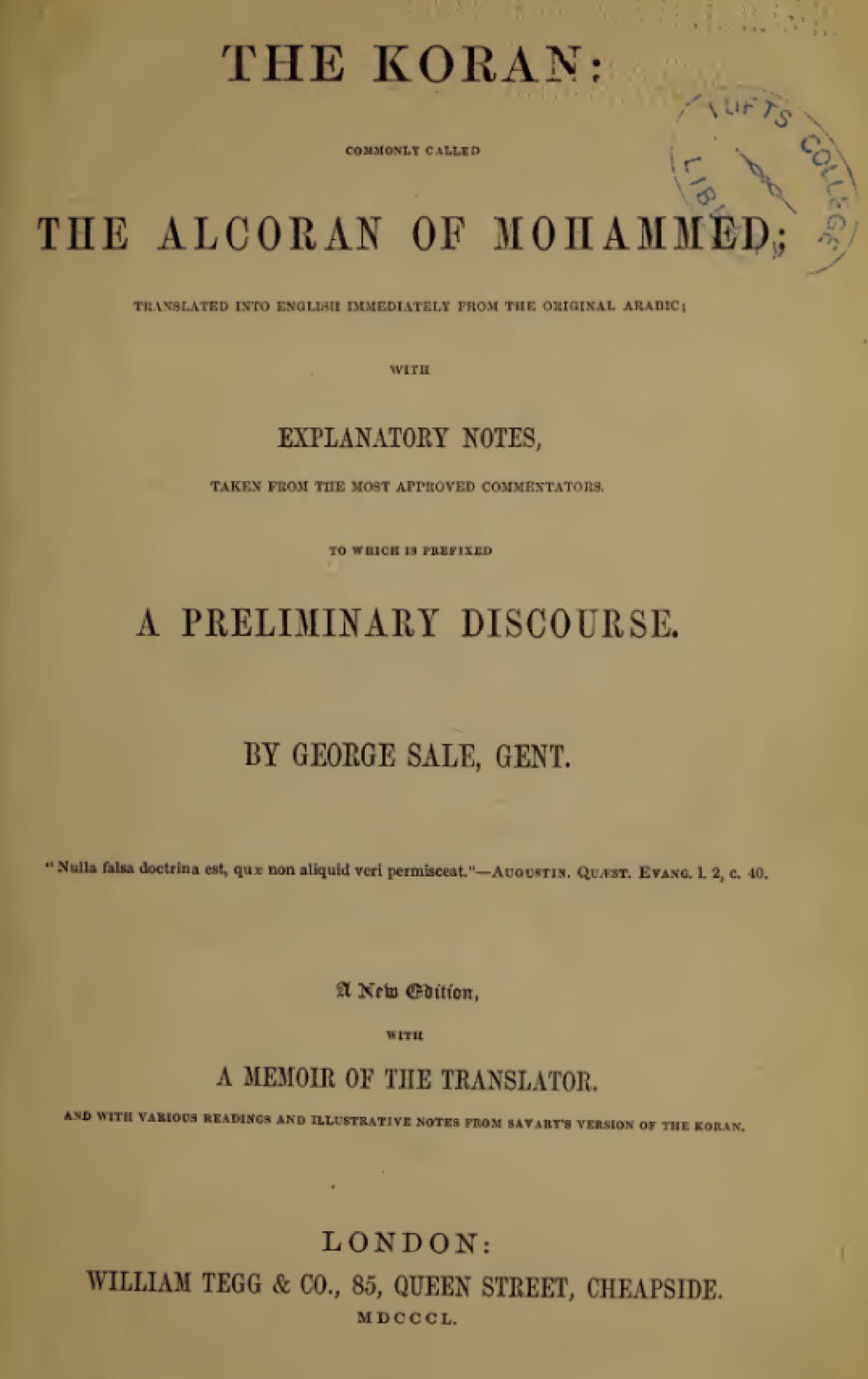
George Sale — Christian Scholar, p. 152 It is not improbable, however, that the fiction came originally from the Jews, though they be now of another opinion, and I cannot fix it upon them by any direct proof.
Even a critic who cannot “fix it by direct proof” acknowledges it is “not improbable” that the belief originally came from the Jews. This is a concession to the plausibility of the Quranic statement from a non-sympathetic source.
The Samaritan Source Theory
A Christian writer proposed that the Prophet ﷺ received knowledge of Jews exalting Ezra to the status of Son of God through the Samaritans — who condemned Ezra for allegedly changing the divine alphabetical character of the holy books. This writer’s own conclusion is significant:
Christian Writer on the Samaritan Source It is not at all unlikely that the source of Mohammed’s indictment of the Jews is to be found among the Samaritans or amongst Arab tribesmen of Samaritan strain. If we found in Samaritan literature the opposite belief that Ezra was the son of Satan, we would be well-nigh sure of having settled the matter.
Even this critic accepts the claim as historically rooted — they are only debating the transmission route, not whether such a belief existed.
Newby, Firestone, and Wasserstrom
Four distinct academic testimonies confirm the existence of such a belief among the Jews historically:
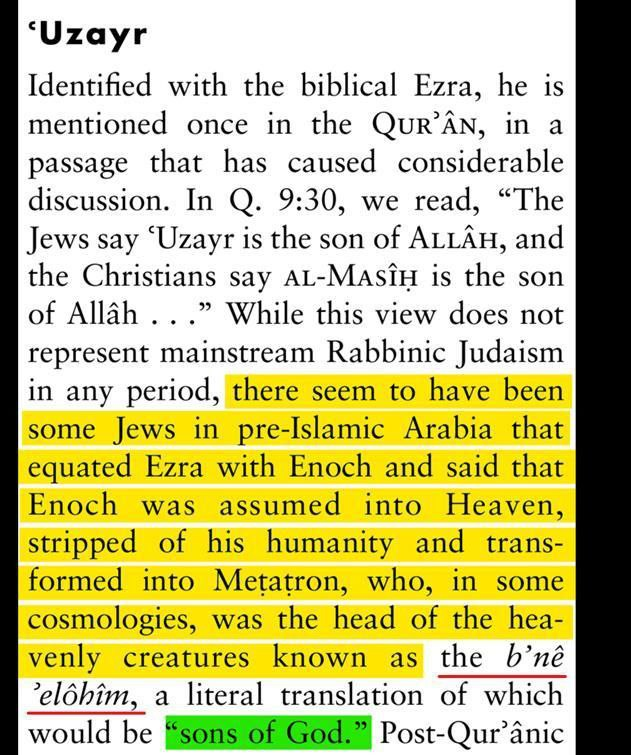
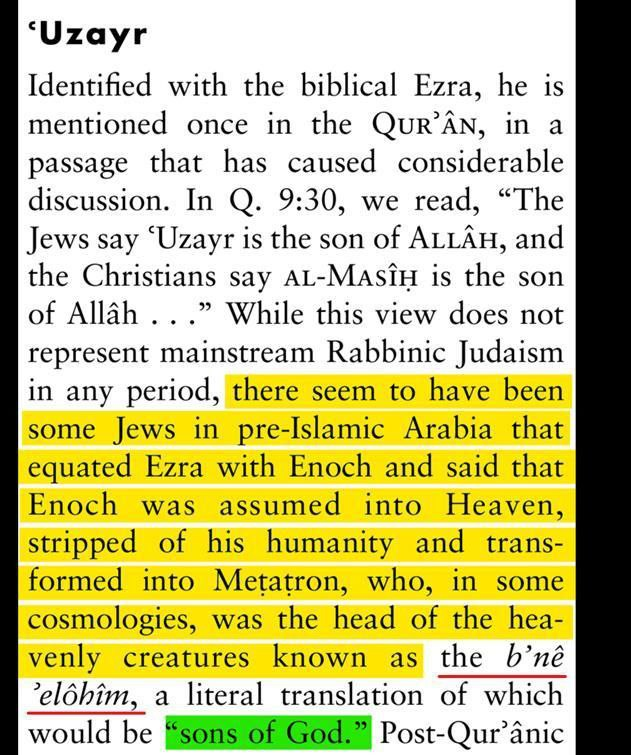
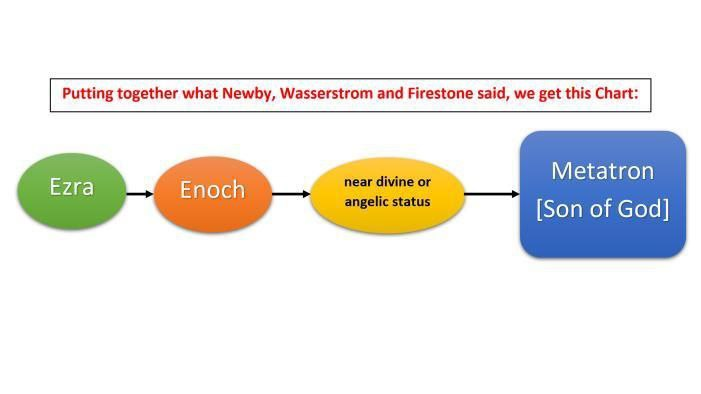
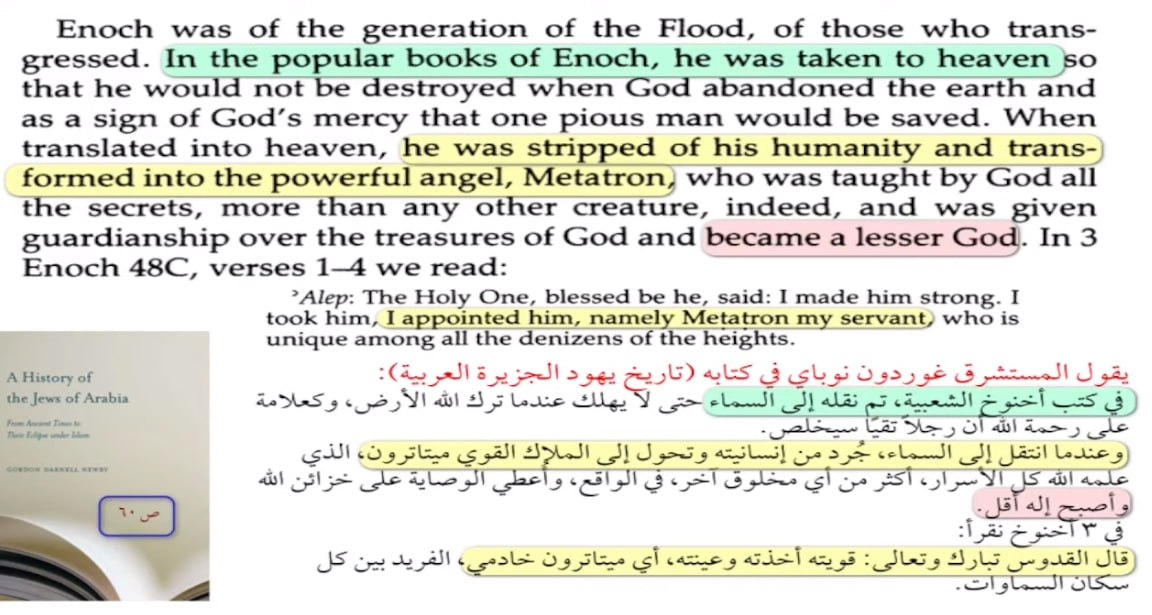
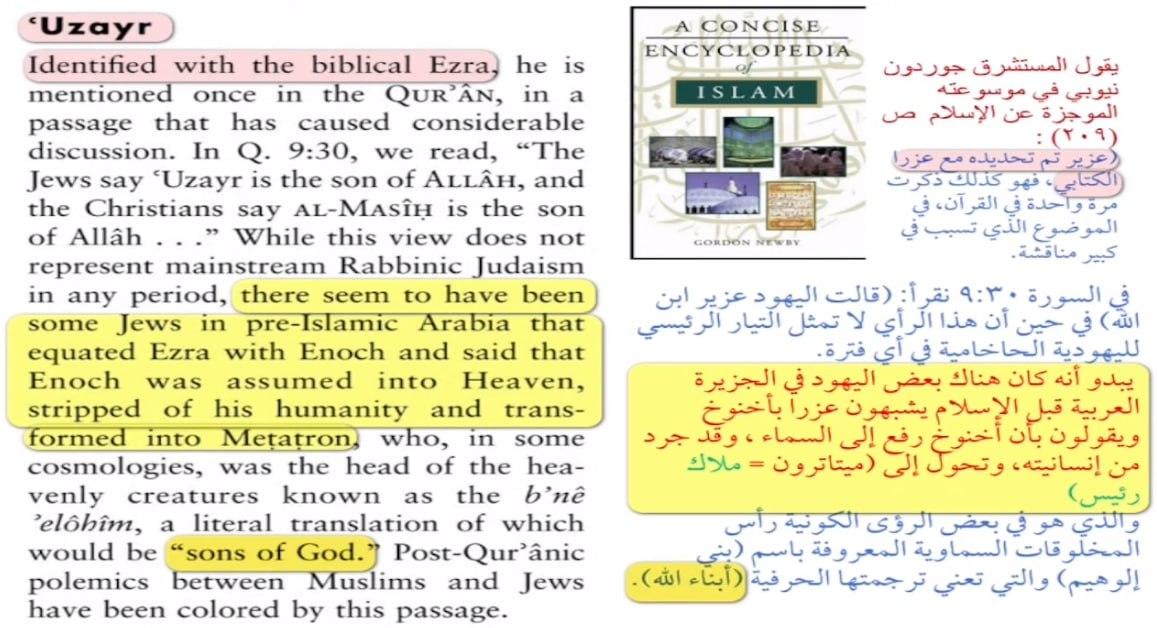
Source: Gordon Newby, A Concise Encyclopedia of Islam The orientalist Newby admitted the possibility of the existence of a Jewish sect in Arabia that believed Ezra was Enoch, who transformed into Metatron — which literally means “Sons of God.”
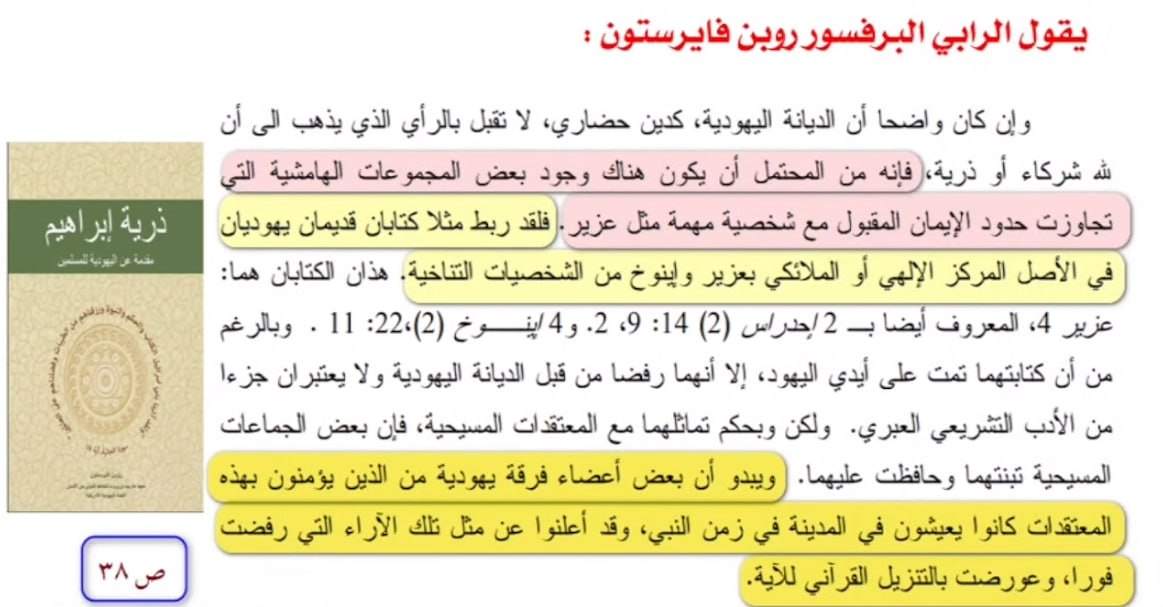
Reuven Firestone — Children of Abraham: An Introduction to Judaism for Muslims, p. 36:
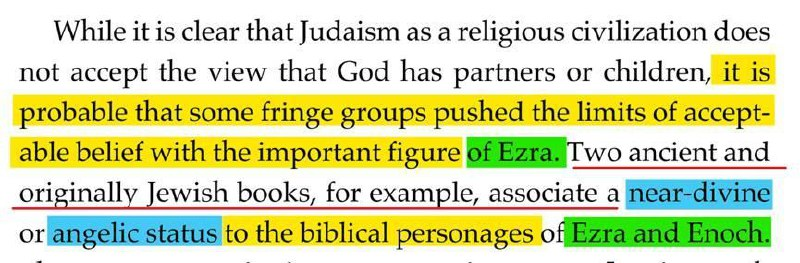
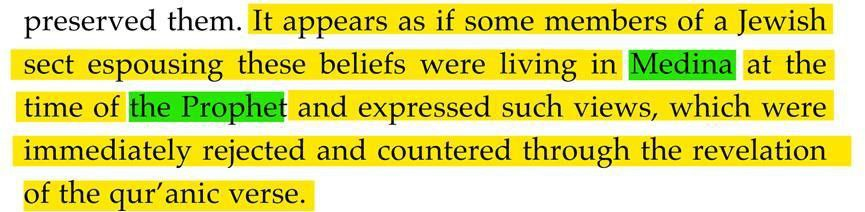
Firestone Firestone confirms the possibility that there were Jewish sects in Medina that believed Ezra had a near-divine or angelic status.
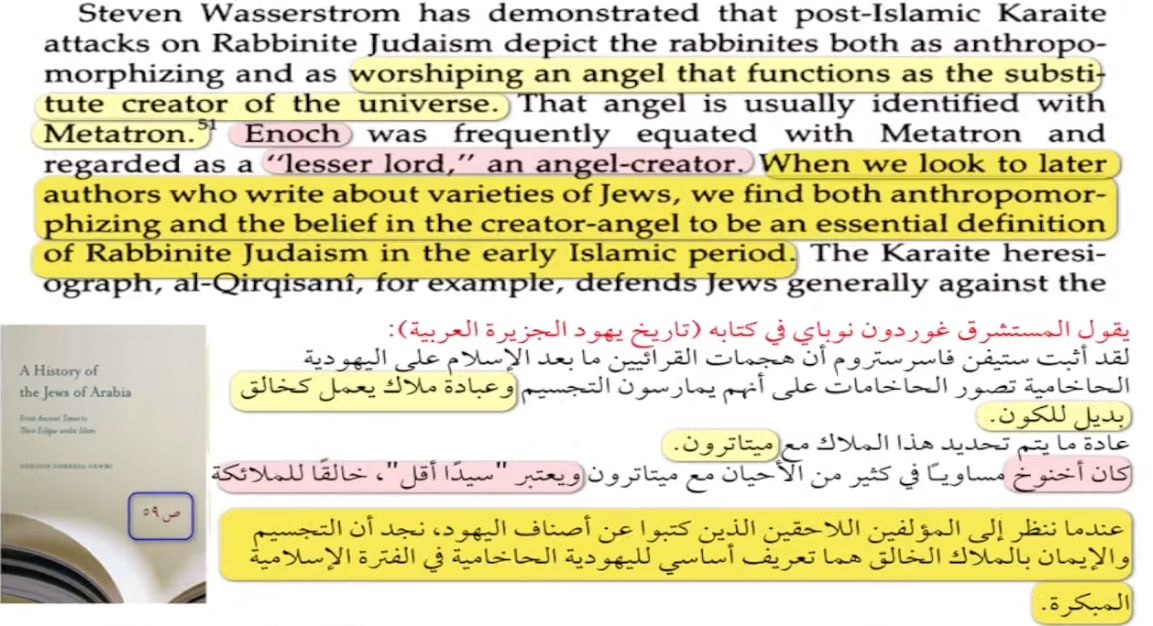
Source: Wasserstrom on Karaite Accusations Wasserstrom proved that Karaite Jews accused Rabbinic Jews of worshipping an angel called Metatron — which literally means “Sons of God.” The quote: “Enoch was frequently equated with Metatron and regarded as a ‘lesser lord,’ an angel-creator.”
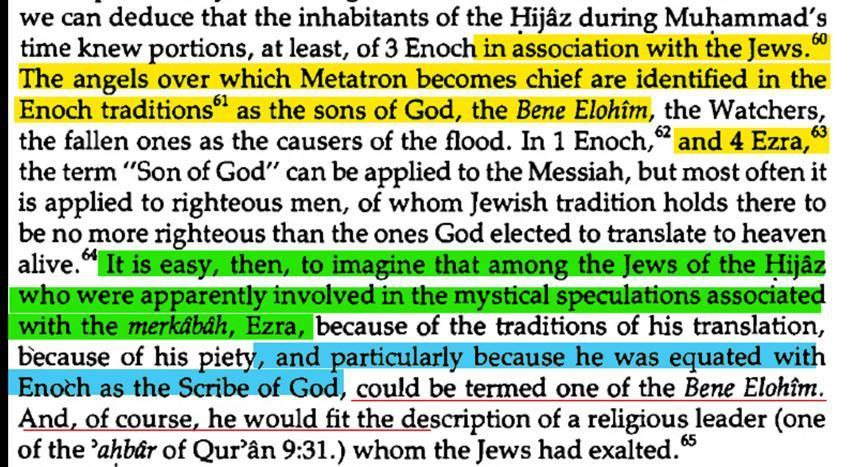
Source: Gordon Newby — Arabian Jews and Metatron Worship It is interesting to note that the Jews in Arabia, during the advent of Islam, were involved in mystical speculation as well as anthropomorphizing and worshipping an angel that functions as the substitute creator of the universe — that angel usually identified as Metatron.
Academic Consensus on the Core Point Four independent non-Muslim academics — Horovitz, Newby, Firestone, and Wasserstrom — each independently confirm either the existence of such beliefs among Arabian Jews, or the plausibility of a Jewish sect exalting Ezra to near-divine or angelic status. The objection that this is a Muslim invention has no support among scholars who have actually studied the question.
Arabian Judaism Was Distinct: The Methodological Point
A foundational methodological problem undermines the objection from the start: critics judge Arabian Judaism by the standards of mainstream Rabbinic Judaism — but the evidence shows these were not the same.
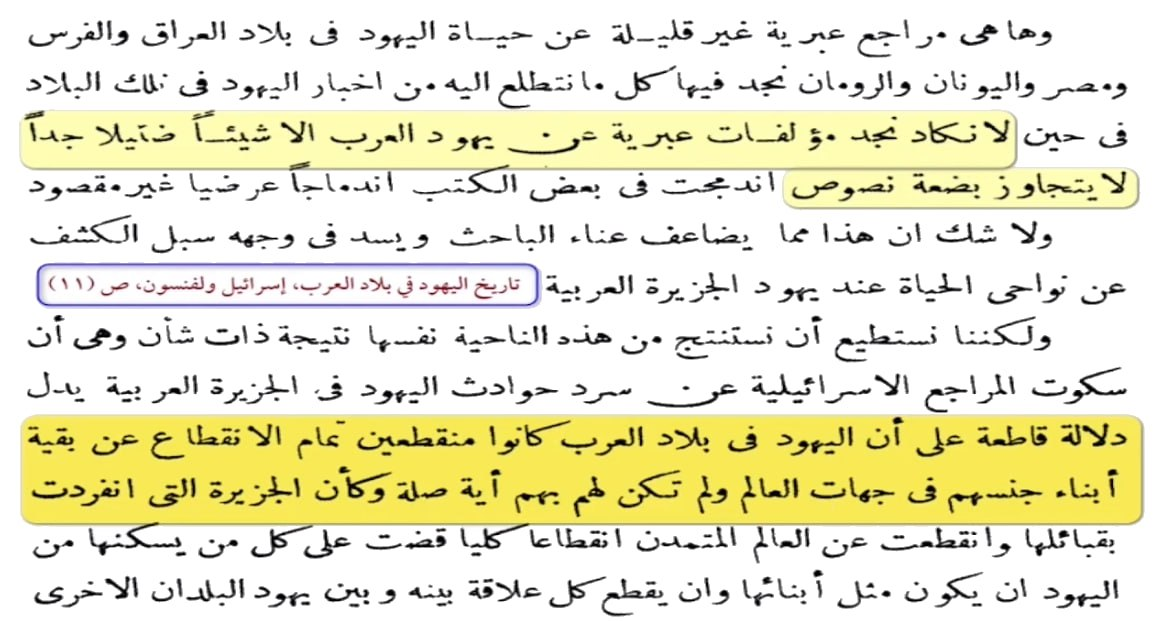
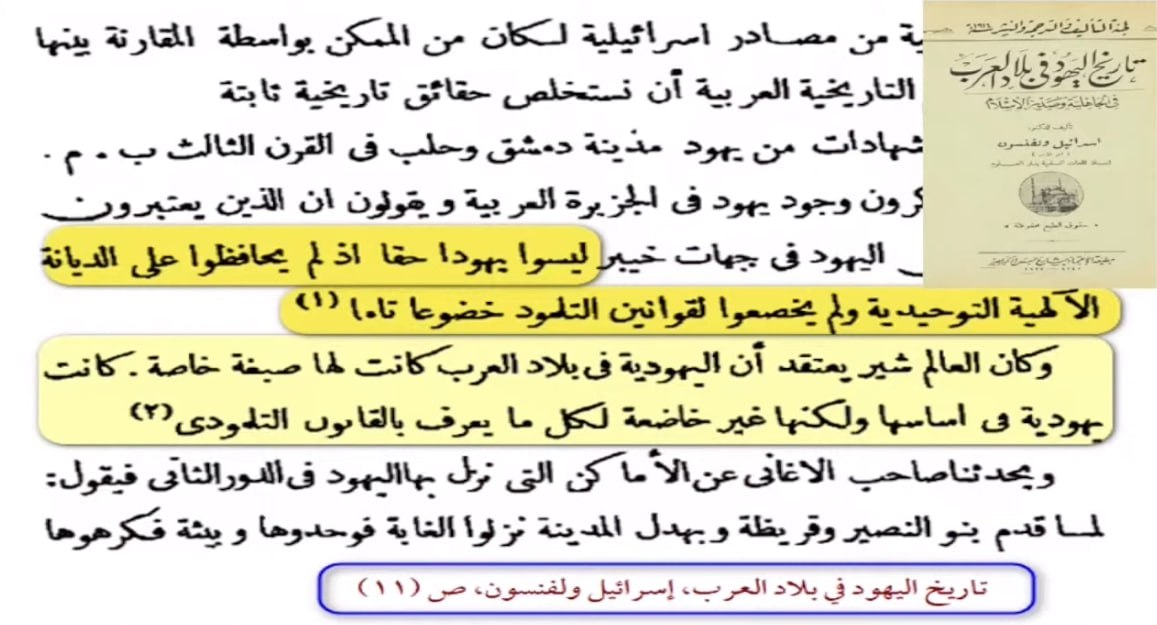
surah tawbah 30 ezra god
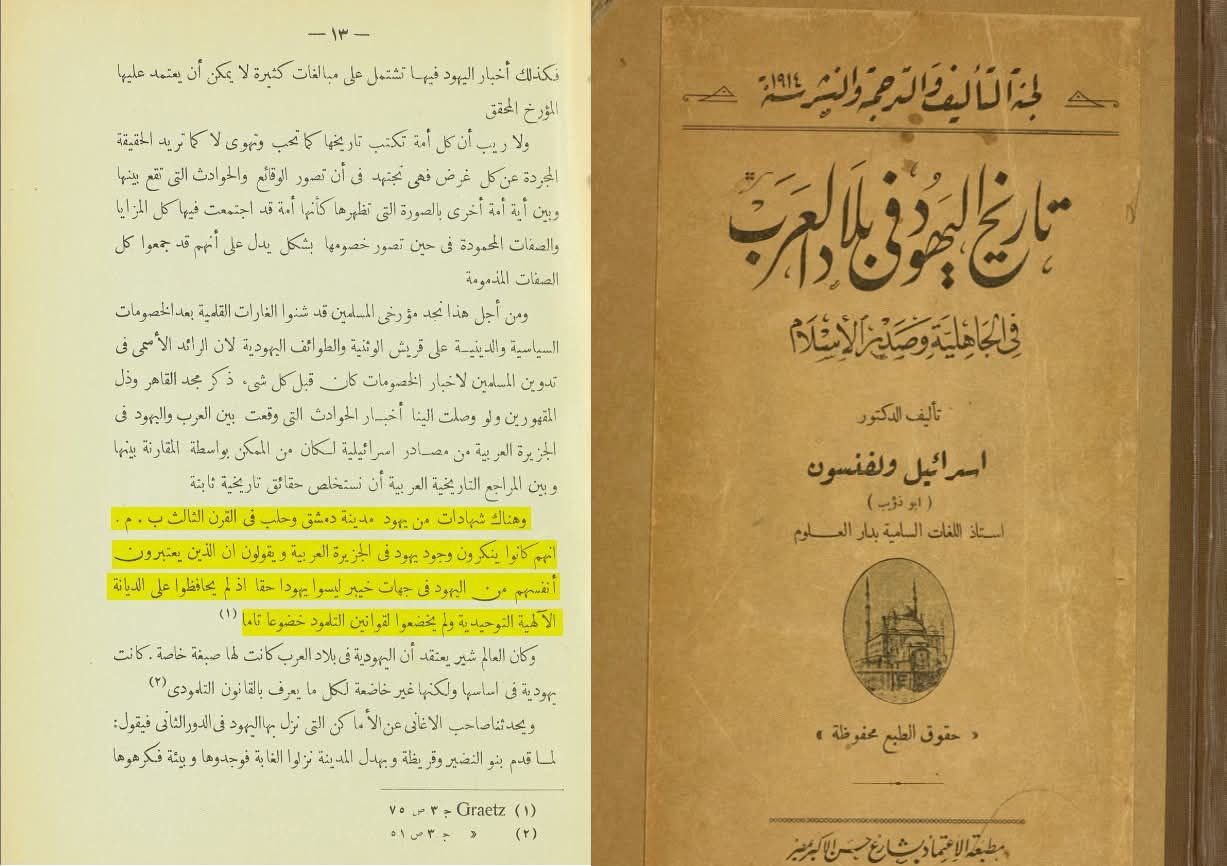
Source: Israel Wolfenson, History of the Jews in Arabia, p. 13 This scan reports that Jews of Damascus and Aleppo in the third century CE denied that those who called themselves Jews in places such as Khaybar were proper Jews, because they did not preserve the religion and did not follow the Talmudic law. Arabian Judaism had a distinct and less standardized character.
Testimony of Jews of Damascus and Aleppo (3rd century CE) Those who considered themselves Jews in the region of Khaybar were not truly Jews, as they did not preserve the monotheistic religion and did not fully submit to the laws of the Talmud. Judaism in the Arabian Peninsula had a distinct character and was not subject to all that is known as Talmudic law.
surah tawbah 30 ezra god 61
Source: Wolfenson — Jews Cut Off from Centers The Jews in Arab lands were cut off from any center that preserved their ethnic or religious structure, and they remained connected mainly by lineage while separated from the civilized world.
surah tawbah 30 ezra god 62
Source: Wolfenson — The Special Jewish-Arabian Character The Jews in certain regions were not truly preserving the monotheistic religion and were not restricted by the Talmudic law, and they had a special Jewish-Arabian character.
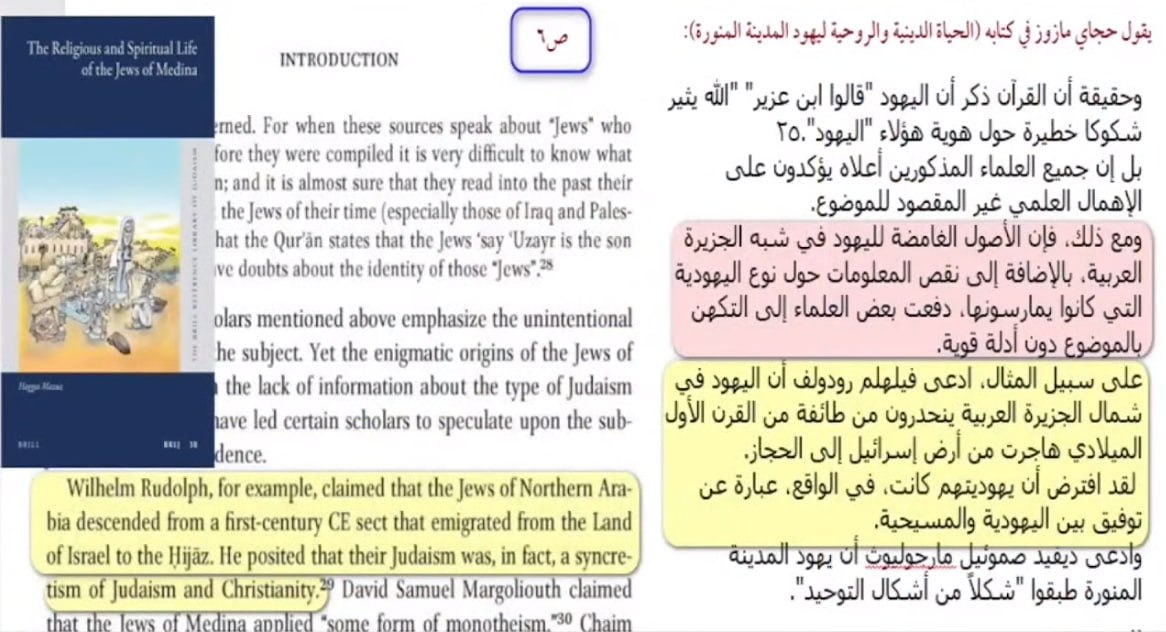
surah tawbah 30 ezra god 59
Source: Haggai Mazuz on the Jews of Medina; Wilhelm Rudolph Wilhelm Rudolph claimed the Jews of northern Arabia descended from a first-century sect that migrated from Israel to the Hijaz and had a syncretic Judaism mixed with Judaism and Christianity. Information about Arabian Jewish origins and practice is limited, making sweeping denials of unusual local beliefs unreliable.
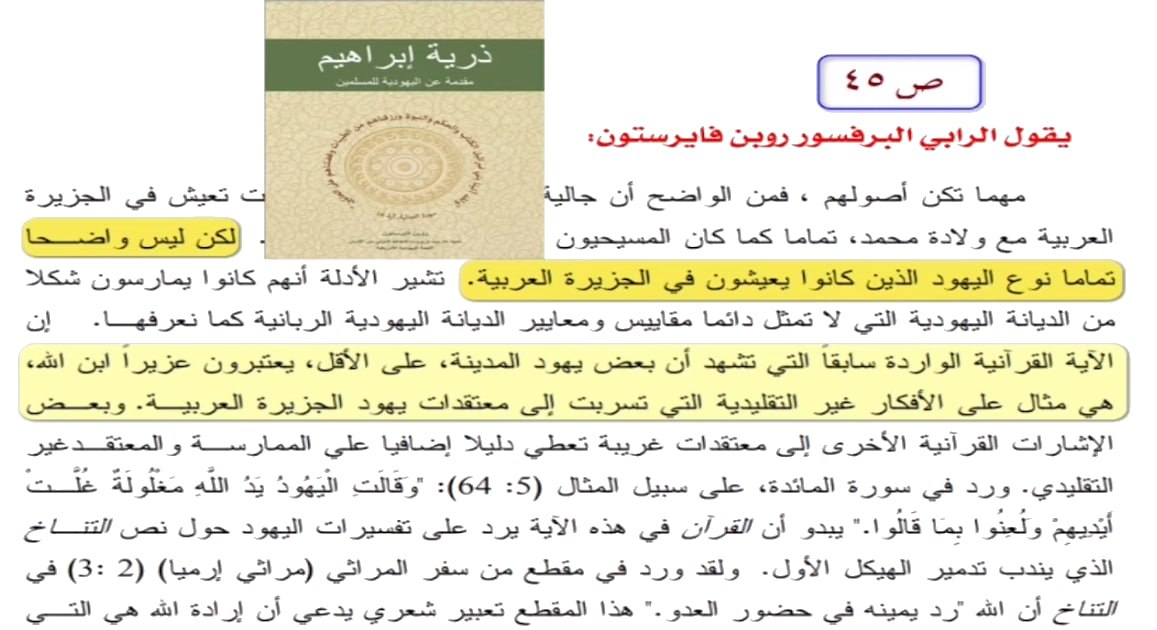
surah tawbah 30 ezra god 60
Source: Daryah Ibrahim — Arabian Jews and Non-Traditional Beliefs The Jews living in Arabia clearly did not represent all forms of Judaism, and the Qur’anic verse about some Jews considering Uzair the son of God is an example of non-traditional beliefs that can be attributed to the Jews of Arabia.
surah tawbah 30 ezra god 58
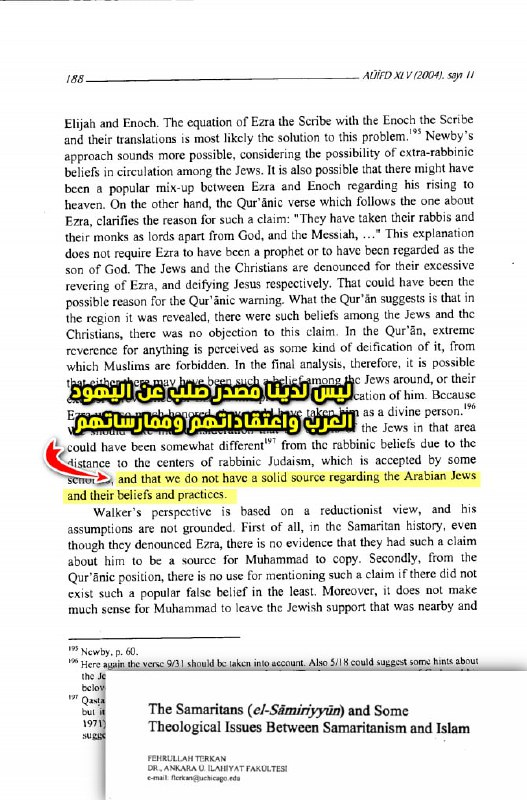
Source: Fred Astren — Methodological Caution We do not have a solid source regarding the Arabian Jews and their beliefs and practices. Critics cannot confidently deny a Qur’anic claim about a specific Arabian Jewish group when the sources for their beliefs are scarce and fragmentary.
surah tawbah 30 ezra god 64
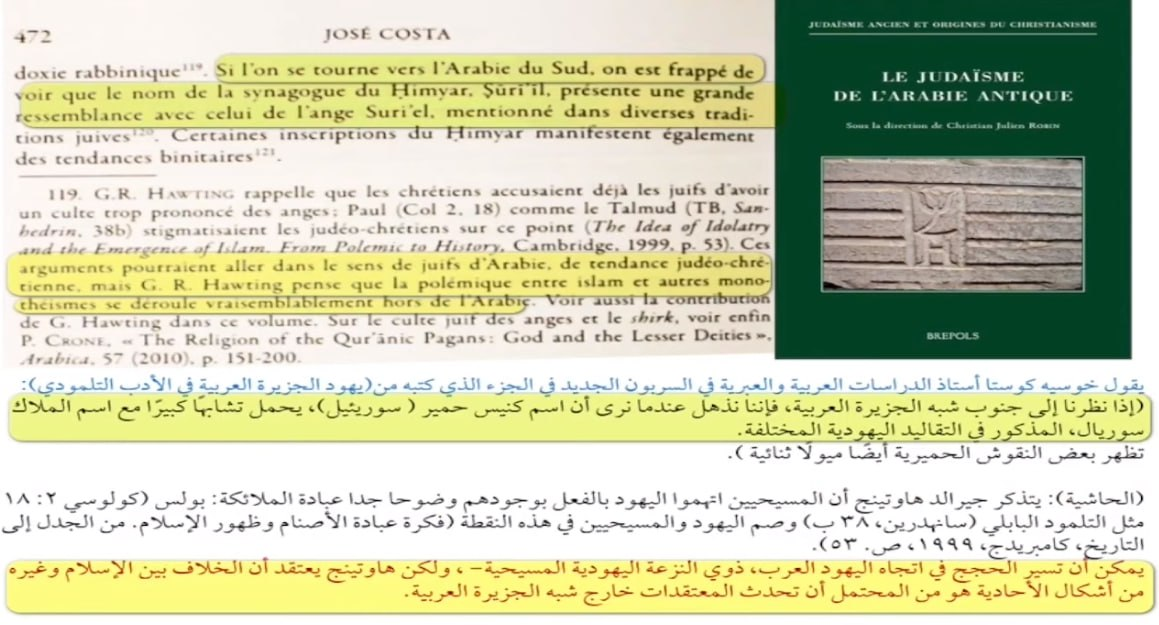
Source: Jose Costa — South Arabian Judaism In South Arabia, the synagogue name of Himyar, Suriel, resembles the name of the angel Suriel found in Jewish traditions, and Himyarite inscriptions show binitarian tendencies. South Arabian Judaism may have had forms of belief involving angelic or divine intermediaries.
surah tawbah 30 ezra god 63
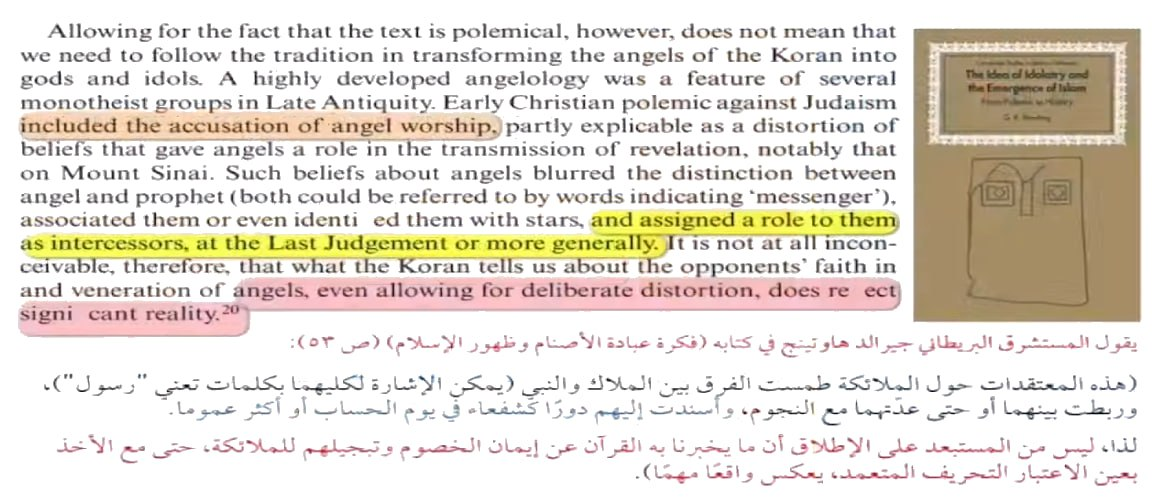
Source: Scholarly Discussion on Angel Worship and Polemics Accusations about angel worship and mediator-beliefs may reflect a real background even if polemical distortion exists. The Qur’anic report cannot be naïvely dismissed just because the surviving sources are incomplete.
The Methodological Point The objection assumes that Rabbinic Judaism = all Judaism = Arabian Judaism. This assumption is false and is rejected by Western scholars studying Arabian Jewish history. A community cut off from rabbinic centers, described by other Jews as not truly Jewish, and descending from a syncretic first-century sect, may well have held beliefs that later mainstream Judaism did not. Demanding Talmudic-standard orthodoxy from seventh-century Arabian Jewish sects is historically anachronistic.
Jewish History of Religious Deviation: Evidence from Their Own Scriptures
It is not surprising that a Jewish faction could develop beliefs involving the exaltation of a figure to “son of God” status, given that the Jewish historical record — from within Jewish scripture itself — is full of episodes of religious deviation.
surah tawbah 30 ezra god 2
Contextual Introduction — Jewish Religious History Jewish religious history includes documented forms of association, exaltation, and intermediary-veneration that cannot be reduced to later rabbinic self-description.
surah tawbah 30 ezra god 3
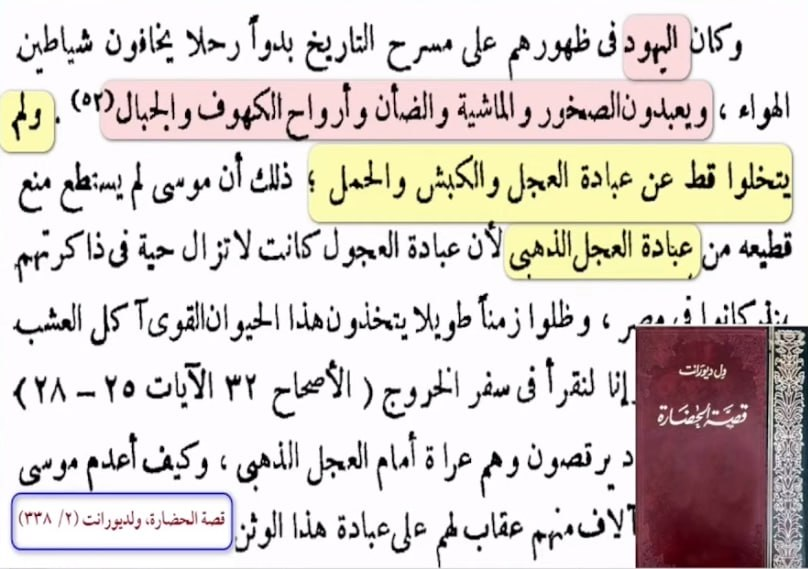
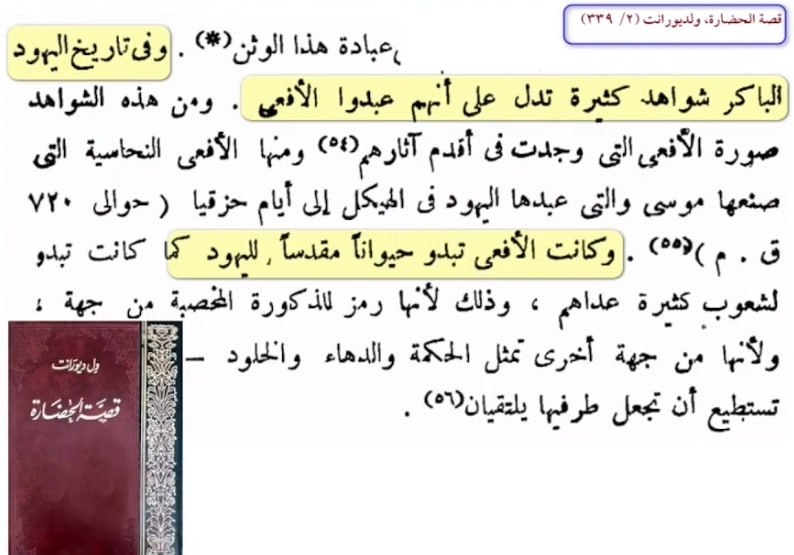
Source: Will Durant, Story of Civilization (Arabic edition) Historical background on the divided Jewish kingdoms and the long religious-political setting in which Israelite belief and practice developed — a setting marked by persistent deviation from strict monotheism.
From the Hebrew Bible itself:
surah tawbah 30 ezra god 4
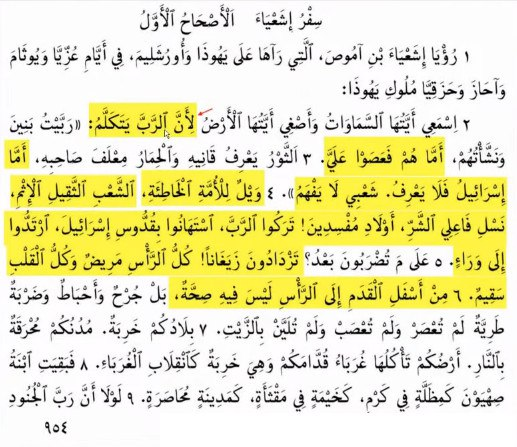
Source: Isaiah — Israel’s Religious Corruption Isaiah records that Israel forsook the Lord, angered the Holy One of Israel, and turned backward. Jewish scripture itself contains severe accusations against Israel’s religious conduct.
surah tawbah 30 ezra god 5
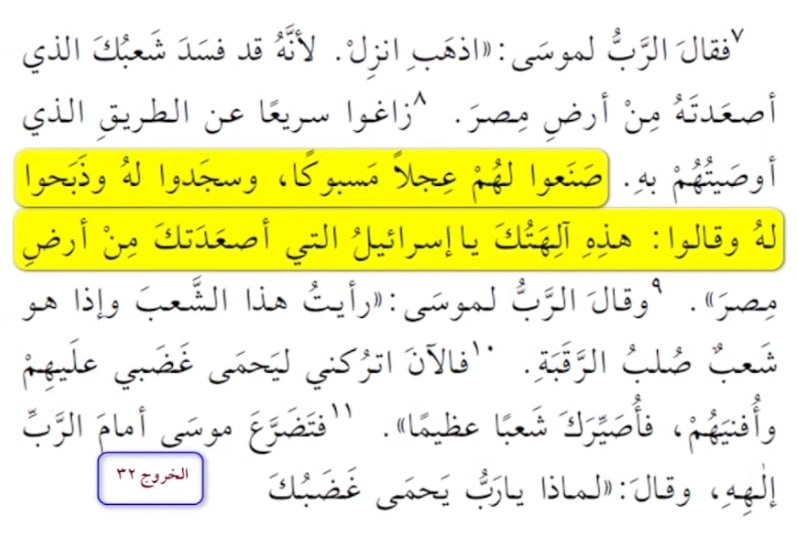
Source: Exodus — The Golden Calf The Israelites made a cast calf, prostrated to it, sacrificed to it, and said: “These are your gods, O Israel, who brought you up from the land of Egypt.” This episode is recorded in the Torah itself.
surah tawbah 30 ezra god 6
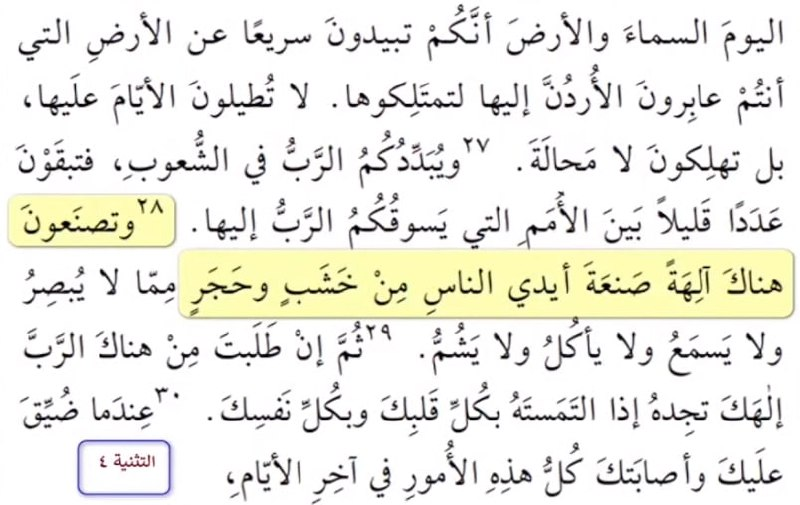
Source: Will Durant — Calf Worship Persisted The Hebrews, despite their later monotheistic history, did not immediately abandon the worship of calves, rams, and sheep, and the worship of the golden calf continued in some settings.
surah tawbah 30 ezra god 7
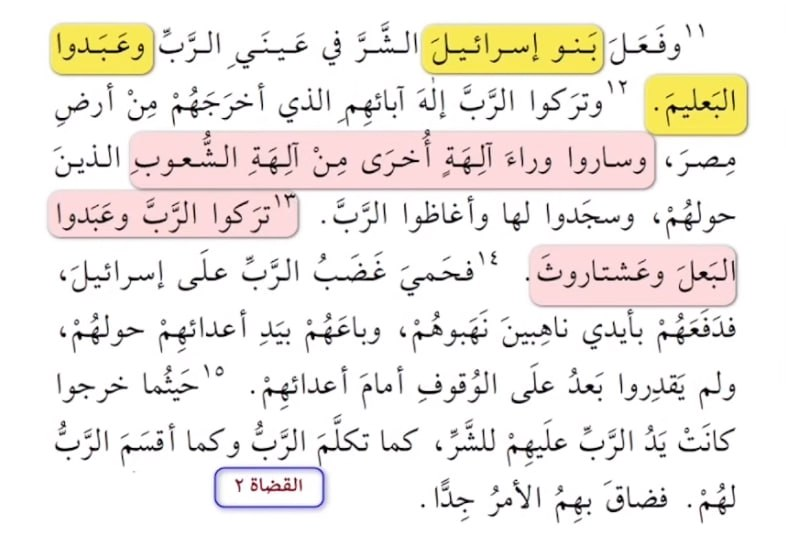
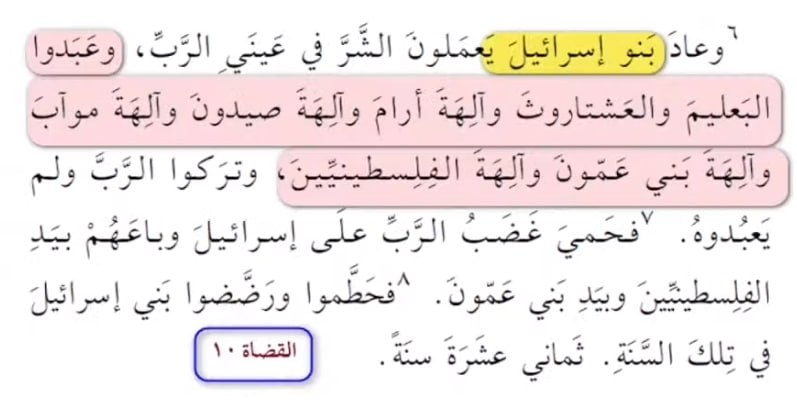
Source: Judges — Worship of the Baals The Israelites did evil in the sight of the Lord, worshipped Baals, abandoned the Lord, and followed other gods from the peoples around them.
surah tawbah 30 ezra god 8
Source: Zephaniah — Astral Veneration Zephaniah condemns people bowing on rooftops to the host of heaven, showing that Israelite/Jewish religious deviation included reverence directed toward heavenly beings.
surah tawbah 30 ezra god 9
Source: Judges — Multiple Foreign Gods The Israelites worshipped Baals, Ashtaroth, the gods of Aram, Sidon, Moab, Ammon, and the Philistines, abandoned the Lord, and did not serve Him.
surah tawbah 30 ezra god 10
Source: Will Durant — Jewish Idol Worship In the history of the Jews there is major evidence that they worshipped other gods, including the golden calf, and that they exchanged stones as holy objects.
Source: Jewish Pagan History — Summary It is not surprising for the Jews to engage in pagan beliefs, for they worshipped the gods of the Assyrians, Canaanites, Babylonians, Ammonites, Moabites, and others — all documented in their own scriptures.
Point Established Jewish scripture itself records repeated episodes of Israelites directing worship, veneration, and exalted language toward created beings. A Quranic criticism of a Jewish faction for exalting Ezra to “son of God” status is not historically impossible — it fits a well-documented historical pattern.
The Metatron Tradition: Judaism’s Quasi-Divine Intermediary
The broader context that makes the Quranic verse historically plausible is the existence within Jewish tradition of an exalted angelic/human figure — Metatron — who was raised to quasi-divine status in Jewish mystical and Talmudic literature.
Precursors: Moses, Elijah, and Enoch
Several biblical figures established the template of a human being taken up into a heavenly status beyond ordinary humanity.
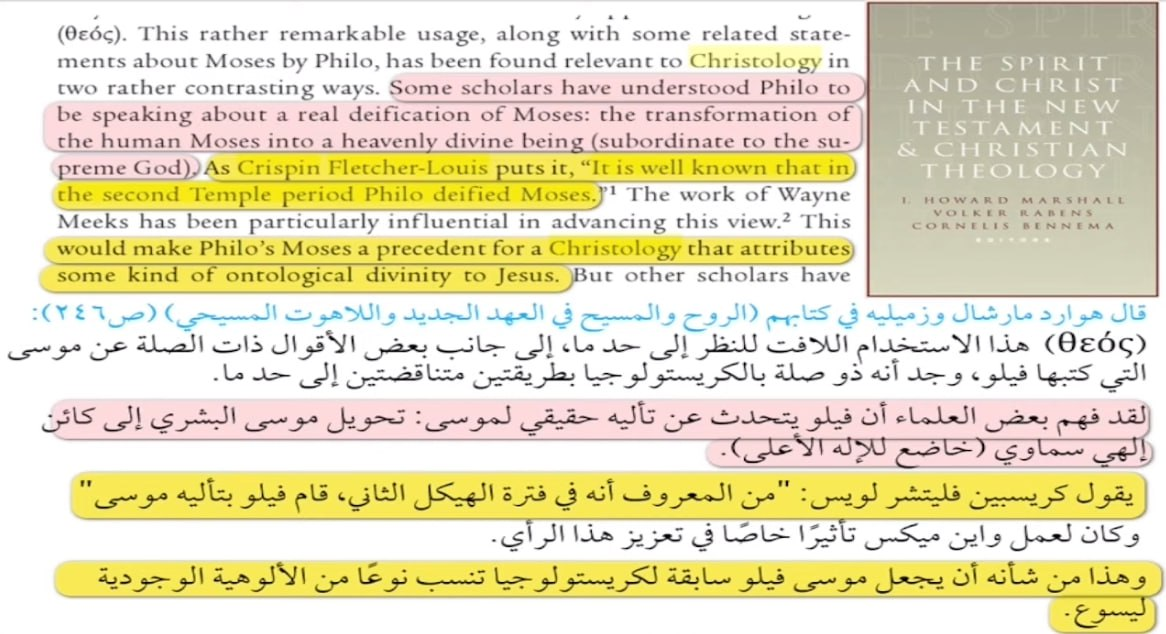
Philo on Moses:
surah tawbah 30 ezra god 12
Source: Philo’s Treatment of Moses Some scholars understood Philo as speaking about a real deification of Moses — transforming the human Moses into a heavenly divine being subordinate to the supreme God. Jewish or Jewish-adjacent literature could speak about a revered human figure in ontologically exalted terms.
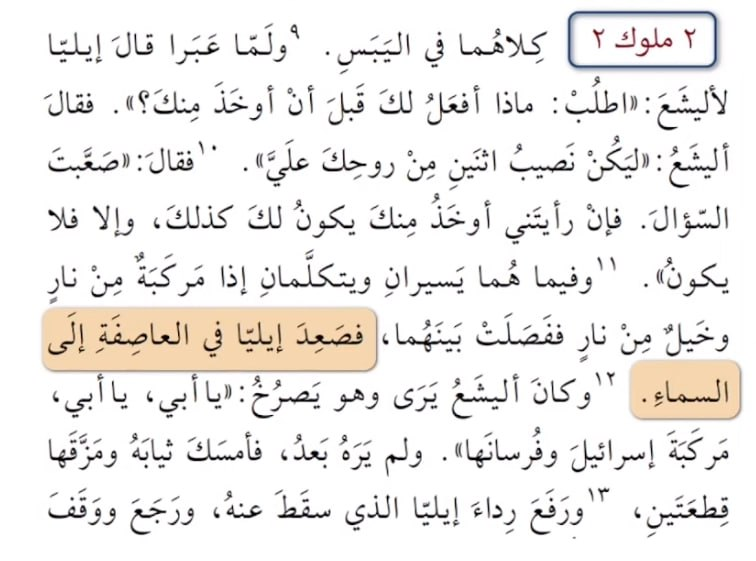
Elijah:
surah tawbah 30 ezra god 13
Source: 2 Kings — Elijah’s Ascension Elijah ascended to heaven in a whirlwind. Jewish scripture contains precedents for human prophetic figures being taken up into heaven, which later traditions connected with angelic or superhuman status.
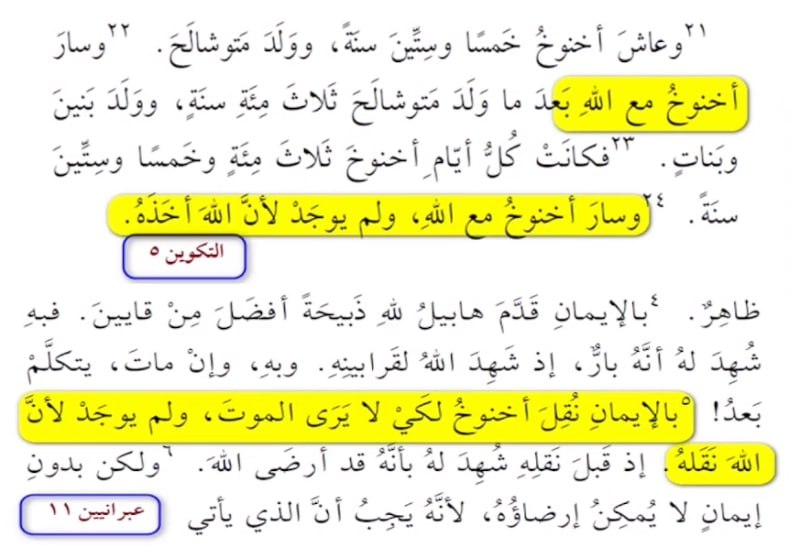
Enoch:
surah tawbah 30 ezra god 14
Source: Hebrews — Enoch Taken Up Enoch was taken up so that he would not see death, and was not found because God had taken him.
surah tawbah 30 ezra god 15
Source: Arabic Christian Source on Enoch The traditions around Enoch develop beyond simple biblical wording into expanded ideas about ascent, revelation, and supernatural status — Enoch walking with God, being taken, and receiving hidden heavenly knowledge.
Metatron as “Lesser YHWH”
Enoch’s heavenly ascent in the biblical text became the foundation for the Metatron traditions in Jewish mystical literature — and Metatron was elevated to extraordinary heights.
surah tawbah 30 ezra god 16
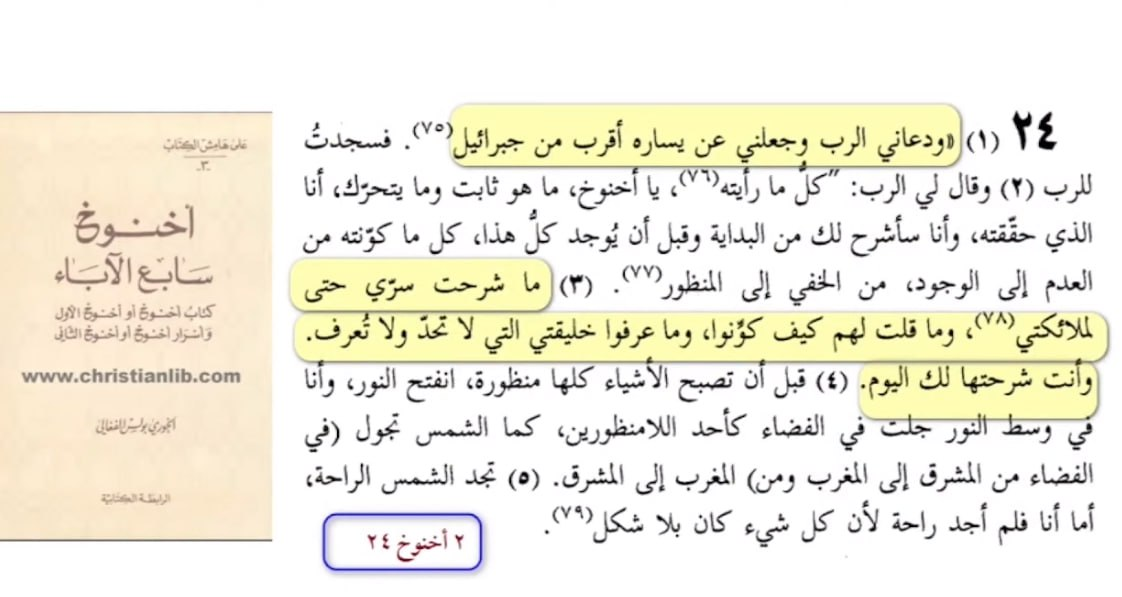
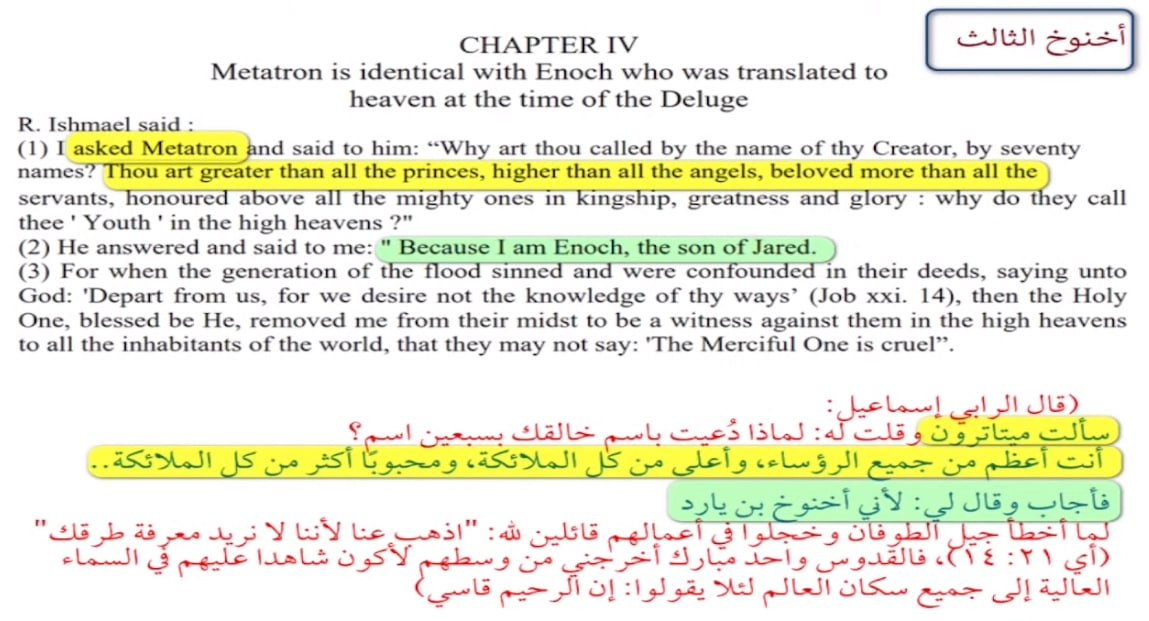
Source: 3 Enoch — Metatron Greater than All Angels 3 Enoch states that Metatron is called by the name of his Creator, is greater than all princes, higher than all angels, and more beloved than all ministering angels. He is identified as Enoch son of Jared — a human being raised above the entire angelic hierarchy.
surah tawbah 30 ezra god 17
Source: Enoch-Metatron Traditions When Enoch was translated into heaven he was stripped of his humanity, transformed into the powerful angel Metatron, taught divine secrets, and in some descriptions became “a lesser god.”
surah tawbah 30 ezra god 18
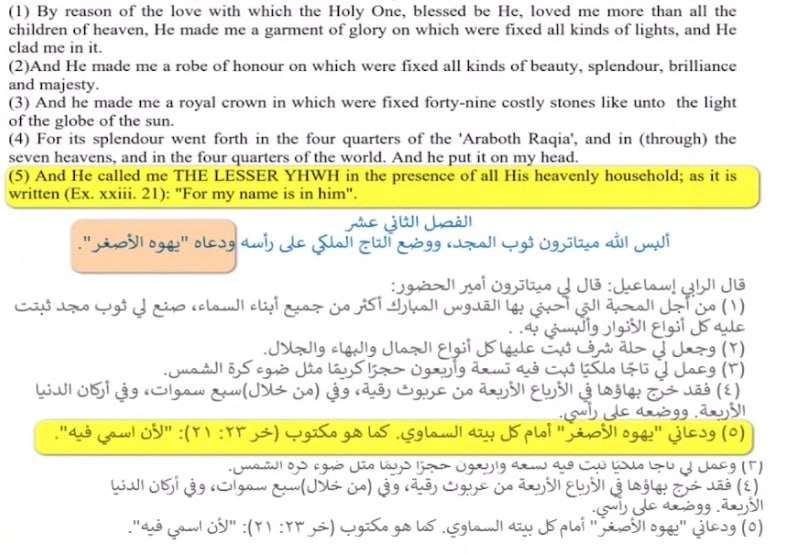
Source: 3 Enoch — “The Lesser YHWH” 3 Enoch explicitly calls Metatron “the Lesser YHWH” in the presence of the heavenly household. The Arabic translation repeats this as “Yahweh the Lesser.” This is not honorific language — it is ontological elevation of a human figure to quasi-divine status within a Jewish text.
surah tawbah 30 ezra god 19
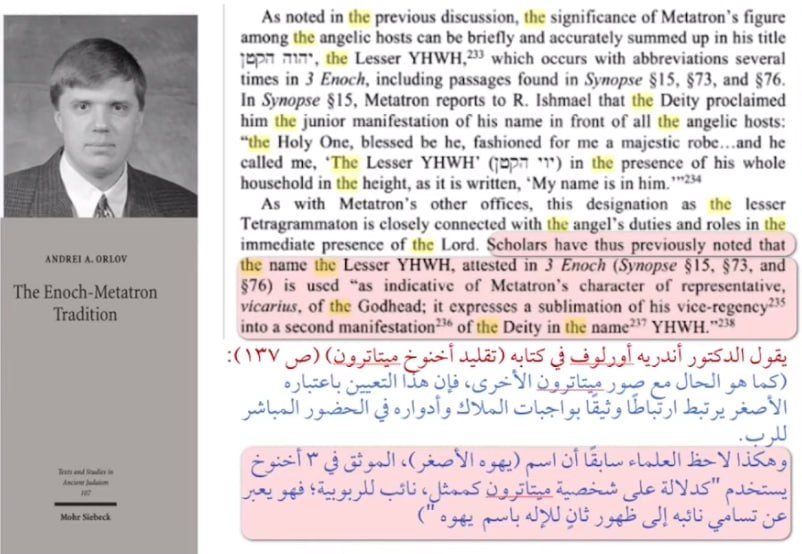
Source: Andrei Orlov — Metatron as Vice-Regent Scholars connect Metatron’s title “Lesser YHWH” with his representative role before God, describing him as a second manifestation or vice-regent figure. Such titles blur ordinary boundaries between creaturely angelic rank and divine representation.
The biblical basis for Metatron’s exaltation is Exodus 23:
surah tawbah 30 ezra god 21
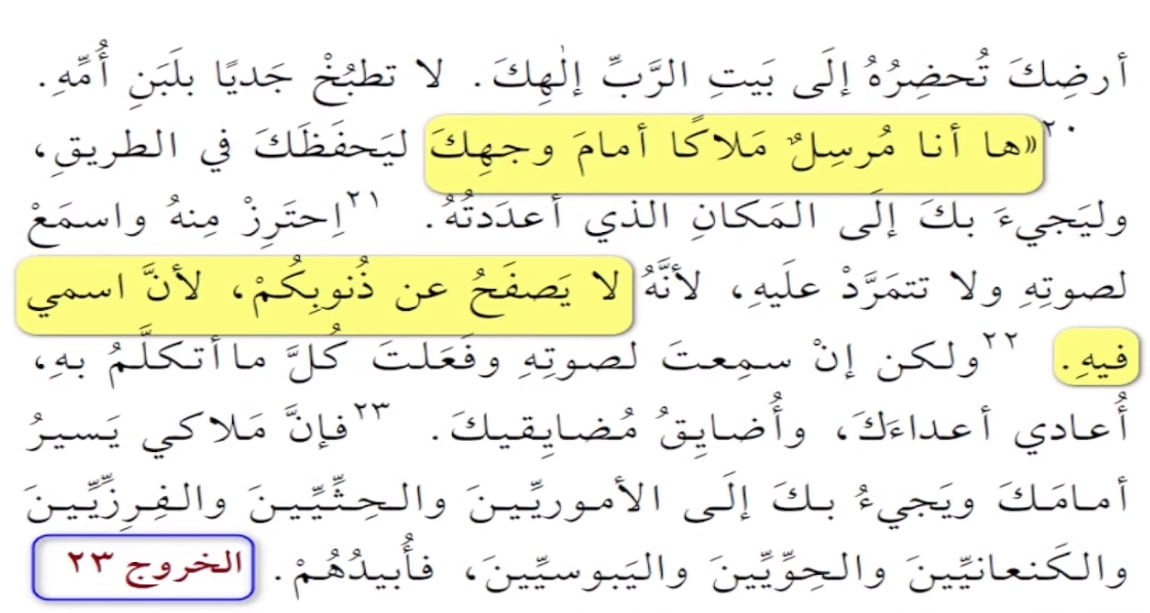
Source: Exodus 23 — “My Name Is in Him” “Behold, I send an angel before you… do not rebel against him, for My name is in him.” Later traditions about Metatron connected his exalted title to this verse — the angel who carries God’s name.
surah tawbah 30 ezra god 22
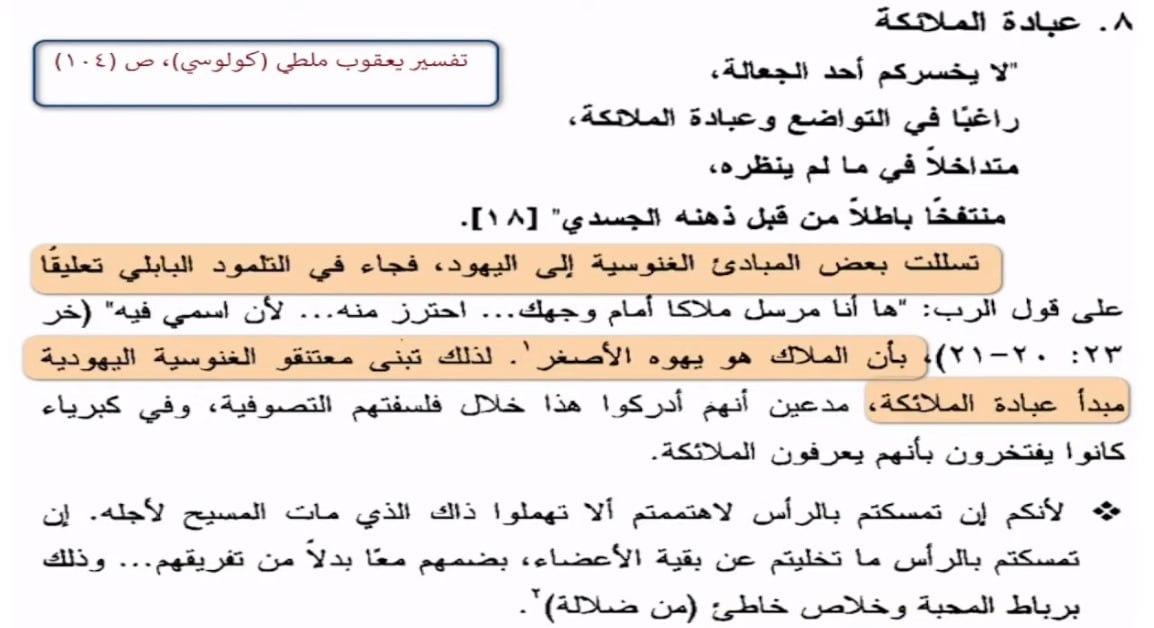
Source: Arabic Commentary on Colossians — Gnostic-Jewish Influence Some Gnostic-Jewish principles entered religious teaching, including an interpretation of “I send an angel before you… because My name is in him” to mean that the angel is “Yahweh the Lesser.” Jewish angel-veneration and “lesser divine” language were known and discussed in ancient religious polemics.
The Talmudic Controversy Over Metatron’s Status
Metatron’s status was high enough to trigger real theological controversy within Judaism itself — proving that the exaltation of this figure was not a Muslim invention.
surah tawbah 30 ezra god 23
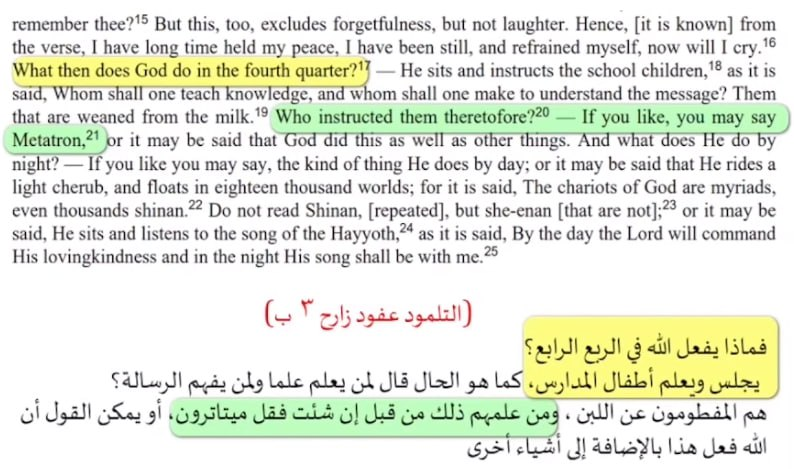
Source: Talmudic Discussion — Metatron Performing Divine Roles A Talmudic discussion asks what God does at night, and one opinion says He teaches children through Metatron. This shows how Metatron could be imagined as performing roles associated with divine administration.
surah tawbah 30 ezra god 24
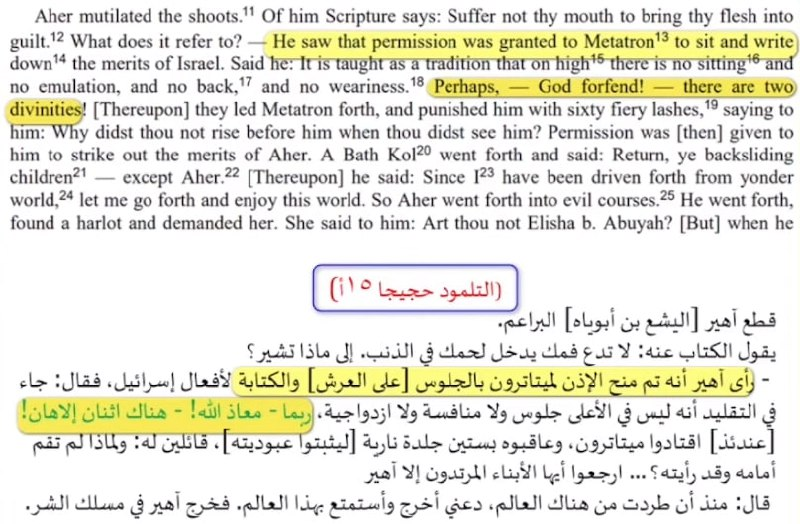
Source: Talmud — The Aher/“Two Powers” Episode Permission was granted to Metatron to sit and write the merits of Israel; Aher (Rabbi Elisha ben Avuya) then concluded that there were “two powers in heaven” — after which Metatron was punished. This documents a Jewish tradition where Metatron’s heavenly status created a real theological danger of duality or deification.
surah tawbah 30 ezra god 20
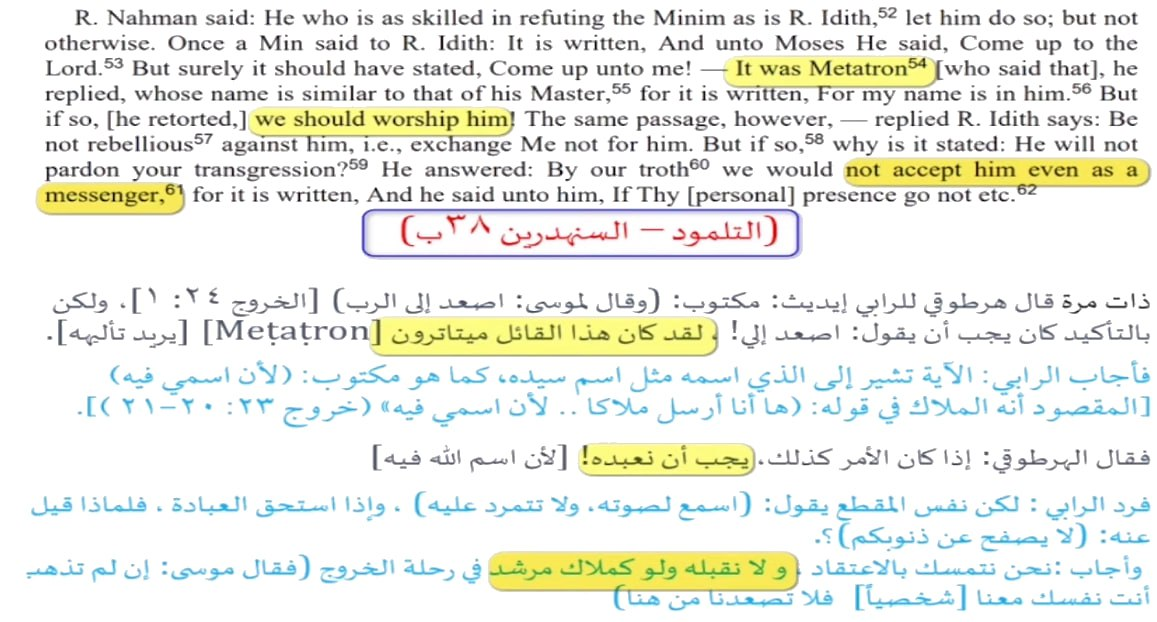
Source: Talmudic Polemical Exchange on Metatron A heretic, seeing Metatron seated in heaven, concluded that Metatron should be worshipped. The rabbinic reply rejected this — but the very existence of this exchange proves that Metatron’s status was high enough to trigger accusations or misunderstandings of worship within the Jewish tradition itself.
Karaite Accusations Against Rabbinic Judaism
surah tawbah 30 ezra god 25
Source: Gordon Newby, A History of the Jews of Arabia Post-Islamic Karaite attacks on Rabbinic Judaism accused Rabbinic Jews of anthropomorphism and worshipping an angel functioning as the substitute creator of the universe — usually identified with Metatron or Enoch. Angelic/intermediary exaltation was significant enough to become a defining characteristic in Jewish internal polemics.
surah tawbah 30 ezra god 34
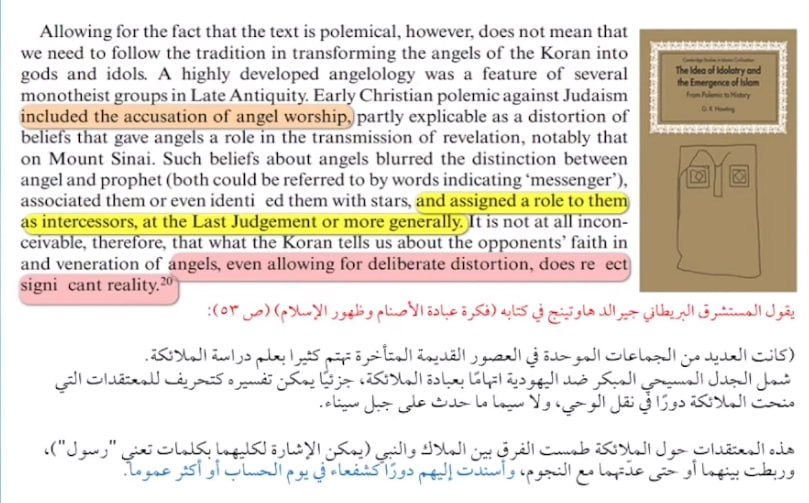
Source: Scholarly Discussion — Christian Polemics Against Jewish Angel Worship Christian polemics against Judaism included accusations of angel worship, partly because some Jewish beliefs gave angels roles in revelation, mediation, stars, and intercession. Accusations of angel-veneration were not invented in a vacuum — they reflected a real background, even if polemical exaggeration existed.
Ibn Hazm’s Awareness of the Tradition
surah tawbah 30 ezra god 35
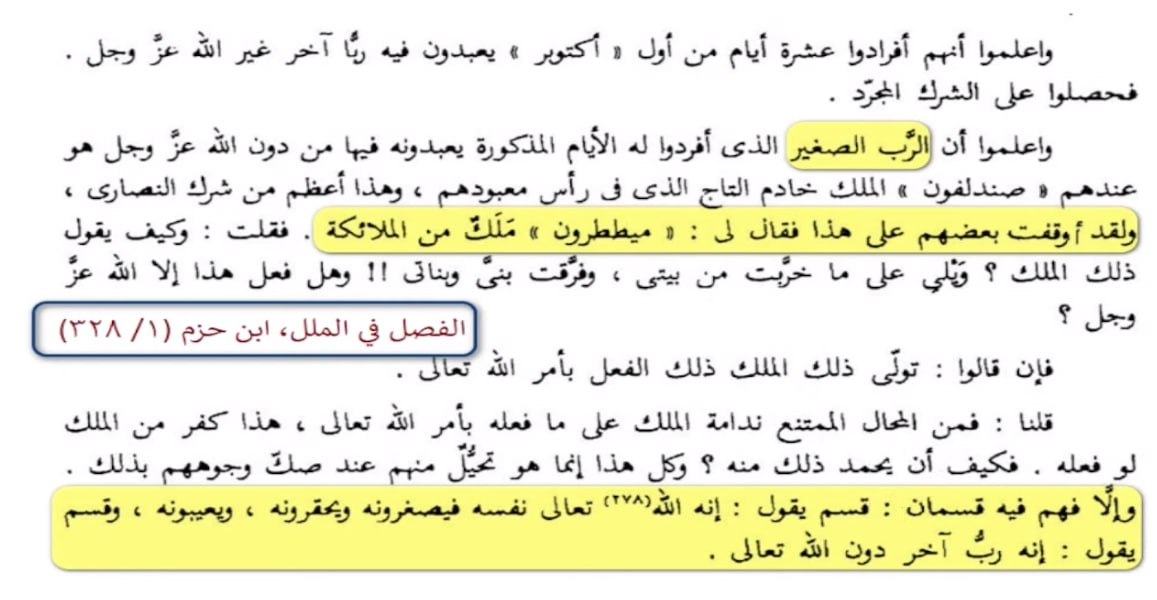
Source: Ibn Hazm, Al-Fisal Ibn Hazm notes the “lesser lord” language — describing an angel with quasi-divine titles — and rejects those who use such language. His awareness proves that Muslim scholars were engaged with these Jewish traditions directly.
Summary of the Metatron Evidence Metatron = a being who ascended to heaven and lost his human nature = greater than all angels = “the Lesser YHWH.” This figure exists within Jewish literature. The Talmud itself records a controversy about whether he should be worshipped. Karaite Jews accused Rabbinic Jews of worshipping him. Christians accused Jews of angel worship. All of this establishes that the religious climate in which Judaism operated was one where a human figure could genuinely be elevated to quasi-divine status in the language of “son of God.” The Quranic verse about Uzair sits within precisely this religious environment.
Ezra’s Specific Exaltation and the Metatron Connection
Having established that the Metatron tradition shows Jews could and did exalt human figures to quasi-divine status, we now show how Ezra specifically was connected to this tradition.
The Fourth Book of Ezra: “You Shall Live with My Son”
The Fourth Book of Ezra — a Jewish text composed around the first century CE, read and consulted by rabbis though not included in the Hebrew Bible — contains a striking passage:
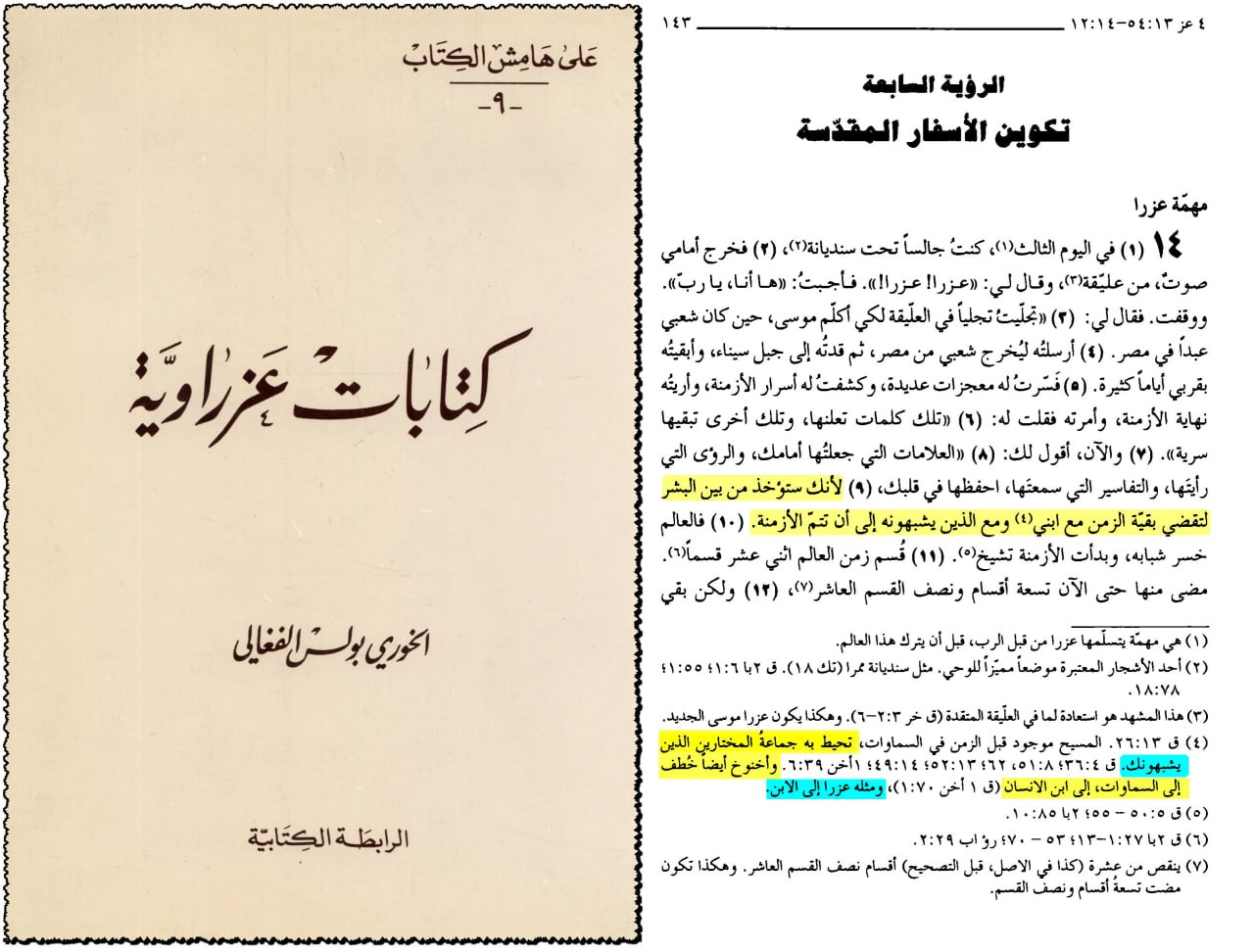
4 Ezra — God’s Reward to Ezra God tells Ezra: “You shall be taken up from among men, and henceforth you shall live with my son…”
surah tawbah 30 ezra god 57
Source: Kitabat Uzrayyah — The Fourth Vision Ezra is told that after he is lifted from among men he will remain with God’s son and others like him until the times are completed. This text preserves Ezra’s destiny expressed in strongly exalted heavenly terms — including the phrase “my son” used by God.
It is important to remember that in Jewish scriptures of this period, angels were called “children of God.” Therefore, being told you will “live with my son” is being placed among the angelic/divine family. This alone is sufficient to explain how a Jewish group might begin calling Ezra “son of God.”
Ezra Equated with Enoch and Translated to Heaven
surah tawbah 30 ezra god 26
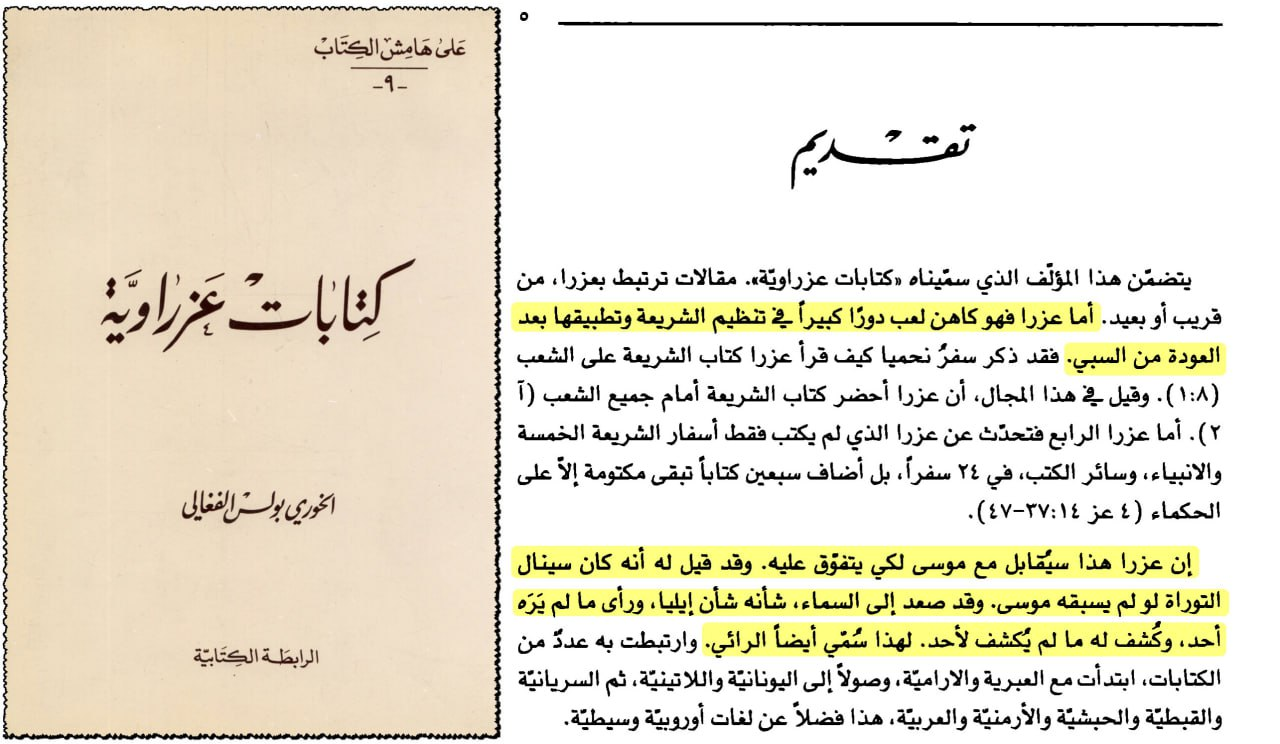
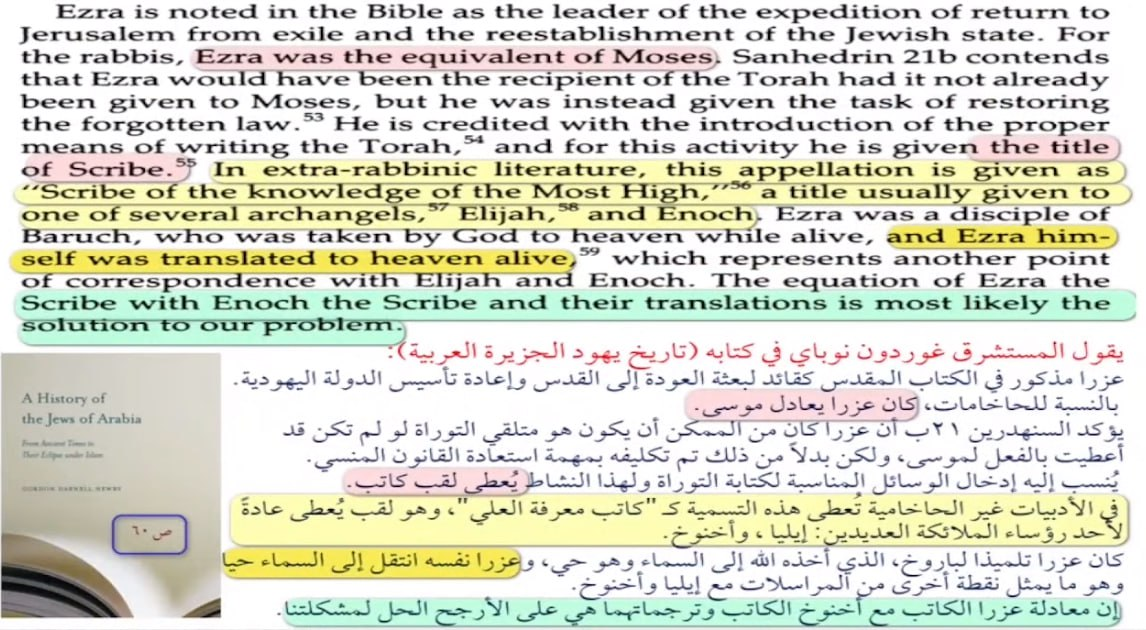
Source: Kitabat Uzrayyah — Ezra’s Heavenly Role The Jewish corpus of “Ezra writings” presents Ezra as the one who restored and organized the law after the Babylonian exile. Traditions arose that Ezra would meet Moses and even surpass him — because he ascended to heaven, saw what no one saw, and became known as “the seer.”
surah tawbah 30 ezra god 27
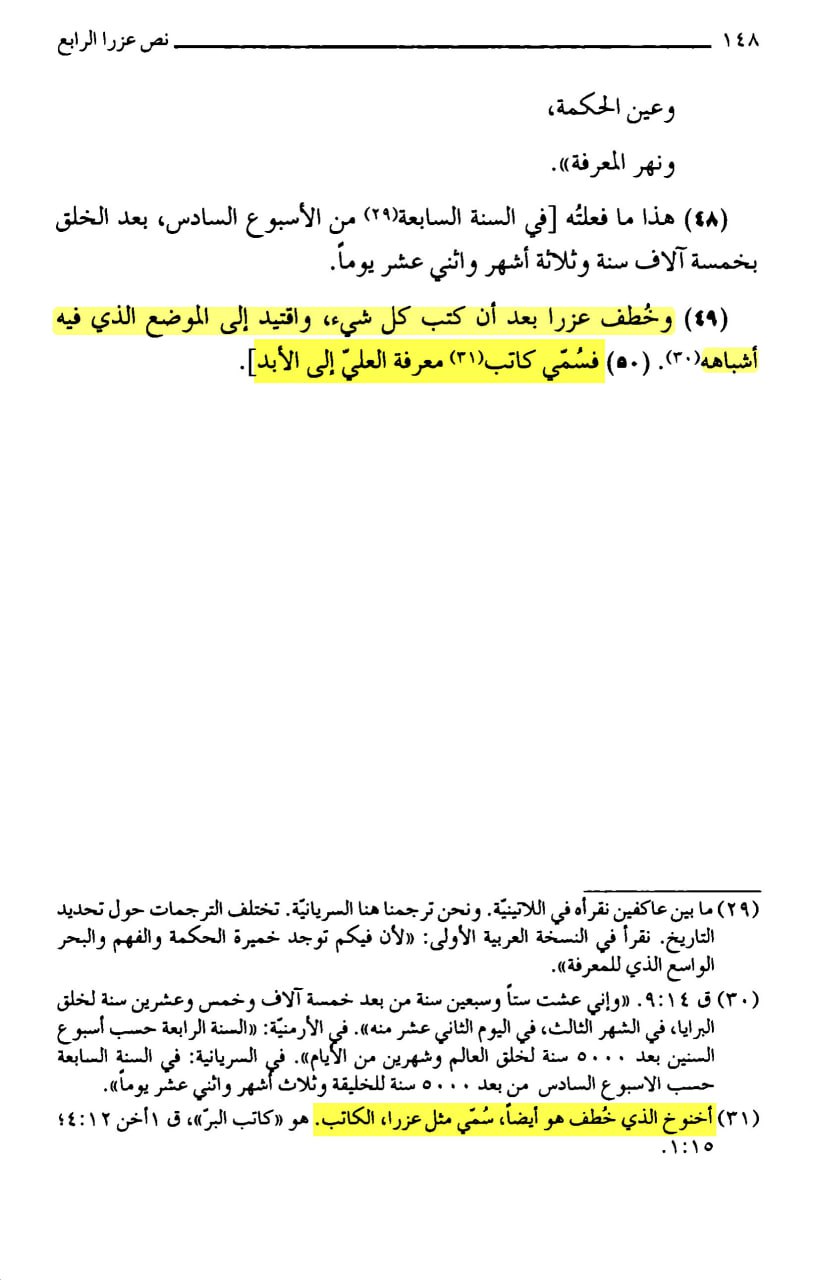
Source: Kitabat Uzrayyah — Ezra’s Ascent Ezra rose to the place resembling him and was also known as “Azra the scribe.” This connects Ezra with heavenly ascent and scribal authority — the same qualities that attach to Enoch and Metatron.
surah tawbah 30 ezra god 29
Source: Gordon Newby, A History of the Jews of Arabia Ezra was equivalent to Moses in some traditions, was called “the scribe of the knowledge of the Most High,” and was translated to heaven alive like Elijah and Enoch. Equating Ezra the scribe with Enoch the scribe explains why Ezra could be associated with heavenly ascent and angelic status.
surah tawbah 30 ezra god 28
Source: Concise Encyclopedia of Islam — Ezra = Enoch = Metatron Some Jews in pre-Islamic Arabia equated Ezra with Enoch and said Enoch was taken to heaven, stripped of humanity, and transformed into Metatron — who in some cosmologies was head of the heavenly creatures called “sons of God.” This explains why an Arabian Jewish group might speak of Uzair/Ezra in exalted sonship language.
Arabian Jewish Groups and Ezra’s Angelic Status
surah tawbah 30 ezra god 30
Source: Daryah Ibrahim — Marginal Jewish Groups and Ezra Some marginal Jewish groups exceeded acceptable limits of belief regarding an important figure like Ezra, linking ancient writings about Ezra with angelic or divine status. Some Jews in Medina at the Prophet’s time may have held such views and announced them when the Qur’anic verse exposed them.
The Ezra-Metatron Connection: Conclusion The chain is established through independent sources: Ezra’s role in restoring the Torah created massive veneration. The Fourth Book of Ezra places him “with God’s son” in heaven. Traditions equated Ezra with Enoch. Enoch = Metatron = “Sons of God.” A pre-Islamic Arabian Jewish sect that equated Ezra with Enoch-Metatron would therefore believe Ezra was a “Son of God” in precisely the meaning that term carried in Jewish mystical tradition. The Quranic verse accurately describes this sectarian belief.
The Malachi–Ezra–Angel Chain of Identification
A parallel chain of identification, independent from the Metatron tradition, connects Ezra to the language of angel and son of God through the book of Malachi.
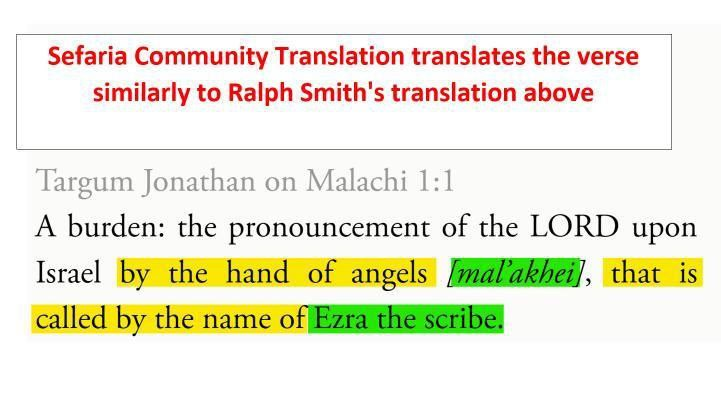
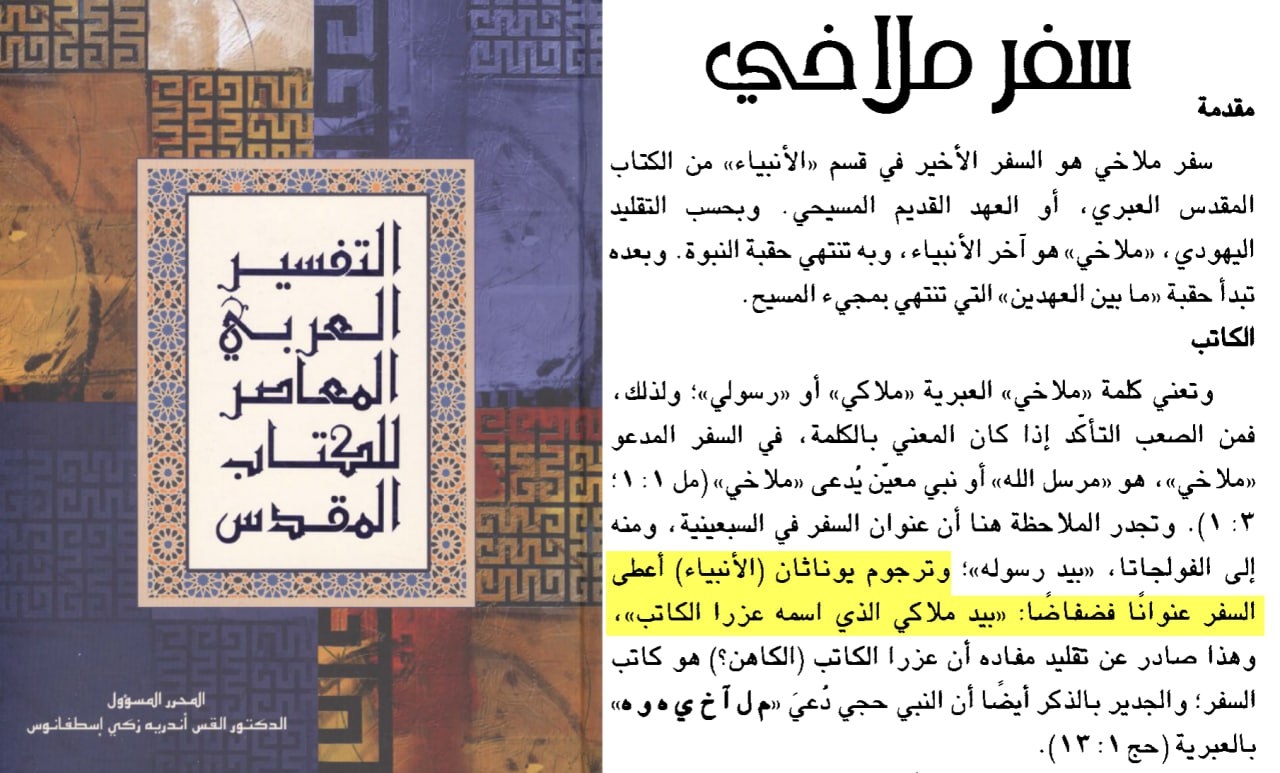
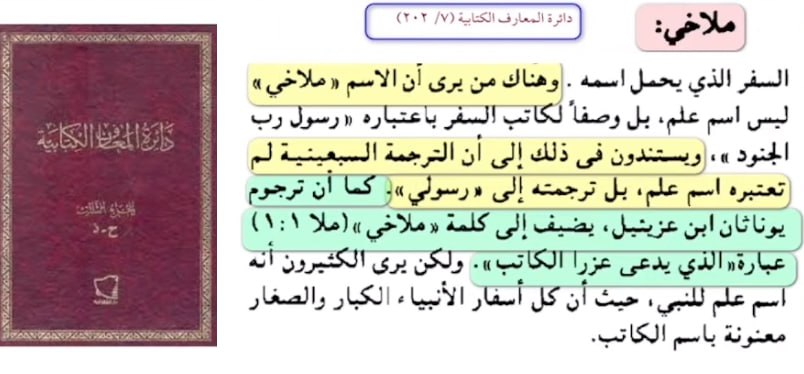
Targum Jonathan: Malachi Is Ezra the Scribe
The Targum is the Aramaic translation of the Hebrew Bible, which Jews in the Prophet’s time used to study their scriptures. The Targum of Malachi 1:1 contains an extraordinary identification:
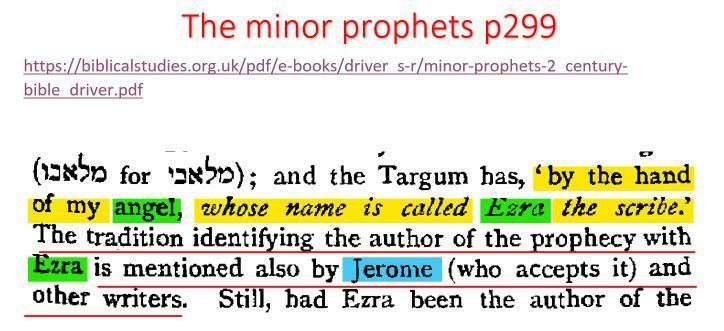
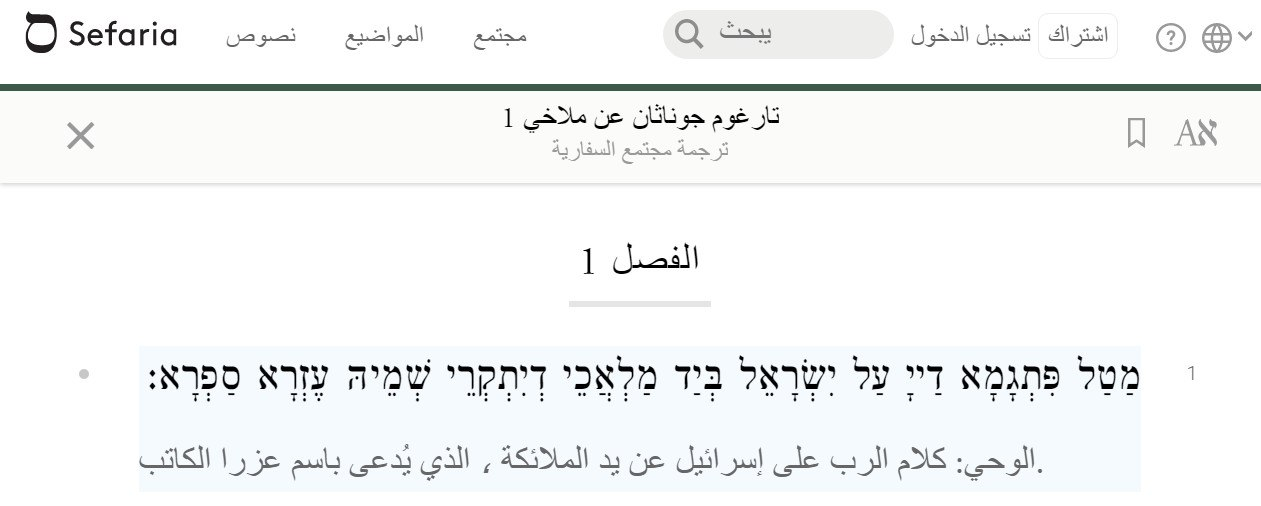
Targum of Malachi 1:1 — “By the Hand of My Angel Whose Name Is Called Ezra the Scribe” Source: Ralph, Micah-Malachi, p. 298. The Malachi Targum begins: “By the hand of my angel whose name is called Ezra the Scribe.”
surah tawbah 30 ezra god 42
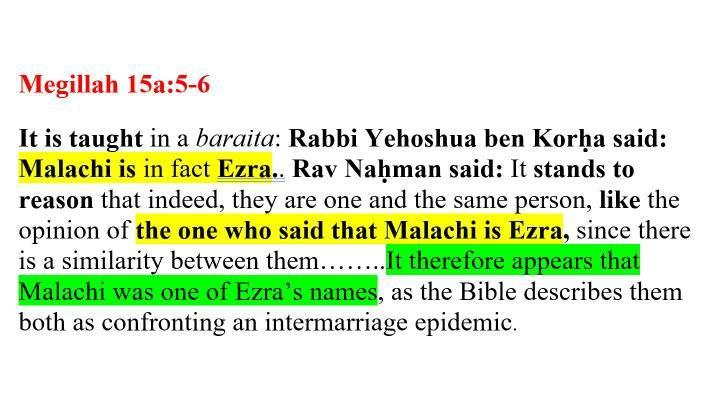
Source: Sefaria — Targum Jonathan on Malachi 1:1 The Targum Jonathan translates the verse as: the word of the Lord to Israel by the hand of Malachi, who is called Ezra the scribe. A Jewish Aramaic translation tradition explicitly identified Malachi with Ezra.
surah tawbah 30 ezra god 43
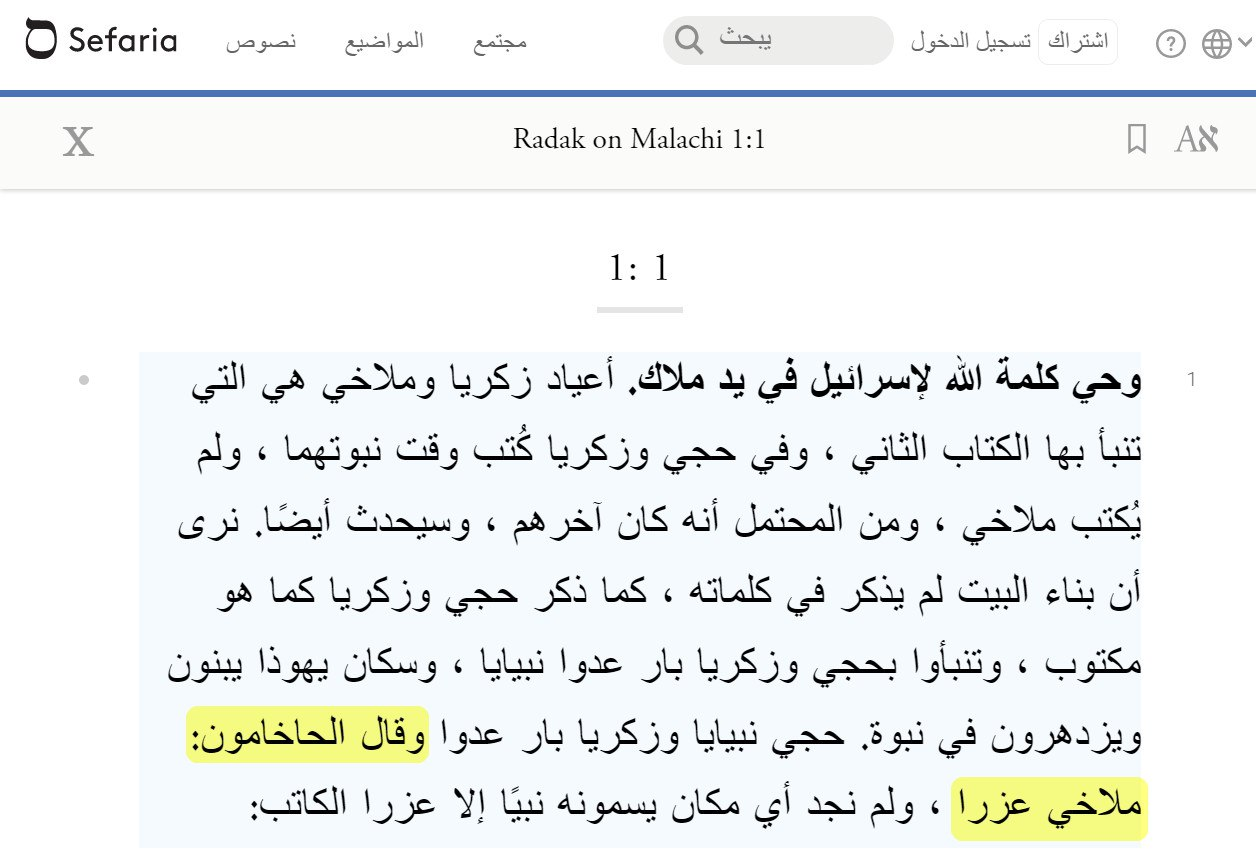
Source: Sefaria — Radak on Malachi 1:1 Radak says: “The sages said Malachi was Ezra, and there is no place in which anyone is called Malachi except Ezra the scribe.” A medieval Jewish exegete confirms the Malachi-Ezra identification.
surah tawbah 30 ezra god 41
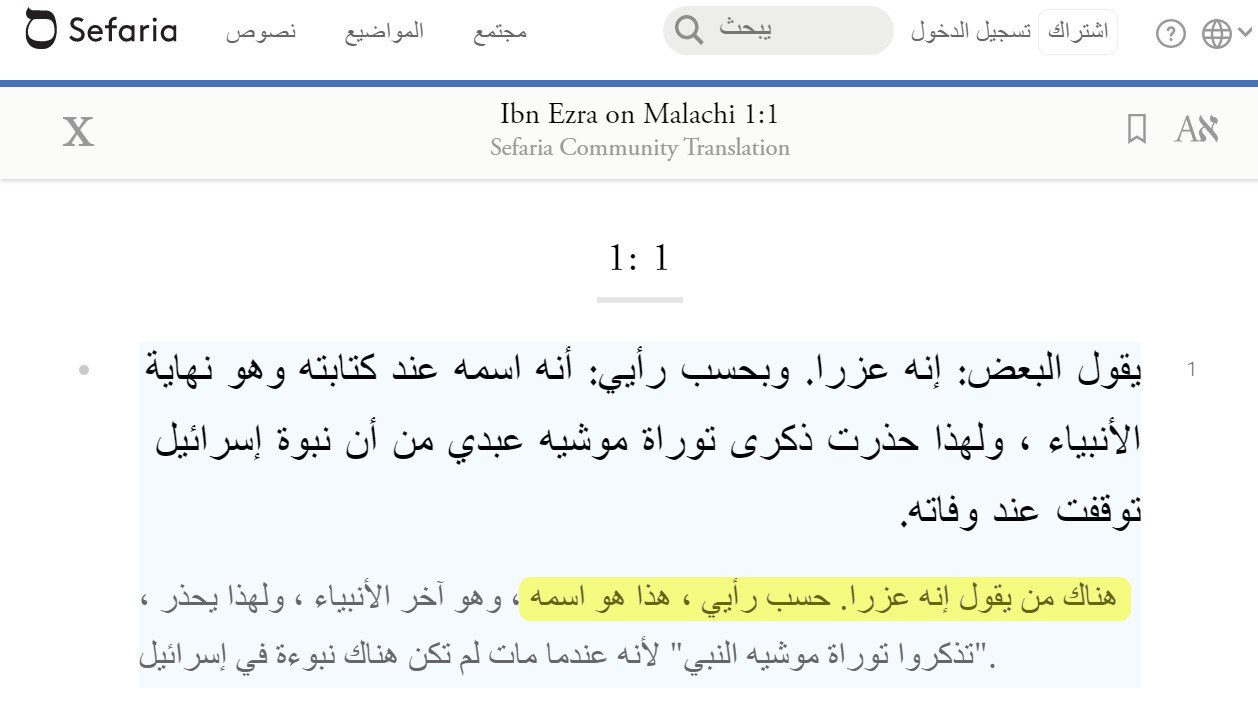
Source: Sefaria — Ibn Ezra on Malachi 1:1 Ibn Ezra records that some say he (Malachi) is Ezra. Medieval Jewish interpretation itself records the identification.
Jewish and Christian Exegetes Confirming the Link
The Malachi-Ezra identification was recorded across Jewish, Christian, and Muslim scholarly traditions:
surah tawbah 30 ezra god 33
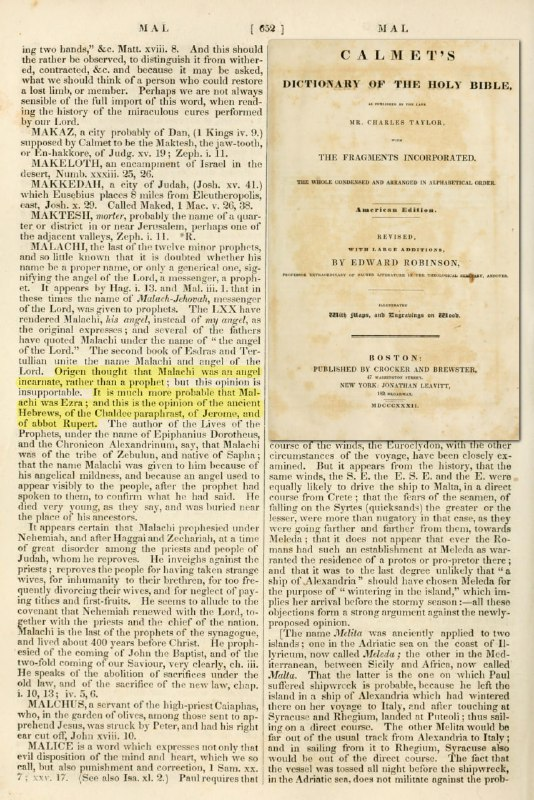
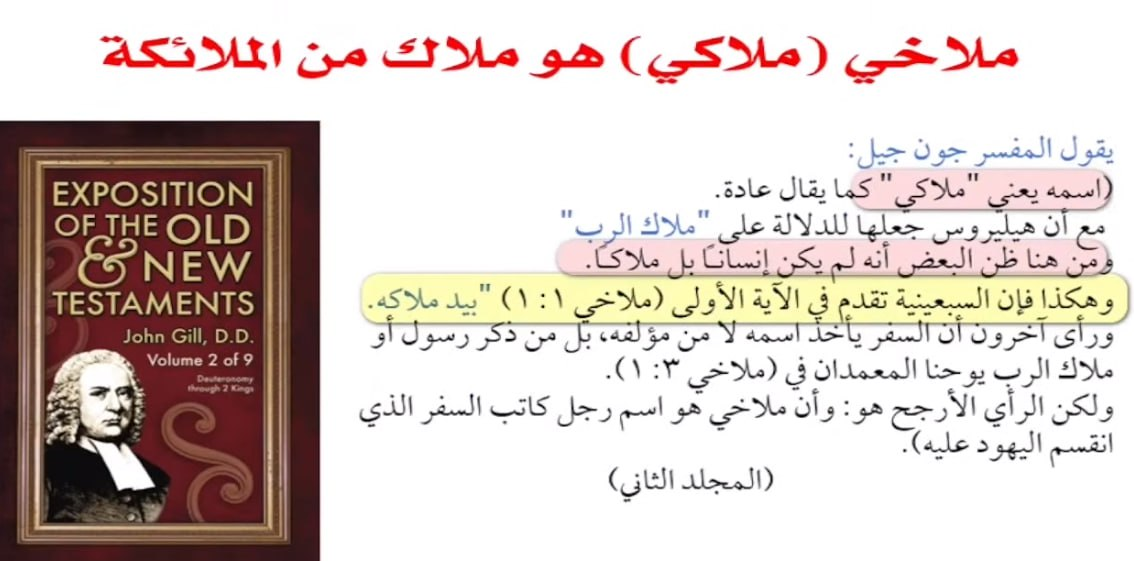
Source: Ecclesiastical Dictionary — Origen and Jerome Origen identified Malachi with an angel because the Septuagint renders the opening as “by the hand of his angel.” Jerome records a tradition identifying Malachi with Ezra the king’s scribe.
surah tawbah 30 ezra god 36
Source: Calmet’s Dictionary Some thought Malachi was an angel because of the name’s meaning, but it is more likely that Malachi was Ezra, whose name means helper or assistant. Source: archive.org — Calmet’s Dictionary, p. 652
surah tawbah 30 ezra god 46
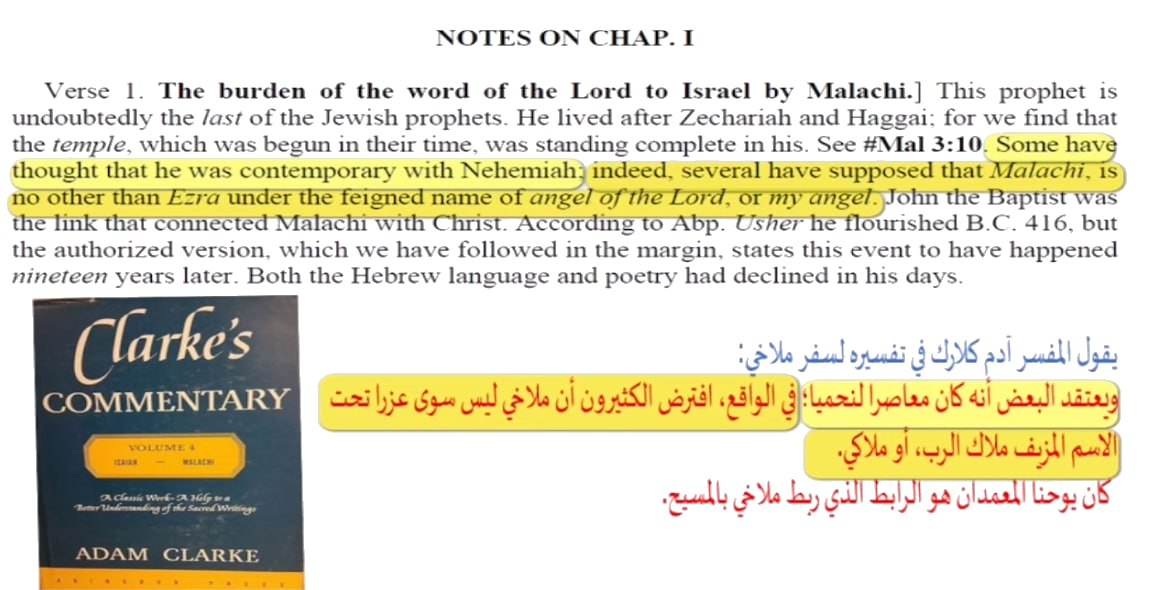
Source: Adam Clarke’s Commentary Some have supposed Malachi was no other than Ezra under the feigned name “angel of the Lord” or “my angel.”
surah tawbah 30 ezra god 49
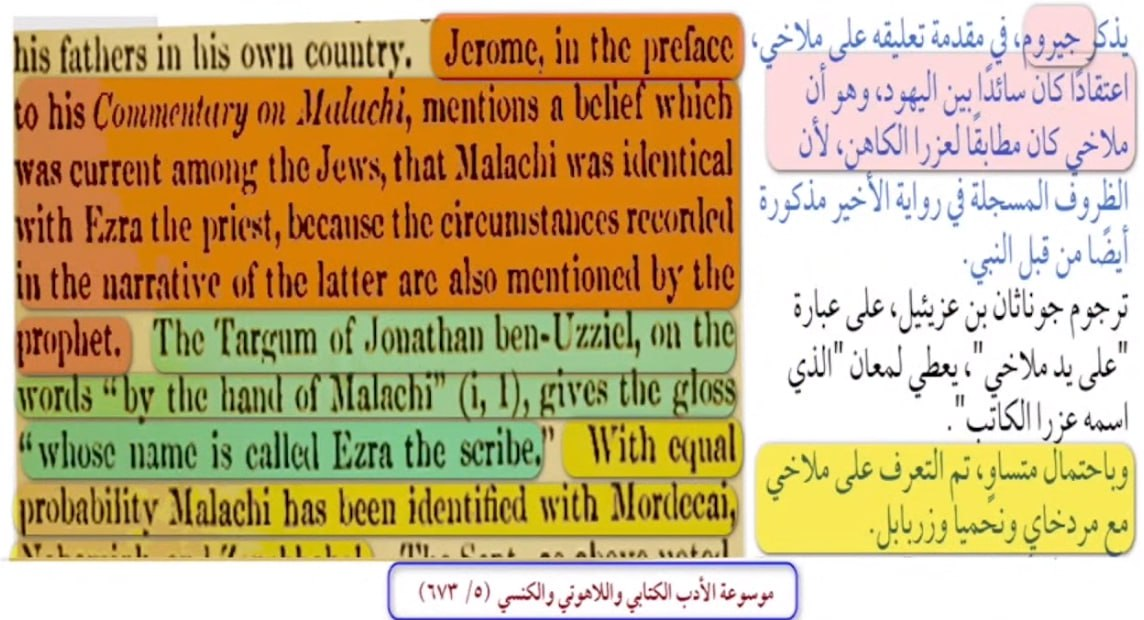
Source: Encyclopedia Entry — Jerome and Targum Jonathan Jerome mentioned a Jewish belief that Malachi was identical with Ezra the priest. Jonathan ben Uzziel’s Targum renders the phrase in a way that points to Ezra the scribe.
surah tawbah 30 ezra god 52
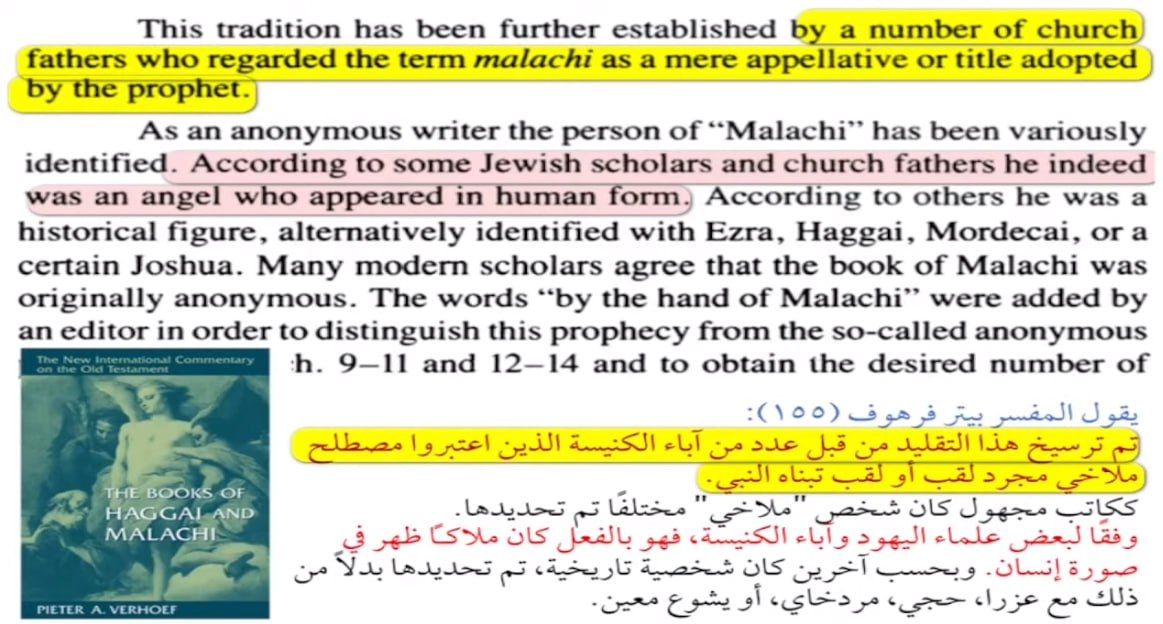
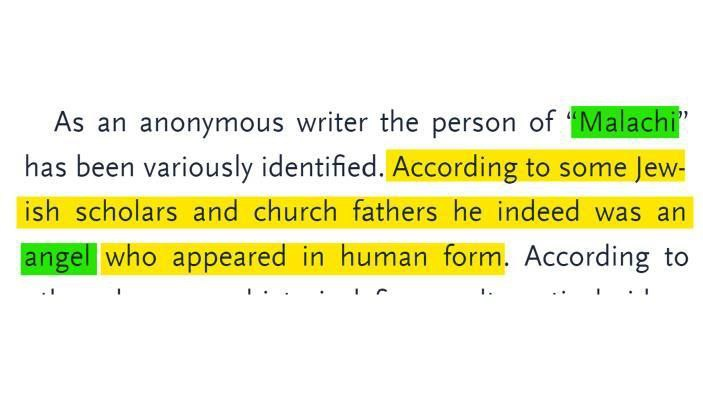
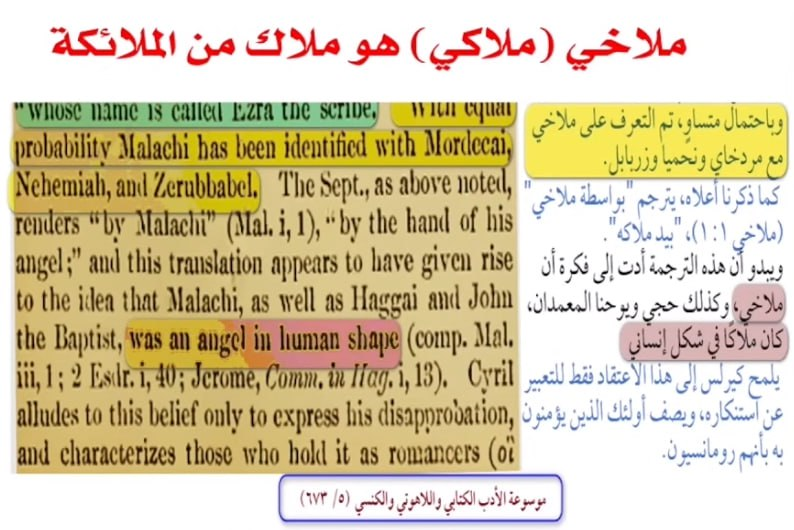
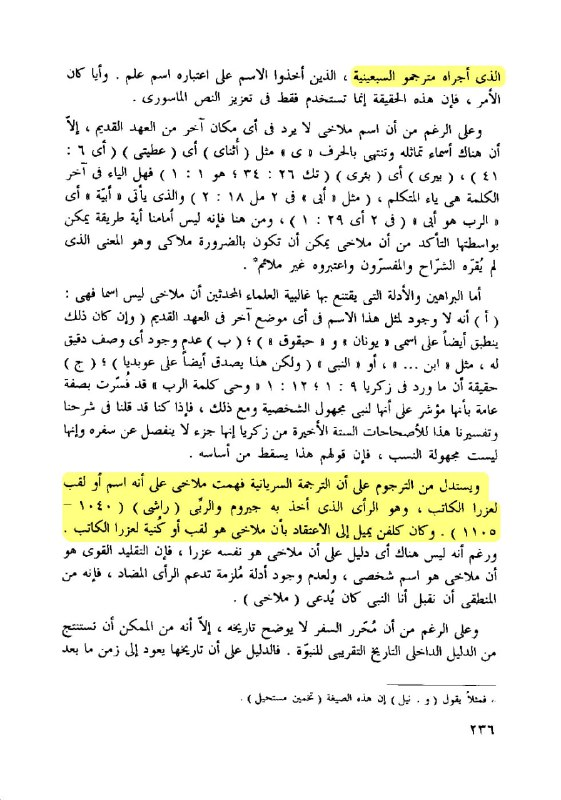
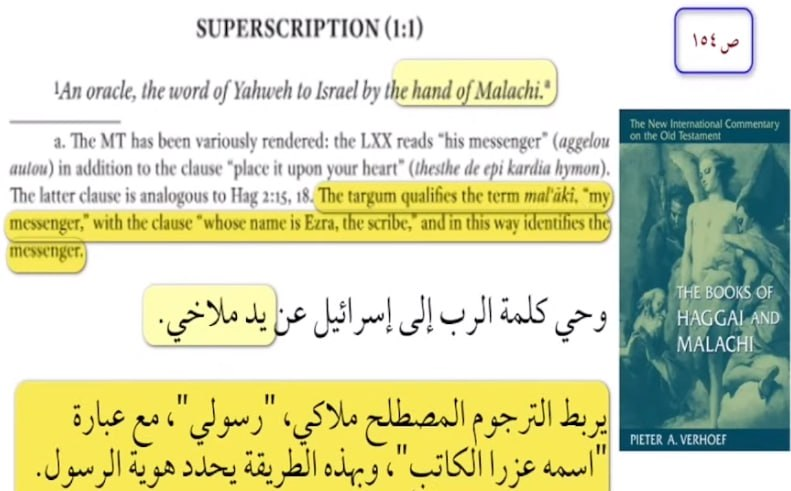
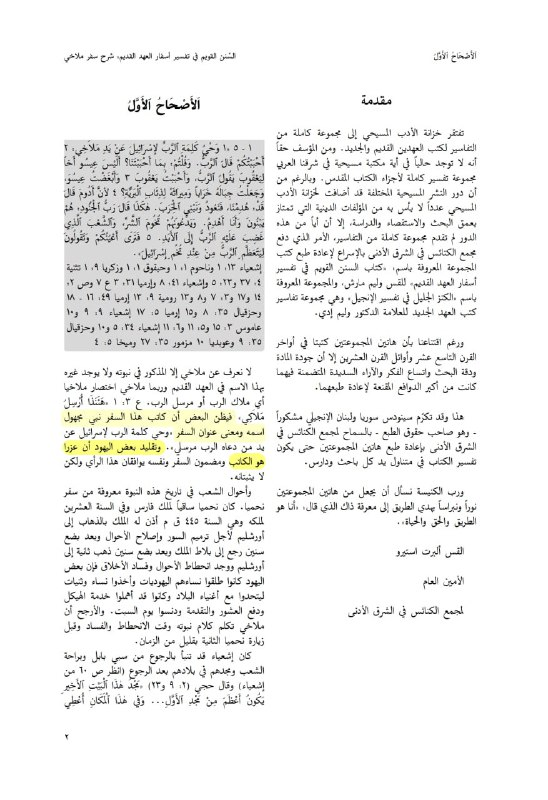
Source: Pieter Verhoef — Haggai and Malachi Many church fathers treated “Malachi” as a title adopted by the prophet, and according to some Jewish scholars and church fathers he was an angel appearing in human form, while others identified him with Ezra.
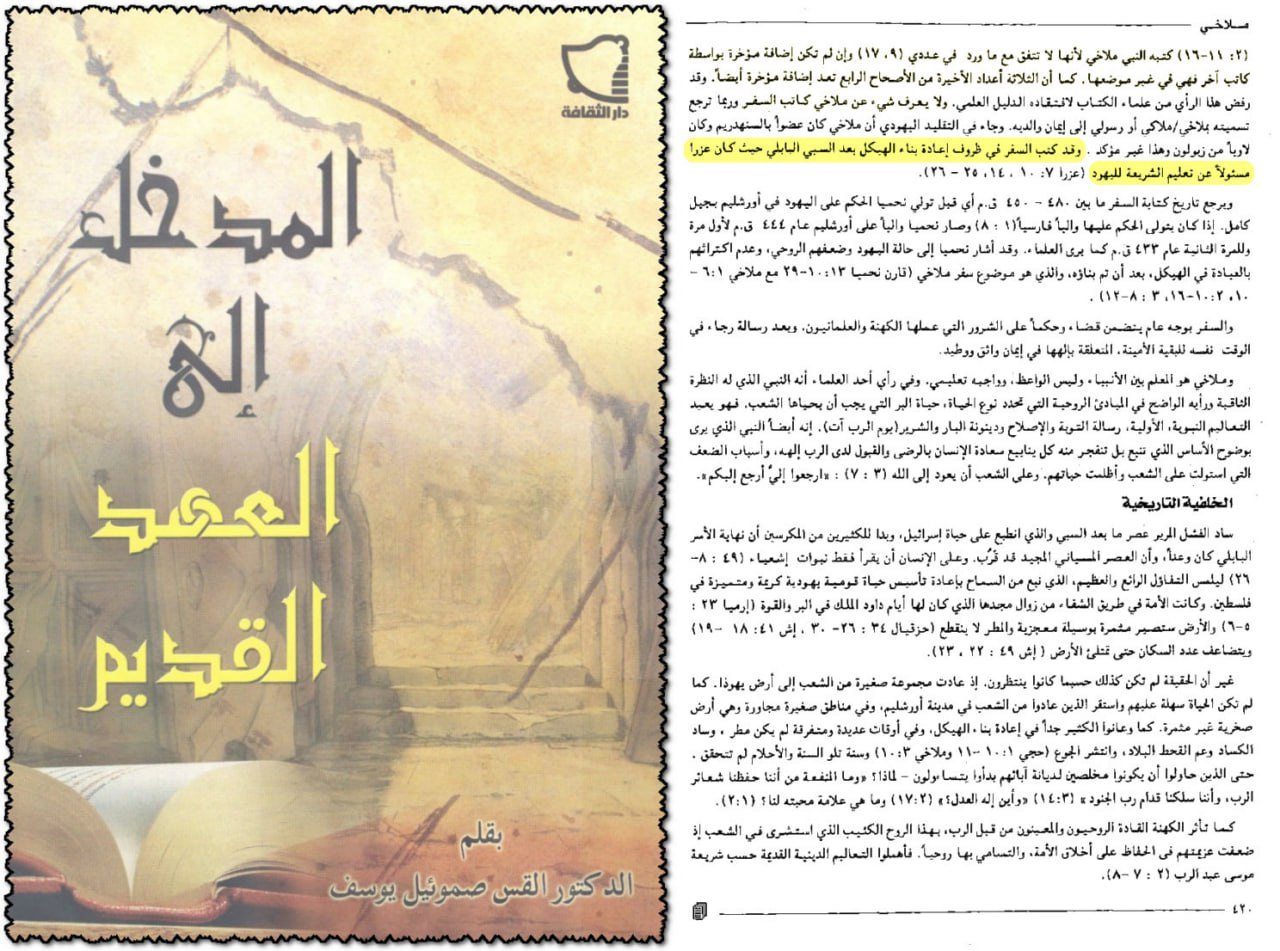
Source: Additional Verhoef — Malachi as Angel in Human Form According to some Jewish scholars and church fathers, Malachi was indeed an angel who appeared in human form. The belief that Ezra is the author of Malachi is an ancient and well-known doctrine referred to by Saint Jerome and later adopted by the Jewish commentator Rashi and the Protestant Calvin. Source: Growing & Changing Commentary, p. 13
The Septuagint: “By the Hand of His Angel”
surah tawbah 30 ezra god 38
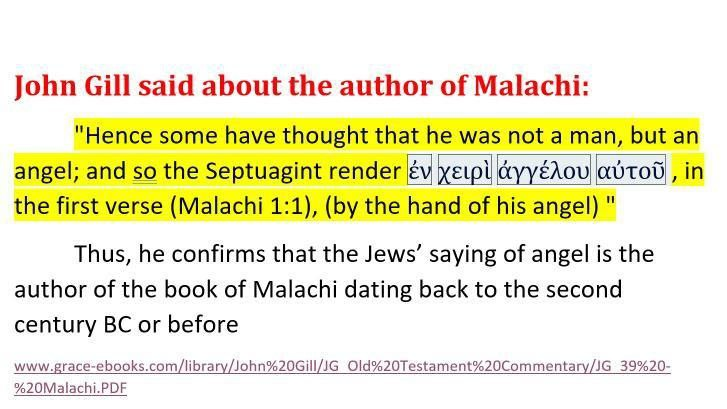
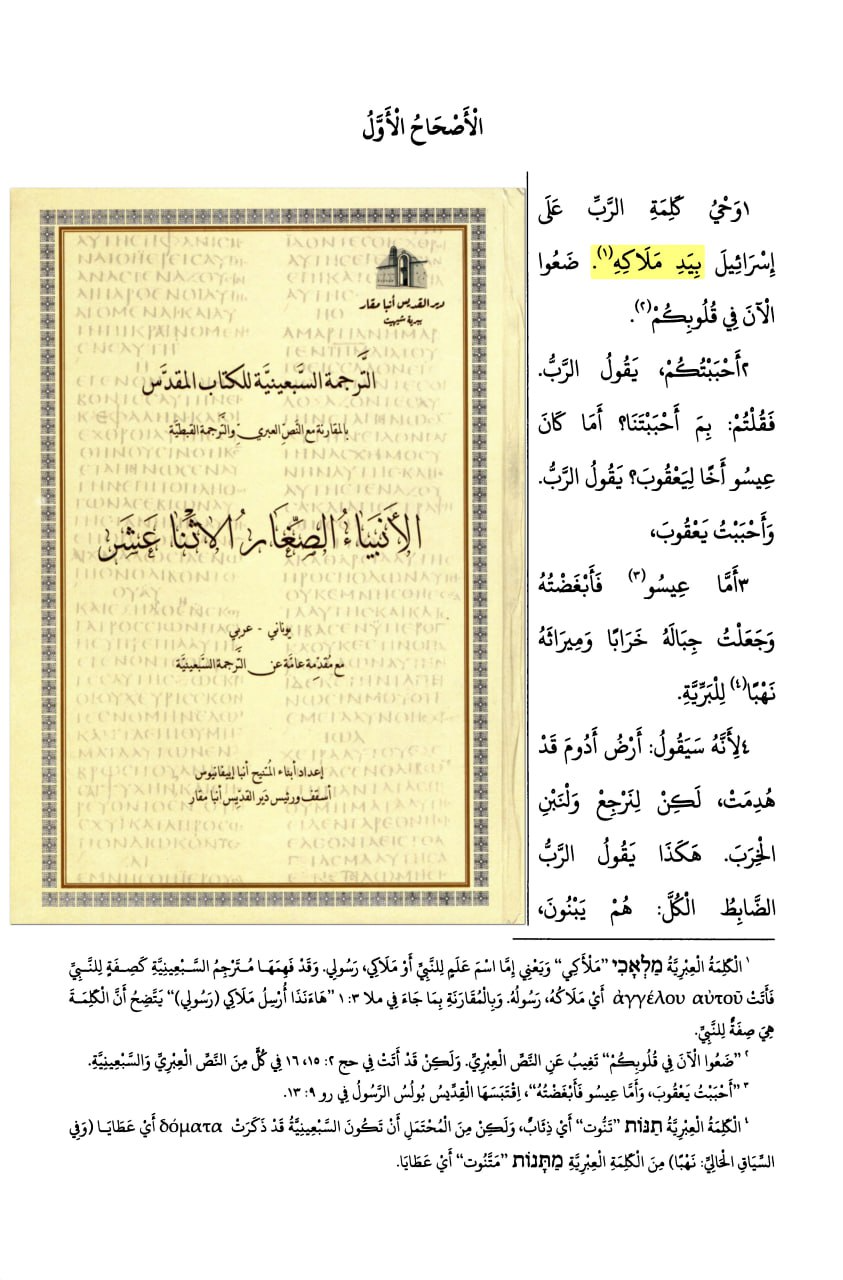
Source: Arabic Septuagint Study The ancient Greek Septuagint translation of Malachi 1:1 renders it as “by the hand of his angel” rather than as a normal personal name. The ancient translation tradition itself reads “Malachi” as a title meaning messenger/angel.
surah tawbah 30 ezra god 44
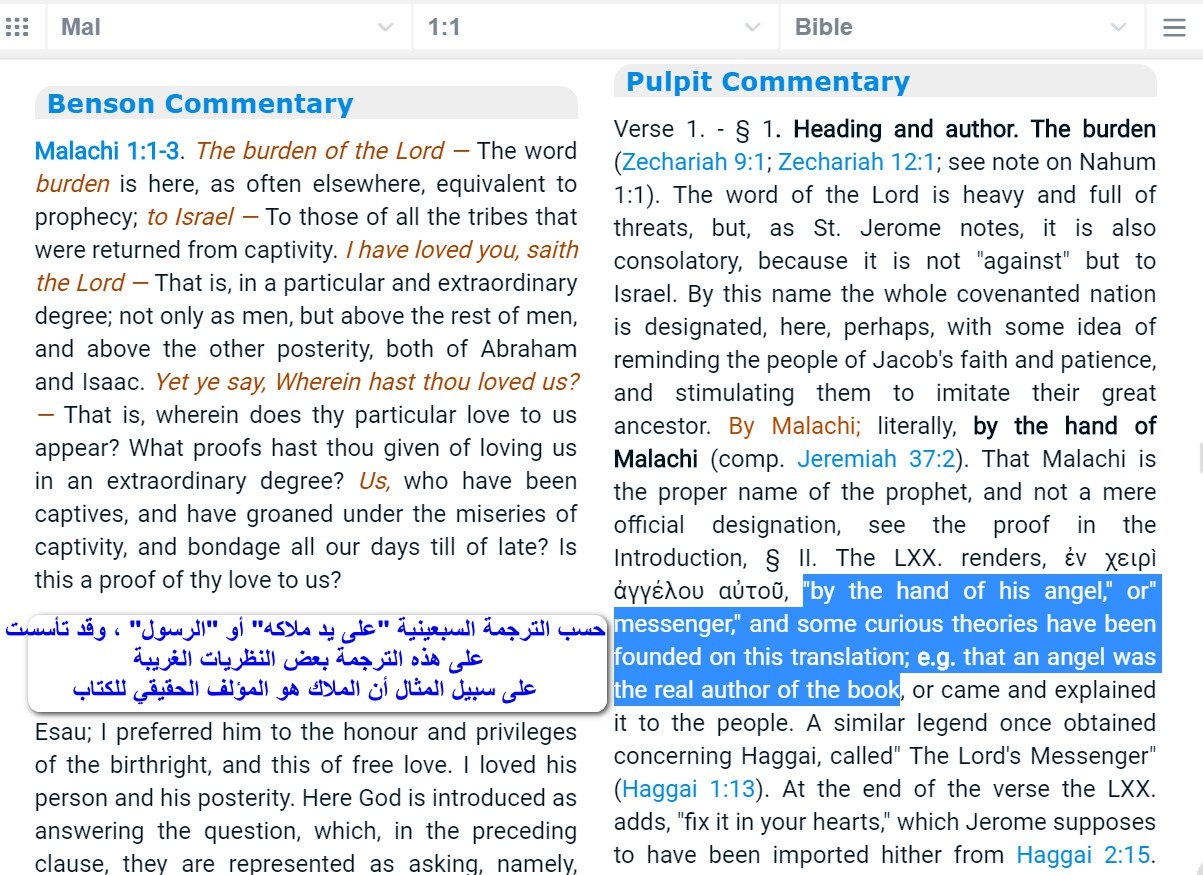
Source: English Commentaries on Malachi The Septuagint rendering “by the hand of his angel/messenger” gave rise to curious theories, including the idea that an angel authored or delivered the book of Malachi.
surah tawbah 30 ezra god 51
Source: Encyclopedia Discussion — “By the Hand of His Angel” The translation “by the hand of his angel” gave rise to the idea that Malachi, Haggai, and John the Baptist were angels in human form. The angel/messenger reading is not a Muslim invention — it arose within Jewish and Christian exegetical tradition from the ancient Septuagint itself.
Additional sources confirming the Malachi-messenger-Ezra chain:
surah tawbah 30 ezra god 39
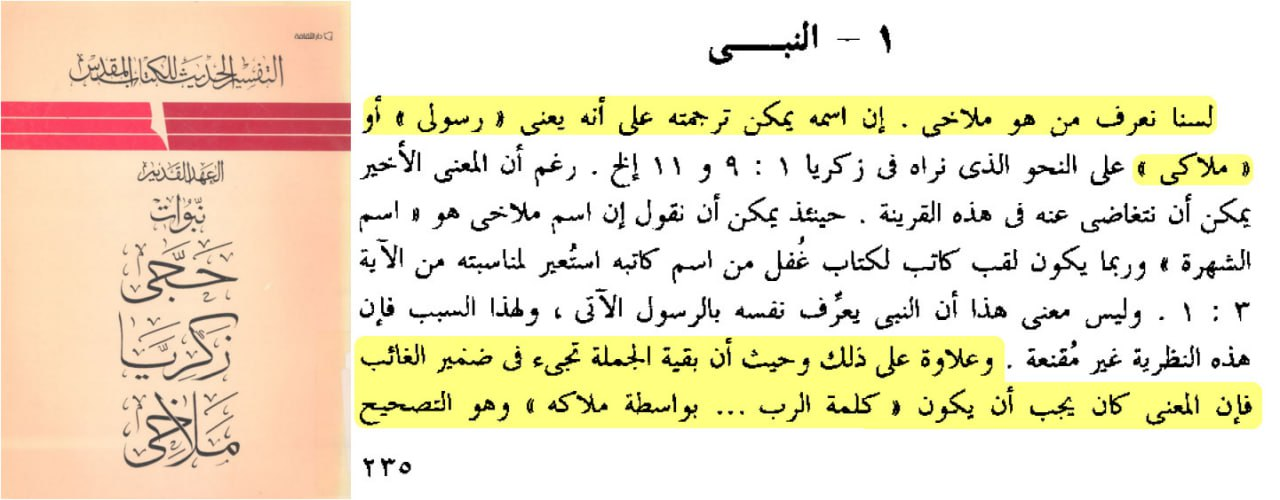
Source: Arabic Commentary on Malachi Malachi can be translated as “messenger” or “angel,” and context supports understanding “the word of the Lord by the hand of His angel” as the correct sense.
surah tawbah 30 ezra god 40
Source: Malachi as a Title Malachi was likely a title or office rather than a personal name, and some older sources understood it as related to angelic or messenger status.
surah tawbah 30 ezra god 45
Source: Arabic Introduction to Malachi Because the title can mean “my messenger” or “my angel,” some modern critics considered the book anonymous and understood the phrase as “by the hand of my messenger.”
surah tawbah 30 ezra god 47
Source: Arabic Knowledge Encyclopedia — Targum Jonathan Some view “Malachi” not as a proper name but as a description meaning “messenger of the Lord.” The Targum Jonathan adds an explanatory phrase identifying him as Ezra the scribe.
surah tawbah 30 ezra god 48
Source: Commentary on Haggai and Malachi The Targum qualifies “my messenger” with “whose name is Ezra the scribe,” directly linking Malachi, messenger, and Ezra the scribe.
surah tawbah 30 ezra god 50
Source: John Gill’s Commentary The Septuagint renders Malachi’s first verse as “by the hand of his angel,” and some understood Malachi not as a proper name but as a messenger title.
surah tawbah 30 ezra god 53surah tawbah 30 ezra god 54
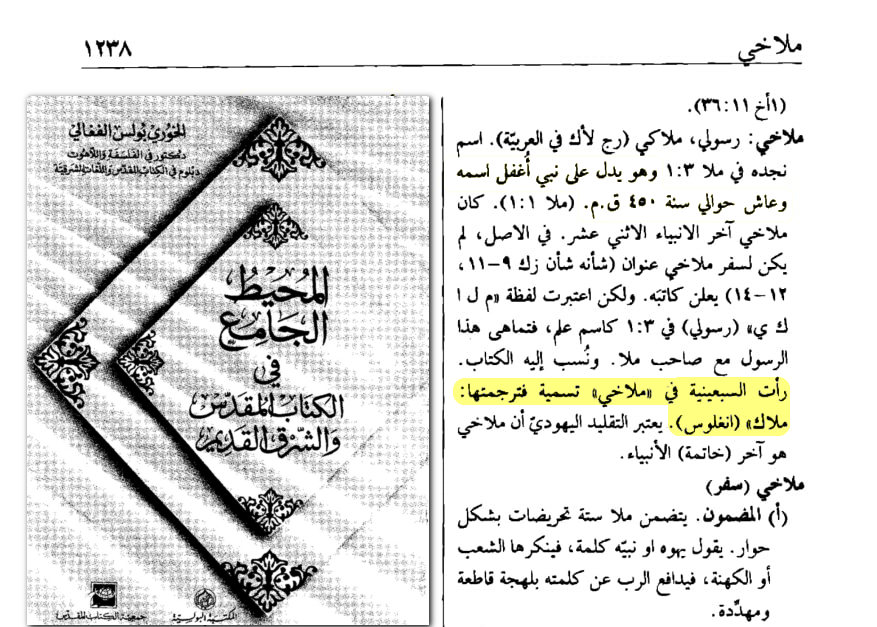
Source: Arabic Commentary on Malachi Interpreters did not agree about who Malachi was. Some held he was Ezra, “the scribe learned in the law of Moses.”
surah tawbah 30 ezra god 55
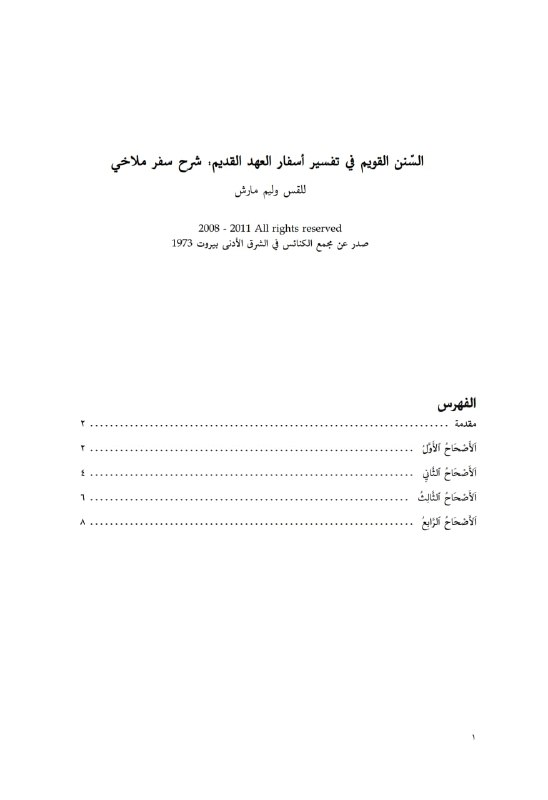
Source: Al-Muhit al-Jami’ in the Holy Book The Septuagint calls Malachi “angel” or “messenger.”
surah tawbah 30 ezra god 56
Source: Arabic Critical Introduction to the Old Testament The book of Malachi was anonymous, and the word Malachi may be understood as “my messenger,” with later readers treating it as the prophet’s name.
surah tawbah 30 ezra god 37
Source: Arabic Biblical Encyclopedia — Malachi = Uzair the Angel Malachi is understood as “messenger of the Lord,” and some translators rendered it as “Uzair the angel,” embodied in the person who spoke as Malachi. Some traditions blurred the categories of Ezra, messenger, and angel.
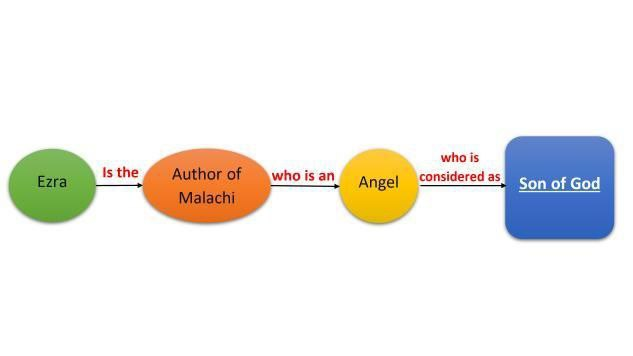
The Full Chain: Ezra = Malachi = Angel = Son of God
The Malachi Chain — Conclusion The logical chain established through multiple independent Jewish and Christian sources is:
The Targum Jonathan (Jewish Aramaic translation) identifies Malachi as Ezra the scribe
Both Jewish scholars (Radak, Ibn Ezra) and Christian fathers (Origen, Jerome) confirm this identification
The Septuagint, the ancient Greek translation, renders “Malachi” as “by the hand of his angel”
Therefore Ezra = Malachi = angel/messenger
Since angels = “sons of God” in Jewish scripture (see next section)…
Therefore: Ezra = Son of God — within the Jewish interpretive tradition itself
The Quran is not fabricating an absurd claim. It is accurately describing a theological position that was logical within the Jewish exegetical and mystical framework of the time.
Angels Are “Sons of God” in Jewish Thought
surah tawbah 30 ezra god 11
Source: Melchizedek — Exalted Human Figures Some traditions describe Melchizedek as a figure surrounded by exalted or semi-sacred interpretations. Human religious figures could be described in elevated language that blurred human and divine categories.
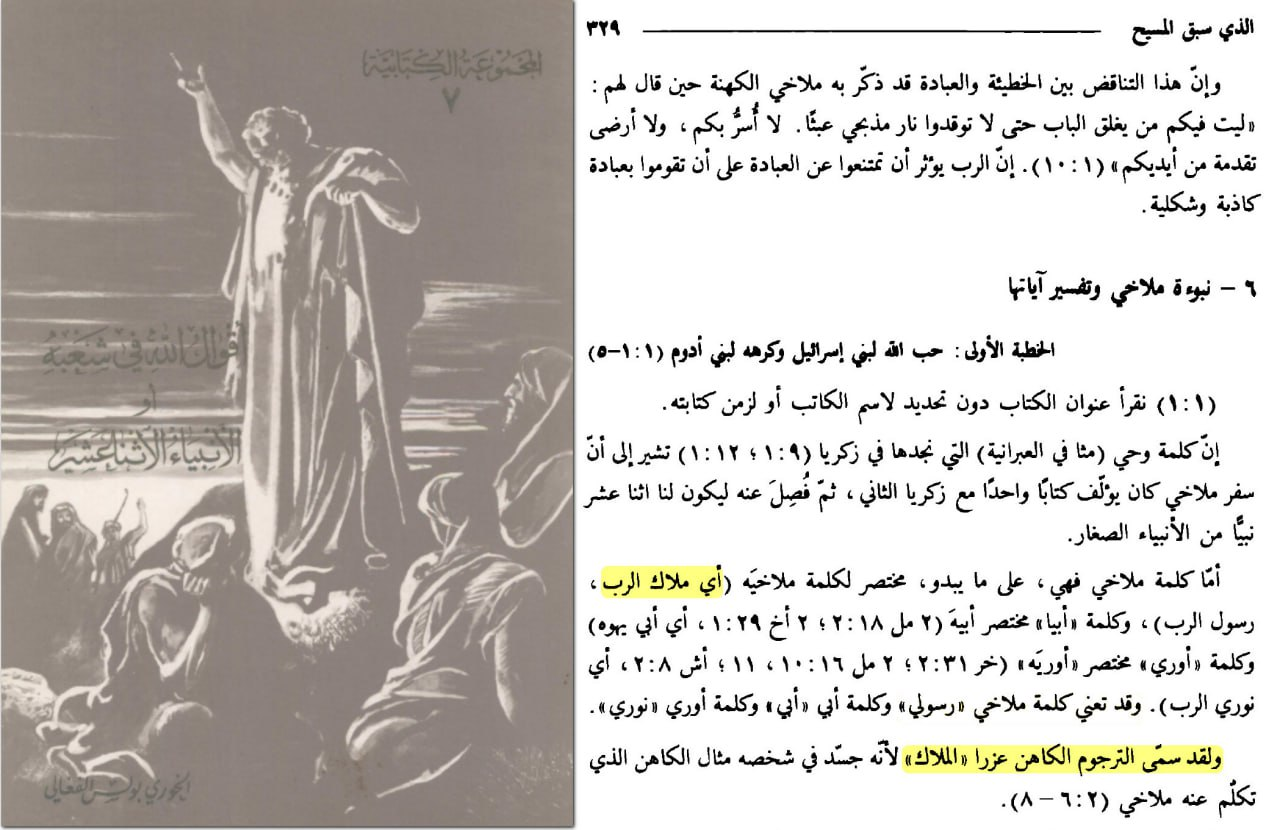
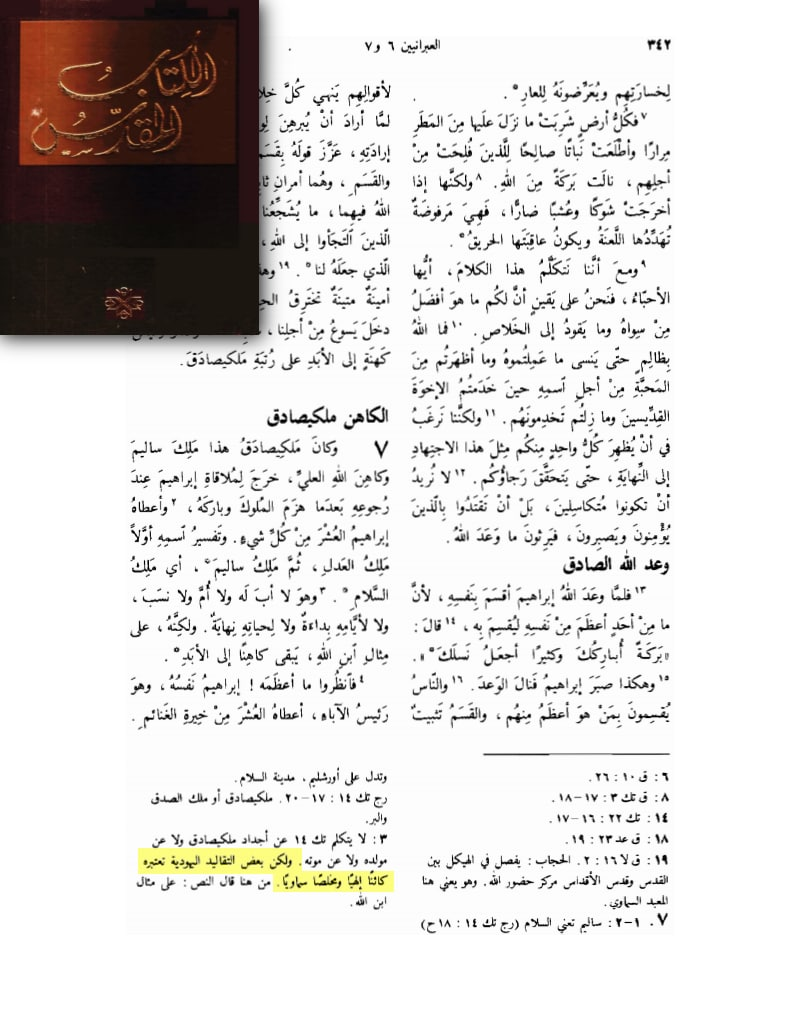
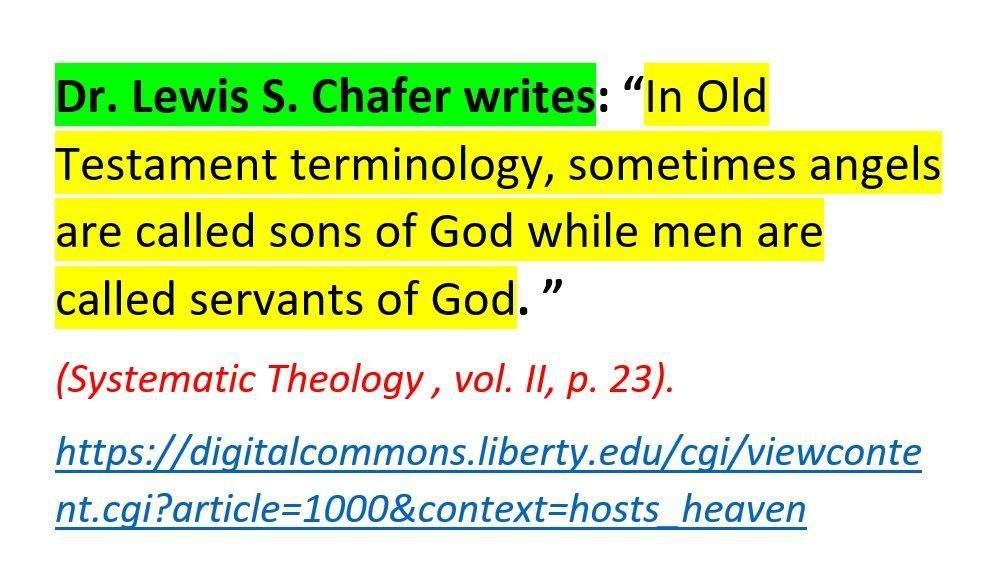
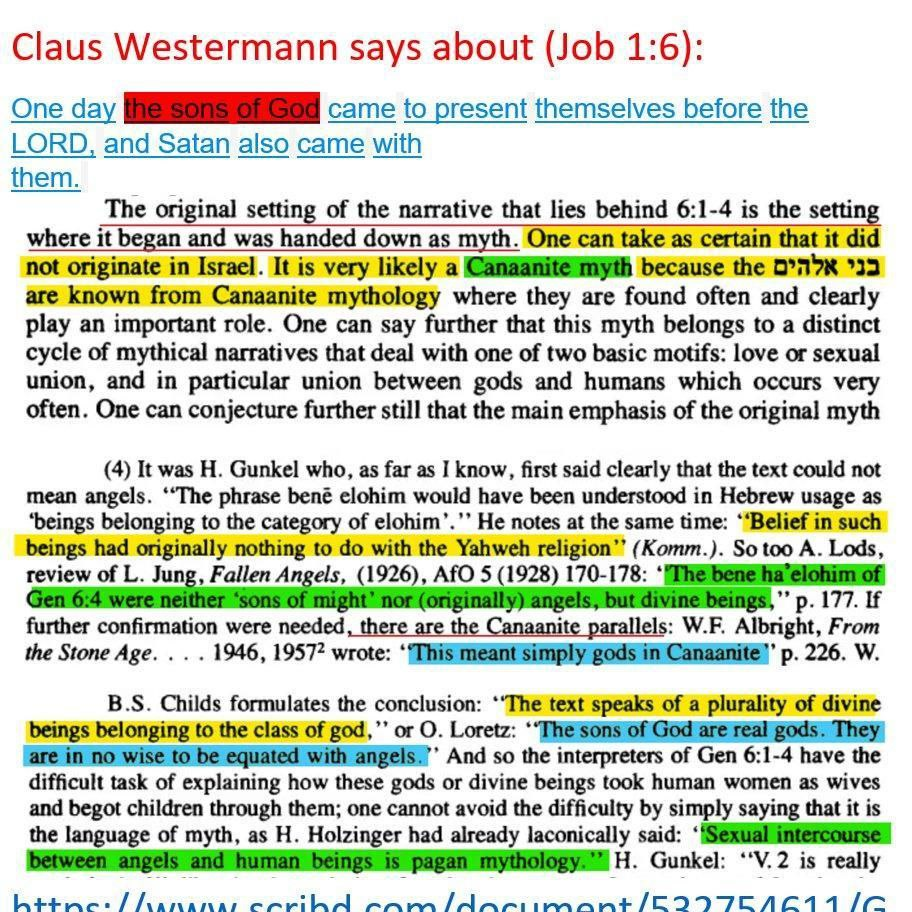
Source: Angels = Sons of God in Jewish Scripture In Jewish scriptures of the relevant period, angels were called “the children of God” (bnei Elohim). This is the same language that appears in Genesis 6, Job 1-2, and other texts where heavenly beings are designated as “sons of God.”
Source: Clause Westermann — Canaanite Influence on “Sons of God” The name “sons of God” came from pagan/Canaanite beliefs that saw angels as deities among the gods. This conception is confirmed by the critic Clause Westermann in his commentary on the Book of Genesis — the “sons of God” terminology in Jewish scripture derives from the Canaanite divine council mythology.
surah tawbah 30 ezra god 32
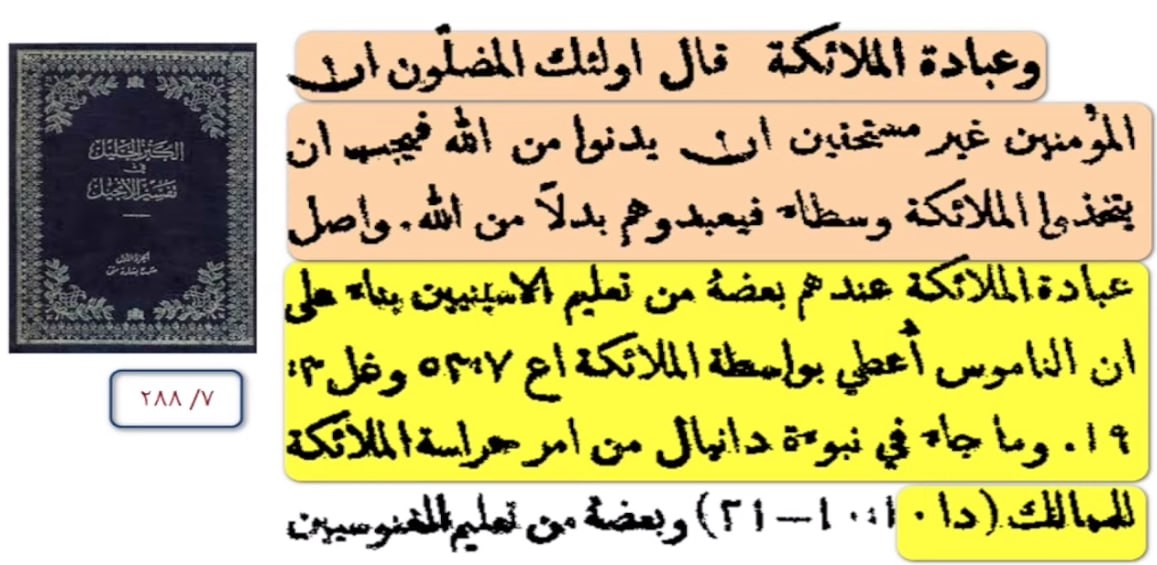
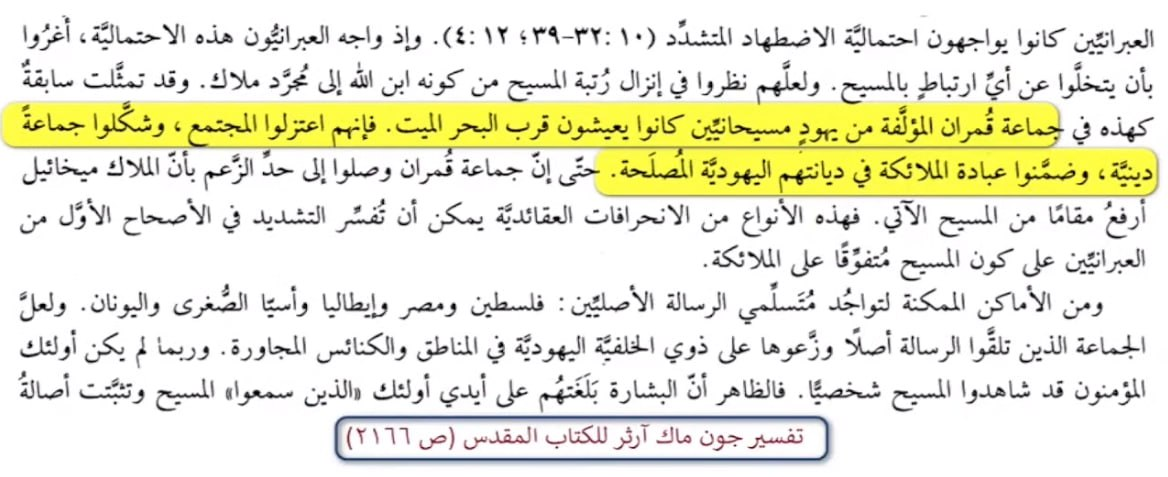
Source: Arabic Commentary — Qumran and Angel Worship A group from Qumran had Jewish-Christian roots, lived near the Dead Sea, formed a religious community, and added angel worship to their Jewish religion. Jewish-linked groups could develop angel-veneration within a sectarian framework.
Therefore: Ezra Is Indeed the Son of God Within That Framework Ezra is identified as the author of Malachi (by Targum Jonathan, Radak, Ibn Ezra, Origen, Jerome). Malachi means “my angel/messenger” (Septuagint, multiple commentators). Angels are called “sons of God” in Jewish scripture. Therefore, Ezra = Malachi = angel = son of God — by the internal logic of the Jewish exegetical tradition that was active in the Prophet’s time.
Uzair IS Ezra: Linguistic and Scholarly Proof
Linguistic Evidence
Sub-Objection Some critics claim that “Uzair” cannot be identified as Ezra, arguing the names are too different.
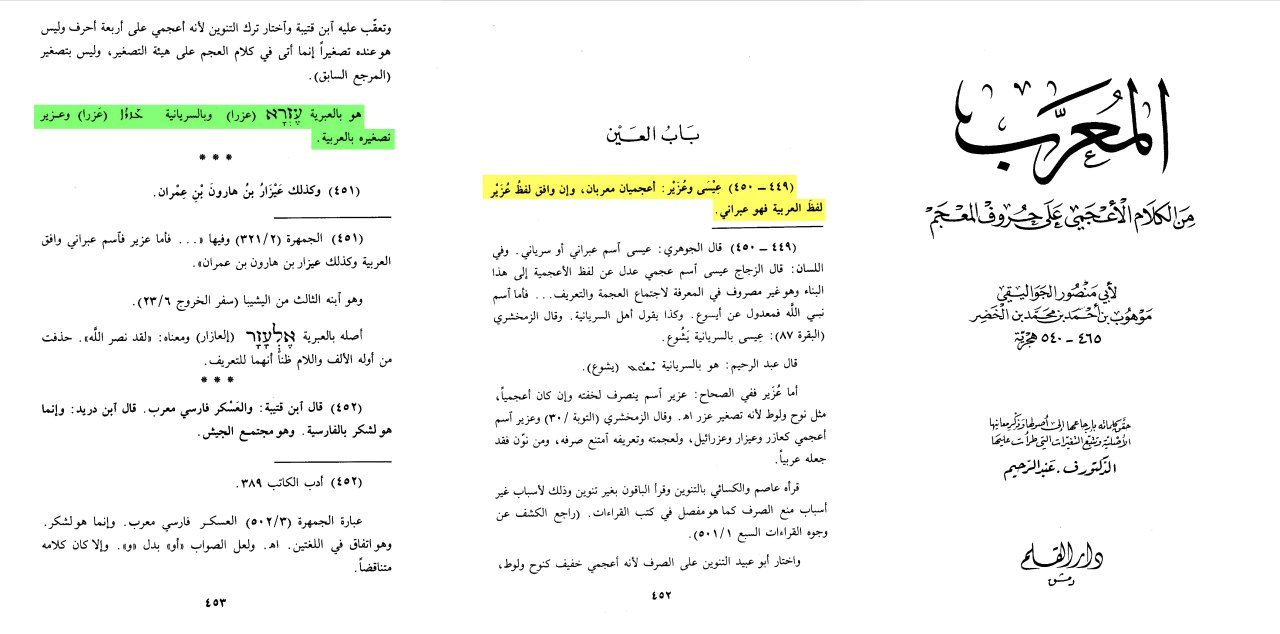
Source: Asma’ al-Mawt fi ‘Ibarat al-‘Abiriyyin Uzair is an Arabized form of the Hebrew name Ezra. Arabs pronounced it with the sound ghayn because Hebrew ayin is weak in articulation, and they also called him “Azra.” The objection that Uzair cannot be Ezra is refuted on linguistic grounds.
surah tawbah 30 ezra god 66
Source: Al-Mu’arrab min al-Kalam al-A’jami This work on foreign words in Arabic shows forms connected to Ezra/Azra and explains their linguistic transfer into Arabic. The Arabization of Hebrew or foreign names is normal; variation between Ezra, Azra, and Uzair is not a serious objection.
Muslim Scholars Who Confirmed the Identification
The identification of Uzair with Ezra is not a modern claim — it is a classical and repeated position across Muslim scholarship:
surah tawbah 30 ezra god 69
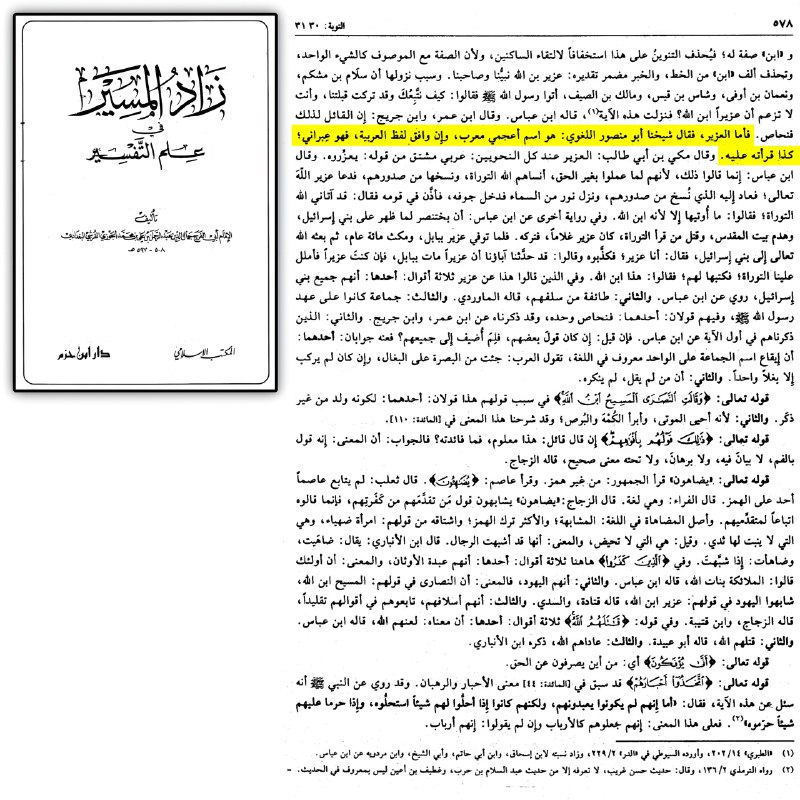
Source: Ibn al-Jawzi, Zad al-Masir Ibn al-Jawzi discusses the word Uzair, noting its linguistic form and explaining that it is connected to the one known among the Jews.
1. Al-Jawaliqi — confirmed the identification in his classical works.
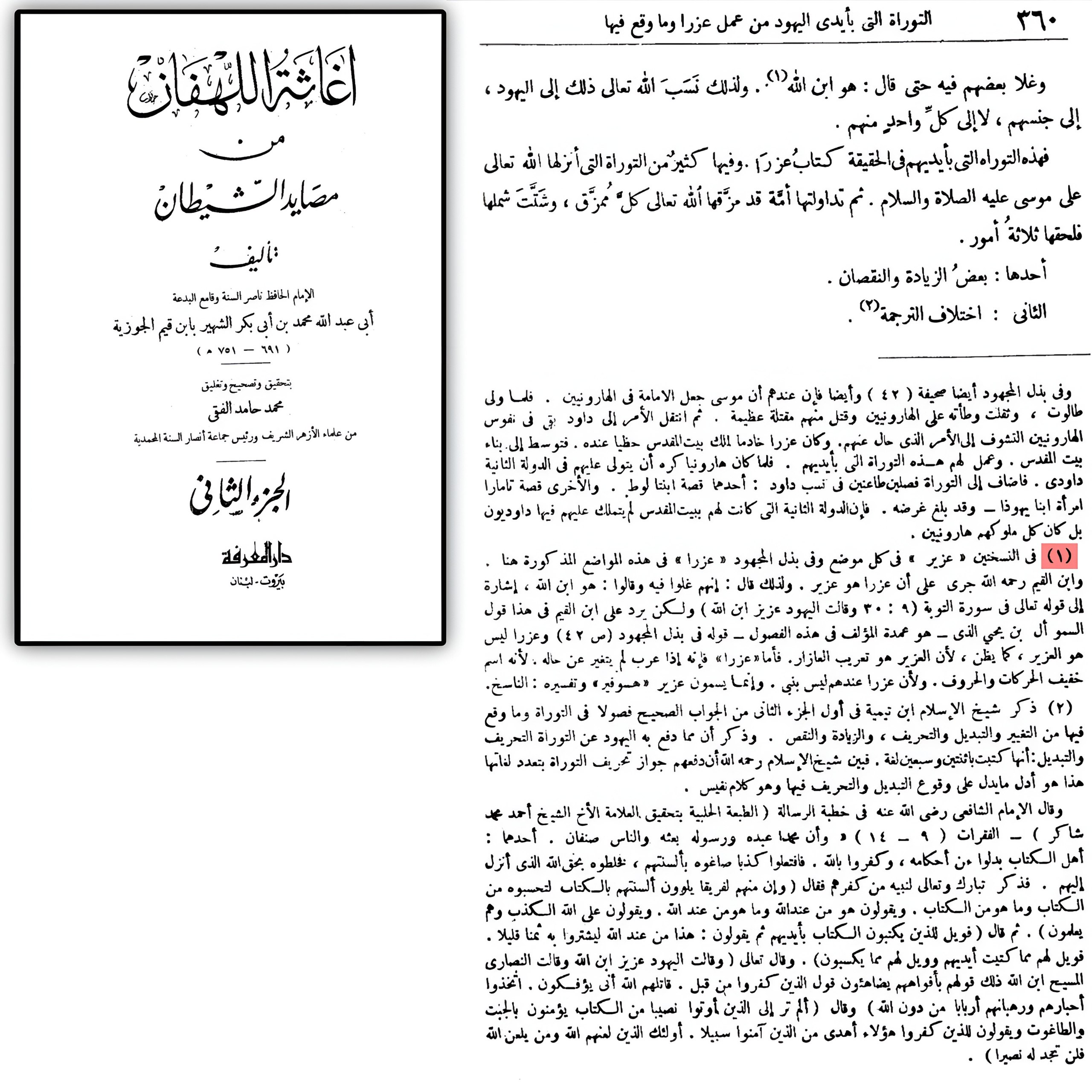
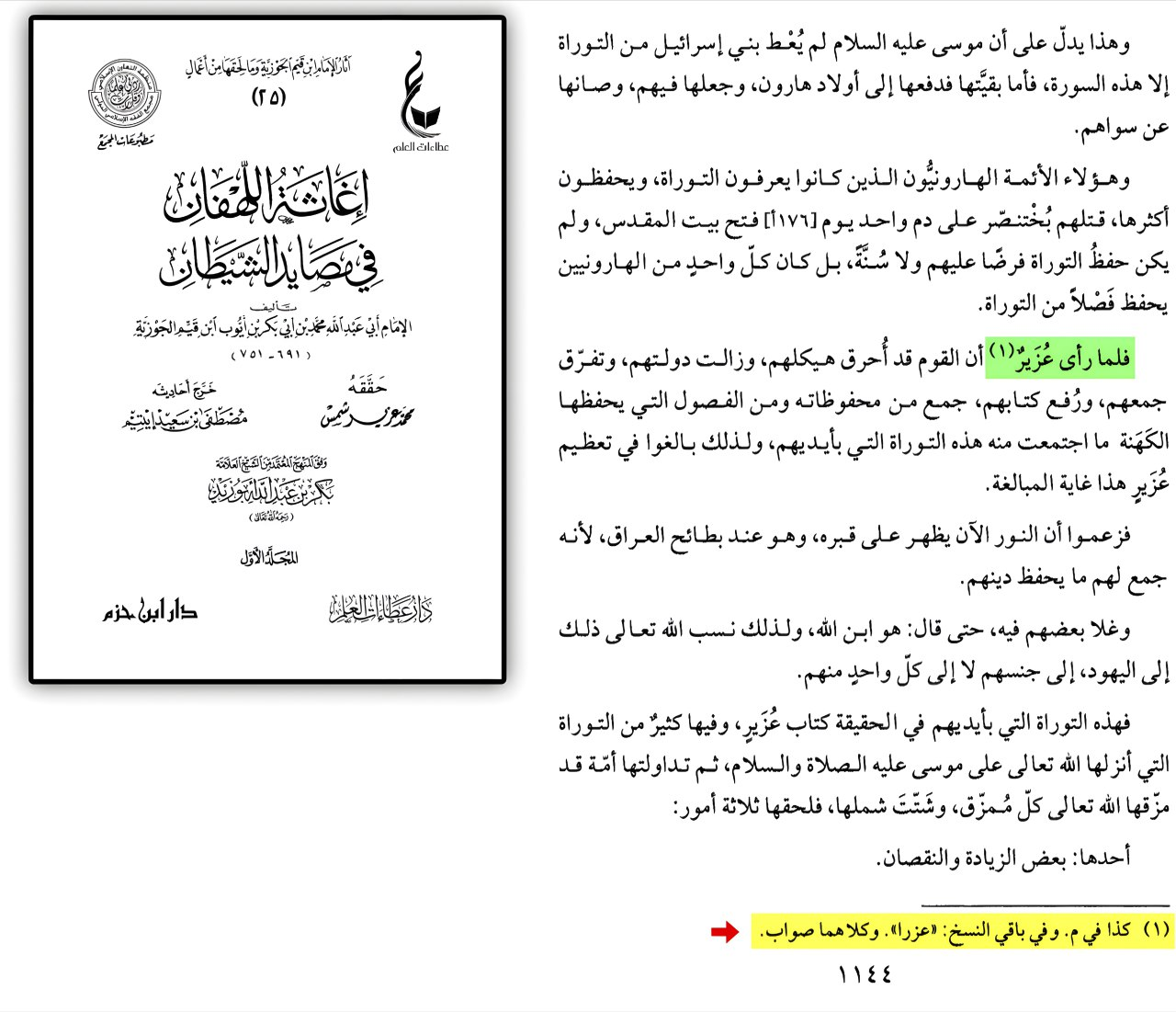
2. Ibn al-Qayyim:
surah tawbah 30 ezra god 67surah tawbah 30 ezra god 68
Source: Ibn al-Qayyim, Ighathat al-Lahfan Ibn al-Qayyim discusses Uzair/Ezra within Muslim polemics. He records that when Ezra saw the Torah had been lost or dispersed, he gathered from memory what the priests had preserved — and because of this they greatly exalted Ezra.
3. Ibn al-Jawzi — Zad al-Masir (see above)
4. Al-Baji — The Difference Between the Created and the Creator
5. Rahmatullah al-Hindi:
surah tawbah 30 ezra god 75
Source: Rahmatullah al-Hindi, Izhar al-Haqq Ezra, after the Torah had disappeared, restored it to memory or writing because of his righteous status and knowledge, and some Israelites considered him a prophet. This explains why exaggeration around his status would be historically understandable.
surah tawbah 30 ezra god 70
Source: Additional Muslim Scholars The identification of Uzair with Ezra was not a late invention by one modern writer — it is a repeated position in classical Muslim scholarly literature across multiple generations.
Non-Muslim Confirmation
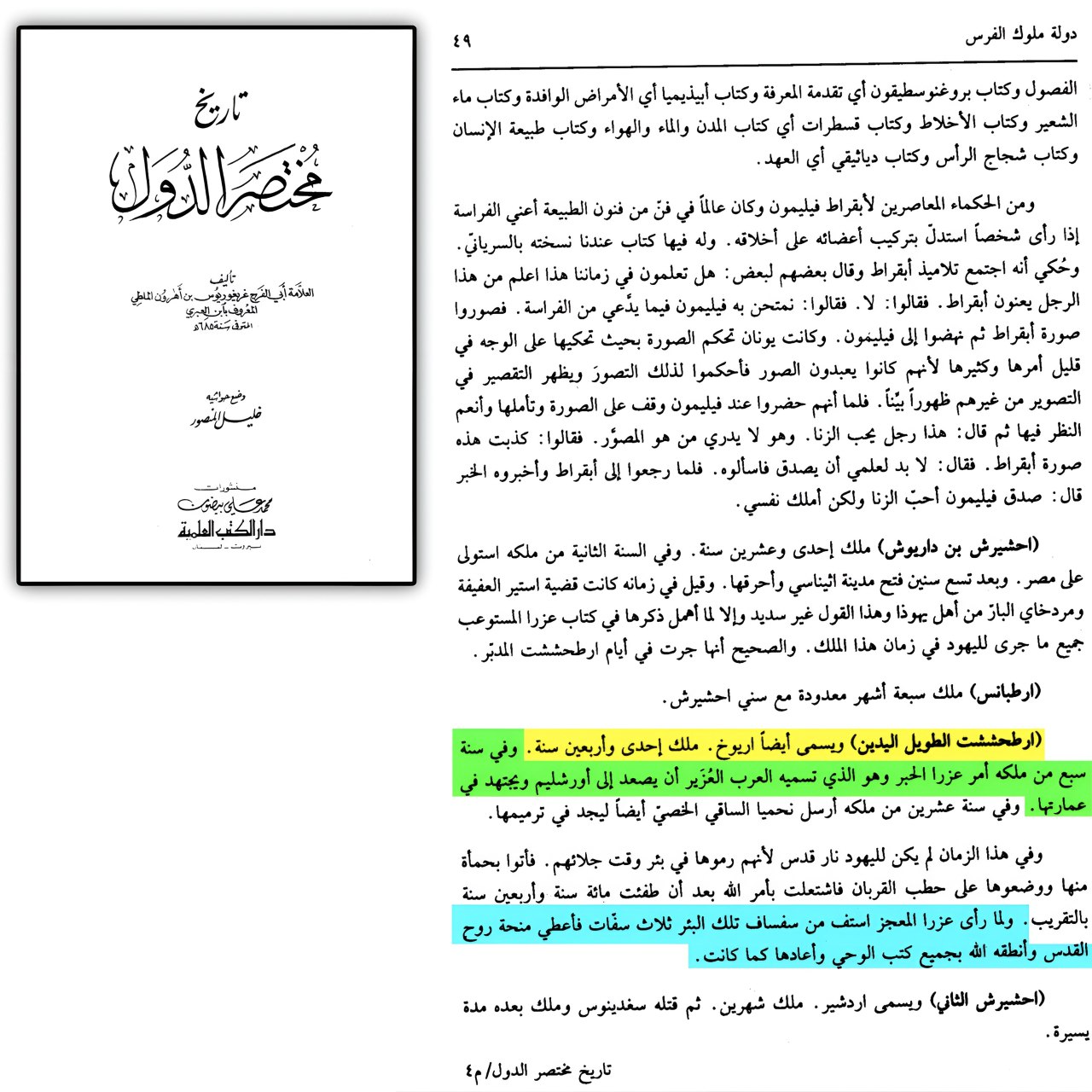
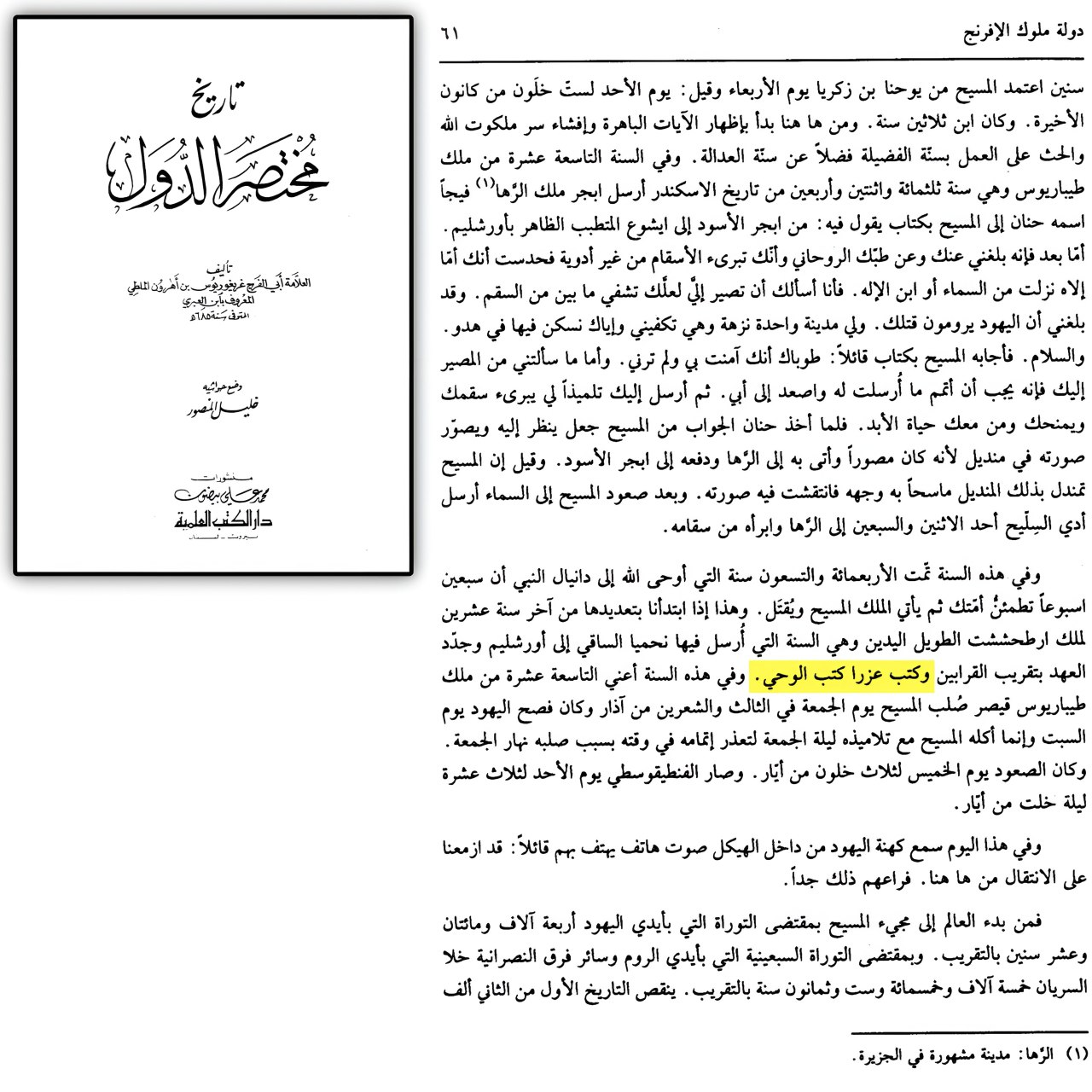
Bar Hebraeus (Gregory Abu’l Faraj) — Christian Source:
surah tawbah 30 ezra god 71
Source: Bar Hebraeus — Christian Historical Source Bar Hebraeus’s History states that Ezra wrote the books of revelation/scripture in the period after the Babylonian return. A Christian source, not a Muslim one, confirms Ezra’s exceptional scriptural role.
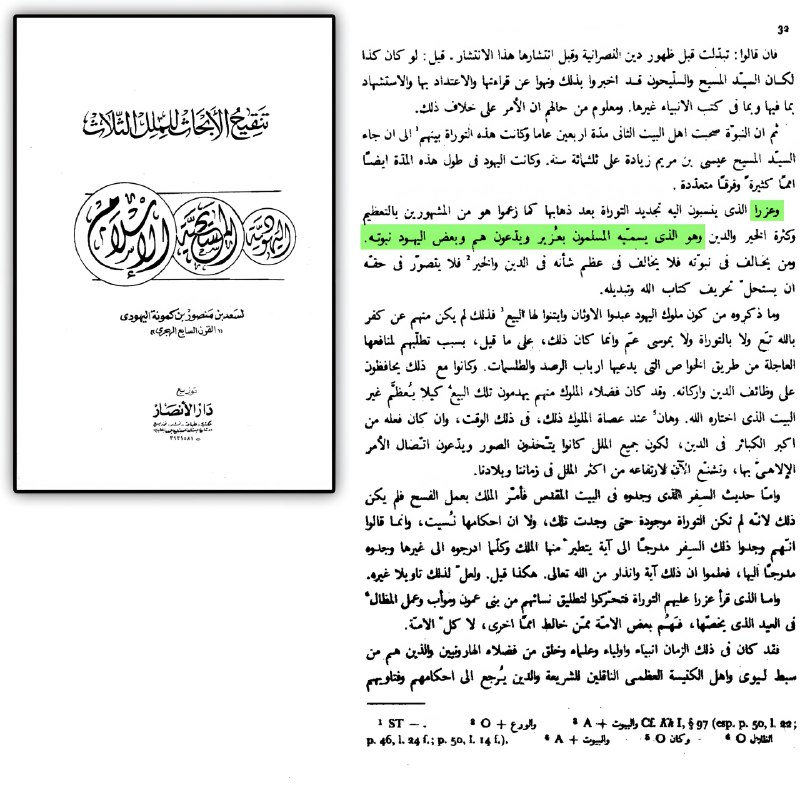
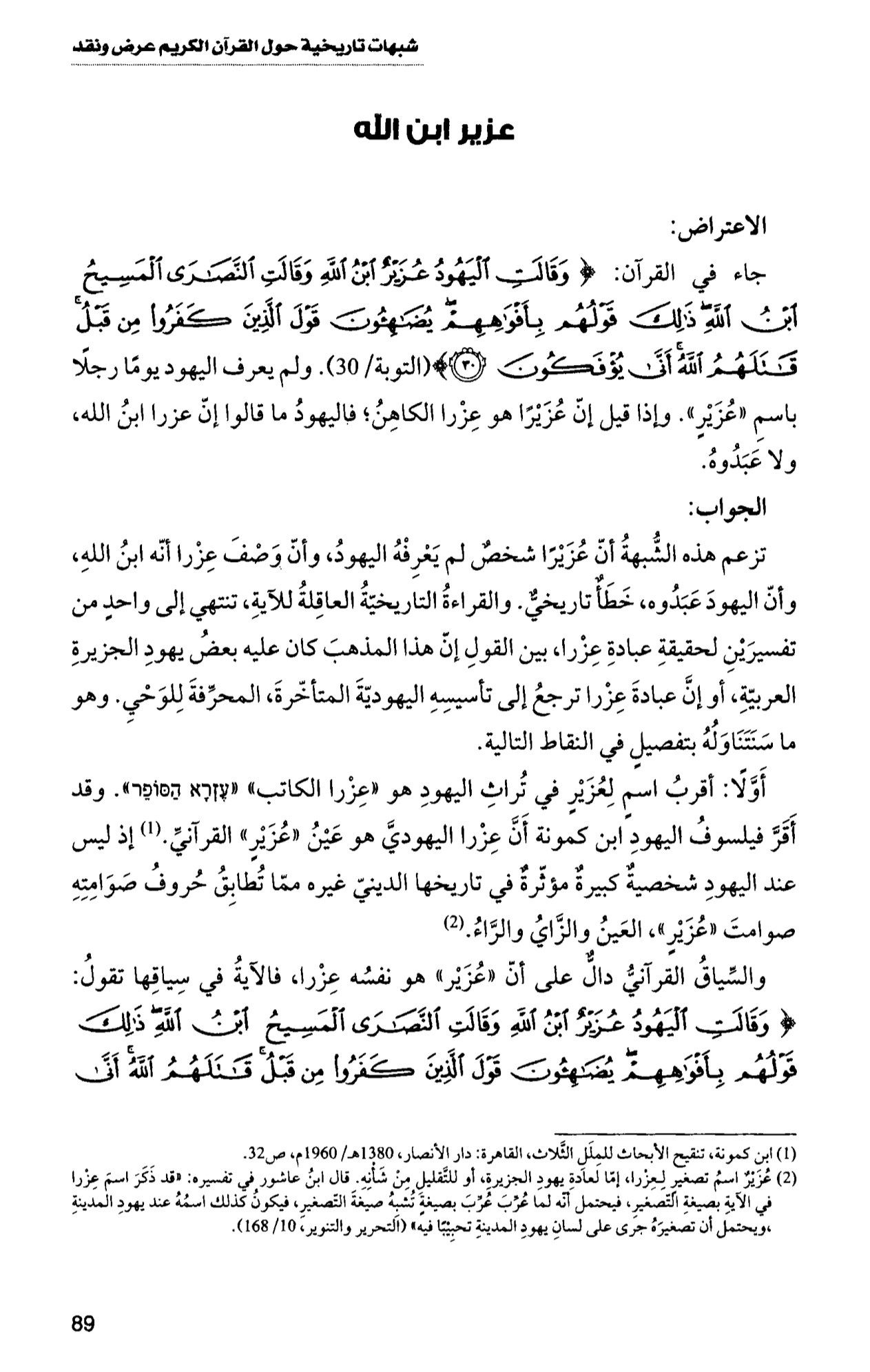
Even Jewish scholarship has confirmed the identification — including Saad ibn Mansur ibn Kammuna, the Jewish scholar.
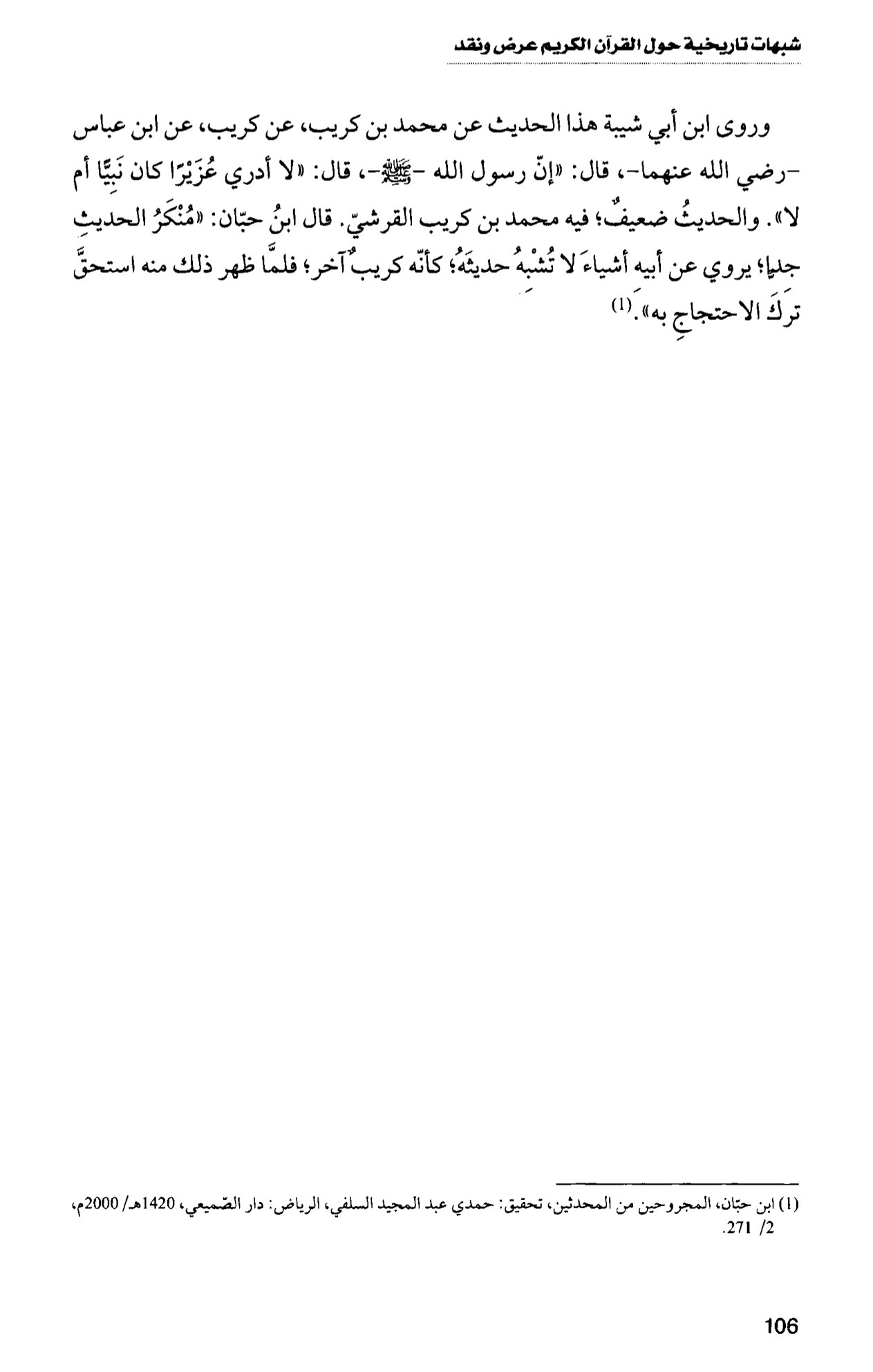
Dr. Sami Amiri’s Response:
surah tawbah 30 ezra god 72surah tawbah 30 ezra god 73surah tawbah 30 ezra god 74
Source: Dr. Sami Amiri, Shubuhat Tarikhiyyah Hawl al-Qur’an Dr. Sami Amiri responded formally to this misconception in approximately 16 pages, stating the objection clearly and addressing it responsibly — handling even the hadith reports about Uzair being a prophet with scholarly care rather than building the argument on weak material.
A note on the “even if Uzair isn’t Ezra” argument: Even if the identification were disputed, the Quran never explicitly states that Uzair is Ezra. The Quran says some Jews called Uzair “son of God” — whether Uzair is Ezra or another identifiable Jewish figure, the claim is still historically grounded. Critics who raise this sub-objection have misread the Quran’s actual statement.
How Jews Exalted Ezra: The Torah Restoration Role
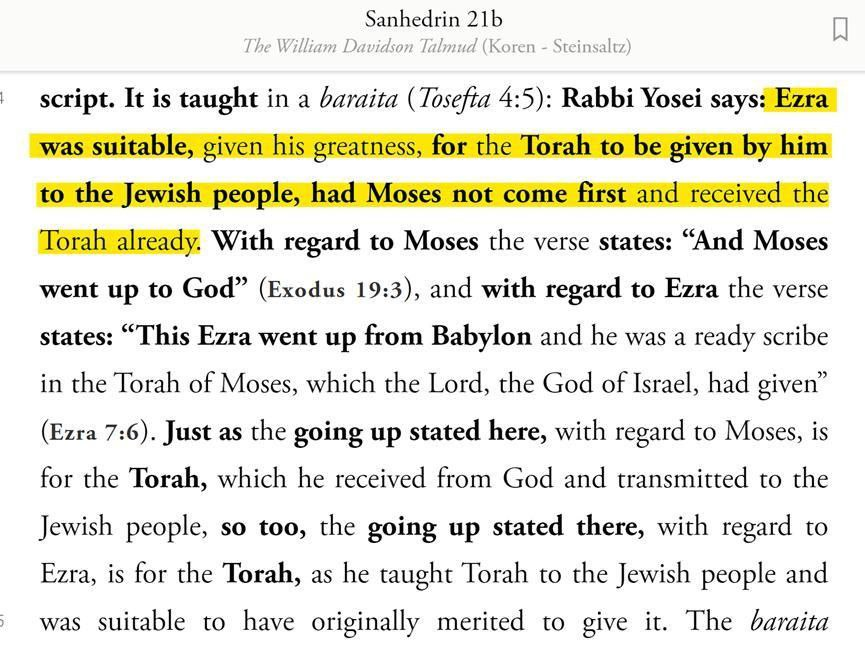
A final question: why specifically Ezra? The answer lies in what Ezra did — he restored the Torah after it was lost during the Babylonian exile.
Why Ezra Was Uniquely Venerated The Torah was considered the very word of God. When it was lost and Ezra reconstituted it from memory — a feat that early church fathers and Jewish tradition both record — the Jewish community’s reaction was one of extraordinary veneration. A man who could restore God’s own word from memory must be extraordinary. Some groups took this veneration to the point of calling him “son of God.”
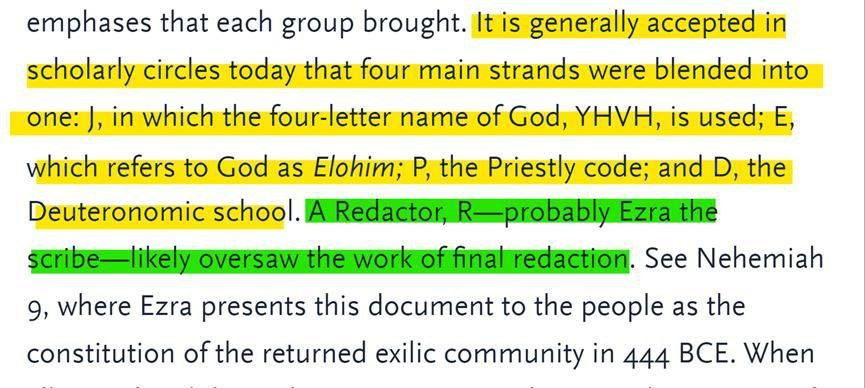
Church fathers’ testimony on Ezra’s Torah restoration:
Dr. Samuel Joseph — Church Fathers on Ezra’s Torah Role The fathers of the early church, including Irenaeus, Tertullian, Clement, and Jerome, believed that Ezra rewrote the Torah.
Rabbi Hammer Ezra the scribe is probably the redactor of the Torah after the Babylonian captivity.
Ibn al-Qayyim’s assessment captures the consequence precisely: because of this role, the Jews greatly exalted Ezra. The 4th Ezra text records God himself saying that as a reward for this work, Ezra would “live with my son.” The Metatron traditions equated him with the heavenly scribe Enoch. And some of the Jews in Medina, whose Judaism was distinct and syncretic, expressed this exaltation by calling him “son of God.”
Al-Jahiz’s Classical Response to the Objection
The objection being raised today was raised in the Islamic tradition centuries ago and was answered definitively by al-Jahiz.
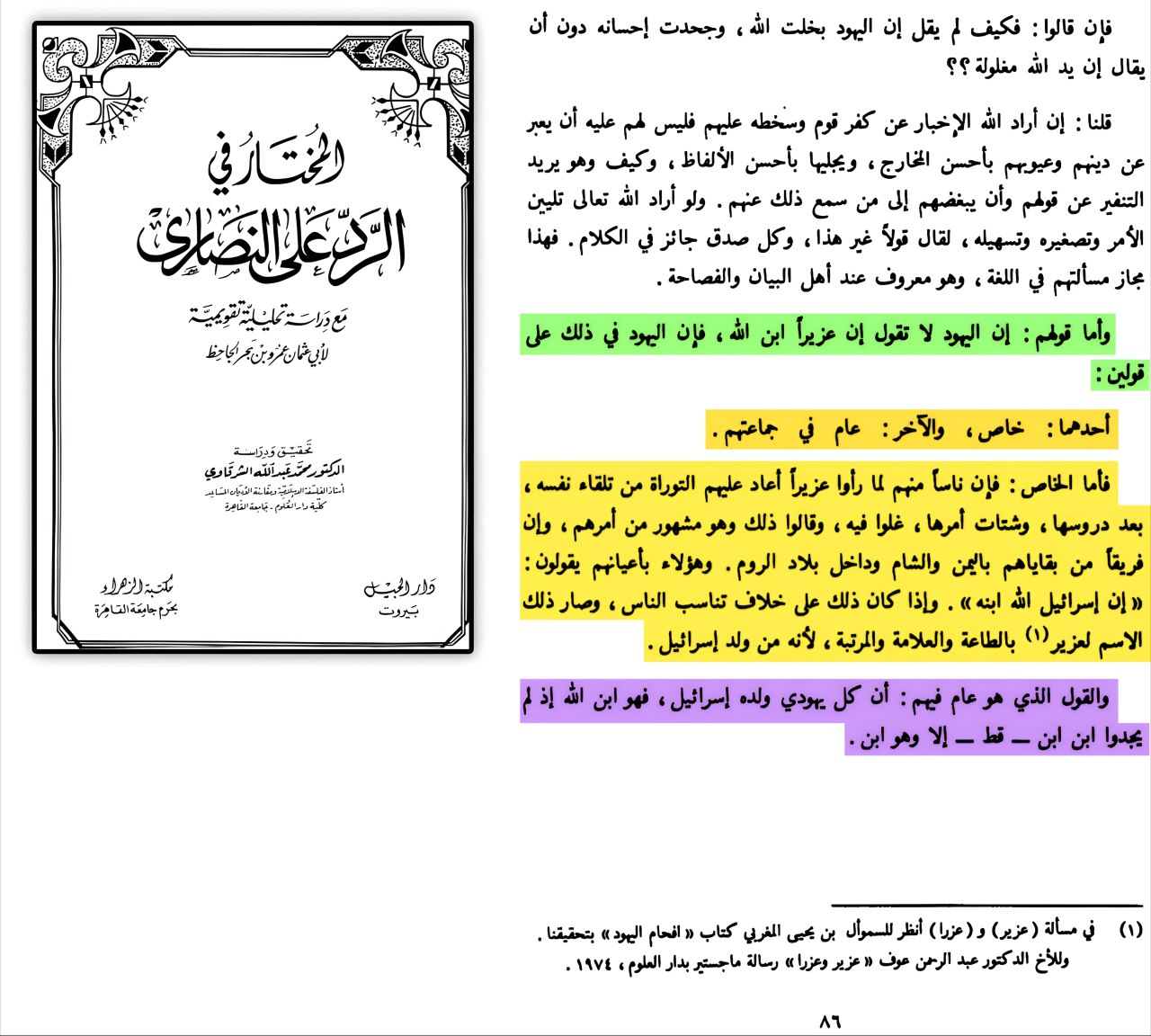
surah tawbah 30 ezra god 80
Source: Al-Jahiz, Al-Mukhtar fi al-Radd ‘ala al-Nasara Al-Jahiz answers the objection that Jews do not say Uzair is the son of Allah with two explanations: either the statement was made by a specific subgroup and not all Jews, or the people who said it were those who saw Ezra after his lessons, study, and writings and exaggerated about him.
Al-Jahiz (776–868 CE) — Al-Mukhtar fi al-Radd ‘ala al-Nasara The statement about Uzair being the son of Allah has two explanations: either it was made by a specific subgroup and not all Jews, or those who said it were the ones who saw Ezra after his lessons, study, and writings and exaggerated about him.
This is one of the strongest contextual responses — because al-Jahiz gives the exact same two answers that modern scholarship has independently arrived at after extensive historical research. The classical Muslim scholars understood the issue completely.
Addressing the Alternative Interpretation: The Eleazar Claim
The Alternative Objection Some critics have proposed that Quran 9:30 refers not to Ezra the scribe but to the rabbi Eleazar (Rabbi Eliezer), and his story in the Jerusalem Talmud (Moed Katan 3:1) — in which a heavenly voice declared “practice follows My son Rabbi Joshua.” They argue the Quran is conflating this with Ezra.
Jerusalem Talmud, Moed Katan 3:1 — Relevant Passage “Practice follows My son Rebbi Joshua Crispus” — a heavenly voice speaking in a rabbinic legal dispute about ritual purity, supporting Rabbi Joshua’s position against Rabbi Eliezer’s.
Refutation of This Alternative This interpretation fails for several reasons. First, the heavenly voice in the Talmud says “My son Rabbi Joshua” — not “My son Rabbi Eliezer.” So even on its own terms, if the Quran were referencing this passage, it would be about Rabbi Joshua, not Eleazar/Eliezer. Second, the Quran says the Jews said “Uzair is the son of God” — this is a direct attribution of sonship to a specific named figure. It is not about an anonymous rabbinic legal dispute. Third, Uzair is linguistically and historically identifiable as Ezra the scribe — not as any other rabbinic figure. The classical Muslim scholarly tradition, non-Muslim orientalists, and the Jewish exegetical chain all point to Ezra. The alternative interpretation does not survive basic scrutiny.
The Chronological Problem and the Quranic Answer: Quran 2:259
An additional dimension of the Uzair/Ezra question concerns a historical chronological problem within the biblical account itself.
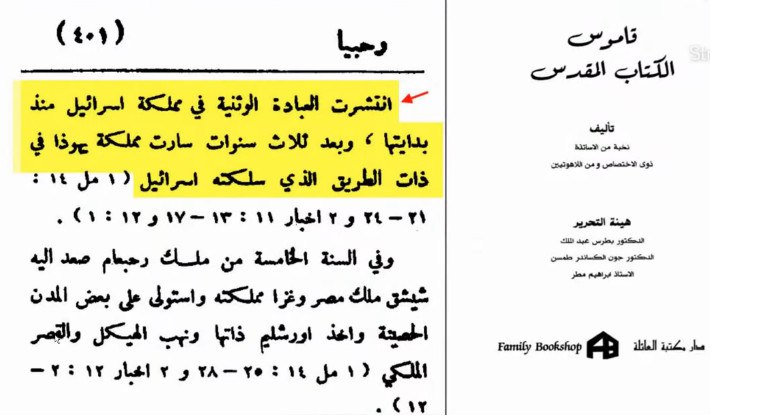
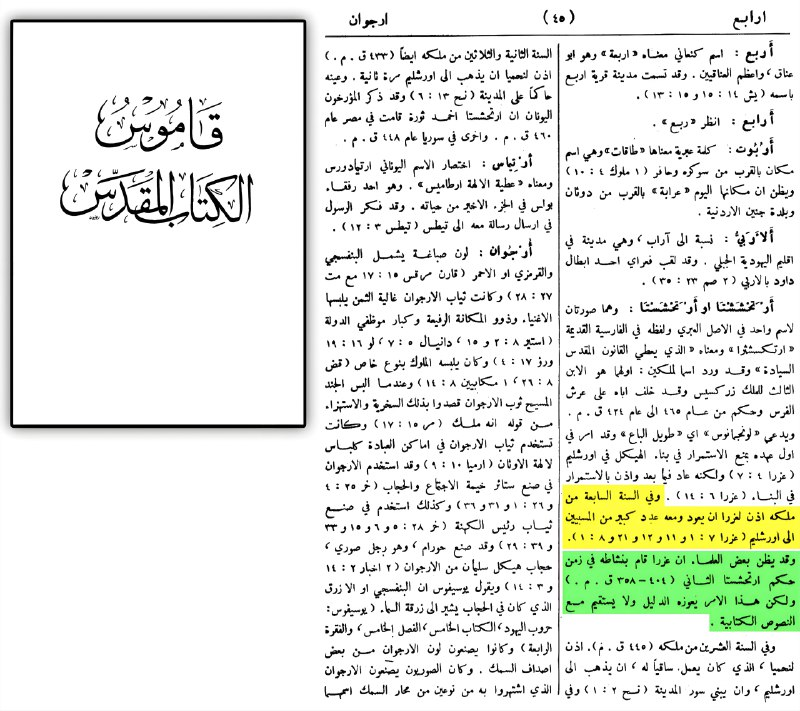
The Bible dictionary records that in the seventh year of Artaxerxes’ reign, he permitted Ezra to return to Jerusalem. However, some scholars have assumed Ezra’s activities took place under Artaxerxes II — Artaxerxes’ grandson. The dictionary itself says this assumption “lacks evidence and is inconsistent with the biblical texts.” The problem: how could Ezra operate under two different rulers separated by decades?
surah tawbah 30 ezra god 78
Source: Al-Qazwini, Qamus al-Kitab al-Muqaddas — Artaxerxes and Ezra The biblical background for chronological problems around Ezra, Artaxerxes, and the rebuilding/restoration narrative.
The Quran appears to provide the answer to this chronological mystery:
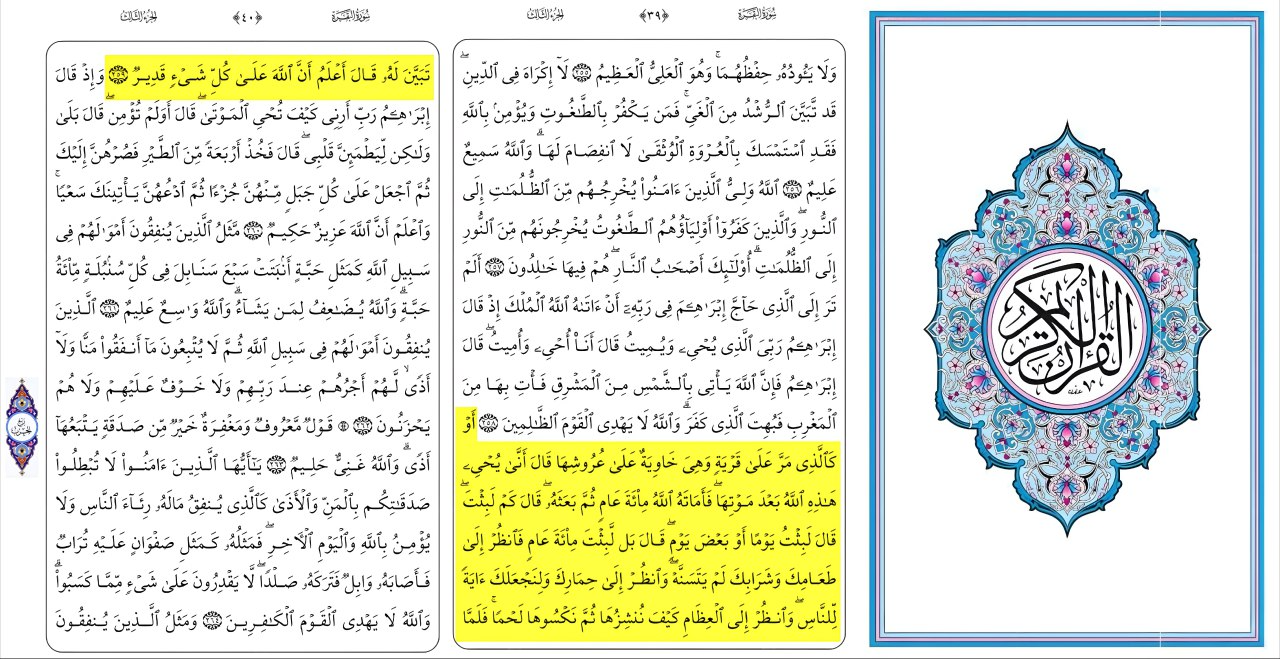
surah tawbah 30 ezra god 79
Source: Quran 2:259 The verse describes a man who passed by a ruined town, was caused by Allah to die for one hundred years, then was resurrected, with his food preserved and his donkey shown as a sign.
Quran 2:259 Or like the one who passed by a town which had collapsed upon its roofs. He said, “How will Allah bring this to life after its death?” So Allah caused him to die for a hundred years; then He resurrected him. He said, “How long have you remained?” He said, “A day or part of a day.” He said, “Rather, you have remained a hundred years. Look at your food and your drink; it has not spoiled. And look at your donkey.” And that We may make you a sign for mankind. — [Al-Baqarah 2:259]
The Quranic Miracle Embedded in This Problem If the figure in Quran 2:259 is Ezra/Uzair — which many commentators have suggested, given his role in restoring a destroyed community’s scripture — then the Quran explains how Ezra could appear under two different rulers separated by a century: he was caused to die for a hundred years and then resurrected. This is a Quranic miracle claim embedded within the same historical question that biblical scholars have found inexplicable through ordinary means. The Quran resolves a historical puzzle that exists independently in Jewish and biblical sources.
Conclusion
Summary of the Refutation The objection that Quran 9:30 is historically false fails at every level of analysis. The case is summarized as follows.
The verse does not claim all Jews everywhere held this belief. Arabic grammar and Quranic usage both support limited attribution to a faction — confirmed by al-Zamakhshari, Ibn Taymiyyah, and classical Arabic rhetorical analysis. The classical Islamic tafsir tradition preserves two accounts: either one named individual (Fanhas ibn Azura) or a small named group (four persons from Ibn Abbas) made the statement. Al-Jassas explains why modern Jews don’t say it: that specific sect became extinct.
Non-Muslim academics — Horovitz, Newby, Firestone, Wasserstrom — each independently confirm the historical plausibility of a Jewish sect in Arabia exalting Ezra to near-divine or angelic status. Arabian Judaism is documented as distinct, syncretic, and not bound by Rabbinic norms — confirmed by multiple Western historians of Judaism.
The Metatron tradition in Jewish mystical literature shows that Jews could and did exalt a human figure (Enoch) to quasi-divine status — calling him “Lesser YHWH,” “greater than all angels,” and a being who performed divine administrative roles. The Talmud itself records theological controversy over whether Metatron was being worshipped. Karaite Jews accused Rabbinic Jews of worshipping Metatron. This tradition was directly connected to Ezra by equating him with Enoch as heavenly scribes who were translated alive to heaven.
The Targum Jonathan — the authoritative Aramaic translation Jews used in the Prophet’s time — explicitly identifies Malachi as “my angel whose name is Ezra the scribe.” The Septuagint renders “Malachi” as “by the hand of his angel.” Multiple Jewish and Christian exegetes identify Malachi with Ezra. Since “Malachi” = angel and angels = “sons of God” in Jewish scripture, the chain Ezra = Malachi = angel = son of God is established through the Jewish tradition’s own internal logic. Clause Westermann confirms the Canaanite origin of “sons of God” language for angels.
Uzair = Ezra is confirmed linguistically and is the position of al-Jawaliqi, Ibn al-Qayyim, Ibn al-Jawzi, al-Baji, Rahmatullah al-Hindi, Bar Hebraeus (a Christian), and Jewish scholarship. Al-Jahiz answered the identical objection thirteen centuries ago with the same two explanations that modern scholarship has independently reached.
The Quran did not fabricate a historical error. It accurately described a belief held by a specific Jewish faction in Medina at a specific time — a faction that no longer exists, whose distinctly non-Rabbinic Arabian Judaism gave rise to a veneration of Ezra that found its natural expression in the language of “son of God” that their own mystical and exegetical tradition had already developed.
Additional Resources
Arabic Video Resources:
Key Primary Sources Referenced:
Al-Suyuti, Al-Durr al-Manthur
Al-Tabari, Jami’ al-Bayan
Al-Jassas, Ahkam al-Qur’an
Ibn Taymiyyah, Minhaj al-Sunnah
Al-Jahiz, Al-Mukhtar fi al-Radd ‘ala al-Nasara
3 Enoch (Sefer Hekhalot)
Fourth Book of Ezra
Targum Jonathan on Malachi
Wolfenson, History of the Jews in Arabia
Gordon Newby, A History of the Jews of Arabia
Gordon Newby, A Concise Encyclopedia of Islam
Dr. Sami Amiri, Shubuhat Tarikhiyyah Hawl al-Qur’an
This article is part of the OpenIslam Wiki — Quranic Accuracy and Historical Objections series.