So, Haman, Light a Fire for Me on the Clay
Once again, the traces of the Pharaohs refuse to do anything but speak, bearing witness to the truth of the message of the Noble Messenger, {38} And Pharaoh said, “O eminent ones, I do not know of any god for you other than me . So kindle for me, O Haman, upon the clay
So Haman lit a fire on the clay.
, and make for me a tower that I may look up to the god of Moses. And indeed, I think he is among the liars.”
Surat Al-Qasas,
Ibn Kathir’s interpretation of the above verse:
His saying: ” Then kindle for me, O Haman, upon the clay, and make a tower that I may look down upon the God of Moses.” He means that he ordered his minister Haman, the manager of his subjects and the advisor of his state, to kindle for him upon the clay, meaning that he should make bricks for himself to build the tower. ******* The technique of building with baked clay is a technique that the Pharaohs of Egypt used centuries before the advent of Islam. Question: How could the Noble Messenger - if he was the author of the Qur’an, as the idol worshippers falsely claim - know this very precise information that remained unknown for centuries before modern excavations revealed it??? Evidence that the Pharaohs They used baked clay (by fire):
: Imhotep introduced to the Egyptian people a set of building techniques such as using stones to build temples after they had been using bricks made from baked clay.
Pharaonic statue made from baked clay at a temperature of 900°.
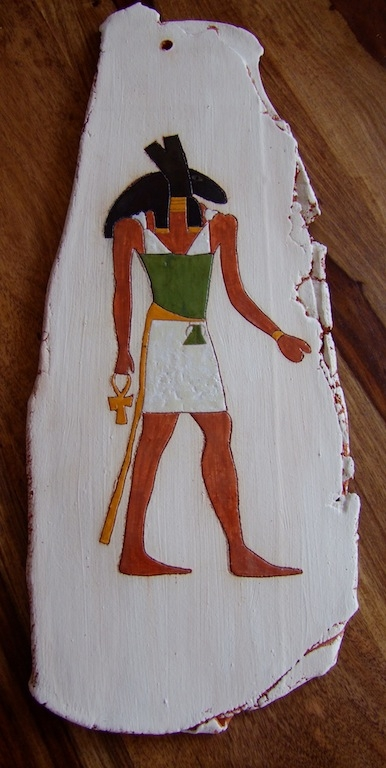
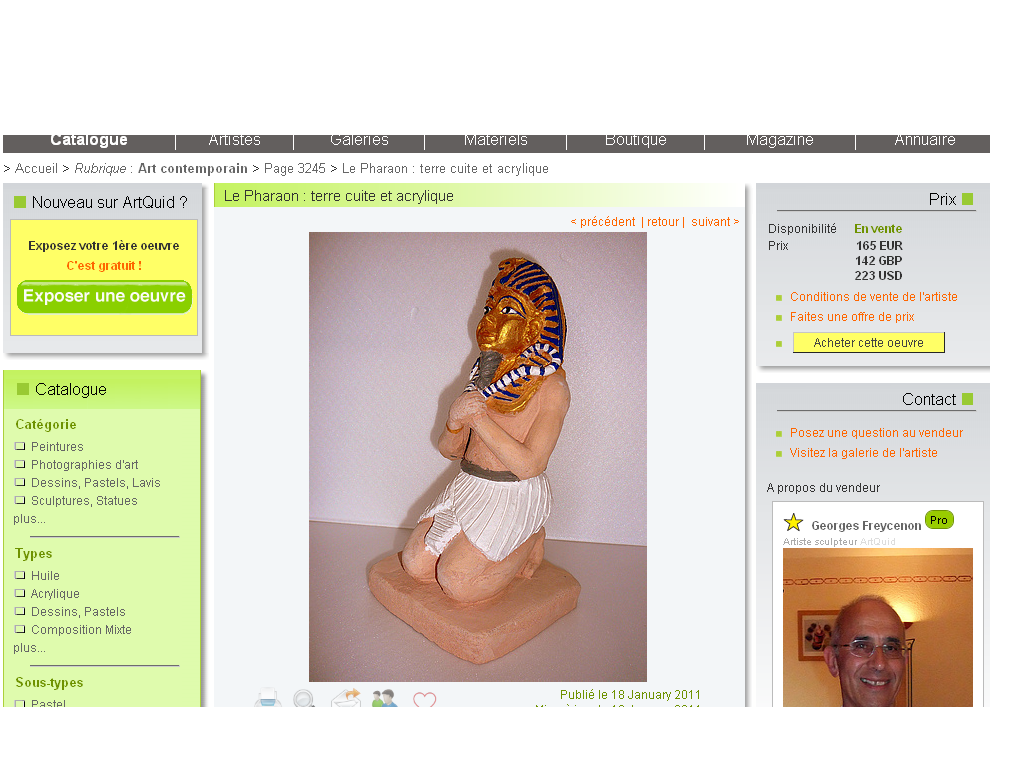
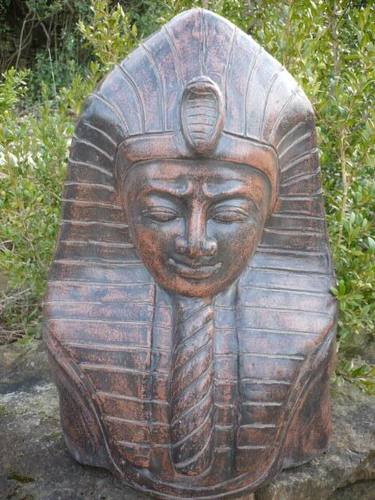
One of Ramses II’s belongings made of baked clay:
The use of burnt clay bricks in construction, particularly in Egypt, is well-documented in archaeological findings.
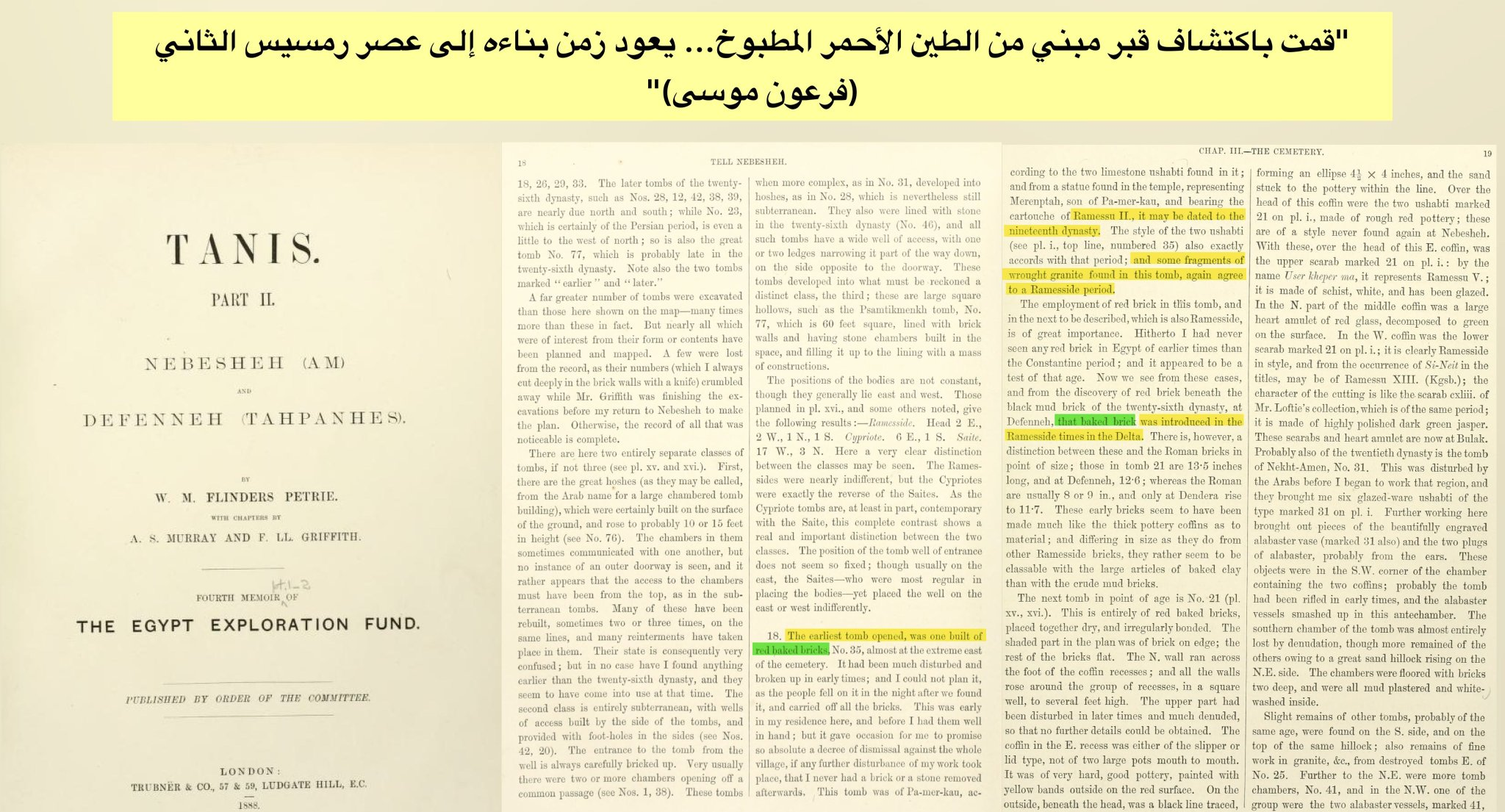
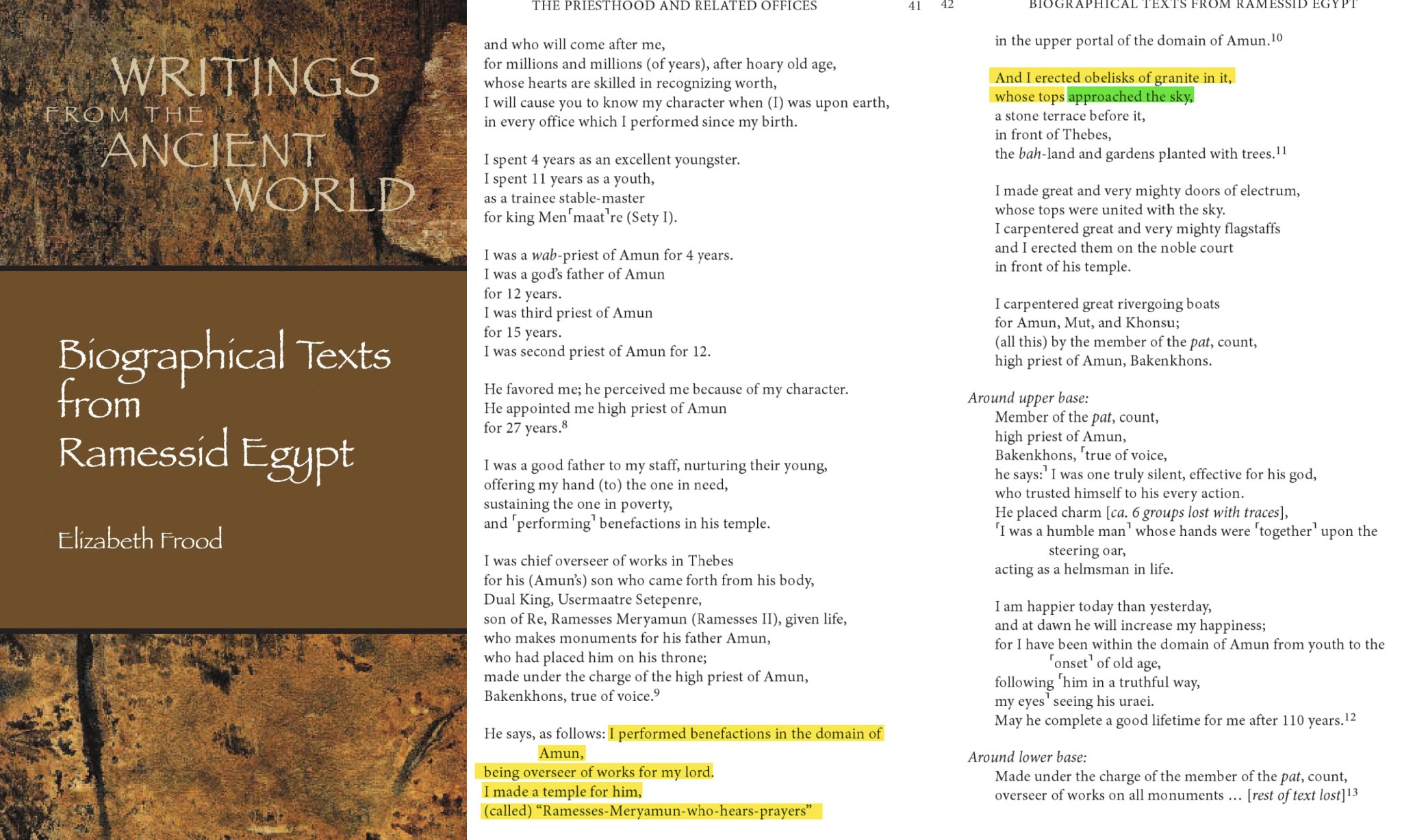
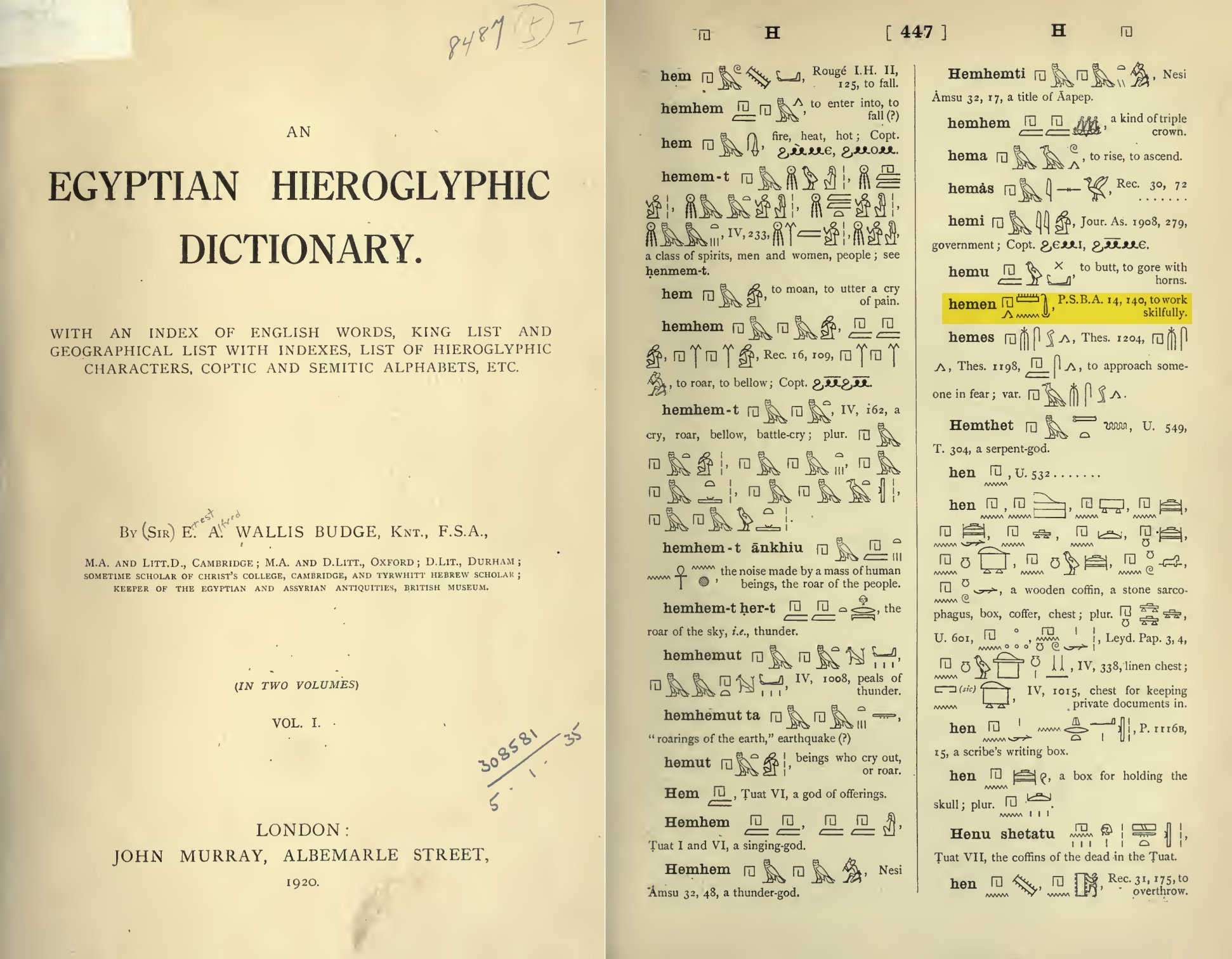
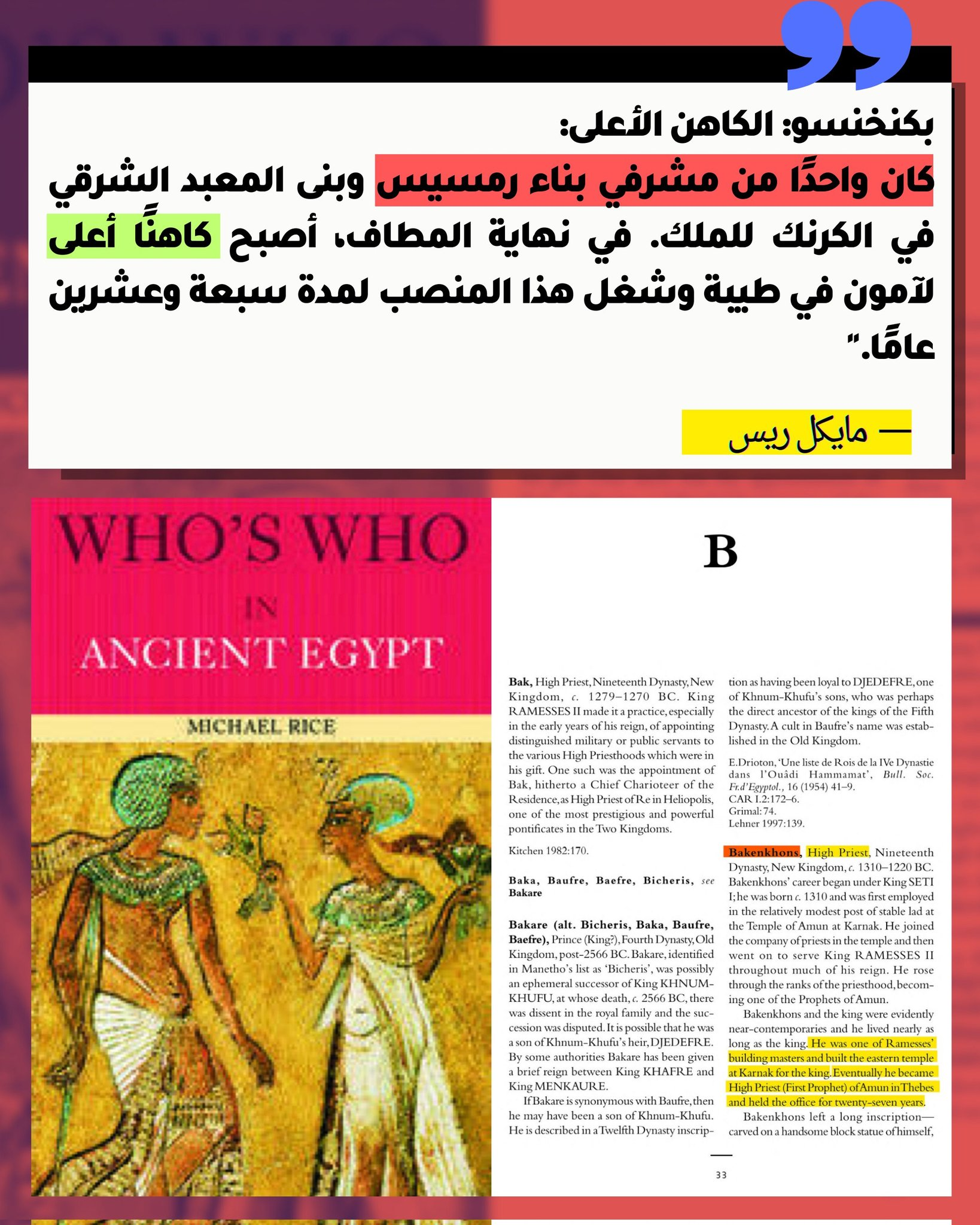
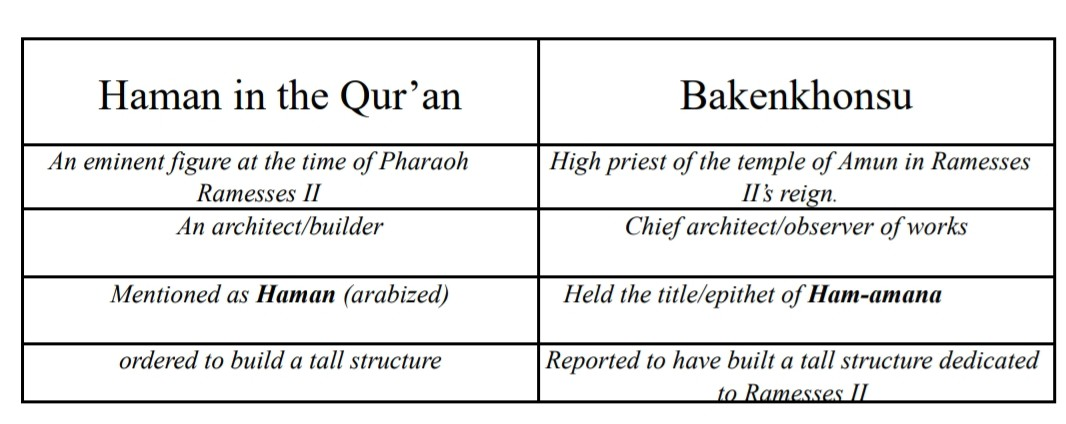
Hāmān’s Role in Construction: The person of Hāmān is historically identified with a high-ranking official involved in construction and religious matters in the court of Pharaoh, consistent with his portrayal in the Qurʾān as managing buildings related to religious beliefs.
https://www.kaheel7.com/ar/index.php/2010-02-02-23-00-02/189-2010-08-15-15-30-22
{Embed}
https://www.kaheel7.com/ar/index.php/2010-02-02-23-00-02/189-2010-08-15-15-30-22
أسرار الأهرامات
موسوعة علمية شاملة لأبحاث الإعجاز العلمي
MORE PROOFS HERE
ADDITIONAL
Qurʾān 28:38
This is the verse and the highlighted details in four different colours are what we’re going to explain:
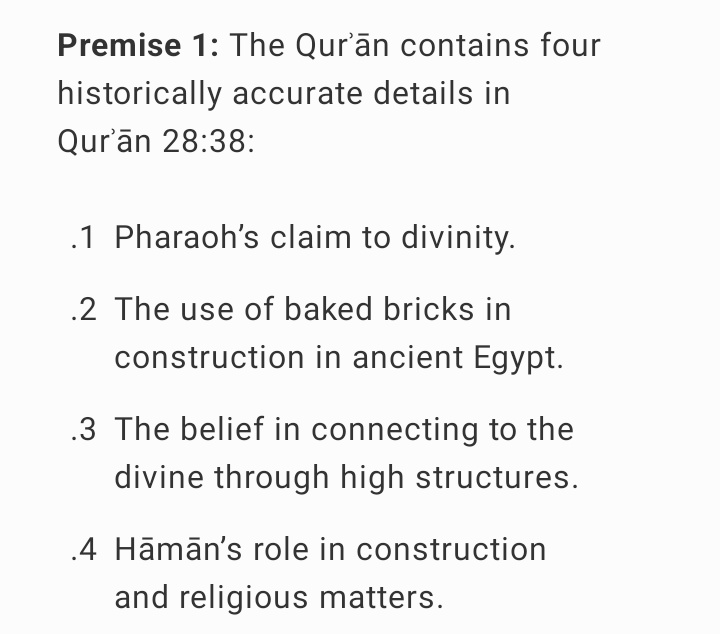
1pharaoh claimed to be god
2he ordered a person to bake bricks for him
3that person is named Haman and has some characteristics.
4he will use the building to reach god
Pharaoh’s Claim to Divinity: Ancient Egyptian rulers, including Pharaohs, were often considered gods or divine figures, a belief confirmed by historical records & archaeological discoveries.
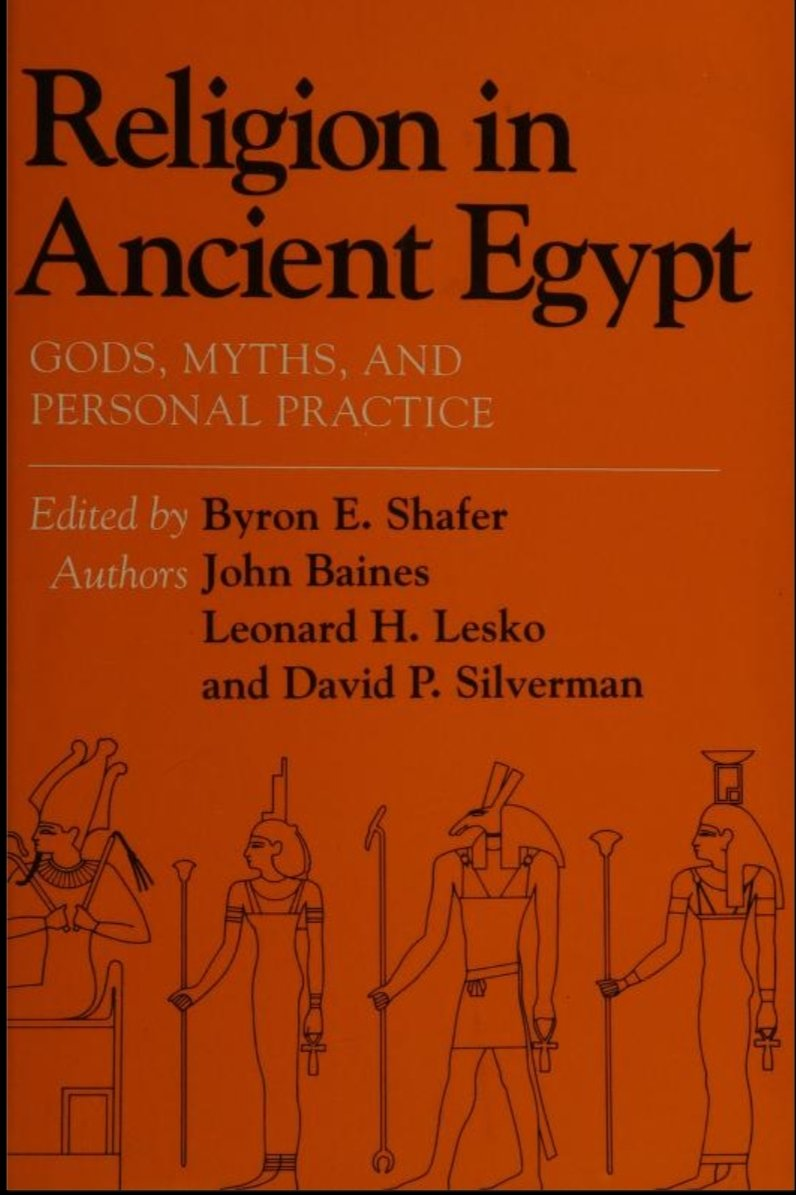
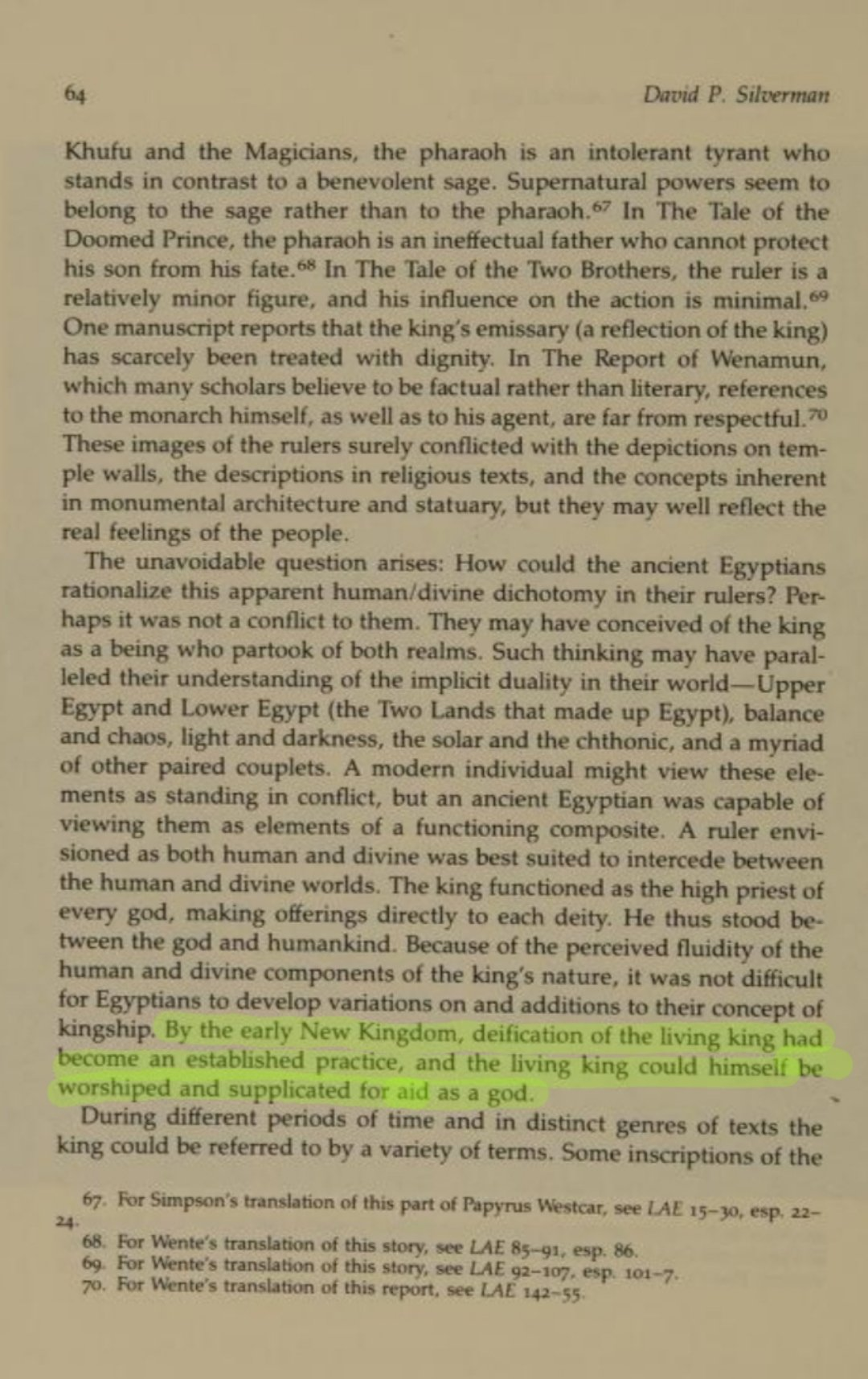
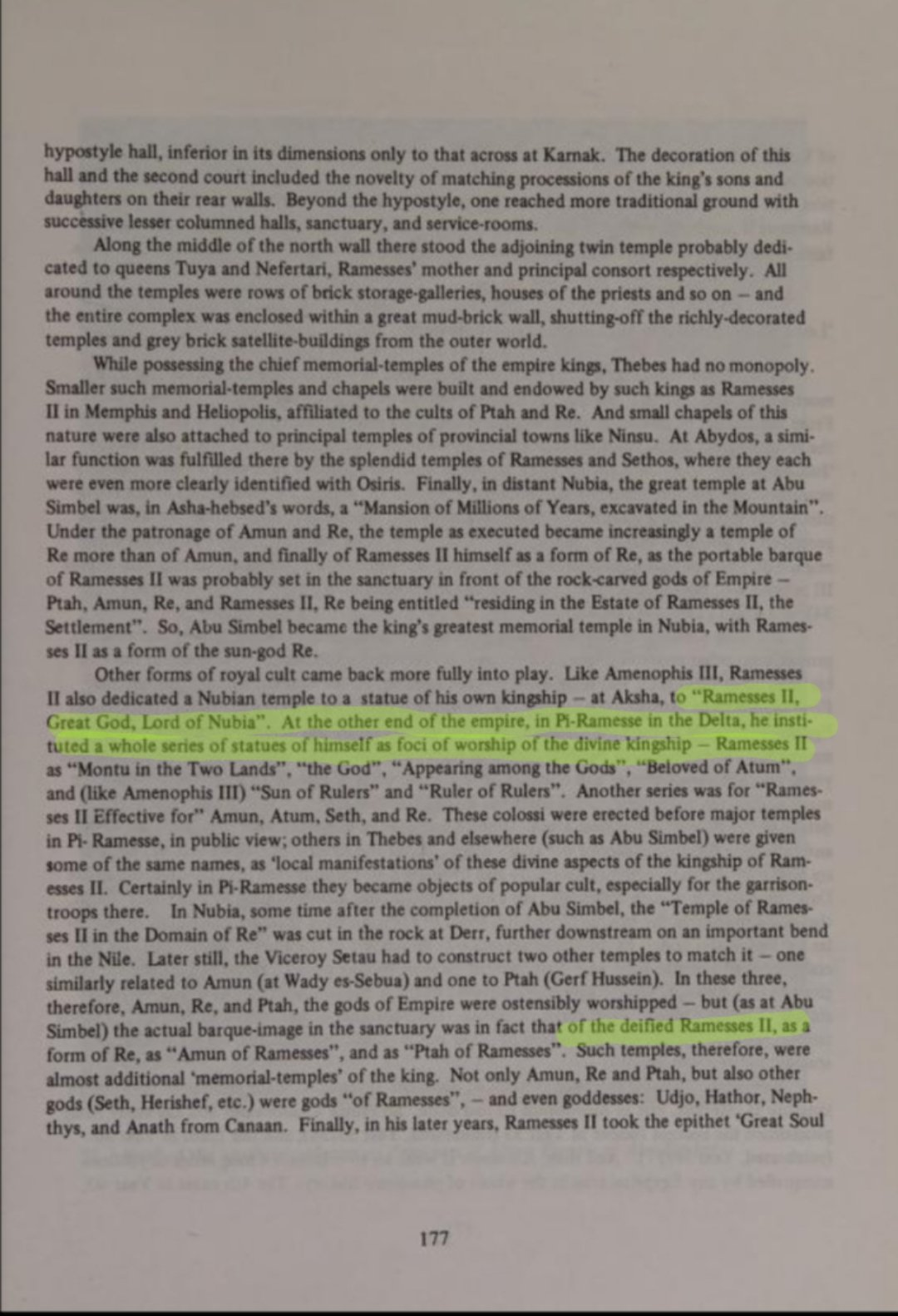
The Belief in Connecting to the Divine Through High Structures: Egyptians believed that monumental constructions, such as pyramids and towers, could connect the human world to the gods, a belief evident in their religious texts and practices.
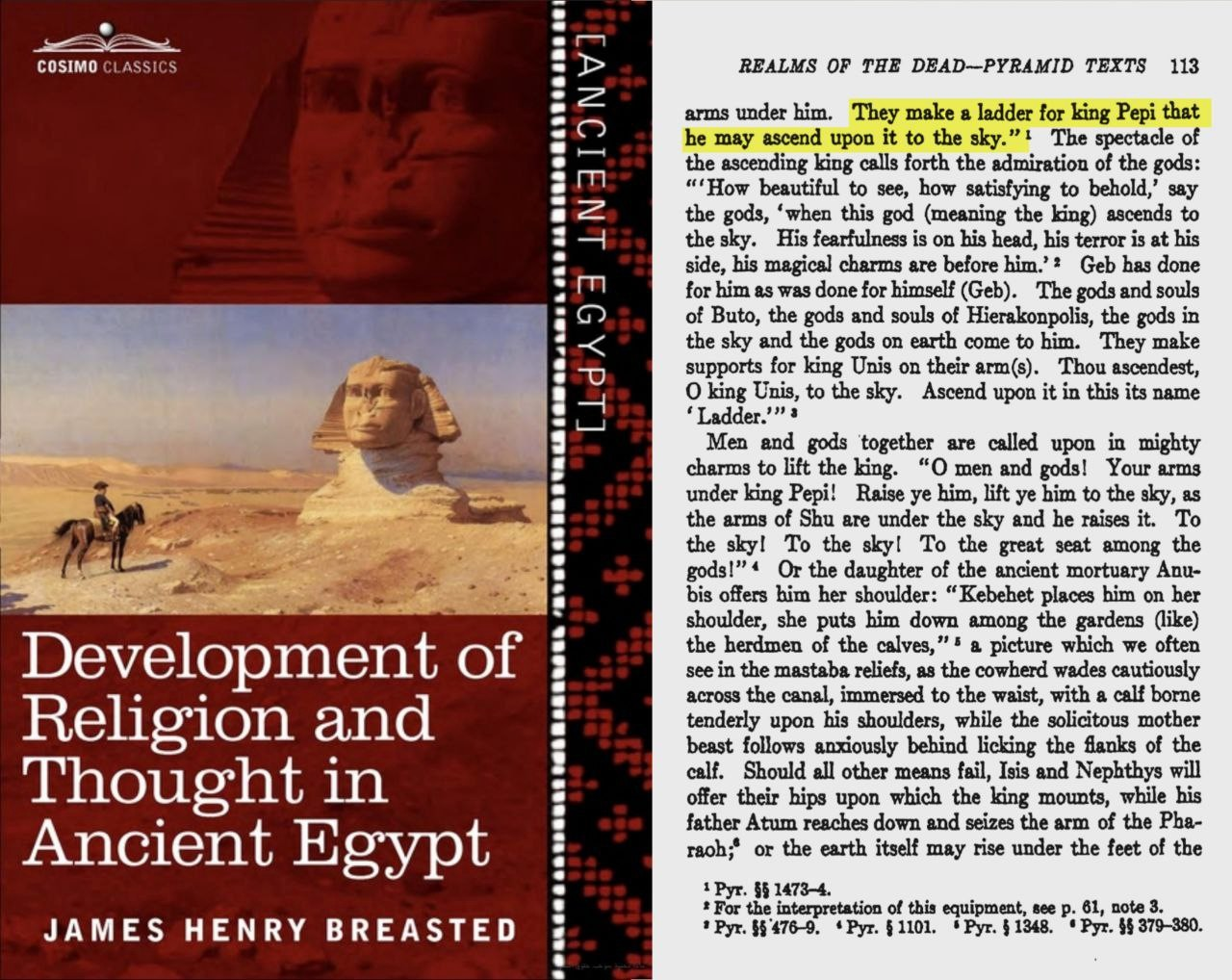
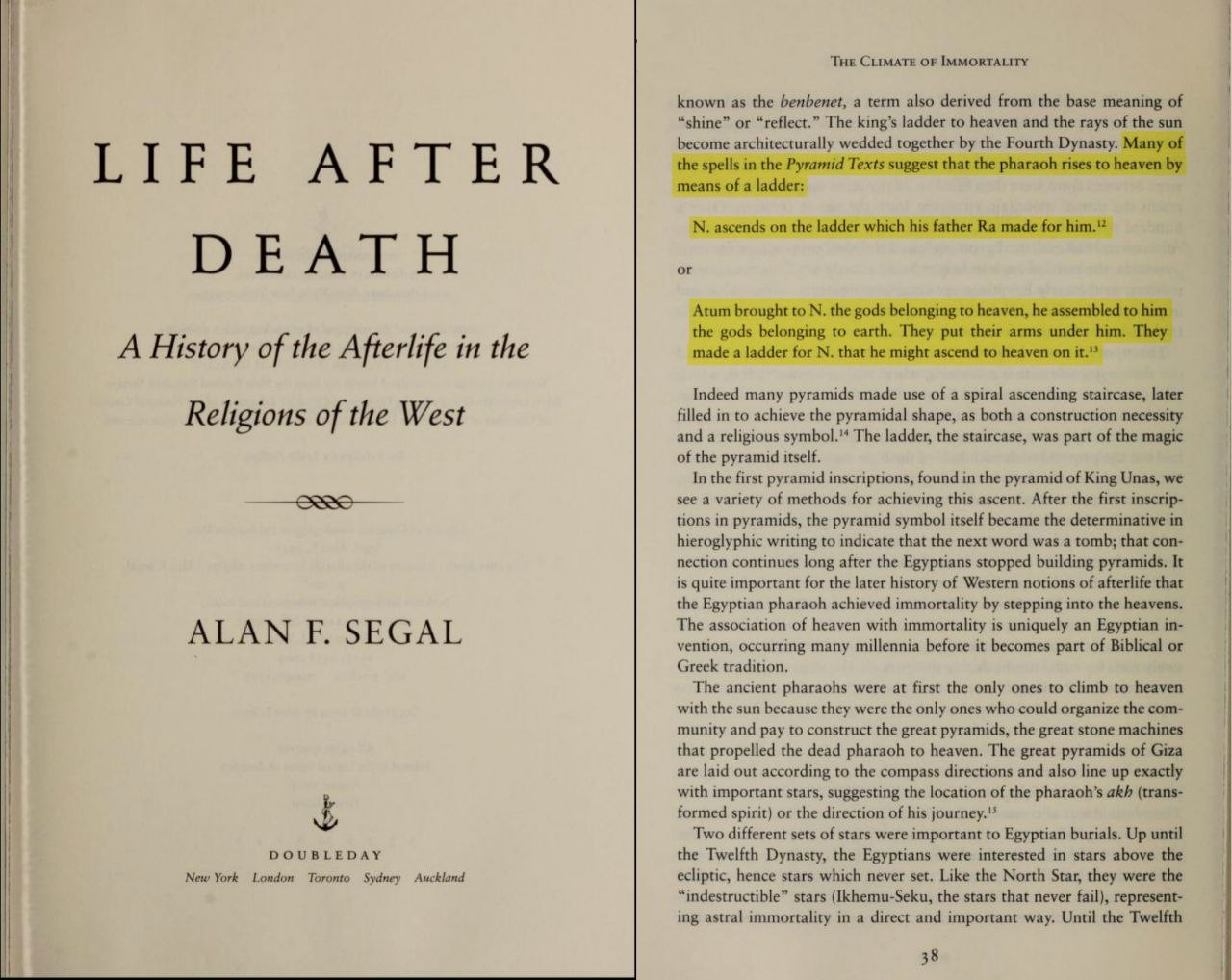
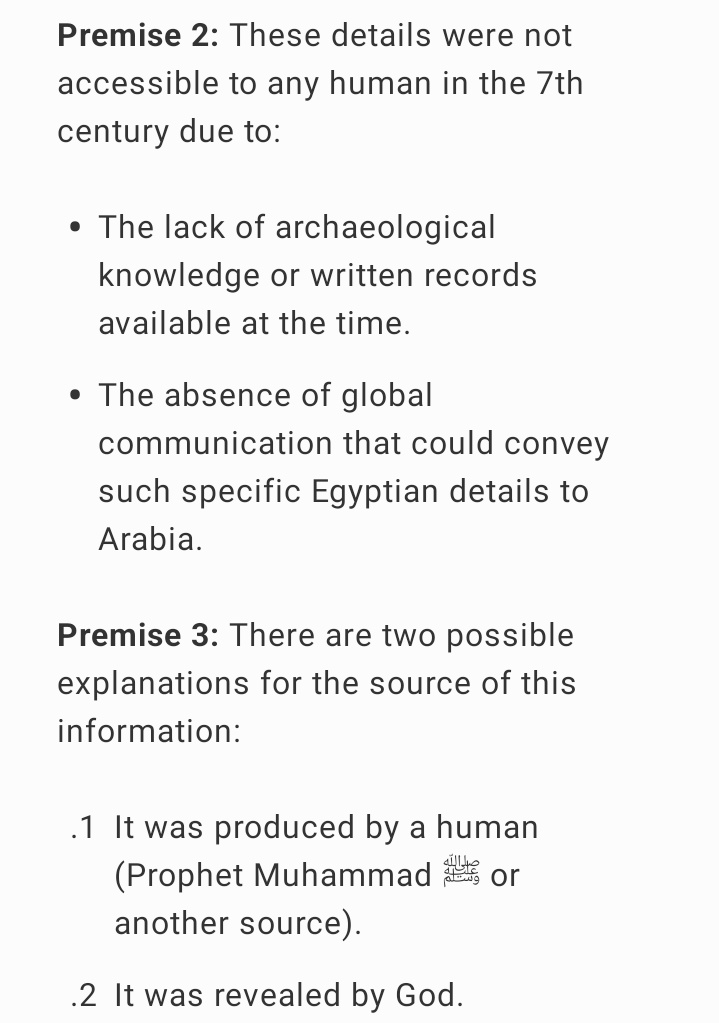
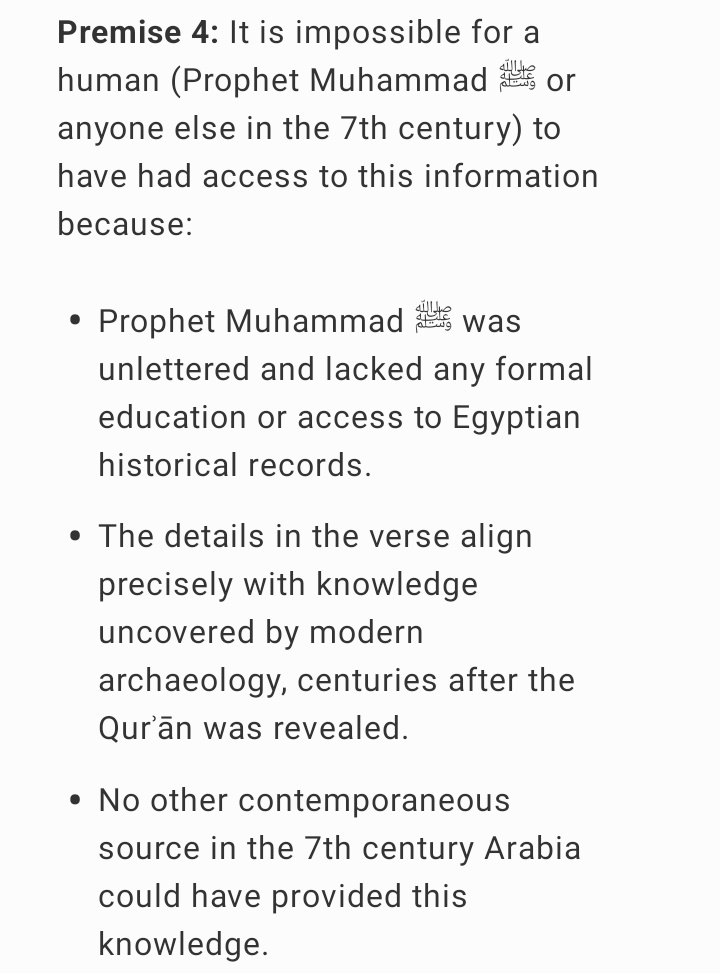
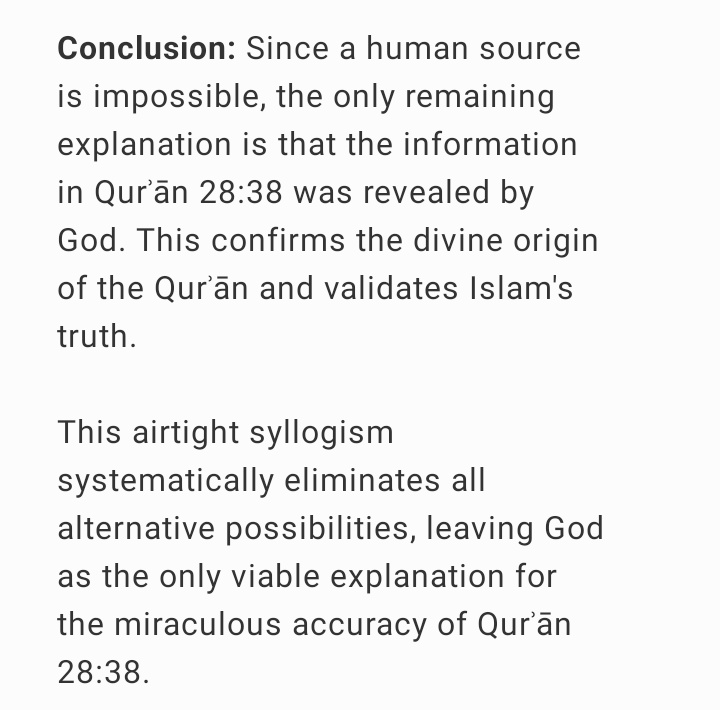
The most plausible explanation is that the knowledge contained in the Qurʾān is divine, as it aligns perfectly with historical discoveries made centuries later. this information could not have been known to any human in the 7th century, it must be from God, read the pictures 👇
https://www.islamic-awareness.org/quran/contrad/external/burntbrick.html
{Embed}
https://www.islamic-awareness.org/quran/contrad/external/burntbrick.html
Were Burnt Bricks Used In Ancient Egypt In The Time of Moses?
Refutation of a new Christian Missionary polemic that baked bricks were not used in Ancient Egypt in the time of Moses.