
Christianity

Sol Invictus to Jesus: How Constantine Replaced the Pagan Sun God with Christ

5 min read 1052 words

The veneration of the sun as a god is one of the oldest and most widespread forms of paganism — predating Christianity by thousands of years across every major civilisation. The solar imagery embedded in Christian iconography, the papal throne, the halo, and the December 25th birth date did not originate in the revelation brought by Jesus (peace be upon him). They were inherited from the pagan traditions that surrounded early Christianity and were formally absorbed by the Roman Emperor Constantine.

The Bible Speaks of Jesus as the Sun God

The biblical text itself attributes solar language and imagery to Jesus:
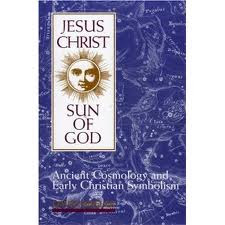
Biblical text describing Jesus in solar terms — source image

This solar framing in the biblical language is not incidental. It reflects a broader pattern of solar symbolism embedded throughout Christian theology and iconography.
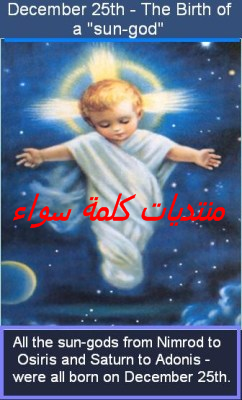
Second biblical passage using solar imagery in reference to Jesus

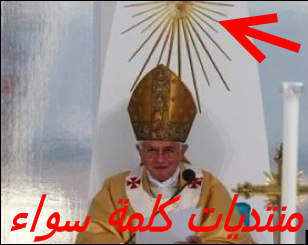
The presence of the sun symbol above the papal chair raises a direct question: what is the relationship between Christianity and sun worship?

The sun symbol above the papal chair


Evidence of Sun Veneration in Christian Institutions

The Rotary organisation — whose founding members were predominantly Christian — uses a solar wheel as its central symbol.

Christians were not the first to sanctify the sun. The worship of solar deities stretches back to the earliest recorded human civilisations. What follows is a survey of those traditions.


Pagan Sun Gods Across Civilisations

Aton — Ancient Egypt

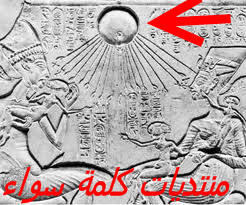
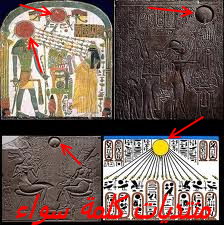
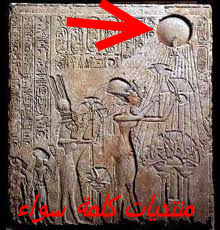
AtonAlso spelled Aten. was the sun god of ancient pharaonic Egypt. The pharaoh Akhenaten elevated Aton to the position of supreme deity, in one of the earliest recorded monotheistic solar cults.

Akhenaten, Nefertiti, and the sun god Aton — ancient Egyptian depiction

Ra — Ancient Egypt

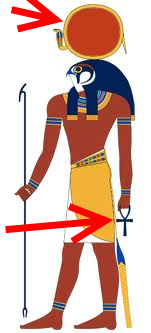
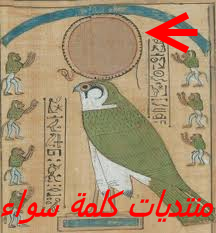
Ra (also spelled Re) was the primary ancient Egyptian sun god, symbolised by the falcon carrying a cross and a sun disk above his head.
Ra — the ancient Egyptian sun god depicted with falcon head, sun disk, and cross

Ra is the ancient Egyptian sun god. His symbol — a falcon carrying a cross and a sun disk — predates the Christian cross by millennia.

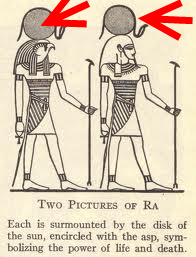
Ra — second depiction showing the solar disk and falcon symbol

Additional representations of Ra confirm the consistent use of the solar disk and cross in pre-Christian Egyptian religion:

Ra — third Egyptian representation of the solar deity with cross symbolism

Ra — fourth Egyptian sun god image showing solar iconography

Ra — fifth depiction of Egyptian solar worship predating Christianity

Ra — sixth Egyptian solar deity image from ancient pharaonic tradition

Ra — seventh representation of the ancient Egyptian sun god

Ra — eighth ancient Egyptian solar deity depiction

Ra — ninth Egyptian sun god image with solar iconography

Apollo — Ancient Greece

Apollo was one of the principal pagan Greek gods, widely recognised as the god of light and the sun.
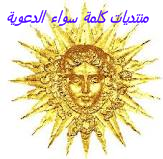
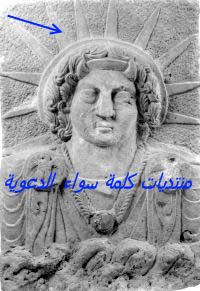
Apollo — the ancient Greek sun god, god of light

Helios — Ancient Greece

Helios was also a pagan Greek solar deity — the Greeks considered Helios to be the sun itself, not merely its representative.
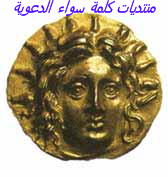
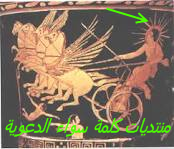
Helios — the ancient Greek personification of the sun itself

Helios — second Greek depiction of the solar deity

Belenus — The Celts

Belenus, whose name means “bright” or “brilliant,” was the Continental sun god of the Celtic peoples.
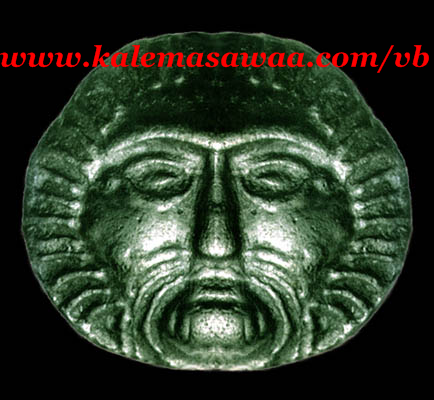
Belenus — the Celtic sun god, meaning "bright" or "brilliant"

Shamash — Mesopotamia

Shamash was a native Mesopotamian deity and the sun god of the Akkadian tradition.
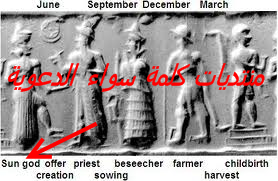
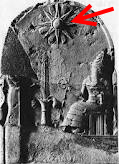
Shamash — the Akkadian and Mesopotamian sun god, first depiction

Shamash — second Mesopotamian solar deity depiction

Shamash — third Akkadian sun god image

Utu — Sumer

Utu was the sun god and god of justice in Sumerian mythology — one of the earliest recorded solar deities in human history.
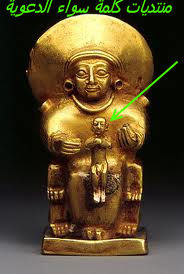
Utu — the Sumerian sun god and god of justice

The image of Utu with his mother bears a striking resemblance to later Christian iconography of Jesus with Mary:
Utu with his mother — Sumerian solar deity image that prefigures Christian mother-and-child iconography

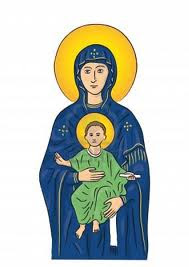
The parallel with Christian depictions of Jesus and Mary is visually direct:

Christian depiction of Jesus with Mary — compared to the Sumerian Utu mother-and-child image


Sun Gods Across the World

Amaterasu — Japan

Amaterasu was the sun god in the Japanese Shinto religion, which appeared around 500 BC or earlier.
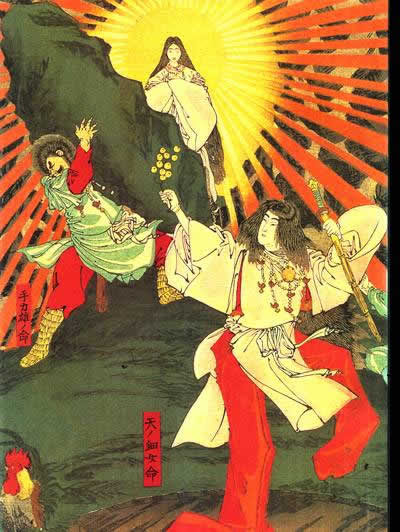
Amaterasu — the Japanese Shinto sun god, appearing from approximately 500 BC

The Aztec Civilisation

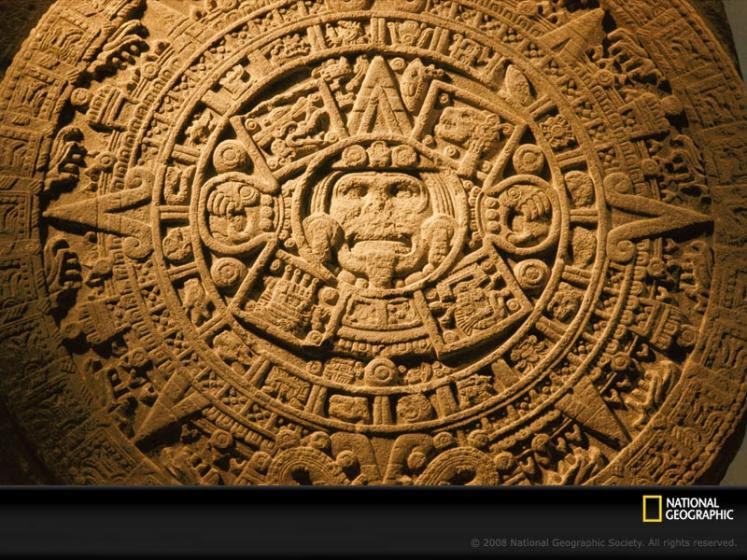
The Aztec civilisation developed a rich tradition of solar deities and solar symbolism:

The sun symbol in Aztec civilisation

Second Aztec solar symbol from the pre-Columbian tradition

Surya — Hinduism

Surya is the sun god in Hinduism, one of the oldest continuously worshipped solar deities in human history.
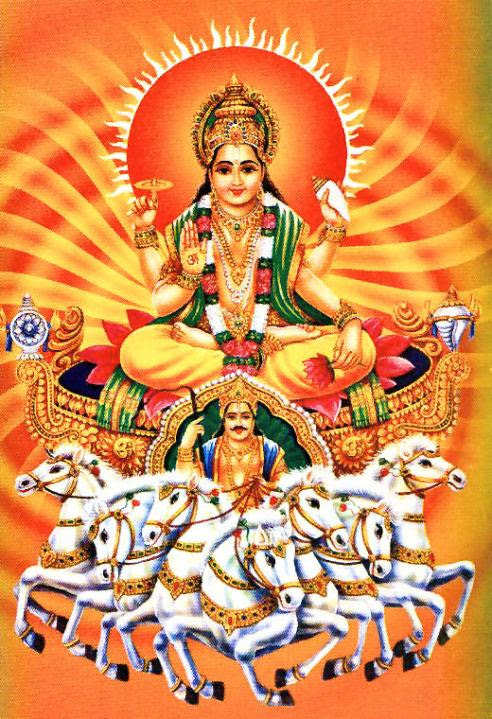
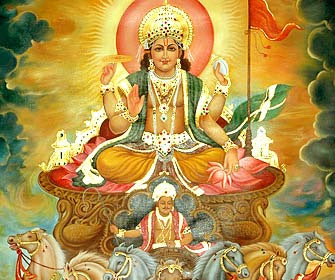
Surya — the Hindu sun god, first depiction

Surya — the Hindu sun god, second depiction

The Mayan Civilisation

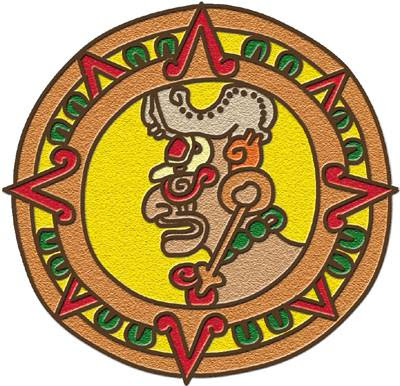
The Mayan civilisation venerated two principal solar deities: Tonatiuh and Kinich Ahau.

Tonatiuh — the Mayan sun god

Kinich Ahau — the second Mayan solar deity

Inti — The Inca Civilisation

Inti was the sun god of the Inca civilisation of South America.
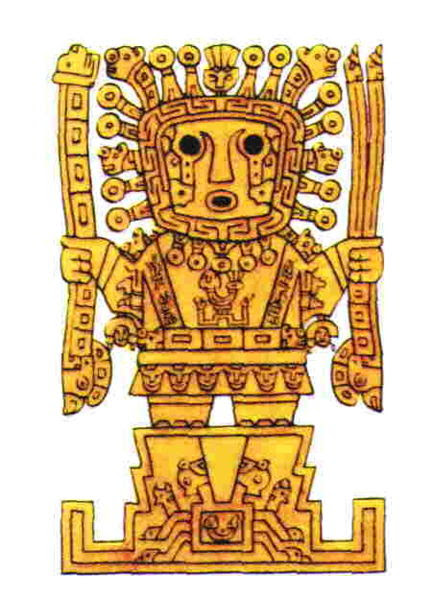
Inti — the Inca sun god

Lugh — The Celts

Lugh was a solar deity in the Celtic tradition, distinct from Belenus and associated with craftsmanship and light.
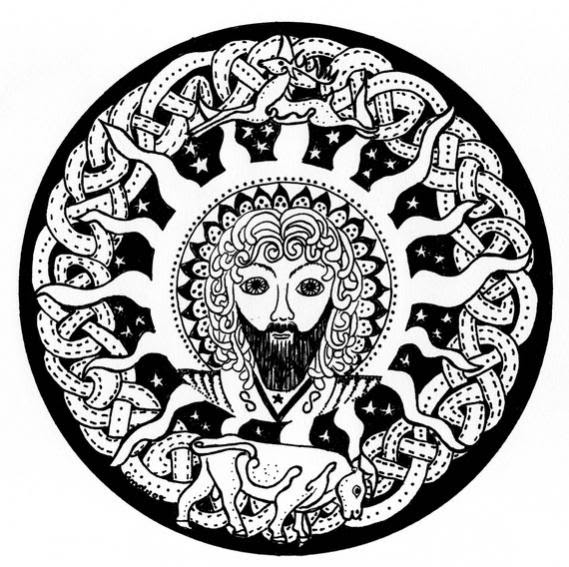
Lugh — the Celtic solar deity associated with light and craftsmanship

Mithraism

The Mithraic religion, which spread widely across the Roman Empire, also centred on solar worship.
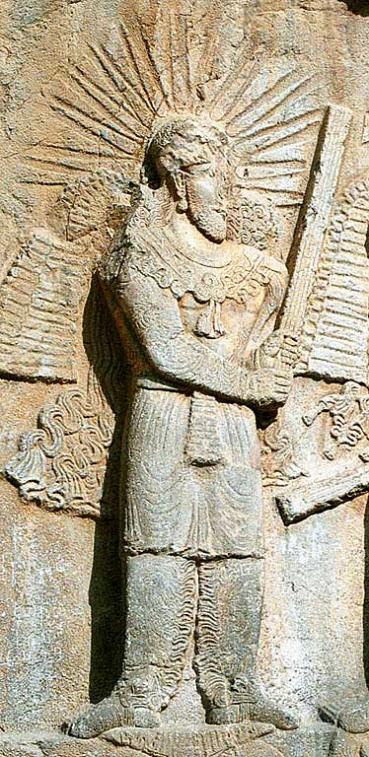
Symbol of the Mithraic religion — solar iconography from the Roman Empire period


Sol Invictus — The Direct Pagan Source of the Christian Jesus

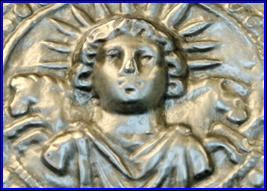
Sol Invictus — the “Unconquered Sun” — was the pagan sun god worshipped by Roman Catholics from 247 AD. His birth was celebrated on December 25th. He is the direct pagan predecessor of the Christian figure of Jesus as presented by the Roman Church.
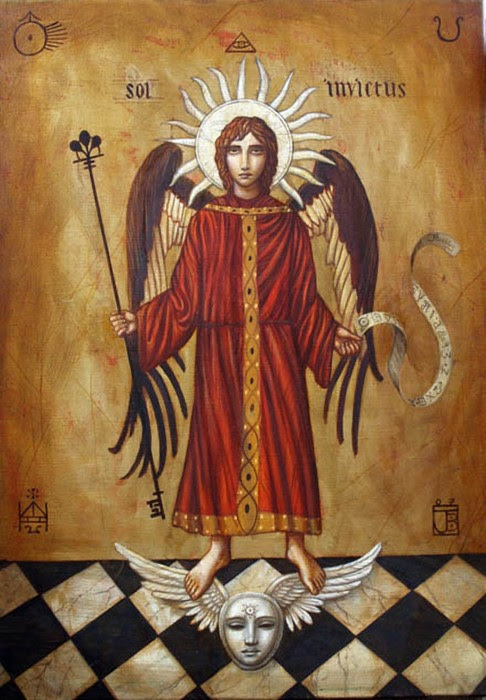
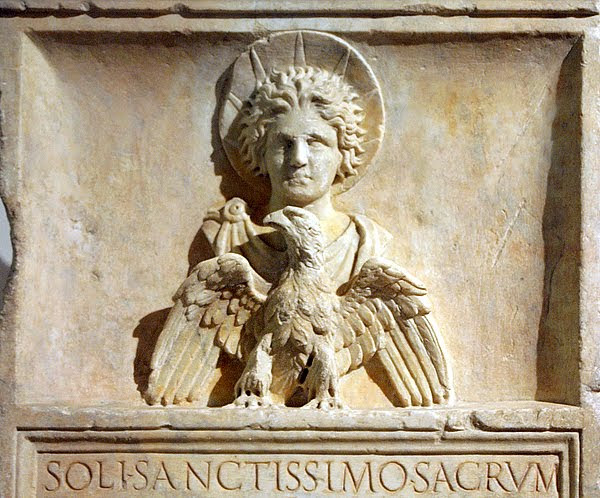
Sol Invictus — the Roman pagan sun god whose birth was celebrated on December 25th

Sol Invictus — second image of the Roman sun god adopted by early Catholicism

Sol Invictus — third image showing the Roman solar deity Constantine venerated

thenewholybible.org — Constantine and Sol Invictus “The truth be told, Constantine surreptitiously simply changed the name of his favorite pagan sun god ‘Sol Invictus’ to ‘Jesus’ in the half pagan/half Christian hybrid called ‘Catholicism’ that he came [to create at the Council of Nicaea, 325 AD].”

Constantine did not convert to Christianity — he converted Christianity to paganism, renaming Sol Invictus as Jesus and institutionalising sun worship under the name of the Council of Nicaea in 325 AD.

This is confirmed by the Biblical Archaeology Review, a journal specialising in archaeology and biblical civilisation:
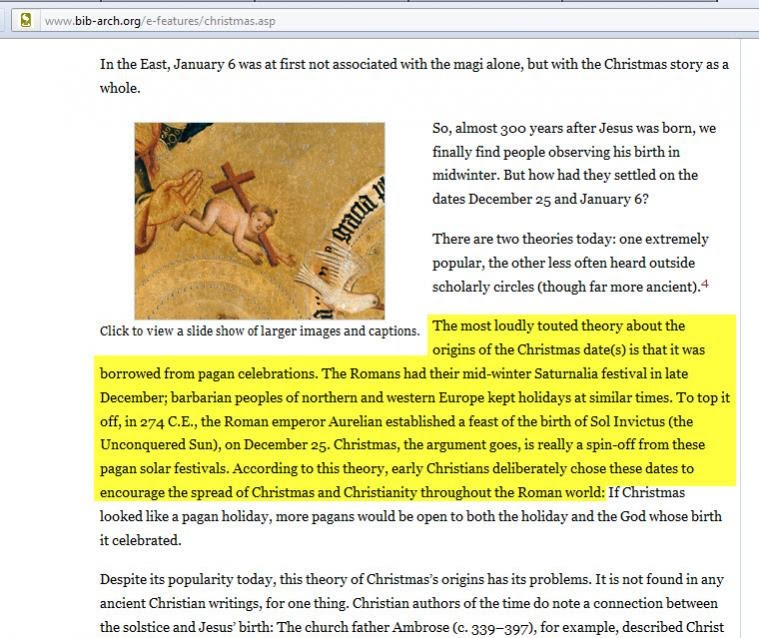
Biblical Archaeology Review — confirming the pagan origin of December 25th from the feast of Sol Invictus

The most likely explanation for celebrating Christmas on December 25th is the pagan origin taken from the feast of Sol Invictus, celebrated by the pagan Romans.


The Suns of Krishna, Buddha, and the Christian Jesus

The solar halo — the disk of light depicted around the heads of holy figures — appears identically across Krishna, Buddha, and the Christian Jesus. It is a solar symbol shared by all three traditions, predating Christianity in each case.
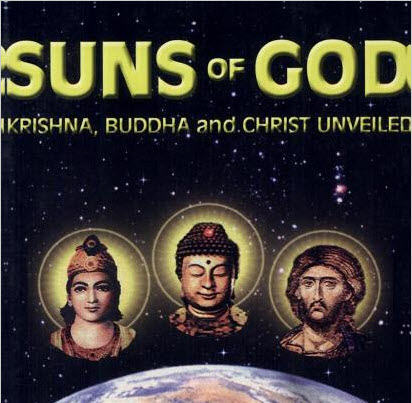
Comparative image — the solar halos of Krishna, Buddha, and the Christian Jesus side by side

Surya — Additional Depiction

A further image of the Hindu sun god Surya, whose solar iconography is visually identical to Christian depictions of Jesus:
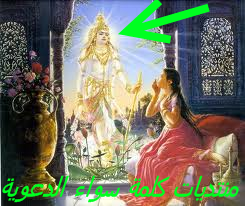
Surya — additional Hindu sun god depiction, with solar halo identical to Christian iconography


Nanauatzin — The Aztec God Who Died and Rose as the Sun

Nanauatzin was the most humble of the Aztec gods. He sacrificed himself by leaping into fire so that he would continue to shine upon the earth as the sun — a dying-and-rising solar deity predating Christianity by centuries.
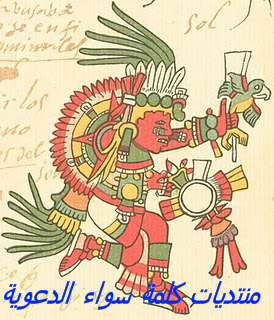
Nanauatzin — the Aztec sun god who sacrificed himself in fire to redeem and illuminate the earth

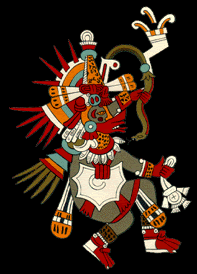
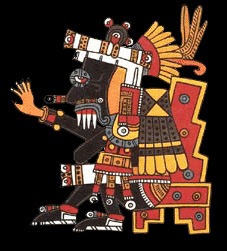
Other solar deities worshipped by the pagan Aztecs include Tezcatlipoca, Quetzalcoatl, and Tlaloc. The Aztec creation account, known as the Five Suns, records multiple successive solar deities who died and were reborn.

The following images document additional Aztec solar symbols and deities:
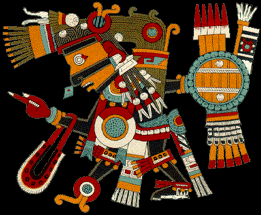
Aztec solar symbol — first additional image from pre-Columbian tradition

Aztec solar symbol — second additional image

Aztec solar deity — third additional image from the pre-Columbian Aztec tradition


Sun worship is one of the oldest forms of paganism on earth — documented across ancient Egypt (Aton, Ra), Greece (Apollo, Helios), Mesopotamia (Shamash, Utu), the Celts (Belenus, Lugh), India (Surya), Japan (Amaterasu), the Aztecs (Tonatiuh, Nanauatzin), the Maya (Kinich Ahau), the Incas (Inti), and Rome (Sol Invictus). The solar halo, the December 25th birth date, and the sun symbolism above the papal throne did not come from the revelation of Jesus (peace be upon him). They came from Constantine, who renamed his pagan sun god Sol Invictus as Jesus and called the result Catholicism at the Council of Nicaea in 325 AD.

Jesus Wasn’T Born on December 25Th

2025 https://www.openislam.wiki/og/sol-invictus-to-jesus-how-constantine-replaced-the-pagan-sun-god-with-christ.png