

Surah Ar-Rum Predicted the Lowest Point on Earth — 1400 Years Before Satellite Surveys
Surah Ar-Rum described the site of the Roman defeat as the lowest point on the Earth’s surface — information that was impossible to determine without satellite surveys, yet stated with precision in a revelation received by a man who lived his entire life in a desert environment.
The Verses

“Alif Lam Meem. The Romans have been defeated — in the lowest land. But after their defeat they will overcome — within three to nine years. To God belongs the command before and after. And that Day the believers will rejoice — in God’s victory. He gives victory to whom He wills, and He is the Exalted in Might, the Merciful.”
Five Miracles in Five Verses
These five verses contain five distinct miraculous statements:
1. Determining the location of the first Roman-Persian battle as adna al-ard — the lowest point on the surface of the earth. This was impossible to verify until modern satellite surveys.
2. Stating that the Romans, after their defeat, would overcome the Persians — a prediction of reversal made at the moment of Roman collapse.
3. Specifying the timeframe as bid’ sineen — a few years — meaning between five and nine years. The first battle occurred in 619 AD; the second in 626 AD: exactly seven years later.
4. Reporting that the Muslims would win the Battle of Badr against their polytheist enemies in the same period — “And on that Day the believers will rejoice” — despite the military situation giving no indication of such a victory.
5. Stating that the Roman victory and the Muslim victory would occur in the same year — indicated by the phrase “on that Day.”
The failure of any one of these five predictions — with their precision in time, place, and outcome — would have been enough to destroy Muslim confidence in the Prophet ﷺ. All five were fulfilled.
The boldness of these predictions at the earliest stage of the Islamic call — when the Muslim community was small and militarily weak — is impossible to attribute to a political calculation. A human author protecting his movement would never have staked its credibility on five simultaneous predictions of this specificity.
Miracle One in Detail — Adna al-Ard: The Lowest Point on Earth
The Arabic word adna carries a dual meaning: nearest and lowest. Modern geography confirms that the site of the Roman-Persian battle — the Dead Sea region — is the lowest dry land on the surface of the earth. The following sources, all non-Islamic, document this fact:
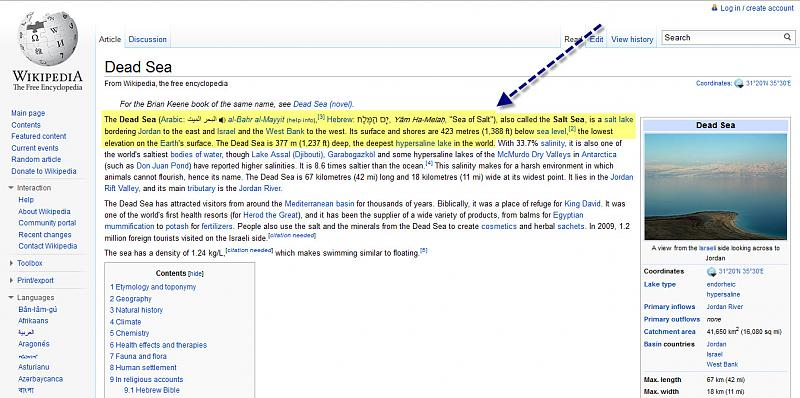
Source 1 — Wikipedia
The Wikipedia article on the Dead Sea confirms it as the lowest elevation on the Earth’s surface:
Source 2 — Geology.com
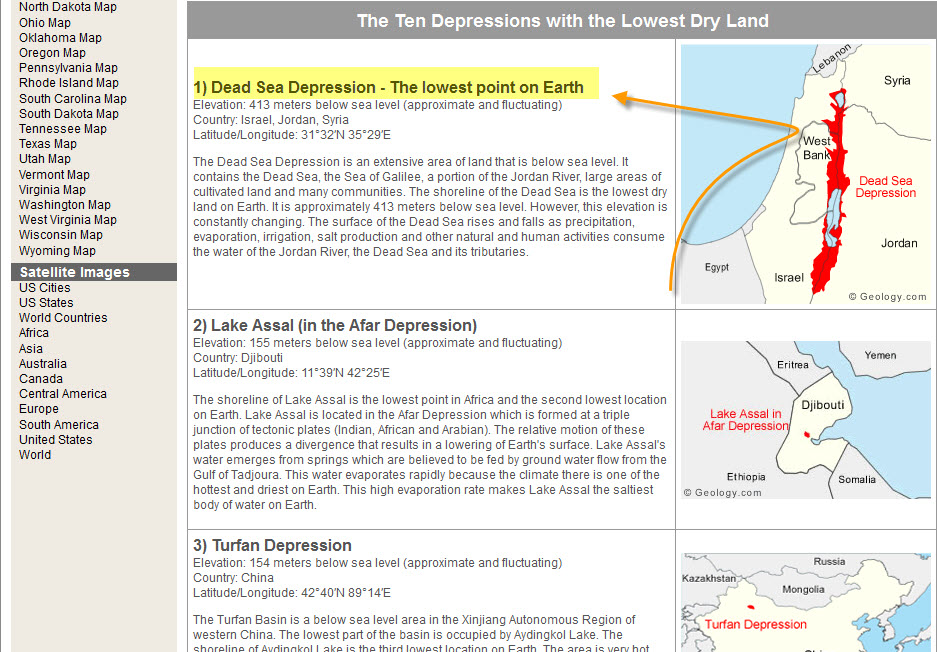
The geology.com entry on the lowest points on Earth places the Dead Sea Depression at the top of the list:
Source 3 — Hyperbook.com
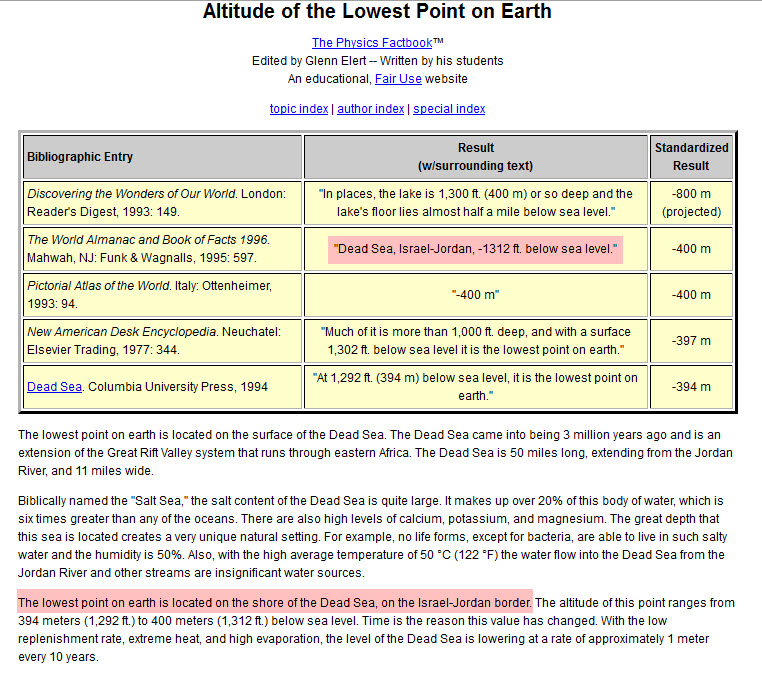
A third independent source confirms the location of the lowest point on earth:
Source 4 — go2petra.com
Source 5 — World Council of Churches
Source 6 — Walking Jordan
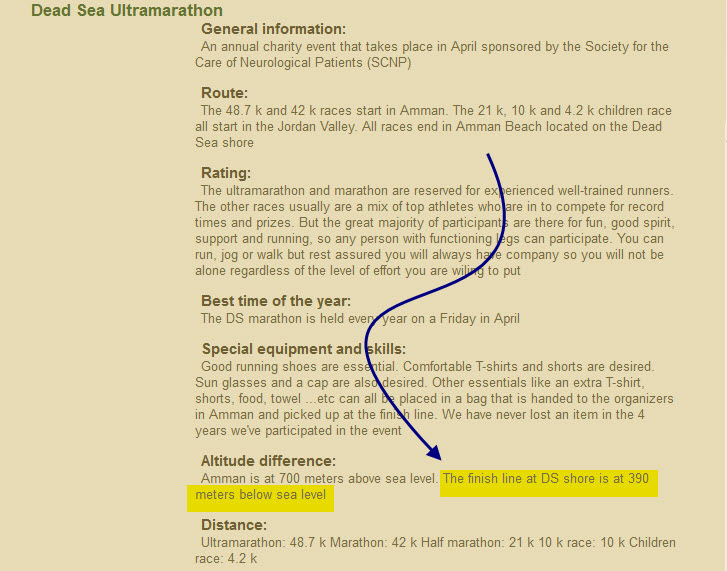
The Walking Jordan source documents the elevation difference between Amman and the Dead Sea shore:
Source 7 — Personal GPS at the Dead Sea
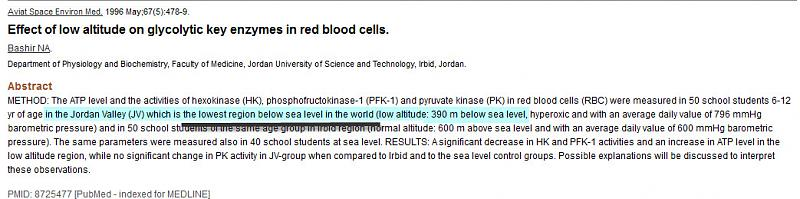
Source 9 — NCBI / PubMed Peer-Reviewed Study
The closing map image from the source confirms the geographic position of the Dead Sea Depression relative to the surrounding region:
The Question That Demands an Answer
Who told Muhammad ﷺ that the Dead Sea area is the lowest point on the Earth’s surface?
This is not cartographic information available in the 7th century. It requires elevation surveys that did not exist until the modern era. A man who spent his entire life in the Arabian desert — with no access to geographic instruments, no scientific tradition of elevation measurement, and no precedent in any human literature of the time — could not have known this.