The Doctrine of Subordination or Inferiority
One of the most important beliefs in Christianity is the equality between the three hypostases (the Father, the Son, and the Holy Spirit). Anyone who claims there is no equality between them becomes a heretic and contradicts the principles agreed upon by the community.
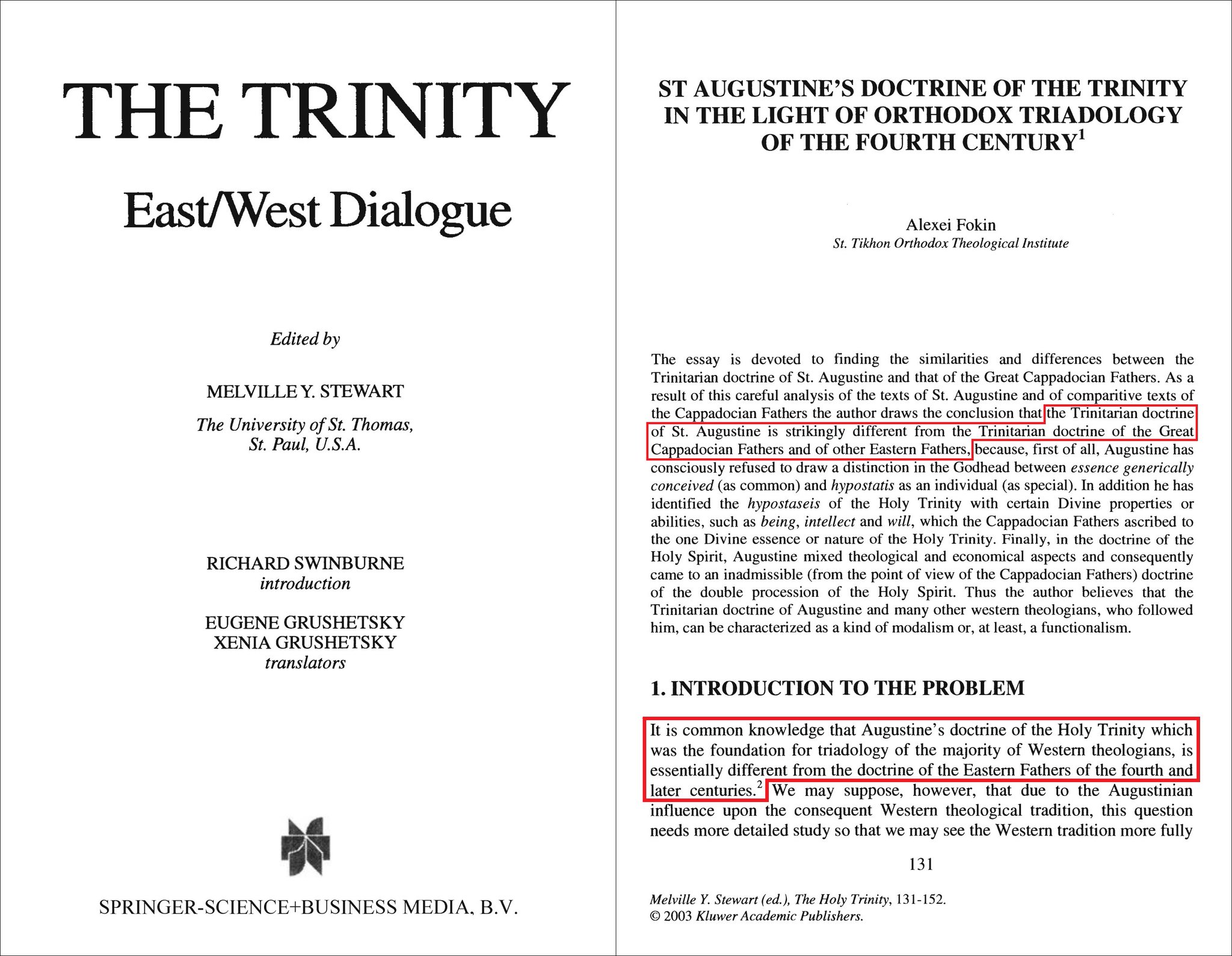
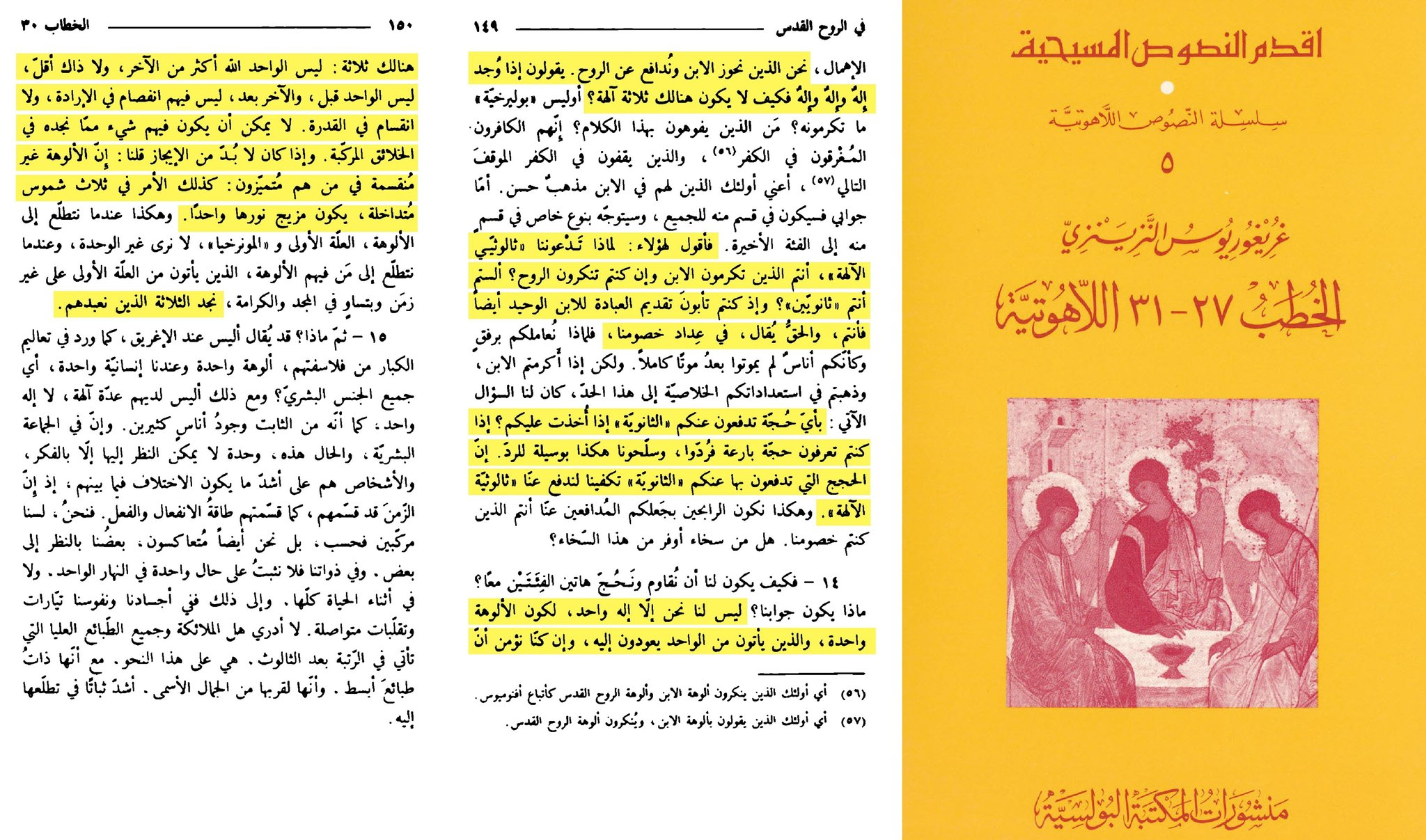
However, Saint Thomas relates from Saint Augustine that he considers equality to be a kind of impossibility and that the Son is an image of the Father and does not equal Him!!
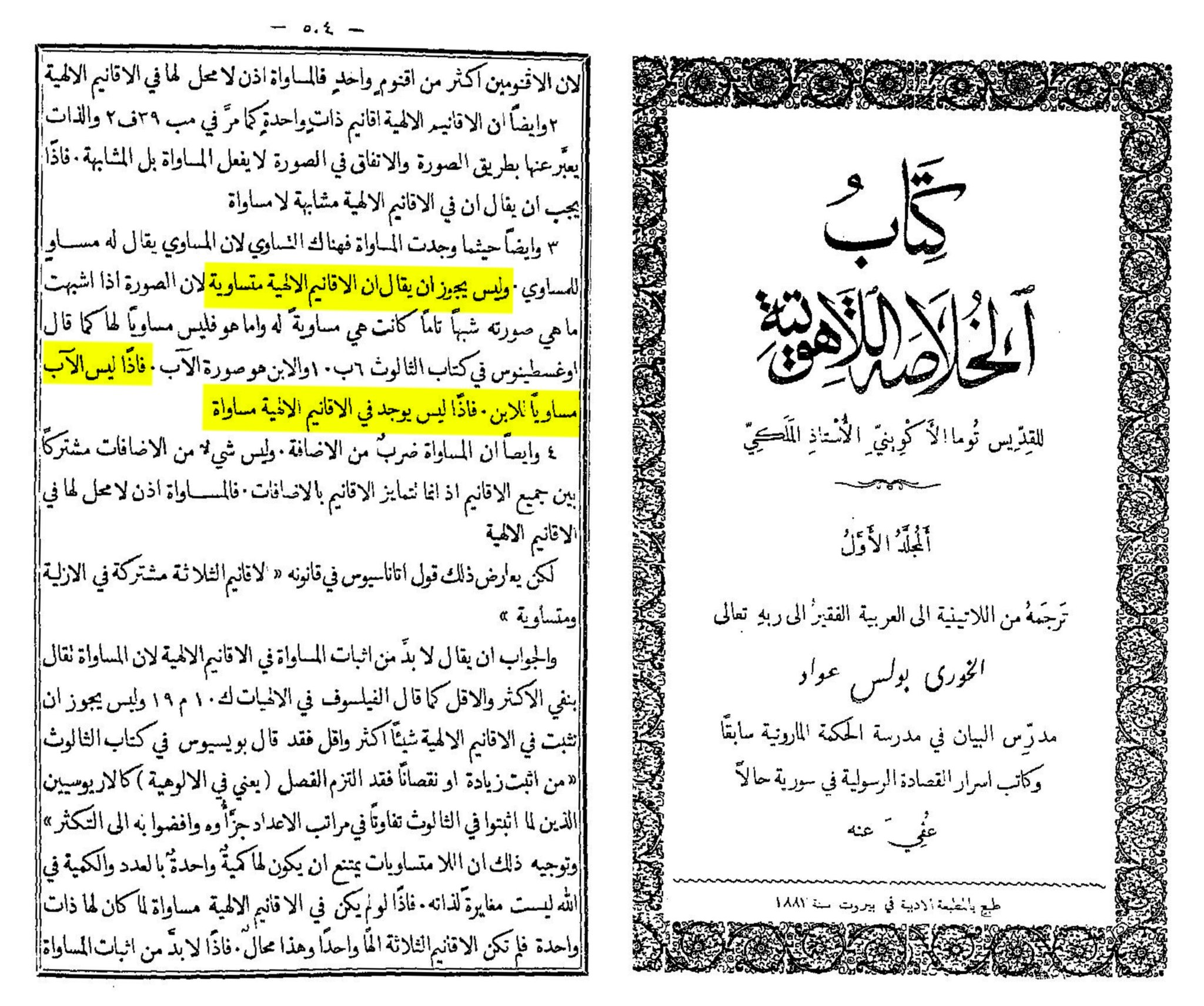
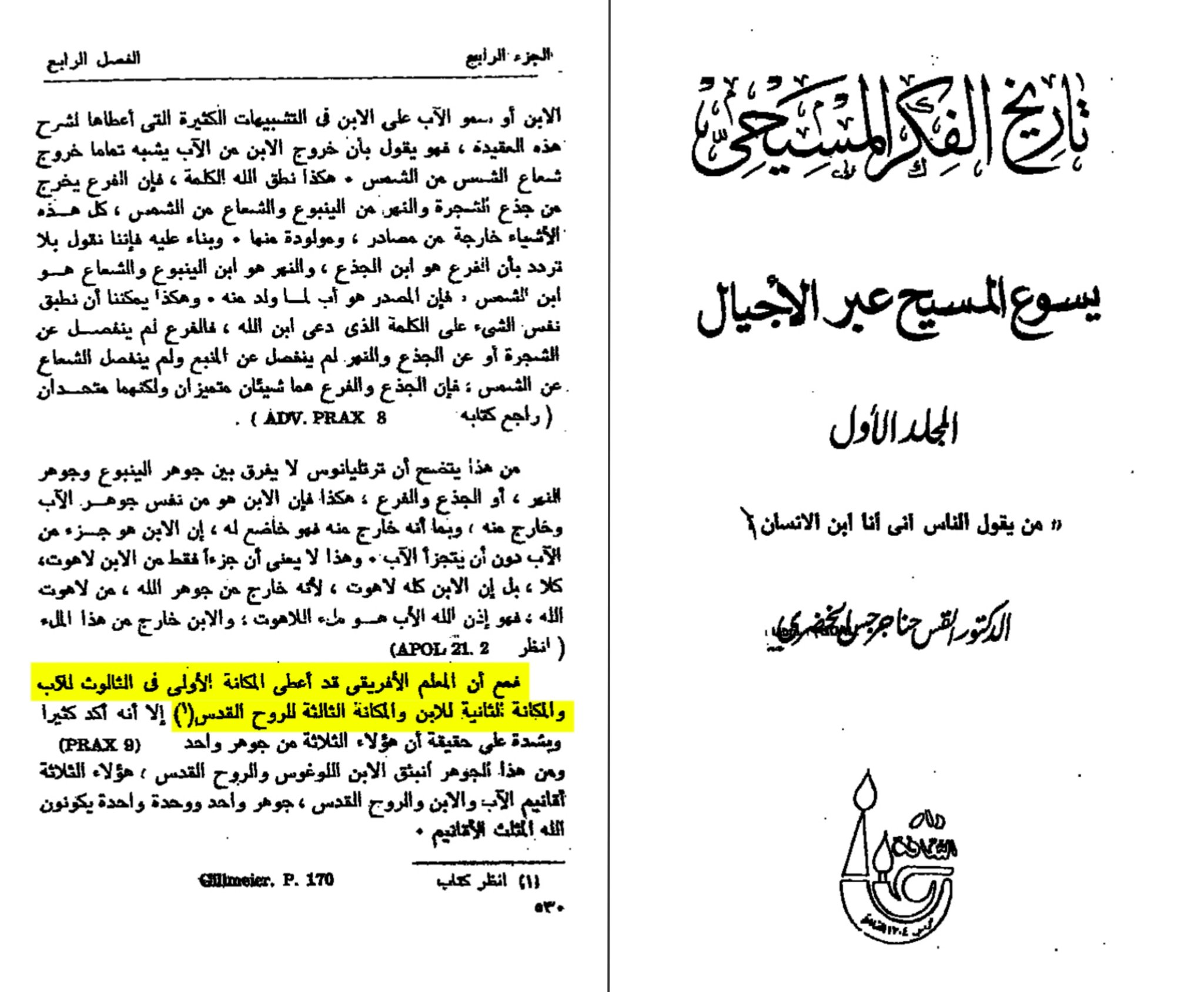
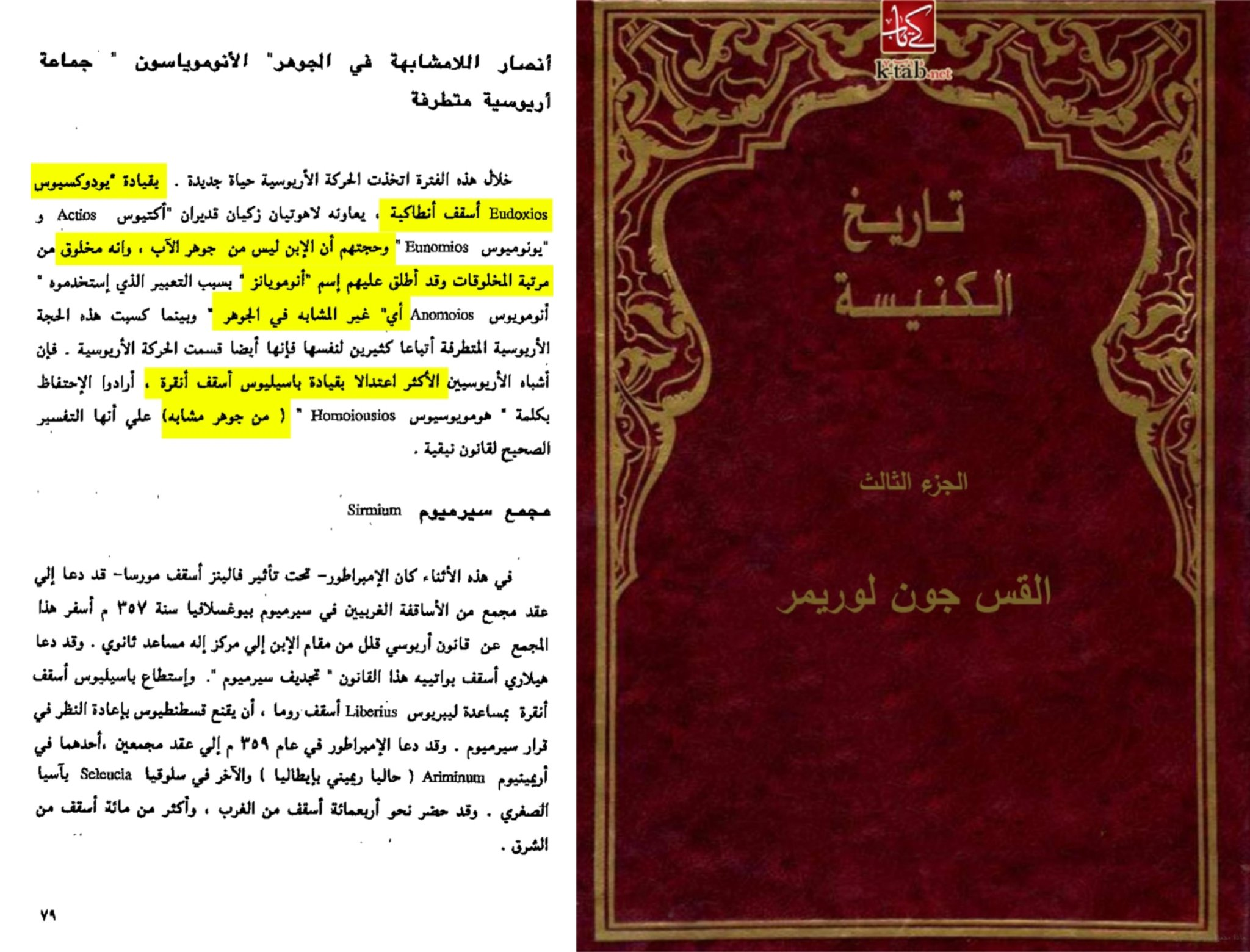
And he was not alone in holding this belief, but rather Saint Tertullian, who coined the term Trinity, holds that the Son is subordinate to the Father and not equal to Him, for the Father holds the first rank, followed by the Son in the second rank, and the Holy Spirit in the third rank.
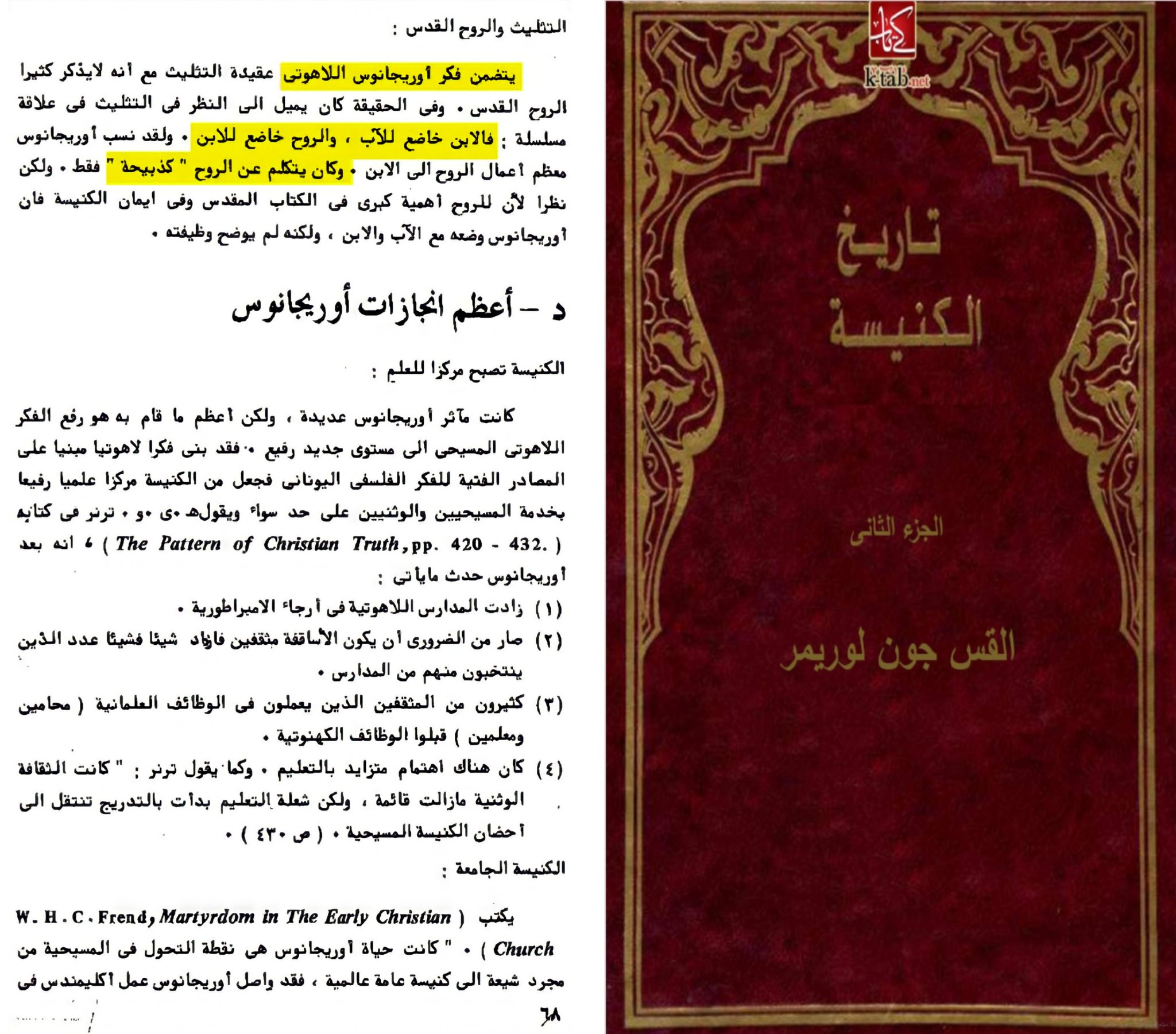
The scholar Origen sees the inequality of the hypostases, that the Son is subject to the Father, and that the Holy Spirit is subject to the Son, and they are not equal.
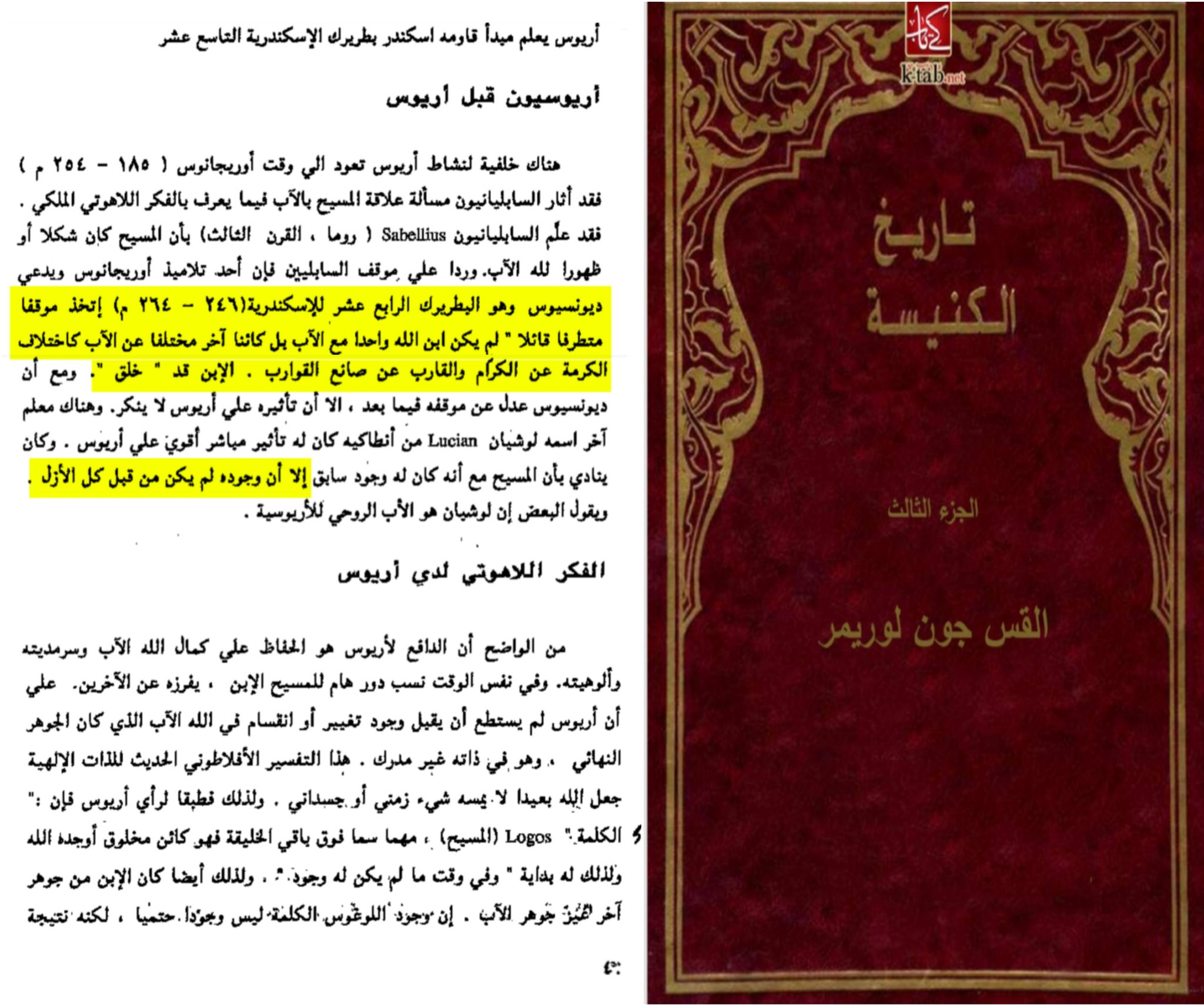
And the fourteenth Patriarch of Alexandria (Dionysius) believes that the hypostasis of the Son is a created being subject to the Father and distinguishes between Him and the Father, just as one distinguishes between a ship and its maker. Likewise, Lucian of Antioch, who was killed while denying the eternality of Christ.
Saint Justin (Yustinos), one of the greatest holy fathers in the second century AD, believed that Christ is another god alongside the God, Creator of the world, and that the Son is a god (subordinate to God) and not equal to Him, but rather a secondary god subject to the First God!!
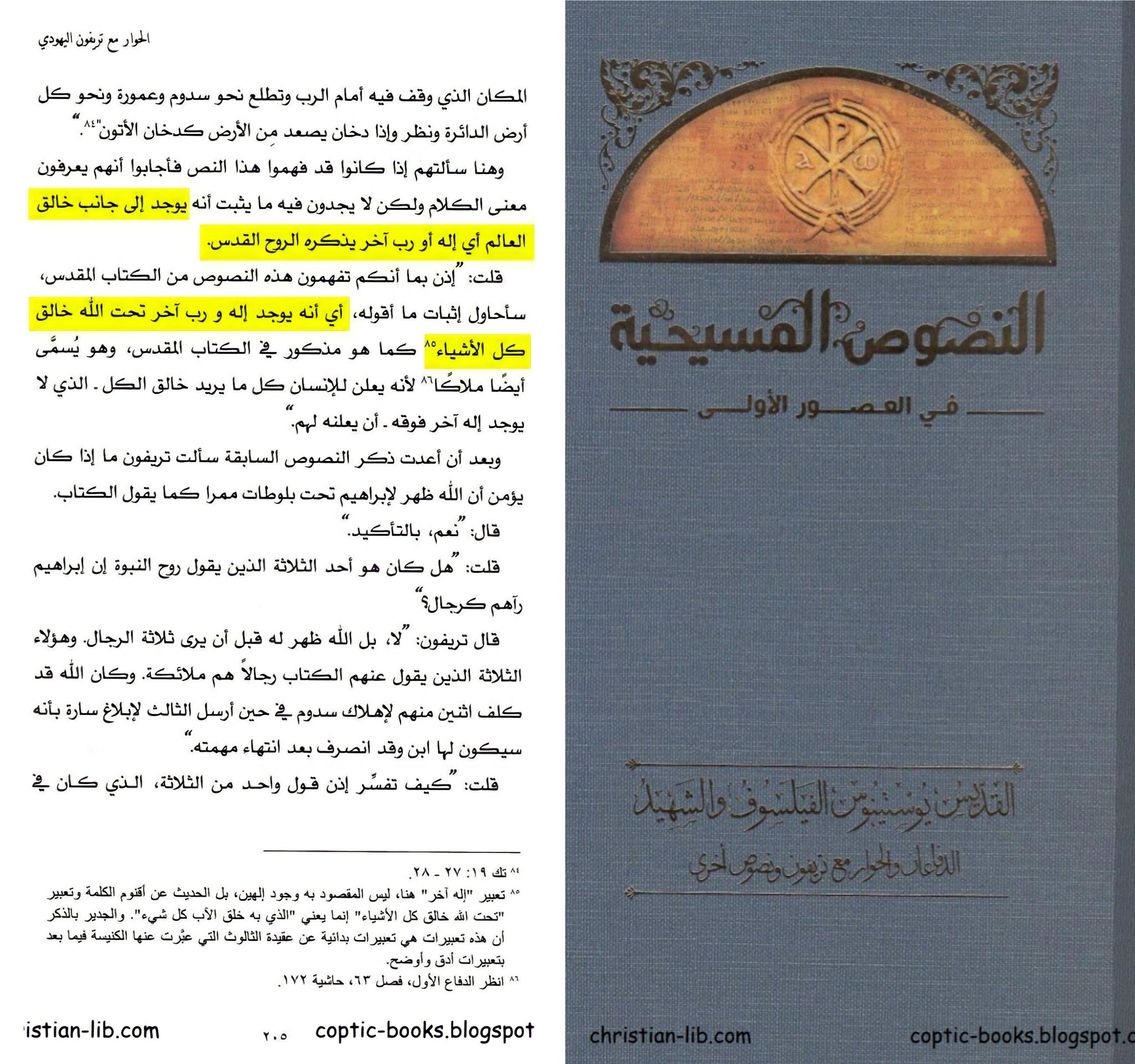
The early Fathers unanimously agreed that the Son (another God) is secondary, subordinate to the Father, and not eternal, and this was the belief of the general Christians and the Fathers until the fourth century, after the decree of the Council of Nicaea was forcibly imposed on the Christians!!
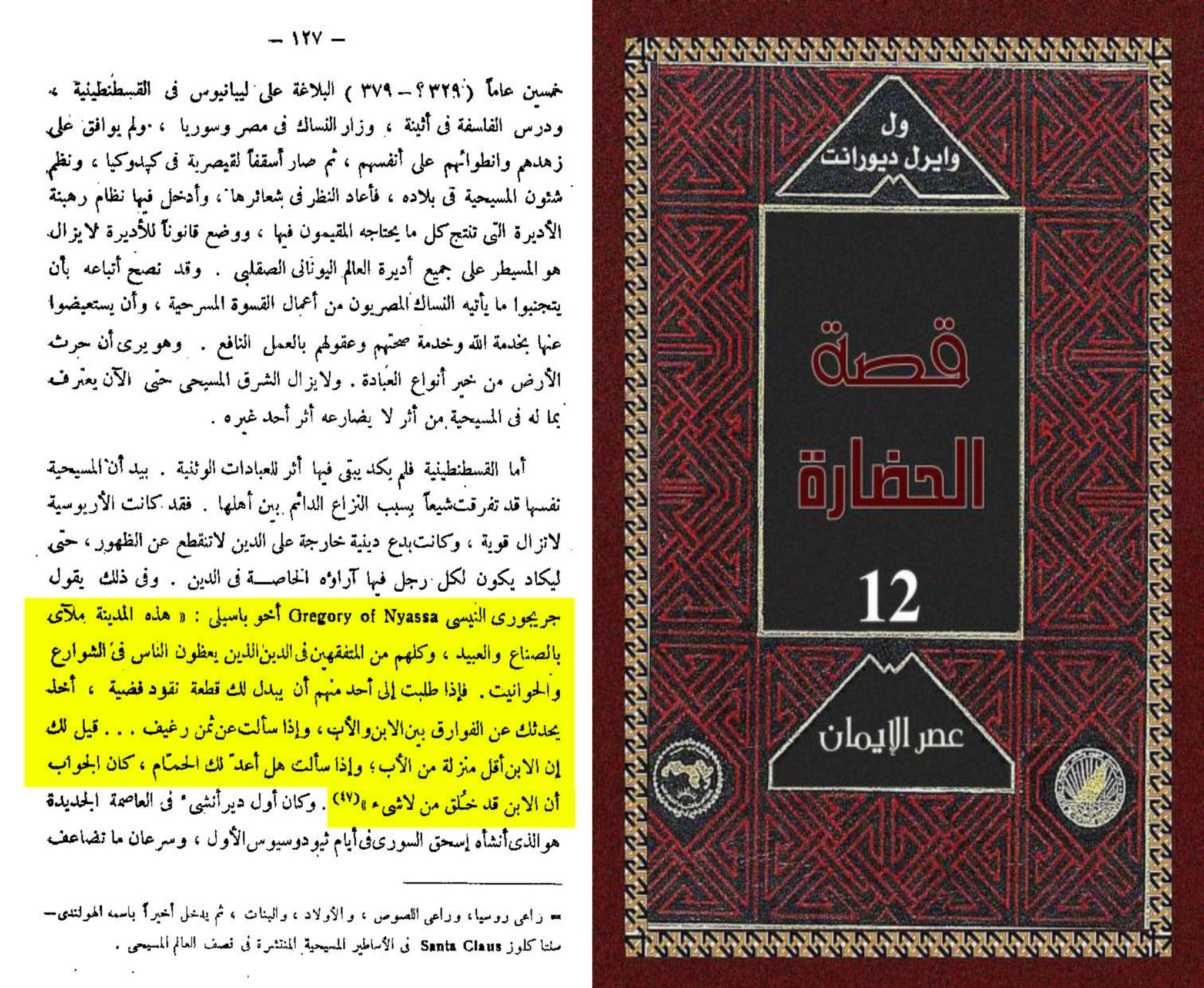
The doctrine of #Subordinationism is the general stance of the Fathers before Nicaea
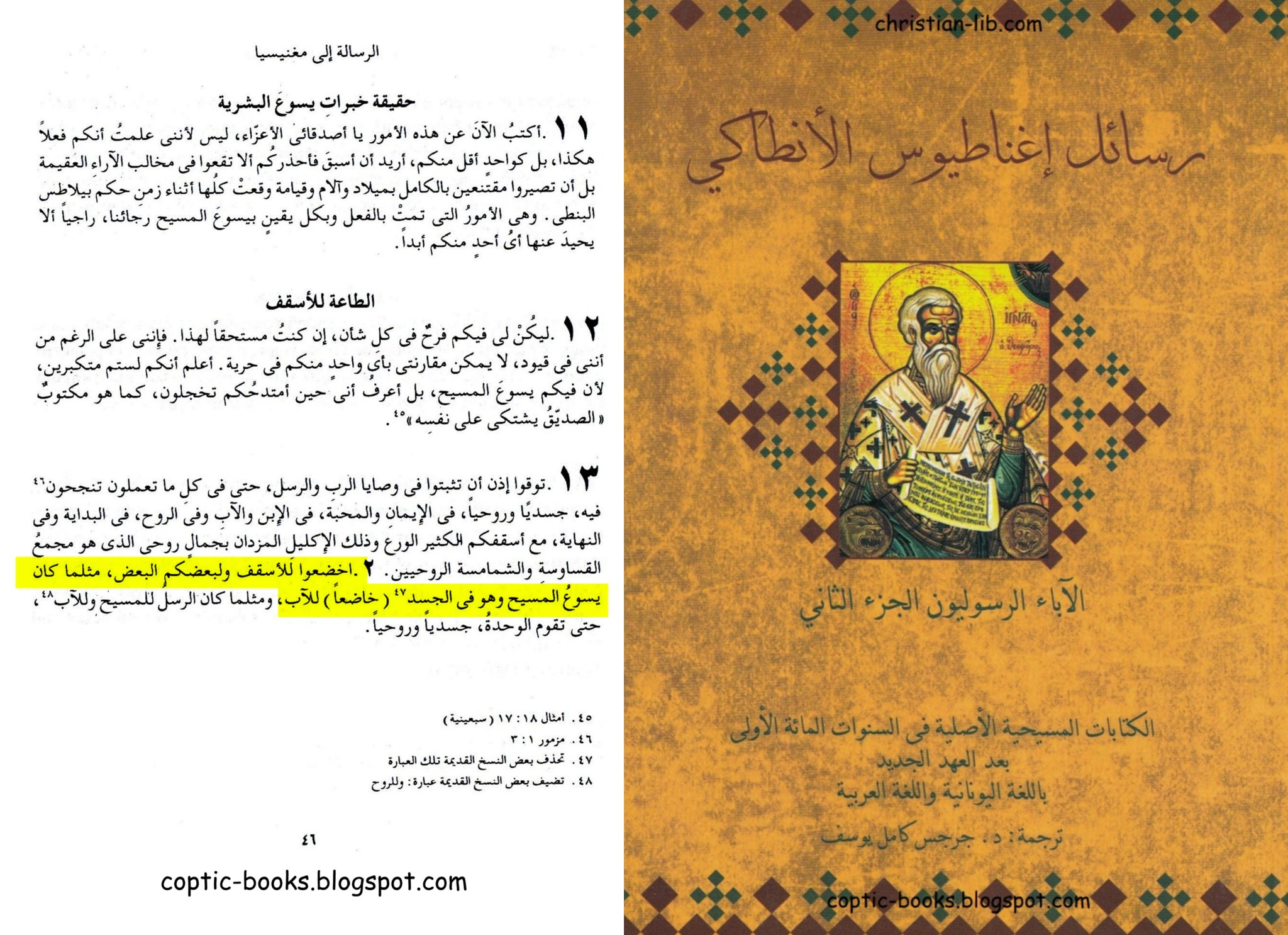
Ignatius speaks of the subordination of Christ to the Father, for the incarnation harmed the person of the Son and diminished His equality with the Father, making Him subordinate to Him through the incarnation. The incarnation is a quality of weakness, and its effects on the Son are negative.
Those who advocate for omitting the phrase (and He is in the body) believe that the meaning is: the Son Himself, without incarnation, is lesser than the Father.
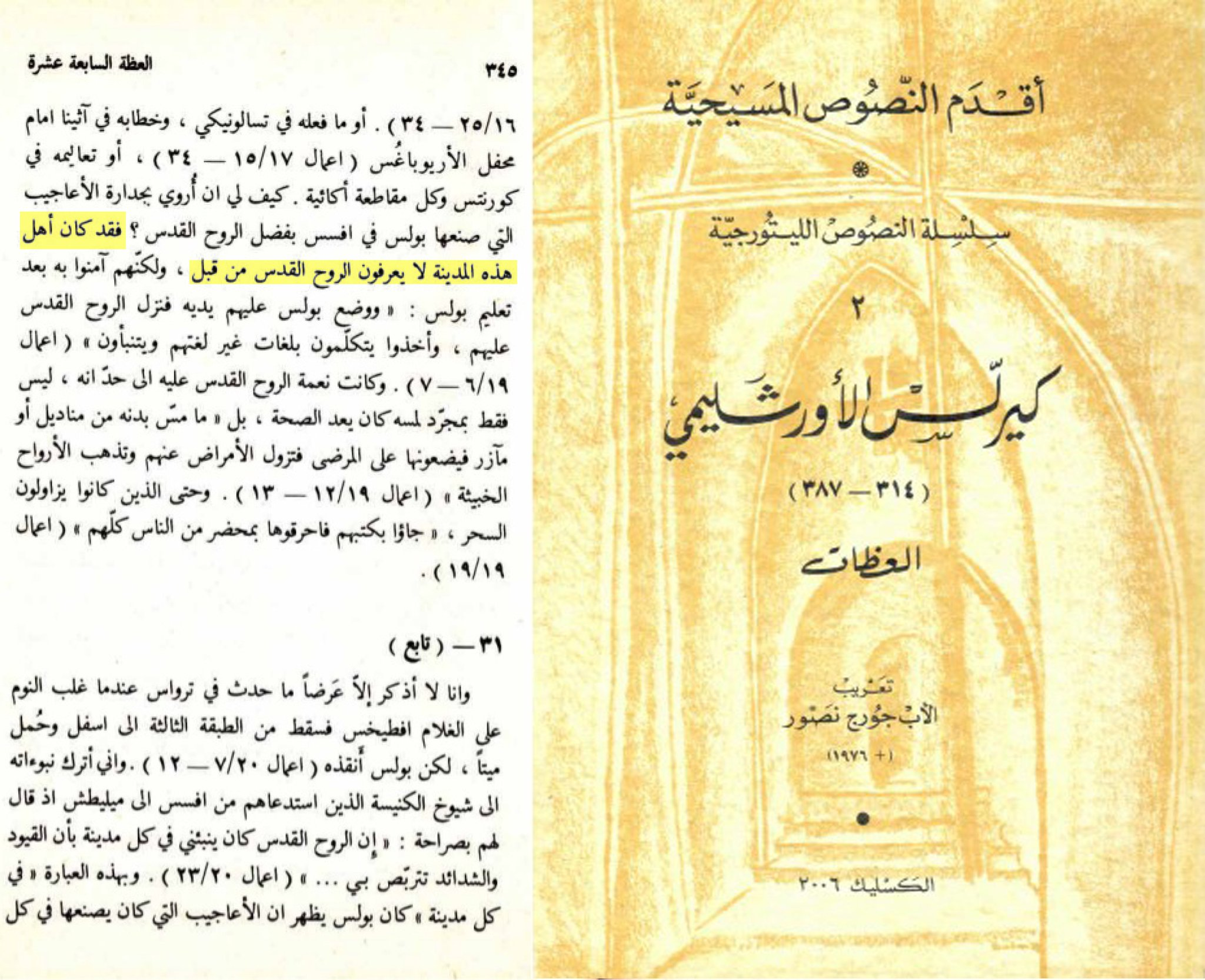
The Holy Spirit was deified at the Second Council of Constantinople to complete the pillars of the Trinity. However, some Christians knew nothing about it and had not heard of its deification. Rather, the latest version that reached them was the statement of the divinity of the Father and the Son, with the latter being subordinate to the former.
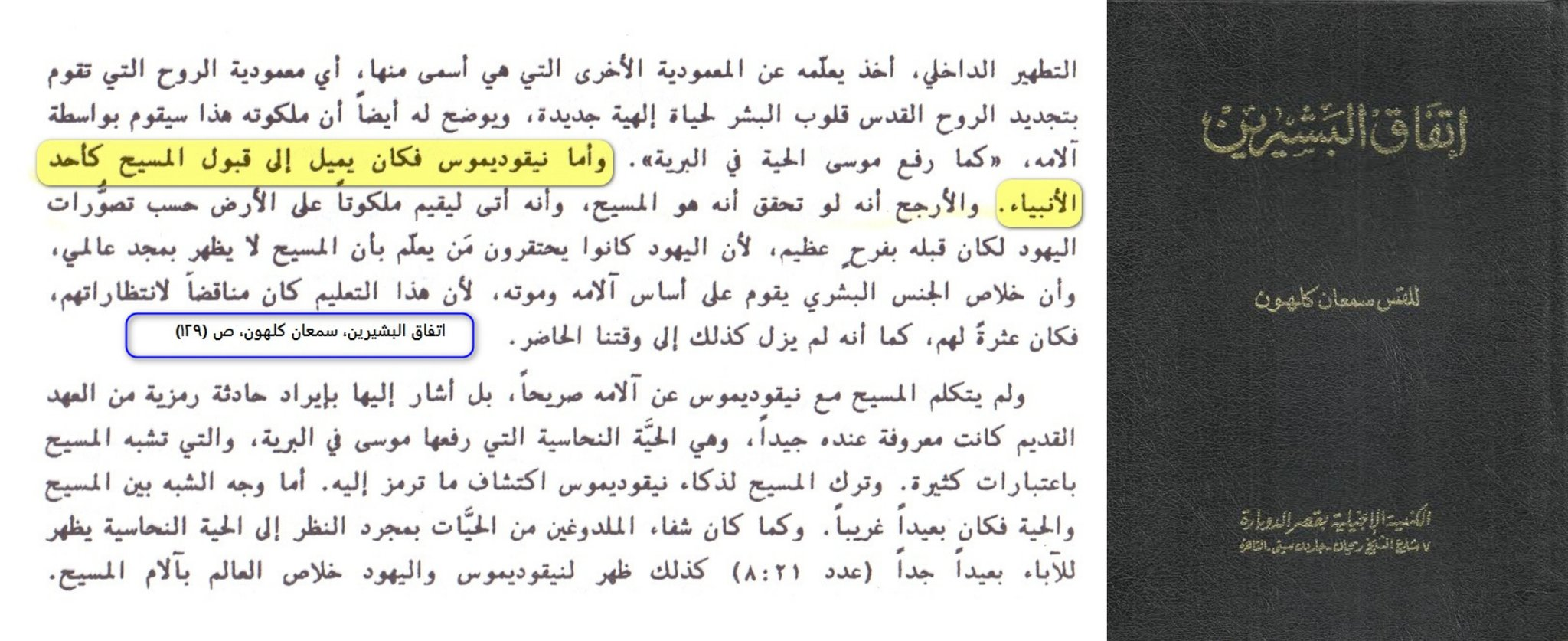
Nicodemus was a contemporary of Jesus, and Christ described him as (the teacher of Israel).
He is the one who, according to the Gospels, took him down from the cross, shrouded him, and buried him.
He believed that Christ was merely a prophet among the prophets and did not believe in his divinity.
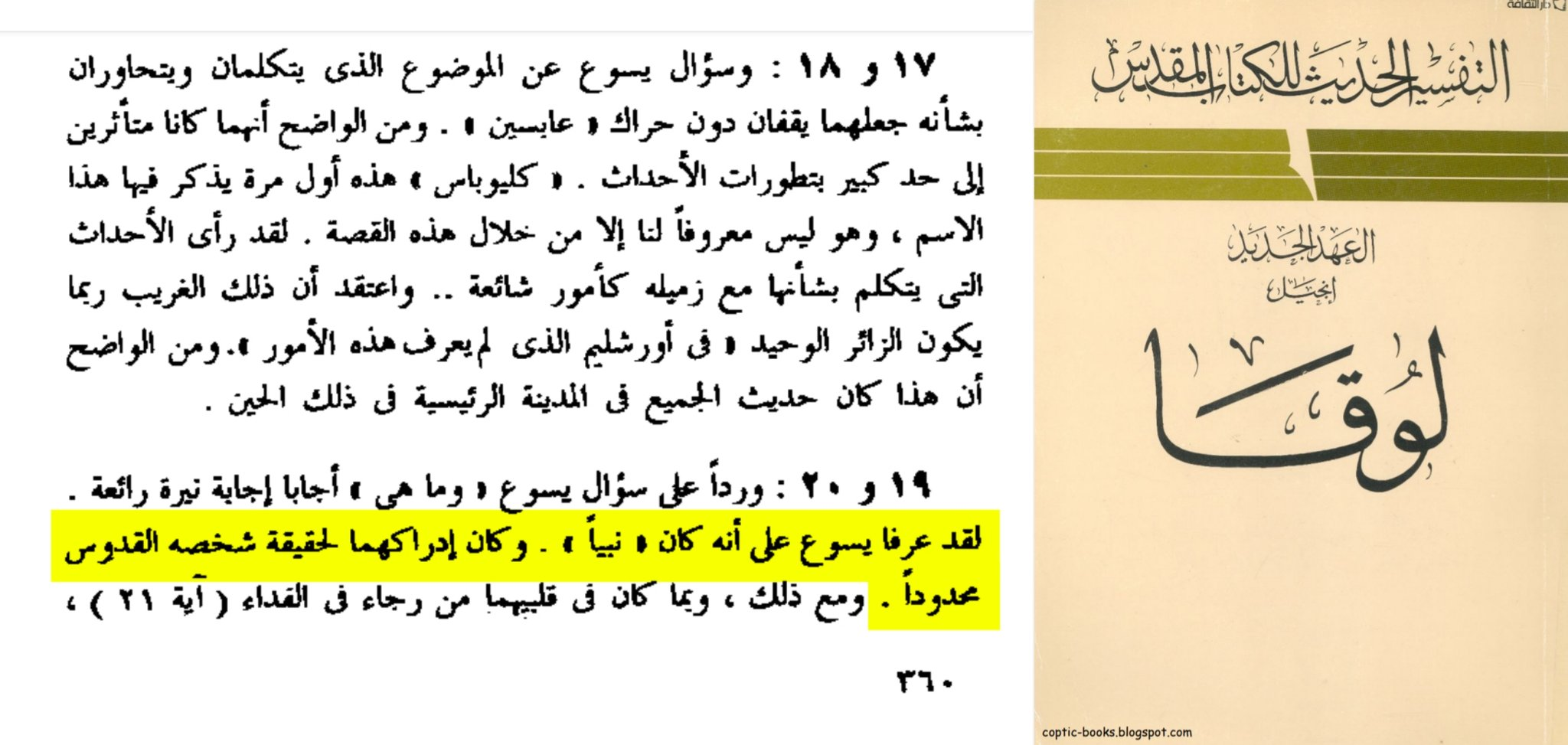
The disciples believed in Jesus as a prophet only, as Christ appeared to two of the disciples after the alleged resurrection incident. They said to him: You are a human prophet, and he accepted that from them and did not comment on it with a word. Pastor Leon Morris comments on the text:
“He was known to them as a prophet, and their understanding of the reality of his holy person was limited.”
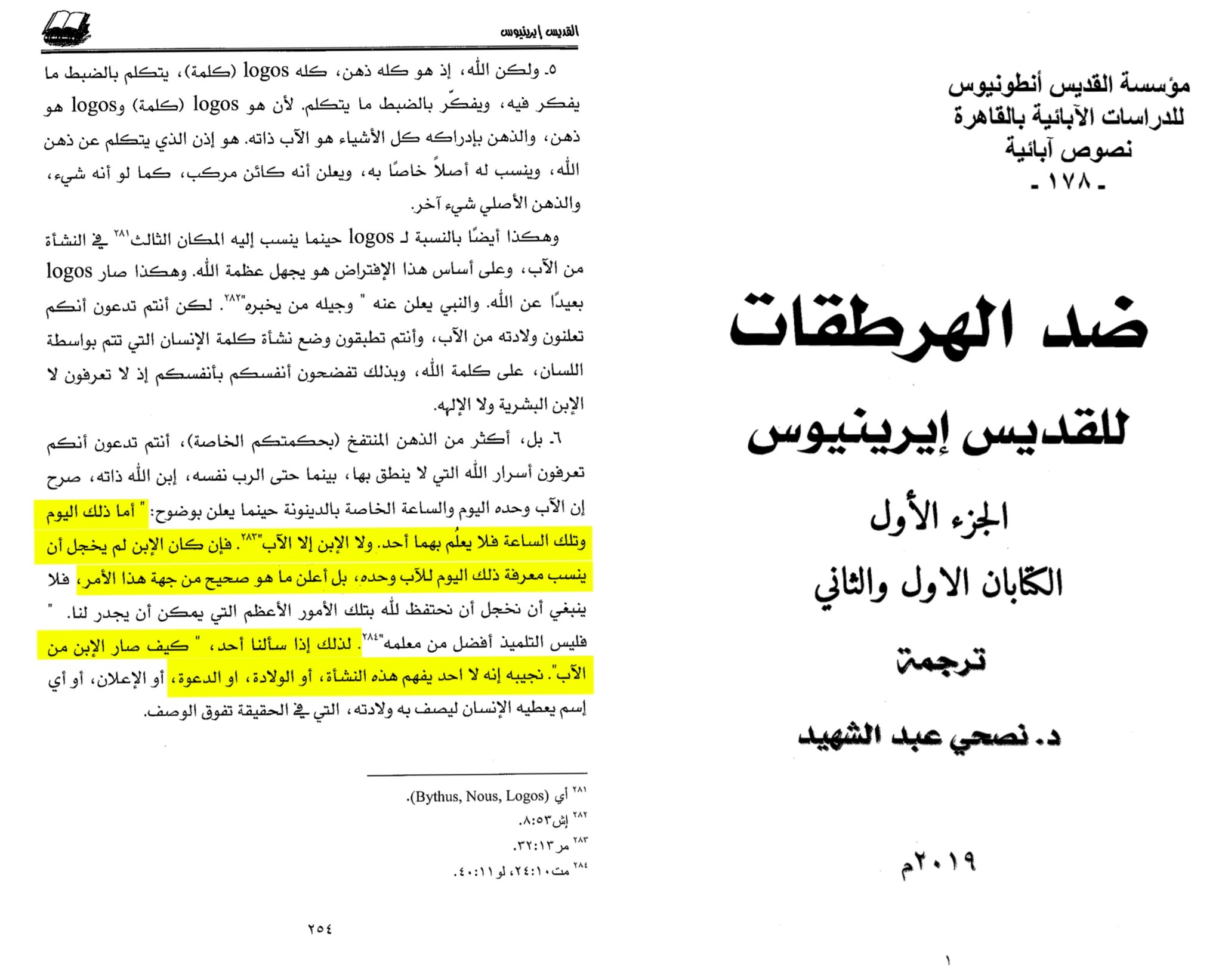
But of that day and that hour no one knows, not even the angels who are in heaven, nor the Son, but only the Father _Mark 13:32
The Christians say that the Son is unaware of the hour’s timing only in the state of incarnation, but the eternal Word, the divine person, knows.
Saint Irenaeus clarifies that the one who does not know the timing of the hour is the eternal Son, begotten of the Father.
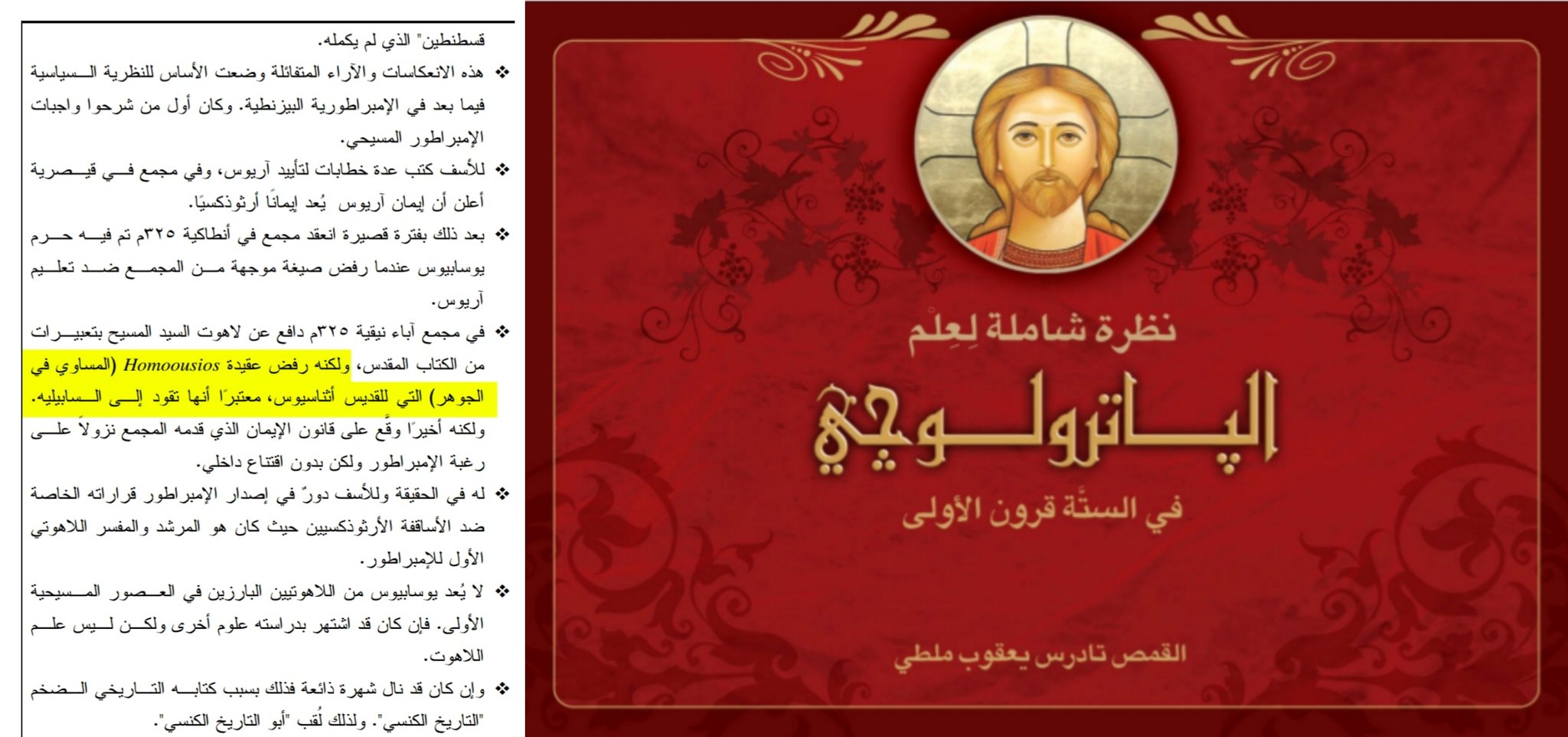
The doctrine of Eusebius of Caesarea, Bishop of Caesarea, represented the prevailing teaching of his time about Christ: that is, his belief was that the Son is subordinate to the Father and not equal to Him.
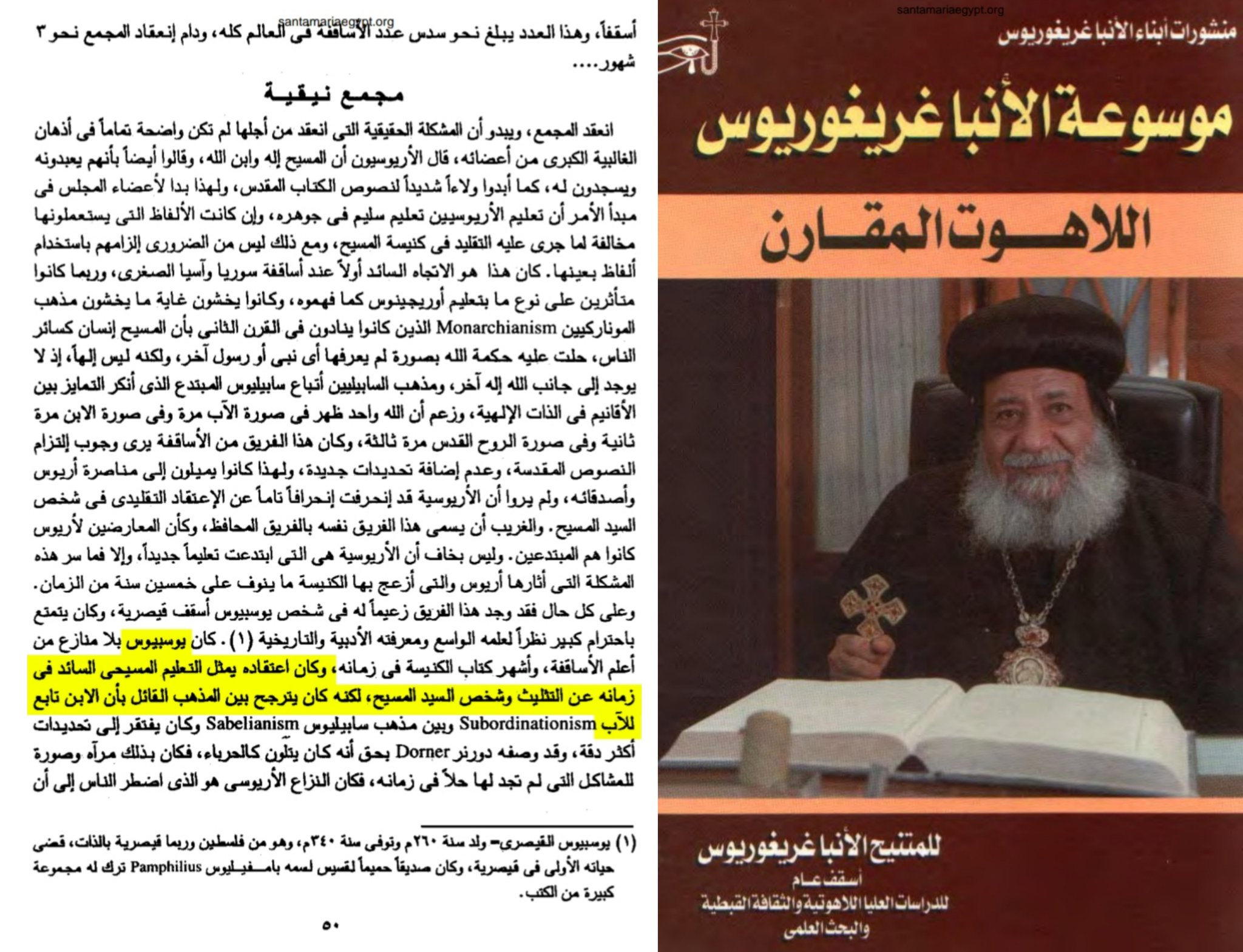
Eusebius rejected the doctrine of consubstantiality of Saint Athanasius, considering that it leads to Sabellianism.
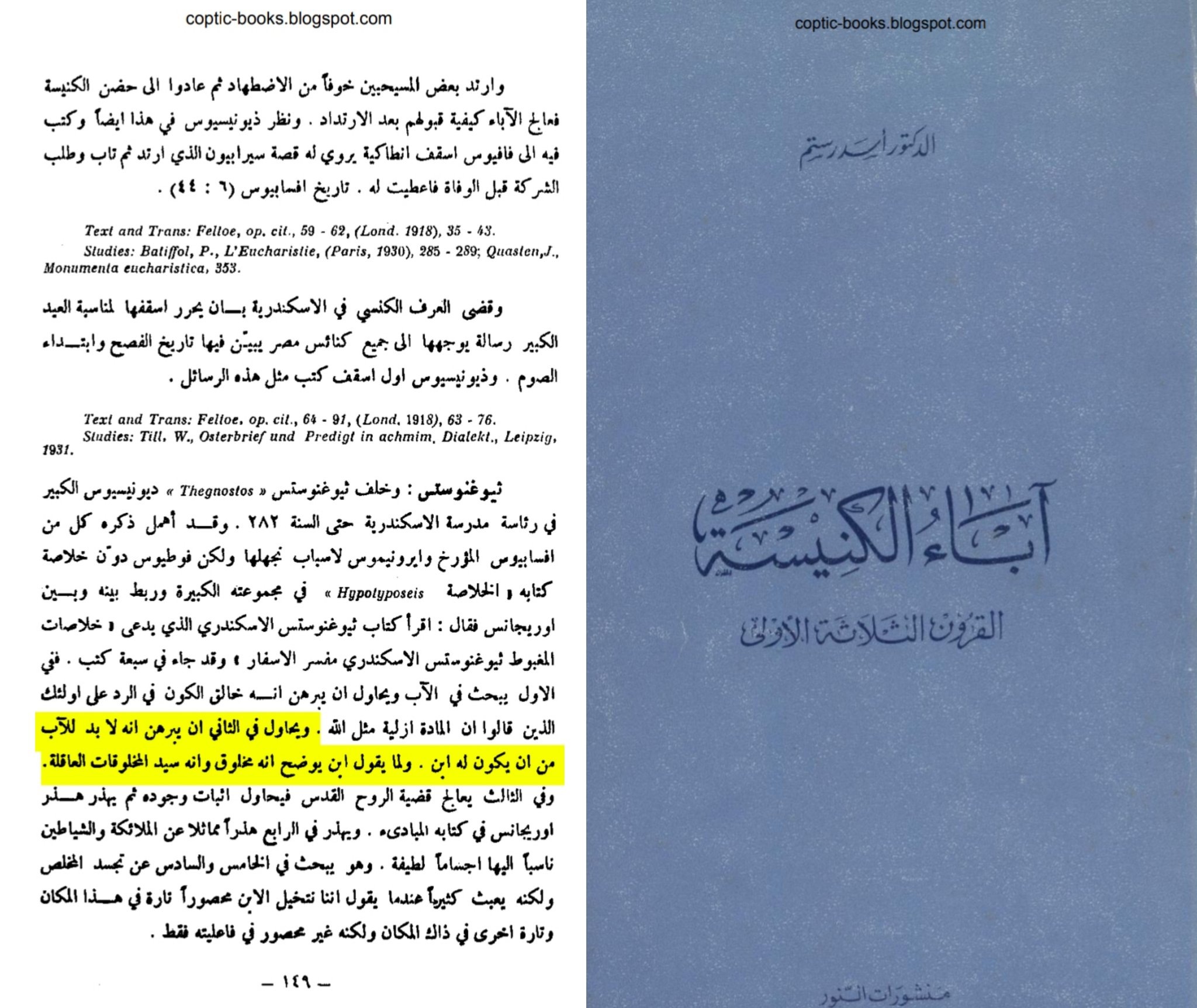
The Blessed Theognostus, priest of Alexandria and one of the prominent theologians of the third century AD, held the belief, like all the fathers of his era, that the Son is a created being and subordinate to the Father.
In the second, he attempts to prove that the Father must necessarily have a Son, and when he says Son, he clarifies that he is a created being and that he is the lord of rational creatures.
Theophilus of Antioch
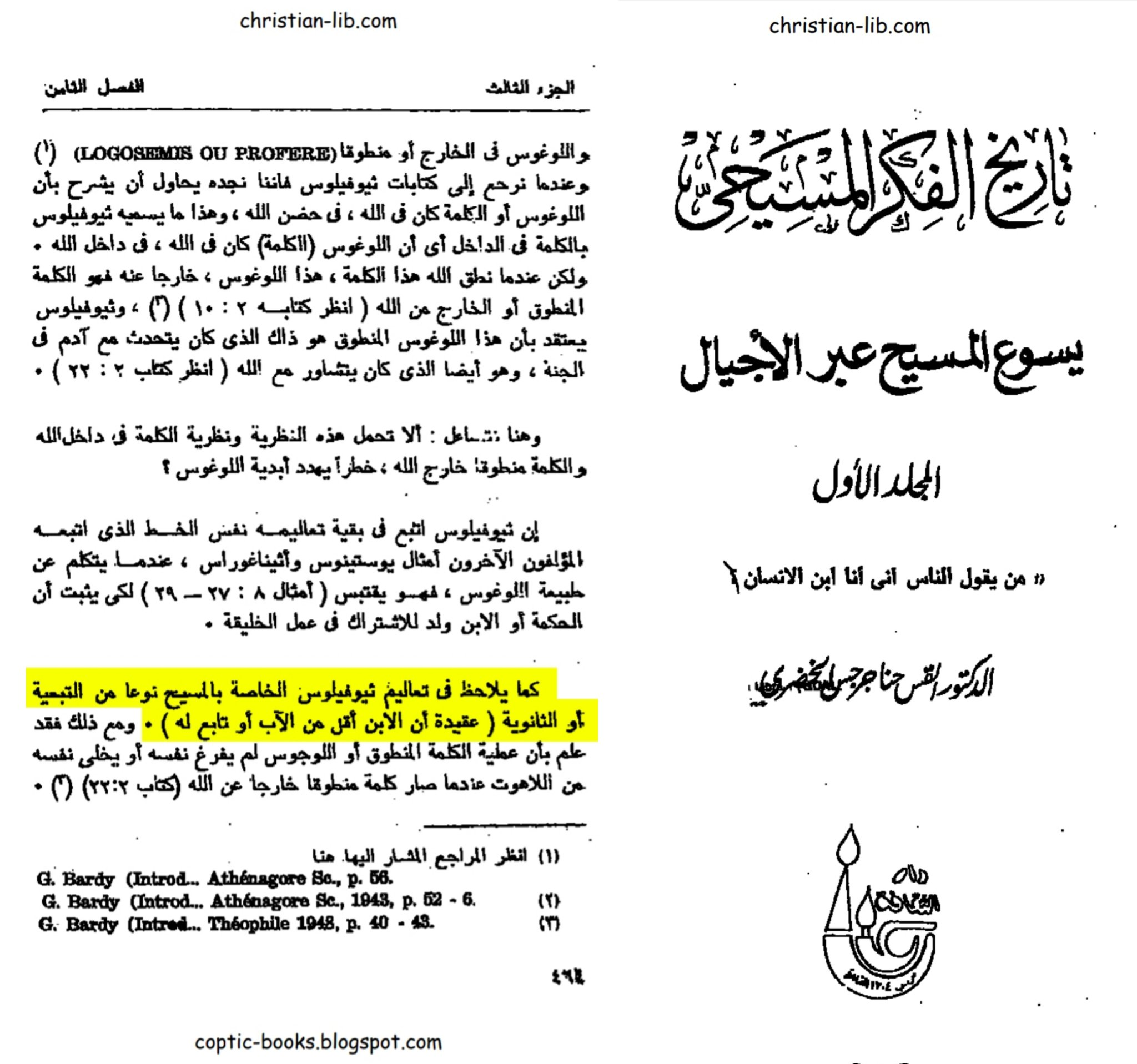
The sixth bishop of Antioch after Peter holds the same idea of the Son’s subordination and inferiority to the Father.
In the book History of Christian Thought, Part One by Dr. Rev. Hanna Gerges Al-Khudari as observed in Theophilus’ teachings about Christ, there is a kind of subordination or secondary status, the doctrine that the Son is lesser than or subordinate to the Father.
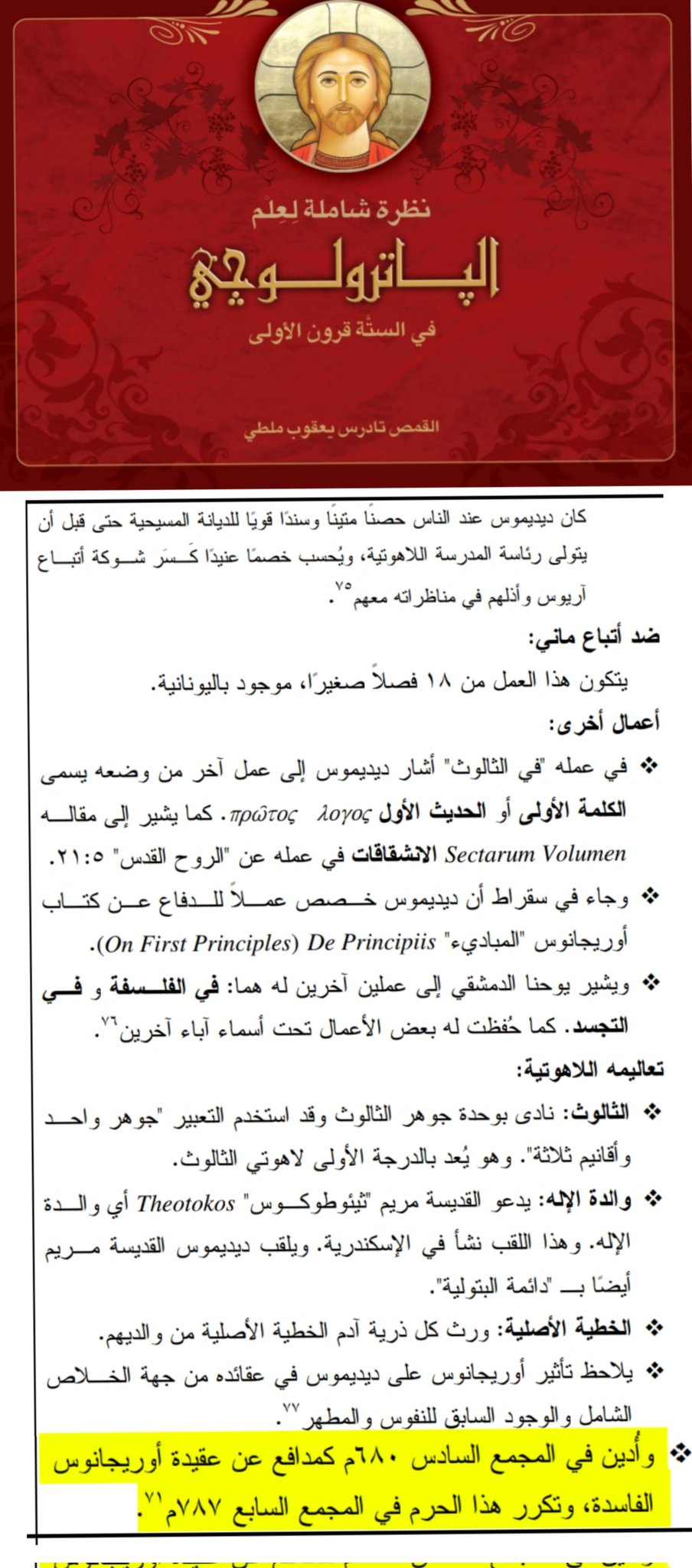
Saint Didymus the Blind defended the doctrines of Origen, particularly his teaching regarding the Trinity and his belief that the Son is a created God subordinate to the Father (and was condemned in the Sixth Council of 680 CE as a defender of Origen’s corrupt doctrine, and this excommunication was repeated in the Seventh Council of 787 CE).
Father Roma, the teacher Novatian, had the same idea of subordination and the Son’s dependence on the Father. In Novatian’s view, Christ always remained submissive to God, acting as the angel of great counsel and the messenger. And just as the Son is lesser than the Father, so too is the Holy Spirit, for it is lesser than the Son.
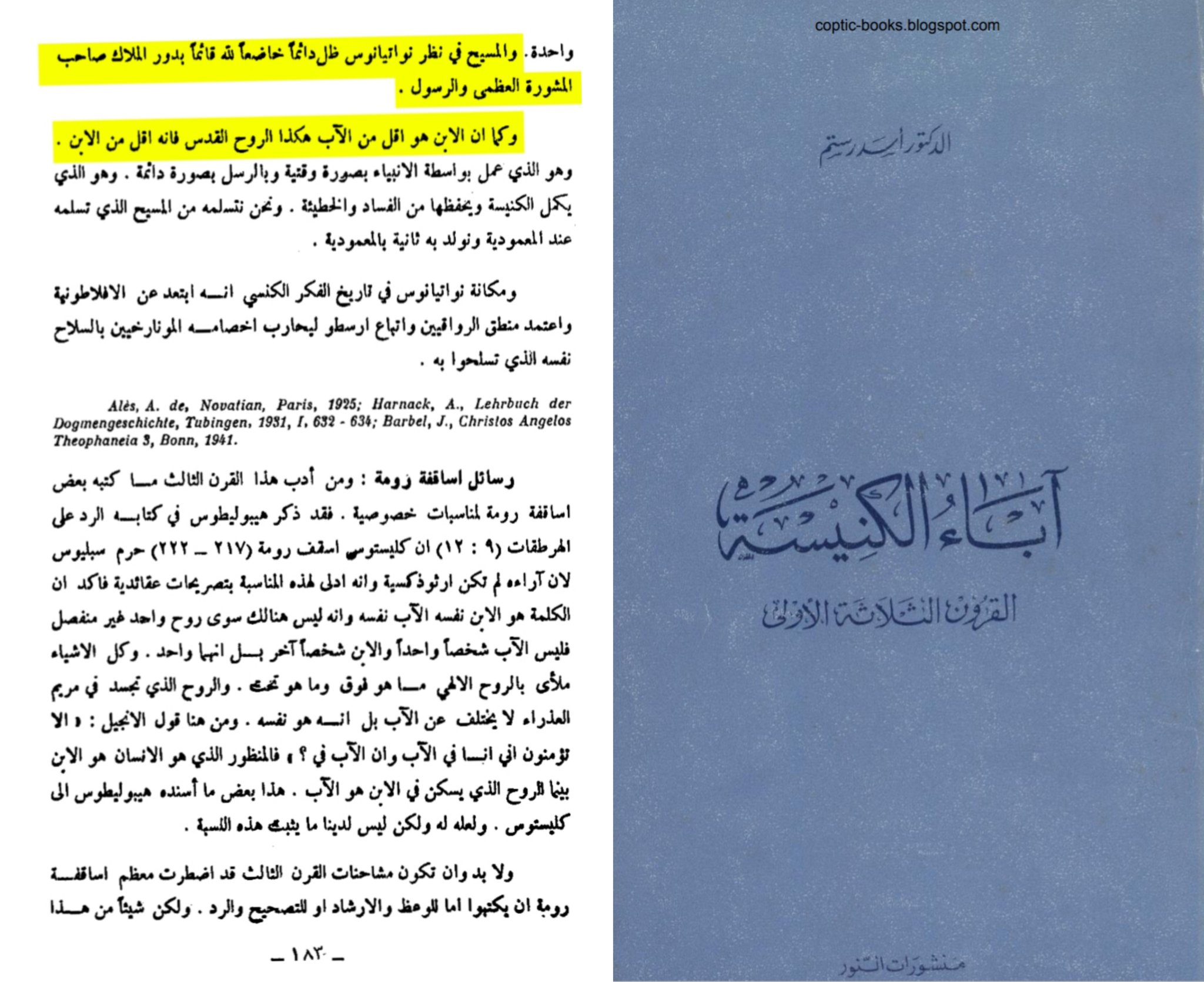
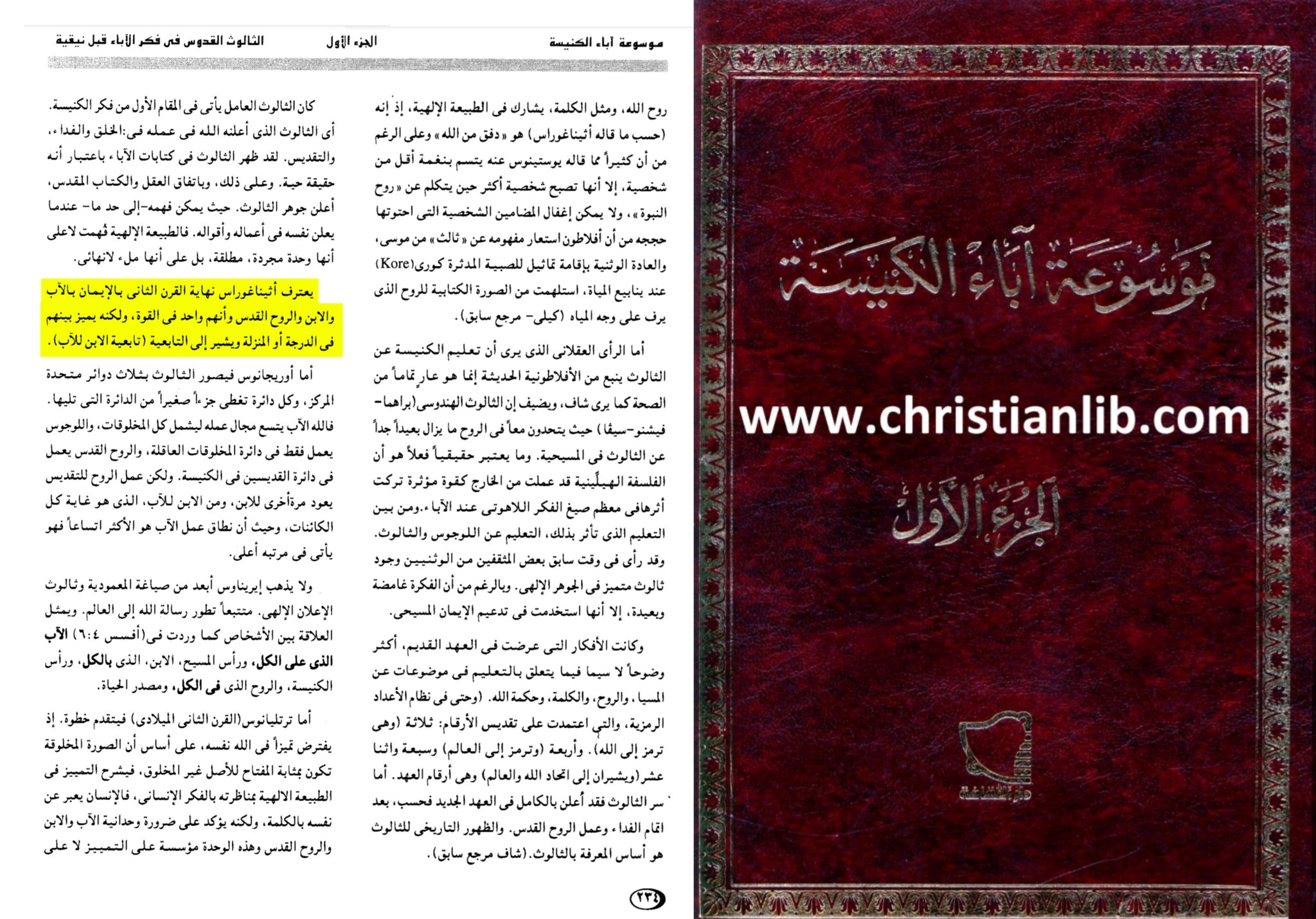
The scholar and philosopher Athenagoras, dean of the Christian School of Alexandria, one of the figures of the second century, acknowledges faith in the Father, the Son, and the Holy Spirit, and that they are one in power, but he distinguishes between them in degree and status, and refers to the subordination, the subordination of the Son to the Father.
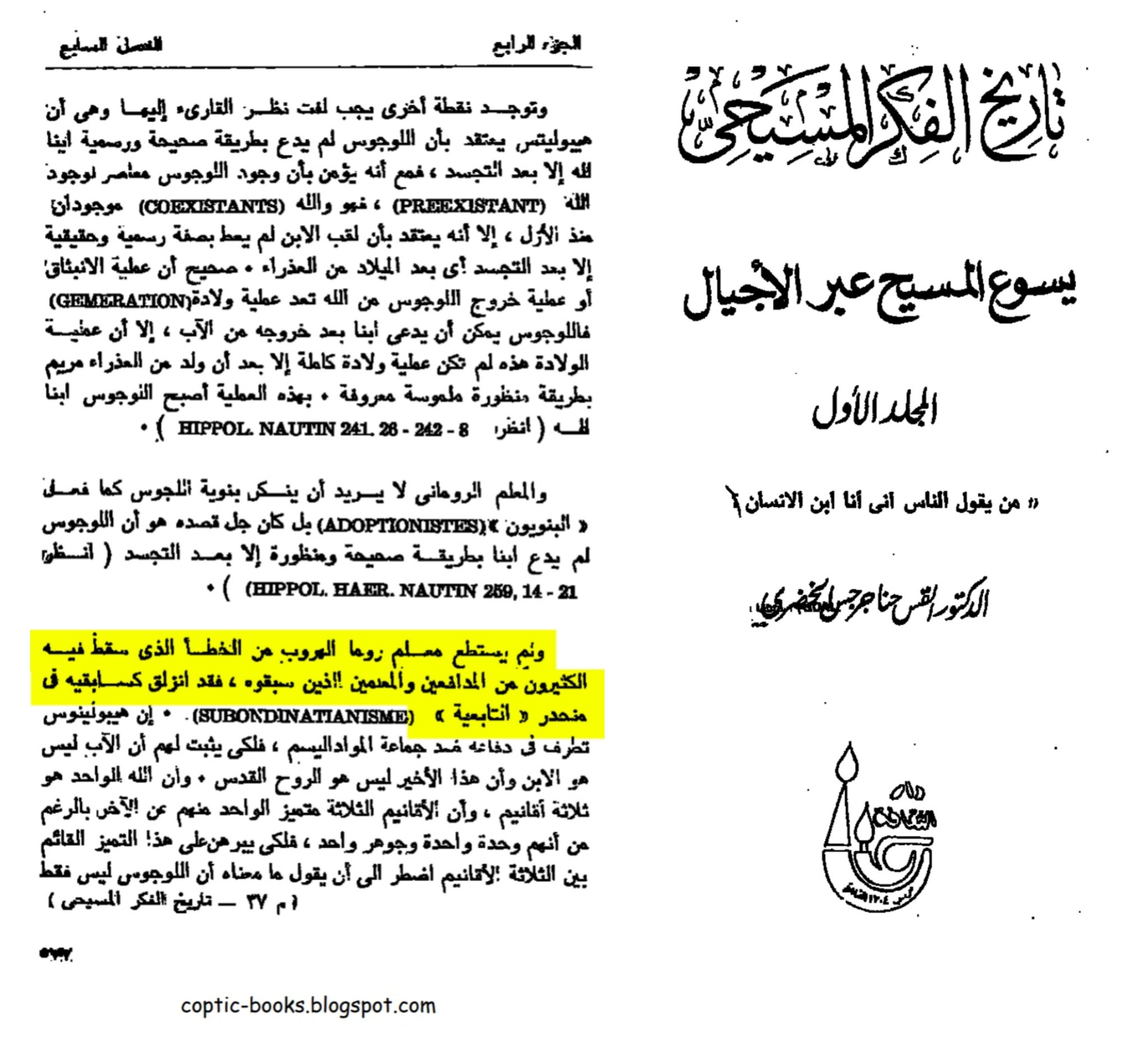
Saint Hippolytus the Roman had the same thought in the book History of Christian Thought (and the teacher of Rome could not escape the error into which many of the defenders and teachers who preceded him had fallen, as he slipped, like his predecessors, down the slope of subordinationism… he was compelled to say that the Logos is not only a distinct person from the Father but also inferior to Him).
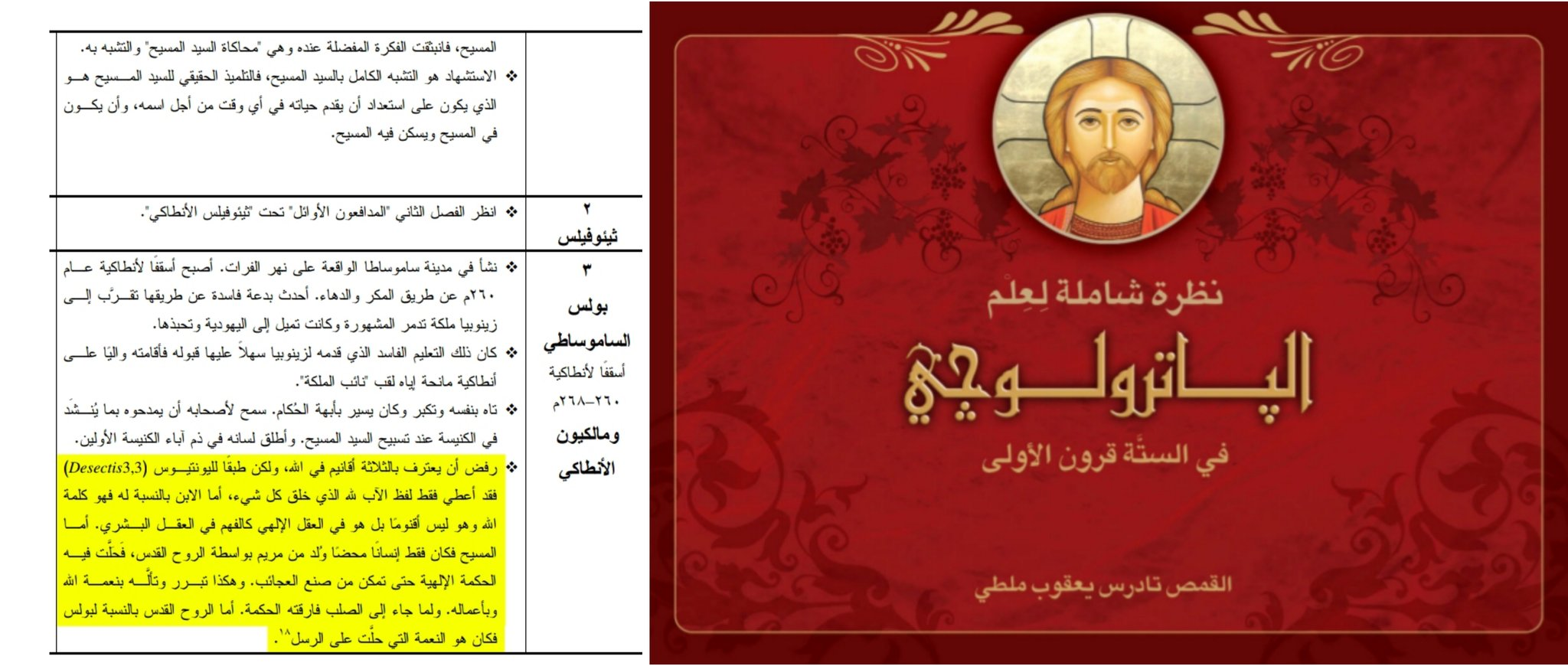
Paul of Samosata, Bishop of Antioch, refused to acknowledge the three hypostases in God. However, according to Leontius, he only attributed the term “Father” to God who created everything. As for the Son, to him, He is the Word of God and not a hypostasis but exists in the divine mind, like understanding in the human mind. As for Christ, He was merely a pure human born of Mary.
It is known among Christian scholars that all the Church Fathers before the Council of Nicaea were saying that the Son is created, that He is not equal to the Father, and that the Father is greater than Him and the Holy Spirit.
The Trinity in Its Current Form Was Not Known to the Early Christians
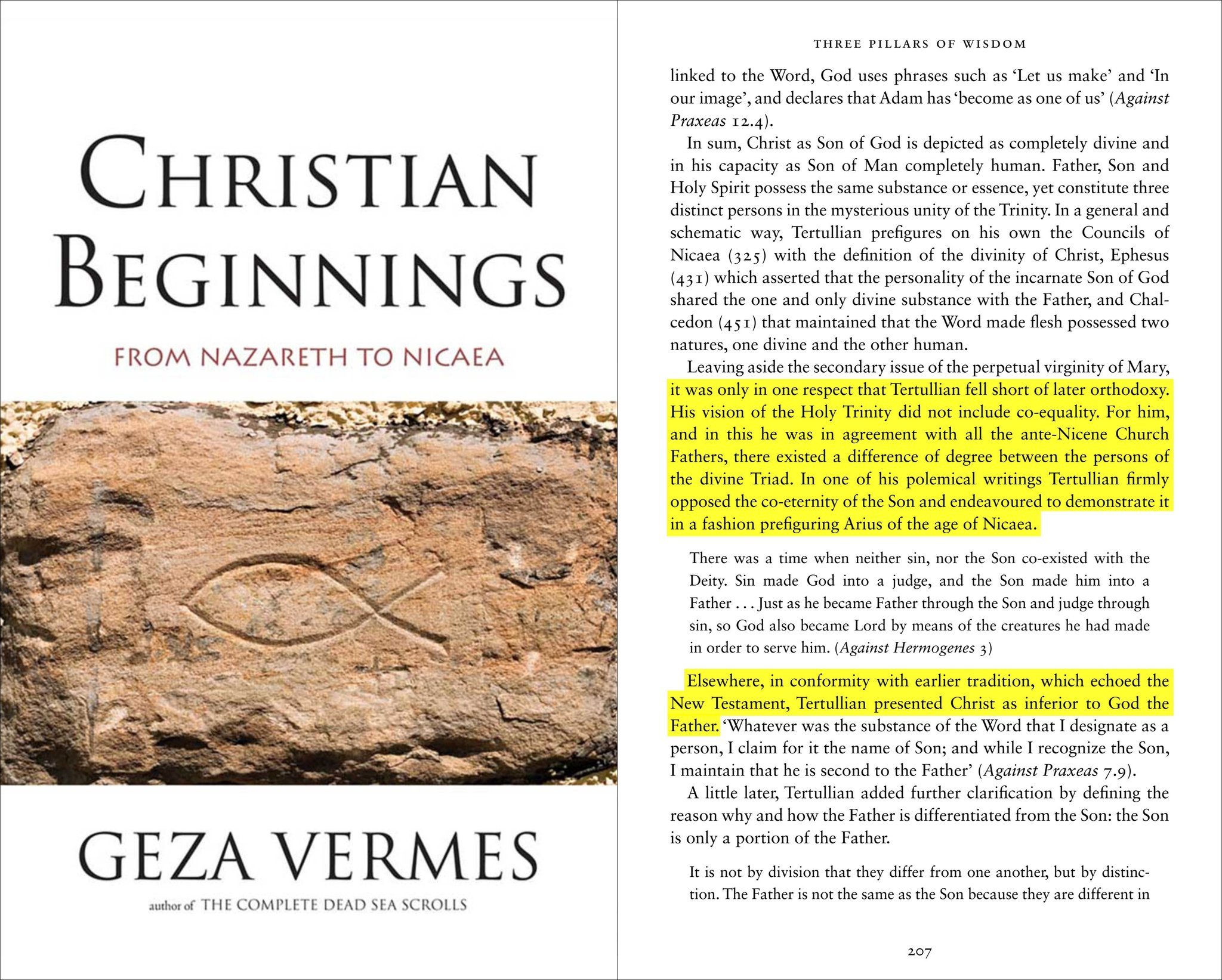
Saint Athanasius the Apostolic believes that the Creator is the Father alone and that the Creator cannot be any other person besides the Father (thus excluding the Son and the Holy Spirit from participating in the attribute of creation).
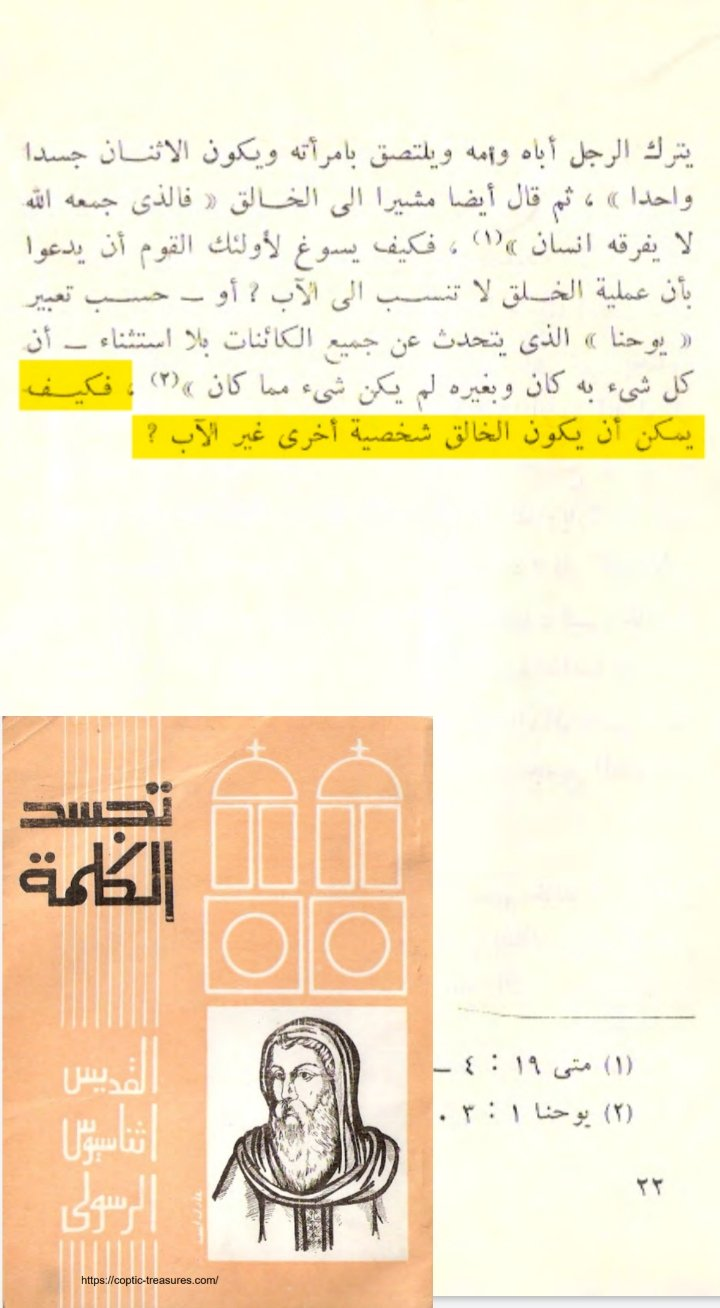
In the fourth Christian century, the bishops who denied the eternity of Christ were more numerous than those who regarded him as a god.
The thirty-fourth bishop of Antioch, Eudoxius, considered him a creature.
As for the bishop of Ankara, Basilios, he viewed Christ as being of a substance similar to God’s substance… but not of the same substance… that is, he too did not see him as a god!
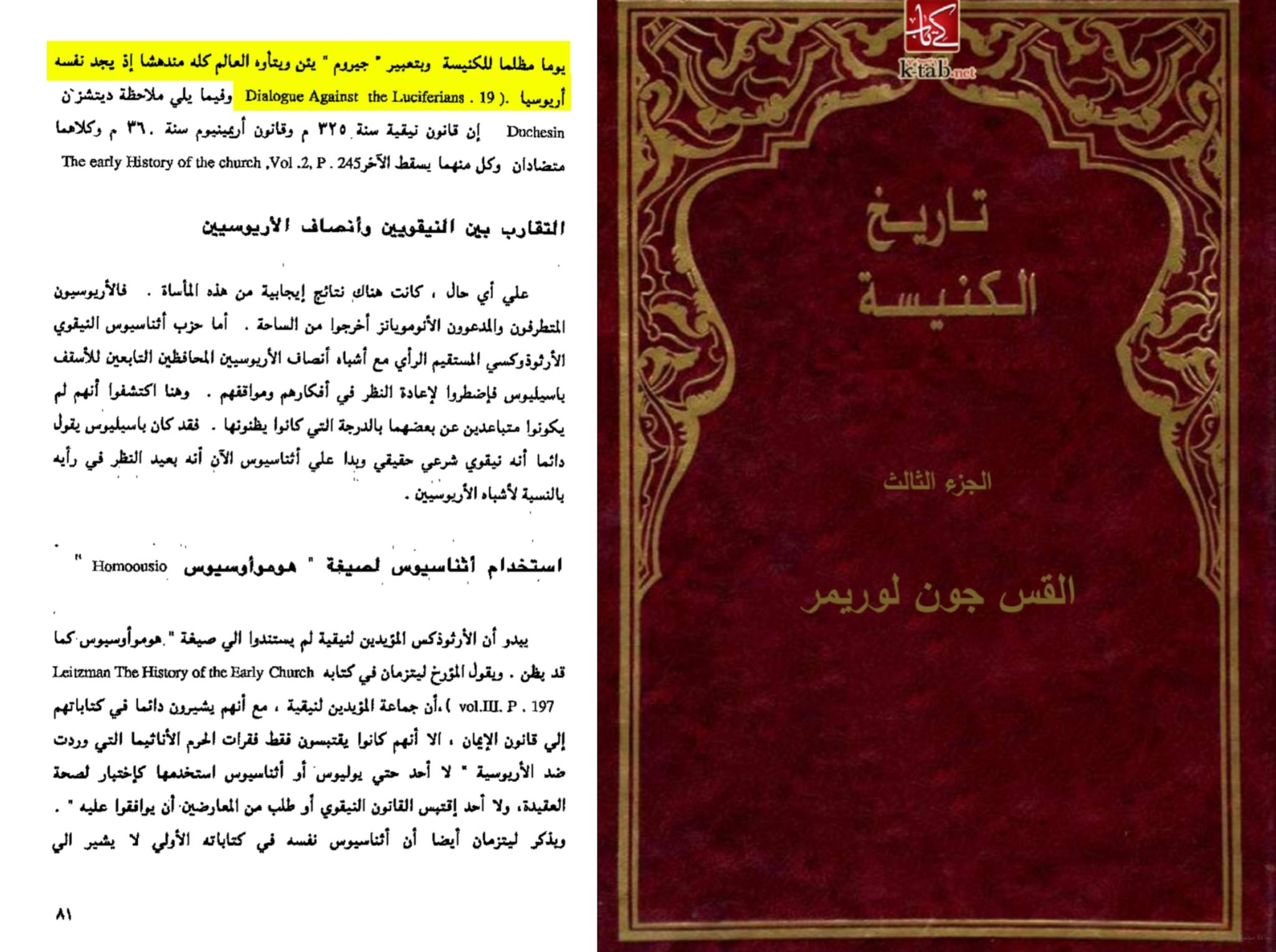
Saint Jerome informs us about the image of Christianity in the fourth century AD (the whole world is Arian). Christianity at that time considered Christ a higher being but not God. It regarded Him merely as a created being, not believing in His divinity nor in the divinity of the Holy Spirit…
And the Council of Ariminum 360, which supported the Arian doctrine, was convened.
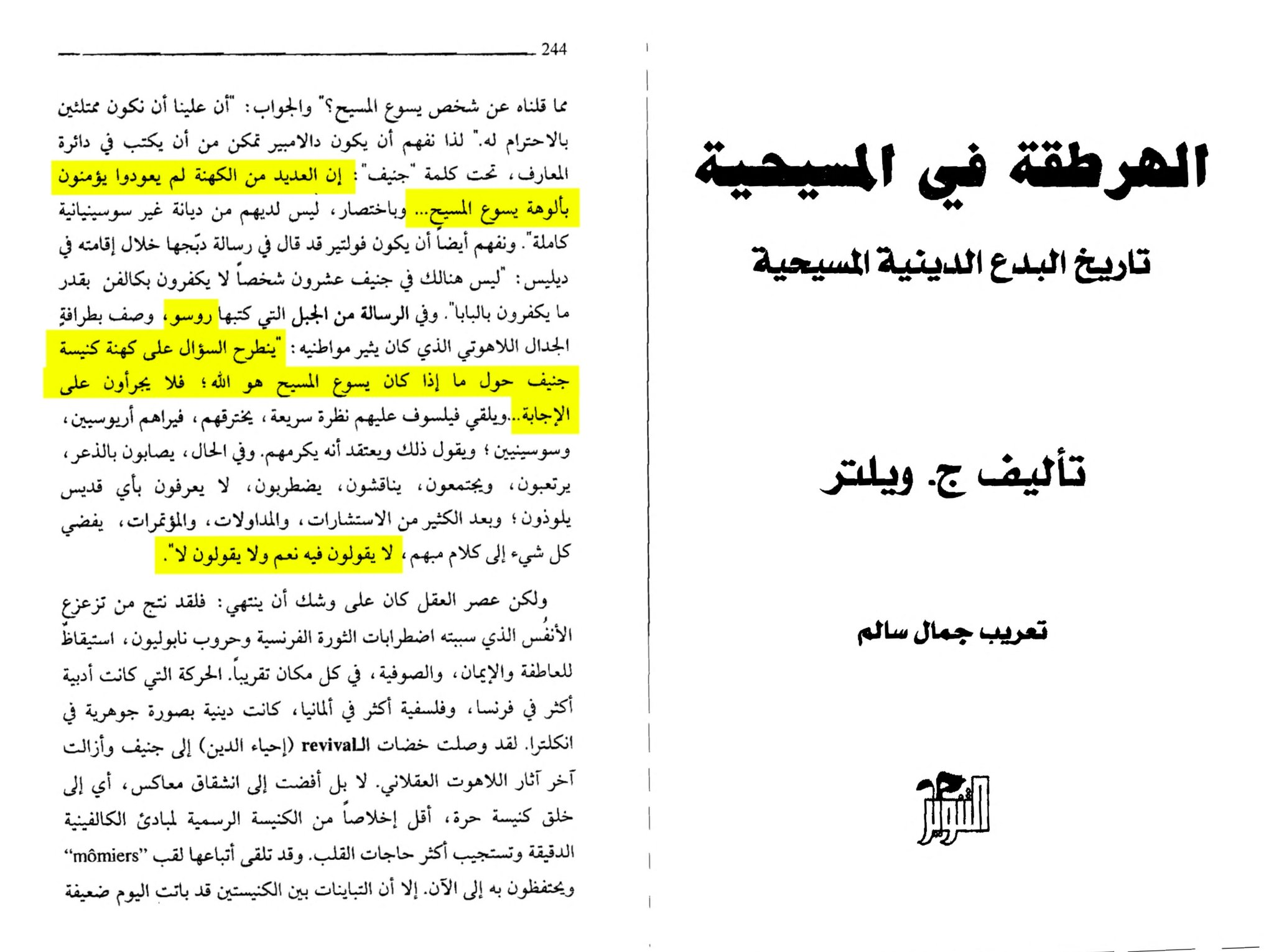
Jean-Jacques Rousseau describes Christian priests when they speak about Christ.
They do not believe in his divinity deep in their hearts, but they also do not dare to declare that inwardly they are Socinians, a Christian sect that emerged in the 16th century, which does not believe in the divinity of Christ, nor in the Trinity, nor in original sin, and among them was Isaac Newton.
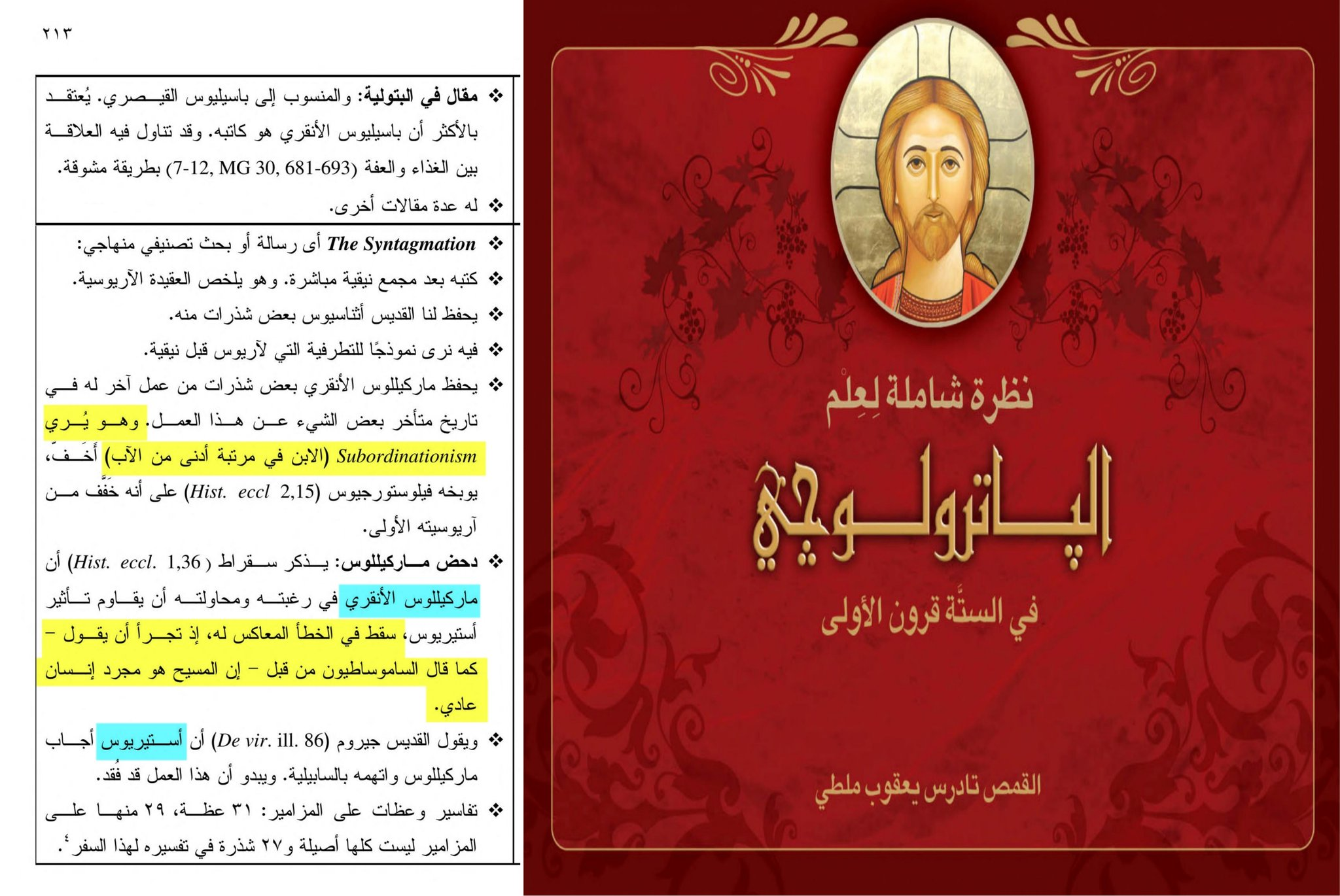
Saint Asterius the Sophist from the fourth century AD was a philosopher, preacher, and interpreter of the Bible.
He also believed that [the Son is in a lower rank than the Father].
And “Marcellus”, the bishop of Antioch, tried to resist Asterius’s influence, but he fell into a greater heresy, as he declared that Christ was merely an ordinary human, as the Samosatens said.
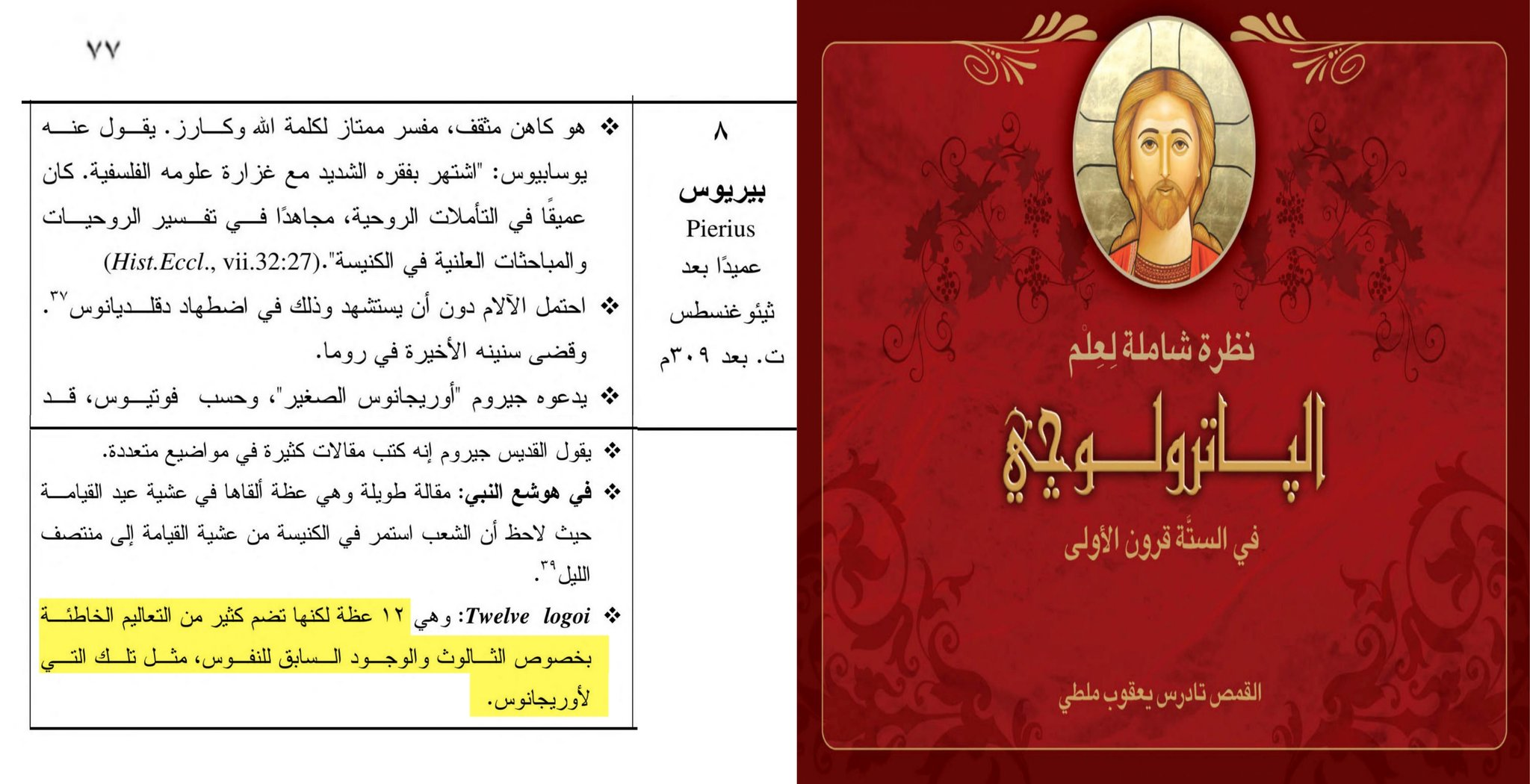
Saint [Pireus], dean of the Alexandria school in the fourth century, was a priest, interpreter, and preacher,
and in his interpretation of the Holy Bible, he agreed with Origen’s doctrine, which states that the Son is created and of a lower rank than the Father.
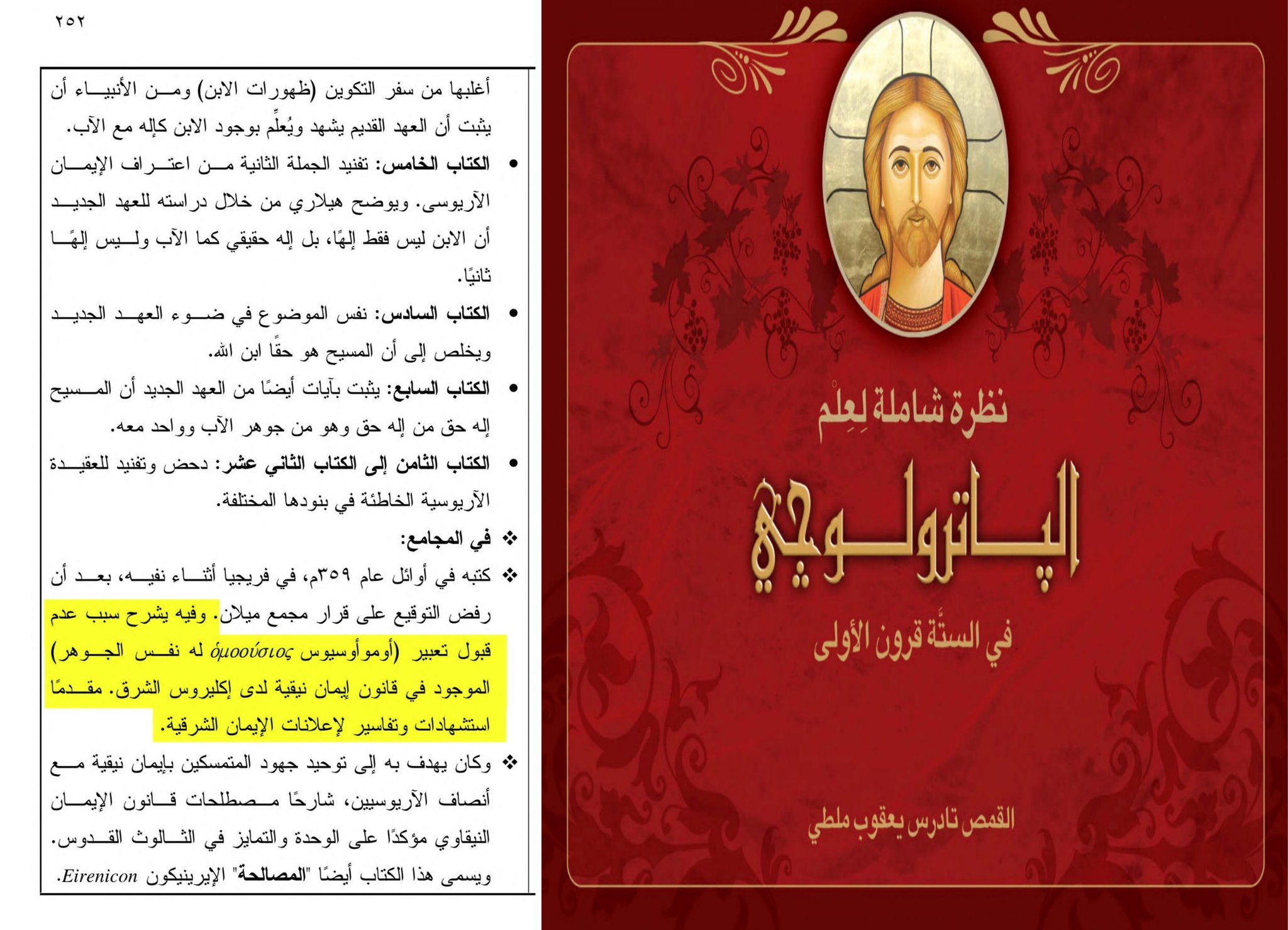
As for the saint Hilary, Bishop of Poitiers, he rejected the doctrine of equality in essence of Saint Athanasius and presented declarations in which he championed the doctrine of the Eastern Fathers, which establishes that the Son is a created God, subordinate to the Father, and not of the Father’s essence.
Many Christians do not know that there are several types of Christianity that emerged based on different versions of Christian doctrine … There is “Ebionite” Christianity, which sees Jesus as only a prophet, and there is “Binitarian” Christianity, which believes in the divinity of the Father and the Son only, and there is Trinitarian Christianity, which believes in the divinity of all three together.
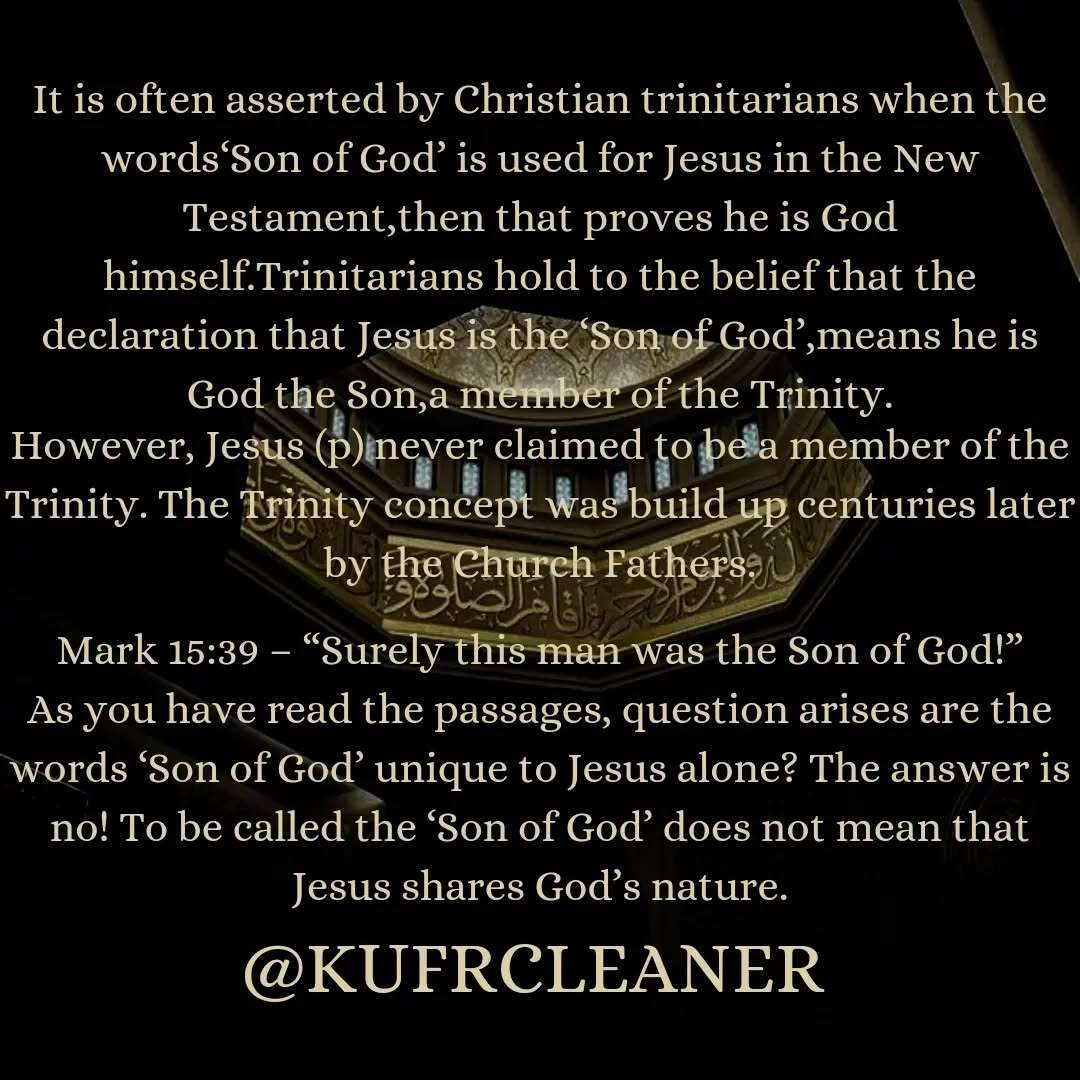
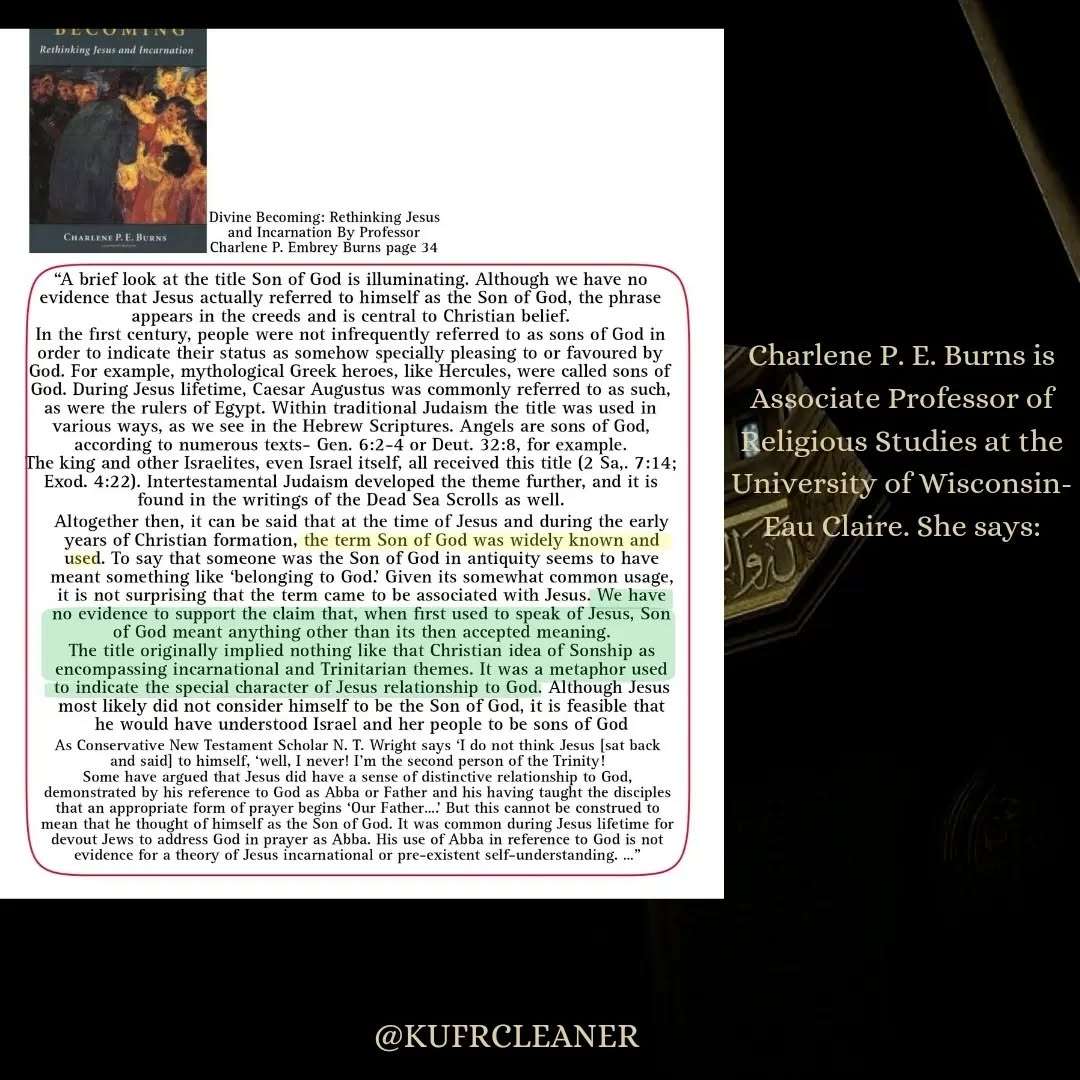
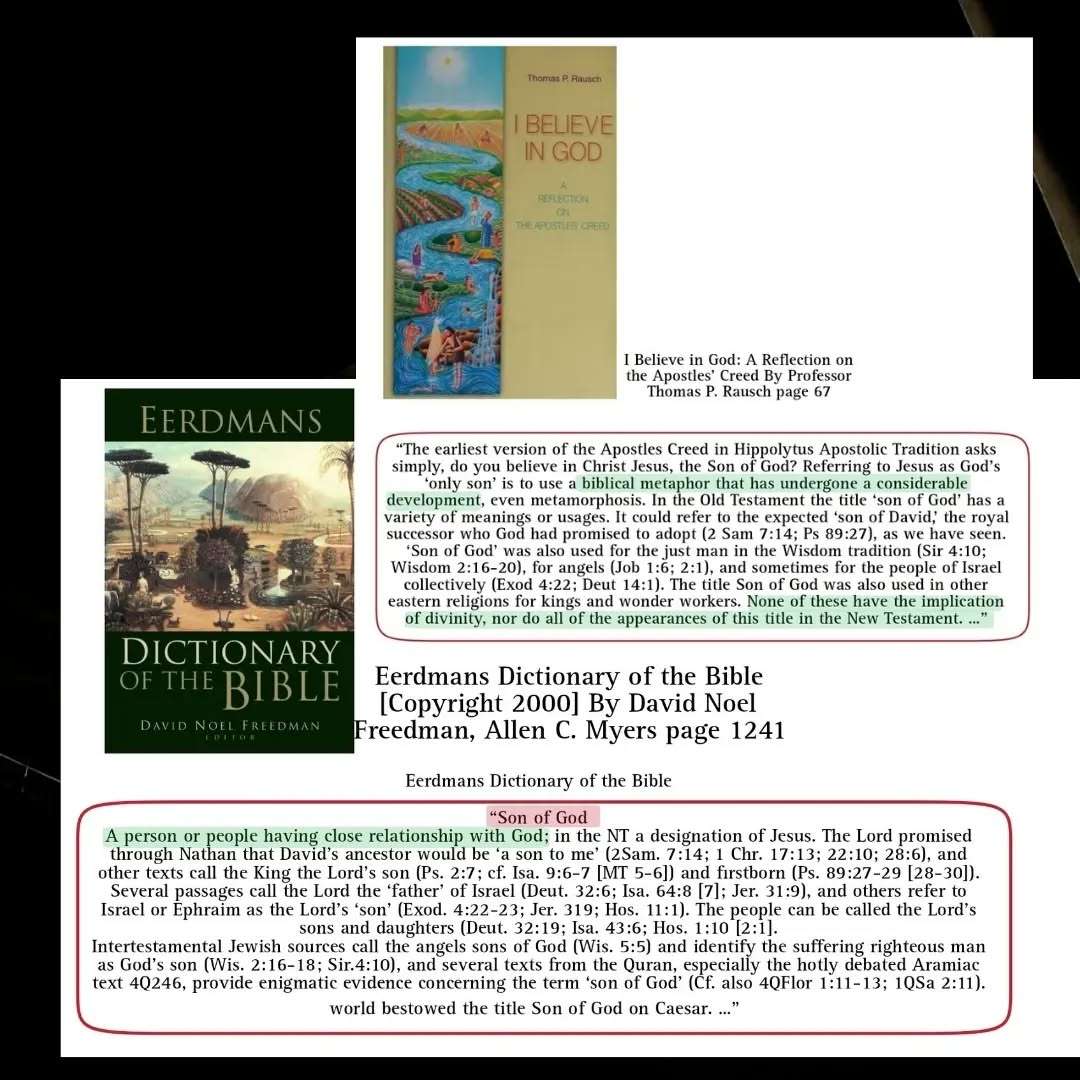
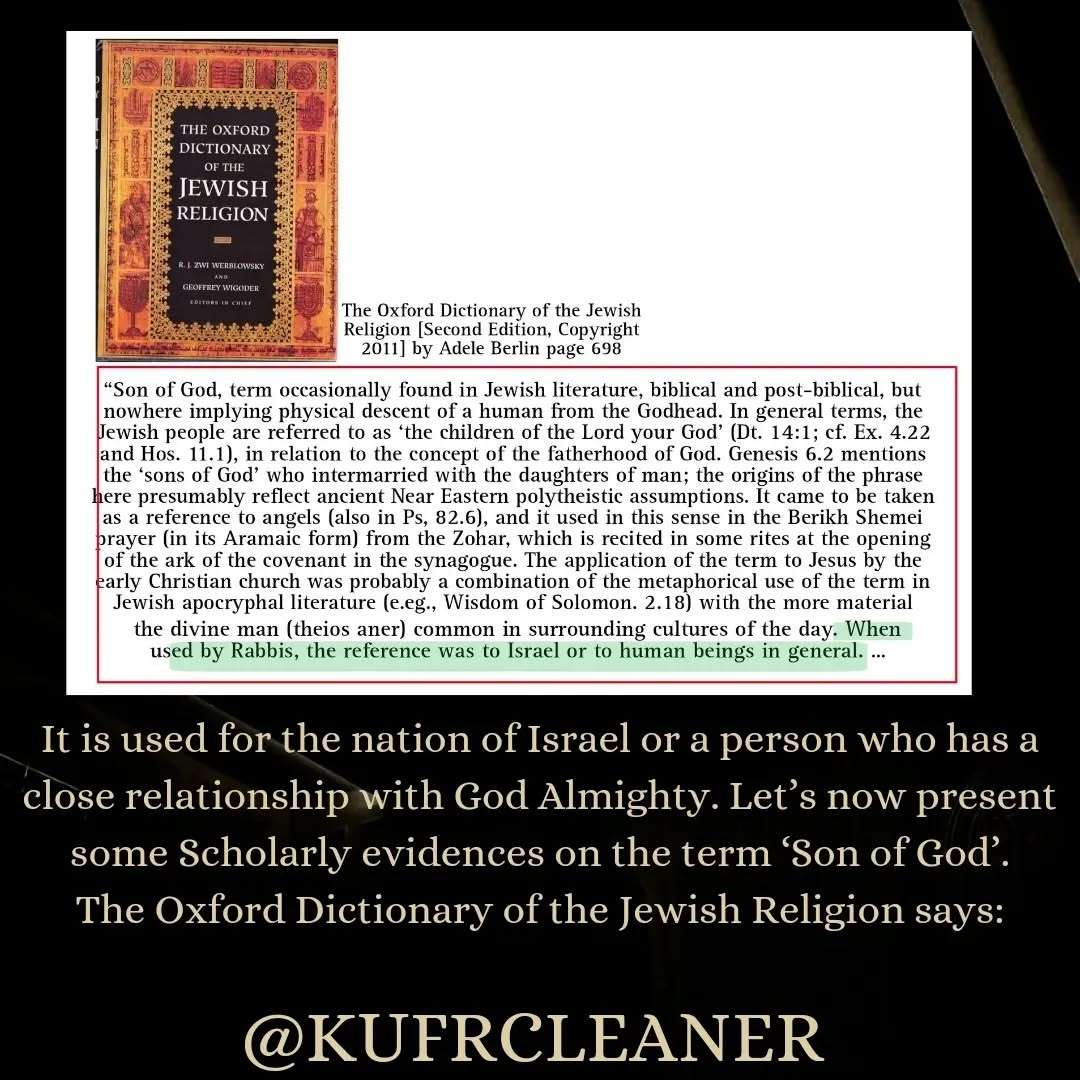
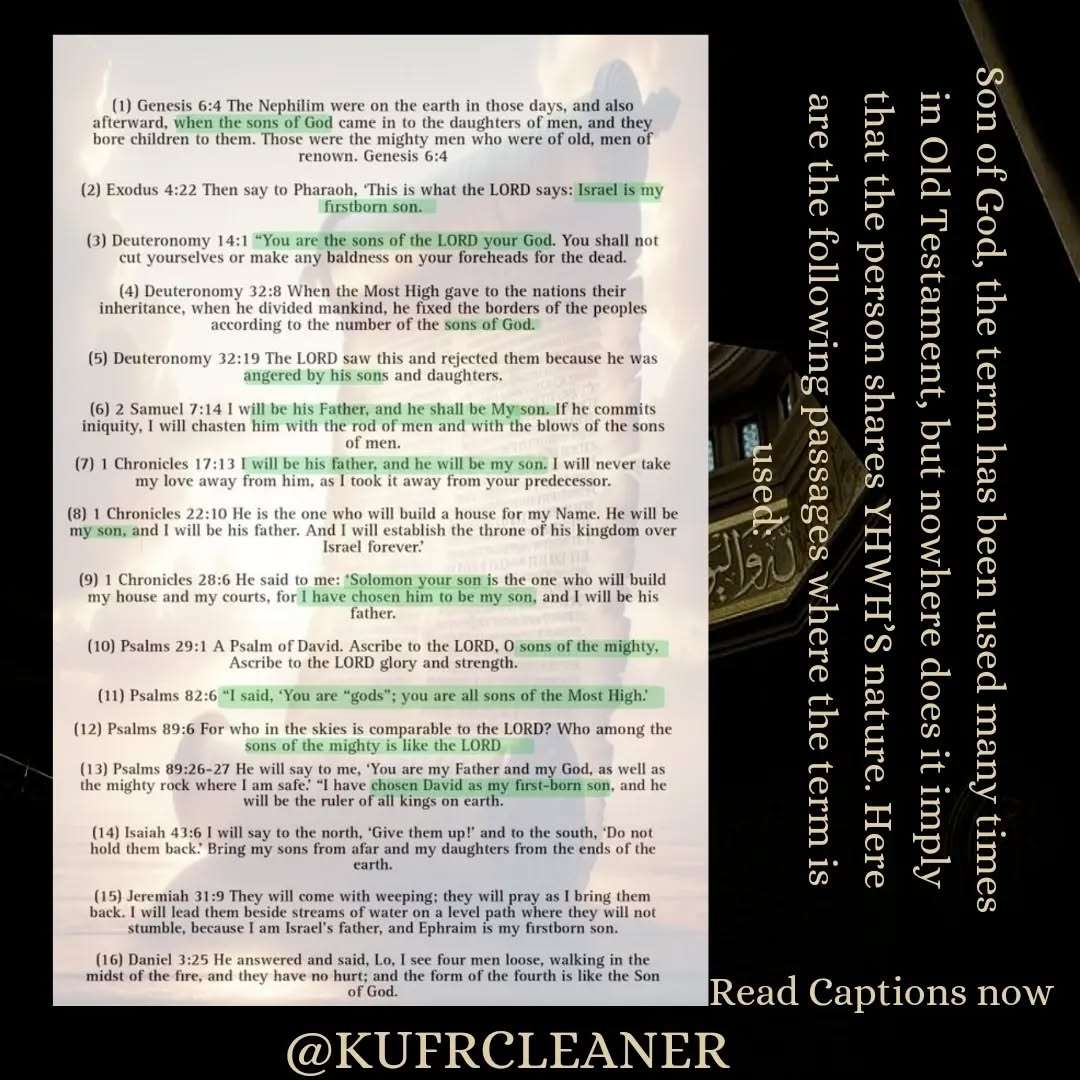
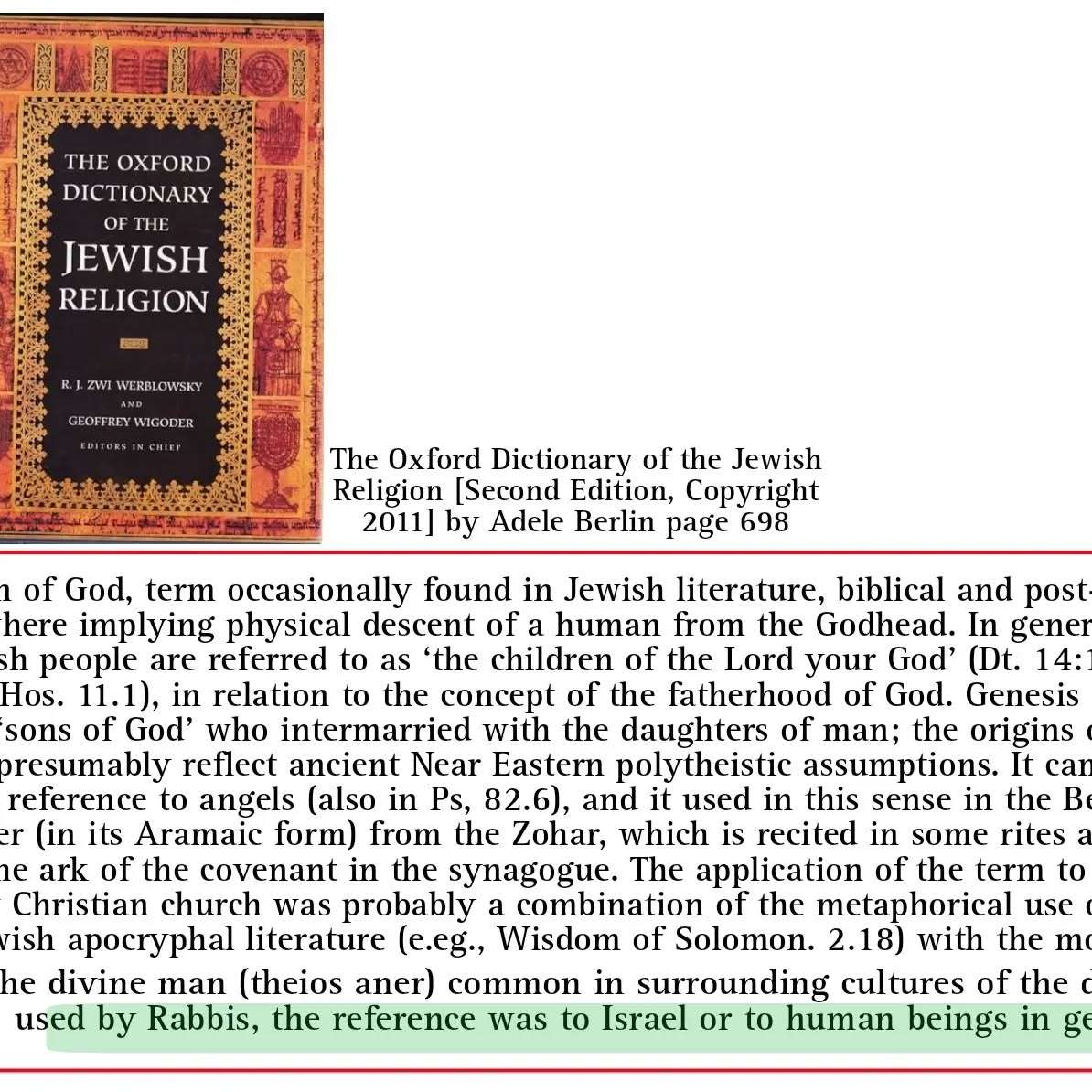
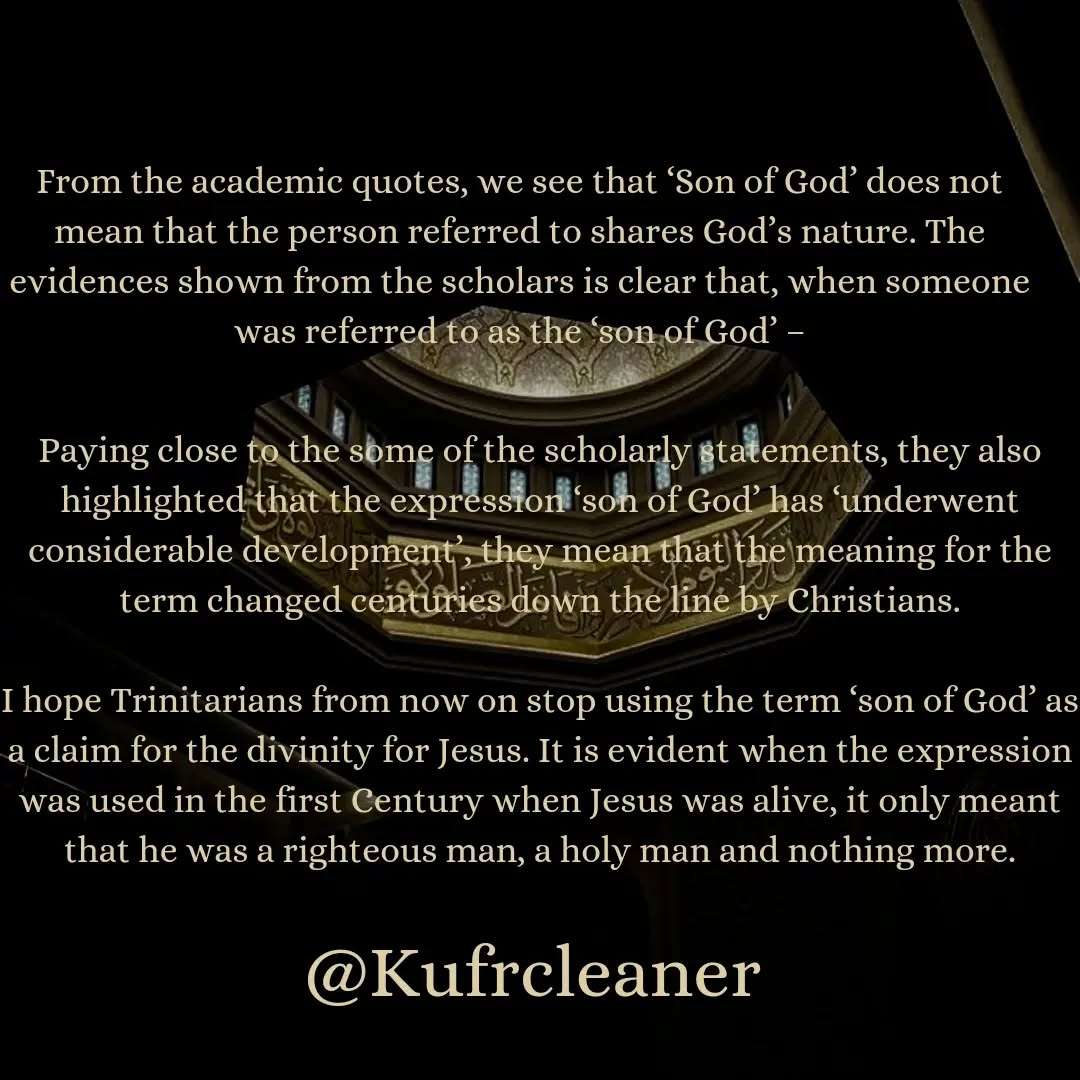
Meaning of Term “Son of God” 👇
Related
Did Early father know the Trinity
https://discord.com/channels/1310948573768319047/1334170373062787074/1342202155515384051
#Yes, Jesus is son of God