The Ghassanids
1 - The Ghassanids are a large and numerous Arab tribe that inhabited the Levant.
The earliest mention of the Ghassanids comes from Agatharchides of Cnidus in the second century BC when he speaks of the Arabs of the western coast of the Arabian Peninsula.
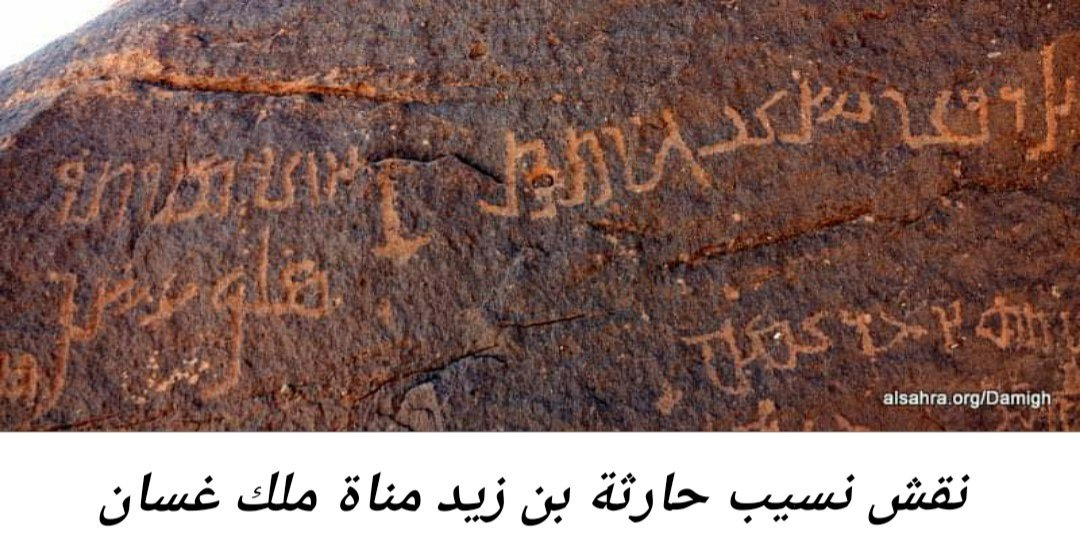
Inscriptions indicate that the Ghassanids were in the Hijaz before their migration to the Levant, such as the inscription of Nasib Haritha ibn Zaid Manat, a king, which likely dates back to the first century BC, and as mentioned by Strabo about the existence of a king named Haritha in the land of the Hijaz.
2 - The Ghassanids were a civilized nation known for knowledge and literature, and lovers of sciences and civilization.
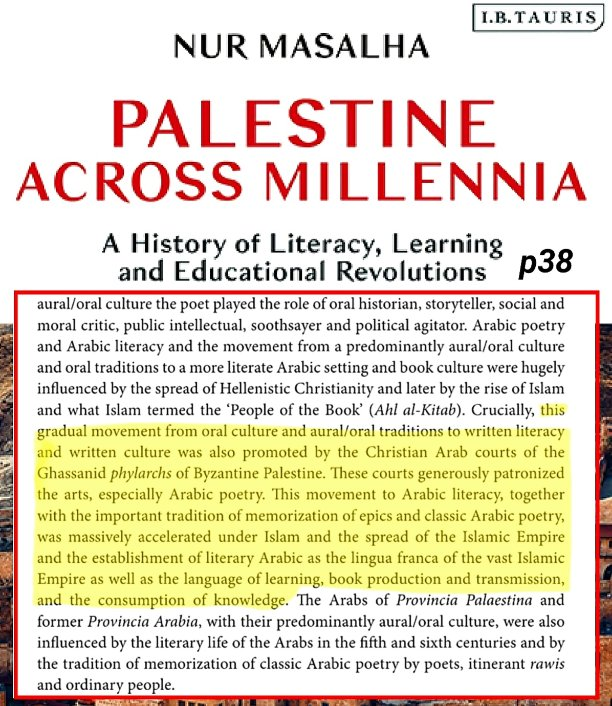
In a clear comparison of literacy eradication between the Arab Ghassanids and the Byzantine Romans,
the Ghassanids appear as an educated dynasty, contributors to literacy eradication, patrons of sciences, arts, and Arabic poetry, promoters of the Arabic language, and supporters of Arab identity among Arabs in general, whether inside or outside the Levant.
[ NUR MASALHA , PALESTINE ACROSS MILLENNIA p38 ]
This shows us the Ghassanids’ interest in nationalism and Arab identity, spreading it among Arabs, and indicates that Syrians are part of the Arab people with a significant influence in promoting nationalism and Arab identity, as well as their focus on literacy eradication.
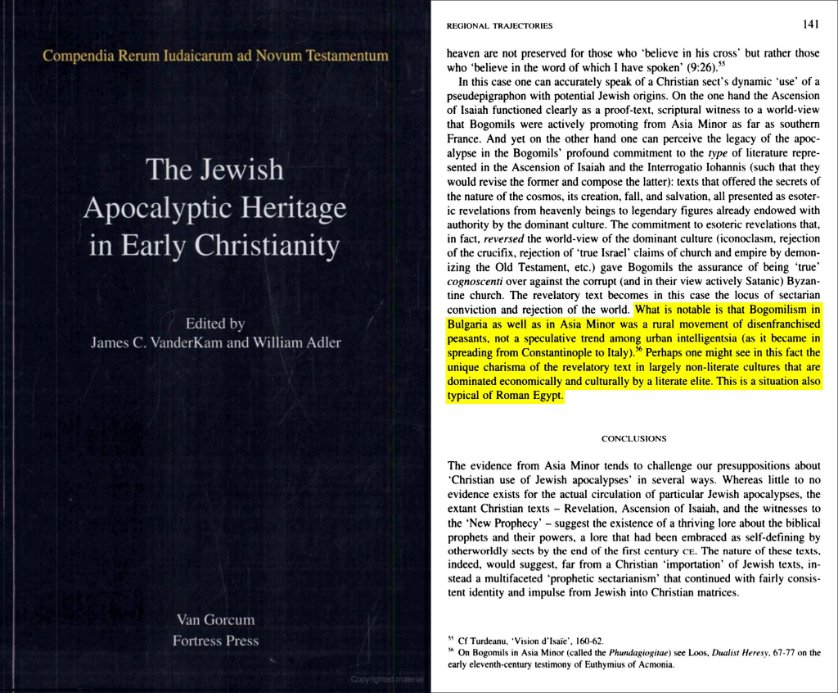
It also shows that while most peoples living under the rule of the Eastern Roman Empire (Greek Byzantine), such as those in Anatolia, Egypt, and some Arabs in the Levant, were generally groups of illiterate peasants working under Roman forced labor,
the Ghassanid subjects from the Arab Levant were mostly educated people.
[ The Jewish Apocalyptic Heritage in Early Christianity Edited by James C. VanderKam p141 ]
This indicates that the Arab and non-Arab peoples who lived under Arab rule in ancient and modern times were far better off than the peoples who lived under Greek, Roman, and other rule.
3 - The Ghassanids’ influence does not end here but extends to becoming pioneers of a cultural renaissance.
The movement of translating works from Greek to Syriac was an Arab movement carried out by Ghassanid Arab Christians.
Beeston mentions that the Arab Ghassanids, along with the Nestorian Arabs, played an important role before the Islamic conquest by translating Greek works into the Syriac language.
[ ARABIC LITERATURE TO THE END OF THE UMAYYAD PERIOD BY A. BEESTON p463 ]
Martin Davy confirms that Christian Arabs were of diverse cultures, belonging to the Jacobite and Nestorian churches. They translated Greek works into Syriac before the Islamic conquest and then into Arabic during the Abbasid era.
[ NEW DICTIONARY OF THEOLOGY ( ed 1 ) p58 ]
This indicates that the Greek-Syriac and then Greek-Arabic translation movements were led by Christians, most of whom were of Arab rather than non-Arab origin.
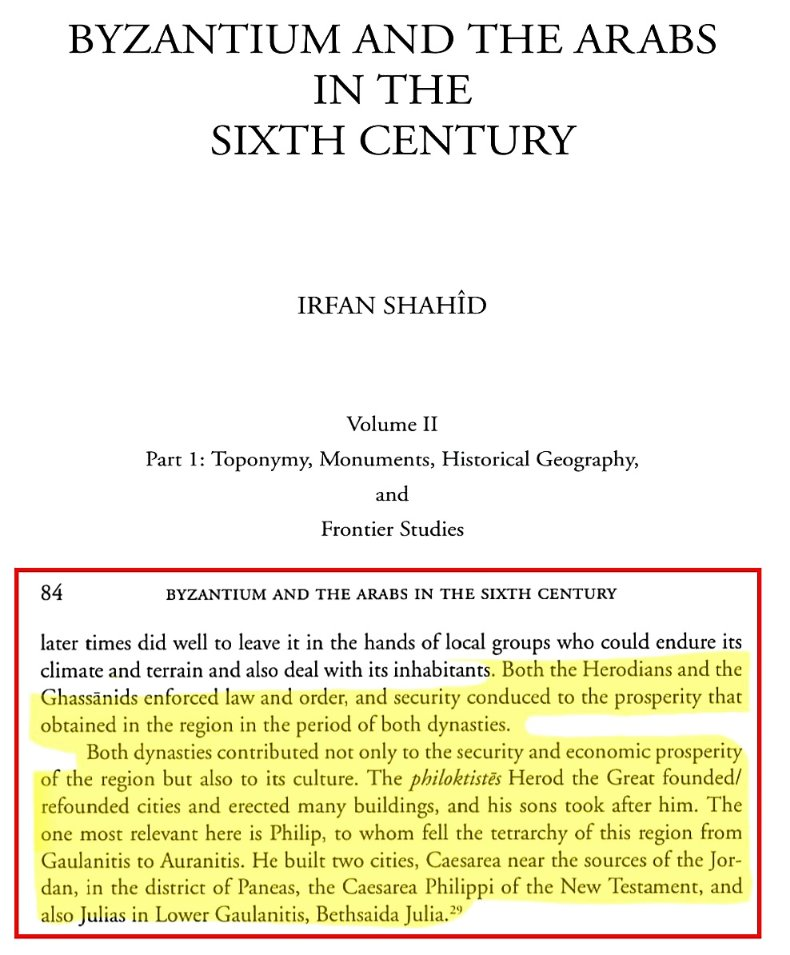
4 - Irfan Shahid mentions that the Ghassanids and the Herodians, Arabs, were contributors to spreading peace, law, and security, where their promotion of peace and security led to the prosperity of the Arab Levant and its culture, and much was built in the cities during their time.
[ BYZANTIUM AND THE ARABS IN THE SIXTH CENTURY VOL 2 | PART 1 IRFAN SHAHÎD p84 ]
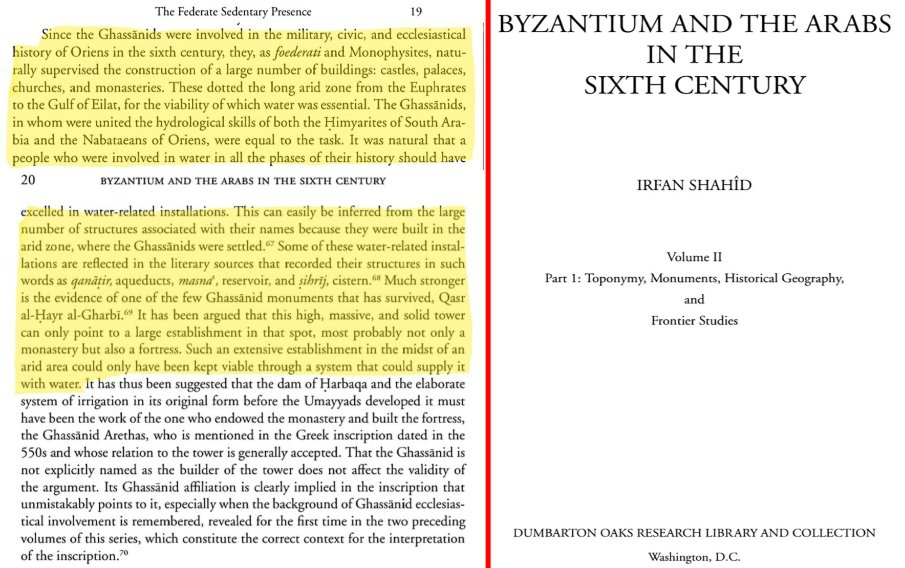
5 - The Ghassanids were masters in irrigation and hydraulic engineering, where they combined the capabilities of the Himyarites and the Nabataean Arabs in irrigation and hydraulic engineering, leading them to become a people skilled in developing Arab irrigation, prospering the Levant during their era, and transforming barren lands into productive ones.
[ BYZANTIUM AND THE ARABS IN THE SIXTH CENTURY VOL 2 | PART 1 IRFAN SHAHÎD p19 - 20 ]
After the Islamic conquest, the Umayyads heavily relied on the Ghassanids and benefited from their expertise.