The Gospels Are Anonymous — Christian and Secular Scholars Confirm Unknown Authorship of Matthew, Mark, Luke, and John
·11 min read·2388 words
How to Navigate This Note The Question of Gospel Authorship — why anonymity matters for the claim of divine inspiration The Gospel of Matthew — Unknown Author — what Christian sources say about Matthew’s authorship The Gospel of John — Unknown Author — the scholarly consensus on the fourth Gospel All Four Gospels Are Anonymous — The Scholarly Consensus — twelve scholars in their own words When Were the Names Added? — the second-century attribution and Irenaeus The Gospels as Propaganda — Cambridge Companion to the Bible — the final scholarly verdict
Christians believe that the Gospels in their hands are inspired books written by God’s holy people led by the Holy Spirit, attributed to Matthew, Mark, Luke, and John — but the overwhelming consensus of specialized scholars, including prominent Catholic and Protestant theologians, is that none of these four men wrote the books that bear their names, that all four Gospels are anonymous documents, and that the names were attached by second-century Christians for reasons of ecclesiastical authority rather than historical knowledge. The anonymity of these texts is not a peripheral question: we cannot place confidence in books whose author we do not know, whether that author was a believer or an enemy, a witness or a fabricator.
The Question of Gospel Authorship
The reliability of a text depends in part on the reliability of its author. If the author of a document is unknown, then whether that document is inspired or fabricated, historically reliable or polemically motivated, eyewitness testimony or second-hand tradition, cannot be established with certainty. The Christian claim that the Gospels are divinely inspired, written by companions of Jesus or those close to them, stands or falls on the question of authorship. If the Gospels are anonymous — and the scholars below confirm that they are — then the claim of inspiration rests on books whose origin we do not know.
The Gospel of Matthew — Unknown Author
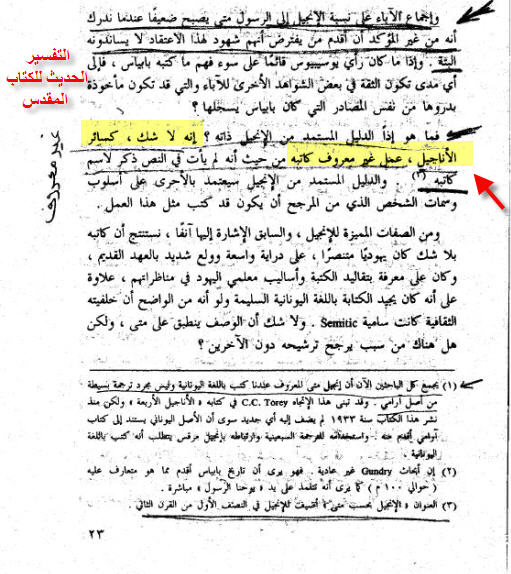
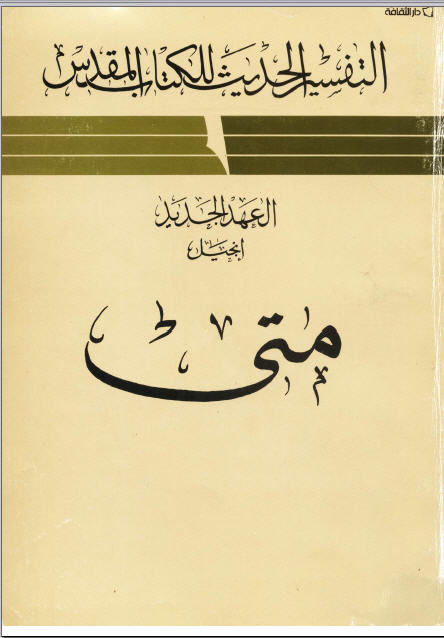
The first images below are drawn from the modern interpretation of the Gospel of Matthew, showing what Christian scholars say about its authorship:
fetch eca9a534bd4167fa
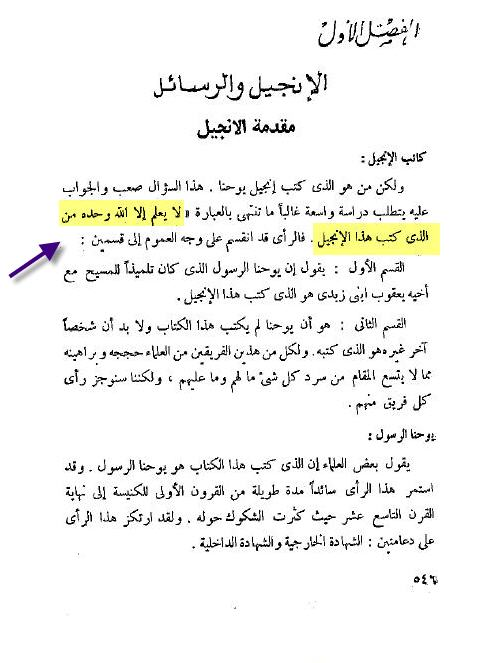
A second page from the same modern commentary continues the discussion of Matthew’s anonymous authorship:
fetch d7658c2826165cd7
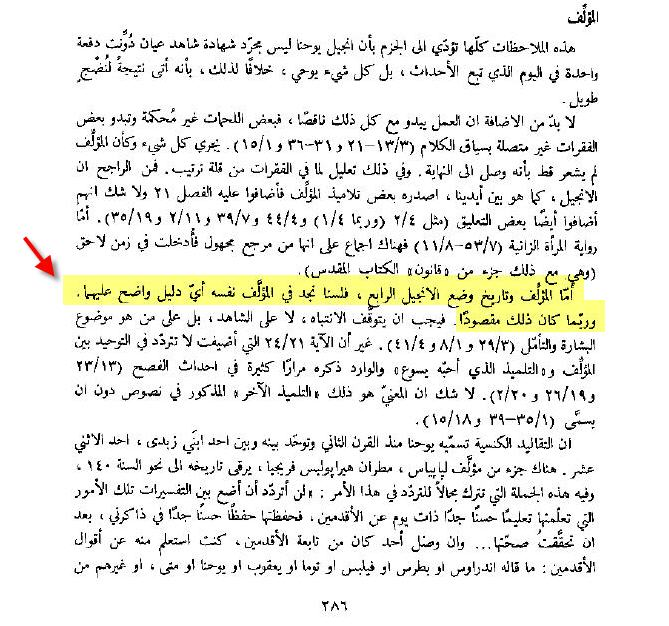
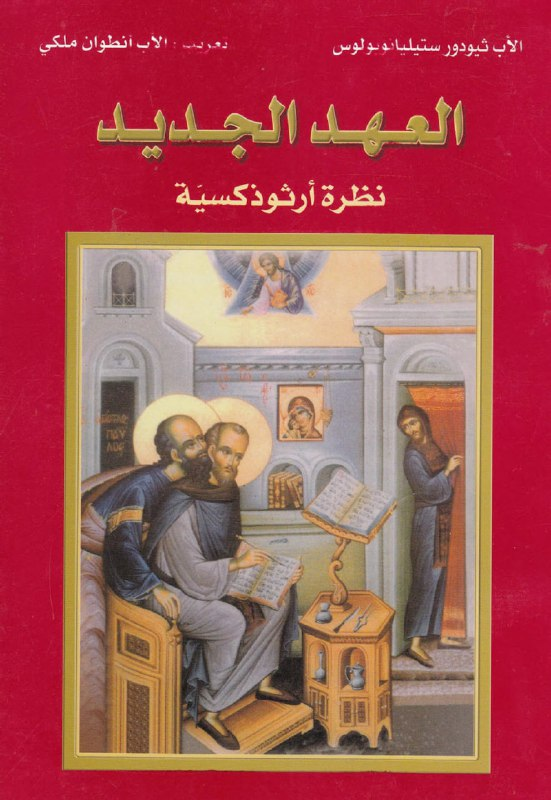
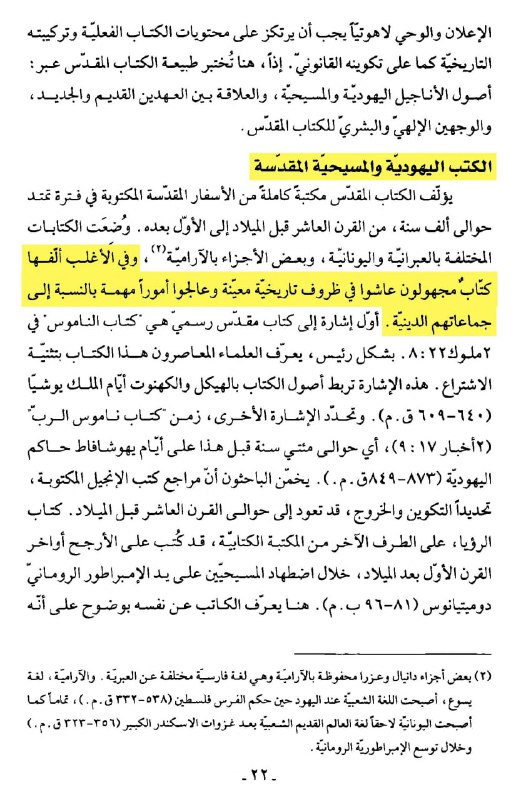
The following image shows the relevant passage from the Introduction to the New Testament by Dr. Priest Fahim Aziz, a Jesuit scholar:
fetch d549233d1fd07b02
The Gospel of John — Unknown Author
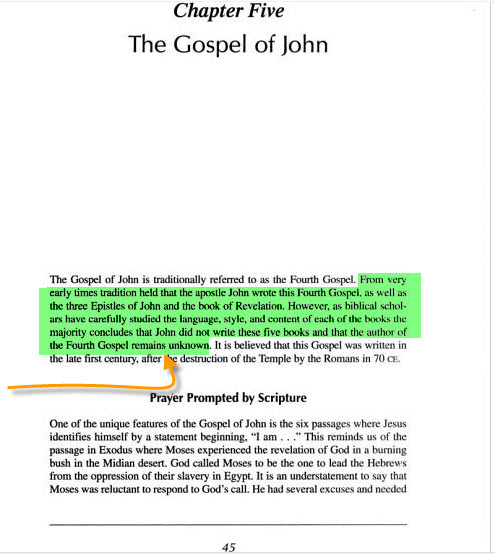
The book The Bible from Scratch: The New Testament for Beginners by Donald L. Griggs addresses the authorship of the five books traditionally attributed to John. Its conclusion is clear:
Donald L. Griggs — The Bible from Scratch: The New Testament for Beginners It was believed that John was the author of the five books — the Book of Revelation, the Epistles 1, 2, and 3 attributed to John, and the Gospel attributed to John. When scholars examined the language of these books and studied them well, they concluded that John was not the author and did not write the five books. The author of the fourth Gospel, attributed to John, remains unknown.
The following image shows the relevant pages from this work:
fetch 461cafe8c50cf985
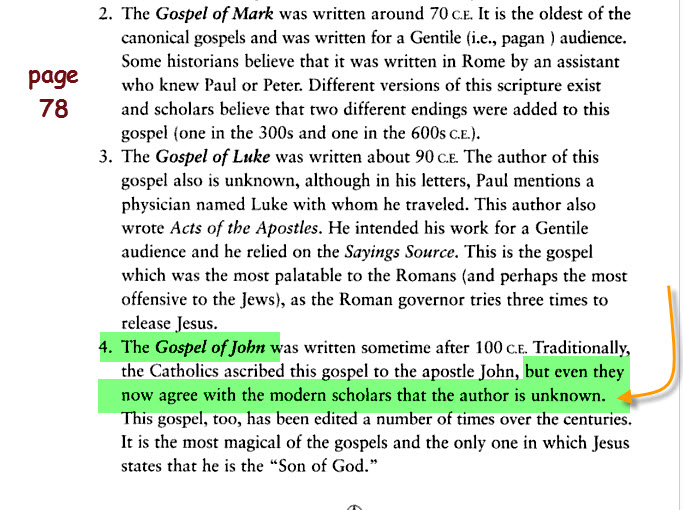
A further image provides additional documentation on the authorship question for the fourth Gospel:
fetch 2a763a633720efaa
A third image continues this documentation:
fetch 380e5e17d627bbe9
The following image is drawn from The Truth: About the Five Primary Religions and The Seven Rules of Any Good Religion by The Oracle Institute, addressing the authorship of the Gospels:
fetch d54ba4792b208f51
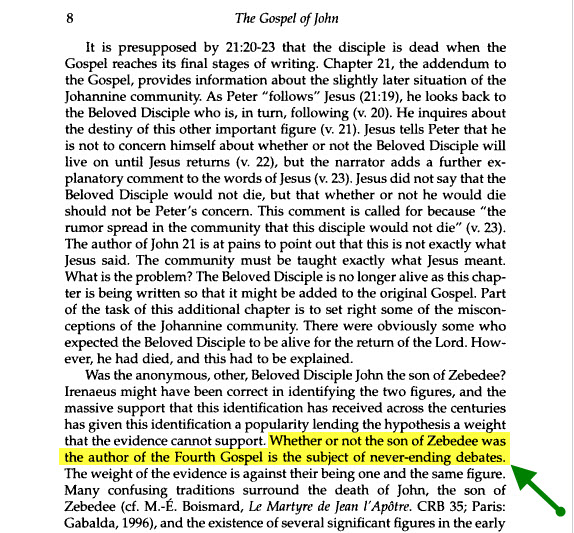
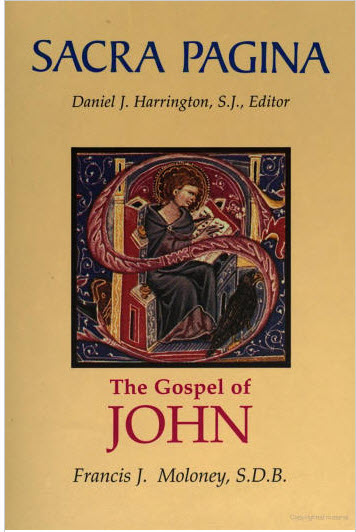
Francis J. Moloney — Sacra Pagina: The Gospel of John Whether or not John, son of Zebedee, wrote the Fourth Gospel is a matter of endless debate — meaning that John cannot be proven to be the author.
All Four Gospels Are Anonymous — The Scholarly Consensus
The admission that all four canonical Gospels are anonymous documents is not the position of hostile critics of Christianity but of the leading Christian and academic scholars of the New Testament. The following admissions are drawn from their own published research.
Raymond E. Brown — The Critical Meaning of the Bible (Mahwah: Paulist Press, 1981), pp. 69-70 It is most likely that neither the Gospel of Matthew nor the Gospel of John was actually written by the apostle whose name it bears — the position of virtually all major Catholic commentators today.
Keith F. Nickle — The Synoptic Gospels (Kentucky: Westminster John Knox Press, 2001), p. 43 We must candidly acknowledge that all three of the Synoptic Gospels are anonymous documents.
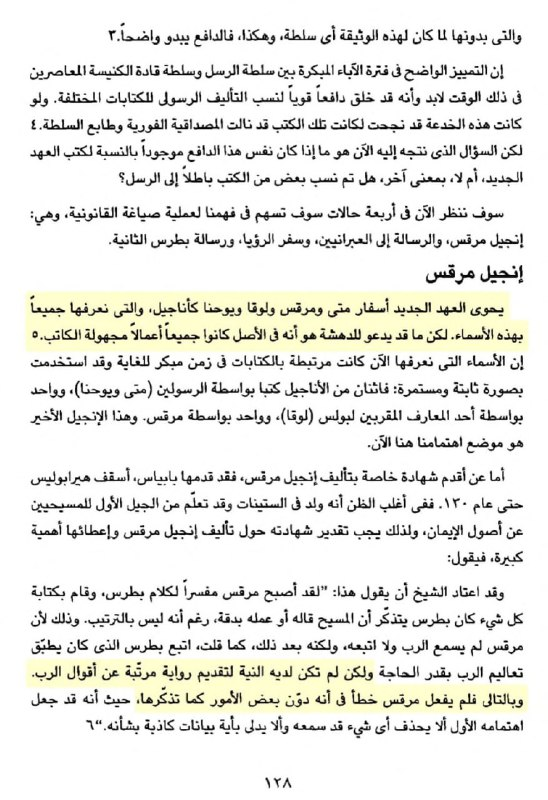
Francis Wright Beare — The Earliest Records of Jesus (Oxford: Blackwell, 1964), p. 13 All the Gospels in the New Testament are anonymous works. Second-century guesses gave the four canonical gospels the names by which we now know them. Anonymous texts — to say it again — but later authority issues among Christians forced them to identify Matthew, Mark, Luke, and John as authors of the Gospels, and, in turn, to associate these names with apostolic authority.
Rick Strelan — Luke the Priest: The Authority of the Author of the Third Gospel (England: Ashgate Publishing Limited, 2007), p. 11 The Gospels are anonymous texts — to say it again — but later authority issues among Christians forced them to identify Matthew, Mark, Luke, and John as authors of the Gospels, and, in turn, to associate these names with apostolic authority.
The following image shows pages from the scholarly sources being cited in this section:
fetch ca12479e50181c3c
Daniel J. Harrington SJ — Invitation to the Gospels (Mahwah, New Jersey: Paulist Press, 2002), p. 328 All four of the Gospels are anonymous, that is, they themselves do not tell us who their authors were. The Fourth Gospel indicates, as we shall see, that “the disciple Jesus loved,” who figures prominently in the second half, was responsible for this Gospel, but even he is anonymous. In the second century, the names of Matthew, Mark, Luke, and John were attached to the Gospels, and near the end of the century John was identified as the Apostle John. It is unlikely that the Fourth Gospel as we have it was written by an apostle, but it may embody a tradition in interpreting Jesus that originated with an apostle, and of course we can neither prove nor disprove that it was John.
(Note: Daniel J. Harrington was a late Jesuit priest, professor of New Testament, and chairman of the department of biblical studies at Boston Theological Seminary.)
Bart D. Ehrman — Lost Christianities (New York: Oxford University Press, 2005), p. 3 The Gospels that came to be included in the New Testament were all written anonymously; only later were they called by the names of their famous authors, Matthew, Mark, Luke, and John. Only at a later time were they called by the names of their reputed authors, Matthew, Mark, Luke, and John.
John F. O’Grady — The Four Gospels and the Jesus Tradition (New Jersey: Paulist Press, 1989), p. 67 The Gospel itself never states anything about its author, its origin, or the time of composition. Who wrote Mark? First, recall that nowhere does the author identify himself. The same is true for all the Gospels. Matthew does not identify himself, nor does Luke, and in the Gospel of John the author seems to identify himself with the beloved disciple, but this cannot be equated with the Apostle John (Jn. 21:24).
(Note: Rev. Professor John F. O’Grady is a Professor of Theology.)
Edwin D. Freed — The New Testament, A Critical Introduction (Wadsworth, 2001), p. 123 Most New Testament scholars agree that the Gospels are anonymous and that the current titles were probably not added until sometime in the second century. Since the title form is the same for each Gospel, it is likely that each title was not given until after the Gospels were compiled as a set of four. Then the name of a famous person was inserted into the superscription of each Gospel. But the written reading “the Gospel according to” is not “the Gospel by” Matthew, Mark, or Luke, so the Gospels as we have them now are anonymous.
(Note: Edwin D. Freed is Professor Emeritus of Religion and Biblical Studies at Gettysburg College.)
A further image documents these scholarly admissions:
fetch aa2b842d74e75dc2
Raymond E. Brown — Response to 101 Questions on the Bible (Mahwah, New Jersey: Paulist Press, 1990), pp. 59-60 The view that the evangelists were not themselves eyewitnesses of the public ministry of Jesus would be held in about 95% of contemporary critical scholarship.
When Were the Names Added?
R. T. France — The Evidence for Jesus (London: Hodder and Stoughton, 1986), p. 122 The headings “According to Matthew,” “According to Mark” etc., are not part of the text of the Gospels. They are generally believed to have been added early in the second century.
Some scholars place the attribution at the end of the second century rather than the beginning. The first scholar known to have attributed these anonymous gospels to Matthew, Luke, Mark, and John by name was Irenaeus, bishop of Lyons, writing around 180 AD.
G. A. Wells — Who Was Jesus? A Critique of the New Testament Record (Illinois, La Salle: Open Court, 1989), p. 1 And so we find Irenaeus — bishop of Lyons about AD 180 — naming all four as they are now named, and as the first to do so.
Raymond E. Brown — The Critical Meaning of the Bible (Mahwah: Paulist Press, 1981), p. 60 Let me add that the designations you find in your New Testament, such as “The Gospel According to Matthew” — note that the oldest designation is “according to” and not “of” — are the result of late-second-century scholarship attempting to identify the authors of works that had no identification.
The distinction is significant: the ancient designation was “the Gospel according to Matthew,” not “the Gospel of Matthew.” This phrasing, as Raymond Brown notes, is itself an acknowledgment that the books were not claimed to be direct compositions by these men, but rather traditions attributed to them by later Christian scholars seeking to anchor anonymous documents in apostolic authority.
The Gospels as Propaganda — Cambridge Companion to the Bible
The final word belongs to one of the most prestigious academic references on Biblical studies:
The Cambridge Companion to the Bible — Howard Clark Kee, Eric M. Meyers, John Rogerson, Anthony J. Saldarini (Cambridge: Cambridge University Press, 1997), p. 447 The primary sources for our knowledge of Jesus are the Gospels, and they are not objective reports but rather propaganda from the source.
(Contributors: Howard Clark Kee, Professor of New Testament at Drew University; Eric M. Meyers, biblical scholar and archaeologist; John Rogerson, Professor of Biblical Studies; Anthony J. Saldarini, Professor of Judaism and Early Christianity at Boston College.)
Conclusion — The Gospels Are Anonymous and Their Authors Are Unknown The unanimous testimony of the specialists — Catholic theologians, Protestant scholars, Jesuit priests, professors of New Testament at major universities, and secular biblical researchers — is that all four canonical Gospels are anonymous documents. None of the four Gospels identifies its own author anywhere in its text. The names Matthew, Mark, Luke, and John were not attached to these documents until the second century AD, approximately a hundred years after the events they describe, and the first figure known to have named all four was Irenaeus of Lyons around 180 AD. The designation used — “according to” rather than “by” — is itself a concession that these were not first-person compositions. The books attributed to Matthew and John were not written by the apostle whose name they bear, according to virtually all major Catholic commentators and 95% of contemporary critical scholarship. The Gospels, as the Cambridge Companion to the Bible states plainly, are not objective reports but propaganda composed for specific purposes. Anonymous authorship does not merely weaken the claim of divine inspiration — it severs the chain of transmission that any claim to revelation requires.
MORE CONFESSIONS BY CHRISTAN SCHOLARS REGARDING THE AUTHORS OF GOSPELS
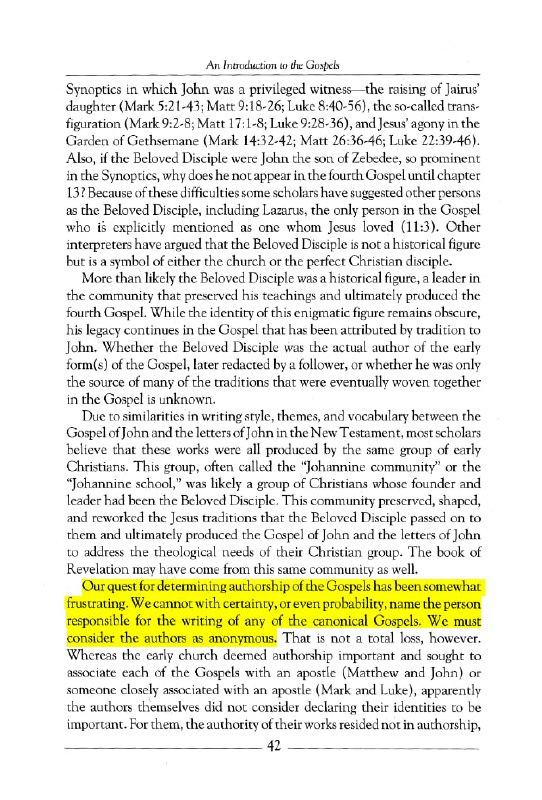
The quest to identify the author of the Gospels has been rather frustrating. We cannot with certainty, or even probability, name the person responsible for writing any of the Gospels. We must consider the authors unknown.
the gospels are anonymous christian and secular scholars confirm unknown authorship of matthew mark luke and johnthe gospels are anonymous christian and secular scholars confirm unknown authorship of matthew mark luke and john 1
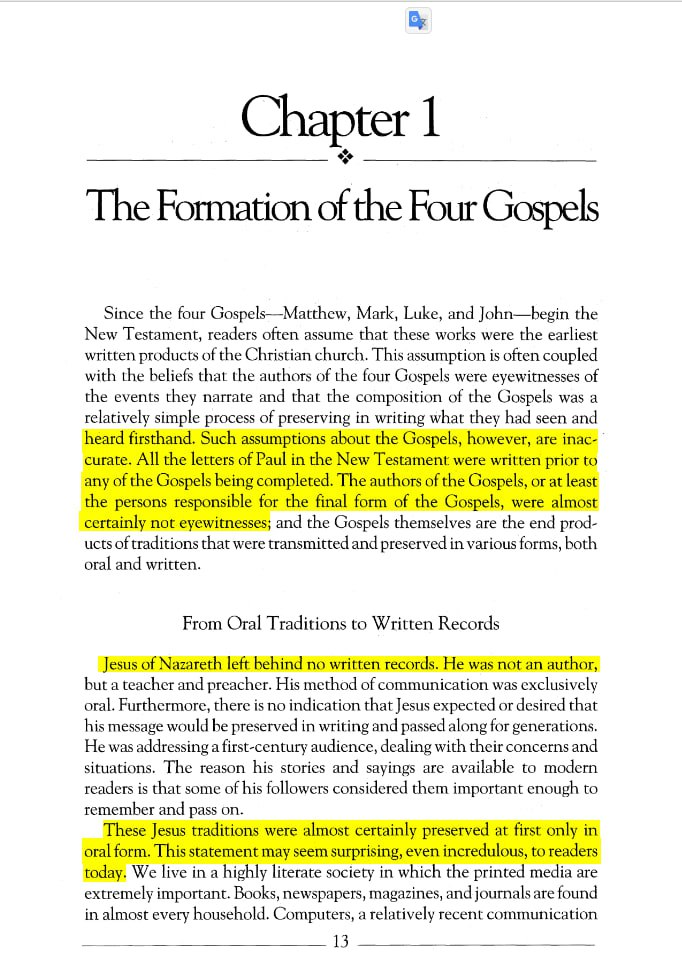
The Gospel writers were not eyewitnesses. Such assumptions about the Bible (that the Gospel writers were eyewitnesses) are incorrect. It is almost certain that they were not eyewitnesses.
the gospels are anonymous christian and secular scholars confirm unknown authorship of matthew mark luke and john 2the gospels are anonymous christian and secular scholars confirm unknown authorship of matthew mark luke and john 3
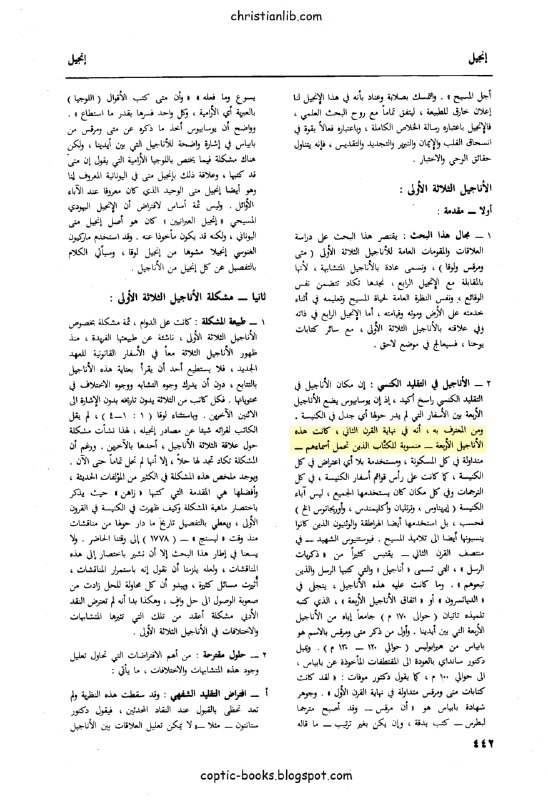
It is generally accepted that at the end of the second century these four Gospels were attributed to the authors whose names they bear.
the gospels are anonymous christian and secular scholars confirm unknown authorship of matthew mark luke and john 4the gospels are anonymous christian and secular scholars confirm unknown authorship of matthew mark luke and john 5
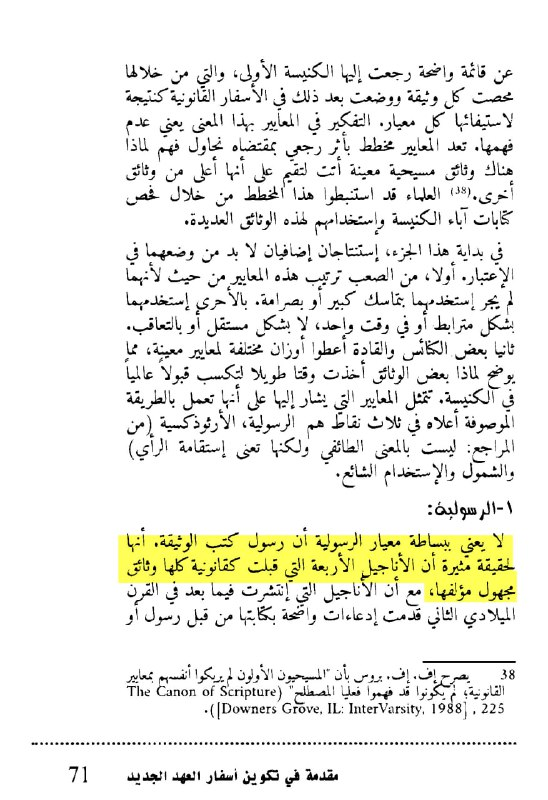
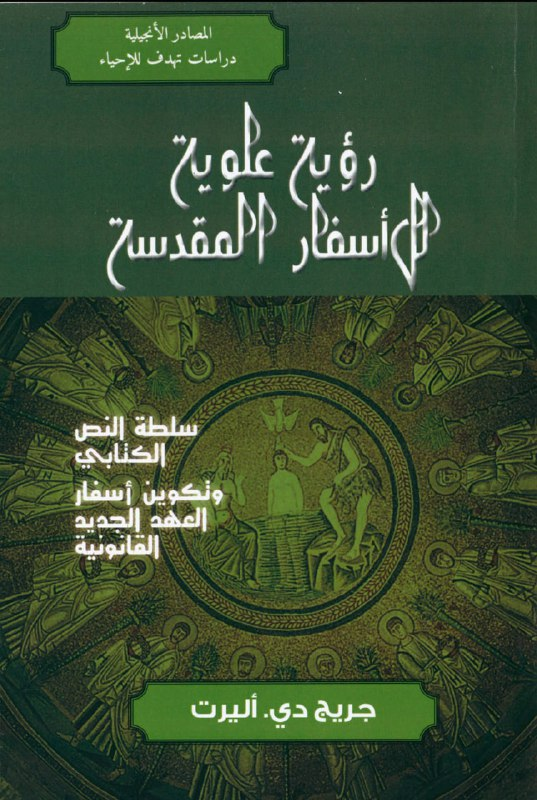
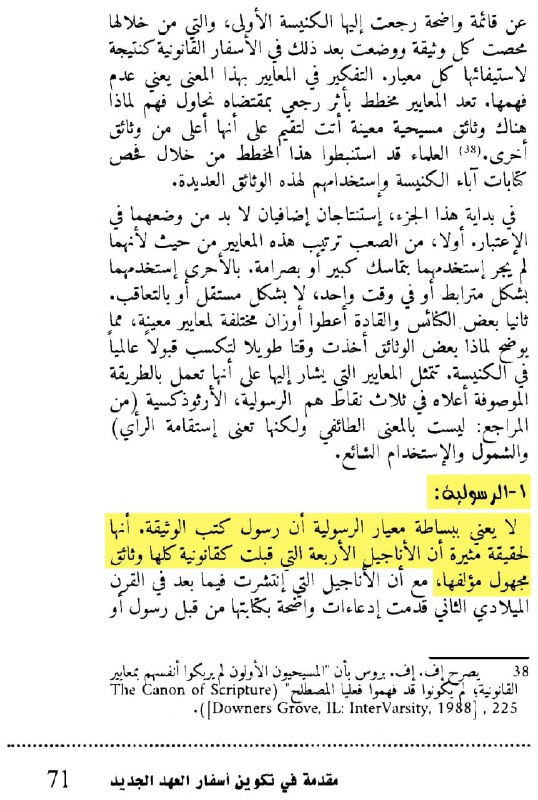
Greg D. Allert states: “It is a fascinating fact that the four Gospels accepted as canonical are all anonymous documents .” Source: Greg D. Allert, A Higher View of Scripture: The Authority of the Biblical Text and the Formation of the New Testament Canon, Dar Al Kalima Library for Publishing and Distribution, translated by Samuel Khairy Hanna, p. 71
the gospels are anonymous christian and secular scholars confirm unknown authorship of matthew mark luke and john 6
Greg D. Allert states: “In fact, there is no evidence that the second-century Church Fathers ever conceived of a closed canonical book for the New Testament.” Source: Greg D. Allert, A Higher View of Scripture: The Authority of the Biblical Text and the Formation of the New Testament Canon, Dar Al-Kalima Library for Publishing and Distribution, translated by Samuel Khairy Hanna, p. 105
Greg D. Allert states: Irenaeus asserts that the second-century church did not truly need written scriptures because it already possessed the law of truth. Source: Greg D. Allert, A Higher View of Scripture: The Authority of the Biblical Text and the Formation of the Canonical Books of the New Testament, Dar Al Kalima Library for Publishing and Distribution, translated by Samuel Khairy Hanna, p. 183
Greg D. Allert states: “There has never been an ecumenical council that decided, for Christianity as a whole, which books are canonical.” Source: Greg D. Allert, A Higher View of Scripture: The Authority of the Biblical Text and the Formation of the New Testament Canonical Books, Dar Al Kalima Library for Publishing and Distribution, translated by Samuel Khairy Hanna, p. 212
The authors of the books of the Bible are unknown! The four Gospels are works of unknown authorship!
the gospels are anonymous christian and secular scholars confirm unknown authorship of matthew mark luke and john 7the gospels are anonymous christian and secular scholars confirm unknown authorship of matthew mark luke and john 8the gospels are anonymous christian and secular scholars confirm unknown authorship of matthew mark luke and john 9the gospels are anonymous christian and secular scholars confirm unknown authorship of matthew mark luke and john 10the gospels are anonymous christian and secular scholars confirm unknown authorship of matthew mark luke and john 11the gospels are anonymous christian and secular scholars confirm unknown authorship of matthew mark luke and john 12