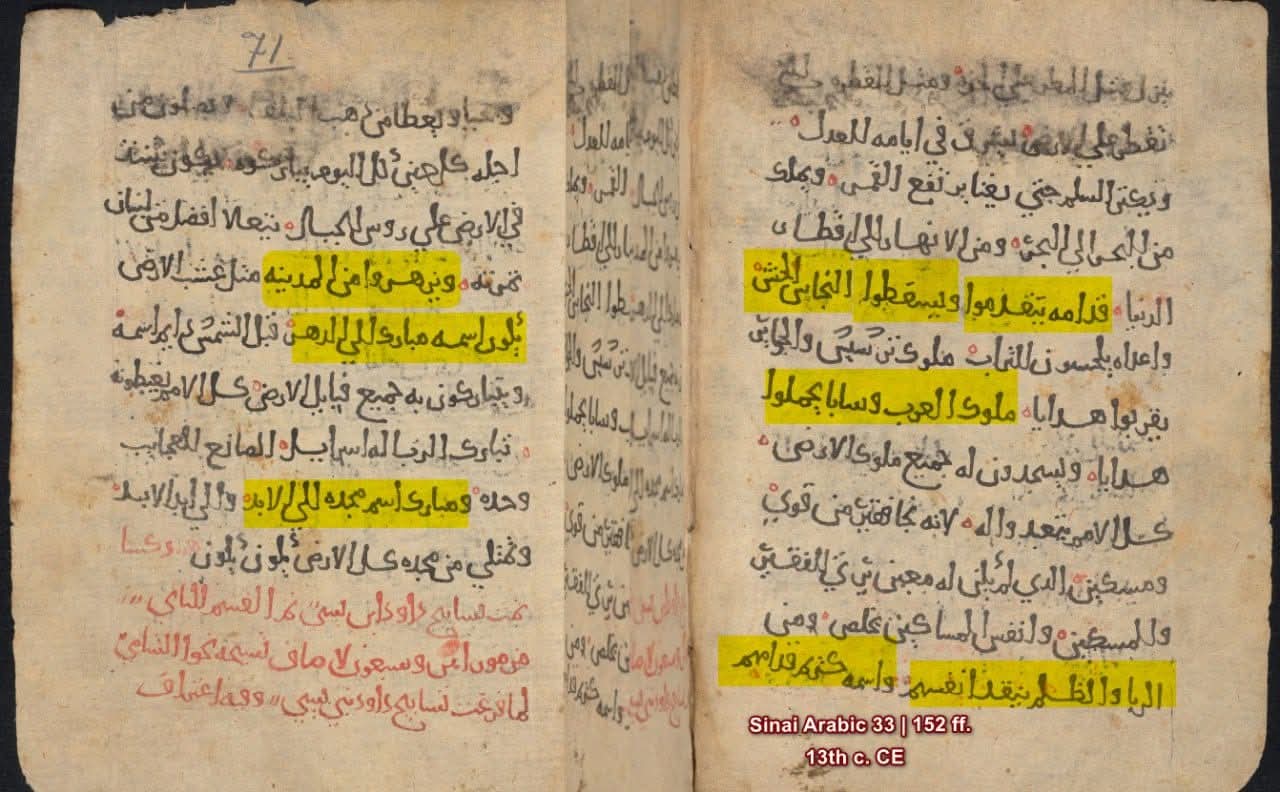
The Qur'an Was Right: Non-Muslim Scholars, Economists & U.S. Senate Reports on the Harm of Usury
The Qur’an addresses economic inequality by urging the rich to circulate wealth, pay zakāt, and give charity. It warns against wealth being hoarded by the elite, promoting fairness and social solidarity — a unique system ensuring balance and reducing poverty.
📑 Table of Contents
The Qur’an on Economic Equality
The Qur’an addresses economic inequality by urging the rich tocirculate wealth, pay zakāt, and give charity. It warns against wealth being hoarded by the elite, promoting fairness and social solidarity — a unique system ensuring balance and reducing poverty.
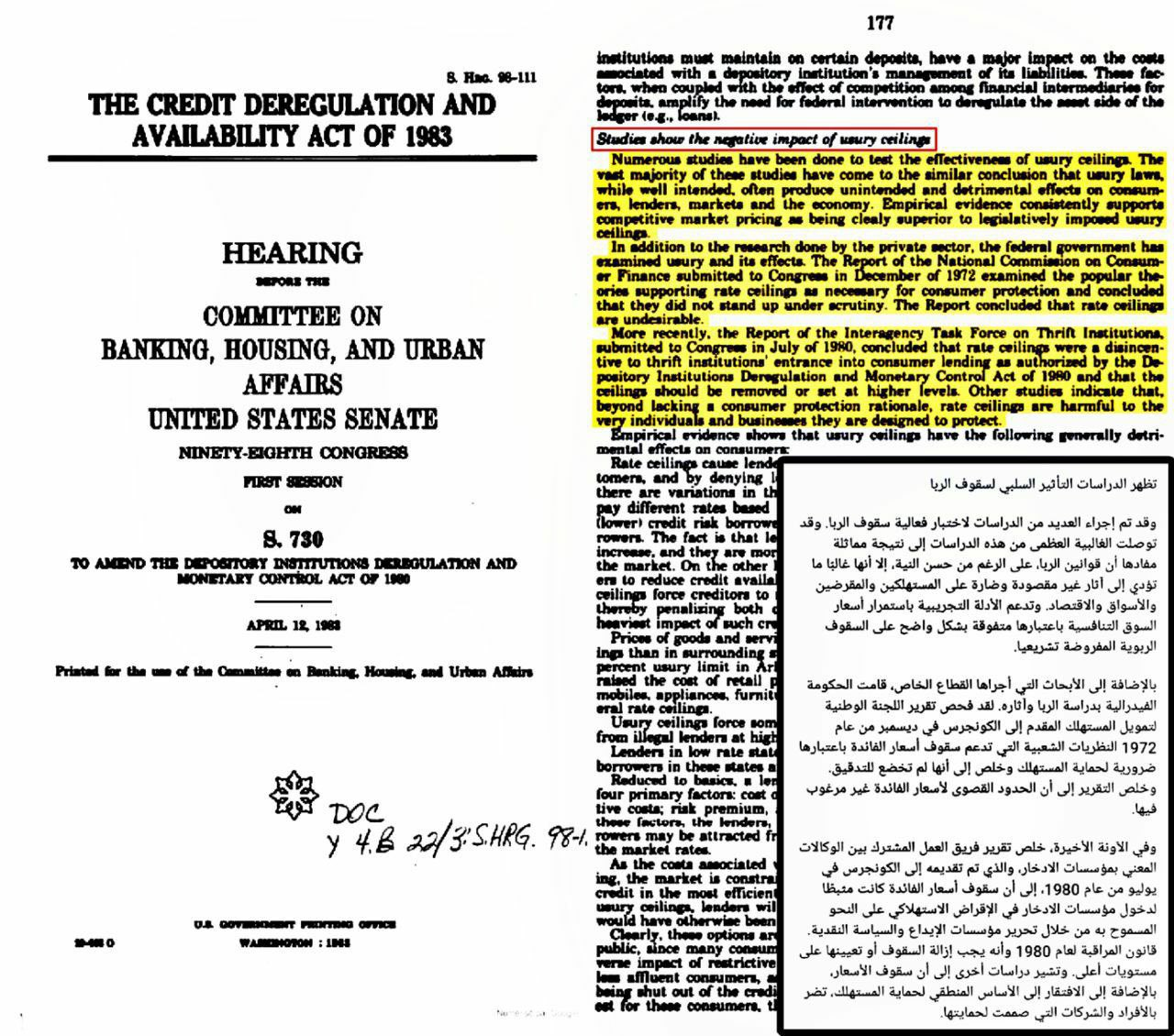
U.S. Senate Hearings 1983 — Harm of Usury Laws
Studies in U.S. Senate hearings reveal the harm of usury laws. While aimed atconsumer protection, they often backfire — hurting markets, lenders, and the economy. Reports show that rate ceilings discourage competition and are ultimately undesirable.
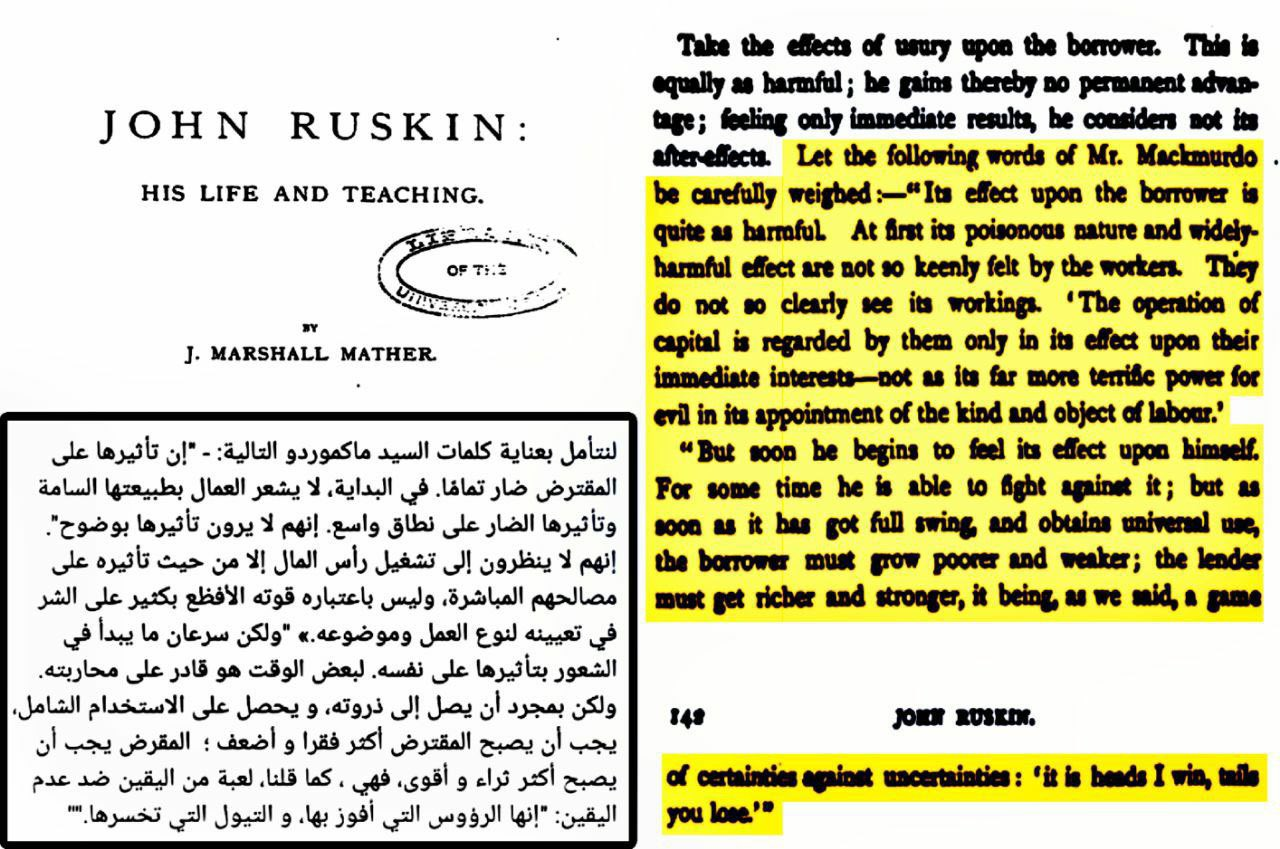
John Ruskin — His Life and Teaching
[!quote] Mackmurdo on Ruskin — John Ruskin: His Life and Teaching
“At first, its harm isn’t felt, but over time, borrowers grow weaker while lenders grow richer — turning labor into a game of certainty for the rich and uncertainty for the poor.”
Financial Services Industry Oversight Hearings
TheFinancial Services Industry Oversight Hearings note that usury ceilings hinder economic flexibility. The report warns that such restrictions — still in place in some states — risk destabilizing institutions adjusting to deregulation, underscoring the need for relief from these limits.
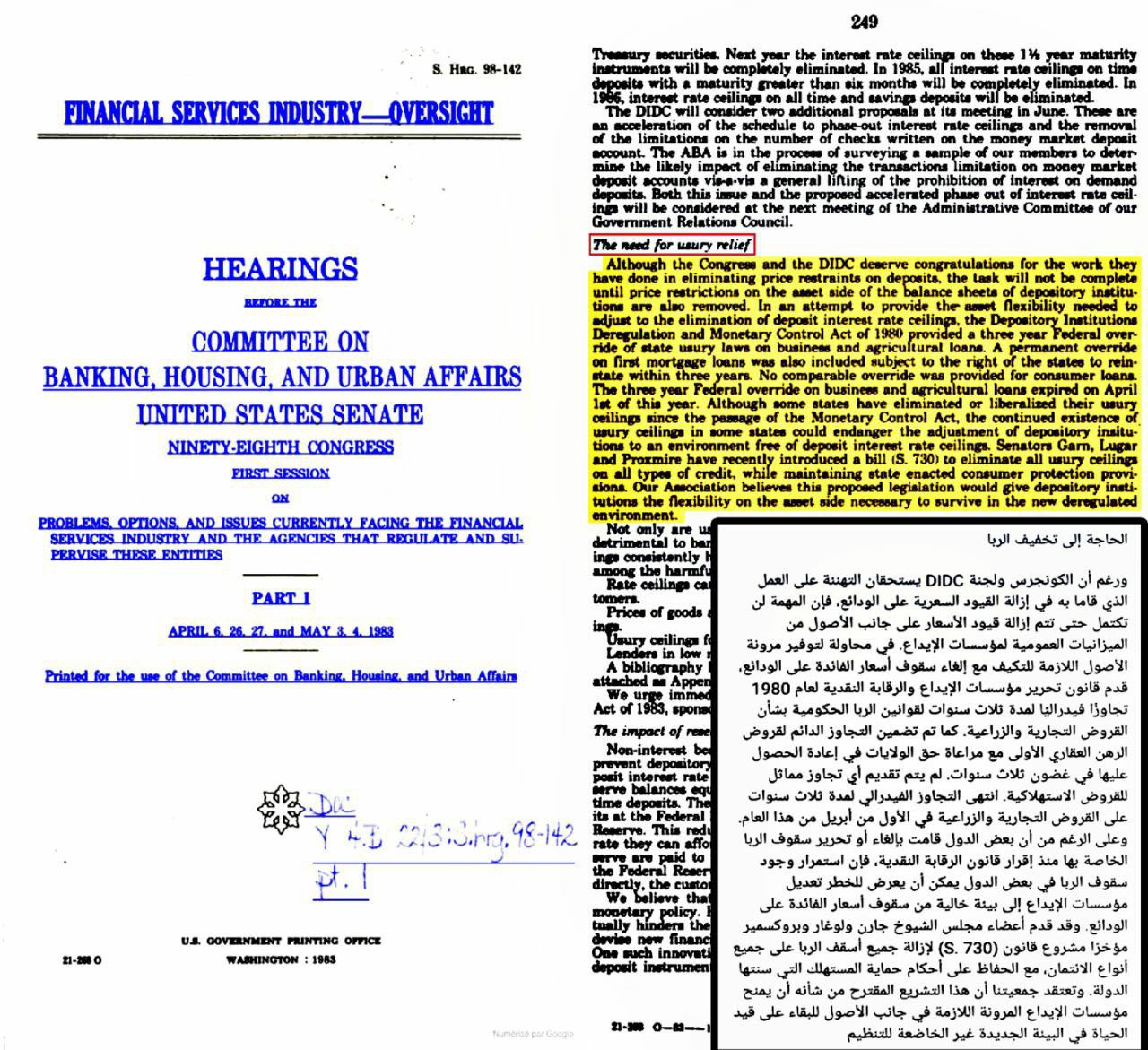
Credit Deregulation Act — S. 730
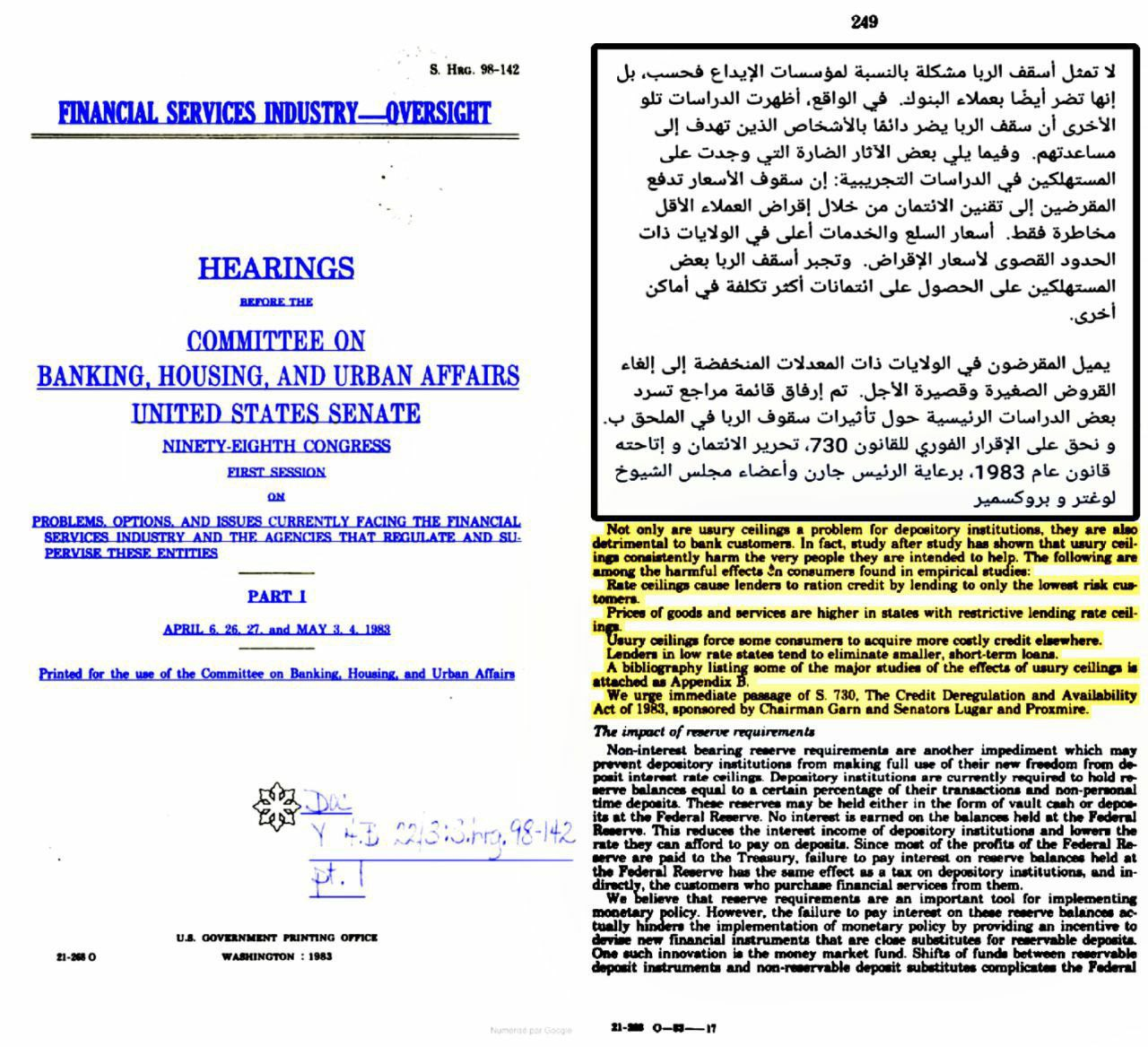
- Credit rationing
- Higher prices
- Consumers forced into costlier alternative loans
- Reduction in small, short-term loans
S. 730 — The Credit Deregulation Act was introduced to address these failures.
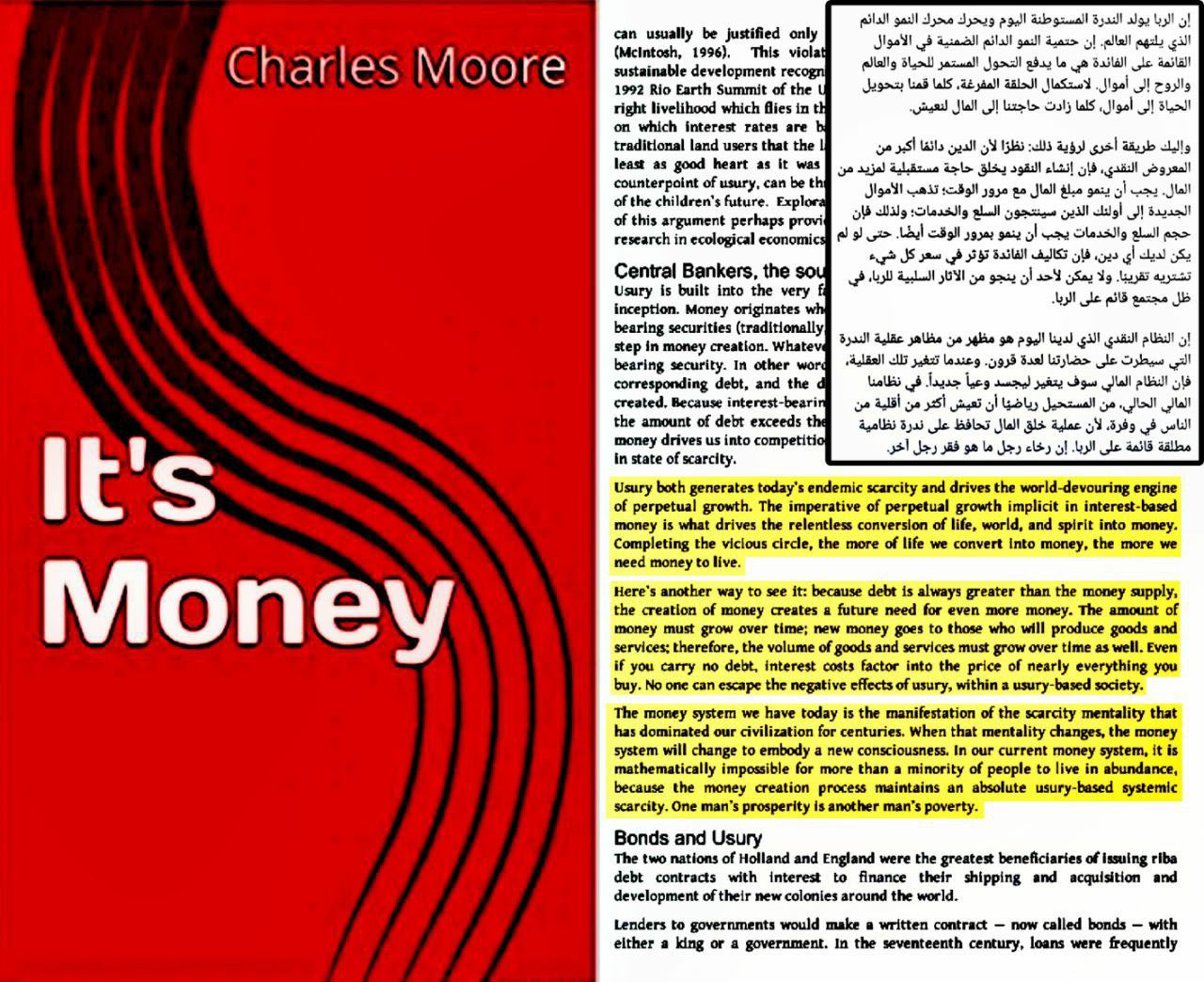
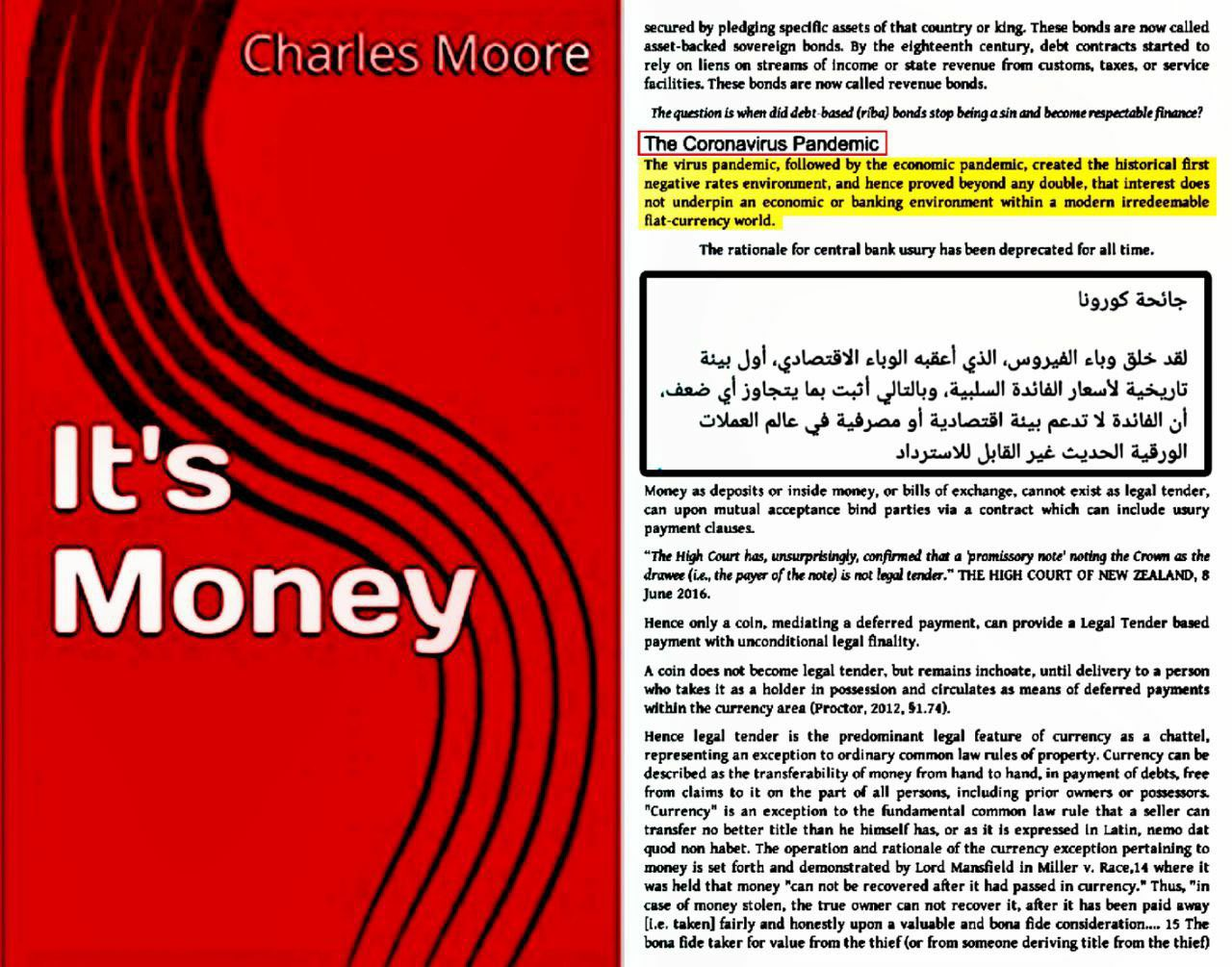
It’s Money — Charles Moore on Scarcity and Debt
This system ensures some thrive while others remain poor.
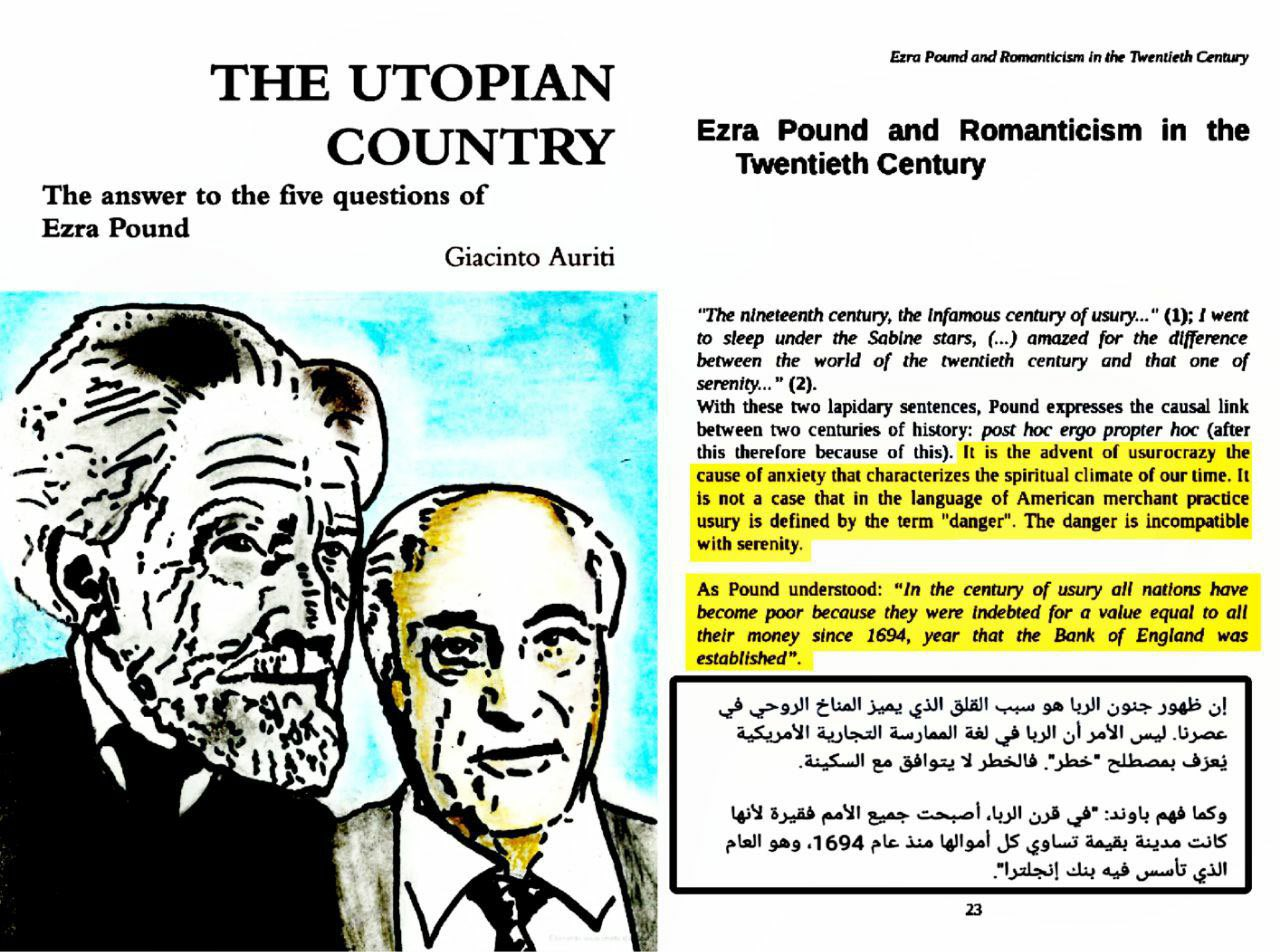
The Utopian Country — Giacinto Auriti
He references Ezra Pound’s view that since the establishment of the Bank of England in 1694, all nations have become poor due to indebtedness.
It’s Money — Negative Interest Rates and the Modern Economy
[!info] Charles Moore — It’s Money (COVID-19 & Economic Crisis)
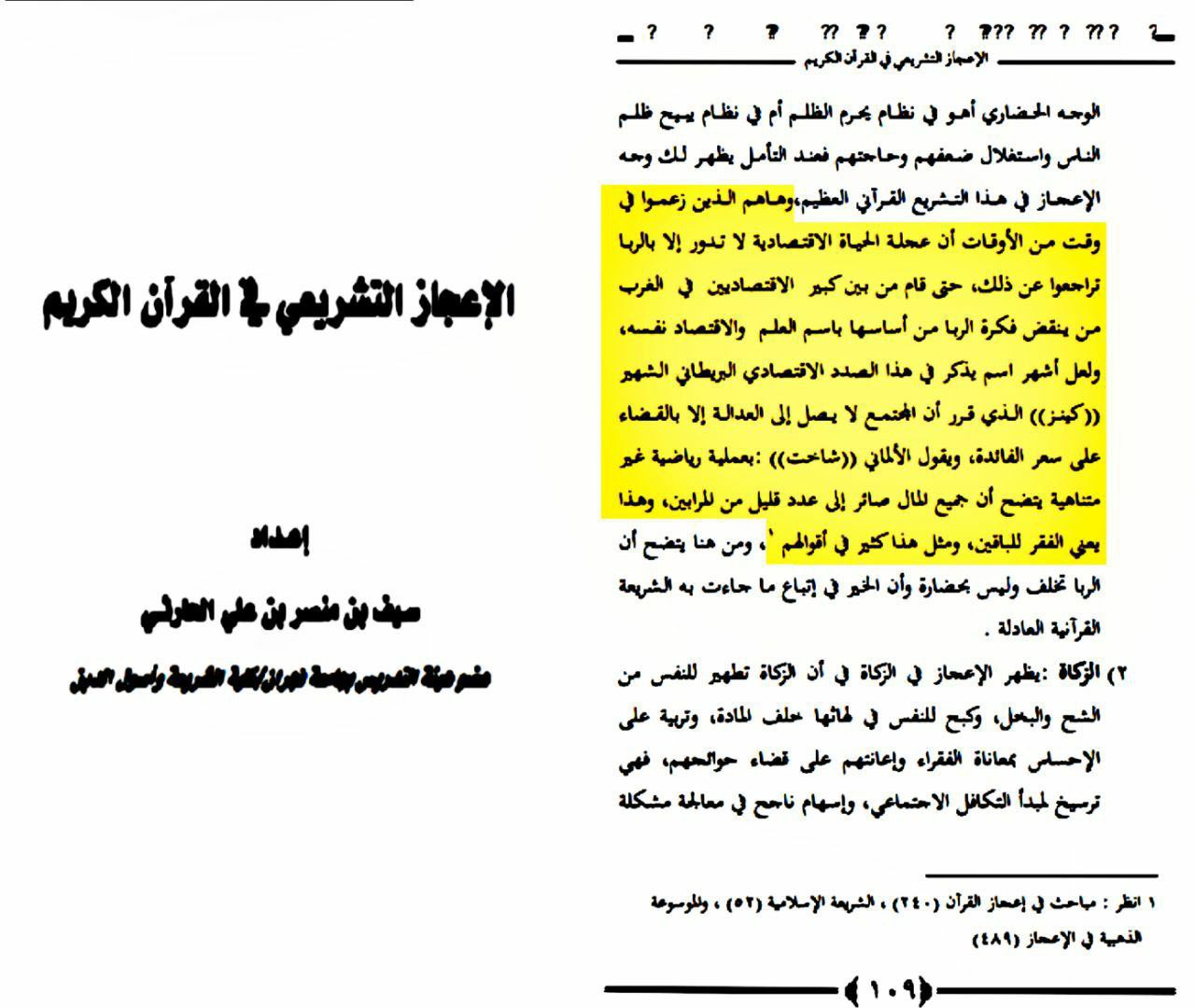
The Coronavirus pandemic, followed by an economic crisis, created the first-ever negative interest rates environment — proving that interest does not support an economy in a modern, irredeemable fiat-currency world.
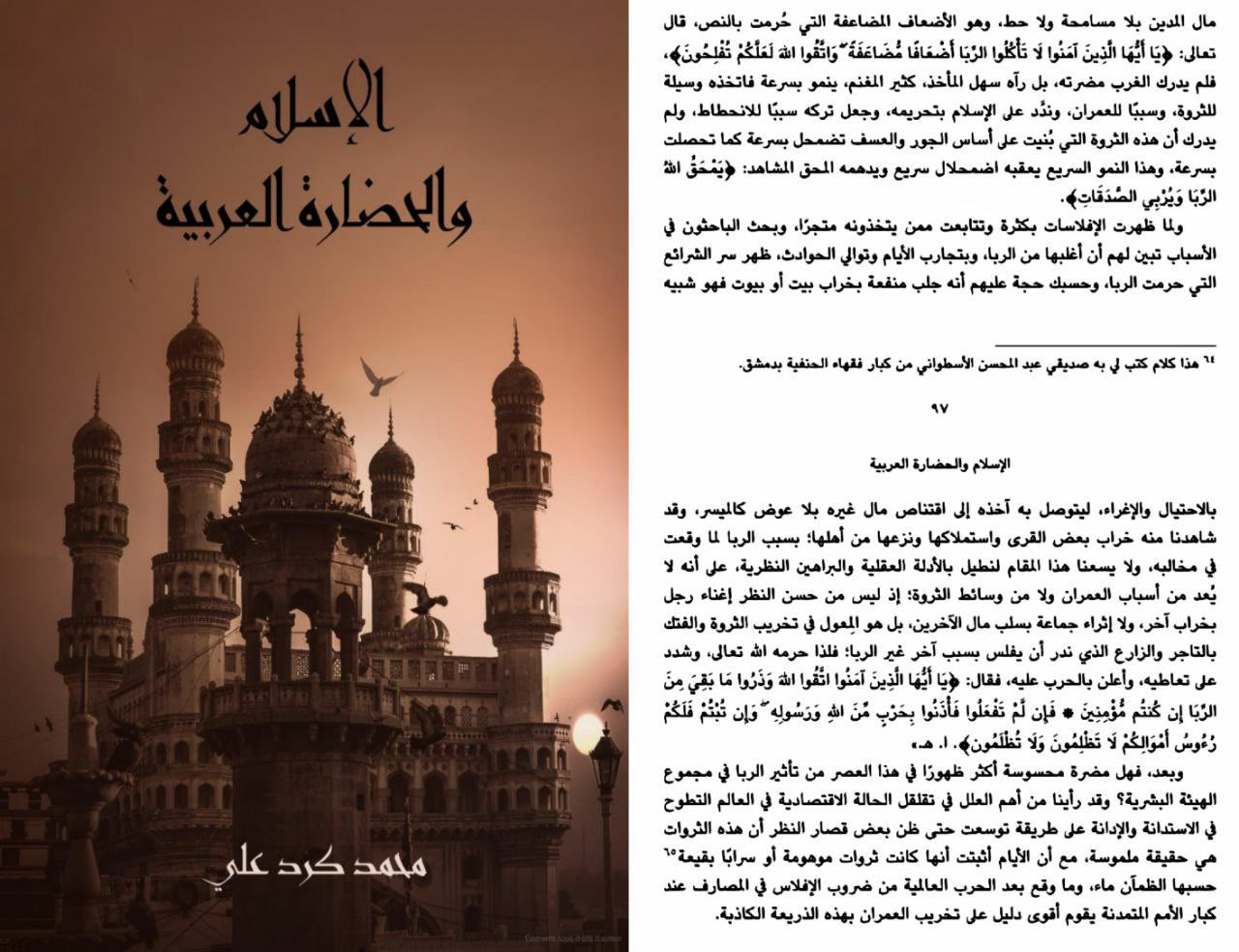
Islam and the Arab Civilization — Muhammad Kurd Ali
He highlights how interest — seen by the West as a path to wealth — leads to the destruction of prosperity, causing:
- Bankruptcies
- Societal collapse
- Economic instability
He references the exploitation witnessed in the aftermath of the First World War as evidence.
Conclusion
- Economic instability — usury-based systems create debt cycles that ensure perpetual scarcity for the majority
- Societal inequality — lenders grow richer as borrowers grow weaker
- Spiritual and moral dangers — the exploitation of need is a corruption of human solidarity
- Policy failure — even secular Western institutions acknowledge that usury ceilings and interest-based systems backfire
These voices emphasize that its prohibition — whether in Islamic law or through secular critique — is crucial for sustainable and ethical economic practice.
We bear witness, O God:
= That all the Arabs offered him gifts and tribute.
= And we bear witness that the Muslims overthrew the Negus.
= And we bear witness that he delivered the poor from the oppressive powers.
= And we bear witness that he delivered the whole world from injustice and usury.
= And we bear witness that his name is Muhammad, the name of the Most Noble Name.
= And we bear witness that his followers flourished in Medina.
= And that his name is blessed until the Day of Judgment.
= And we bear witness that the whole earth is filled with the glory of Ahmad.