Umar Burning Hadiths
- رواية حرق عمر بن الخطاب رضي الله عنه للأحاديث النبوية ضعيفة لأن سندها فيه انقطاع ( القاسم بن عمر لم يدرك زمن عمر) .
للإشارة فعلي بن أبي طالب رضي الله عنه بويع بالخلافة سنة 35 هجرية
- The narration of Omar ibn al-Khattab, may God be pleased with him, burning the prophetic hadiths is weak because its chain of transmission is interrupted (al-Qasim ibn Omar did not live during Omar’s time). For reference, Ali ibn Abi Talib, may God be pleased with him, was pledged allegiance to as caliph in the year 35 AH.
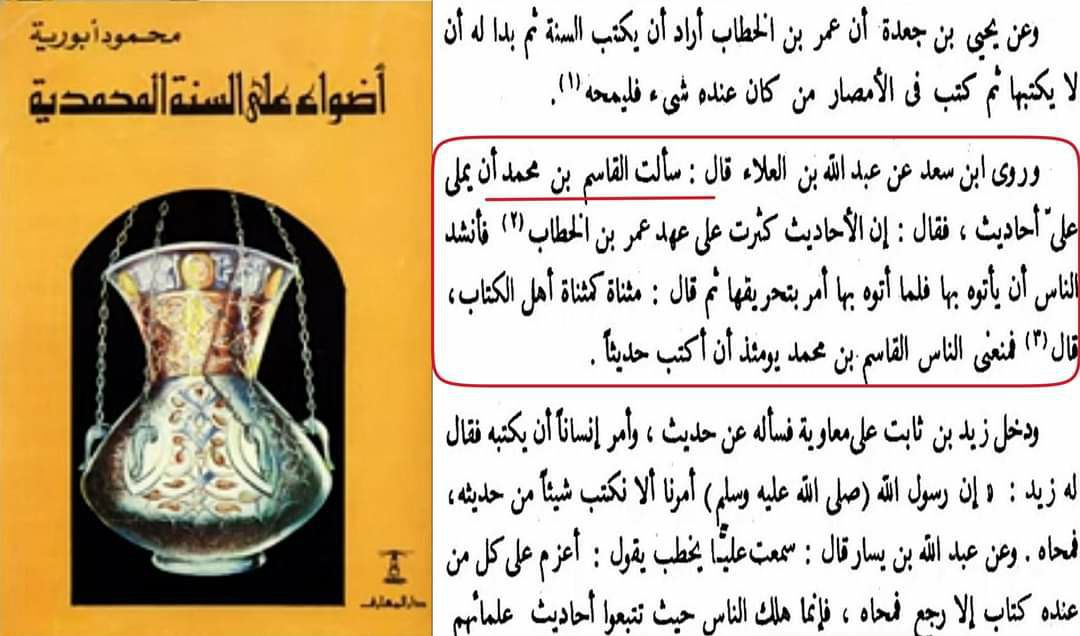
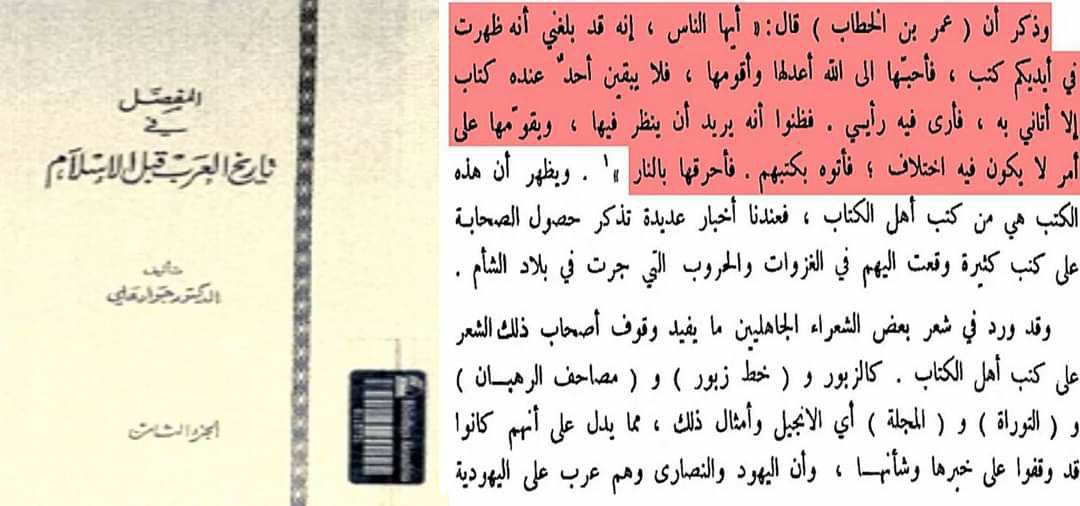
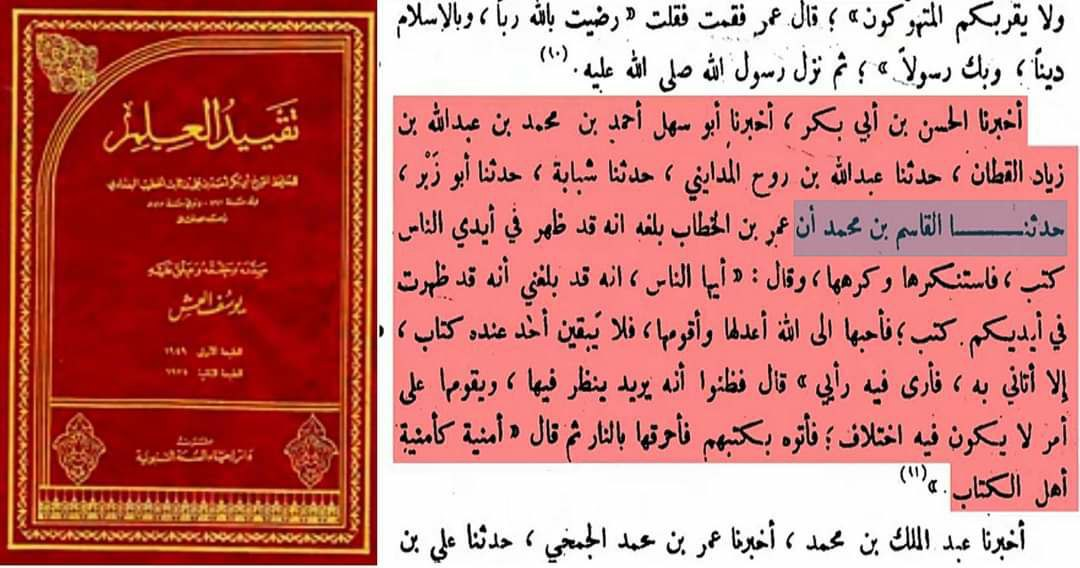
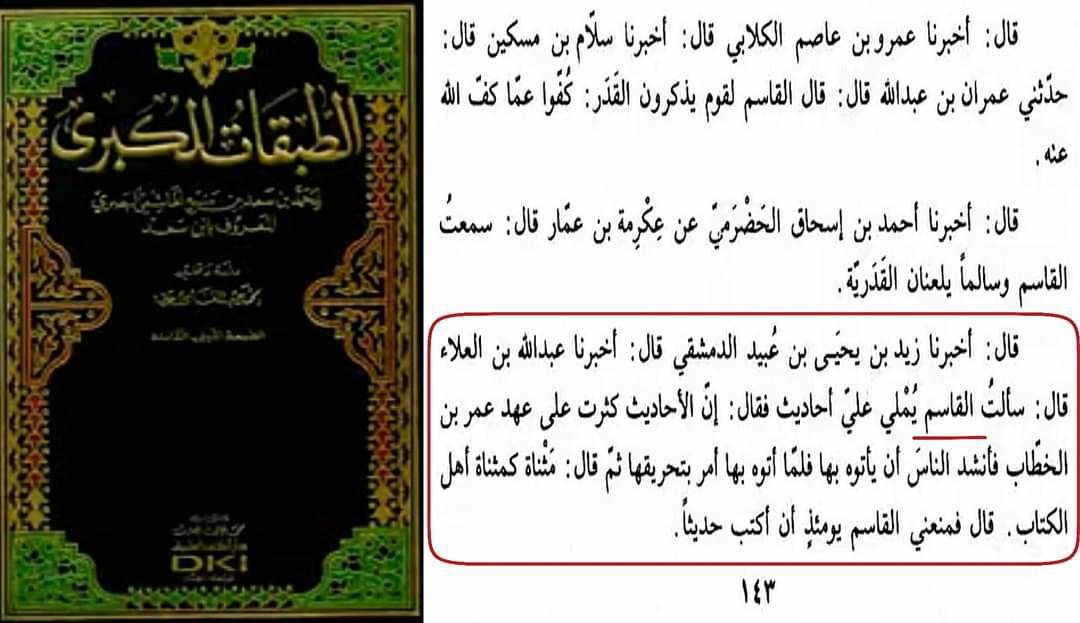
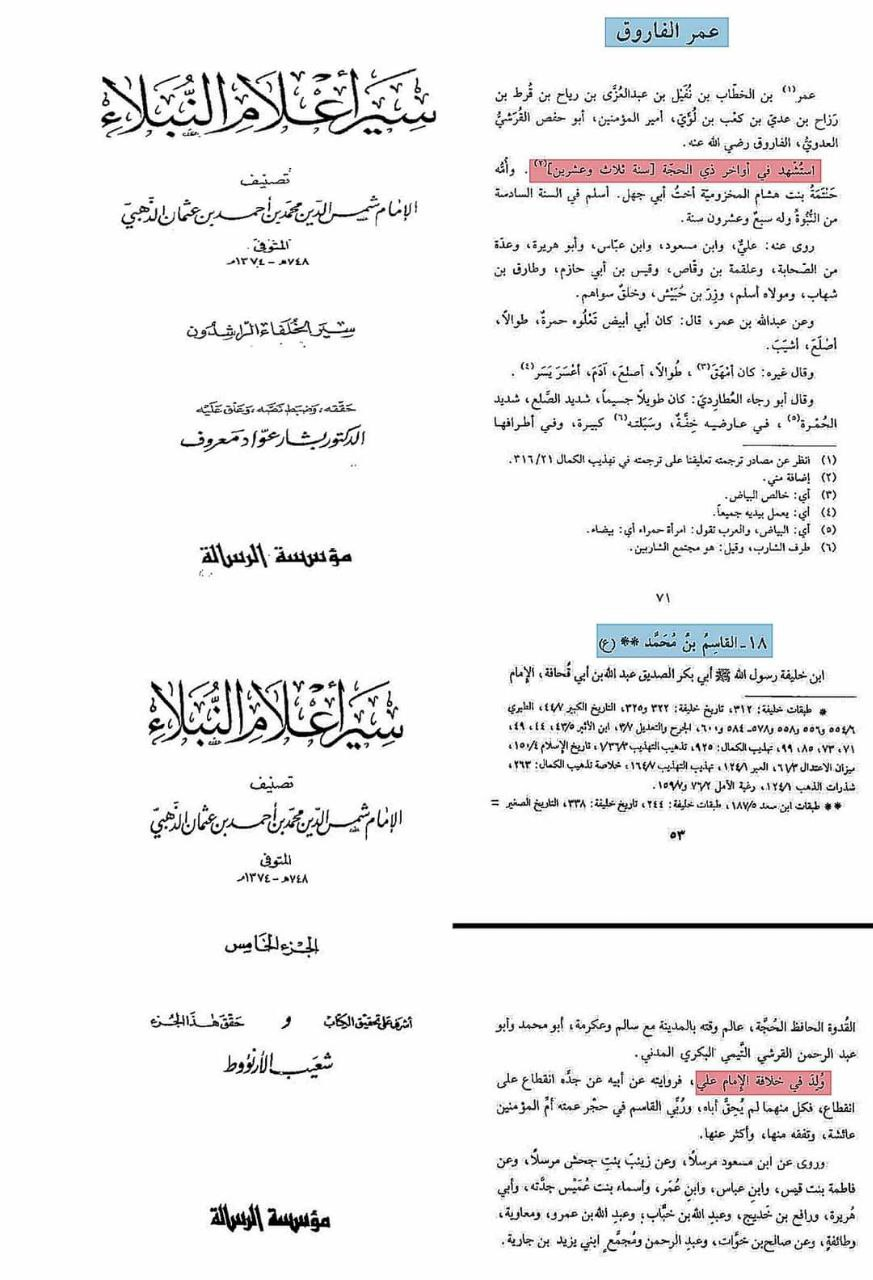
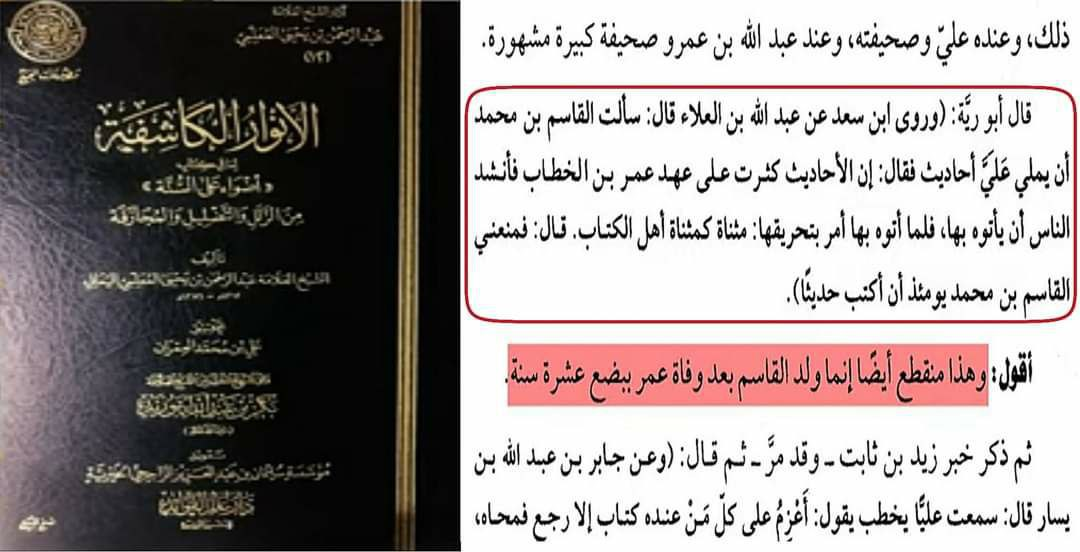
- This story and the story we presented previously about Abu Bakr, may God be pleased with him, burning the prophetic hadiths, the goal of those promoting them is one, which is to deny the prophetic Sunnah. What is interesting is that this Qasim, the narrator of the hadith, narrated 200 other hadiths.
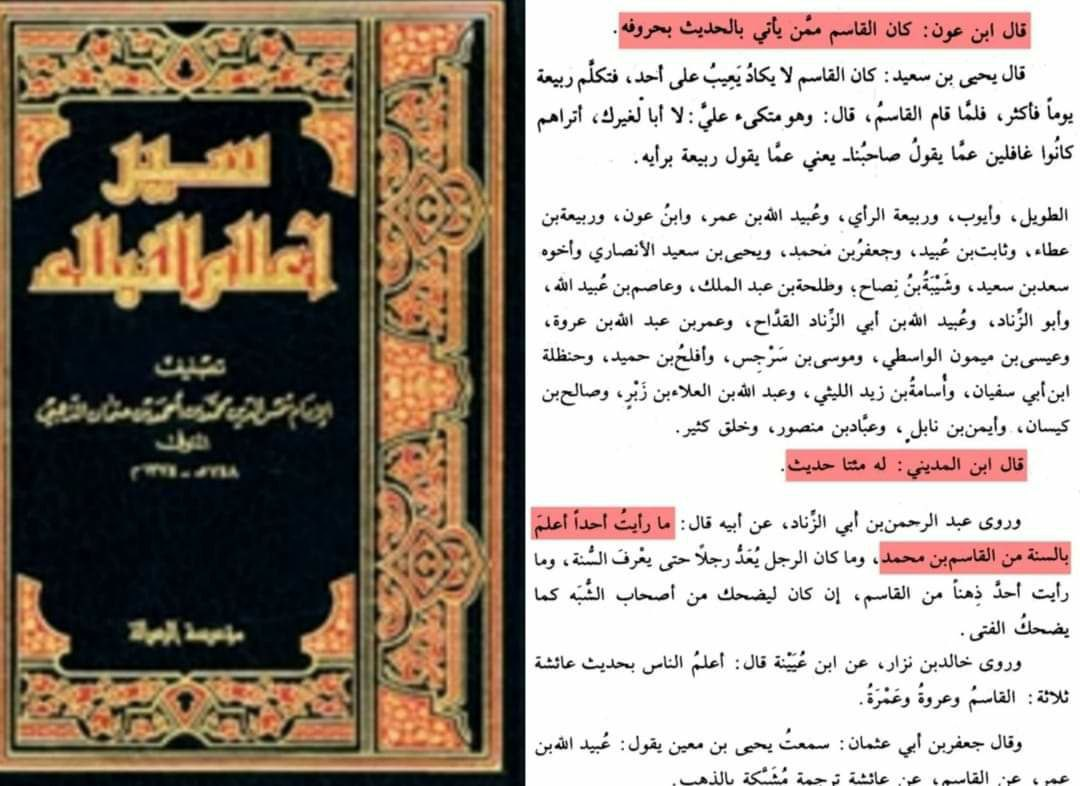
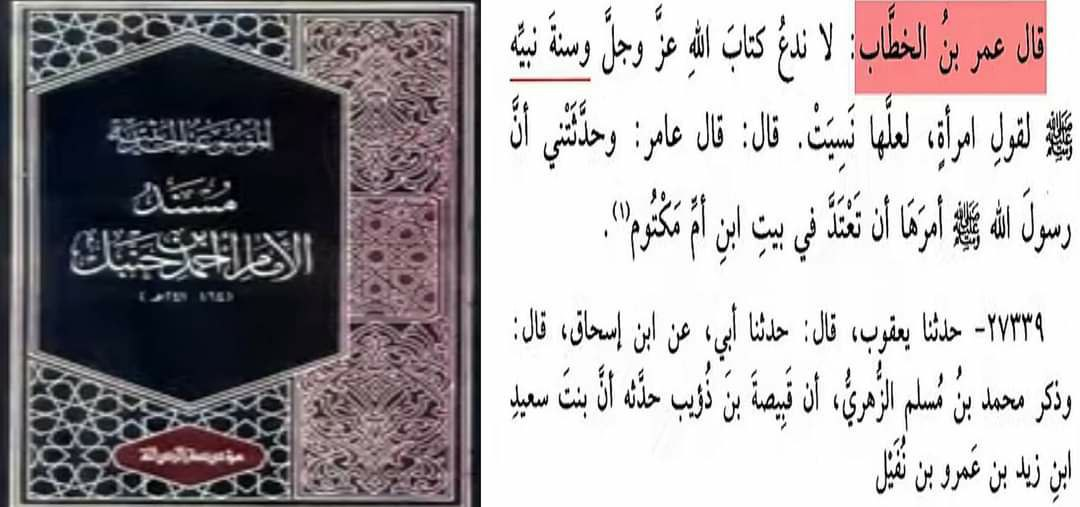
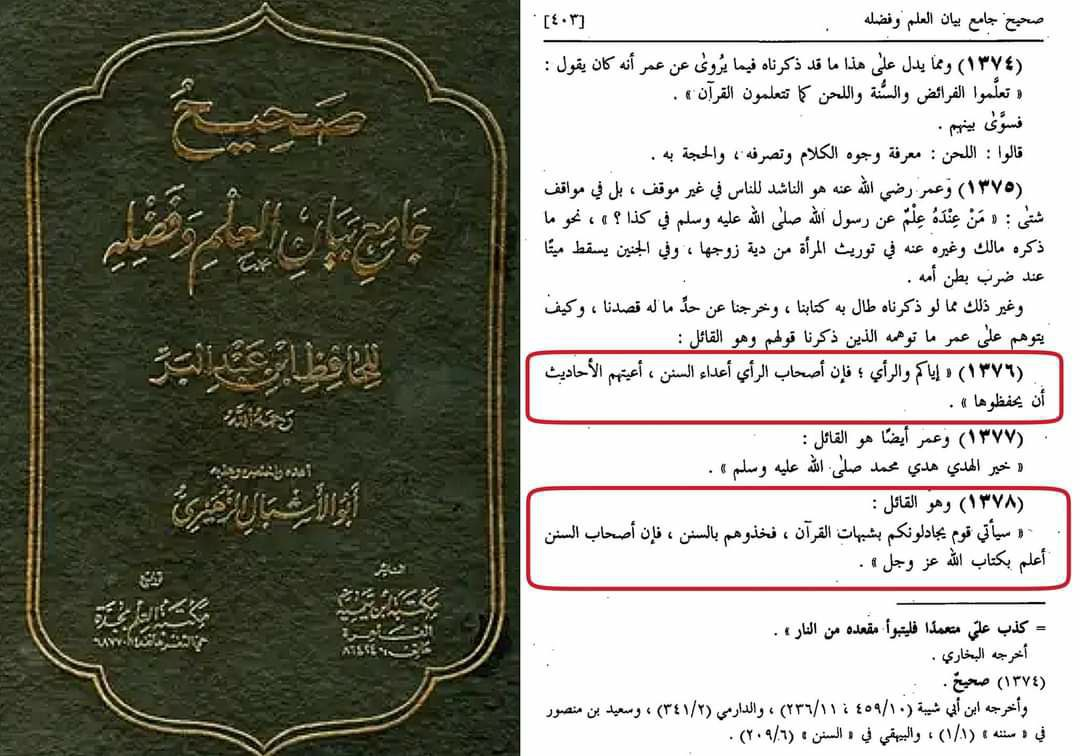
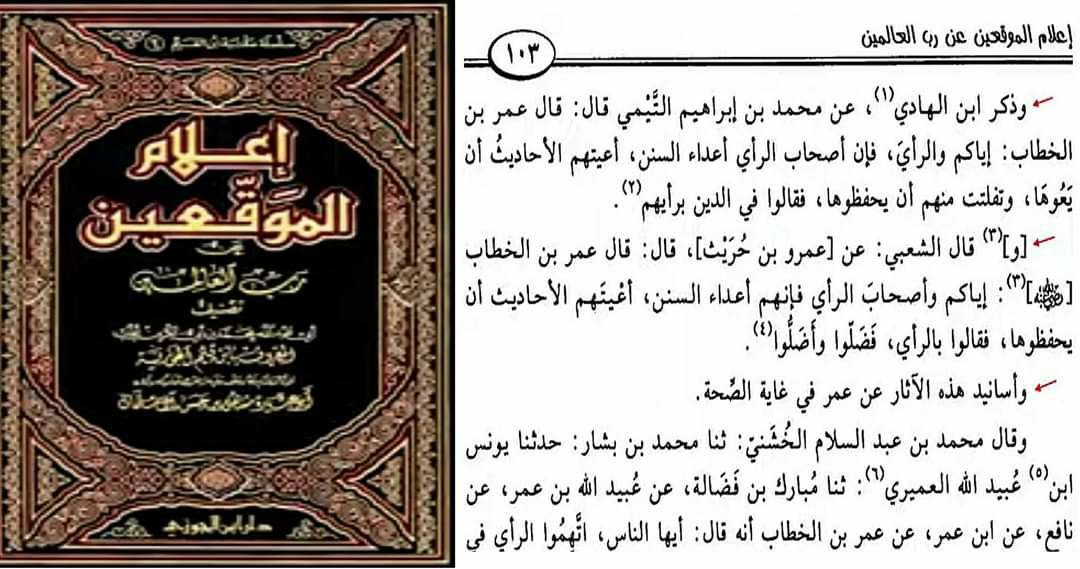
- Rather, leave this. Omar bin Al-Khattab called on people to work according to the Sunnah of the Prophet, may God bless him and grant him peace, so how is this contradiction? The gist is that the narration, even if it is correct, he may have been afraid that he would write something wrong in it, so he stopped doing that.
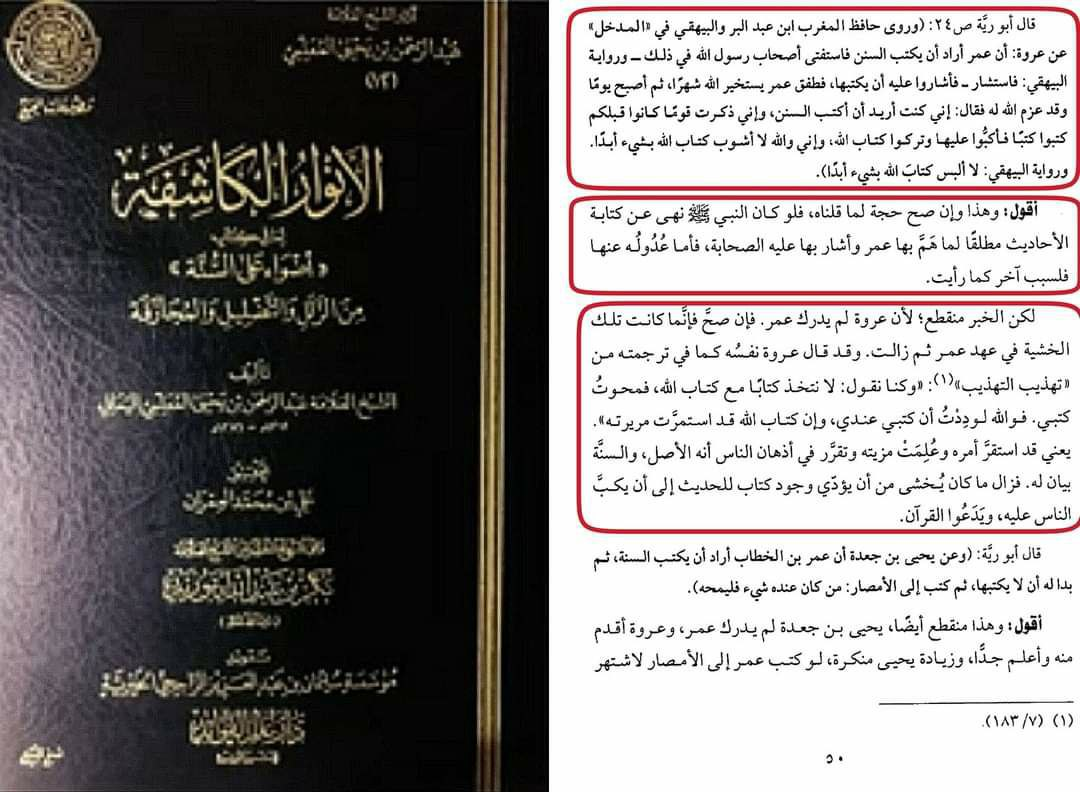
Istikhara: “Technically, it is two rak’ahs in which the servant asks Allah to choose what is best for him in a permissible or recommended matter when he has conflicting preferences between two matters. Istikhara is not for something disliked or forbidden, and it is a recommended Sunnah.”
Also, according to the narration, Omar ibn al-Khattab consulted the companions of the Messenger of Allah (peace and blessings of Allah be upon him). If this narration is true, how can these beings use it as evidence to attack Omar and the Sunnah together? How can one act upon it to reject it?
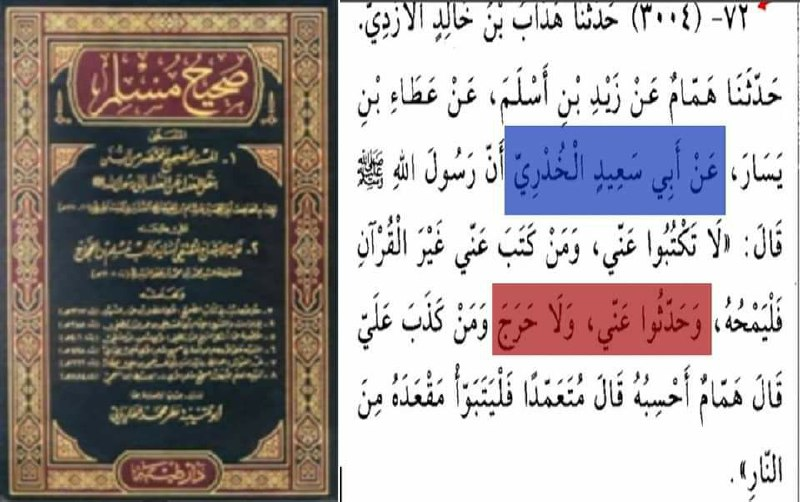
The Messenger, may God bless him and grant him peace, said, “Narrate from me and there is no harm in that.” The other companions also narrated hadiths. For example, Al-Khudri, who narrated the previous hadith, has nearly two volumes in the Musnad of Imam Ahmad ibn Hanbal.