Was the Qur'an Copied from Jewish and Zoroastrian Sources? 7 Claims Refuted with Historical Evidence
4 min read 771 words
Refuting Claims That the Qur’an Was Copied from Zoroastrian and Jewish Sources
Table of Contents
- Claim 1 — Isra and Mi’raj Copied from Arda Viraz Namak
- Claim 2 — Paradise, Hell, and Houris Taken from Salman the Persian
- Claim 3 — Cain and Abel Taken from Targum Jonathan
- Claim 4 — Solomon’s Hoopoe and the Queen of Sheba Taken from Targum Sheni
- Claim 5 — Dhul-Qarnayn Taken from the Legends of Saint Jacob of Serugh
- Claim 6 — Abraham and the Idols Taken from Midrash Bereishit Rabbah
- Claim 7 — The Story of Joseph Taken from Pseudo-Narsai
Claim 1 — Isra and Mi’raj Copied from Arda Viraz Namak
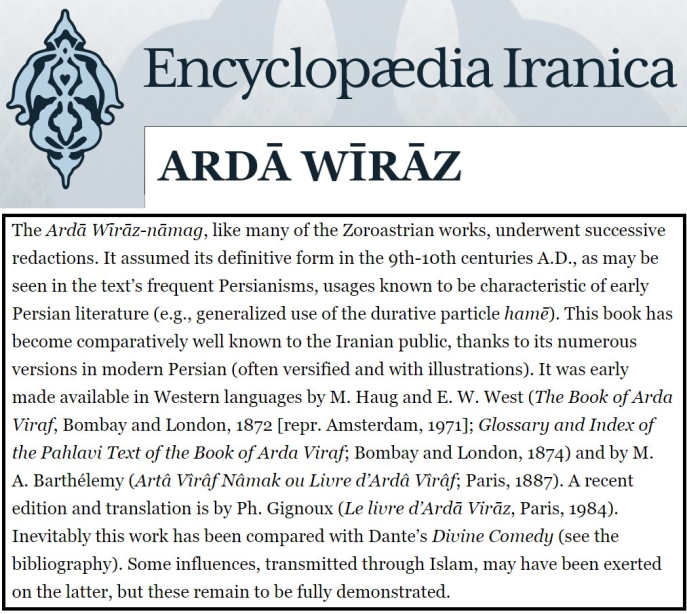
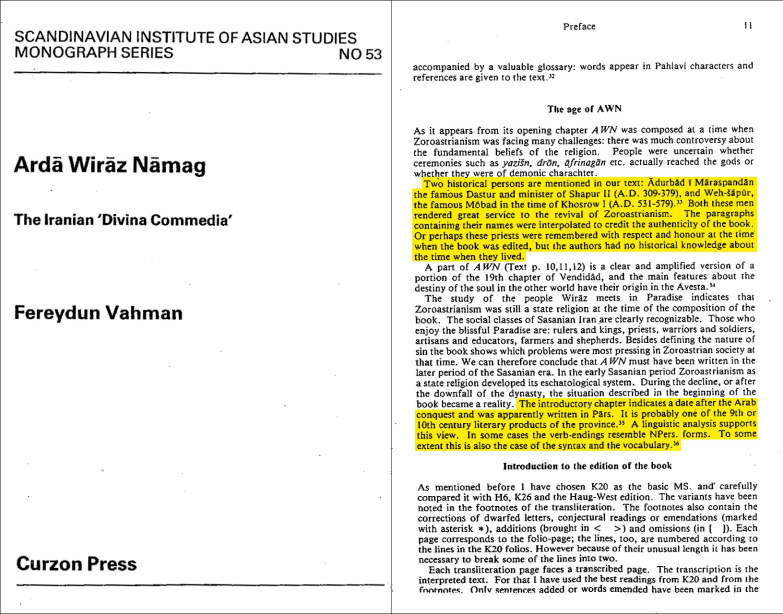
The Lie The Qur’an took the story of the Isra and Mi’raj from the sacred Zoroastrian book “Arda Viraz Namak.”
The Truth The book Arda Viraz Namak was compiled after Islam, during the Abbasid era, between the 9th and 10th centuries CE.
Claim 2 — Paradise, Hell, and Houris Taken from Salman the Persian
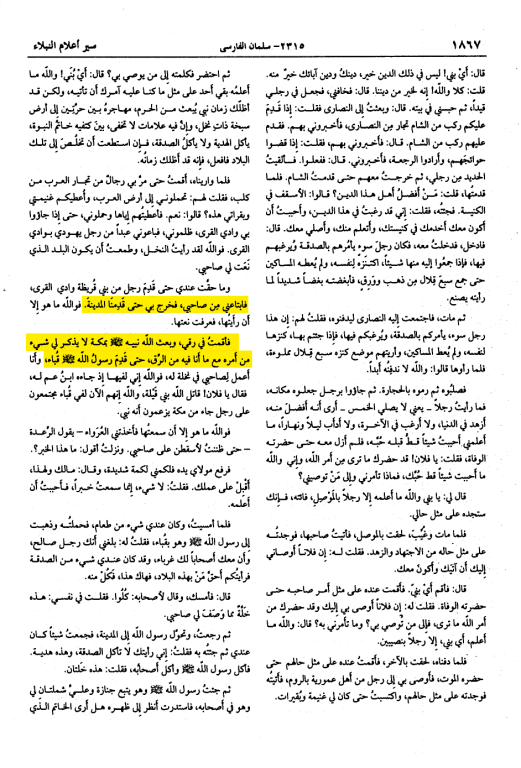
The Lie Muhammad ﷺ took the belief in the torment of the grave, descriptions of Paradise and Hell, and the concept of houris from Salman the Persian, who followed the Zoroastrian religion.
The Truth Everything mentioned above was revealed in the Meccan surahs — before the Prophet ﷺ ever met Salman the Persian, who was encountered in Medina.
Claim 3 — Cain and Abel Taken from Targum Jonathan
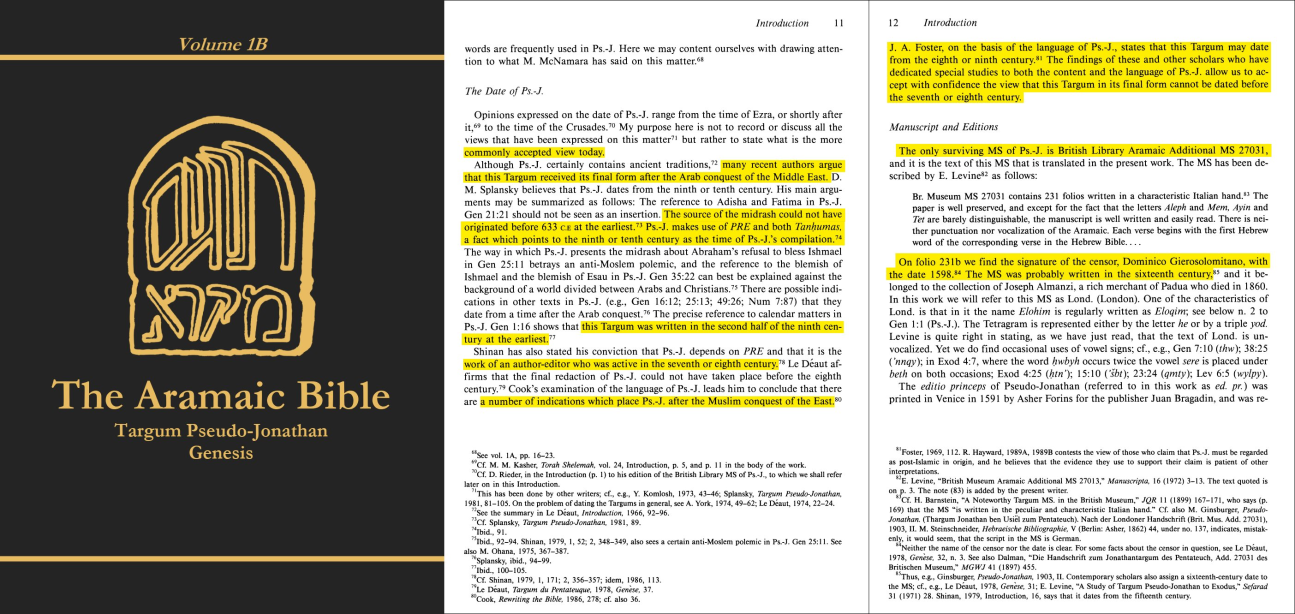
The Lie The Qur’an took the story of Adam’s sons, Cain and Abel, from the Jewish Targum Jonathan.
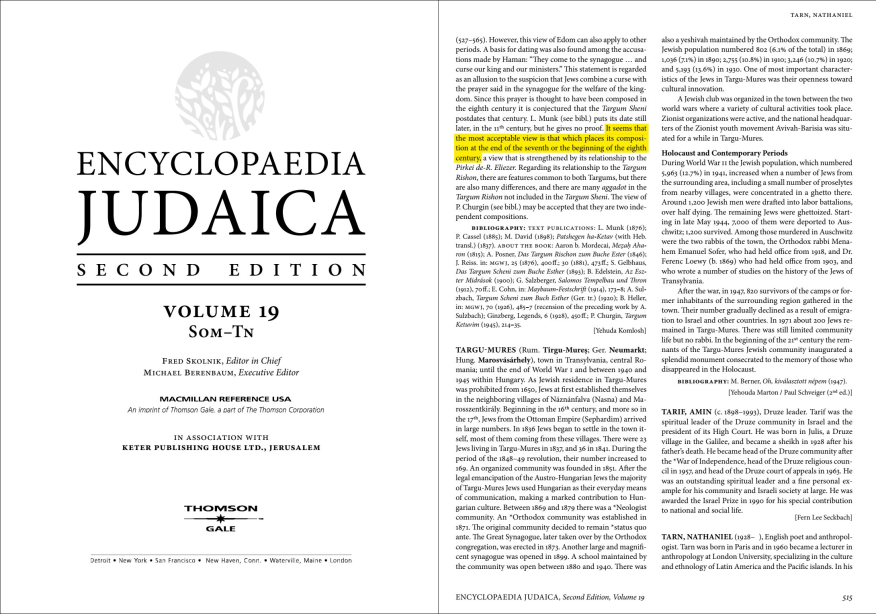
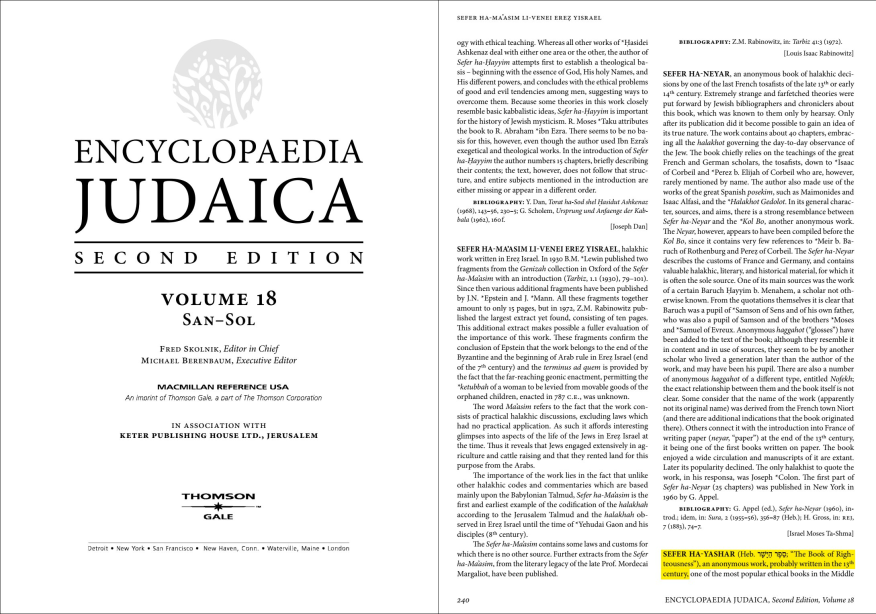
The Truth The completion of the writing of Targum Jonathan dates back to after the Islamic conquests — between the end of the 7th century and the beginning of the 8th century CE — more than 65 years after the death of the Prophet ﷺ.
Claim 4 — Solomon’s Hoopoe and the Queen of Sheba Taken from Targum Sheni
The Lie The Qur’an took the story of Solomon’s hoopoe and the Queen of Sheba from the Jewish Targum Sheni.
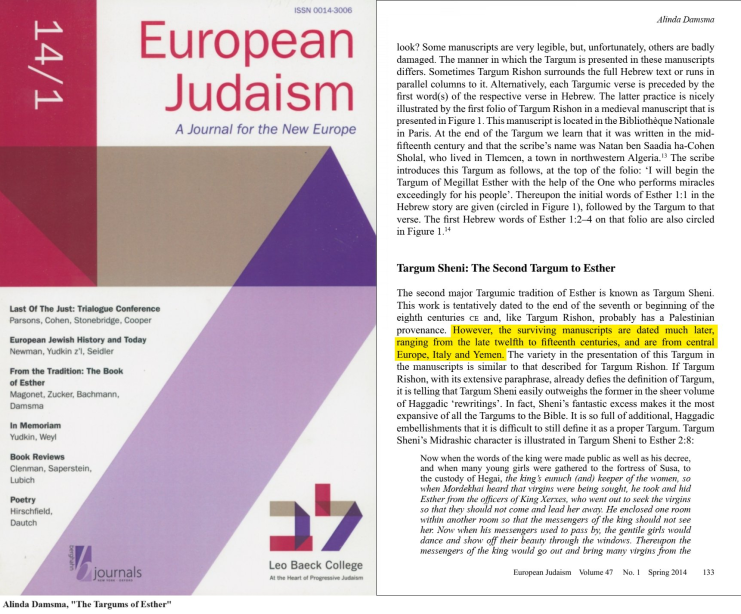
The Truth The compilation of Targum Sheni was completed during the Umayyad era at the beginning of the 8th century CE — more than 70 years after the death of the Prophet ﷺ.
Furthermore, the oldest manuscript of it dates back to the 12th century CE — more than 600 years after the death of the Prophet ﷺ.
Claim 5 — Dhul-Qarnayn Taken from the Legends of Saint Jacob of Serugh
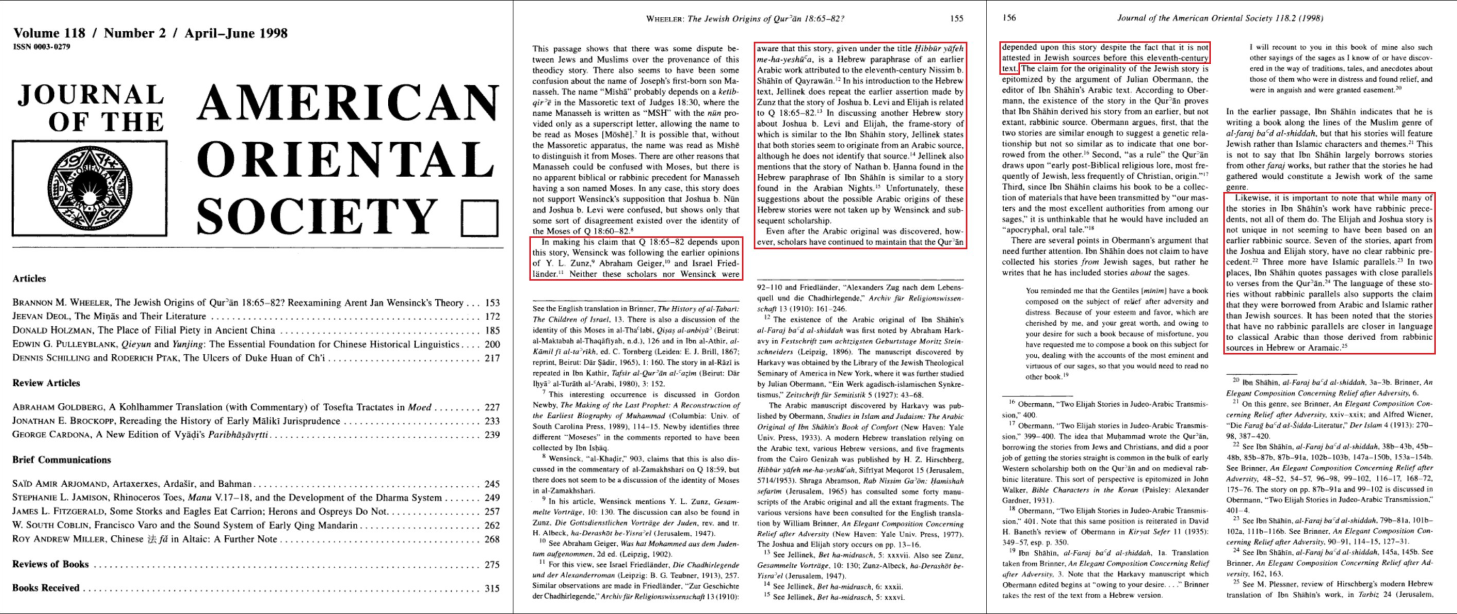
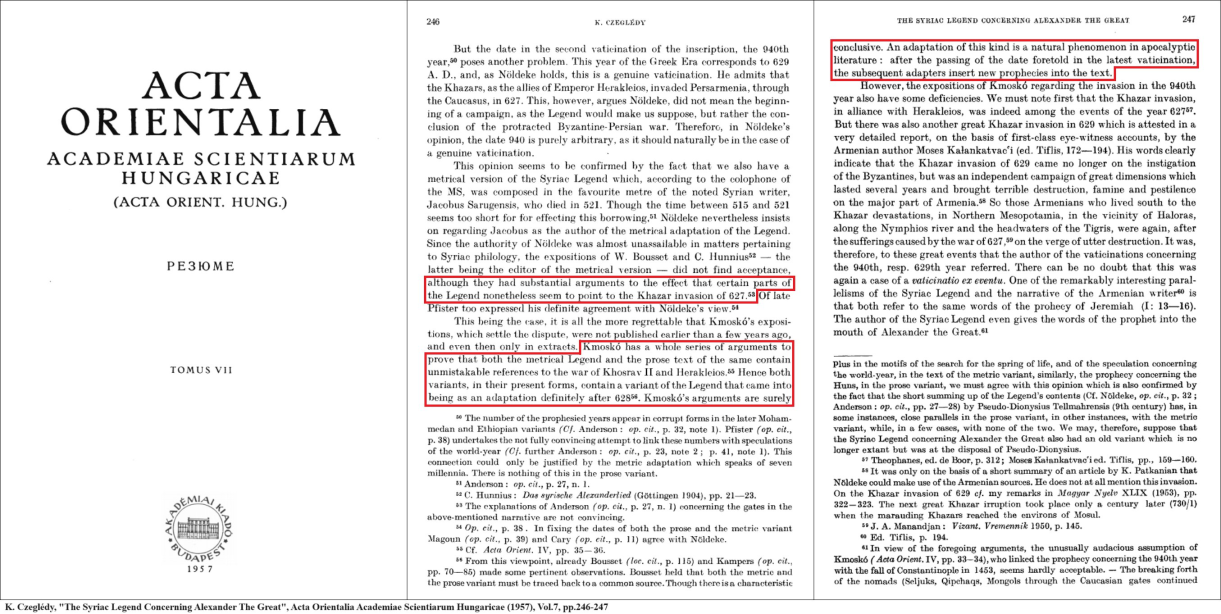
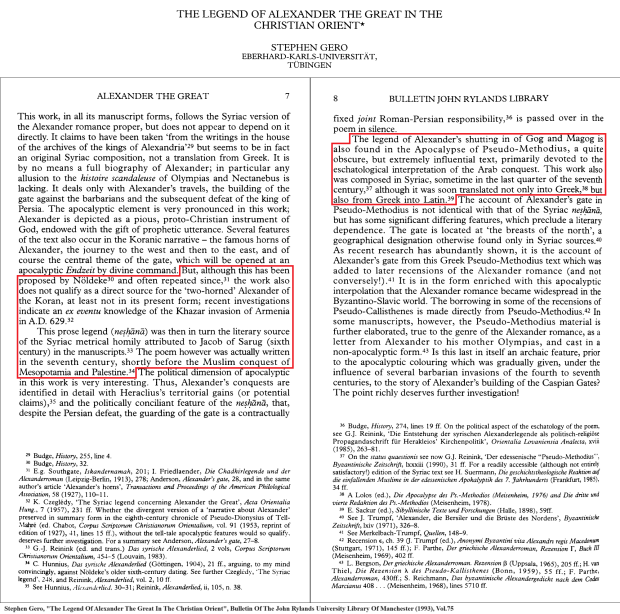
The Lie The story of Dhul-Qarnayn in Surah Al-Kahf is taken from “Christian legends” by Saint Jacob of Serugh, who died 50 years before Muhammad ﷺ.
The Truth Attributing the book entirely to Serugh is incorrect, as it contains references to figures and events that occurred after his death.
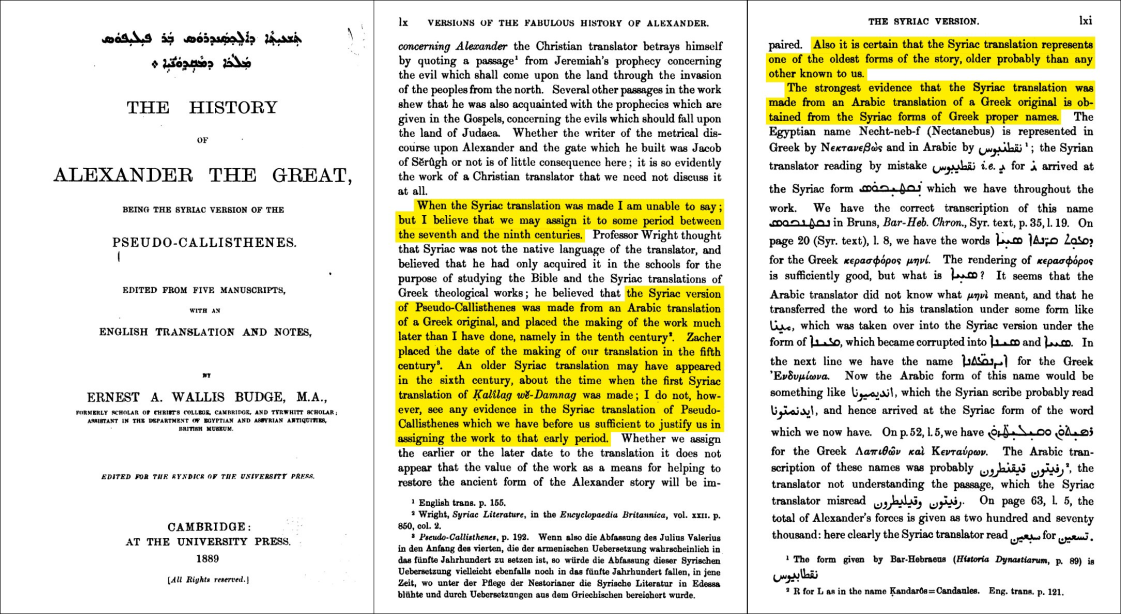
As for the other Syriac sources mentioning the story, they were all written after Islam.
Claim 6 — Abraham and the Idols Taken from Midrash Bereishit Rabbah
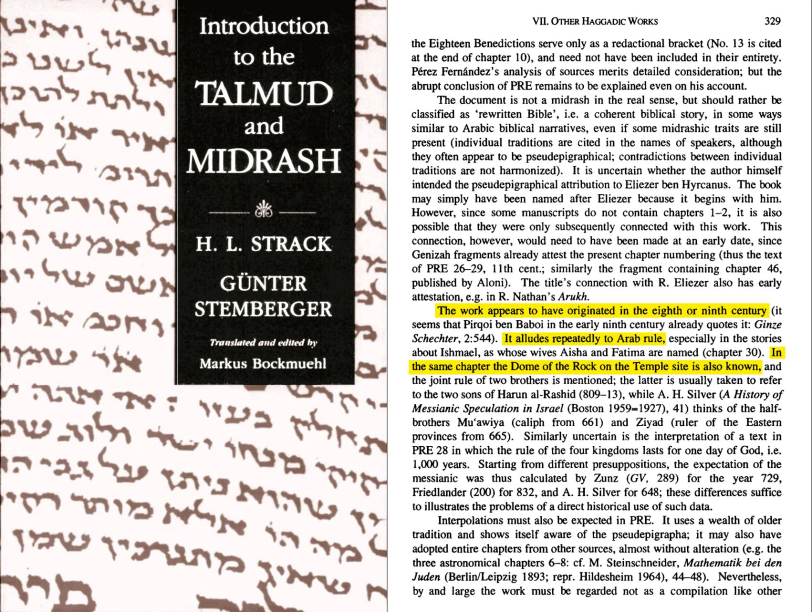
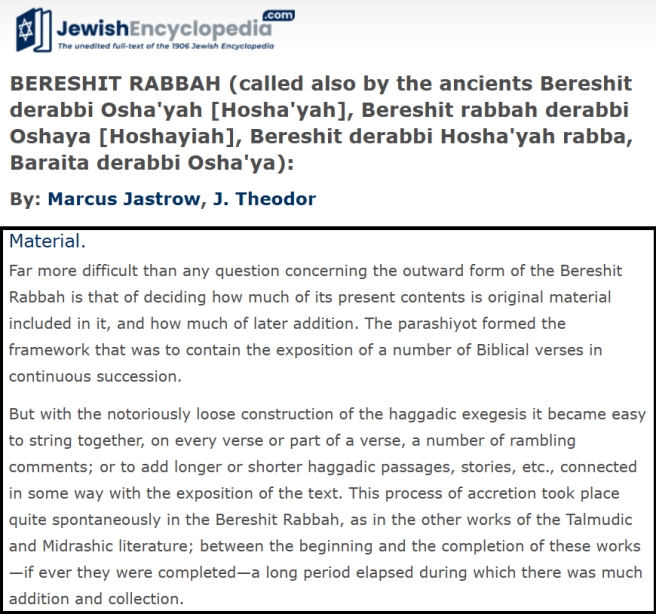
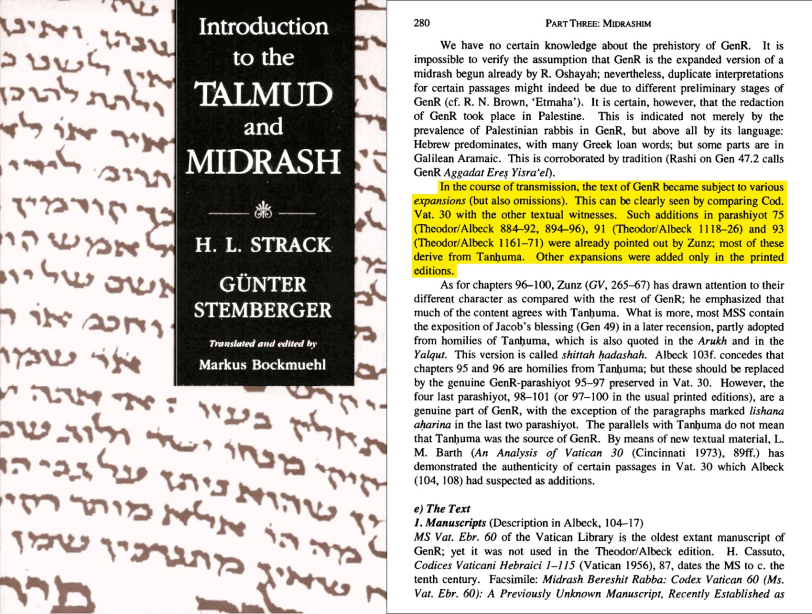
The Lie The story of Abraham smashing the idols, then being thrown into the fire and emerging unharmed, is a Jewish myth taken from Midrash Bereishit Rabbah.
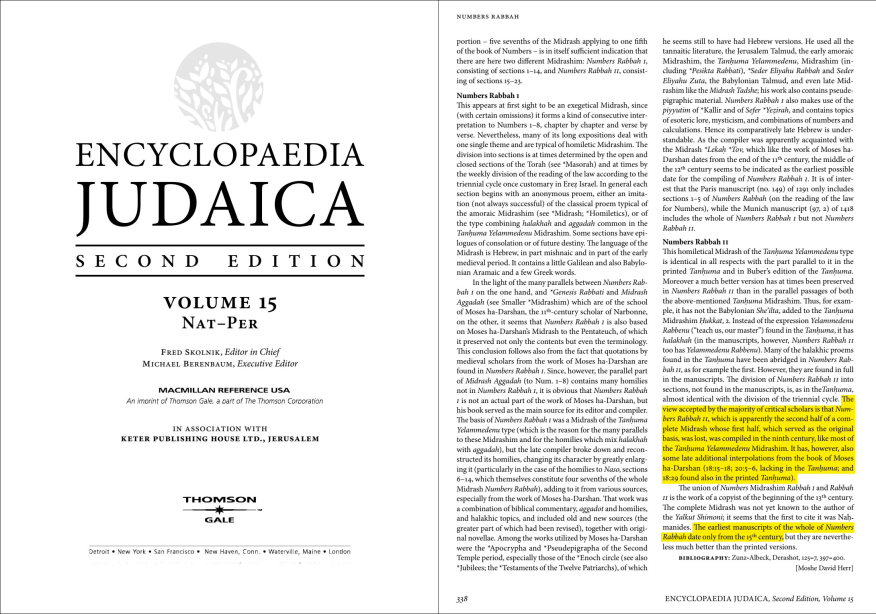
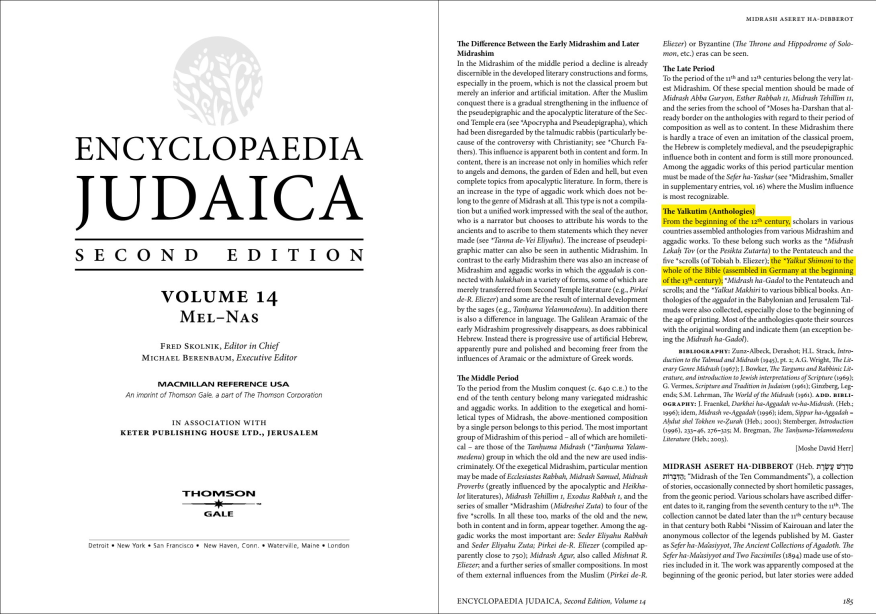
The Truth This midrash was subject to distortion and additions over time and heavily relies on Midrash Tanhuma, which dates back to the 9th century CE.
Claim 7 — The Story of Joseph Taken from Pseudo-Narsai
The Lie The story of Joseph with his brothers is mentioned in the sermons of the forged Pseudo-Narsai, implying the Qur’an borrowed from it.
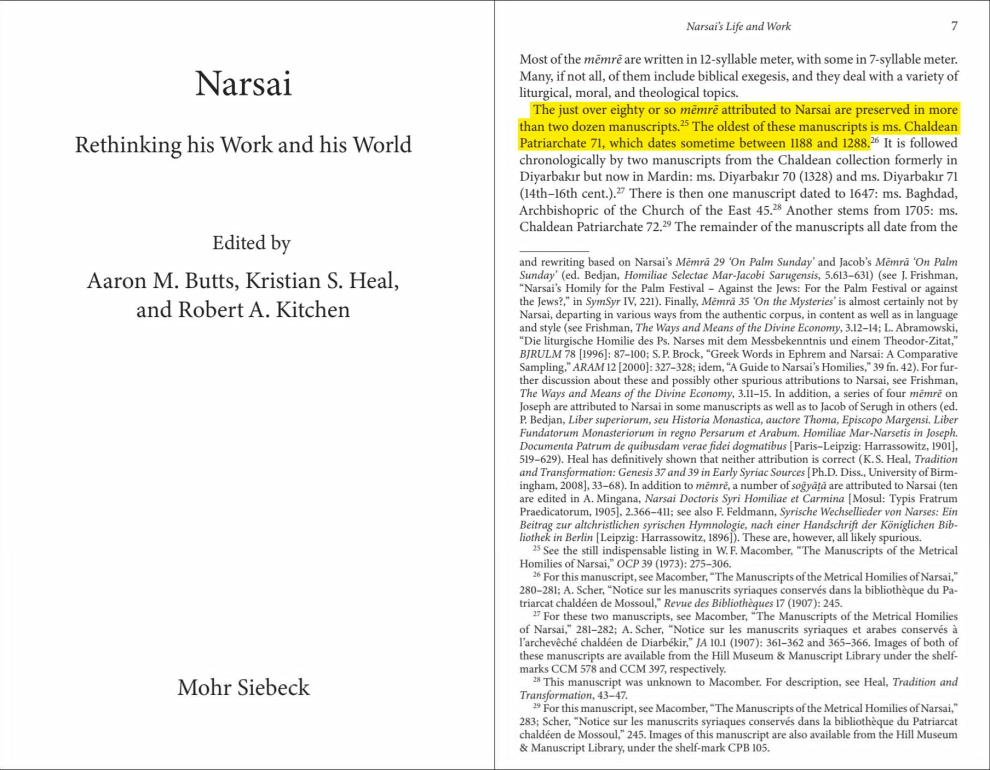
The Truth The oldest manuscript of Narsai’s sermons dates back to the 12th/13th century CE — more than 500 years after the death of the Prophet ﷺ.
The Pattern — Every Single Source Postdates the Qur’an
| Claim | Alleged Source | Actual Date of Compilation |
|---|---|---|
| Isra and Mi’raj | Arda Viraz Namak | 9th–10th century CE |
| Paradise, Hell, Houris | Salman the Persian | Meccan revelation predates the meeting |
| Cain and Abel | Targum Jonathan | Late 7th – early 8th century CE |
| Hoopoe and Queen of Sheba | Targum Sheni | Early 8th century CE (oldest MS: 12th century) |
| Dhul-Qarnayn | Jacob of Serugh / Syriac sources | All Syriac sources post-Islamic |
| Abraham and the Fire | Midrash Bereishit Rabbah | Relies on Midrash Tanhuma, 9th century CE |
| Story of Joseph | Pseudo-Narsai | Oldest MS: 12th–13th century CE |
In every single case, the alleged source either postdates the revelation of the Qur’an, or its oldest surviving manuscript postdates it by centuries. The claim that the Qur’an copied from these sources is chronologically impossible and academically dishonest.