What Is Abrogation
- First: Definition of abrogation in Islam: Abrogation is the removal of a legal ruling by another ruling or its cancellation.
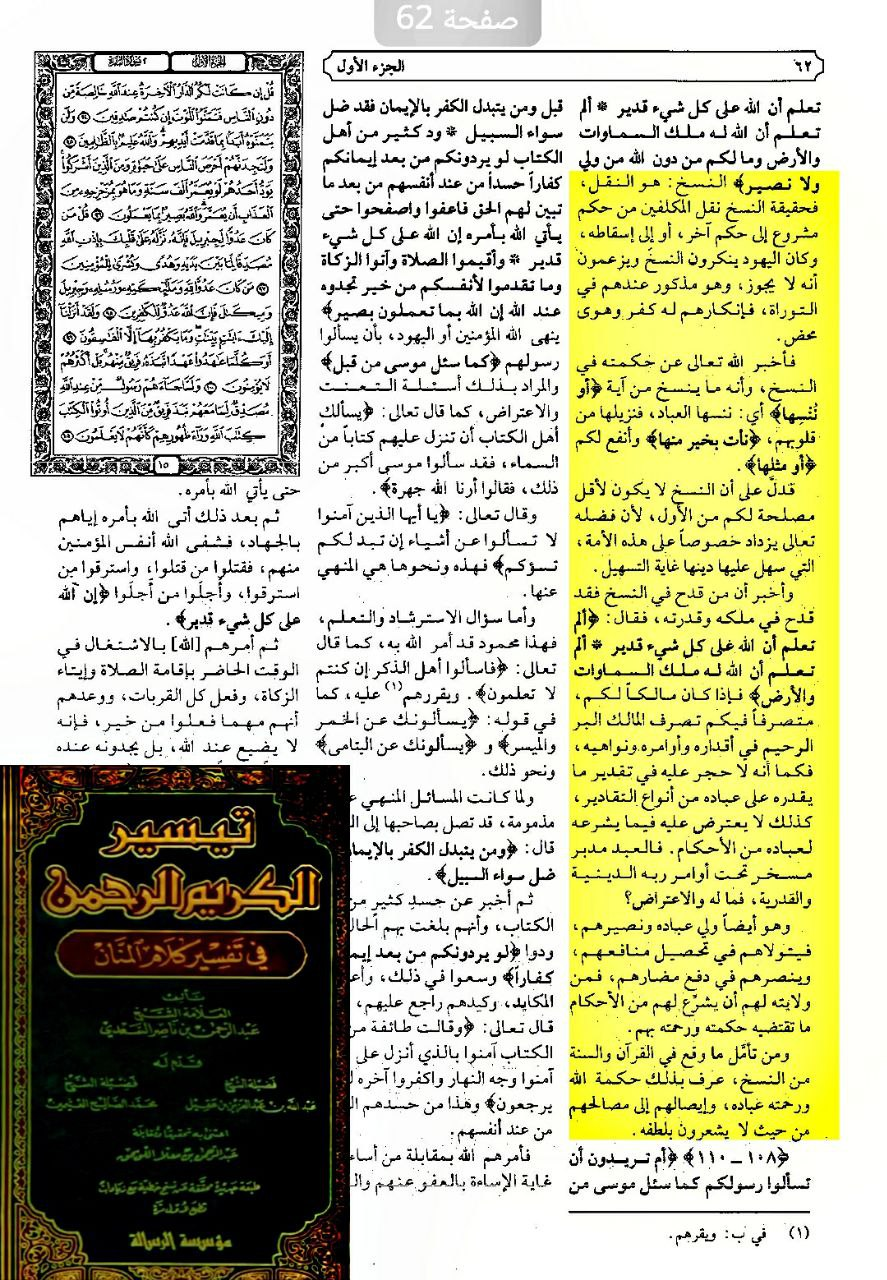
*Al-Sa’di said in “Taysir al-Kalam al-Rahman”: “Abrogation is transfer. The reality of abrogation is transferring those responsible from one legitimate ruling to another ruling, or to its cancellation.”
Al-Baghawi said in his interpretation: “Abrogation in the language has two meanings: - The first: means transfer and transportation, and from it is the abrogation of the book, which is that it is transferred from one book to another. So in this way, the entire Qur’an is abrogated because it was abrogated from the Preserved Tablet. - The second is in the meaning of removal. It is said: the sun abrogated the shadow, meaning it took it away and nullified it. So in this way, some of the Qur’an is abrogating and some of it is abrogated, and this is what is meant by the verse.”
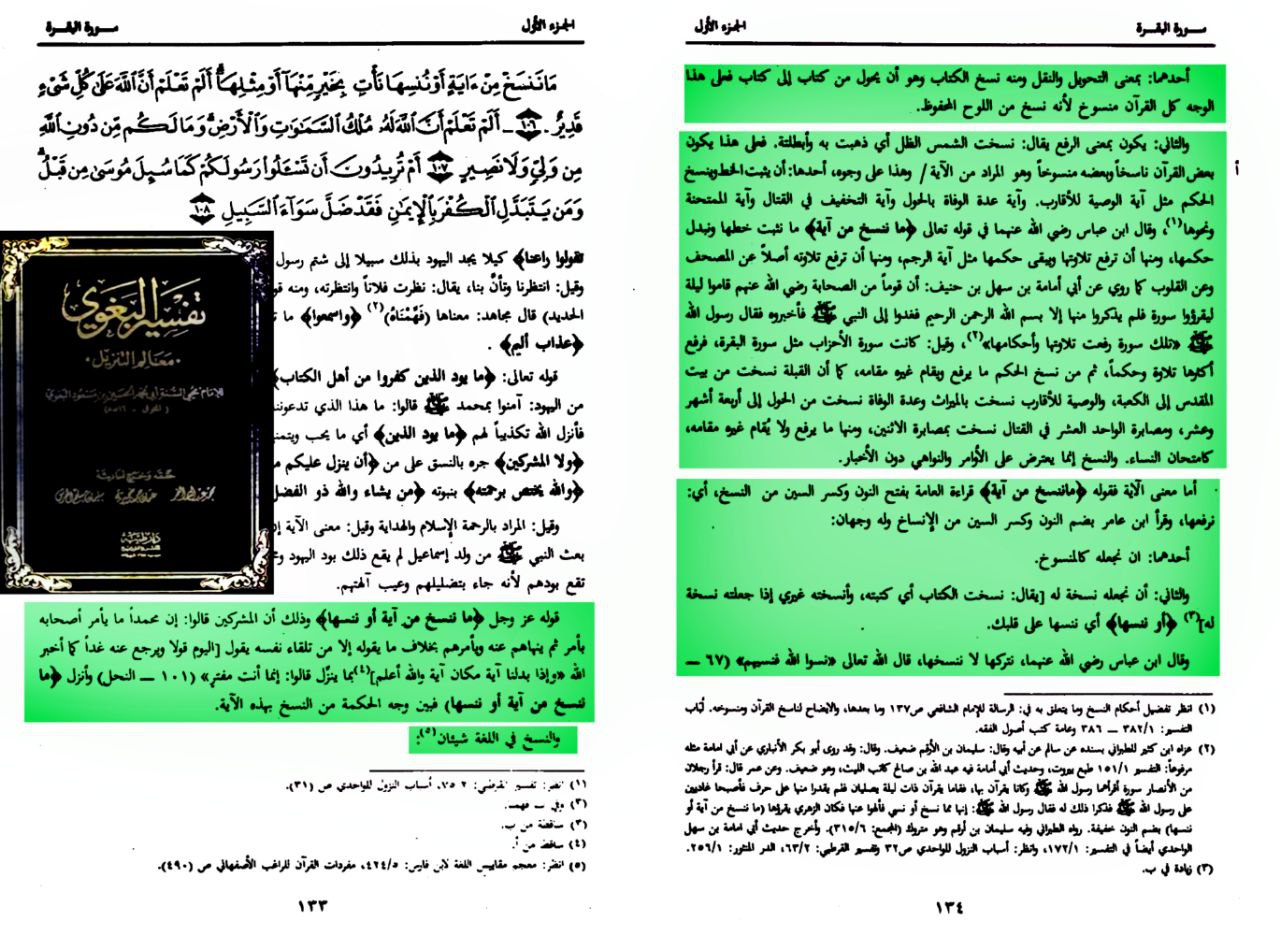
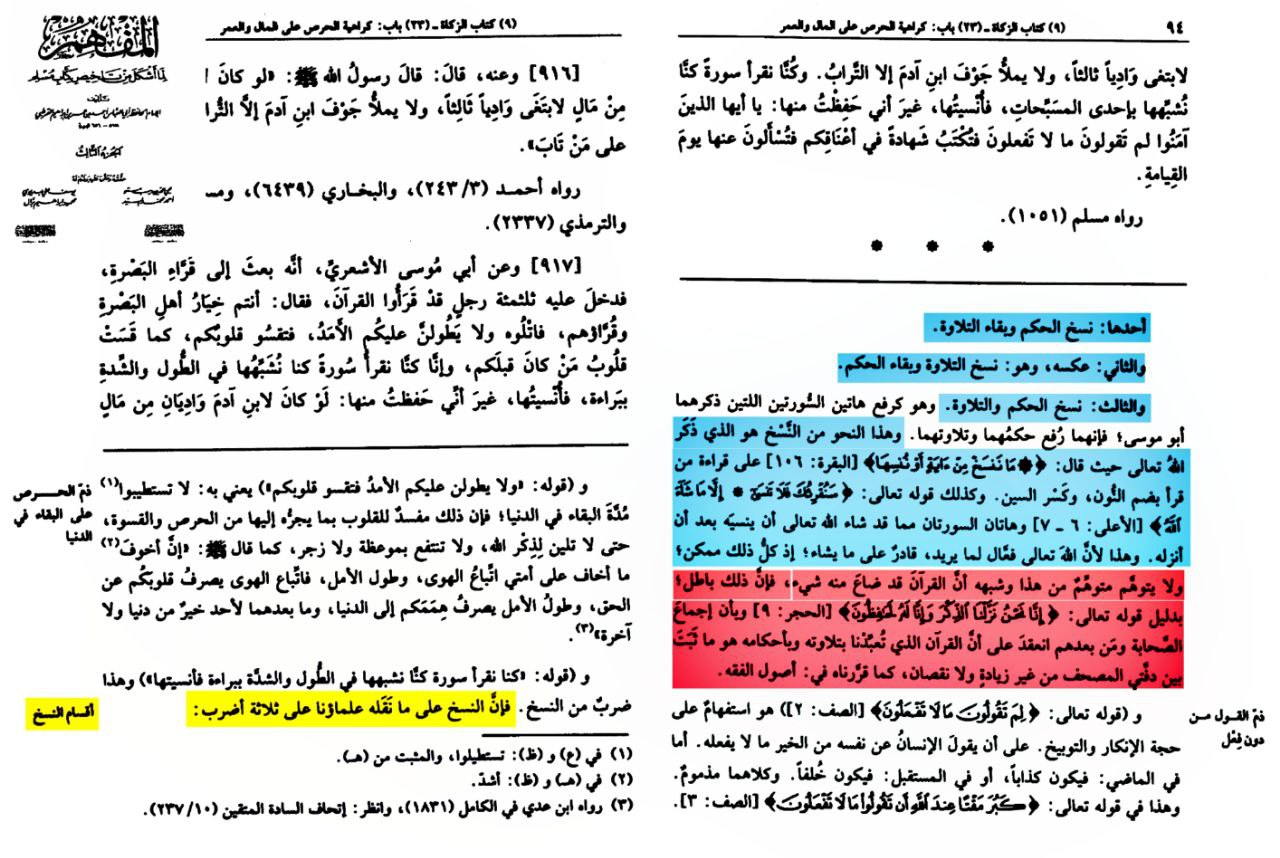
- Second: Types of abrogation: Al-Qurtubi mentioned in “Al-Mufhim” the types of abrogation, which are three:
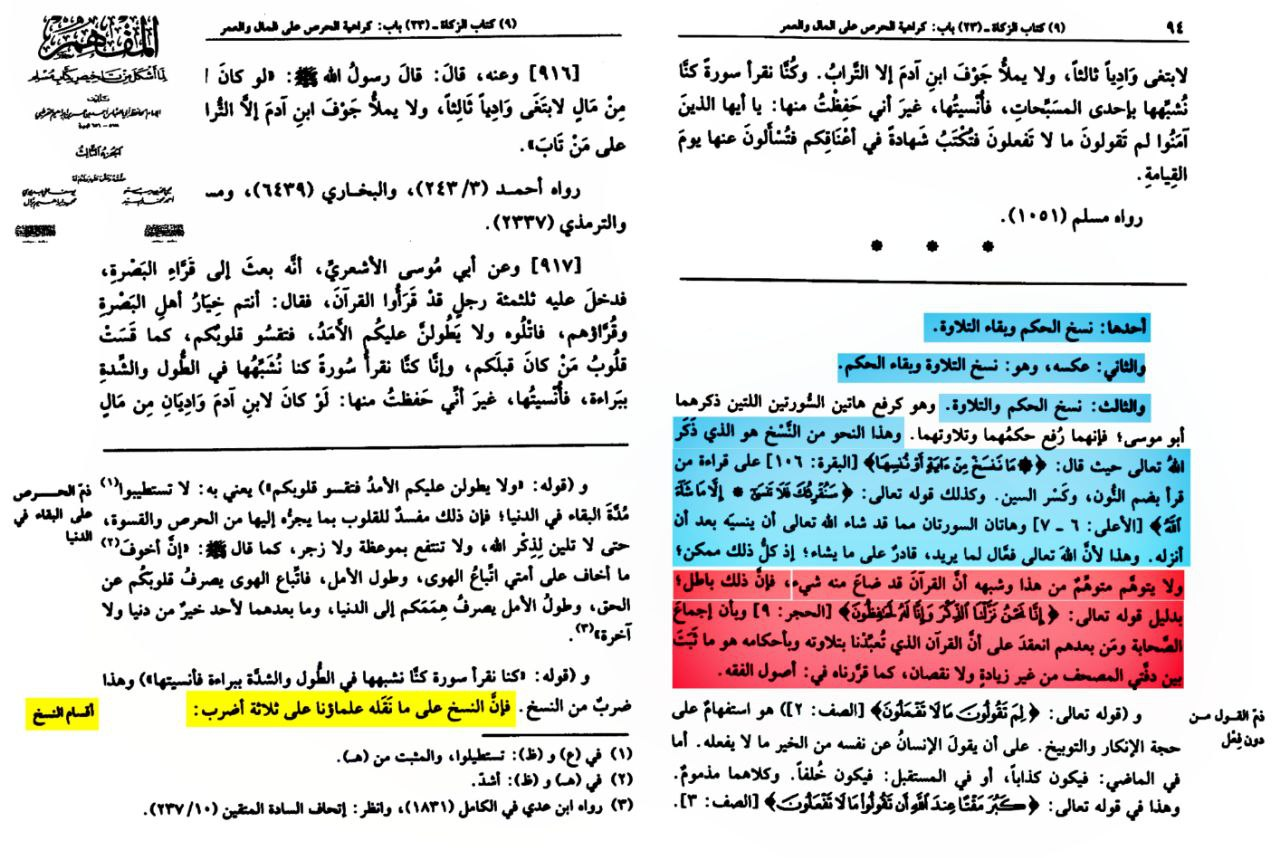
- Third: Abrogation existed in previous laws: Some Jews and Christians come to us to deny the abrogation in the Quran and that it is not permissible, and that God Almighty changes His mind (God forbid), although the matter, as mentioned by both Al-Suyuti and Al-Saadi, also existed in their own laws. We give, for example, the story of Abraham’s marriage, peace be upon him, to his sister Sarah “according to the Christian holy book,” and how this law was later abrogated. - In Genesis 20:12, a person is permitted to marry his sister: “12 And indeed she is my sister, the daughter of my father, but not the daughter of my mother; and she has become my wife.” In Leviticus 18:9, this ruling was abrogated by the prohibition of incest: “9 The nakedness of your sister, the daughter of your father or the daughter of your mother, whether born at home or born outside, you shall not uncover her.”
- Fourth: Do not speak about what you do not understand!
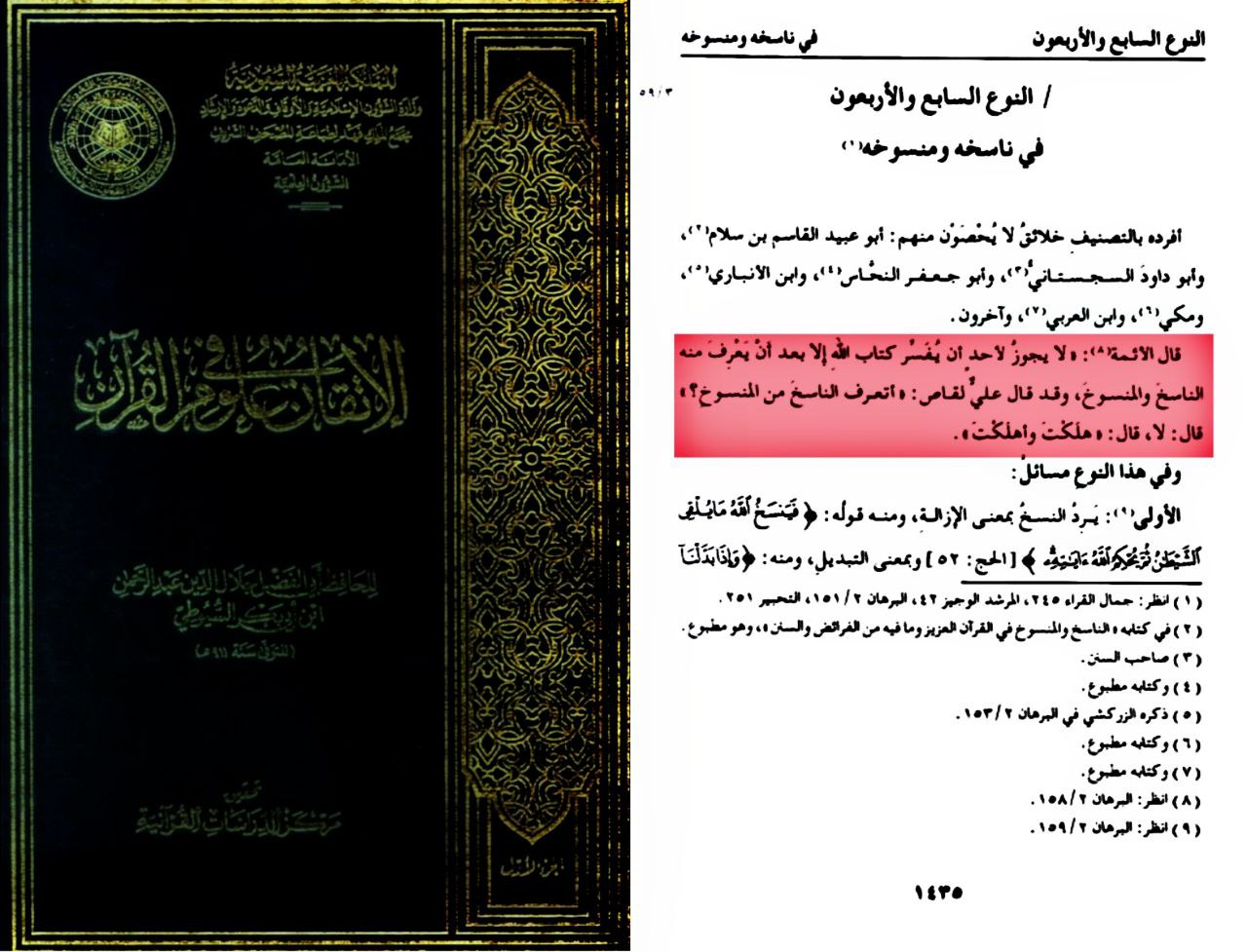
it is is only spoken about by the Companions, may God be pleased with them:
’
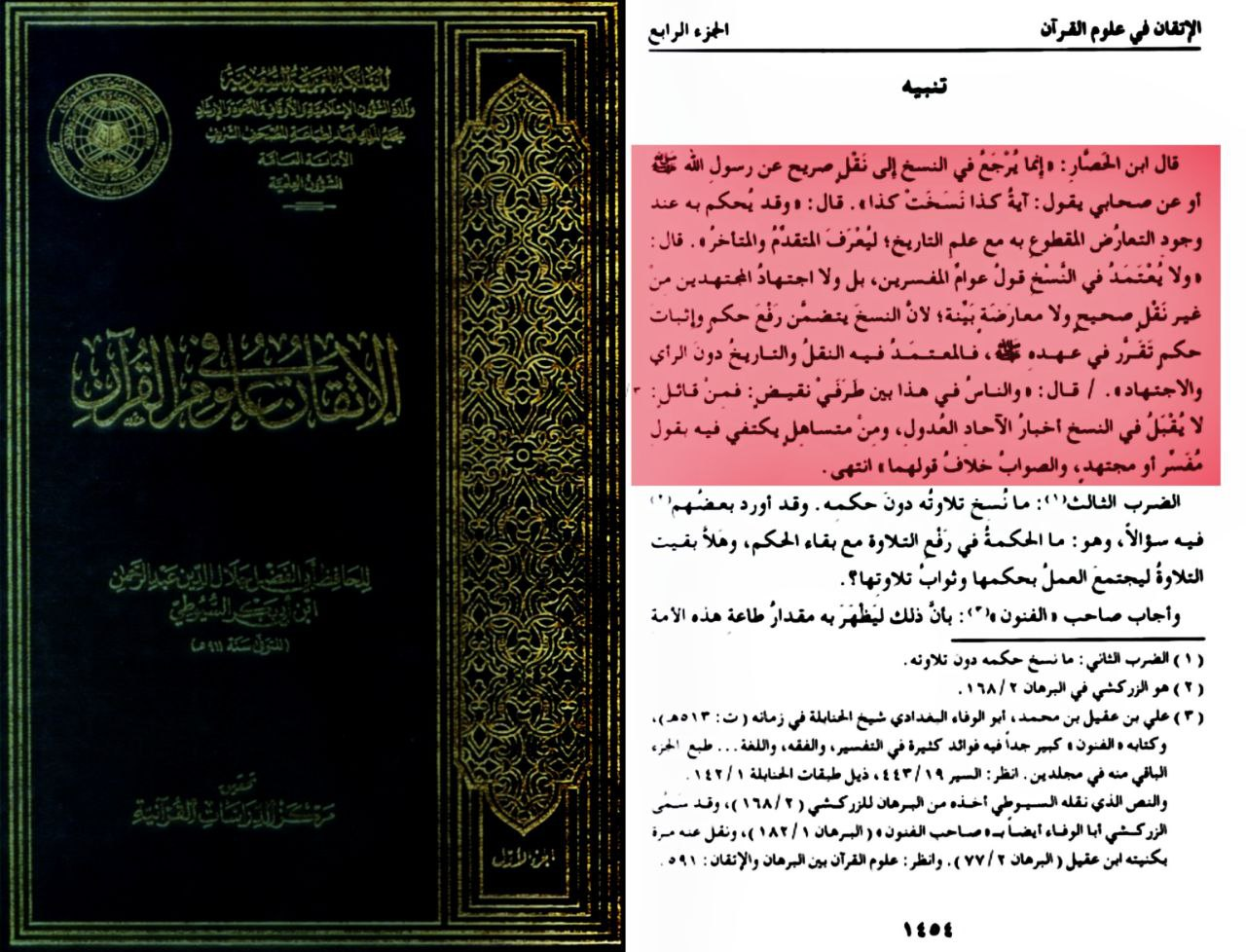
✅Things in which abrogation occurred:
✅The abrogation ended with the death of the Messenger, may God bless him and grant him peace:
*Jalal al-Din Abd al-Rahman ibn Abi Bakr al-Suyuti said in “Al-Dibaj”: “…so God would make people forget it after they had memorized it and erase it from their hearts, and that was especially during the time of the Prophet, as there was no abrogation after him.”
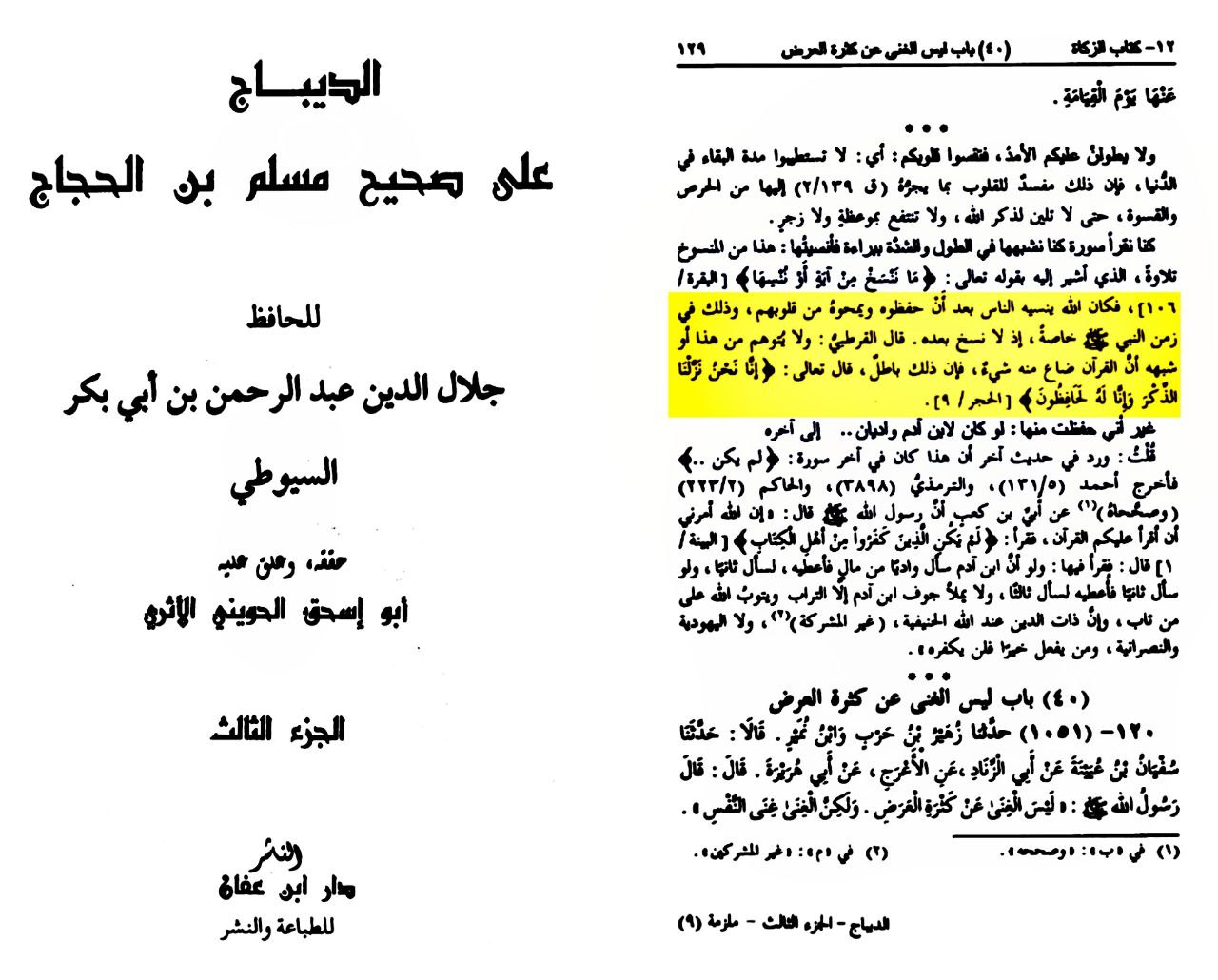
*Al-Qurtubi said in “Al-Mufhim”: “Let no one who thinks of this or something similar imagine that anything from the Qur’an has been lost, for that is false. God Almighty said: {Indeed, it is We who sent down the Qur’an and indeed, We will be its guardian.} [Al-Hijr: 9] and that the consensus of the Companions and those who came after them was established that the Qur’an that we are commanded to recite and to follow its rulings is that which is established between the two covers of the Mushaf, without any addition or subtraction, as we have stated in the Principles of Jurisprudence.”
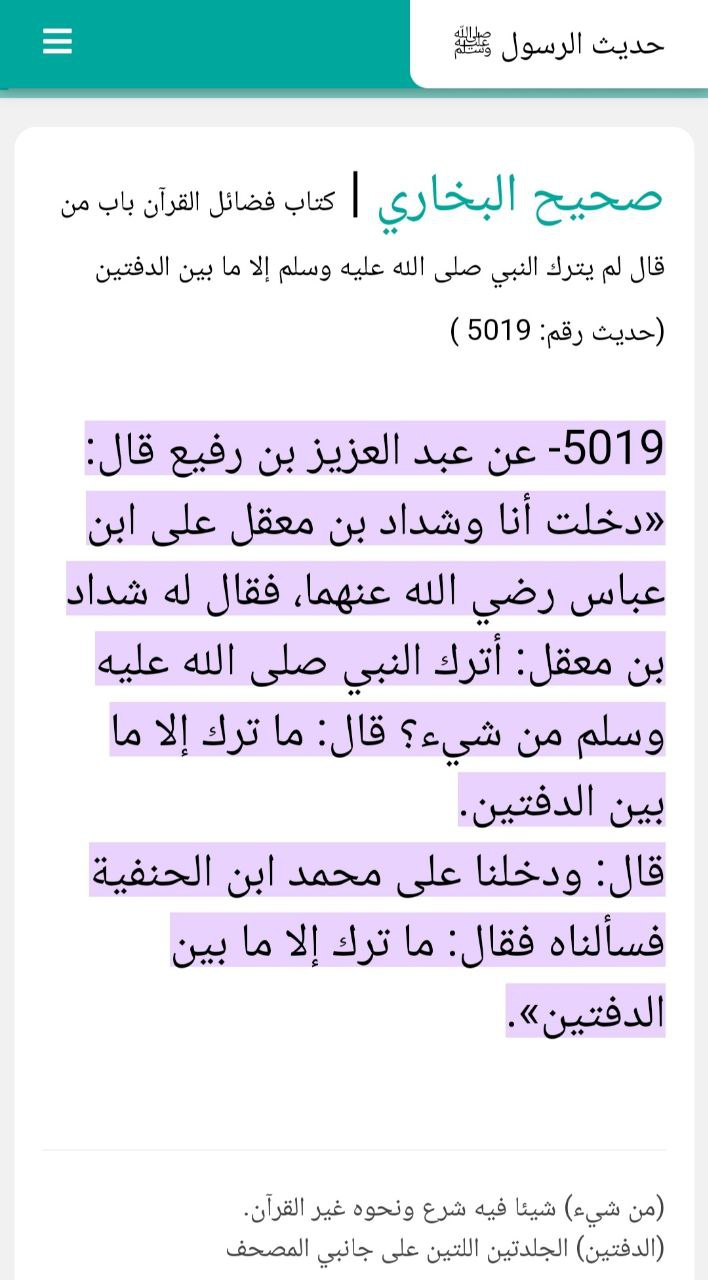
We quote from Sahih Al-Bukhari what indicates this statement more:
- Fifth: Some divine rulings on abrogation:
⭕Facilitating this nation:
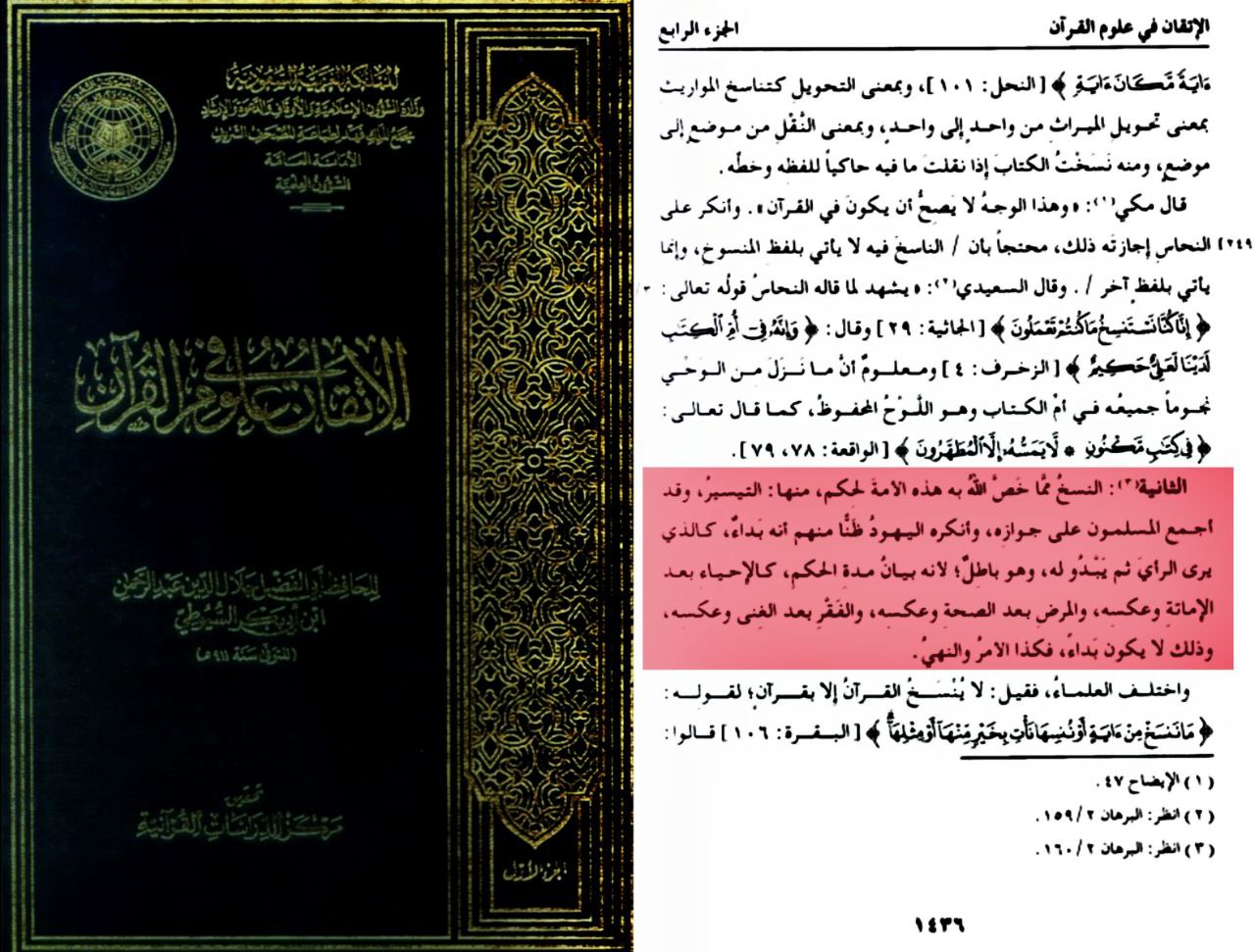
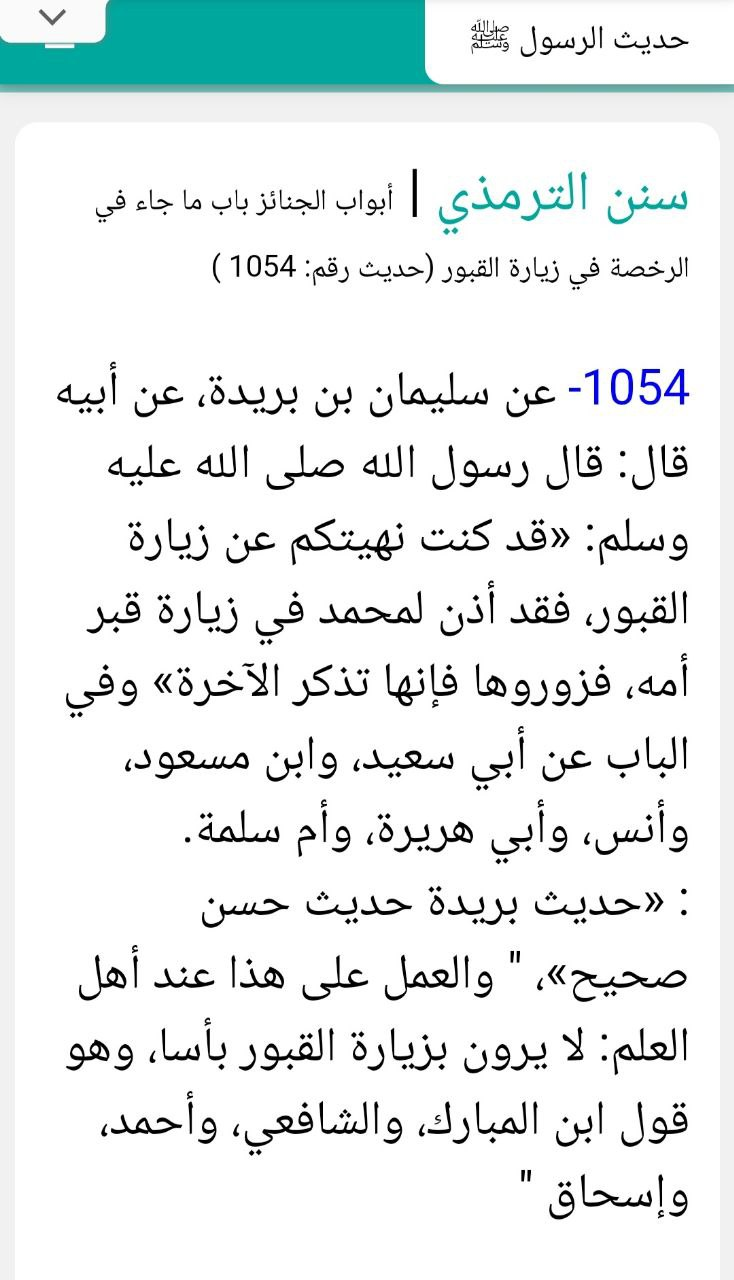
⭕To establish faith in the hearts of those who were polytheists, because they were still newly emerging from the customs of the Age of Ignorance. Therefore, abrogation was the best way to establish faith in their hearts and ensure the disappearance of the customs of the Age of Ignorance, as we mentioned previously. We will provide you here with an example of the issue of prohibiting visiting graves and then permitting it:
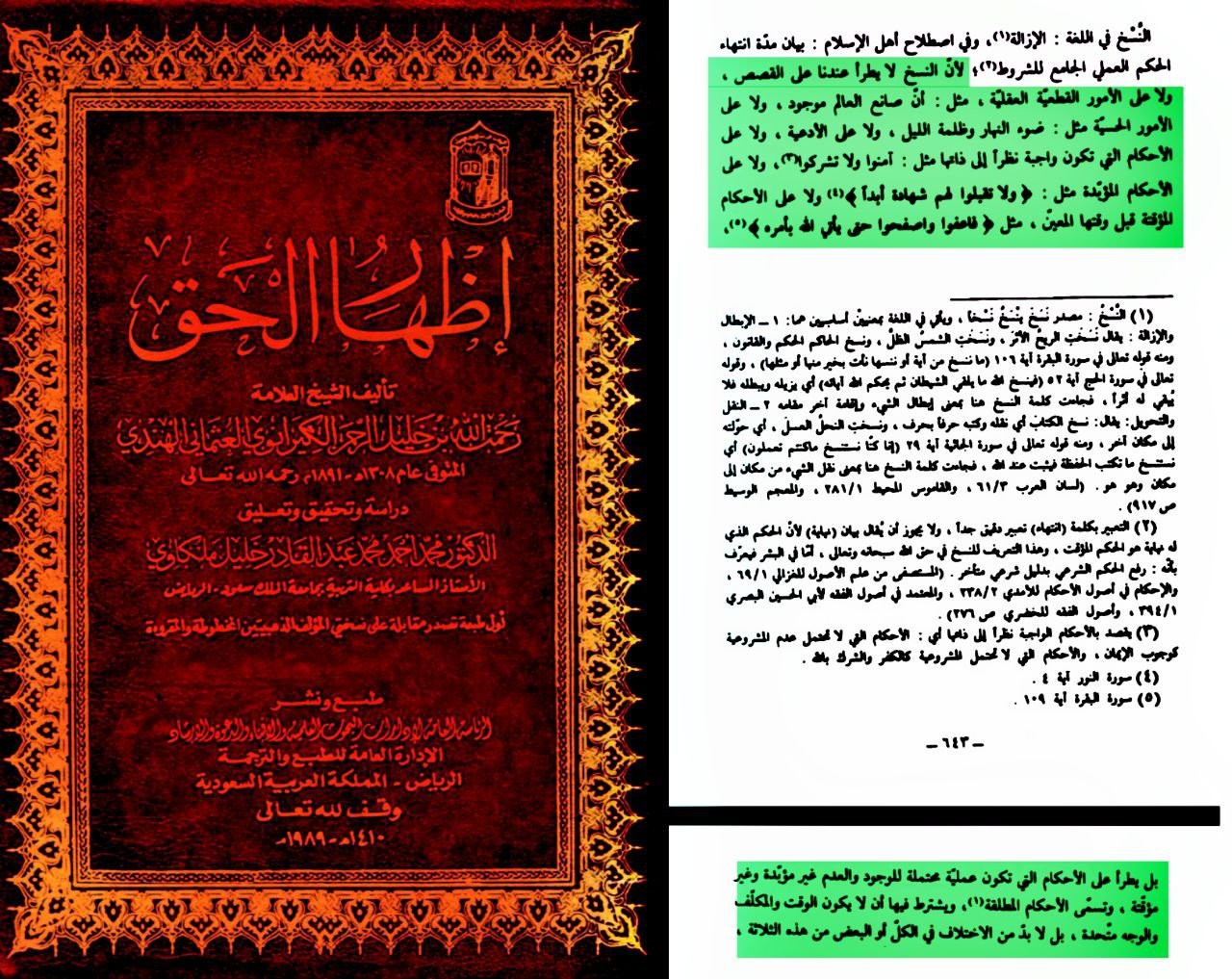
- Sixth: Examples of copies from daily life:
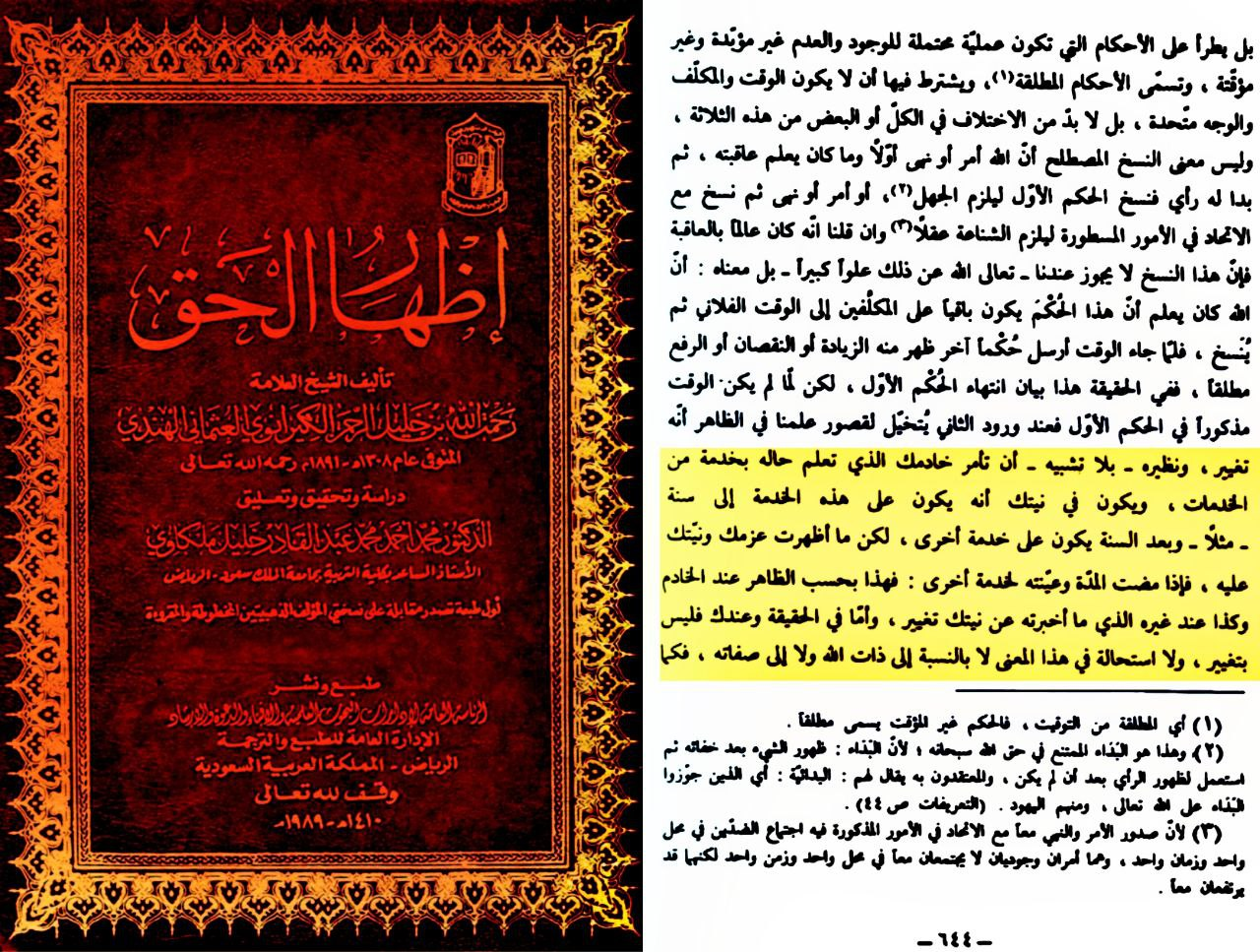
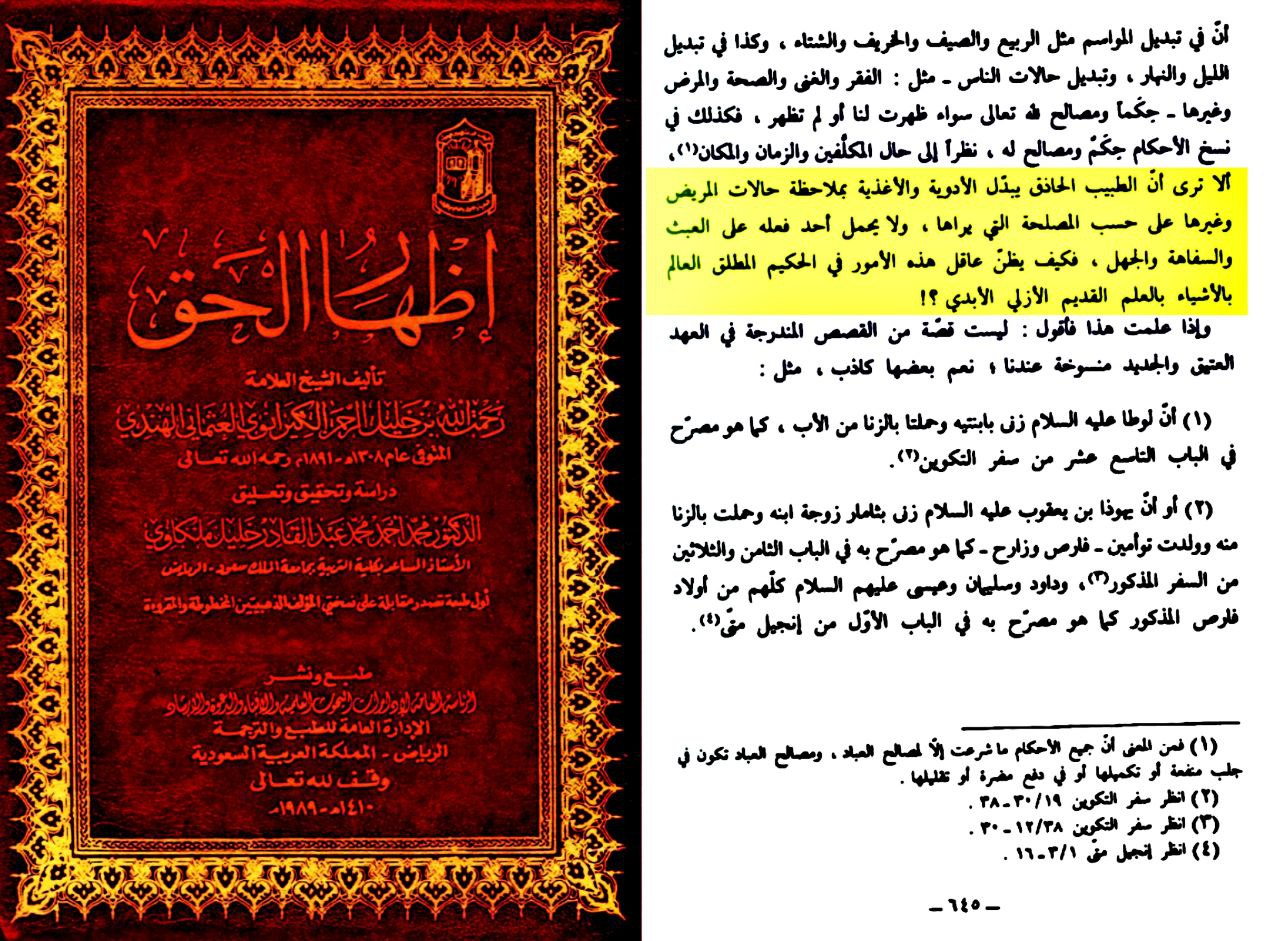
Abrogation is compatible with reason, and the evidence for this is that we use it in daily life. Al-Hindi, may God have mercy on him, gave some examples of this in his book “Izhar al-Haqq”: