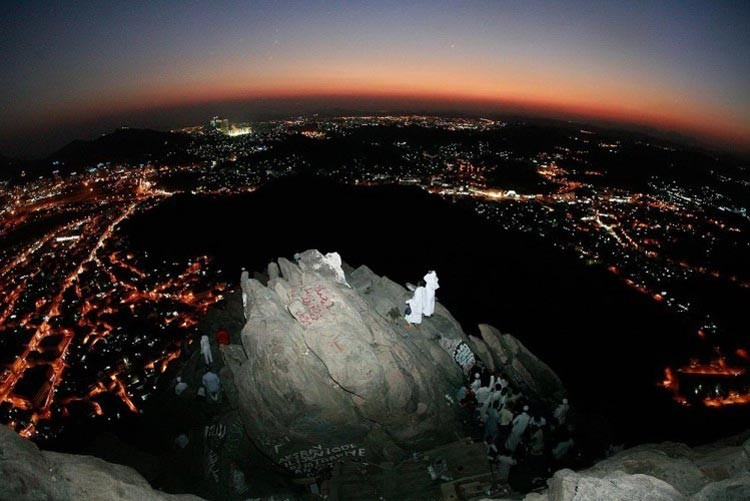
With Gabriel, Peace Be Upon Him, in the Cave of Hira, Isaiah 29
Isaiah 29:12 — The Cave of Hira Prophecy
Table of Contents
- Introduction — The Prophecy and the Prophet ﷺ
- The Arabic Translations — Isaiah 29:9–14
- The English Translations
- The Hebrew Text
- The Greek Text (Septuagint & Sinaiticus)
- The Hadith of the First Revelation
- Quranic References
- The Distortion in the Arabic Translation
- Additional Notes on Translation Method
Introduction — The Prophecy and the Prophet ﷺ
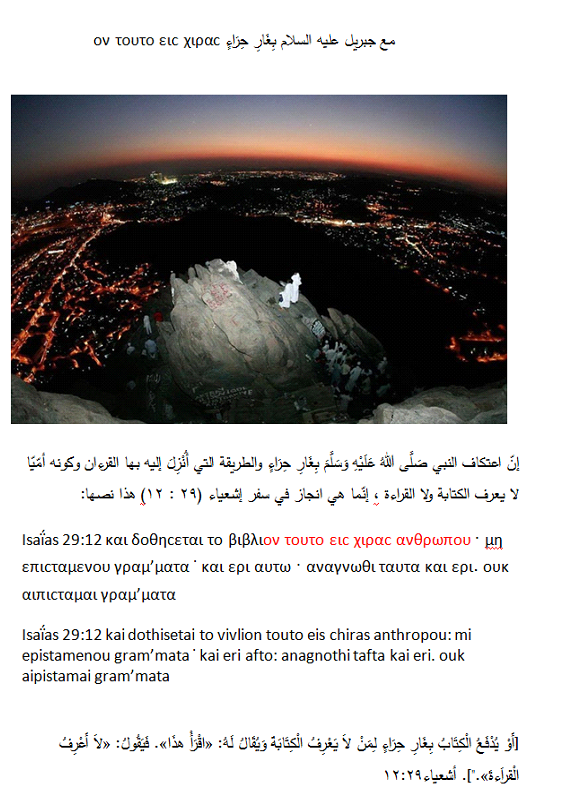
This is the Greek text of Isaiah 29:12:
Isaḯas 29:12 — Kai dothisetai to livelion all butto eis chiras anthropouu: mi epistamenou gramʼmata ˙ kai eri afto: anagnothi tafta kai eri. Ouk aipistamai gramʼmata
Translation:
Or the book is given in the cave of Hira to someone who does not know how to write, and it is said to him: “Read this.” And he says: “I do not know how to read.”
The Holy Qur’an says about him ﷺ in Surat Al-A’raf:
“Those who follow the Messenger, the unlettered prophet, whom they find written with them in the Torah and the Gospel. He enjoins upon them what is right and forbids them what is wrong and makes lawful for them the good things and prohibits for them the bad things and relieves them of their burden and the shackles which were upon them. So those who believe in him, honor him, support him, and follow the light which has been sent down with him — it is those who will be the successful.” (7:157)
The Arabic Translations — Isaiah 29:9–14
Common Arabic Translation
Be perplexed and amazed! Be blind and blind! Be drunk, but not with wine! They staggered, but not from strong drink. The Lord has poured out upon you the spirit of stupor; He has closed the eyes of your prophets and covered the heads of those who see among you. All your visions have become obscure, like the words of a sealed book. You give it to someone who can read, saying, “Read this.” He says, “I cannot, for it is sealed.” Then you give it to someone who cannot read, saying, “Read this.” And he answers: (I do not know how to read).
Catholic Translation
For the Lord has poured out upon you the spirit of deep sleep and has closed your eyes (the eyes of the prophets) and has covered your heads (the heads of those who see). So all the visions have become to you as the words of a sealed book, which they hand to one who can read, saying: (Read this), and he says: (I cannot, for it is sealed). Then the book is handed to one who cannot read, and it is said to him: (Read this), and he says: (I do not know how to read).
Life Translation
Be astonished and they marveled, they were blind, they were blind. They were drunk, but not with wine. They were reeling, but not with strong drink. For the Lord has poured out upon you the spirit of a deep sleep. He has closed the eyes of your prophets and covered the heads of your seers.
And all this vision has become to you as the words of a sealed book, when they hand it to one who can read, saying, “Read this.” He answers: I cannot, because it is sealed. And when they hand it to someone who cannot read, saying: Read this, he answers: I cannot read.
Isaiah 29, text 12 — Smith and VanDyke translation: “Or the book is given to one who does not know how to read, and it is said to him, ‘Read this,’ and he says, ‘I do not know how to read.’”
The English Translations
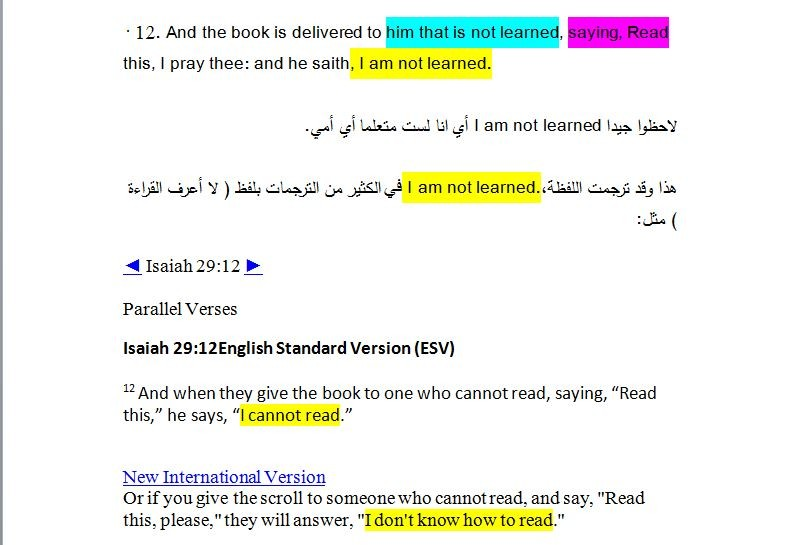
The attached English translation states:
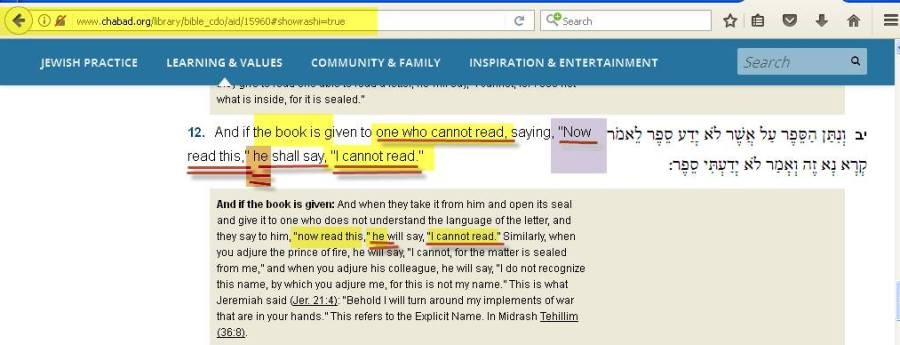
“And the book is delivered to him that is not learned, saying, Read this, I pray thee: and he saith, I am not learned.”
Notice well: I am not learned — meaning I am not educated, that is, illiterate.
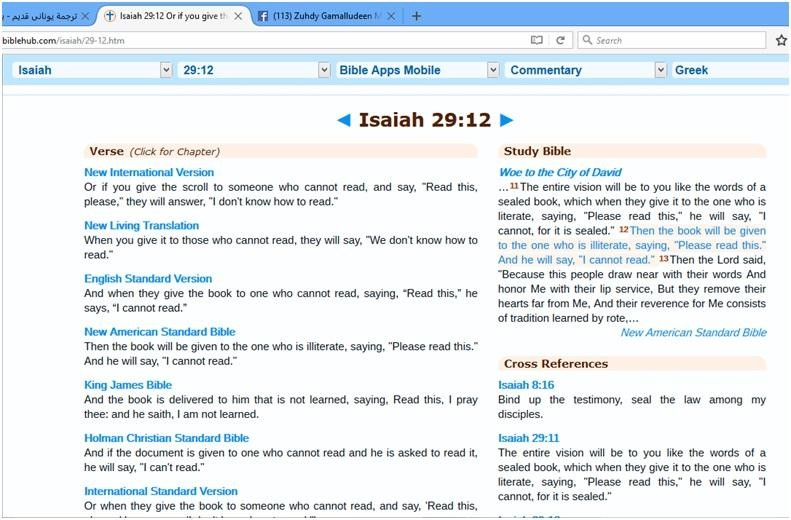
This word I am not learned has been translated in many translations as (I do not know how to read), such as:
| Translation | Text |
|---|---|
| English Standard Version (ESV) | “And when they give the book to one who cannot read, saying, ‘Read this,’ he says, ‘I cannot read.’” |
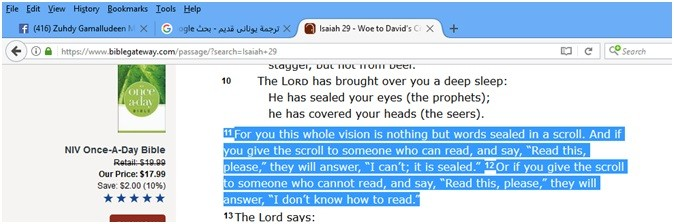
| New International Version | ”Or if you give the scroll to someone who cannot read, and say, ‘Read this, please,’ they will answer, ‘I don’t know how to read.’” |
| King James Bible | ”And the book is delivered to him that is not learned, saying, Read this, I pray thee: and he said, I am not learned.” |
| Darby Bible Translation | ”And they give the book to him that cannot read, saying, Read this, I pray thee; and he said, I cannot read.” |
| World English Bible | ”and the book is delivered to one who is not educated, saying, ‘Read this, please;’ And he says, ‘I can’t read.’” |
| Young’s Literal Translation | ”And the book is given to him who hath not known books, Saying, ‘Read this, we pray thee,’ And he hath said, ‘I have not known books.’” |
| NASB (1995) | “Then the book will be given to the one who is illiterate saying, ‘Please read this.’ And he will say, ‘I cannot read.’” |
The Hebrew Text
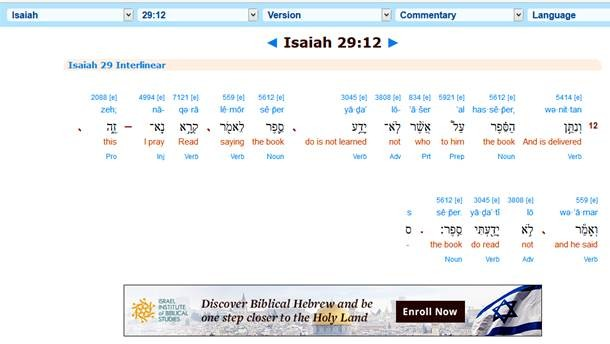
Source: https://biblehub.com/interlinear/isaiah/29-12.htm
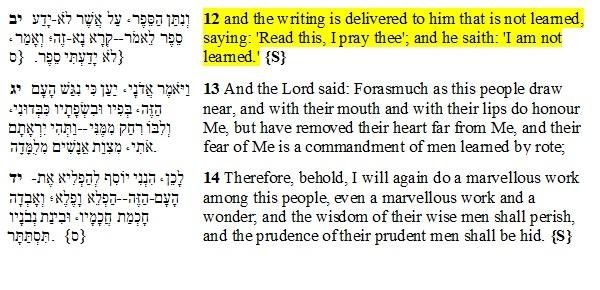
The Hebrew text:
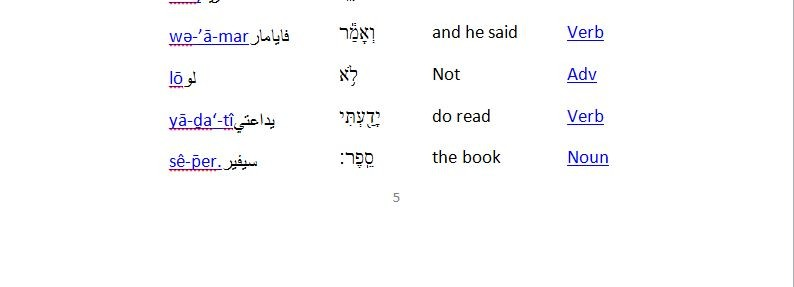
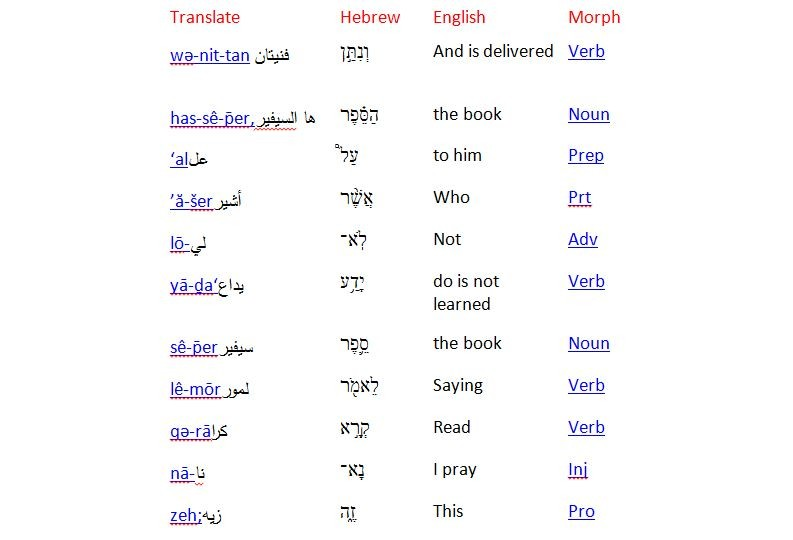
וְנִתַּן הַסֵּפֶר, עַל אֲשֶׁר לֹא-יָדַע סֵפֶר לֵאמֹר— קְרָא נָא-זֶה; וְאָמַר, לֹא יָדַעְתִּי סֵפֶר
Word-by-word breakdown:
| Hebrew | Transliteration | Meaning |
|---|---|---|
| וְנִתַּן | wə·nit·tan | And is delivered |
| הַסֵּפֶר | has·sê·p̄er | the book |
| עַל | ’al | to him |
| אֲשֶׁר | ’ă·šer | who |
| לֹא | lō | not |
| קְרָא | qə·rā | Read |
| נָא | nā | I pray |
- Part of Speech: Verb
- Transliteration: qera
- Phonetic Spelling: (keraw’)
- Short Definition: read
- Definition: to call, read out or aloud
- NASB Translation: called (1), proclaimed (1), read (7), shouted (1), summoned (1)
The Hebrew text of the verse again:
יב וְנִתַּן הַסֵּפֶר, עַל אֲשֶׁר לֹא-יָדַע סֵפֶר לֵאמֹר— קְרָא נָא-זֶה; וְאָמַר, לֹא יָדַעְתִּי סֵפֶר
And here in the first paragraph they translate: יִתְּנוּ אֹתוֹ אֶל יוֹדֵעַ הספר → (they give it to the scholar of the book)
And in the second paragraph: וְאָמַר לֹא יָדַעְתִּי סֵפֶר → And he said I do not know the book — meaning reading.
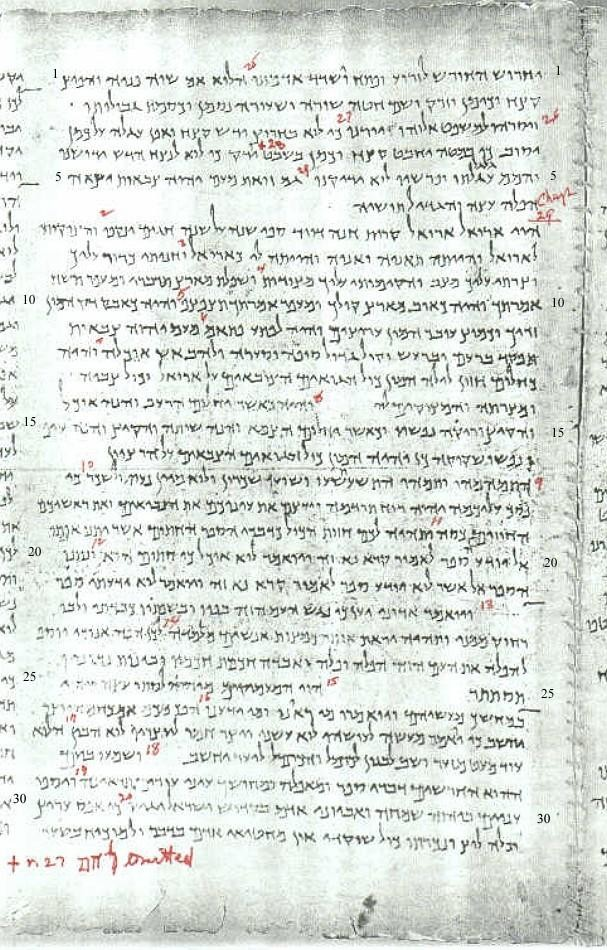
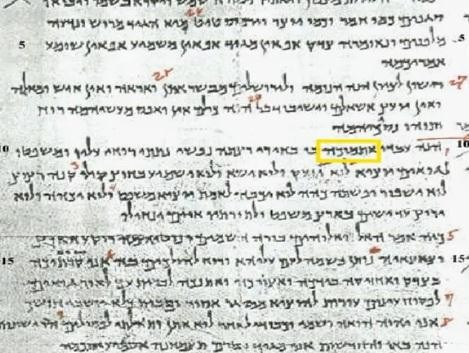
The Great Isaiah Scroll — Dead Sea Scrolls
Westminster Leningrad Codex (WLC) — Consonants
Aleppo Codex
Column XXIII — The Great Isaiah Scroll 28:24 to 29:21 (Dead Sea Scroll manuscript)
Source for line-by-line translation: http://www.ao.net/%7Efmoeller/qa-tran.htm#c23
The Greek Text (Septuagint & Sinaiticus)
Clarke’s Commentary on the Bible:
I cannot; for it is sealed — “I cannot read it; for it is sealed up” — An ancient MS. and the Septuagint have preserved a word here, lost out of the text; לקרות likroth, (for לקראות), αναγνωναι anagnonai, read it.
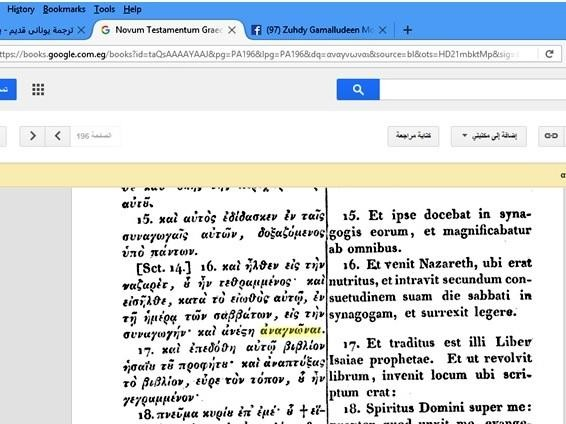
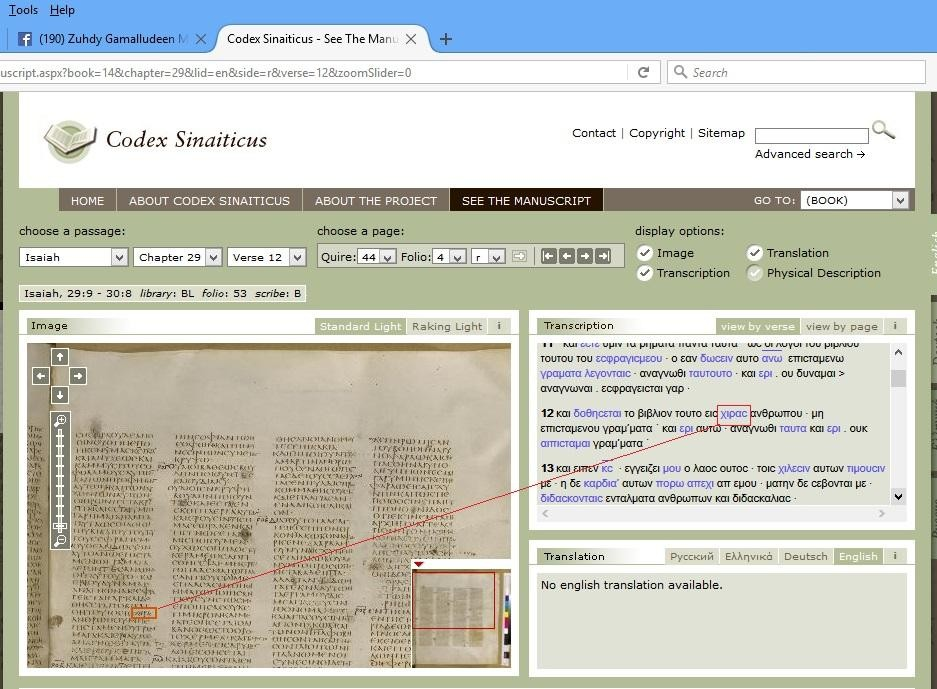
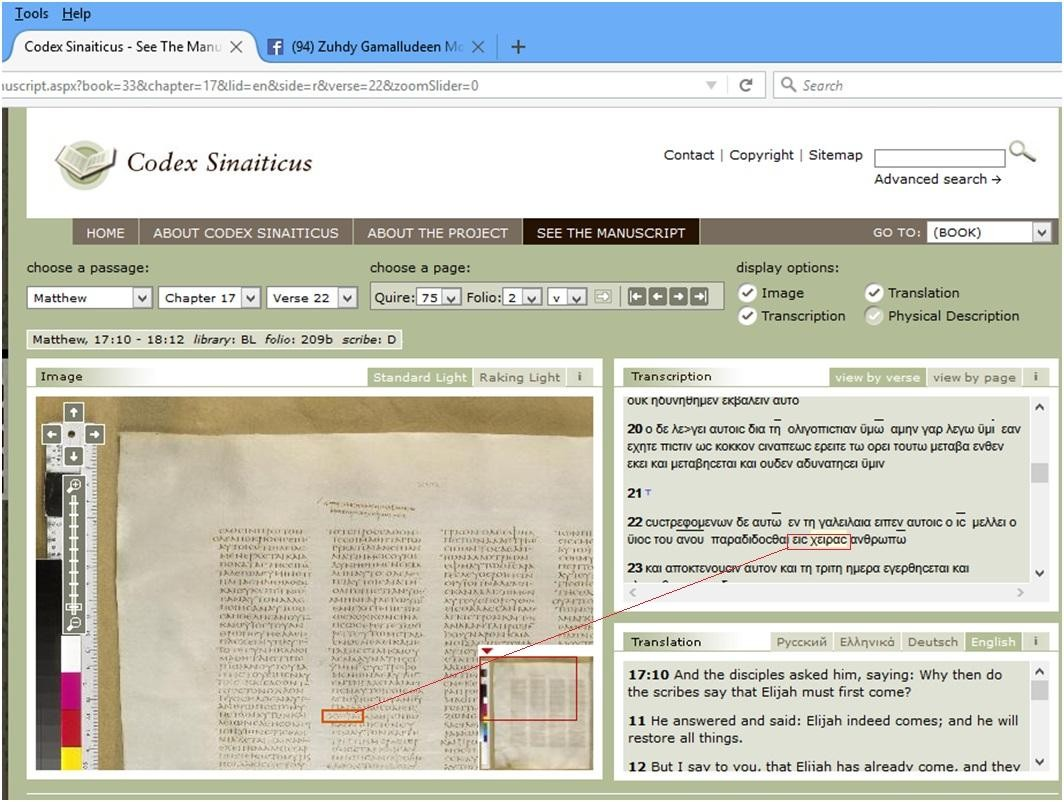
Isaiah 29:12 — Sinaiticus Greek text:
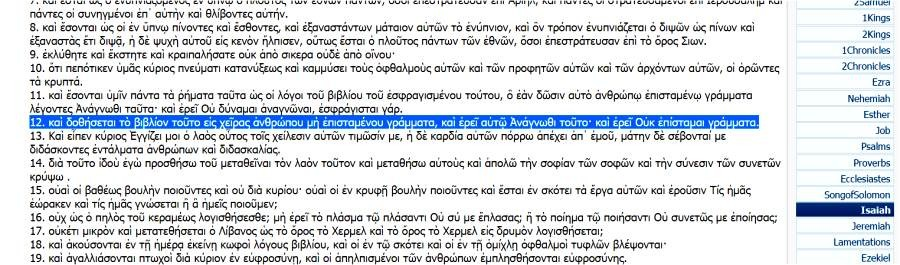
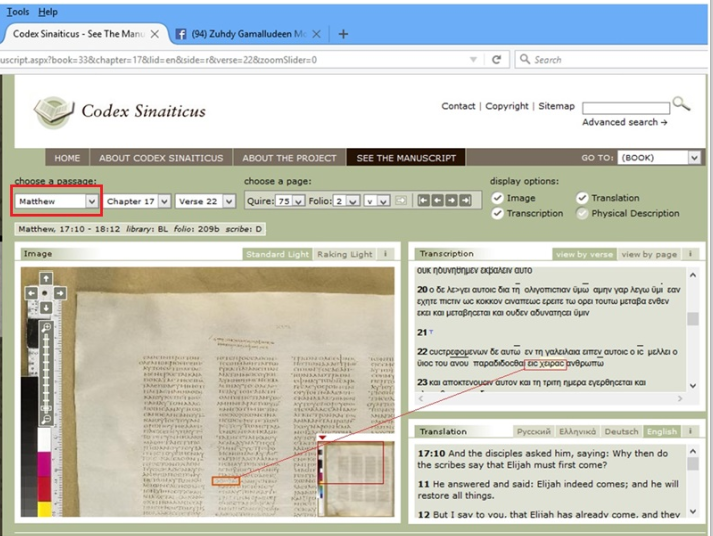
καὶ δοθήσεται τὸ βιβλίον τοῦτο εἰς χιρας ανθρωπου · μη επιϲταμενου γραμʼματα ˙ και ερι αυτω · αναγνωθι ταυτα και ερι . ουκ αιπιϲταμαι γραμʼματα
Isaḯas 29:12 — Kai dothisetai to livelion all of them are chiras anthropou: mi epistamenou gramʼmata ˙ kai eri afto: anagnothi tafta kai eri. ouk aipistamai gramʼmata
The Hidden Phrase — Eis Chiras
The full Sinaiticus text of Isaiah 29:12:
και δοθηϲεται το βιβλιον τουτο ειϲ χιραϲ ανθρωπου · μη επιϲταμενου γραμʼματα ˙ και ερι αυτω · αναγνωθι ταυτα και ερι . ουκ αιπιϲταμαι γραμʼματα
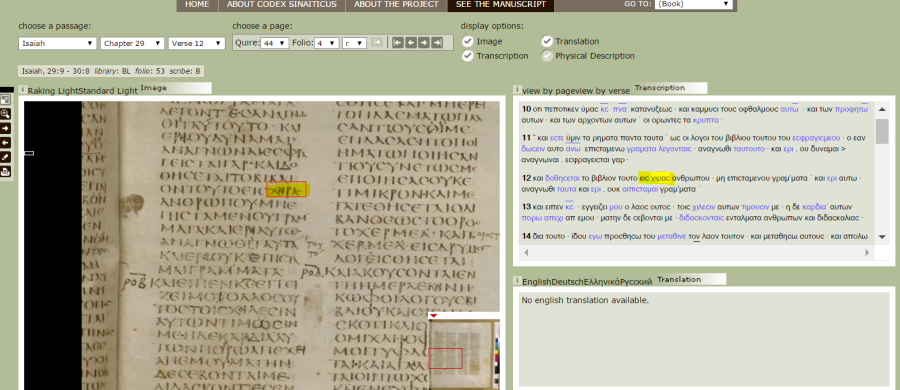
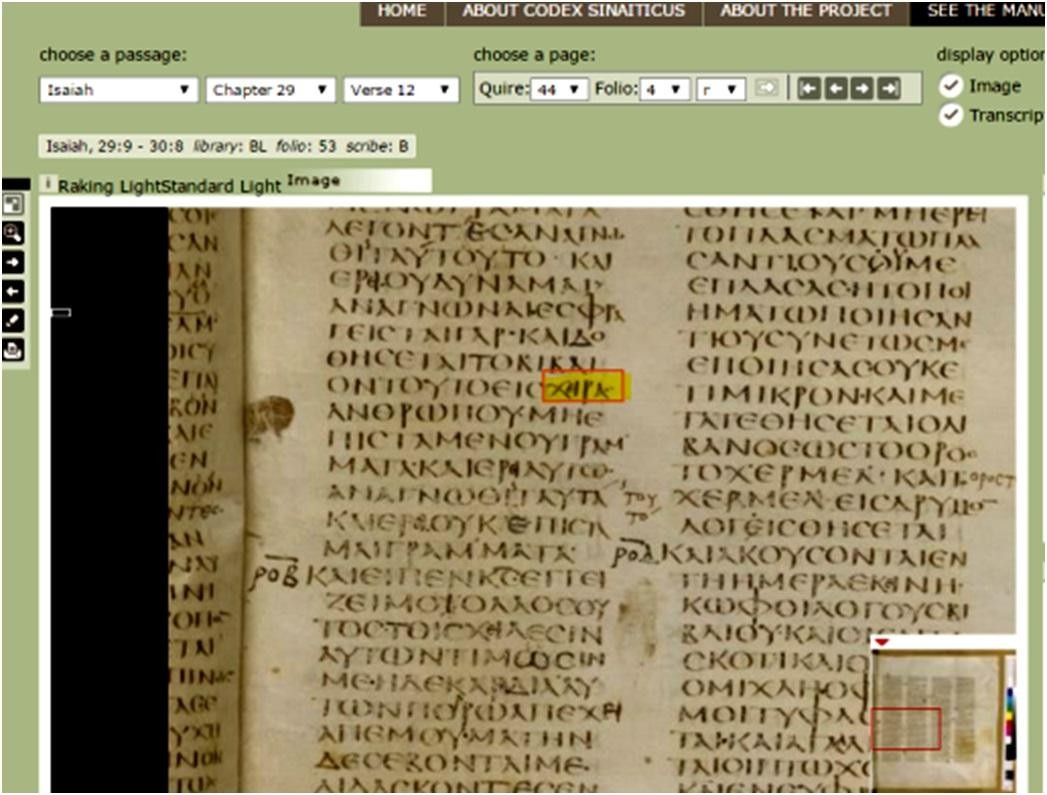
The phrase that was deleted:
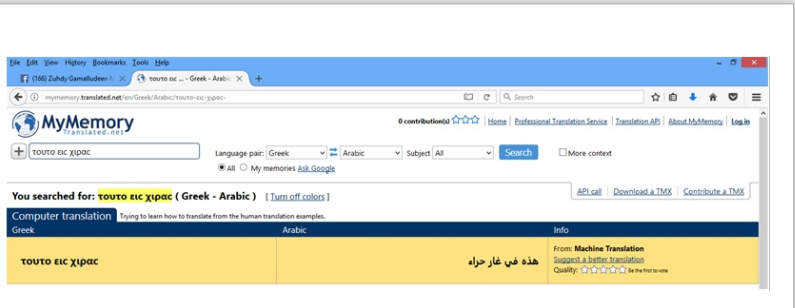
ον τουτο ειϲ χιραϲ — touto eis chiras
This phrase was deliberately deleted because those who did not understand it at the time removed it. Now look at what it translates to:
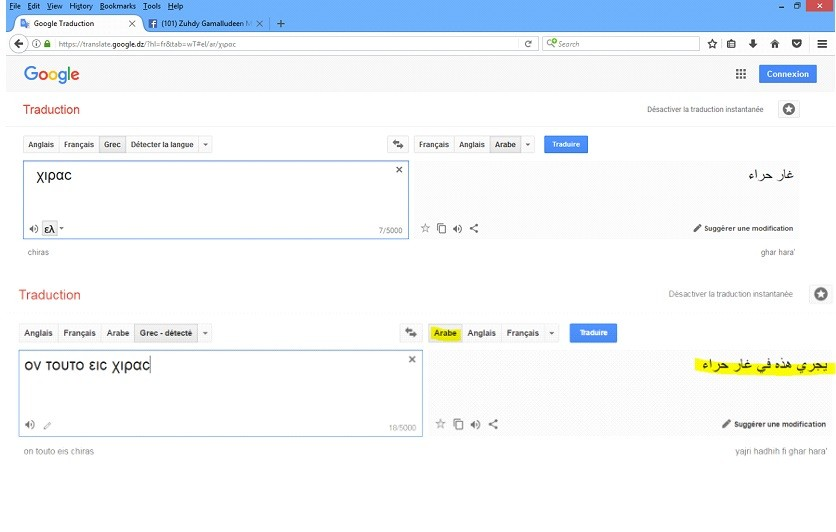
The text translated from ancient Greek into English clearly states they did not know how to read.
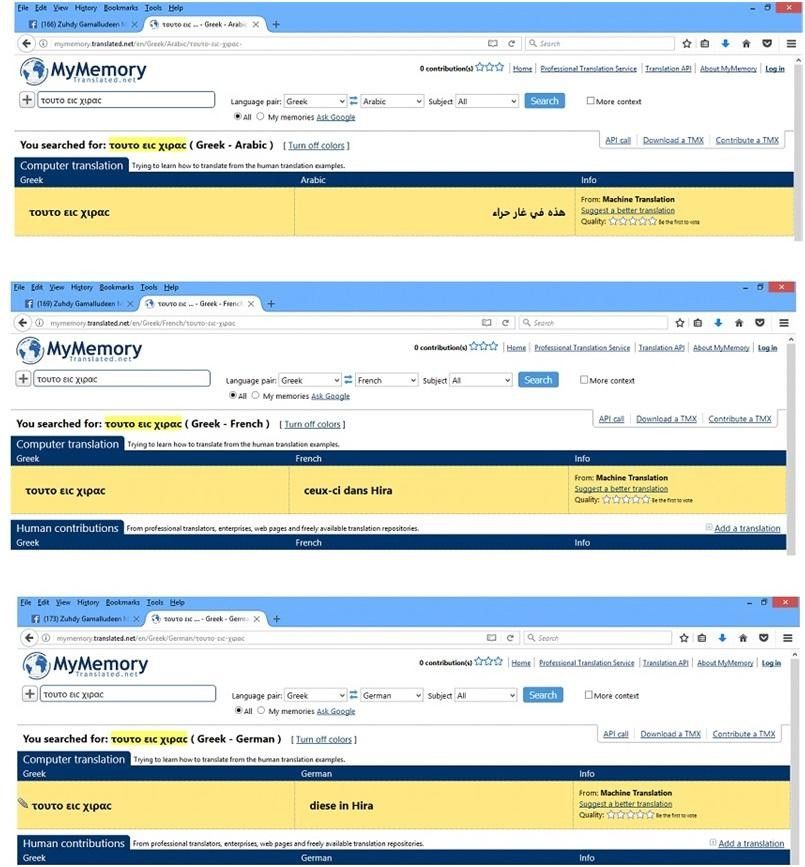
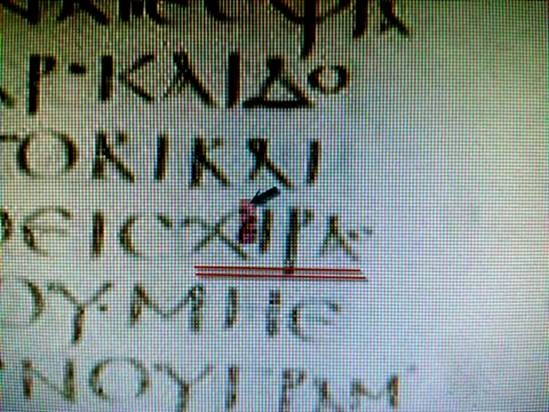
So it became from (Cave of Hira) → to (hands)
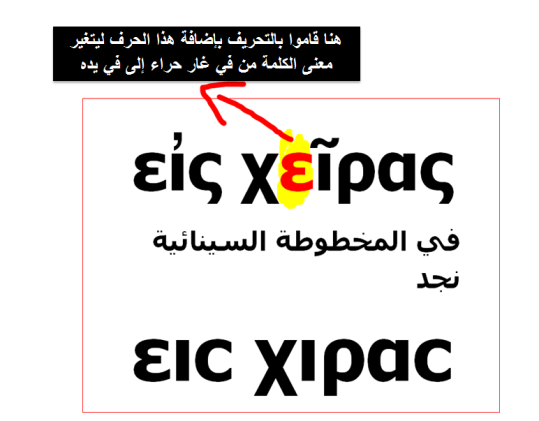
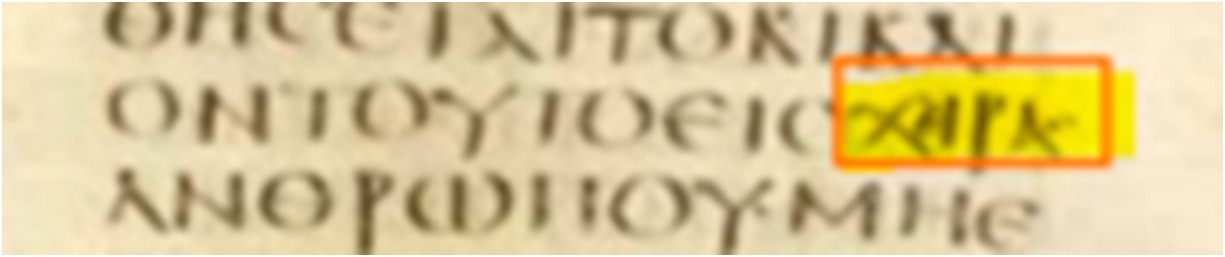
By examining the manuscript, you can see how the letter (ε) is clearly inserted between the capital letters, so that the word became:
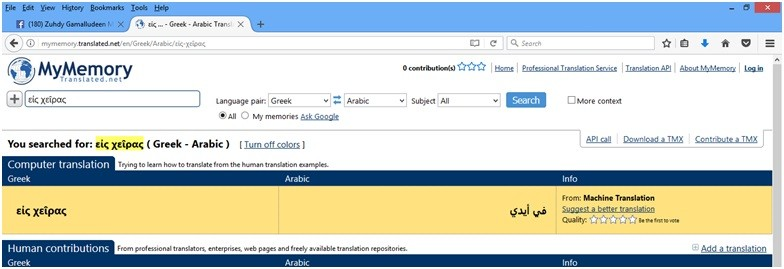
- εἰς χεῖρας = in the hands (distorted)
- ειϲ χιραϲ = the Cave of Hira (original)
Perhaps this happened because in the third century they did not know the word (Hira) and thus the word was strange to them. Or when they knew that this incident had happened to Muhammad ﷺ in the Cave of Hira, they added this interpolated letter (ε) to the manuscript. However, the manuscript confirmed to us the tampering of hands once again in the most important texts ever.
Confirmation from Job 4:3 in the same manuscript:
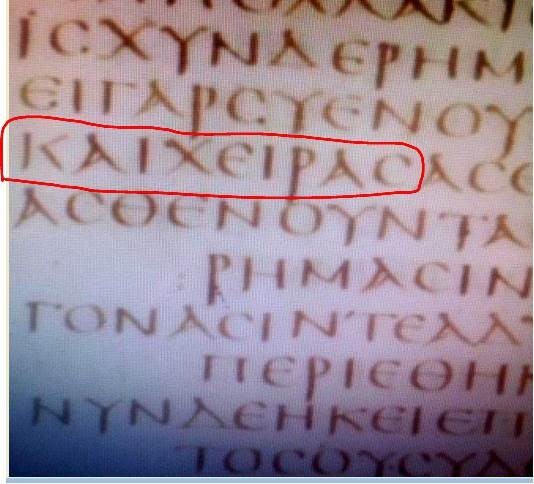
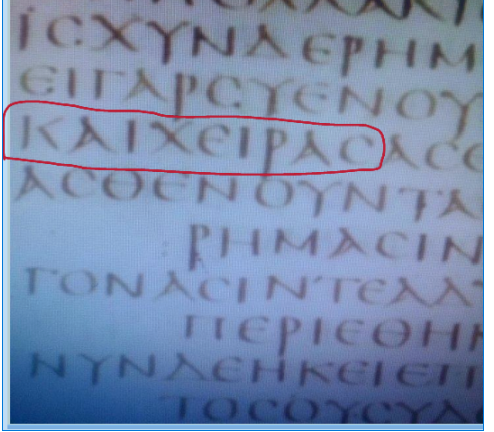
ει γαρ ϲυ ενουθετηϲαϲ πολλουϲ . και χειραϲ αϲθενουϲ παρεκαλεϲαϲ
Here the letter (ε epsilon) is clearly visible and well-proportioned in the word (χειραϲ). This confirms that the copyist knew and differentiated between the two words:
- καιχειραϲ (and hands)
- ταϲχιραϲ (Cave of Hira)
Confirmation from Acts 21:11 in the same manuscript:
και ελθων προϲ ημαϲ και αραϲ ειραϲ ειπεν ταδε λεγι
The text here appears without the epsilon addition — that is, without modification: ταϲ χιραϲ without any addition. This means that the copyist of this manuscript, as we said before, was differentiating between the two words:
- καιχειραϲ
- ταϲχιραϲ
- τοῦτο εἰς χεῖρας (in the hands)
- τοῦτο εἰς χῖρας (Cave of Hira)
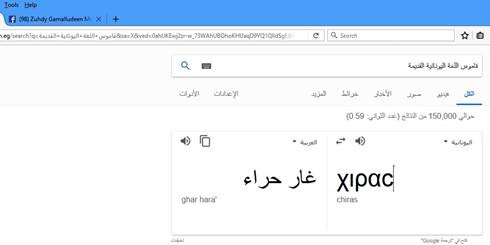
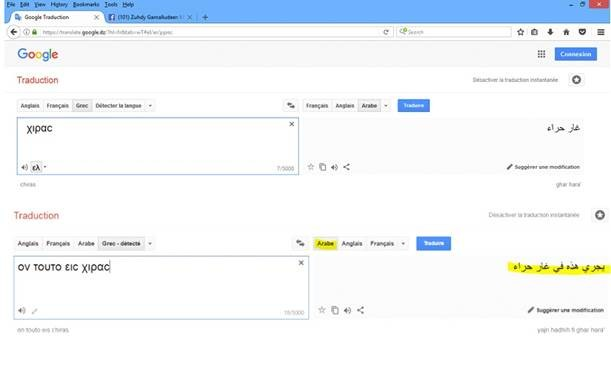
The Greek text — permanent argument:
καιδοθηϲεταιτοβιβλιοντουτο ειϲ χιραϲ . ουκαιπιϲταμαιγραμʼματα
Isaḯas 29:12 — Kai dothisetai to livelion all of them are chiras anthropou: mi epistamenou gramʼmata ˙ kai eri afto: anagnothi tafta kai eri. ouk aipistamai gramʼmata

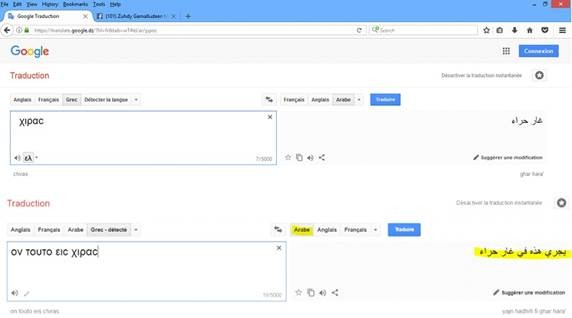
The Word Anthropou
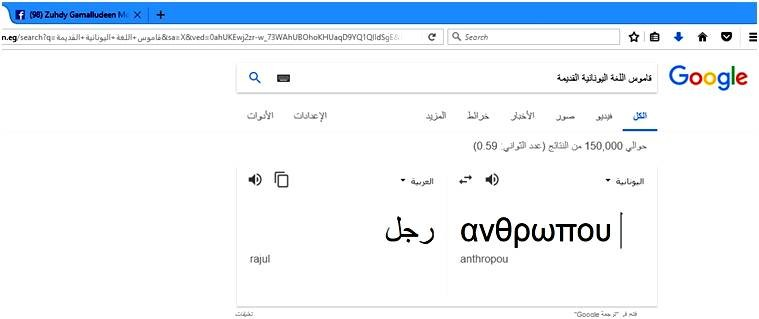
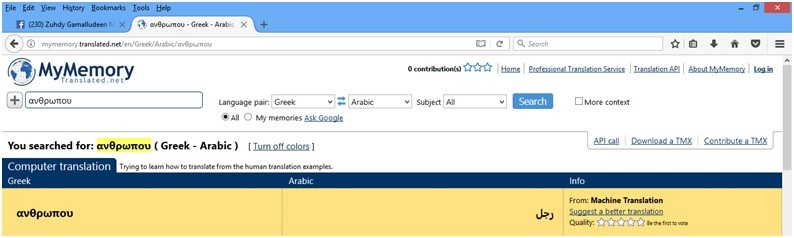
Now, what does the word ανθρωπου (anthropou) mean, which is found in the same text?
και δοθηϲεται το βιβλιον τουτο ειϲ χιραϲ ανθρωπου · μη επιϲταμενου γραμʼματα ˙ και ερι αυτω · αναγνωθι
ανθρωπου = anthropou = man / a human being
Therefore the correct and complete translation of the verse is:
And on the word “book” in the text — back to the Hebrew: The word סֵפֶר (Sefer) appears in the Old Testament 186 times and is translated as book or scroll.
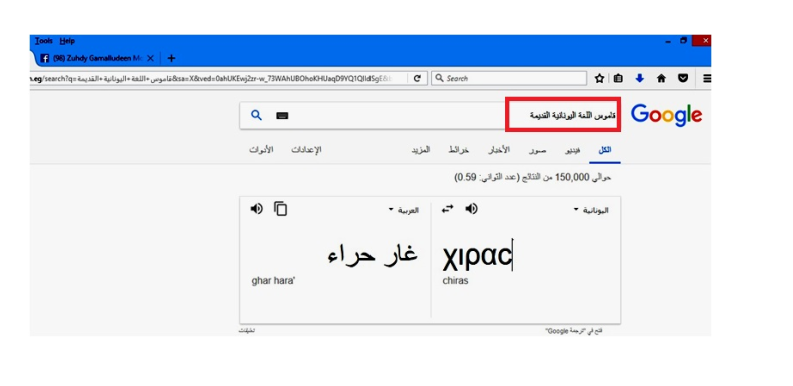
And the Greek word γράμματα (gramata) in Greek also means writing — and therefore it is an adjective for someone who does not know how to write. And likewise, the word χιρας (kheras) meaning Cave of Hira is a word originally found in the Septuagint in Greek and not in the Hebrew text.
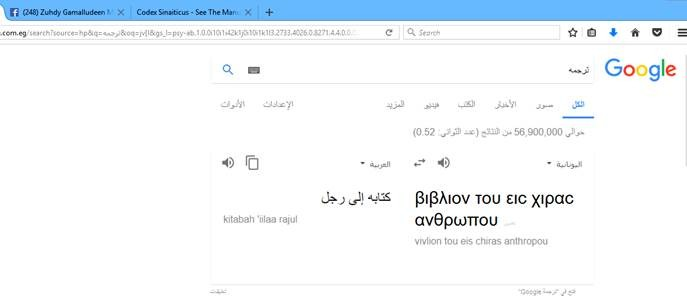
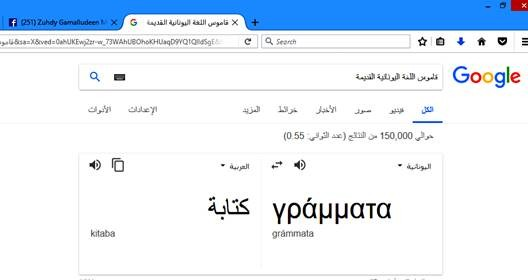
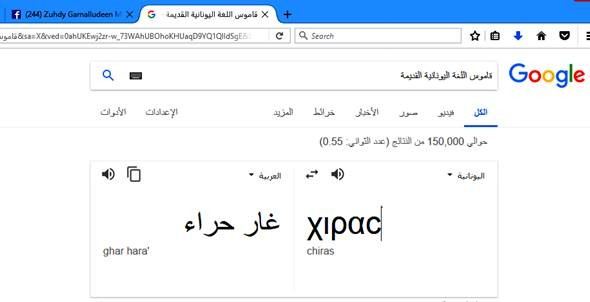
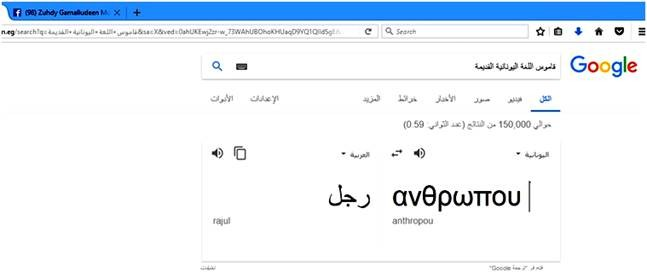
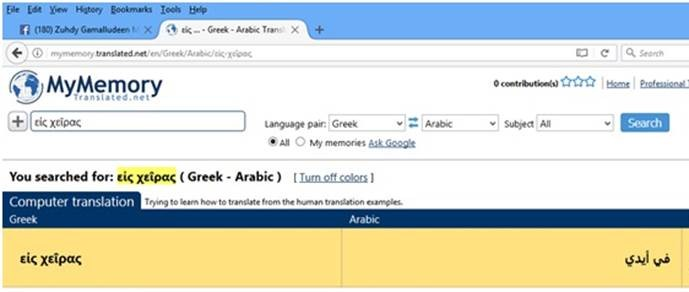
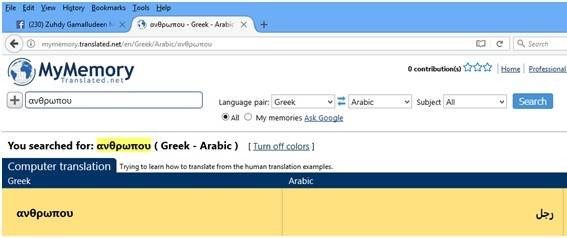
Follow the text in different languages:
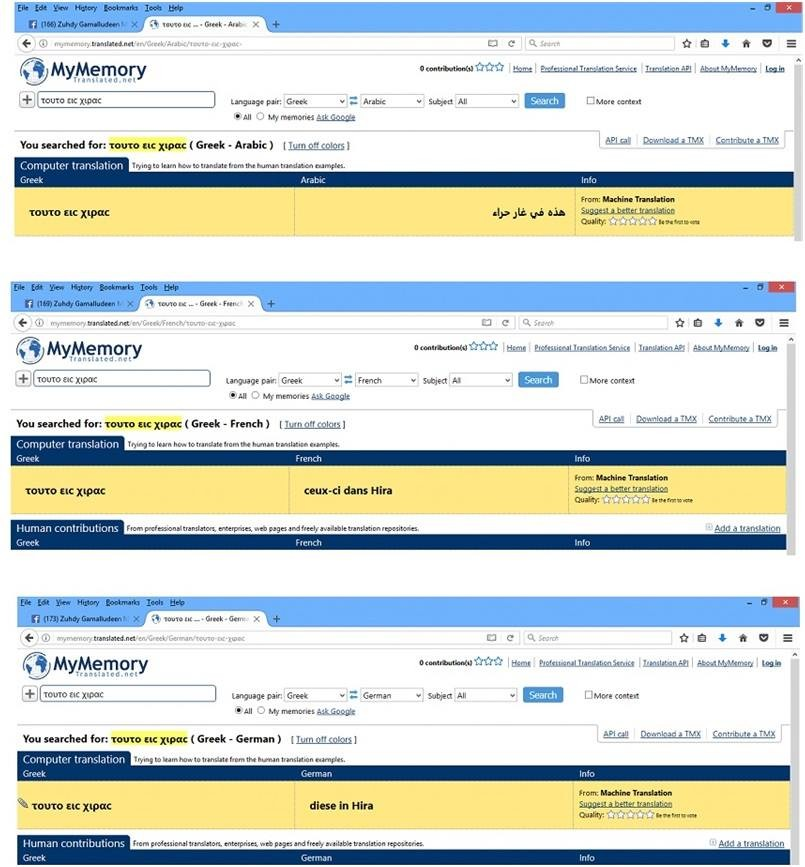
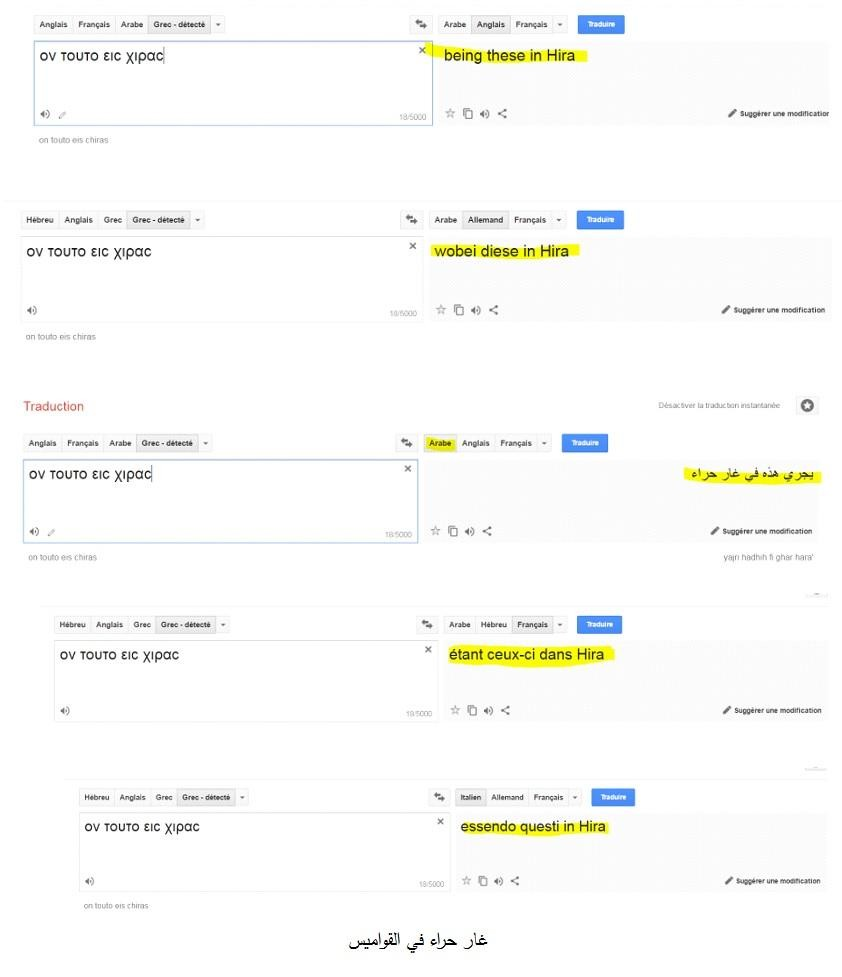
The Hadith of the First Revelation
Going back to the Arabic text — literal Arabic translation:
“So all your visions became obscure, like the words of a sealed book. You hand it to someone who can read and say to him, ‘Read this.’ He replies, ‘I cannot, for it is sealed.’ Then you hand it to someone who cannot read and say to him, ‘Read this.’ He replies, ‘I cannot read.’” — Isaiah 29:11-12
From Sahih Al-Bukhari — narrated by the Mother of the Believers, Lady Aisha (رضي الله عنها):
The first revelation that the Messenger of God ﷺ began with was the good dream in his sleep. He would not see a dream except that it would come like the break of dawn. Then seclusion became beloved to him, and he would seclude himself in the cave of Hira and perform tahanuth there — which is worship — for a number of nights before he went to his family.
And he would prepare provisions for that, then he would return to Khadija and prepare provisions for the same, until the truth came to him while he was in the cave of Hira. The angel came to him and said: Read. He said: “I cannot read.”
He said: “So he took me and covered me until I was exhausted, then he let me go and said: Read. I said: I cannot read (קרא).”
“So he took me and covered me a second time until he reached — I exerted myself, then he let me go and said: Read. I said: I am not a reader (קרא).”
“So he took me and covered me a third time, then he let me go.”
Then God Almighty said in Surat Al-Alaq: {Read in the name of your Lord who created (1) Created man from a clot (2) Read, and your Lord is the Most Generous (3)}.
Quranic References
Allah says in Surat Ar-Ra’d:
“And those who disbelieve say, ‘You are not a messenger.’ Say, ‘Sufficient is God as a witness between me and you, and whoever has knowledge of the Book.’” — Ar-Ra’d: 43
Allah the Almighty says, explaining that this prophecy is with them and warning them against lying and slander:
“And do not argue with the People of the Scripture except in a way that is best, except for those who commit injustice among them, and say, ‘We believe in that which was revealed to us and revealed to you. And our God and your God is one, and we are Muslims [in submission] to Him.’ {46} And thus We have revealed to you the Book. So those to whom We gave the Scripture believe in it. And among these are some who believe in it and do not deny it. {47} None rejects Our verses except the disbelievers. {48} And you did not recite before it any scripture, nor did you inscribe it with your right hand. Then the falsifiers would have had doubts. {49} Rather, they are clear verses within the breasts of those who have been given knowledge. And none rejects Our verses except the wrongdoers. {49}” — Al-Ankabut: 46-49
“Those who follow the Messenger, the unlettered prophet, whom they find written in what they have of the Torah and the Gospel. He enjoins upon them what is right and forbids them what is wrong and makes lawful for them the good things and prohibits for them the bad and relieves them of their burden and the shackles which were upon them. So those who believe in him, honor him, support him and follow the light which was sent down with him — Those are the successful ones.” — Al-A’raf: 157
The Distortion in the Arabic Translation
Additional Notes on Translation Method
Therefore, if you gave an English text from any of Shakespeare’s plays to any English student born in the modern era, he would not understand a single word or letter of it, because it is written in the ancient classical English language. A dictionary is needed to explain the meanings of the words. This is known in all languages of the world, even the Arabic language and pre-Islamic poetry.
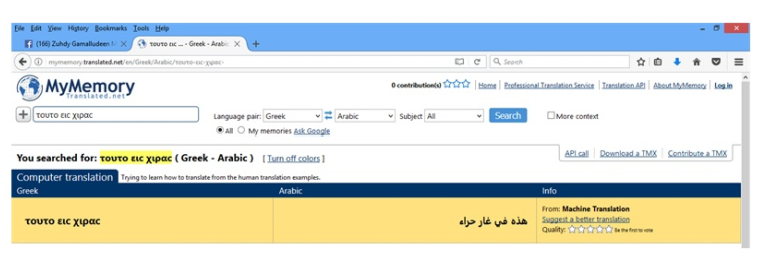
Hence, when I chose to translate a Greek text — which is an argument between me and you — I chose the ancient Greek text, not the modern one. This completely destroys your response to me, because you should have cited the same references. And by the way, there are choices in translation.
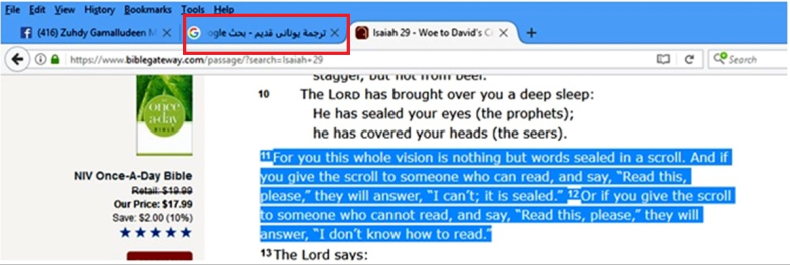
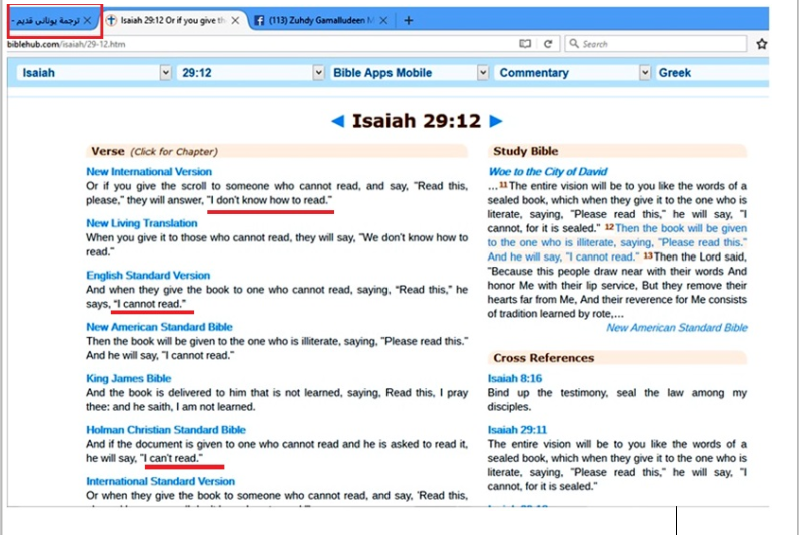
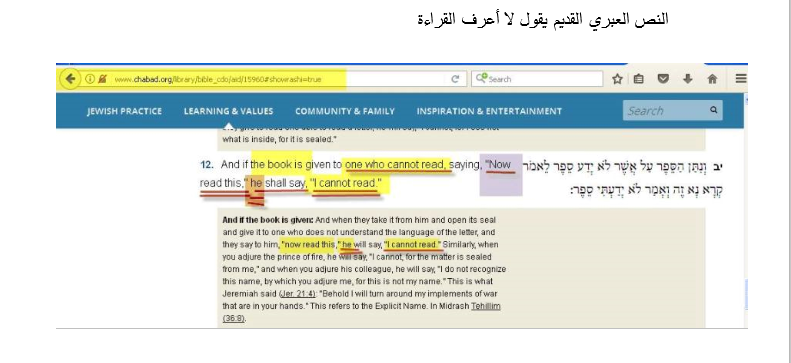
The ancient Hebrew text says: I do not know how to read.
The modern Hebrew text says: I am not educated.
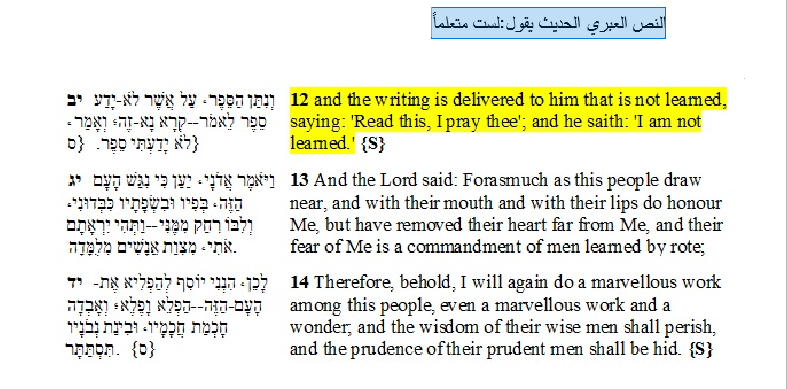
Both give the same meaning.
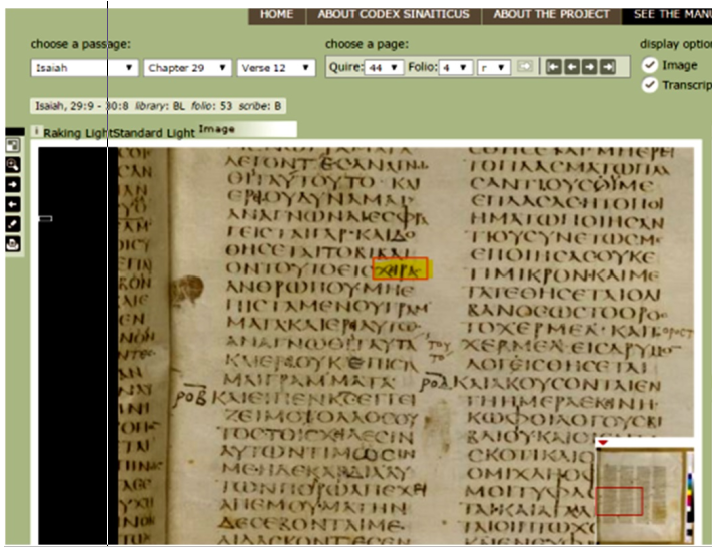
Perhaps this addition occurred because in the third century they did not know the word (Hira) and thus the word was foreign to them. However, the manuscript confirmed to us the tampering of the hands once again in the most important texts ever.
The Greek text remains the permanent and strong argument against them.
It is clear in the manuscript before you: the addition of the letter ε is plain to see.
If we examine the word [χιραϲ] after the correction and modification — or the addition of the letter (ε the Greek epsilon) — in one of the other texts such as the text of Job (4:3):
ειγαρ ϲυ ενουθετηϲαϲ πολλουϲ . και χειραϲ αϲθενουϲ παρεκαλεϲαϲ
We find that the letter (ε epsilon) is clearly visible, which confirms that the copyist knew and differentiated between the two words καιχειραϲ and ταϲχιραϲ — where we notice that this letter is large (ε) and well-proportioned. Which means that the copyist of the manuscript in the third century was differentiating between [ειϲχιραϲ] and [καιχειραϲ].
The text came in Acts 21:11, without adding the epsilon, as you can see:
καιελθων προϲ ημαϲ και αραϲ ειραϲ ειπεν ταδε λεγι δηϲουϲ ι εν ϊερουϲαλημ οιϊουδ αιοι καιπαρα
The text, as you notice, is without modification [ταϲχιραϲ] — that is, without an addition other than the addition of the letter [ε], the Greek epsilon.
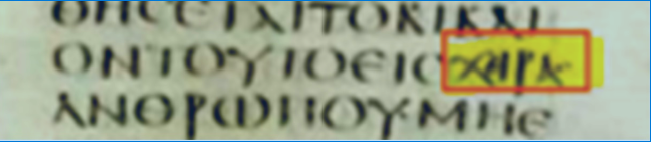
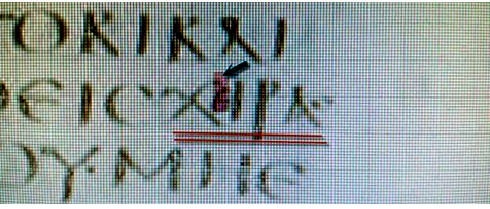
While the manuscript before you has the Greek letter epsilon — this means that the copyist of this manuscript, as we have previously said, was already distinguishing between the two words [καιχειραϲ] and [ταϲχιραϲ].
The question that arises now is: Is the word that came in Isaiah [ταϲχιραϲ] a mistake by the copyist who forgot this letter? Or did the copyist of this manuscript actually differentiate between the two words: τοῦτο εἰς χεῖρας and τοῦτο εἰς χῖρας?
This is the link to this text from the modern Bible — the modern distorted Greek translation:
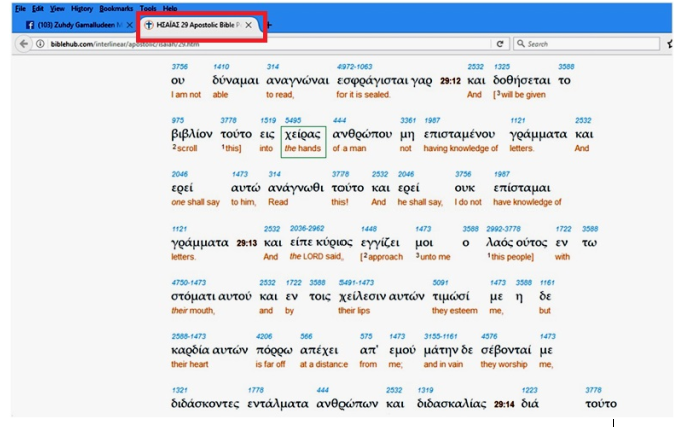
And the modern Greek text after modification is as follows: http://biblehub.com/interlinear/apostolic/isaiah/29.htm
καιδοθηϲεταιτοβιβλιοντουτο ειϲ χιραϲ ανθρωπου· μηεπιϲταμενουγραμʼματα˙καιεριαυτω·αναγνωθιταυτακαι ερι. ουκαιπιϲταμαιγραμʼματα
Isaḯas 29:12 — Kai dothisetai to livelion all but chiras anthropou: miepistamenou gramʼmata˙kai eri afto: anagnothi tafta kai eri.
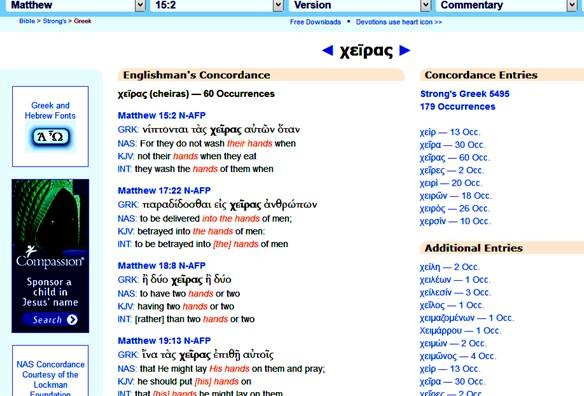
Shame on you for citing from the Gospel of Matthew and leaving the original text from the Book of Isaiah. This is enough for us — your entire response revolves around fabrication in the origin of my study.
وَفِي الْخِتَامِ، كَانَتِ اللِّقَاءُ الْأَوَّلُ بَيْنَ سَيِّدِنَا جِبْرِيلَ عَلَيْهِ السَّلَامُ وَخَاتَمِ الْبَشَرِيَّةِ صَلَّى اللَّهُ عَلَيْهِ وَسَلَّمَ فِي غَارِ حِرَاءٍ.
And in the end, the first meeting was between our master Gabriel and the Seal of Humanity ﷺ — in the Cave of Hira.
...know how to write, and it is said to him, 'Read this.' And he says, 'I do not know how to write.'" [[[with-gabriel-peace-be-upon-him-in-the-cave-of-hira-isaiah-29|With Gabriel, Peace Be Upon Him, in the Cave of Hira, Isaiah]]