Women Rights before Islam
Women in Islam — The Complete Picture
Part 1 — There Is Consensus in Academic Circles That Islam Revolutionized Women’s Rights
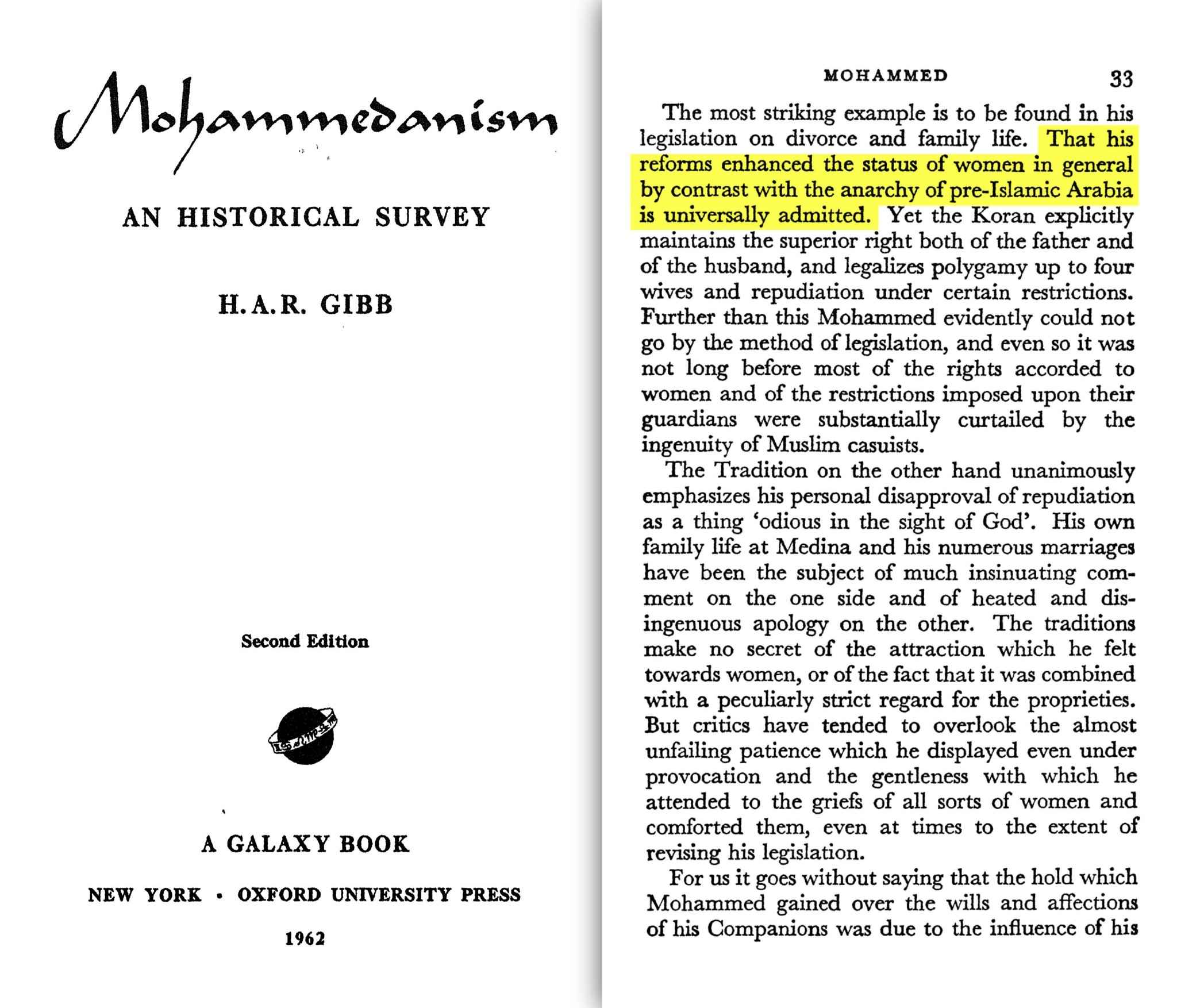
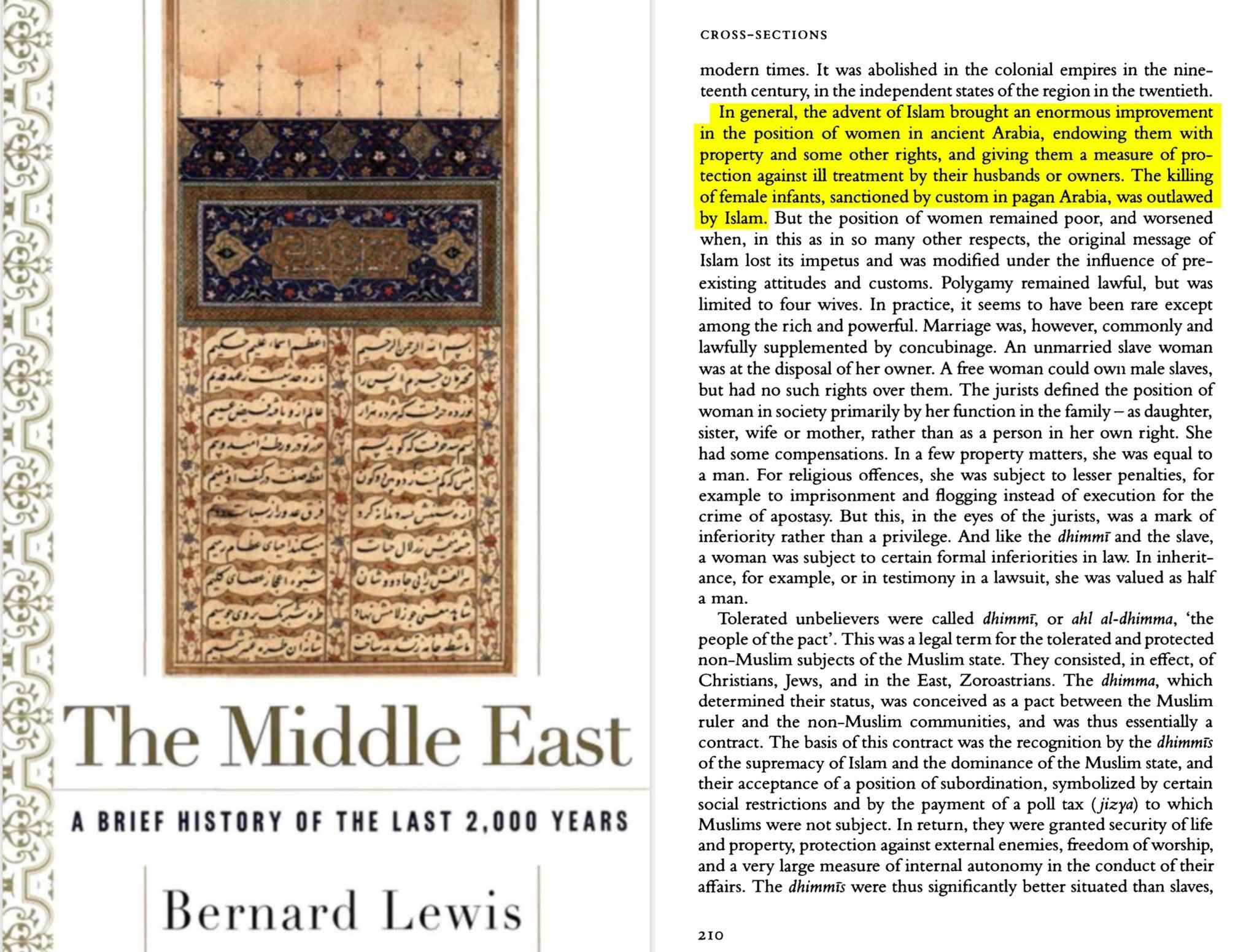
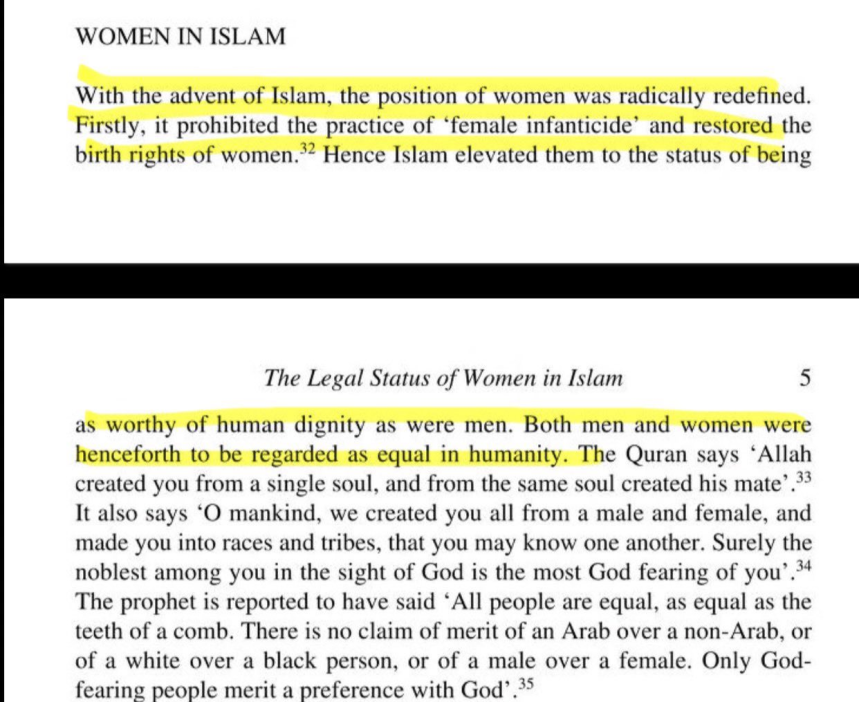
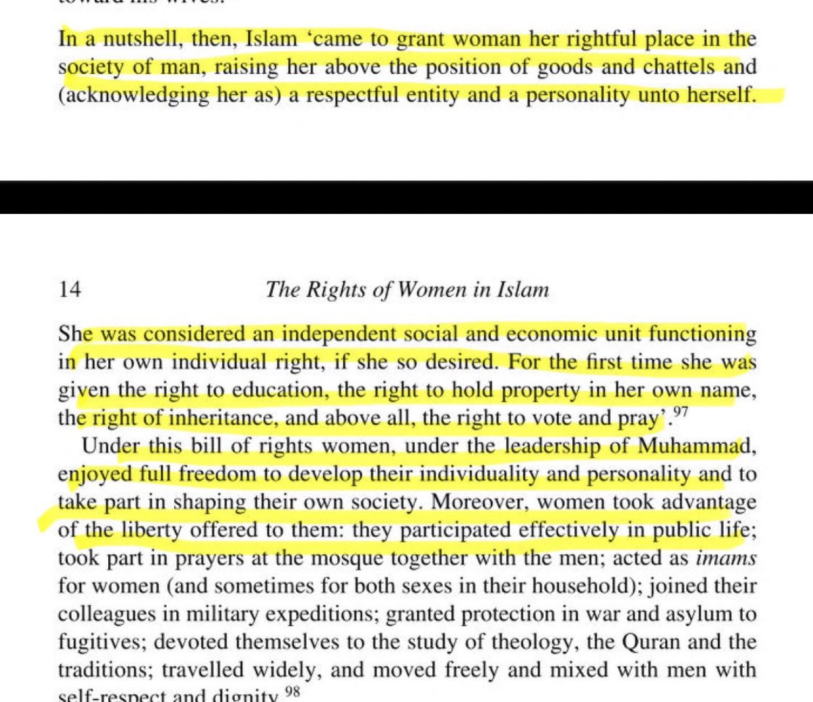
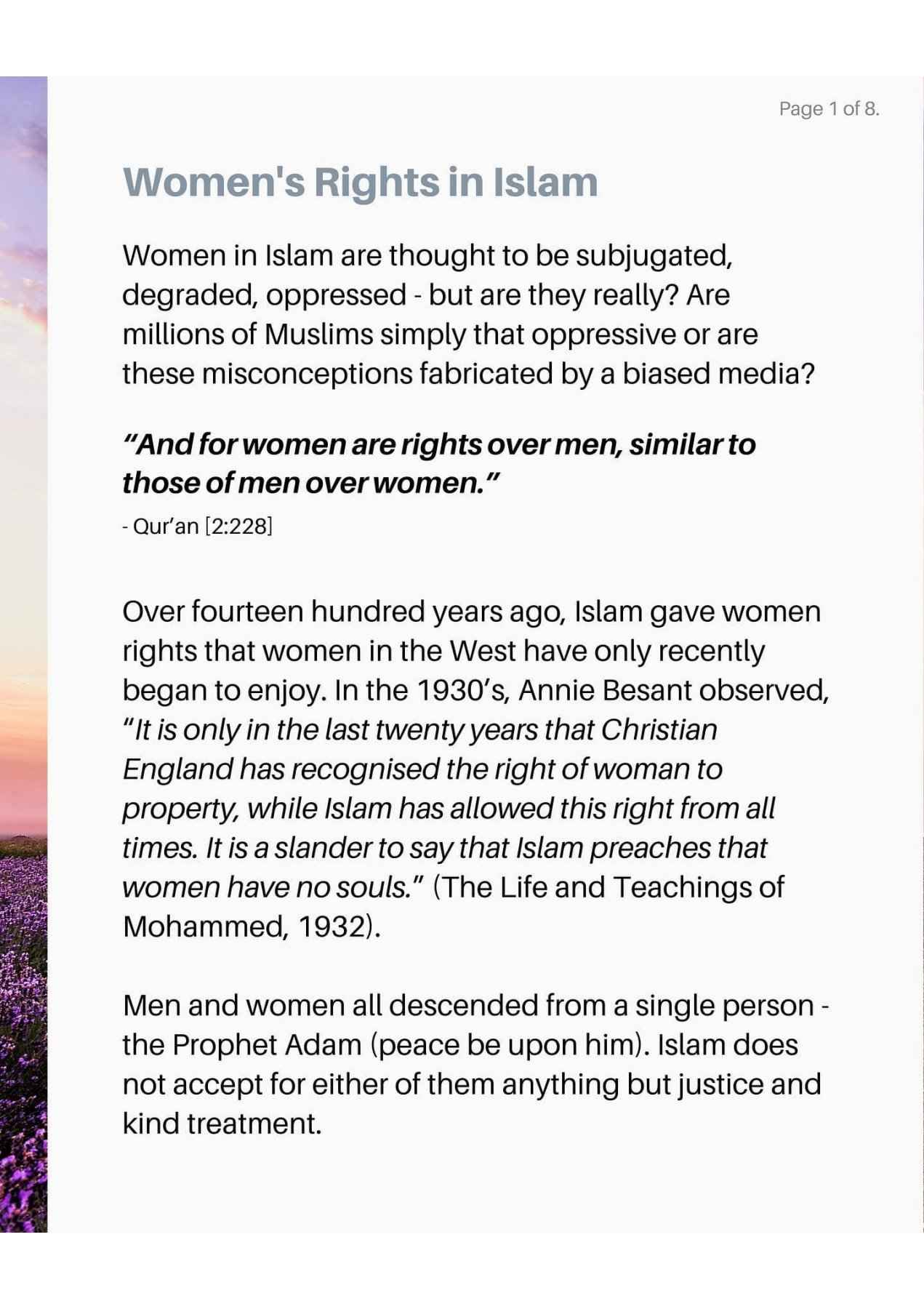
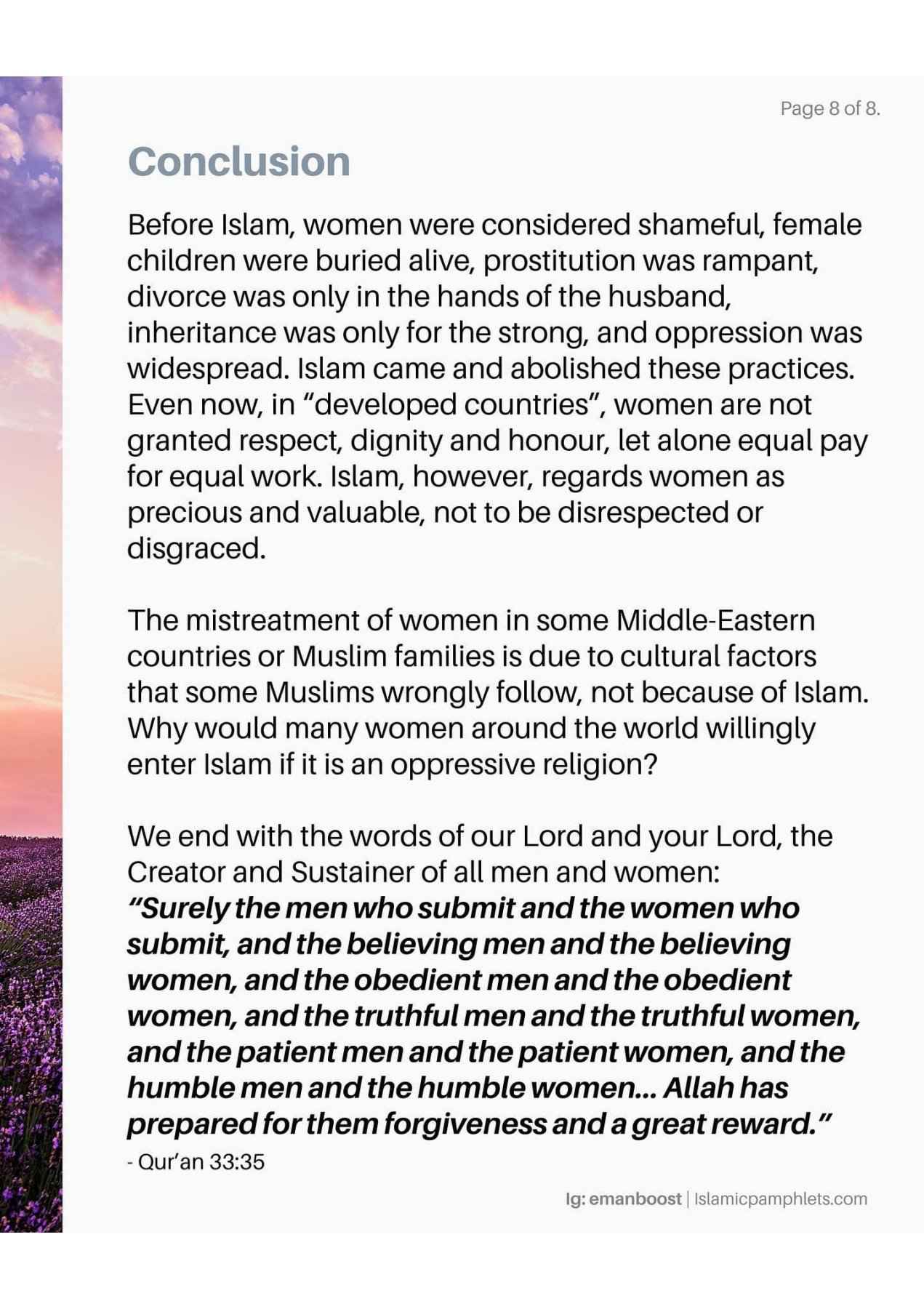
Even outside the Islamic tradition, scholars and historians broadly acknowledge that the advent of Islam fundamentally transformed the status of women — granting them inheritance rights, legal personhood, and dignified treatment centuries before Western societies recognised these as norms.
Umar (ra) said: “In pre-Islamic times we didn’t feel that women were worth anything. But when Islam came and Allah spoke of them, we realized our responsibilities towards them.”
— Sahih al-Bukhari #5843
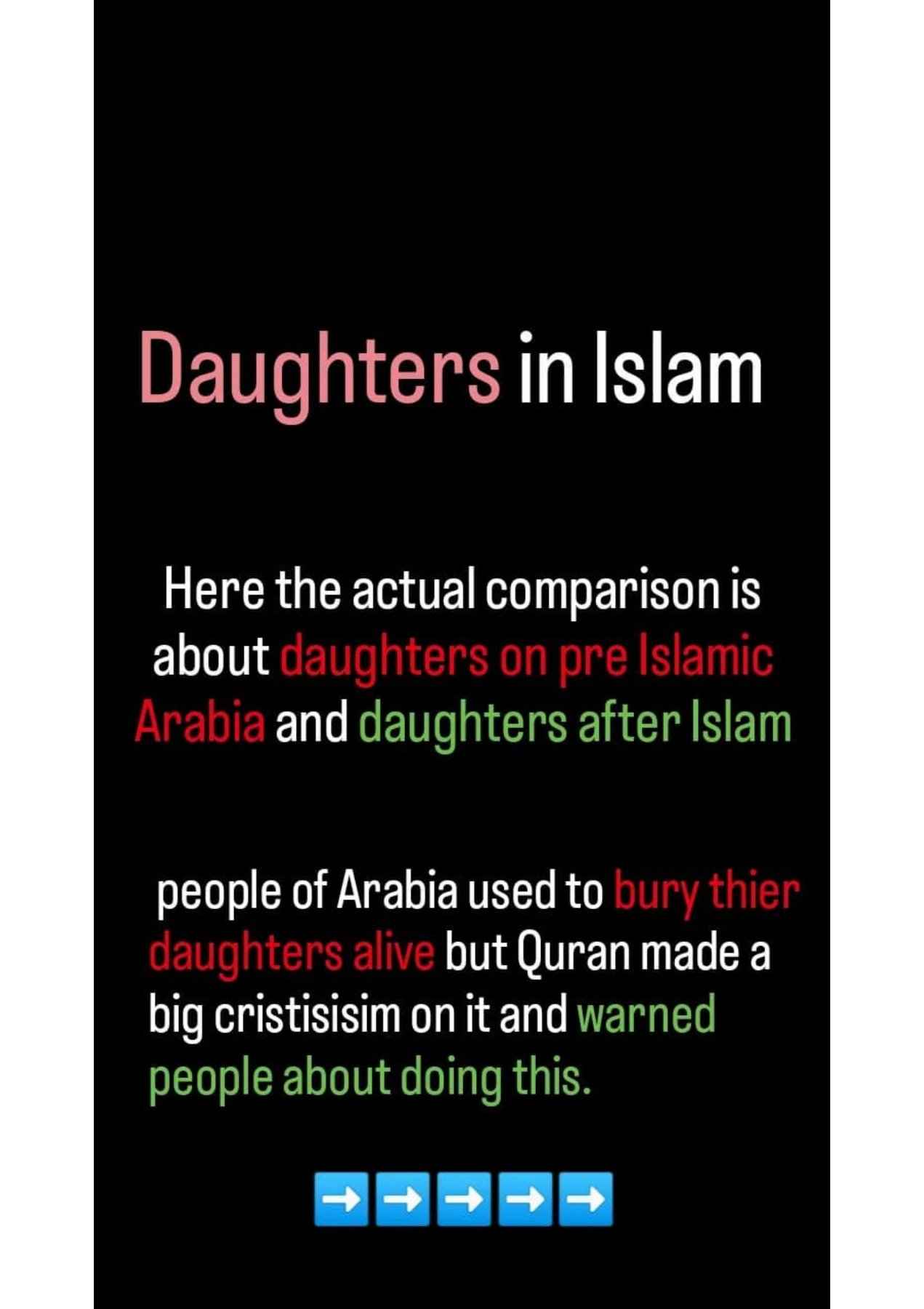
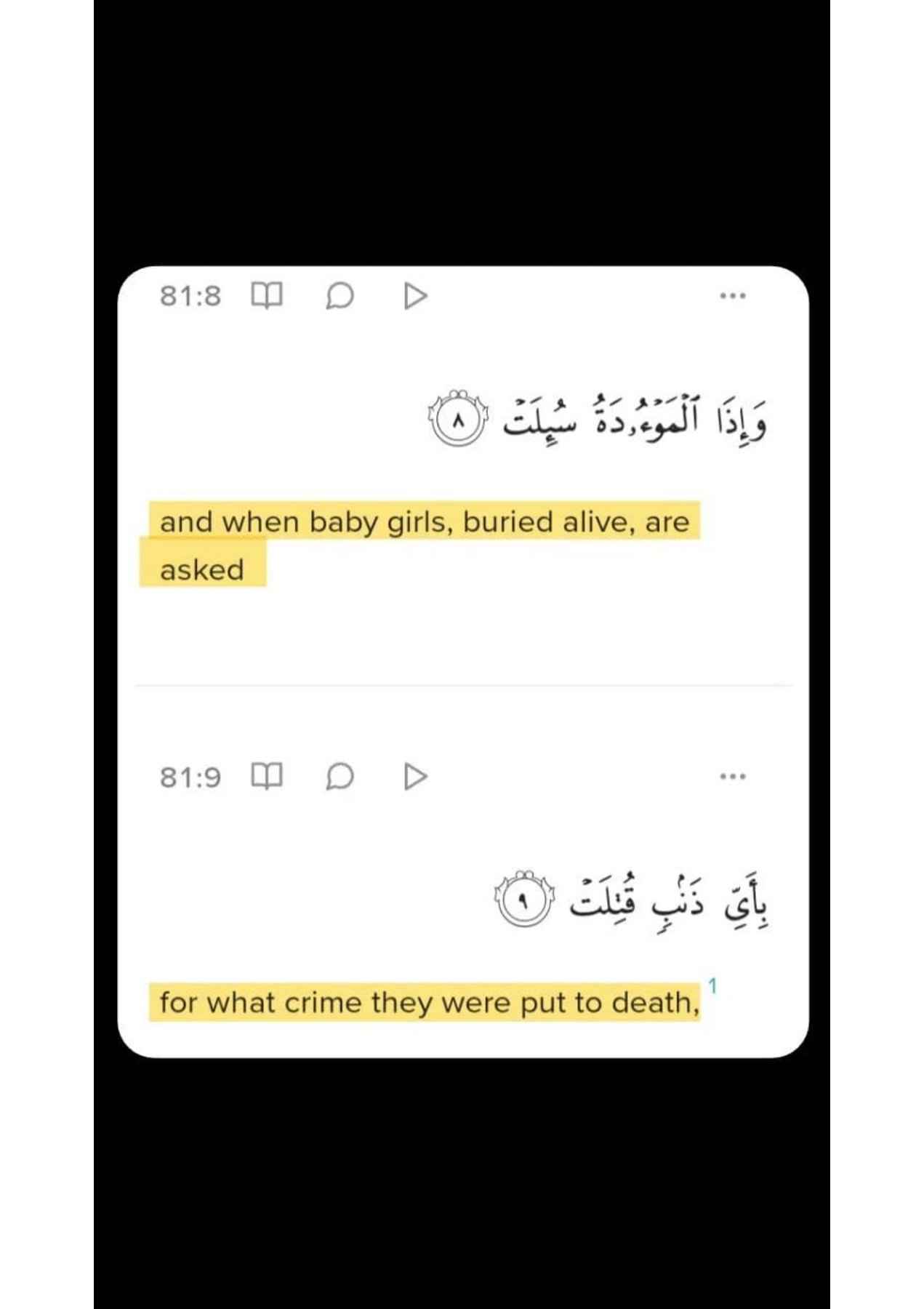
In pre-Islamic Arabia, female infanticide was common, but Islam abolished it, and Prophet Muhammad (peace be upon him) strictly forbade it. For more, see the paper by Aqsa Tasgheer and Muhammad Ishfaq, Ph.D. scholars at the University of the Punjab.
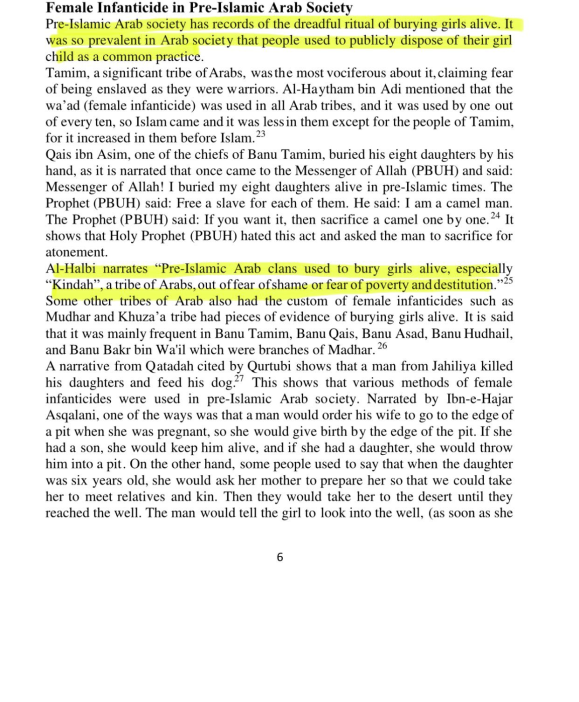
(PDF) Female Infanticide in Pre-Islamic Arab Society: A Quranic and Historical Perspective
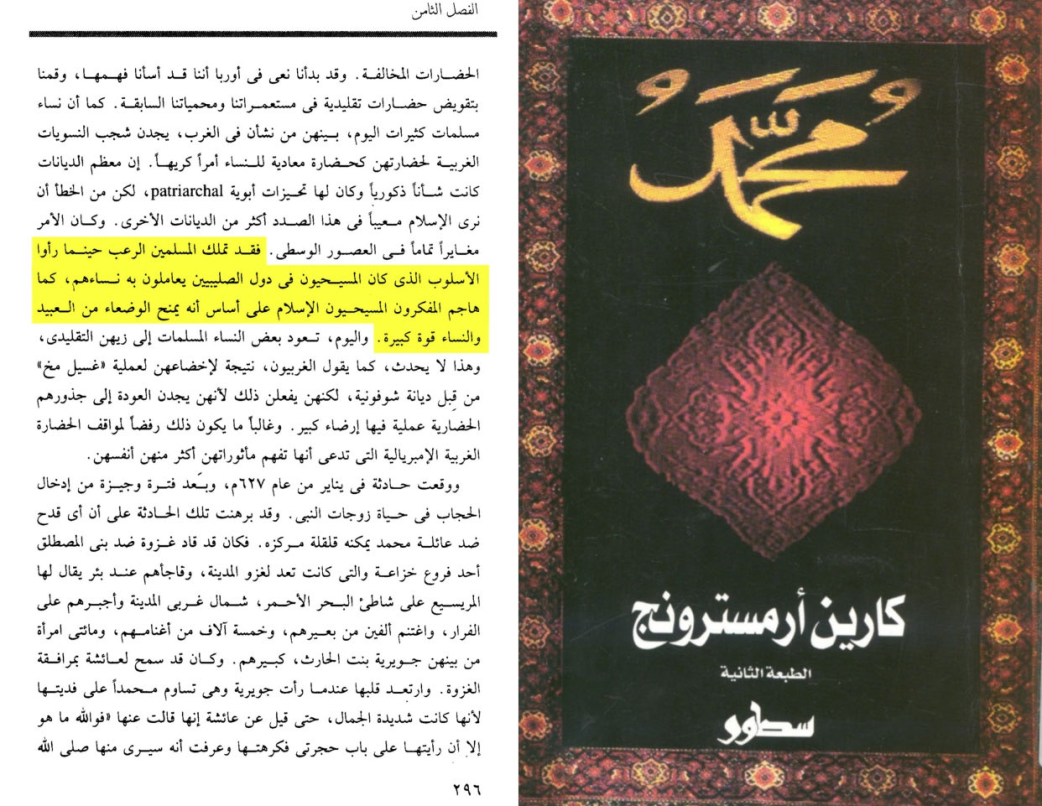
The Church Fathers and Christian thinkers attacked Islam in the Middle Ages for elevating women’s status, which they saw as a flaw. Muslims were shocked by the harsh treatment of women in the Crusader states!
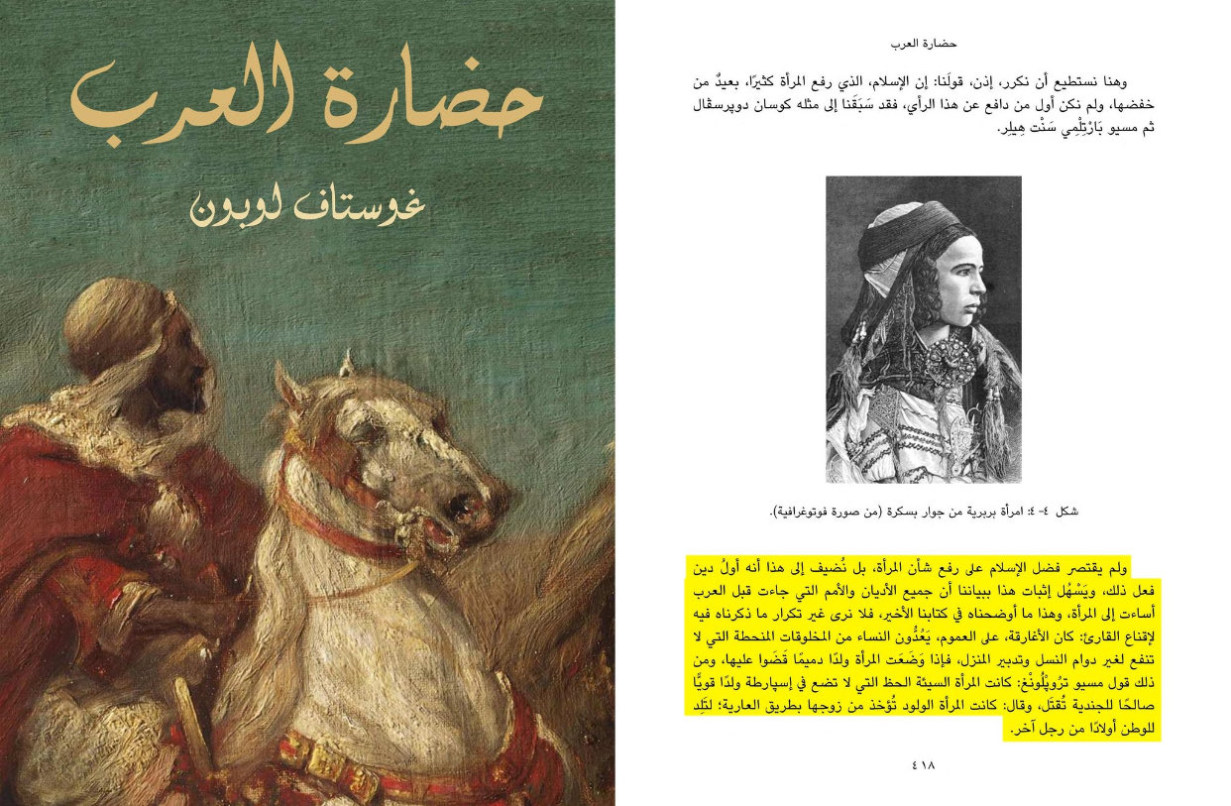
The French sociologist [Gustave] says:
“Islam’s merit was not limited to raising the status of women, but we add to this that it was the first religion to do so, and it is easy to prove this by stating that all religions and nations that came before the Arabs mistreated women.”
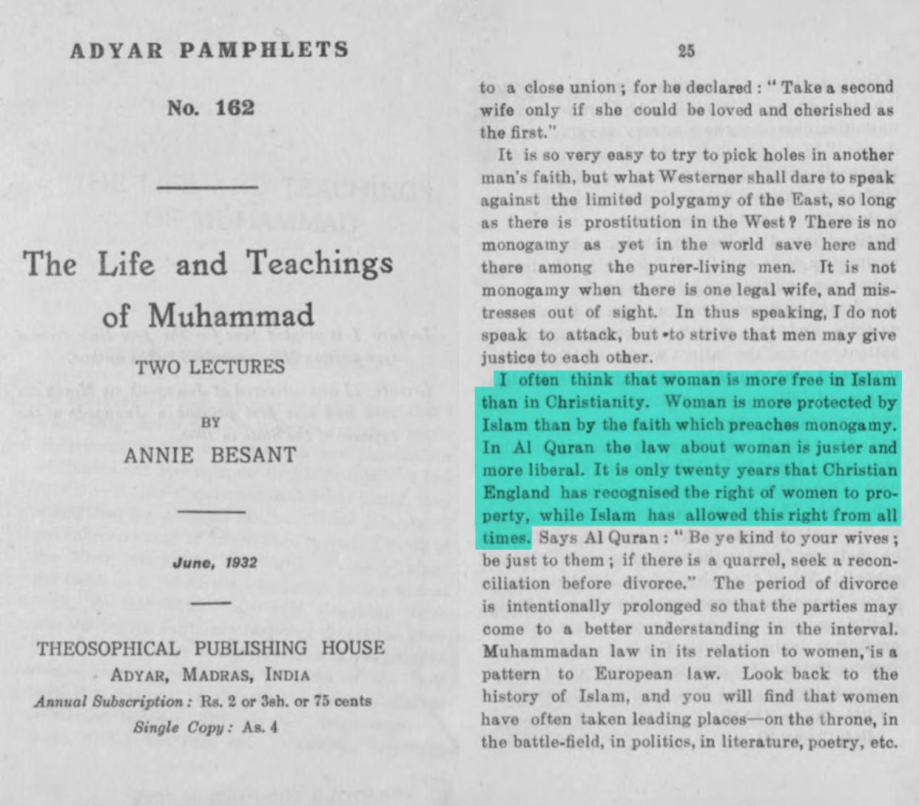
Annie Besant, the religious scholar, said, “I often think that women are freer in Islam than in Christianity. Islam gave women the right to own property throughout its history, while Christian England didn’t recognize this right until later.”
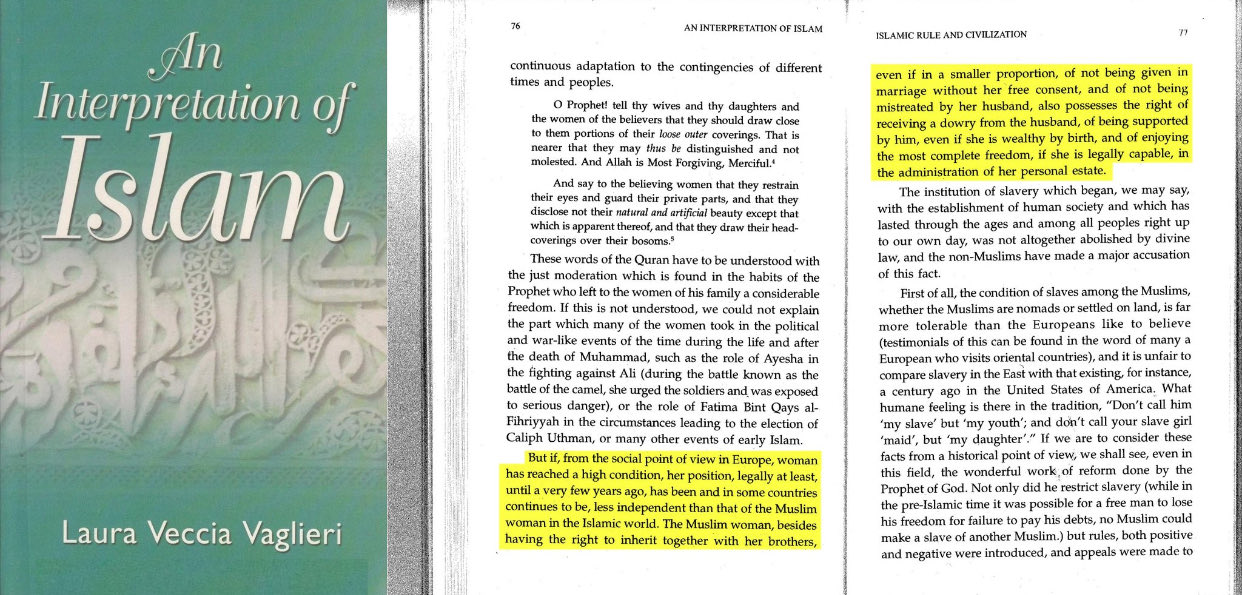
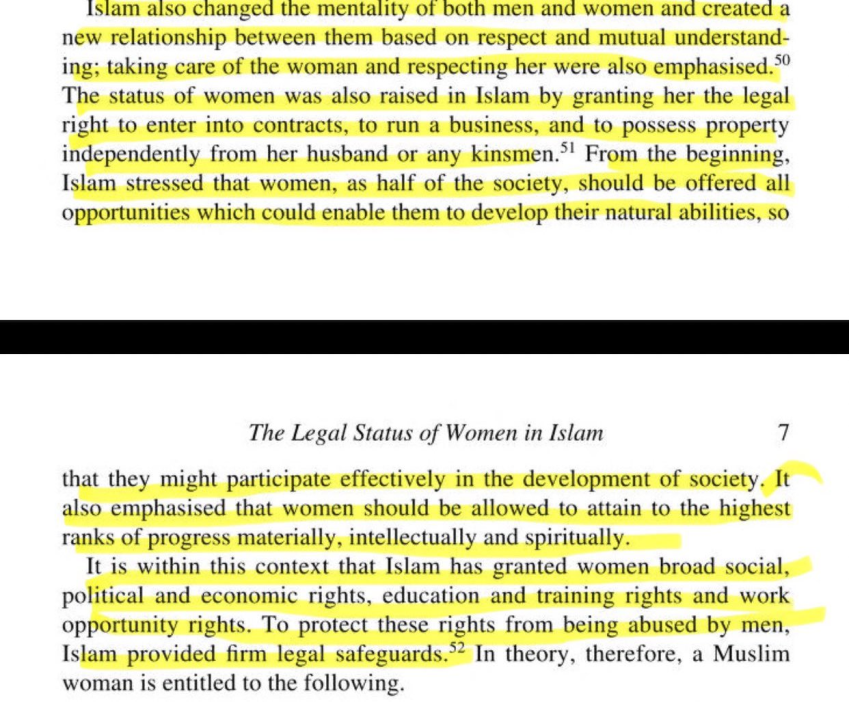
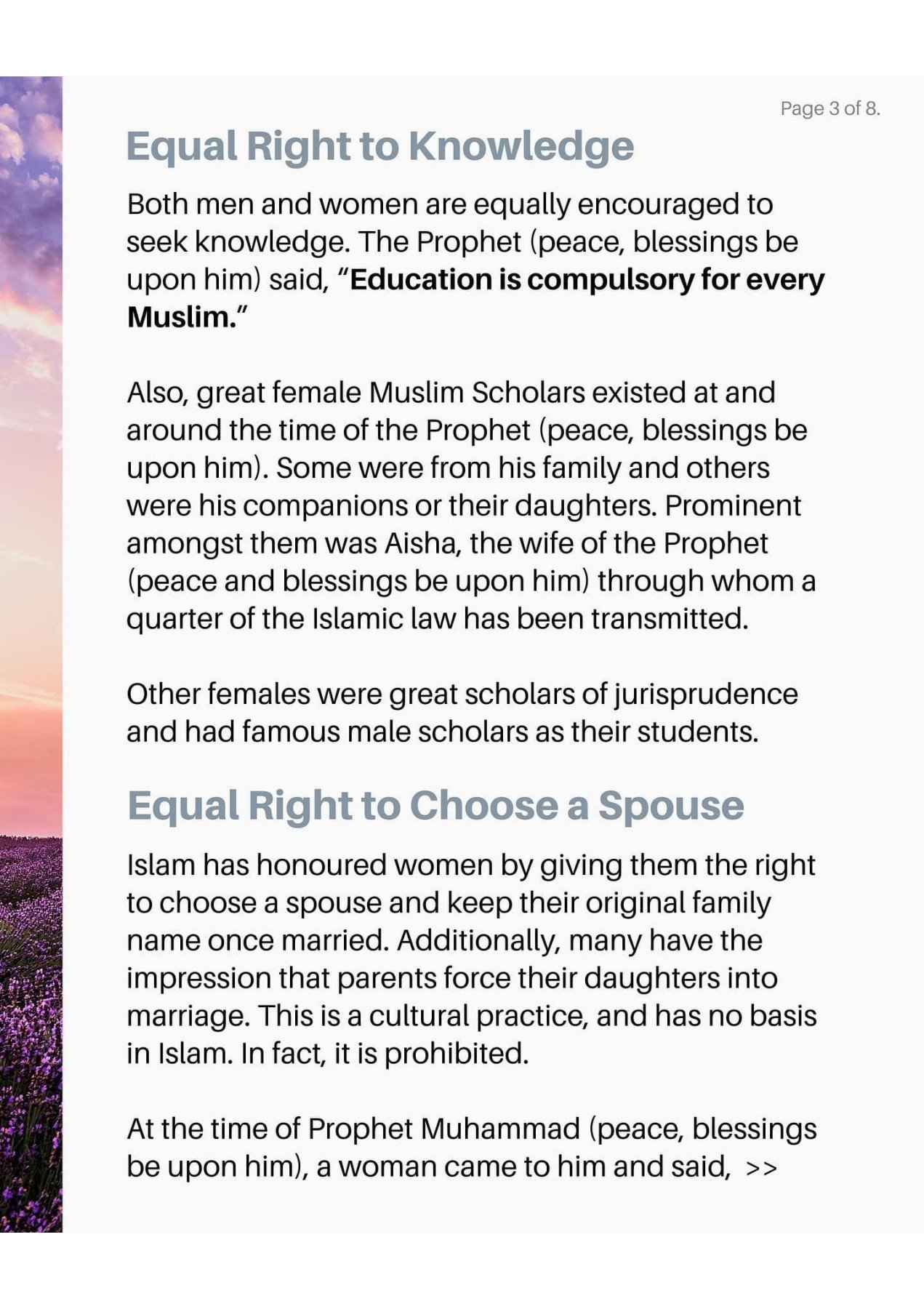
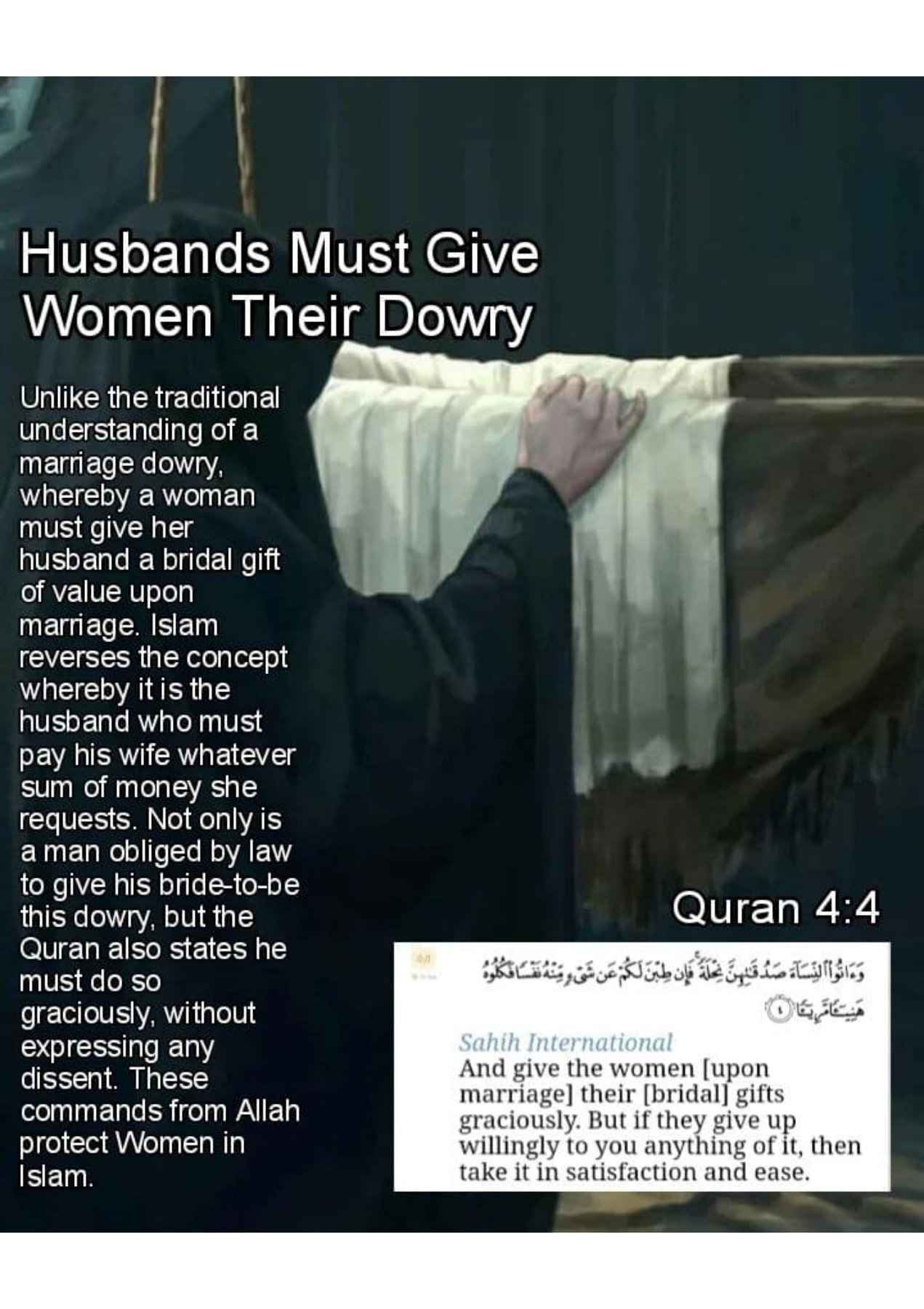
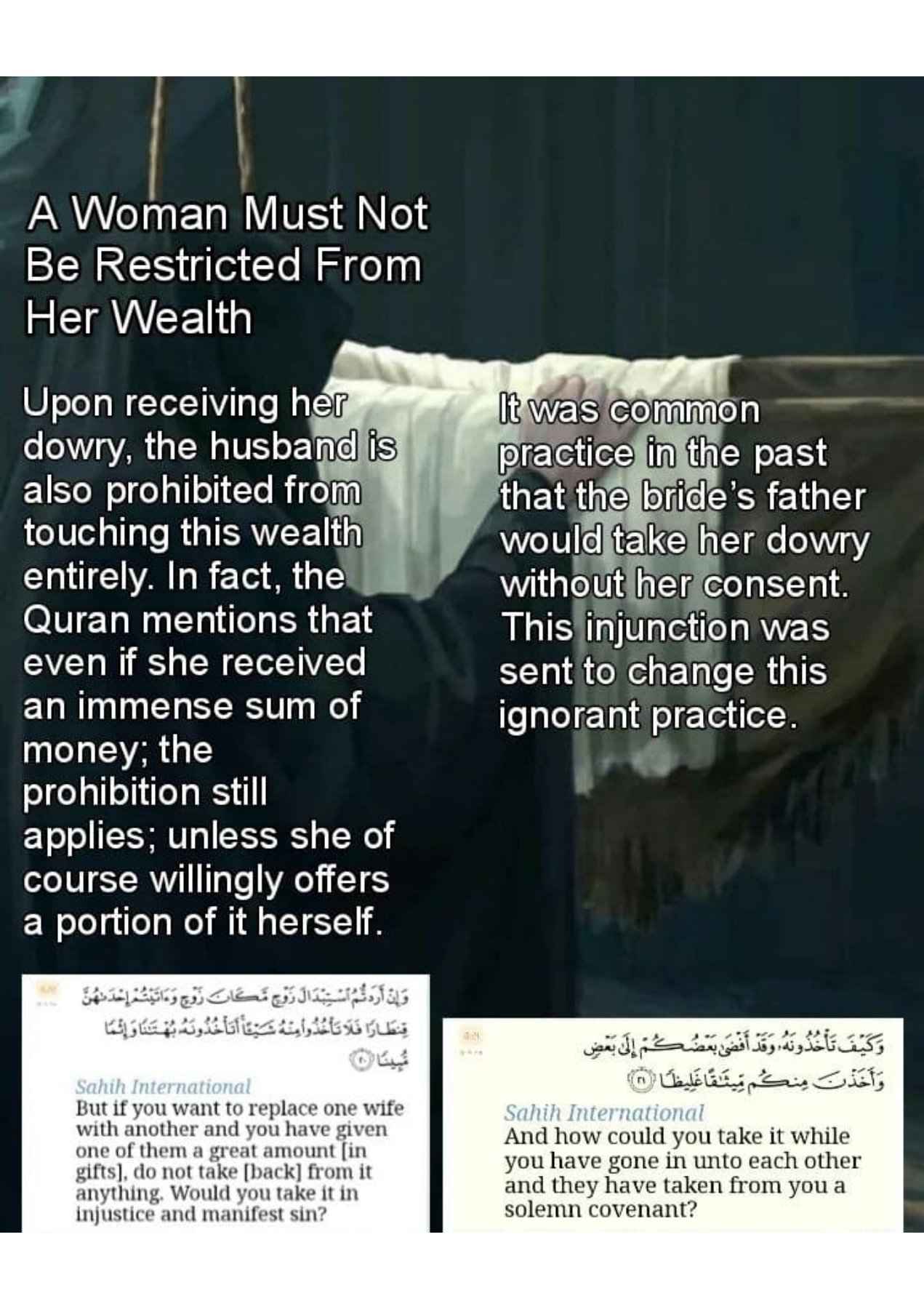
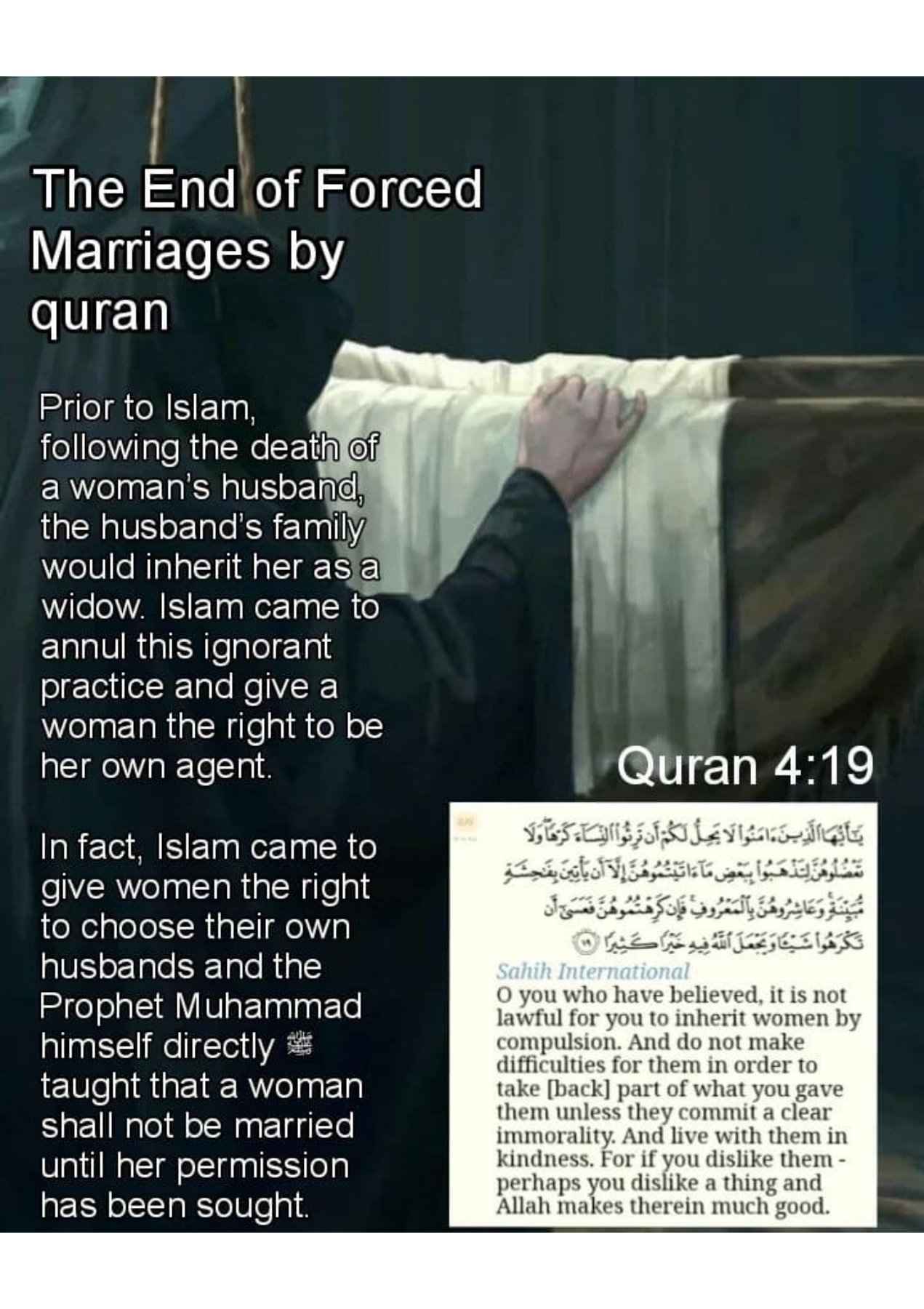
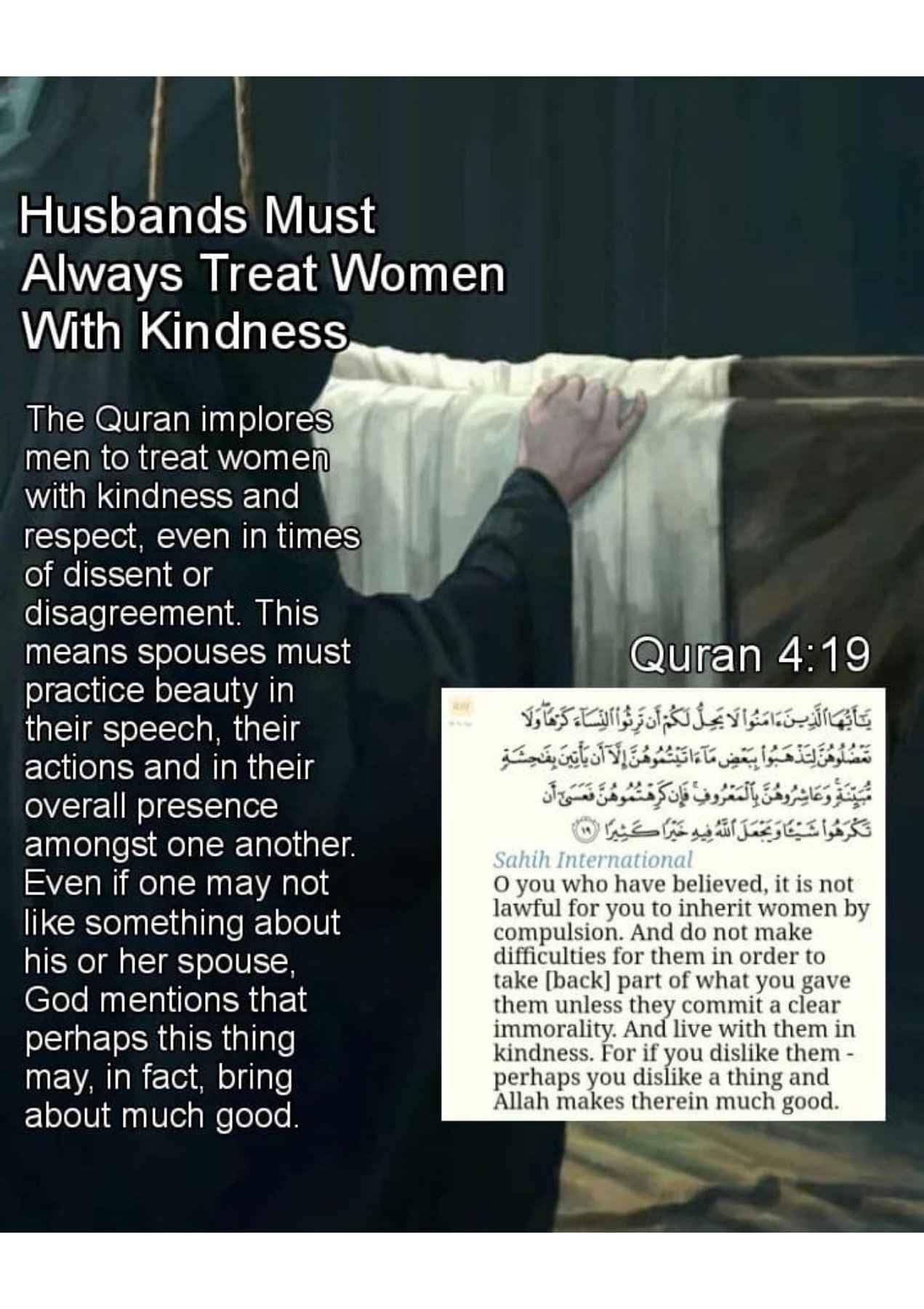
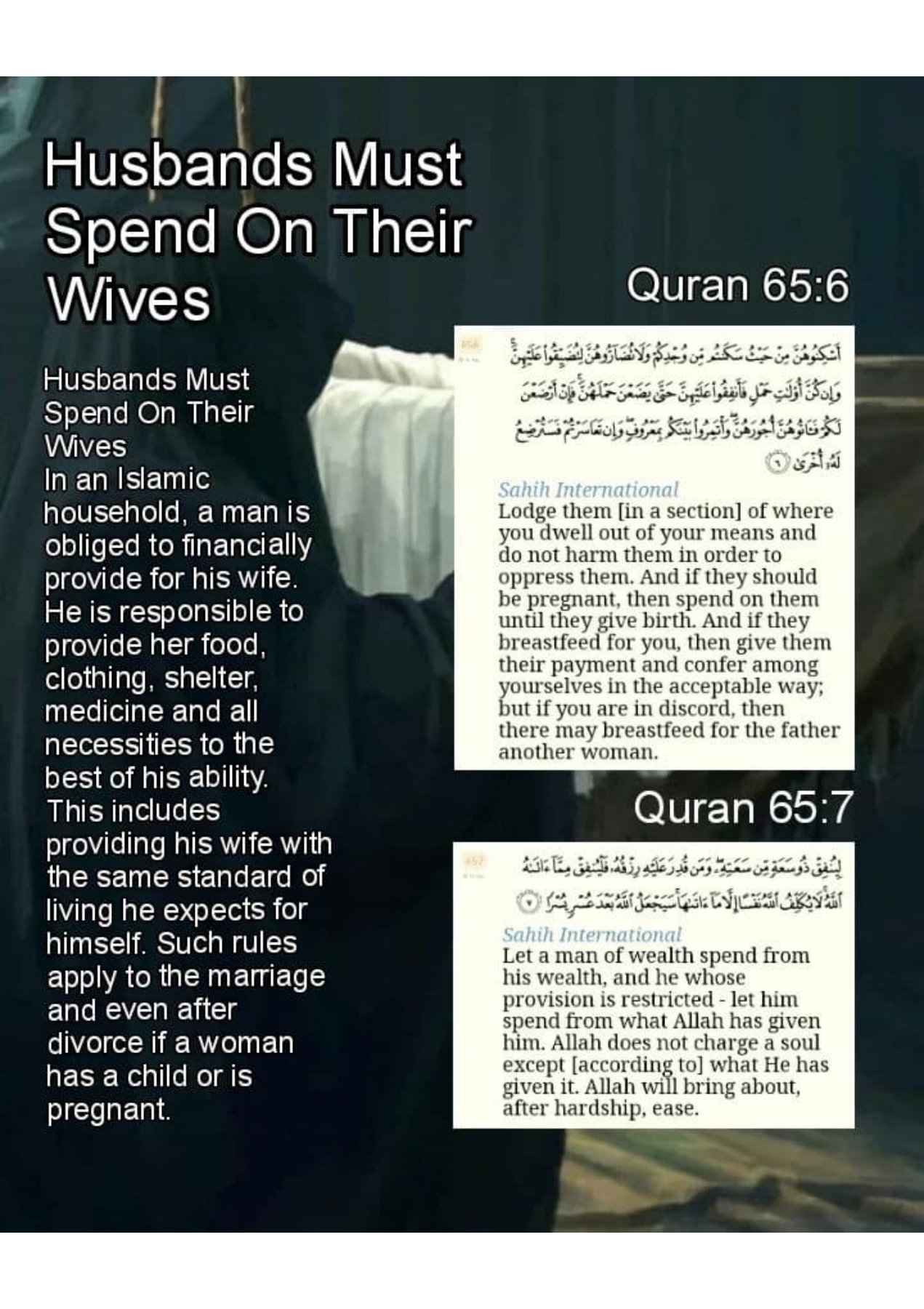
A Muslim woman enjoys the right to inheritance, consent in marriage, protection from mistreatment, a dowry, and financial support from her husband, even if she is wealthy. She also has full freedom to manage her personal property if legally qualified.
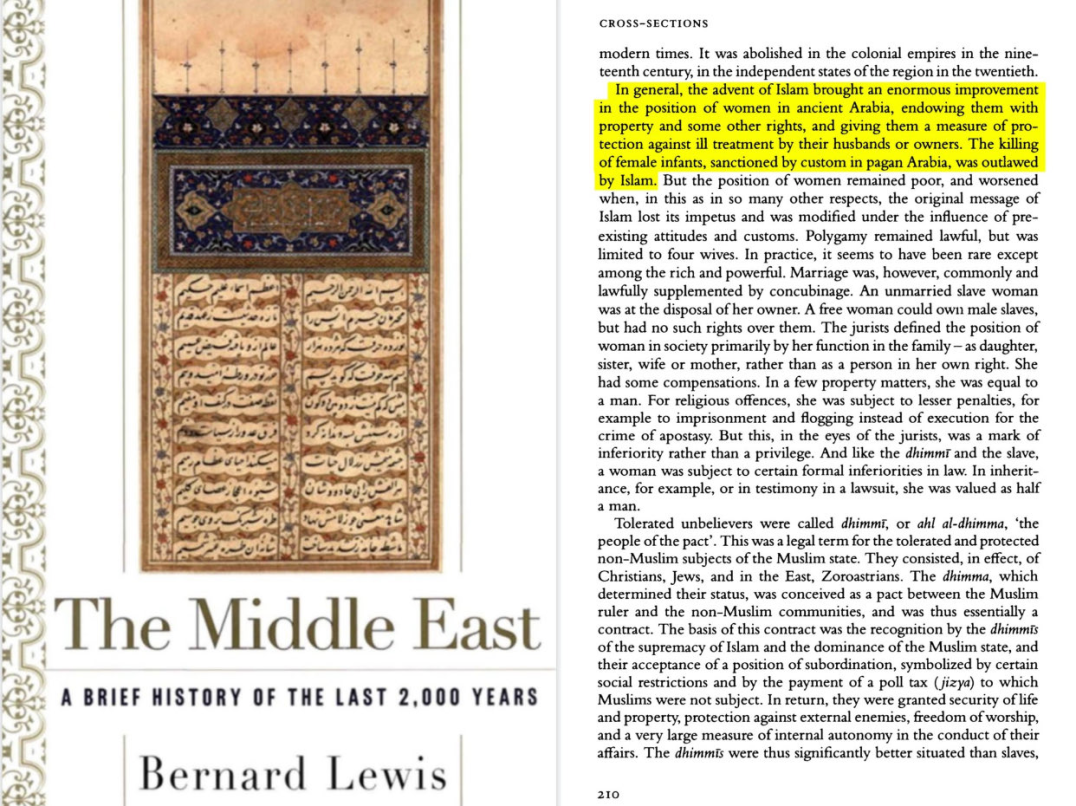
Bernard Lewis stated, “The emergence of Islam significantly improved the status of women, granting them property rights, protection from mistreatment by husbands or guardians, and prohibiting female infanticide, which was common in pre-Islamic Arabia.”
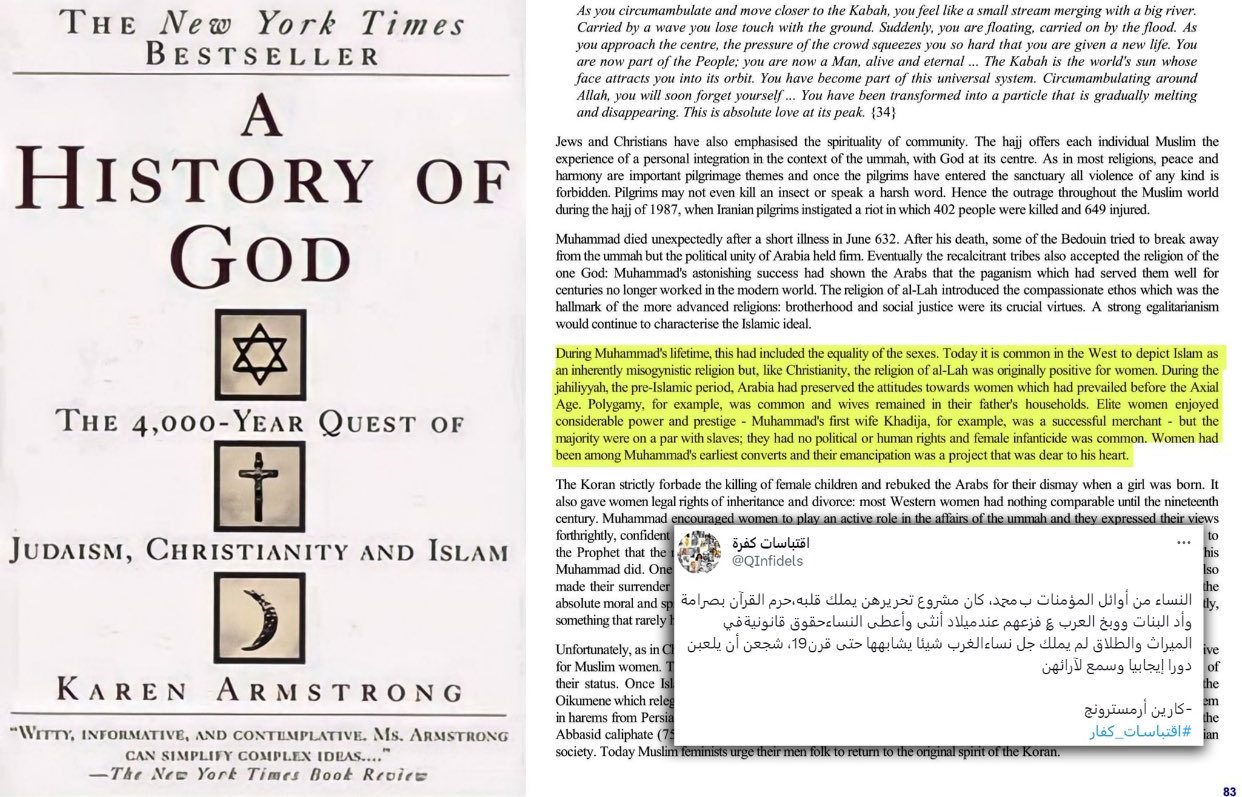
Historian Karen Armstrong highlights that Islam, during Muhammad’s time, promoted gender equality unlike pre-Islamic Arabia, where women had few rights. Islam empowered women, as seen with early converts like Khadija and worked towards their emancipation, a priority for Muhammad.
Islam elevated women’s status by granting rights to property, education, and inheritance. Women were encouraged to participate in public life and lead prayers, with legal safeguards protecting their well-being and empowering them long before many Western societies.
Part 2 — Women’s Rights in Islam: The Prophet’s Example ﷺ
(Islamophobes’ Nightmare)
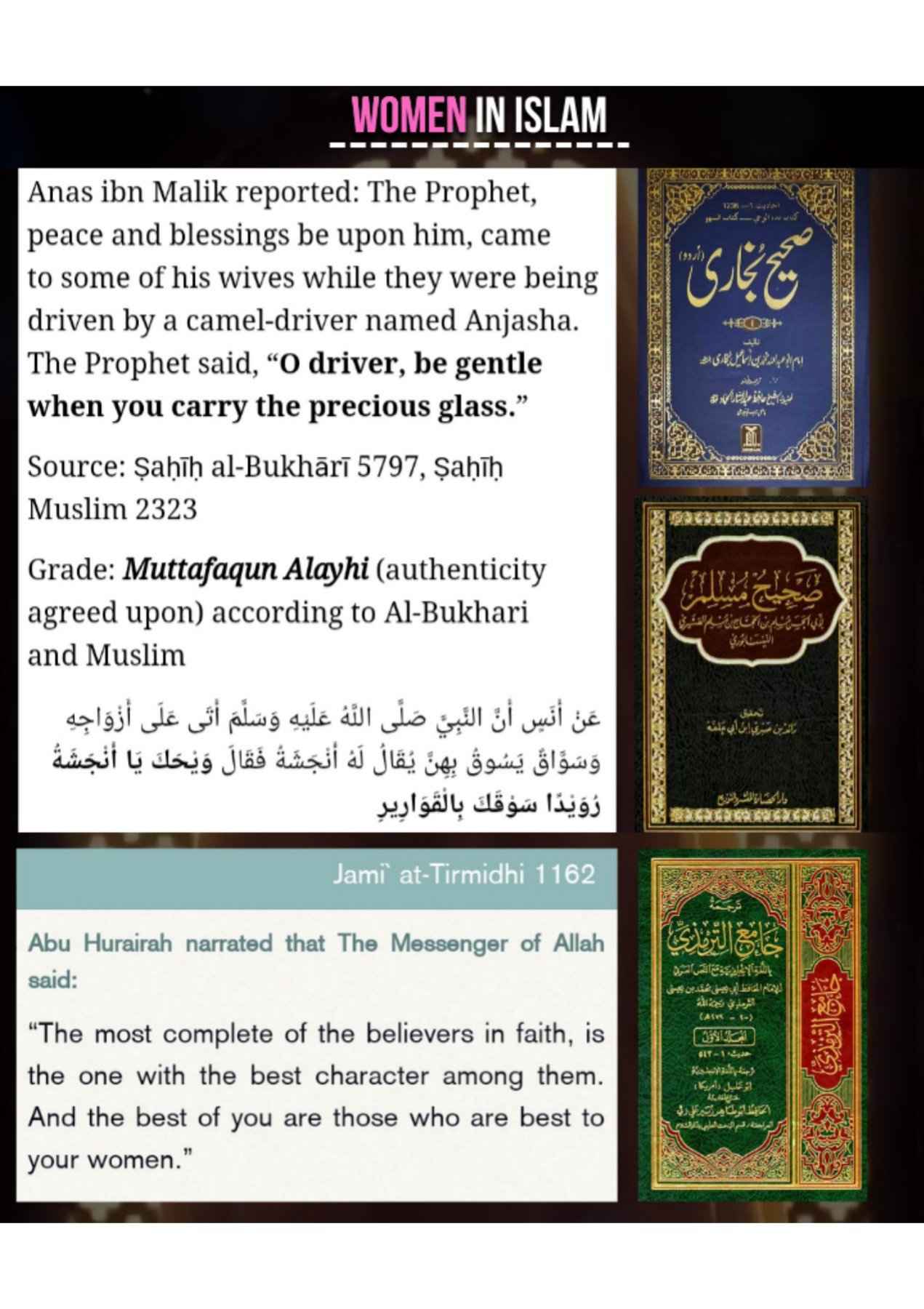
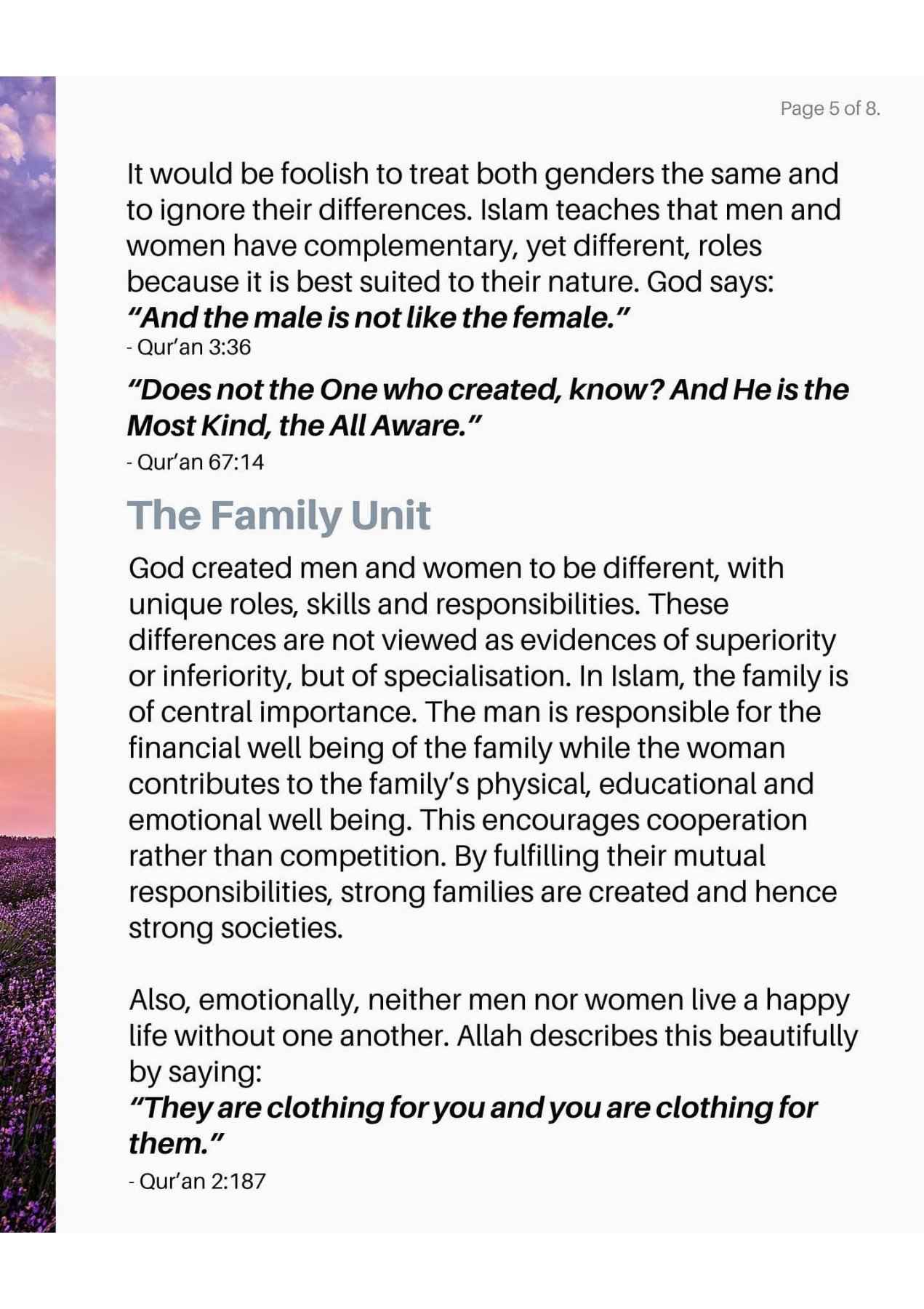
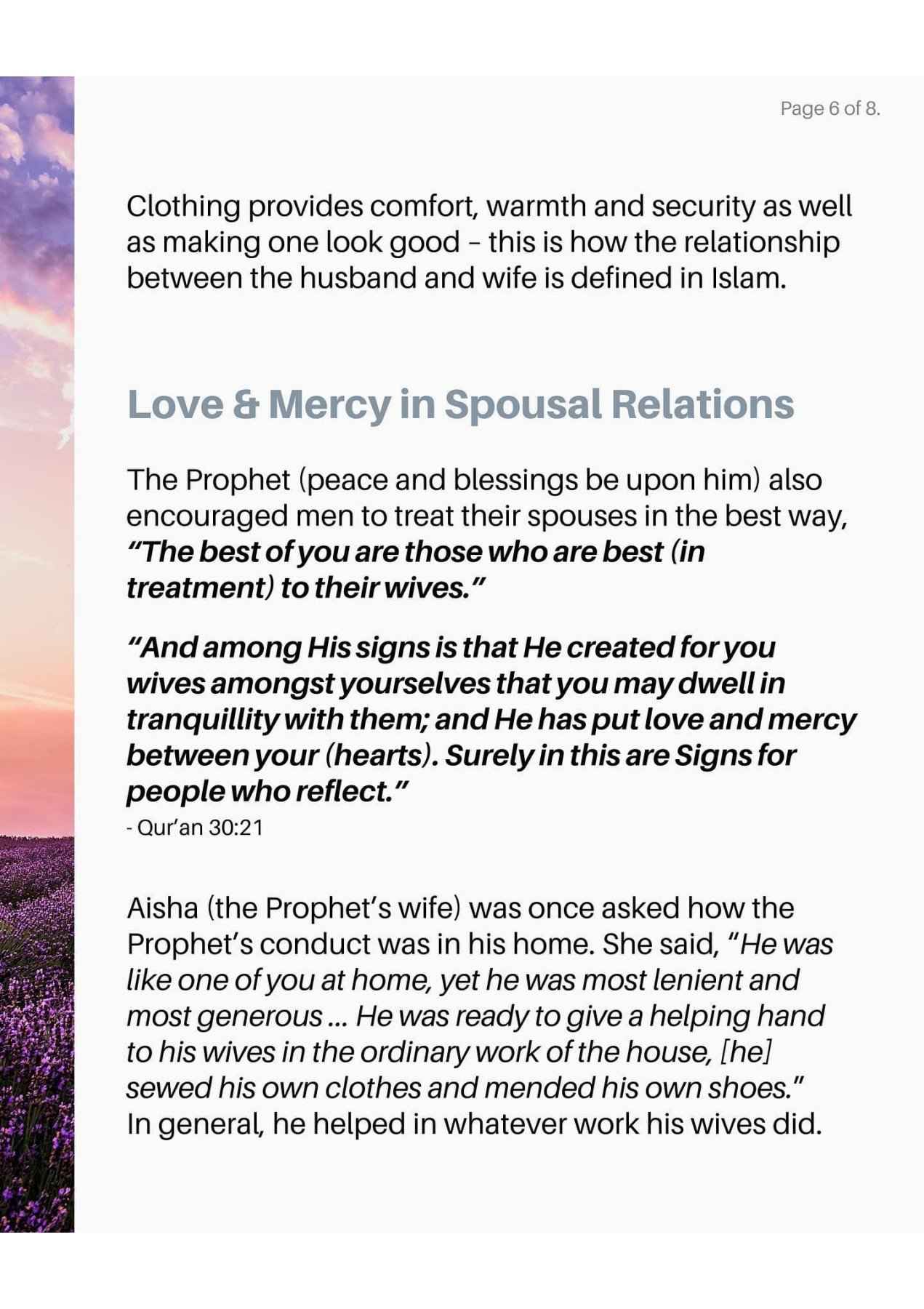
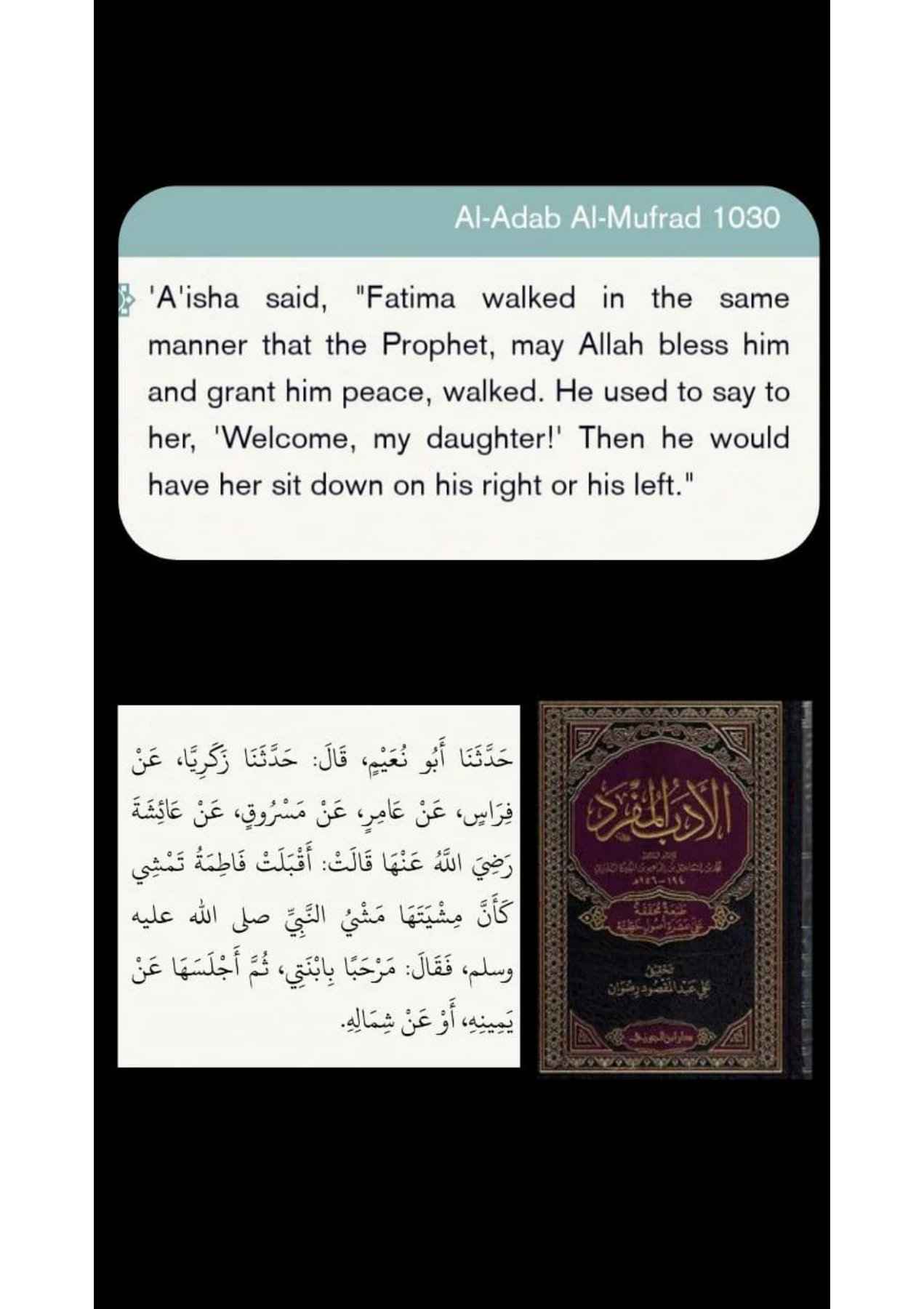
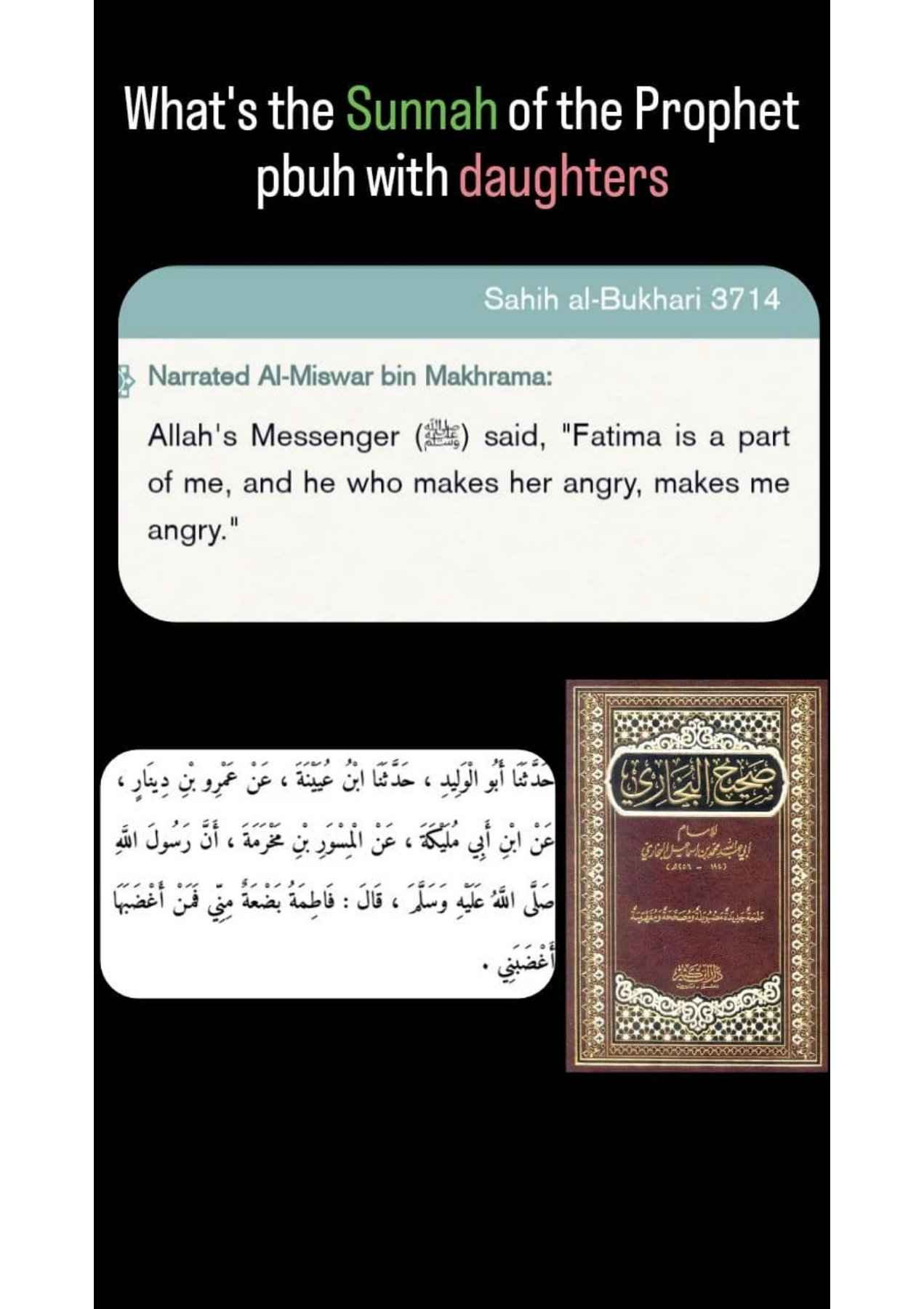
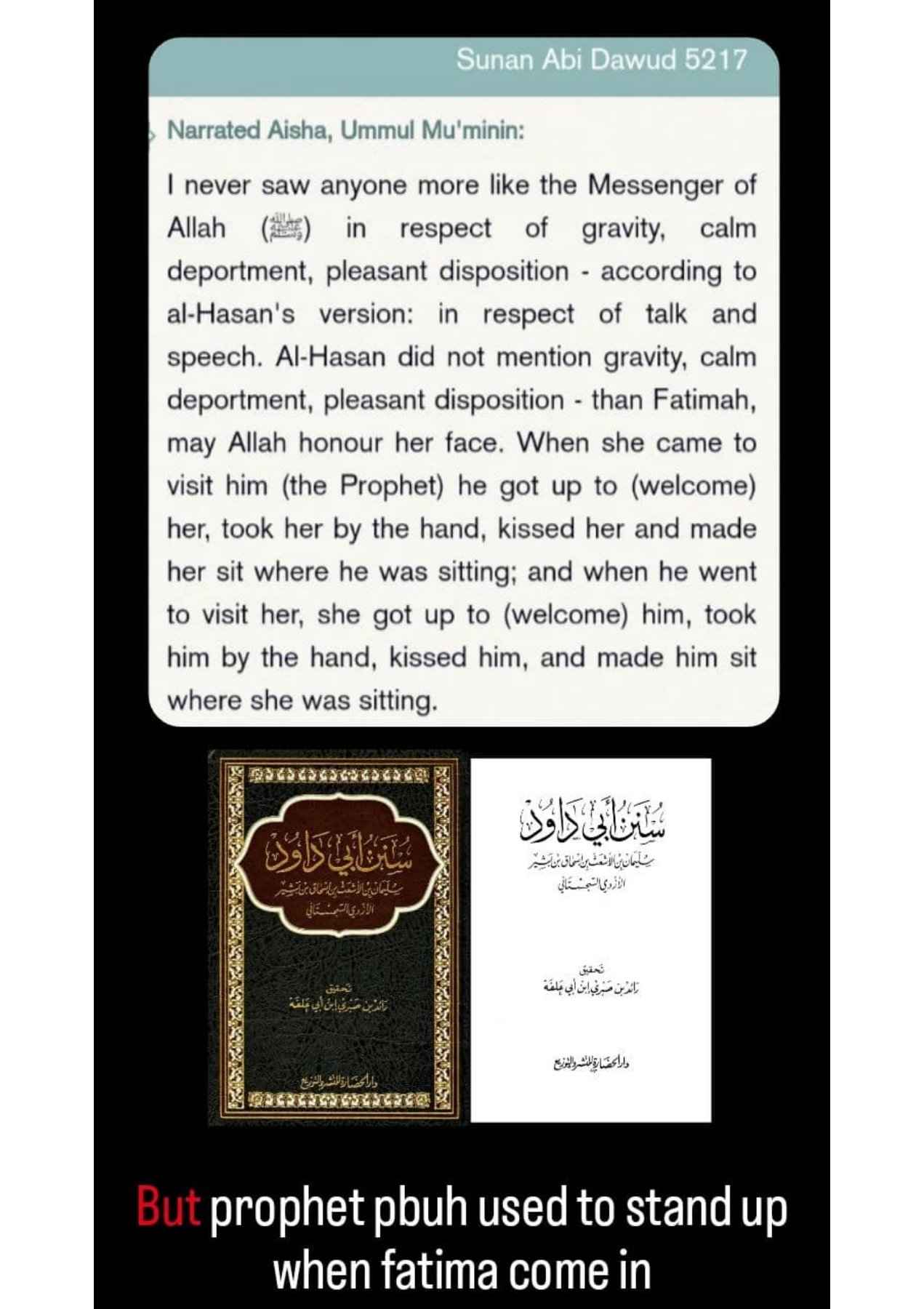
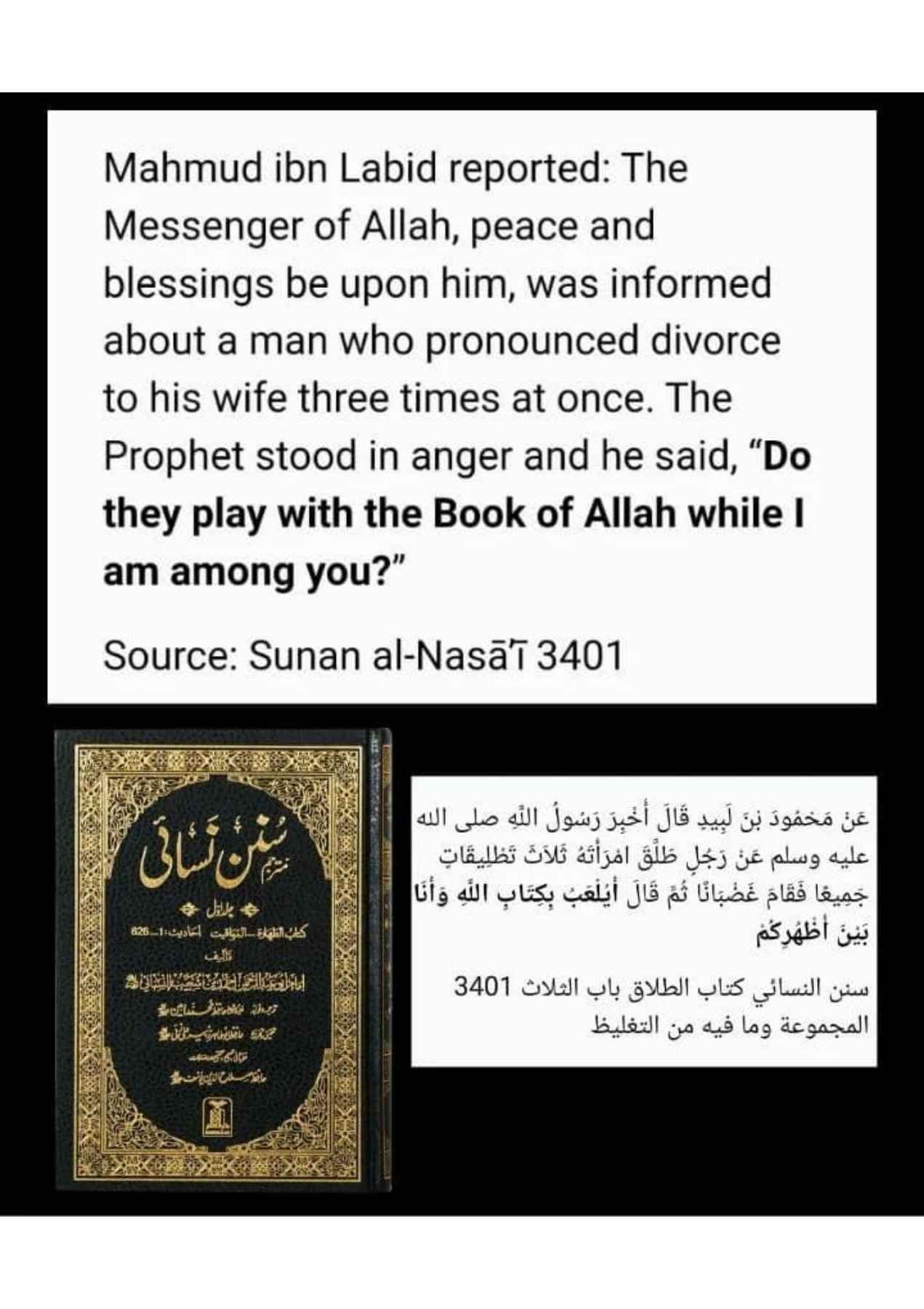
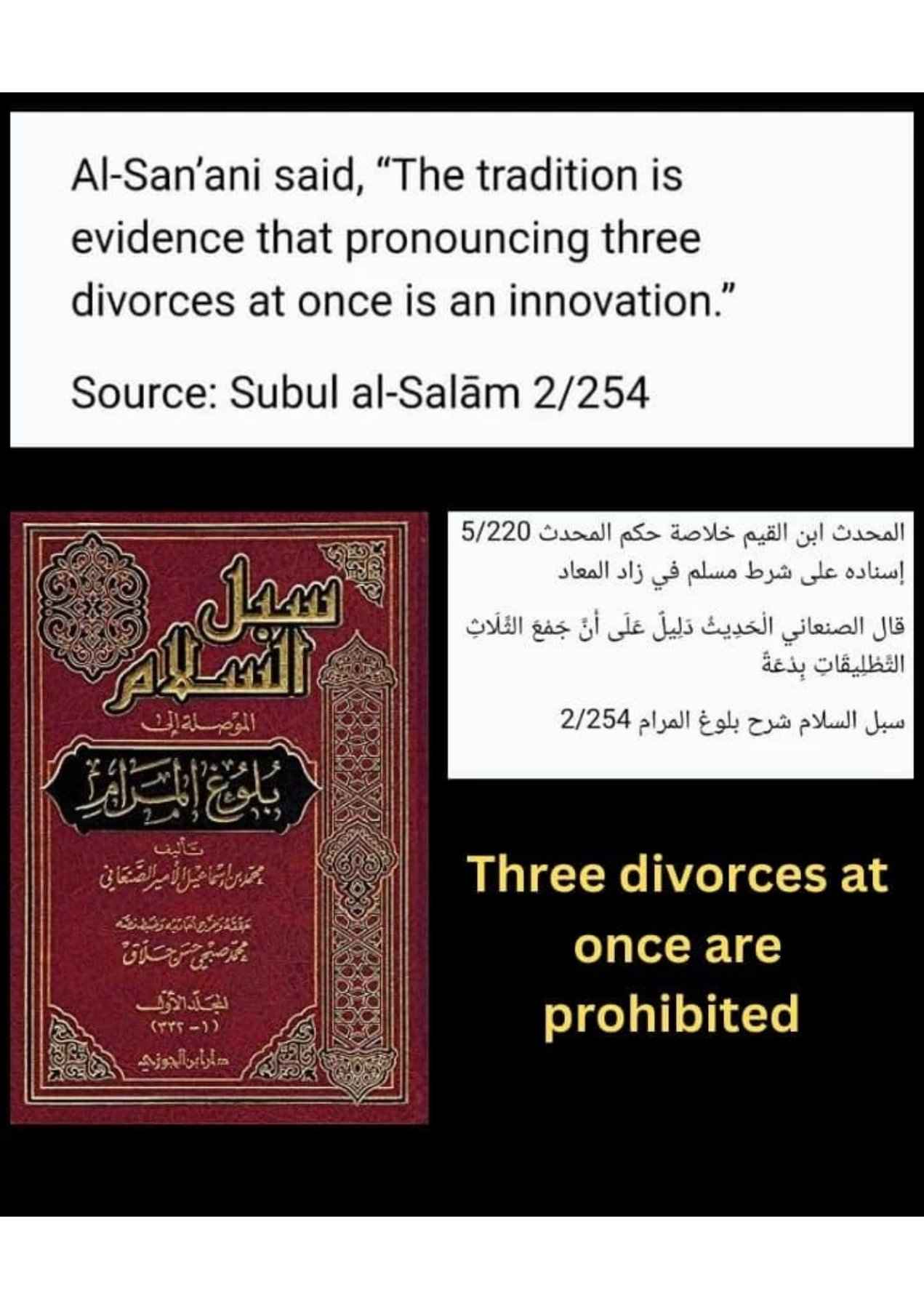
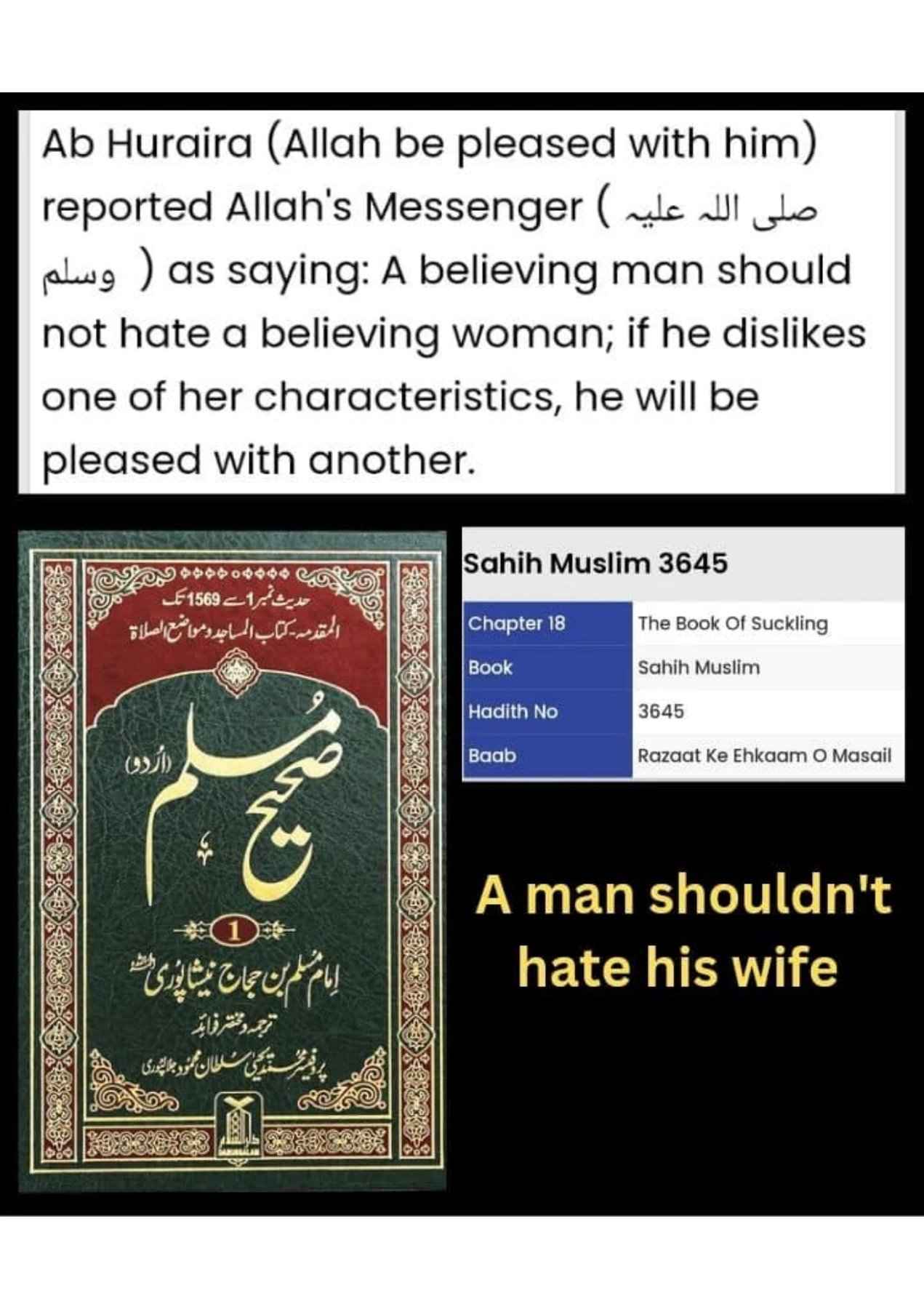
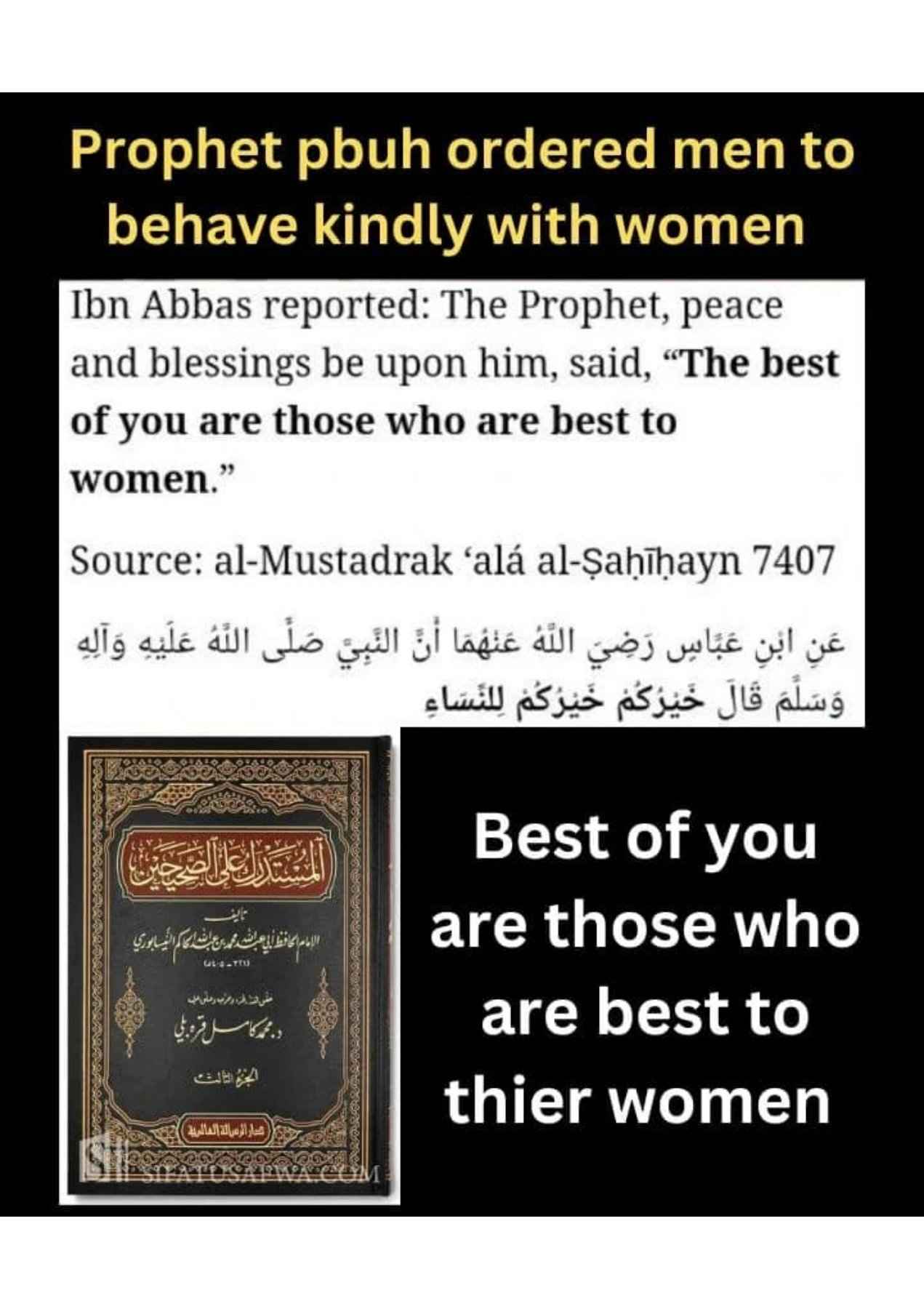
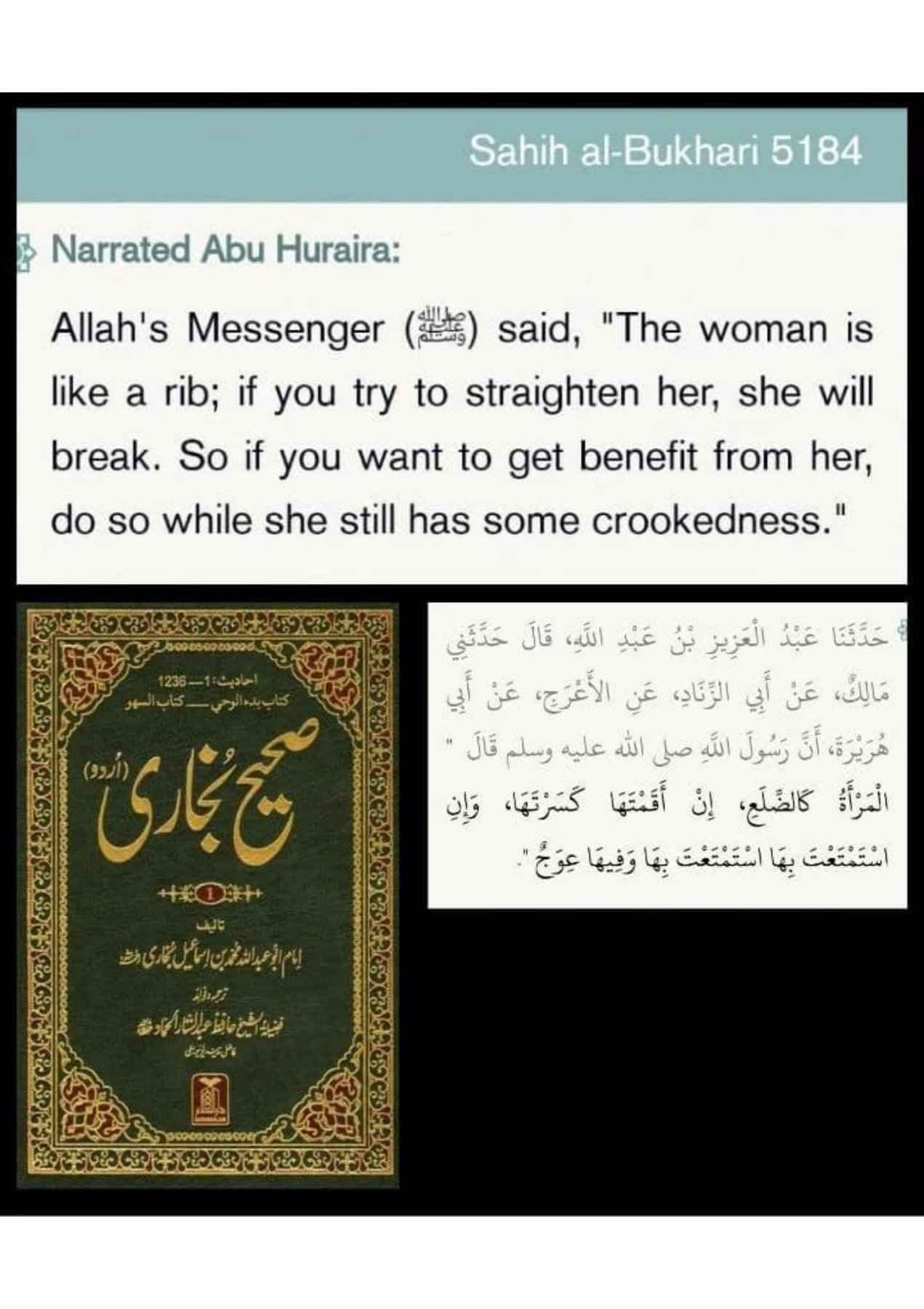
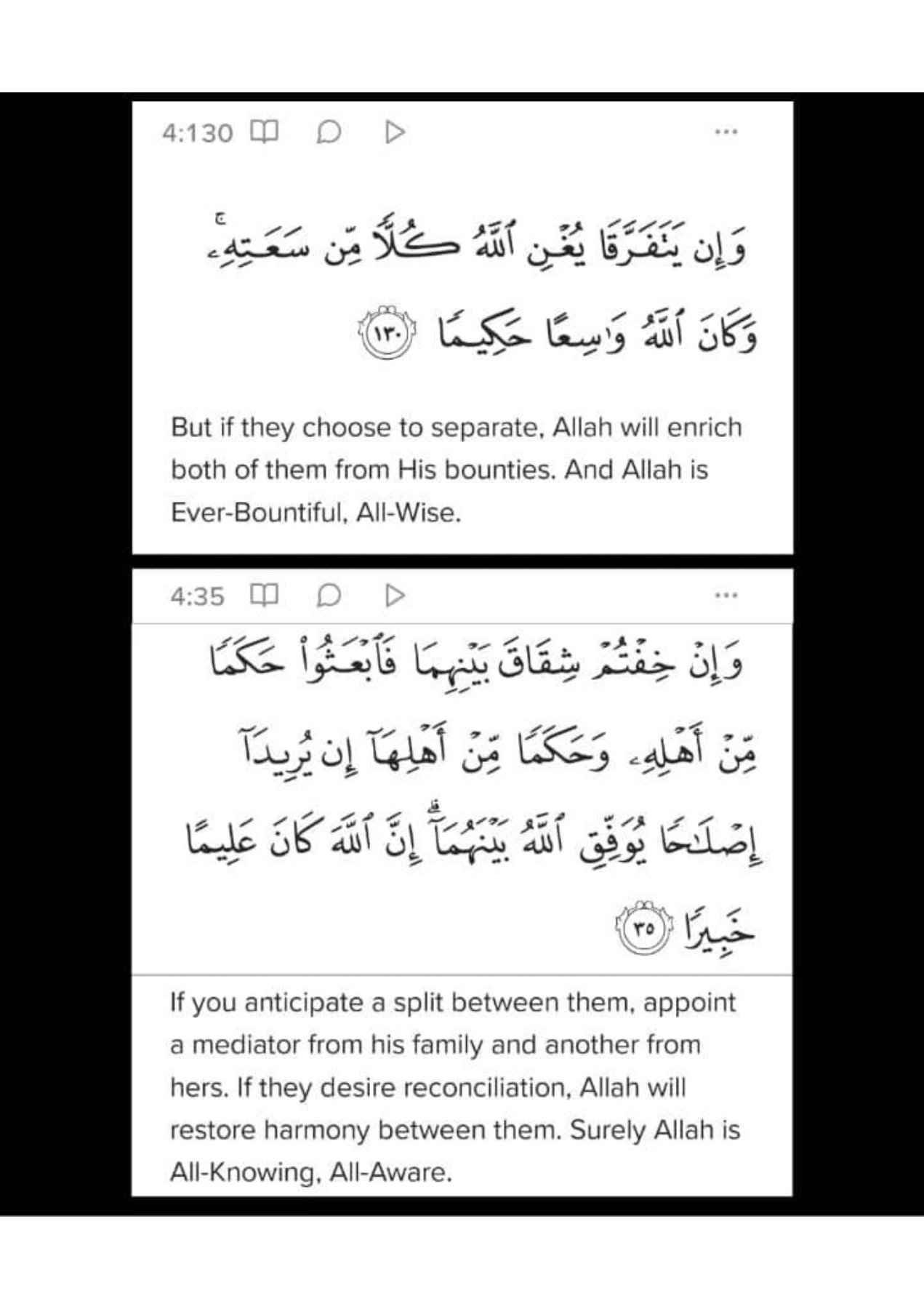
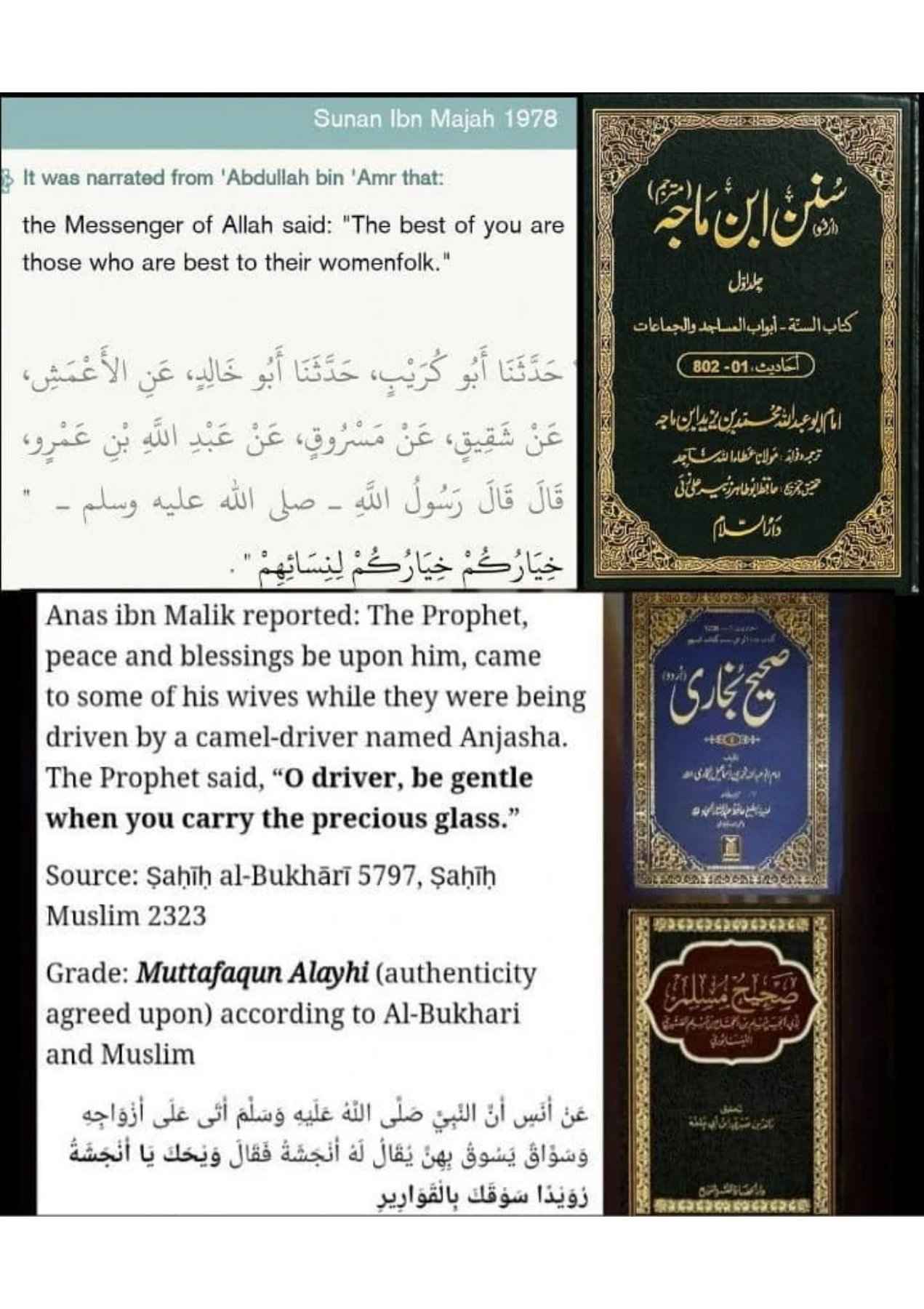
The Messenger of Allah ﷺ was the highest example and role model in treating women — his wives, his daughters, and the women of his community. The books of Hadith and Seerah are filled with evidence of this conduct.
Hadith 1 — Spending on One’s Family
“You will not spend anything seeking thereby the Face of Allah except that you will increase in degree and elevation by it — even the morsel that you put in your wife’s mouth.”
| Field | Detail |
|---|---|
| Narrator (Companion) | Sa’d ibn Abi Waqqas |
| Grader | Ibn Taymiyyah |
| Source | Majmoo’ al-Fatawa |
| Page / Number | 10/31 |
| Ruling | ✅ Sahih |
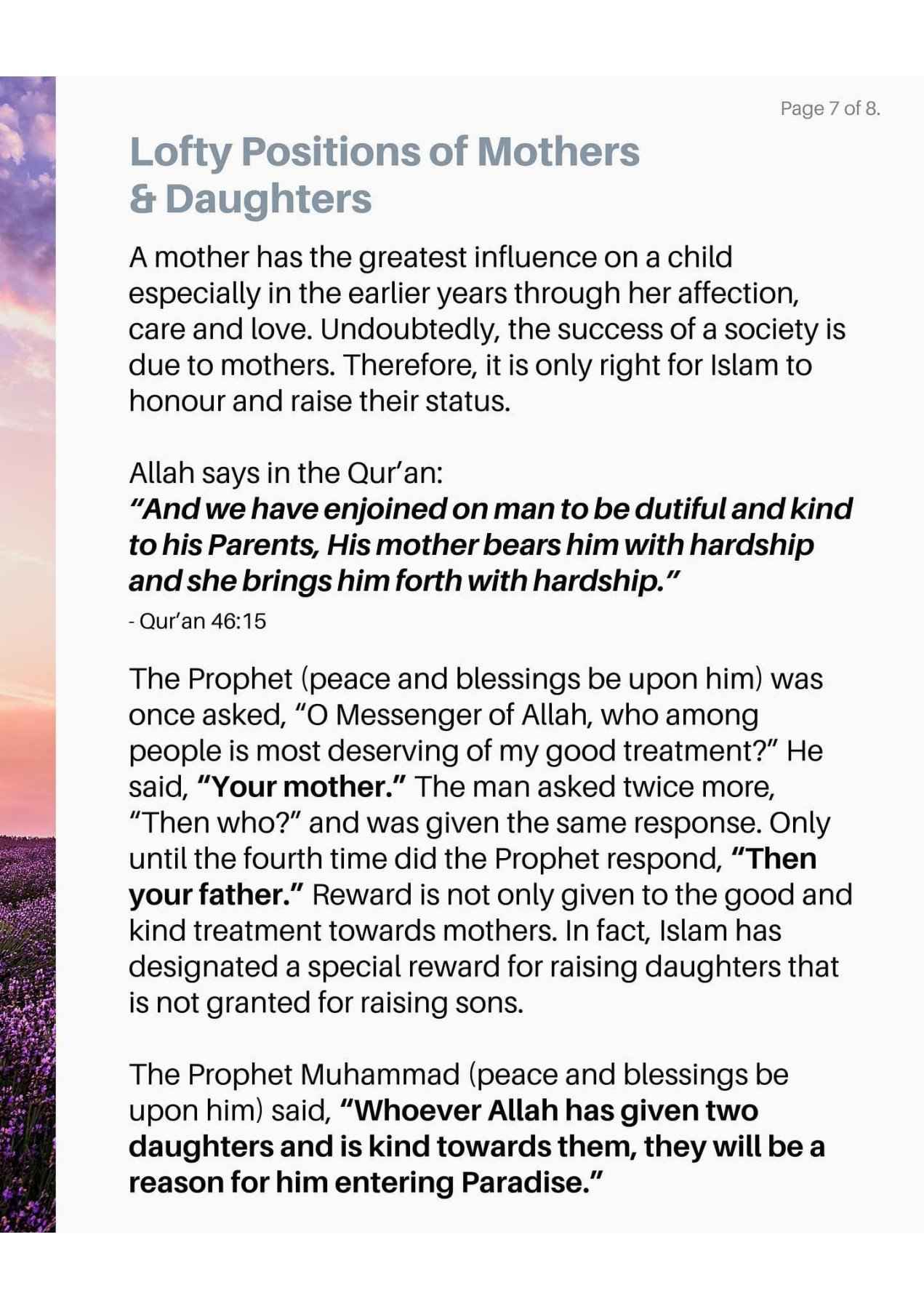
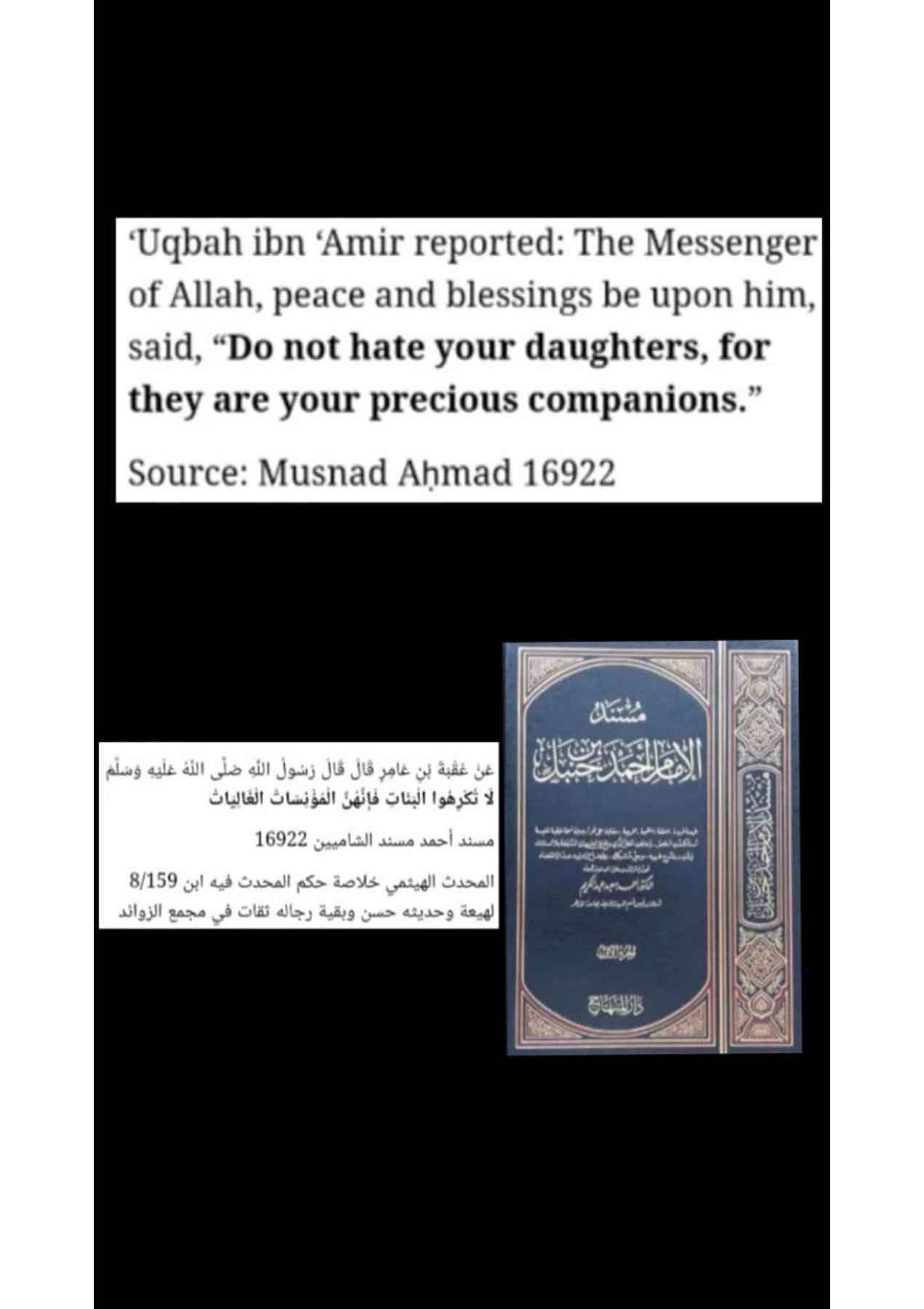
Hadith 2 — Three Daughters as a Shield from the Fire
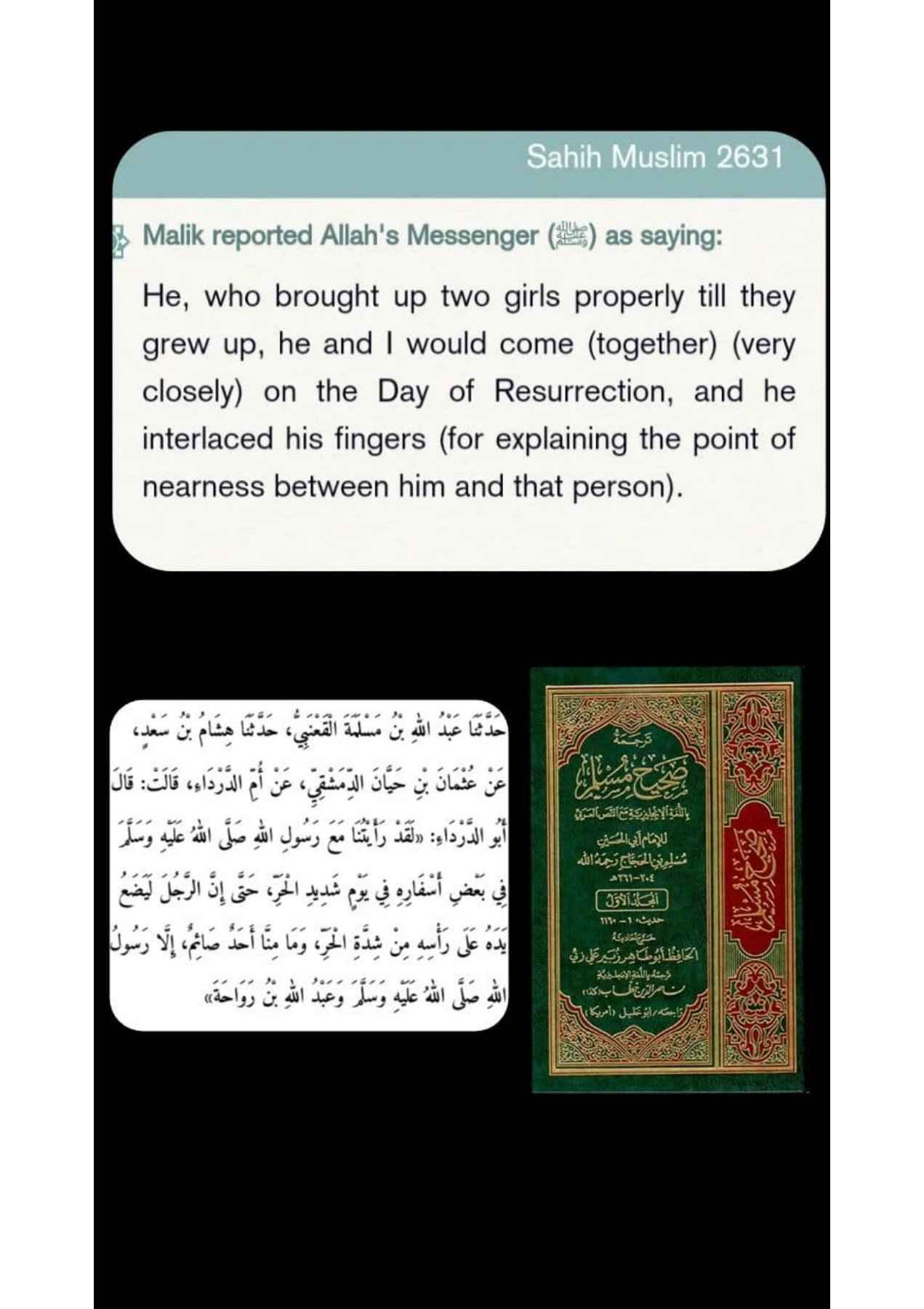
“Whoever has three daughters, and is patient with them and clothes them from his wealth — they will be a shield for him from the Fire.”
| Field | Detail |
|---|---|
| Narrator (Companion) | Uqbah ibn Amir |
| Grader | Al-Albani |
| Source | Sahih al-Adab al-Mufrad |
| Page / Number | 56 |
| Ruling | ✅ Authentic |
Hadith 3 — Three Daughters (Extended Wording)
“Whoever has three daughters, and is patient with them, and feeds them, and gives them drink, and clothes them from his wealth — they will be a shield for him from the Fire on the Day of Resurrection.”
| Field | Detail |
|---|---|
| Narrator (Companion) | Uqbah ibn Amir |
| Grader | Al-Albani |
| Source | Sahih al-Jami’ |
| Page / Number | 6488 |
| Ruling | ✅ Authentic |
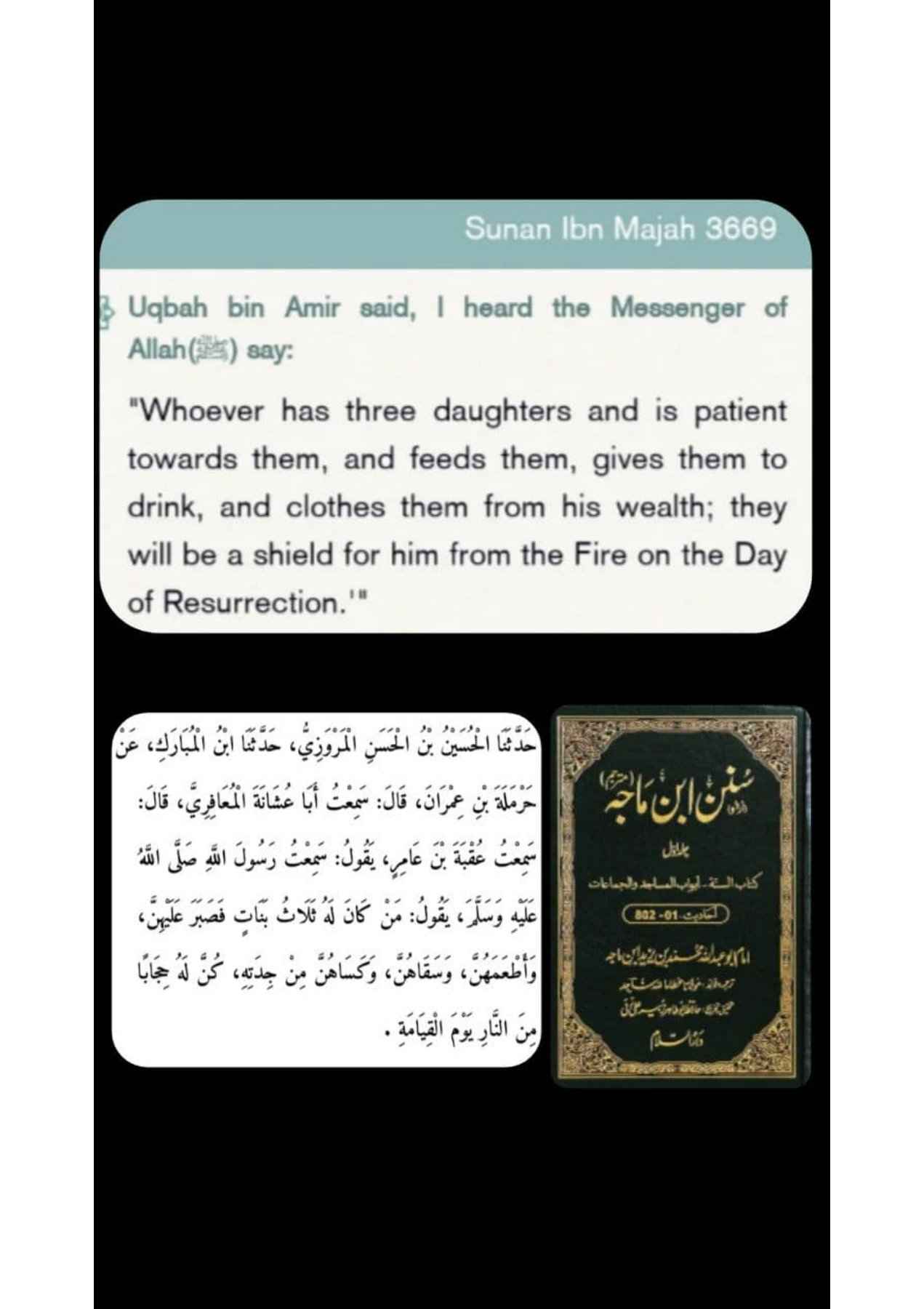
Hadith 4 — Three Daughters (Ibn Majah Wording)
“Whoever has three daughters, and is patient with them, and feeds them, and gives them drink, and clothes them from his wealth — they will be a shield for him from the Fire on the Day of Resurrection.”
| Field | Detail |
|---|---|
| Narrator (Companion) | Uqbah ibn Amir |
| Grader | Al-Albani |
| Source | Sahih Ibn Majah |
| Page / Number | 2974 |
| Ruling | ✅ Authentic |
Images
Part 3 — The Status of Women Among the Islamic Jurists
See full article: The Status of Women Among Islamic Jurists
The following is a summary of what the classical jurists — across all four madhabs — established regarding women’s rights and dignity.
Femininity in the Hanafi Tradition
Ibn Abd al-Salam Abu al-Makarim al-Hanafi wrote:
- The eye is feminised — through it, truths are reached.
- The ear is feminised — through it, subtleties are reached.
- The hand is feminised — it is responsible for writing compositions.
- Paradise is feminine… promised to the good and righteous.
Women Scholars the Jurists Learned From
- Imam al-Zuhri was directed to Amra bint Abd al-Rahman — a student of Aisha ﷺ — and described her as “an inexhaustible sea.”
- Ibn Hajar al-Asqalani praised his sister Sitt al-Rukb.
- Ibn al-Qayyim and Ibn Kathir both praised their female teachers.
- Fatima bint Ibn Abd al-Wahhab taught both women and men.
Fatwa & the Judiciary
- Imam al-Nawawi: The conditions of a mufti “apply equally to men and women.”
- Ibn Hazm (al-Muhalla, 8/528): Permitted women to hold the judiciary absolutely.
- Al-Dhahabi recorded Ummat al-Wahid bint al-Husayn as issuing fatwas and being among the best in knowledge of jurisprudence.
Marriage, Maintenance & Custody
- If a man divorces before consummation, the majority require a new contract and dowry to remarry — protecting the woman’s dignity.
- Abu Yusuf (companion of Abu Hanifa): A woman of social standing is entitled to two servants — one indoors, one for outside needs.
- Ibn Hajar quoting Ibn Battal: Assisting with children is not obligatory on a wife, but from good companionship.
Women’s Work
Ibn al-Nujaym al-Hanafi (al-Ashbah wa al-Naza’ir, 10th century AH):
“The country may need special female efforts, or they may perform better, so the whole should not be left for the benefit of the part.”
Testimony
- Five areas exist where only a woman’s testimony is accepted — regardless of any man’s status: birth, breastfeeding, defects beneath a woman’s garment, expiry of the waiting period, and the newborn’s first cry.
- Ibn Uthaymeen: “This is a religious report in which males and females are equal, just as males and females are equal in narration.” (Sharh al-Mumti’, 6/326)
Inheritance — The Real Numbers
Moroccan jurist Sheikh Mustafa bin Hamza (The Dignity of Women in Islamic Legislation):
Cases where a man receives more than a woman amount to no more than 16.34% of total inheritance cases. The rest is either equality or the woman receives more.
The Overarching Rule — Ibn Hazm
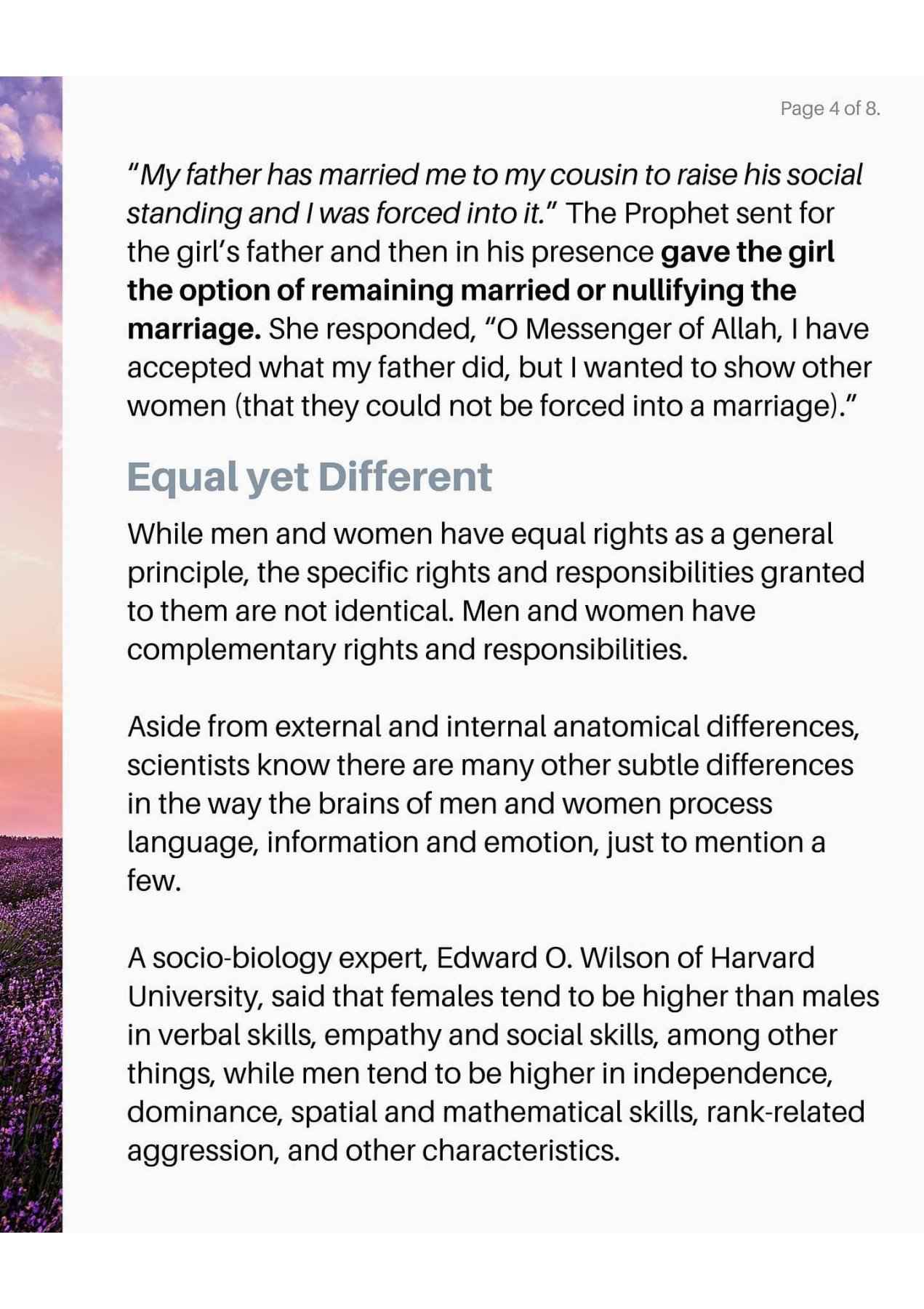
“There is no issue in which the jurists differed except that Ibn Hazm took the path of ease for women — and in his view women are like men except for what the evidence specifies.”
Sheikh Dr. Wahba al-Zuhayli — Final Word
“Most of the rulings of the noble Sharia are shared equally by men and women — this amounts to 90% of doctrine, jurisprudence, and ethics. The difference comes in 10% — women take 5% in what pertains to them, and men take 5% of what pertains to them.”
Compiled for KufrCleaner — Sources: Islamophobes’ Nightmare (Discord), Heudis Blog, classical fiqh references.