

Did Islam Spread by the Sword? What Historians Actually Say
The claim that Islam spread by the sword is one of the most thoroughly refuted myths in modern historiography. From the Chronicle of Zuqnīn to the testimony of Syriac bishops who lived through the conquests, from Jewish prophecy to the admissions of Western Orientalists, the historical record consistently tells a different story: one of liberation, justice, and a faith that resonated with the innate human disposition toward monotheism. This article compiles the most comprehensive body of evidence on this question drawn from primary chronicles, Western academic scholarship, and the testimonies of the conquered peoples themselves.
Table of Contents
- The Condition of Eastern Christians Before the Islamic Conquest
- The Andalusian Case — Liberation, Not Invasion
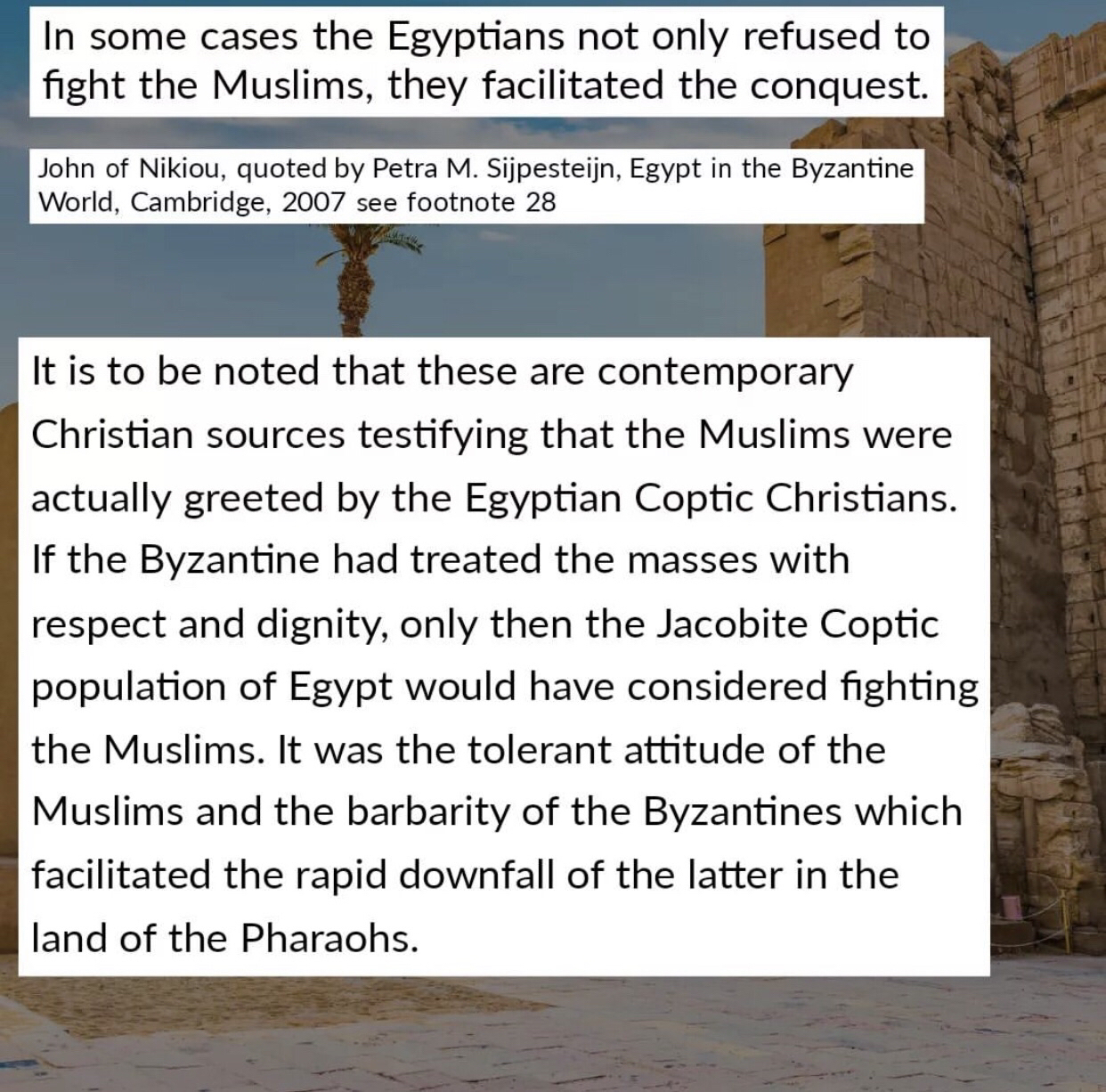
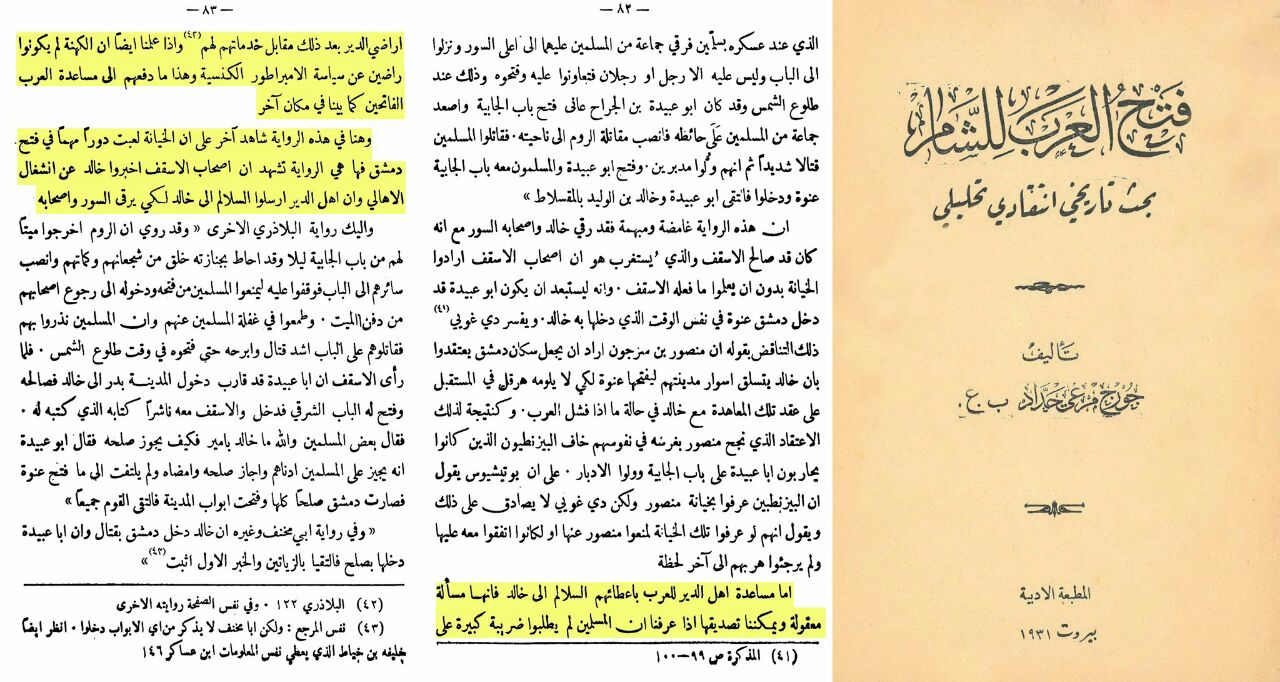
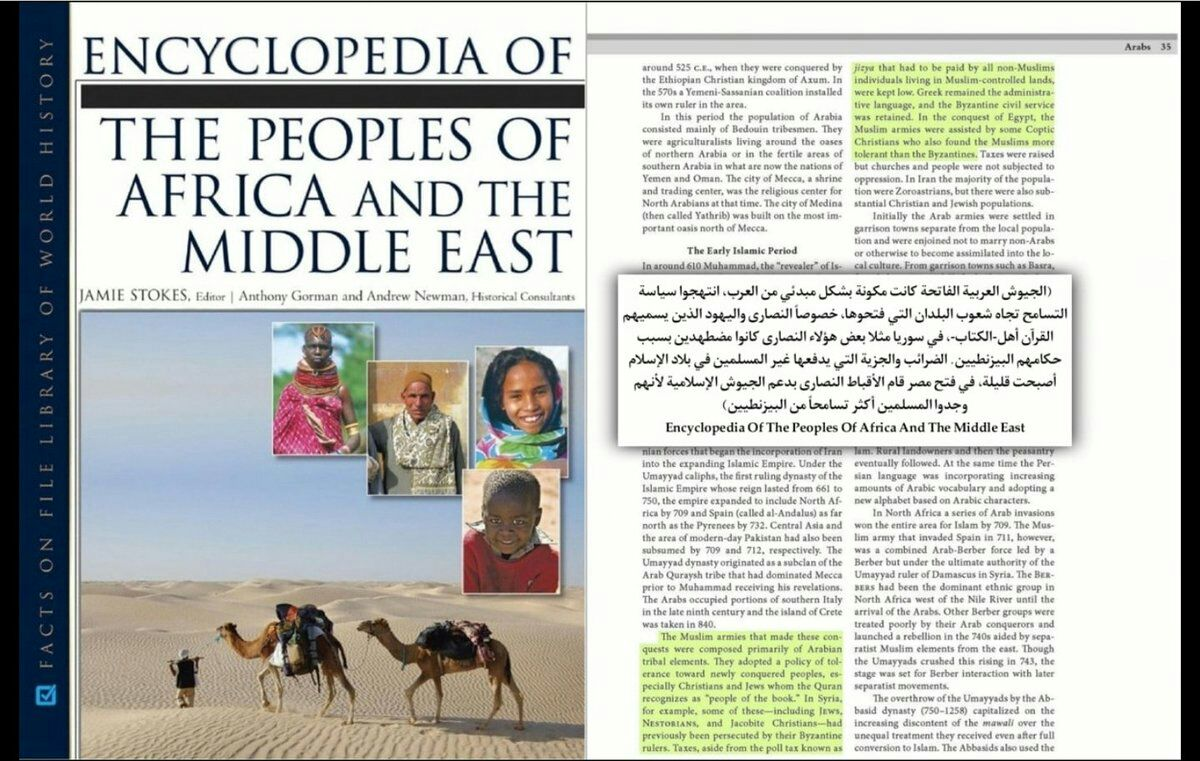
- The Peoples of Syria and Iraq Aided the Muslim Conquerors
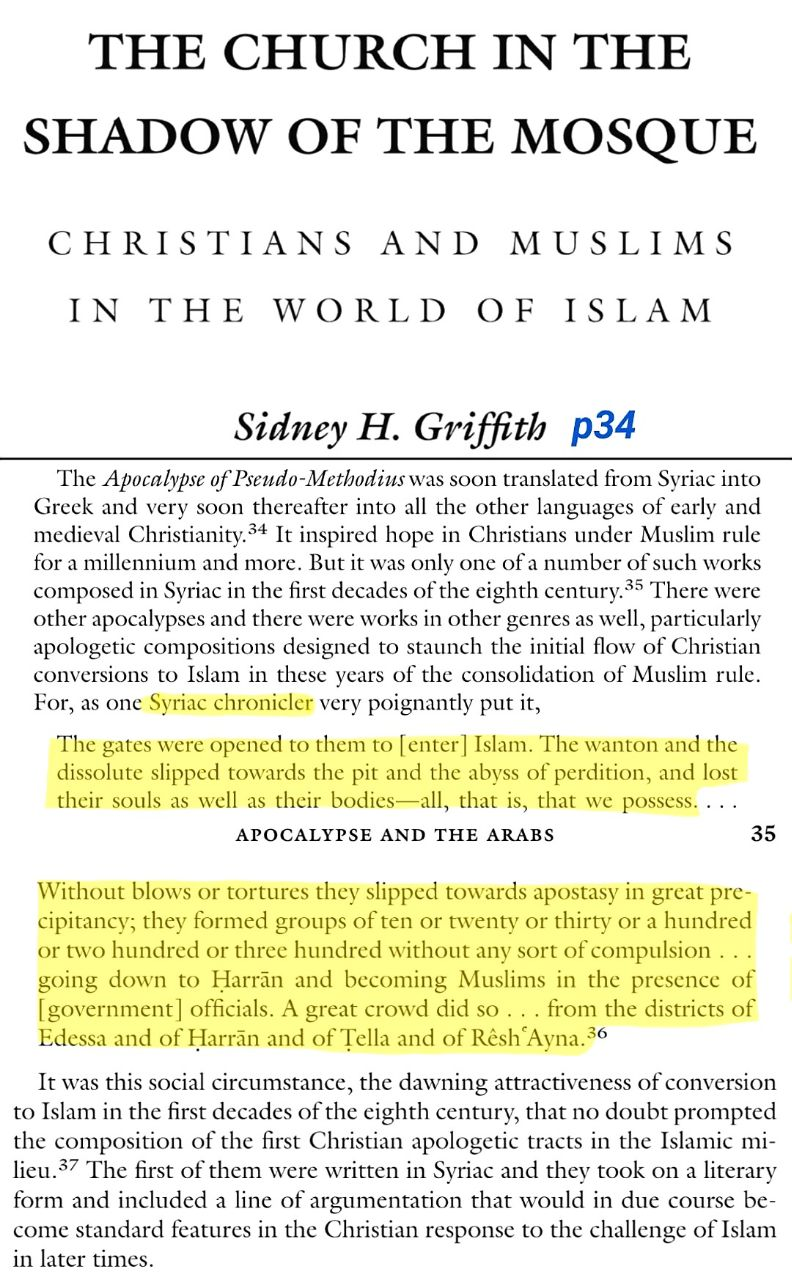
- Mass Conversion Without Coercion — The Testimony of Bishop Jacob of Edessa
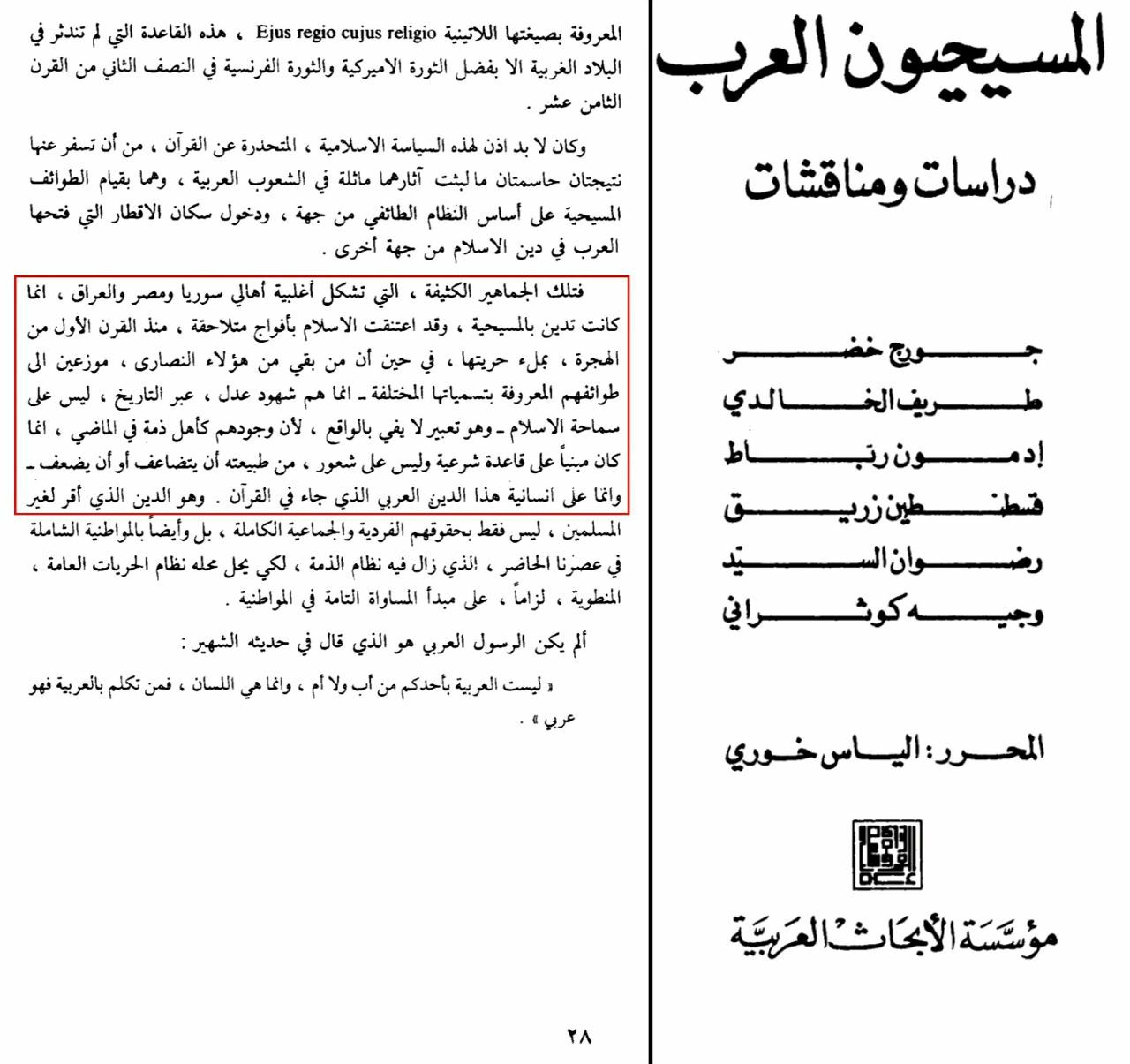
- The Semitic Peoples and Their Entry Into Islam — Refuting Jurji Zaydan
- Why Did Islam Spread? Monotheism and the Innate Nature of Humanity
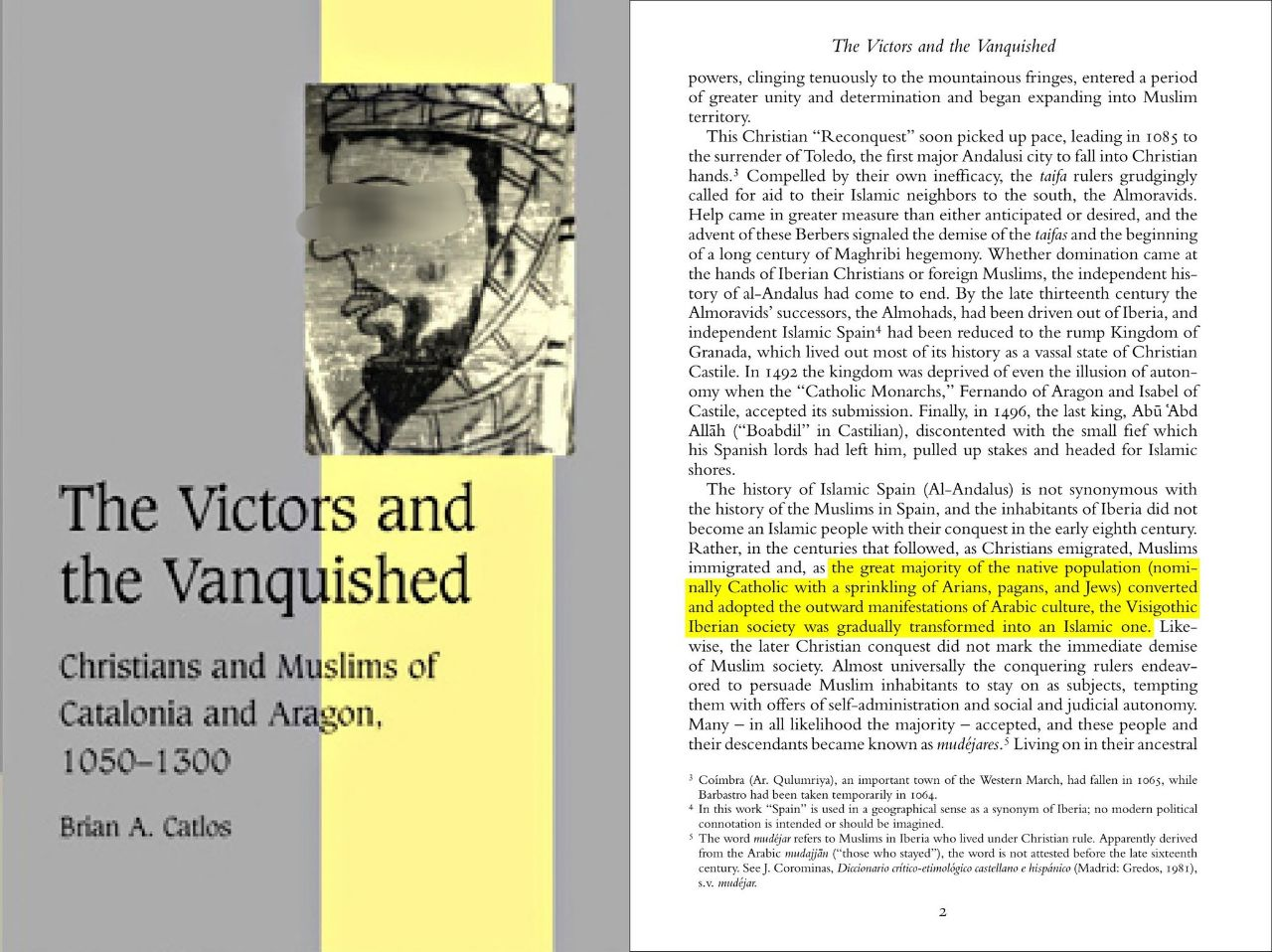
- The Original Inhabitants of Andalusia Became Muslim
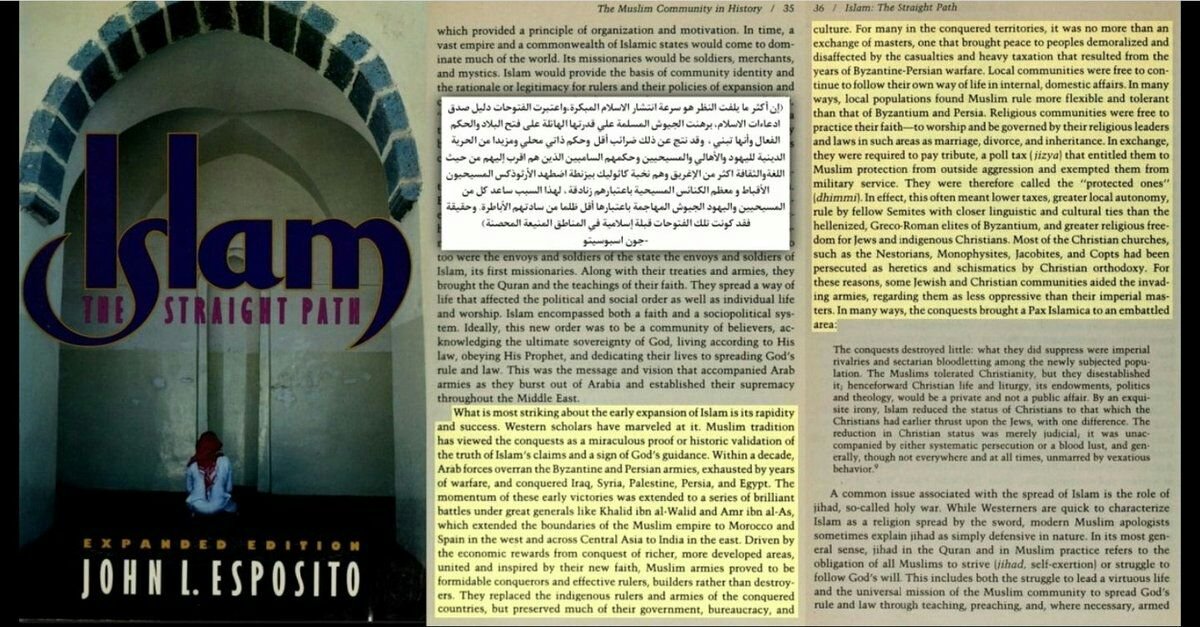
- The Arab-Islamic Conquest as Liberation — A Historical Summary
- Heraclius and the Prophecy of the Circumcised Nation
- Byzantine Oppression — The Context That Made the Conquests Welcome
- The Church in Egypt After the Islamic Conquest
- Byzantine Enslavement and Religious Persecution
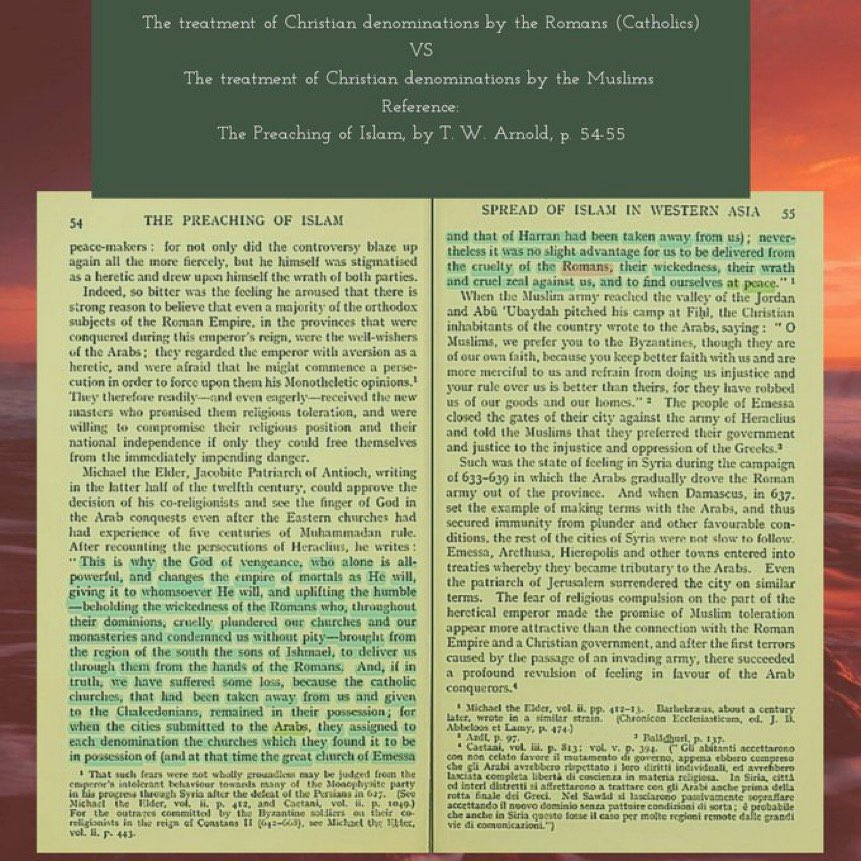
- Christian Sects Persecuting Each Other — The Chalcedonian Horror
- Syria Before and After the Islamic Conquest
- Umar ibn al-Khattab — Called Al-Faruq by Christians
- Edmond Rabbath — Christians Embraced Islam Freely
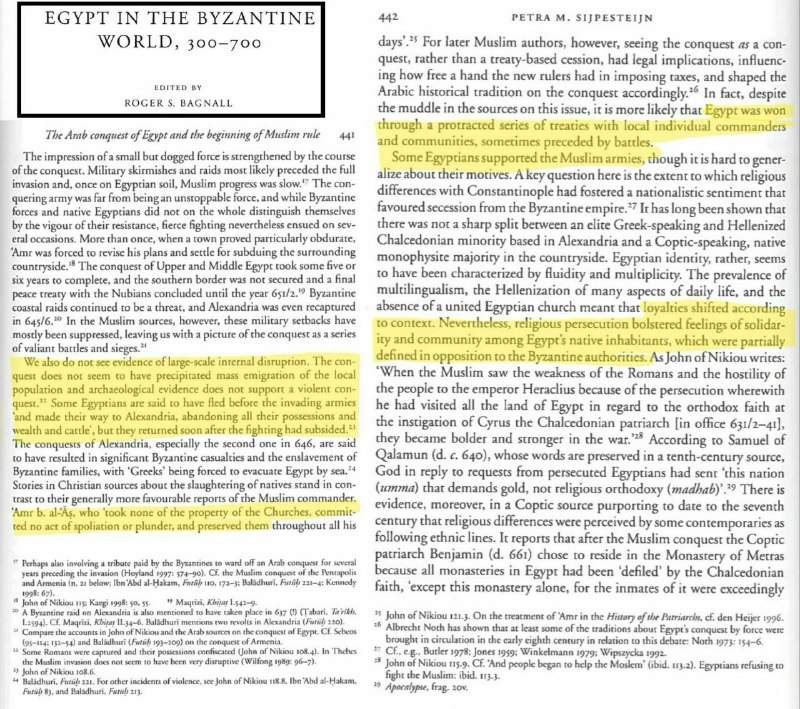
- The Conquests Were Not Destructive — Archaeological Evidence
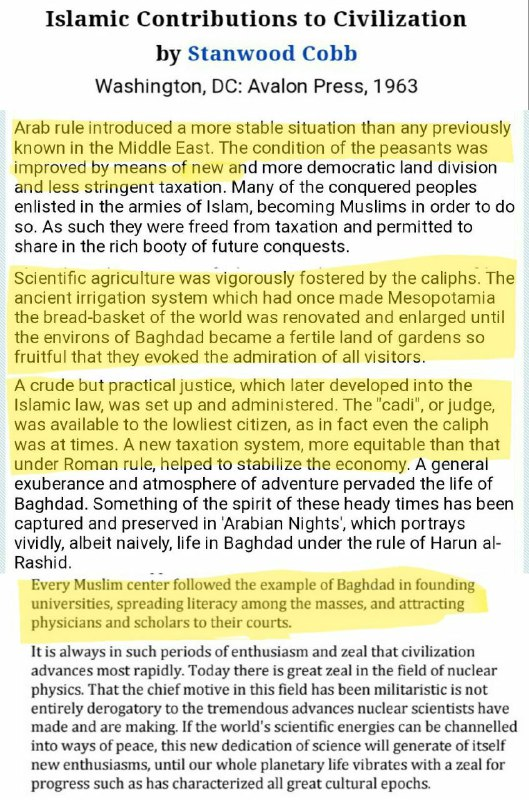
- Stability, Agriculture, and the Arab Economic System
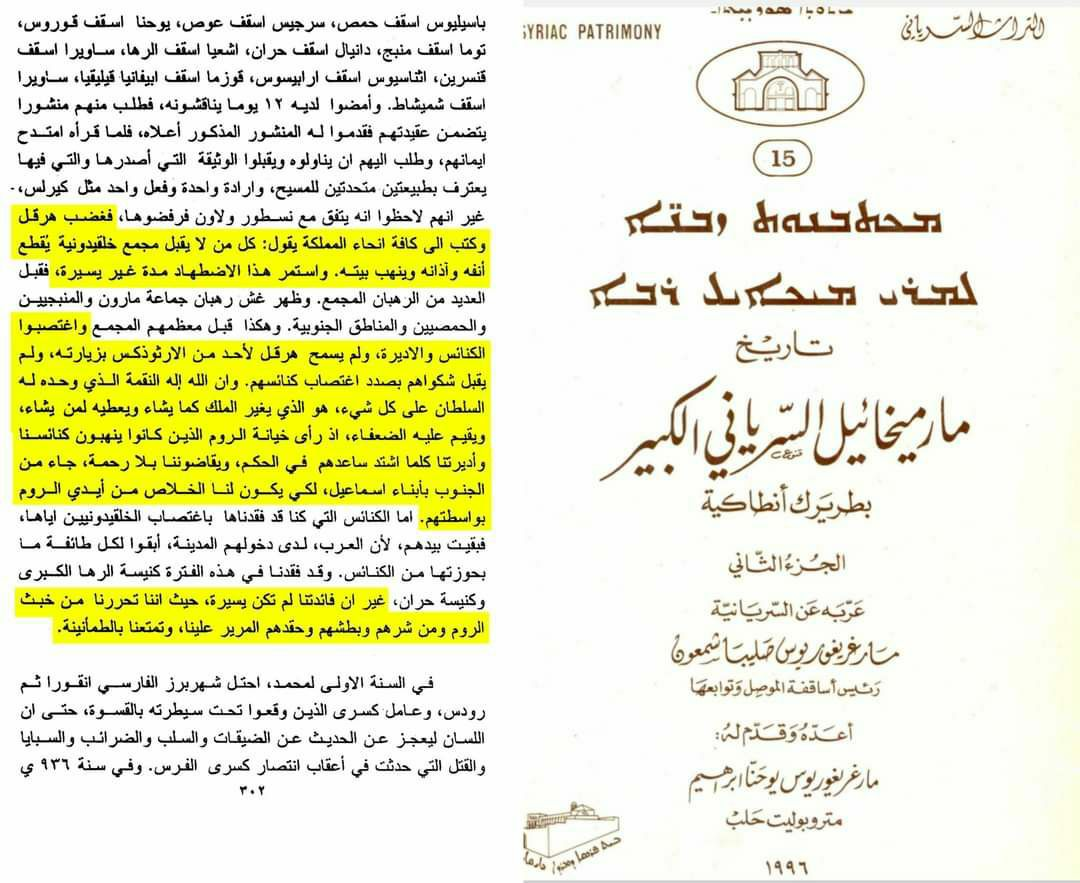
- Michael the Syrian — God Sent the Arabs as Deliverance
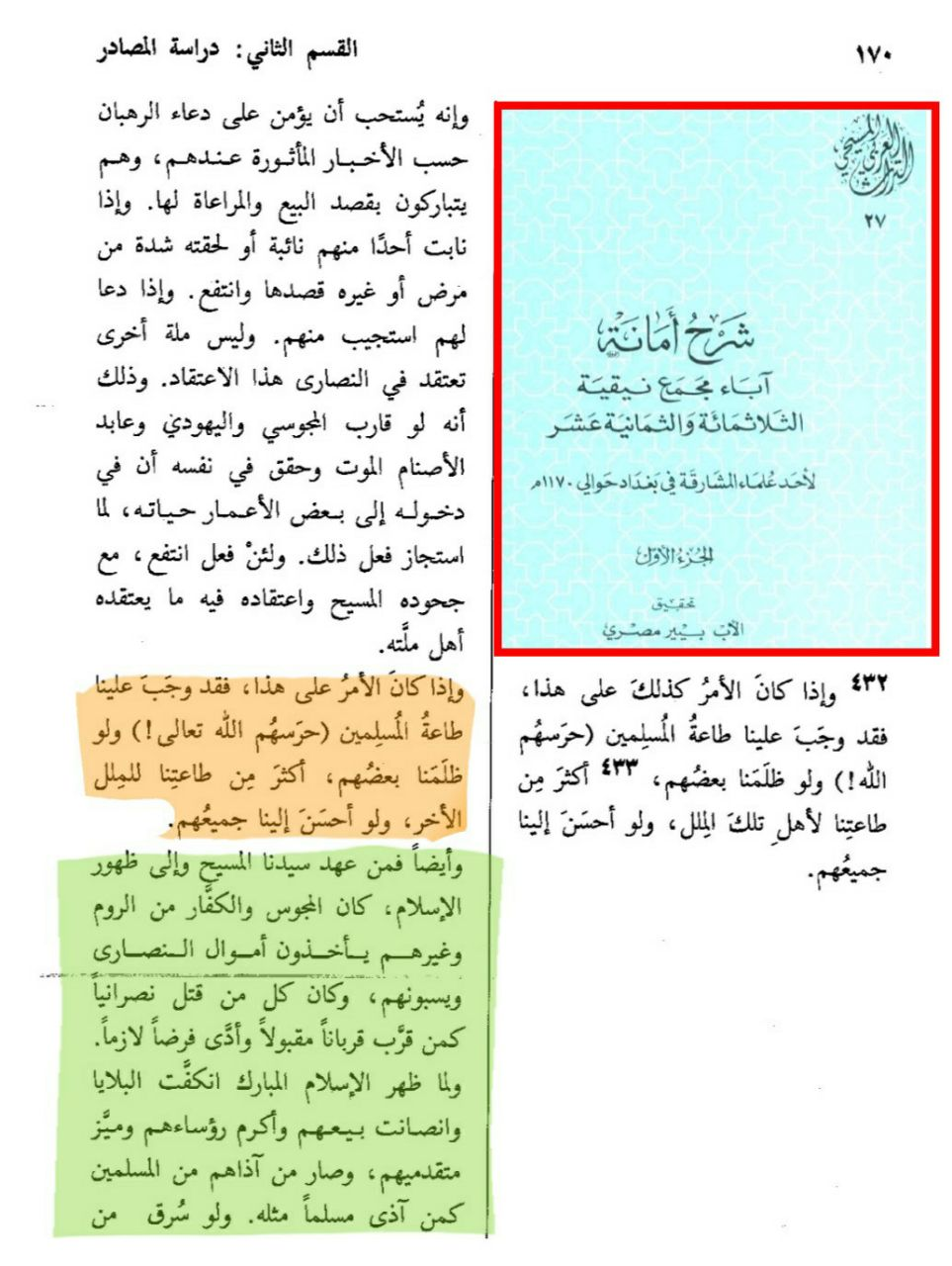
- A 12th-Century Baghdadi Priest on Muslim Justice
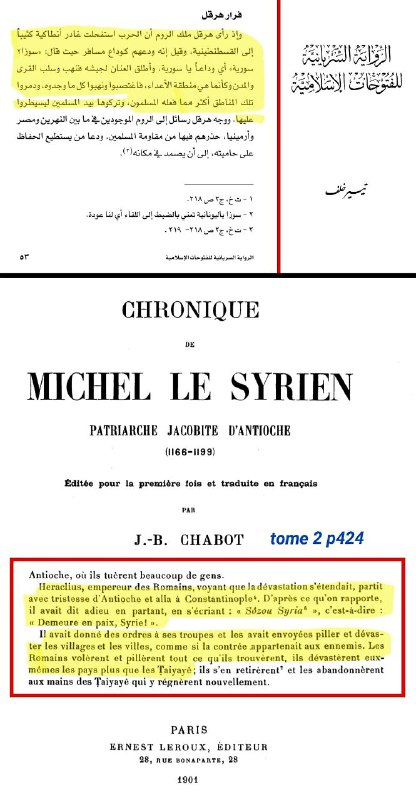
- Heraclius Destroys His Own Lands Before Retreating
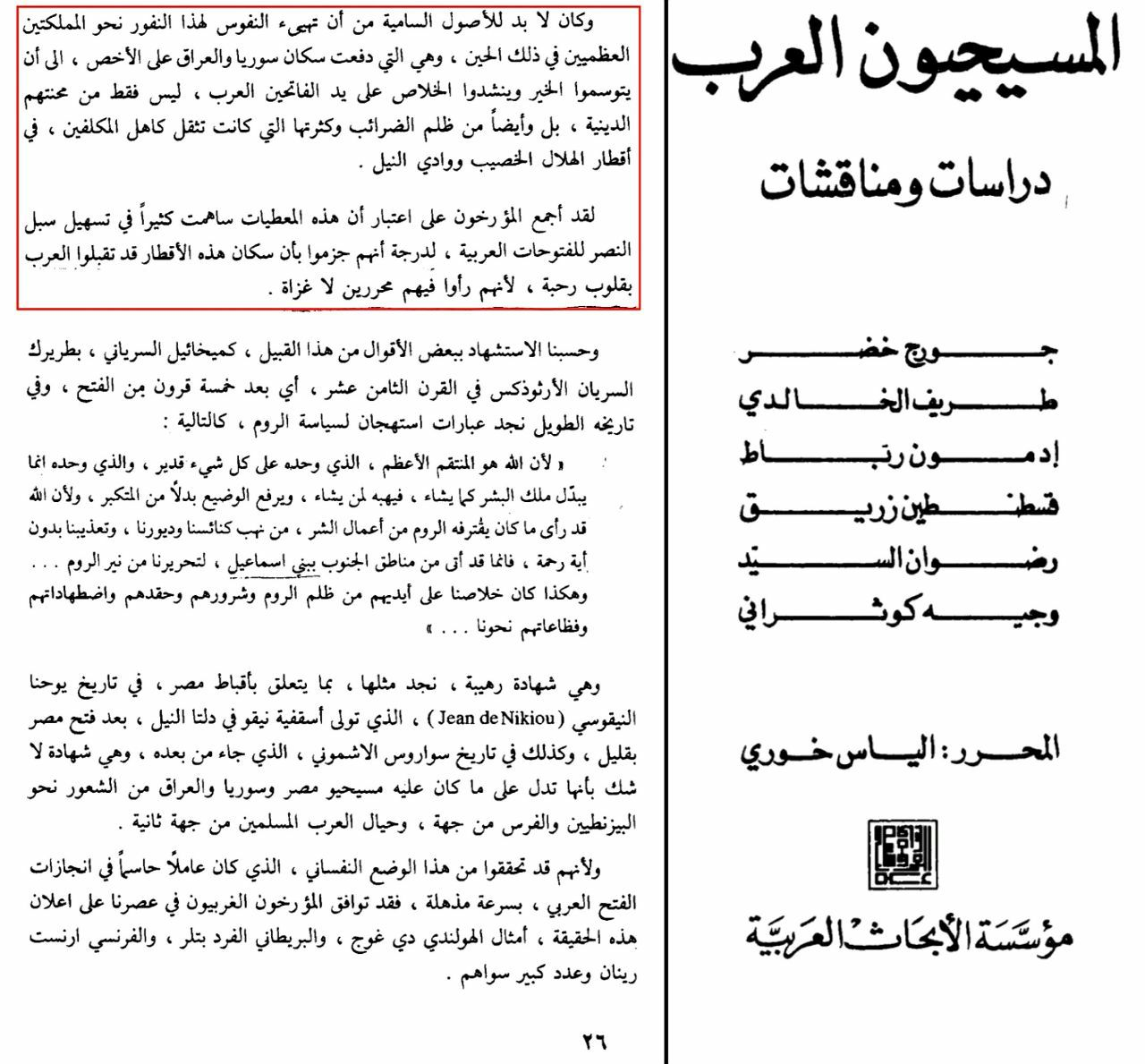
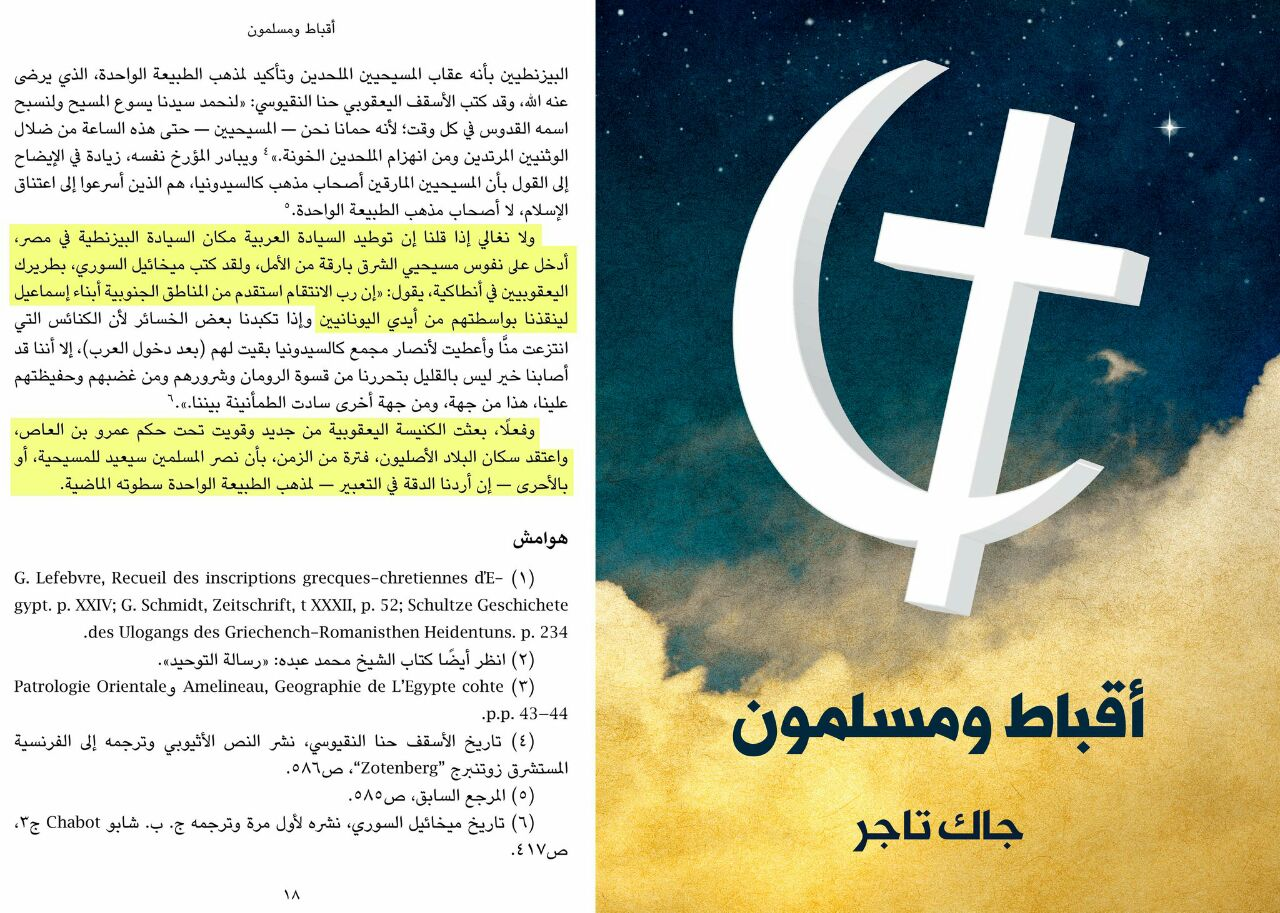
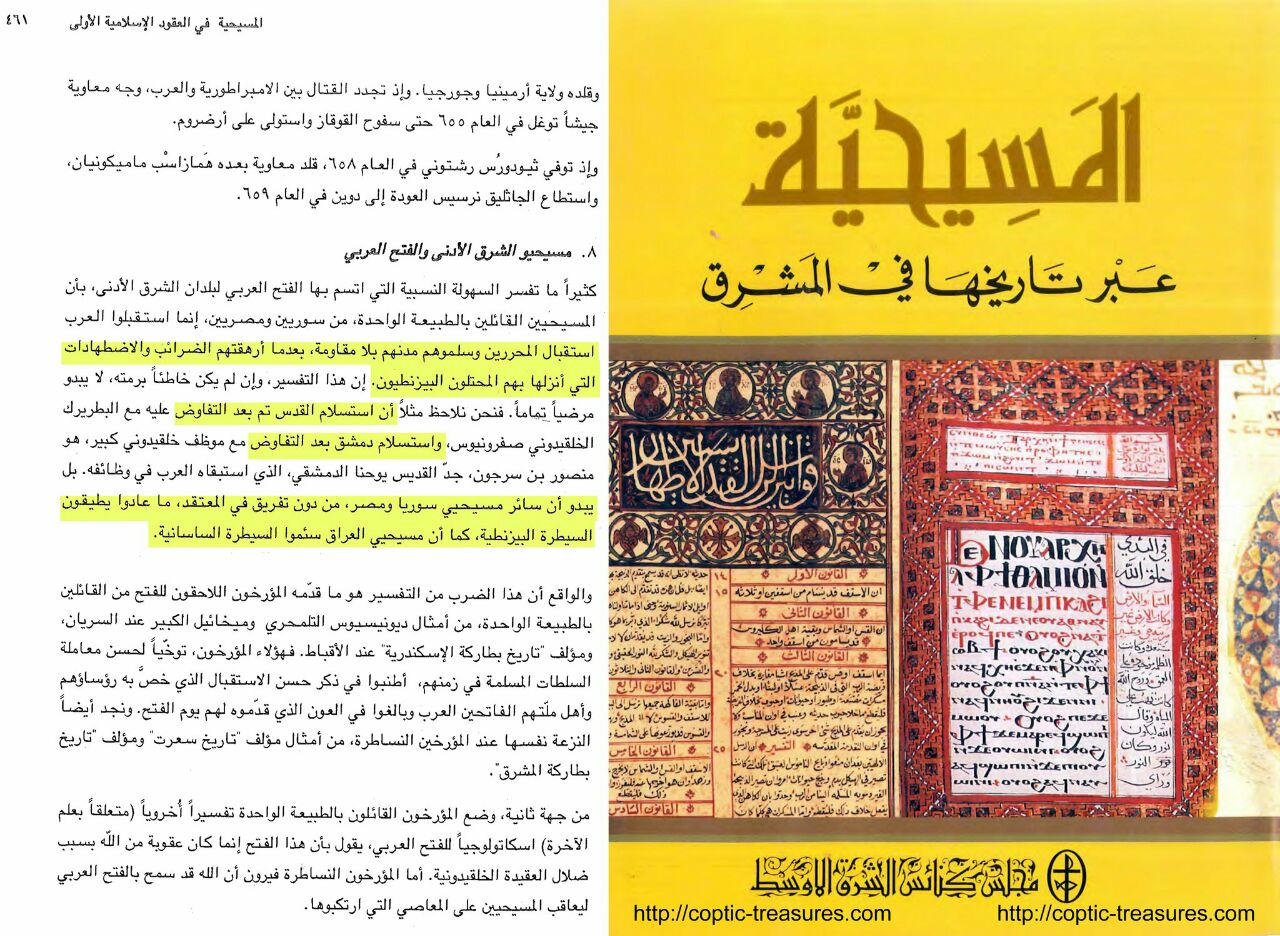
- Christians of the Levant, Iraq, and Egypt Saw Arabs as Liberators
- Roman Persecution to Islamic Justice — A Comprehensive Study
- Eight Centuries of Peace — Until the Mongol Disruption
- Muhammad ibn Qasim and the Islamic Conquest of Sindh
- The Surrender of Jerusalem to Umar
- The Arabs as the Most Merciful Conquerors in History
- North Africa Before and After the Islamic Conquest
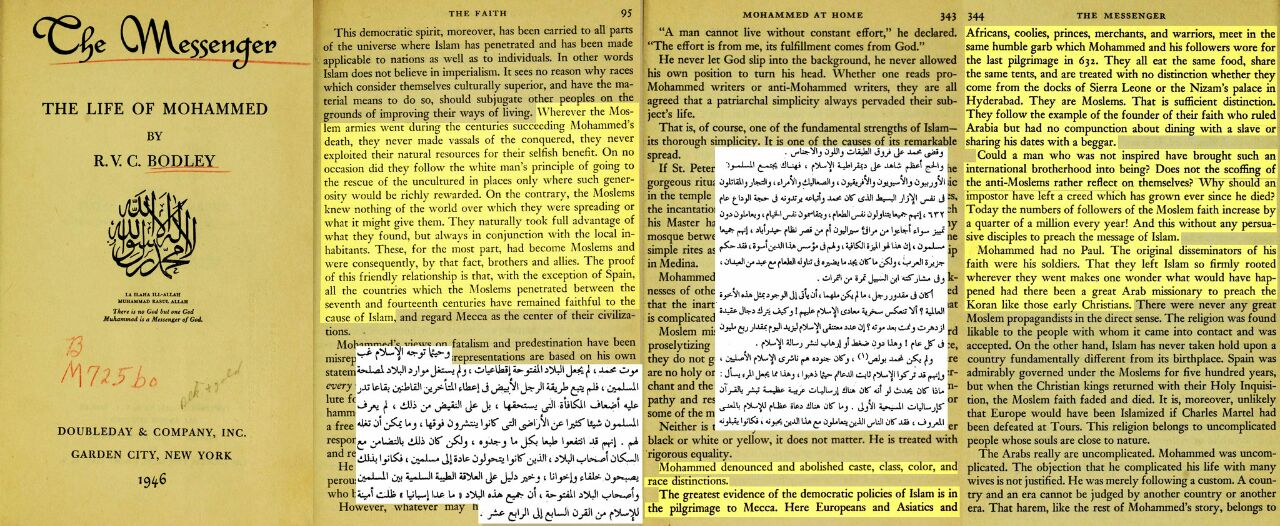
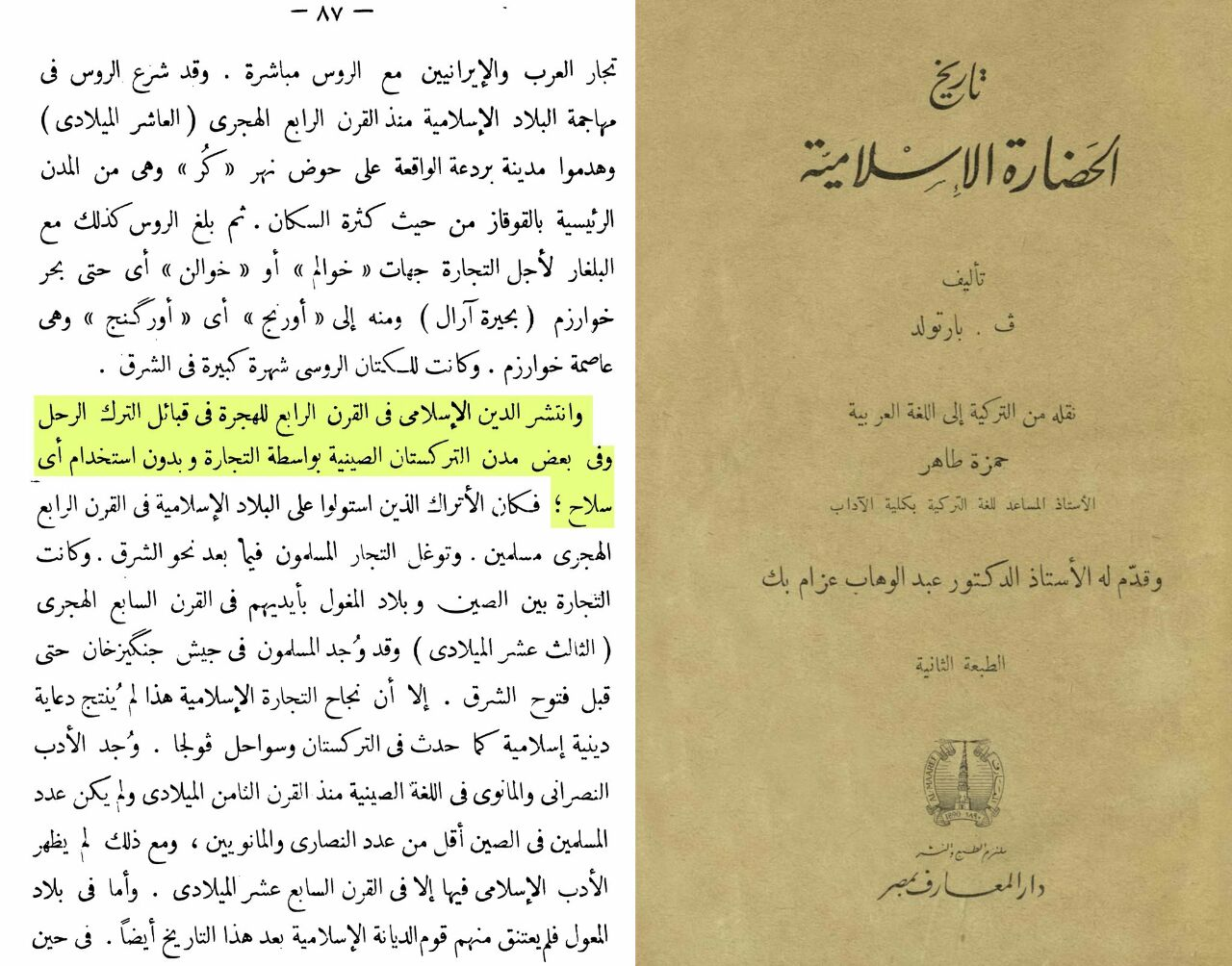
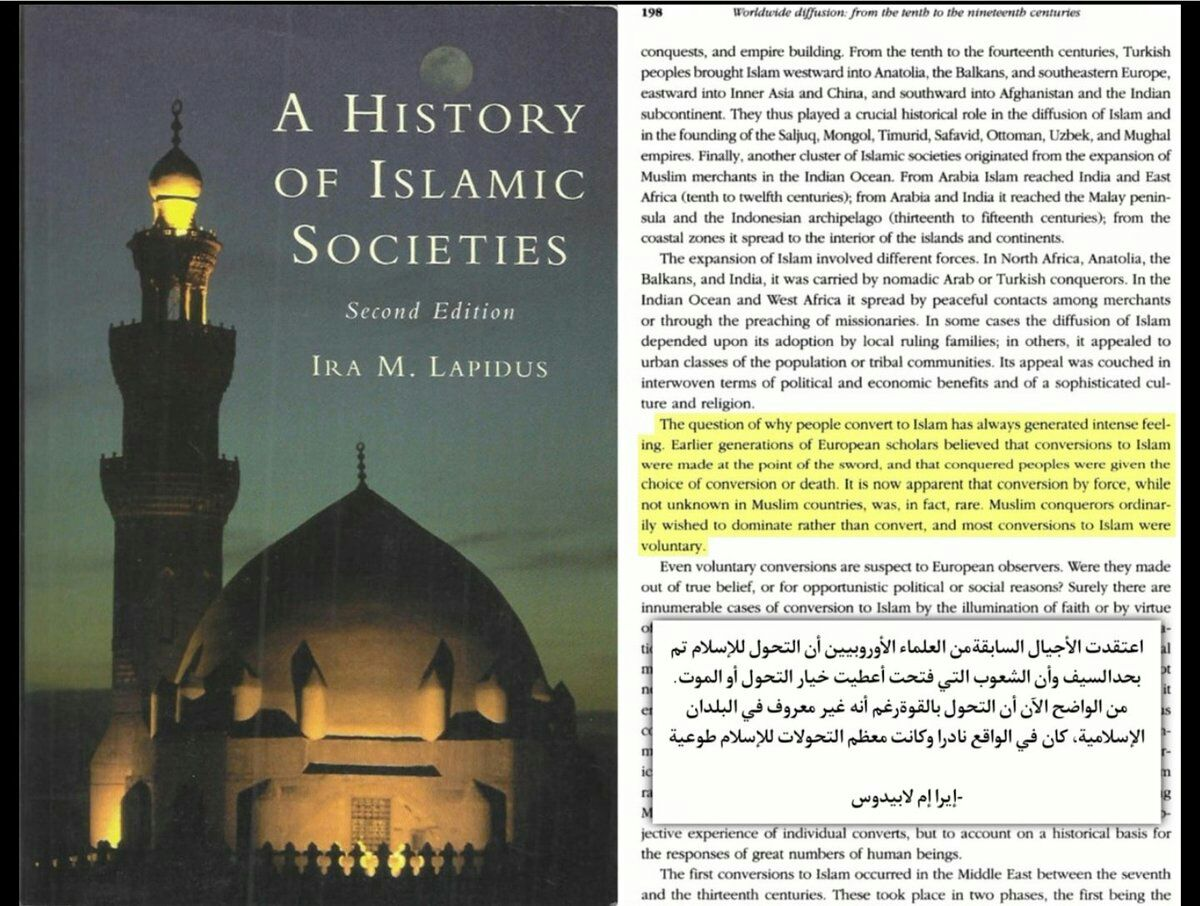
- Peoples Readily Embraced Islam — Western Testimony
- Arabs vs Mongols — Edward Browne’s Comparison
- Christian Priests Praised Islamic Rule
- The Letter of Bishop Isho’yahb III — One of the Oldest Testimonies
- Islam’s Effect on the Sasanian Social Order
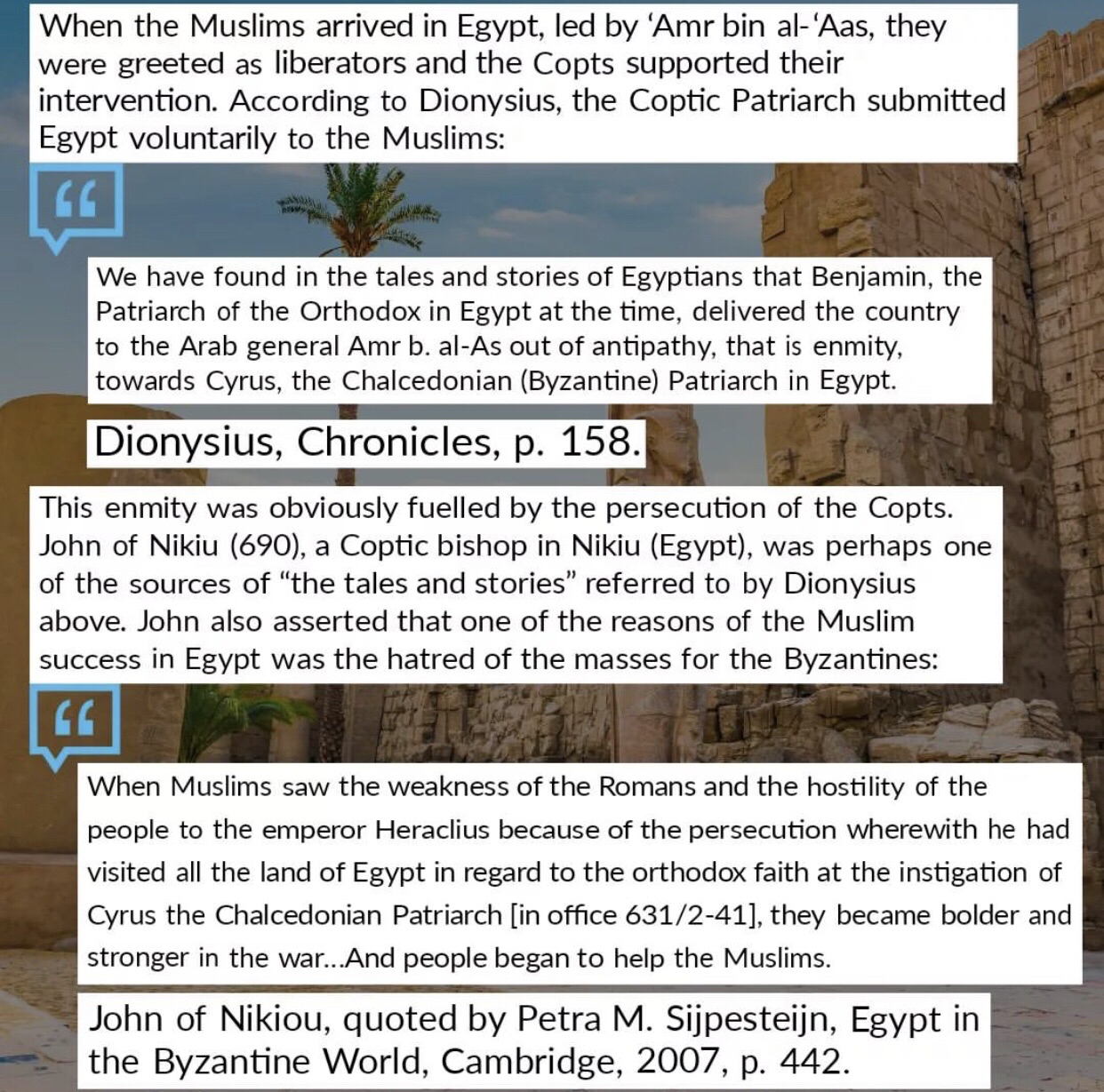
- Amr ibn al-As and the Coptic Pope Benjamin
- The Islamic Conquest of Iraq — Churches as Welcome Centers
- The Ethics of Islamic Warfare — No Massacre of Civilians
- The West’s Astonishment at Islamic Civilization
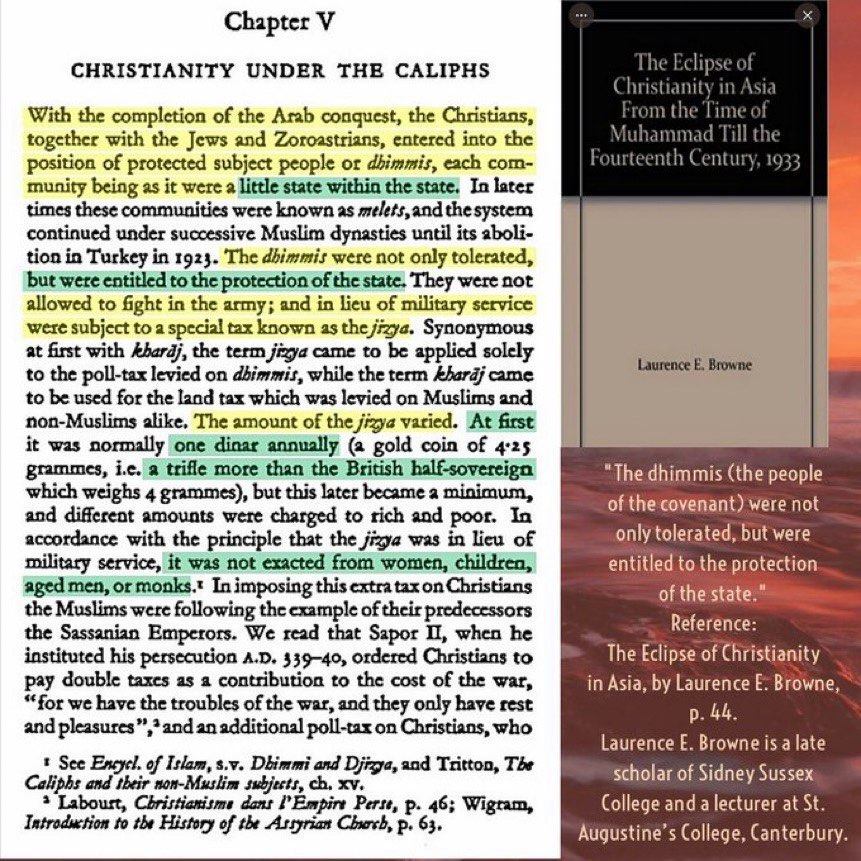
- The Jizya System — Who Was Exempt
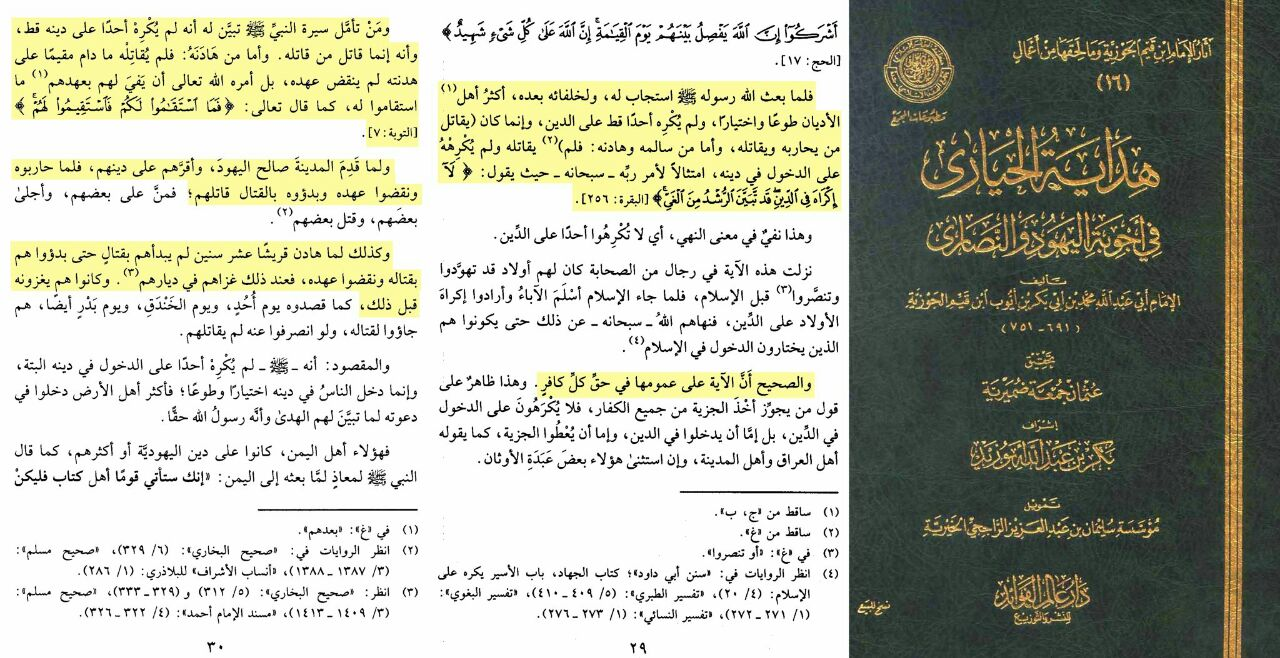
- The Prophet’s Commands on the Ethics of War
- Islamic Conquest Was Not Colonialism or Racism
- Coexistence Under Islamic Rule — A Historical Record
- The Decline of Muslim Tolerance — Context and Cause
- Was the Islamic Conquest Destructive? The Archaeological Record Answers
- Rabbi Shimon ben Yochai’s Prophecy
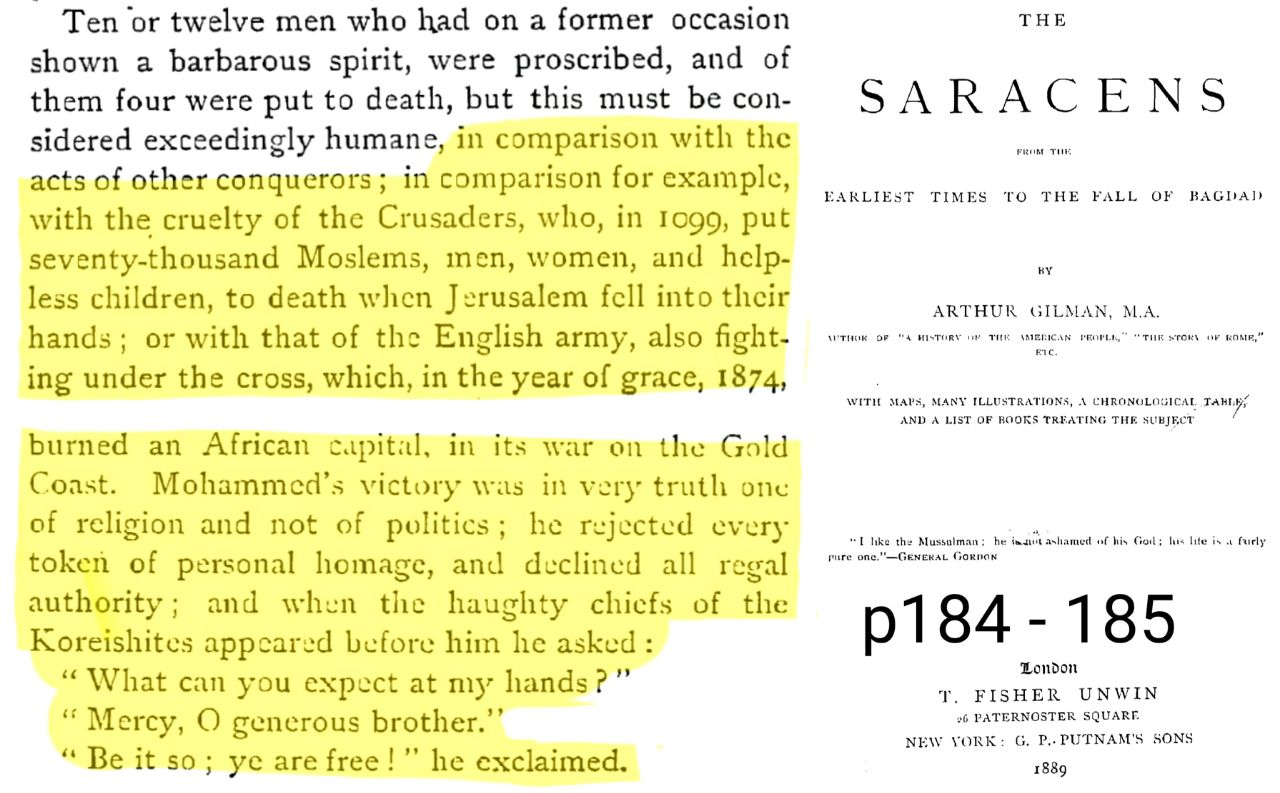
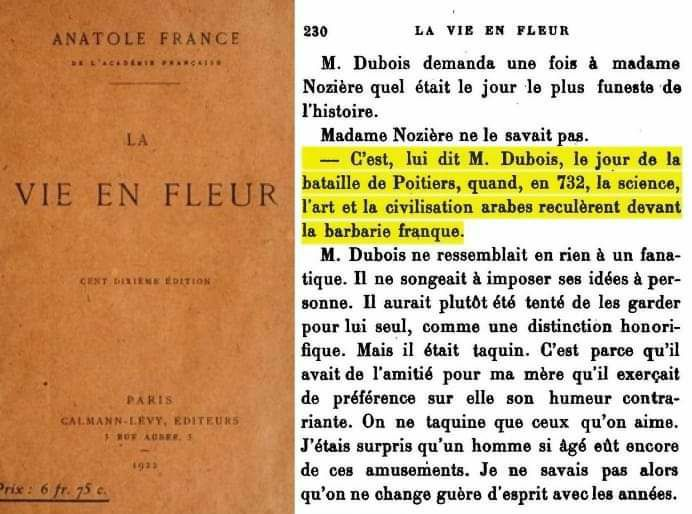
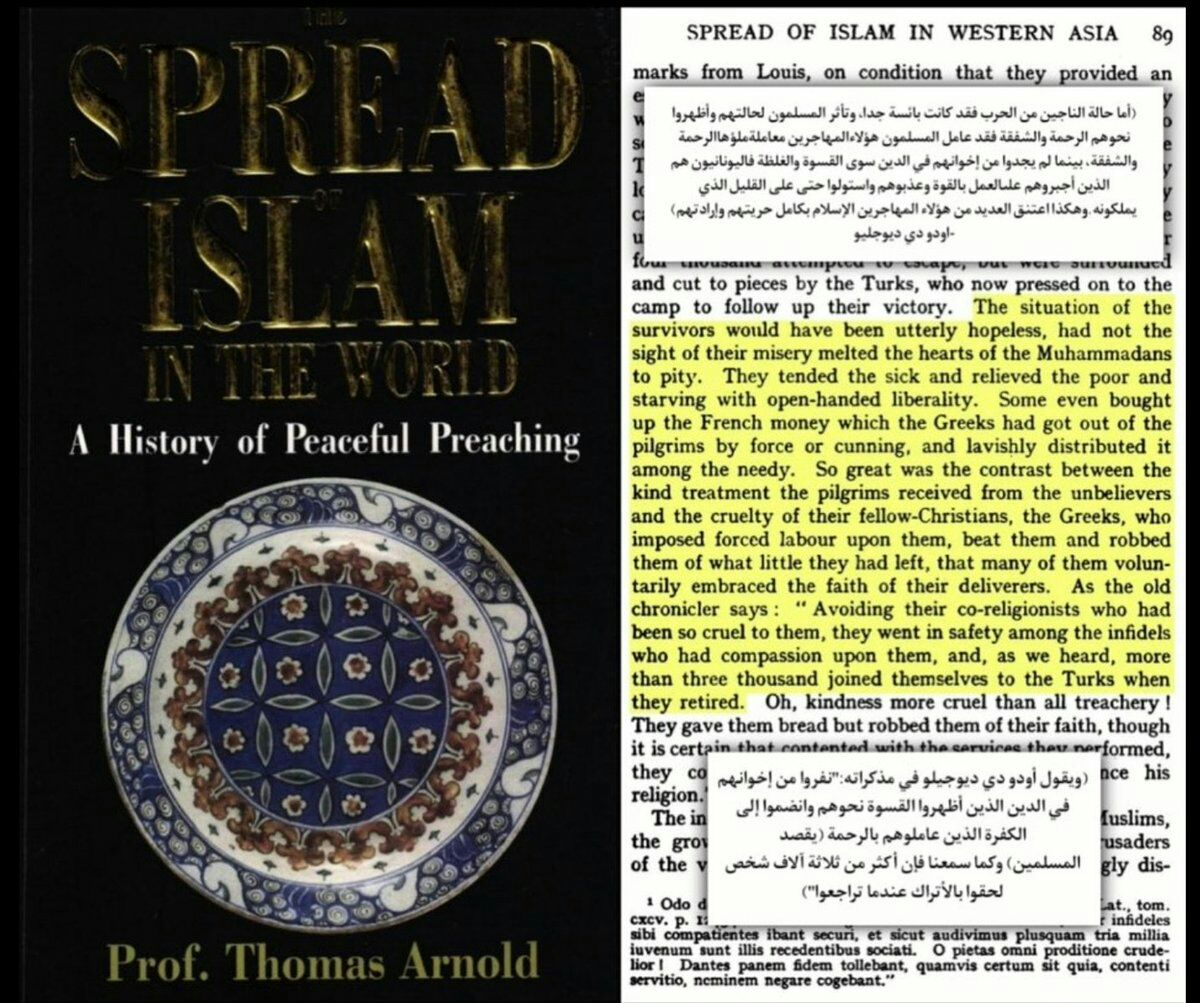
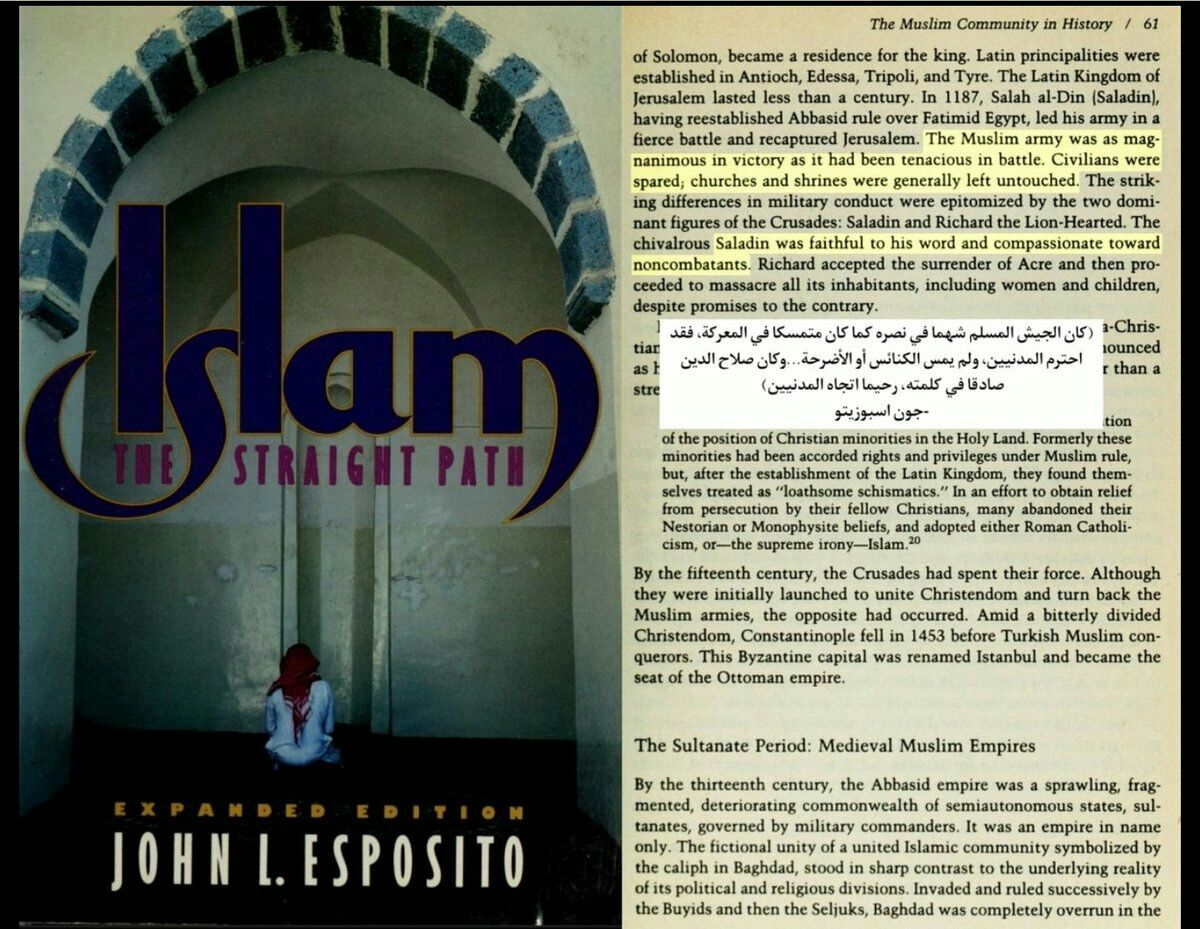
- Crusader Barbarity vs. Islamic Mercy — Jerusalem as the Test Case
- Julian of Ceuta — The Governor Who Invited the Arabs
- Patricians and Christians Preferred Muslim Rule to Frankish Rule
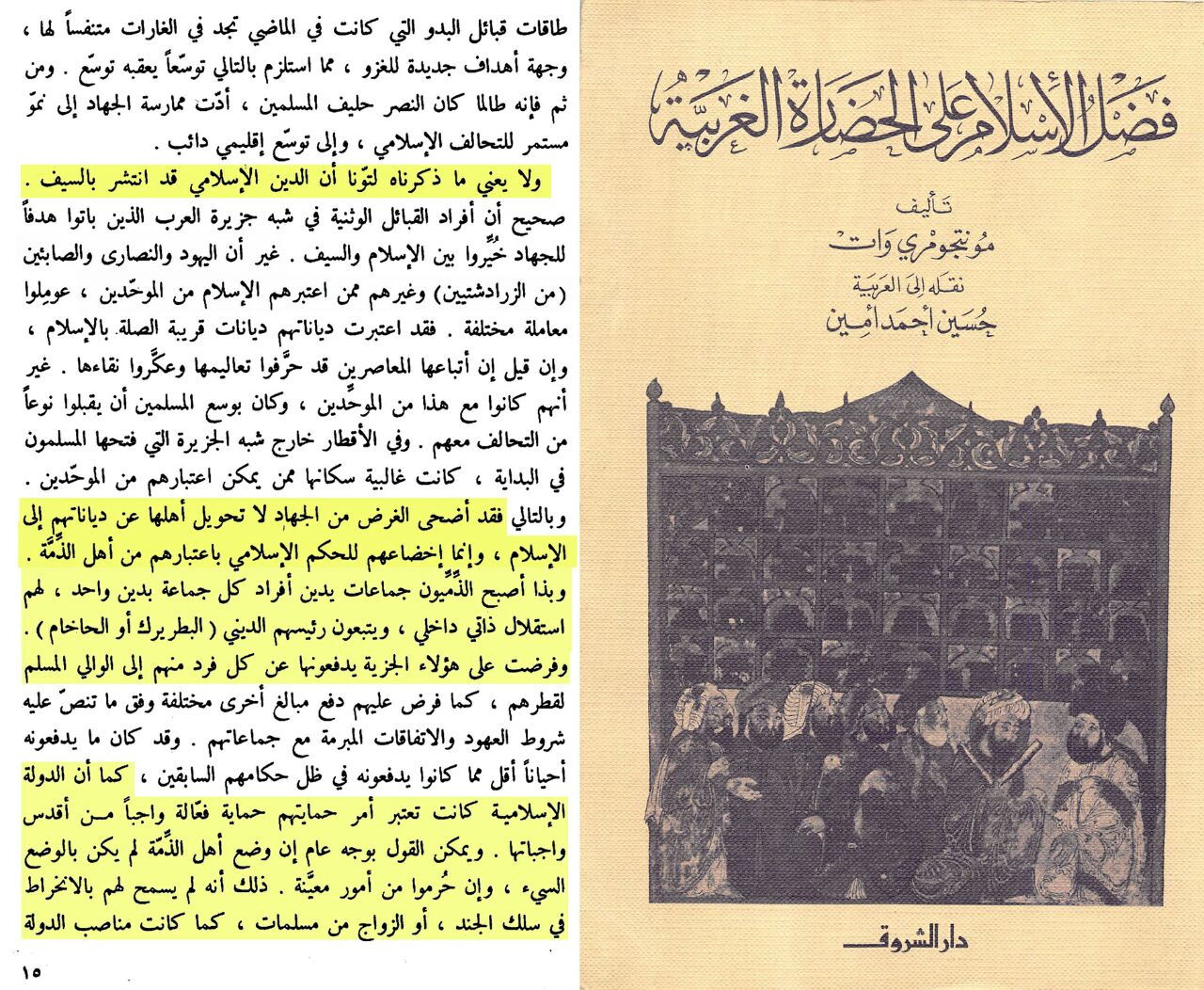
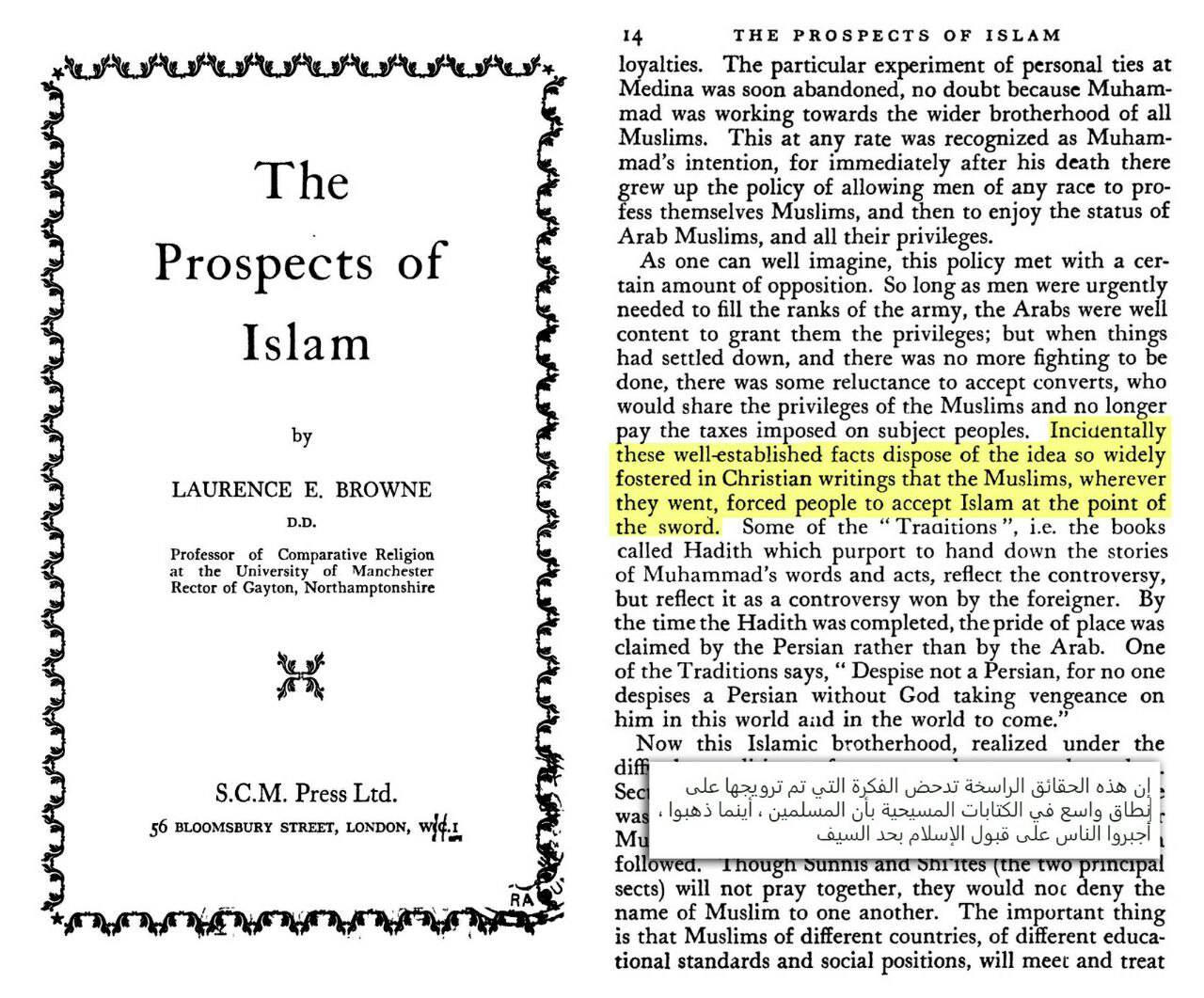
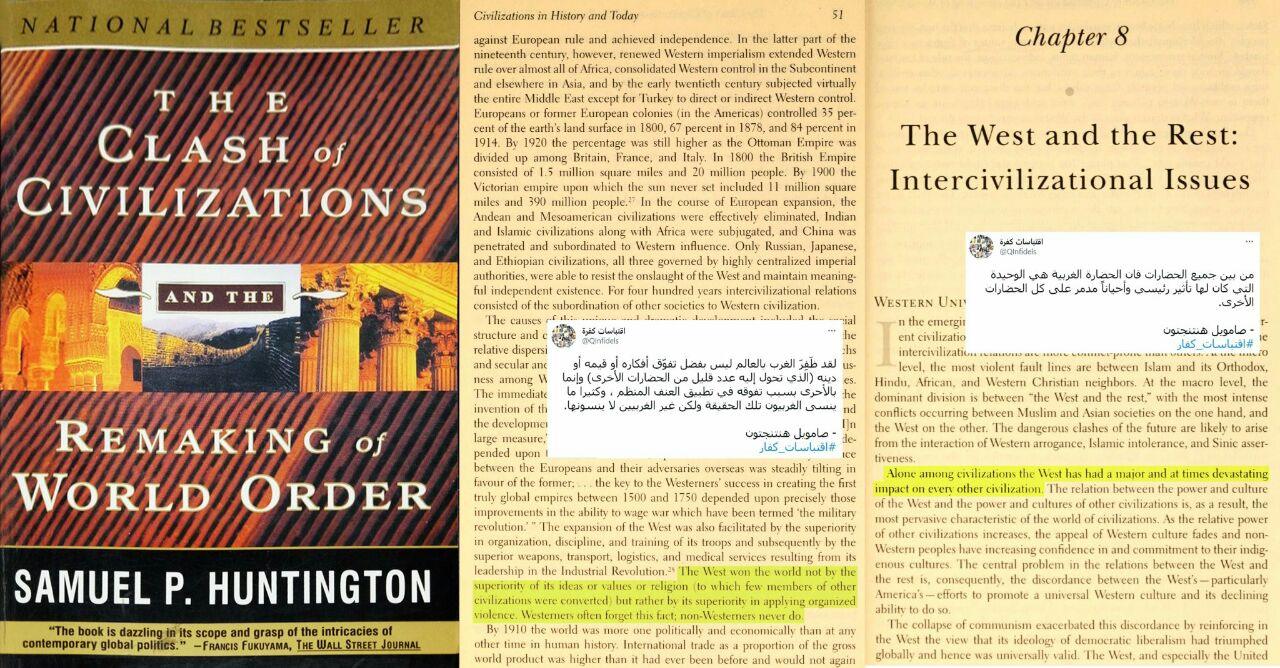
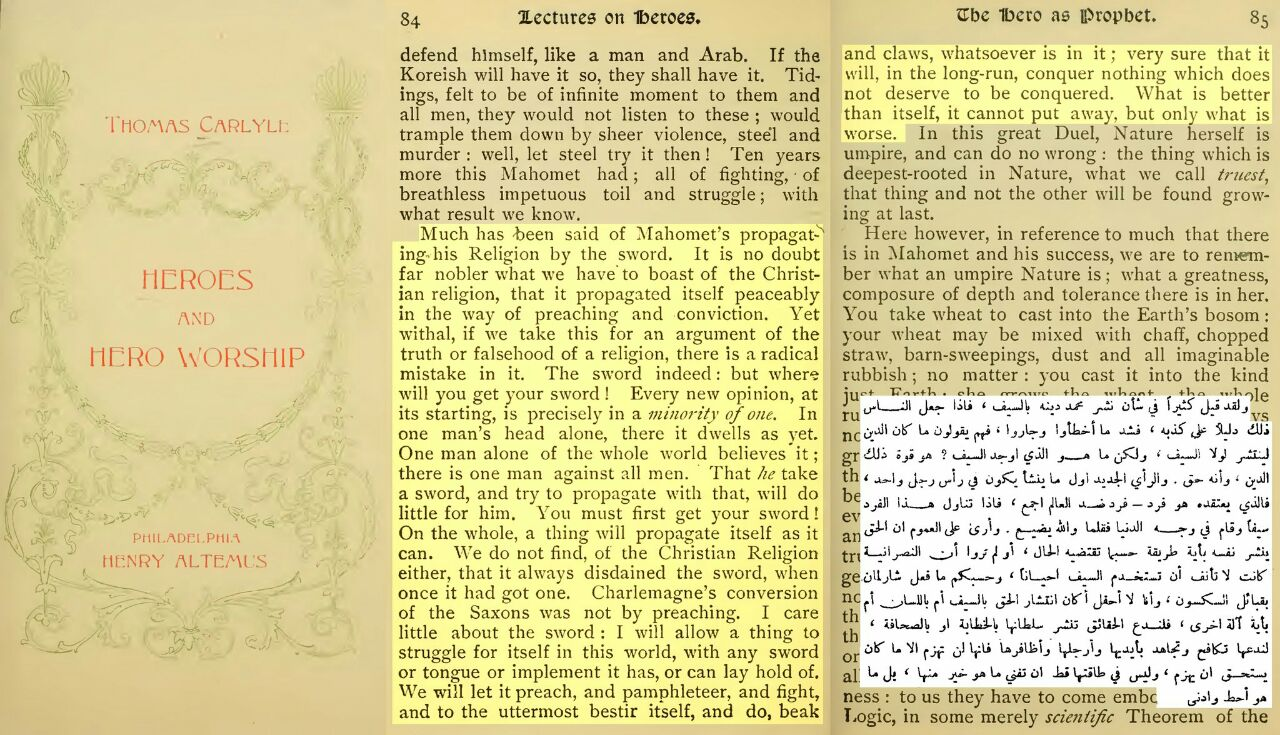
- The “Spread by the Sword” Myth — Its Origins and Refutation by Western Scholars
- The Battle of Mu’tah and the Double Standard on Historical Numbers
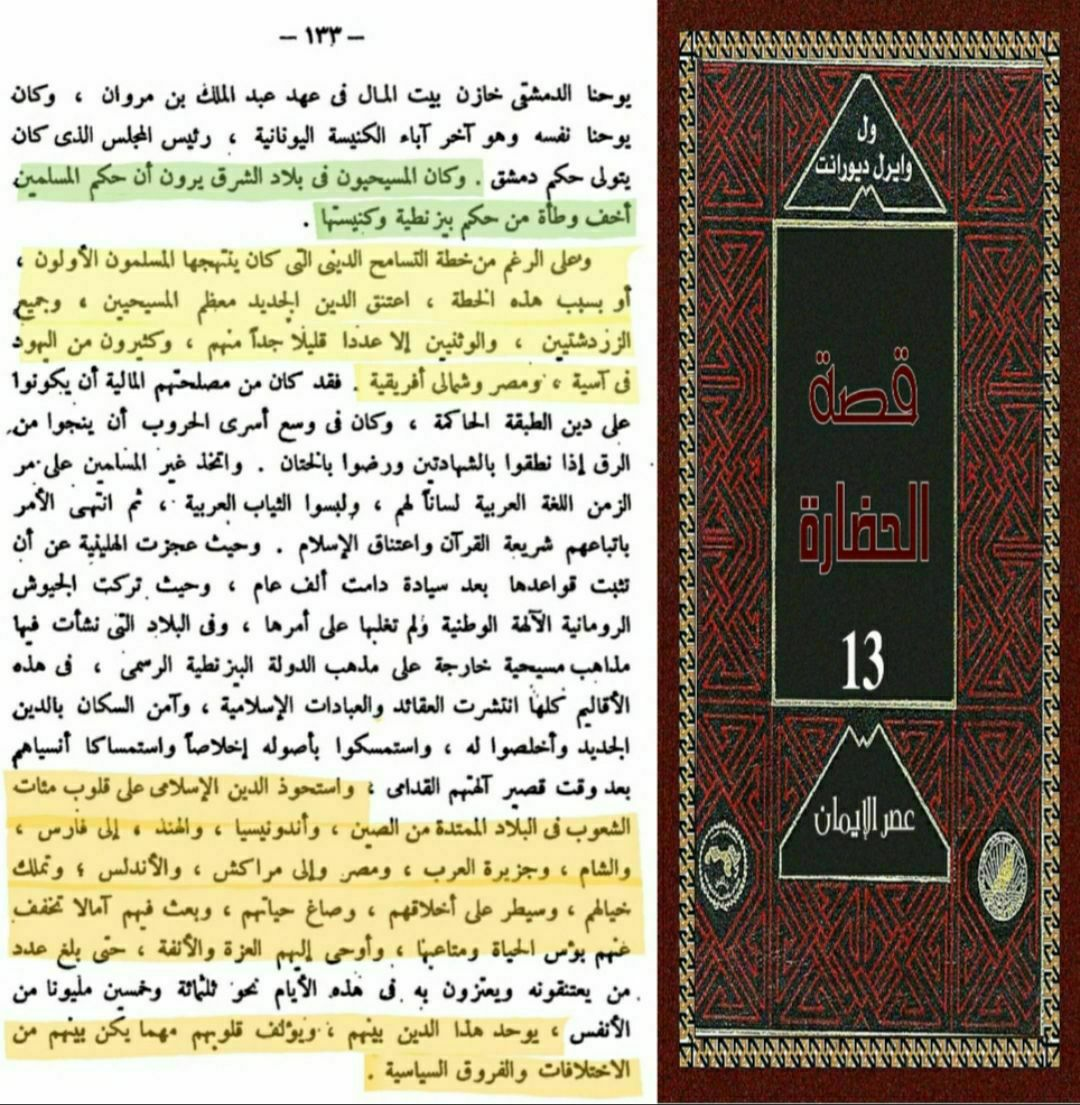
- Christians in the East Embraced Islam — Will Durant’s Summary
- Élisée Reclus — The Arabs as Liberators
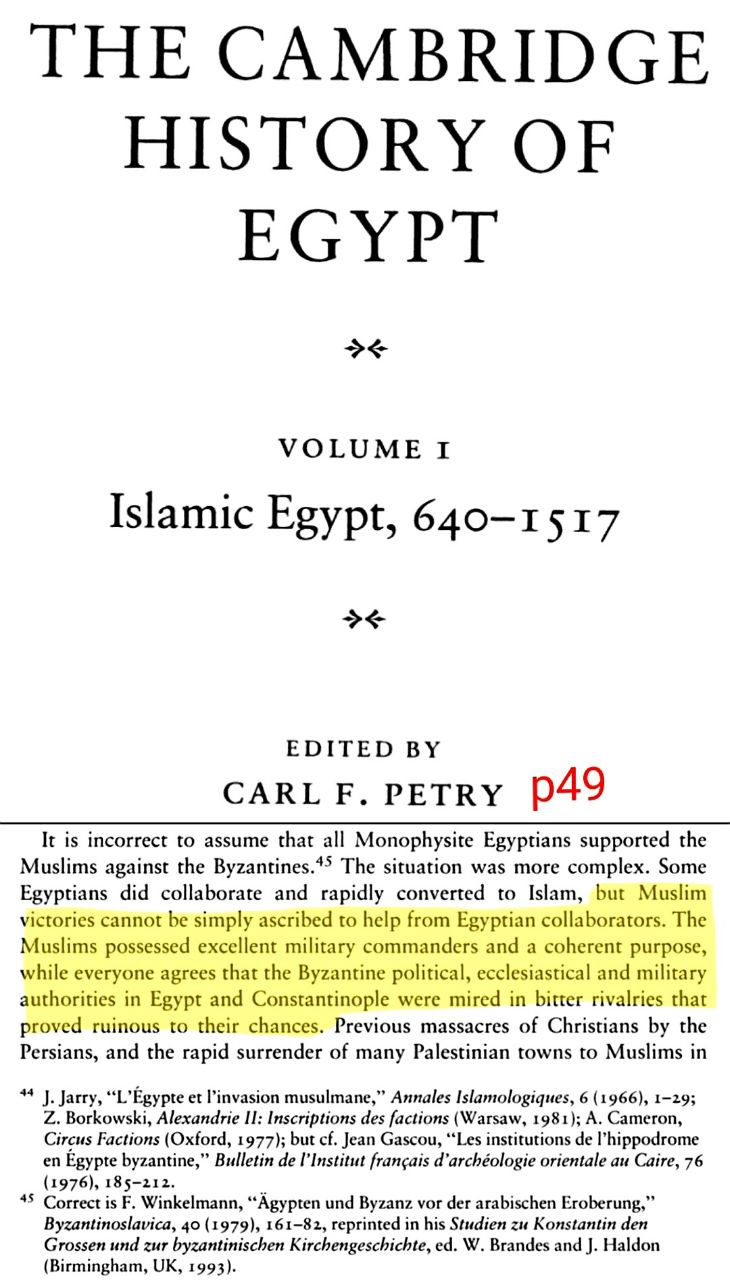
- The Military Genius of the Arab Commanders
- The Jizya System — Context and the World of Tribute Empires
- Islamic Civilization and the Death Toll of Empires
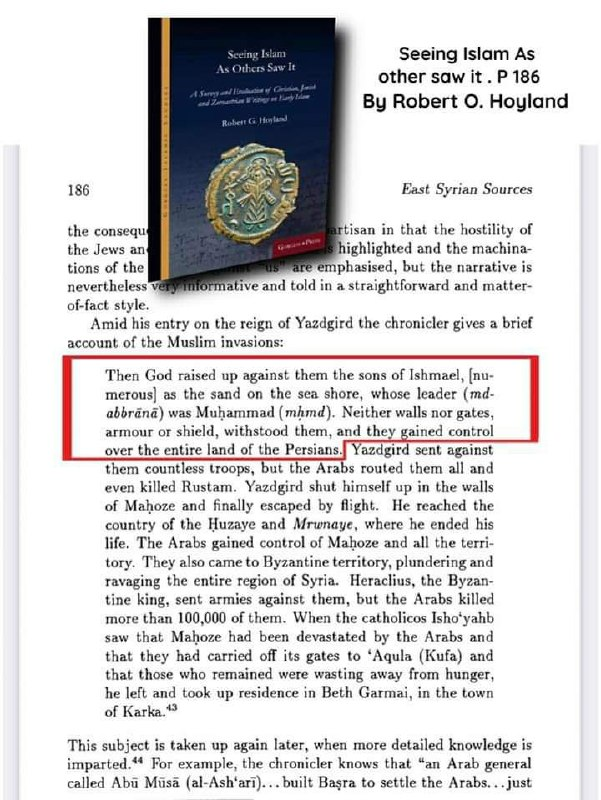
- The Ishmael Prophecy — An Ancient Christian Source
- Conclusion
- See Also
The Condition of Eastern Christians Before the Islamic Conquest
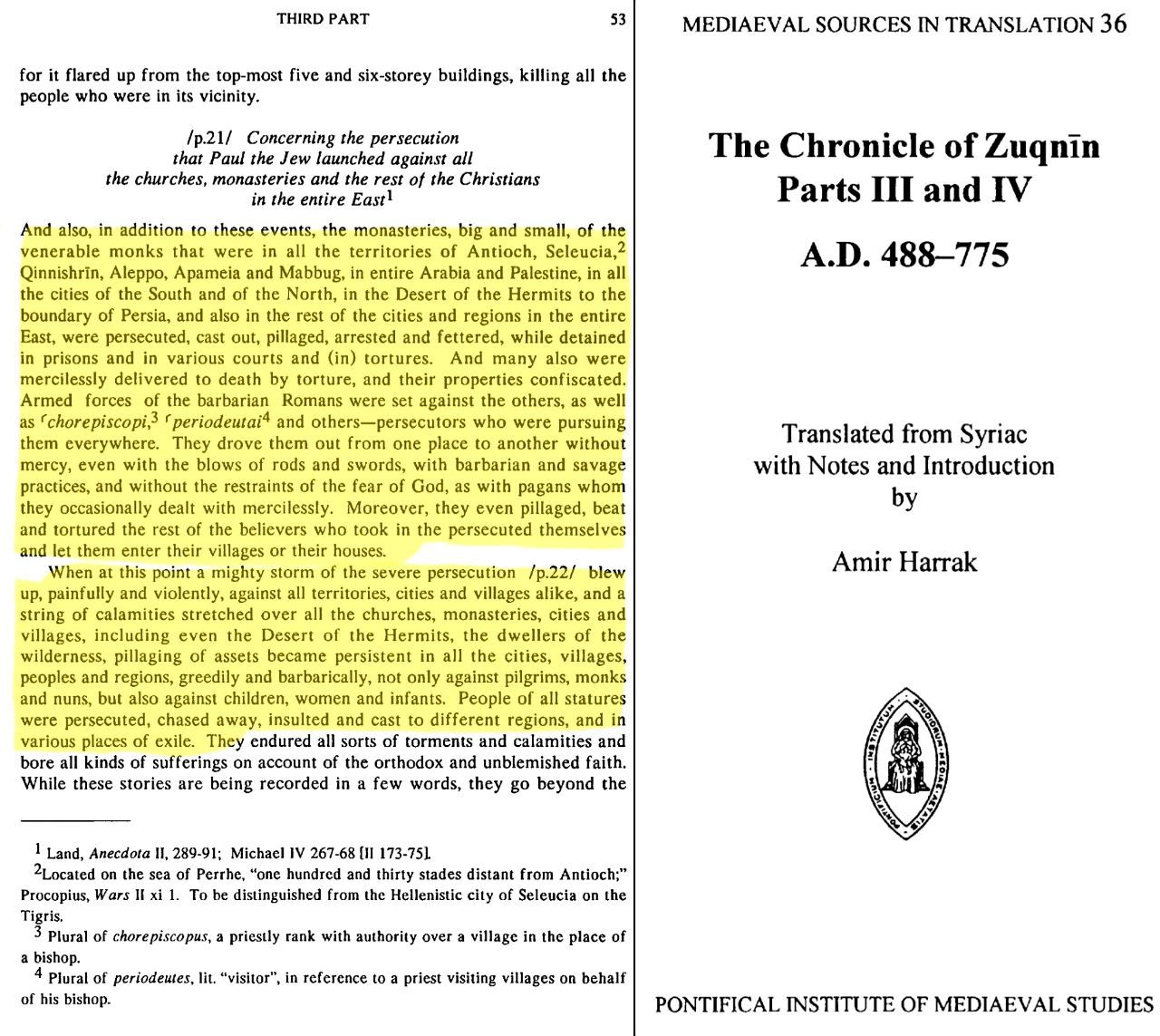
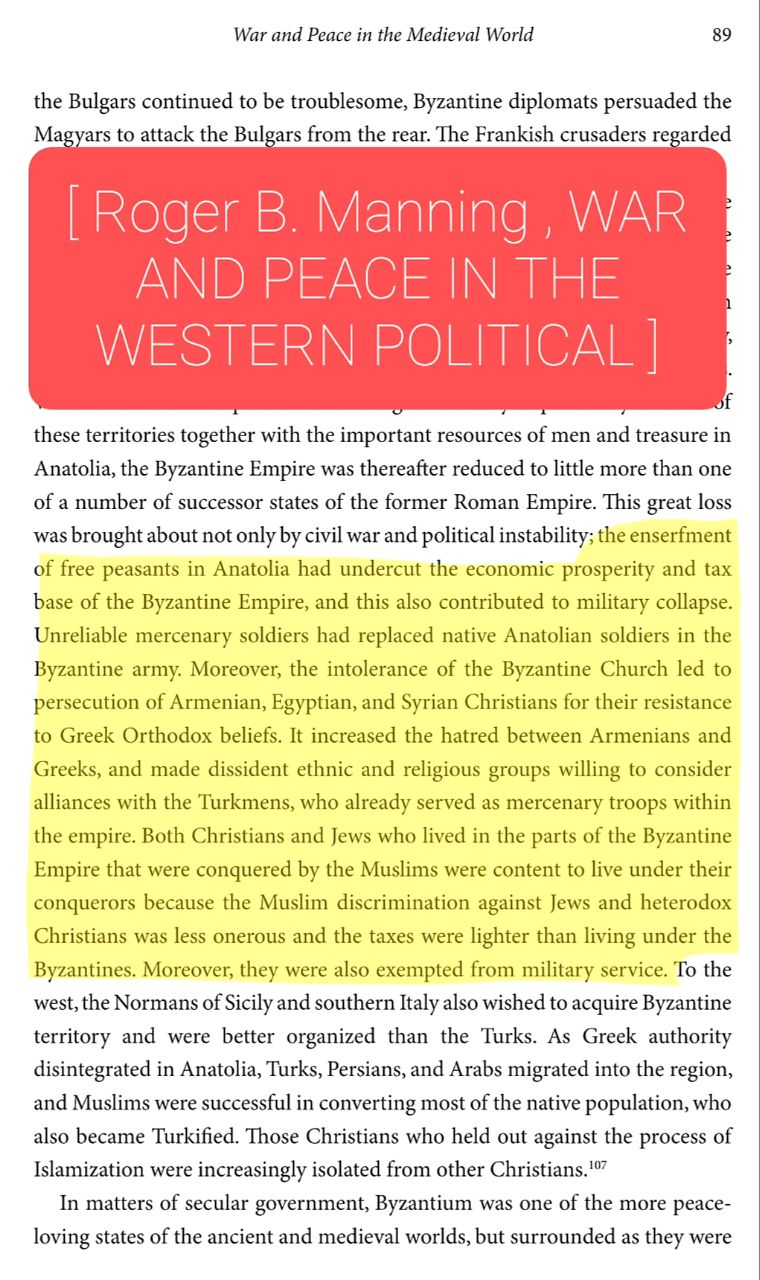
Before a single Muslim soldier crossed into the Levant or Egypt, the Christian populations of those lands were already living under severe persecution — not from Muslims, but from fellow Christians of a different creed.
The Chronicle also records that the Ghassanid state, under the leadership of al-Harith ibn Jabalah al-Ghassani, provided protection to the Syriac Church for half a century — a protection that ended only after his death, whereupon Roman persecution resumed.
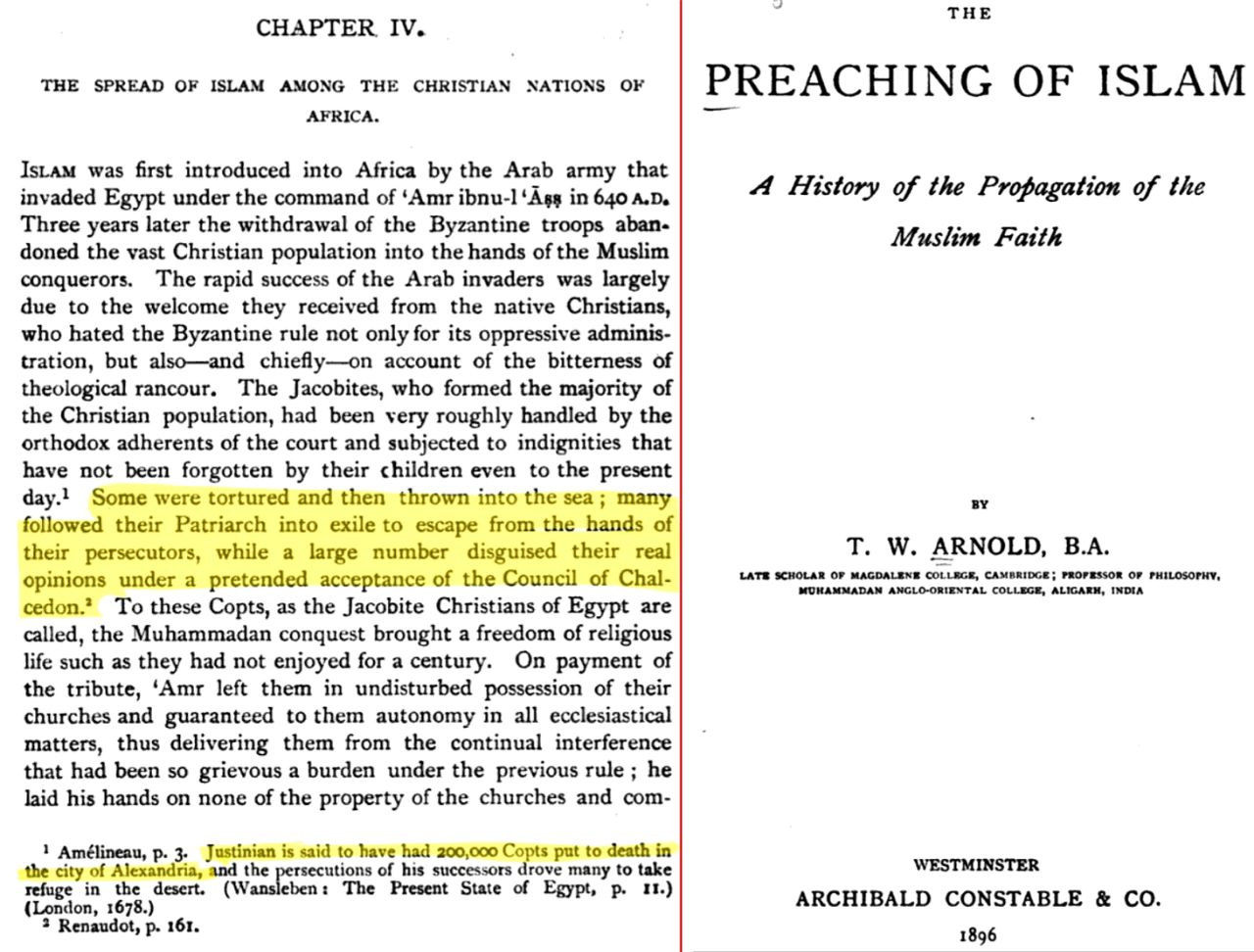
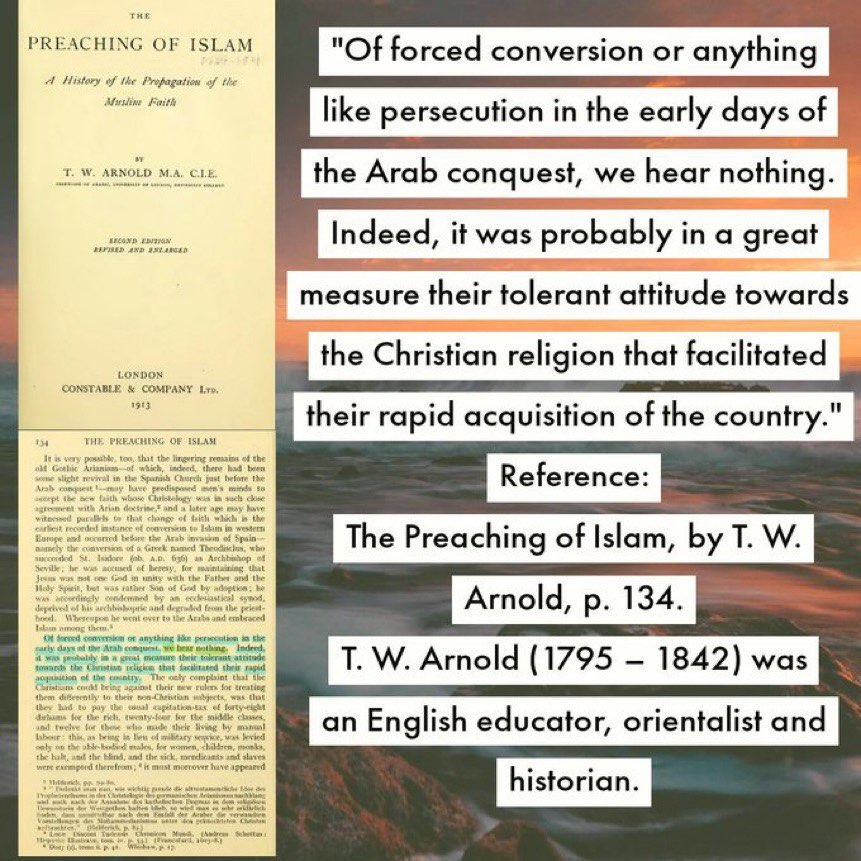
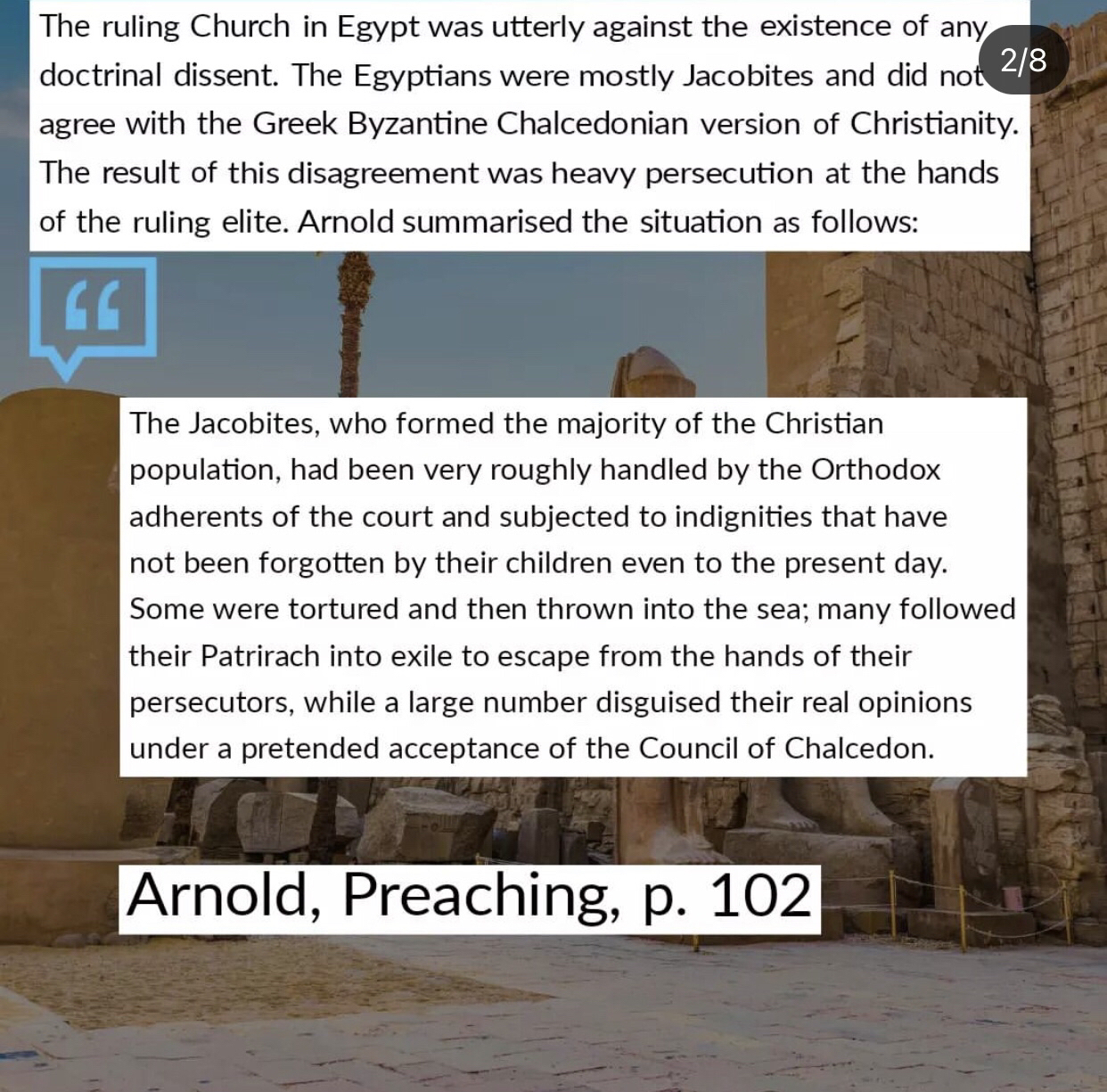
The Coptic Christians of Egypt fared no better. Thomas Arnold documents that violent persecution was practiced against them, with the Emperor Justinian personally responsible for the killing of 200,000 Copts in Alexandria. The Romans tortured the Copts and threw them into the sea. Many fled into exile. They would only know liberation with the coming of the Islamic conquest.
The Andalusian Case — Liberation, Not Invasion
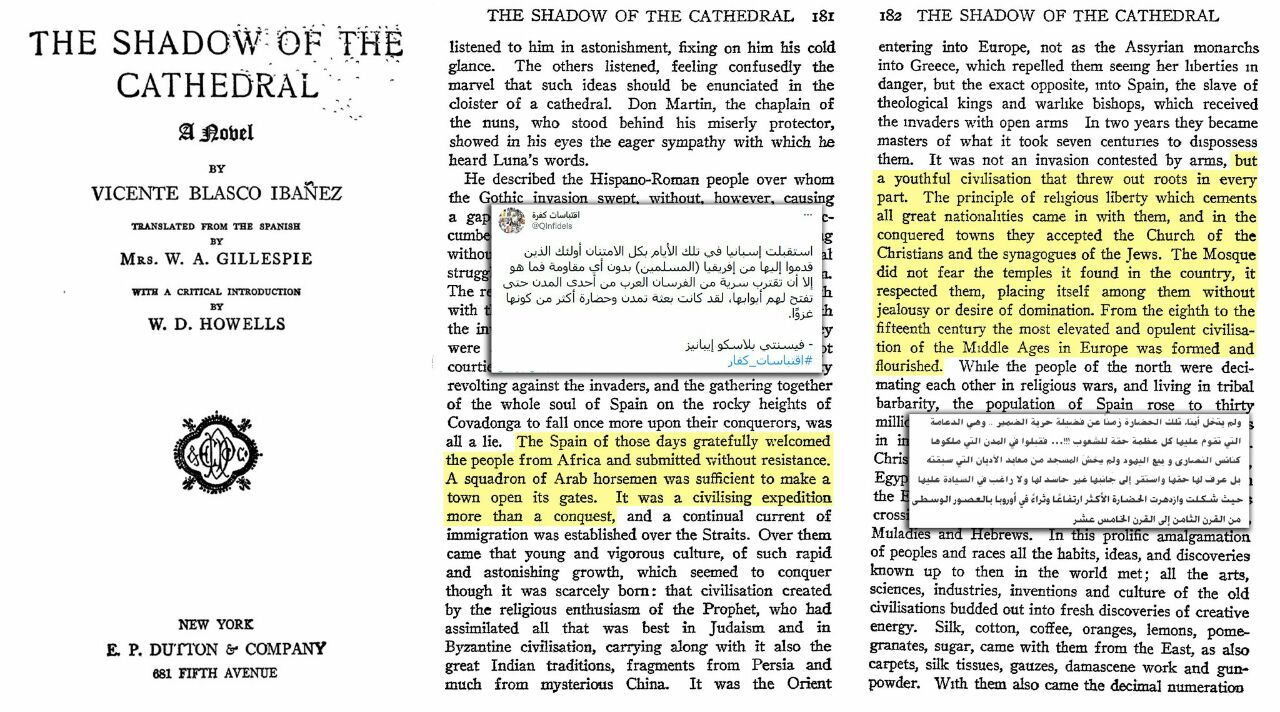
The conquest of Andalusia is perhaps the most instructive case study in the entire debate. Far from being an unwelcome invasion, the Islamic arrival in Iberia was actively welcomed — and in many cases invited — by the very peoples who lived there.
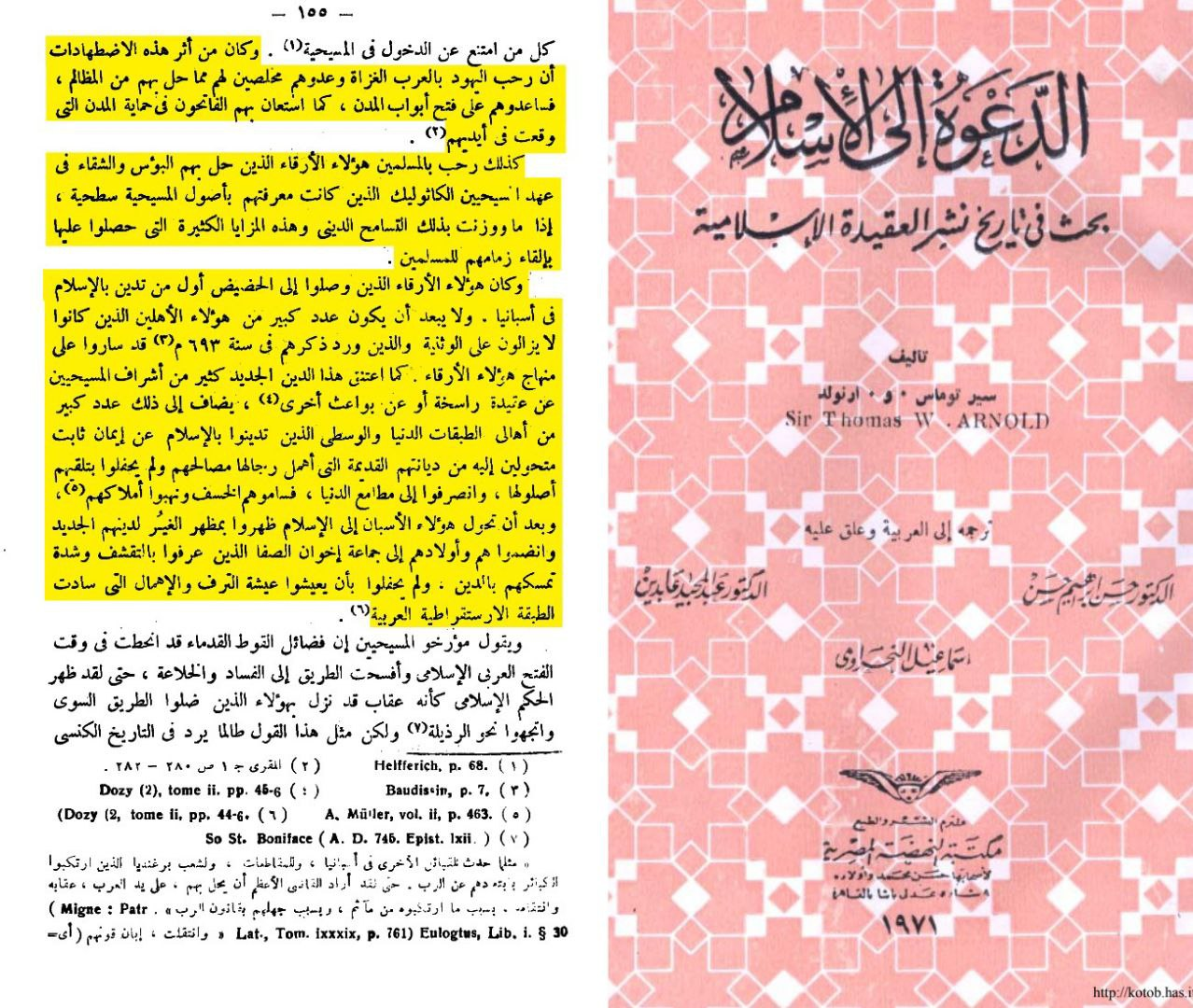
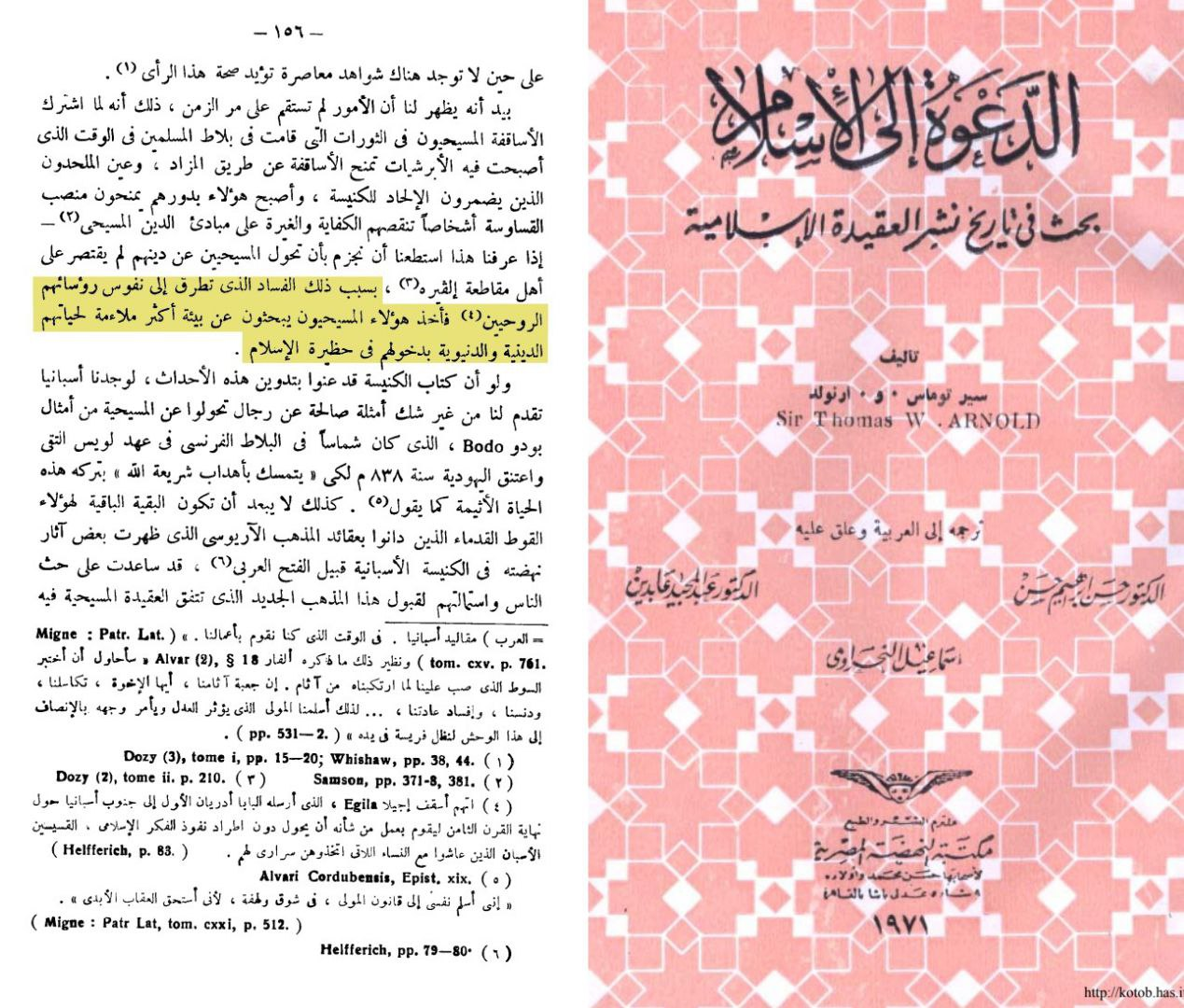
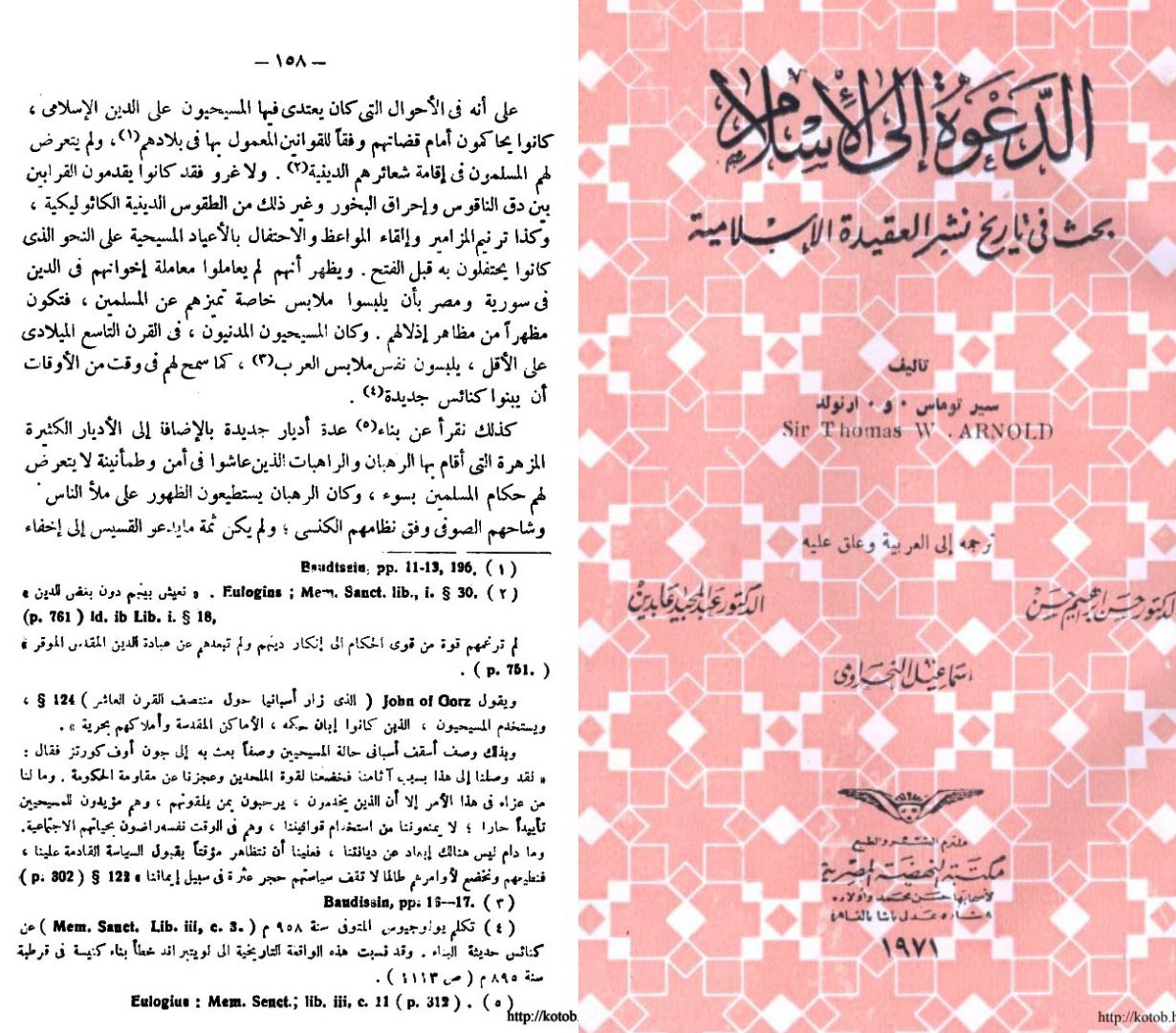
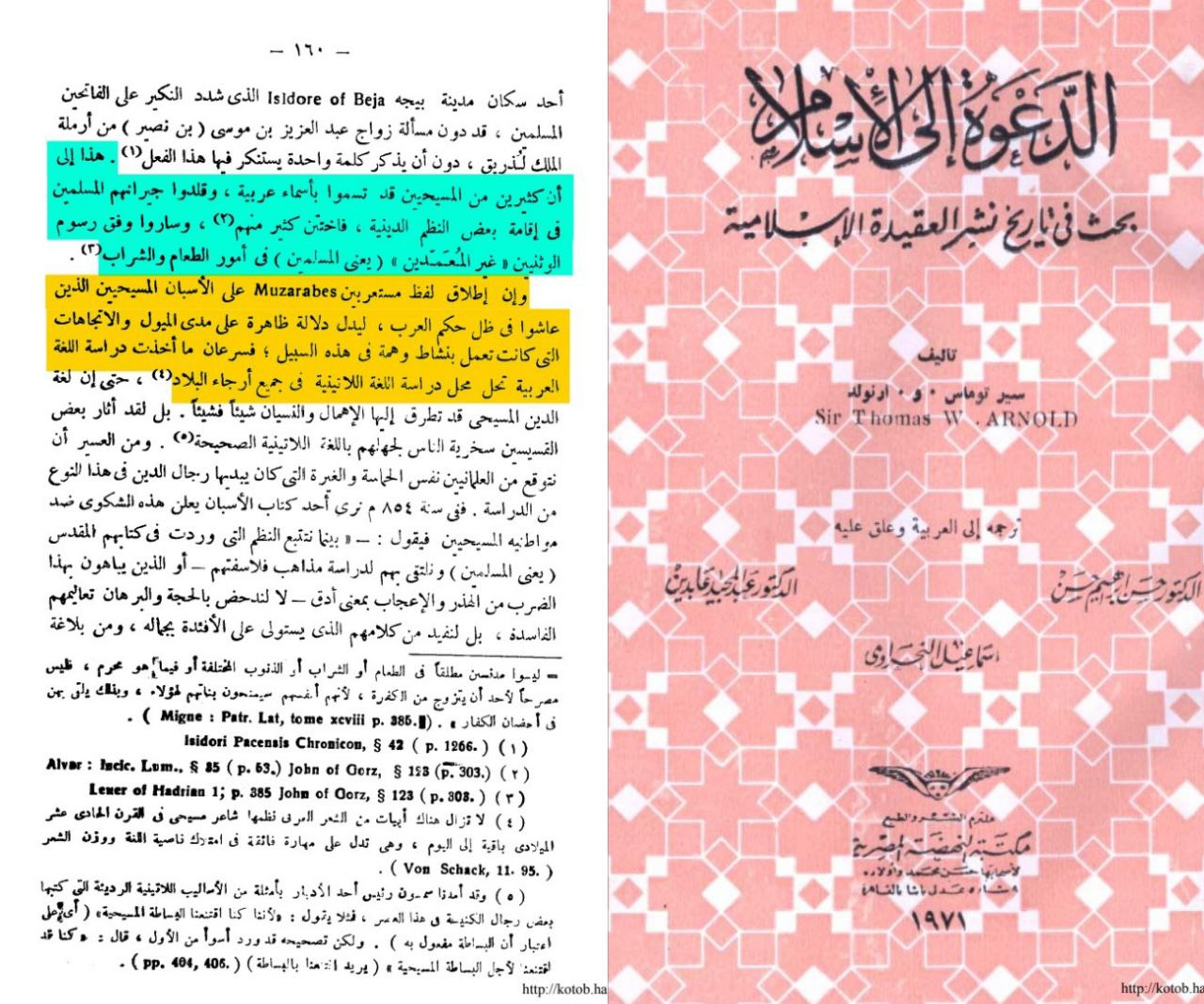
The Jewish and non-Catholic Christian inhabitants of Andalusia welcomed the Arab conquerors and even aided them in their conquests. This was a direct consequence of the persecution they faced under the decrees of the Catholic Church, which criminalized adherence to any denomination other than Catholicism. Muslims did not force others to convert to Islam — this is self-evident and requires no further explanation. Over time, Christians began seeking in Islam what their own religious tradition had failed to provide: the nourishment of the mind and the fulfillment of innate human nature.
Christians in Andalusia adopted Arabic names and imitated Muslims in their religious practices, eating habits, and cultural expressions. They embraced Arabic learning and became integrated into Arab civilization until, over time, the identity and culture that prevailed at the time of the Islamic conquest were substantially transformed. This means that the Crusades — the so-called “Reconquista” — were not a liberation of the land, but an assault upon its original, now-Muslim inhabitants. Their expulsion was not for the purpose of reclaiming land, but for subjugating it and cleansing it of its original owners, driven by plunder, theft, and Christian religious extremism.
The people of Andalusia were not merely content with the arrival of the Muslims — they were the ones who urged them to come. See also: Al-Andalus: Islamic Civilization and the Liberation from Visigothic Tyranny
The Peoples of Syria and Iraq Aided the Muslim Conquerors
The Islamic conquests of the Levant and Iraq were not achieved against the will of the local populations. In region after region, the inhabitants actively assisted the Muslim forces.
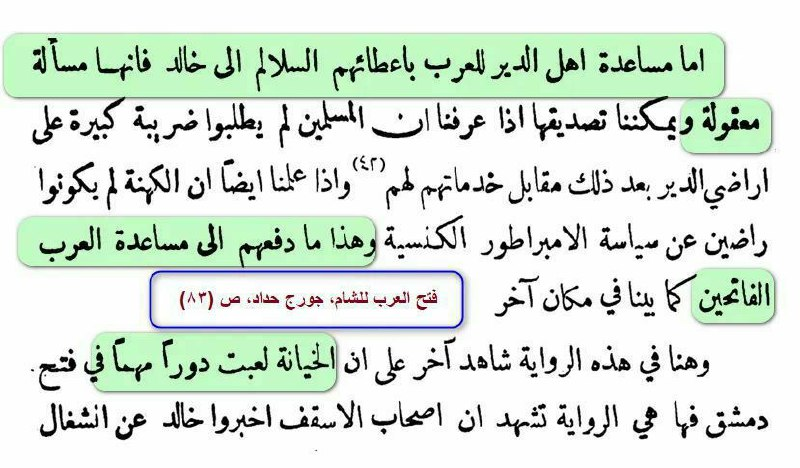
The Christians of Jordan wrote to the Muslims formally, stating that they preferred Islamic rule to Roman rule. The city of Homs welcomed the Muslim conquerors; the Christian Arabs of Homs closed the gates to the Romans and opened them to the Muslims, helping them take control of the city.
The Christian Arabs of Damascus assisted the Muslim conquerors in entering the city without fighting them. When the Romans gathered Christian Arab forces from Syria to fight the Muslim army, many of those Christian Arabs betrayed the Romans and defected to the Muslim side.
In Iraq, the Christian Arab tribes of Tayy, Nimr, and Taghlib participated actively in the war against the Persians, fighting in the battles of Buwayb and the Bridge. A Christian youth from the tribe of Taghlib boasted of personally killing the Persian commander Mihran.
This participation reveals something profound: the Islamic conquests relied upon the ancient Arab peoples of the Levant and Iraq as willing participants, not as subjugated subjects. The conquering Arab tribes did not impose their identity upon the Levantine and Iraqi peoples; rather, the descendants of those peoples came to be called Levantines and Iraqis, absorbing the identity of those they lived among.
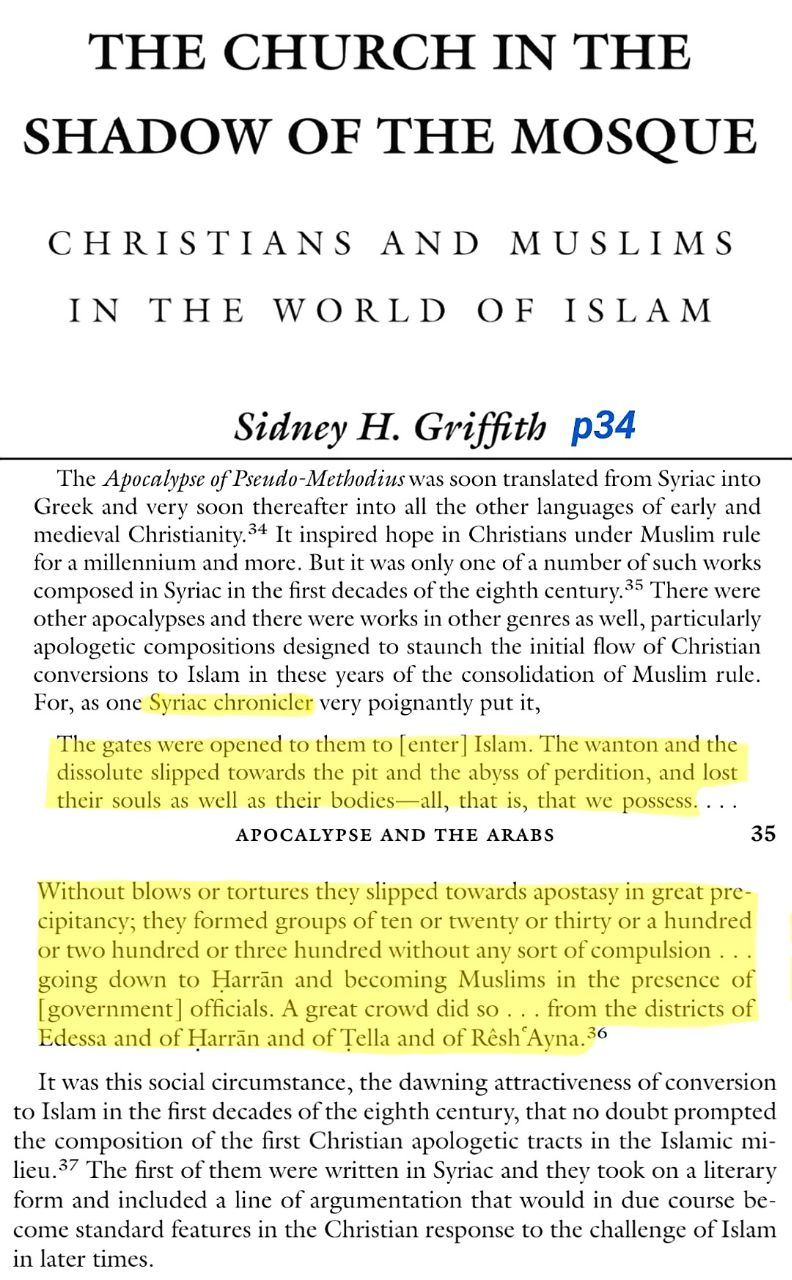
Mass Conversion Without Coercion — The Testimony of Bishop Jacob of Edessa
Among the most powerful testimonies regarding the voluntary nature of conversion to Islam is that of Bishop Jacob of Edessa, a renowned Syriac historian who lived in the first century AH and personally witnessed the Islamic conquests.
Jacob of Edessa’s testimony carries particular weight because he was neither a Muslim advocate nor a distant observer. He was a Christian bishop writing from within the conquered territory, with no reason to praise the conquerors. His account stands as one of the clearest contemporaneous records of voluntary mass conversion.
The Semitic Peoples and Their Entry Into Islam — Refuting Jurji Zaydan
Jurji Zaydan claimed in several articles that none of the Semitic peoples of the Middle East converted to Islam, and that all Muslims in the region were Arabs only, while the non-Arab Semites remained on their original religions. This claim contradicts historical facts and documents comprehensively. The following is a systematic refutation using Western, Syriac, Coptic, and Arabic sources.
1. The Assyrians and Their Conversion to Islam
2. The Babylonians and Their Conversion to Islam
3. The Ancient Egyptians and Their Conversion to Islam
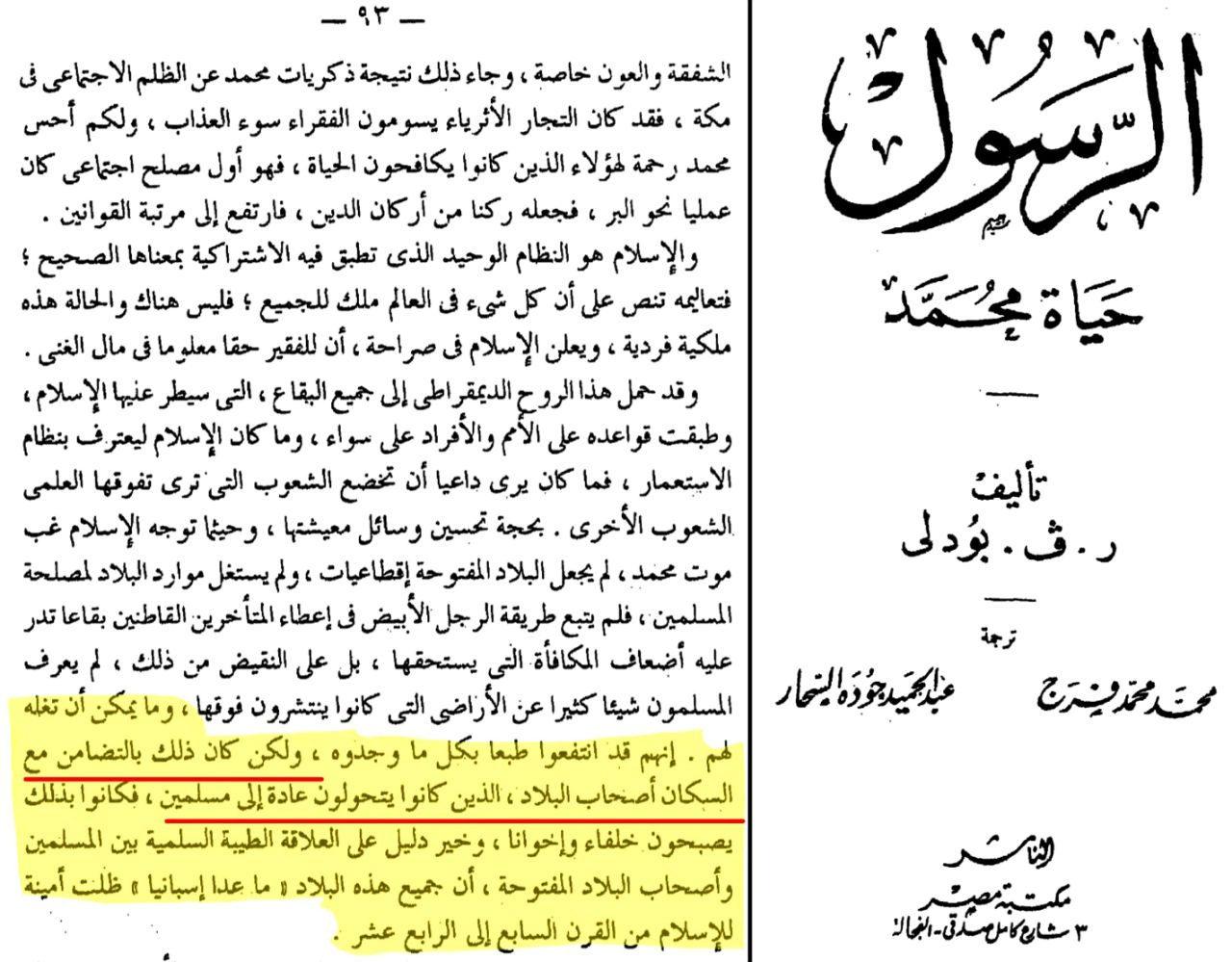
Thomas Arnold writes that many Copts converted to Islam before the conquest was fully completed. Bodley confirms: “The Egyptians embraced Islam when the Arabs entered their land.”
4. The Arameans, Phoenicians, and Other Peoples of the Levant
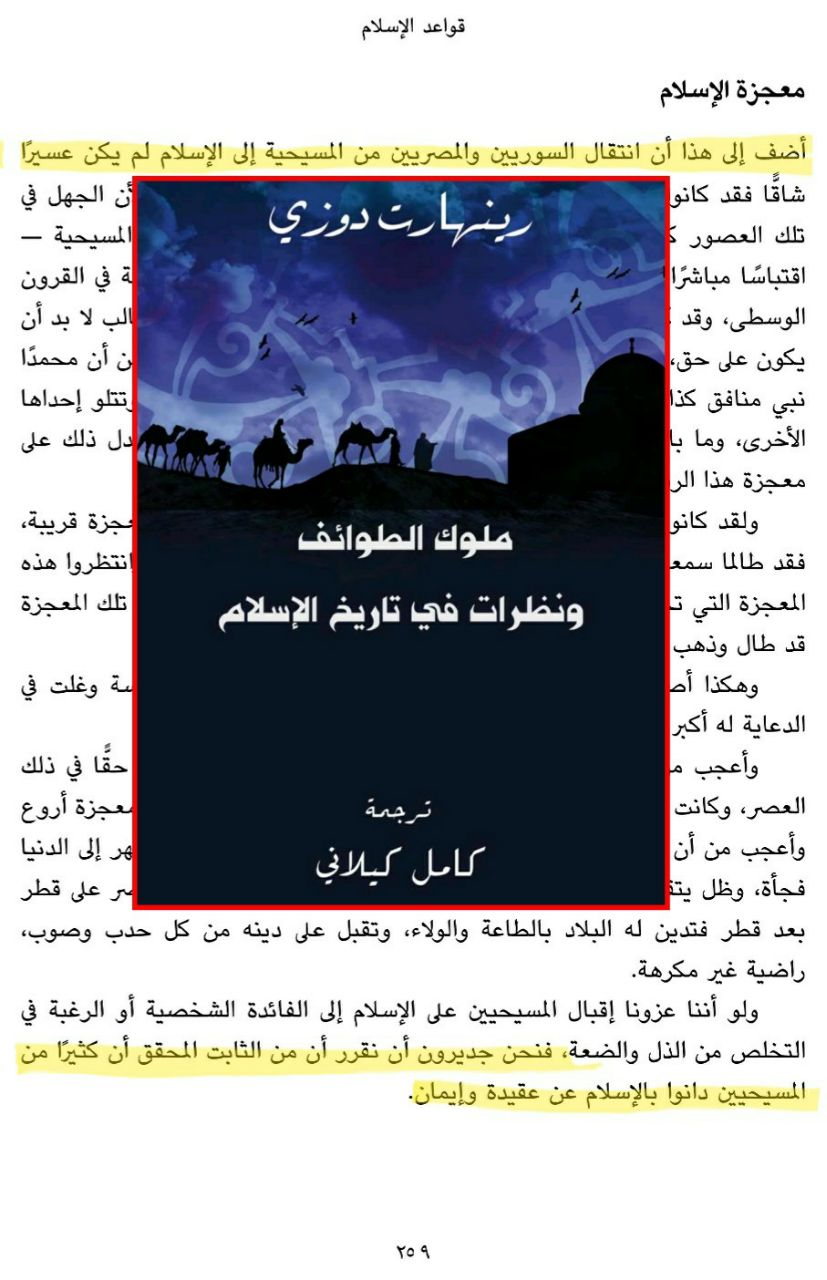
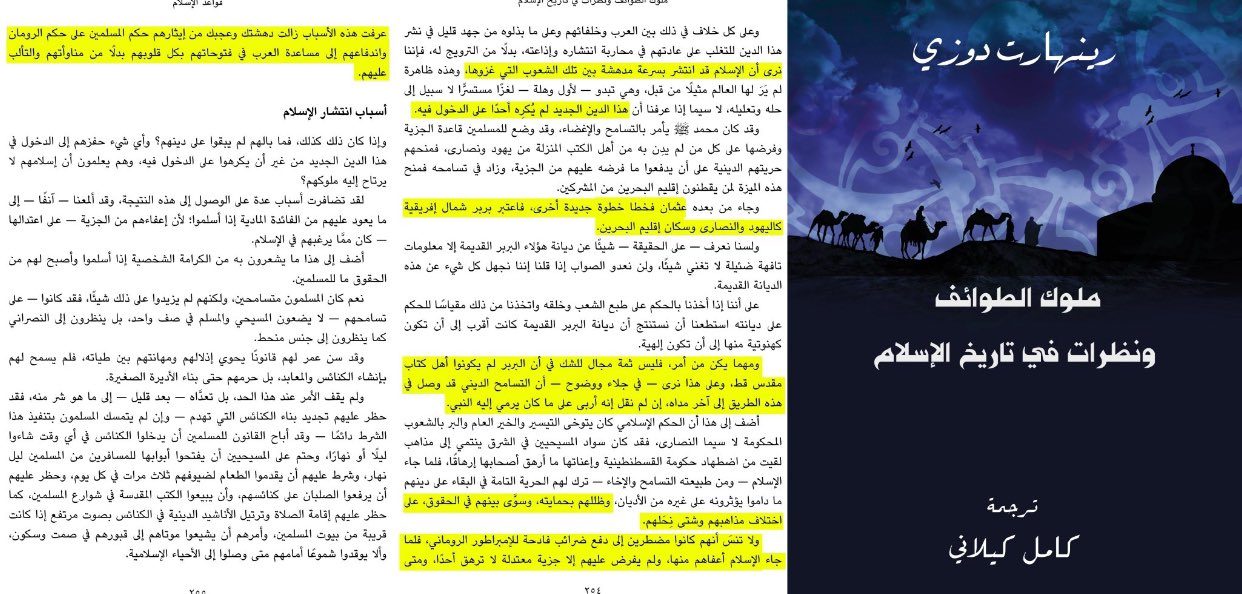
Reinhart Dozy states that the conversion of the Egyptians and Syrians to Islam was not difficult, but rather easy. Bishop Jacob of Edessa described the process:
5. General Testimonies About the Entry of Semitic and Hamitic Peoples into Islam
Taken together, these testimonies confirm that the Semitic peoples — in addition to the Hamitic peoples — in Iraq, the Levant, Egypt, and elsewhere entered Islam willingly. Jurji Zaydan’s claim is a false claim that has no historical basis.
Why Did Islam Spread? Monotheism and the Innate Nature of Humanity
The question “Why did Islam spread?” is frequently asked, with answers often focusing on peace, tolerance, or moral virtues. The greatest and most profound reason for the spread of this religion is monotheism. Islam presents the pure monotheistic doctrine to which all the prophets called — a doctrine that aligns with human nature since the beginning of humanity. The spread of Islam is humanity’s return to its innate nature.
Monotheism is Humanity’s First Belief
The German philosopher Friedrich Schelling affirmed that monotheism was humanity’s first belief, and that polytheism only emerged later as a result of the corruption of its followers. Researchers in the journal Primitive Man stated that the history of religions is a gradual deviation from an early stage based on pure monotheism. Edwin James, Professor of Anthropology and Comparative Religion, points out that belief in one absolute God is the origin of humankind.
Evidence of Monotheism in Ancient Civilizations
Allan Menzies shows in his history of religions that ancient Egyptian hymns indicate a knowledge of one God, and that Egyptian religion began as monotheistic before degenerating into polytheism. A.H. Sayce confirms that the Egyptians initially believed in the oneness of the Supreme God, and in His creative and legislative attributes. Flinders Petrie confirms that Egyptian polytheism resulted from the union of gods who were originally singular.
Among the Maya, John Eric Sidney explains that there was a period in which idol worship was unknown, and that the ruling class reached a stage closer to monotheism. The worship of Itzam Na evolved into a monotheistic belief system in which the other gods became subservient.
In ancient China, John Ross states that the original Chinese religion was purely monotheistic, with no temples or statues — only altars dedicated to the supreme deity. He adds that the Chinese worshipped lower deities as servants of the supreme god, not as independent gods, making the religion monotheistic.
Gregory Boyd indicates that archaeological evidence from the Sumerians, Egyptians, Greeks, and Chinese points to the existence of a single supreme deity at the beginning of those civilizations. Arvind Sharma of McGill University affirms that Wilhelm Schmitt’s theory of “original monotheism” has gained acceptance, and that primitive peoples bear clear traces of belief in a single creator God.
Conclusion: Philosophical, historical, and anthropological studies agree that monotheism is the original state of humanity, and that polytheism is a later stage resulting from deviation and distortion. The spread of Islam was a continuation of this original nature — whenever people learned about Islam, they inclined toward monotheism, which resonated with their minds and hearts.
The Original Inhabitants of Andalusia Became Muslim
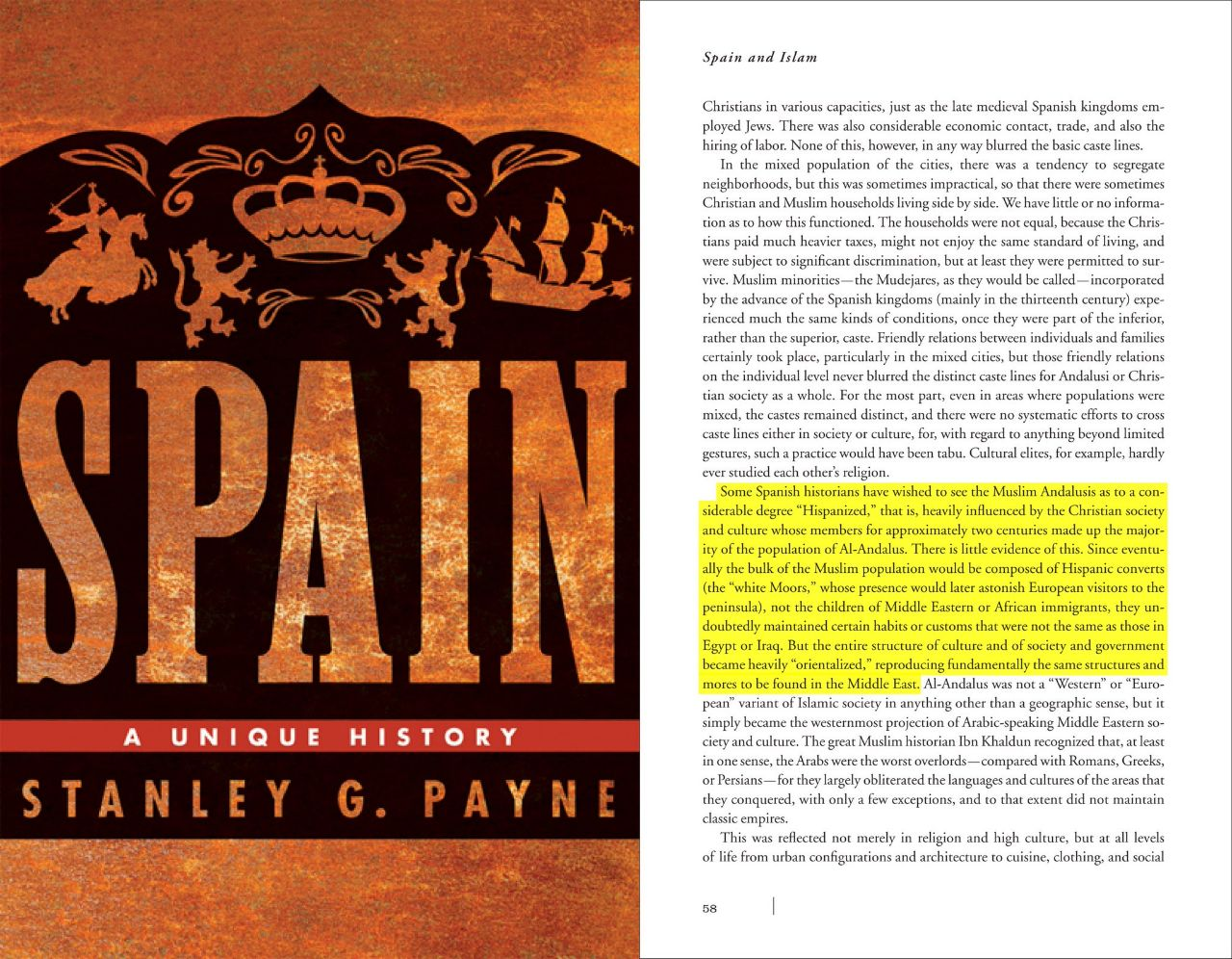
Two significant Western historians confirm that the vast majority of the original population of Andalusia voluntarily embraced Islam — a fact that makes the Reconquista not a liberation but an ethnic and religious cleansing of the land’s own people.
The Castilian Germans who expelled the people of Andalusia were not reclaiming a homeland — they were expelling the homeland’s own people. The Reconquista was a forced Christianization and ethnic expulsion of a people who had, by free choice, become Muslim. See also: Al-Andalus: Islamic Civilization and the Liberation from Visigothic Tyranny
The Arab-Islamic Conquest as Liberation — A Historical Summary
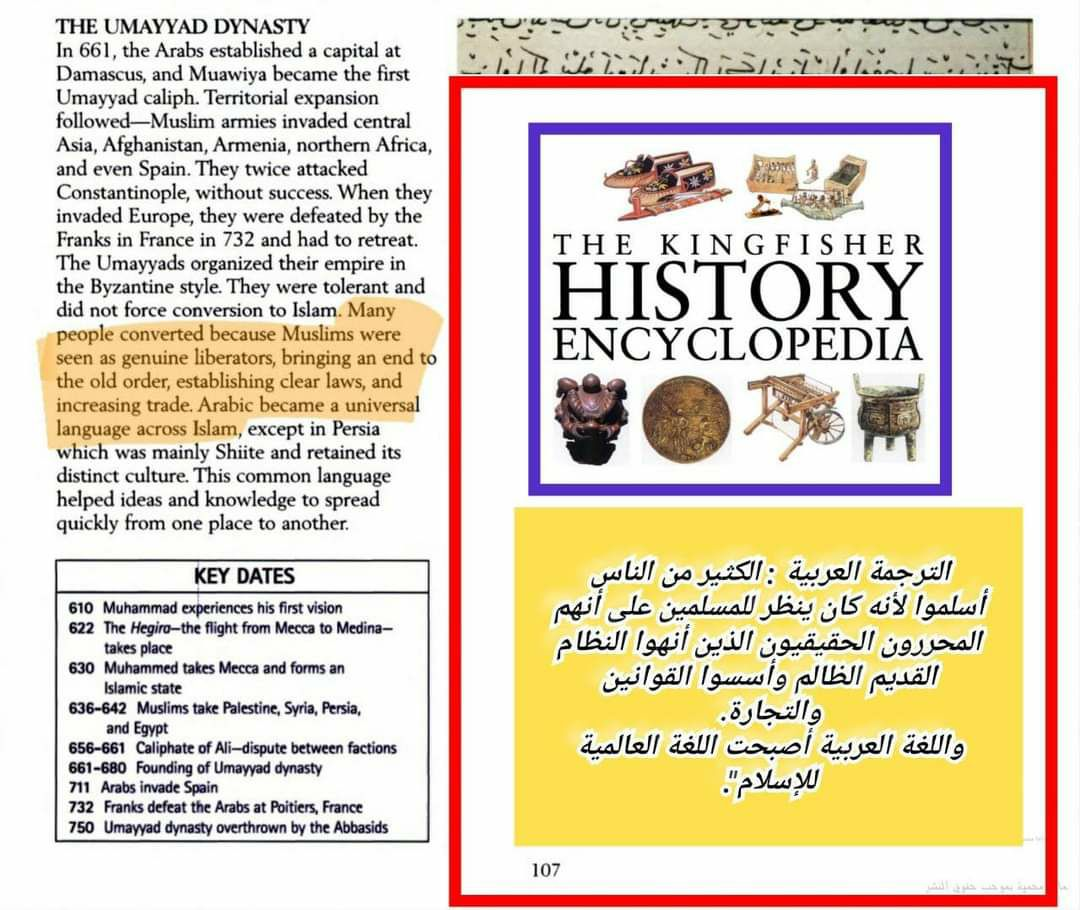
Islam emerged within a complex historical context in which the region suffered political, economic, and cultural oppression under the rule of the major powers of the time. The Arab-Islamic conquests transformed the lives of the peoples of the Near East, ending many forms of domination and subjugation and ushering in a new era.
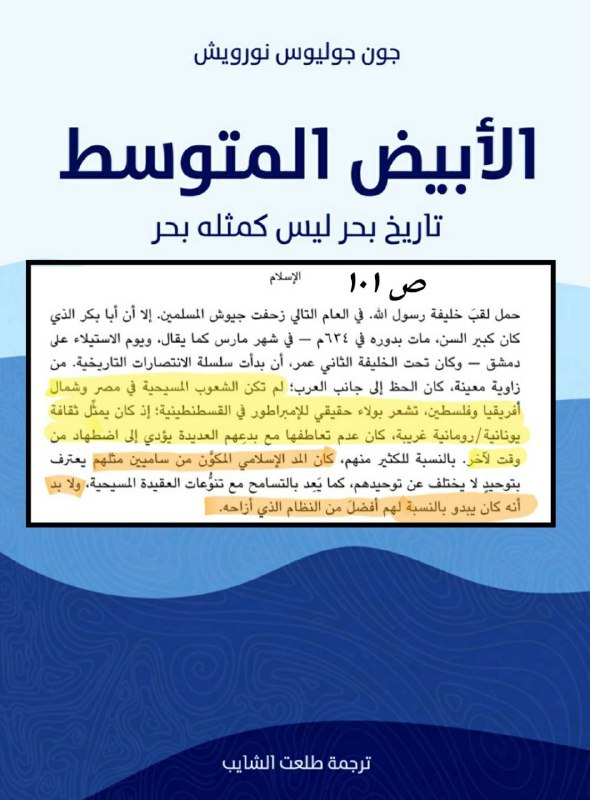
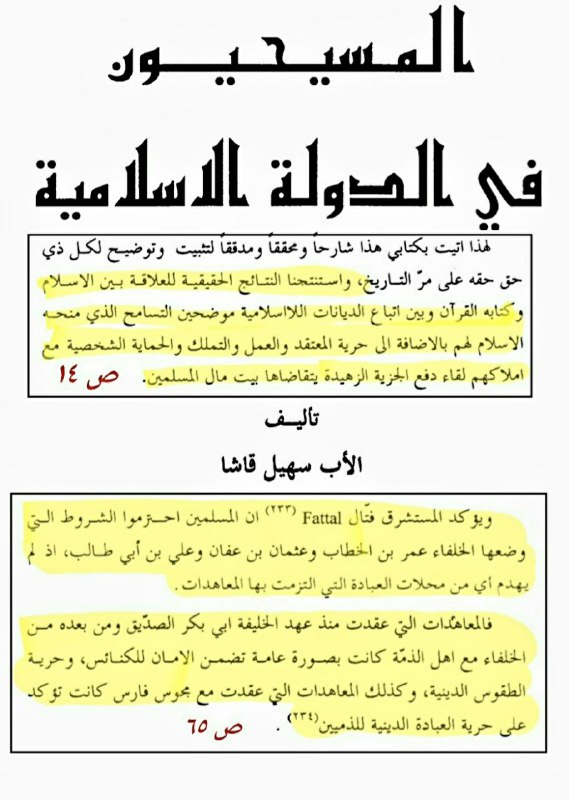
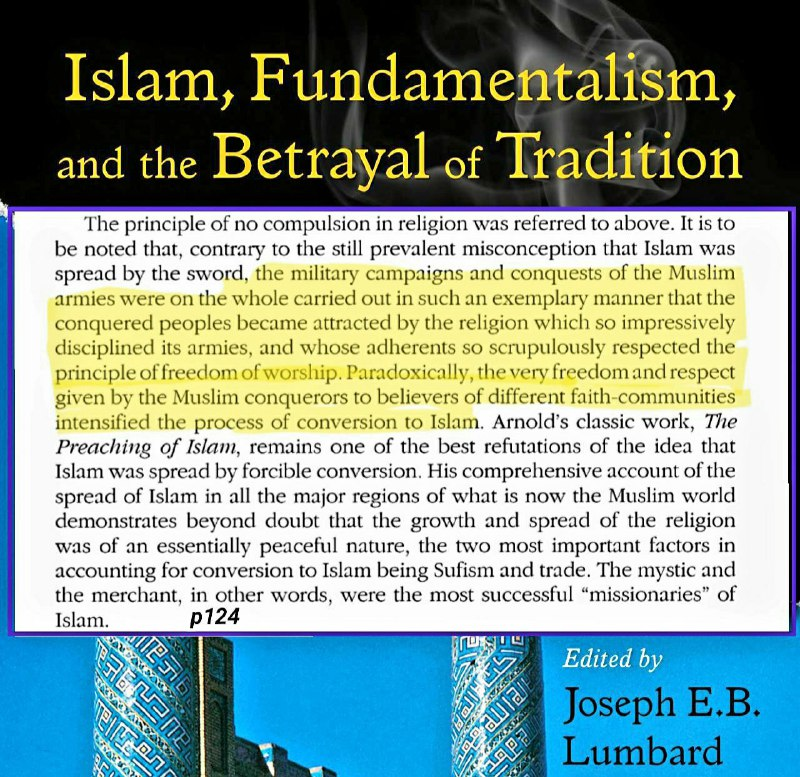
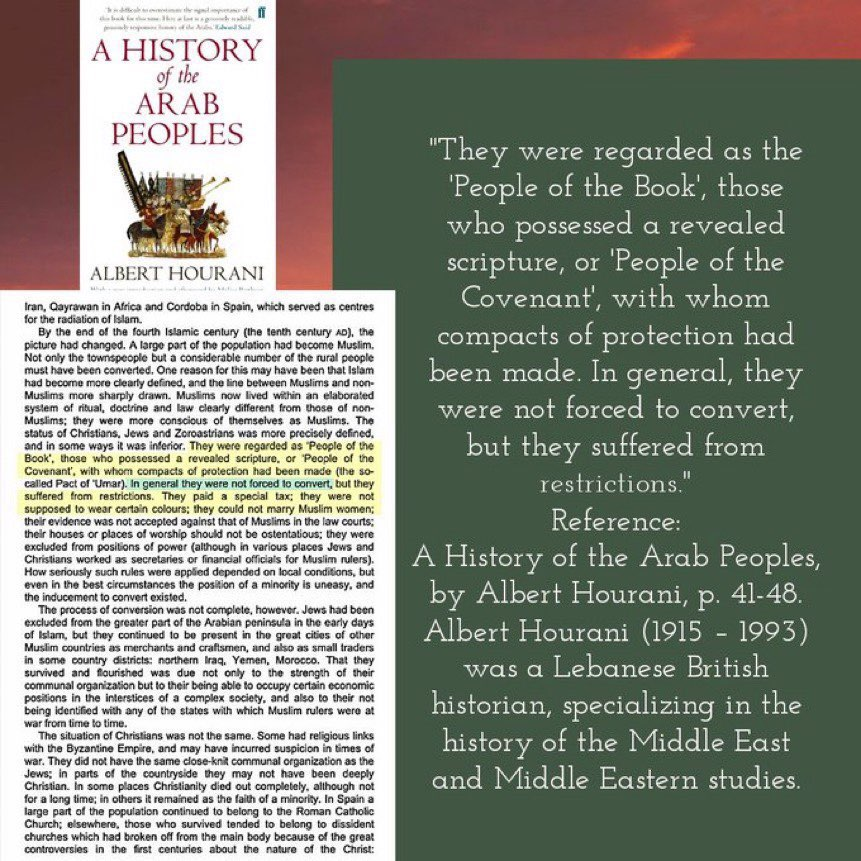
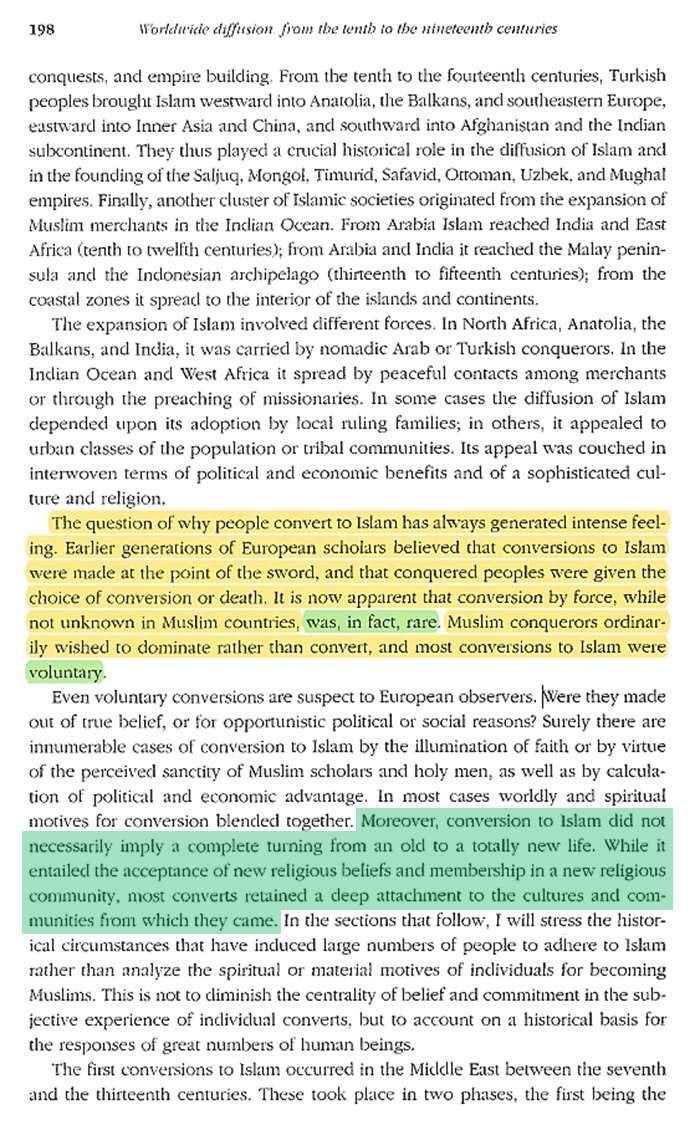
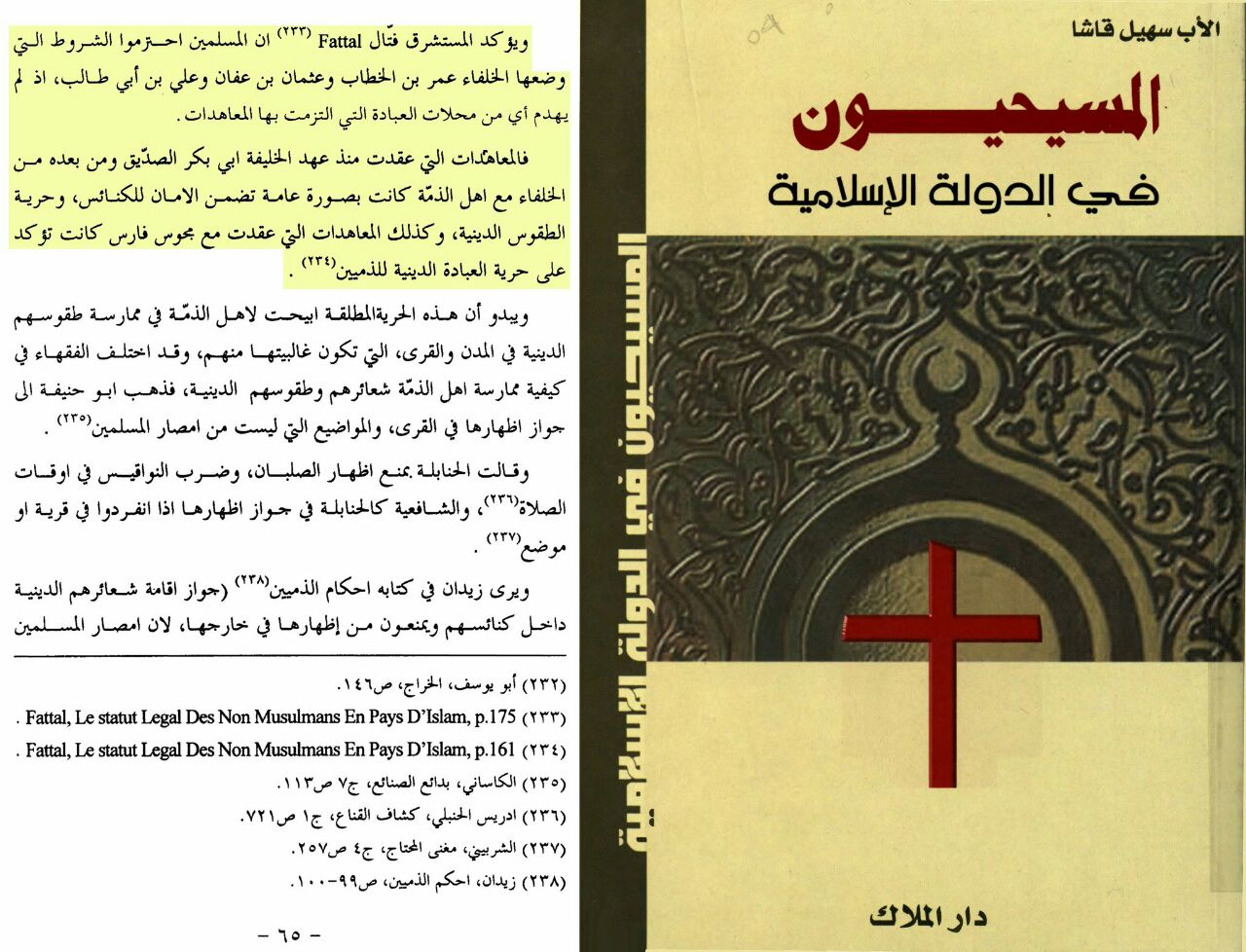
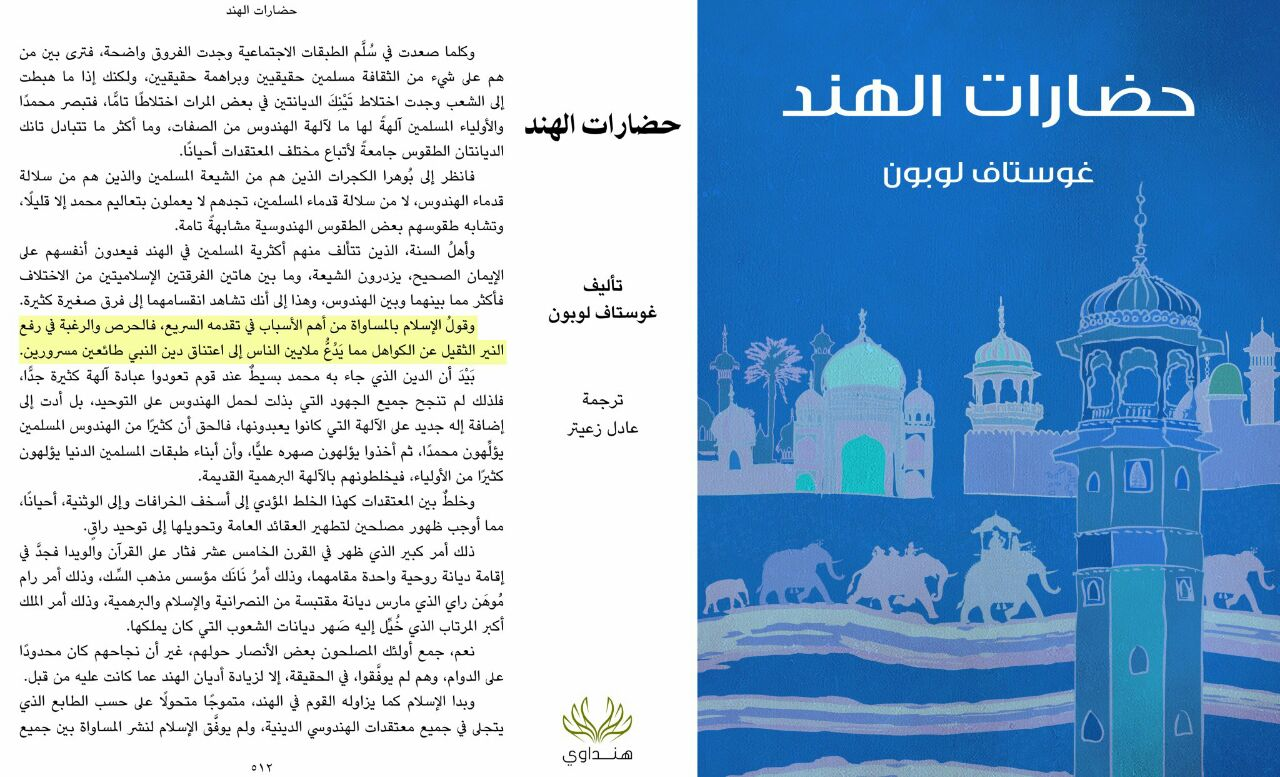
Previous periods, particularly under Byzantine rule, witnessed political and religious persecution that deeply affected the region’s inhabitants. With the Islamic conquests, this oppression ended. The Rightly Guided Caliphs respected the treaties with the People of the Book (Ahl al-Dhimma) and the Zoroastrians, guaranteeing them freedom of worship in exchange for a modest tax. The military organization of the Islamic conquests, along with the respect and freedom granted by the conquerors to non-Muslims, led to a gradual and voluntary increase in the number of people converting to Islam.
With the advent of Arab-Islamic rule, the region entered a new era characterized by scientific, cultural, and administrative flourishing. The Levant and other parts of the East became centers of cultural influence that endured for centuries.
Heraclius and the Prophecy of the Circumcised Nation
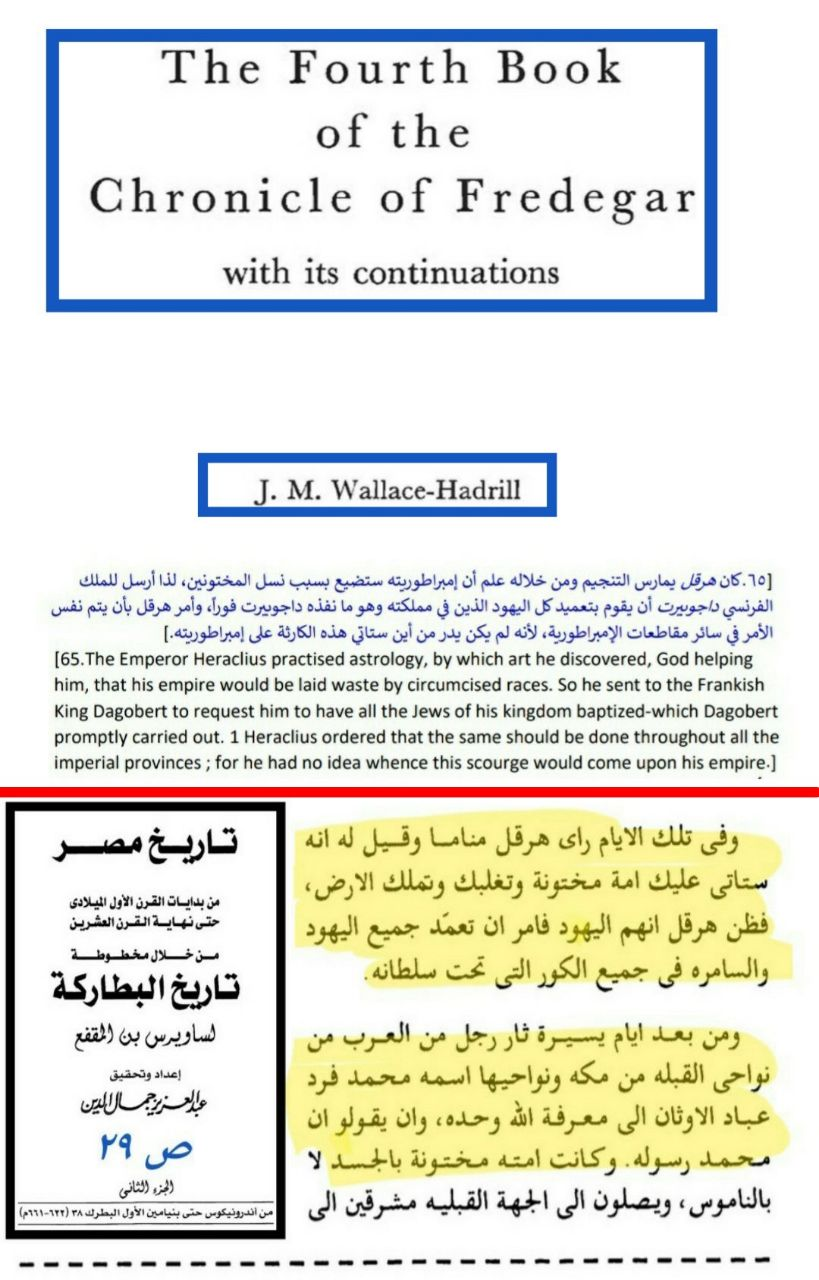
The Byzantine Emperor Heraclius was known as an astrologer — one who consulted the stars and read omens — and this is attested in both Islamic and non-Islamic sources. He had a vision that a circumcised nation would rise to rule his lands. In response, he ordered the baptism of all the Jews in his kingdom and commanded King Dagobert of France to baptize all the Jews in Gaul.
The unexpected occurred: the circumcised nation was not the Jews, but the Arabs. Heraclius learned this from a man sent by the Ghassanid king. Most of his lands subsequently fell under Arab control — conquered and transformed through Islam. All praise is due to God.
Byzantine Oppression — The Context That Made the Conquests Welcome
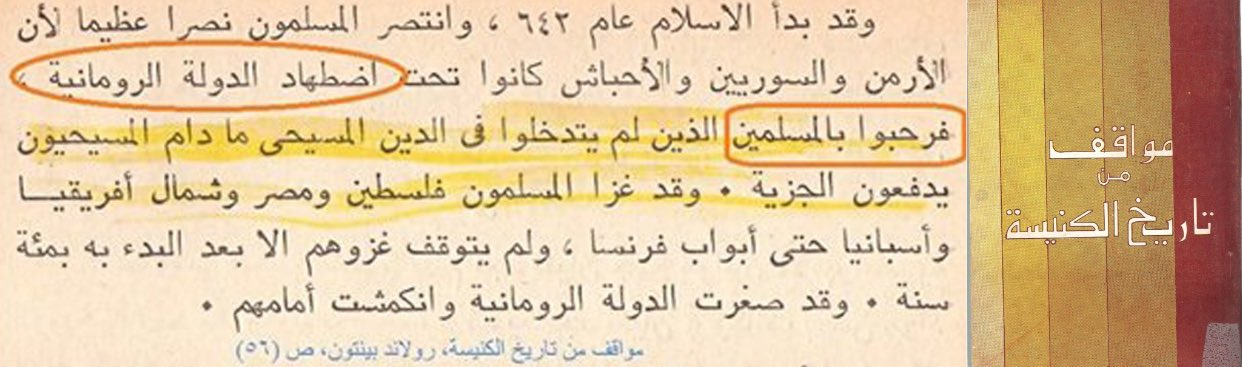
Before the Islamic conquests, the Levant, Egypt, and North Africa were under Roman or Byzantine rule. The Christian populations of these regions did not view the Romans as brothers — they viewed them as representatives of a culture alien to their religious and social traditions.
With the Islamic conquests, this situation changed radically. The new Islamic system provided freedom and justice. The Rightly Guided Caliphs respected the treaties with the People of the Book and guaranteed them freedom of worship in exchange for a modest poll tax.
The Church in Egypt After the Islamic Conquest
A common misconception holds that the Islamic conquest eradicated the Church in Egypt. The historical record contradicts this entirely.
After the Islamic conquest of Egypt, the Church was not eradicated, nor was it prevented from fulfilling its function, nor were its doors closed. The state maintained Church affairs under its administrative supervision while allowing it a degree of freedom that enabled it to practice its spiritual duties with considerable liberty. The relationship was not one of eradication, but rather political oversight while the religious sphere remained intact, according to Christian testimony.
The state viewed the Pope from a political and administrative perspective and might intervene in his appointment or removal — but this is one thing, and claiming that Islam came to uproot the Church from Egypt is quite another. Ecclesiastical authority under Islamic rule was paternal, not terroristic.

Byzantine Enslavement and Religious Persecution
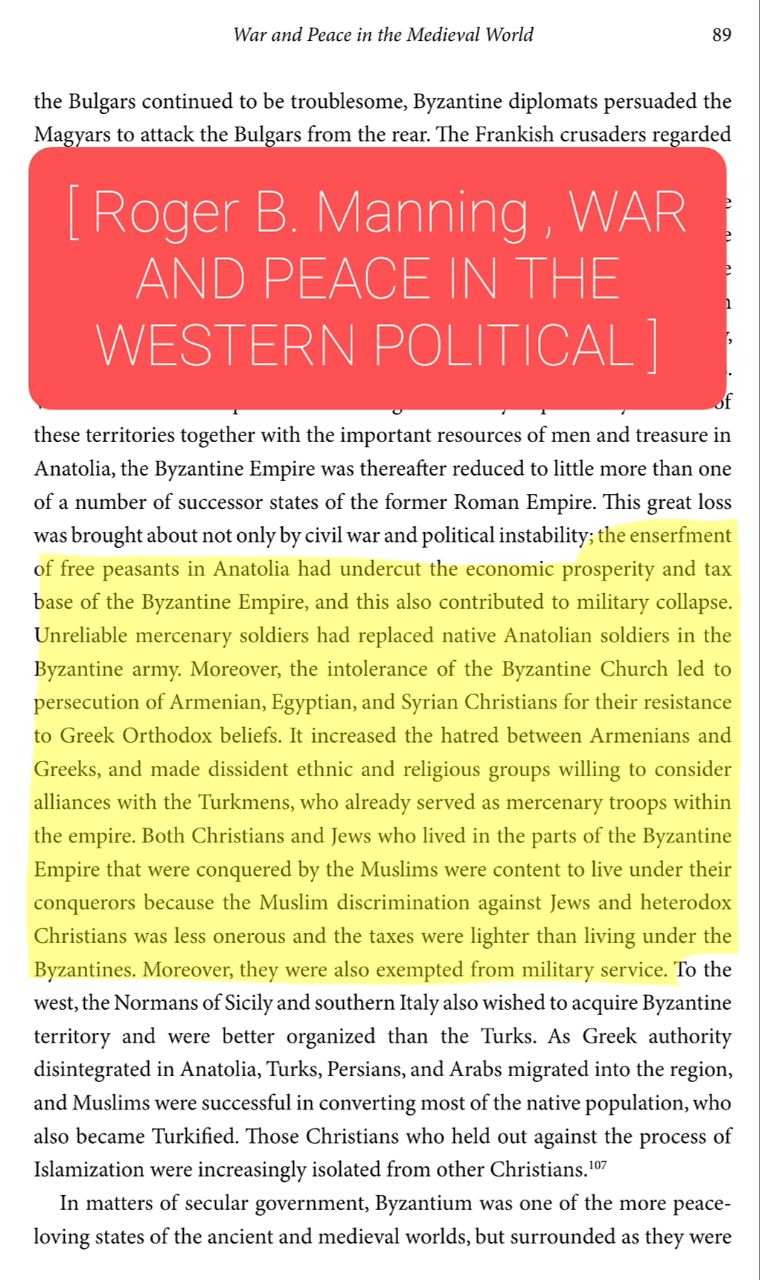
The Byzantine oppression was not limited to the theological sphere. Its social and economic dimensions were equally devastating.
The Chalcedonian free peasants of Anatolia were enslaved in the Byzantine Empire. Egyptians, Syrians, and Armenians were persecuted for their religious beliefs. Life under Byzantine rule became unbearable due to religious discrimination and heavy taxes.
Christian Sects Persecuting Each Other — The Chalcedonian Horror
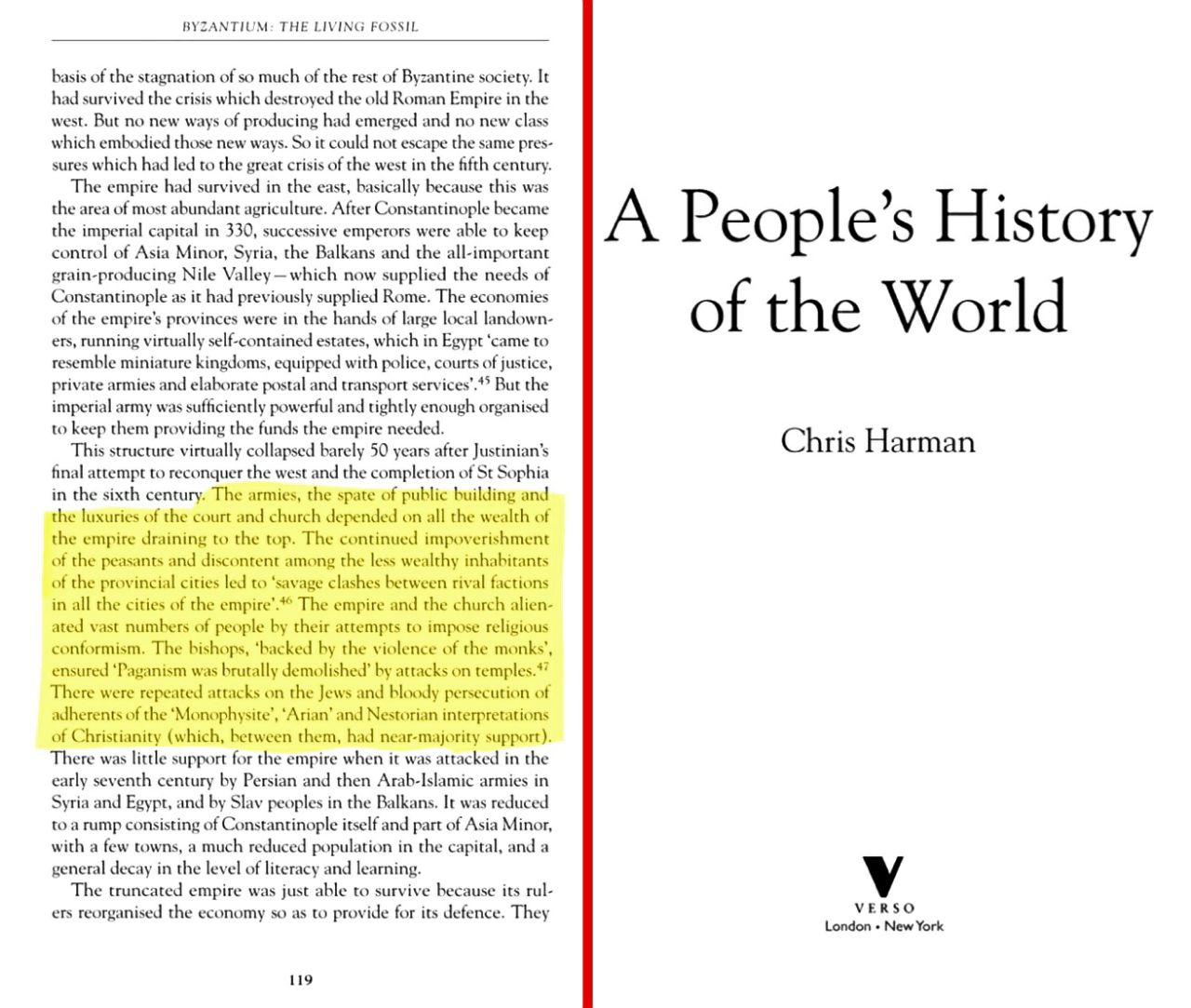
The persecution was not simply the Romans against non-Romans. It was Christians against Christians — along lines of creed, council, and doctrine — with a ferocity that astonished even pagan observers.
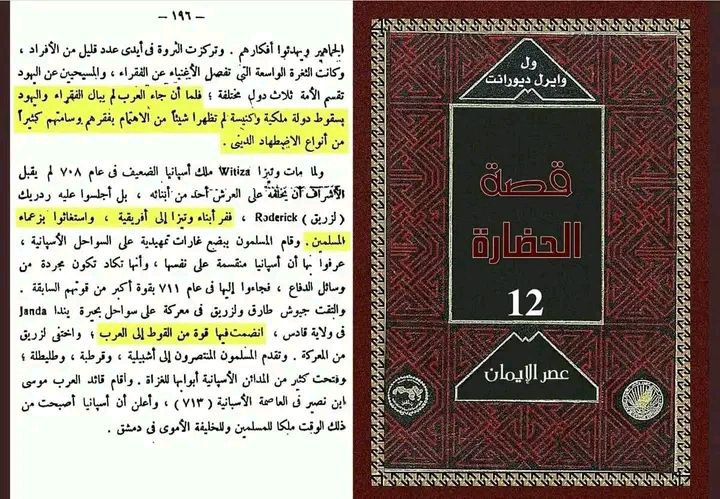
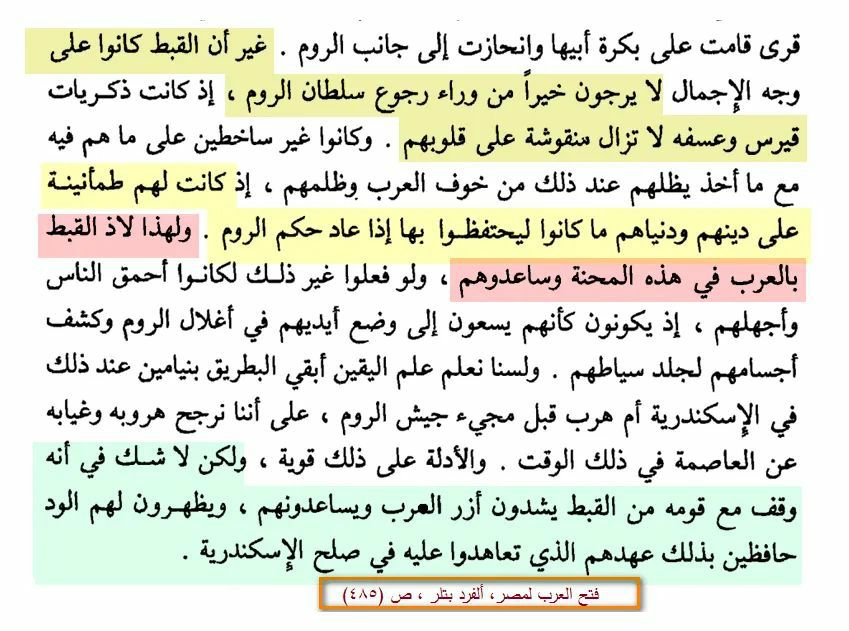
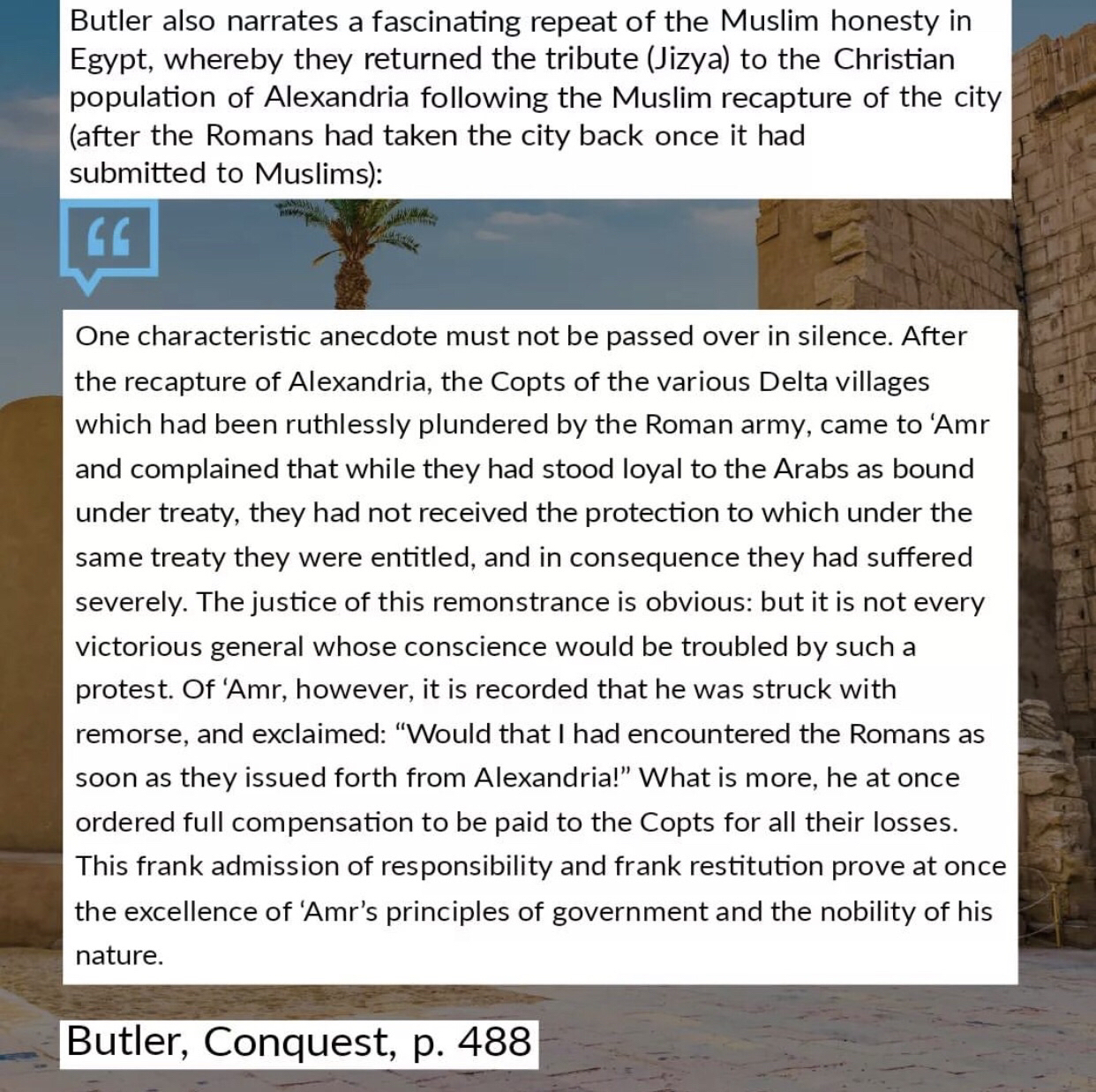
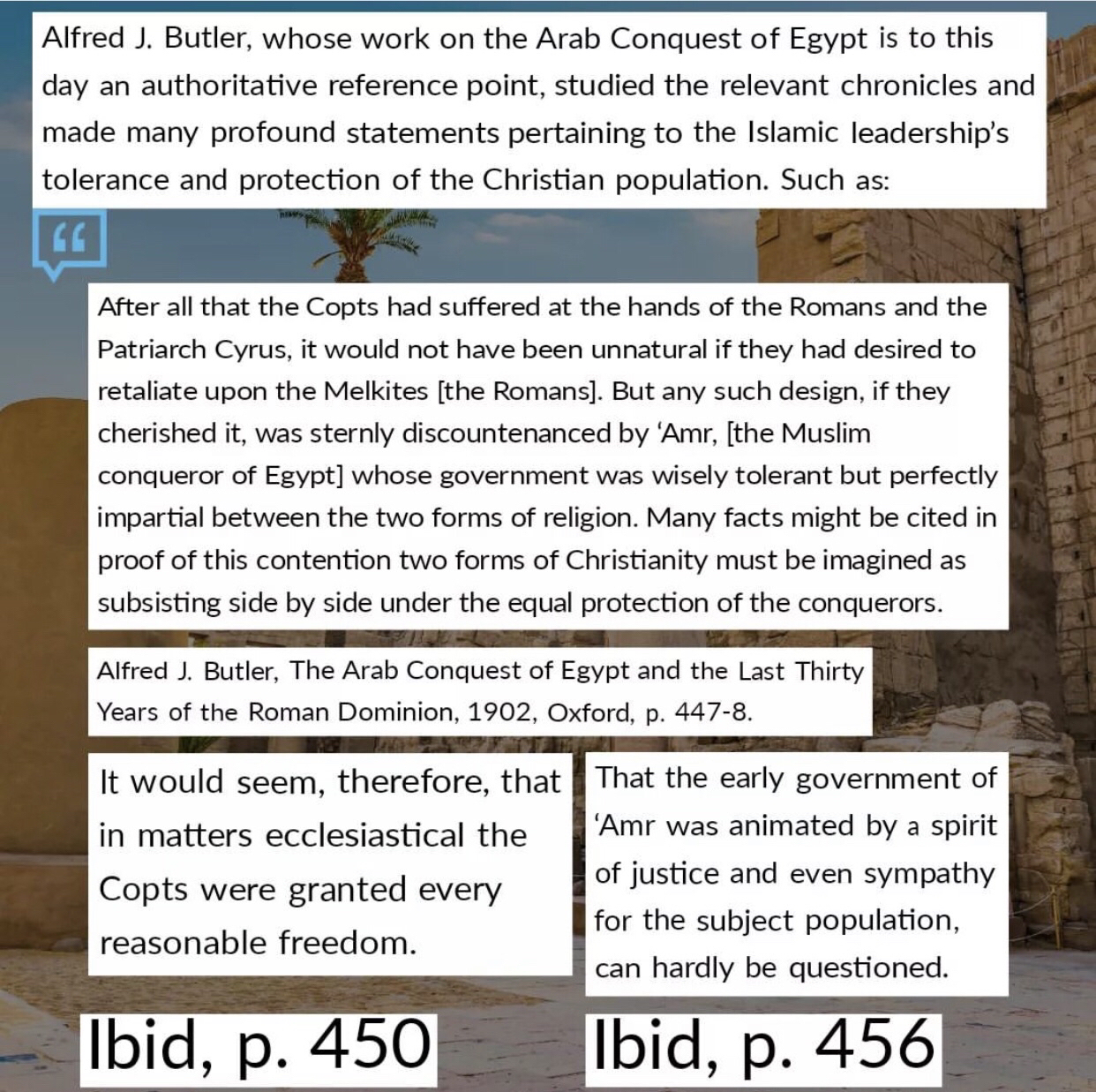
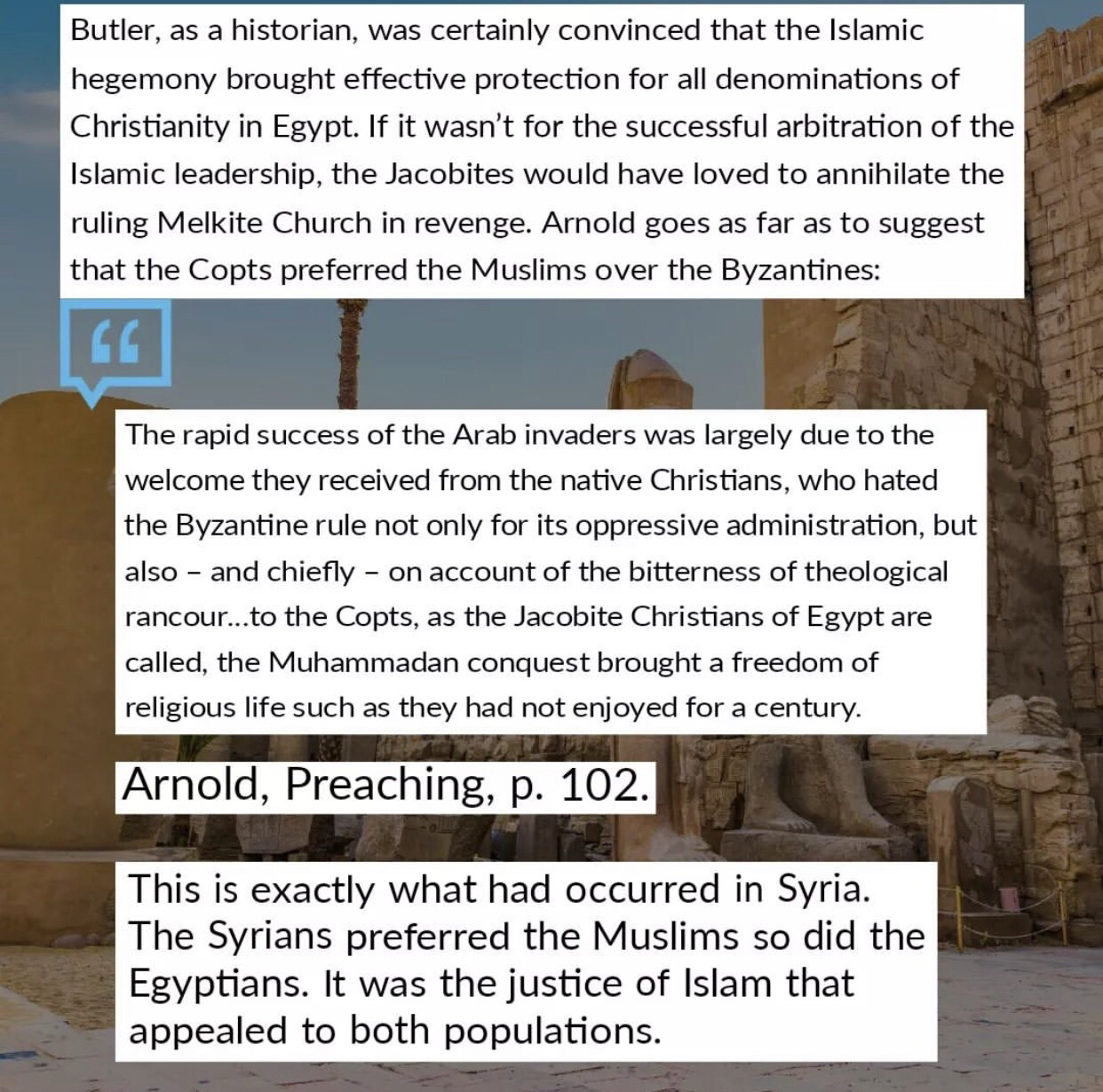
The historian Alfred Butler, considered by some to be reserved regarding the Islamic narrative of the conquest of Egypt, nonetheless acknowledged instances of cooperation between some Copts and the Arab forces. This cooperation arose from the conflict between the Byzantine (Chalcedonian) Church, represented by the Muqawqis Cyrus, and the Orthodox (non-Chalcedonian) Copts, who were subjected to religious and political pressure from the Byzantine administration. Some Copts saw the arrival of the Arabs as an opportunity to escape Byzantine persecution.
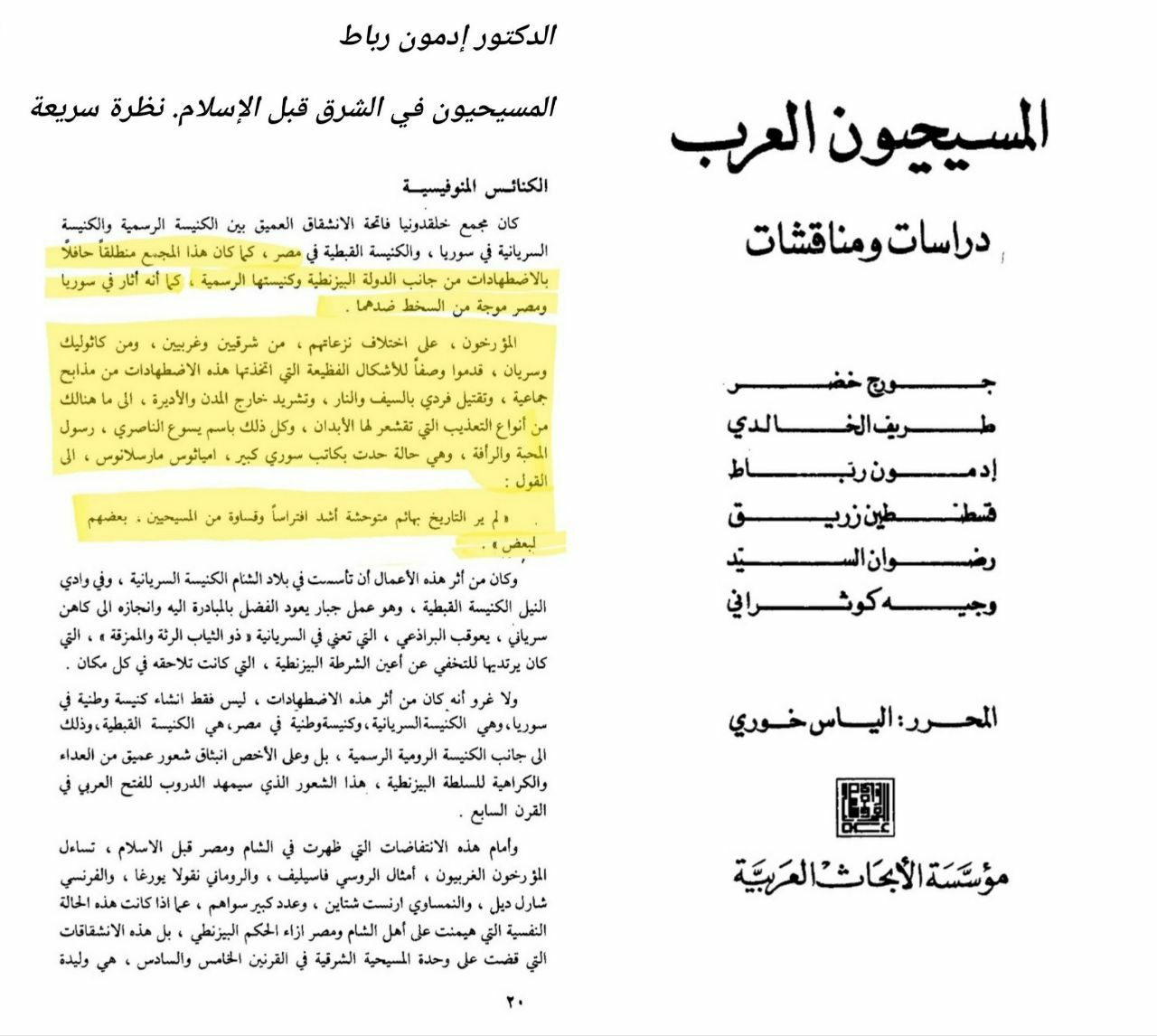
Edmond Rabbath describes the horror of Christian sectarian violence in the East:
Syria Before and After the Islamic Conquest
Syria’s condition immediately before the Islamic conquest was catastrophic. The land had been ravaged by decades of Sasanian-Roman wars, suffering widespread famine, epidemics, and several earthquakes.
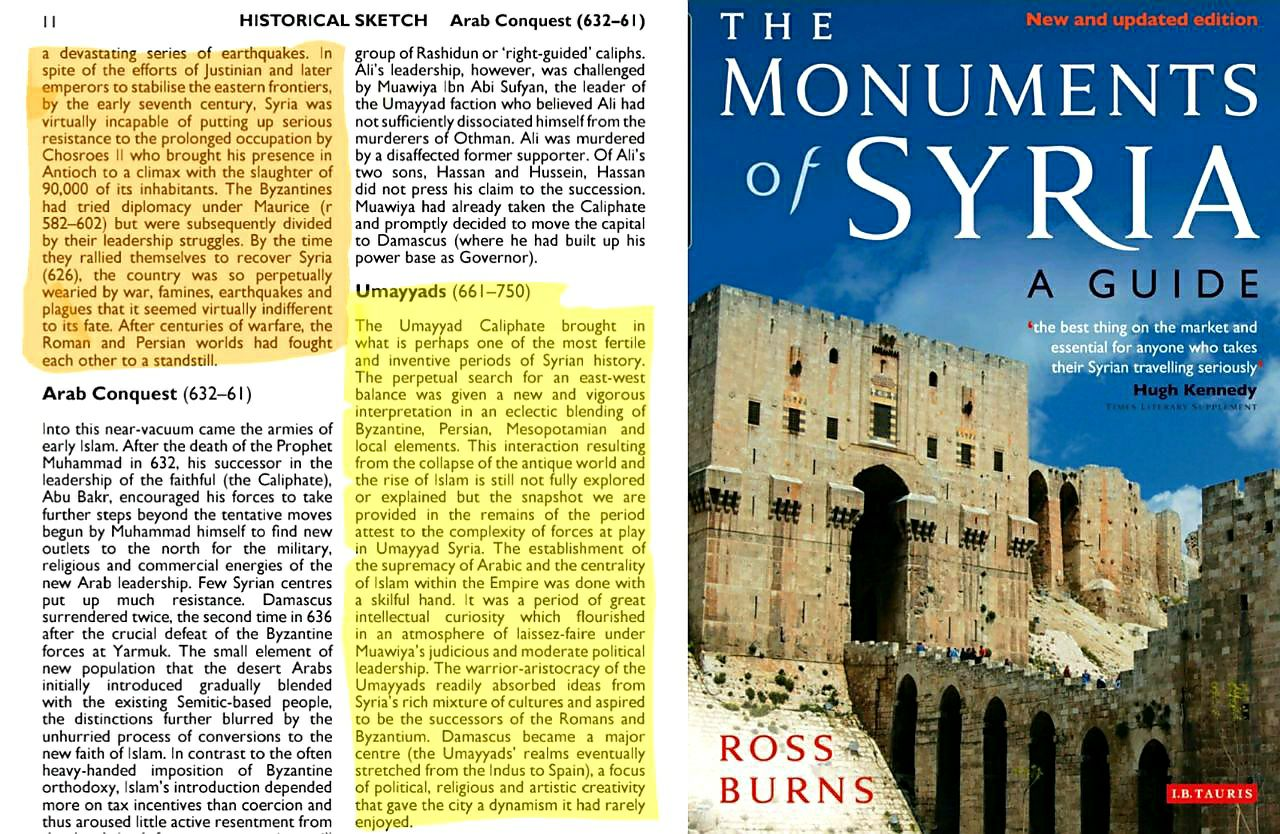
Umar ibn al-Khattab — Called Al-Faruq by Christians
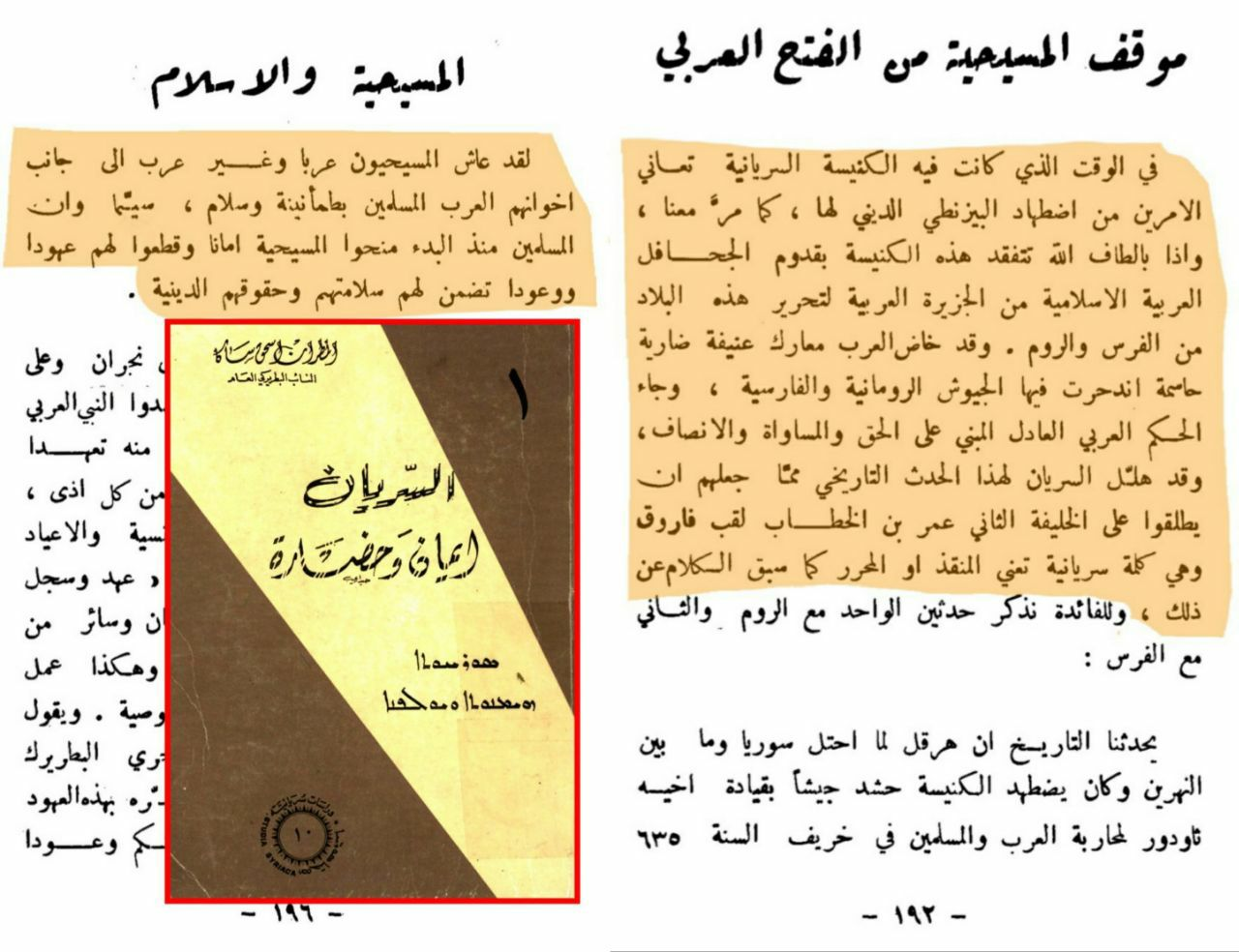
The Christians of the Levant and Iraq did not merely tolerate Muslim rule — they praised it and those who delivered it. Umar ibn al-Khattab, the second Caliph of Islam, was called al-Faruq — the Distinguisher between Truth and Falsehood — not by Muslims alone, but by Christians, who recognized in his rule a justice superior to anything they had experienced under Roman or Persian governance.
Edmond Rabbath — Christians Embraced Islam Freely
The Conquests Were Not Destructive — Archaeological Evidence
The literary tradition of the Islamic conquests — whether Islamic or non-Islamic — contains accounts of massacres and destruction. The archaeological record, however, tells a radically different story.
Stability, Agriculture, and the Arab Economic System
Michael the Syrian — God Sent the Arabs as Deliverance
One of the most remarkable testimonies in this entire body of evidence comes from a Christian source — Michael the Syrian, a Syriac patriarch writing from within the conquered territories. He attributed the coming of the Muslim Arabs to divine justice, not human aggression.
A 12th-Century Baghdadi Priest on Muslim Justice
This testimony spans not just one generation but a documented historical arc. A 12th-century Baghdadi priest, writing five centuries after the Islamic conquest, recorded the memory of what pre-Islamic life had been like for Eastern Christians.
Heraclius Destroys His Own Lands Before Retreating
When Heraclius realized that the Islamic conquest was inevitable, he did not hand over his territories gracefully. He unleashed his own army upon the lands he was abandoning — looting, pillaging, and burning the cities and villages of the Levant before retreating to Constantinople.
The Romans, not the Muslims, devastated the Levant on the eve of the Islamic conquest.
Christians of the Levant, Iraq, and Egypt Saw Arabs as Liberators
Roman Persecution to Islamic Justice — A Comprehensive Study
The centuries preceding the Islamic conquest saw a radical shift in the policies of the Eastern Roman Empire toward its subject peoples. Most inhabitants of the Levant and Egypt adhered to the Syriac and Coptic faiths, while the Byzantine state enforced the Chalcedonian creed. This difference led Syrians and Egyptians to feel like strangers and marginalized people in their own lands.
Roman persecution encompassed ethnic and political dimensions as well. The Byzantines drained their subjects’ resources, burdened them with taxes, and restricted their languages and cultures — causing the Syriac, Coptic, and Arabic languages to decline under policies of marginalization. The Ghassanid movement’s support for the Syriac Church and the Arabic and Syriac languages was ultimately a reaction to this marginalization.
With the arrival of the Arab-Islamic conquest, this changed entirely. The conquerors refused to plunder cities, imposed only the jizya, and guaranteed freedom of worship for all. John of Fenke noted that the inhabitants lived in peace and freedom, only required to pay the jizya and free to embrace whatever faith they wished.
Eight Centuries of Peace — Until the Mongol Disruption
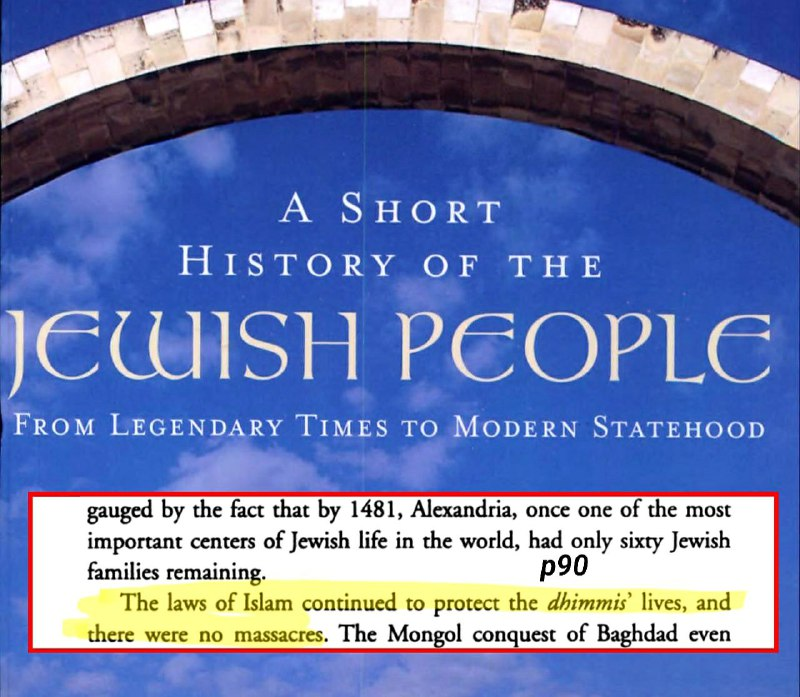
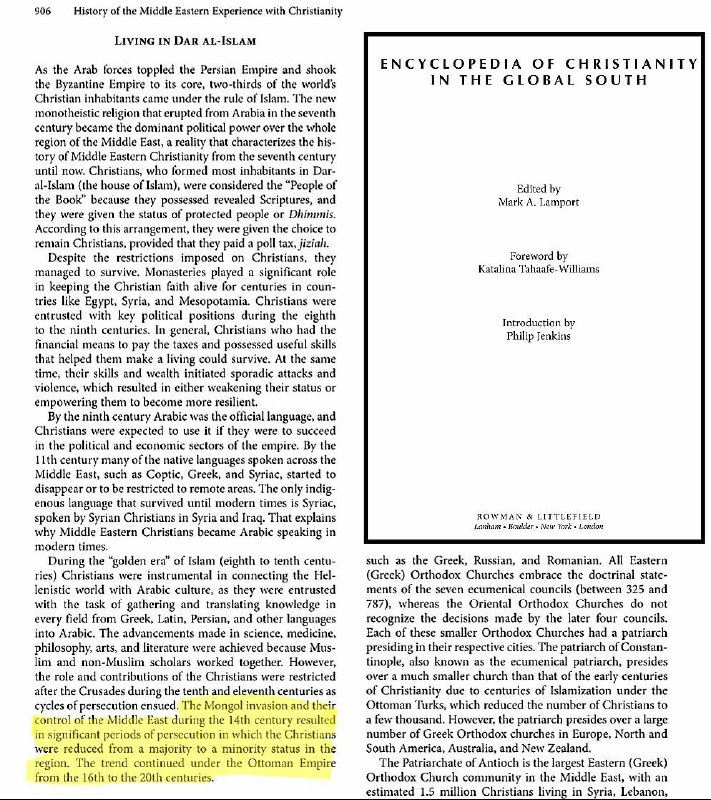
A crucial and often-overlooked fact in this debate is the duration of peaceful coexistence under Islamic rule. From the Rashidun to the Umayyad to the Abbasid caliphates — in Iraq, Syria, and the Hejaz — the inhabitants of the conquered lands and the People of the Book (Ahl al-Dhimma) did not experience systematic massacres. This remained the case for eight centuries after the advent of Islam.
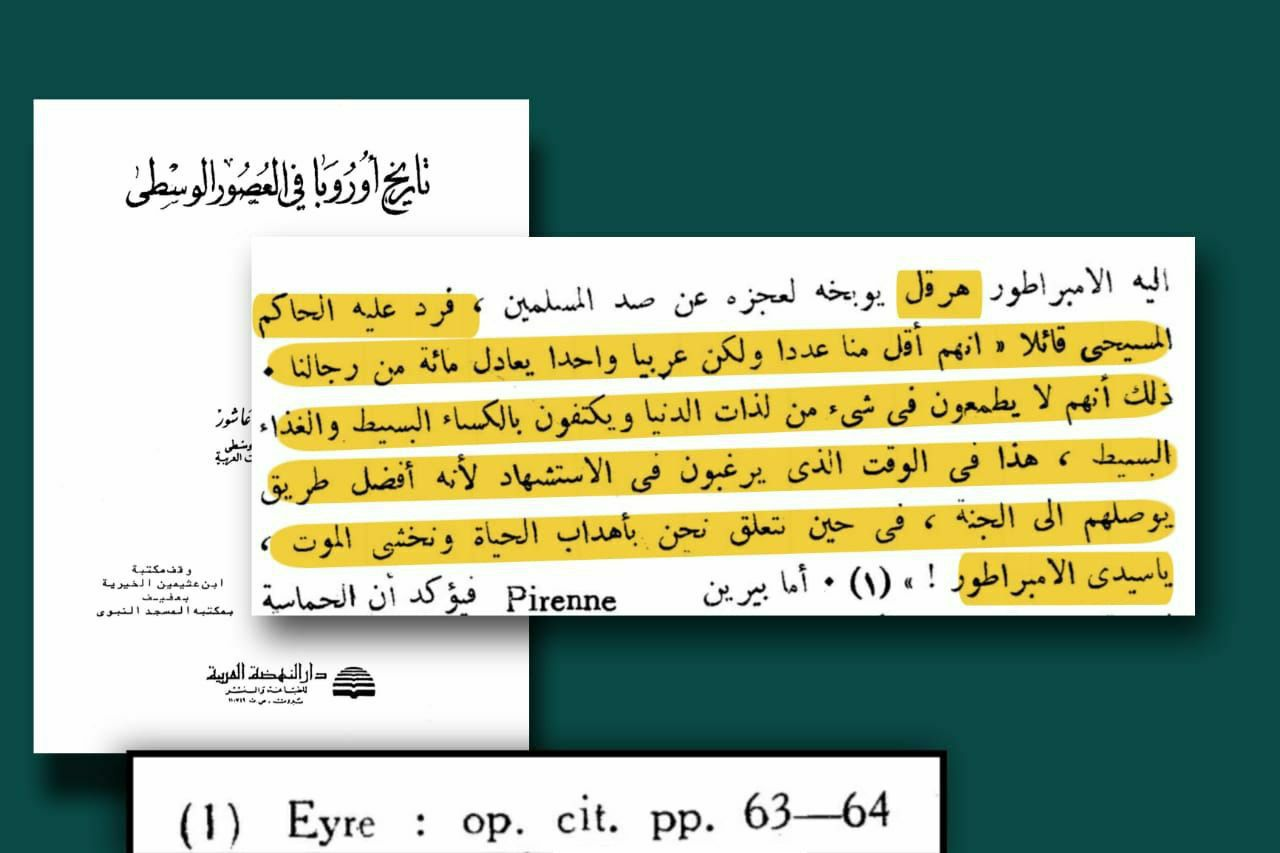
The situation changed in the 13th century CE with the Mongol invasions. The People of the Book, who in some cases sided with the Mongols against the Muslims, became victims of Mongol violence — not Muslim violence. It was the Mongols, not the Muslims, who carried out persecutions of Christian communities in the Arab East during this period.
Muhammad ibn Qasim and the Islamic Conquest of Sindh
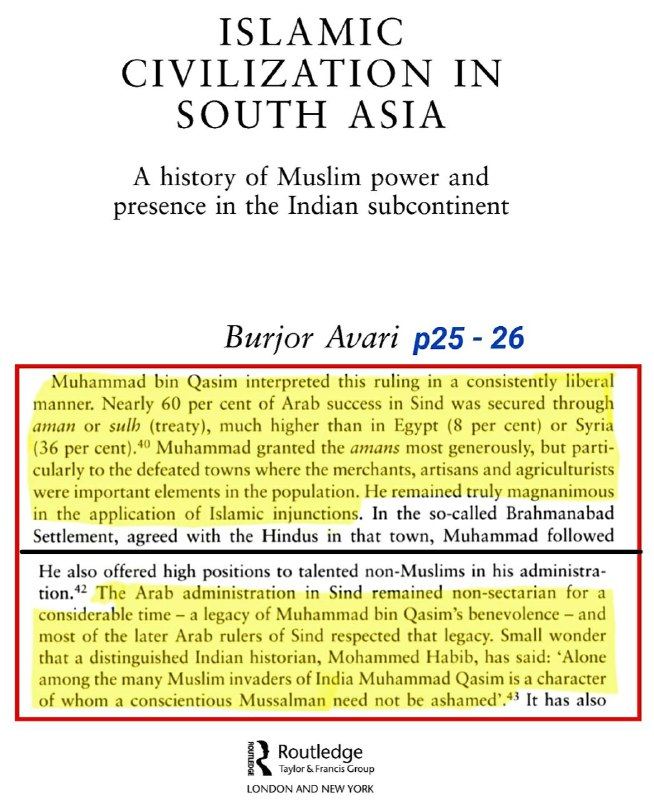
The Islamic conquest of Sindh offers an instructive case study in the ethics of Muslim governance of newly conquered peoples.
The people of Sindh subsequently embraced Islam — not under compulsion, but in the context of just and humane governance.
The Surrender of Jerusalem to Umar
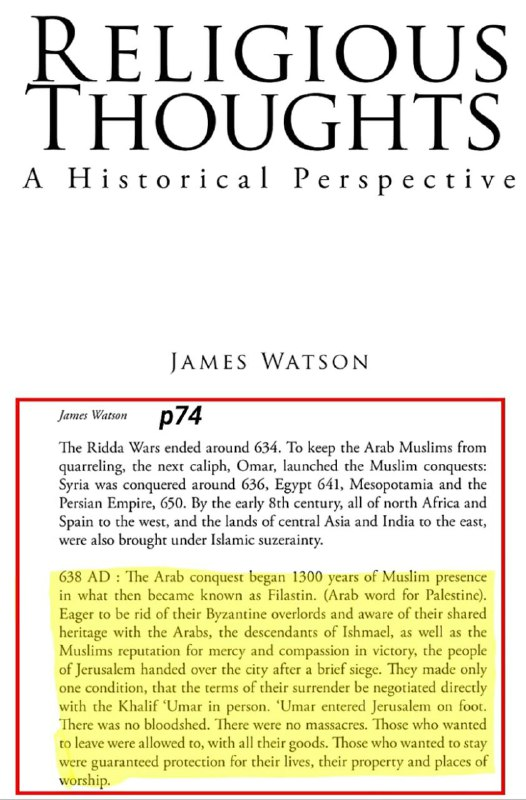
The surrender of Jerusalem to Umar ibn al-Khattab stands as one of the most remarkable events in the history of warfare and conquest. It was achieved without a single civilian casualty.
The Arabs as the Most Merciful Conquerors in History
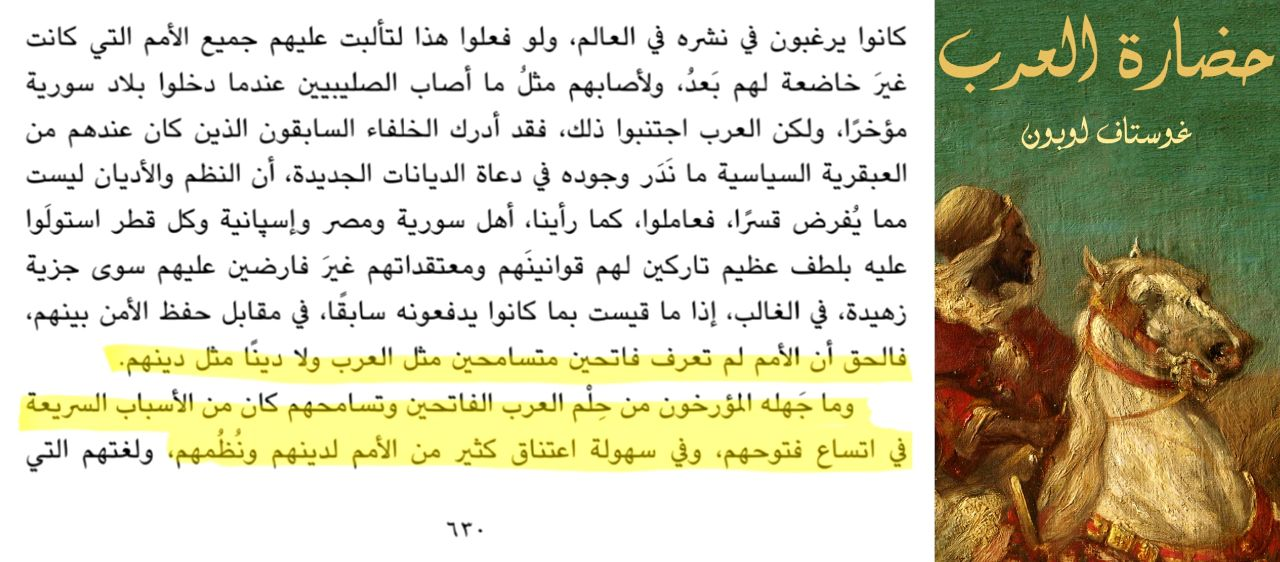
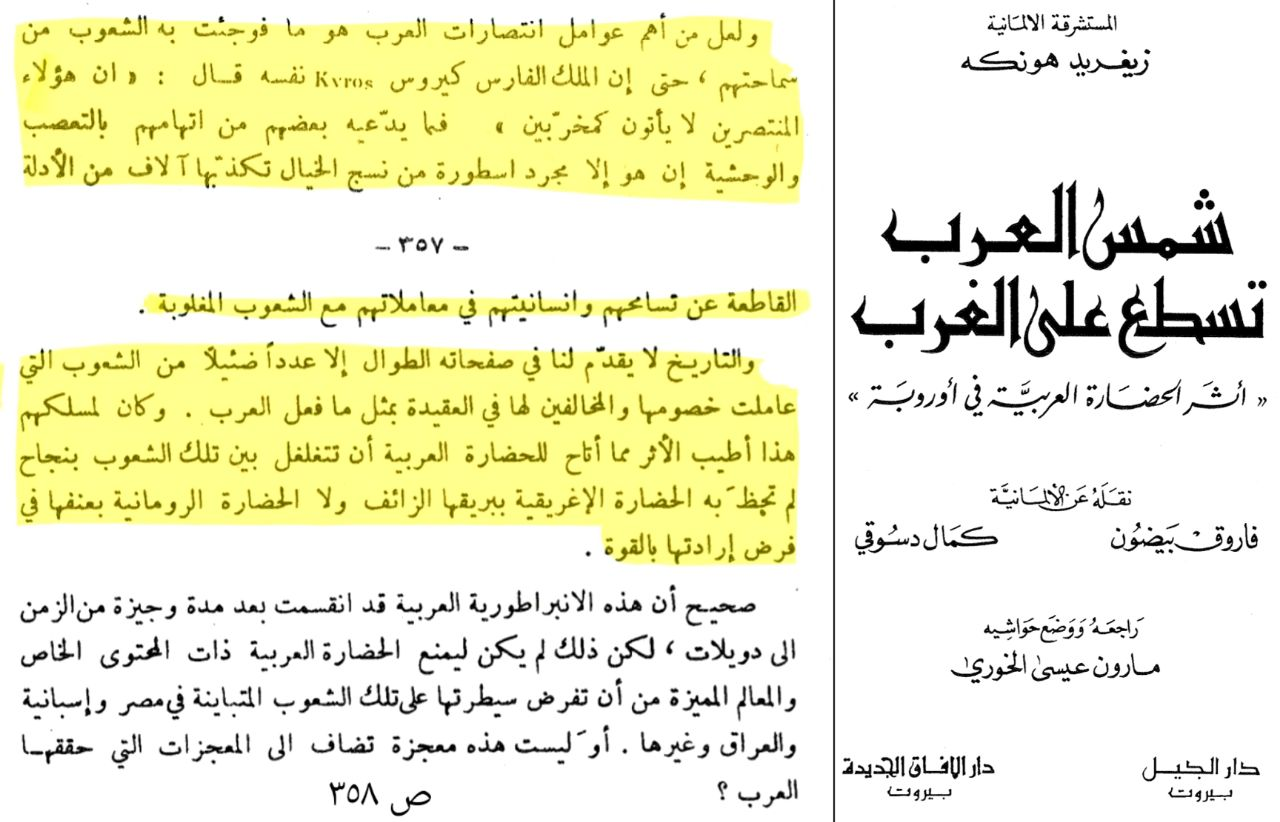
Two of the most respected Western scholars of civilization offered sweeping assessments of the Arab conquerors — and both reached the same conclusion.
North Africa Before and After the Islamic Conquest
Pre-Conquest Conditions Under Byzantine Rule
Prior to the Islamic conquest, North Africa — later known as the Maghreb — was under the authority of the Byzantine Empire through its Frankish (Latin) agents. The land from Tripoli to Tangier was under the rule of Gregory the Frank, the Byzantine governor, while the local Berber population paid tribute to the Byzantine emperor. Governance was in the hands of a foreign elite linked to Constantinople, not the people of the land.
The Berbers were not a politically unified people, but rather numerous and scattered tribes extending from the Nile Valley to the Maghreb, without a unifying political entity or central authority. The Byzantines exploited this tribal fragmentation, sowing discord among the Berbers and dividing them into urban and nomadic groups as part of a systematic policy to maintain control.
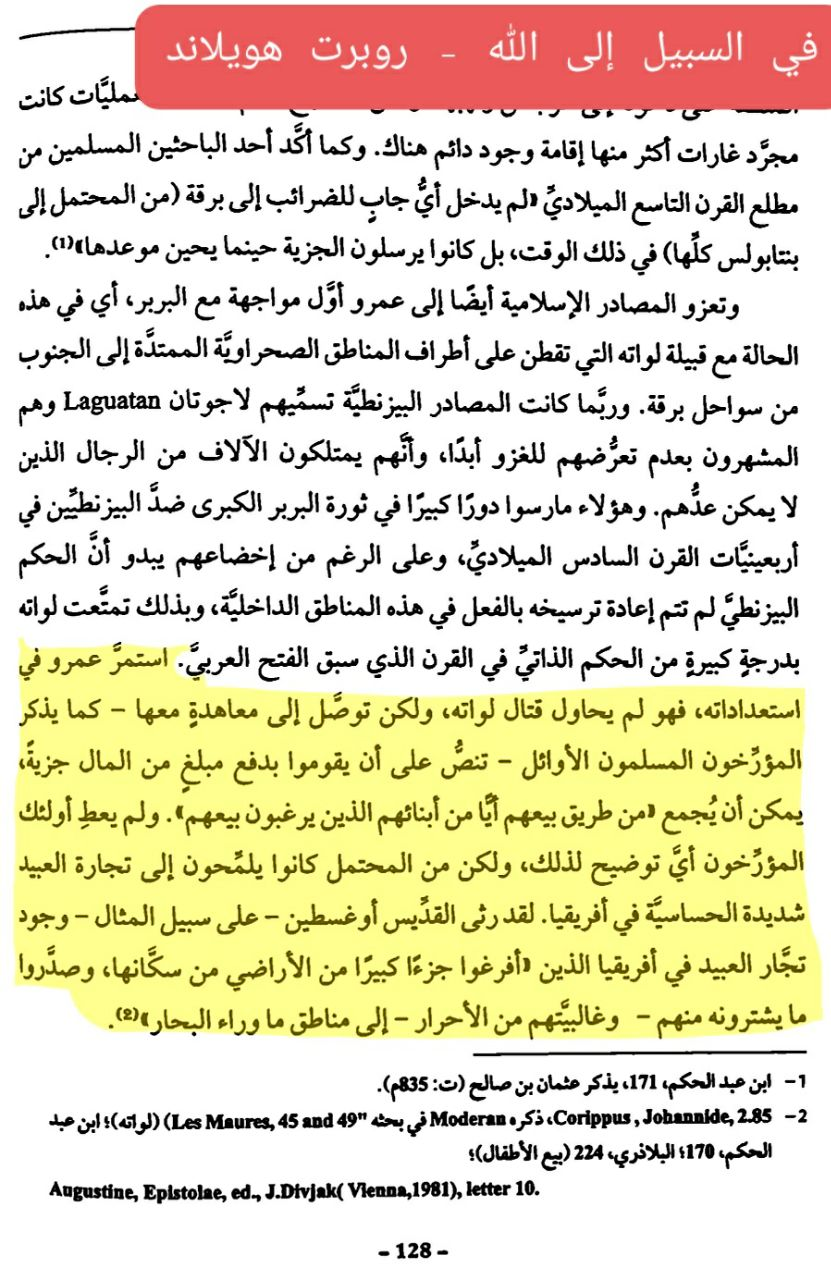
The economic situation was dire. Augustine, writing in the fifth century CE, mentioned that some Berbers were selling their children due to financial hardship — a phenomenon widespread even among the wealthy.
The Islamic Conquest and Its Impact
Uqba ibn Nafi spent many years in the desert regions preaching Islam, and Berber tribes such as the Lawata, Nafusa, and Nafzawa embraced it before the military conquest was even complete. When the Muslim army moved into Africa, they were confronted by the Byzantine governor Gregory, who sought the emperor’s aid and received thirty thousand soldiers to defend Byzantine interests.
The irrigation systems introduced by the Arabs also played a significant role in transforming vast areas of North Africa into productive agricultural land.
Western sources, including the Cambridge History of the Middle Ages, confirm that the Berbers before Islam were mostly nomadic tribes lacking settled urban life, and that the Islamic conquest introduced them to a new civilization based on Islam and the Arabic language.
Peoples Readily Embraced Islam — Western Testimony
Arabs vs Mongols — Edward Browne’s Comparison
The distinction between the Arab-Islamic conquests and those of the Mongols is stark. Edward Browne, the Orientalist, drew this comparison directly.
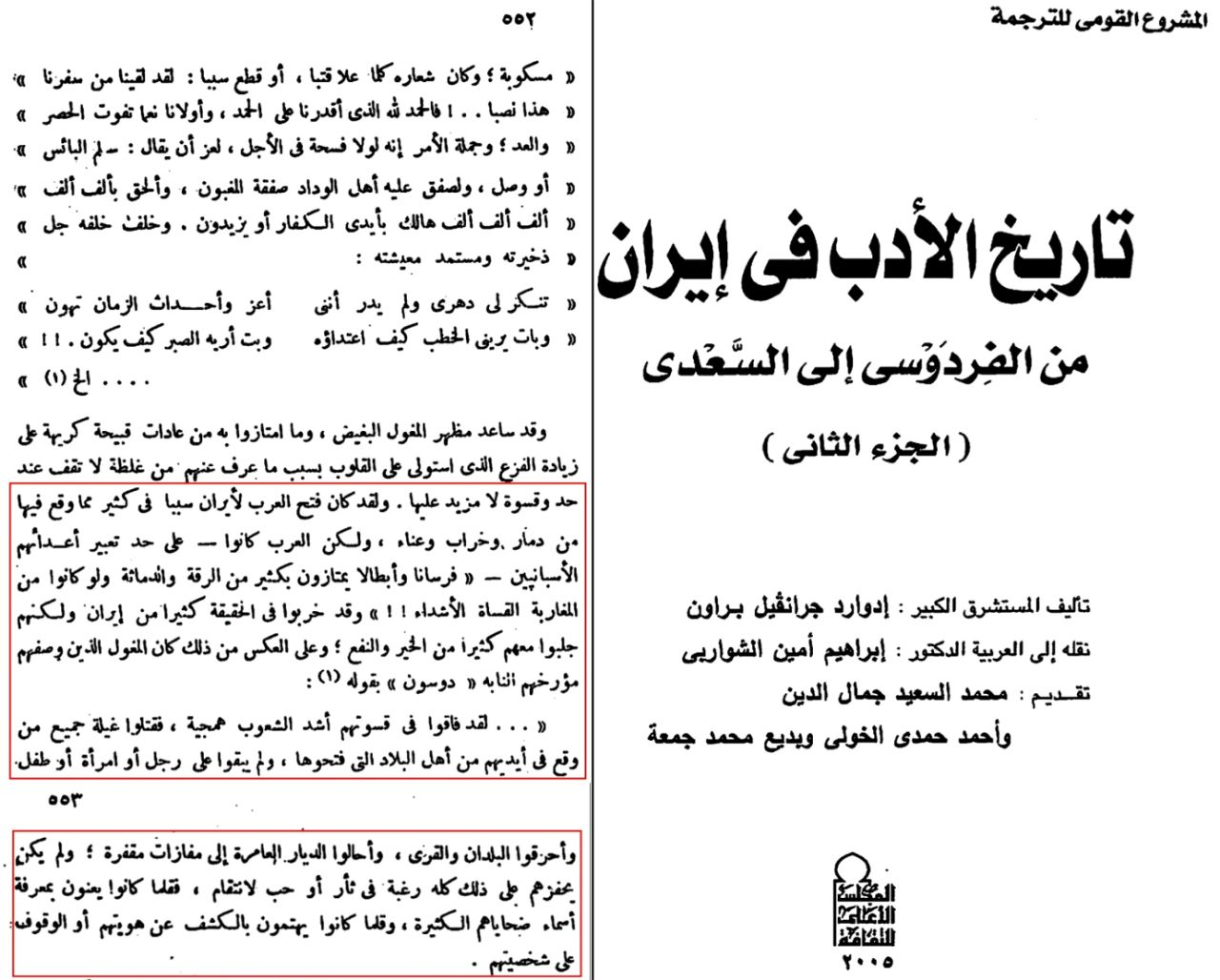
Christian Priests Praised Islamic Rule
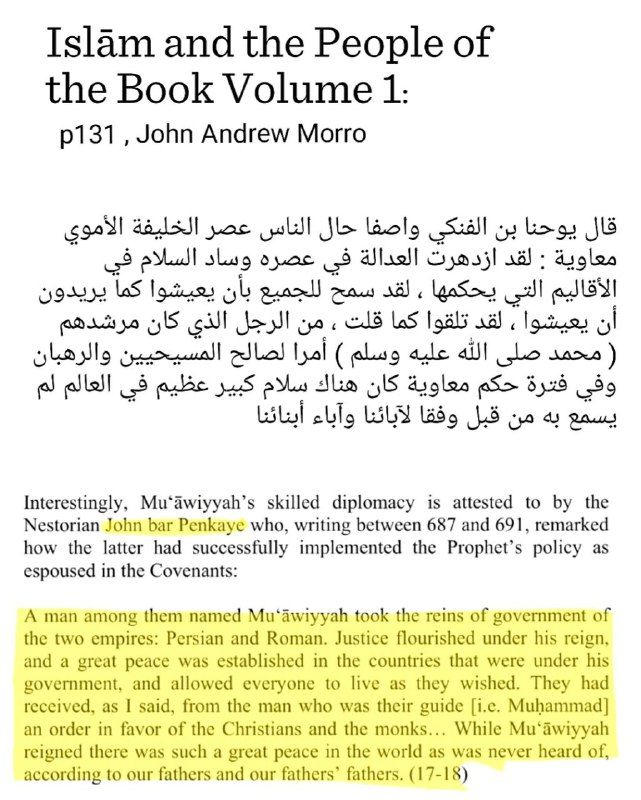
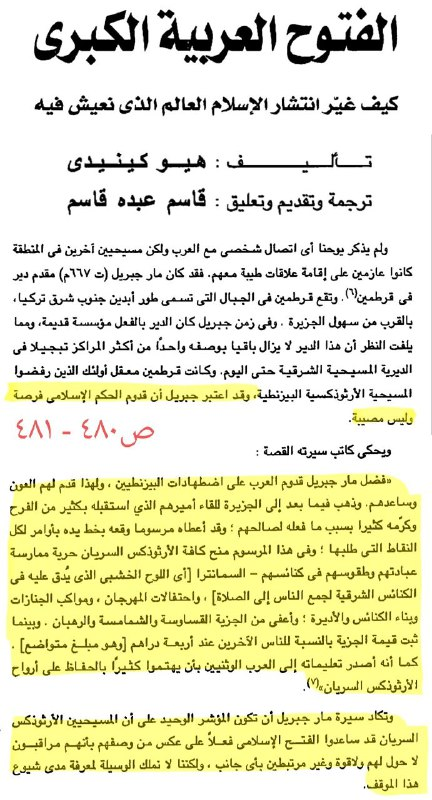
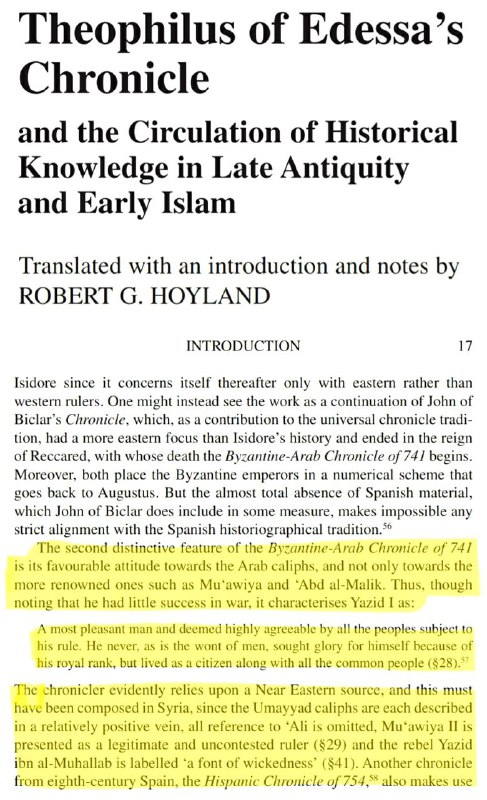
The praise of Islamic rule was not merely the observation of distant Western historians. It came from Christian clergy living under that rule, in the first person.
John ibn al-Fanki, describing the state of affairs during the reign of the Umayyad Caliph Mu’awiya:
Mar Gabriel saw the arrival of the Muslims as an opportunity, not a calamity, and assisted them in the conquest. He met their emir, who honored him and issued a decree granting the Syriac Orthodox Christians freedom of worship and the right to build churches. The decree exempted the clergy from the jizya, imposed a small jizya on others, and recommended that the Arabs protect the followers of the Syriac Church.
Theophilus of Edessa describes Yazid ibn Mu’awiya as a simple man who did not seek personal glory but lived as an ordinary citizen and was beloved by all the peoples under his rule. Theodosius affirmed that the Arabs were the masters of the region, that they were not hostile to Christianity but rather defended it, respected the clergy, and provided financial support to churches and monasteries.
The Bishop Jacob of Edessa’s testimony on voluntary mass conversion is corroborated here by multiple independent Christian voices across different periods.
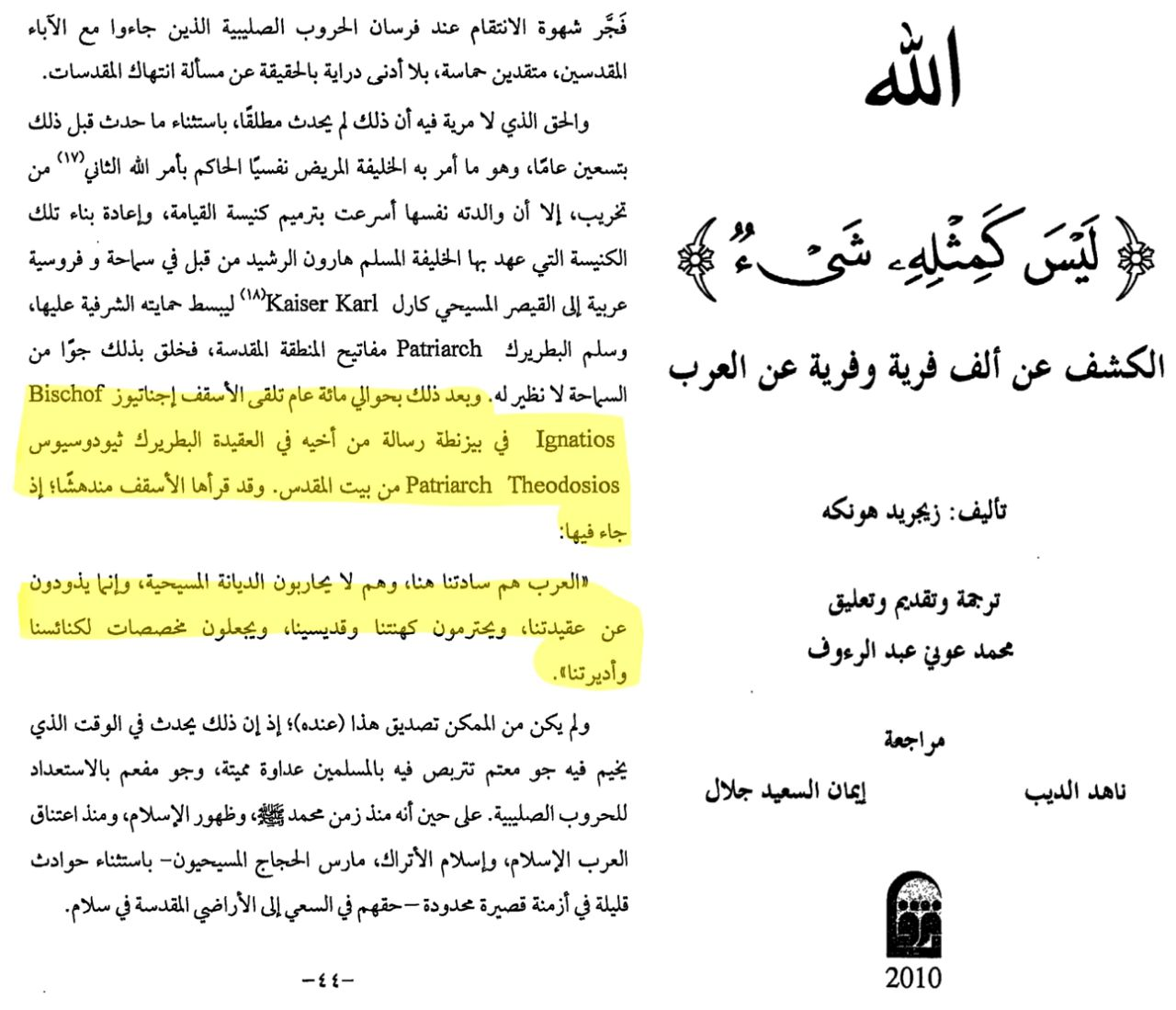
The Letter of Bishop Isho’yahb III — One of the Oldest Testimonies
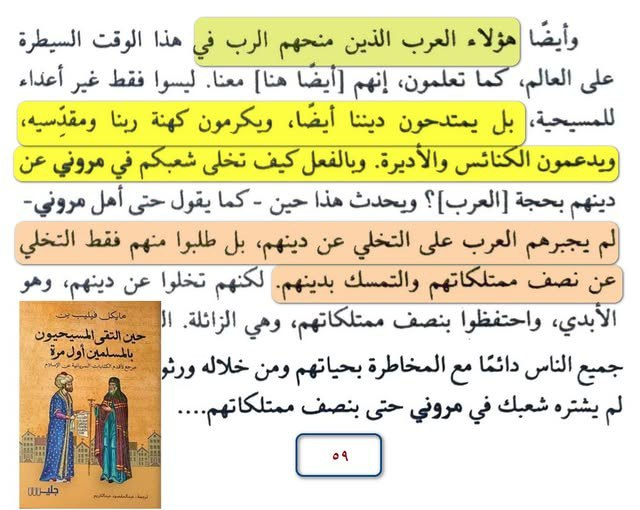
One of the oldest Christian testimonies to the justice of the Muslim conquerors is the letter of the Syriac bishop Isho’yahb III, written to one of his disciples, in which he reproached him for the abandonment of the Arabs by some of his people.
The bishop then mentions something remarkable — that in some instances the Muslims took only half of their possessions from them, which he considered notable. In general, this is a rare and primary testimony, written by an Eastern bishop who lived through the event himself, testifying that the Islamic conquest was not tyranny or oppression, but rather justice and generosity that preserved people’s religion and dignity.


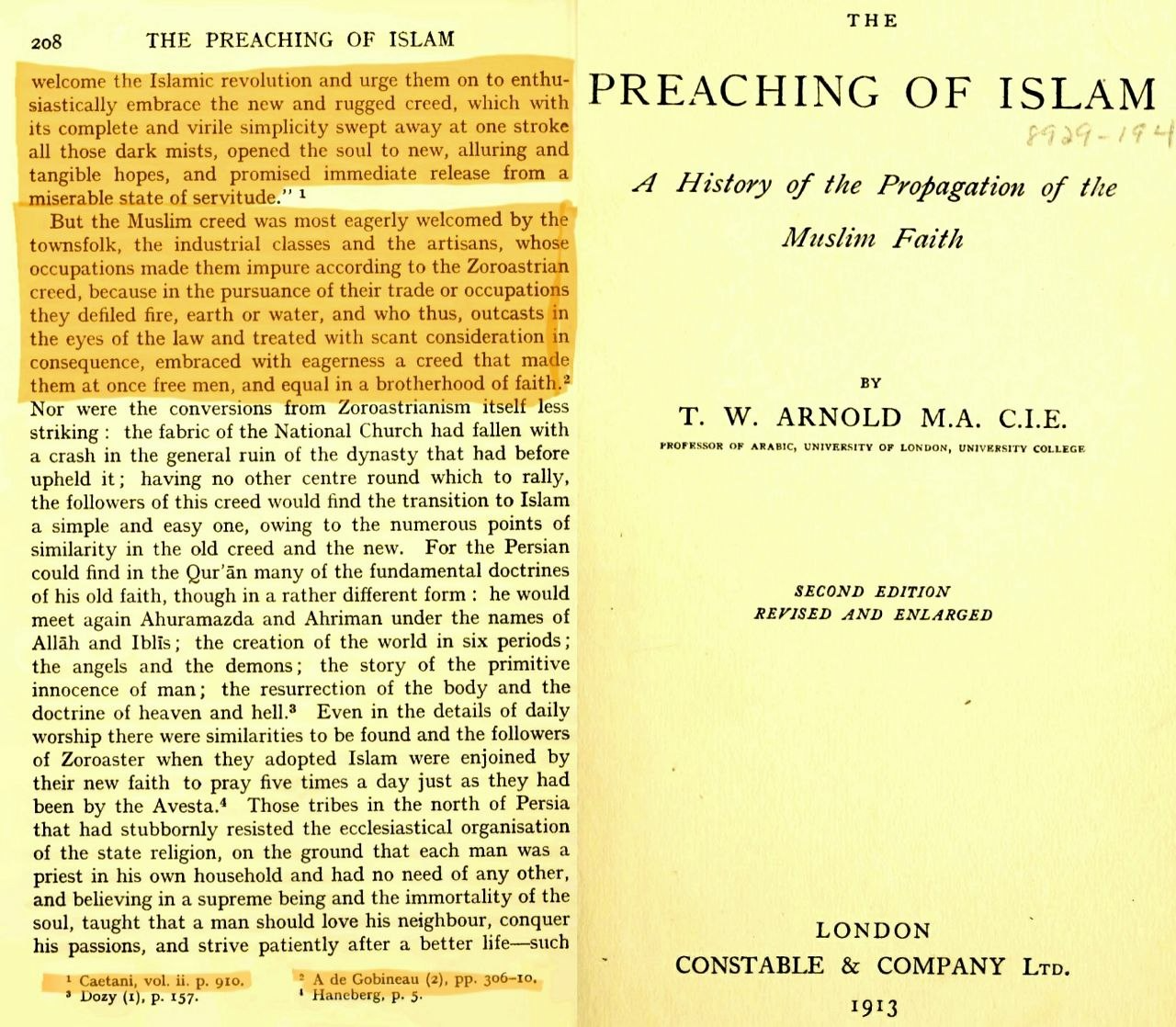
Islam’s Effect on the Sasanian Social Order
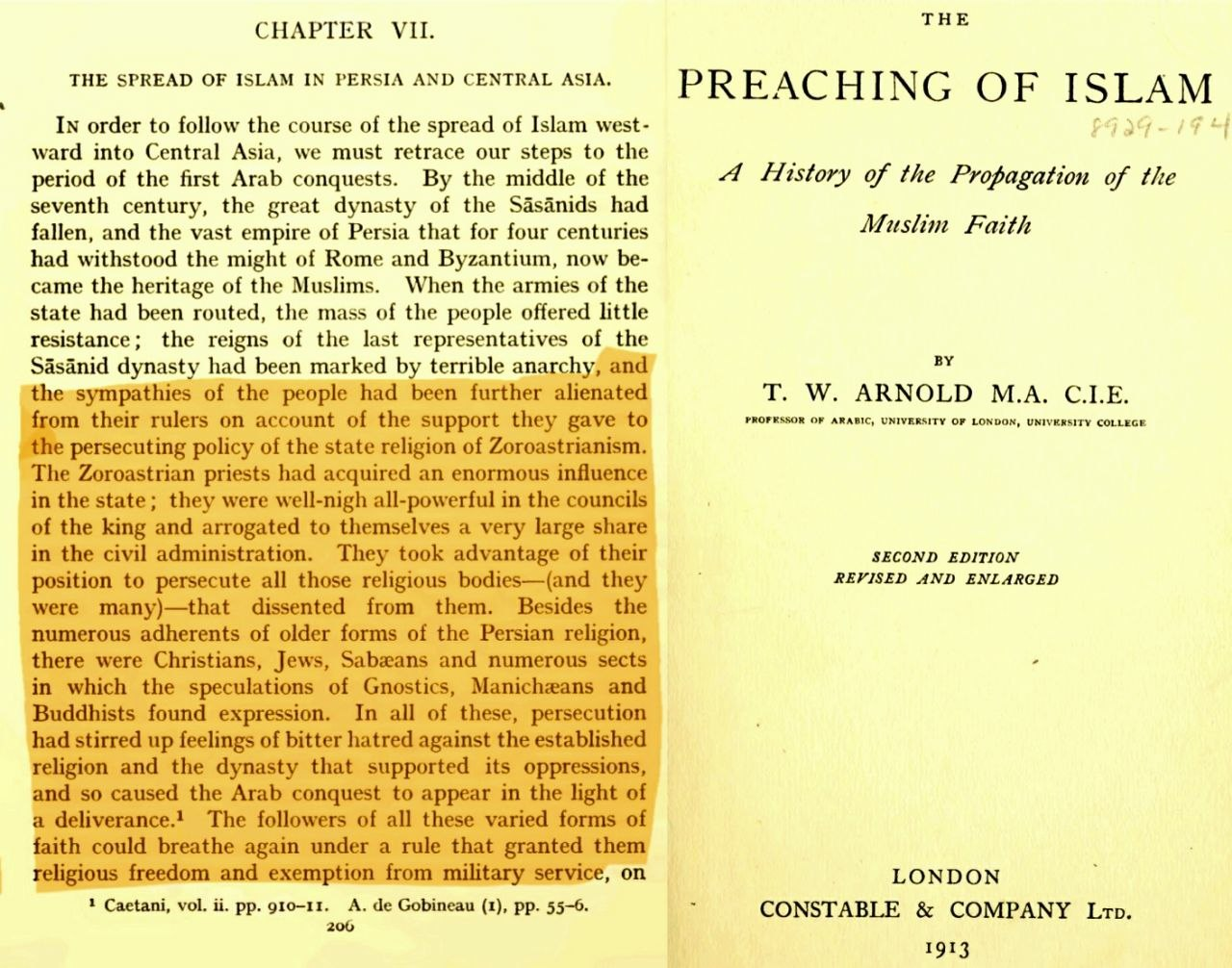
The Islamic conquest also brought relief to marginalized communities within the Sasanian Empire, where religious stratification had created a rigid social hierarchy.
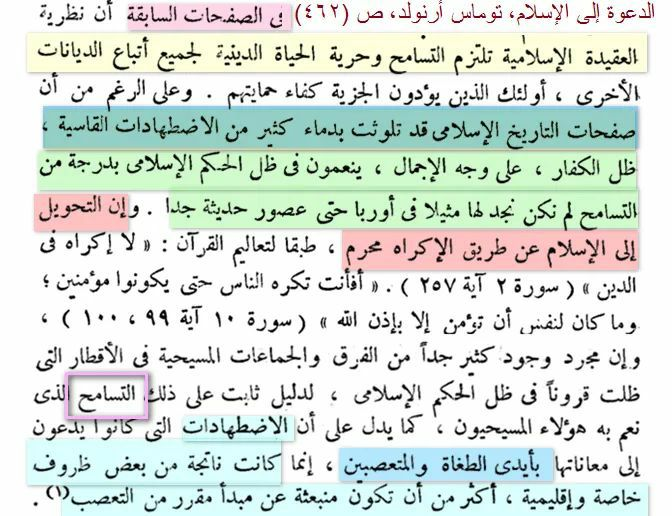
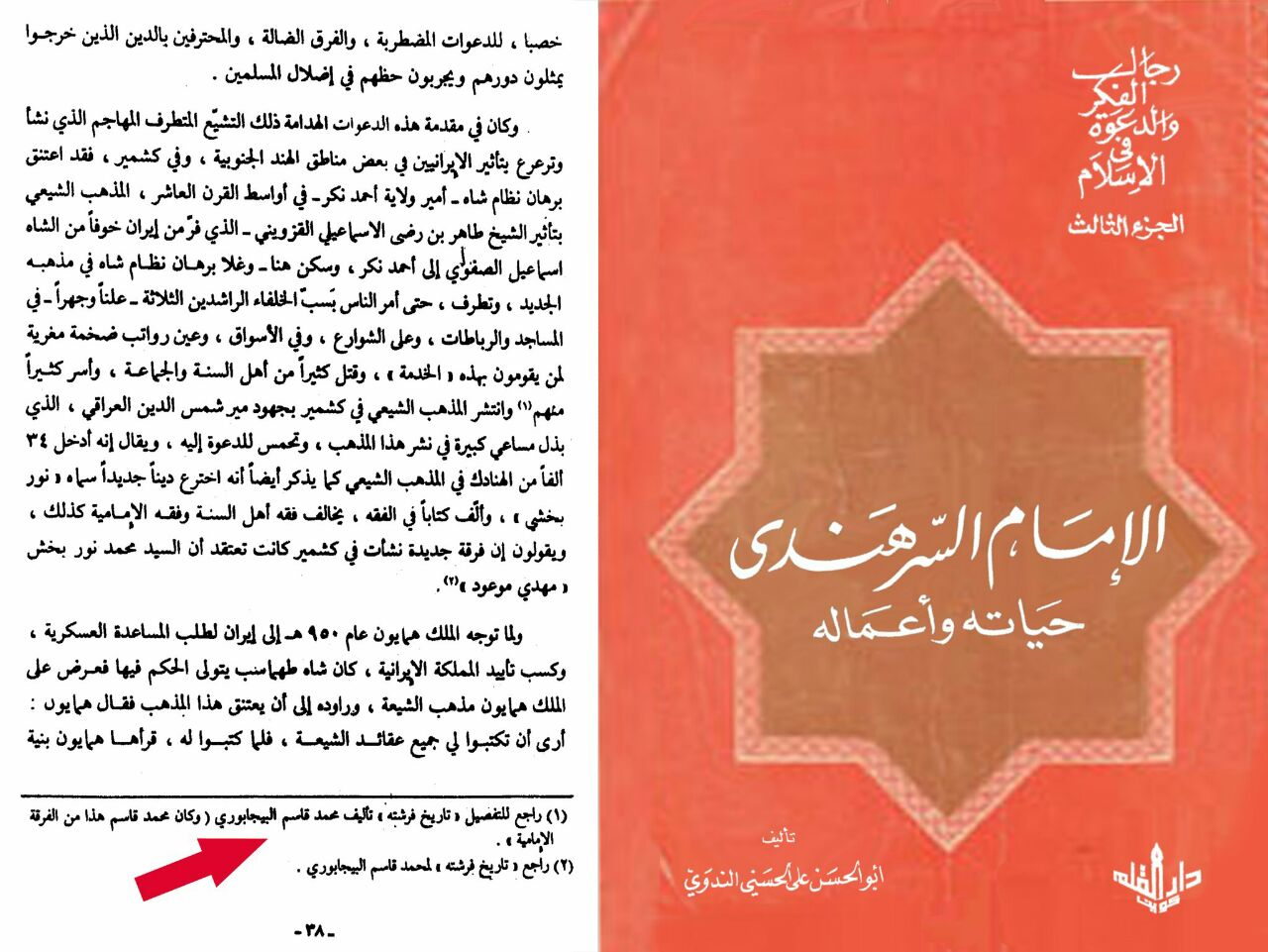
Arnold also points out that the Sasanian state included multiple religious groups — followers of ancient Iranian religions, Christians, Jews, Sabians, Manicheans, Buddhists, and others — and that the religious tensions and policies of persecution practiced by some Zoroastrian clergy against dissenters contributed to some of these groups welcoming Islamic rule, which granted them a greater degree of religious tolerance. See also: How Islam Liberated Persia from Sasanian Oppression and Built a Civilization
Amr ibn al-As and the Coptic Pope Benjamin
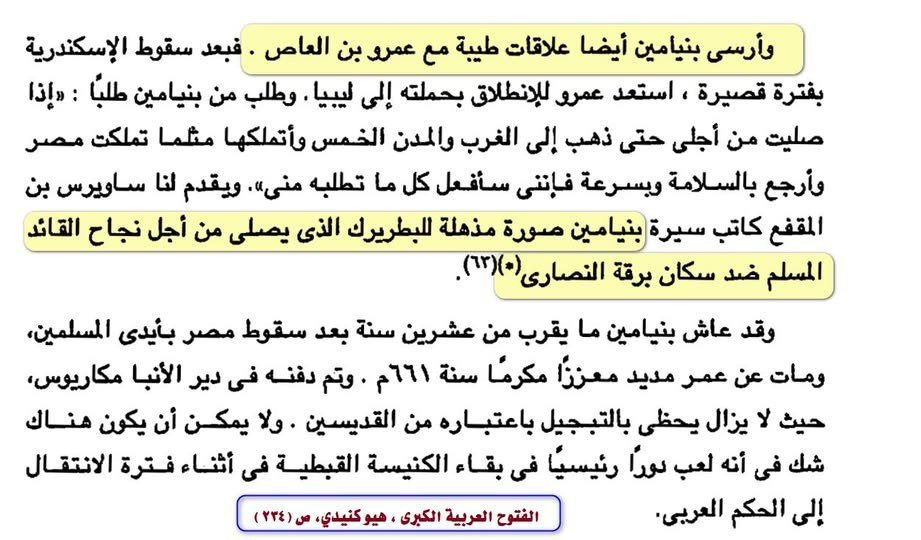
A telling episode from the conquest of Egypt illustrates the relationship between the Muslim conquerors and the indigenous Christian hierarchy.
Amr ibn al-As conquered Egypt and granted safe passage to Pope Benjamin, who had fled persecution by the Chalcedonian (Monophysite) Byzantine authorities. Amr restored him to his see and returned to him the churches that had been seized by the Byzantines. The question that this episode poses to those who allege Islamic oppression of Christians is simple: if the Islamic conquest was oppressive, why did the Coptic Pope pray for the victory of the Muslim army?
The Islamic Conquest of Iraq — Churches as Welcome Centers
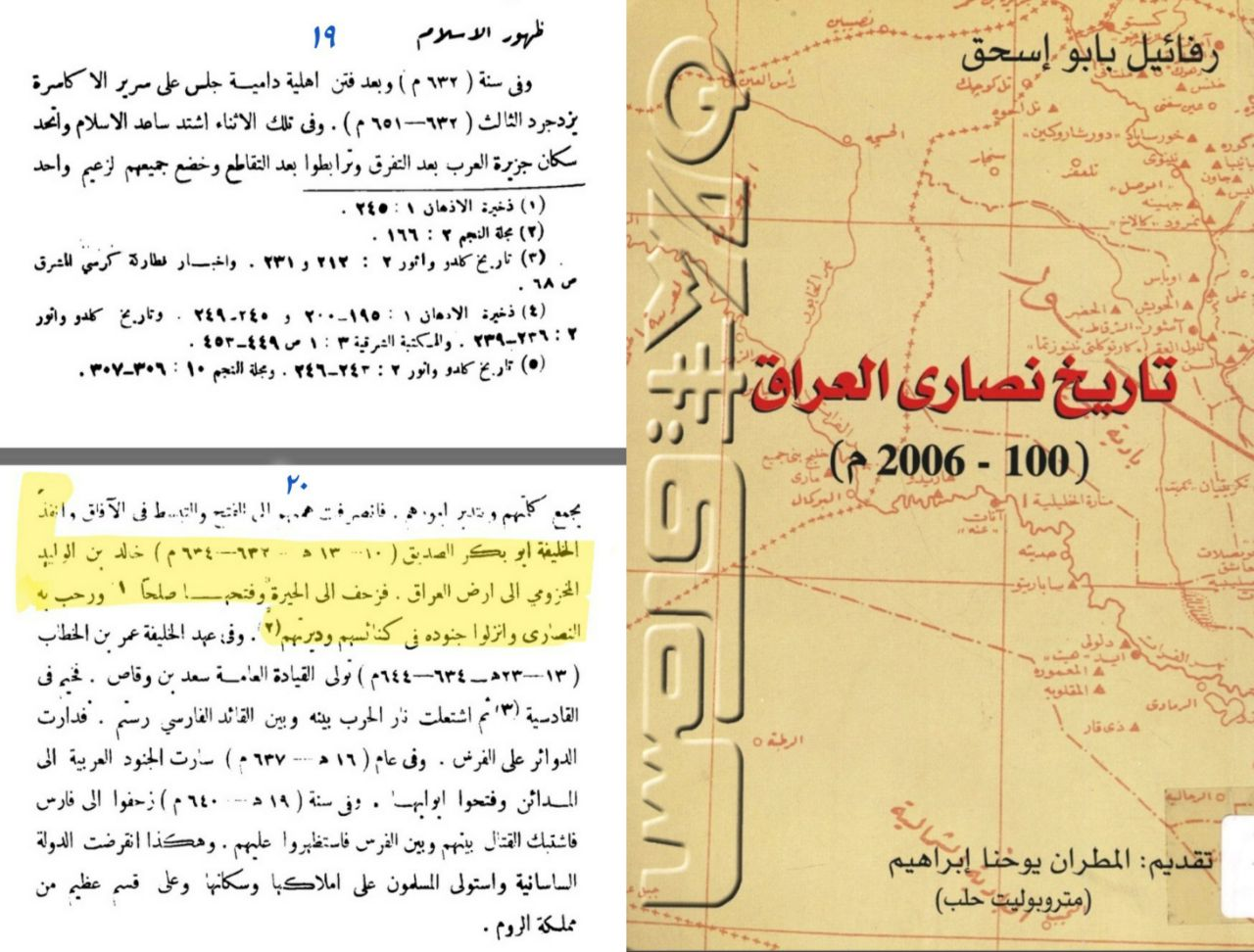
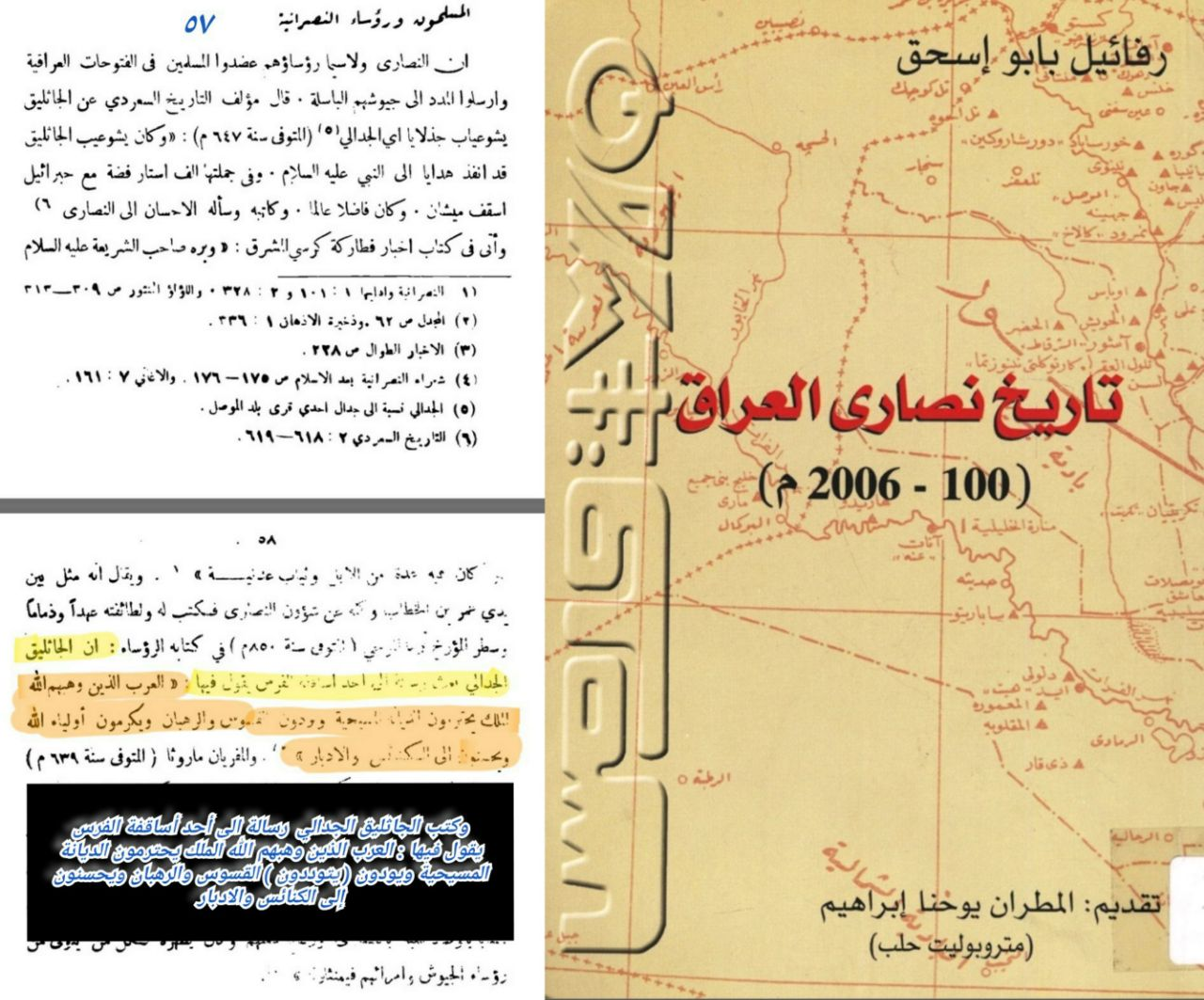
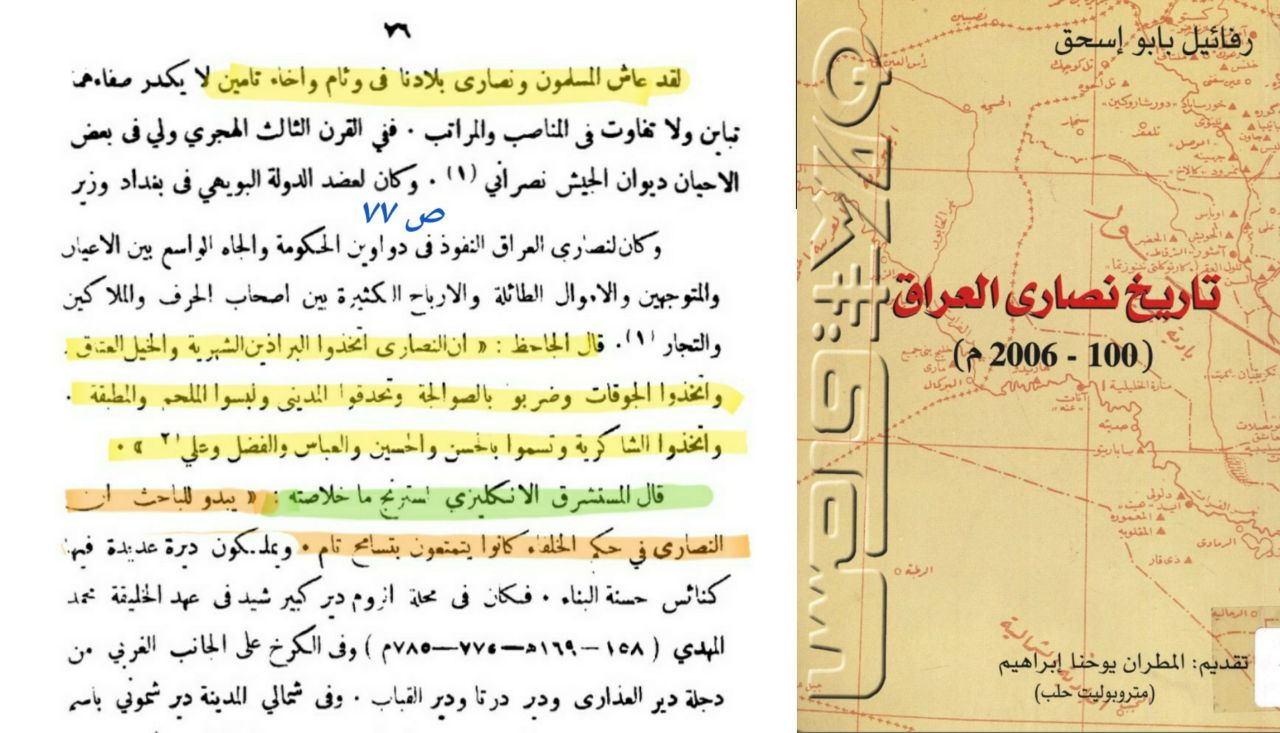
In Iraq, the reception of the Muslim forces by the local Christian population was remarkable in its warmth. The people of Iraq welcomed the Muslims during the Islamic conquests of their land and rejoiced in their presence. They accommodated them in monasteries and churches.
The Christians of Iraq accommodated the Muslim armies in their very monasteries and churches — and then, over time, adopted Muslim names for their children. This is not the behavior of a people living under forced occupation.
The Ethics of Islamic Warfare — No Massacre of Civilians
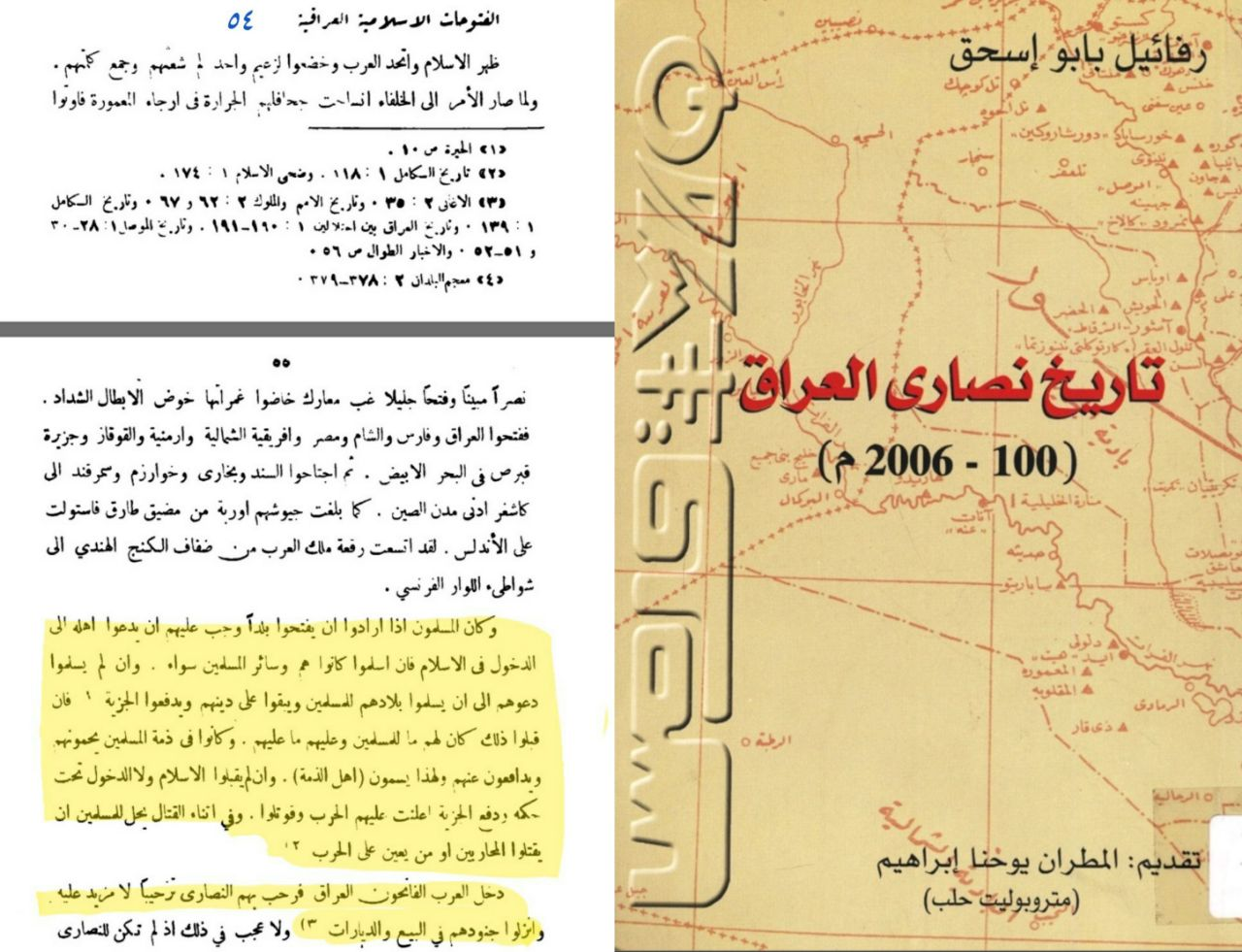
It is important to acknowledge, with intellectual honesty, that mistakes were made in Islamic history that cannot be condoned. However, these must be understood in context. Muslims in the Islamic conquests did not kill women and children as a matter of policy. They fought in battles with honor and courage. The Islamic ethic of war was categorically different from that of their contemporaries.
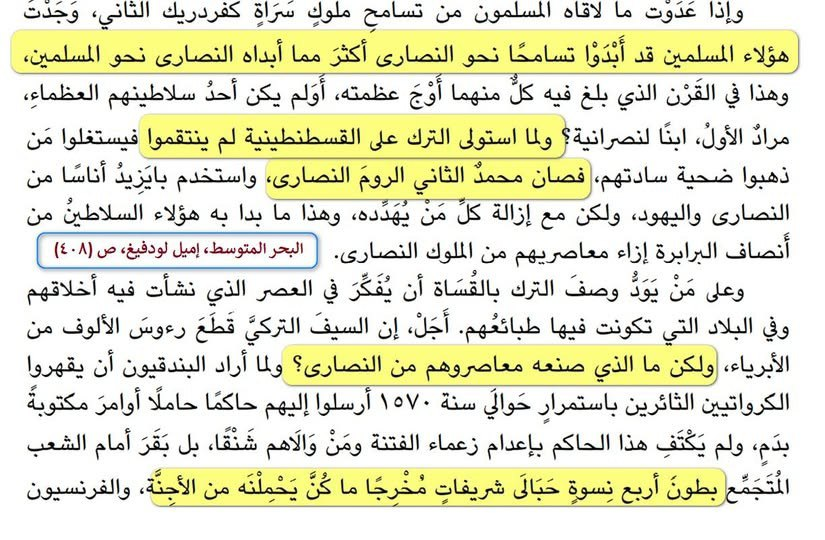
The contrast with the Crusades is instructive. Umar ibn al-Khattab conquered Jerusalem — not a single civilian was killed. The Crusaders took Jerusalem in 1099 and killed more than 40,000 women and children. Saladin recaptured Jerusalem 88 years later, in 1187, and did not kill a single child or woman. This pattern — Islamic restraint contrasted with Crusader massacre — recurred across history.
The West’s Astonishment at Islamic Civilization
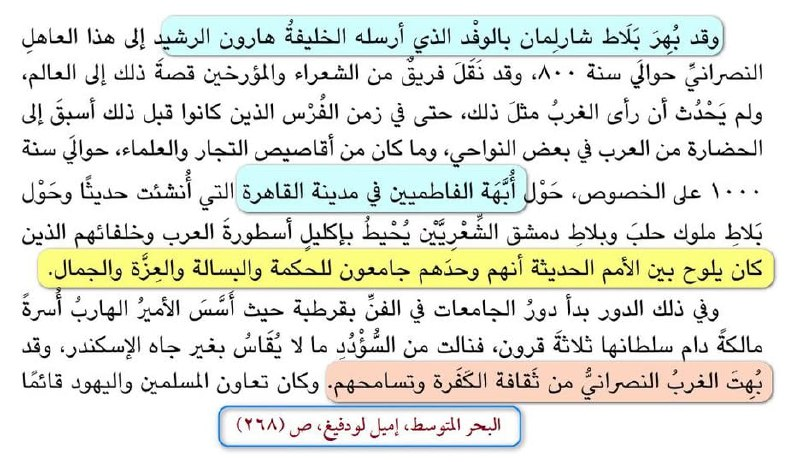
During the Islamic conquest of the Levant and Egypt, the first cultural exchange between the two sides occurred. The Romans discovered the Muslims’ courage, bravery, chastity, honesty, and humility. Most importantly, they discovered that the Muslims followed a religion that had rescued them from oblivion, barbarity, and disunity. In 800 CE, the encounter was renewed when Emperor Charlemagne discovered that this nation had become a leader in civilization: science, wisdom, bravery, dignity, development, urbanism, tolerance, and culture. The result was that the Christian West found itself astonished by these Muslims.
The Jizya System — Who Was Exempt
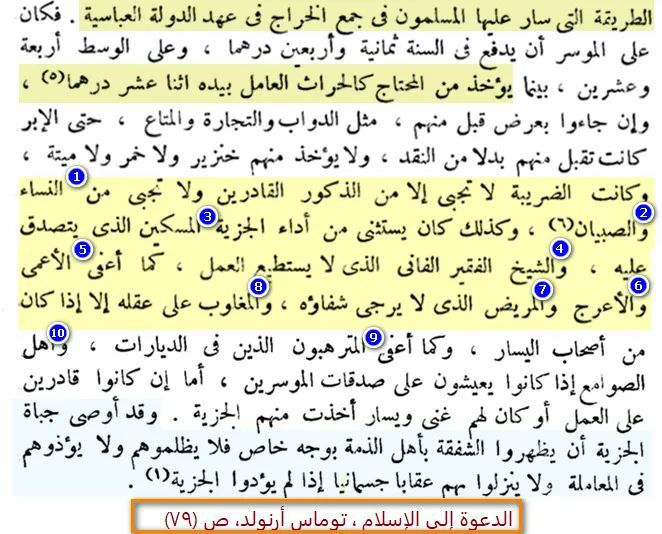
The jizya — the poll tax levied on non-Muslim subjects — is frequently misrepresented as a form of extortion or collective punishment. In reality, the jizya was levied only on able-bodied men capable of bearing arms, and the exemptions were extensive. See also: Jizya
The jizya was, in effect, a substitute for military service — a recognition that the Islamic state provided security to non-Muslim subjects in exchange for a modest contribution. This is why the Christians of Homs, upon the temporary Muslim withdrawal before the Battle of Yarmouk, demanded that the Muslims return — and the Muslims refunded the jizya they had collected because they could no longer guarantee protection. See also: Did Christians in Egypt and the Levant Convert to Islam Because of the Jizya Tax
The Prophet’s Commands on the Ethics of War
The Prophet Muhammad ﷺ established clear rules of engagement that governed Islamic warfare from its very beginning:
Islamic conquest was not about brutality. It was structured around a moral framework that protected non-combatants — a framework centuries ahead of what would eventually become international humanitarian law.
See also: Islamic Rules of War, Captives & the Rape Accusation — A Complete Refutation
Islamic Conquest Was Not Colonialism or Racism
A critical distinction between the Islamic conquests and European colonialism is that Islam explicitly rejected tribalism and affirmed the equal worth of all peoples before God, Arab or non-Arab. The Prophet ﷺ praised non-Arab communities specifically — including the Copts and the people of Ash-Sham — in authentic hadith.
The Islamic conquest carried a universal message: that all humans are equal before God, and that the only distinction is one of piety. This made Islam inherently anti-colonial in its logic — it could not, by its own principles, establish a system in which one race governed another on the basis of racial superiority.
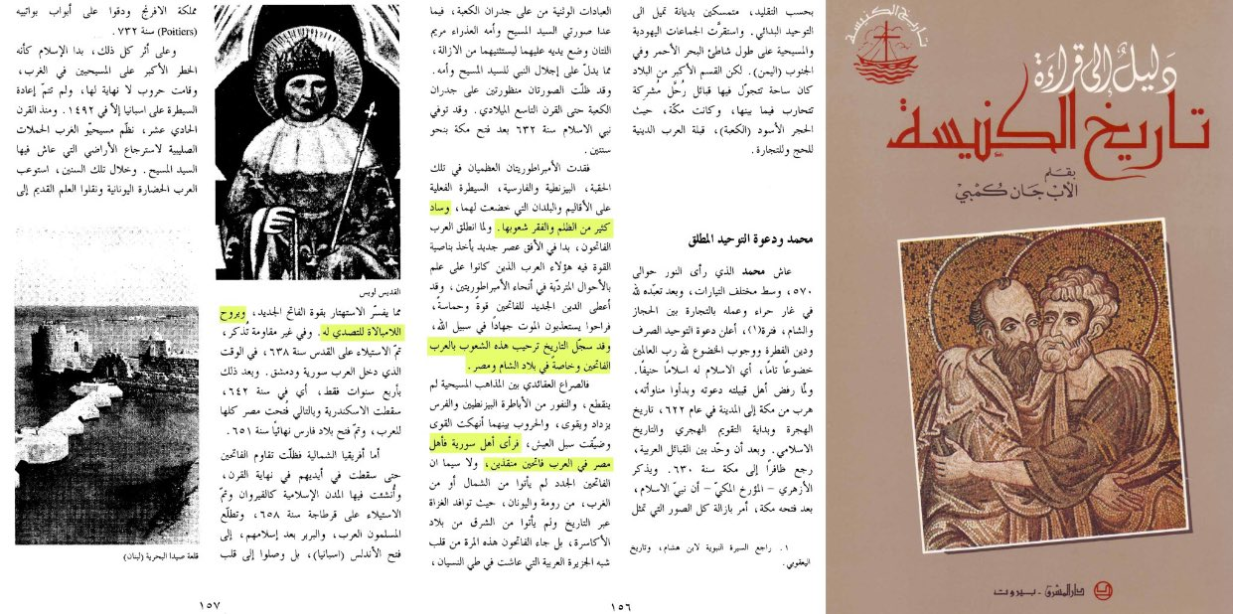
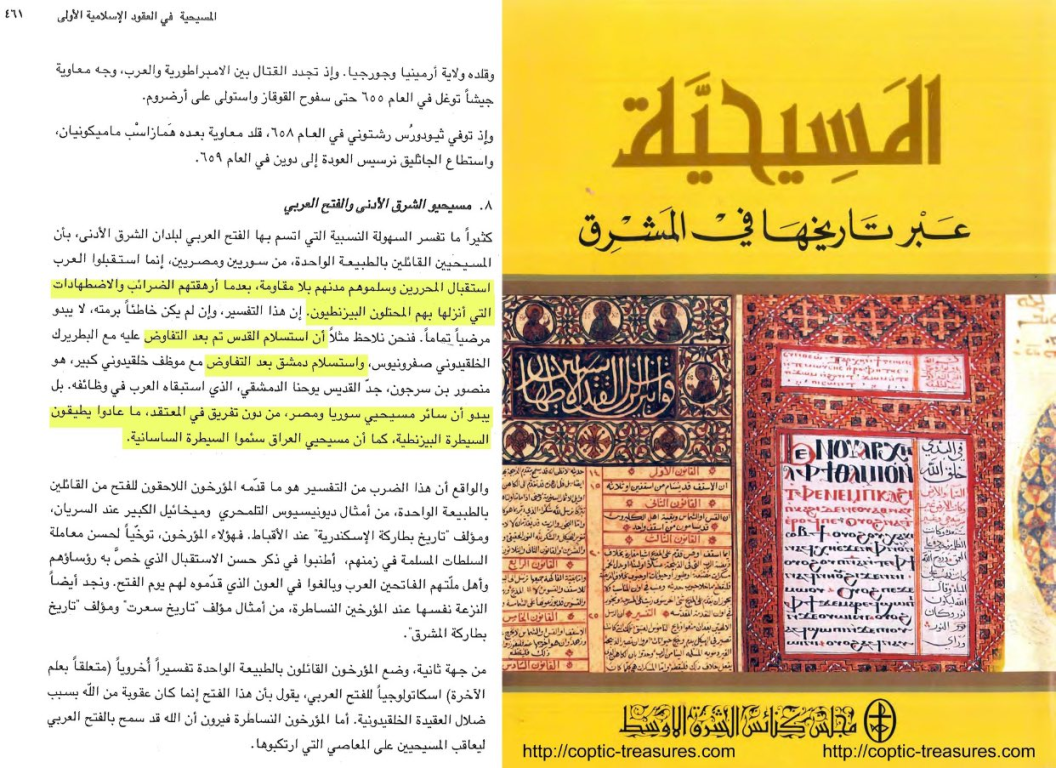
Coexistence Under Islamic Rule — A Historical Record
The multi-century record of coexistence under Islamic rule stands as a historical achievement unmatched in the pre-modern world.
Under Islamic rule, non-Muslims (dhimmis) enjoyed broad religious and legal freedoms in exchange for the jizya and kharaj (land tax). They could refer to their religious leaders in civil and criminal matters, and Islamic law was only imposed on them if the case involved a Muslim. This system continued until the late Ottoman period.
Until the eleventh century, Jewish philosophical and scientific activities were largely confined to the Islamic world. Jewish scholars and philosophers lived under the protection of Islam, some holding high positions, and they used Arabic as a language of science and philosophy alongside Hebrew.
Some caliphs adopted a just policy toward the Copts, reducing their taxes, regulating their religious affairs, and taking care to prevent administrative injustice. Any persecution that occurred was often due to the personal actions of governors, not the teachings of Islam.
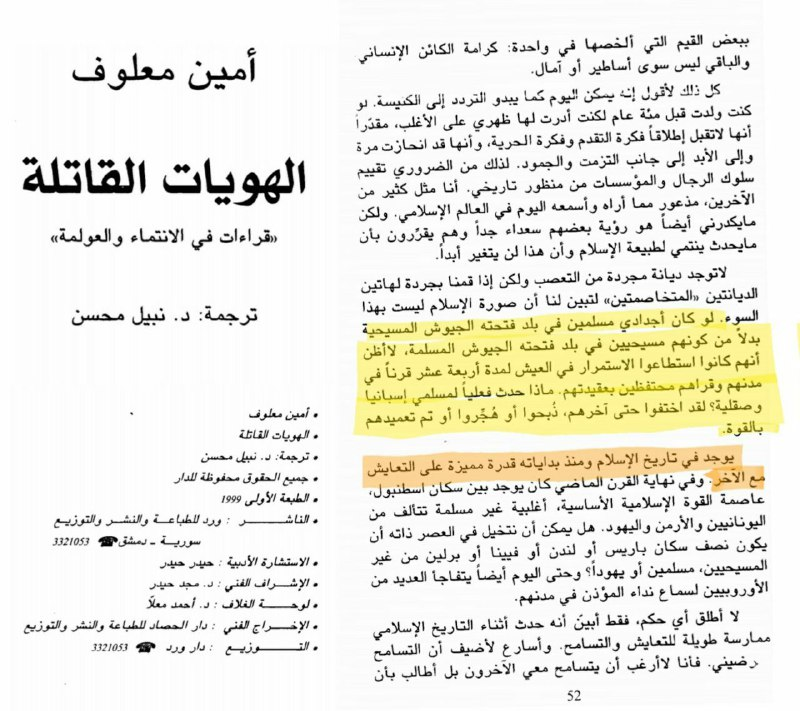
Amin Maalouf offers a striking comparative observation:
The Decline of Muslim Tolerance — Context and Cause
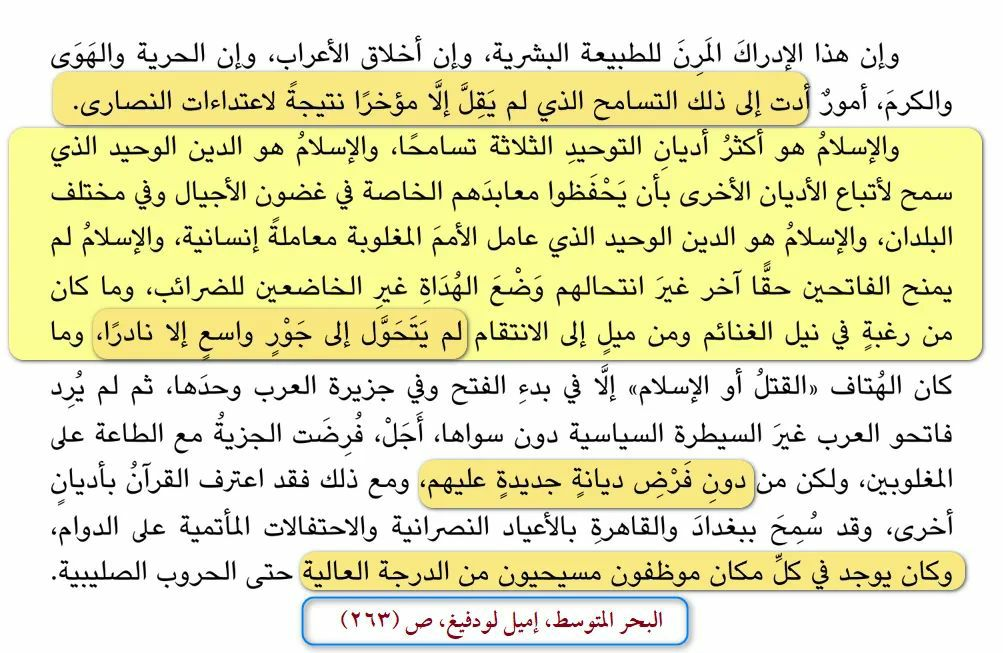
Islamic tolerance toward non-Muslims remained constant throughout the ages for centuries. They were allowed to maintain their places of worship and practice their rituals, conquered nations were treated humanely, and the jizya was levied in exchange for obedience without forcing them to convert.
The decline in this tolerance was not internal to Islam — it was a reaction to external aggression.
Even during the periods of reduced tolerance, the situation of Christians in Islamic lands remained far better than that of Muslims in Spain, who were not merely taxed but slaughtered, expelled, and forcibly converted.
Was the Islamic Conquest Destructive? The Archaeological Record Answers
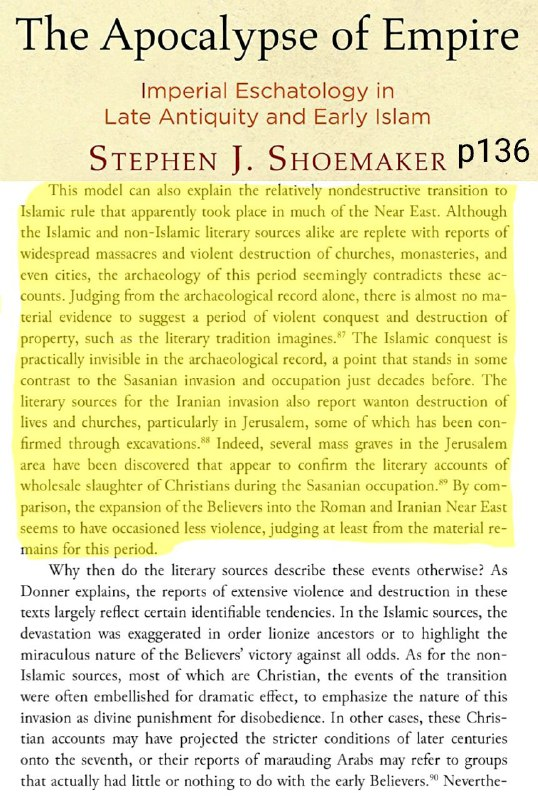
The debate between the literary tradition and the archaeological record is one of the most important in this field.
The Islamic conquest is archaeologically invisible — the Sasanian one left mass graves. This single fact inverts the popular narrative.
Rabbi Shimon ben Yochai’s Prophecy
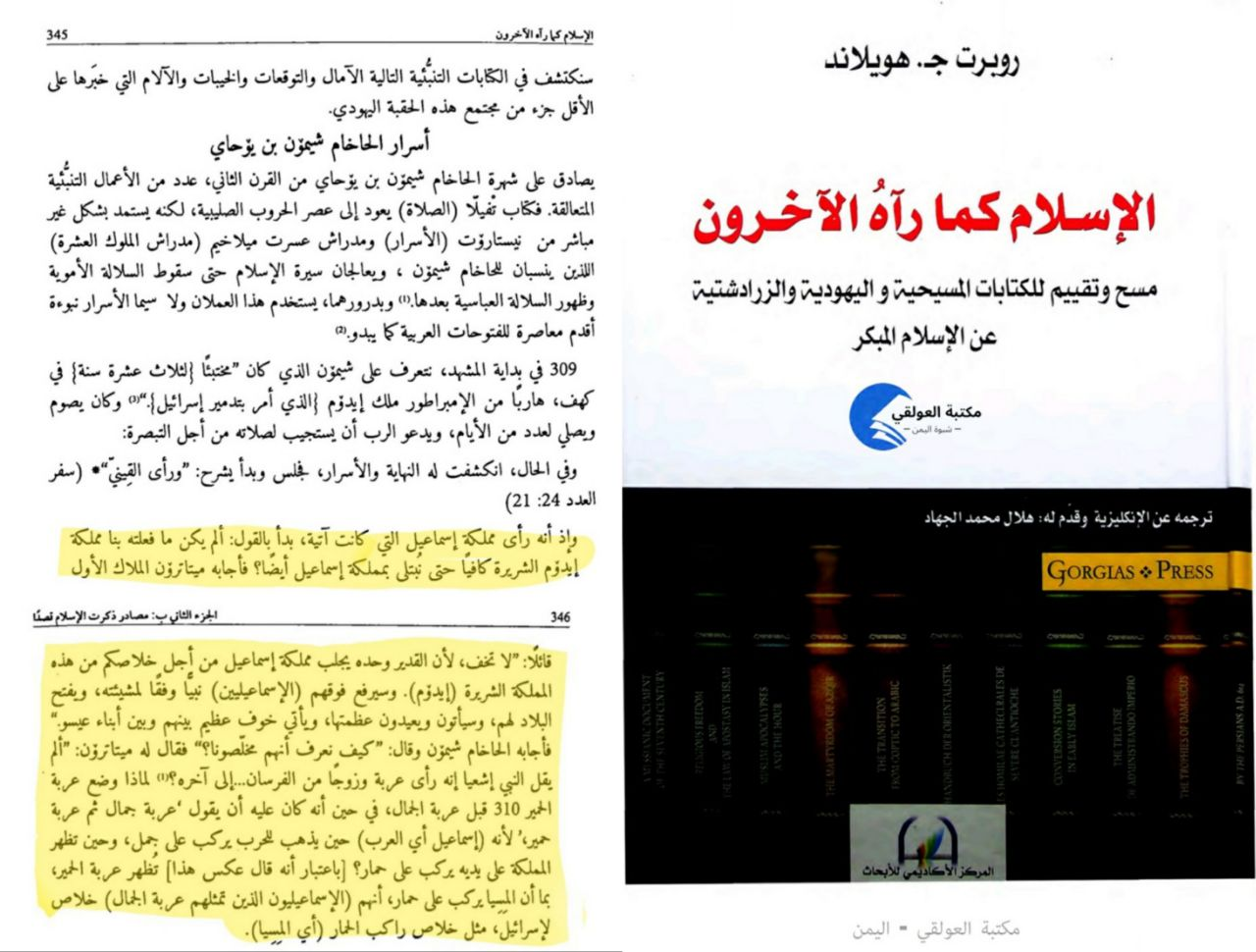
The justice of the Islamic conquests was anticipated not only by Christian sources but by a Jewish one. The book “Secrets of Shimon ben Yochai,” a Jewish work from the second century CE, contains a prophecy concerning the Muslim Arabs.
This was fulfilled in the seventh century CE with the liberation of the peoples from Roman oppression. The prophecy was preserved in a Jewish text predating Islam, and its fulfillment was recognized by Jewish communities living through the conquest. See the related Instagram post on this topic.
Crusader Barbarity vs. Islamic Mercy — Jerusalem as the Test Case
Julian of Ceuta — The Governor Who Invited the Arabs
The conquest of Andalusia was not simply welcomed by the population — in the case of Julian, the governor of Ceuta, it was actively solicited.
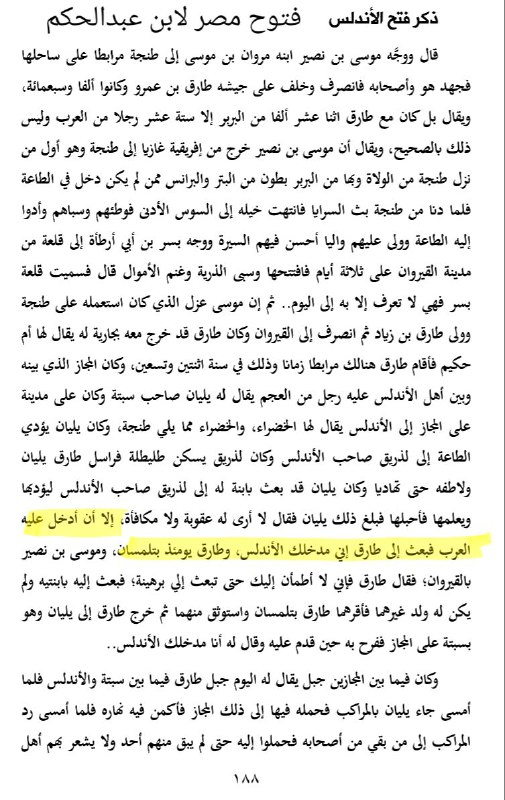
Patricians and Christians Preferred Muslim Rule to Frankish Rule
The preference for Muslim rule over Christian rule was articulated not only by the poor and marginalized, but by the highest ecclesiastical authorities in the Christian world.
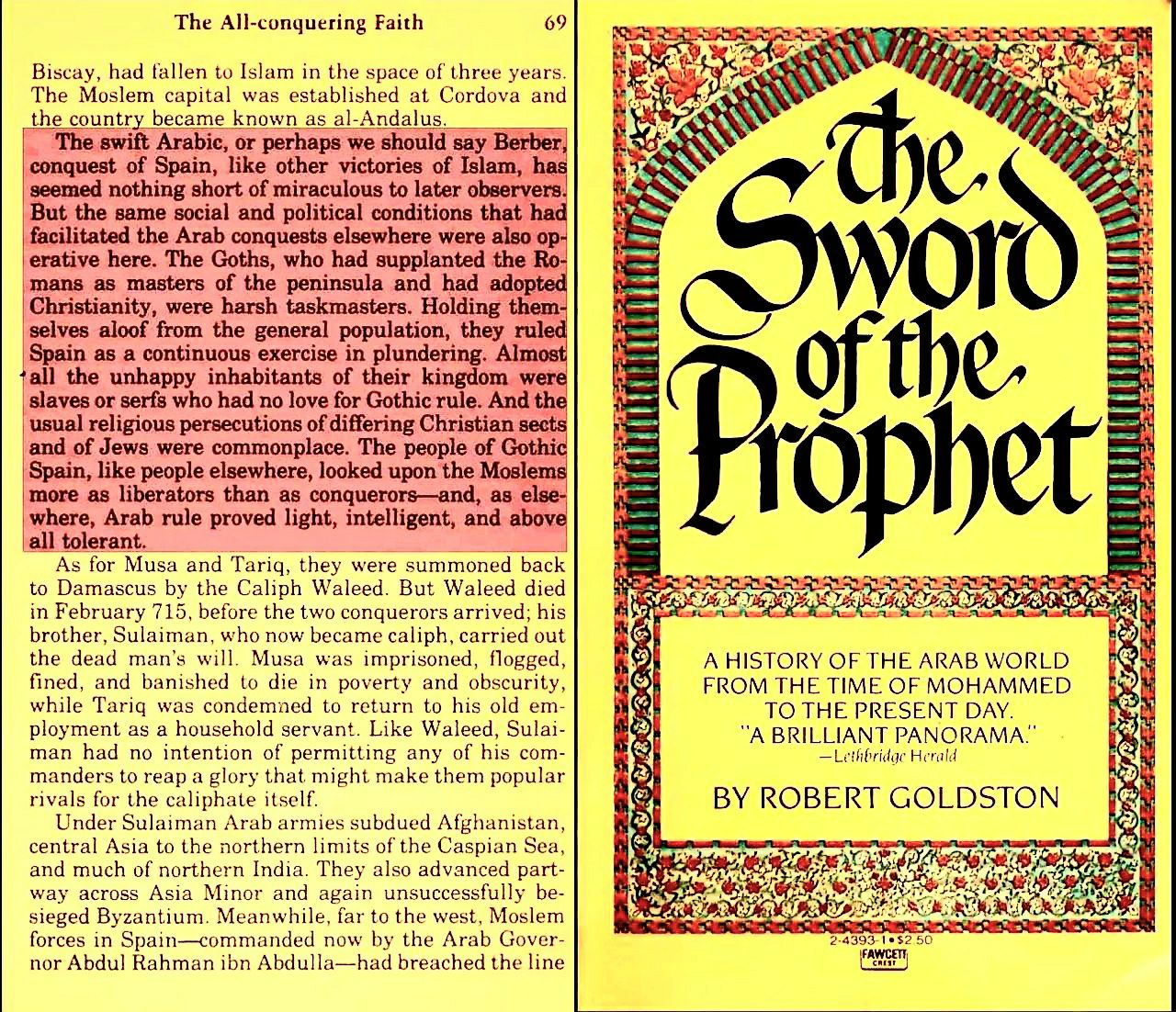
The Visigothic people of Spain viewed the Muslims more as liberators than as conquerors. Robert Goldstone writes:
Even the Byzantine Patriarch made this preference explicit. Patriarch Michael III of Anchialus (1169–1177) stated:
A Byzantine patriarch explicitly preferring Muslim governance to that of his own co-religionists — this is the definitive testimony.
The “Spread by the Sword” Myth — Its Origins and Refutation by Western Scholars
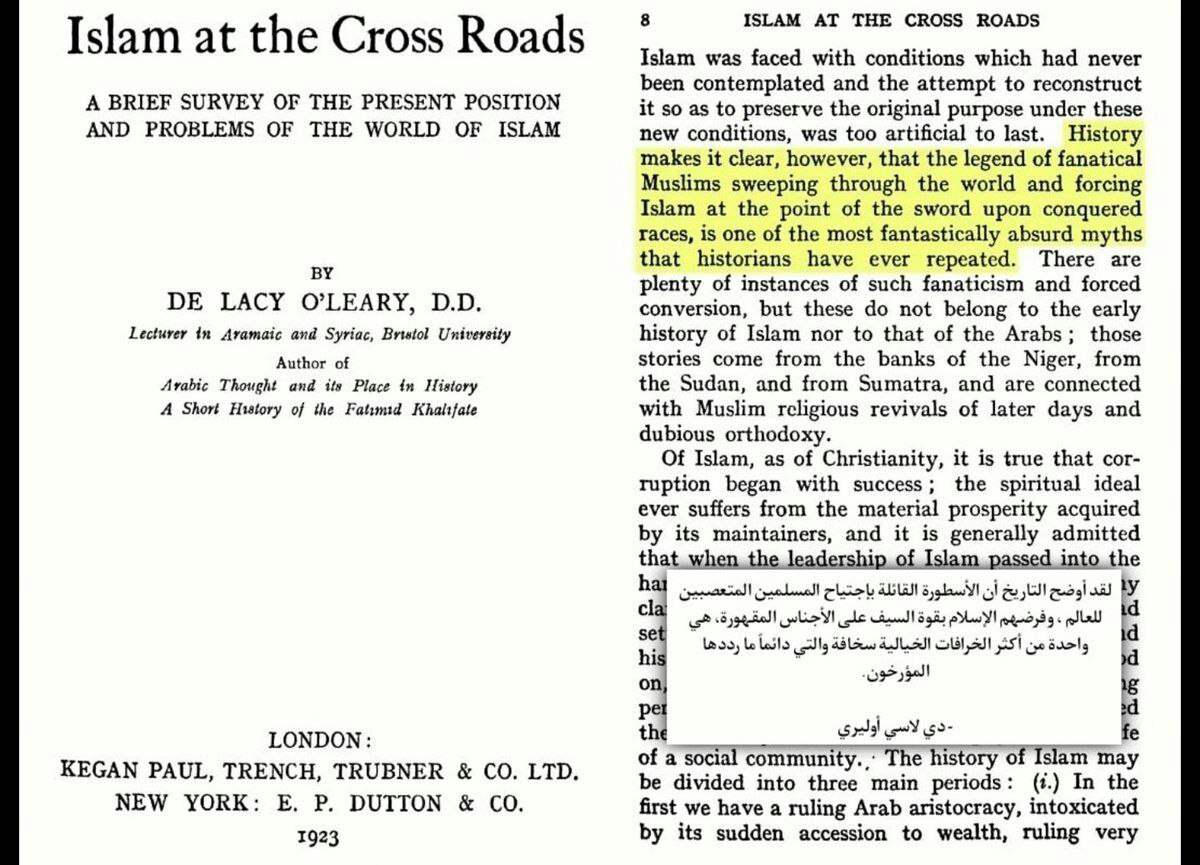
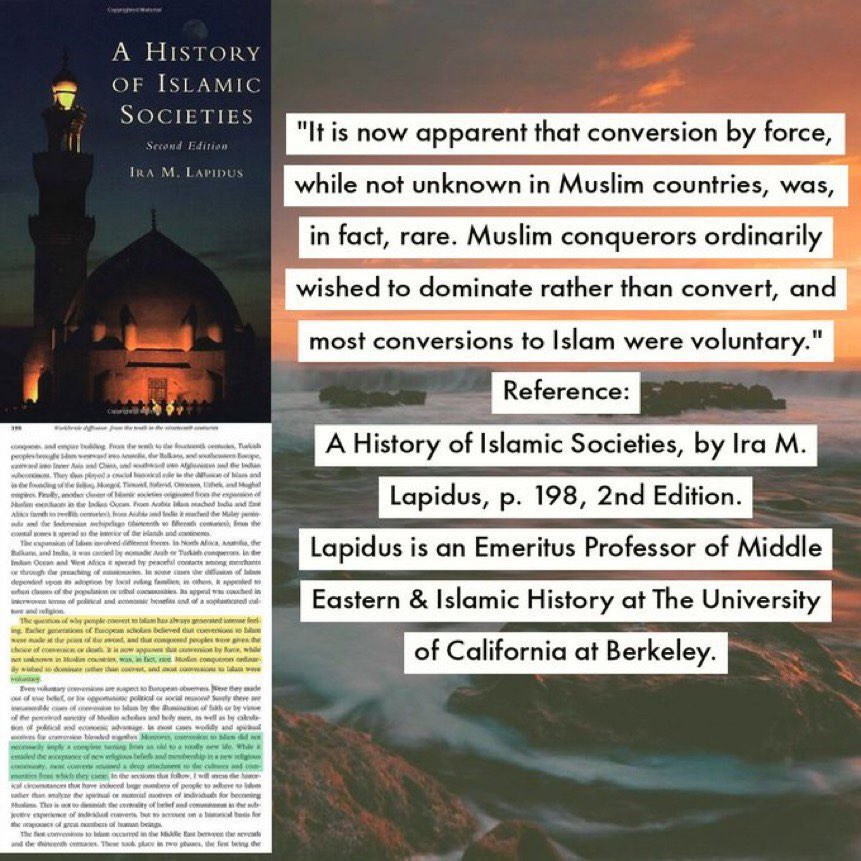
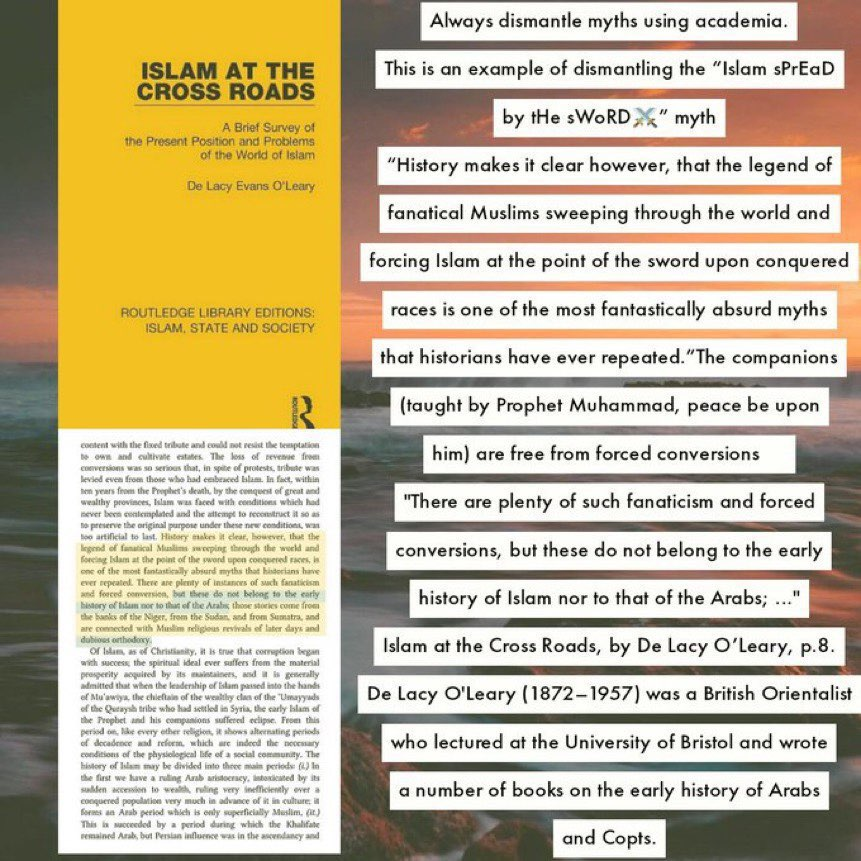
The notion that Islam was “spread by the sword” can be traced directly to the Crusades, where it served as anti-Islamic propaganda. It was systematized in the late 19th and early 20th centuries by Orientalist scholars such as Sir William Muir — many of whom were British colonial officials and active Christian missionaries with a material interest in vilifying Islam. The Orientalists “translated historical memory from myths to facts with a rational scientific attitude.”
However, even within the Orientalist tradition, major scholars repudiated this narrative.
Marshall Hodgson, in his monumental work The Venture of Islam, articulated essentially the same position. Jamal Malik, Jonathan Berkey, and Kevin Barrett are among the many other historians who have challenged and discredited the “spread-by-the-sword” narrative.
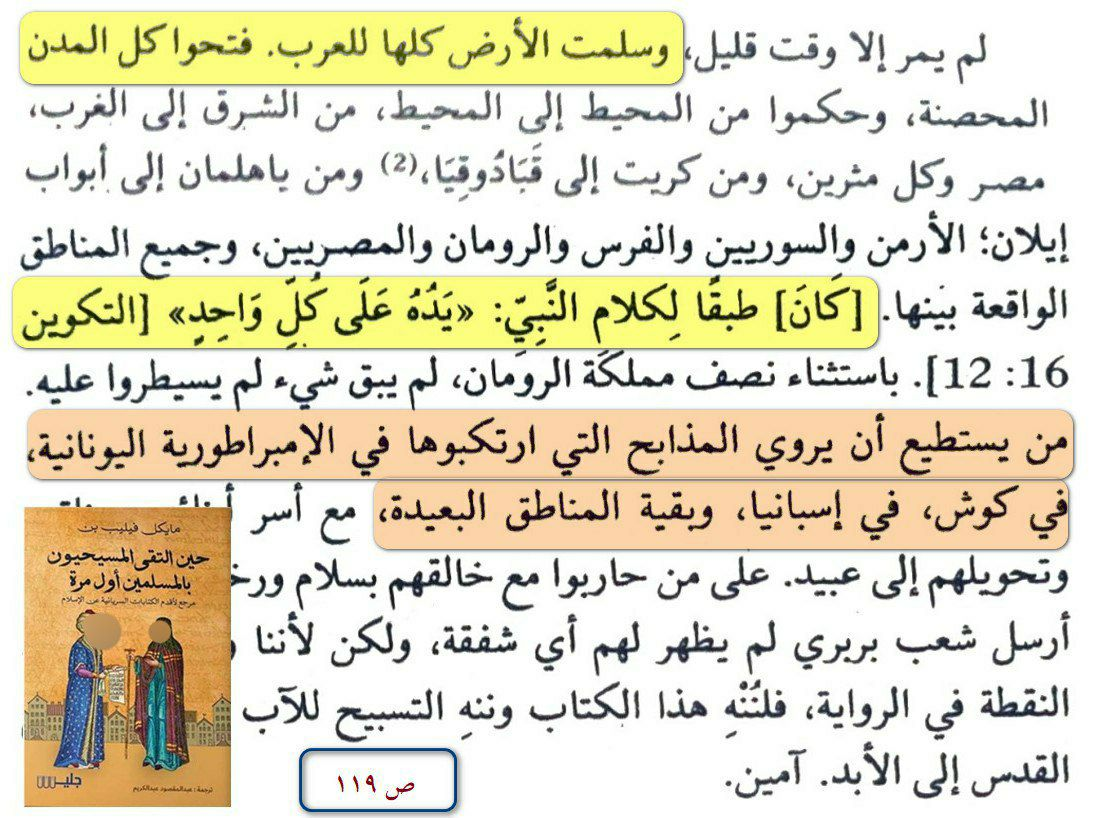
Not everyone saw the Islamic conquests as an “invasion.” The Syriac historian John Bar Fanaki — who lived in the first century AH and personally witnessed the conquests of the Companions in the Levant — saw them as the fulfillment of the prophecy in Genesis (16:12): “His hand is on everyone.” He interpreted the Muslims as God’s decree punishing the Byzantine Christians for their massacres of their fellow Christians in the Syriac, Coptic, and Armenian churches. A contemporary Christian historian thus saw the conquest not as aggression, but as divine justice redressing grievances.
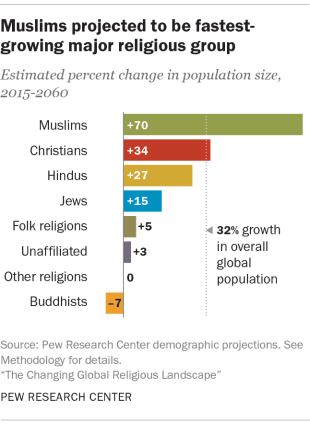
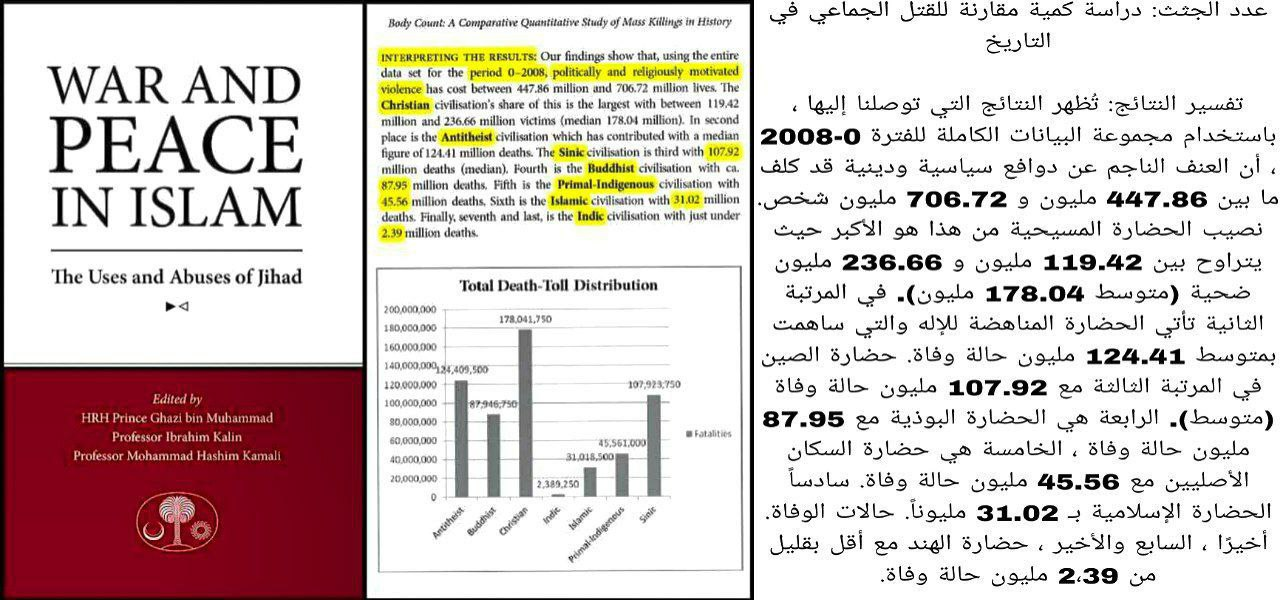
The claim that Islam is the world’s fastest-growing religion is also relevant here. If Islam spread by force, its growth would have ended when Muslim political power declined. Instead, Islam continues to grow today — through conviction alone.
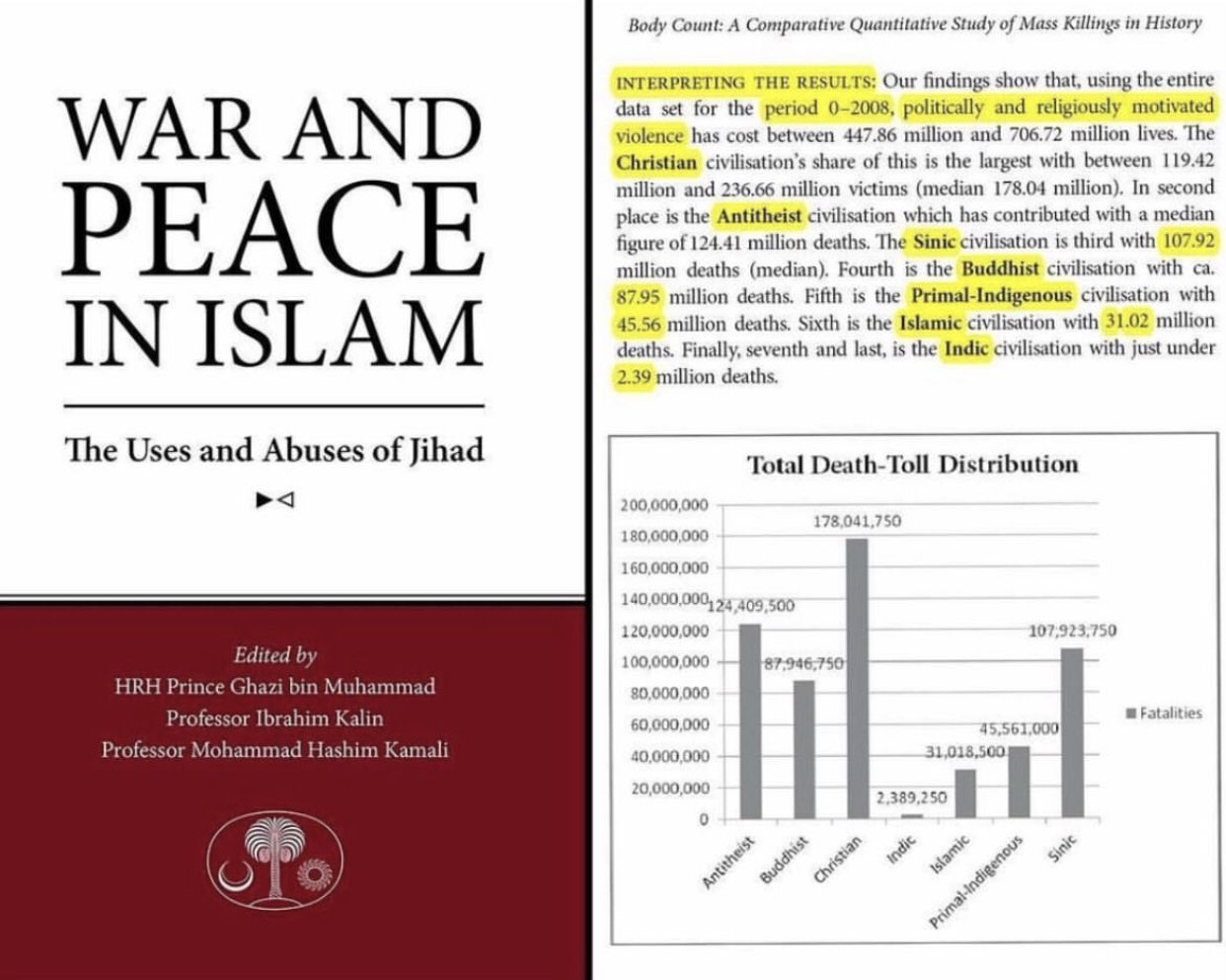
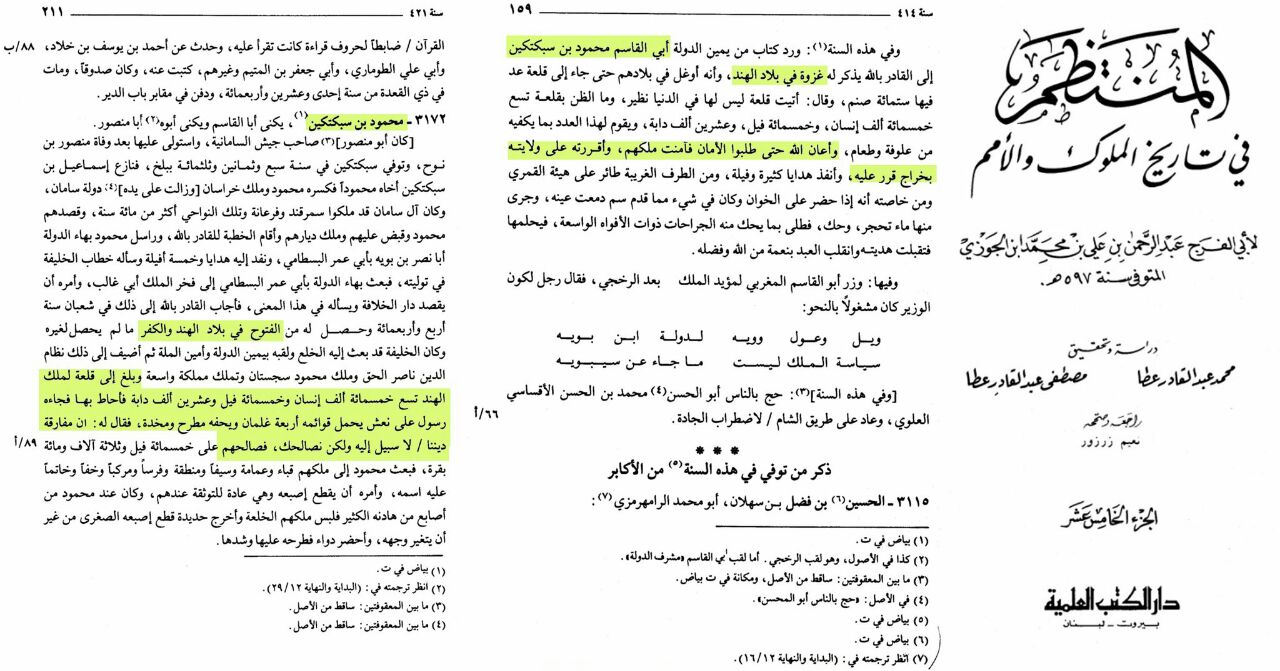
Islamic civilization also has the second lowest death toll among all major world civilizations — a statistical fact that speaks directly to the nature of these conquests.
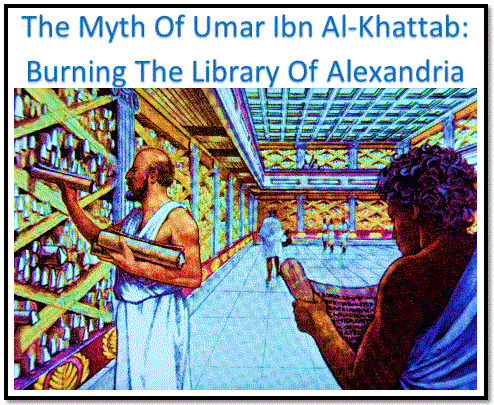
The myth of Umar ibn al-Khattab burning the Library of Alexandria — a claim frequently made to paint the Islamic conquests as culturally destructive — has been thoroughly refuted by modern scholarship. For a detailed refutation, see the Discover the Truth article on this topic.
The Battle of Mu’tah and the Double Standard on Historical Numbers
Critics of Islamic history frequently object to the numbers reported in Islamic sources for the Battle of Mu’tah — in which 3,000 Muslims are said to have faced 200,000 opponents — as logistically impossible. This objection reveals a profound double standard.
Herodotus, the “father of history” in the Western tradition, reported that 300 Spartans faced a Persian army of two million soldiers at Thermopylae. No mainstream critic questions this account; it is taught in Western schools as an epic of heroism. The Old Testament — believed in by Jews and Christians — reports that 580,000 Israelites triumphed over a million Ethiopians.
As for the Battle of Mu’tah itself: historical sources indicate that the opposing army was not the entire Roman Empire, but rather a force of Ghassanid allies of the Romans along with a small Roman contingent. The figures of hundreds of thousands are neither logically nor logistically possible in that era. The actual number was most likely approximately three times that of the Muslim army at most. Exaggerating numbers is not a phenomenon unique to Islamic sources — it is a universal feature of ancient historical writing.
Christians in the East Embraced Islam — Will Durant’s Summary
Élisée Reclus — The Arabs as Liberators
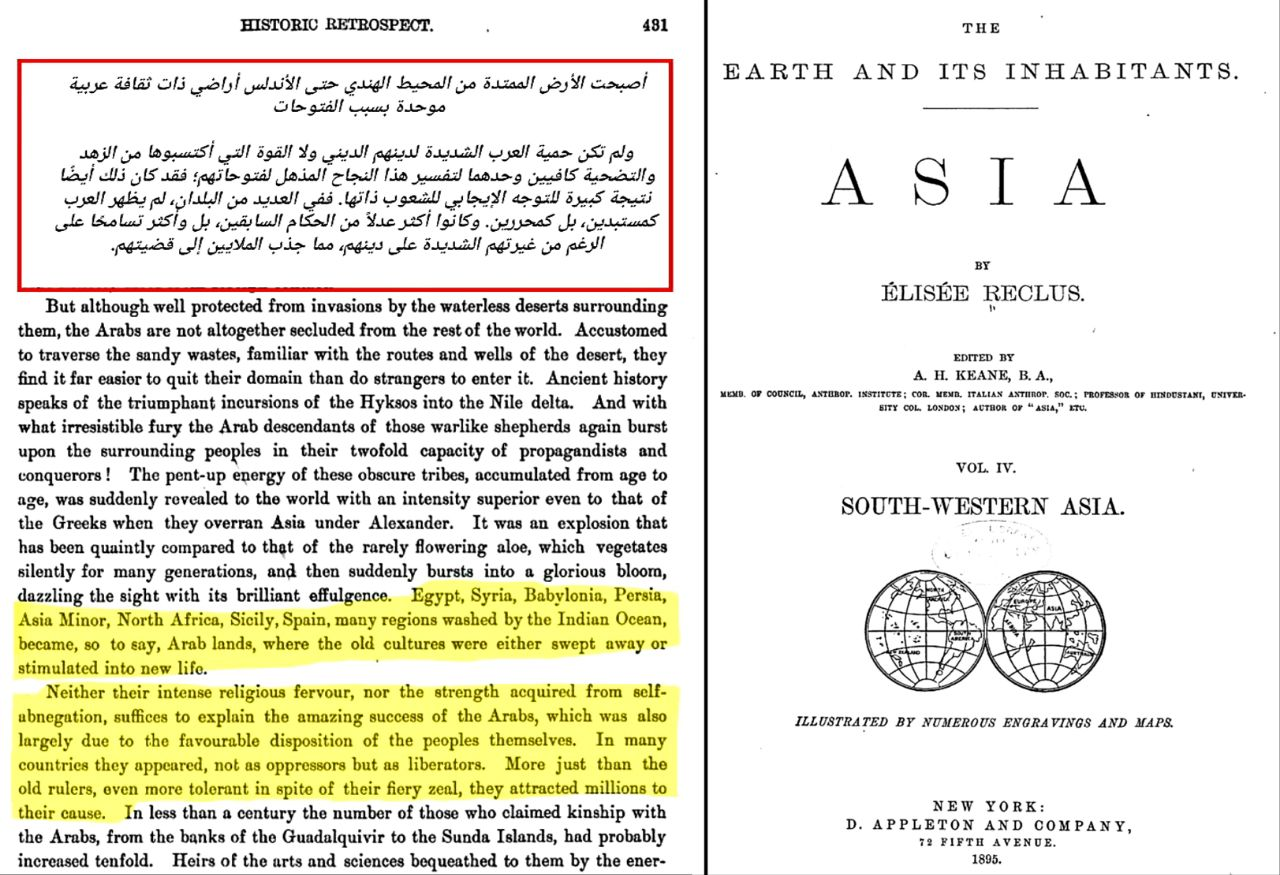
The Military Genius of the Arab Commanders
The success of the Islamic conquests was not solely the product of political welcome from the conquered peoples. It also required genuine military brilliance.
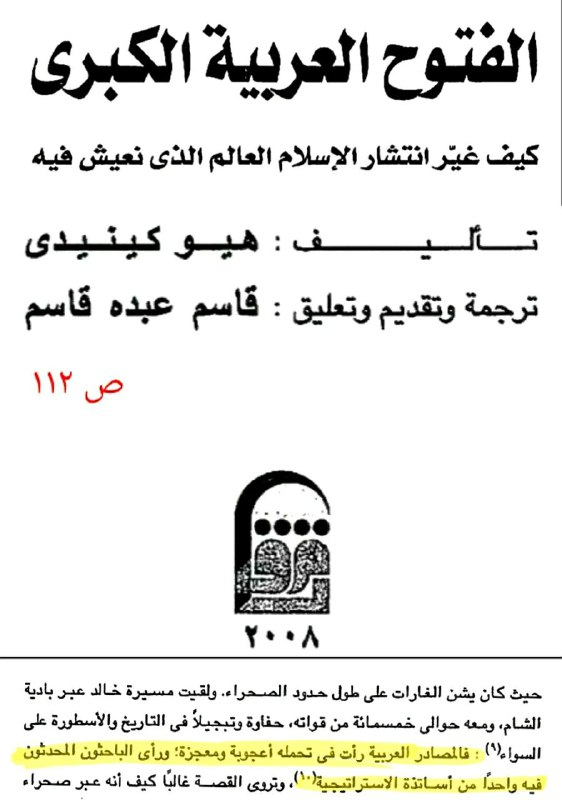
The Jizya System — Context and the World of Tribute Empires
The world of the early Islamic conquests was a world of tribute empires, each imposing its hegemony on the others and forcing them to pay tribute. Abd al-Malik ibn Marwan paid tribute to the Romans at the beginning of his reign to halt the Roman advance. The Abbasids paid tribute before their collapse. This was the universal policy of ancient states.
Islam’s approach to this system was distinctive: it imposed tribute only on fighting men — not on all of a people’s population as others did. It was not taken from religious figures, boys, the elderly, women, slaves, or the poor, but only from those capable of bearing arms, as an acknowledgment and tax for the state’s hegemony and protection.
This is why the Syriacs in Syria and Iraq helped the Muslims overcome the Byzantine state — and why they prayed in their churches for the Arabs to come and liberate them. The Syriacs used to migrate from Byzantine-controlled areas to Muslim-controlled ones, preferring to pay the jizya in exchange for Muslim protection from Byzantine oppression.
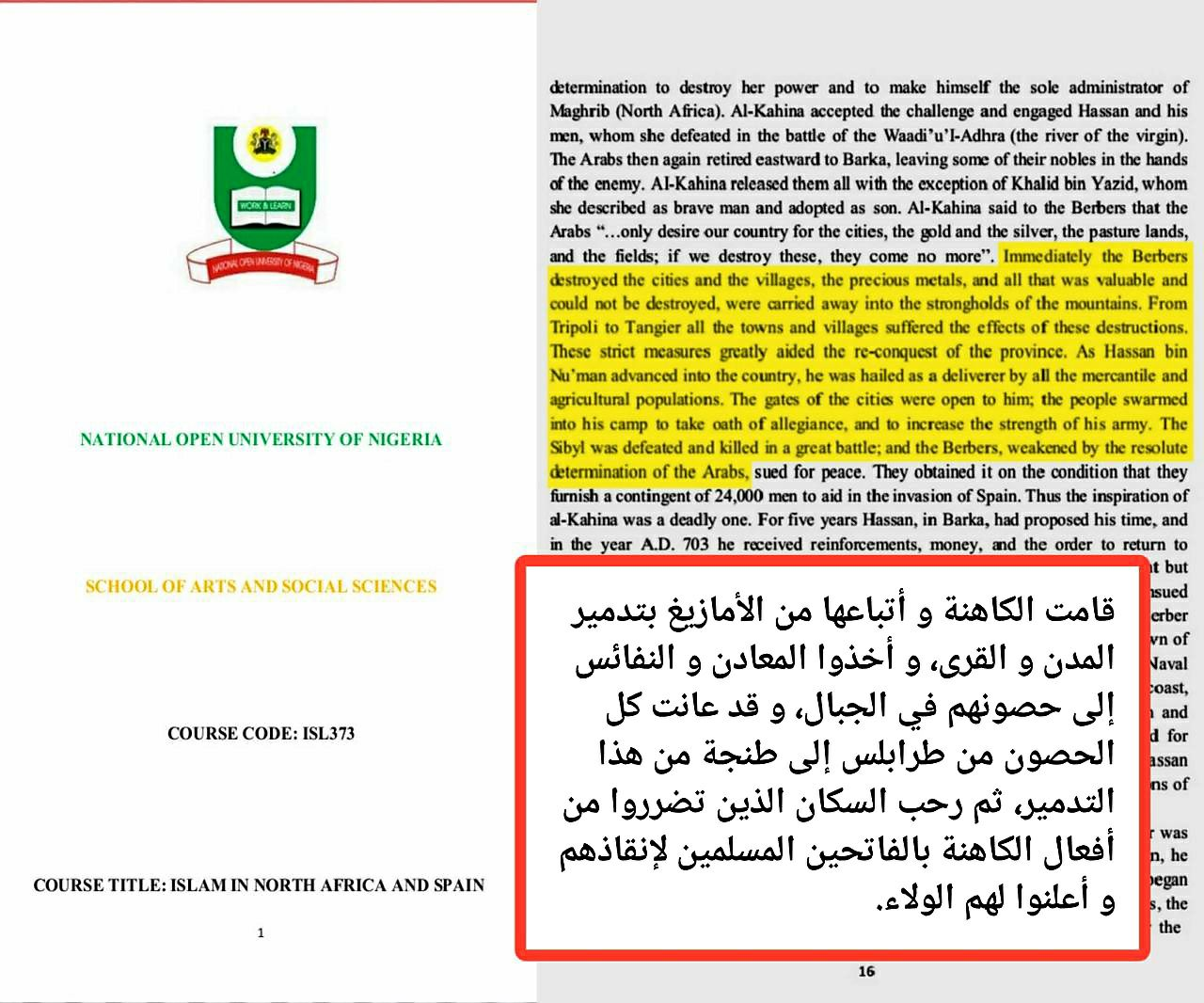
The Berbers who fought against the Islamic conquest under Governor Gregory were not fighting for Berber lands — they were fighting for Byzantine colonial interests. The historian Robert Holland confirms that Gregory’s forces were defenders of Byzantine colonialism, not Berber liberation. The historian Miles Lewis notes that the early Arab-Islamic conquests were widely viewed as liberating forces that came to expel the Byzantines, who were hated for their oppression and heavy taxes.
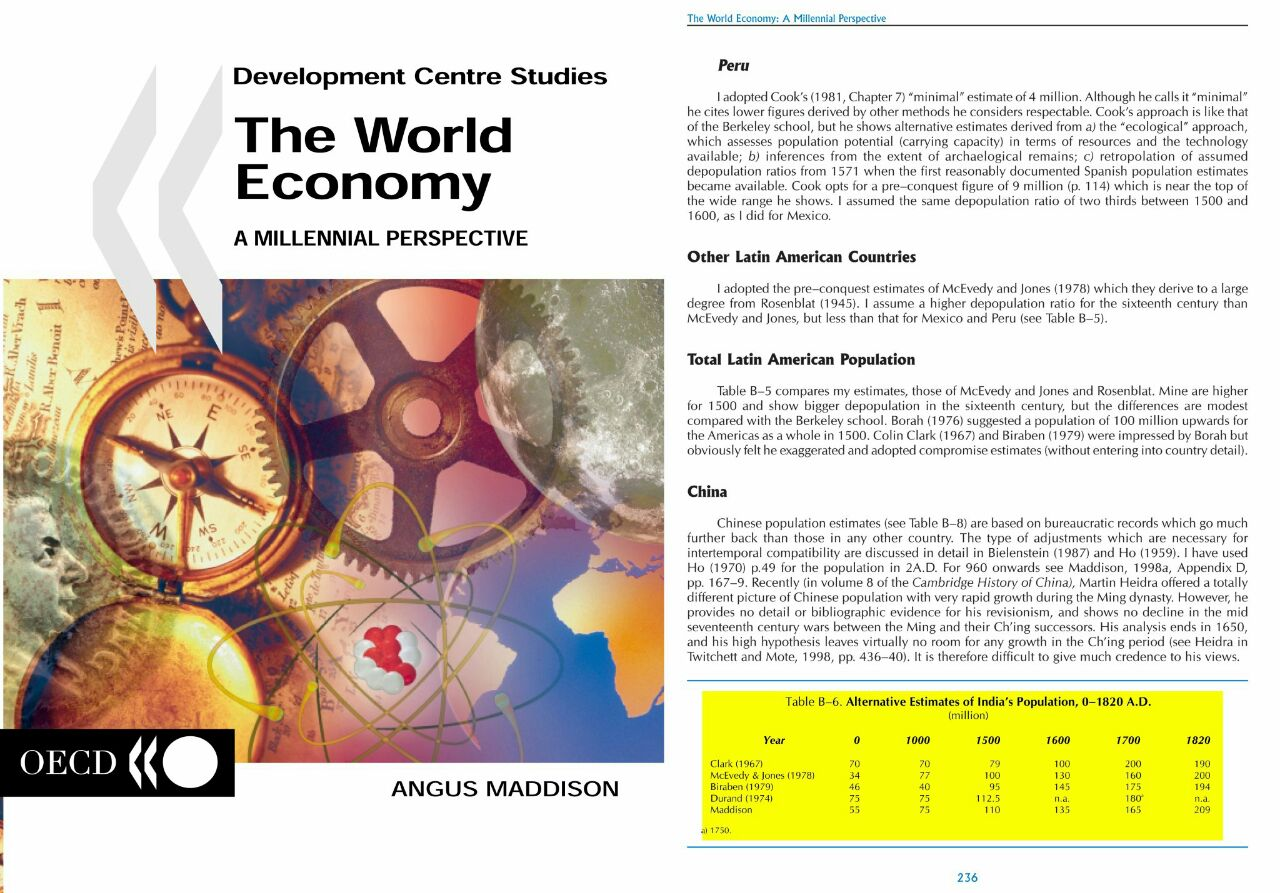
The claim that India lost 400 million people to Muslim conquerors, or that Amr ibn al-As burned the Library of Alexandria, are among the fabrications invented to invert this historical record.
Islamic Civilization and the Death Toll of Empires
Islamic civilization has the second lowest death toll among all major world civilizations — a statistical measure that directly challenges the narrative of an inherently violent and coercive conquest.
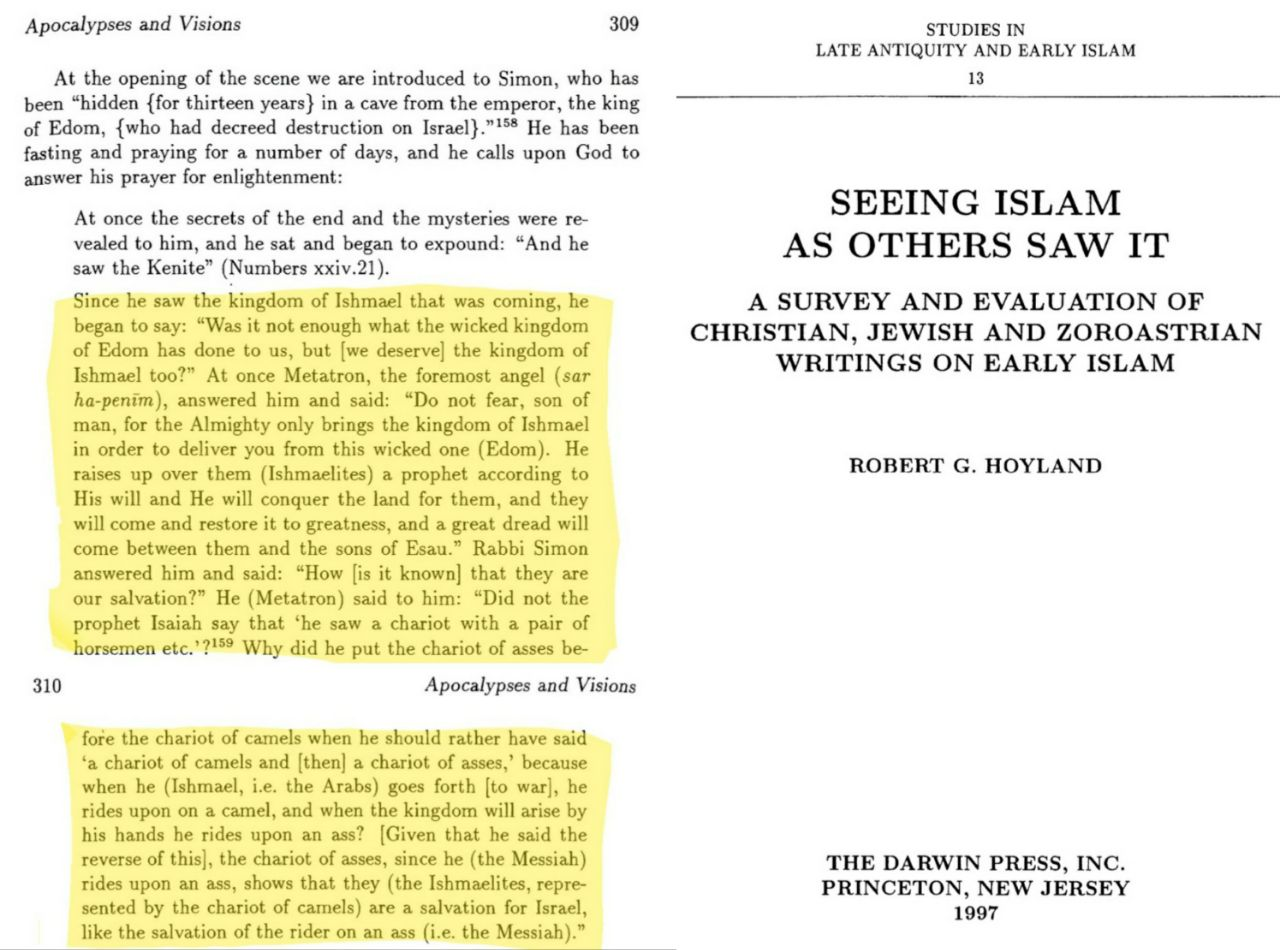
The Ishmael Prophecy — An Ancient Christian Source
Conclusion
See Also
- How Muslims Treated Christians — Historical Sources on Islamic Protection, Religious Freedom, and Rescue from Byzantine Persecution
- Did Christians in Egypt and the Levant Convert to Islam Because of the Jizya Tax
- Jizya
- Islamic Rules of War, Captives & the Rape Accusation — A Complete Refutation
- How Islam Liberated Persia from Sasanian Oppression and Built a Civilization
- Al-Andalus: Islamic Civilization and the Liberation from Visigothic Tyranny
...pagans converted to Christianity, not out of conviction, but due to fear of persecution. See also:...
...im|Is Jizyah Usury? Refuting the Quranic Contradiction Claim]]
...ilization|Conditions of the Peoples of the Sasanian Empire Before and After the Islamic Conquest]] [[Islam Spread by War]]
...ears, 75%; and after 1,400 years, 94%. Where is the compulsion with this rate of growth? READ MORE...