The Prophet's Mercy: How Islam Treats People of Other Faiths
His Eminence the Messenger’s Dealings with People of Other Religions
In the name of God, the most gracious, the most merciful
Introduction
Praise be to Allah, Lord of the Worlds, and peace and blessings be upon the most honorable of messengers, our Master Muhammad, and upon all his family and companions.
As for what follows, this is a study of Islam’s position on non-Muslims, which shows Islam’s respect for all religions, and the obligation to believe in all previous messengers and books. It also shows Islam’s position on non-Muslims in war and peace, and equality between Muslims and non-Muslims in all dealings, and Islam’s tolerance towards non-Muslims, which is why people are entering the religion of Allah in droves, and that Islam is the call of all messengers. I ask Allah Almighty to guide us to what is good, right and correct.
How Islam Deals with Other Religions of the Book
God Almighty sent our Master Muhammad, may God bless him and grant him peace, as the Seal of the Prophets and Messengers, and as a confirmation of all the Messengers who came before him. God Almighty revealed to His Messenger the Holy Qur’an as an explanation of everything, confirming the books that came before it, and as a guardian over them and a faithful guardian of them.
Belief in All Previous Messengers
Among the elements of faith is belief in all previous messengers and in all heavenly books. God Almighty said:
“The Messenger has believed in what was revealed to him from his Lord, and [so have] the believers. All of them have believed in God and His angels and His books and His messengers. We make no distinction between any of His messengers, and they say, ‘We hear and we obey. Your forgiveness, our Lord, and to You is the final destination.’” (Surat Al-Baqarah, verse 285)
Indeed, the faith of the believer is not correct unless he believes in all previous prophets and believes in what God Almighty revealed to them from the correct heavenly books. God Almighty said:
“Say, ‘We believe in God and in what was revealed to us from the Book of God. And what was revealed to Abraham, Ishmael, Isaac, Jacob, and the Tribes, and what was given to Moses and Jesus, and what was given to the prophets from their Lord - We make no distinction between any of them, and we are Muslims [in submission] to Him.’” (Surat Al-Baqarah, verse 136)
As long as every Muslim is commanded to believe in all previous messengers and all heavenly books, he will not have fanaticism, nor hatred for another religion, prophet or messenger, nor hatred or malice towards any of the followers of other religions.
As Muslims, believing in the Books means believing Allah truly sent revelation to His messengers, including the Torah to Moses and the Gospel (Injīl) to Jesus.
“We make no distinction between any of His messengers.” — Quran 2:285
We do not deny that Jesus received revelation, unlike those who rejected him. Rather, we believe his revelation was true, but later people altered and corrupted parts of it:
“They distort words from their proper places.” — Quran 5:13
”Woe to those who write the Book with their own hands…” — Quran 2:79
Every Prophet Had a Sharīʿah
The prophets shared one religion, but their laws could differ:
“For each of you We have made a law and a way.” — Quran 5:48
Even Jesus modified previous rulings:
“…to make lawful for you some of what was forbidden to you.” — Quran 3:50
Muhammad brought the final Sharīʿah, which supersedes previous laws:
“Today I have perfected for you your religion…” — Quran 5:3
Related Hadith
The Prophet ﷺ said:
“The prophets are paternal brothers; their religion is one.”
— Sahih al-Bukhari, Sahih Muslim
And:
“If Moses were alive, he would have no choice but to follow me.”
— Musnad Ahmad
Summary:
-
We believe previous revelations were from Allah.
-
We believe later corruption occurred.
-
Every prophet had a divinely given law.
-
Muhammad ﷺ brought the final Sharīʿah.
Divine Will and Human Diversity
The Qur’an has laid down for its followers what the divine will has decreed since eternity, regarding the differences between people in their beliefs, races and colors, for a wisdom that the All-Wise, All-Aware knows.
Allah the Almighty said:
“And if your Lord had willed, He could have made mankind one community; but they will not cease to differ. Except whom your Lord has given mercy. And for that He created them. And the word of your Lord has been fulfilled: ‘I will surely fill Hell with jinn and mankind all together.’” (Surat Hud, verses 118-119)
And He the Almighty said:
“And if your Lord had willed, those on the earth would have believed, all of them together. Then would you compel mankind in order that they become believers?” (Surat Yunus, verse 99)
No Compulsion in Religion
Islam does not restrict anyone, nor does it force anyone to convert to its faith. God Almighty said:
“There is no compulsion in religion. The right way has become distinct from the wrong. So whoever disbelieves in Taghut and believes in God has grasped the most trustworthy handhold with no break in it. And God is Hearing and Knowing.” (Surat Al-Baqarah, verse 256)
People Welcomed the Islamic Conquest as a Liberation From Oppression
Islamic Conquests After Prophet
Condition of Peoples and Countries Under Roman and Persian Rule Before the Islamic Conquest
Conditions of the Peoples of the Sasanian Empire Before and After the Islamic Conquest
Did the Verse of the Sword Abrogate the Verses of Tolerance in the Quran
Islam’s Position on Non-Muslims
It is known that Islam is the religion of peace, and it does not order war except in extreme necessity that calls for defense and jihad in the way of Allah. Despite the legitimacy of jihad in the way of Allah in defense of religion, belief, land and honor, war in Islam has limits and controls, and Muslims have their own morals that they adopt even in their war with those who fight them from among non-Muslims.
Islamic Rules of War
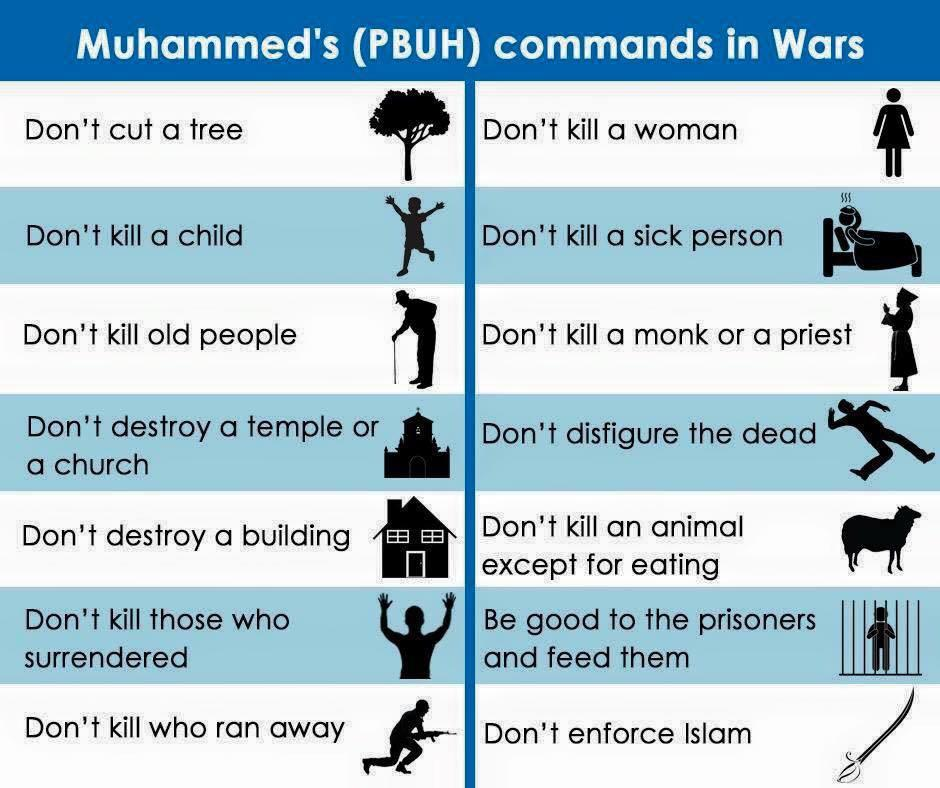
Islam ordered the preservation of the property of others, and the leaving of monks in their monasteries without disturbing them. Islam forbade:
- Treachery, deceit and embezzlement
- Mutilating the dead
- Killing children, women and the elderly
- Burning palm trees and crops
- Cutting down fruitful trees
Historical Examples of Islamic Mercy in War
Abu Bakr al-Siddiq, may Allah be pleased with him, advised Usama bin Zaid when he sent him to the Levant to fulfill the covenant and not to betray or mutilate. Khalid bin al-Walid promised the people of al-Hirah not to demolish their churches or palaces, and not to prevent them from ringing their bells or displaying their crosses on their holidays.
Omar bin Al-Khattab, may God be pleased with him, was merciful to non-Muslims from the People of the Book. He advised Saad bin Abi Waqqas - when he sent him to war against the Persians - to fight far from the People of the Book. He advised him not to take anything from them because they had a covenant and a pact. Omar, may God be pleased with him, also gave the people of Ilya a guarantee of security for their money, churches, and crosses, and warned against demolishing their churches.
Treatment of Prisoners
Islam ordered the good treatment of prisoners and feeding them. God Almighty said:
“And they give food, in spite of their love for it, to the poor, the orphan, and the captive.” (Surat Al-Insan, verse 8)
While non-Muslims treated Muslim prisoners badly, they might kill them, enslave them, or burden them with the most difficult burdens and work. The prisoners of the Battle of Badr were treated by the Prophet, may God bless him and grant him peace, in the best way. He distributed them among the Companions and ordered them to treat them well, so they preferred them over themselves in food and nourishment.
When he consulted his companions concerning the prisoners of Badr, some suggested killing them, and others suggested ransoming them. He agreed to the ransom, and made the ransom of those who could write among them that each one of them should teach ten Muslim children to read and write - this was the first measure to eradicate illiteracy.
Prohibition of Mutilation
The Messenger, may God bless him and grant him peace, did not accept that any of his enemies be mutilated in wars, no matter what his status was. When he was advised to mutilate Suhayl ibn Amr because he was keen on fighting the Muslims, and to remove his two lower front teeth so that he would not be able to give a speech after that, the Prophet, may God bless him and grant him peace, refused, saying:
“I will not mutilate him, so that God may not mutilate me, even though I am a prophet.”
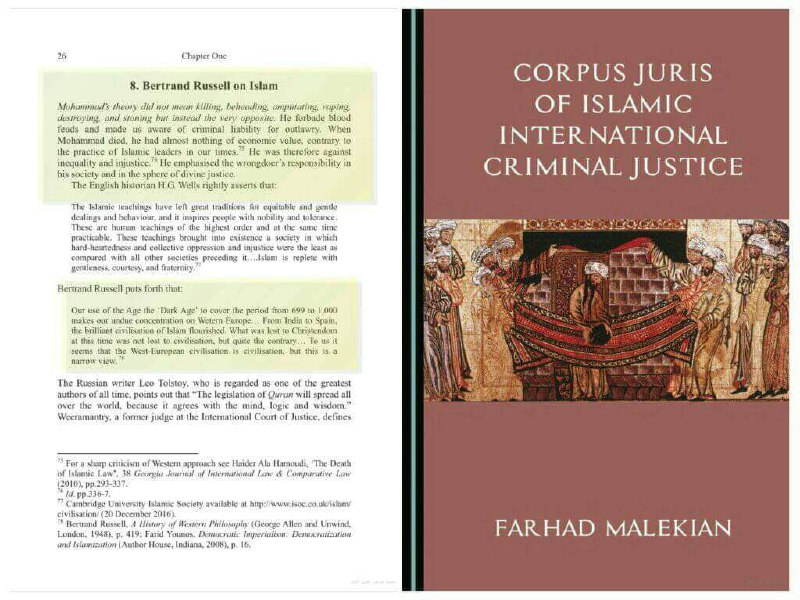
Muhammad’s theory did not mean killing, beheading, mutilation, rape, destruction, and stoning, but quite the opposite. He forbade revenge and informed us of criminal liability for lawlessness…When Muhammad died he had almost nothing of economic value, in contrast to the practices of Islamic leaders of our time. So he was against inequality and injustice. He stressed the responsibility of the guilty person in his society and in the field of divine justice.
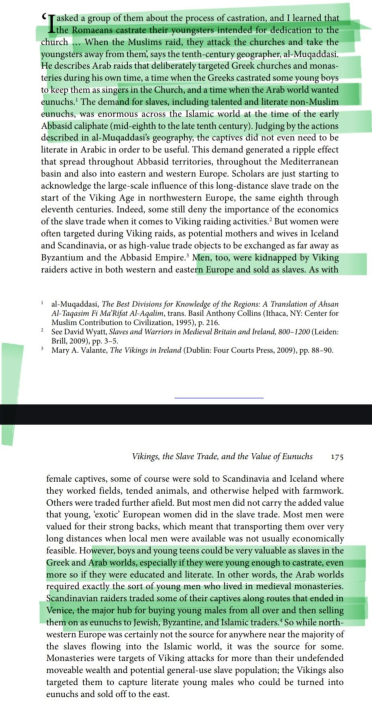
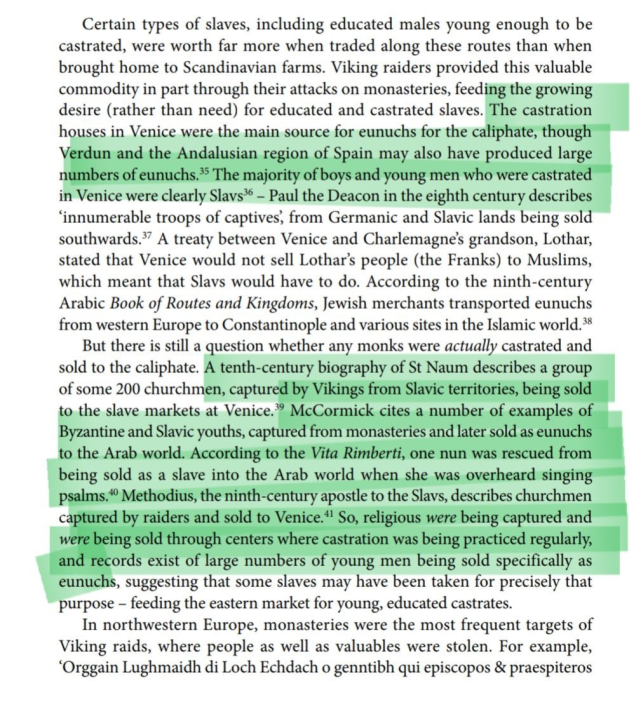
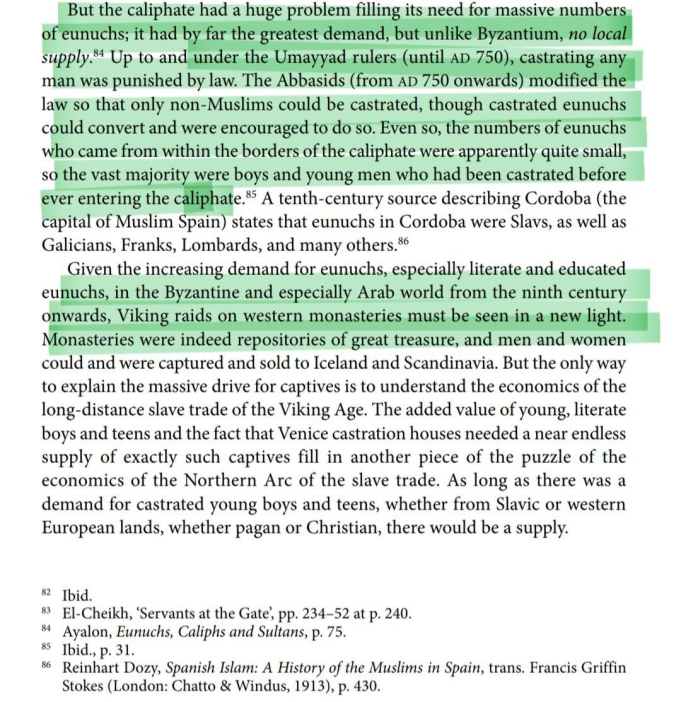
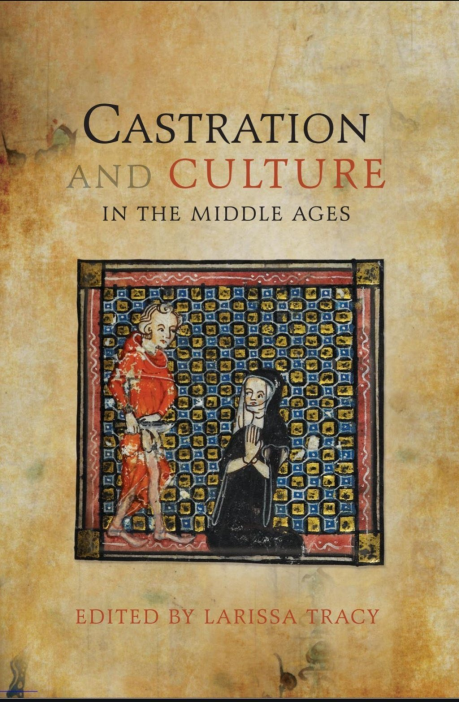
most of the castrated slaves in the Muslim world were actually Europeans , captured by other Europeans (Vikings), castrated by other Europeans (Venetians), & then sold to Arabs. But they’ve convinced you that Arabs allegedly castrated a gazillion Africans
The Conquest of Mecca
When God Almighty fulfilled the wish of His Messenger, may God bless him and grant him peace, to conquer Mecca, and he entered it as a victorious, triumphant conqueror, he said to the Quraysh:
“What do you think I will do to you?”
They said: “Good, a noble brother and the son of a noble brother.”
The Messenger, may God bless him and grant him peace, said: “Go, you are free, no blame upon you today. May God forgive me and you.”
The Prophet as mercy towards Humanity
Instructions of Islam to Muslims in War
-
That the fighting be for the sake of Allah
-
That the fighting be against those who fight the Muslims
-
Non-aggression
Allah the Almighty said:
“And fight in the way of Allah those who fight you but do not transgress. Indeed, Allah does not like transgressors.” (Surat Al-Baqarah, verse 190)
So those who transgress against Muslims and fight them, Muslims are commanded to fight them, but it is a just fight, meaning that no one should be mutilated and without torture, as Allah the Almighty said:
“The sacred month for the sacred month, and the sacred things are equal in retribution. So whoever transgresses against you, transgress against him in proportion to his transgression against you. And fear Allah and know that Allah is with the righteous.” (Surat Al-Baqarah, verse 194)
Prohibition Against Fighting Non-Combatants
This is for those who fight Muslims. As for those who do not fight from among the non-Muslims, the Prophet, may God bless him and grant him peace, forbade fighting them:
On the authority of Anas, may God be pleased with him, that the Messenger of God, may God bless him and grant him peace, said:
“Go in the name of God, by God, and according to the religion of the Messenger of God. Do not kill an old man, a young child, or a woman.” (Abu Dawud, vol. 3, p. 86, no. 2614)
In another hadith:
“Go in the name of God and in the path of God. Fight those who disbelieve in God. Do not mutilate, do not betray, do not steal, and do not kill a child.” (Sunan Ibn Majah, vol. 2, p. 953)
He also forbade, may God bless him and grant him peace, from attacking monks and monasteries, from mutilation and theft.
On the authority of Ibn Abbas, he said: When the Messenger of God, may God bless him and grant him peace, sent out his armies, he would say:
“Go out in the name of God, fight in the way of God against those who disbelieve in God. Do not transgress, do not commit theft, do not mutilate, and do not kill children or monasteries.” (Musnad Ahmad, Vol. 1, p. 200)
Islam’s Position Towards Non-Muslims in Times of Peace
Islam treats non-Muslims in times of peace with a position of security. Indeed, it does not prohibit treating them kindly as long as they do not fight Muslims. Rather, it prohibits treating those who fight Muslims for their religion, expel them from their homes, and support their expulsion. God Almighty said:
“Allah does not forbid you from those who do not fight you because of religion and do not expel you from your homes - from being righteous toward them and acting justly toward them. Indeed, Allah loves those who act justly. Allah only forbids you from those who fight you because of religion and expel you from your homes and support in your expulsion - from making them allies. And whoever makes them allies - then it is those who are the wrongdoers.” (Surat Al-Mumtahanah, verses 8-9)
Arguing in the Best Way
The Holy Quran forbade arguing with the People of the Book except in the best way. Allah the Almighty said:
“And do not argue with the People of the Scripture except in a way that is best, except for those who commit injustice among them, and say, ‘We believe in that which was revealed to us and revealed to you. And our God and your God is one God, and we are Muslims [in submission] to Him.’” (Surat Al-Ankabut, verse 46)
And Allah the Almighty said:
“Say, ‘O People of the Scripture, come to a word that is equitable between us and you - that we will not worship except Allah and not associate anything with Him, nor do we take others as lords besides God.’ But if they turn away, then say, ‘Bear witness that we are Muslims.’” (Surat Al Imran, verse 64)
Fulfilling Covenants
Rather, Islam commands us to fulfill our covenant, even with the polytheists. Allah the Almighty says:
“Except for those among the polytheists with whom you have made a treaty and then they have not failed you in anything nor supported anyone against you. So fulfill their treaty with them until their term. Indeed, Allah loves the righteous.” (Surat At-Tawbah, verse 4)
Protection of Non-Muslims
Rather, if a polytheist asks a Muslim to protect him, he must protect him and even take him to safety, as Allah the Almighty says:
“And if any of the polytheists seeks your protection, then grant him protection so that he may hear the word of Allah and then take him to his place of safety. That is because they are a people who do not know.” (Surat At-Tawbah, verse 6)
Care for Places of Worship
Among the ways in which Islam cares for the rights of non-Muslims is its care for their temples and churches. Among its preservation of them is what was reported from Omar bin Al-Khattab (may Allah be pleased with him) when the time for prayer came and he was in the Church of the Resurrection. The Patriarch asked Omar to pray there. He was about to do so, then he apologized and explained that he feared that if he prayed in the church, the Muslims would come and take it from the Christians, claiming that it was their mosque, and they would say: “Omar prayed here.”
Comprehensive Care
Muslims’ treatment of non-Muslims did not stop at preserving their money and rights, but Islam was keen throughout its ages to do what the People of the Book and the poor among them needed.
Such treatment of non-Muslims by Muslims shows the entire world that Islam has raised its followers to be tolerant, to care for people’s rights, and to be merciful to all human beings, regardless of their beliefs or races.
The Example of Abdullah Bin Omar
Generations of Muslims have preserved the value of this Islamic care for the rights of non-Muslims, because they only applied it in response to the teachings of the Holy Quran and the directives of the great Messenger, may God bless him and grant him peace. He applied it during his life, and Muslims have understood it generation after generation, and it has been applied by successors to predecessors, and sons to fathers.
Here is Abdullah bin Omar: Mujahid narrated:
“I was with Abdullah bin Omar, and a young boy had not skinned a sheep. He said: ‘O boy, when you skin it, start with our Jewish neighbor.’ He said that repeatedly. The boy asked him: ‘How often do you say this?’ He said: ‘The Messenger of God kept advising us to be kind to our neighbors until we feared that he would make them inherit from us.’”
Equality Between Muslims and Non-Muslims in the Judiciary
Islam established equality between Muslims and non-Muslims in the judiciary and in all other dealings. History has recorded pioneering examples of these dealings, which are considered the pinnacle of fair human dealings in the history of all humanity.
The Example of Ali and Omar
When a Jewish man complained about Ali bin Abi Talib to the Caliph Omar bin Al-Khattab, may God be pleased with him, Omar said to Ali:
“Get up, Abu Al-Hassan, and sit next to your opponent.”
Ali got up and sat next to him, but his face showed signs of distress. After the case was over, he said to Ali:
“Ali, were you reluctant for us to treat you and your opponent equally in the courtroom?”
He said: “No, but I was pained because you called me by my nickname and did not treat us equally, for there is respect in the nickname. I was afraid that the Jews would think that justice had been lost among the Muslims.”
Severe Warning Against Injustice
The commandments of the Messenger of God, may God bless him and grant him peace, regarding the People of the Covenant and those with whom a treaty has been made continued, as he, may God bless him and grant him peace, said:
“Whoever kills a person with whom a treaty has been made will not smell the fragrance of Paradise, even though its fragrance can be found from a distance of forty years.” (Fath al-Bari, vol. 12, p. 259)
The Prophet, may God bless him and grant him peace, said:
“Whoever wrongs a covenantor, or diminishes his rights, or burdens him beyond his capacity, or takes something from him without his consent, then I will be his opponent on the Day of Resurrection.” (Sunan Abi Dawud, vol. 3, p. 437; Sunan al-Bayhaqi, vol. 9, p. 205)
The Story of Ali’s Armor
What indicates the equality between Muslims and others in the judiciary, and the spread of Islam with its tolerance and good treatment of non-Muslims: This incident that occurred between Imam Ali bin Abi Talib and a man from the People of the Book.
When Imam Ali (may Allah be pleased with him) lost his armor, then found it with a man from the People of the Book, he brought him to Judge Shuraih saying: “It is my armor and I did not sell it or give it away.”
Judge Shuraih asked the man from the People of the Book: “What do you say about what the Commander of the Faithful says?”
The man said: “The armor is my armor, and the Commander of the Faithful is not a liar in my view.”
Judge Shuraih turned to Imam Ali (may Allah be pleased with him) and asked him: “O Commander of the Faithful, do you have evidence?”
Ali laughed and said: “Shuraih got it right, I have no evidence.”
So the judge ruled in favor of the man. The man took the armor and walked, and the Commander of the Faithful was looking at him. But the man did not take a few steps until he returned saying:
“As for me, I bear witness that these are the rulings of the prophets. The Commander of the Faithful brings me before his judge to rule against him? I bear witness that there is no god but Allah and I bear witness that Muhammad is His servant and Messenger. The armor, by Allah, is your armor, O Commander of the Faithful. The army set out while you were heading to Siffin, so it fell from your white camel.”
Imam Ali, may God be pleased with him, said: “Since you have converted to Islam, then it is yours.”
Lessons from the Story
Thus we see how the tolerance of Islam reached this point where the Commander of the Faithful himself stood before the judge, with a man from the People of the Book. Even though the Commander of the Faithful was right, the judge demanded evidence from him, and this is something that made the Commander of the Faithful laugh - because he is right, and he has no evidence. It is clear that he is the plaintiff, and the evidence is on the plaintiff, and the oath is on the one who denies.
Then the end is: that the judge rules in favor of the man based on appearance, where the evidence did not appear. This lenient treatment, in which there is no difference between a prince and one of the subjects from the People of the Book, made the man think about this religion and become amazed by it - a religion in which the Prince of the Faithful stands before his judge, and his judge rules against him and not for him, based on the appearance of what is before him, even if that is contrary to reality.
So the man said: “As for me, I bear witness that these are the rulings of the prophets,” and he confessed and acknowledged the truth, saying: “The shield, by God, is your shield, O Prince of the Faithful.” He confessed and loved Islam and entered it, which made the Prince of the Faithful give up the shield to the man, saying: “As for you who have converted to Islam, it is yours.”
It is a picture of the judiciary at the height of its justice, where it equates this man with the Commander of the Faithful, and a picture of the tolerance of Islam at its peak, where the ruling was based on appearances and against the Commander of the Faithful. Such tolerant treatment of non-Muslims is what brought Islam closer to the people and made them enter the religion of God in droves.
The Principle of No Compulsion
As for the images of hateful fanaticism in which Islam is abused, they do not push people to enter it, but rather push them to be repelled by it. For this reason, the Holy Quran clarifies this truth:
“There is no compulsion in religion. The right course has become distinct from the wrong. So whoever disbelieves in Taghut and believes in Allah has grasped the most trustworthy handhold with no break in it. And Allah is Hearing and Knowing.” (Surat Al-Baqarah, verse 256)
And there is no harm or hardship in it:
“And strive in Allah’s cause with the striving due to Him. He has chosen you and has not placed upon you in the religion any difficulty. [This is] the religion of your father Abraham. He named you Muslims before and in this [revelation] so that the Messenger may be a witness over you and you may be witnesses over the people. So establish prayer and give zakah and hold fast to Allah. He is your Protector, and excellent is the Protector, and excellent is the Helper.” (Surat Al-Hajj, verse 78)
It is a call to ease and tolerance, not to hardship and harshness:
“The month of Ramadan in which was revealed the Qur’an, a guidance for mankind and clear proofs of guidance and criterion. So whoever sights [the new moon] among you shall fast it. And whoever is ill or on a journey - then an equal number of other days. Allah intends for you ease and does not intend for you hardship and [wants] for you to complete the number and to glorify Allah for having guided you; and perhaps you will be grateful.” (Surat Al-Baqarah, verse 185)
The Prophet as the Final Messenger
The Messenger, may God bless him and grant him peace, explains his position towards the prophets who came before him as the final messenger, saying:
“My example and the example of the prophets before me is like that of a man who built a house and made it beautiful and perfect except for the space of one brick in a corner. The people went around it and marveled at it, saying: ‘Why is this brick not placed?’ He said: ‘So I am that brick and I am the Seal of the Prophets.’” (Narrated by Al-Bukhari; Sahih Muslim, Al-Bukhari 4/151)
Examples of the Impact of Islam’s Tolerance
Here I present some examples of the tolerance of Islam, and the noble effect it had on the souls of those who knew and touched it, until many people entered Islam because of it.
Example 1: The Conversion of Thamamah Bin Aththal to Islam
Imam Al-Bukhari, may Allah have mercy on him, said: Abdullah bin Yusuf told us, Al-Layth told us, Saeed bin Abi Saeed told me that he heard Abu Hurairah, may Allah be pleased with him, say:
The Prophet, may Allah bless him and grant him peace, sent cavalry towards Najd, and they brought back a man from Banu Hanifa called Thamamah bin Aththal. They tied him to one of the pillars of the mosque, and the Prophet, may Allah bless him and grant him peace, went out to him and said:
“What do you have, Thamamah?”
He said: “I have good things for you, O Muhammad. If you kill me, you will kill a man of blood, and if you are generous, you will be generous to one who is grateful. If you want money, ask for whatever you want from it.”
So he left him until the next day, and then he said:
“What do you have, Thamamah?”
He said: “I have what I told you.”
So he said:
“Release Thamamah.”
Thamamah’s Conversion
So he went to a palm grove near the mosque, washed himself, then entered the mosque and said:
“I bear witness that there is no god but Allah and that Muhammad is the Messenger of Allah.”
“O Muhammad, by Allah, there was no face on earth more hateful to me than your face, but now your face has become the most beloved of faces to me. By Allah, there was no religion more hateful to me than your religion, but now your religion has become the most beloved of religions to me. By Allah, there was no country more hateful to me than your country, but now your country has become the most beloved of countries to me. Your horses took me while I was intending to perform Umrah, so what do you think?”
The Prophet (peace and blessings of Allah be upon him) gave him good news and ordered him to perform Umrah.
Thamamah’s Impact
When he arrived in Mecca, someone said to him: “Have you become an apostate?”
He said: “No, by Allah, but I have become a Muslim with Muhammad, the Messenger of Allah (peace and blessings of Allah be upon him). By Allah, not a single grain of wheat will come to you from Yamamah until the Prophet (peace and blessings of Allah be upon him) permits it.”
(Narrated by al-Bukhari and Sahih Muslim, vol. 3, p. 1386)
Analysis of the Story
This story is one of the clearest evidences and proofs of the spread of Islam through wisdom and good advice, and through the spirit of tolerance and mercy. It spread through its lofty human principles, not as the pedants and enemies of Islam say, that it spread by the sword.
How can this be, while the Holy Quran says:
“There is no compulsion in religion. The right course has become distinct from the wrong. So whoever disbelieves in Taghut and believes in Allah has grasped the most trustworthy handhold with no break in it. And Allah is Hearing and Knowing.” (Surat Al-Baqarah, verse 256)
And the Almighty says:
“To you be your religion, and to me mine.” (Surat Al-Kafirun, verse 6)
And the Almighty says:
“You are not a controller over them.” (Surat Al-Ghashiyah, verse 22)
The Details of Thamamah’s Story
Here is the master of Banu Hanifa, “Thamamah bin Aththal,” who was taken prisoner by the Muslims in one of the raiding parties without recognizing him. When he was brought to the Messenger of Allah, may Allah bless him and grant him peace, and he recognized him, he honored him and kept him with him for three days. Every day he would present Islam to him and ask him, saying: “What do you have?”
The man would answer, saying: “If you kill me, you will kill a man of blood, and if you are generous, you will be generous to a grateful person, and if you want money, ask him for whatever you want.”
The meaning of “kill a man of blood” is a man whose blood has a place and whose killer will be satisfied by killing him, and he will achieve his revenge for his leadership and greatness.
In the narration of Ibn Ishaq, the Messenger of God, may God bless him and grant him peace, said:
“I have pardoned you, O Thamamah, and I have set you free.”
This generosity had an effect on Thamamah’s heart, which made him rush to enter Islam. The Messenger was very pleased with his conversion to Islam, because of the result of his conversion - the Islam of his people.
Thamamah’s Stand in Mecca
The situation did not stop there, but his conversion to Islam had an important effect. When he went to Mecca to perform Umrah, its people wanted to kill him. In the narration of Ibn Hisham, he said:
“I was informed that he went out to perform Umrah, and when he was in the valley of Mecca, he responded to the call to prayer. He was the first to enter Mecca to respond to the call to prayer. The Quraysh seized him and said: ‘You have dared to attack us.’ They wanted to kill him, but one of them said: ‘Leave him, for you need food from Yamamah.’ So they left him.”
Ibn Hisham added:
“Then he went out to Al-Yamamah, and prevented them from carrying anything to Mecca. They wrote to the Prophet, may God bless him and grant him peace: ‘You command us to maintain kinship ties.’ So he wrote to Thamamah to leave them alone and carry the grains to them.”
The Lesson
Thus the Messenger, may God bless him and grant him peace, wrote to Thamamah to leave them alone and keep the grains of Al-Yamamah. So Thamamah did what the Messenger, may God bless him and grant him peace, ordered him to do.
If the Messenger, may God bless him and grant him peace, had wanted to subjugate the people and force them to accept Islam using cruelty and taking advantage of their need and necessity, he would have done so. However, he does not subjugate anyone, nor does he use force, nor does he force people to enter Islam.
Thamamah’s Steadfastness
When some of the people of Yamamah apostatized, Thamamah remained steadfast, he and his followers, and he began to warn the apostates from the followers of Musaylimah the Liar, saying to them:
“Beware of a dark matter in which there is no light, and it is a misery that God Almighty has written for whoever among you takes it, and a calamity for whoever among you does not take it.”
When he did not find advice with them, he and those with him left and joined Al-Ala’ bin Al-Hadrami to support him, and this was what weakened the resolve of the apostates and inflicted defeat on them.
Conclusion
This position of the Messenger of Allah, may Allah bless him and grant him peace, with Thamamah is an example of the high levels of tolerance with which the Messenger dealt with people. His dealings throughout his life were characterized by a spirit of tolerance and compassion, and calling to Islam with wisdom and good advice, not with force and the sword.
There is no doubt that the one who is forced to do something will not remain in it, but will get rid of it if he finds a way to do so, and will even become an enemy to it. However, throughout the history of Islam, we have not found anyone who turned away from his religion in anger after entering it. Rather, we have found that Muslims have been exposed throughout their history to wars and divisions in their countries, and the domination of their enemies over them. Despite this, we have not found anyone among them who turned away from his religion, but rather they remained steadfast in Islam until Allah opened up blessings from the heavens and the earth, and Allah’s victory and conquest came to them.
Example 2: The Conversion of Zayd Bin Sa’na to Islam
Al-Tabarani, Ibn Hibban, Al-Hakim, and others narrated on the authority of Al-Walid bin Muslim, on the authority of Muhammad bin Hamza bin Yusuf bin Abdullah bin Salam, on the authority of his father, on the authority of his grandfather, on the authority of Abdullah bin Salam, who said:
Zayd bin Sa’na said:
“There are no signs of prophethood that I did not recognize in the face of Muhammad (peace be upon him) when I looked at him, except for two characteristics that I had not tested: His patience precedes his ignorance, and the severity of his ignorance only increases his patience.”
The Test
Zayd bin Sa’na said:
“One day, the Messenger of Allah (peace be upon him) went out from the rooms, and with him was Ali bin Abi Talib (may Allah be pleased with him). A man came to him on his mount like a Bedouin and said: ‘O Messenger of Allah, I have some people in the village of Banu so-and-so who have embraced Islam. I told them that if they embraced Islam, they would be provided for in abundance. But they have been afflicted with a year of hardship and drought, so I fear, O Messenger of Allah, that they will leave Islam out of greed, just as they entered it out of greed. So if you see fit to send them something to help them, do so.’”
Then he looked at a man beside him - I think he was Ali - and said: “O Messenger of Allah, nothing of it remains.”
The Transaction
Zayd bin Sa’na said:
“So I approached him and said: ‘O Muhammad, would you sell me a specified amount of dates in the garden of Banu so-and-so for a specified period?’”
He said: “Do not specify the wall of Banu so-and-so.”
I said: “Yes.”
So he pledged allegiance to me. I released my purse and gave him eighty mithqals of gold for a specified amount of dates for such-and-such a period. The man gave it to him and said: “Be fair to them and help them.”
The Confrontation
Zayd ibn Sa’na said:
“Two or three days before the due date, the Messenger of Allah went out with Abu Bakr, Umar, and Uthman (may Allah be pleased with them) and a group of his companions. When he had prayed over the funeral and approached the wall to sit by it, I went to him and took hold of the edges of his shirt and cloak and looked at him with a harsh face. I said to him: ‘O Muhammad, will you not give me my due? By Allah, you, Banu Abdul Muttalib, have only been known to delay, and I have known of your association with them.’”
Omar’s Reaction
“I looked at Umar and his eyes were moving in his face like a rotating sphere. Then he looked at me and said: ‘O enemy of Allah, do you say to the Messenger of Allah what I hear? And do to him what I see? By the One in Whose Hand is my soul, were it not for what I fear missing, I would have struck your head with my sword.’”
The Prophet’s Response
“The Messenger of Allah looked at me calmly and slowly and said: ‘O Omar, he and I were in greater need of something other than this; that you order me to perform well and order him to follow it well. Go with him, O Omar, and give him his right, and give him twenty Sa’ of dates in place of what I have given him.’”
The Revelation
Zayd said:
“So Omar took me and gave me my right and gave me twenty Sa’ of dates in addition. I said: ‘What is this increase, O Omar?’ He said: ‘The Messenger of Allah ordered me to give you more in place of what I have given you.’ He said: ‘Do you know me, O Omar?’ He said: ‘No.’ I said: ‘I am Zayd bin Sa’na.’ He said: ‘The scholar?’ I said: ‘The scholar.’”
The Testimony
“He said: ‘So what made you do to the Messenger of Allah what you did? And you said to him what you said?’ I said: ‘O Omar, there was no sign of prophethood that I did not recognize in the face of the Messenger of Allah (peace and blessings of Allah be upon him) when I looked at him, except for two that I did not know about him: His patience preceded his ignorance, and the severity of his ignorance only increased his patience, and I have experienced them. So I bear witness, O Omar, that I am satisfied with Allah as my Lord, Islam as my religion, and Muhammad as my Prophet. I bear witness that half of my wealth, the wealthiest of which I have, is charity for the nation of Muhammad.’”
Omar said: “Or to some of it, for you cannot suffice them?”
I said: “Or to some of it.”
The Conversion
So Omar and Zayd returned to the Messenger of Allah (peace and blessings of Allah be upon him). Zayd said:
“I bear witness that there is no god but Allah, and I bear witness that Muhammad is His servant and Messenger.”
He believed in him and confirmed his truth, and pledged allegiance to him, and witnessed many battles with him. Then he died in the Battle of Tabuk, facing the enemy and not turning his back. May Allah have mercy on Zayd.
(Ibn Majah narrated part of this story, and Al-Haythami said: It was narrated by Al-Tabarani and his men are trustworthy. It was included by Ibn Hibban, Al-Hakim, Abu Al-Sheikh in the book “The Ethics of the Prophet” and others.)
Lessons from the Story
This story shows us some of the qualities of the Messenger of God and his innate patience, forgiveness, and pardon of the offender, in response to God Almighty’s guidance to him:
“Adopt forgiveness, enjoin what is right, and turn away from the ignorant.” (Surat Al-A’raf, verse 199)
God Almighty also said:
“The recompense for an evil act is an evil act like it, but whoever pardons and makes reconciliation - his reward is due from God. Indeed, He does not like wrongdoers.” (Surat Ash-Shura, verse 40)
He is like a fresh sea whose clear water is not clouded by stones thrown into it.
Example 3: His Position with One of the Arabs
Once, a Bedouin came to him and pulled him so hard that the hem of his garment left marks on his shoulder. Then he said:
“O Muhammad, load for me on these two camels of yours some of the money of God that you have, for you do not load for me any of your money or your father’s money.”
The Messenger of God was silent, then he said:
“The money is the money of God and I am His slave. And you will be repaid, O Bedouin, for what you did to me.”
He said: “No.”
He said: “Why?”
He said: “Because you do not repay evil with evil.”
The Prophet laughed and was pleased with his answer, and ordered that barley be loaded on one camel and dates on the other.
The Significance
This story is one of the clearest evidences that Islam spread through kindness, through the example and great character represented by the Messenger of God, through wisdom and good advice, through his noble nature, and through his virtues and unparalleled humane dealings.
It did not spread by the sword, as the malicious claim, but rather it spread through his tolerance and ease, and through the wisdom of the Messenger, his compassion, his kindness, his mercy, his righteousness towards people, his forgiveness of the offender, his abundant patience, his big heart, and his gentle side.
“So by mercy from Allah, you were lenient with them. And if you had been rude [in speech] and harsh in heart, they would have disbanded from about you. So pardon them and ask forgiveness for them and consult them in the matter. And when you have decided, then rely upon Allah. Indeed, Allah loves those who rely [upon Him].” (Surat Al Imran, verse 159)
...he-gospel-of-john]], [[does-isaiah-42-prophesy-muhammad-the-chosen-servant-prophecy-examined]], and [[the-prophets-mercy-how-islam-treats-people-of-other-faiths]].* Sidenote with Inline Markdown You can put bold...