
Did the Prophet ﷺ Say “Anakta-hā”? The Ma’iz Hadith, Arabic Usage, and Legal Clarity
When the Prophet, may God bless him and grant him peace, feared that Ma’iz might not understand the meaning of adultery, in some narrations he, may God bless him and grant him peace, said to him: “Perhaps you kissed,” meaning perhaps it was a kiss and not adultery. He said: Rather, I committed adultery, O Messenger of God. So he, may God bless him and grant him peace, said: “Perhaps you touched,” meaning your skin touched her skin. Because the Prophet, may God bless him and grant him peace, feared that Ma’iz, may God be pleased with him, might have understood the meaning of adultery incorrectly, he mentioned that explicit word to him, because the punishment for that is to kill him. So should the Prophet, may God bless him and grant him peace, kill him and then it becomes clear to him that he killed him by mistake? And is it easier for him to say this word and remove the confusion from him, or to kill him by mistake?
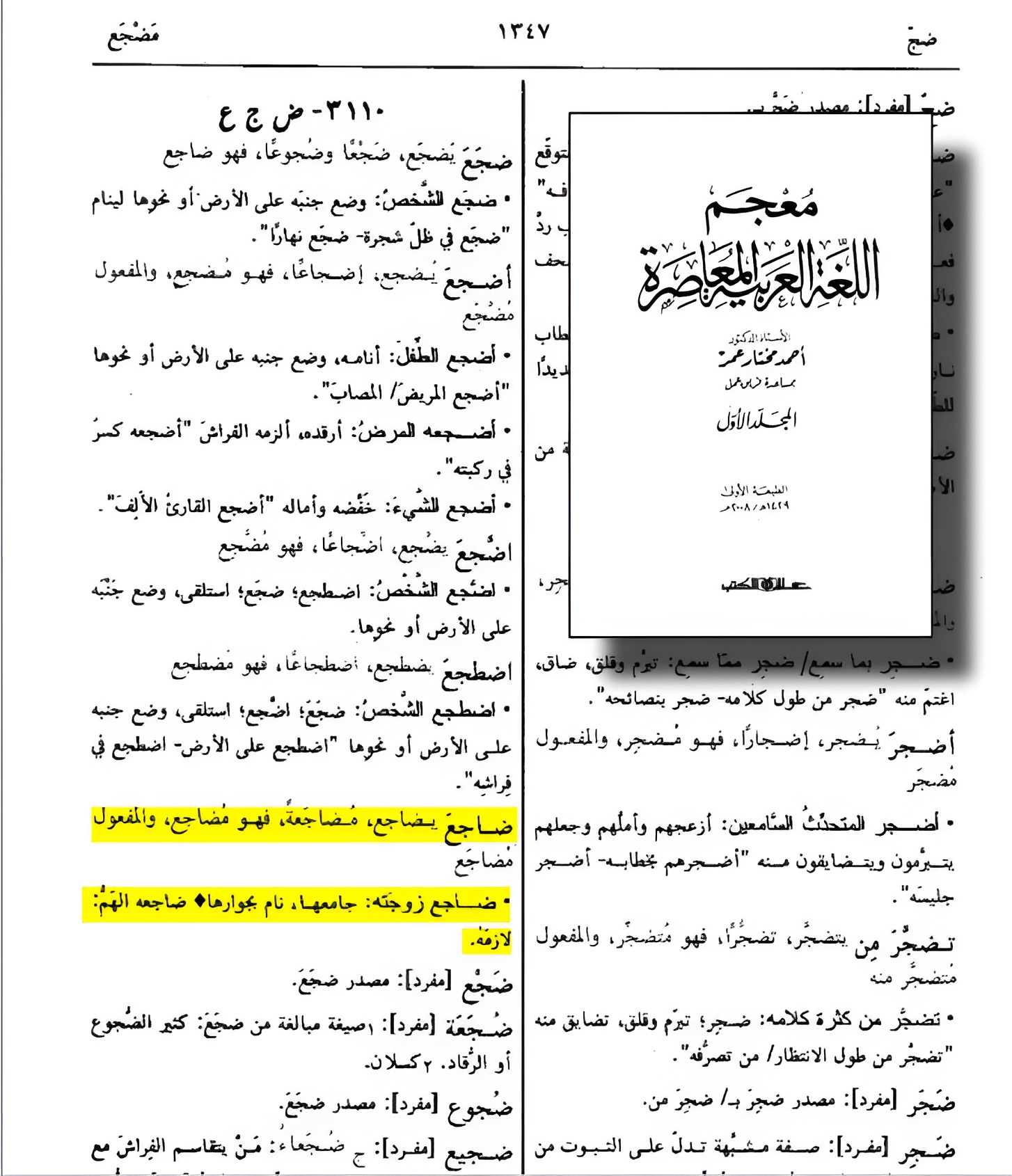
Is the word “أنكتها” linguistically correct?
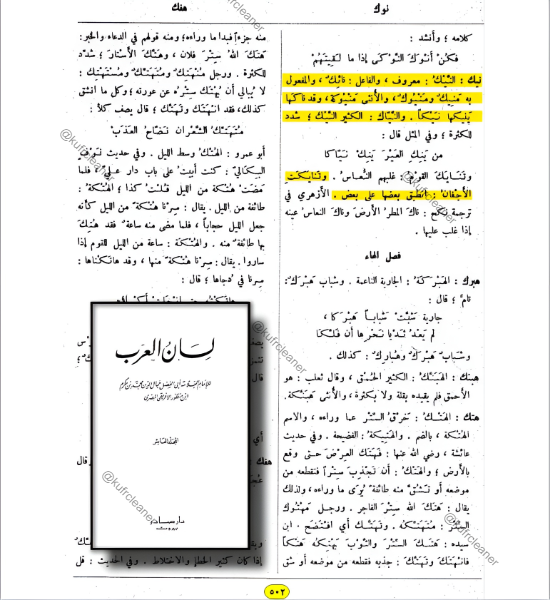
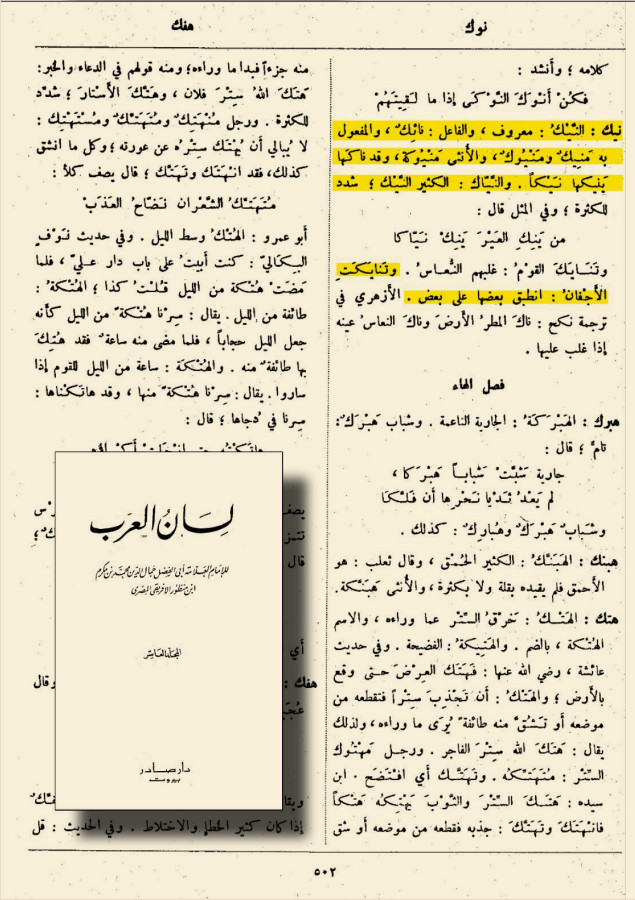
According to the book Lisan al-Arab by its author Ibn Manzur, the greatest reference for the Arabic language, the word is linguistically correct and there is no doubt about it, and the Arabs at that time used it out of necessity.
(The act of having sex is known, the doer is a sex-giver, the object is a sex-giver and a sex-giver, and the female is a sex-giver, and he had sex with her, he has sex with her, and the sex-giver is the one who has sex a lot, the emphasis is for the abundance).
And in the proverb: He who fucks the donkey will be fucked by a donkey, and the people were overcome by sleep, and the eyelids closed over each other.
Did Anyone Object to This Term during the Time of the Prophet ﷺ, whether from the Jews, the Christians, or the Disbelievers of Quraysh Who Were Lying in Wait for Him over Every Little Thing?
The answer is: No, as evidenced by the fact that the people in the time of the Prophet, may God bless him and grant him peace, used it, and it was a natural expression. Therefore, when the Prophet, may God bless him and grant him peace, said it, no one objected to it, whether a companion, a Jew, a Christian, or from the Quraysh who were lying in wait for him, because they themselves used the expression.
So why do you deny it to the Prophet ﷺ but not to all Arabs, despite its linguistic correctness?
3
The fact that this word is now considered ugly, even in cases of necessity, is not the fault of the Prophet (peace and blessings be upon him) nor the fault of the Arabic language.
Many words that were once considered normal by the people of the language are now considered ugly words.
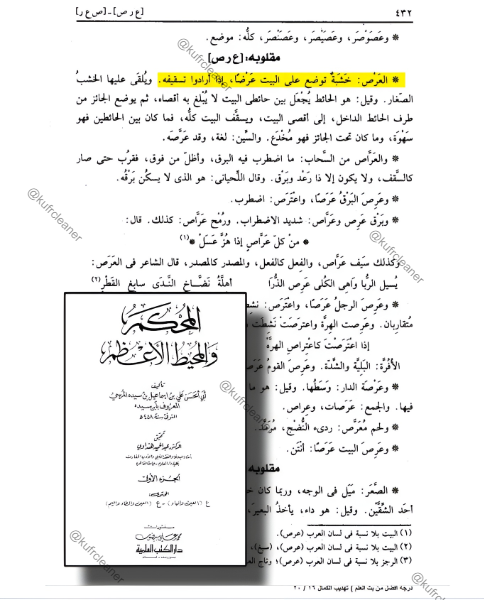
Take an example: the word (عَـرْصْ) is used as an insult now, or perhaps it is used to refer to a cuckold, but in the past among the Arabs it meant: (a piece of wood placed on the house), and the word عرس means: the corner of the house, and from it comes: the courtyards of the house, and the courtyards of the Day of Resurrection.
4
Let’s assume, for the sake of argument, that the word is out of place.
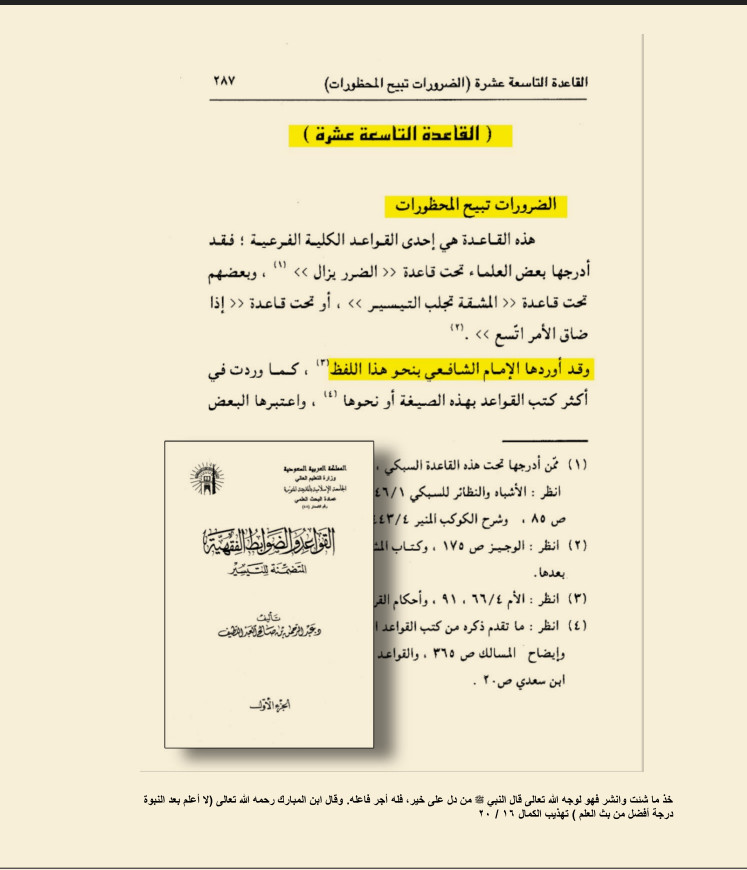
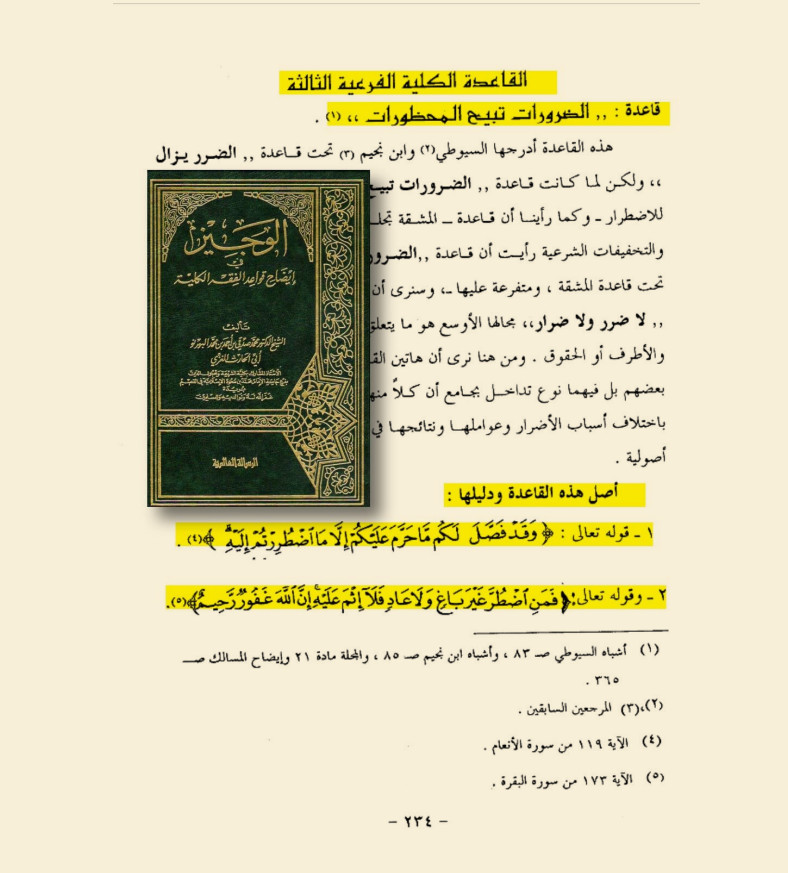
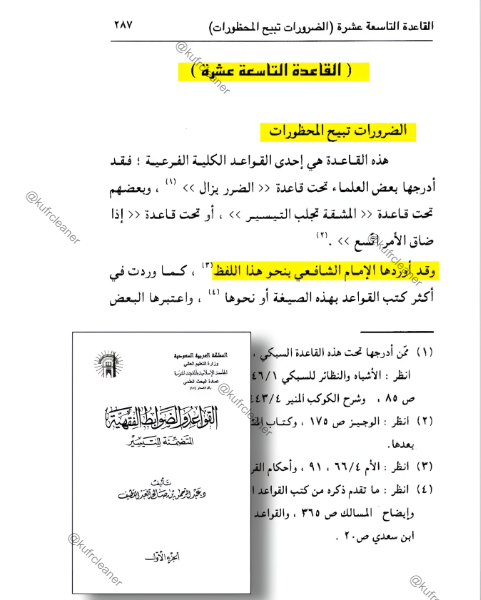
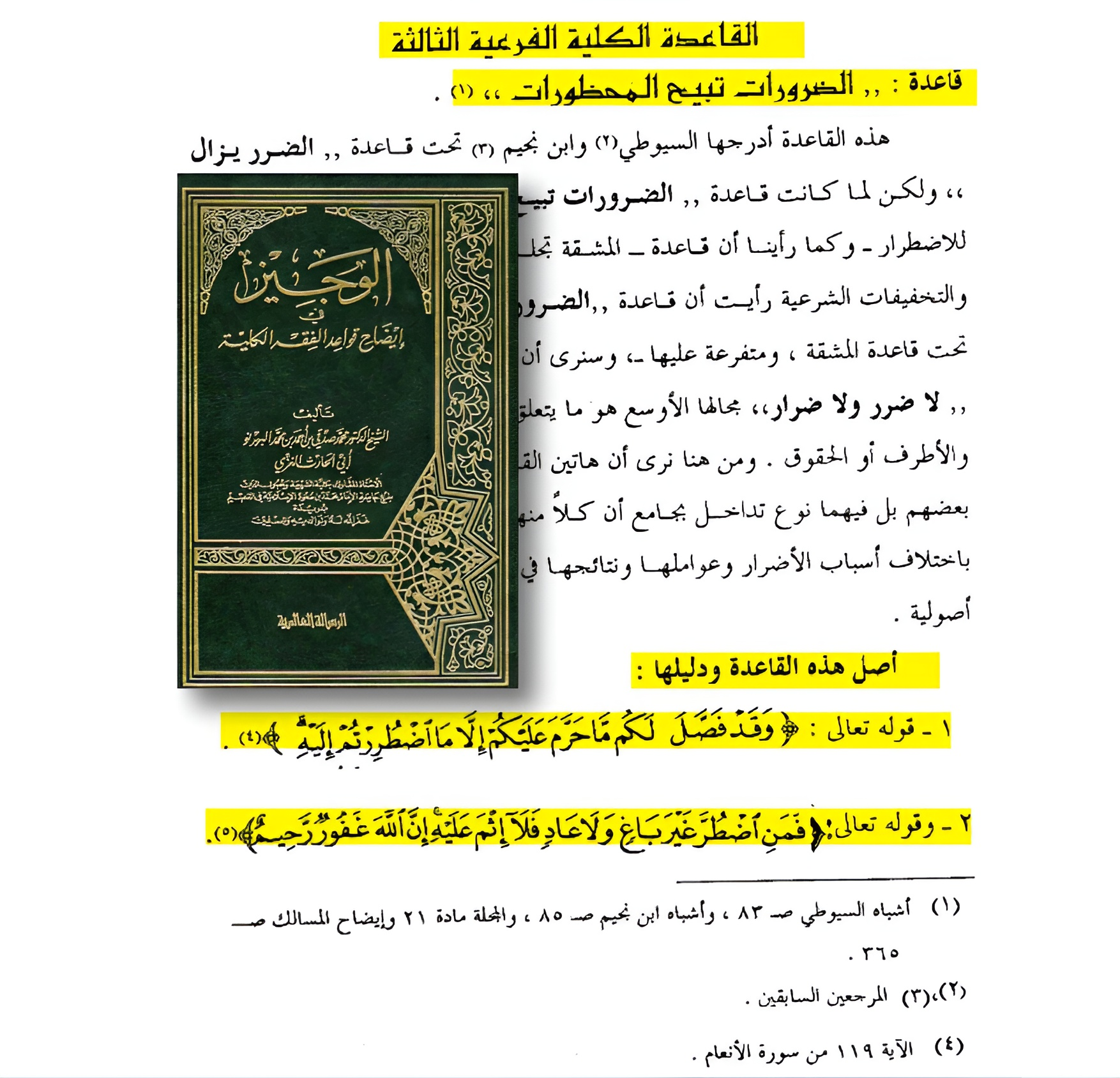
As Muslims, we have a jurisprudential principle that says: “Necessity permits what is forbidden.” Here, the Prophet (peace and blessings be upon him) in this situation is the judge who rules on a case of adultery that leads to stoning and death.
5
Why did the Prophet ﷺ use this particular word and not another word?
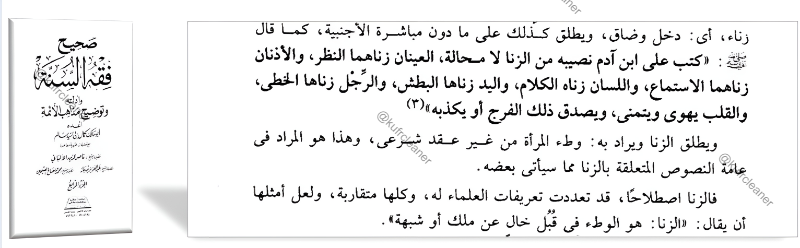
Because the hadith about stoning Ma’iz in the case of adultery was recent, it was related to another hadith of the Prophet, may God bless him and grant him peace: “The eye commits adultery, and its adultery is looking, and the hand commits adultery, and its adultery is touching.” In order to remove any ambiguity or error in understanding, the Prophet, may God bless him and grant him peace, stated the wording clearly.
Is there another word that eliminates all these possibilities and means “input”?
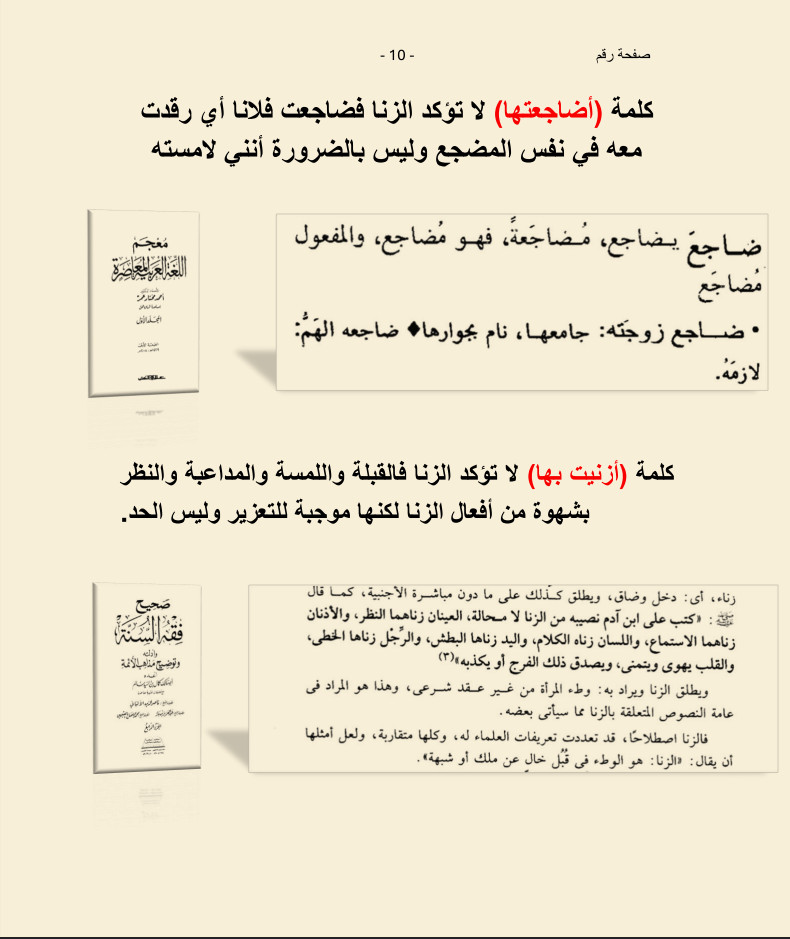
The word “I lay with her” does not confirm adultery. “I lay with so-and-so” means I slept with him in the same bed, and it does not necessarily mean that I touched him.
The phrase “I committed adultery with her” does not confirm adultery. Kissing, touching, fondling, and looking lustfully are acts of adultery, but they warrant discretionary punishment, not the prescribed punishment.
The words “I committed adultery” or “I had intercourse with her” do not confirm adultery. A man may have intercourse with a woman and mount her, but he does not insert his penis into her. This also does not warrant the prescribed punishment, but rather a severe discretionary punishment is applied to it.
The word “I had intercourse with her” or “I had sexual relations with her” encompasses the description of all forms of sexual relations, and intercourse or sexual relations may take place without penetration or ejaculation.
Therefore, there is no word that is equivalent to adultery in its common meaning except (I had intercourse with her).
If you reject a single word found in a book containing thousands of hadiths, why don’t you reject the thousands of explicitly obscene words found in your so-called holy book? What do you think of these texts?
“Then Saul became angry with Jonathan and said to him, ‘You son of a wh0re and rebellious woman! Do I not know that you have chosen the son of Jesse to your own shame and to the shame of your mother’s nakedness?’” (1 Samuel 20:30).
The word (nakedness) is a nice translation of the original word in the original Greek text, and of course you know it.
2- “The leech has two daughters: ‘Give, give!’ Three are never satisfied, four do not say, ‘Enough!’” (Proverbs 30:15).
3- “How beautiful are your feet in sandals, O daughter of the noble one! The curves of your thighs are like jewels, the work of a craftsman’s hands. Your navel is a round goblet, never lacking mixed wine. Your belly is a heap of wheat encircled with lilies. Your breasts are like two fawns, twins of a gazelle” (Song of Solomon 7:1-3).
👈Before you look at the speck in someone else’s eye, look at the pus and discharge in your own eyes. And he whose house is made of paper should not talk about concrete houses!