Did the Prophet Violate Quran 2:222? — The Meaning of Mubashara During Menstruation Explained
title: “Did the Prophet Violate Quran 2:222? — The Meaning of Mubashara During Menstruation Explained”
description: “A refutation of the claim that hadiths describing the Prophet engaging in mubashara with his wives during menstruation contradict Surah Al-Baqarah 2:222, demonstrating through Arabic lexicons and classical scholarly commentary that mubashara carries two distinct meanings and that the hadiths refer to skin contact, not intercourse.”
category: Refutations
tags:
- hadith
- quran
- fiqh
- tafsir
The claim that the Prophet violated the Quranic prohibition in Surah Al-Baqarah 2:222 by engaging in intimate acts with his wives during menstruation rests entirely on a misreading of the Arabic word !!mubashara!!. The word carries two distinct meanings in the Arabic language — intercourse and skin-to-skin contact between a man and a woman — and the hadiths in question use it in the second sense. This is not a modern apologetic distinction; it is the position of the classical Arabic lexicons, the commentators on the hadiths, and the scholarly consensus on the relevant fiqh question.
The Quranic Verse at Issue
“They ask you about menstruation. Say, ‘It is a harm, so keep away from women during menstruation and do not approach them until they are purified. And when they have purified themselves, then come to them as Allah has commanded you.’”
The following images present the source material raising the initial claim and the Quranic context.
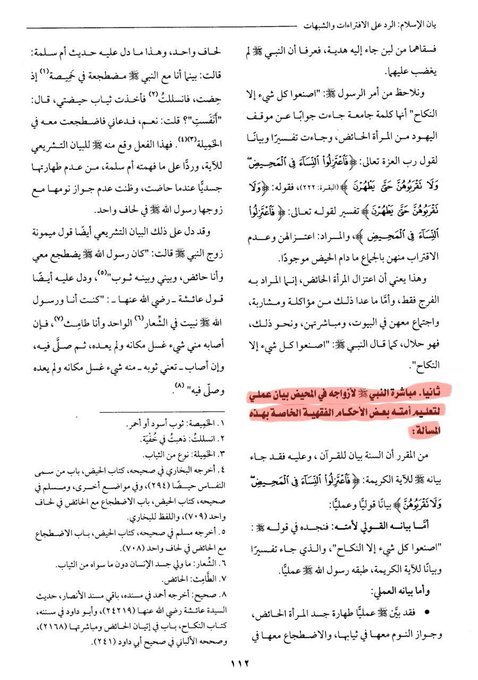
The following image presents the second entry in the opening source sequence.
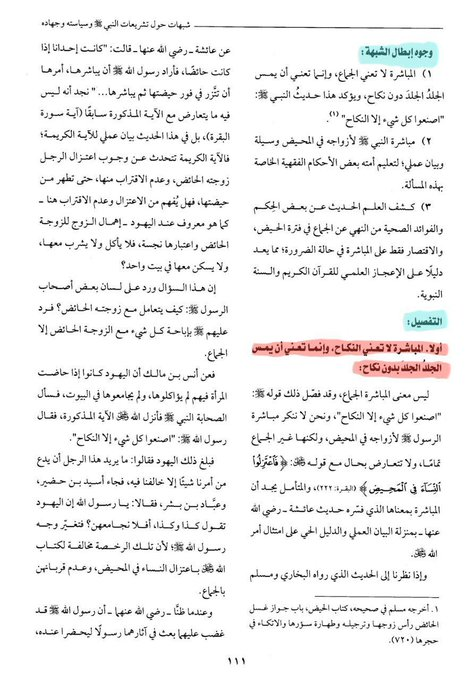
The following image presents the third entry in the opening source sequence.
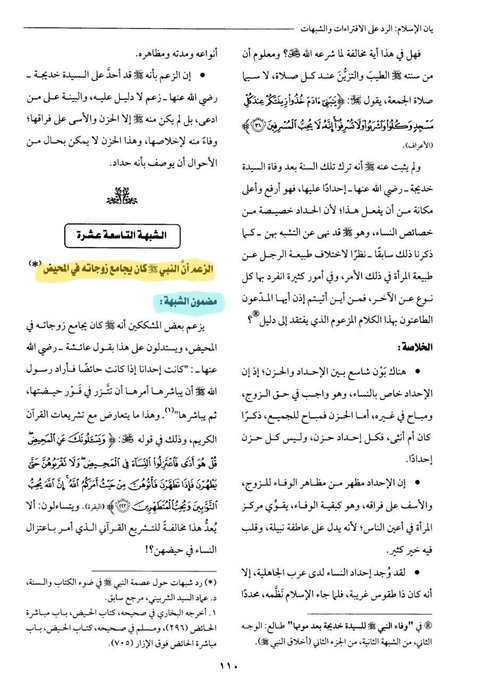
The following image presents the fourth entry.
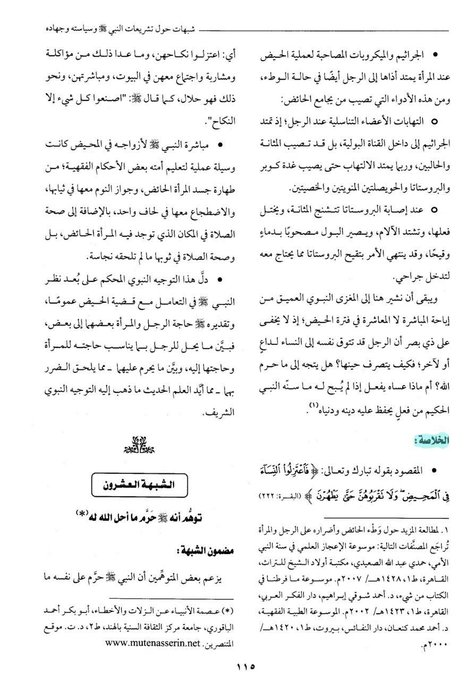
The following image presents the fifth entry in the opening sequence.
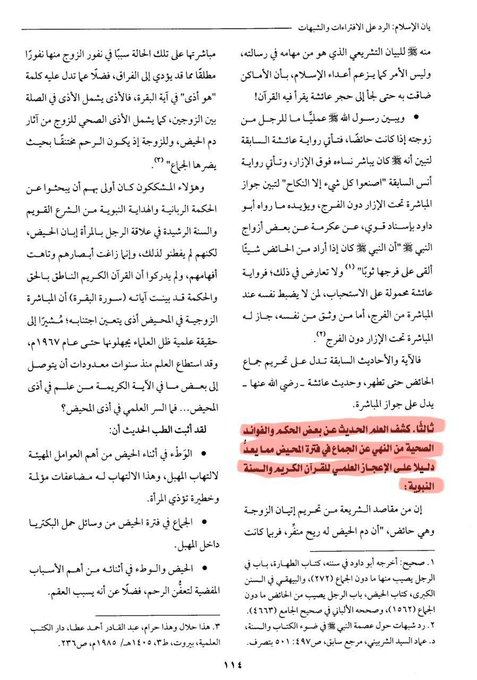
The Core of the Doubt — The Word Mubashara
The entire claim revolves around the Arabic word mubashara. What those raising this objection fail to account for is that the word carries two distinct meanings in classical Arabic:
First, sexual intercourse. Second, skin-to-skin contact between a man and a woman, without intercourse.
The hadiths use the word in the second sense. The following images present the lexical evidence from four classical Arabic dictionaries.
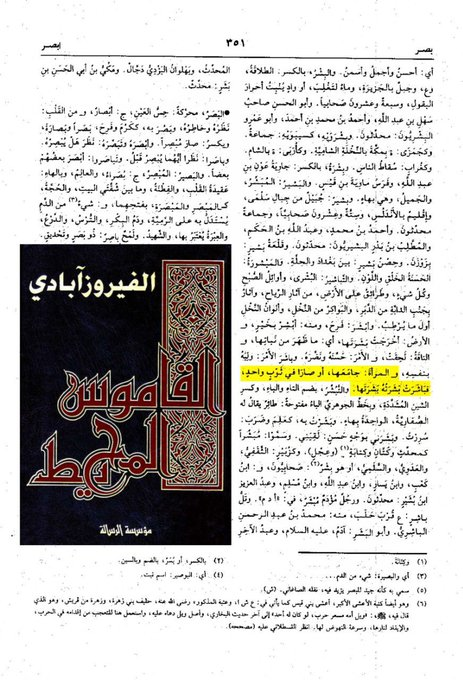
The following image continues the lexical evidence.
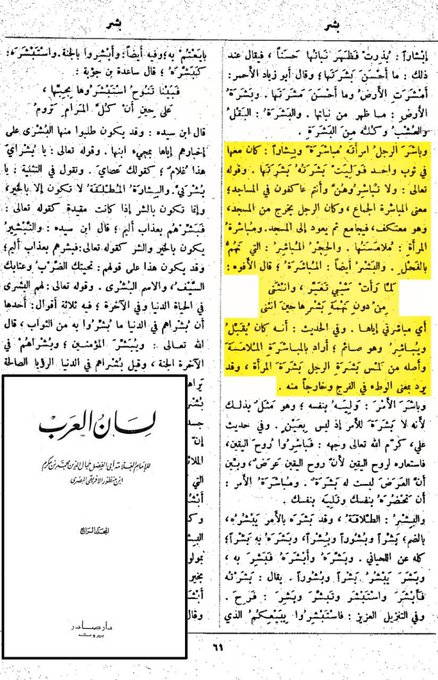
The following image presents the third lexical entry.
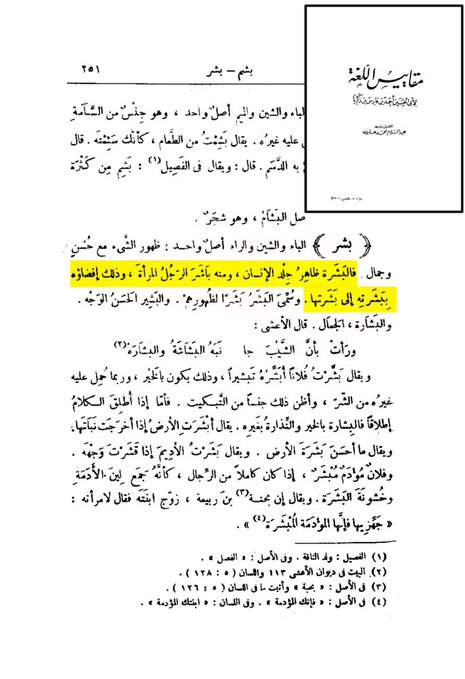
The following image presents the fourth lexical entry.
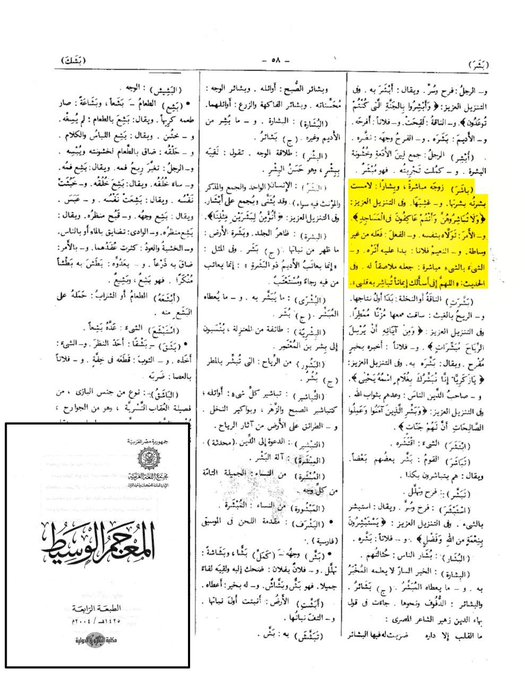
What the Lexicons Say
“A man ‘yubashiru’ his wife when they are in one garment and their skins touch. The Quranic verse (2:187) ‘Do not engage in mubashara while in i’tikaf’ refers to intercourse. However, mubashara can also mean mere physical touch.”
“Mubashara with a wife can mean intercourse or simply being in one garment so that their skins touch.”
“Mubashara means skin contact or intercourse. The Quran uses it to prohibit sexual intercourse during i’tikaf.”
“The root (ب-ش-ر) refers to something appearing with beauty, such as the skin. ‘Mubashara’ means a man’s skin touching a woman’s skin.”
The root of the word mubashara is bashara — skin. Its primary linguistic meaning is the touching of one skin against another, not intercourse.
What the Classical Scholars of Hadith Say
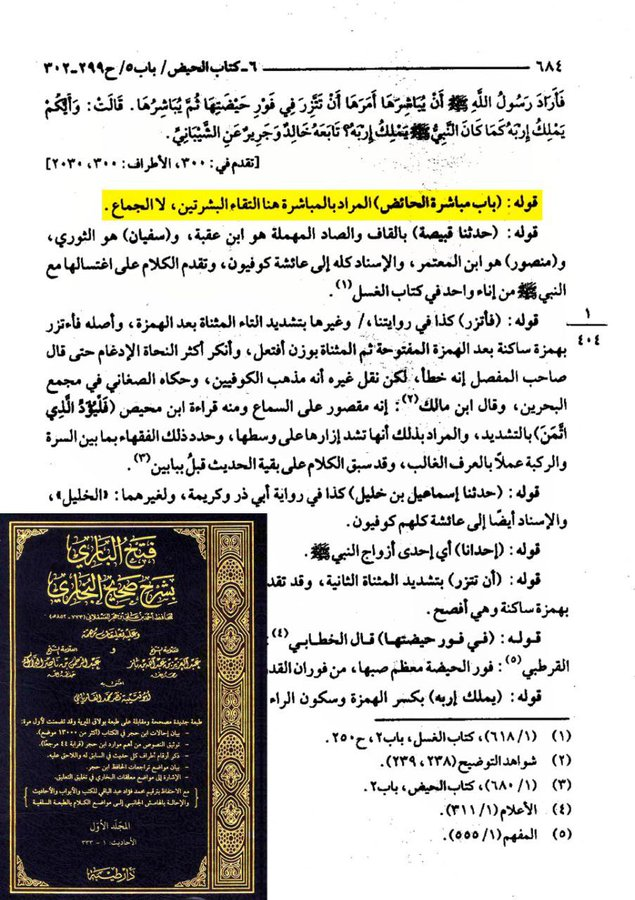
His statement in the chapter heading: “Chapter on Physical Contact with a Menstruating Woman” — the meaning of mubashara here is the touching of skin, not intercourse.
The following image presents the relevant passage from Ibn Hajar al-Asqalani.
The following image presents the relevant passage from Ibn Battal.
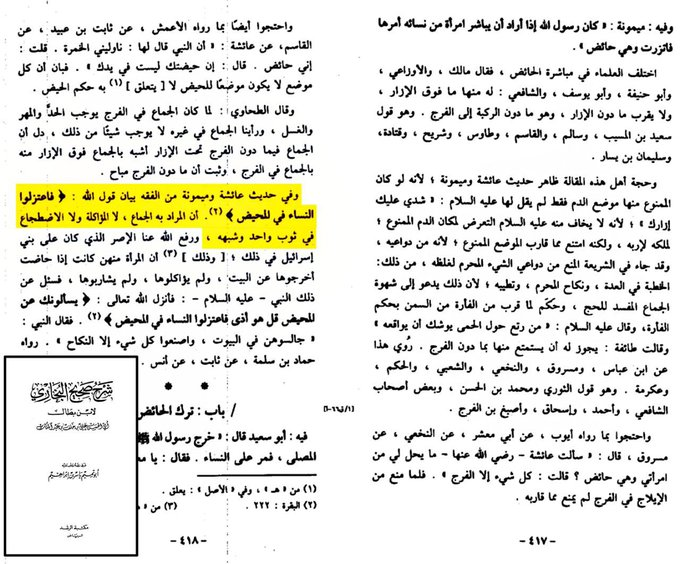
The hadith of Aisha and Maymuna provides a juristic explanation of the verse: “They ask you about menstruation. Say, ‘It is harm, so keep away from women during menstruation.’” (Al-Baqarah 2:222). The intended meaning of “keep away” here is intercourse — not eating together, lying in the same garment, or similar actions.
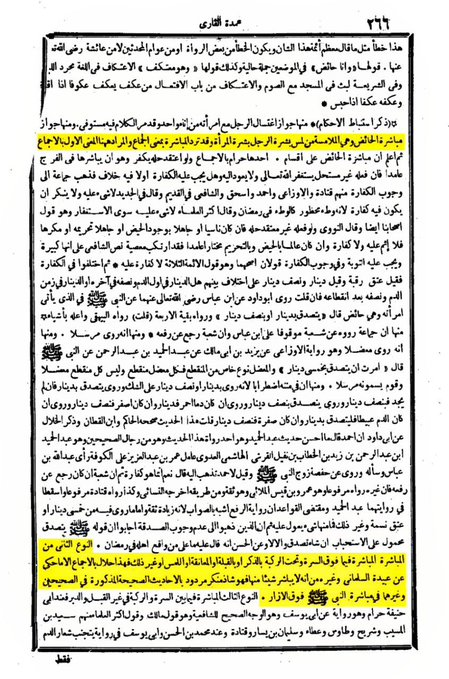
The following three images present the relevant passages from Badr al-Din al-Ayni.
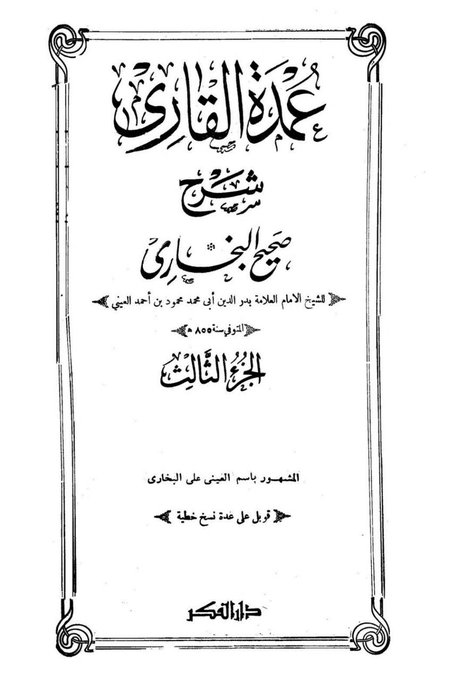
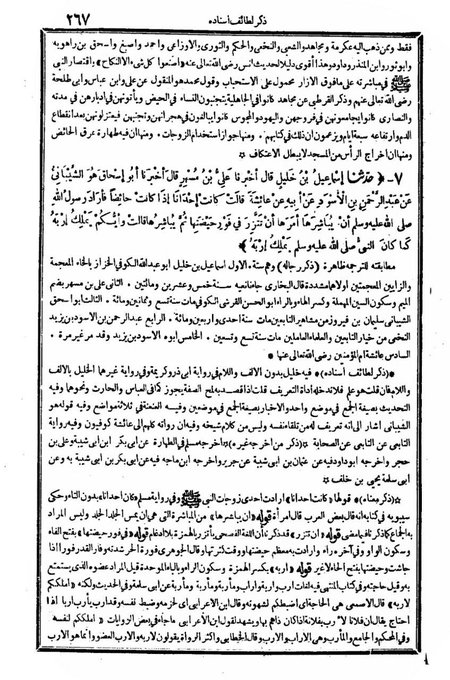
The following image continues al-Ayni’s discussion.
The following image presents the third entry from al-Ayni’s passage.
Among the issues discussed is the matter of “direct contact” with a menstruating woman, which refers to the touch of the man’s skin to the woman’s skin. The term “direct contact” may also refer to intercourse, but here the first meaning is intended by consensus. The second type of direct contact refers to actions above the navel and below the knee — such as touching, kissing, or hugging — and this is permissible by consensus, except for what has been reported from A’ida al-Salamani and others who claimed that none of these actions should be done. This is an odd and rejected view, countered by the authentic hadiths found in the Sahihs and other collections, which show that the Prophet engaged in such actions above the lower garment.
The alleged contradiction between the hadiths and Surah Al-Baqarah 2:222 does not exist. The word mubashara in the hadiths refers to skin-to-skin physical contact — lying together, touching — not to sexual intercourse. This distinction is not a modern invention: it is confirmed by Lisan al-Arab, Al-Qamus al-Muhit, Al-Mu’jam Al-Wasit, and Maqayis al-Lugha, all of which document both meanings of the word and explain the root. Ibn Hajar al-Asqalani explicitly states that the chapter on “physical contact with a menstruating woman” refers to skin contact, not intercourse. Ibn Battal clarifies that the prohibition in Al-Baqarah 2:222 targets intercourse specifically, not sharing a garment or lying together. Al-Ayni states by consensus that the mubashara in the relevant hadiths means skin contact, and that acts above the lower garment are permissible by scholarly consensus. The Prophet did not violate the Quran. The claim collapses on its own linguistic premises.