Eternal Youths in Paradise Explained: Refuting the False Claim About Qur’an 76:19
Refuting the Doubt Around “Eternal Youths” in Paradise
“eternal youths” or “immortal boys” — ولدان مخلدون.
✅ This usually refers to the belief — falsely attributed to Islam — that in Paradise, there are eternal young boys serving the believers, based on a misinterpretation of certain verses or hadiths.
The Doubt Being Spread
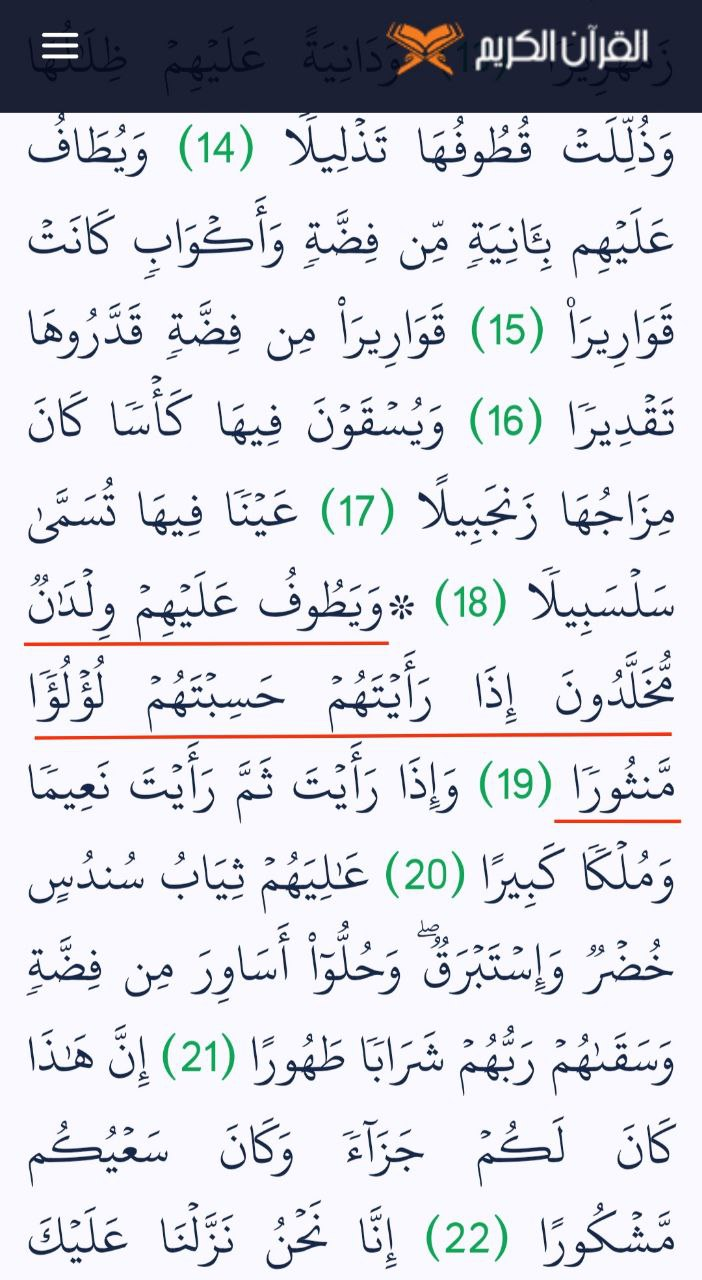
The accusation tries to falsely suggest that the Qur’an describes young boys in Paradise for immoral or sexual purposes.
The response below shows that this interpretation is not found among the classical mufassirīn and is a later distortion.
⭕ The Response
First: Classical Tafsir Does Not Support This Interpretation
✅ Take a look at this link which includes all the famous tafsirs — such as Al-Qurtubi, Al-Tabari, Al-Baghawi, and others — may Allah have mercy on them all:
🔗 http://quran.ksu.edu.sa/tafseer/qortobi/sura76-aya19.html
You will find that not one of them mentions such an interpretation.
Tafsir Link Reference
“And there will circulate among them eternal youths. When you see them, you would think them scattered pearls.”
{Embed}
http://quran.ksu.edu.sa/tafseer/qortobi/sura76-aya19.html
القرآن الكريم - تفسير القرطبي - تفسير …
۞ وَيَطُوفُ عَلَيْهِمْ وِلْدَانٌ مُّخَلَّدُونَ إِذَا رَأَيْتَهُمْ حَسِبْتَهُمْ لُؤْلُؤًا مَّنثورا (19) قوله تعالى : ويطوف عليهم ولدان مخلدون بين من الذي يطوف عليهم بالآنية ; أي ويخدمهم ولد…

The classical explanation mentions that these youths are servants of Paradise who circulate among the people of Jannah with vessels and drinks.
The tafsir explains their beauty and purity by comparing them to scattered pearls, but it does not mention any immoral or sexual interpretation.
This directly refutes the modern polemical claim.
The classical tafsir tradition does not support the vulgar interpretation promoted by anti-Islamic polemicists.
Second: The Only Known Person Who Promoted This Meaning Repented
Muḥammad ibn Aḥmad ibn ʿAbd ibn Aḥmad, known as Abū ʿAlī al-Walīd.
This claim is mentioned in Al-Bidāyah wa an-Nihāyah by Ibn Kathīr, but it is also noted that he repented from this statement.
He has a full biography in Siyar Aʿlām al-Nubalāʾ by al-Dhahabī ✅
So even the one individual who made such a claim recanted it, and his repentance is recorded in reliable sources.
Scan: Al-Bidāyah Wa an-Nihāyah
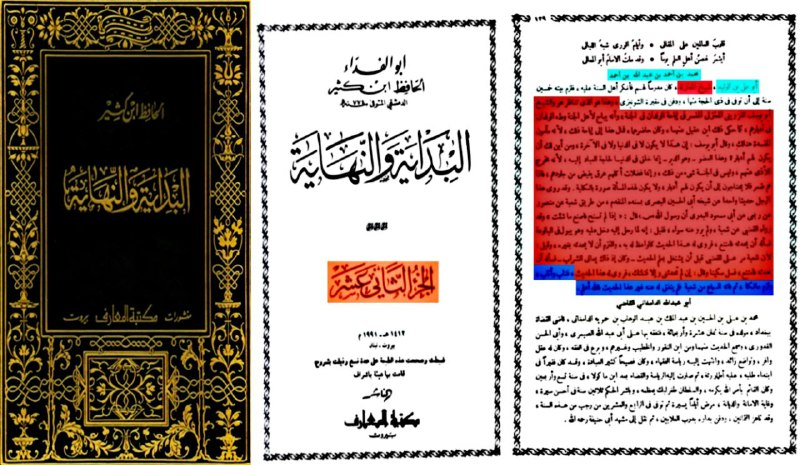
However, the important point is that the same report states that he repented from this view.
This means the interpretation was not a Sunni tafsir position, not a mainstream Islamic belief, and not accepted by the scholars of Islam.
Scan: Siyar Aʿlām al-Nubalāʾ
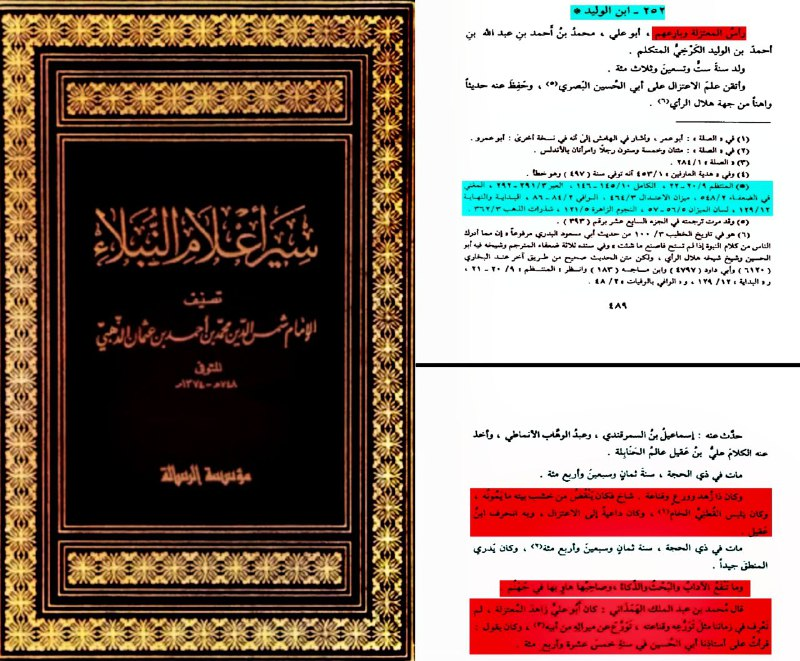
It is used to identify the person connected to this strange interpretation and to show that he was not representing the mainstream tafsir tradition.
The report also supports the point that this view was later abandoned and cannot be used as evidence against Islam.
Final Summary
The Qur’anic phrase “ولدان مخلدون” refers to youthful servants of Paradise. Classical tafsir works such as al-Qurṭubī, al-Ṭabarī, al-Baghawī, and others do not interpret it in the immoral way promoted by modern polemicists.
The only known figure associated with such a corrupt interpretation was Abū ʿAlī al-Walīd, a Muʿtazilī figure, and even he is reported to have repented from it.
Therefore, this doubt collapses both textually and historically.
It is a distortion forced onto the Qur’anic text by people who ignore classical tafsir and rely on polemical misrepresentation.