Filth Is the Hallmark of Faith in Christianity
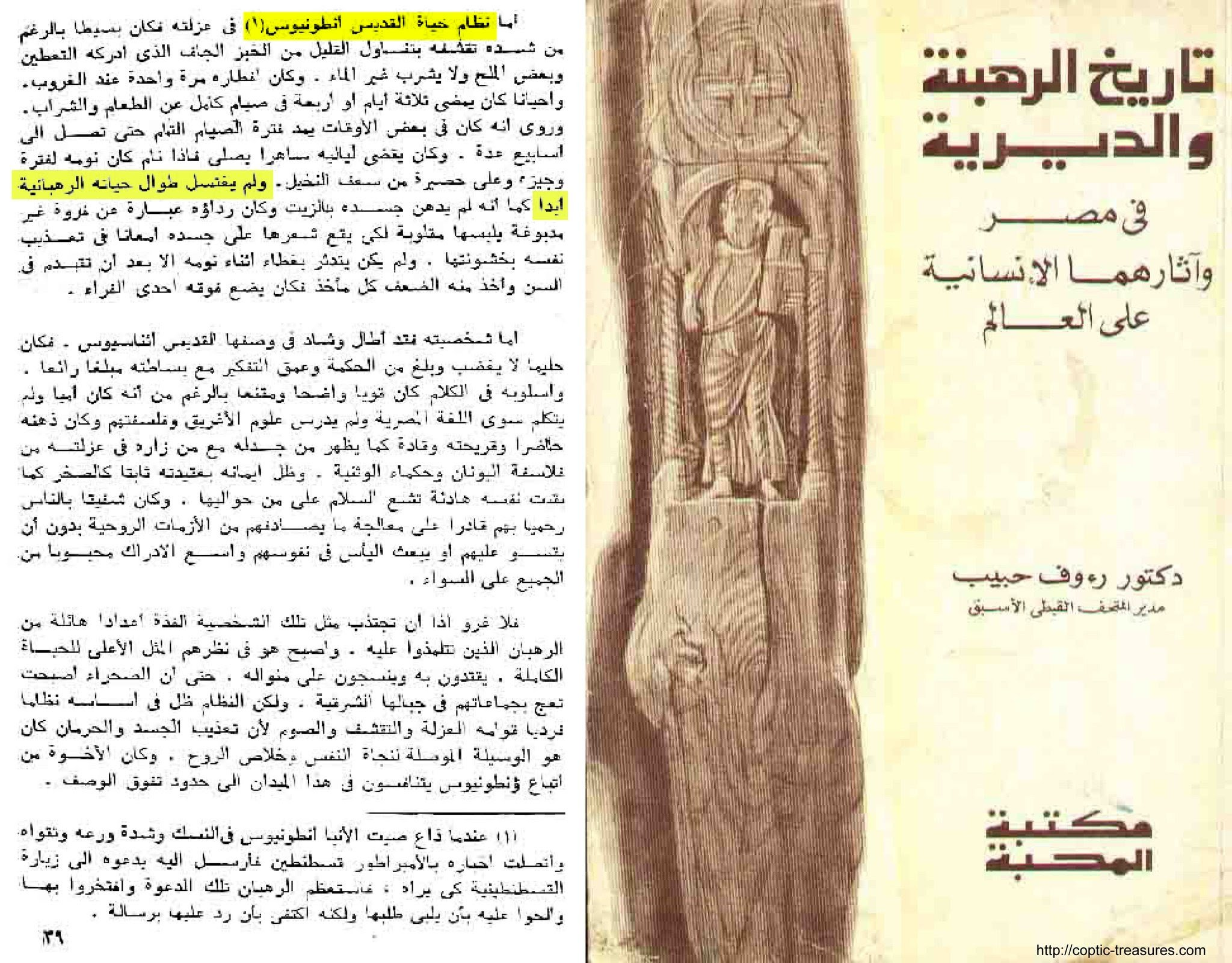
Saint Athanasius used to say that bathing is an ugly, reprehensible habit that does not align with good manners. Therefore, the bodies of monks became steeped in filth and dirt, and they considered this filth a sign of holiness and piety. This extended to the impurity of minds as well, by prohibiting reading and studying.
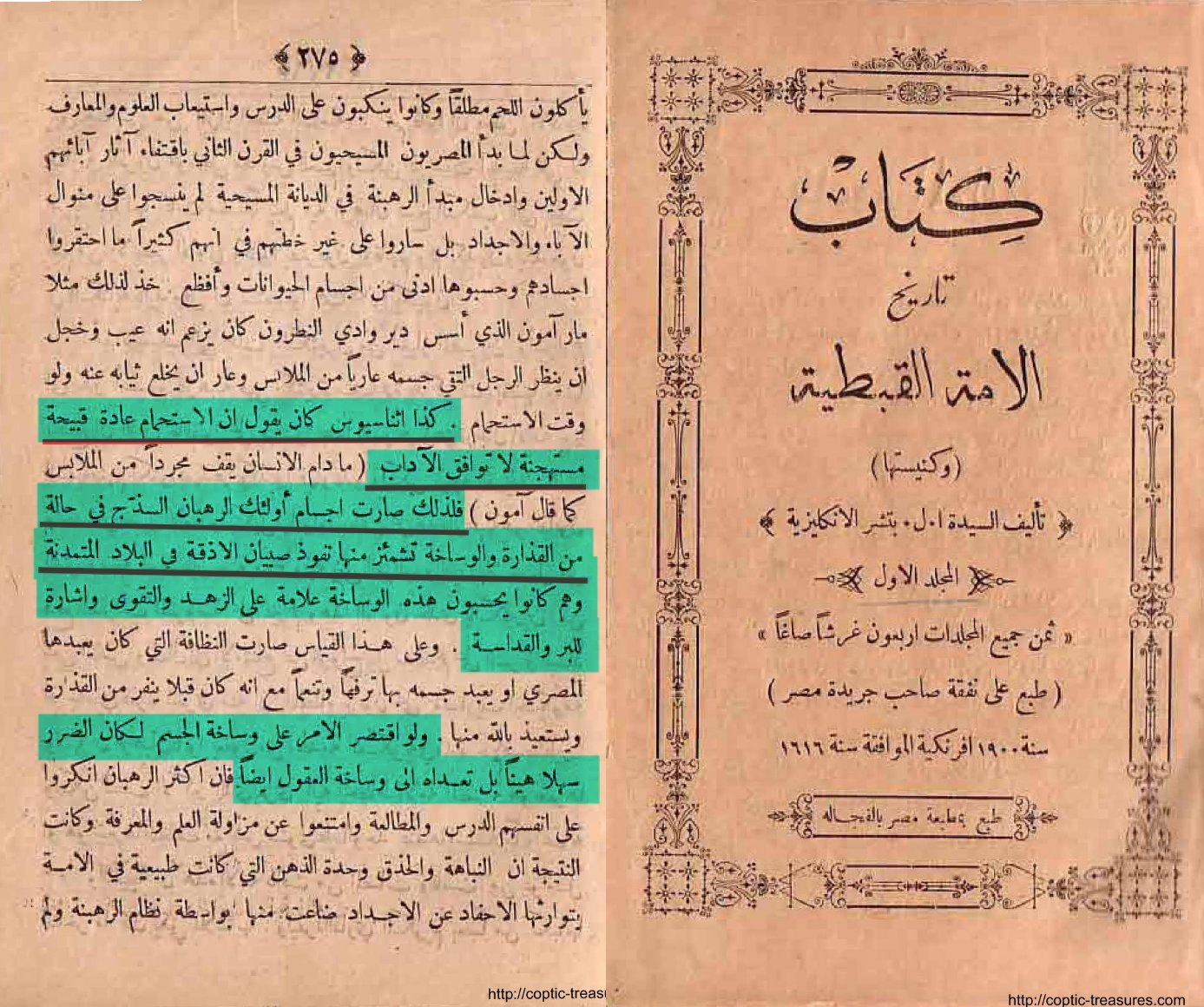
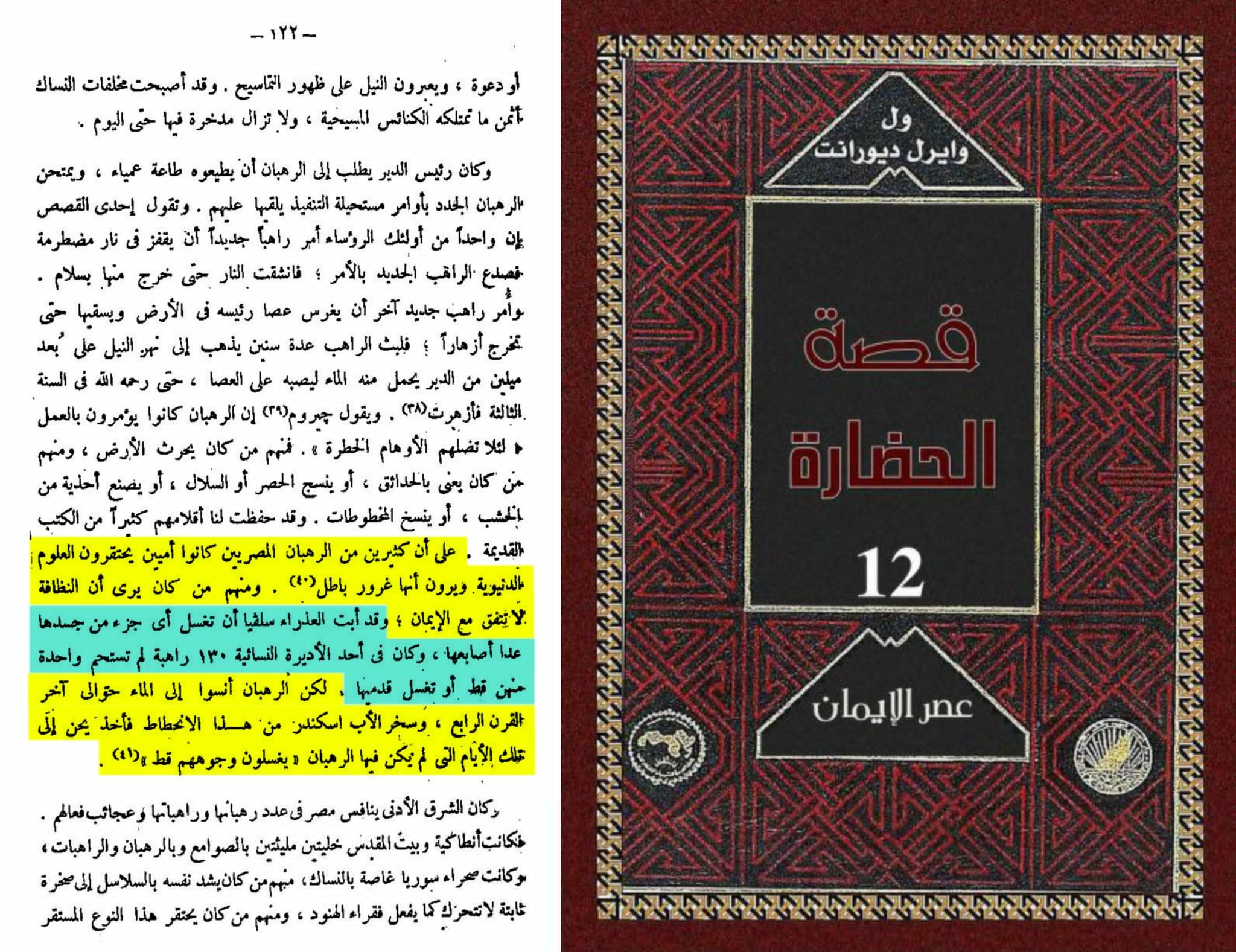
Many Egyptian monks despised worldly sciences and believed that cleanliness was incompatible with faith. The virgin Sylvia refused to wash any part of her body, and in one of the women’s monasteries, there were 130 nuns, not one of whom had ever bathed or washed her feet. Pope Alexander mocked those who used water, considering it a sign of sin.
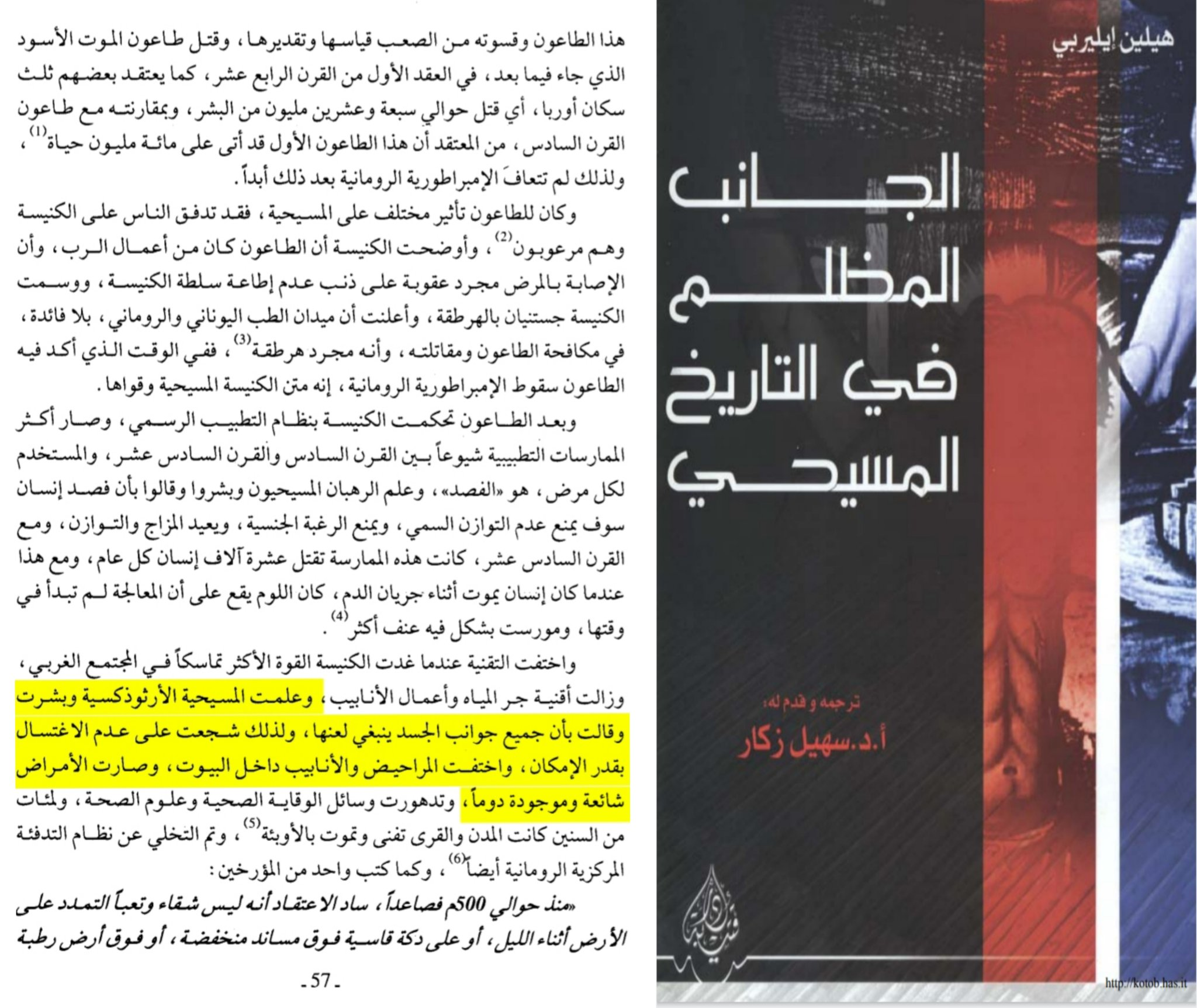
And Orthodox Christianity taught and preached and said that all aspects of the body should be cursed, and therefore it encouraged not bathing as much as possible, and toilets and pipes disappeared from homes, and diseases became common and ever-present.
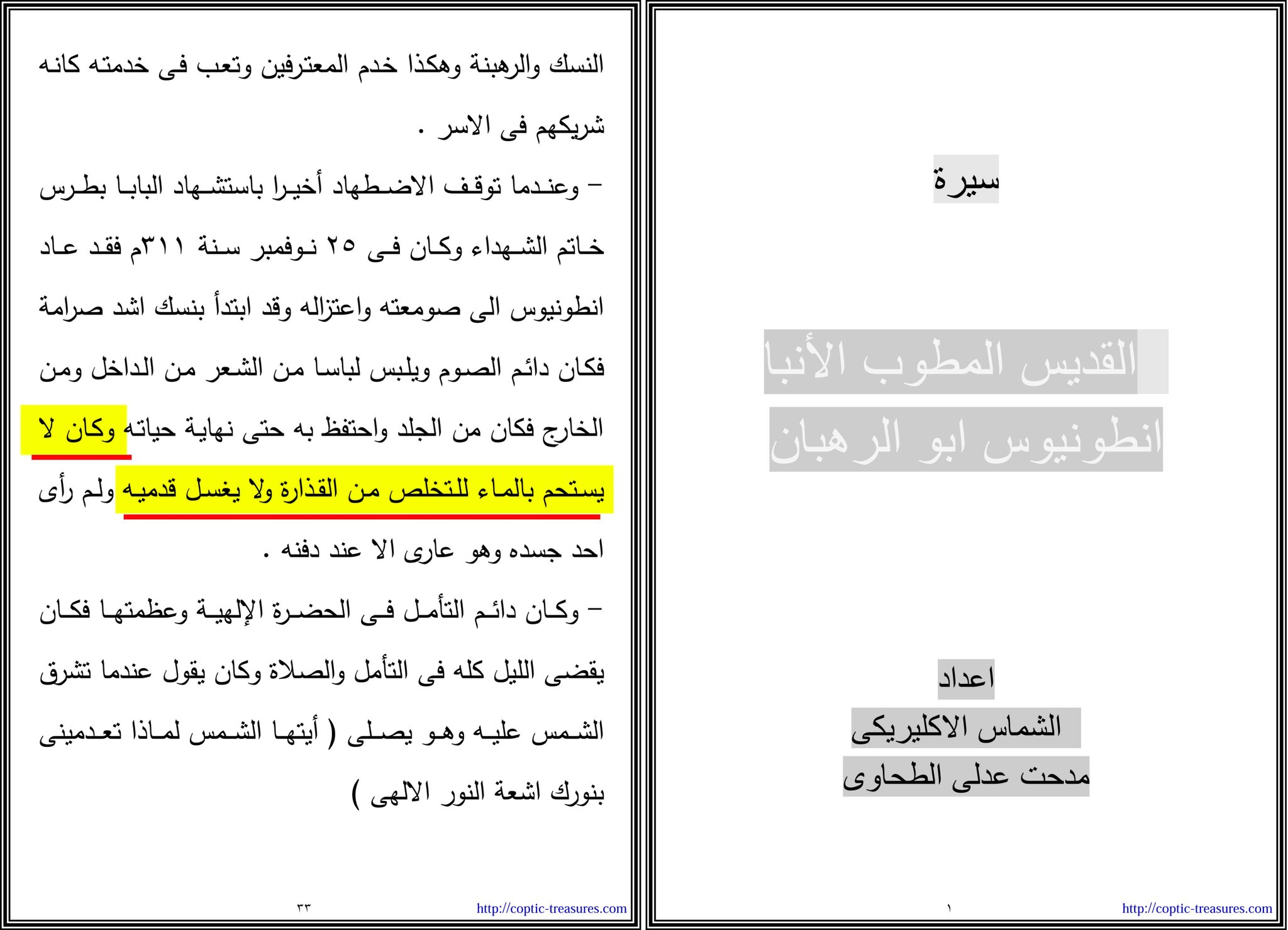
And Saint Jacob the Syrian was mentioned for his virtues and merits, that he never entered a bathhouse in his entire life!
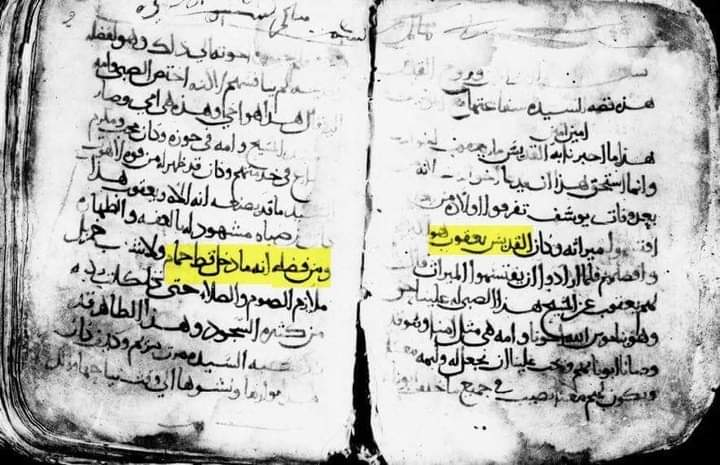
And in the interpretation of Leviticus by Father Tadros Yacoub Malaty: Marital relations do not require bathing…
For there is no washing in Christianity, neither for ritual impurity nor for anything else, because Christ abolished the ritual washing that symbolizes sin.
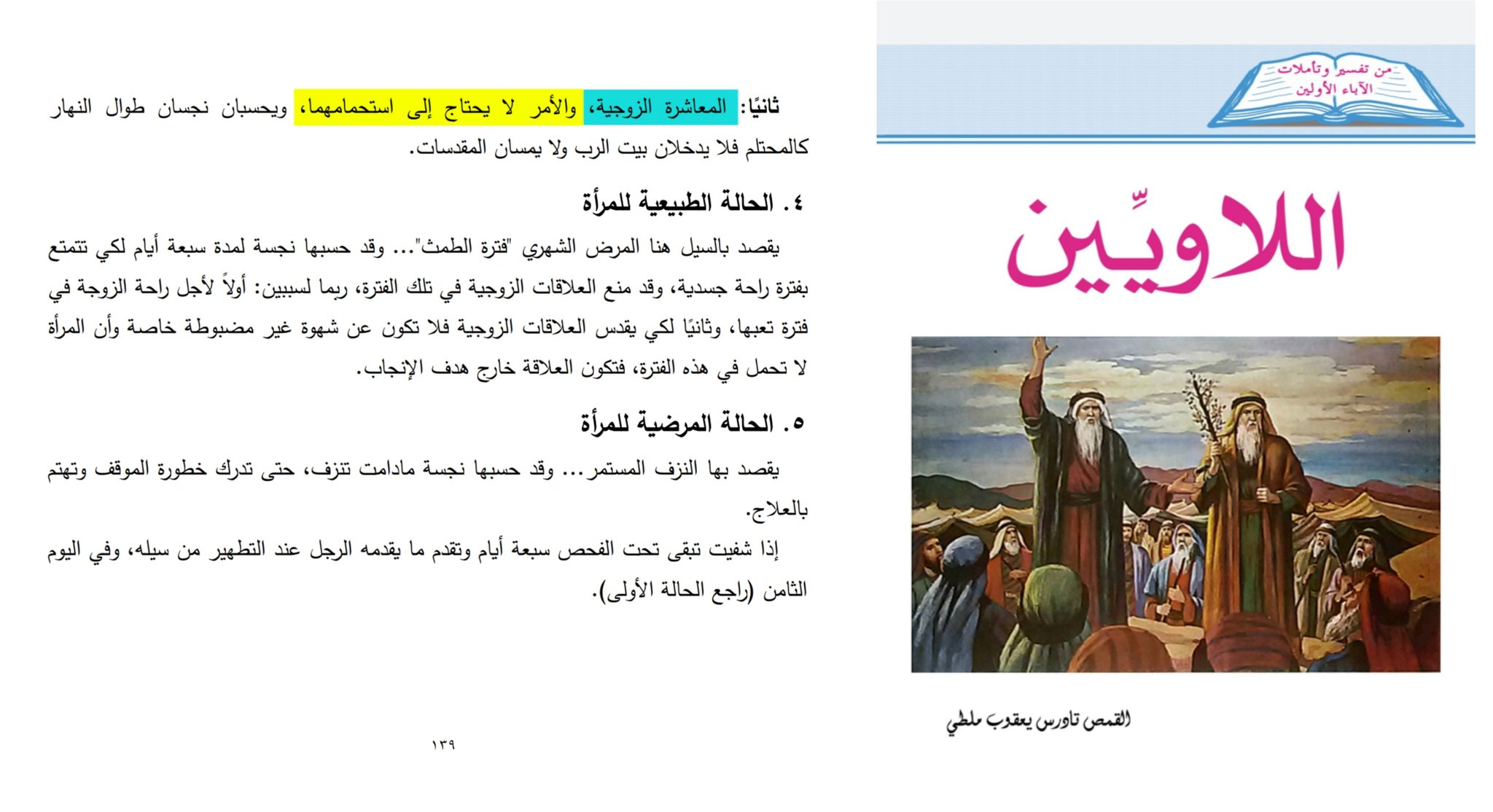
The gist is that filth in Christianity is considered a hallmark of holiness and chastity, at a time when cleanliness, bathing, and purification are deemed pagan, sinful, hostile to God, and a rejection of His salvation, which cleansed souls from sin, rendering any further purification unnecessary.
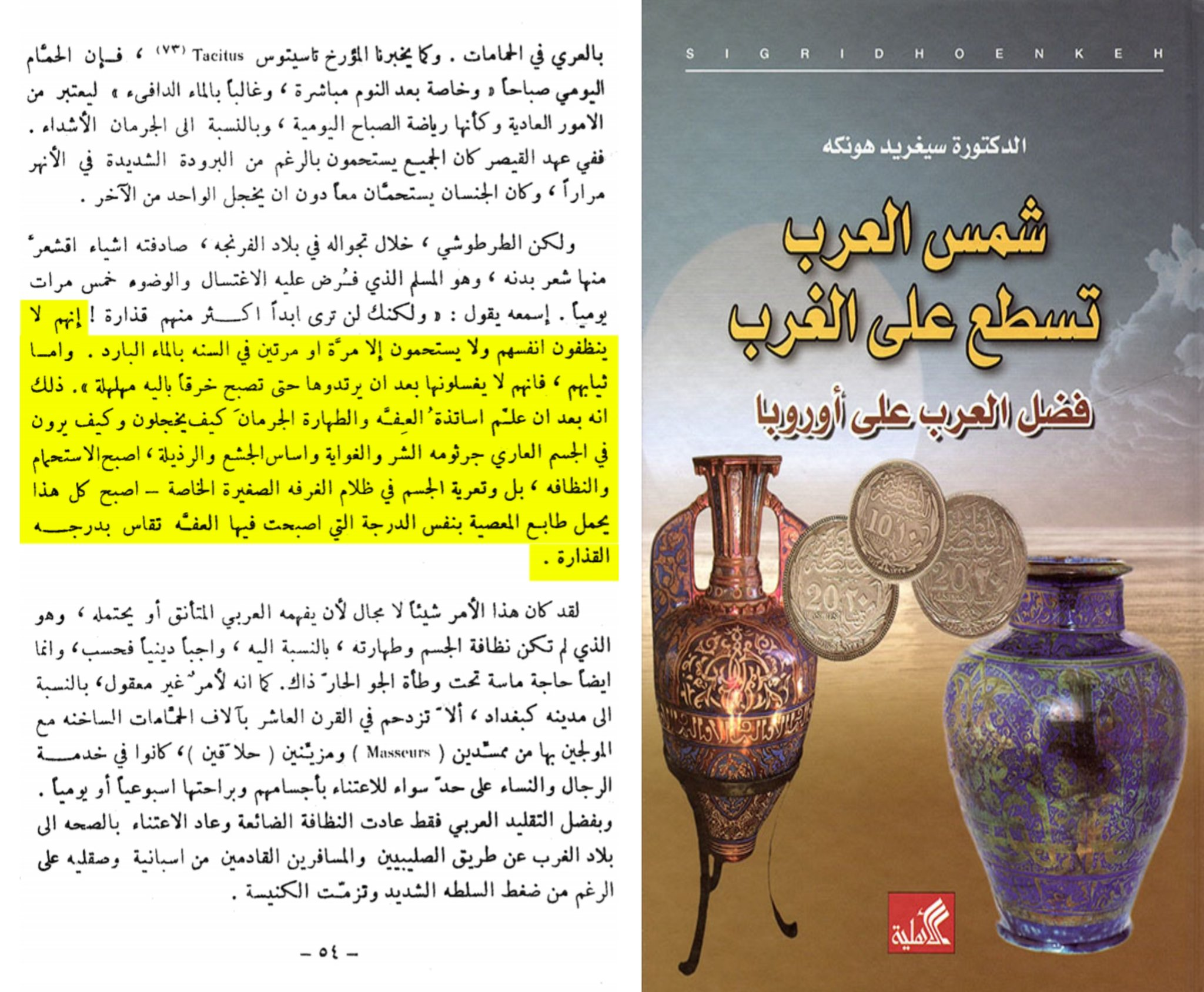
And when Christianity ruled Europe, they did not clean themselves or bathe except once or twice a year, nor did they wash their clothes until they became tattered rags, because Christianity viewed the naked body as a germ of evil, temptation, and vice. Bathing came to carry the stigma of sin, while chastity and holiness were measured by the degree of filthiness.
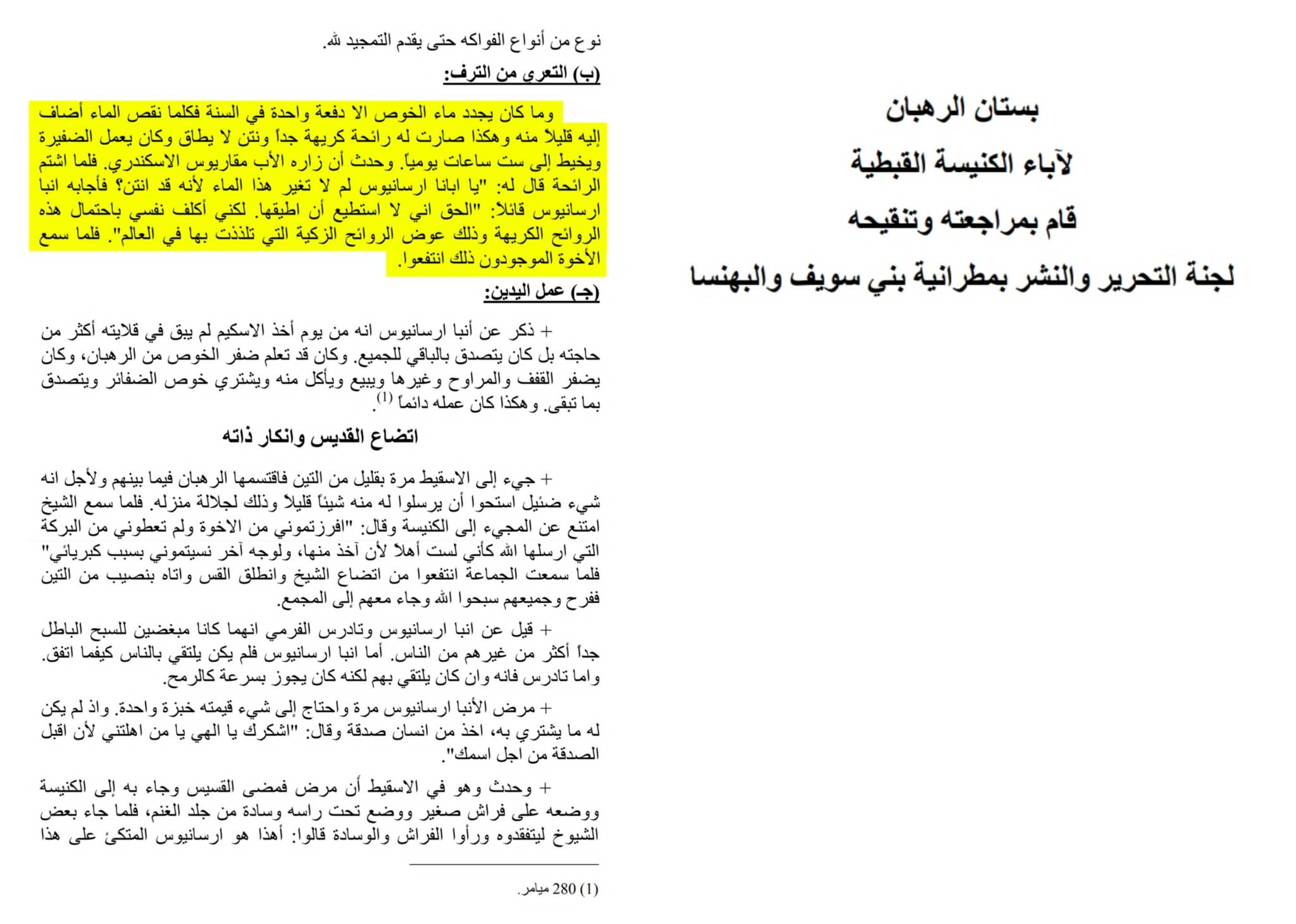
It is mentioned in the biography of Anba Arsenius: that he would not change the water except once a year, keeping it until it became foul and developed a bad odor.
And for this reason, they mentioned among the glories of Anba Bamo that he never laughed throughout his entire life!
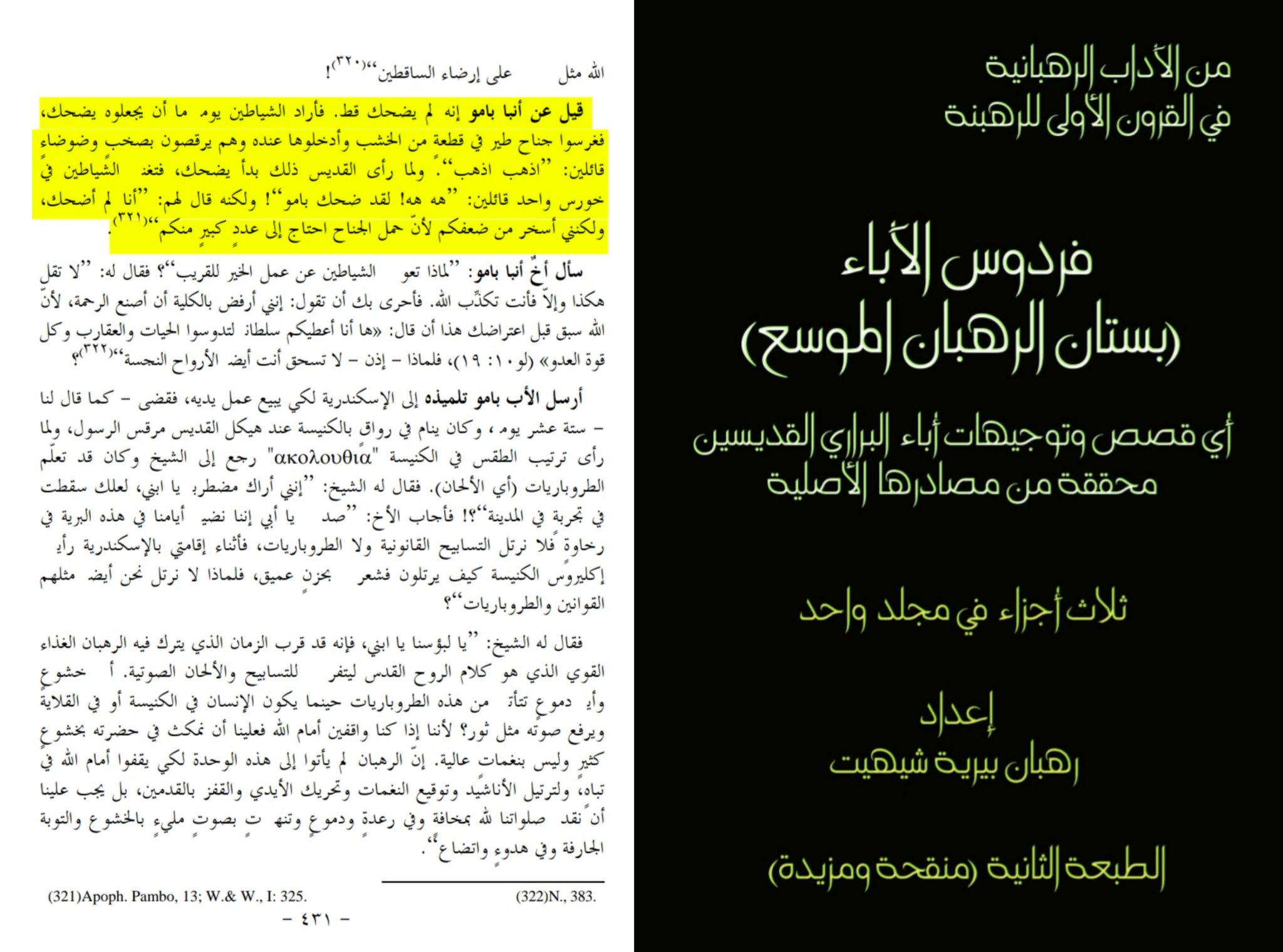
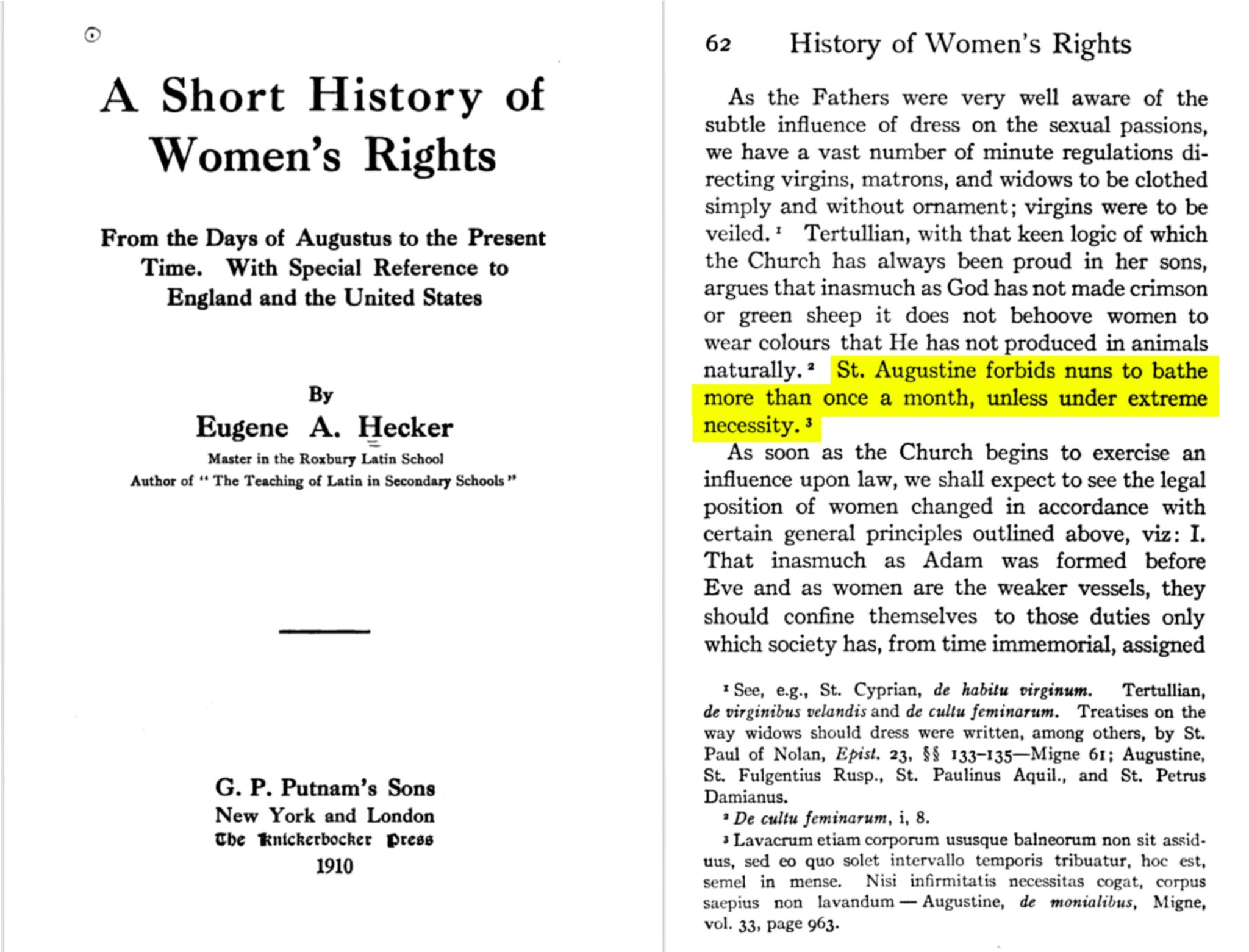
The church saint (Augustine) ordered the nuns not to use water except once a month, and none of them is allowed to use water except in cases of extreme necessity.
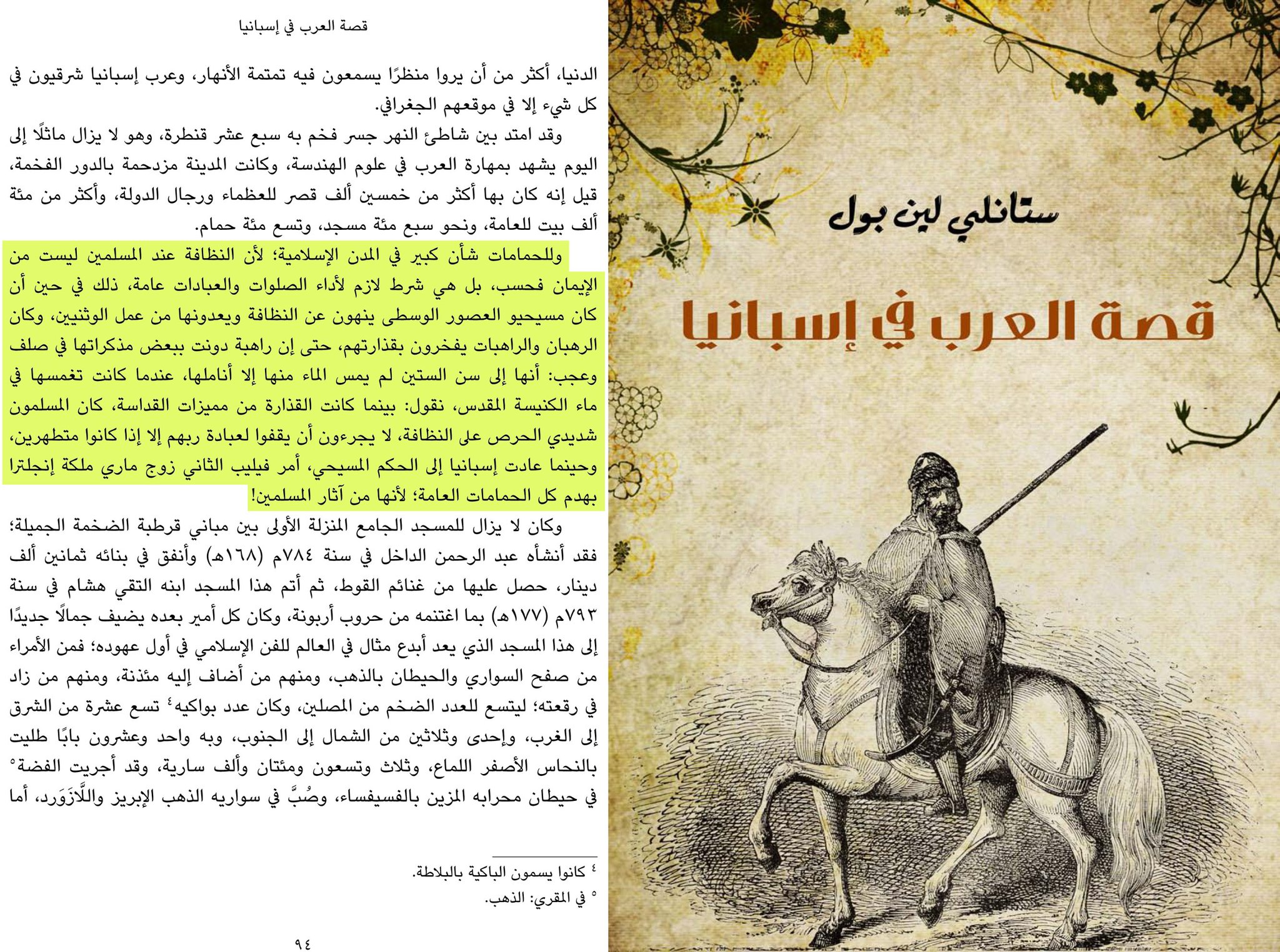
Medieval Christians forbade cleanliness and considered it a practice of pagans, and monks and nuns took pride in their filth to the extent that a nun recorded in some of her memoirs with arrogance and pride: that until the age of sixty, water had not touched anything of her except her fingertips, and cleanliness was one of the hallmarks of sanctity.
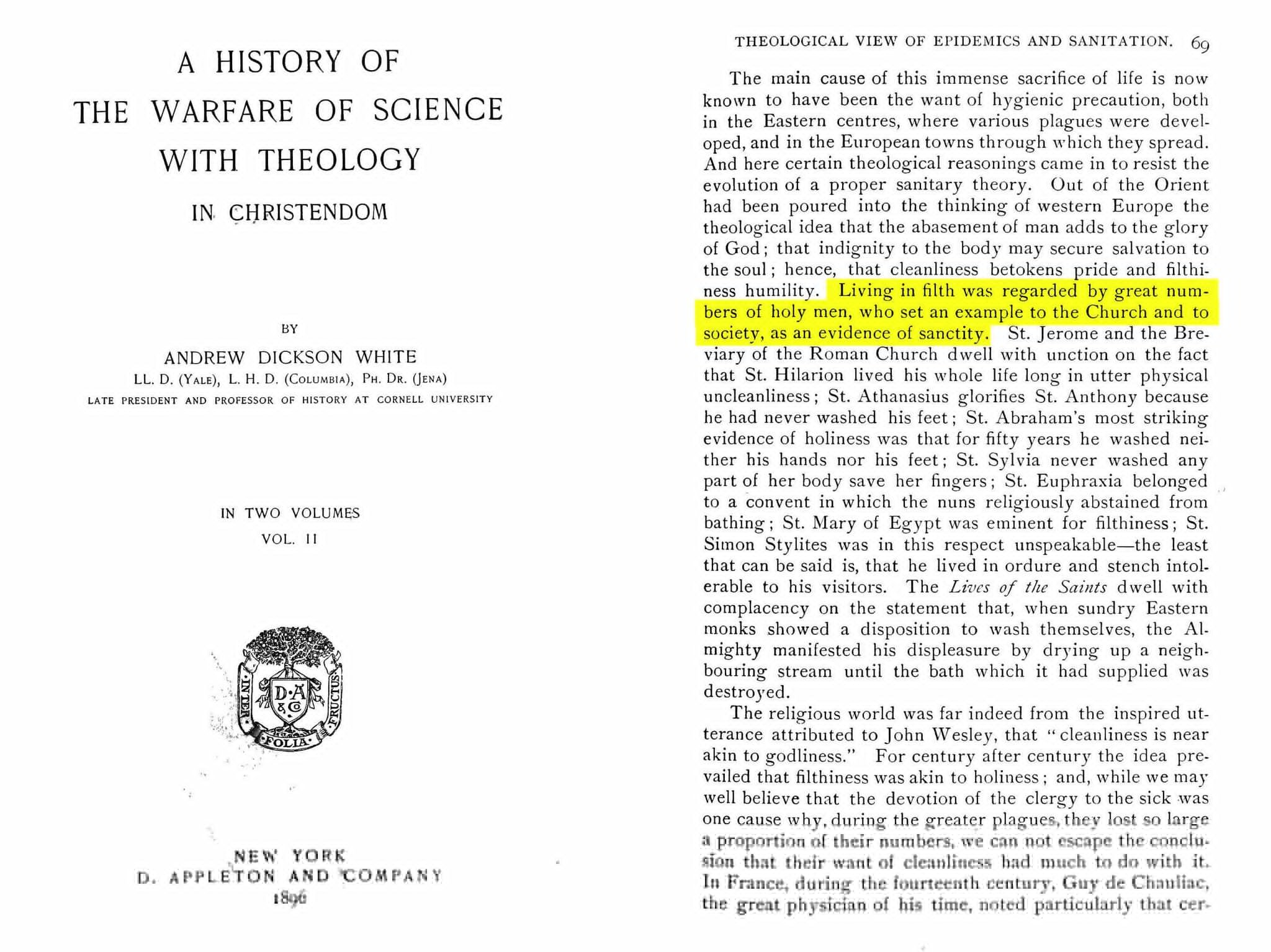
A large number of holy men, who were role models for society and the church, considered filth a sign of holiness.
The German philosopher “Friedrich Nietzsche” says:
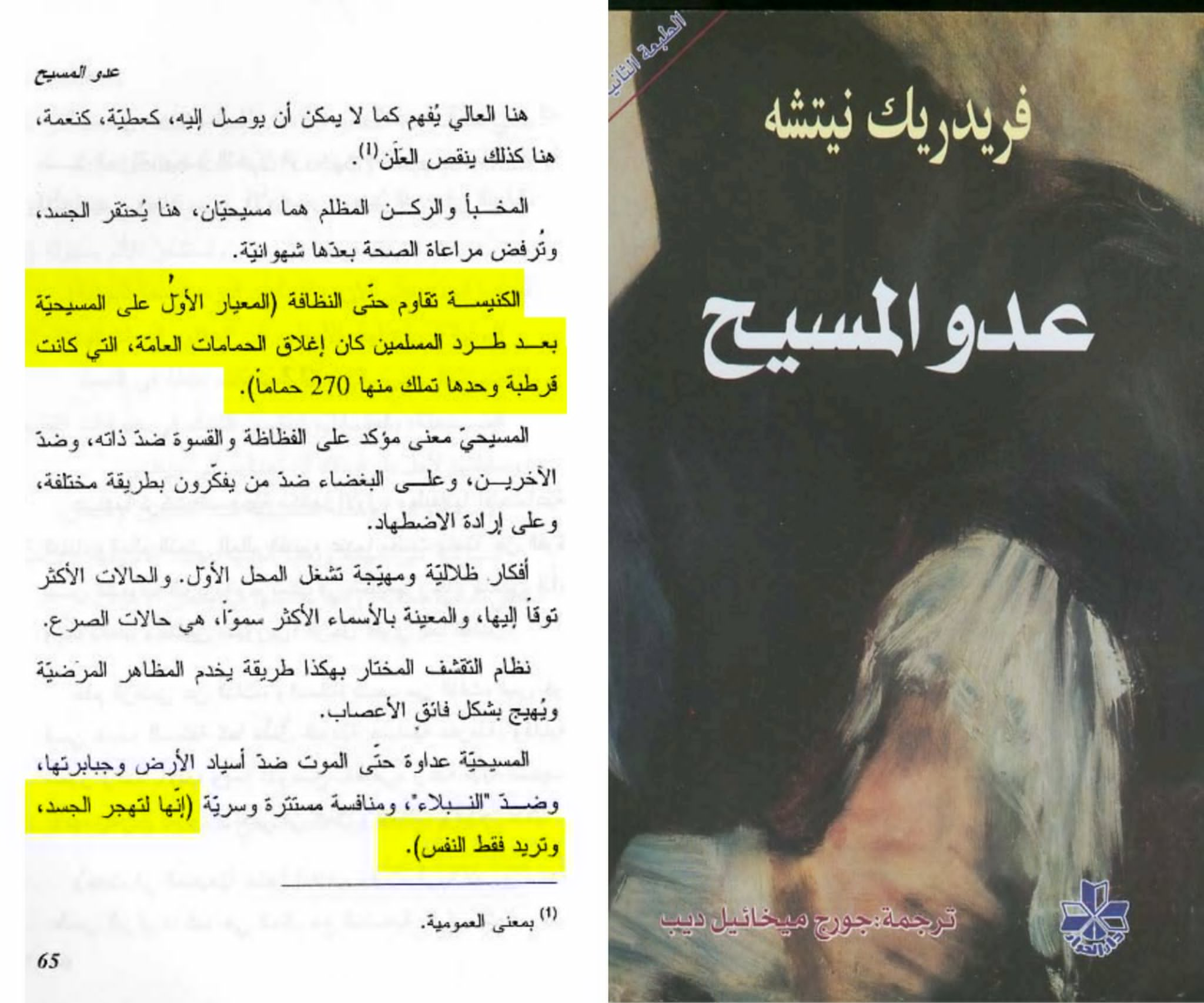
The Church resists even cleanliness, the first standard of Christianity. After the expulsion of the Muslims, the closure of public baths followed, of which Cordoba alone had 220… Christianity is an enmity unto death; it abandons the body and desires only the soul.
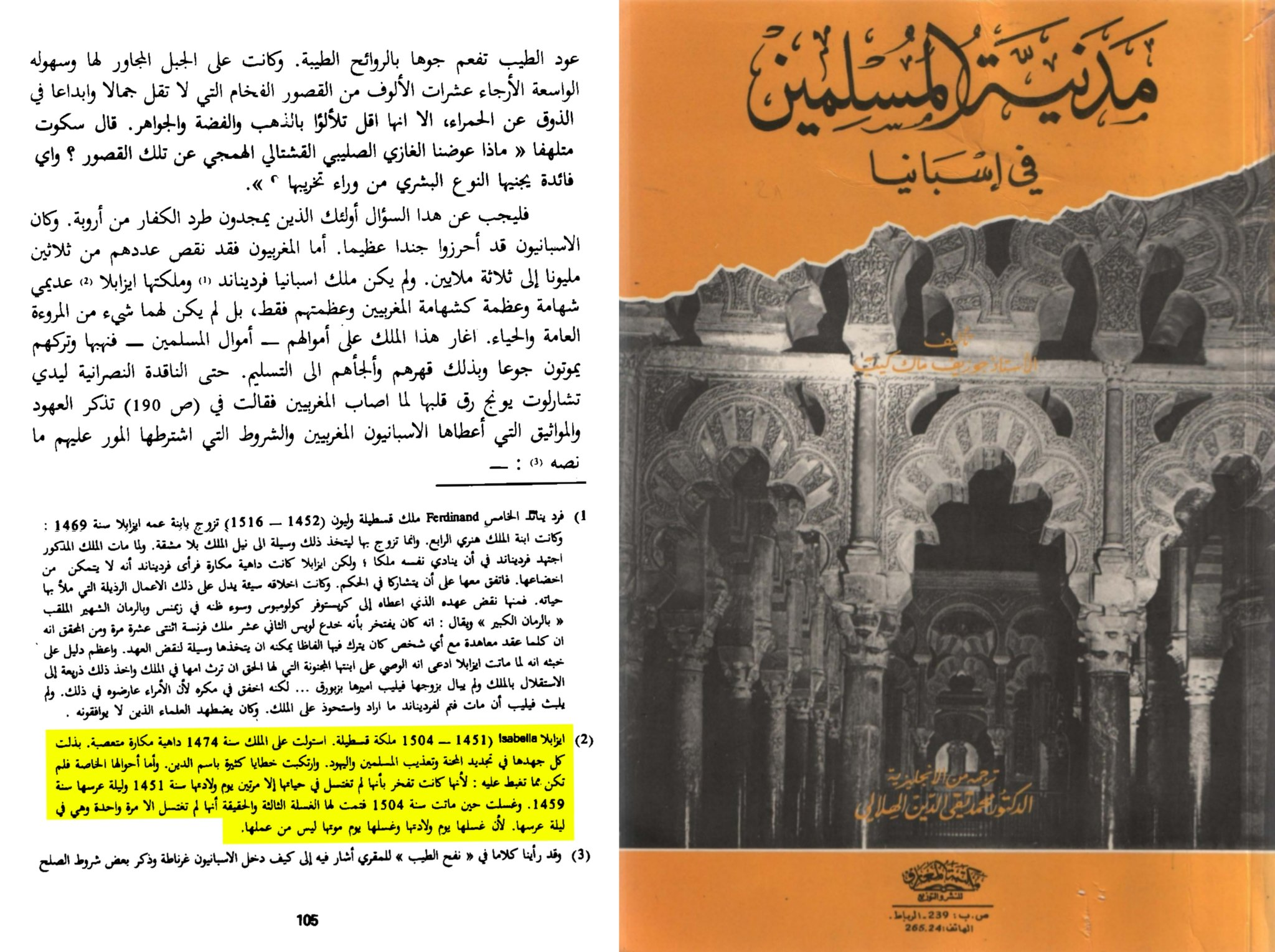
Isabella, the Christian Queen of Spain, Boasted that She Had Only Bathed Twice in Her Life, once on the Day of Her Birth and once on Her Wedding Day
Saint Anthony, One of the Greatest Saints among the Orthodox Fathers, is Mentioned in His Biography as Never Having Bathed throughout His Entire Monastic Life
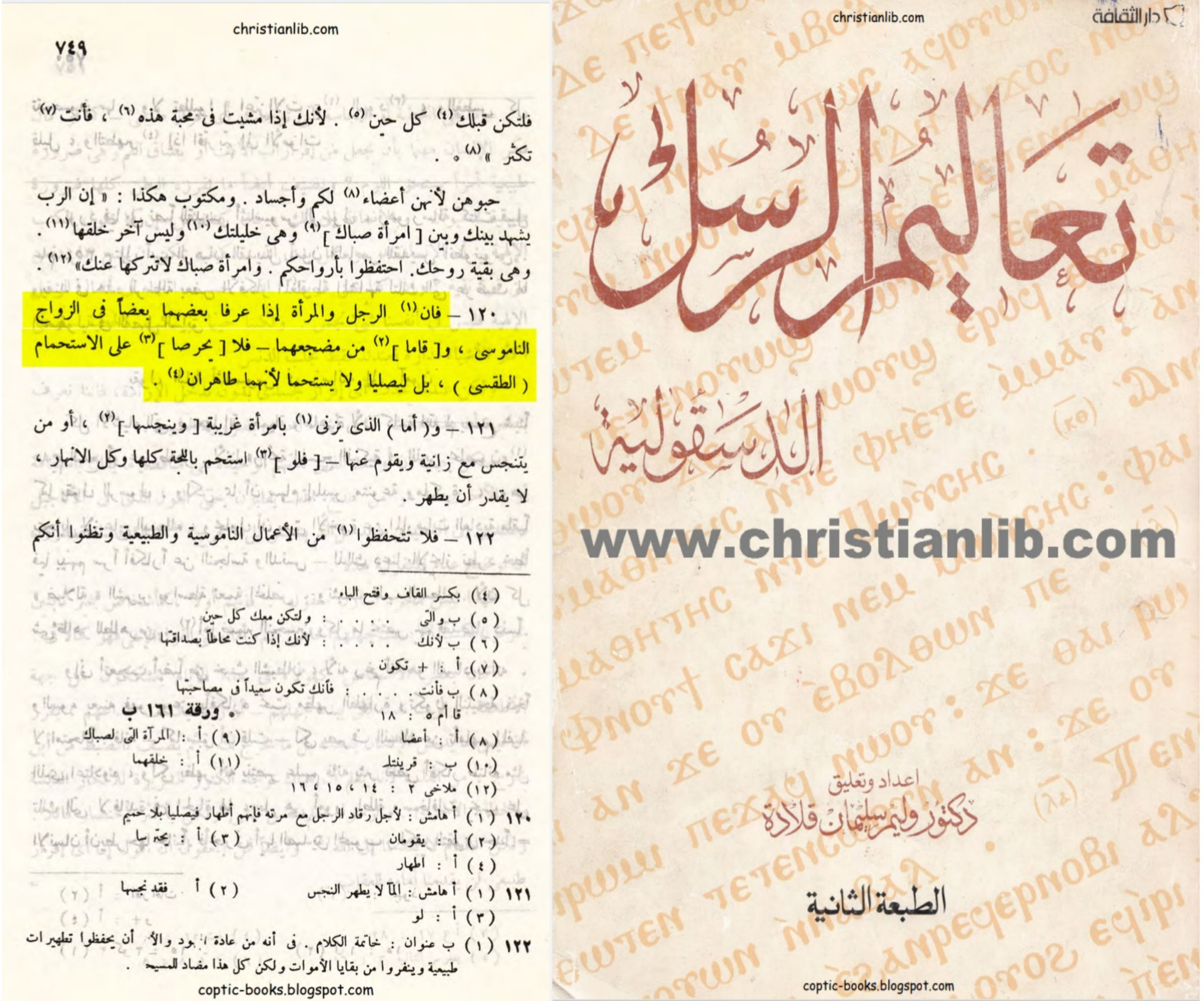
It is stated in the Encyclopedia of the Fathers and Apostles (Didascalia)
If a man lies with his wife, they should not be eager to bathe, but let them pray without bathing, for they are pure.
And so the Christians suffered greatly from diseases and plagues, as public hygiene was not part of their doctrine. As Saint Jerome says: He who is purified in Christ needs no further purification.
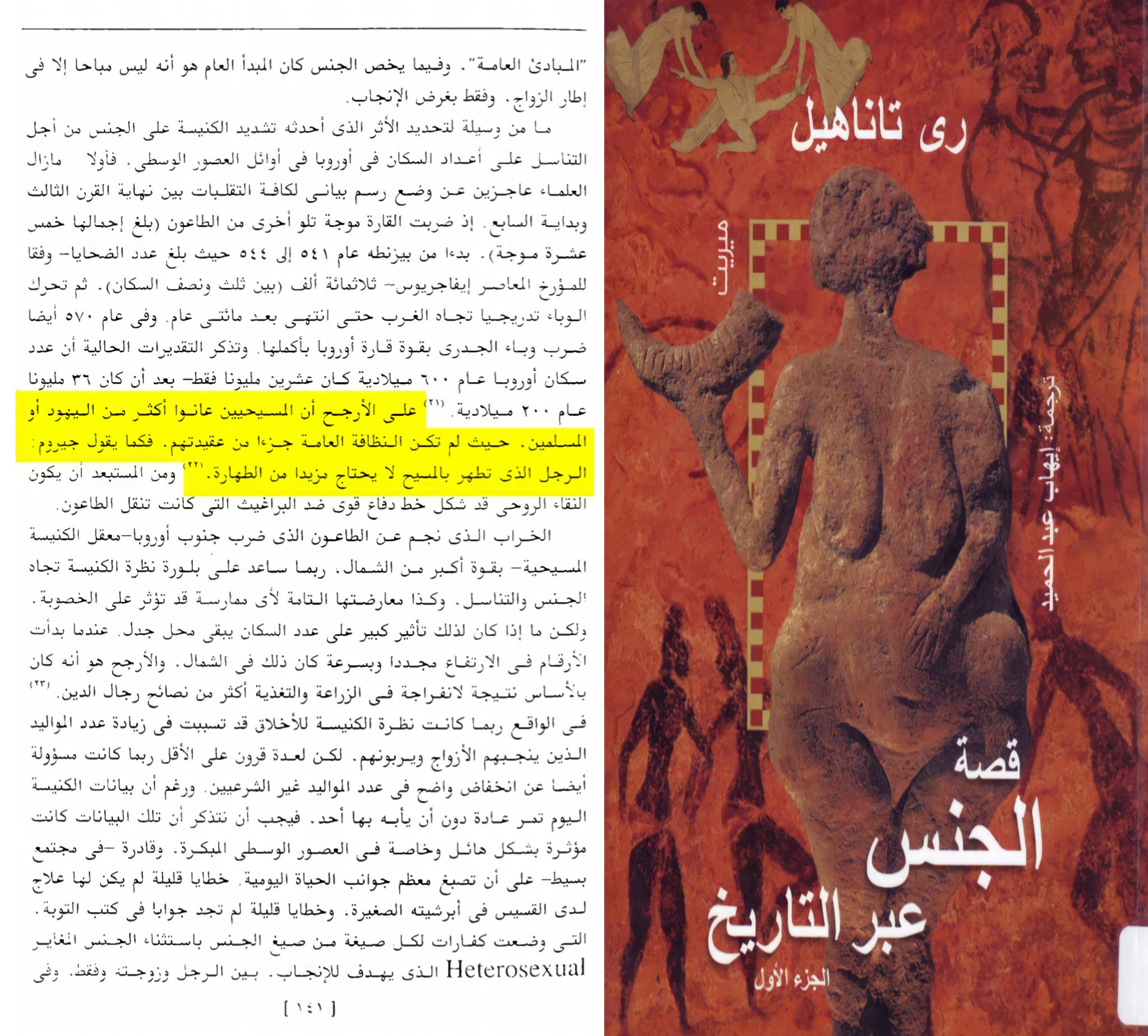
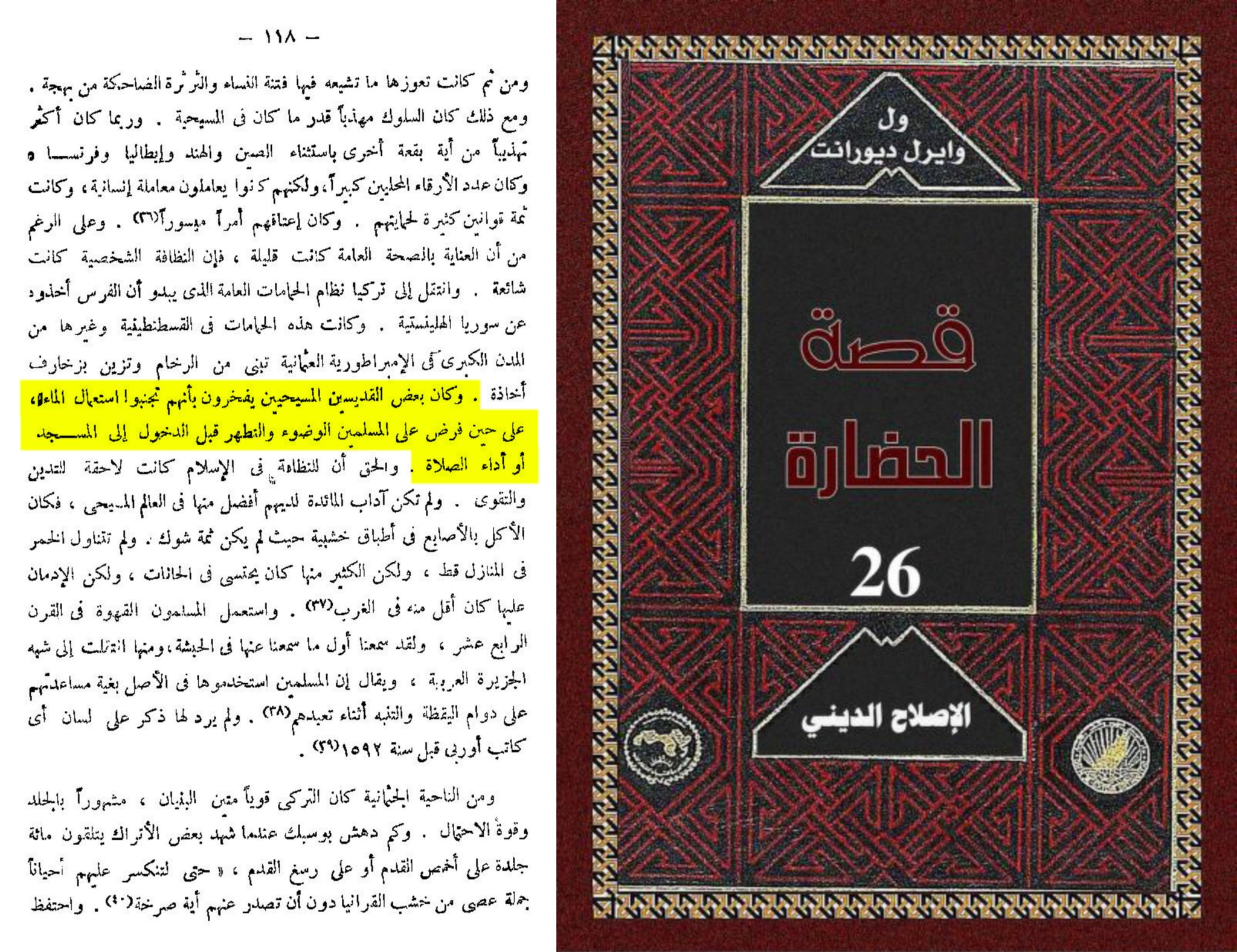
And Christian saints used to take pride in avoiding the use of water, while Muslims were required to perform ablution and purify themselves before entering the mosque or performing prayer.
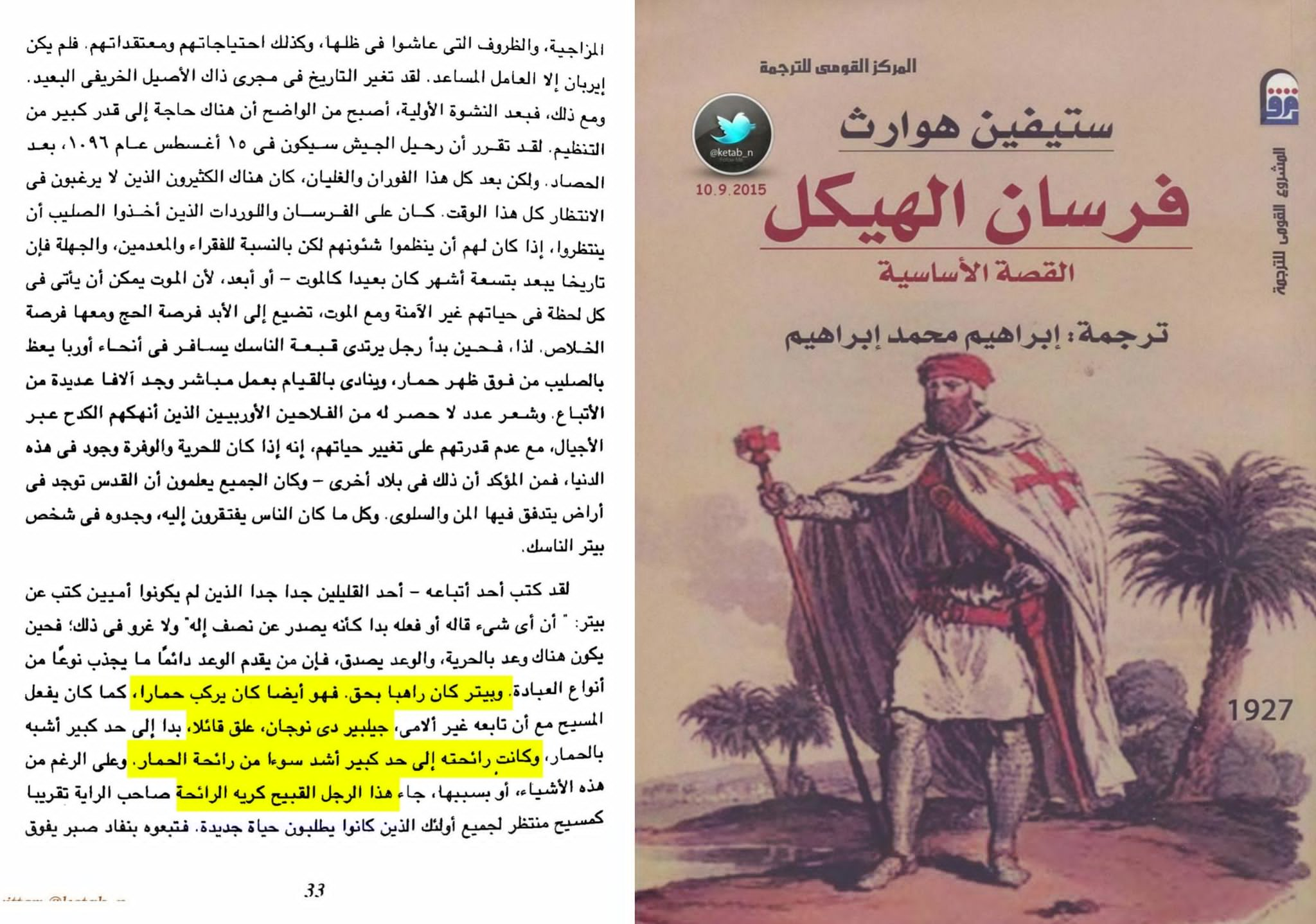
One of the most important figures in Christian history is the French saint Peter the Hermit.
Among the traits of saints is that they do not bathe, even on joyous occasions .. because (caring for the body is enmity against God) as stated in the Gospel.
One of his contemporaries describes him as having a smell worse than that of the donkey he rides This is part of the price of sainthood in #Christianity
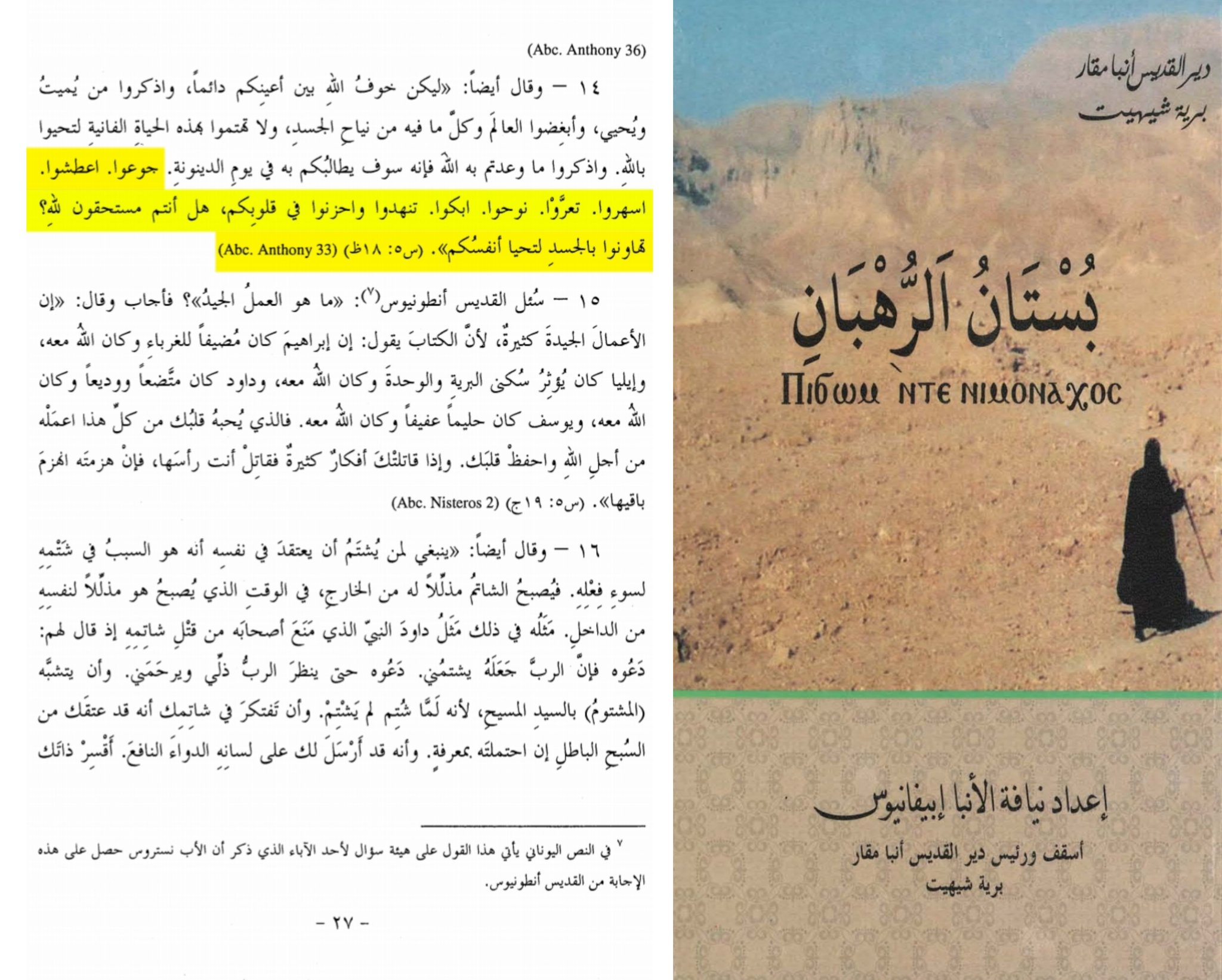
Christianity demands the torture and cursing of the body and isolation from life in order to achieve salvation.
It was said in the Garden of the Monks:
“Starve, thirst, stay awake, lament, weep, sigh, and grieve in your hearts. Are you worthy of God? Neglect the body so that your souls may live.”
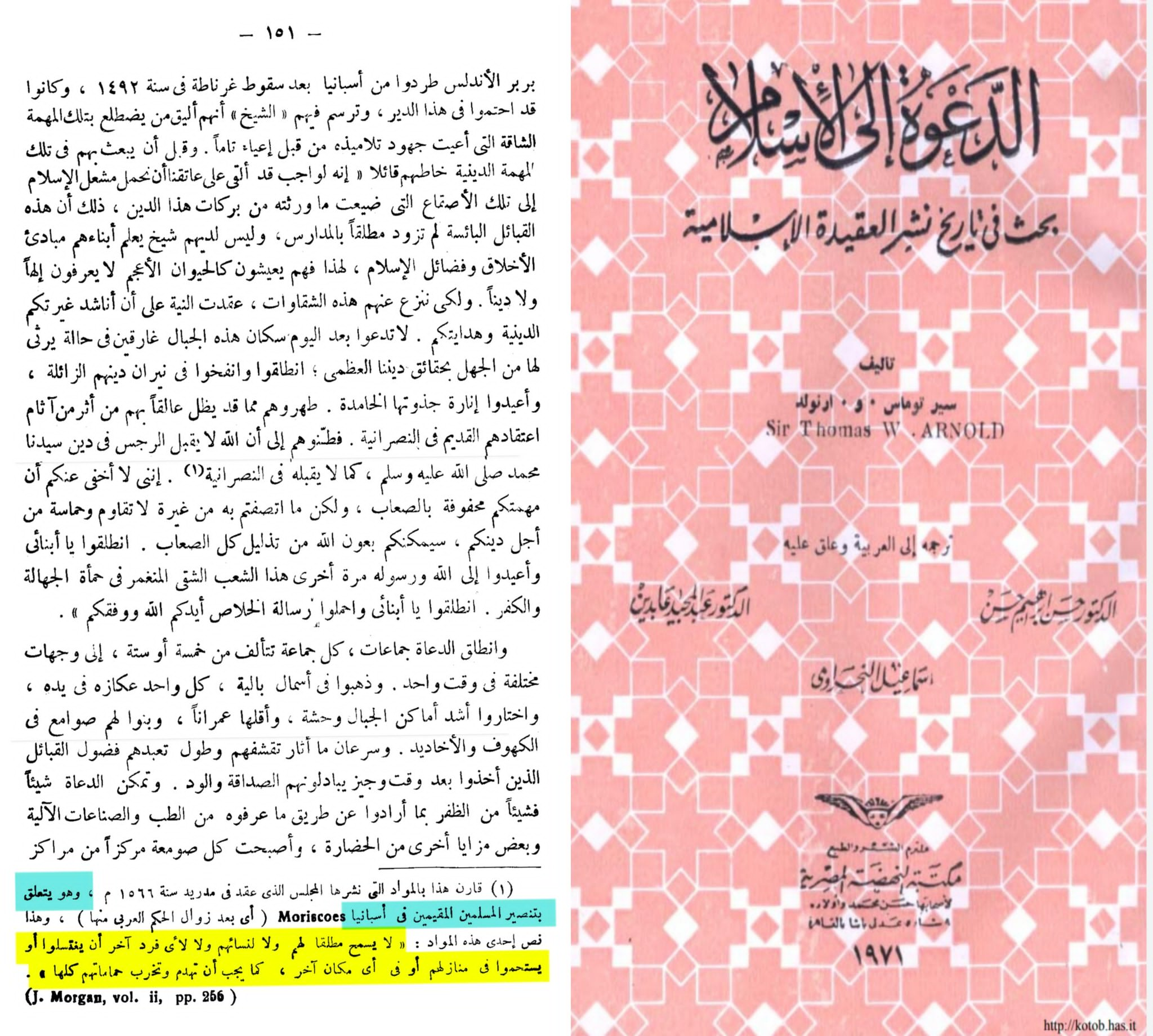
After the Christians occupied Muslim Spain, they prohibited Muslims from bathing and maintaining hygiene, issuing a law that states:
( They are absolutely not allowed, nor their women, nor any other individual, to wash or bathe in their homes or any other place, and all their bathhouses must be destroyed and demolished )
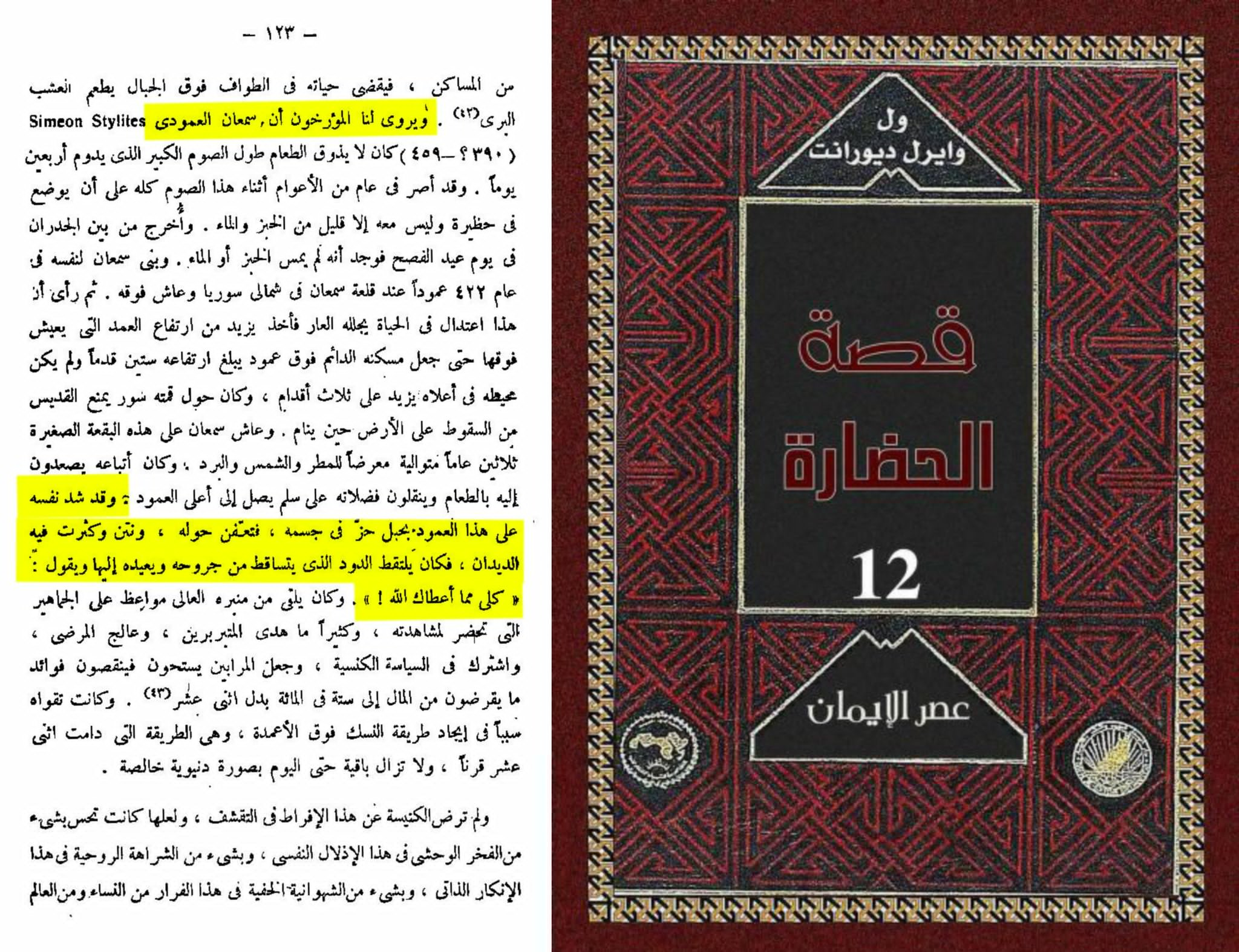
And Saint Simeon the Stylite bound himself with a rope that cut into his body, causing it to fester and stink, and worms multiplied in it. He would pick up the worms that fell from his wounds and return them to them, saying: (Eat from what God has given you)!!
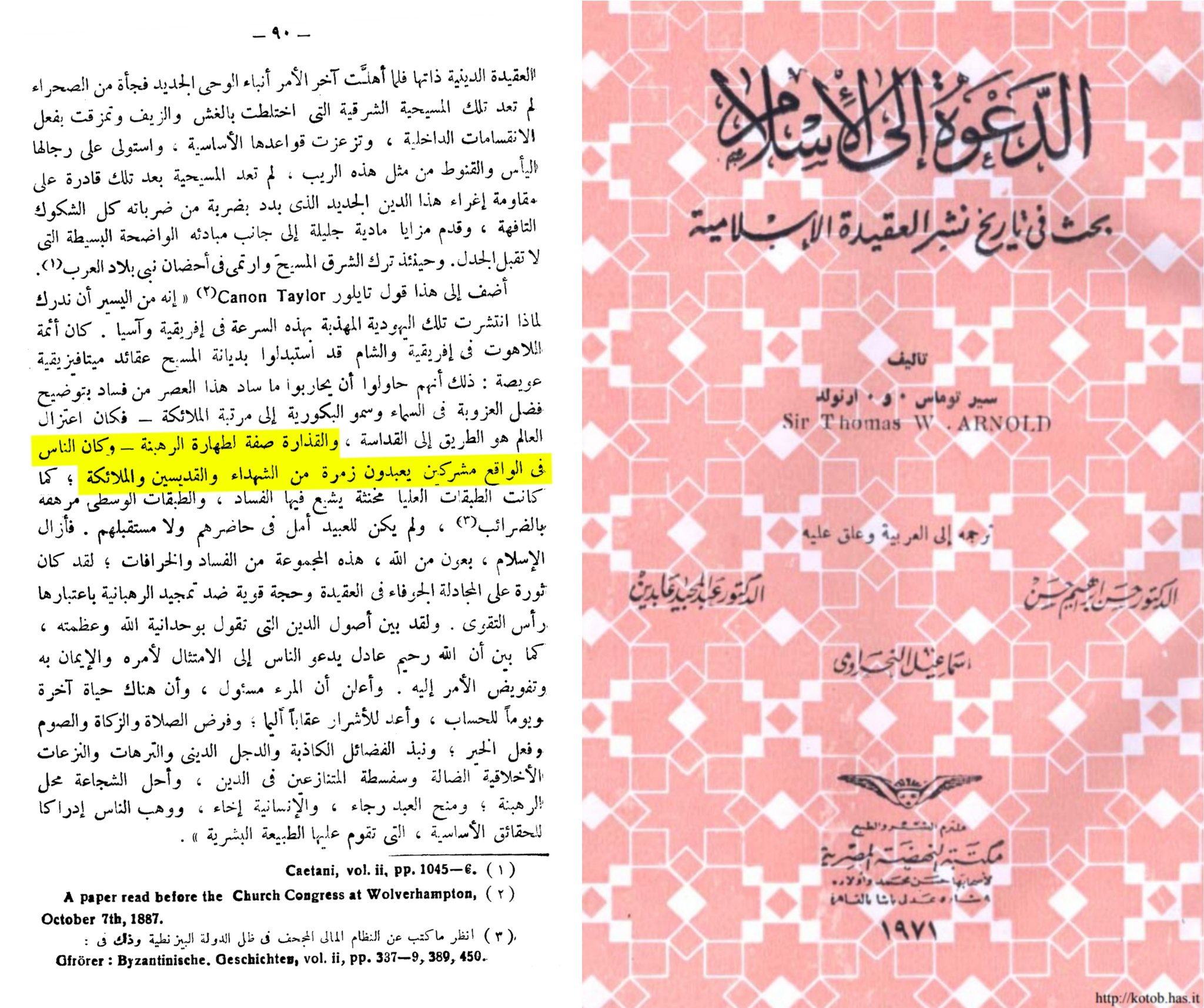
And filth is a characteristic of the purity of monasticism, and people were in fact polytheists, worshiping a group of martyrs, saints, and angels.
- Thomas Arnold
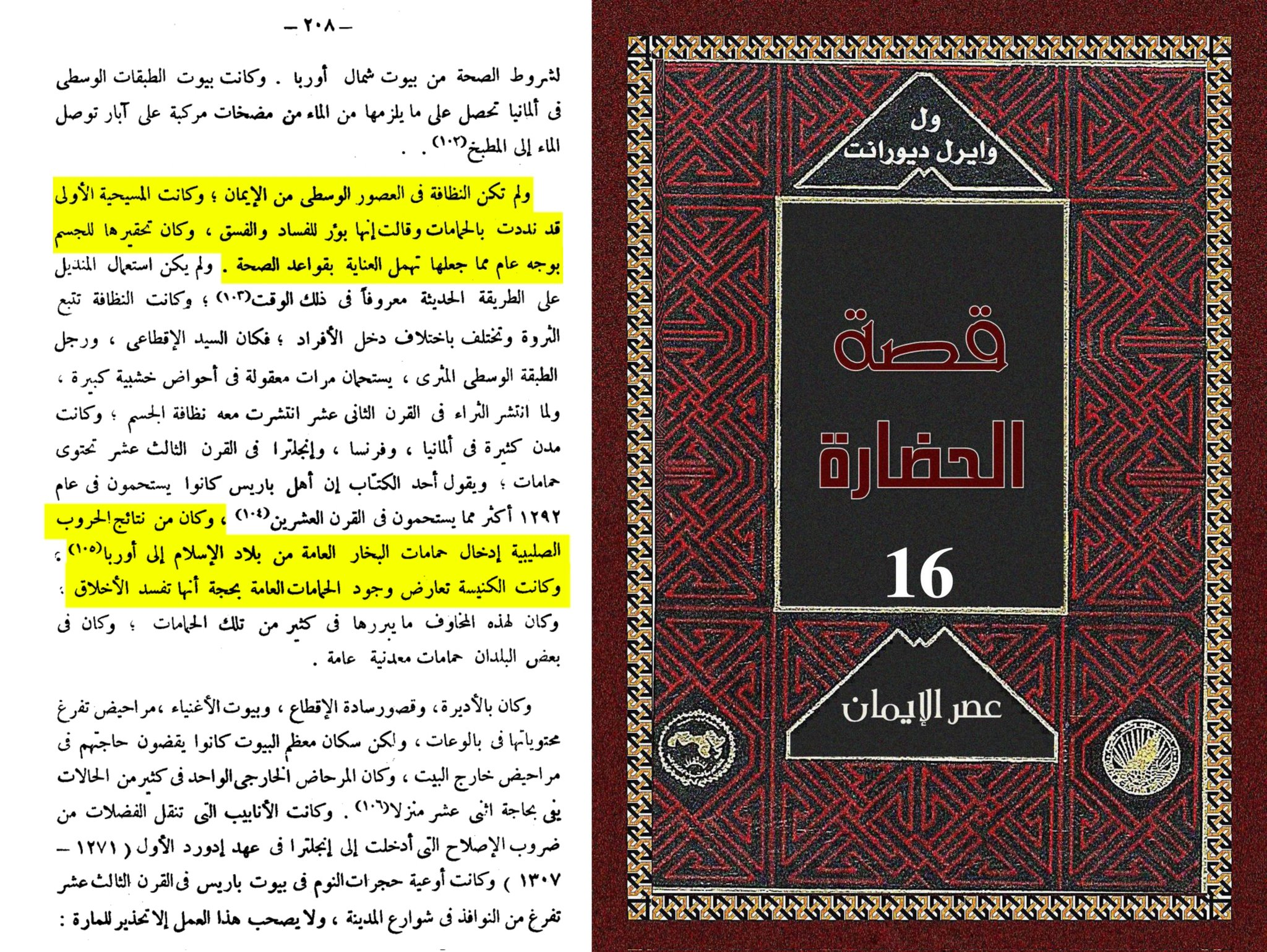
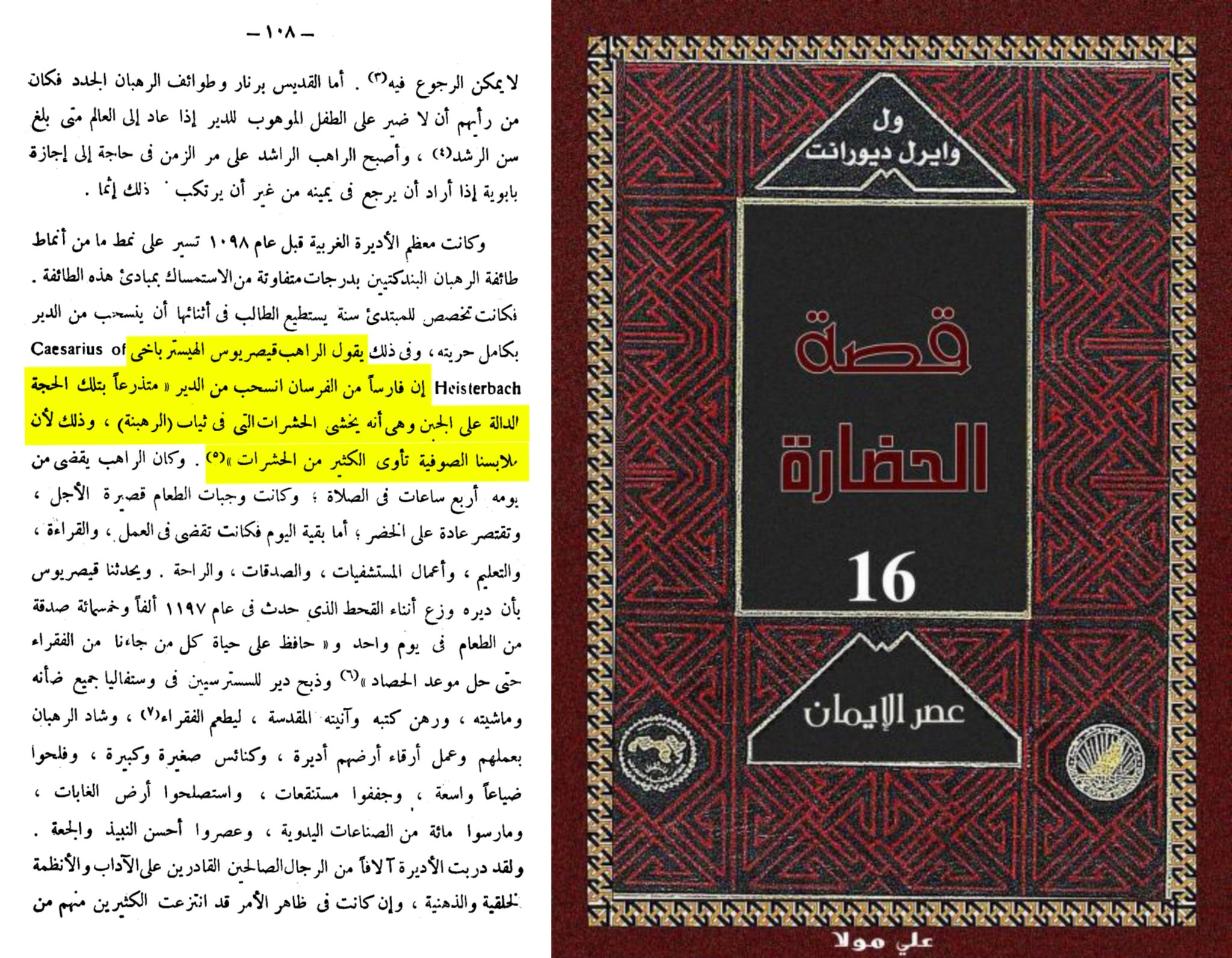
Will Durant says:
Christianity condemned bathhouses, claiming they were dens of corruption and debauchery, and its general disdain for the body led it to neglect the principles of hygiene. One of the outcomes of the Crusades was the introduction of public steam baths from Islamic lands to Europe, and the Church opposed the existence of bathhouses on the grounds of moral corruption.
The robes of monks harbor many insects
The monk Caesarius of Heisterbach recounts that a knight among the knights withdrew from the monastery due to his fear of the insects in the monks’ robes, as the monks’ clothing harbors many insects.
Top
...al-Tawjih, al-Ta'lil li Masa'il al-Mustakhraja, Vol. 1, p. 36. [[^9]]: Ibn al-Qayyim's Commentary on Sunan (1/83). [[^10]]: Sharh al-Kafi (5/23). [[^11]]: Open Door Meeting (102/5). [[^12]]: Fatwas of the...