Islamic Civilization and Science: What History Actually Records
·28 min read·6218 words
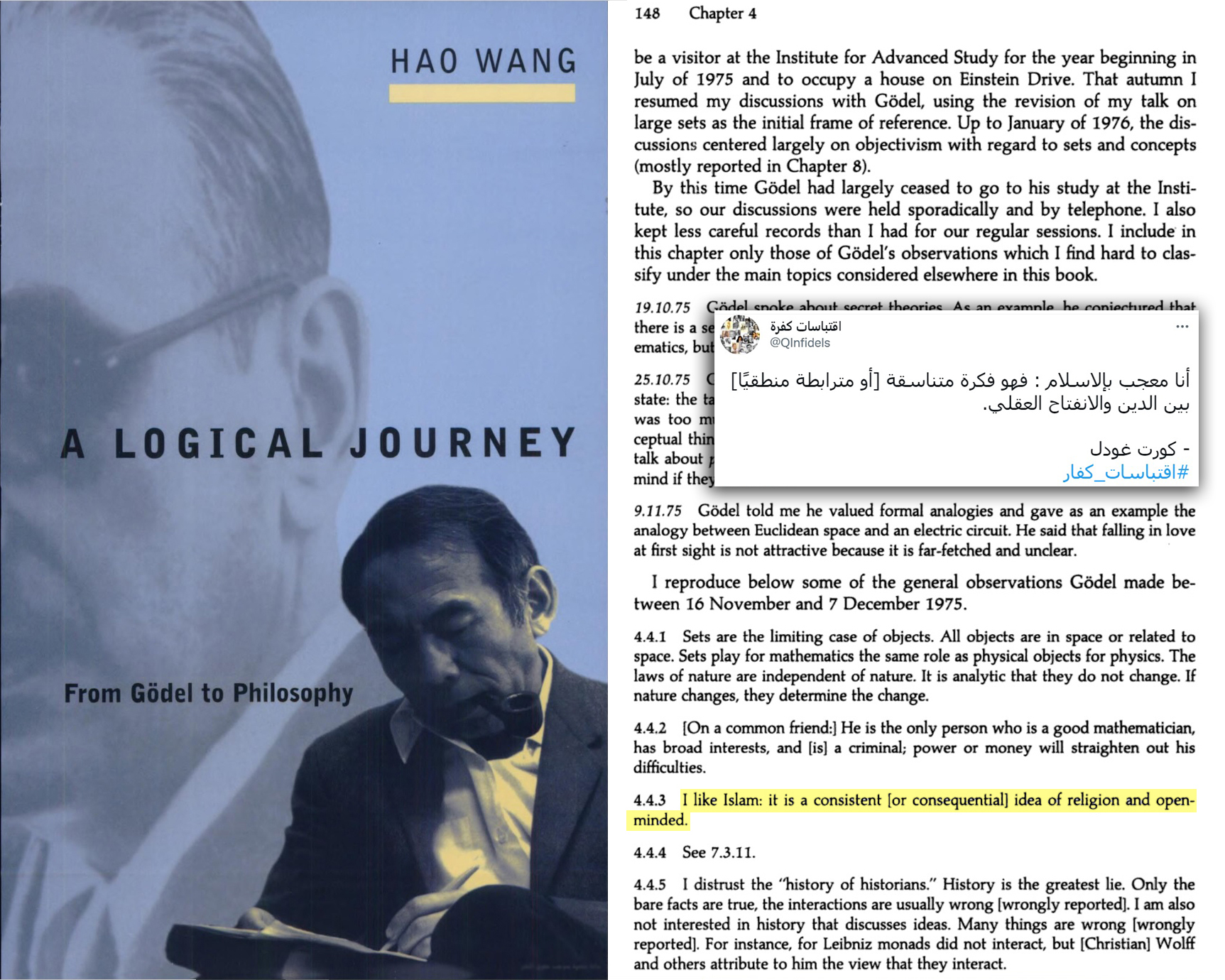
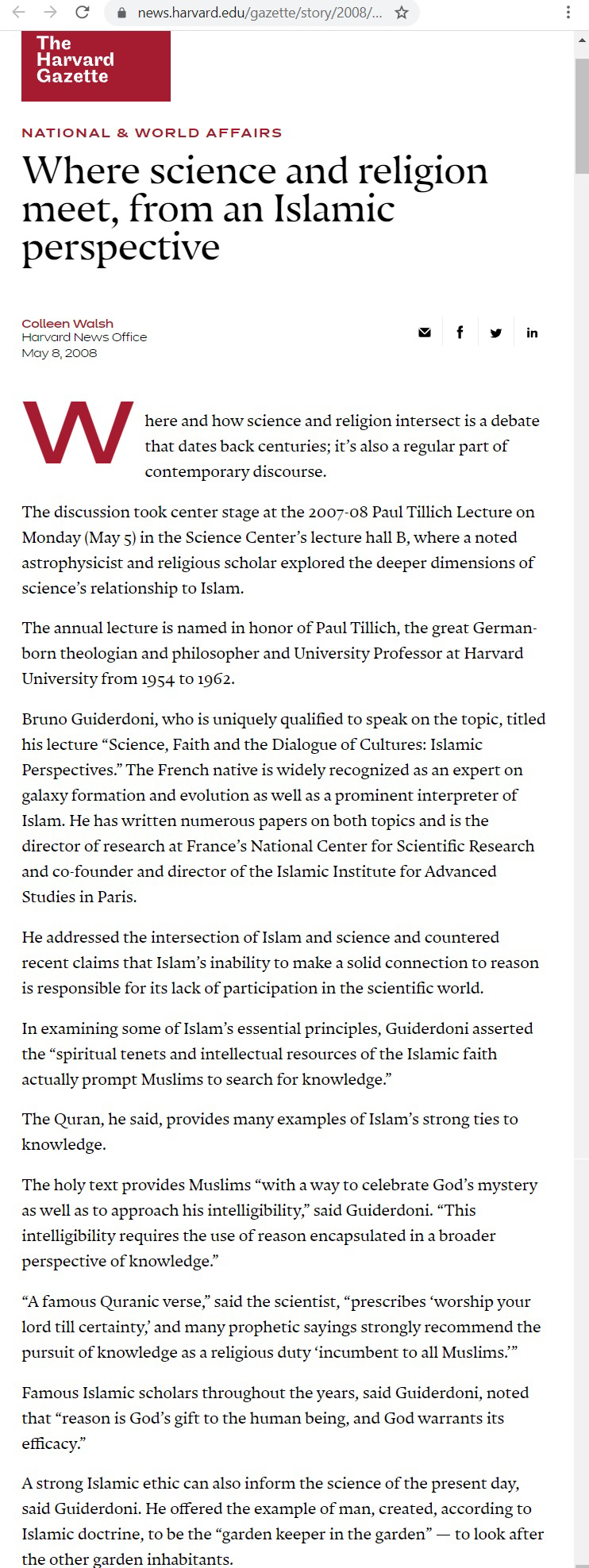
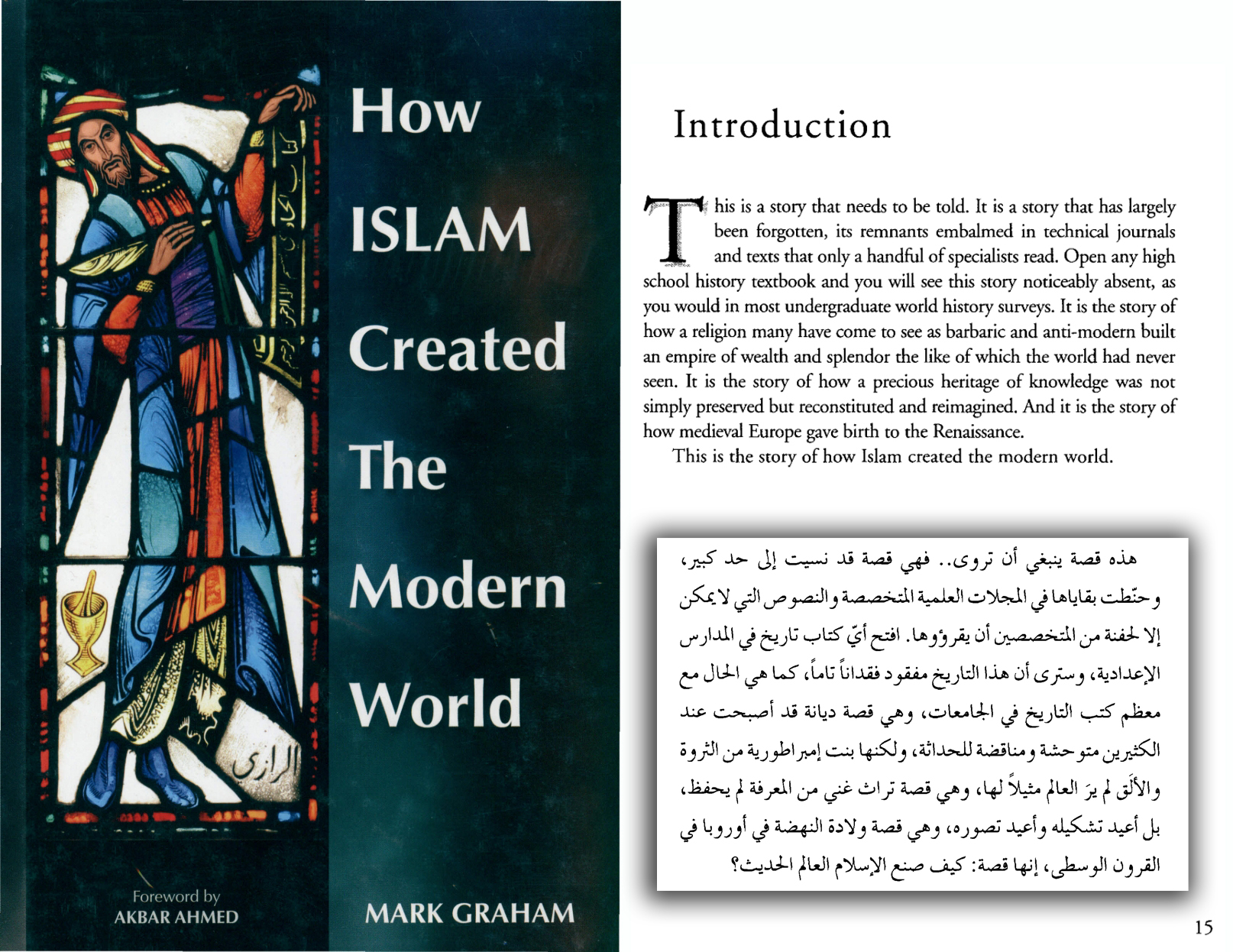
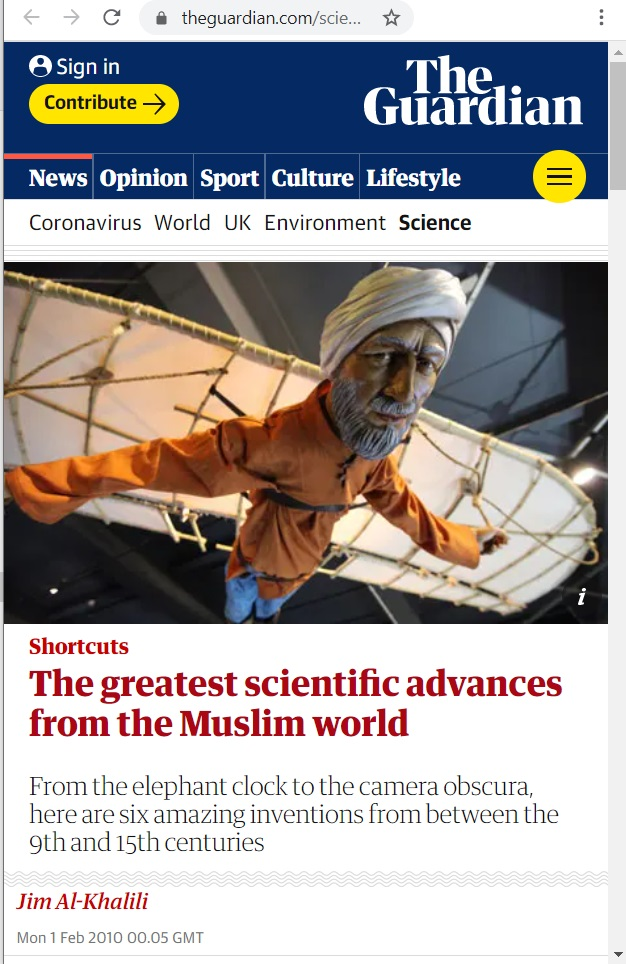
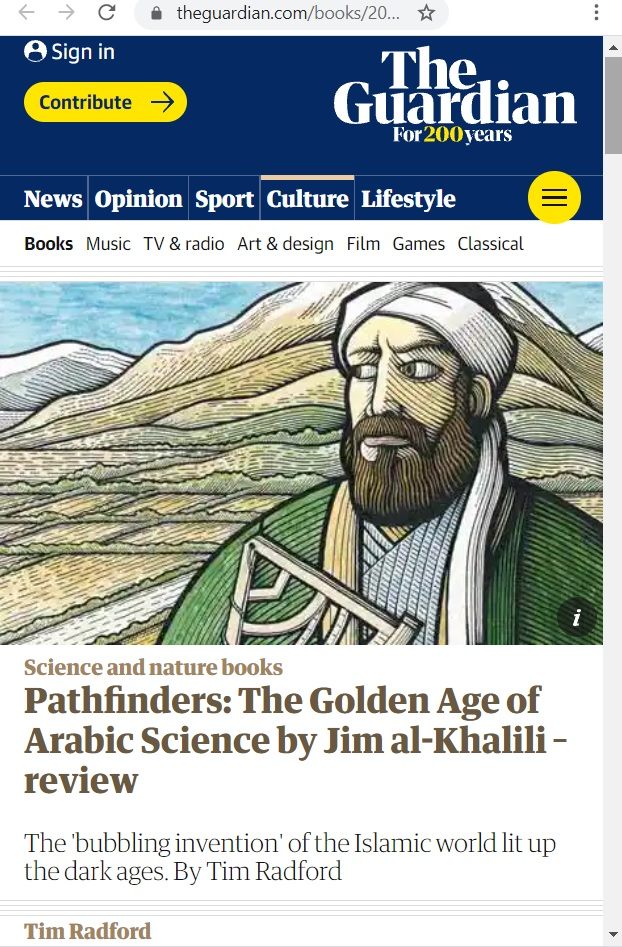
Islam does not merely permit the pursuit of knowledge — it commands it. The Quran repeatedly calls humanity to observe, reason, and reflect on the created world as a path to recognizing its Creator. This post traces the historical record of Islamic civilization’s contributions to science, medicine, astronomy, mathematics, and education — drawing on Western historians, secular scholars, and the admissions of critics themselves — while documenting the contrasting posture of medieval Christian Europe toward knowledge and cleanliness.
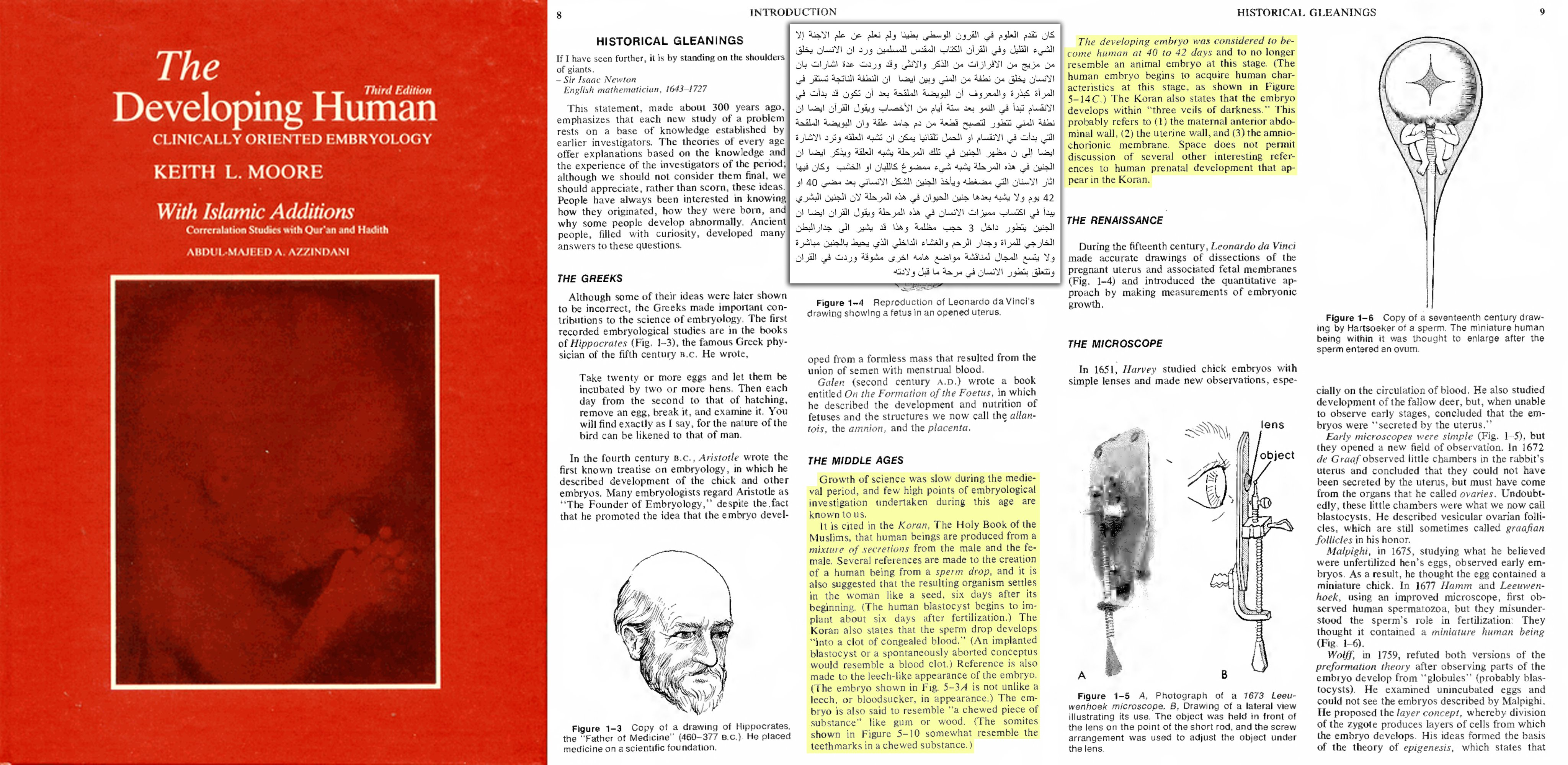
Thinking and Contemplating Is the Path to Knowledge
Al-Baqarah 2:164 Indeed, in the creation of the heavens and the earth, and the alternation of night and day, and the great ships that sail through the sea with that which benefits people, and what God has sent down from the sky of water, by which He has revived the earth after its lifelessness, and has dispersed therein every kind of moving creature, and in the directing of the winds and the clouds controlled between the sky and the earth, are signs for a people who reason.
The Quran frames the entire natural order — oceans, weather, biology, celestial mechanics — as a field of inquiry for those who reflect. This theological foundation for empirical curiosity distinguished Islamic civilization from the outset.
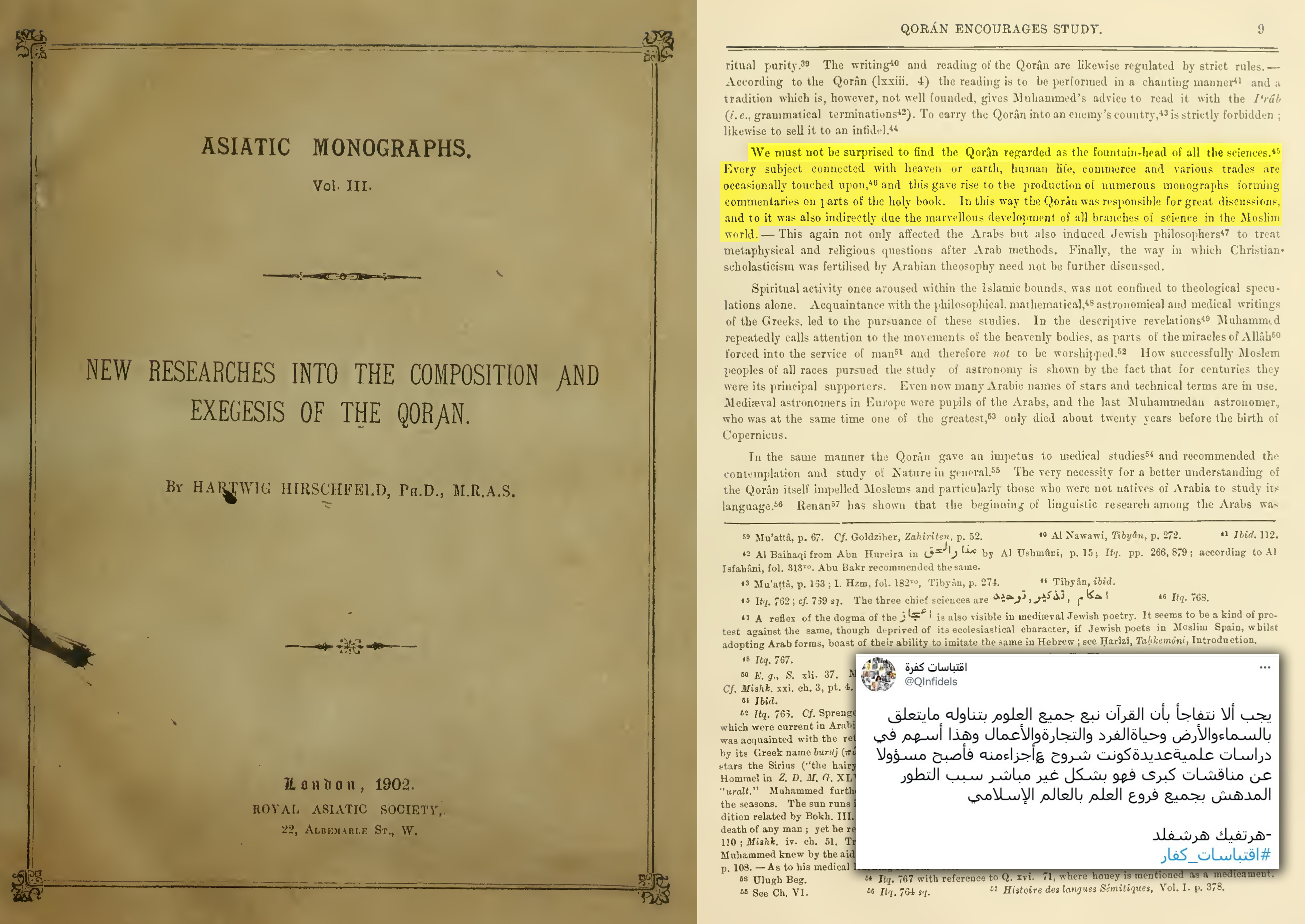
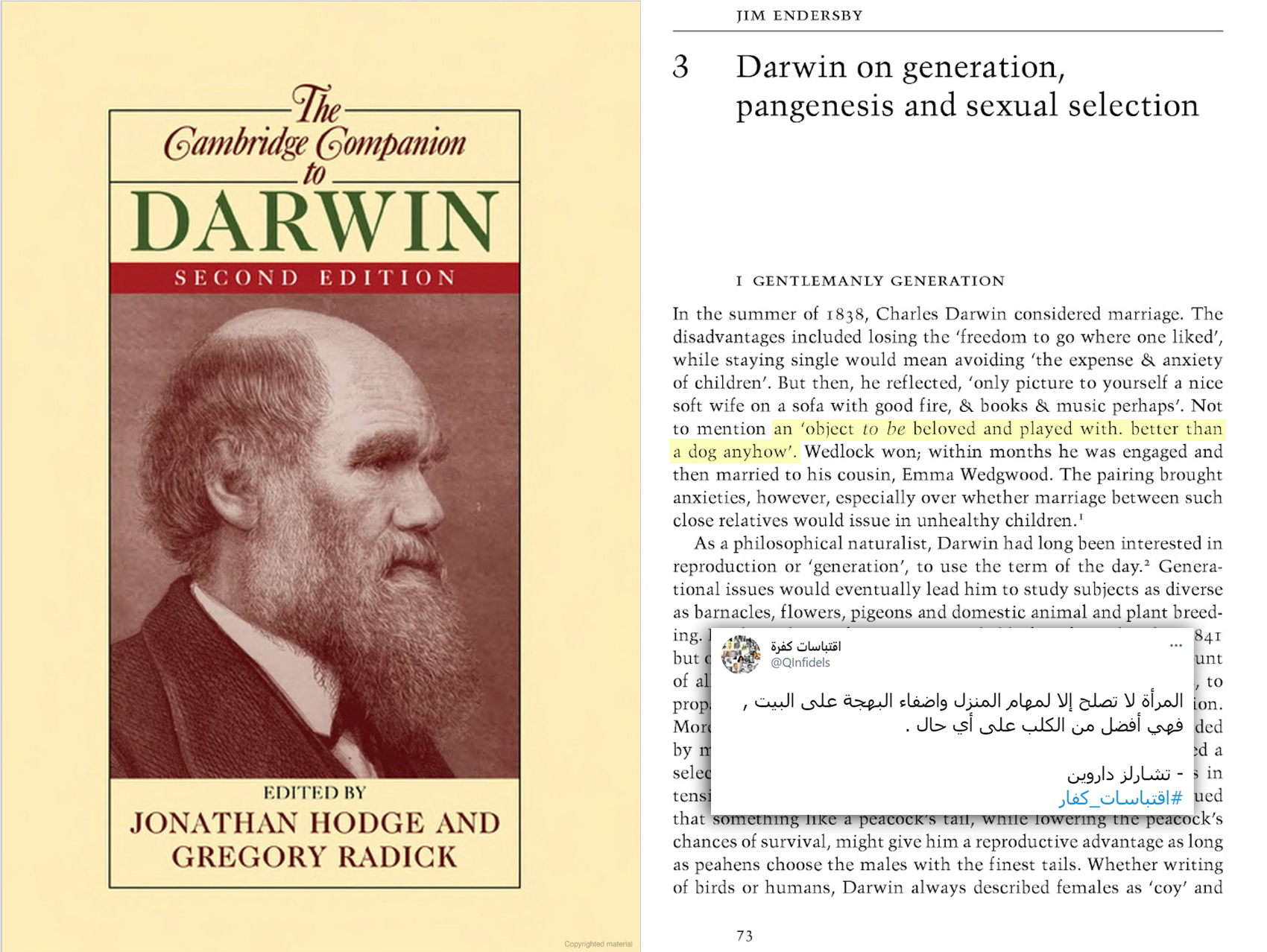
Gustave Le Bon — La Civilisation des Arabes, page on Islam and scientific discovery
The passage above is from Gustave Le Bon‘s La Civilisation des Arabes.
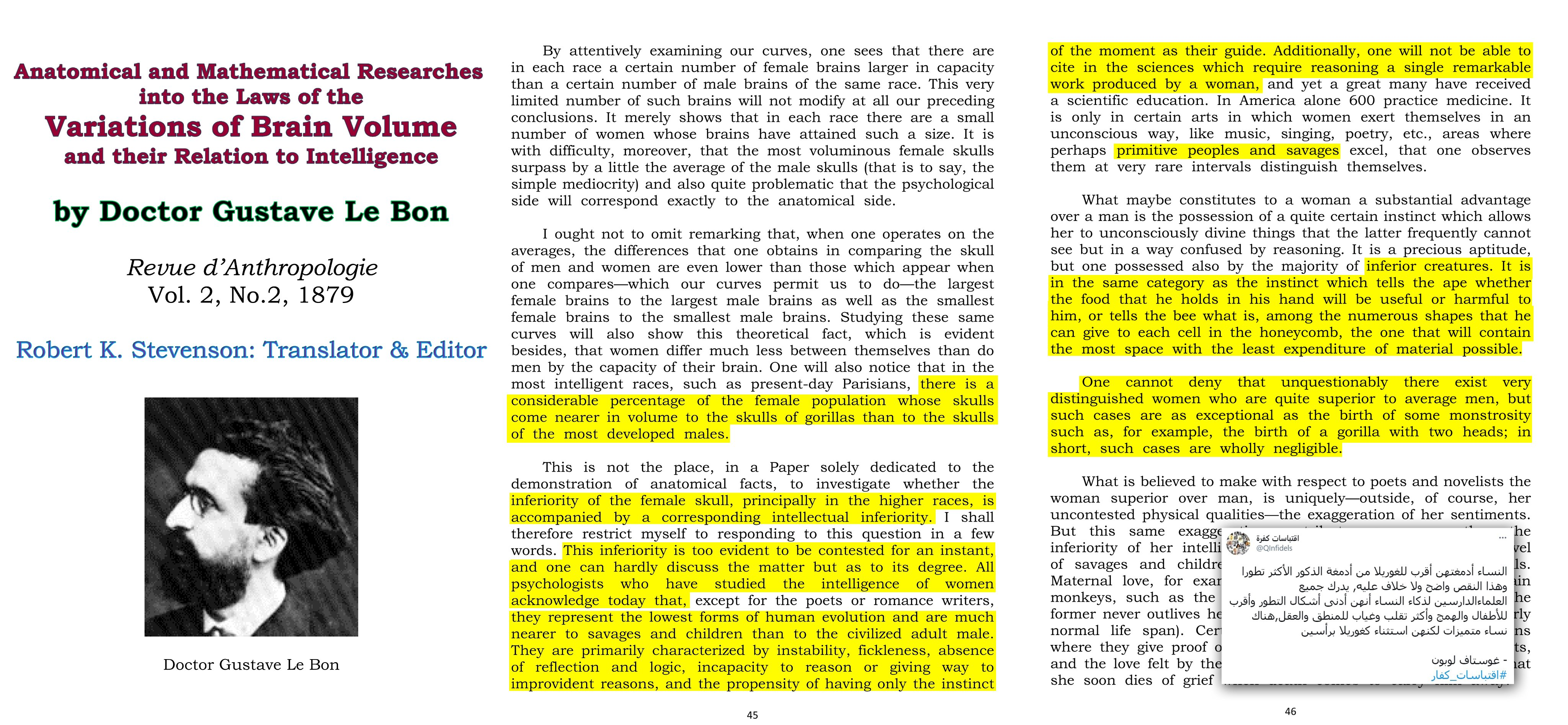
Gustave Le Bon — continuation of the passage on Islam's moral and civilizational framework
Gustave Le Bon — The Civilization of the Arabs The highlighted text states that Islam was among the most important religions in encouraging scientific discoveries and nurturing souls through justice, kindness, and tolerance. It argues that Islam established a lasting moral and social framework based on justice, which allowed civilization to flourish.
Gustave Le Bon — further passage on Islamic civilization's foundations
Islamic Civilization Is the Religion of Knowledge
Sahih Muslim — On Knowledge That Endures The Prophet ﷺ said: “When the son of Adam dies, his deeds come to an end except for three: knowledge that is beneficial, ongoing charity, or a righteous child who prays for him.”
Grade: Sahih · Muslim
Islam institutionalized the pursuit of knowledge as an act of worship with eternal reward. The historical record reflects this:
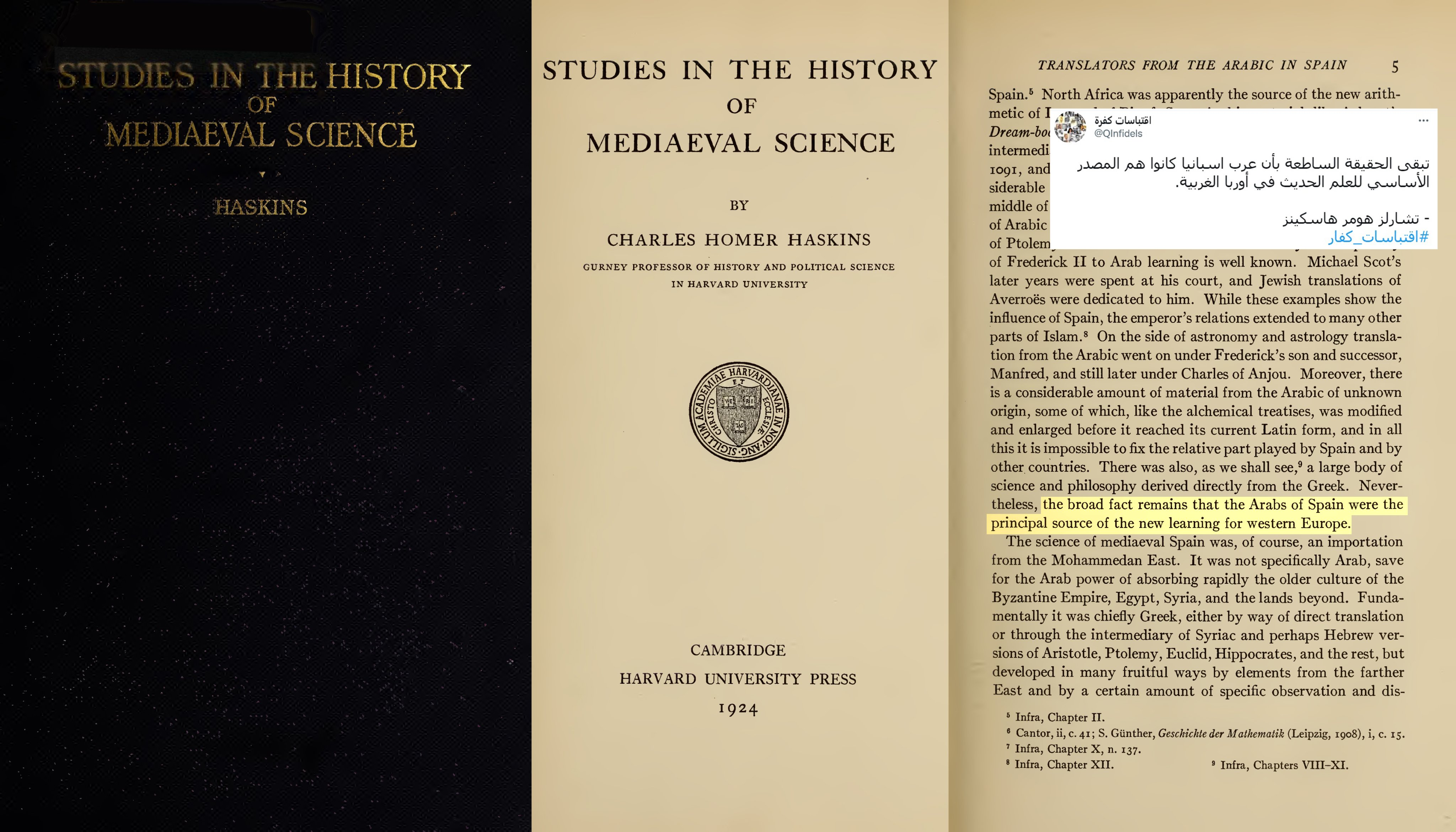
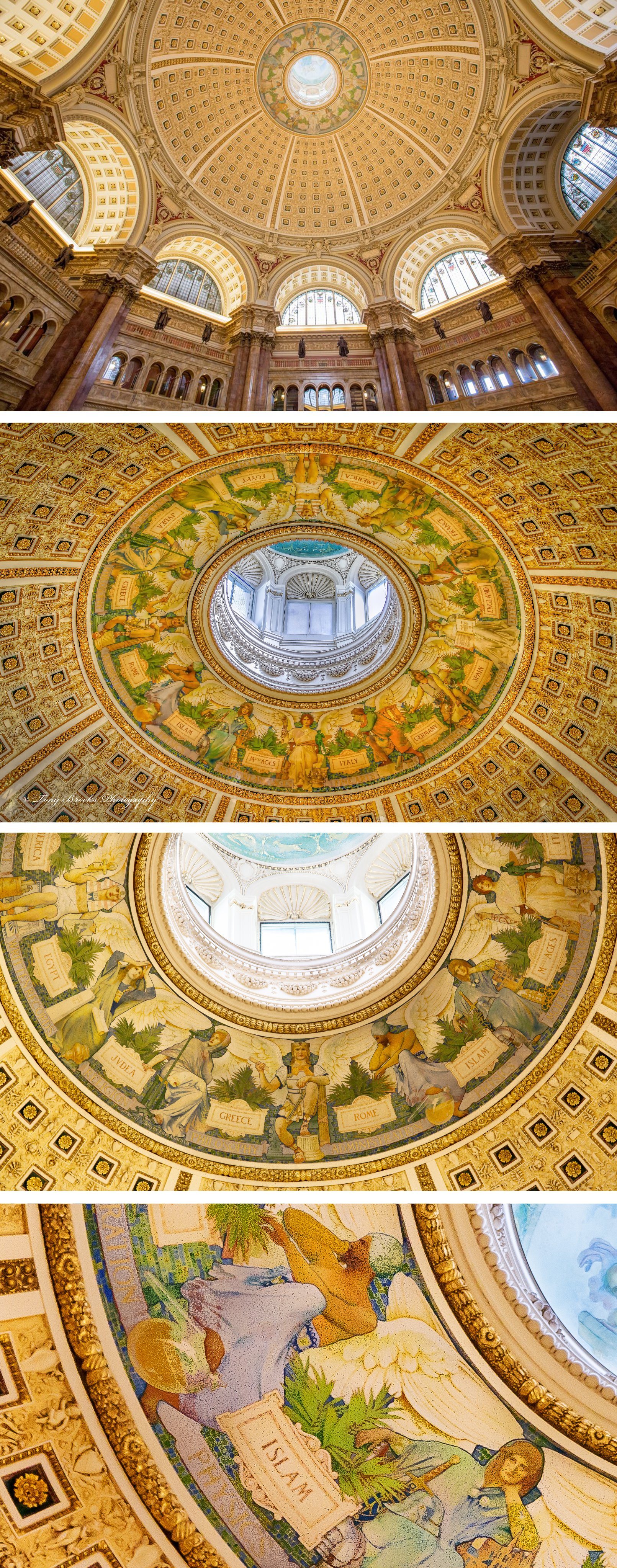
The ceiling of the Library of Congress is decorated with the word “Islam” as one of the twelve sources of knowledge and civilization recognized by that institution.
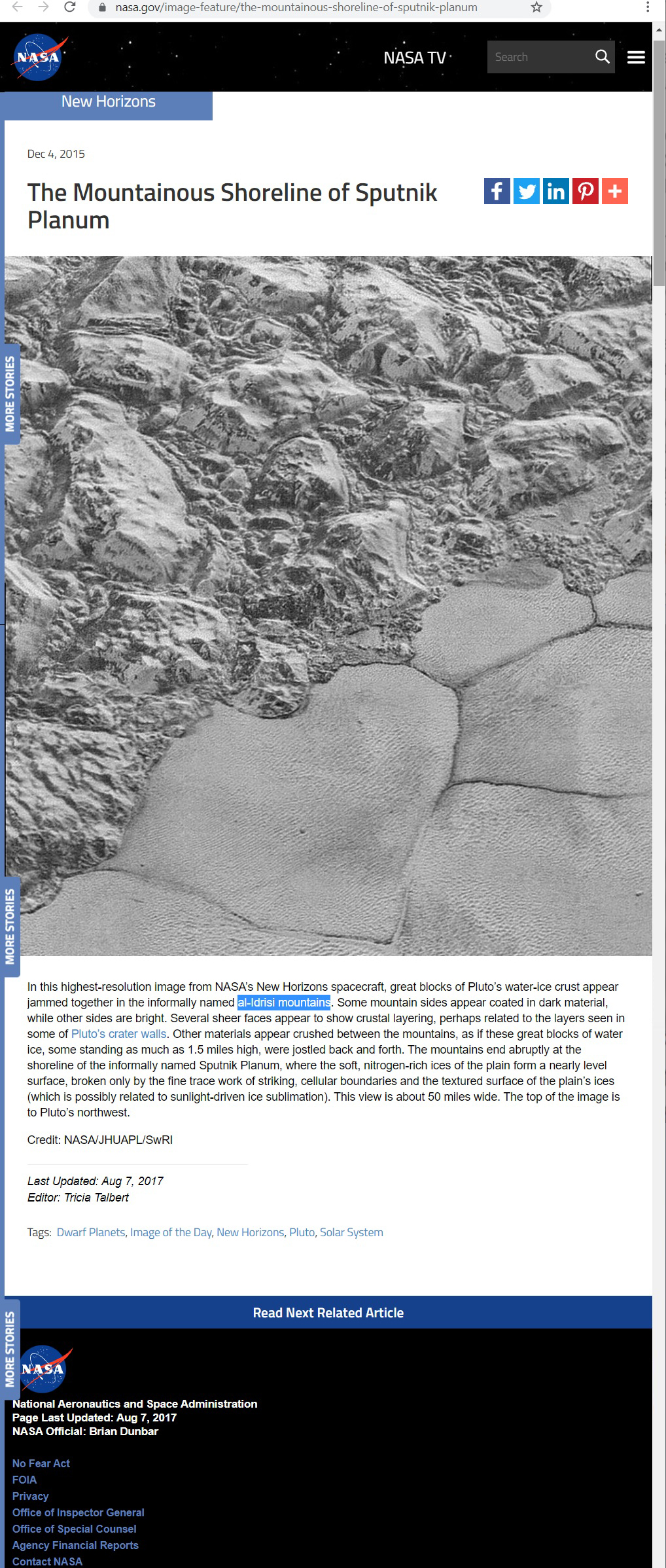
NASA named a mountain range on the surface of Pluto after the Muslim geographer and cartographer Al-Sharif Al-Idrisi.
Library of Congress ceiling — "Islam" listed among the twelve sources of knowledge
The image above shows the relevant section of the Library of Congress ceiling.
NASA map of Pluto's surface — the Al-Idrisi mountain range labeled
The image above shows NASA’s official naming of the Al-Idrisi mountain range on Pluto.
Al-Idrisi — further documentation of the NASA recognition
The source material continues below, confirming Al-Idrisi’s significance in the history of cartography and geography.
Al-Idrisi — cartographic legacy and his world map produced for King Roger II of Sicily
Islamic Civilization Is Built on Causality
On Causality and Trust in God The Prophet ﷺ said: “Tie your camel, then put your trust in God.” He also said: “You are more knowledgeable about your worldly affairs.”
Grade: Hasan · Ibn Hibban
Islam — not atheism — is the philosophical foundation that makes science possible. The doctrine that the universe operates according to fixed, discoverable laws flows directly from the Islamic understanding of God as the Self-Sustaining Creator who governs creation consistently. Without that theological premise, there is no rational basis for expecting that experiments will be repeatable, or that natural laws discovered today will hold tomorrow. Atheism, which claims existence is coincidental and random, provides no such guarantee.
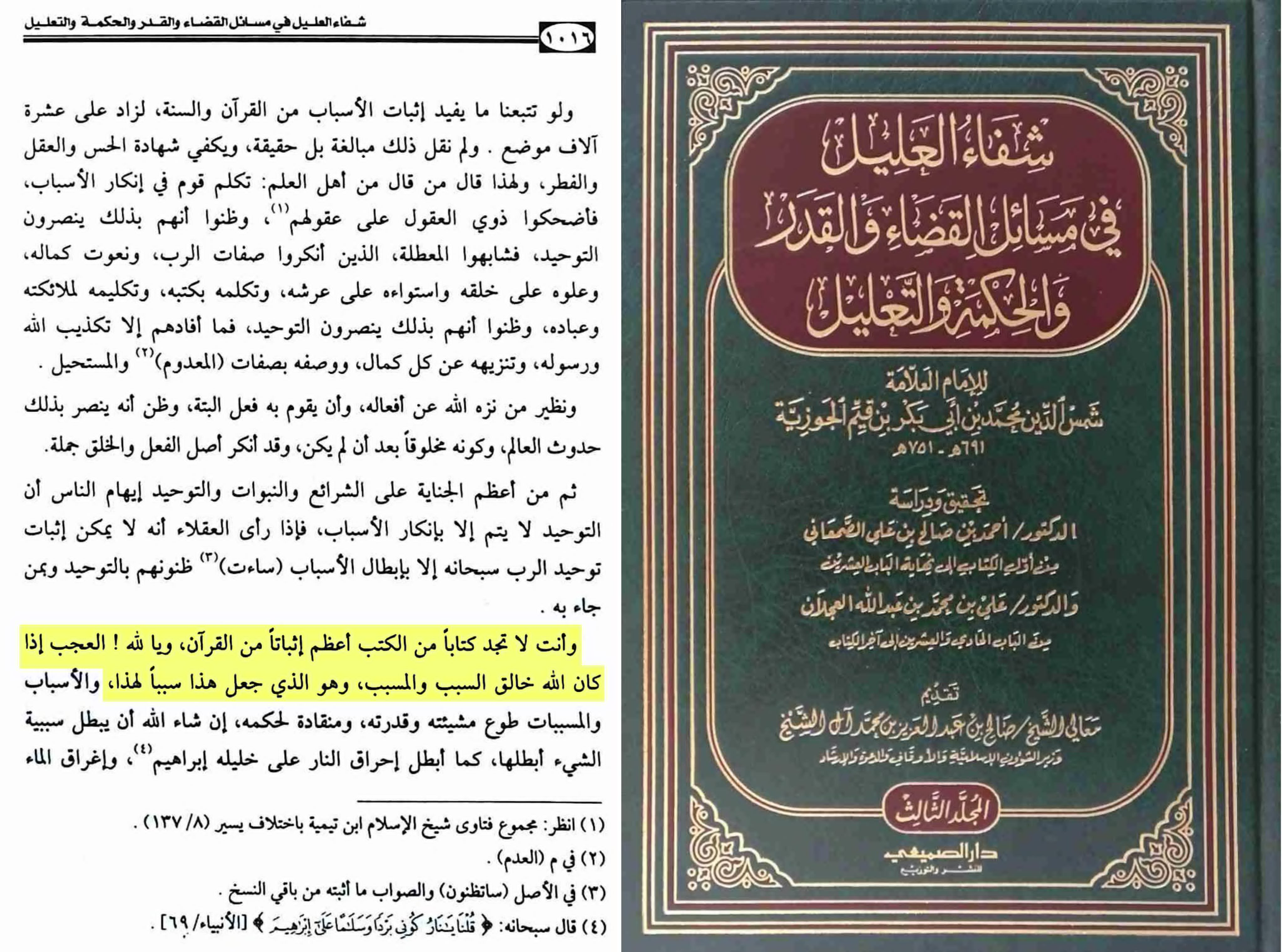
Ibn al-Qayyim — Shifa al-'Alil fi Masa'il al-Qada' wa al-Qadar, highlighted passage on causality
Ibn al-Qayyim — Shifāʾ al-ʿAlīl fī Masāʾil al-Qaḍāʾ wa al-Qadar “We do not know of any book more affirming causes than the Qurʾan. Rather, if Allah is the creator of the cause and the result, then He is the One who made this a cause for that. Causes and effects occur according to His will, power, and wisdom. If He wills, Allah can nullify the effect of a thing, just as He nullified the burning effect of fire for His close friend Ibrahim.”
Ibn al-Qayyim — Shifa al-'Alil, continuation of the passage on divine causality
The passage above continues the discussion of how divine will operates through — not against — natural causes.
Ibn al-Qayyim — further pages establishing the Islamic framework of causality
The Islamic scholarly tradition articulated a precise framework governing the relationship between religious certainty and scientific inquiry. Four principles govern this:
Summary diagram — the four principles governing religion and science in the Islamic tradition
🔷 The supernatural cause of a phenomenon does not contradict the existence of a material cause for it.
🔷 It is impossible for what is religiously certain to conflict with what is scientifically certain.
🔷 If what is conjectural in religion conflicts with what is conjectural in science, the one who has stronger evidence between them should present the alternative.
🔷 If what is conjectural in religion conflicts with what is definitive in science, then the scientific explanation is presented.
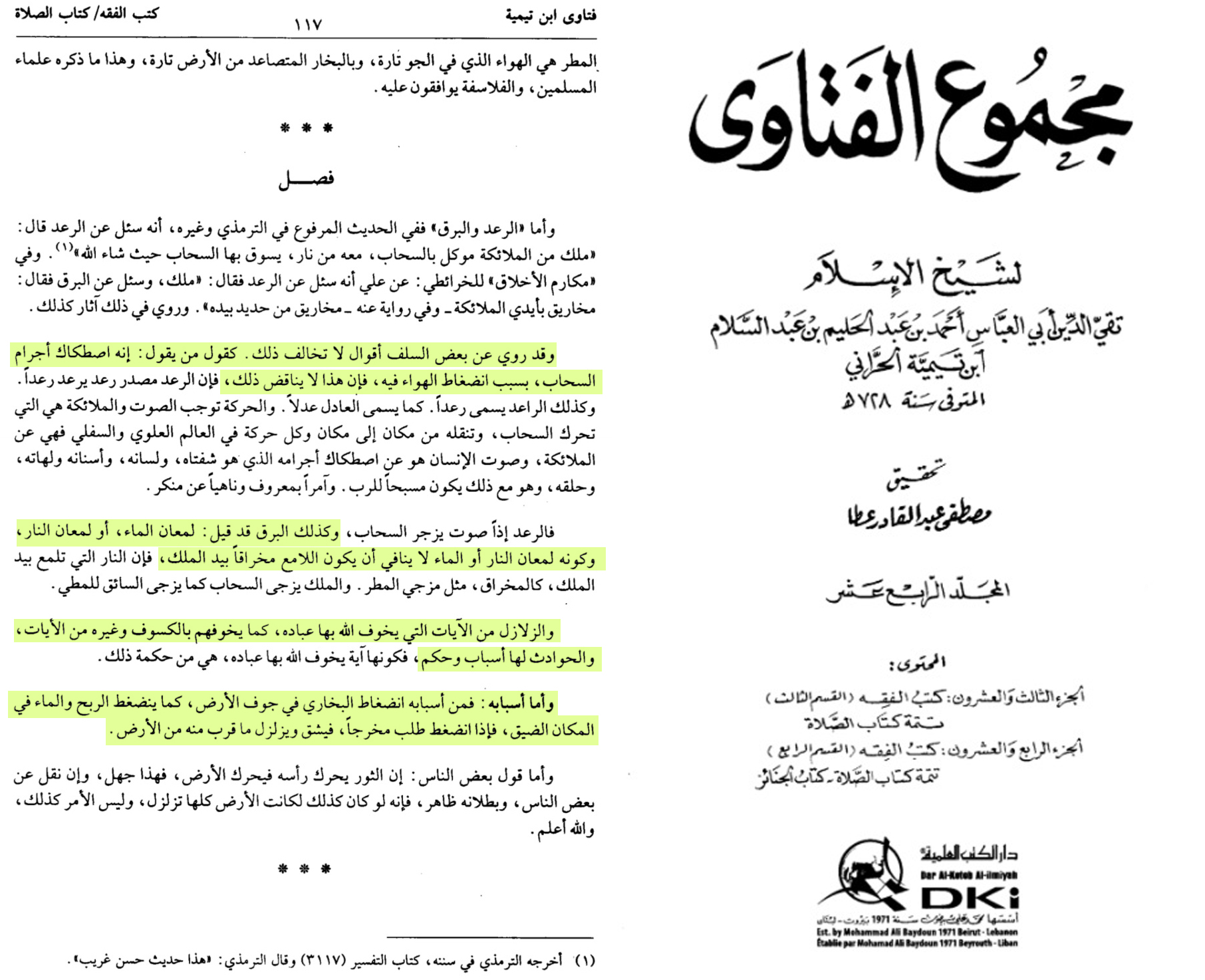
Ibn Taymiyyah — Majmu' al-Fatawa, highlighted passage on thunder and natural causation
Ibn Taymiyyah — Majmūʿ al-Fatāwā The highlighted text explains that thunder is caused by the compression and collision of clouds, while lightning comes from the fire generated by that collision. It states that these are natural causes created by Allah, while at the same time thunder, lightning, eclipses, earthquakes, and similar events are also signs through which Allah warns His servants. Mentioning the natural cause does not cancel the divine sign, and mentioning the divine sign does not cancel the natural cause.
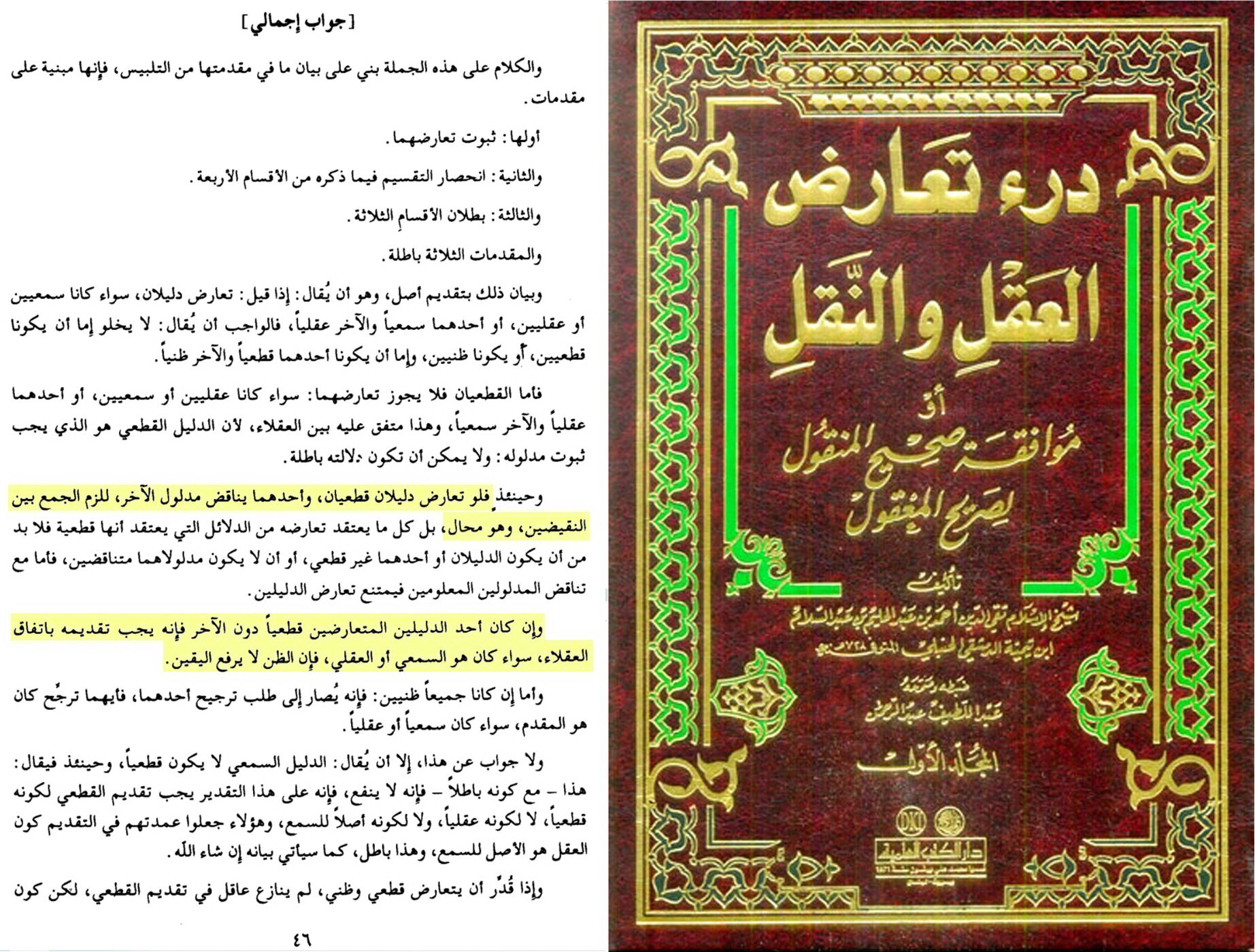
Ibn Taymiyyah — Dar' Ta'arud al-'Aql wa al-Naql, passage on the impossibility of conflict between certain truths
Ibn Taymiyyah — Darʾ Taʿāruḍ al-ʿAql wa al-Naql The highlighted text states that if two definitive proofs appear to conflict, then one cannot truly negate the other, because real contradiction between two certain truths is impossible. If one proof is certain and the other is speculative, then the certain proof takes precedence, because speculation cannot override certainty.
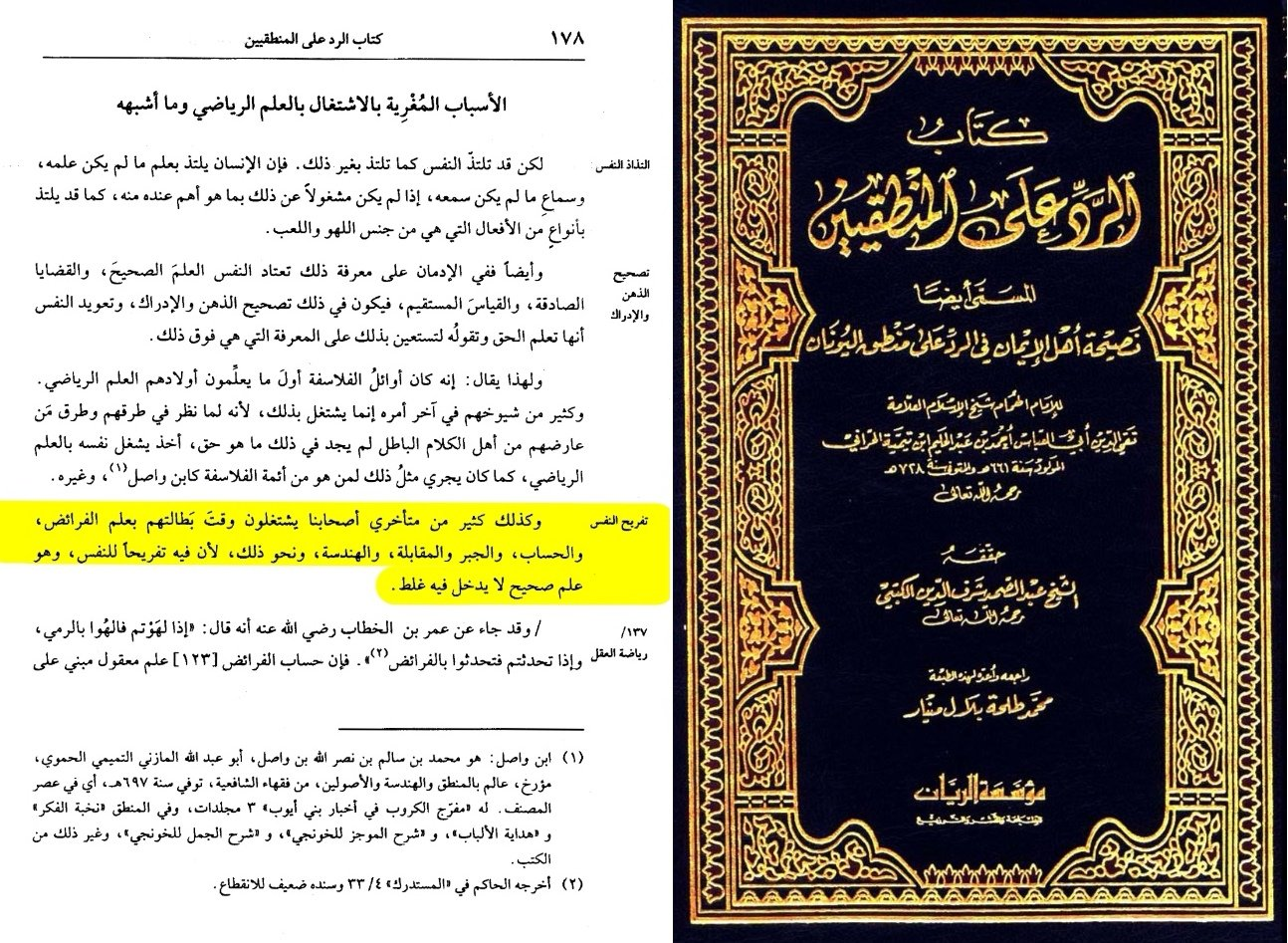
Ibn Taymiyyah — Al-Radd 'ala al-Mantiqiyyin, passage on Muslims excelling in mathematics, medicine, and engineering
Ibn Taymiyyah — Al-Radd ʿalā al-Manṭiqiyyīn The highlighted text states that many later Muslim scholars occupied themselves with mathematics, calculation, medicine, and engineering, and praised these sciences because they are correct sciences in which error does not enter.
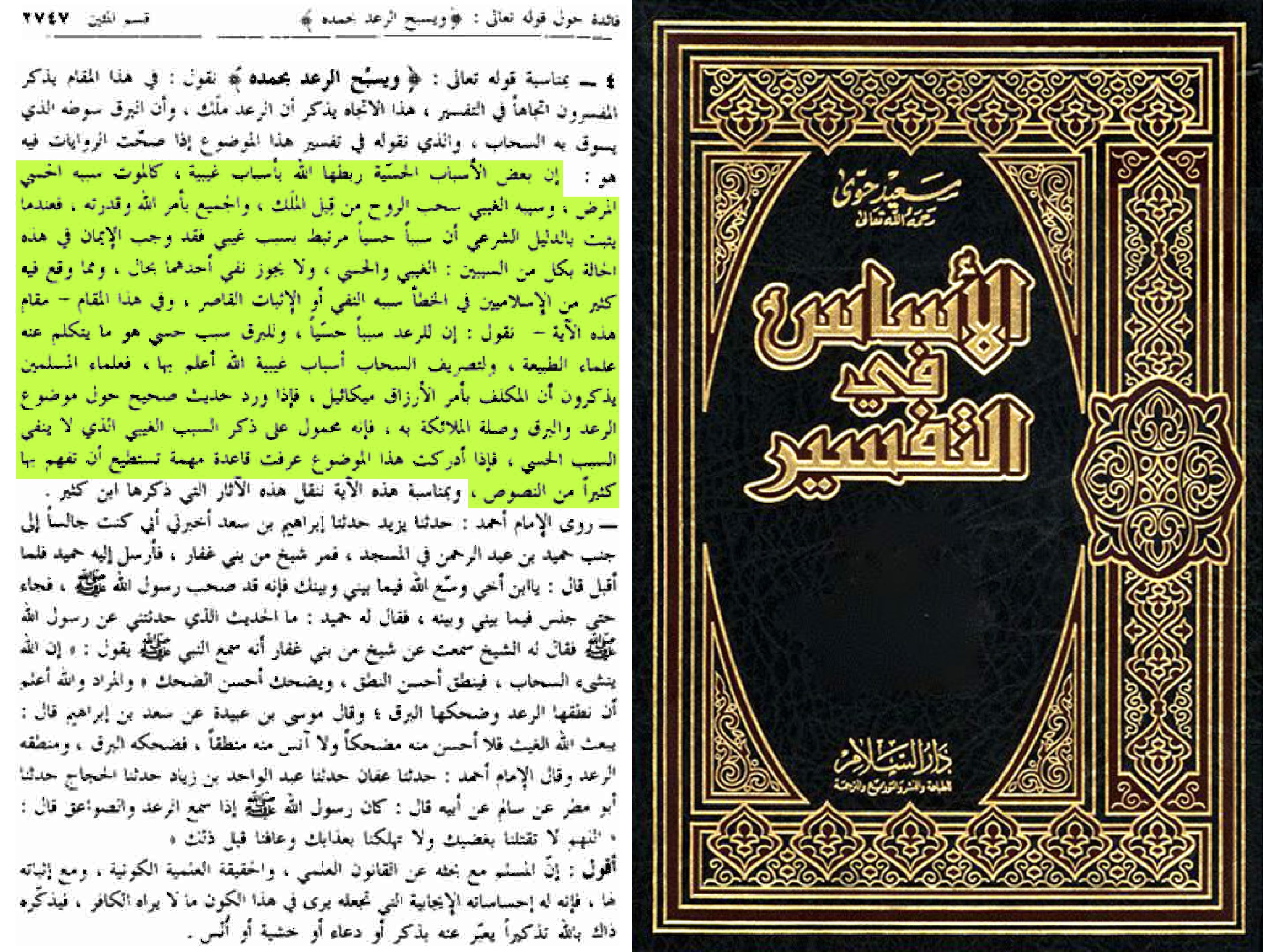
Ibn Taymiyyah — Al-Asbab fi al-Tafsir, on the coexistence of physical and unseen causes
Ibn Taymiyyah — Al-Asbāb fī al-Tafsīr The highlighted passage explains that some physical causes are linked to unseen causes. For example, the physical cause of thunder may be understood scientifically, while revelation also teaches that angels are connected to these events. Mentioning an unseen cause does not cancel the physical cause, and mentioning the physical cause does not cancel the unseen one.
Europe in the Middle Ages
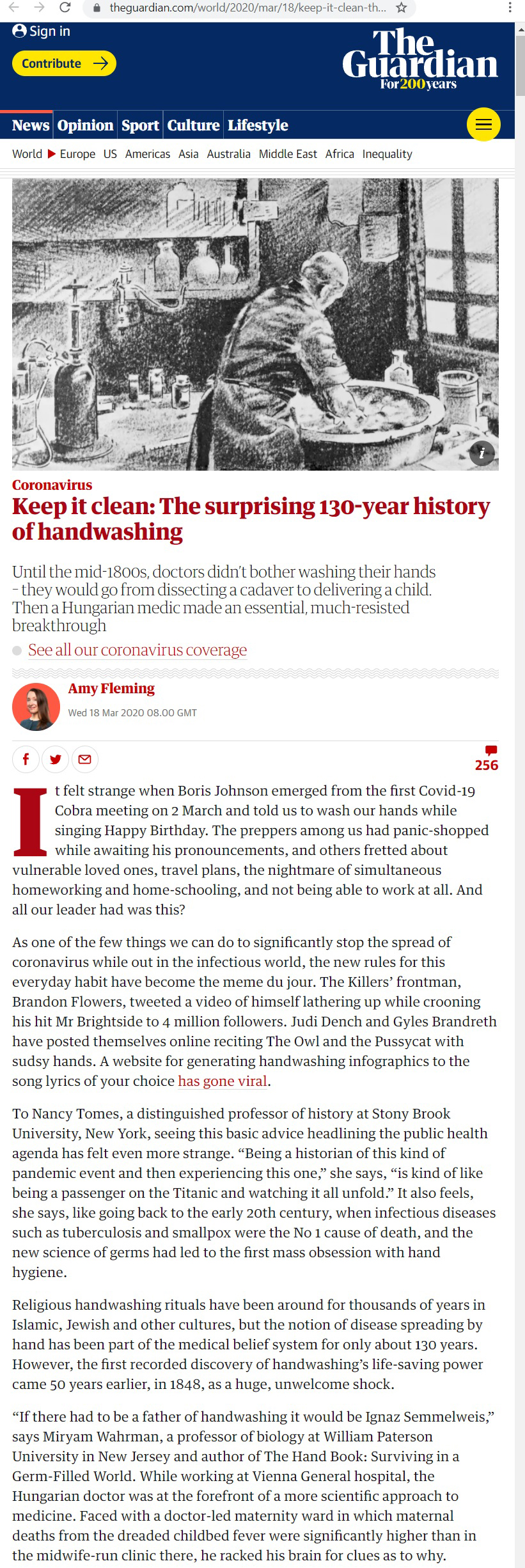
Medieval Christian Europe stood in stark contrast to the Islamic world in its relationship to cleanliness, knowledge, and public health. The Prophet ﷺ established principles of hygiene centuries before European civilization began recovering them from Muslim sources.
On Public Cleanliness The Prophet ﷺ said: “Beware of the three curses: defecating in watering places, in the middle of the road, and in the shade.”
He also said: “Removing something harmful from the road is charity.”
He said: “Removing a stone, thorn, or bone from the road is considered charity for you.”
Grade: Sahih · Muslim (first hadith)
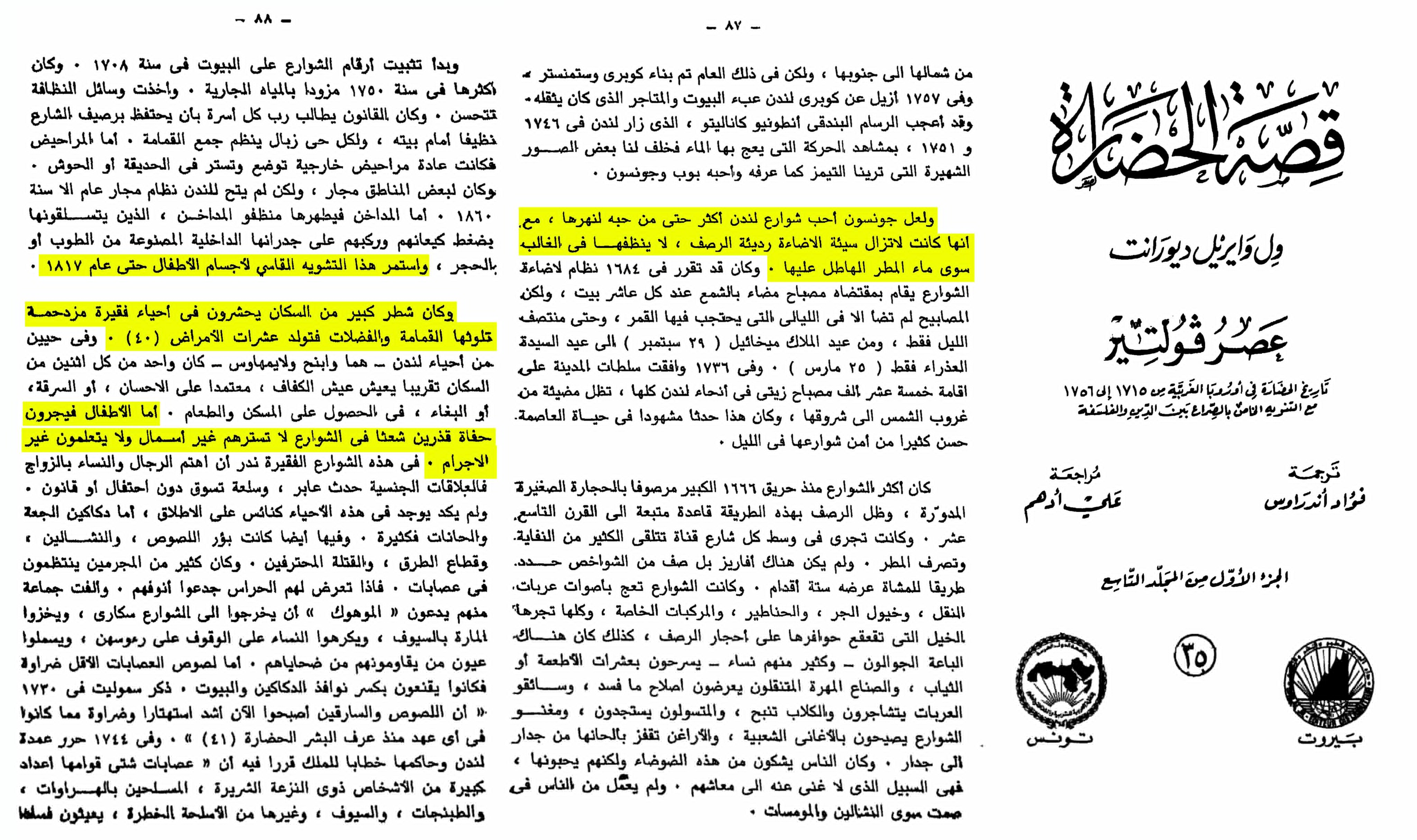
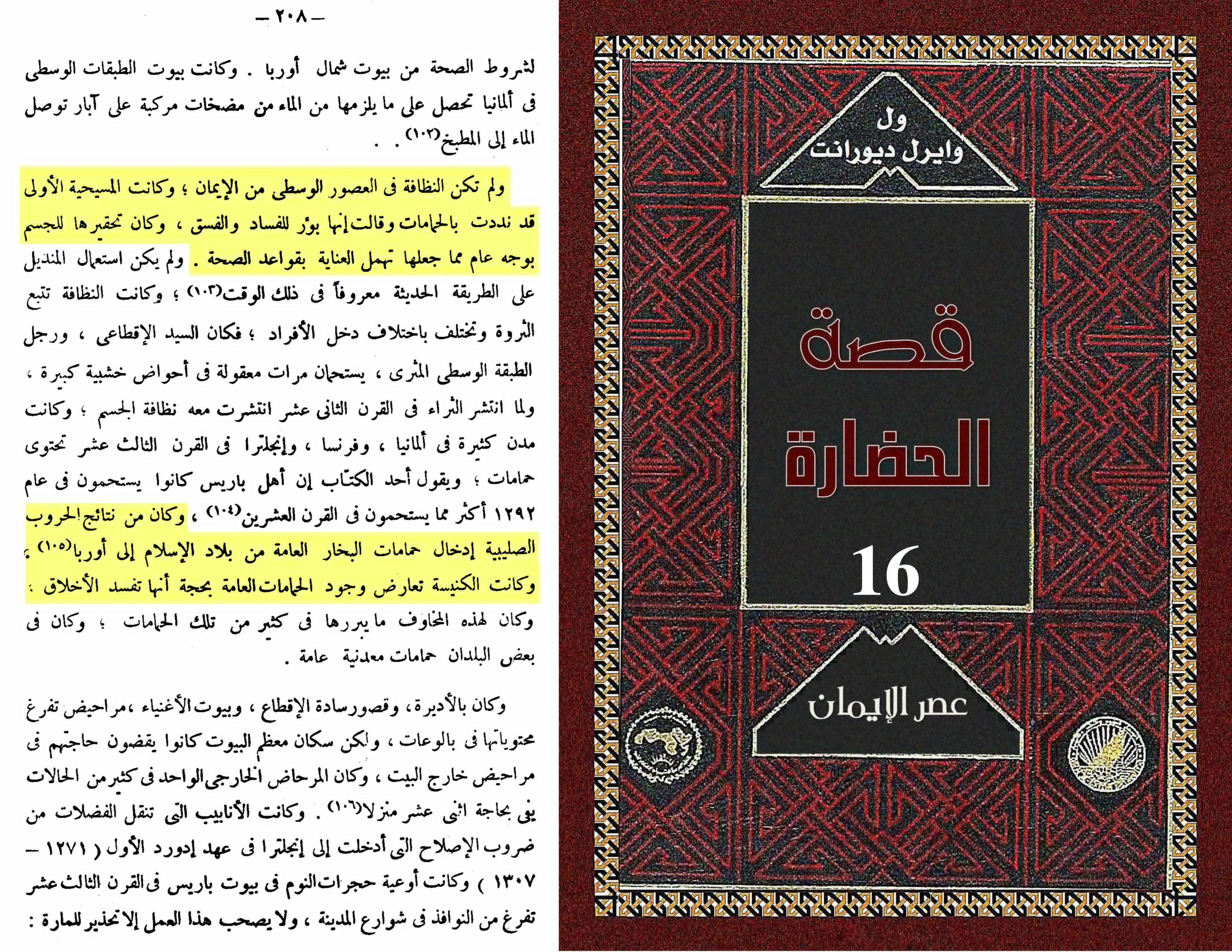
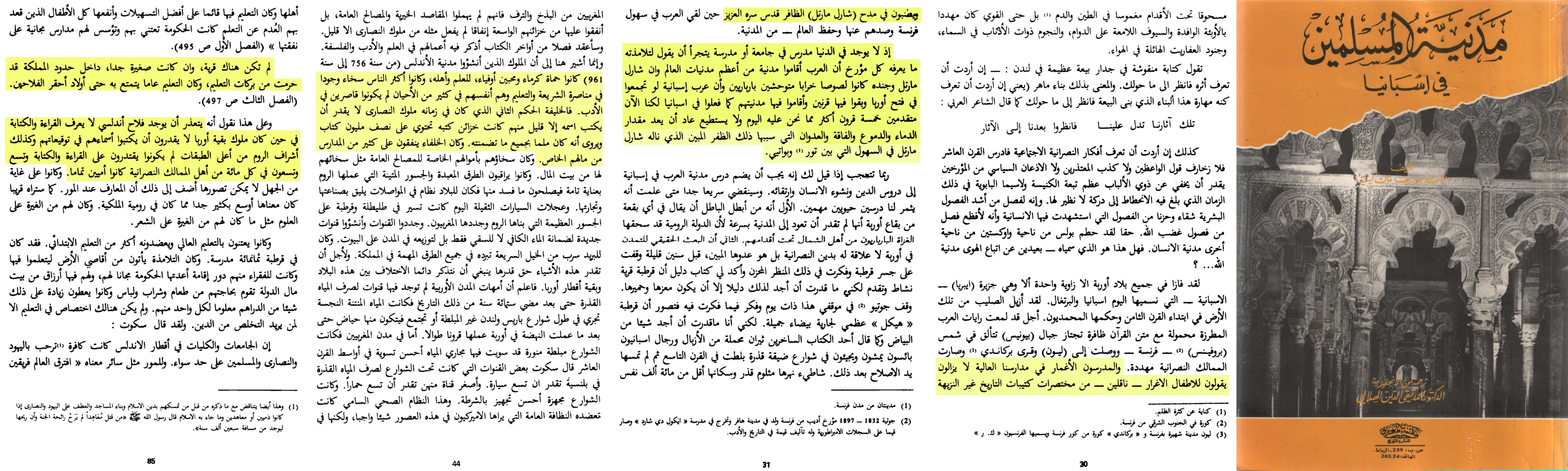
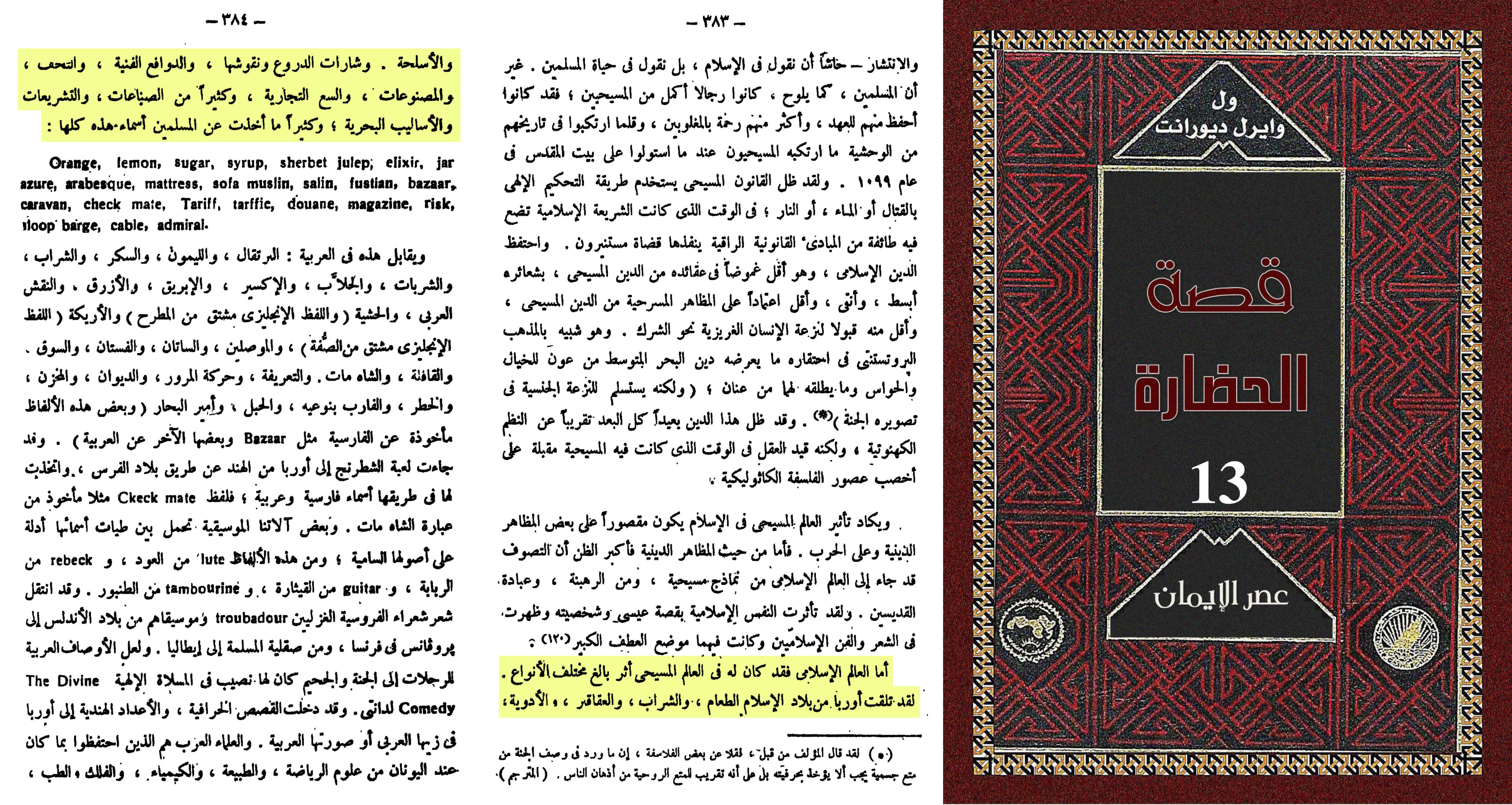
Will Durant — Qissat al-Hadara, highlighted passage on London's filth and poverty in the Middle Ages
Will Durant — Qiṣṣat al-Ḥaḍāra (The Story of Civilization) The highlighted text states that London remained poorly lit for centuries, with muddy streets, little drainage, and widespread poverty and crime. It notes that poor children often grew up neglected, half-starved, and vulnerable to theft and violence.
Will Durant — Qissat al-Hadara, passage on the disappearance of public baths in Christian Europe and their reintroduction from Muslim lands
Will Durant — Qiṣṣat al-Ḥaḍāra The highlighted passage explains that cleanliness was not common in medieval Europe. Public baths disappeared after the early Christian period because they were associated with immorality, while steam baths from Muslim lands were later introduced into Europe. Church authorities often opposed public baths for moral reasons.
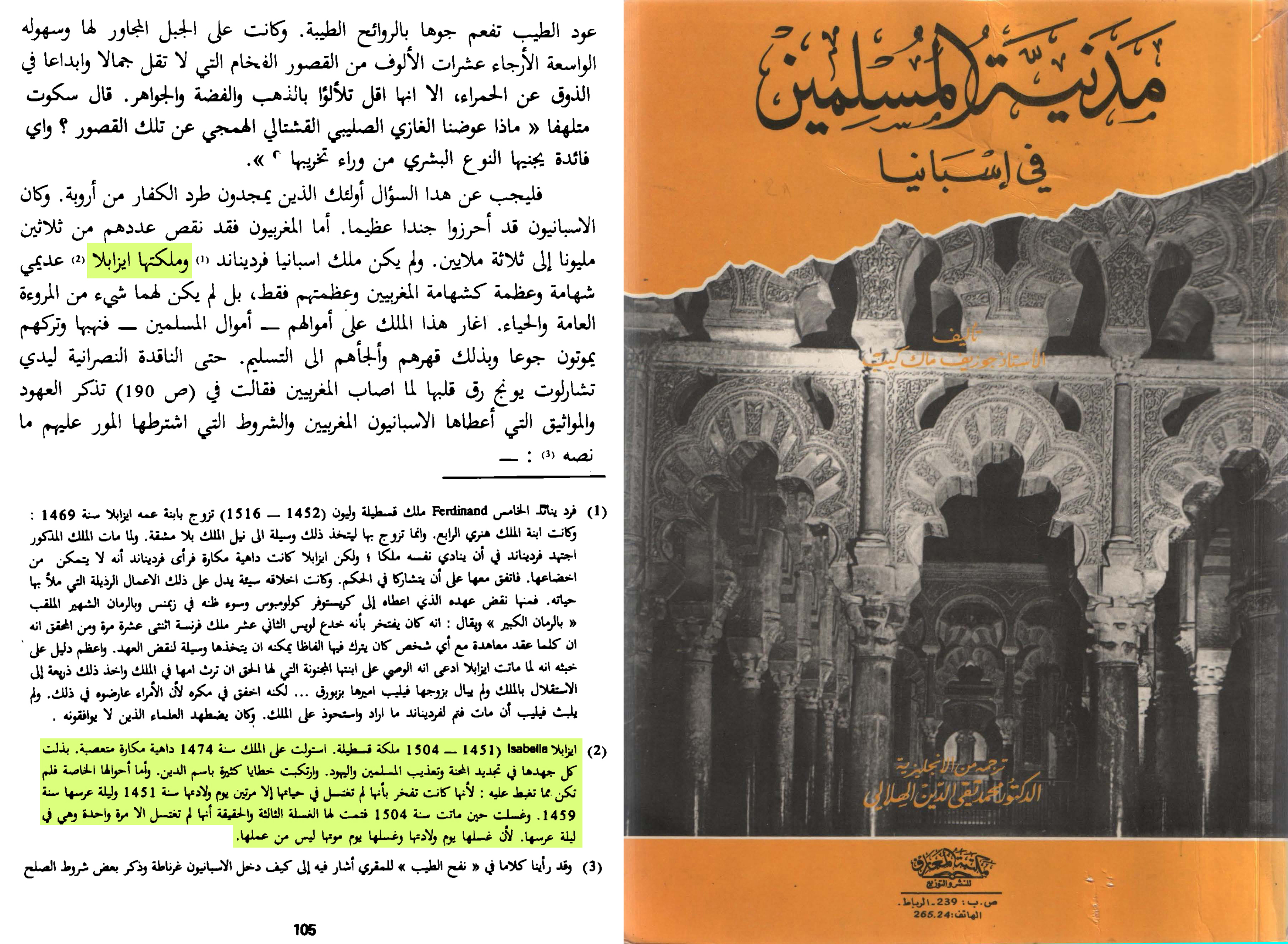
Muhammad Abdullah Inan — Madinat al-Muslimin fi Isbaniya, passage on forced assimilation policies after the fall of Muslim Spain
Muhammad Abdullah Inan — Madīnat al-Muslimīn fī Isbāniyā The highlighted text states that after the fall of Muslim rule in Spain, Queen Isabella I of Castile issued decrees preventing Muslims from wearing their traditional clothing, speaking Arabic, or practicing their customs openly. It describes this as part of a broader policy of forced assimilation.
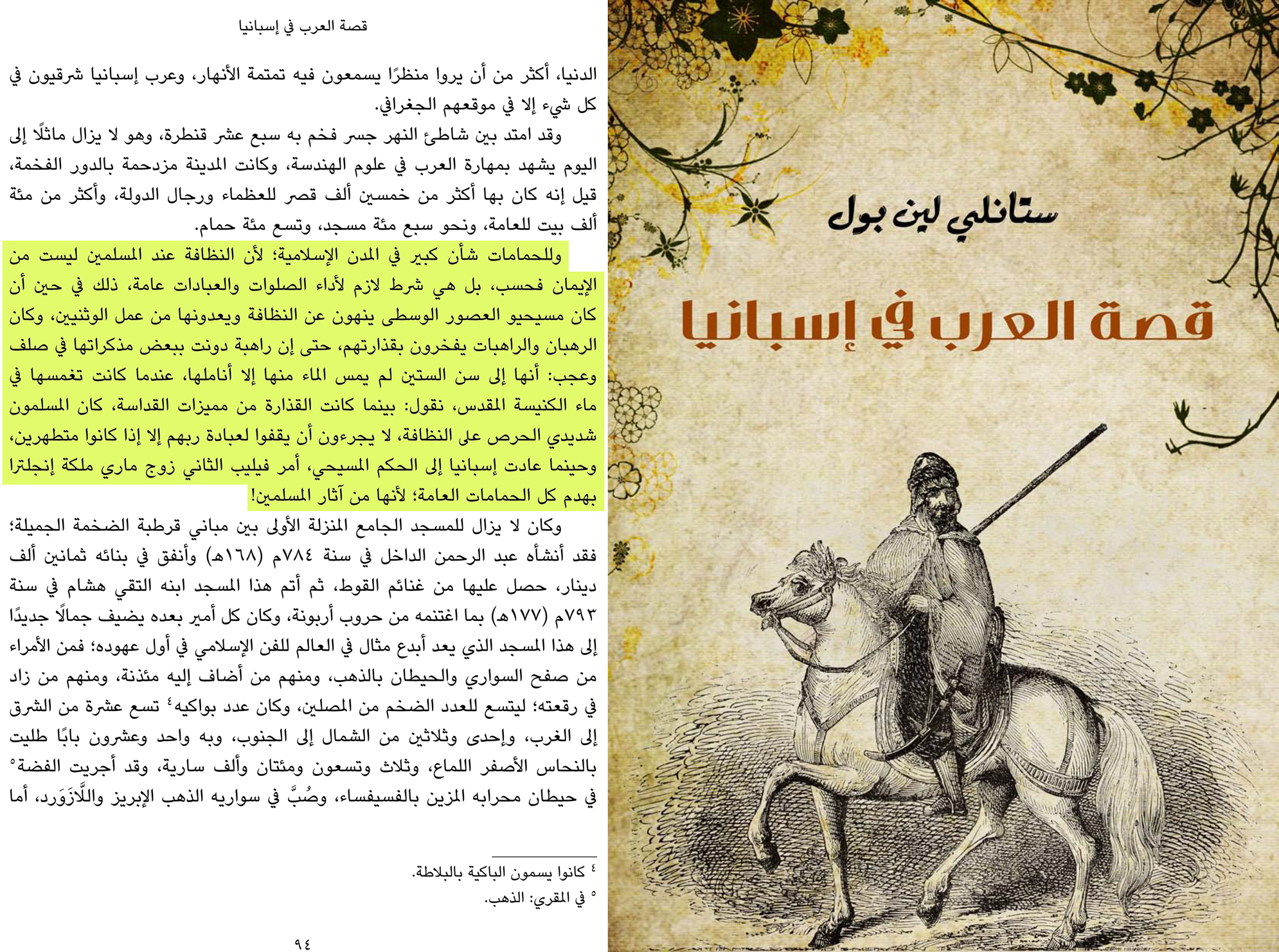
Stanley Lane-Poole — Qissat al-Arab fi Isbaniya, passage on the destruction of public baths after the return of Christian rule in Spain
Stanley Lane-Poole — Qiṣṣat al-ʿArab fī Isbāniyā The highlighted text states that public baths were widespread in Muslim Spain and were viewed as a necessary part of worship and cleanliness. It contrasts this with Christian Europe, where public bathing declined, and notes that after Christian rule returned in Spain, public baths were destroyed because they were seen as traces of Muslim influence.
The Impact of Christianity on Science
Christianity’s Rejection of Cleanliness and Knowledge
Purity in Islam The Prophet ﷺ said: “Purity is half of faith.”
Grade: Sahih · Muslim
Al-Baqarah 2:269 And whoever has been given wisdom has certainly been given much good.
The Quran affirms wisdom and knowledge as great gifts from God. Biblical texts, by contrast, were used by medieval Christian authorities to discourage inquiry:
1 Corinthians 1:19 (KJV) “I will destroy the wisdom of the wise, and will bring to nothing the understanding of the prudent.”
Proverbs 3:5 (KJV) “Trust in the Lord with all your heart and do not lean on your own understanding.”
These verses were employed in medieval Christendom to subordinate reason to clerical authority — an orientation that produced measurable consequences for European civilization.
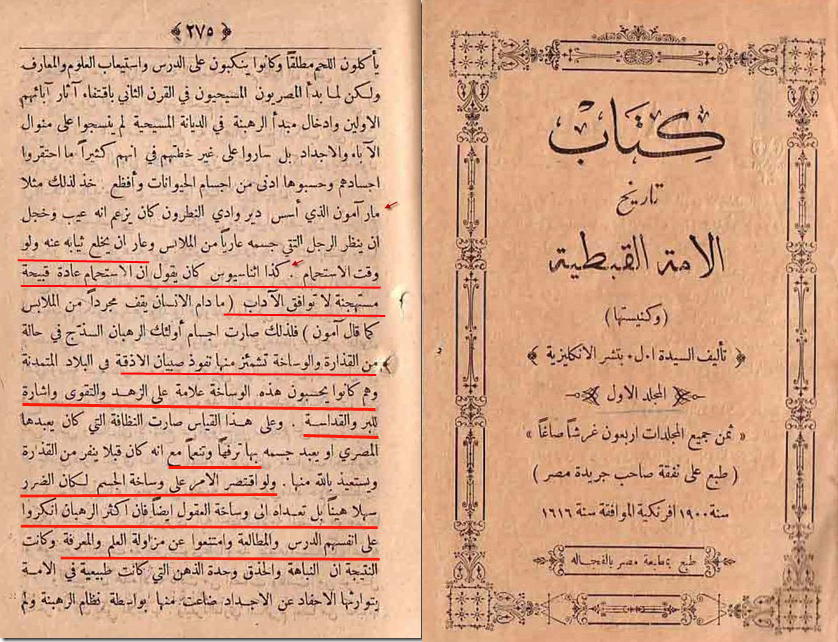
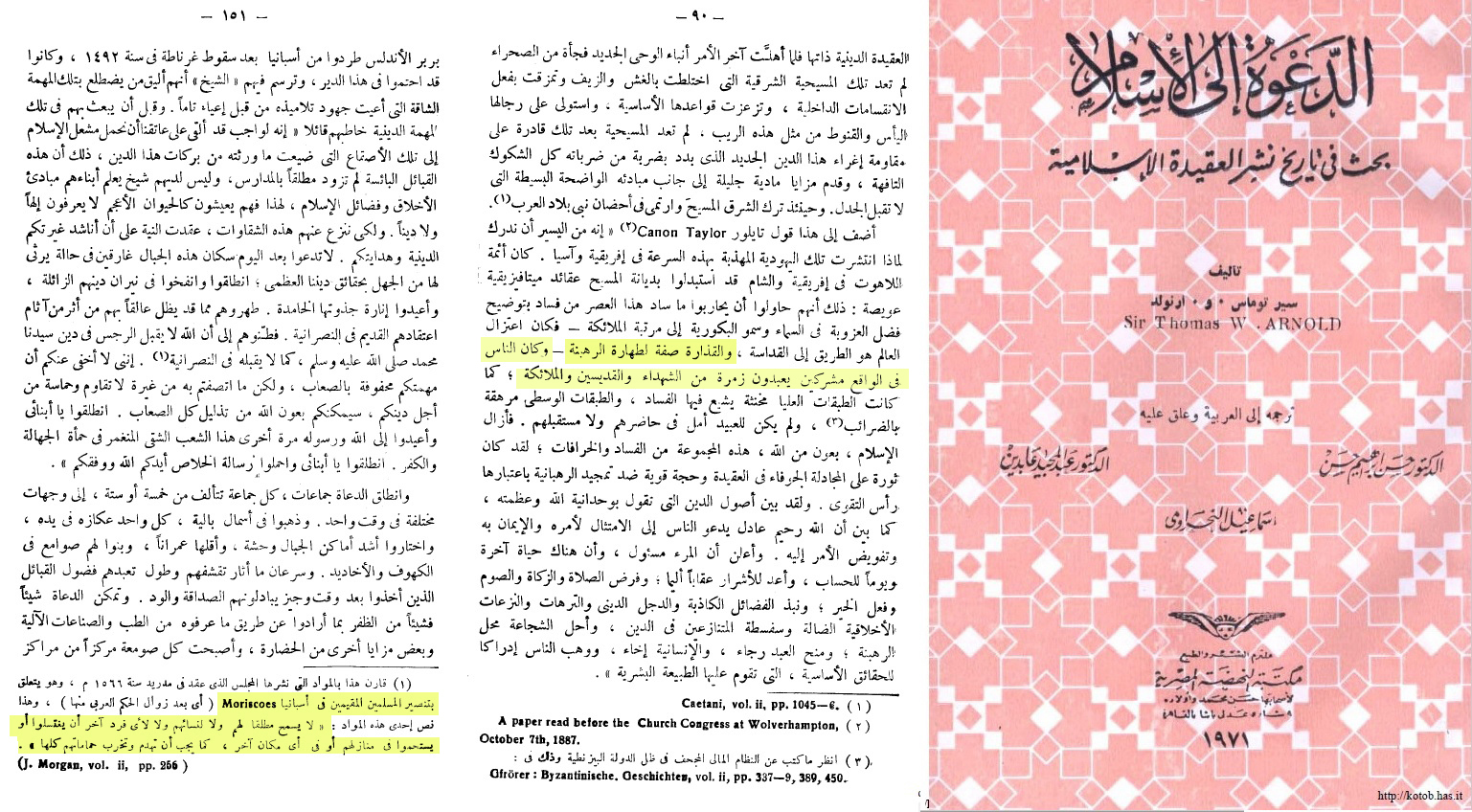
Yuhanna al-Sayyid al-Barmuni — Tarikh al-Ummah al-Qibtiyyah, passage on dirt and foul smells being associated with Christian piety
Yuhanna al-Sayyid al-Barmuni — Tārīkh al-Ummah al-Qibṭiyyah The highlighted text states that public bathing was considered shameful in parts of medieval Christian society. It says that some people believed bathing too often was morally improper, and that dirt, foul smells, and rough appearance were sometimes associated with piety, humility, and asceticism.
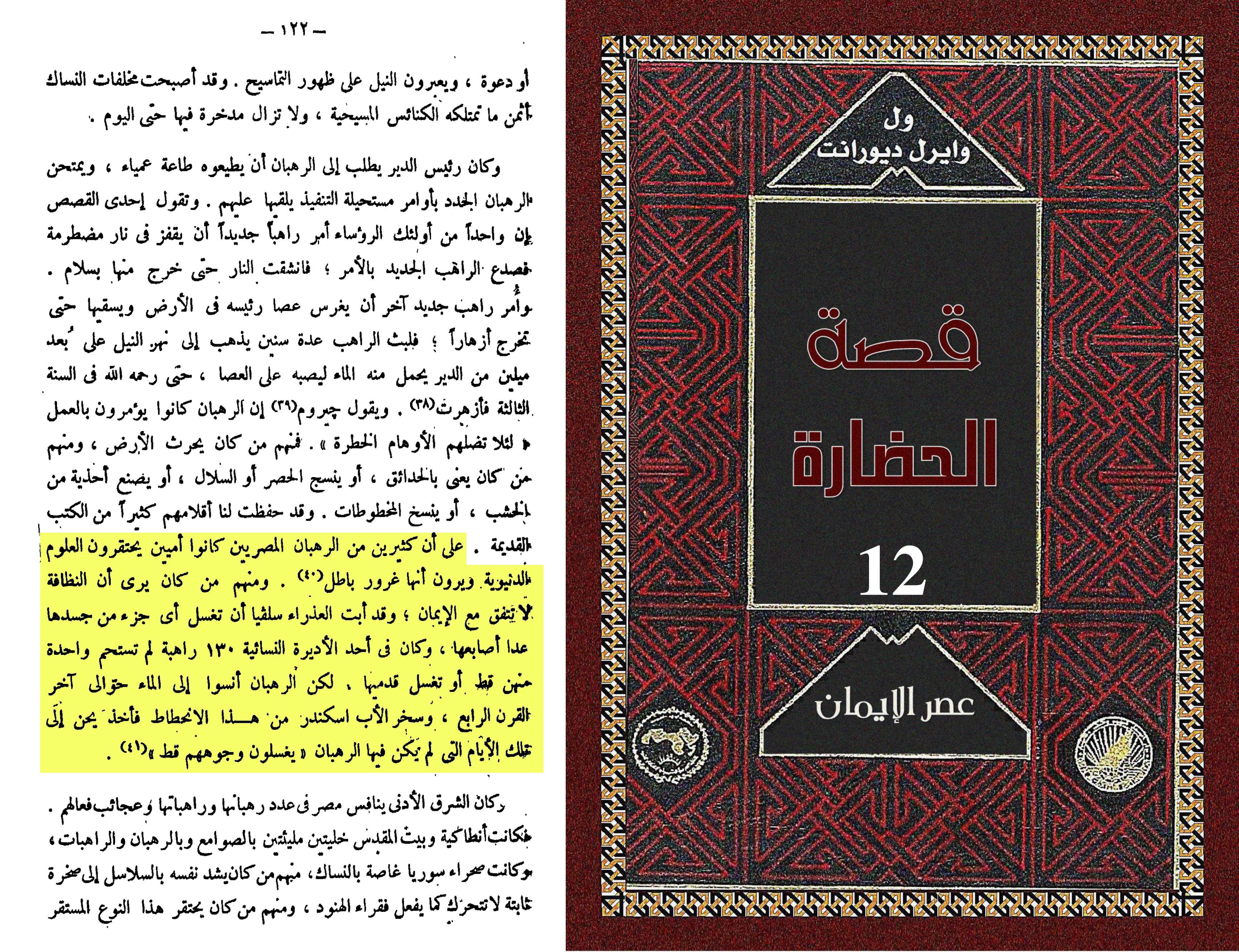
Will Durant — Qissat al-Hadara, passage on Egyptian monks despising secular knowledge and rejecting cleanliness as contrary to faith
Will Durant — Qiṣṣat al-Ḥaḍāra The highlighted passage states that many Egyptian monks despised secular knowledge and saw cleanliness as something contrary to faith. It notes that some monasteries reportedly went long periods without washing, and that later writers mocked this extreme rejection of hygiene.
Thomas Walker Arnold — Al-Da'wah ila al-Islam, passage on why Byzantine populations were attracted to Islam
Thomas Walker Arnold — Al-Daʿwah ilā al-Islām The highlighted text states that many people in the Byzantine world were attracted to Islam because it offered a simpler faith, a direct relationship with God, moral clarity, and freedom from complex priestly systems. It also says that oppressed groups often saw Islam as a source of justice and hope.
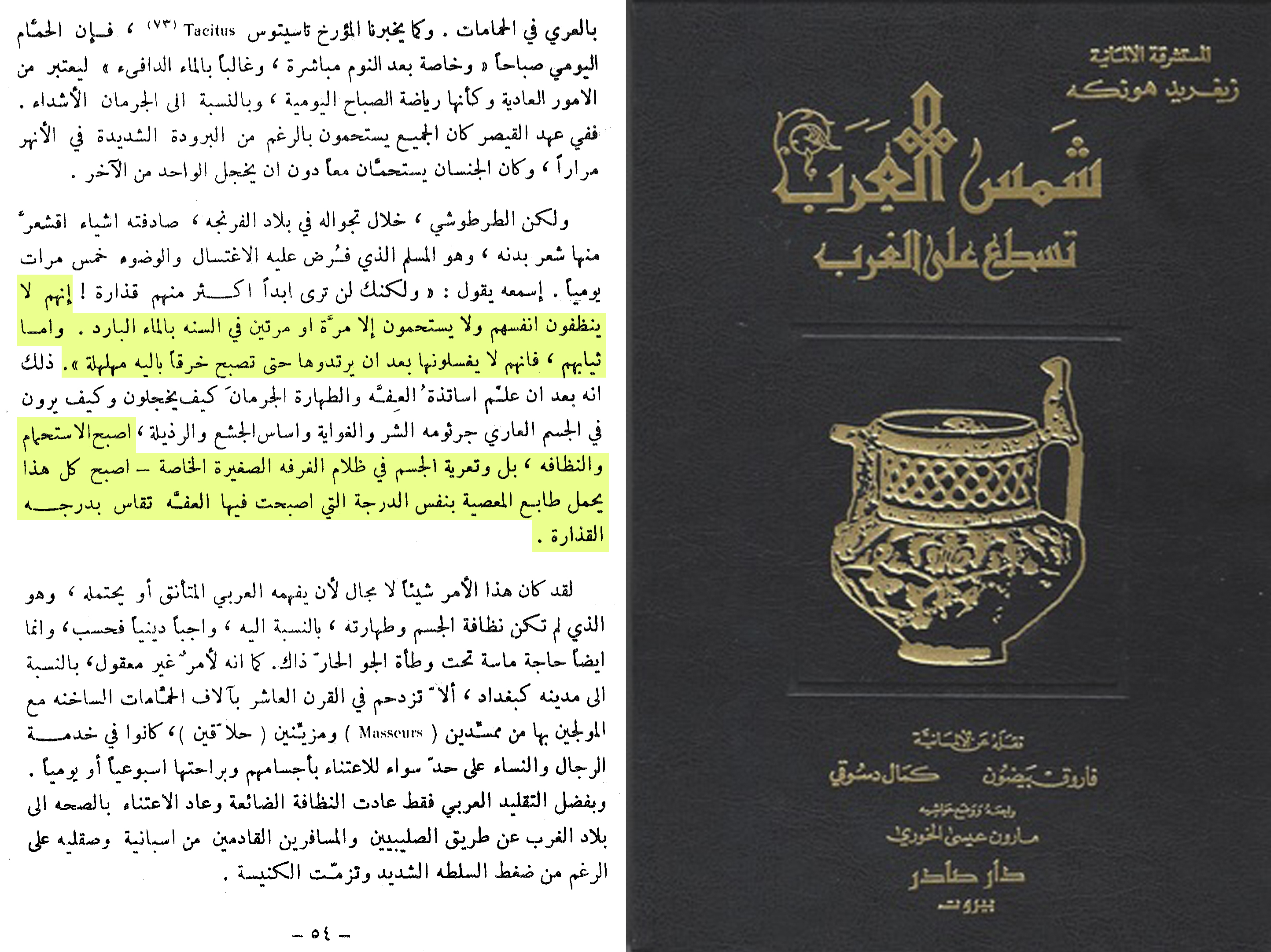
Sigrid Hunke — When the Sun of the Arabs Shone on the West, passage on dirt and foul smells becoming normalized in medieval Europe
Sigrid Hunke — When the Sun of the Arabs Shone on the West The highlighted passage explains that in parts of medieval Europe, many people bathed very rarely and often wore the same clothes for long periods. It says that dirt and foul smells became normalized, while Muslim influence later helped restore practices of bathing, cleanliness, and personal hygiene in Europe.
Epidemic
On Seeking Medical Treatment The Prophet ﷺ said: “Seek treatment, for God has not created a disease without also creating a cure for it.”
Grade: Sahih · Abu Dawud, Ibn Majah
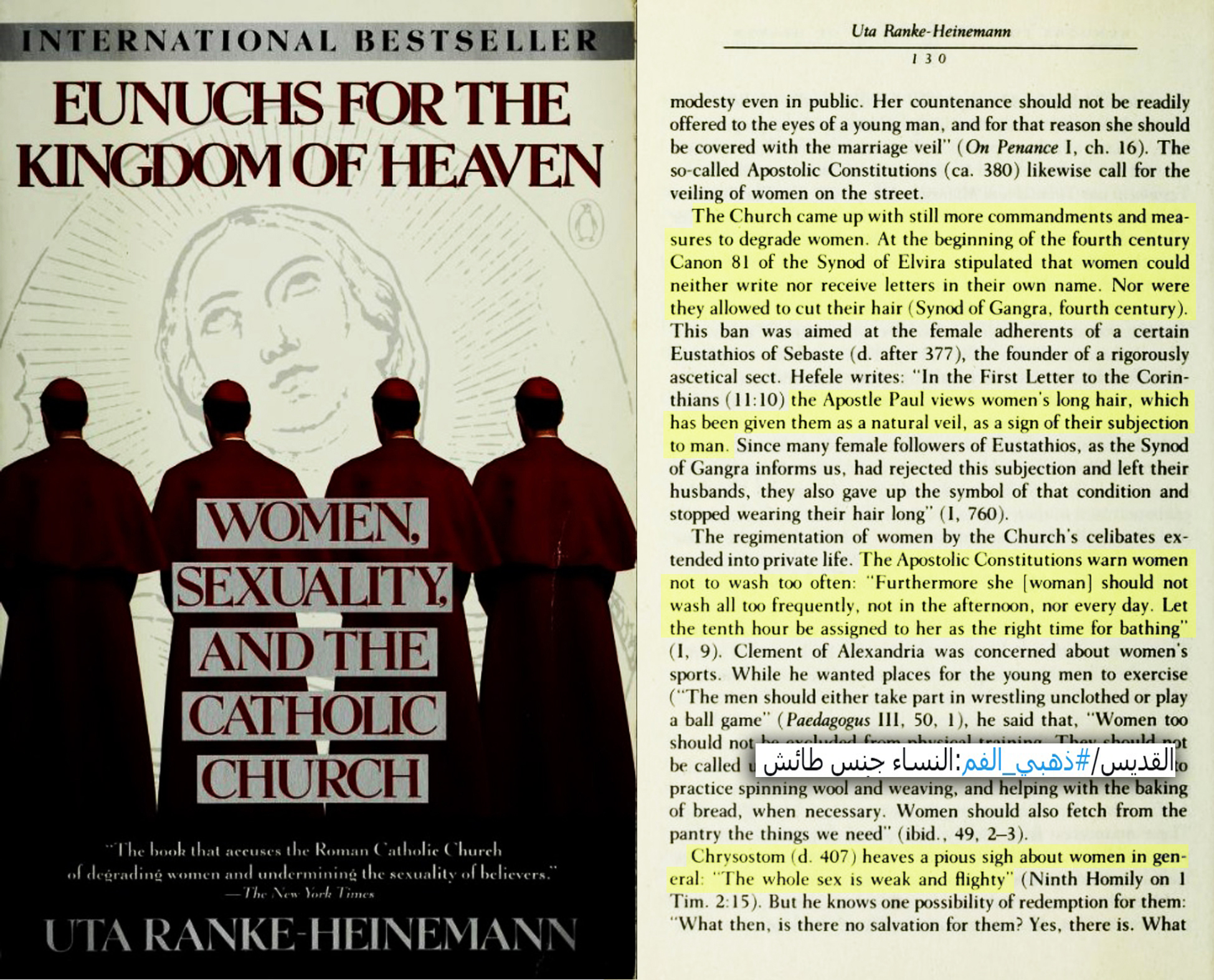
Europe, drowning in waste and rejecting personal hygiene under the influence of the Church, faced catastrophic epidemics. The Church forbade treatment, teaching that illness was divine punishment, and regarded medicine as heresy. The Muslim world, by contrast, produced giants of medicine and surgery — Ibn al-Nafis, Ibn Zuhr, and al-Zahrawi — without parallel in contemporary Europe.
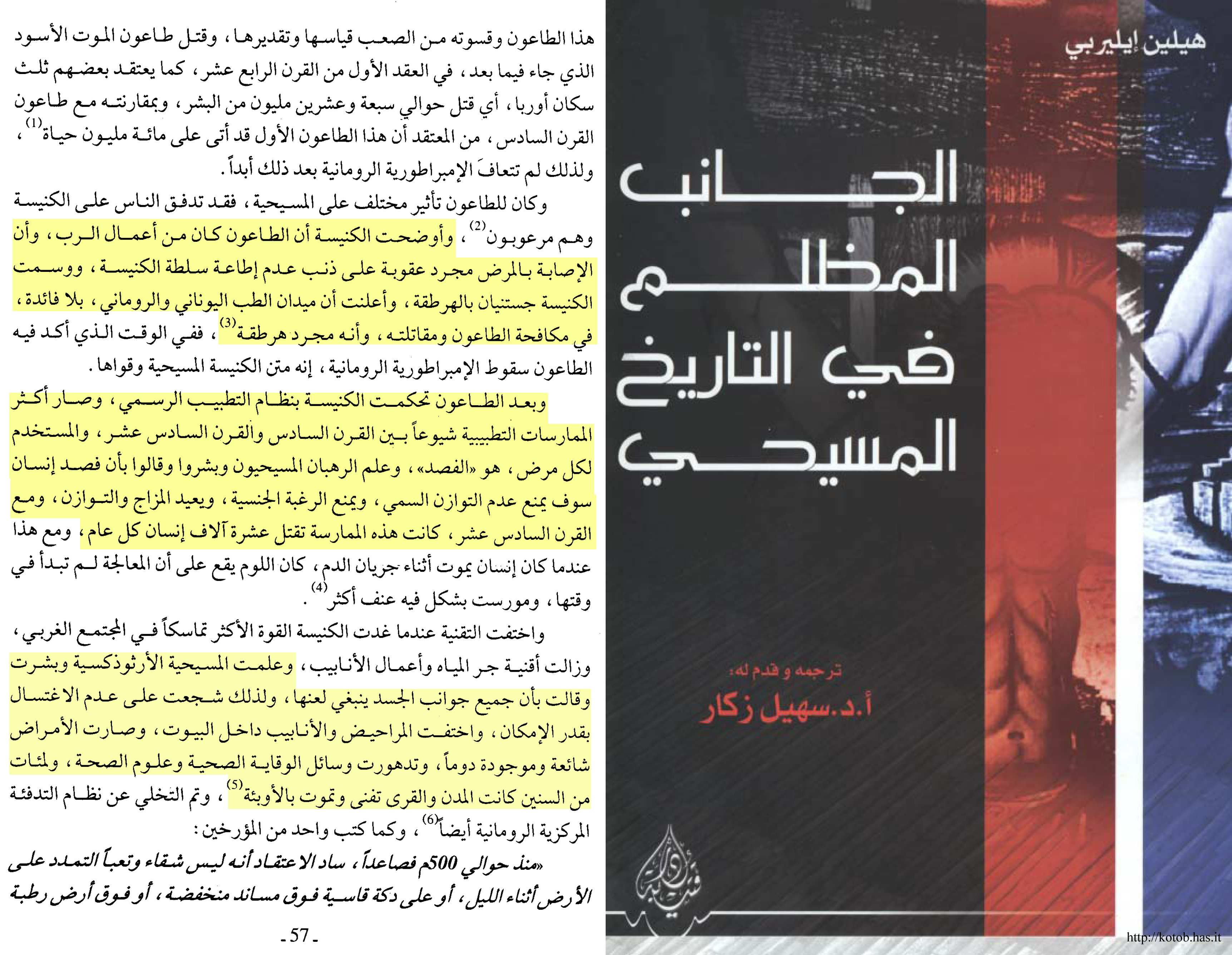
Heleen Meeserie — Sexual Taboos in Christian History, passage on the church discouraging medical treatment during plagues
Heleen Meeserie — Sexual Taboos in Christian History The highlighted text states that during major plagues in Europe, many church leaders taught that disease was divine punishment and discouraged scientific or medical approaches. It says that after the plague, church influence over medicine increased, leading to widespread use of practices such as bloodletting. The passage also claims that church teachings discouraged bathing and hygiene, contributing to poor sanitation and the spread of disease.
Supporting source — further documentation of church-endorsed medical malpractice and epidemic mortality
The source material continues, documenting the mortality rates of European plagues accelerated by the suppression of hygienic and medical knowledge.
Further documentation — plague, church authority, and the rejection of Muslim medical advancesAdditional source — comparative mortality and the Church's prohibition of treatment
Scientists Are Heretics in Christian Europe
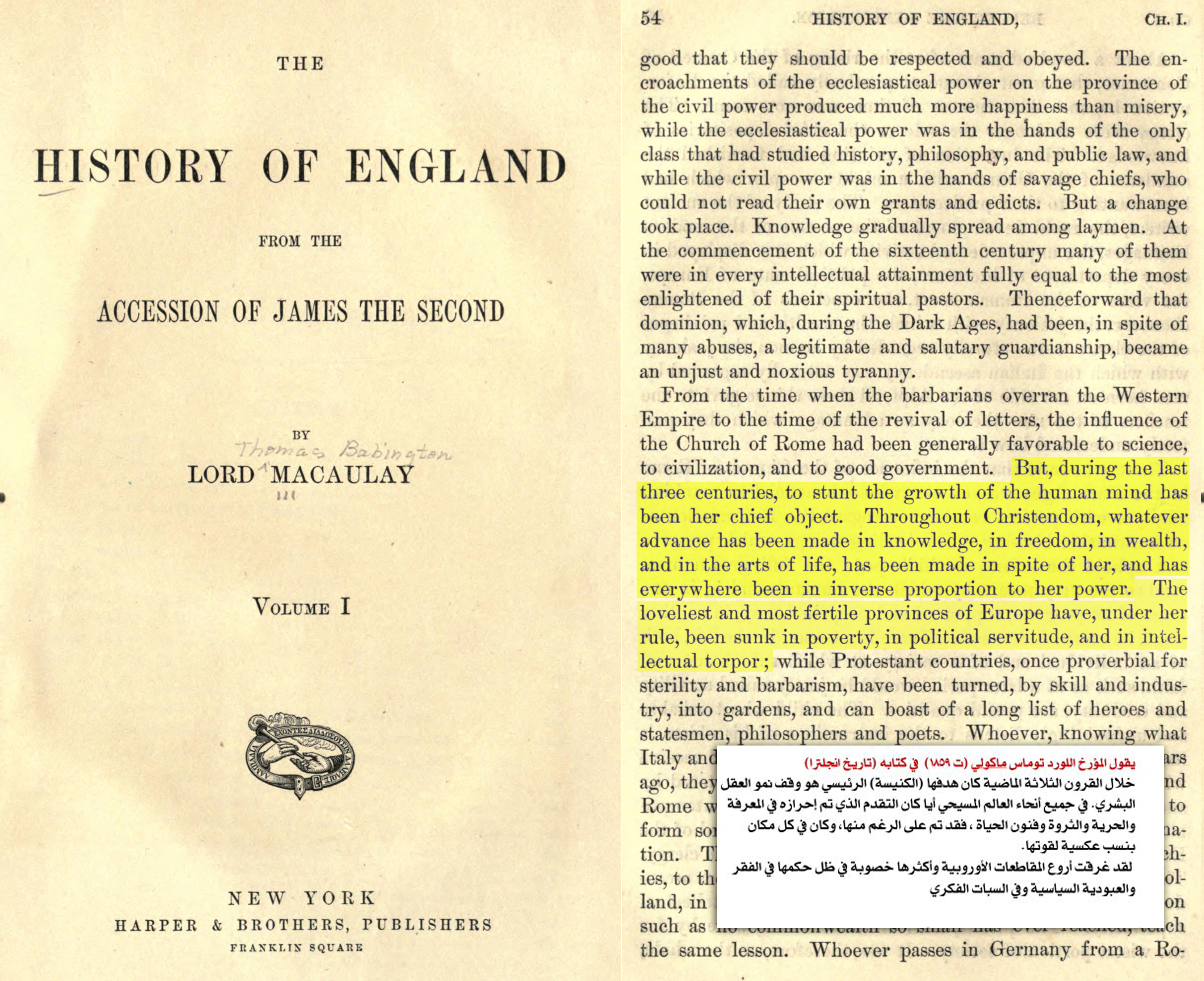
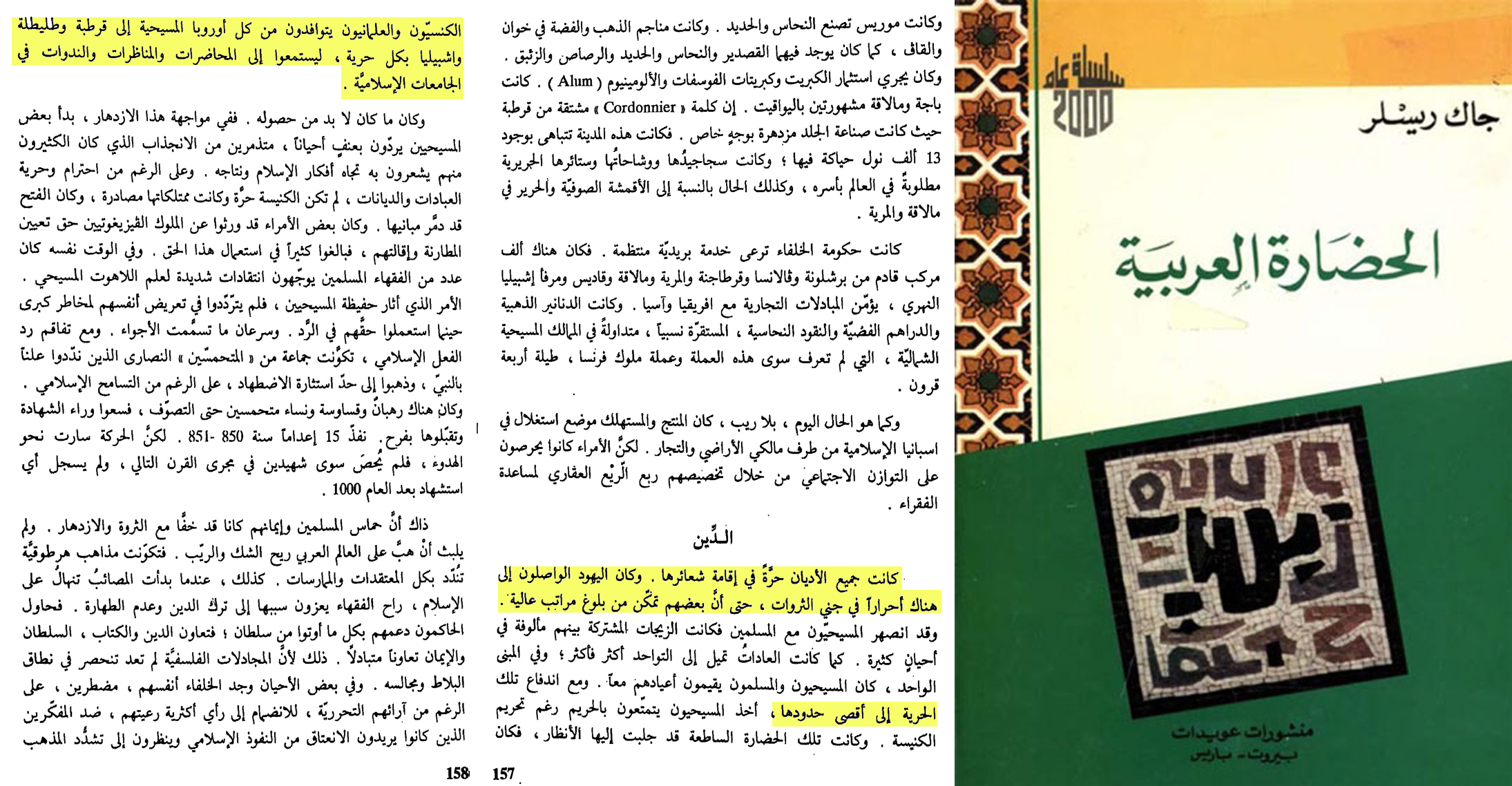
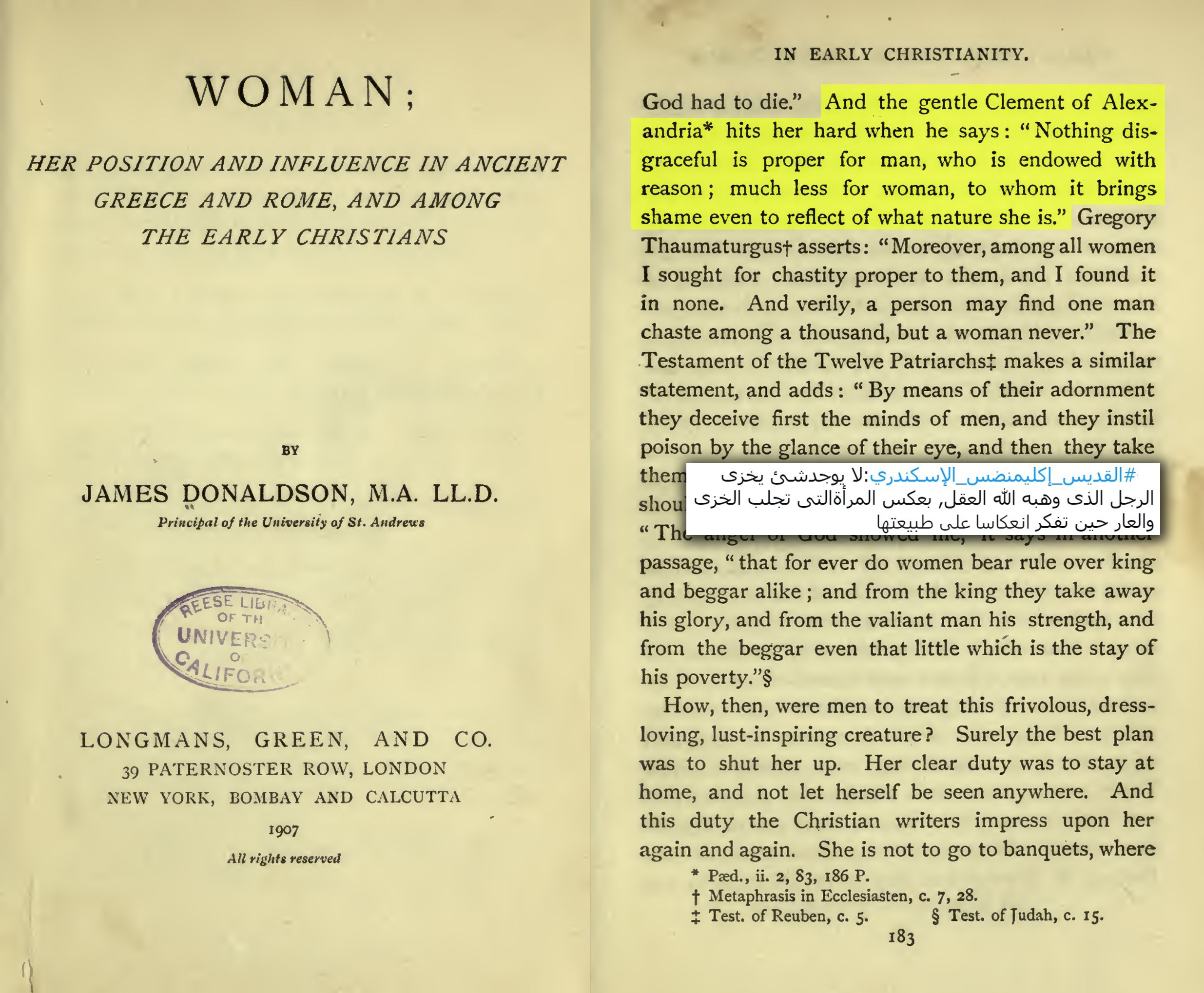
Unlike Islam — which honored wisdom and elevated scholars — Christianity accused every scholar who challenged the myths of the Bible of heresy and sentenced many to death.
Al-Baqarah 2:269 And whoever has been given wisdom has certainly been given much good.
1 Corinthians 1:19 (KJV) “I will destroy the wisdom of the wise, and will bring to nothing the understanding of the prudent.”
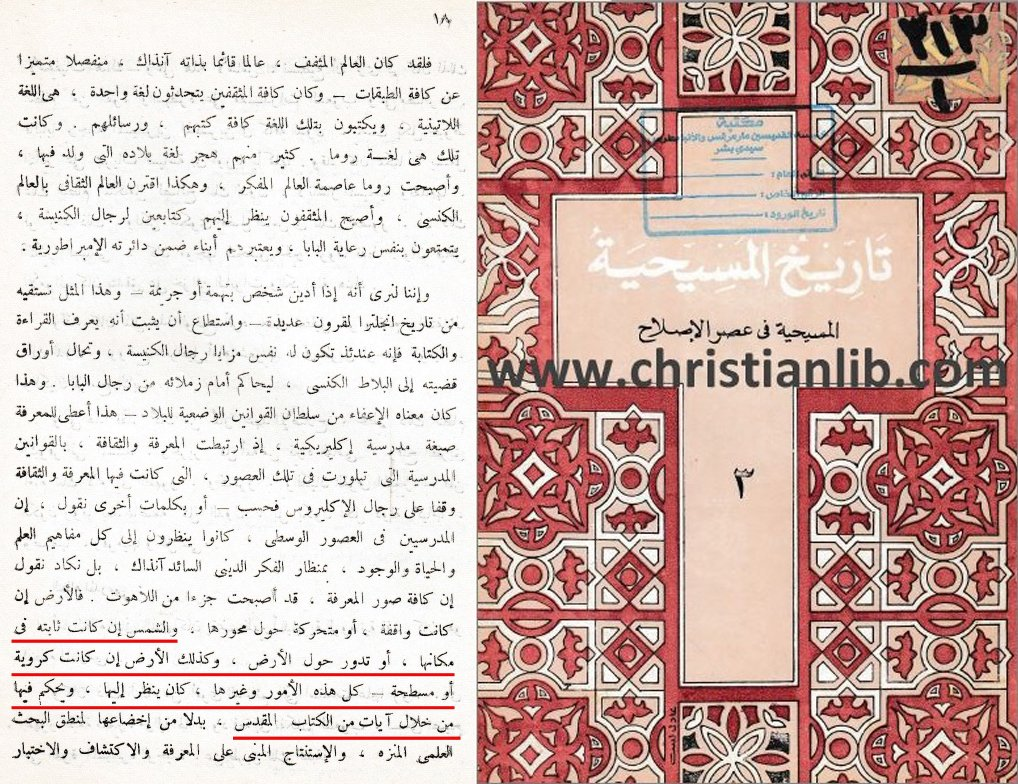
Will Durant — History of Christianity in the Reformation Era, passage on scientific questions being treated as religious matters in medieval Europe
Will Durant — History of Christianity in the Reformation Era The highlighted text states that in medieval Europe, educated people often viewed knowledge through church doctrine. It says that questions about whether the Earth moved, whether the Sun moved around the Earth, or whether the Earth was spherical were treated as religious issues rather than scientific ones.
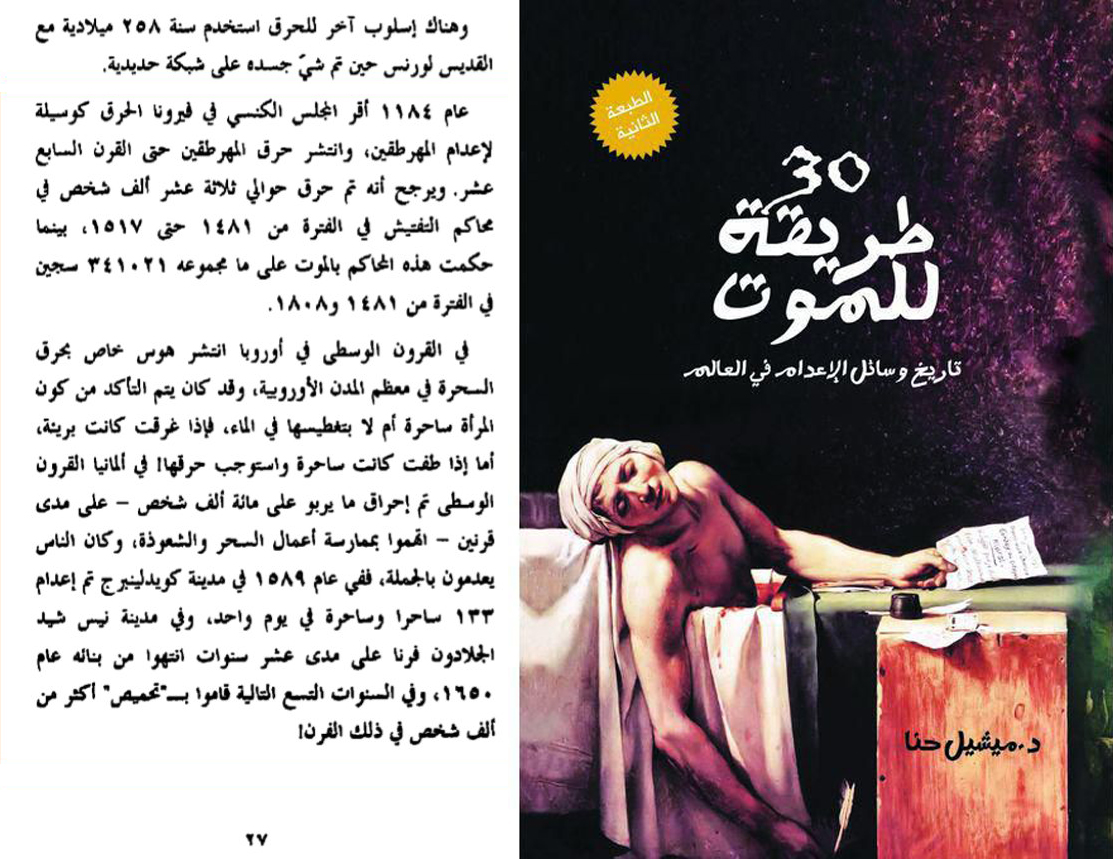
Michel Hanna — 30 Horrific Methods of Execution, passage on witchcraft accusations and mass executions of women in medieval Europe
Michel Hanna — 30 Horrific Methods of Execution The highlighted text states that accusations of witchcraft in medieval Europe often led to execution. It mentions that thousands of people, especially women, were killed after being accused of sorcery, and that these persecutions continued for centuries.
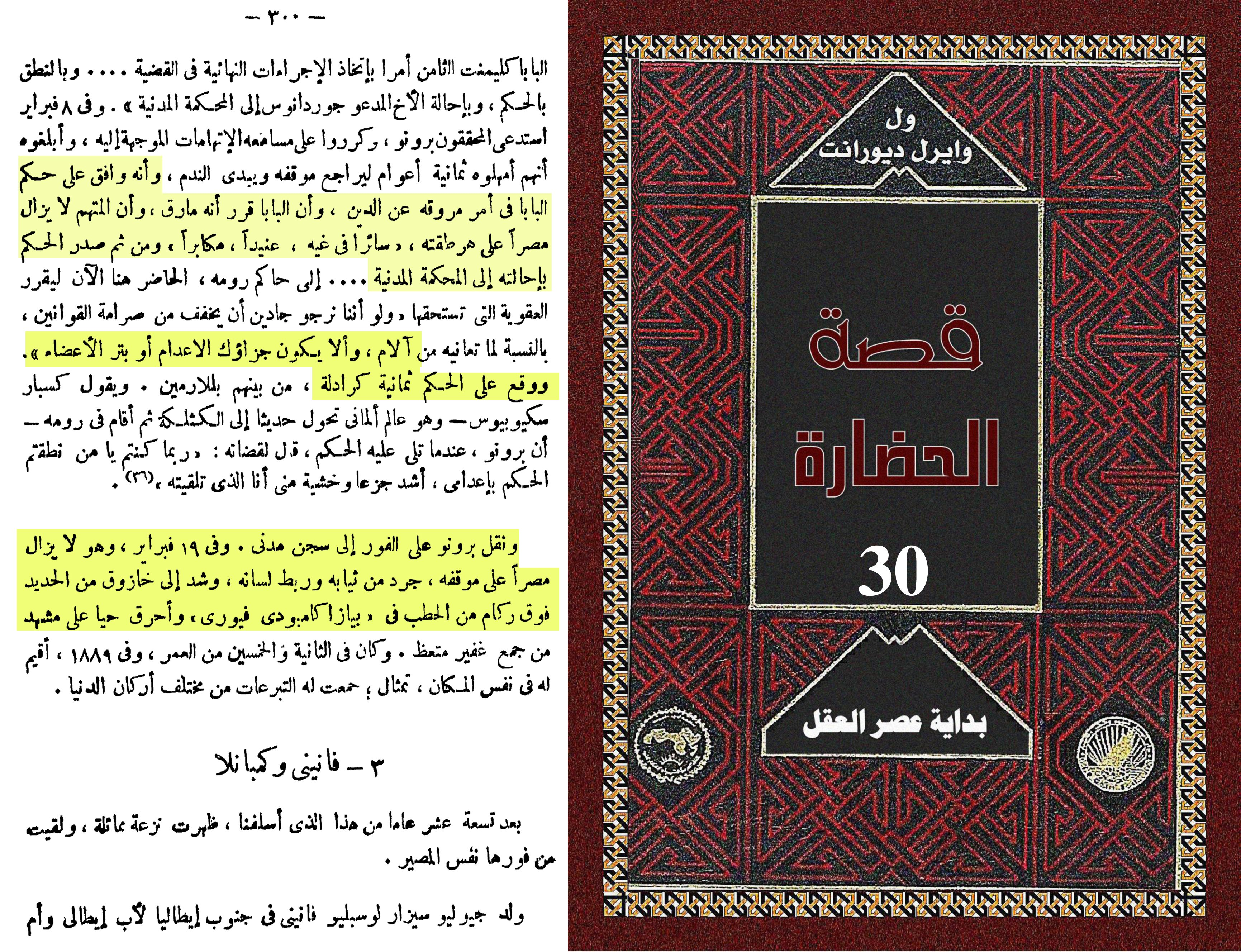
Will Durant — Qissat al-Hadara, passage describing the trial and burning alive of Giordano Bruno
Will Durant — Qiṣṣat al-Ḥaḍāra The highlighted passage describes the trial and punishment of . It states that he was declared a heretic, imprisoned, stripped, chained, and eventually burned alive after refusing to abandon his beliefs.
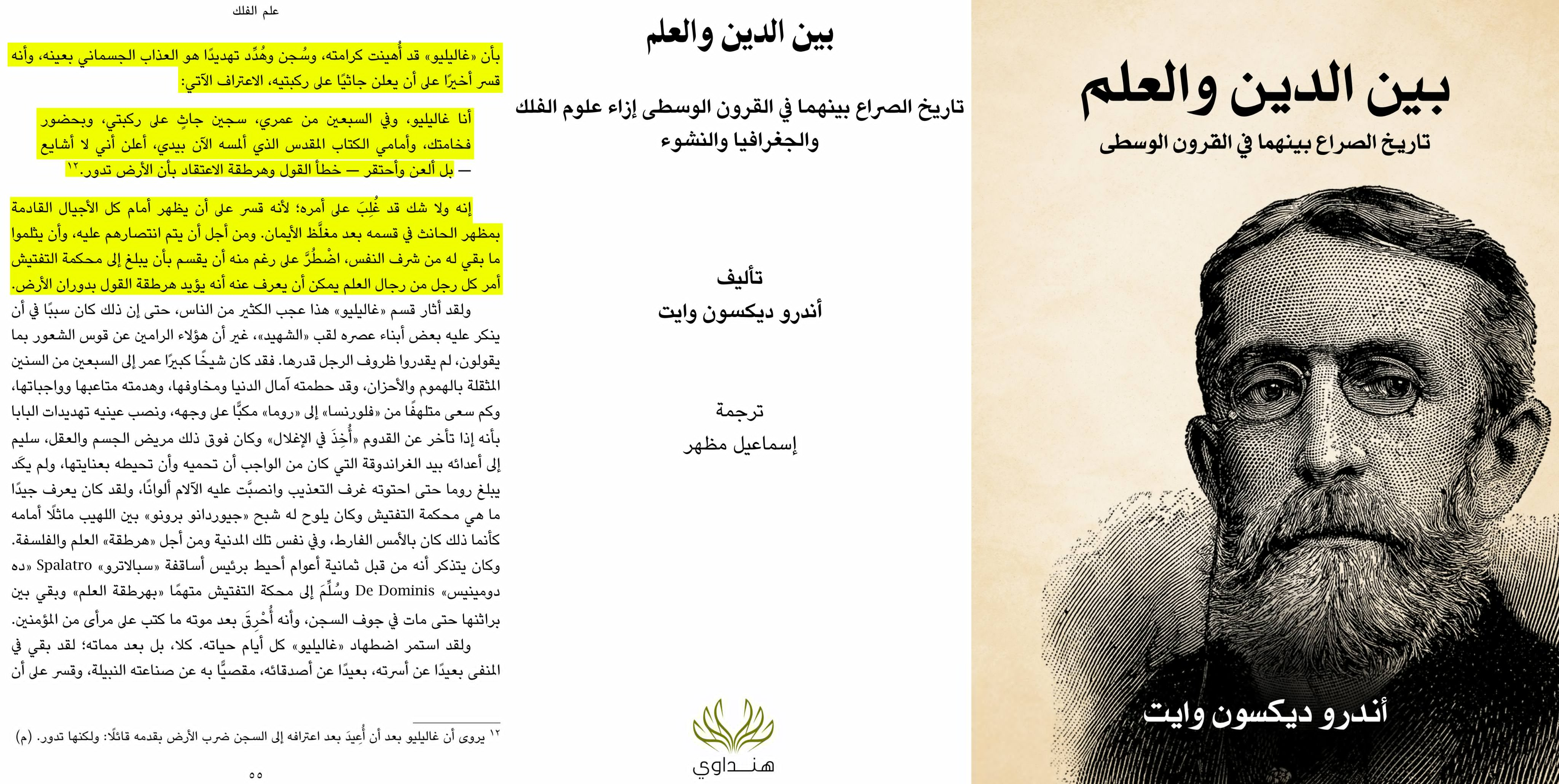
Andrew Dickson White — Between Religion and Science, passage describing Galileo being forced to kneel and recant his scientific conclusions under threat of torture
Andrew Dickson White — Between Religion and Science The highlighted text describes the treatment of . It states that he was threatened with physical torture, forced to kneel and publicly recant his support for the idea that the Earth moves, and pressured to declare belief in the opposite view.
Christianity and the Degradation of Human Reason
Christianity, in its medieval institutional form, agreed with atheism’s materialist premise in one crucial respect: it treated the human mind as untrustworthy and unworthy of cultivation. The Biblical passages deployed by medieval church authorities to justify this included:
Job 11:12 (KJV) “For vain man would be wise, though man be born like a wild ass’s colt.”
Ecclesiastes 3:19 (KJV) “For man has no advantage over the beast.”
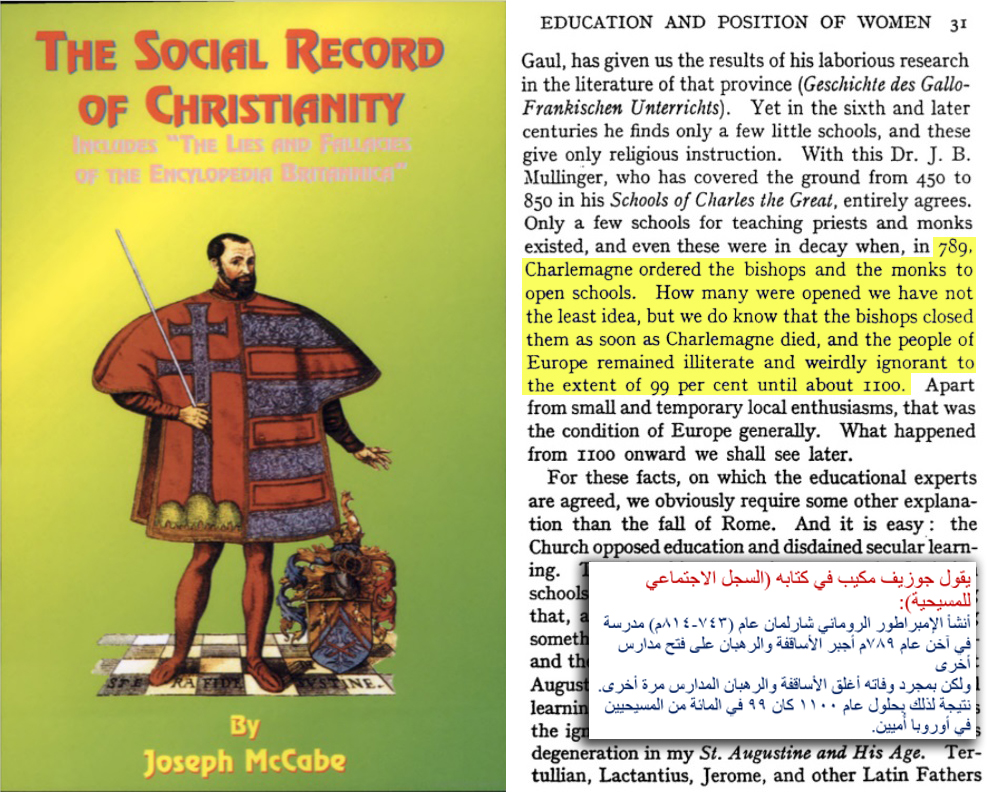
The consequence of this theological posture was a deliberate suppression of education across medieval Christian Europe.
Muhammad Abdullah Inan — Madinat al-Muslimin fi Isbaniya, contrasting education in Christian Europe and Muslim Spain
Muhammad Abdullah Inan — Madīnat al-Muslimīn fī Isbāniyā The highlighted passages state that education in medieval Christian Europe was limited, expensive, and often restricted to nobles and clergy, while literacy among ordinary people remained very low. In contrast, Muslim Spain is described as having widespread access to education, public libraries, book markets, and schools open to different social classes. Even ordinary people, women, craftsmen, and farmers could often read and write, and books were widely available. Many European students traveled to Muslim Spain to study science, medicine, philosophy, literature, and engineering, because Muslim cities offered advanced schools, libraries, and intellectual life that were not available elsewhere in Europe at the time.
Muhammad Abdullah Inan — continuation: European scholars traveling to Muslim Spain for education
The passage continues, documenting the flow of European scholars southward to Muslim Andalusia.
Muhammad Abdullah Inan — further passages on the intellectual gap between Christian Europe and Muslim Spain
The documentation above establishes that Muslim Spain was educationally and scientifically far ahead of Christian Europe throughout the medieval period.
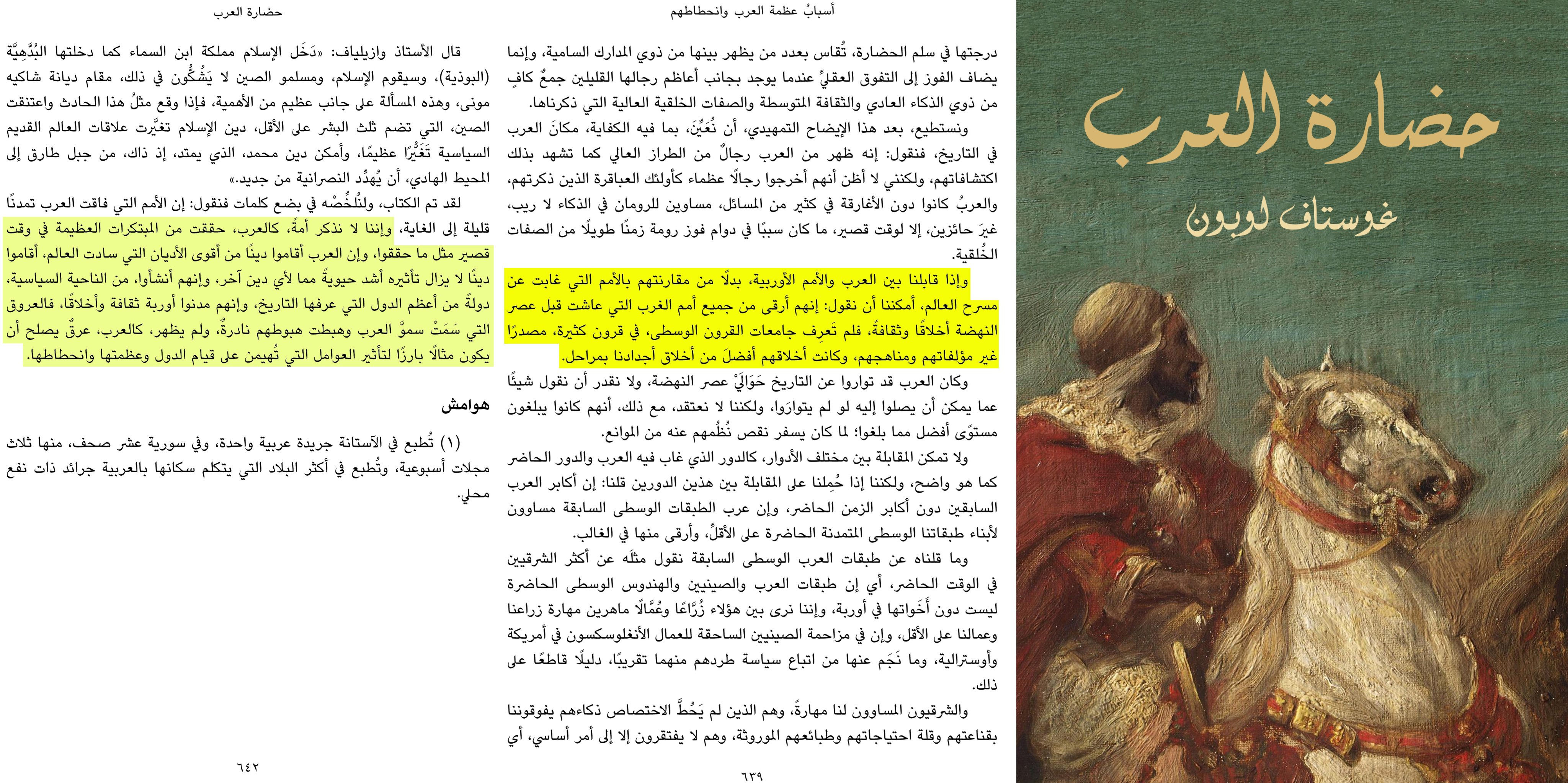
Gustave Le Bon — The Civilization of the Arabs, passage on Arab civilization's superiority and its influence on medieval Europe
Gustave Le Bon — The Civilization of the Arabs The highlighted text states that the Arabs were among the greatest nations in history in terms of political organization, culture, and ethics. It says that medieval European nations learned many aspects of civilization from them, and that Europe’s later advancement was built upon foundations inherited from earlier Arab achievements. The passage also says that, compared to many earlier European societies, Arab civilization reached a higher level of refinement, knowledge, and moral development, and that medieval European universities often relied on Arab books, methods, and scholarship.
Muslims’ Rescue of the Greek Heritage
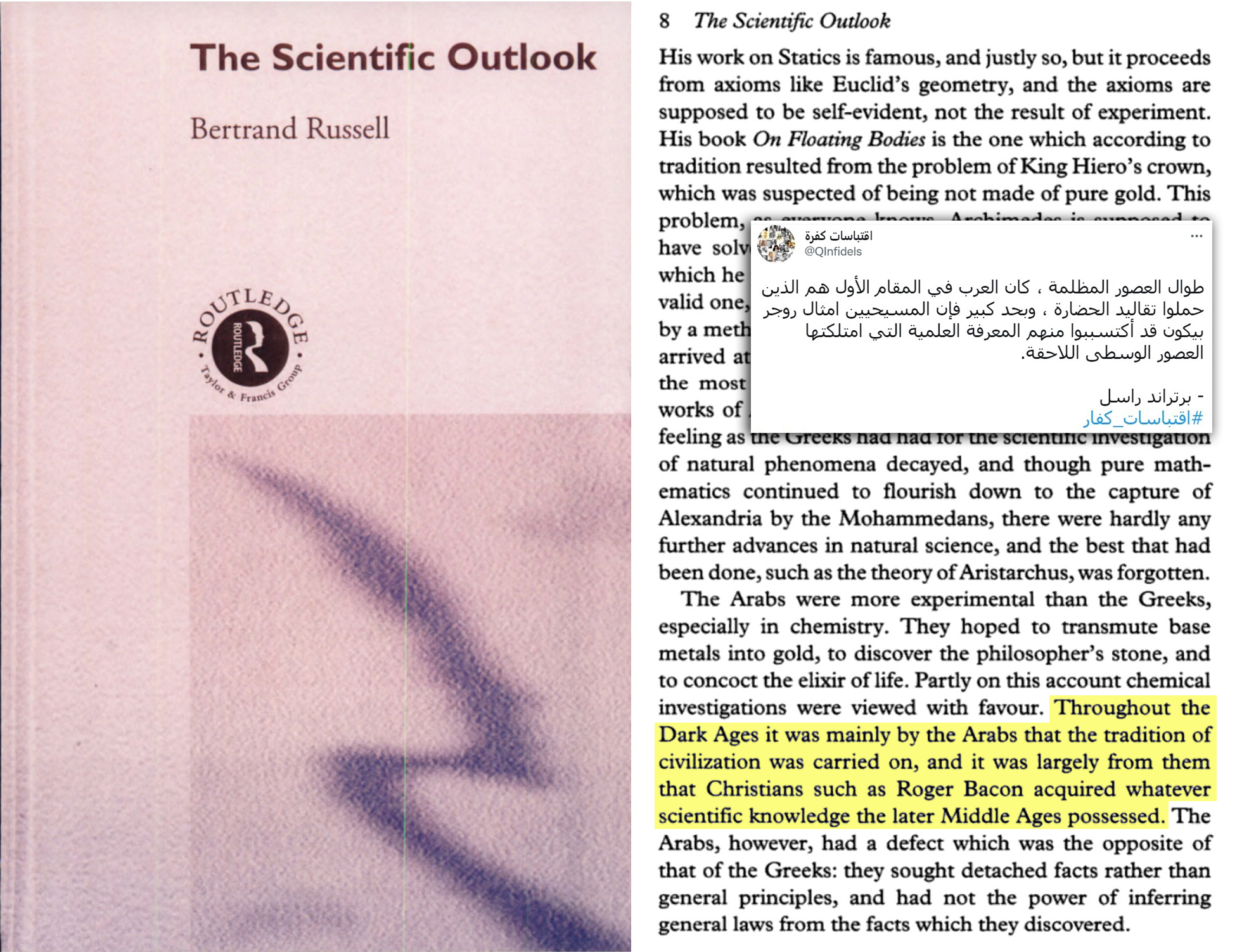
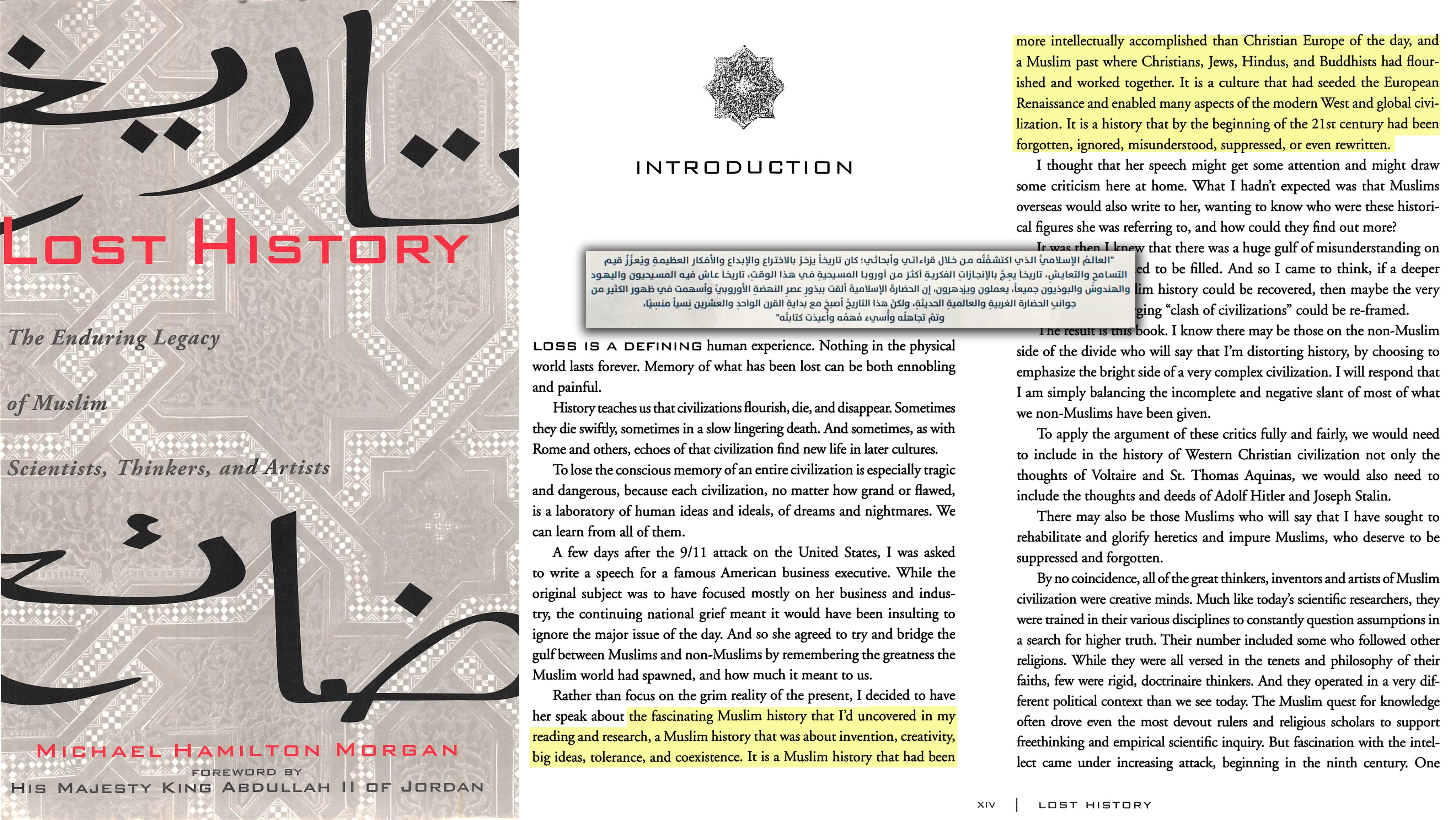
Muslims saved the ancient Greek heritage from Christian destruction. After Christianity became the religion of the Roman Empire, Europe rejected and abandoned the sciences of antiquity — destroying knowledge in both West and East, including the burning of the Library of Alexandria. Muslim scholars translated the surviving texts, preserving them when no one else would. Without this preservation effort, Europe would not have recovered its own intellectual heritage.
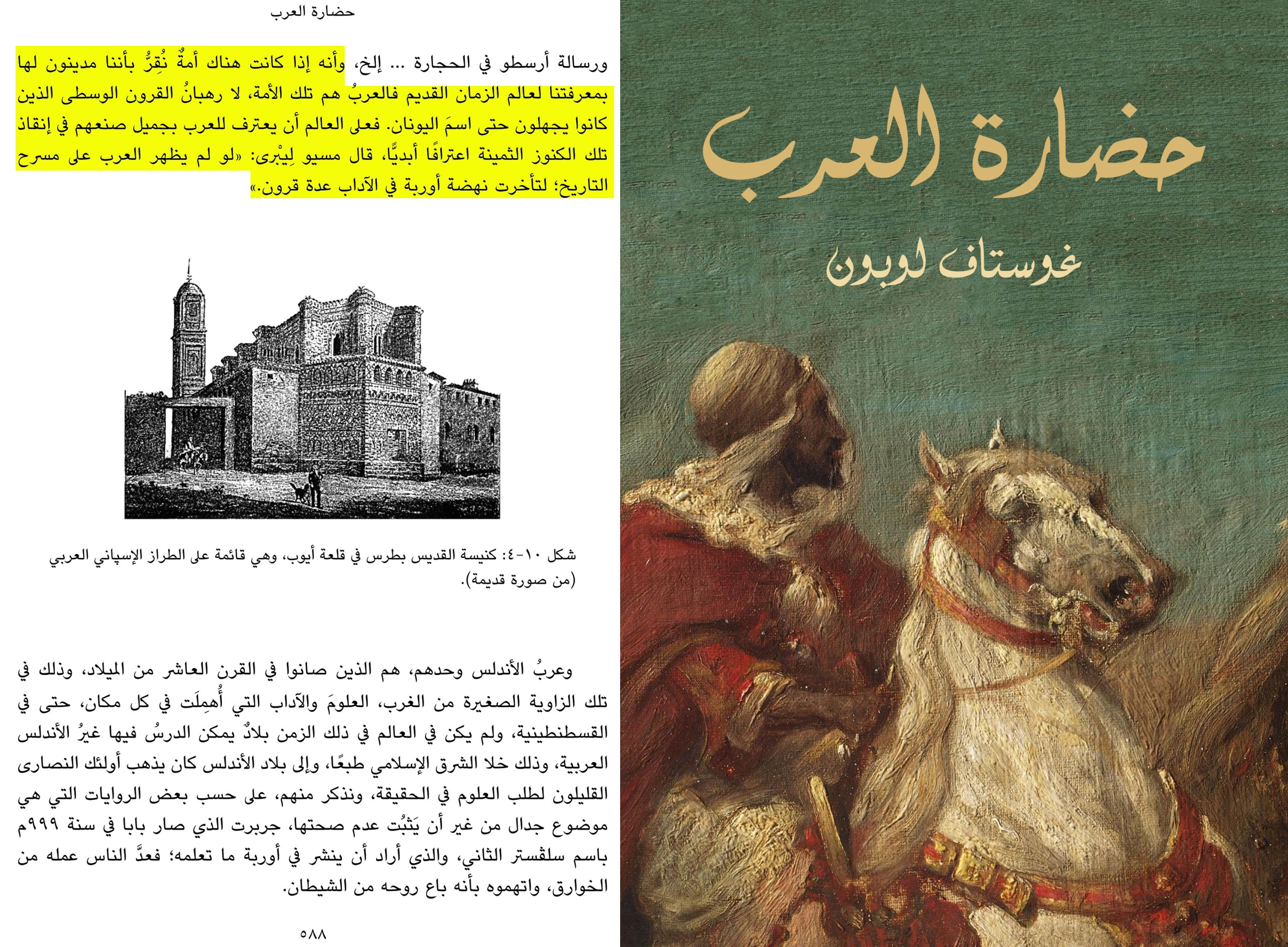
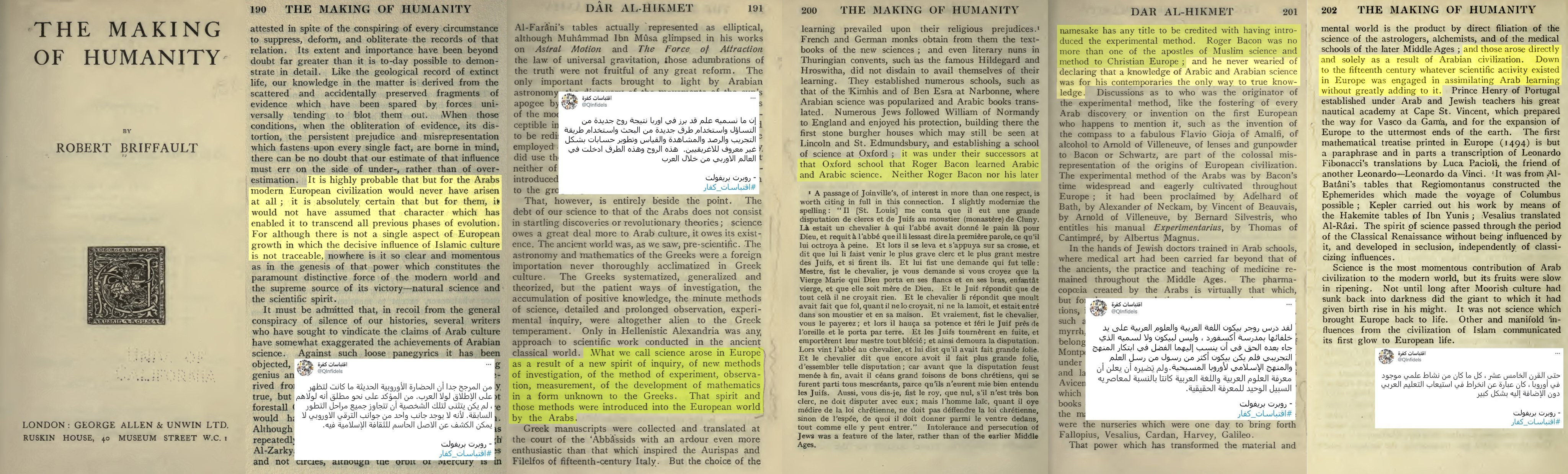
Gustave Le Bon — The Civilization of the Arabs, passage stating Europe's Renaissance would have been delayed by centuries without Arab civilization
Gustave Le Bon — The Civilization of the Arabs The highlighted text states that Europe owed much of its intellectual revival to the Arabs. It says that if Arab civilization had not preserved and developed the sciences of the ancient world, Europe’s Renaissance would have been delayed for centuries.
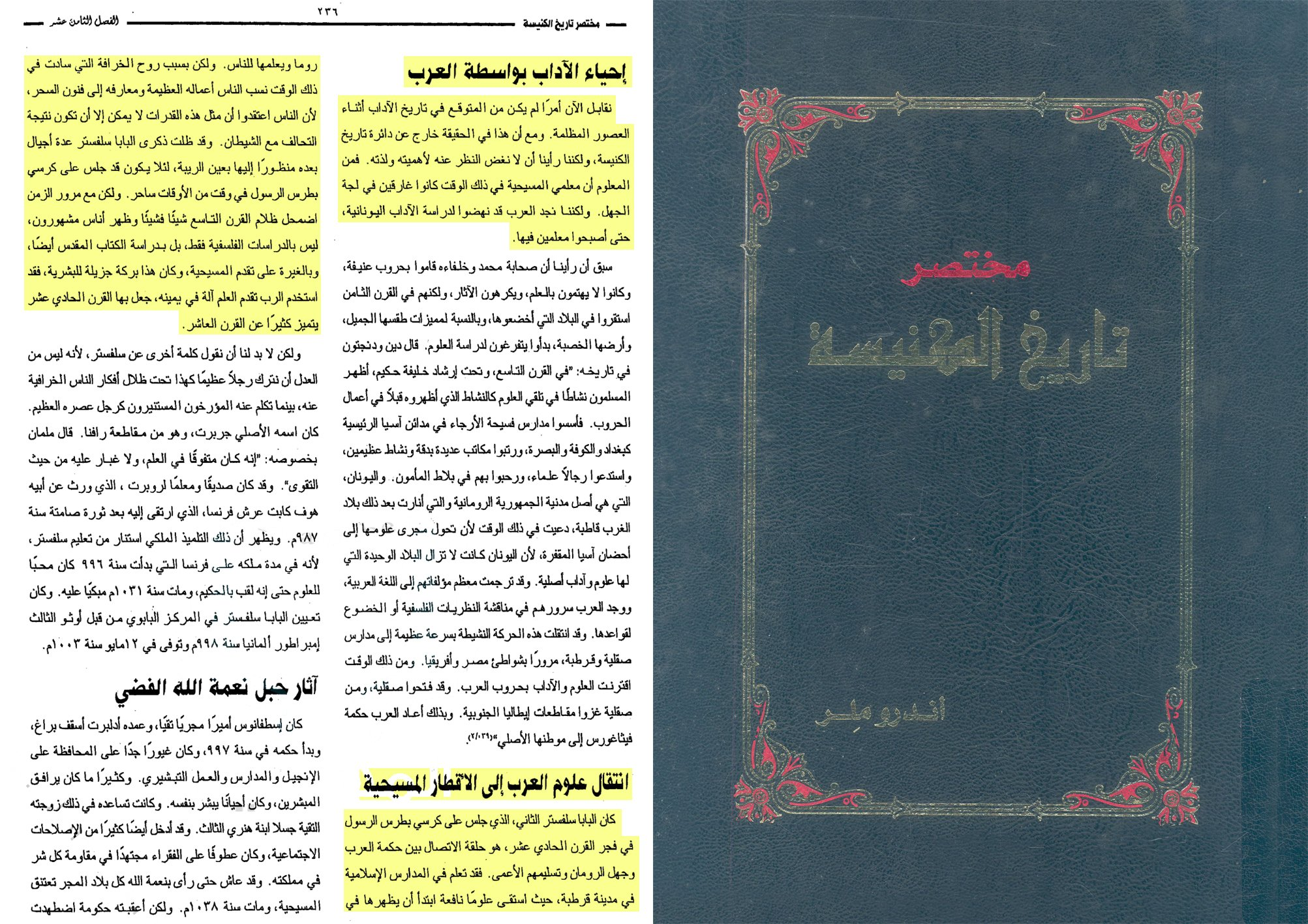
Andrew Miller — Mukhtasar Tarikh al-Kanisa, passage on Arabs reviving classical learning and becoming teachers of Europe
Andrew Miller — Mukhtaṣar Tārīkh al-Kanīsa The highlighted passages state that during Europe’s intellectual decline, Arabs revived classical learning, preserved Greek literature, and became teachers of philosophy, medicine, and science. European students traveled to Muslim lands, especially places like Cordoba, to study subjects that were unavailable in Europe.
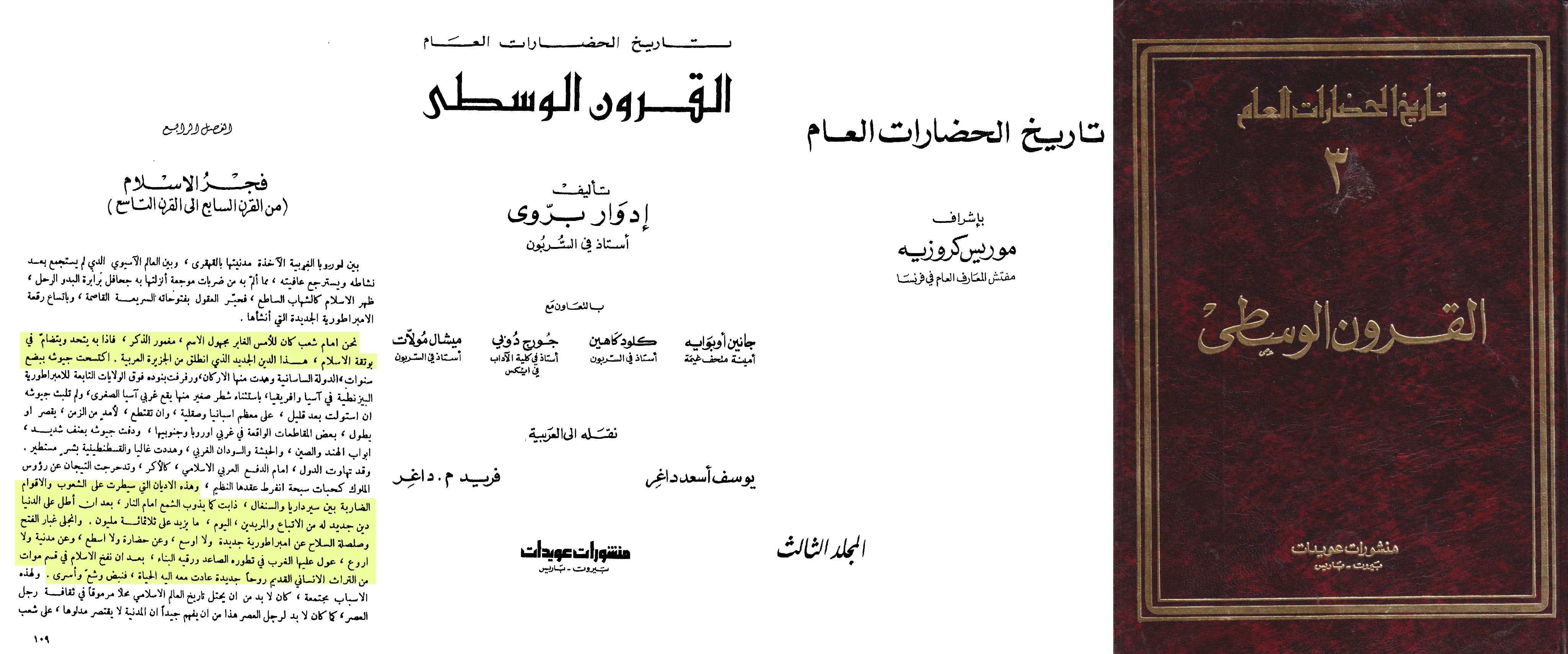
Maurice Crouzet — General History of Civilizations: The Middle Ages, passage on Islamic civilization's achievements in science, medicine, law, literature, and architecture
Maurice Crouzet — General History of Civilizations: The Middle Ages The highlighted text states that Islam gave new strength and unity to the Arabs and that Muslim civilization expanded rapidly. It says that Islamic civilization produced major achievements in science, medicine, law, literature, architecture, and trade, and that these achievements strongly influenced Europe.
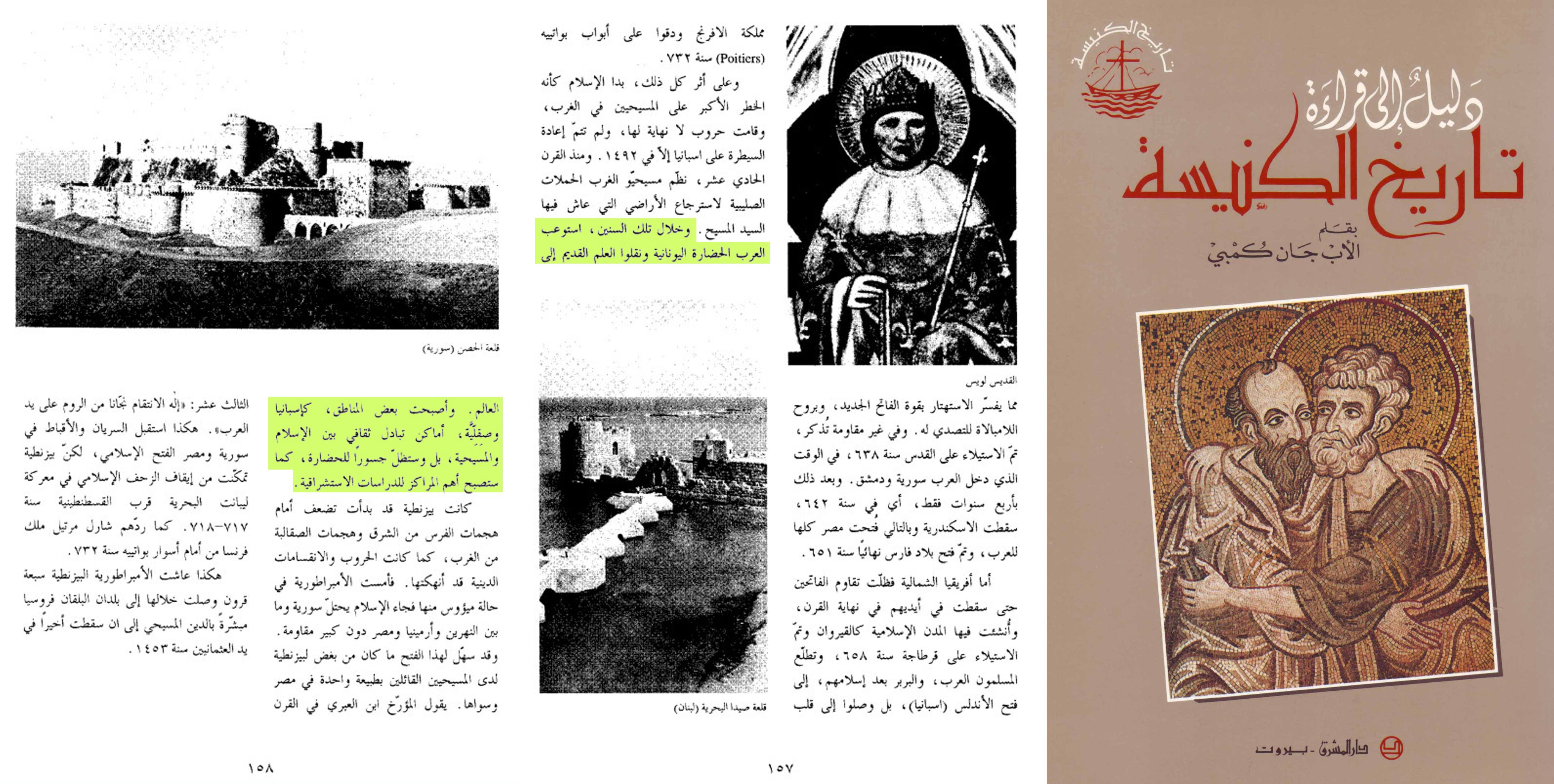
Jean Comby — History of the Church, passage on Islamic civilization preserving Greek heritage and transmitting it to Europe
Jean Comby — History of the Church The highlighted text states that some regions became areas of cultural exchange between Islam and Christianity. It says that Islamic civilization played a major role in preserving Greek heritage and transmitting it to Europe, which later made these works central to Western academic study.
Muslims’ Correction of Ancient Sciences and Invention of New Ones
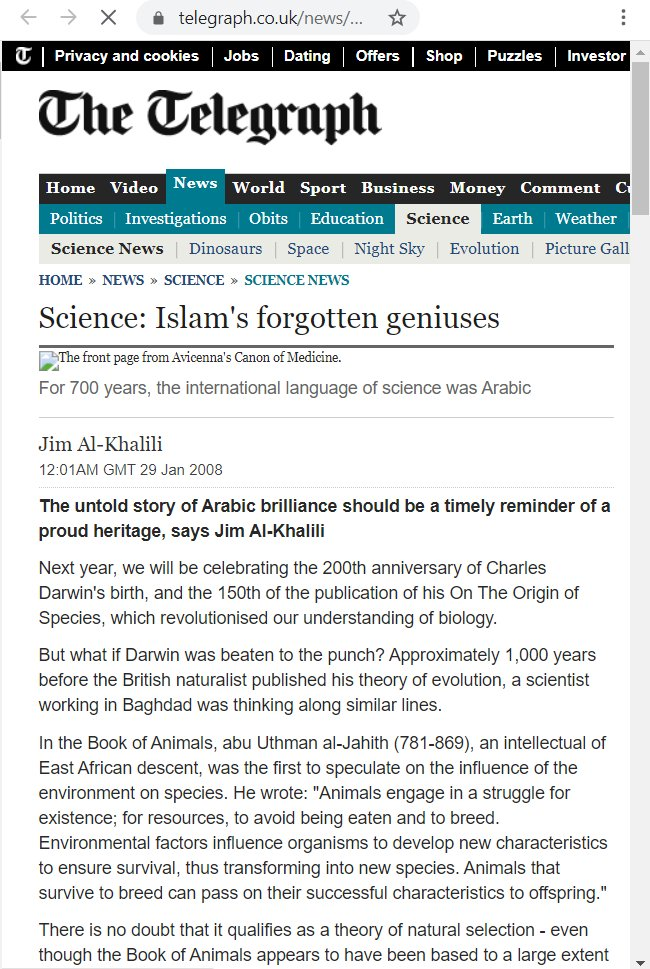
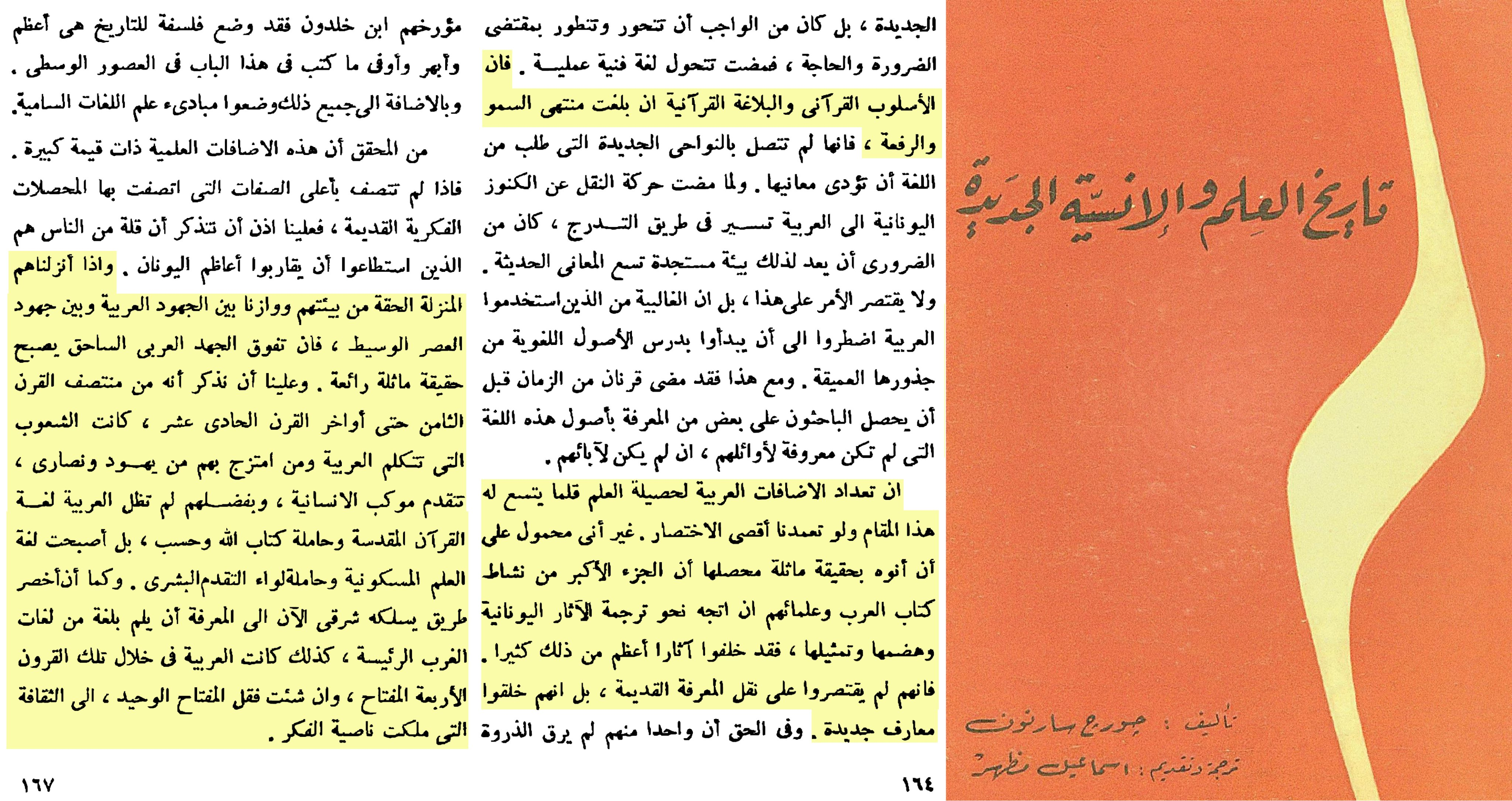
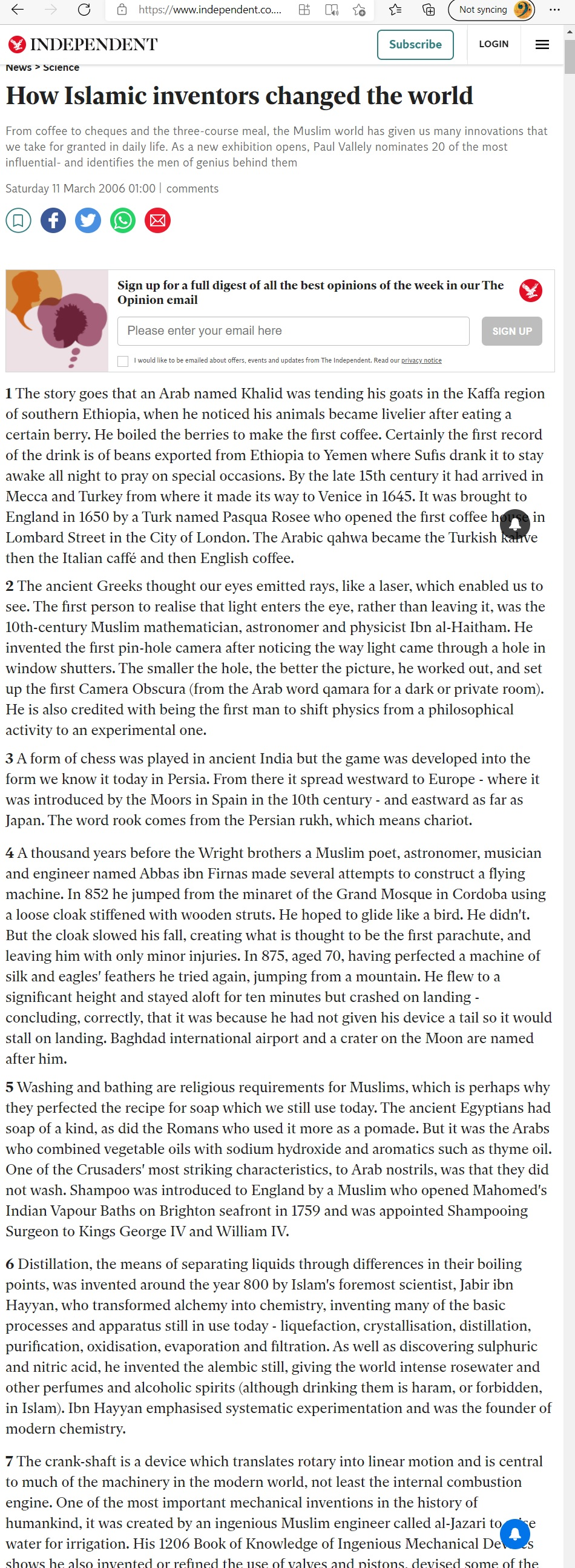
Without Ibn Rushd and his commentaries, the West would not have known Aristotle. But Muslims were not satisfied with merely translating the ancient sciences — they corrected their errors. Ibn al-Haytham wrote Doubts About Ptolemy, and al-Razi wrote Doubts About Galen. Muslims invented new sciences entirely, some of which were later claimed by Western civilization. Arabic remained the international language of science for seven centuries.
Supporting source — Muslim scholars correcting ancient Greek science and establishing new disciplines
The passage above documents Muslim scholars’ systematic critique and correction of inherited ancient knowledge.
Sigrid Hunke — When the Sun of the Arabs Shone on the West, passage on Arab scholars transforming medicine into a systematic science
Sigrid Hunke — When the Sun of the Arabs Shone on the West The highlighted passages state that Arab scholars transformed medicine from scattered personal experience into a systematic science based on observation, experiment, and written study. It says that Muslim physicians established hospitals, trained students, wrote detailed medical texts, and used methods of diagnosis and clinical observation that later influenced Europe. Many later European doctors relied heavily on Arab medical books, and Arab scientific methods helped lay the foundation for modern medicine.
Sigrid Hunke — How History Was Made, passage on major European discoveries being built upon earlier Arab achievements
Sigrid Hunke — How History Was Made The highlighted text states that many major discoveries usually credited to Europe were built upon earlier Arab achievements. It says that Arab scholars did not merely preserve ancient knowledge, but expanded it through experimentation, criticism, and original contributions. European medicine, chemistry, astronomy, and philosophy benefited greatly from Arab scholarship, and many books used in European universities were originally written by Muslim scholars.
Further source — Arabic as the language of science and the transmission of Muslim scientific texts to Europe
The documentation above establishes the seven-century dominance of Arabic as the international language of scientific inquiry.
The Experimental Scientific Method
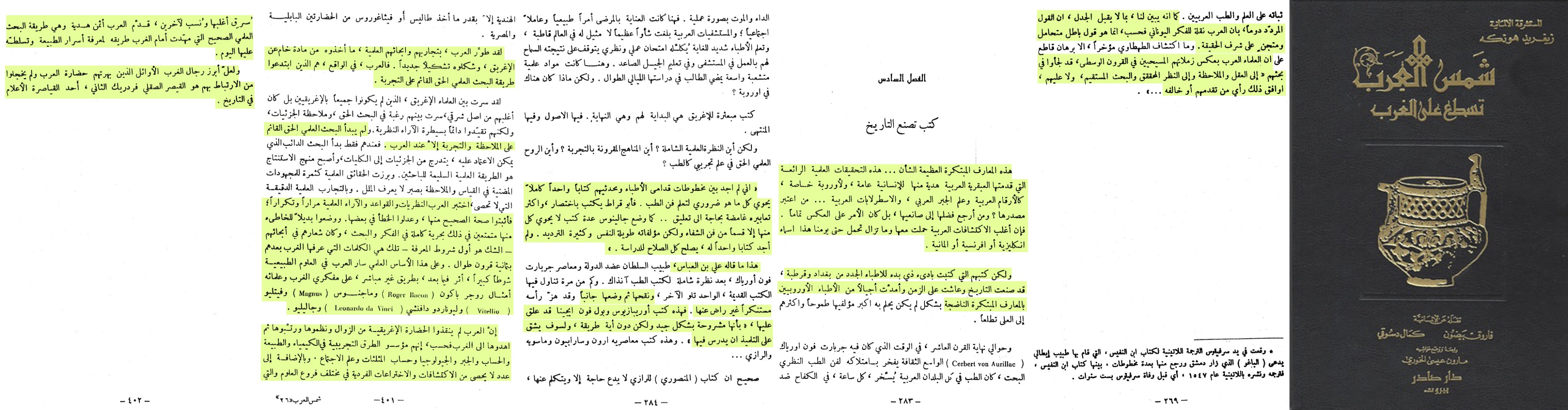
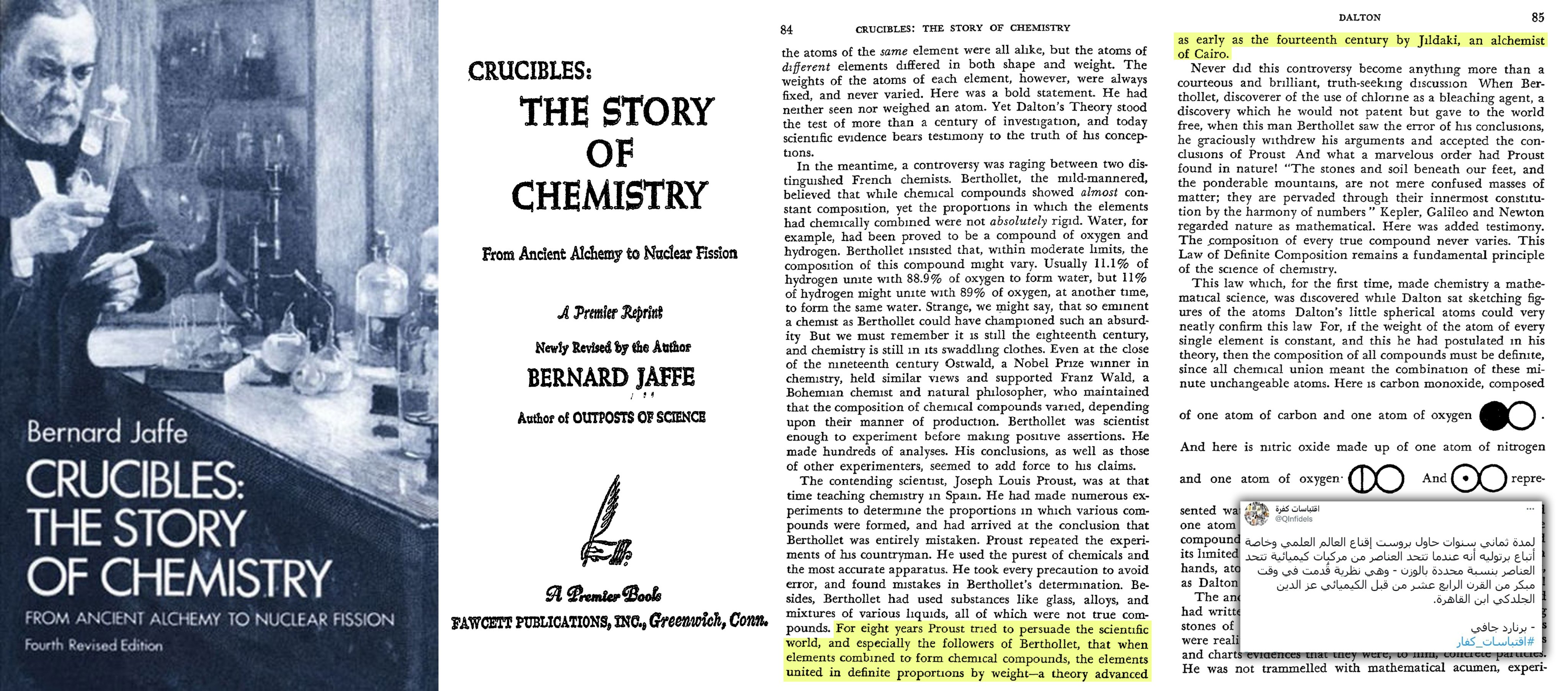
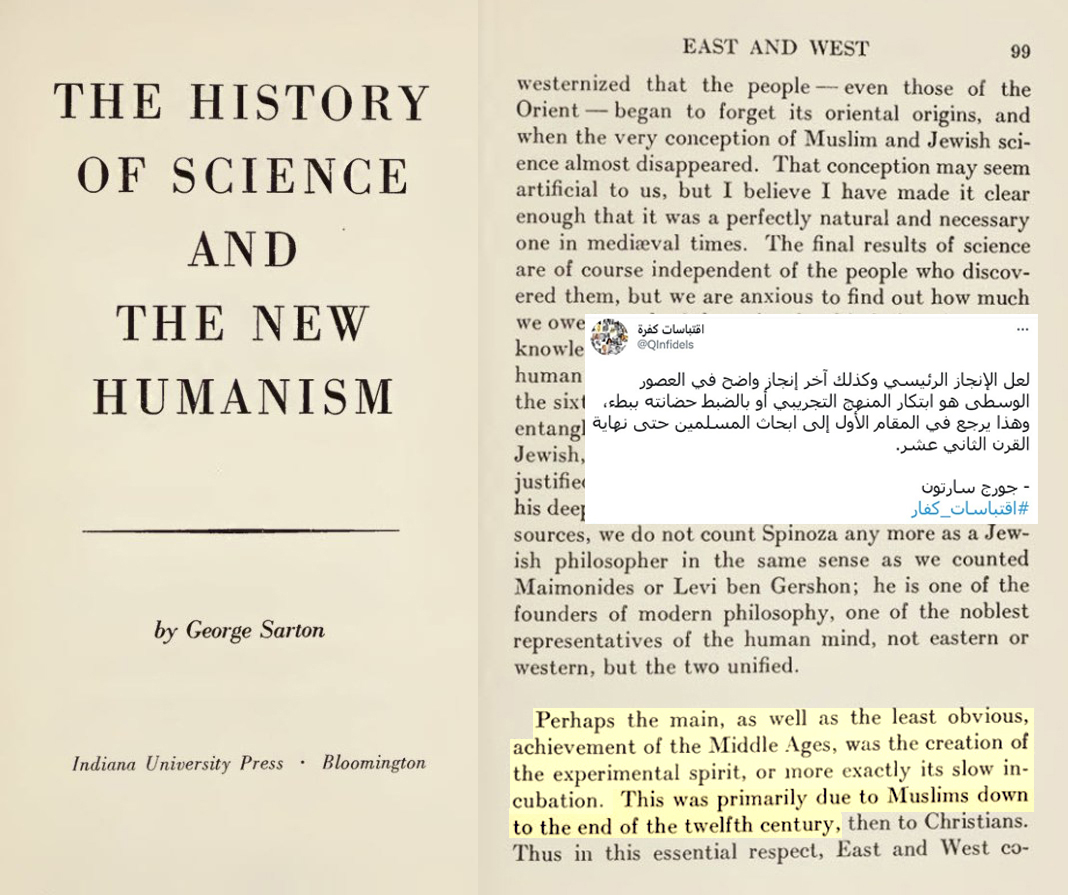
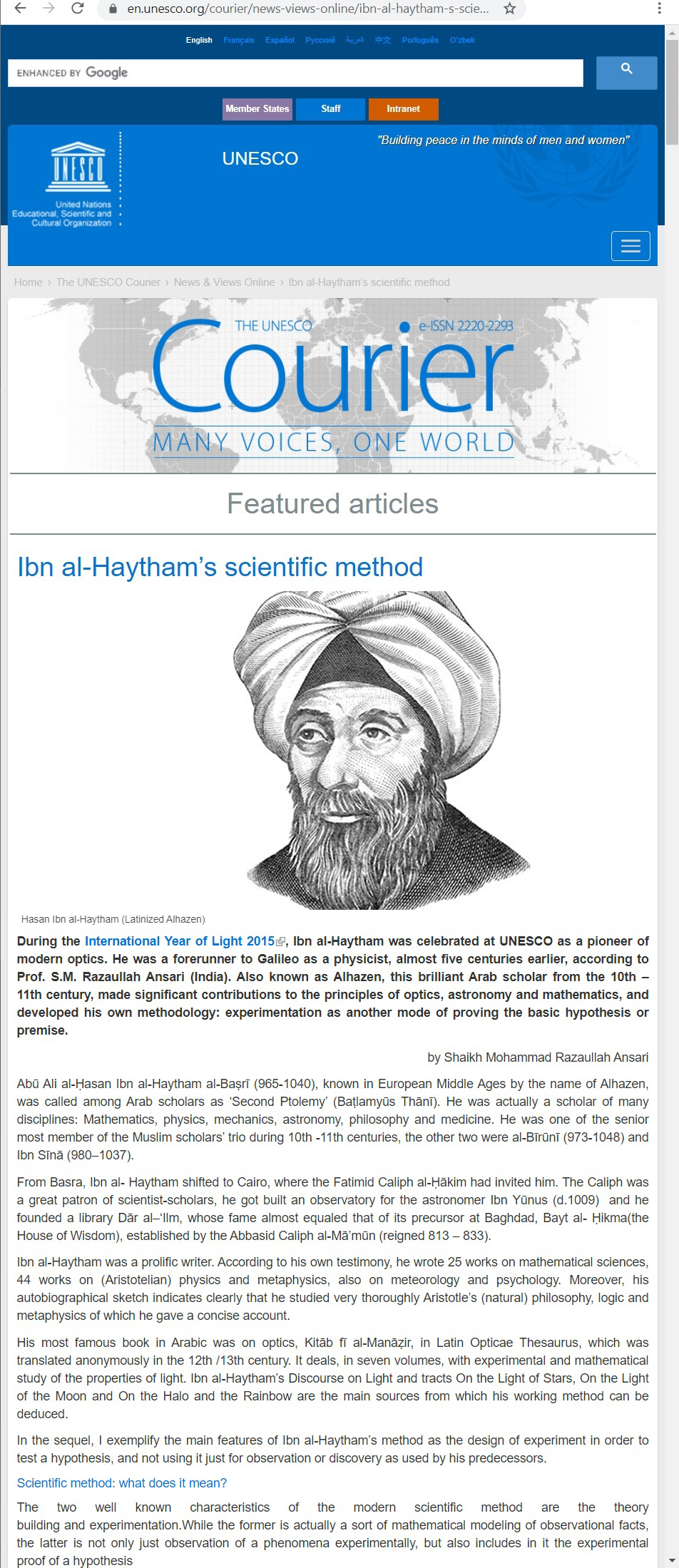
Credit for discovering the modern experimental scientific method belongs to !!Al-Hasan Ibn al-Haytham!!, who preceded Francis Bacon by five hundred years — as acknowledged by Western scholars themselves.
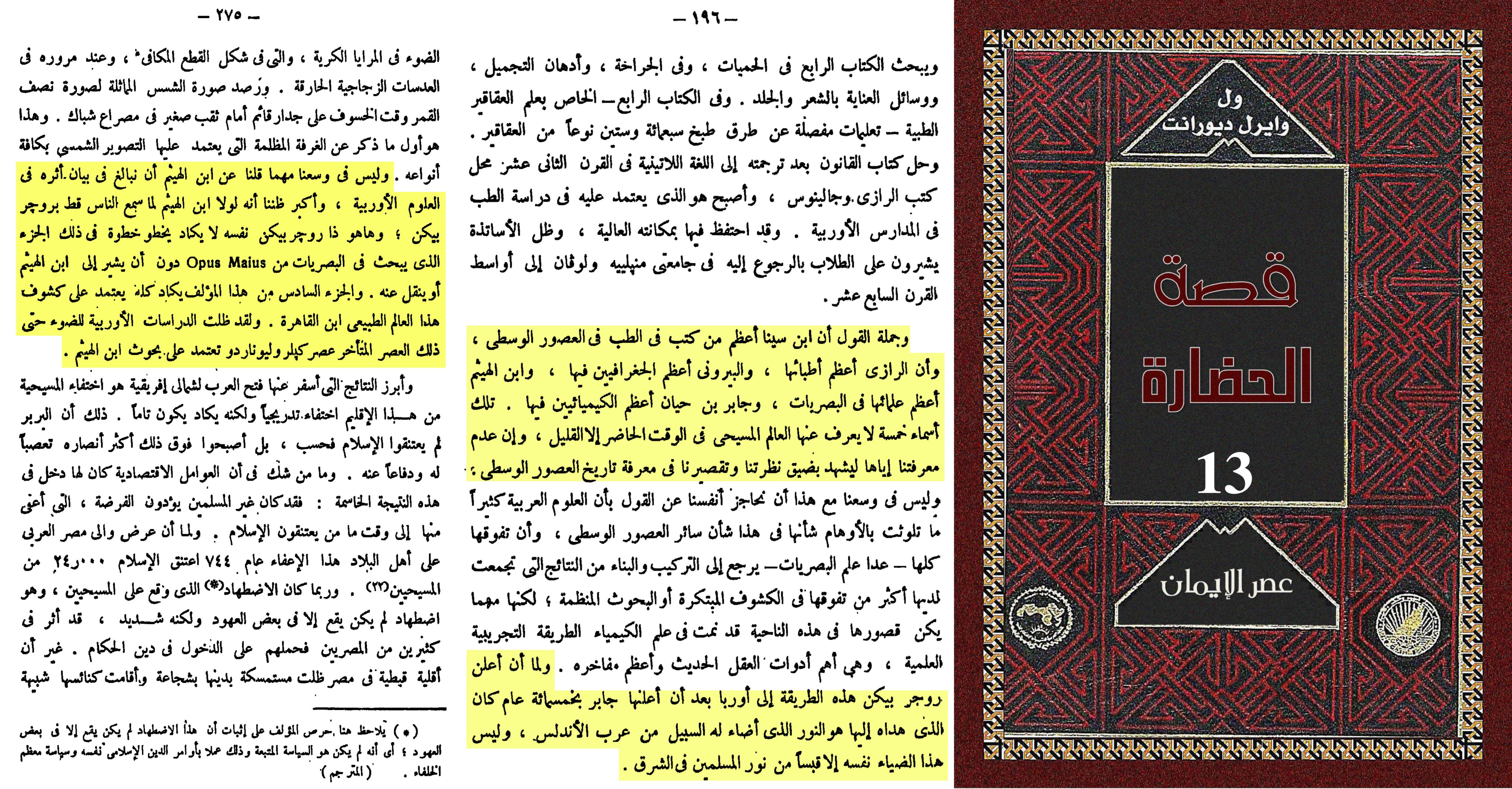
Will Durant — Qissat al-Hadara, passage naming Ibn al-Haytham, Ibn Sina, al-Razi, al-Biruni, and Jabir ibn Hayyan as foundational figures
Will Durant — Qiṣṣat al-Ḥaḍāra The highlighted text states that Ibn al-Haytham played a foundational role in optics and that later European scientists relied heavily on his work. It also says that Ibn Sina was among the greatest medical writers of the Middle Ages, al-Razi among the greatest physicians, al-Biruni among the greatest geographers, and Jabir ibn Hayyan among the greatest chemists. Muslim scholars developed experimental methods in chemistry that later influenced Europe, and Europe benefited from both Muslim Spain and the wider Muslim East.
Supporting source — Ibn al-Haytham's optical experiments and their influence on European science
The passage above documents the specific scientific contributions of Ibn al-Haytham’s optical experimentation.
Further source — Ibn al-Haytham preceding Bacon in the systematic experimental method
The evidence above confirms the Western scholarly consensus crediting Ibn al-Haytham with establishing the experimental method.
Additional source — further Western acknowledgment of the Muslim origins of modern scientific methodology
Al-Hasan Ibn al-Haytham
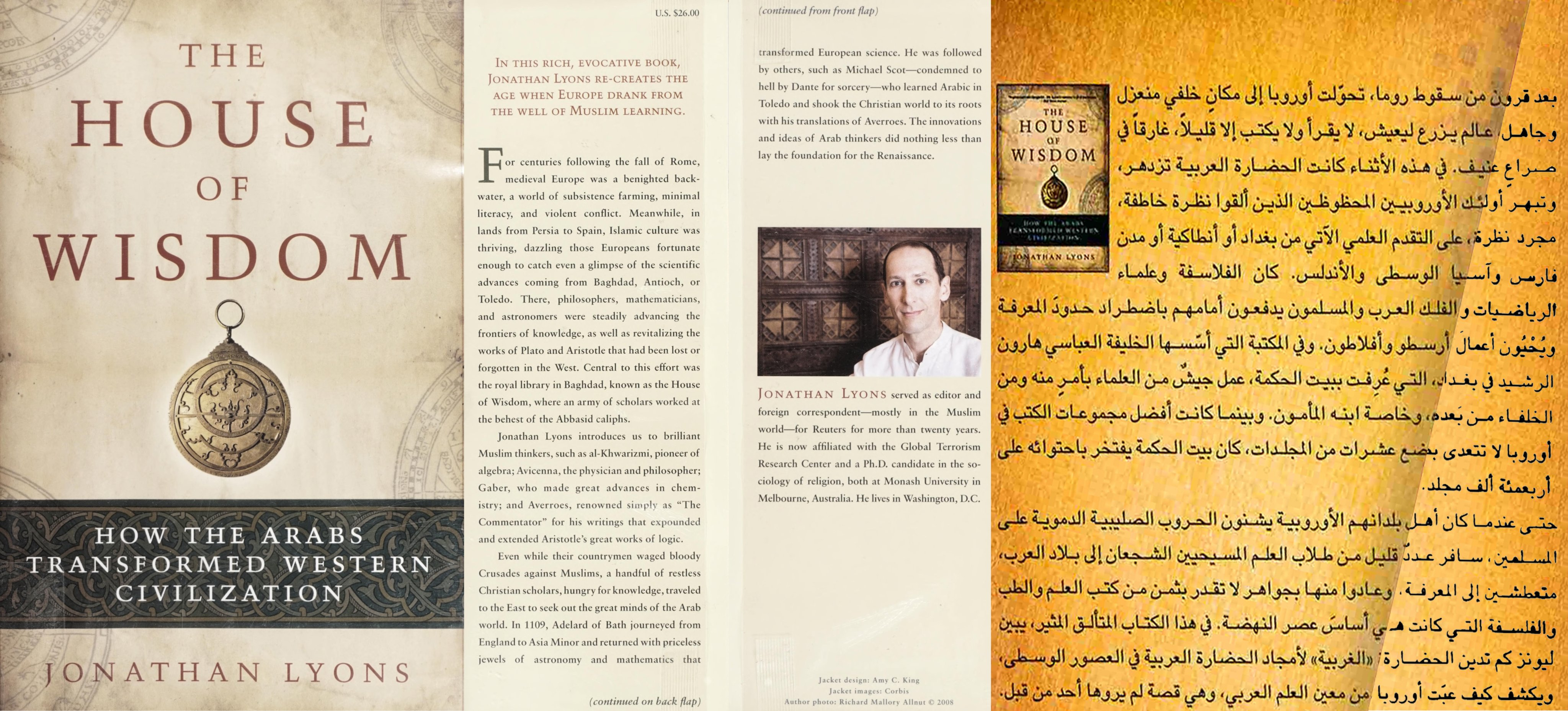
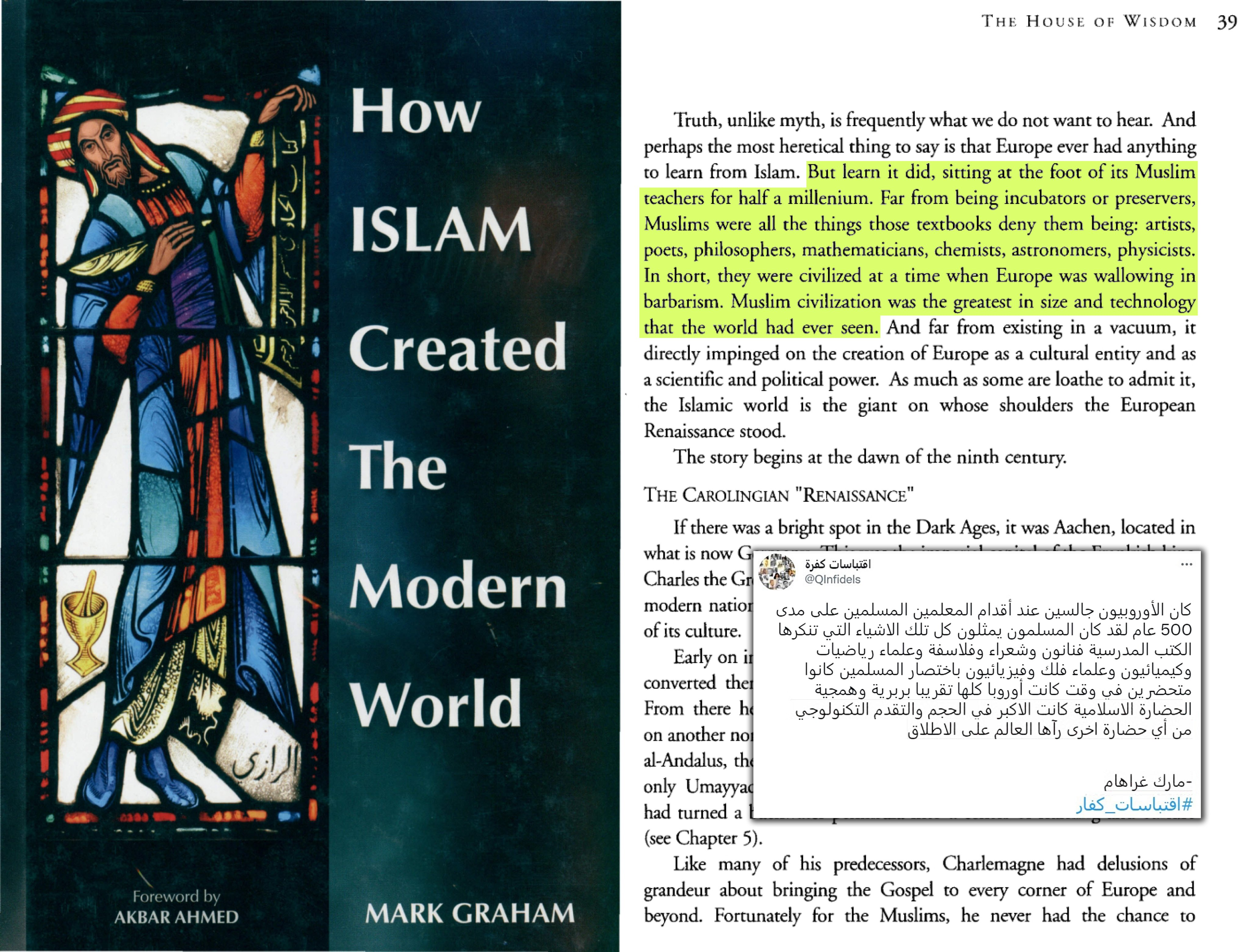
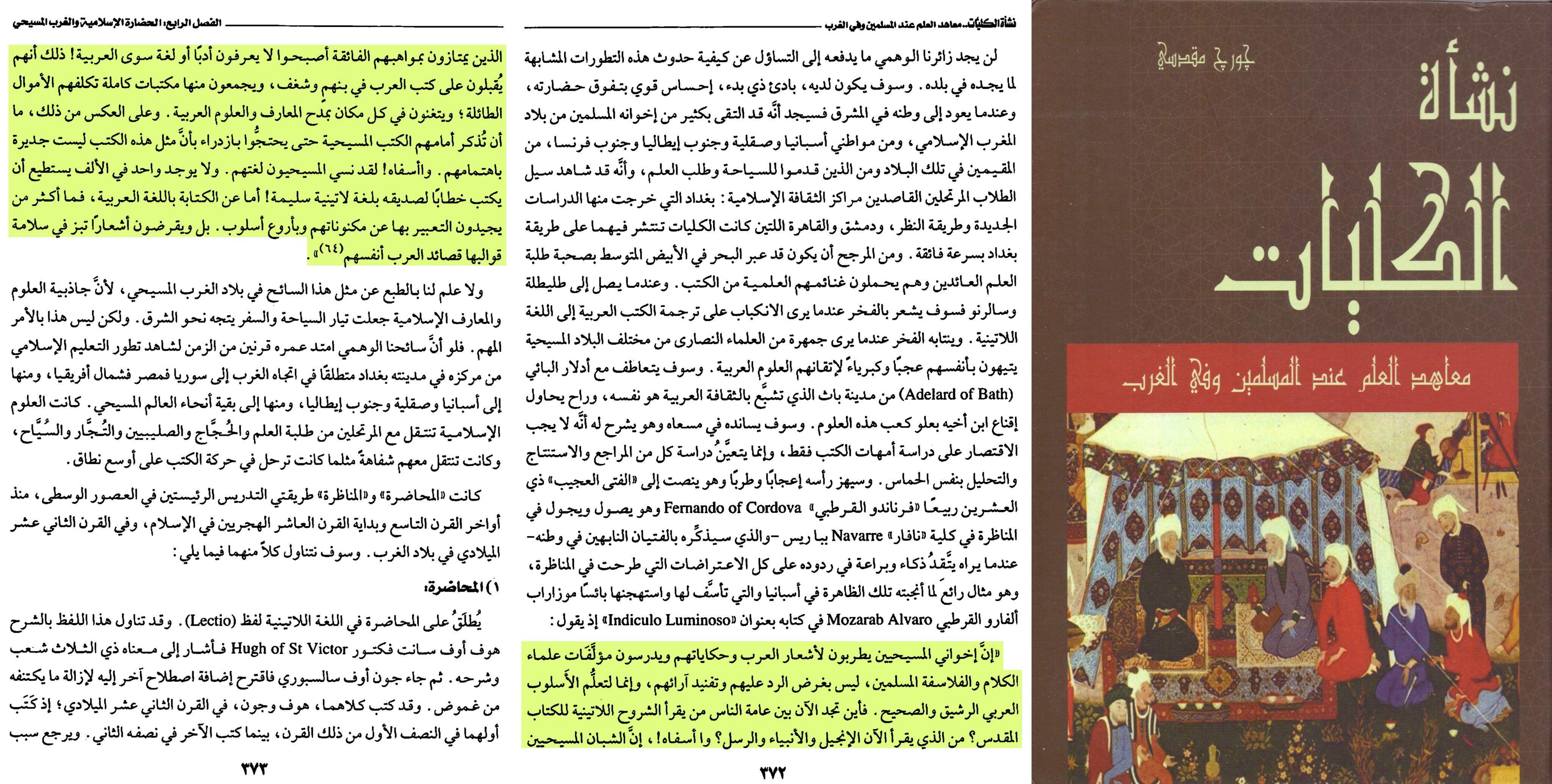
From the House of Wisdom: In 1109, Adelard of Bath traveled from England to the East and returned with discoveries in astronomy and mathematics that transformed European science. He was followed by others, such as Michael Scotus — who was later burned at the stake for witchcraft — who learned Arabic and shook the Christian world with his translations of Ibn Rushd.
George Makdisi — We Owe Them, passage on educated Christians preferring Arabic scholarship to Latin works
George Makdisi — We Owe Them The highlighted text states that many educated Christians in medieval Spain learned Arabic, read Arab books, and preferred Arabic literature and scholarship over Latin works. European students traveled to Muslim lands to study science, philosophy, language, and methods of debate, and that Arabic intellectual culture strongly influenced medieval Europe.
Supporting source — Adelard of Bath, Michael Scotus, and the European pilgrimage to Muslim learning
The passage above details the specific European scholars who traveled to Muslim lands and the knowledge they brought back.
Further source — European scholars who studied in Muslim lands and their subsequent influence
The documentation continues with further examples of the European student pilgrimage to Islamic centers of learning.
Additional source — the transformative impact of Arabic-to-Latin translations on European universities
Europeans as Students of Muslims
Europeans flocked to Muslim countries to learn modern sciences and translate their books — even as the Christian Inquisition continued to persecute them, burning some on charges of heresy for the very knowledge they acquired from Muslim civilization.
Jurji Zaydan — History of Modern World Literature, passage on Jewish intellectual flourishing under Muslim rule
Jurji Zaydan — Tārīkh Ādāb al-Lughah al-ʿArabiyyah The highlighted text states that Jewish intellectual activity in philosophy and science remained limited until the eleventh century and largely developed within the Islamic world. It says that many Jewish scholars flourished under Muslim rule, learned Arabic, and became influential in scholarship and politics.
Jurji Zaydan — History of Modern World Literature, passage on Christian scholars translating Arabic works into Latin in the 12th and 13th centuries
Jurji Zaydan — Tārīkh Ādāb al-Lughah al-ʿArabiyyah The highlighted passage states that Christian scholars translated many Arabic works into Latin during the twelfth and thirteenth centuries. It says that these translations played a major role in the growth of European learning and that many important European scientific texts were based on Arabic sources.
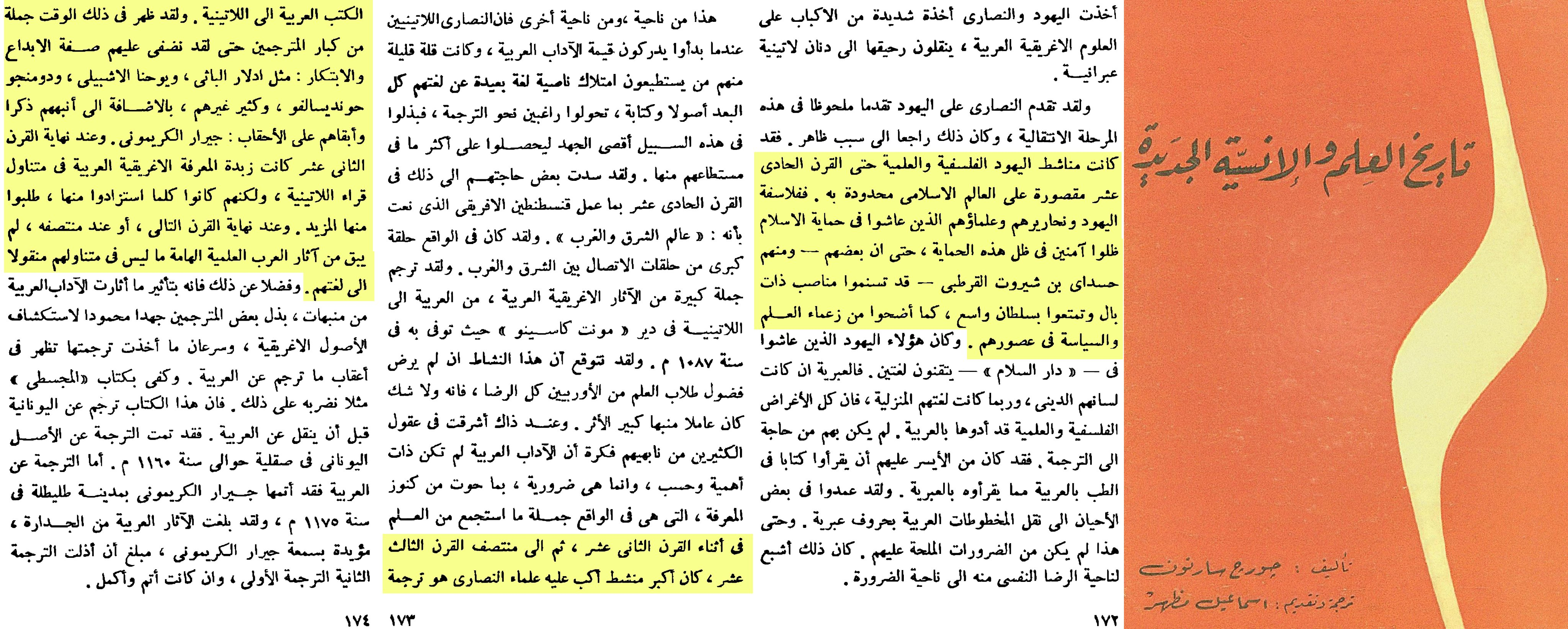
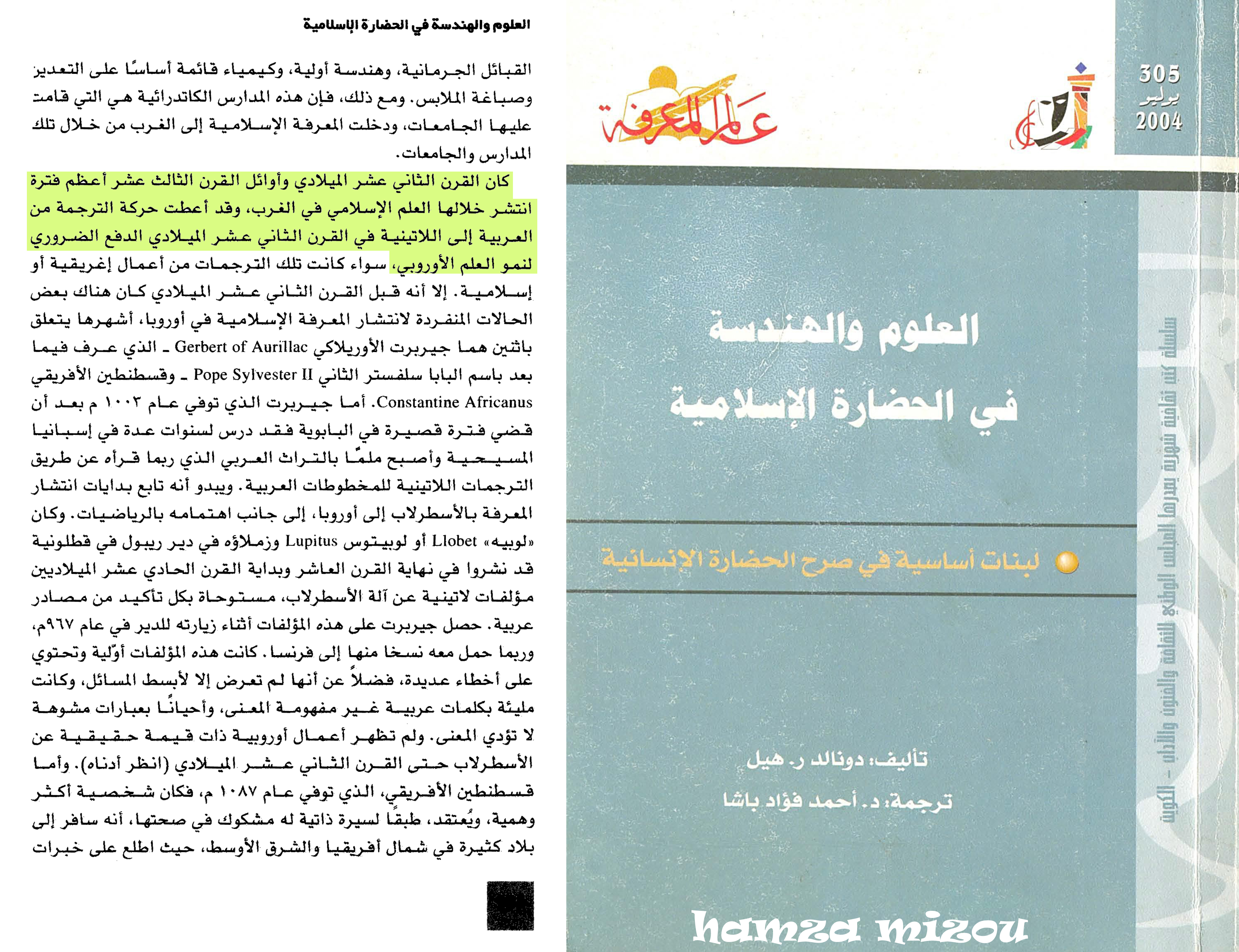
Donald Routledge Hill — Science and Engineering in Islamic Civilization, passage on Arabic-to-Latin translations as a major factor in European science
Donald Routledge Hill — Science and Engineering in Islamic Civilization The highlighted text states that the translation of Arabic works into Latin during the twelfth and early thirteenth centuries was one of the major factors behind the growth of European science. It also mentions figures such as Gerbert of Aurillac and Constantine the African as early transmitters of Islamic knowledge into Europe.
Supporting source — Gerbert of Aurillac, Constantine the African, and the transmission of Islamic knowledge to Europe
The passage above provides additional detail on the specific channels through which Islamic science entered European universities.
Islam Taught the World
Al-Zumar 39:9 Say: “Are those who know equal to those who do not know?”
Āl ʿImrān 3:190 Indeed, in the creation of the heavens and the earth and the alternation of the night and the day are signs for those of understanding.
A religion that commands knowledge, the use of reason, innovation, invention, and discovery — and that built universities through which it took the world by the hand toward civilization.
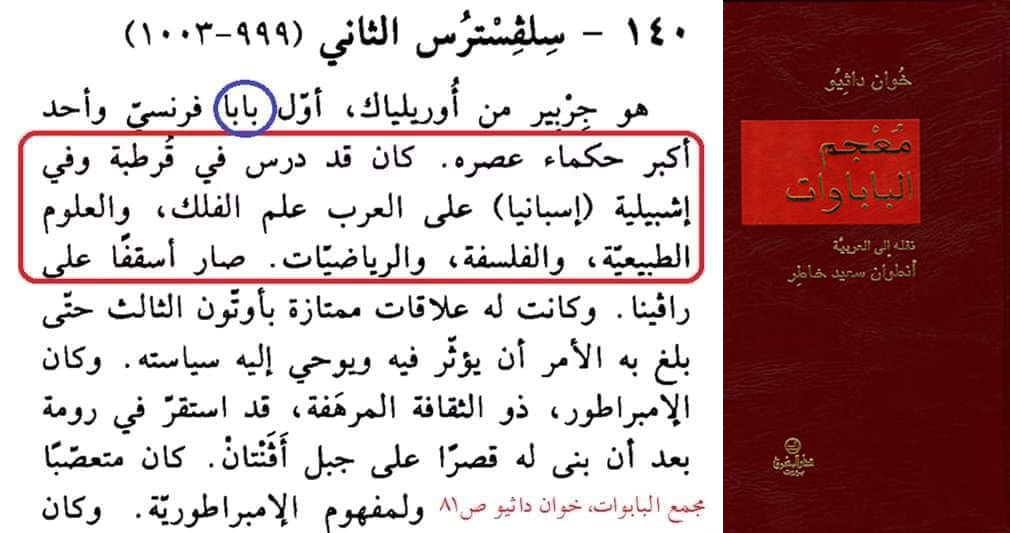
Dictionary of Popes — passage on Pope Sylvester II studying in Muslim Spain
Dictionary of Popes The highlighted text states that Pope Sylvester II studied in Cordoba and other parts of Muslim Spain, where he learned astronomy, mathematics, philosophy, and natural sciences from Muslim scholars.
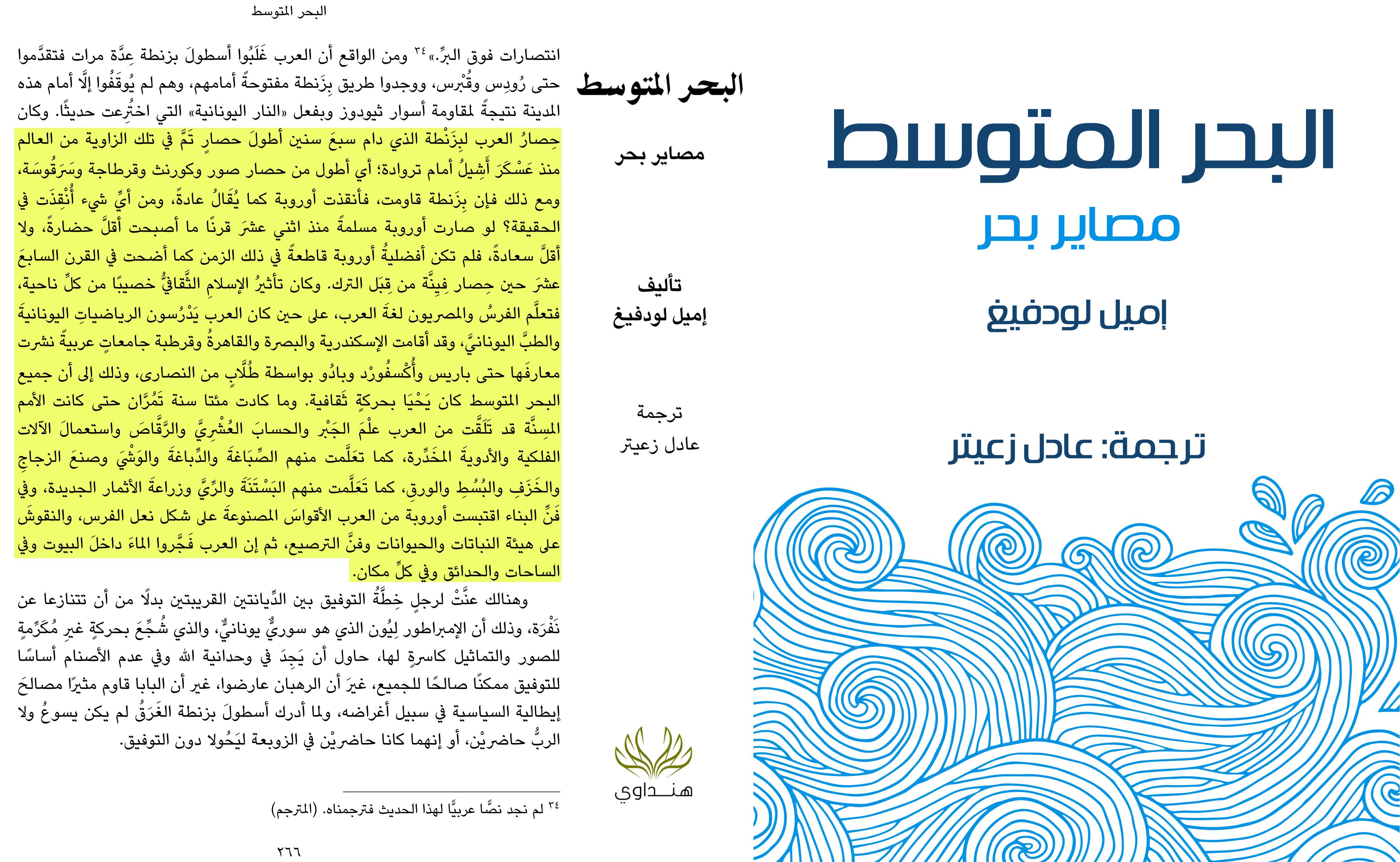
Emil Ludwig — The Mediterranean: Cradle of the Sea, passage on Europe adopting sciences, technologies, and navigation from Muslim civilization
Emil Ludwig — The Mediterranean: Cradle of the Sea The highlighted text states that Muslim influence spread across the Mediterranean and that Europe adopted many practical sciences, technologies, crafts, navigation methods, agricultural techniques, and forms of architecture from Muslim civilization.
Will Durant — Qissat al-Hadara, passage on Europe absorbing weapons, architecture, textiles, trade, navigation, foods, medicines, and vocabulary from the Islamic world
Will Durant — Qiṣṣat al-Ḥaḍāra The highlighted text states that Europe absorbed many cultural influences from the Islamic world, including weapons, architecture, textiles, trade goods, artistic decoration, navigation techniques, and vocabulary. It also says that Europe adopted foods, drinks, medicines, and various forms of material culture from Muslim lands.
Additional source — further documentation of European material and intellectual debt to Islamic civilization
The passage above provides additional evidence for the breadth of European dependence on Muslim civilization across multiple domains.
The Firsts of Islamic Civilization
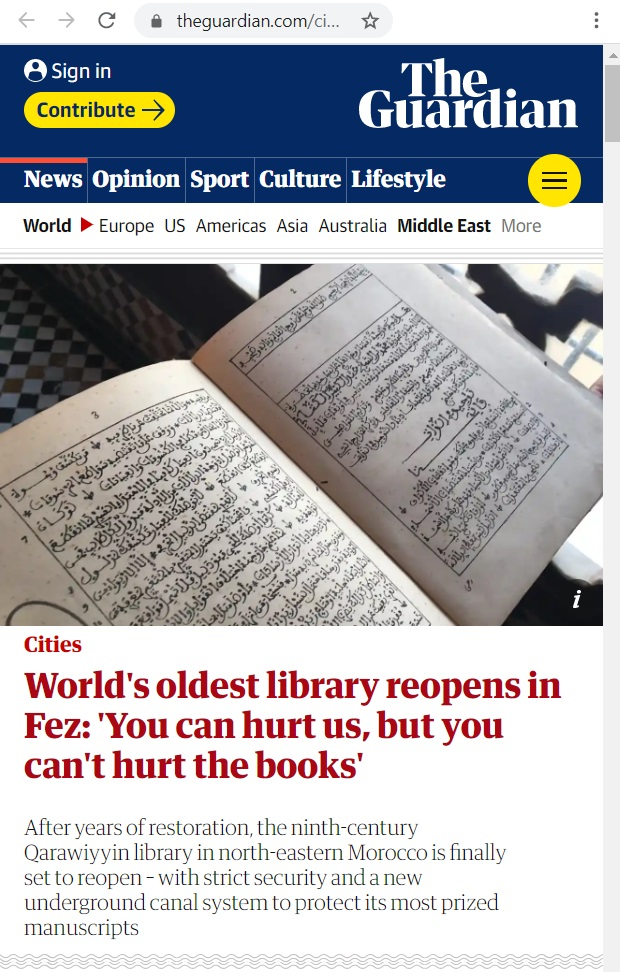
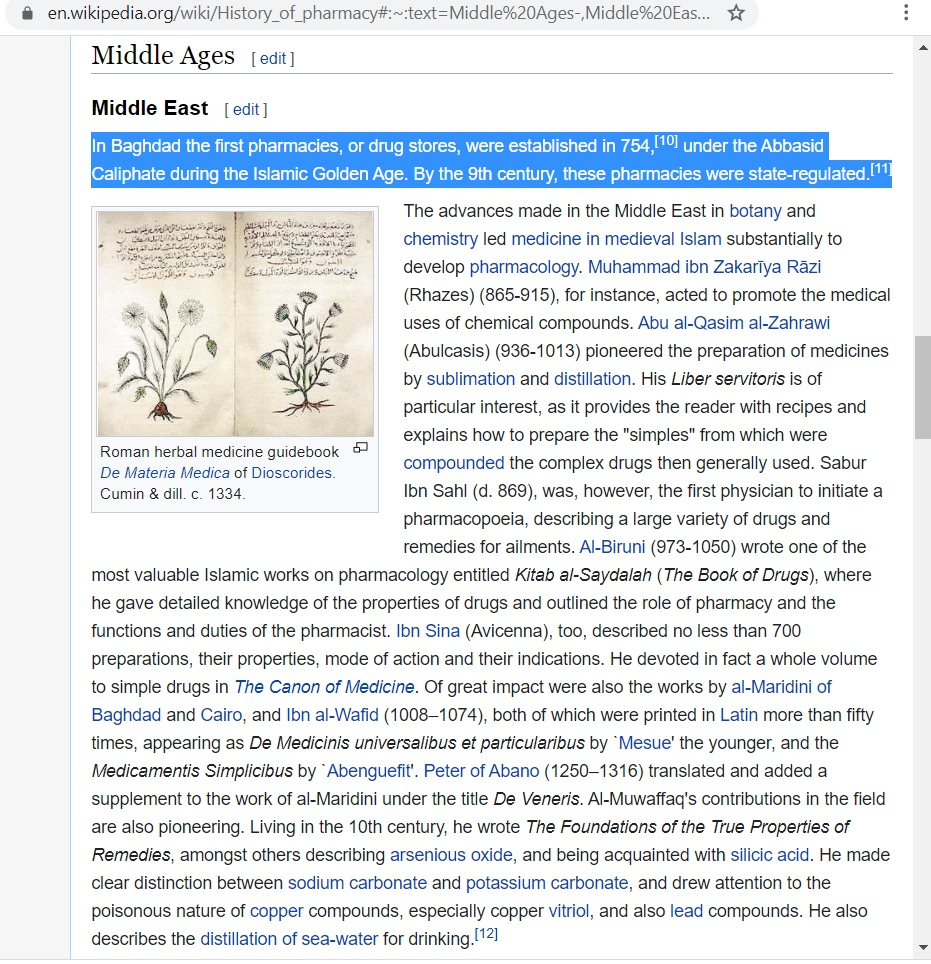
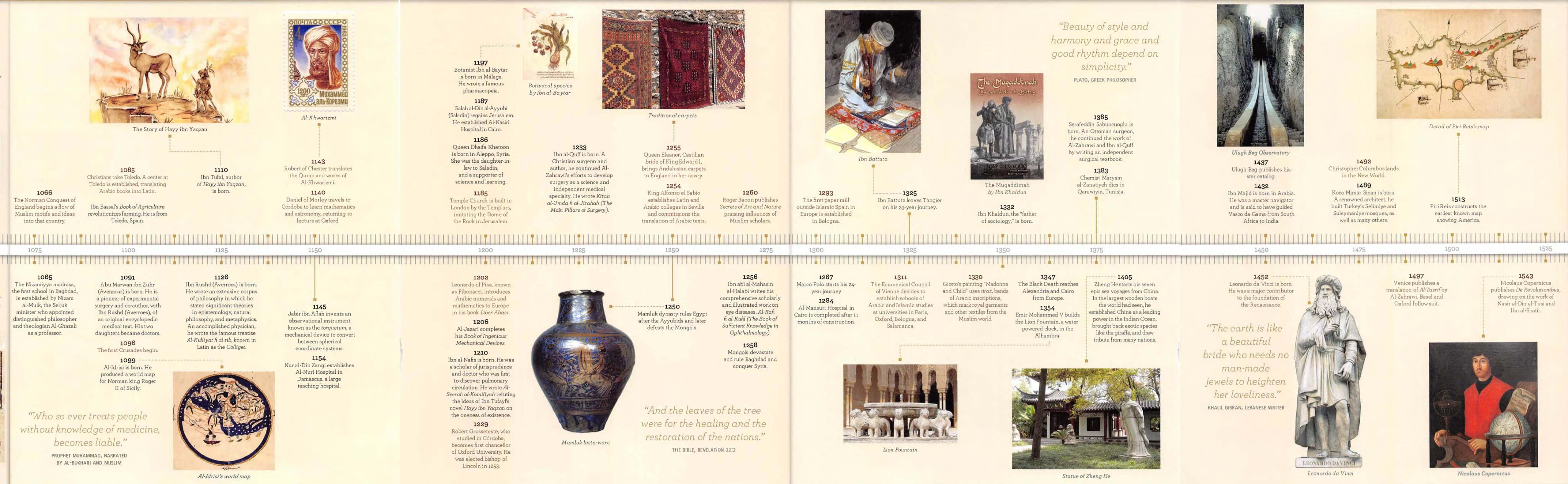
Immediately following the mission of the Prophet ﷺ, in the eighth century, the world witnessed the first hospital and the first pharmacy — both established in Baghdad during the Abbasid era. The ninth century witnessed the founding of the first university, Al-Qarawiyyin, in the city of Fez — which houses the oldest continuously operating library in the world to this day.
Source documenting the first hospital and pharmacy in Baghdad during the Abbasid era
The passage above documents the Abbasid establishment of the world’s first hospital and pharmacy in Baghdad.
Source documenting Al-Qarawiyyin as the world's first university, established in Fez in the 9th century
The passage above establishes Al-Qarawiyyin’s precedence as the world’s first degree-granting institution.
Further documentation of Al-Qarawiyyin's library — the oldest continuously operating library in the world
The source material continues, detailing the library’s holdings and its unbroken operation to the present day.
Additional source on Islamic civilization's institutional firsts in education and healthcare
Astronomy and Mathematics
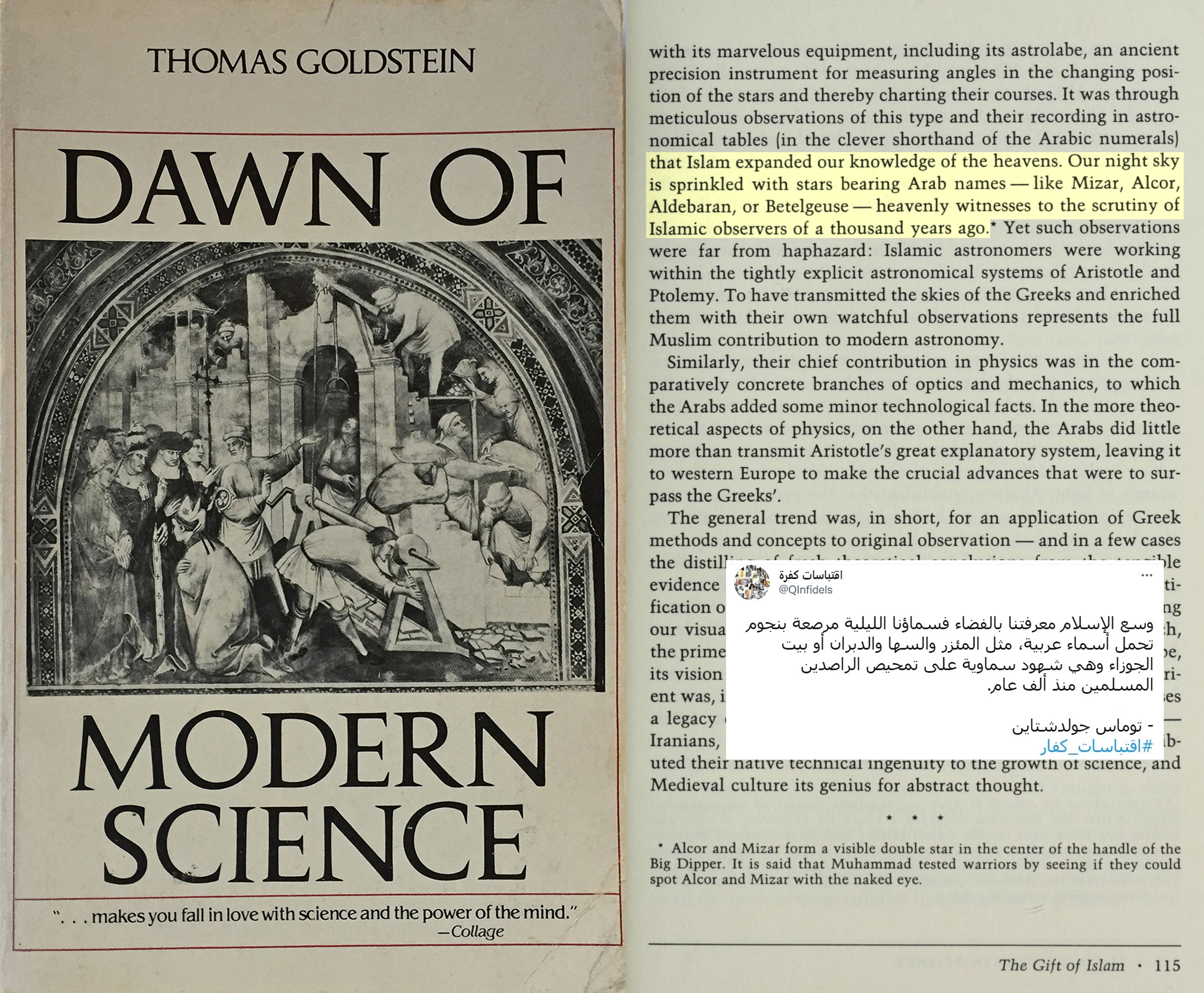
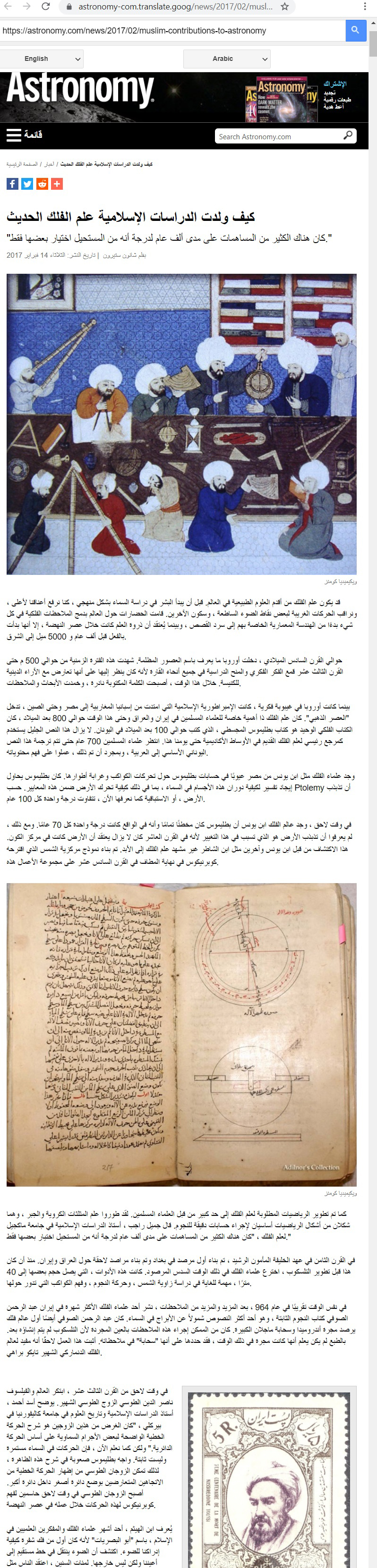
🔷 Because of the demands of Islamic worship — determining prayer times, the direction of the qibla, the holy months, Ramadan, and tracking the positions of the moon and sun — Muslims excelled in astronomy and developed it into a rigorous discipline.
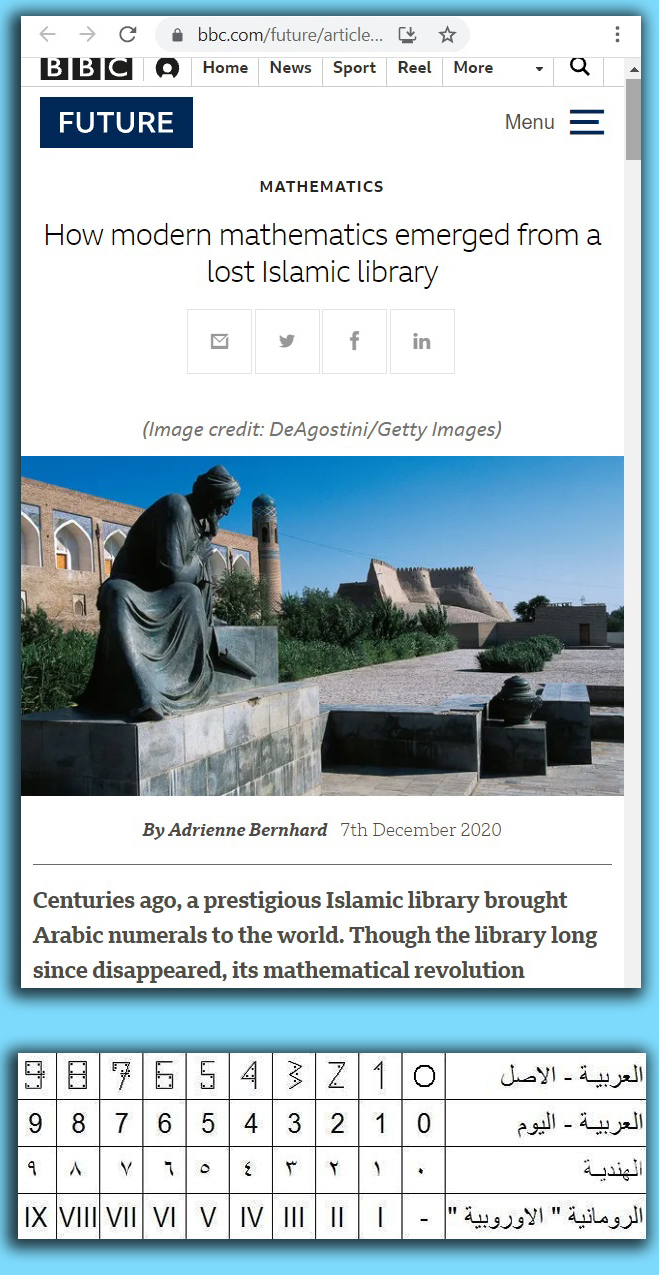
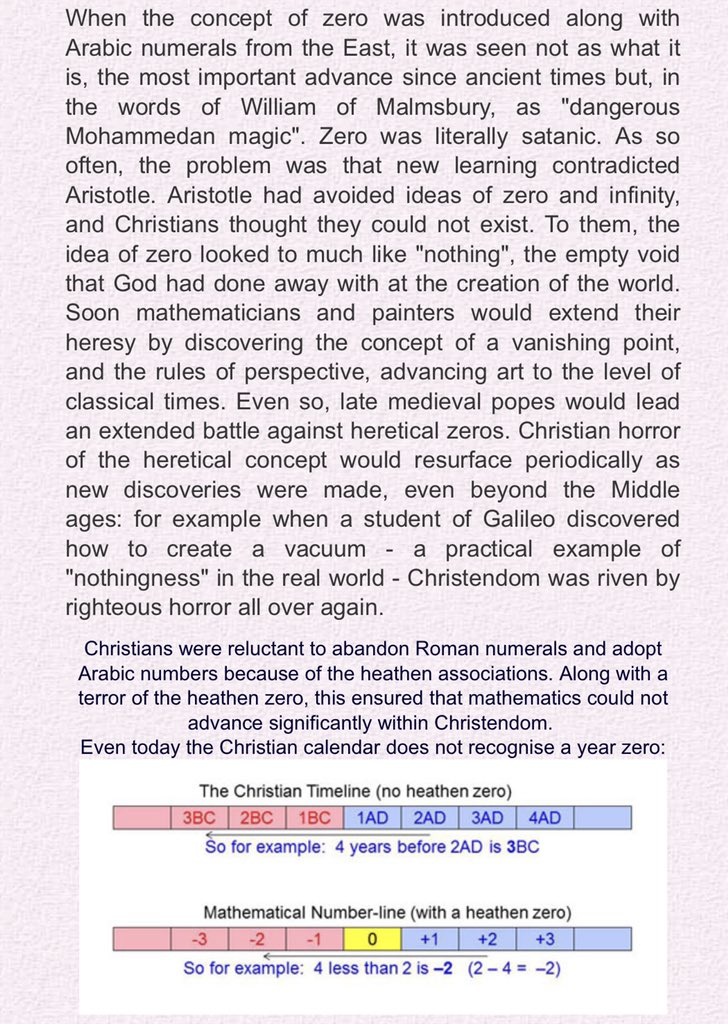
🔷 The world uses Arabic numerals to this day. Al-Khwarizmi was the first to use zero — which the medieval Church called “Muslim magic.”
Source documenting Muslim contributions to astronomy driven by the requirements of Islamic worship
The passage above explains how the obligations of Islamic worship directly motivated the development of astronomical science.
Source on Arabic numerals and al-Khwarizmi's introduction of zero into mathematics
The passage above documents al-Khwarizmi’s mathematical innovations and the Church’s hostile reception of Arabic numerals.
Further source on Arabic numerals' adoption in Europe and the Church's resistance
The documentation continues, tracing the gradual acceptance of Arabic numerals in European commerce and science despite ecclesiastical opposition.
Additional source on Muslim contributions to mathematics, astronomy, and navigation
Al-Khwarizmi
Muḥammad ibn Mūsā al-Khwārizmī developed what are now called algorithms — named after him — which form the mathematical foundation of all modern computer programming. He is also the namesake of algebra (al-jabr), derived from the title of his foundational treatise.
Medicine
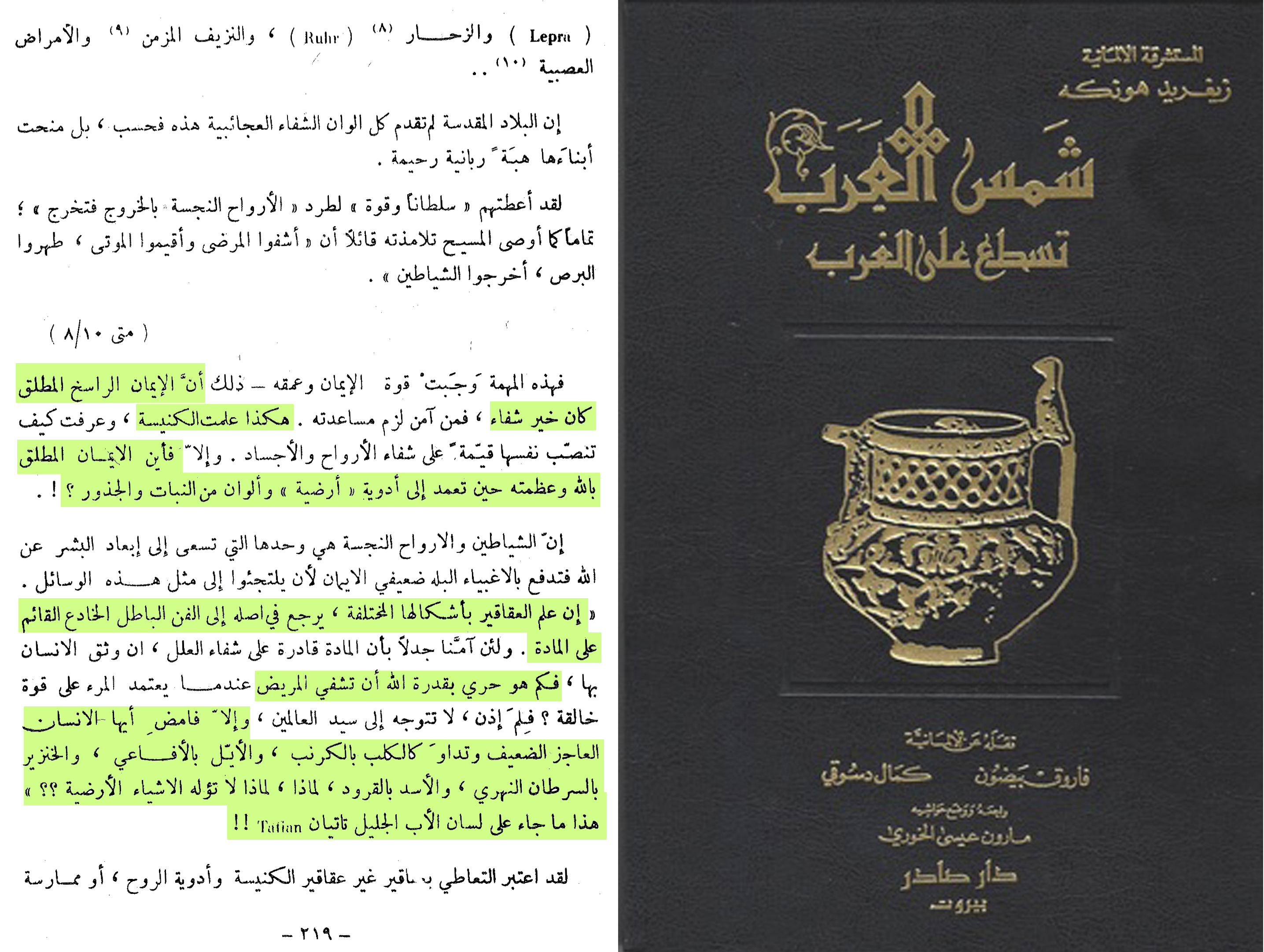
Taking precautions is one of the most important objectives of Islamic law. The Prophet ﷺ commanded seeking treatment; God does not create a disease without also creating its cure. Christian Europe, by contrast, forbade medical treatment on the theological grounds that illness is God’s punishment, and treated precautionary medicine as a contradiction of faith in God’s power. When Christian powers gained dominance, they burned the medical books of Muslims — just as they had burned those of the Greeks before them.
Sigrid Hunke — The Sun of the Arabs Shines on the West, passage contrasting church suppression of medicine with the Islamic encouragement of treatment
Sigrid Hunke — The Sun of the Arabs Shines on the West The highlighted passage says that medieval Church teachings often discouraged reliance on medicine and promoted the idea that true healing came only through faith. It contrasts this with the Islamic approach, which encouraged the use of herbs, remedies, and medical treatment alongside belief in God.
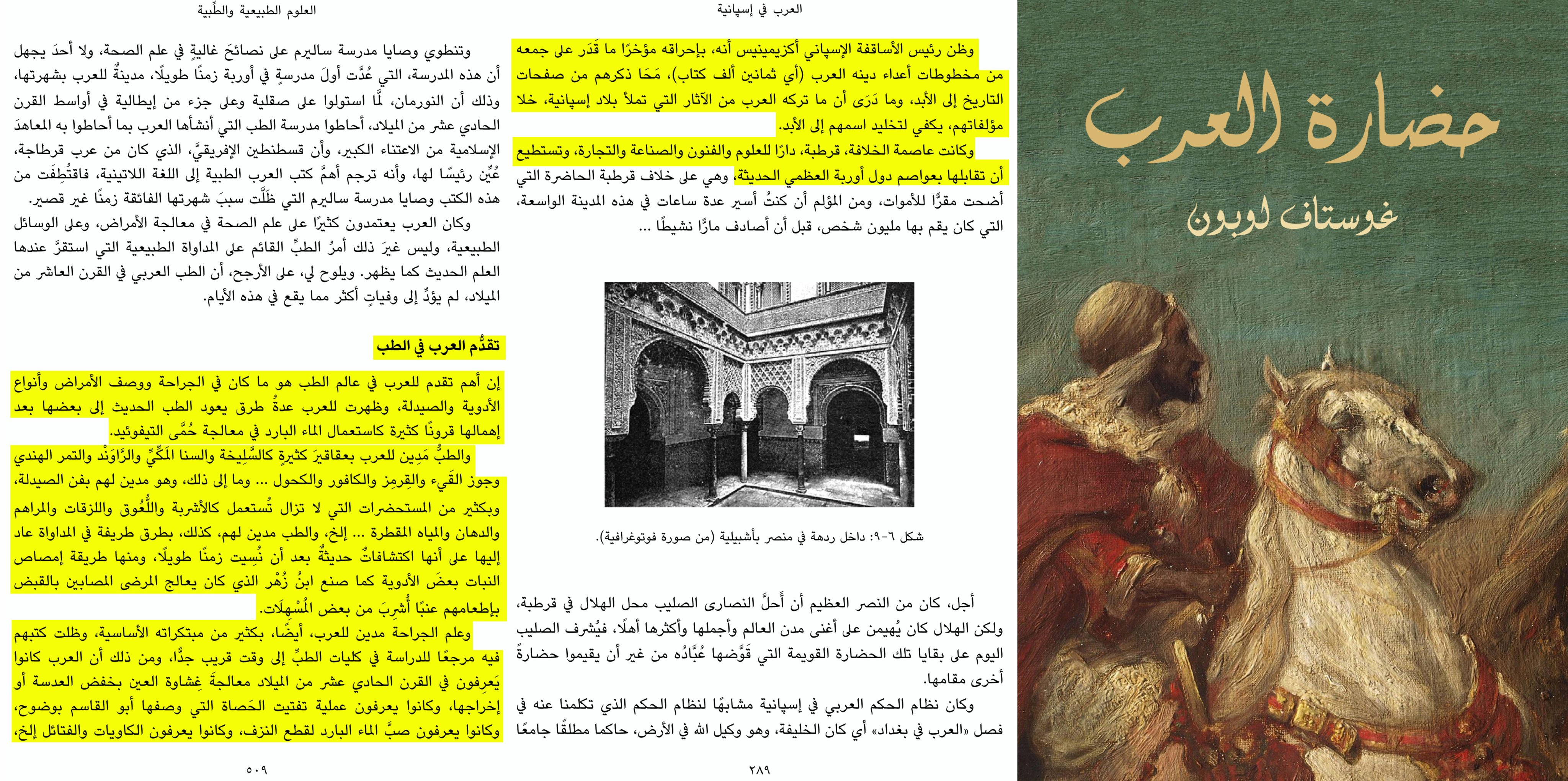
Gustave Le Bon — Arab Civilization, passage on Arab excellence in medicine, surgery, and the advancement of cities like Cordoba
Gustave Le Bon — Arab Civilization The highlighted text says that Arab civilization excelled in medicine, science, industry, and architecture, and that cities like Cordoba were more advanced than many European cities of the time. It also says that Muslim physicians contributed surgical techniques, medical substances, and treatments that later influenced European medicine.
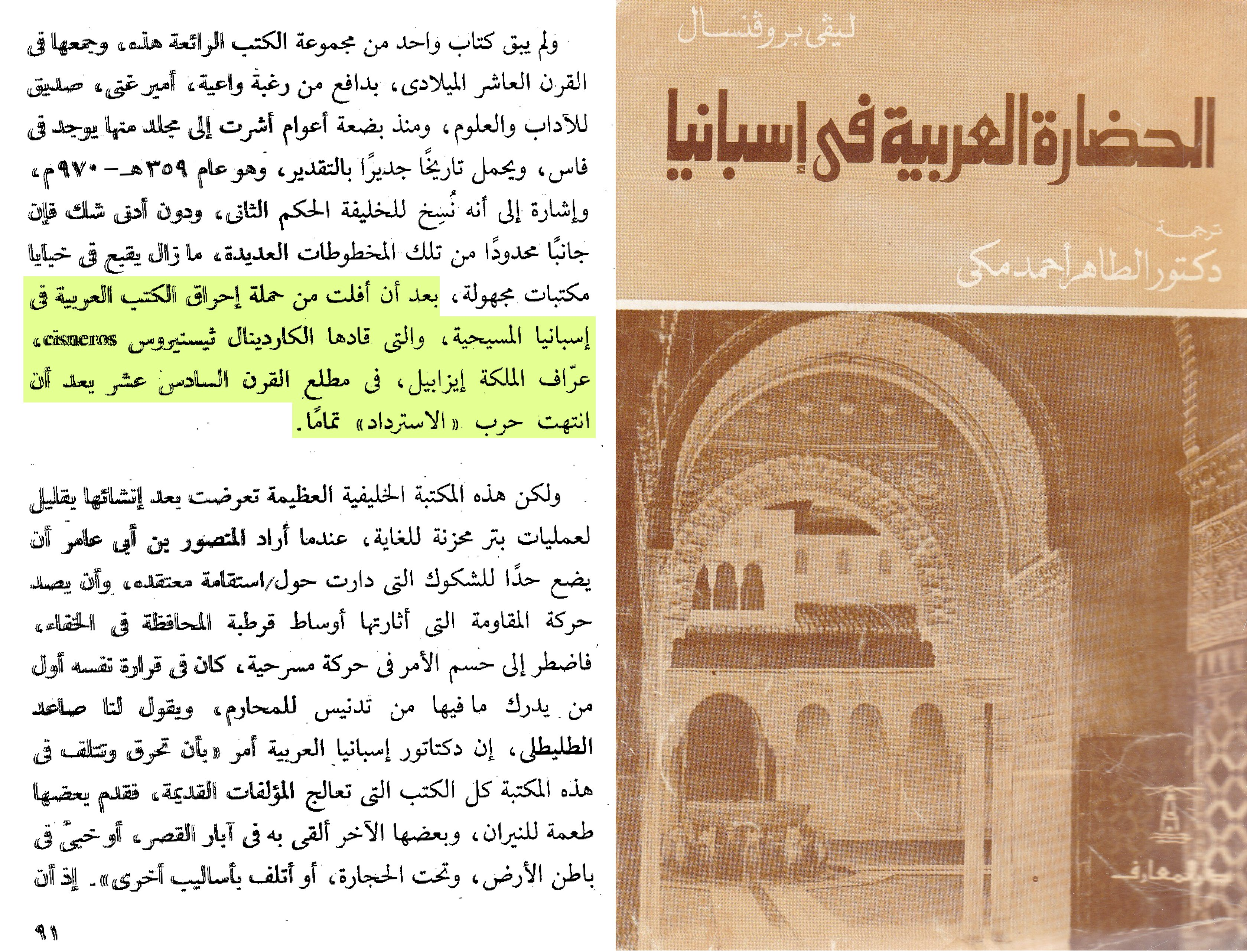
Évariste Lévi-Provençal — Arab Civilization in Spain, passage on the destruction of Arabic manuscripts after the fall of Muslim Spain
Évariste Lévi-Provençal — Arab Civilization in Spain The highlighted passage says that after the fall of Muslim Spain, many Arabic manuscripts and libraries were destroyed by Spanish authorities. It argues that this led to the loss of a major part of the intellectual heritage of Andalusia.
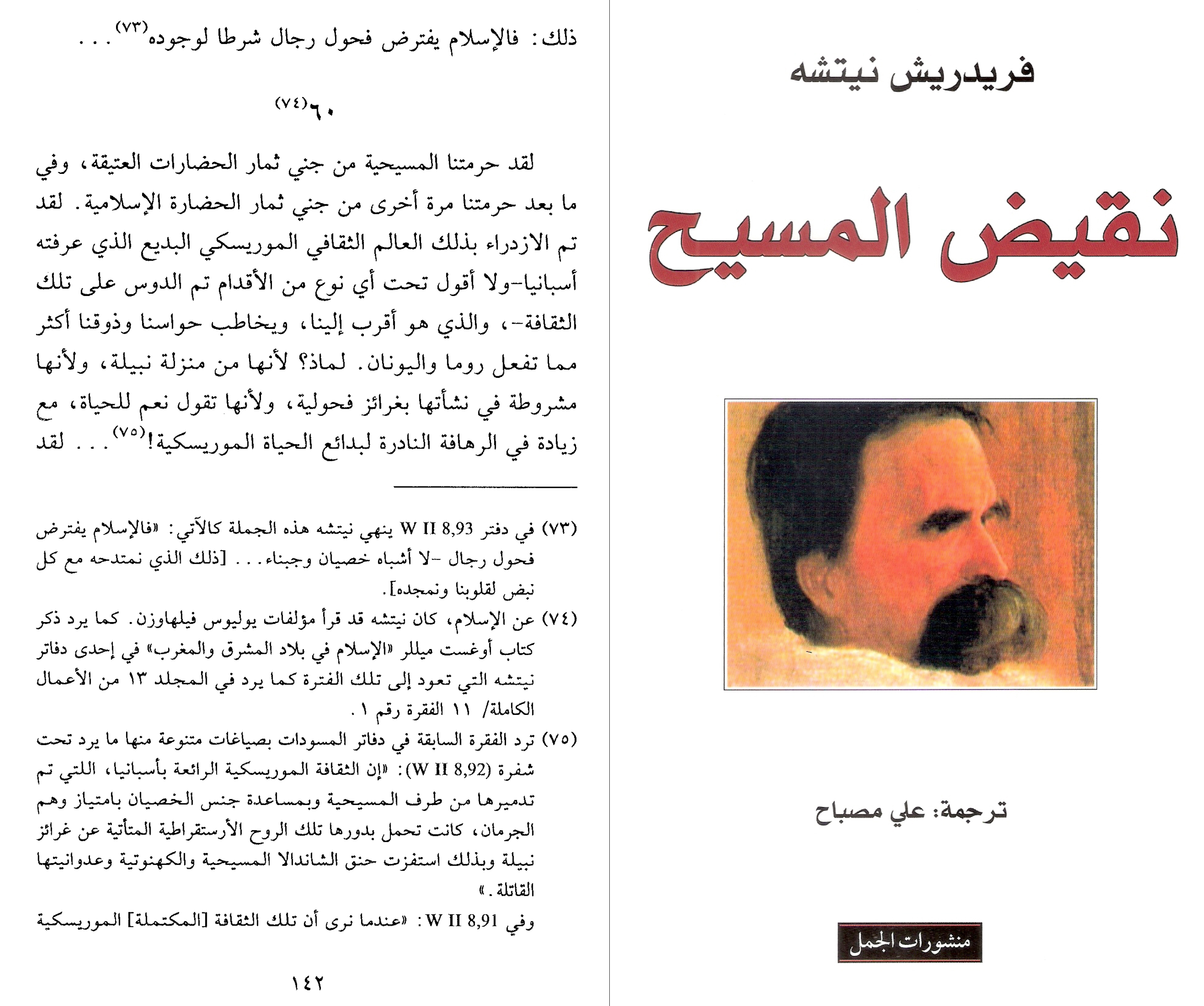
Friedrich Nietzsche — The Antichrist, passage on Christianity preventing Europe from benefiting from Islamic civilization and describing Muslim Spain as more refined than Christian Europe
Friedrich Nietzsche — The Antichrist The highlighted text says that Christianity prevented Europe from fully benefiting from the achievements of Islamic civilization. Nietzsche describes Muslim Spain as more refined and culturally advanced than much of Christian Europe.
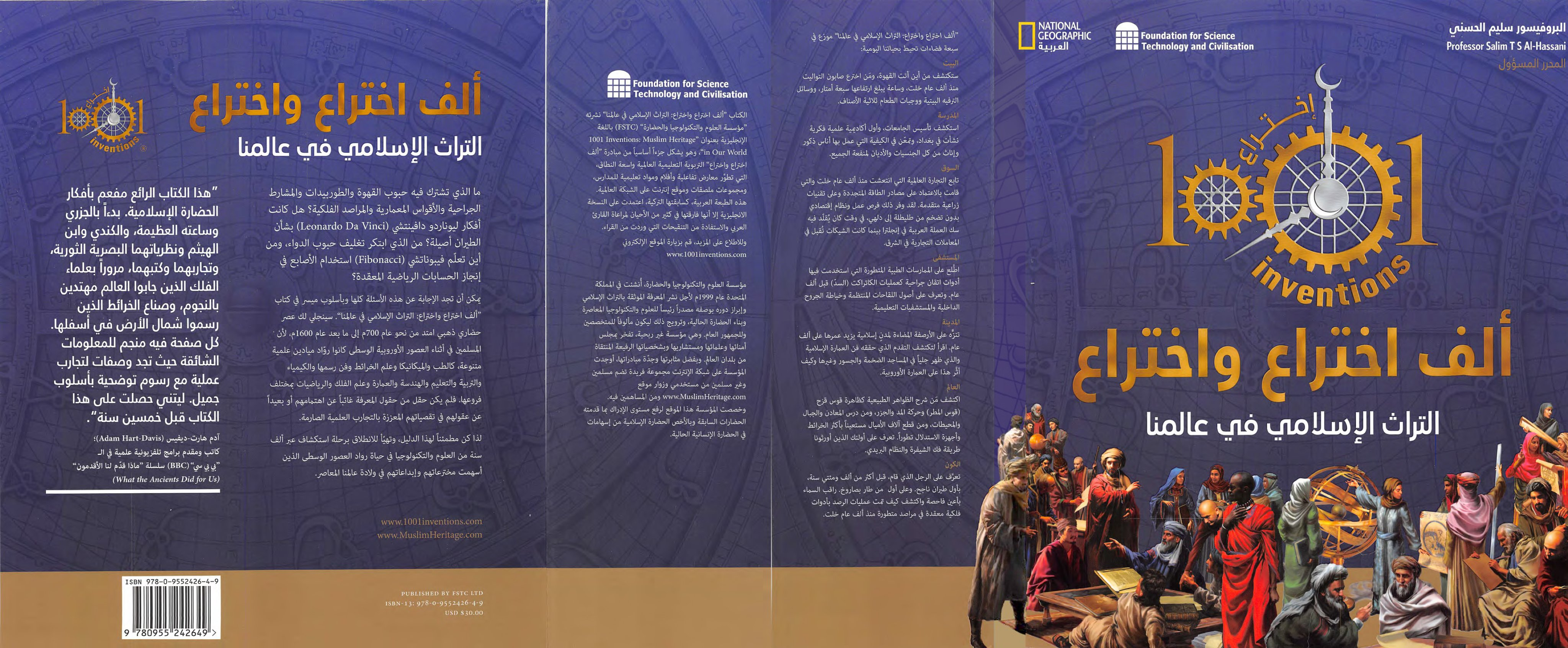
A Thousand and One Inventions
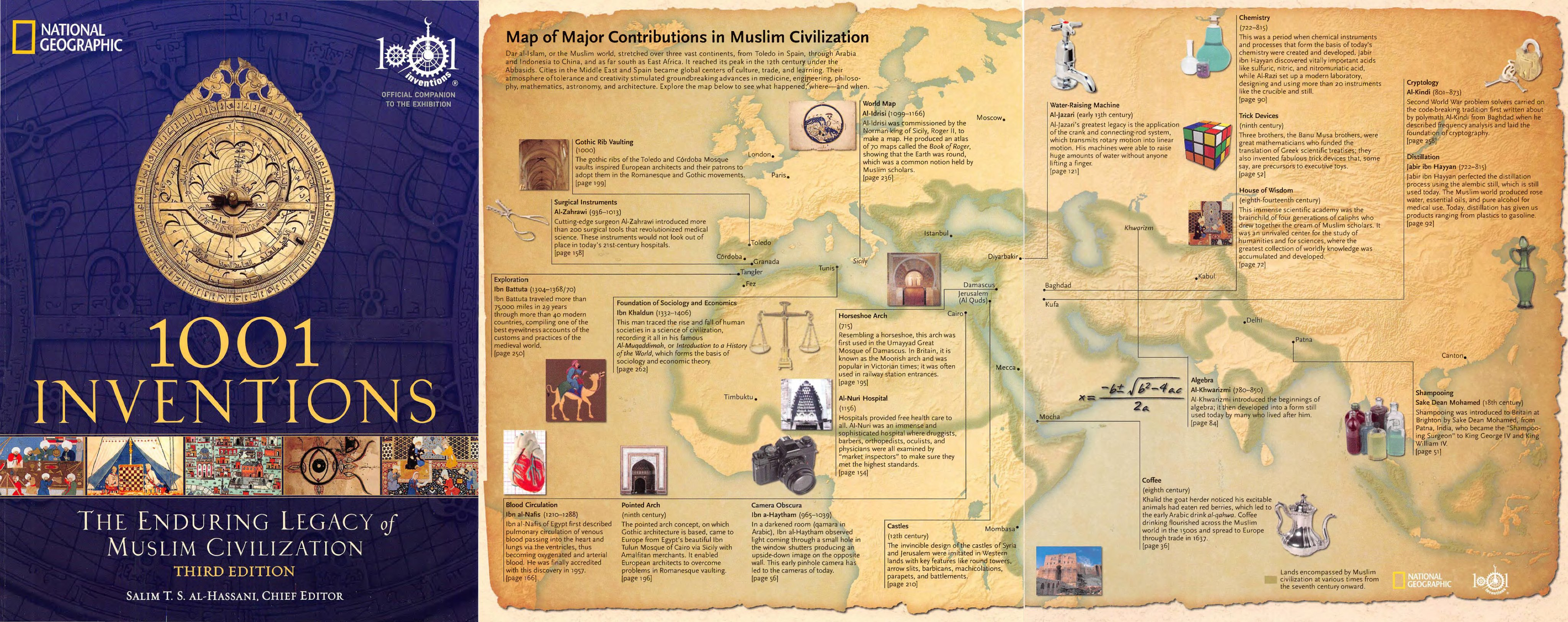
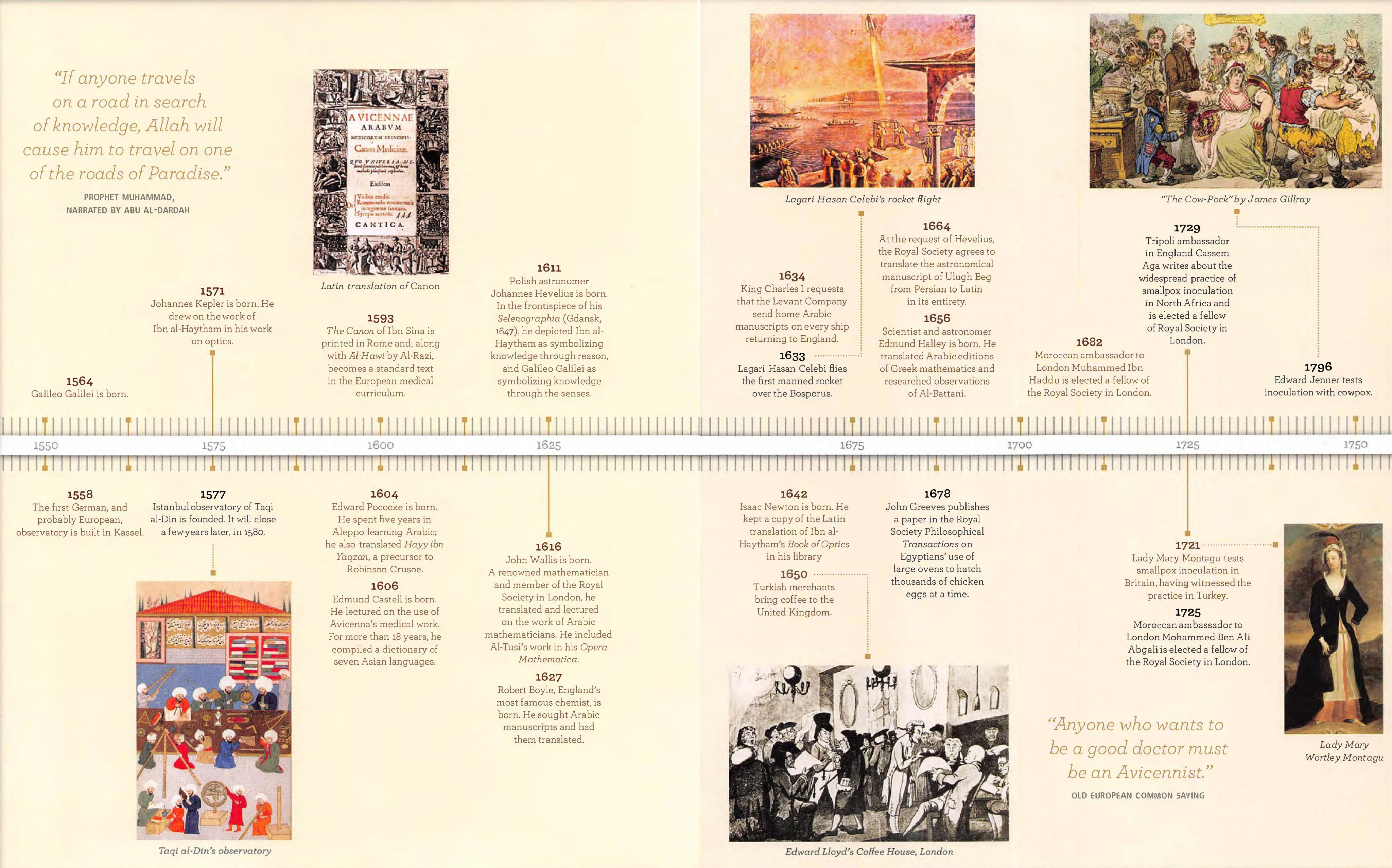
🔷 A map of major Islamic contributions to science, discovery, and invention across the known world.
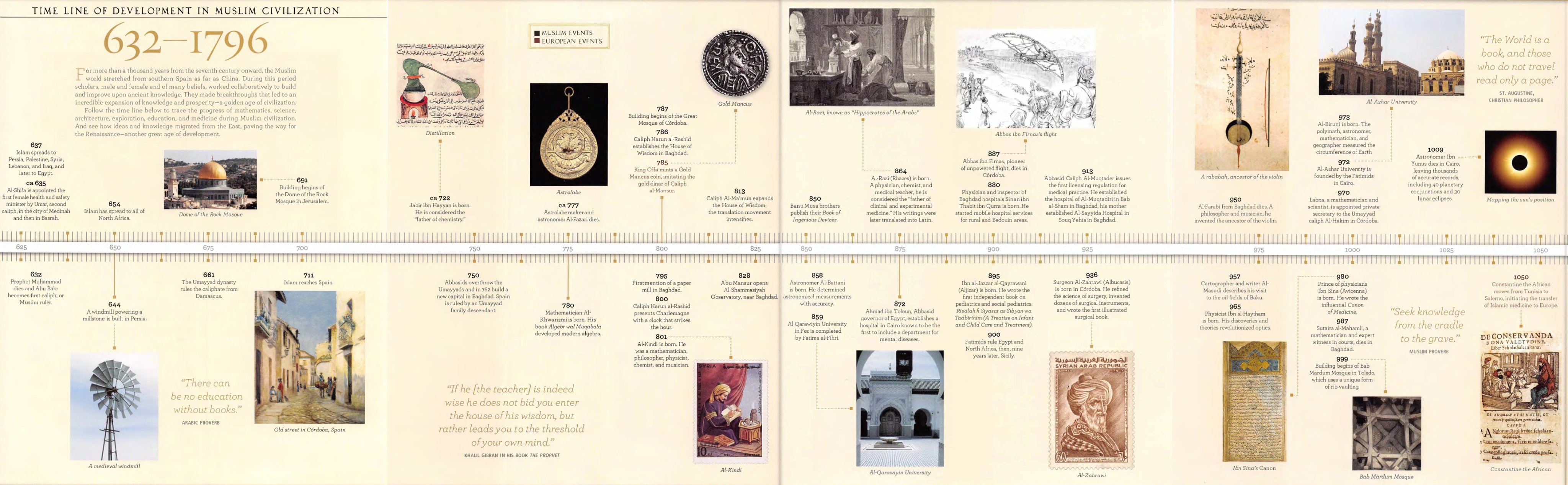
🔷 A timeline of development in Islamic civilization from the era of the Prophet ﷺ through the classical period.
Map of major Islamic contributions to science, discovery, and invention
The map above illustrates the geographic breadth of Islamic civilization’s scientific and inventive output.
Timeline of Islamic civilization's development from the 7th through 15th centuries
The timeline above charts the major milestones of Islamic scientific and institutional development.
Further visualization — Islamic civilizational achievements across multiple disciplines
The infographic above continues the documentation of Islamic contributions across mathematics, medicine, astronomy, chemistry, and engineering.
Additional source — comprehensive overview of Islamic inventions and their adoption by Western civilization
Women as Scientists in Islamic Civilization
Contrary to the claims of both Christian polemic and atheist critique, Islam elevated women as scholars, surgeons, founders, and astronomers. The historical record includes:
ʿĀʾishah (Mother of the Believers) — a prolific transmitter of hadith and one of the foremost scholars of the early Muslim community
Rufaydah al-Aslamiyyah — surgeon and founder of the first field hospital in Islamic history
Fāṭimah al-Fihrī — founder of Al-Qarawiyyin, the first university in history
Maryam al-Asṭurlābī — astronomer
Fāṭimah al-Majrīṭī — astronomer
Sitta al-Maḥmalī — algebraist and muftī
Source documenting Muslim women scholars, surgeons, astronomers, and university founders
The passage above documents the biographical records of these pioneering Muslim women scholars.
Further source on Muslim women scientists and their contributions to Islamic civilization
The source material continues with additional biographical entries on Muslim women in science and scholarship.
Supporting source — Muslim women in astronomy, algebra, jurisprudence, and medicine
The documentation above provides further evidence of women’s scholarly participation in Islamic civilization across multiple disciplines.
Additional source — the institutional and religious support for women's education in Islamic society
Fāṭir 35:27–28 Have you not seen that God sends down water from the sky, and We produce thereby fruits of varying colors? And among the mountains are streaks white and red, varying colors and some very black. And among people and living creatures and livestock are varying colors. Thus only those fear God, from among His servants, who have knowledge. Indeed, God is Exalted in Might and Forgiving.
NASA Names a Lunar Crater “Al-Battani”
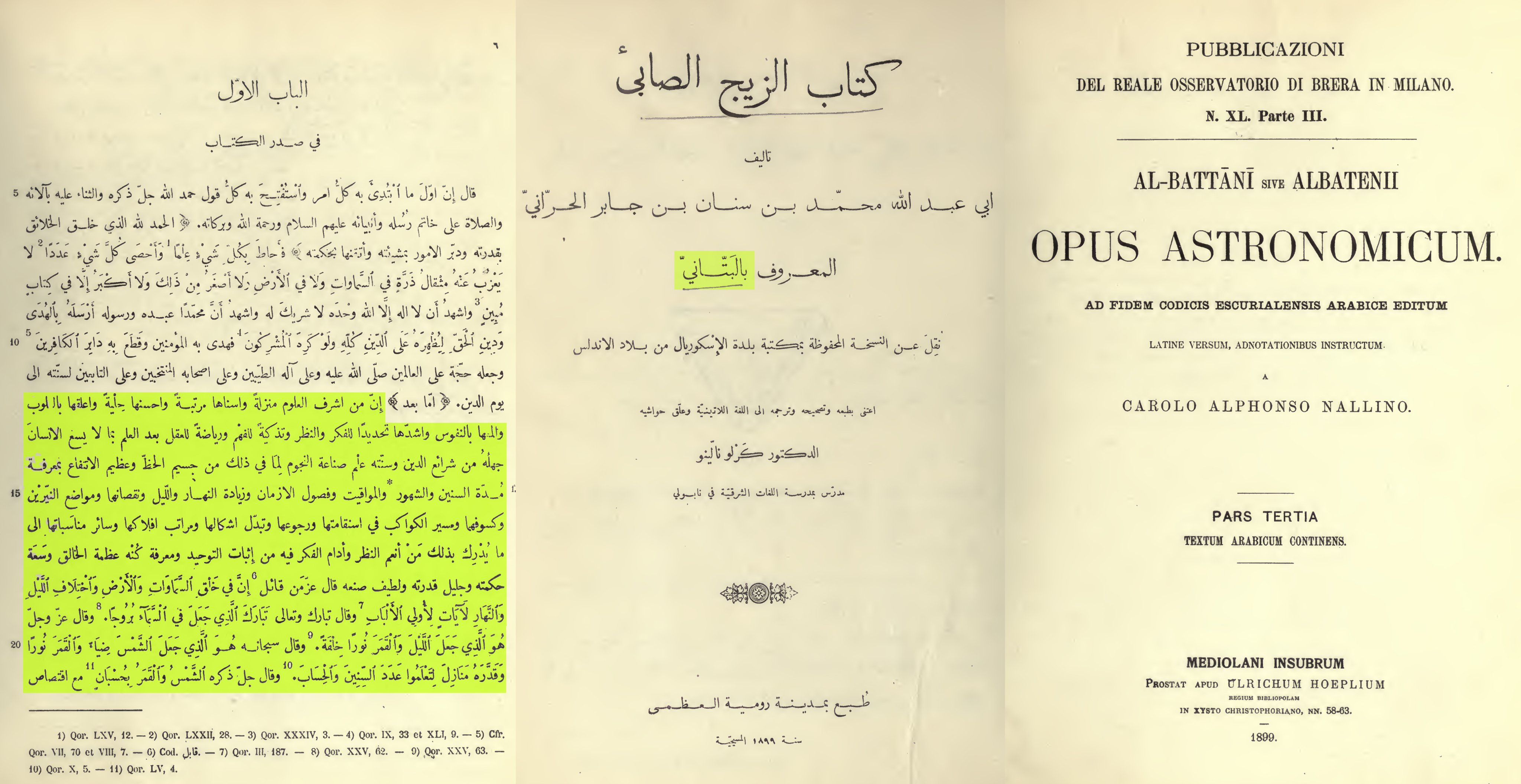
Al-Battānī — Kitāb al-Zīj al-Ṣābī The highlighted passage says that astronomy is one of the noblest sciences because it leads people to reflect on the order of the heavens, the movements of the stars, the sun, the moon, and the planets. It explains that studying the universe strengthens belief in the wisdom, power, and unity of God through observing the precision and harmony of creation.
Al-Battani — Kitab al-Zij al-Sabi, highlighted passage on astronomy as a path to recognizing God
The passage above is from Al-Battānī’s foundational astronomical work, which established trigonometric methods still used today.
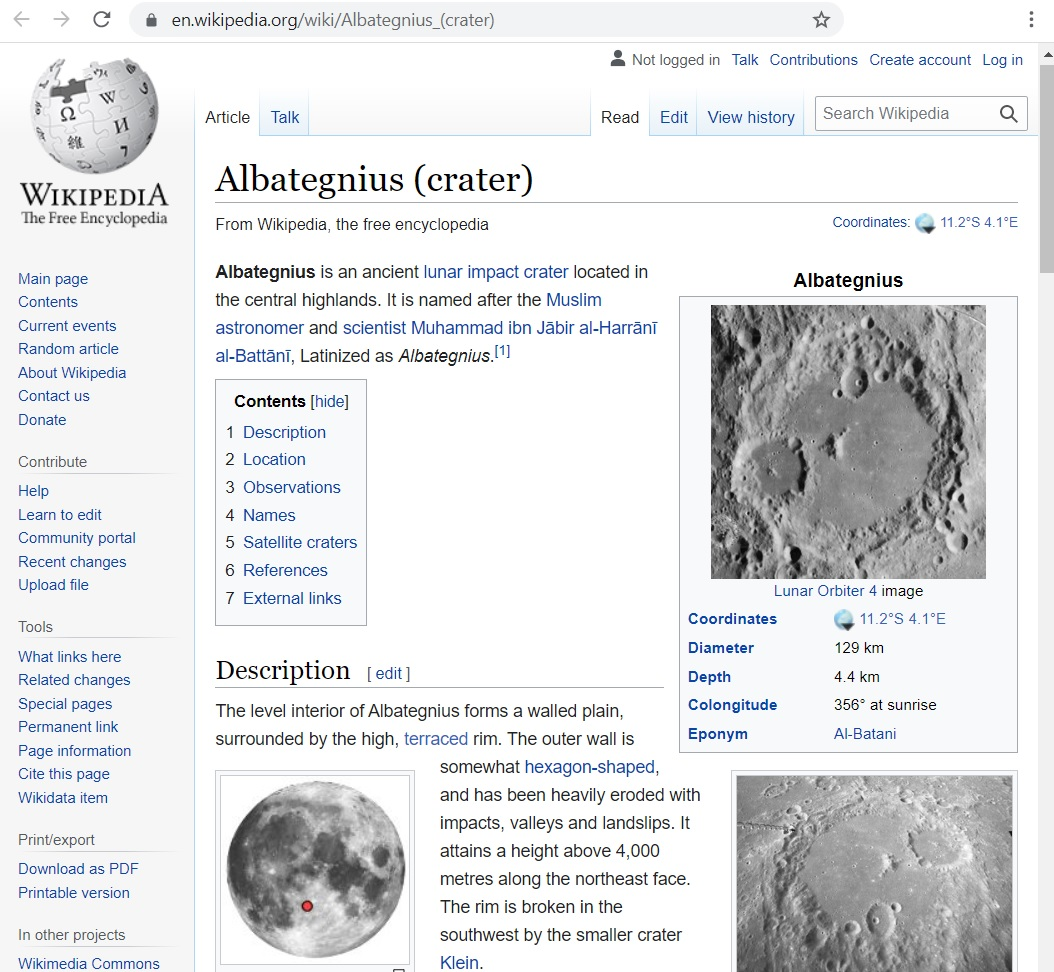
NASA documentation of the lunar crater named "Al-Battani" in honor of the Muslim astronomer
NASA’s naming of a lunar crater after Al-Battānī confirms the enduring recognition of his astronomical contributions by modern science.
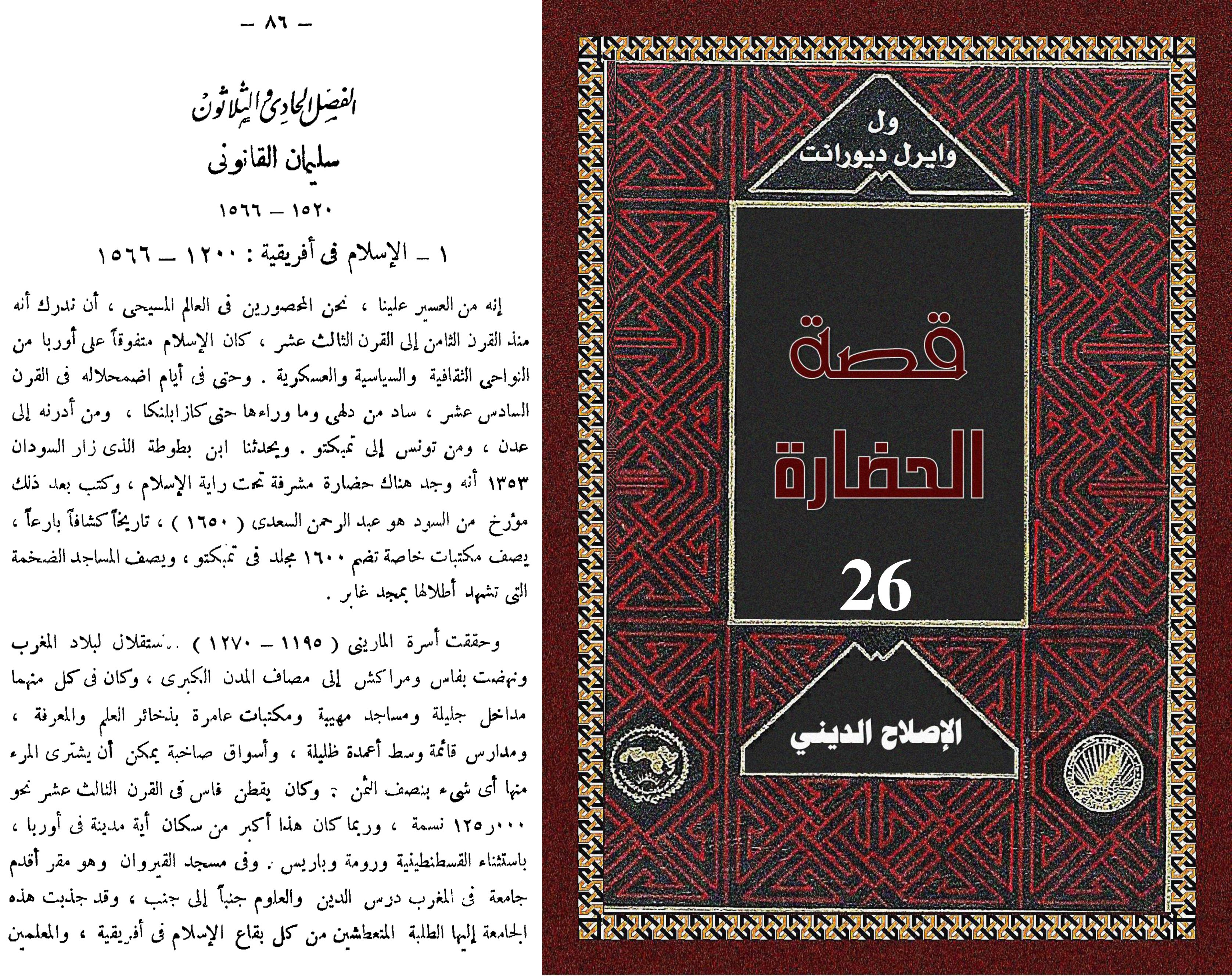
Will Durant and Ariel Durant — Story of Civilization Vol. 26, passage stating Islamic civilization was more advanced than Europe from the 8th to 13th century
Will Durant and Ariel Durant — Story of Civilization, Vol. 26: Religious Reform The highlighted text says that from the 8th to the 13th century, Islamic civilization was more advanced than Europe in culture, politics, science, and military strength. It also says that cities such as Fez and Marrakesh had major mosques, libraries, schools, and markets, and that Fez had one of the largest urban populations in the world at the time.
Further source — Islamic civilization's seven-century lead over Europe and its specific institutional achievements
The Question of Atheism Among Islamic Scholars
Some critics attempt to claim that the great Muslim scholars were secret atheists or agnostics. This claim collapses under scrutiny. The Arabic term ilhad means “deviating from the origin,” not denying God. The scholars sometimes accused of religious irregularity were accused for specific doctrinal errors — not for denying God’s existence. None of the major scholars denied God. Some expressed heterodox philosophical positions; some later repented. Their own books are the evidence.
Al-Jāhiẓ wrote Arguments for Prophethood
Al-Fārābī wrote The Ideal City — a work grounded in Islamic philosophical theology
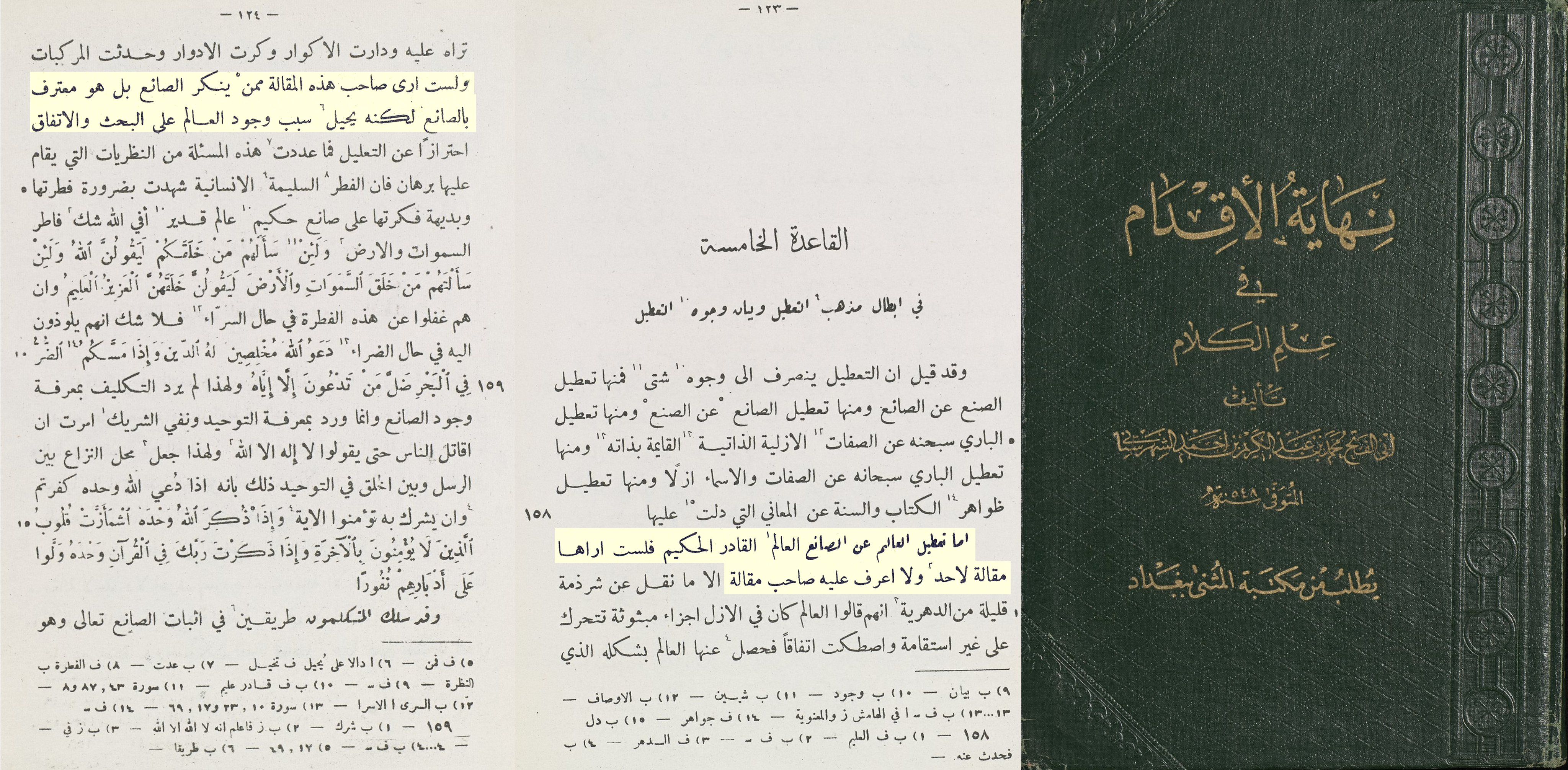
Al-Shahrastani — Nihayat al-Iqdam fi Ilm al-Kalam, passage arguing that denying the Creator is irrational
Al-Shahrastānī — Nihāyat al-Iqdām fī ʿIlm al-Kalām The highlighted passage says that denying the Creator is irrational because the order and harmony of the universe point to the existence of a wise and powerful maker. It argues that human nature instinctively recognizes the existence of God, especially in times of hardship and danger.
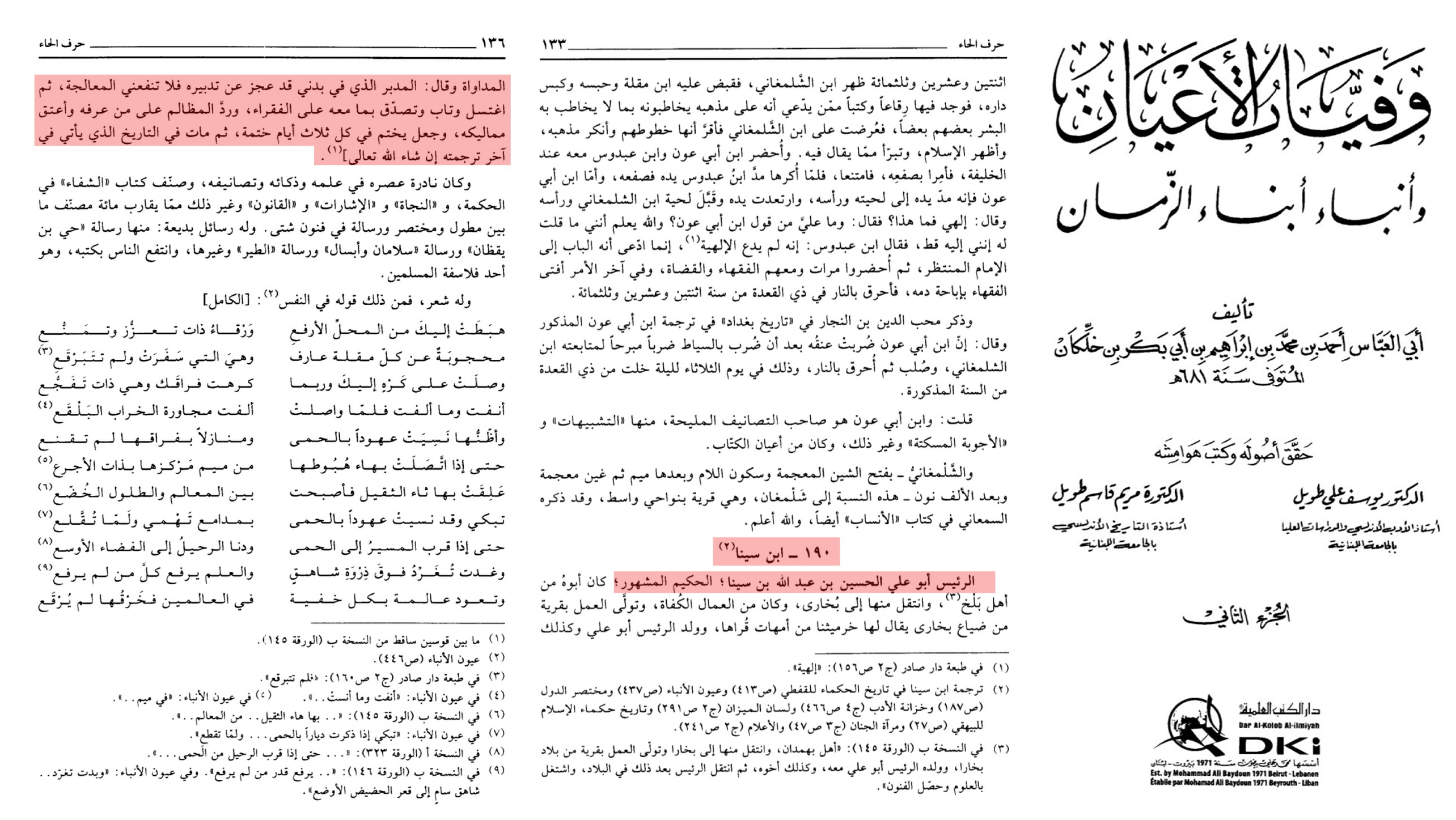
Ibn Khallikan — Wafayat al-A'yan, biographical entry on Ibn Sina confirming his belief in God and his philosophical writings
Ibn Khallikān — Wafayāt al-Aʿyān The highlighted text says that Ibn Sīnā, also known as Avicenna, became famous for medicine and philosophy and wrote many influential works. It also notes that he authored a book on medicine and that his final words before death were recorded.
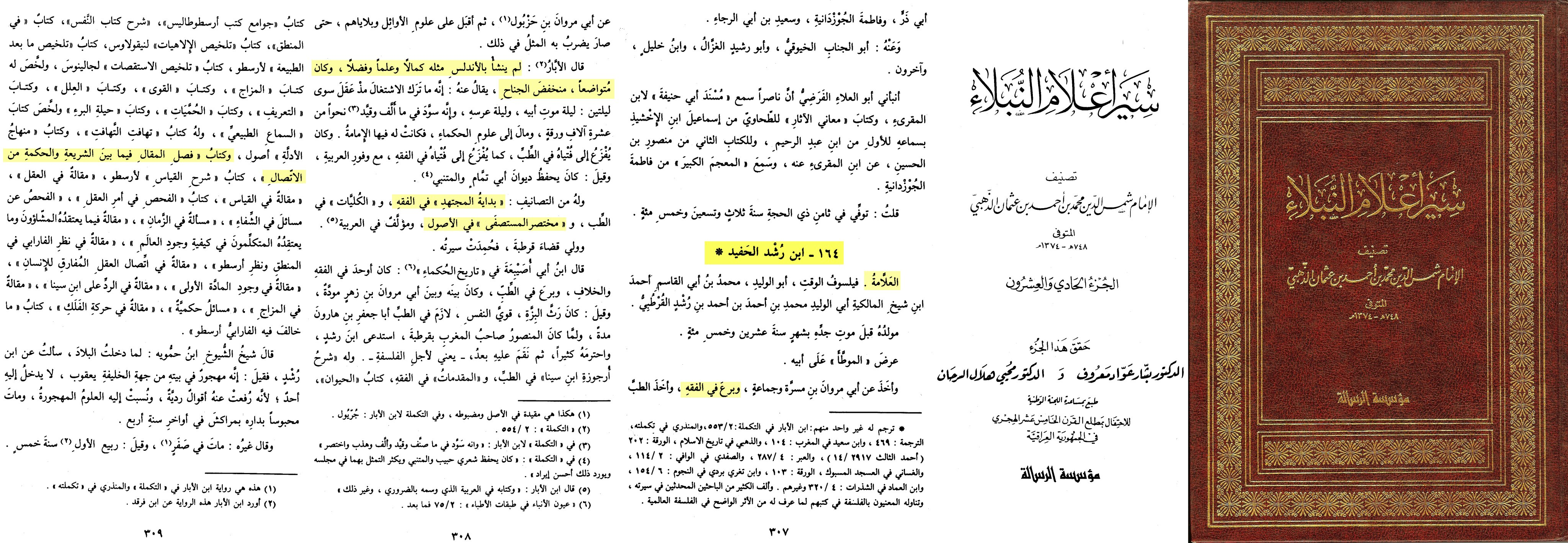
Al-Dhahabi — Siyar A'lam al-Nubala, entry on Ibn Rushd confirming his knowledge in law, medicine, and philosophy
Al-Dhahabī — Siyar Aʿlām al-Nubalāʾ The highlighted passage says that Ibn Rushd was highly respected in Andalusia for his knowledge, intelligence, and noble character. It also mentions that he wrote important works in law, medicine, and philosophy, including texts on jurisprudence, logic, and the relationship between religion and philosophy.
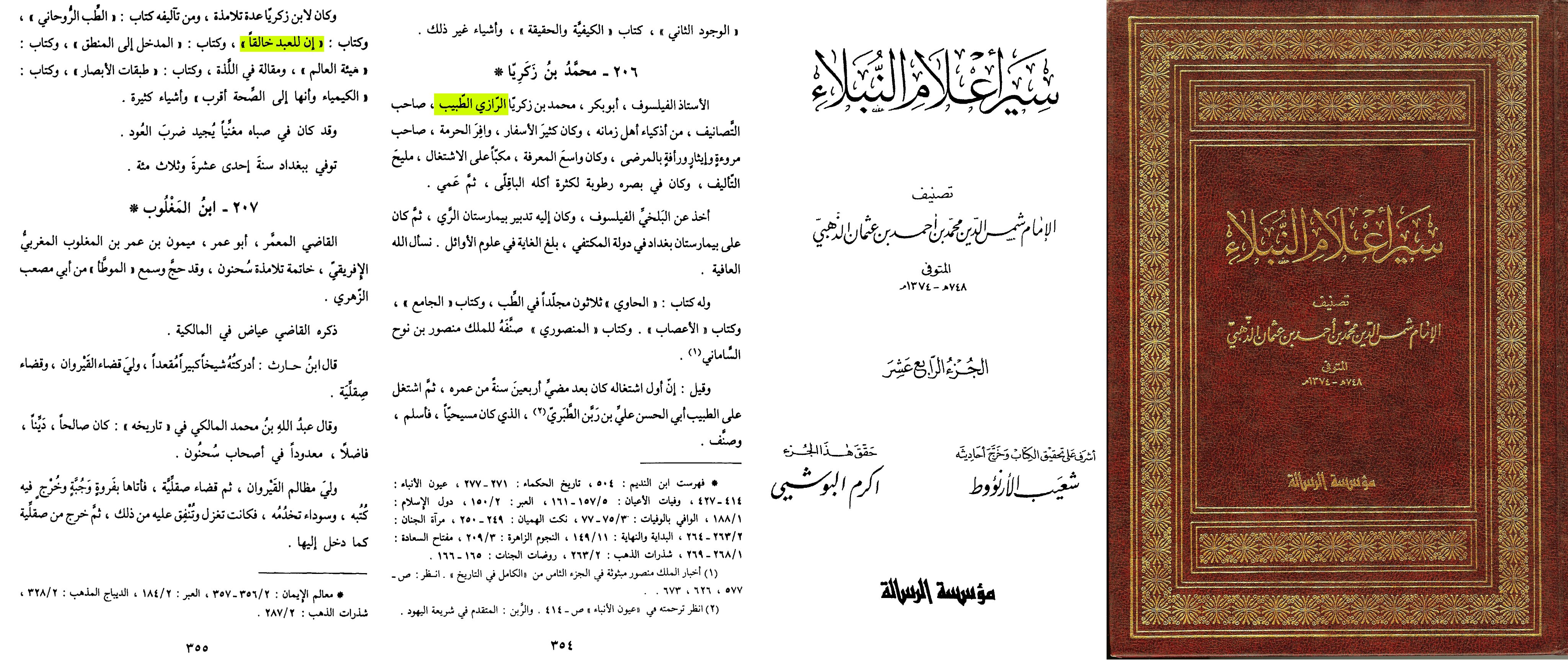
Al-Dhahabi — Siyar A'lam al-Nubala, entry on al-Razi confirming his greatness as a physician and his hospital practice
Al-Dhahabī — Siyar Aʿlām al-Nubalāʾ The highlighted text says that Al-Rāzī was one of the greatest scholars of his age and was especially famous for medicine. It notes that he wrote many books, worked in hospitals, and was known for his wide knowledge and skill in medical practice.
Hadith Science: Islam’s Revolution in Historical Methodology
ʿIlm al-Ḥadīth is the science that studies the transmitters of reports, hadiths, and narrations — criticizing, authenticating, and grading them — and establishes the criteria by which narratives are accepted or rejected. This discipline caused a revolution in the science of history. Even the weakest hadith in Muslim scholarship is more rigorously authenticated than the texts attributed to Aristotle, Plato, and the ancient philosophers — texts that were transmitted, cited, and attributed across centuries without any comparable verification apparatus.
Some critics attack hadith — especially al-Bukhārī — in a desperate attempt to undermine the Sunnah that explains the Quran, dismissing the chain of transmission (isnād) as unreliable. In doing so they destroy the basis of most human knowledge, since the overwhelming majority of what humanity knows was transmitted rather than directly witnessed.
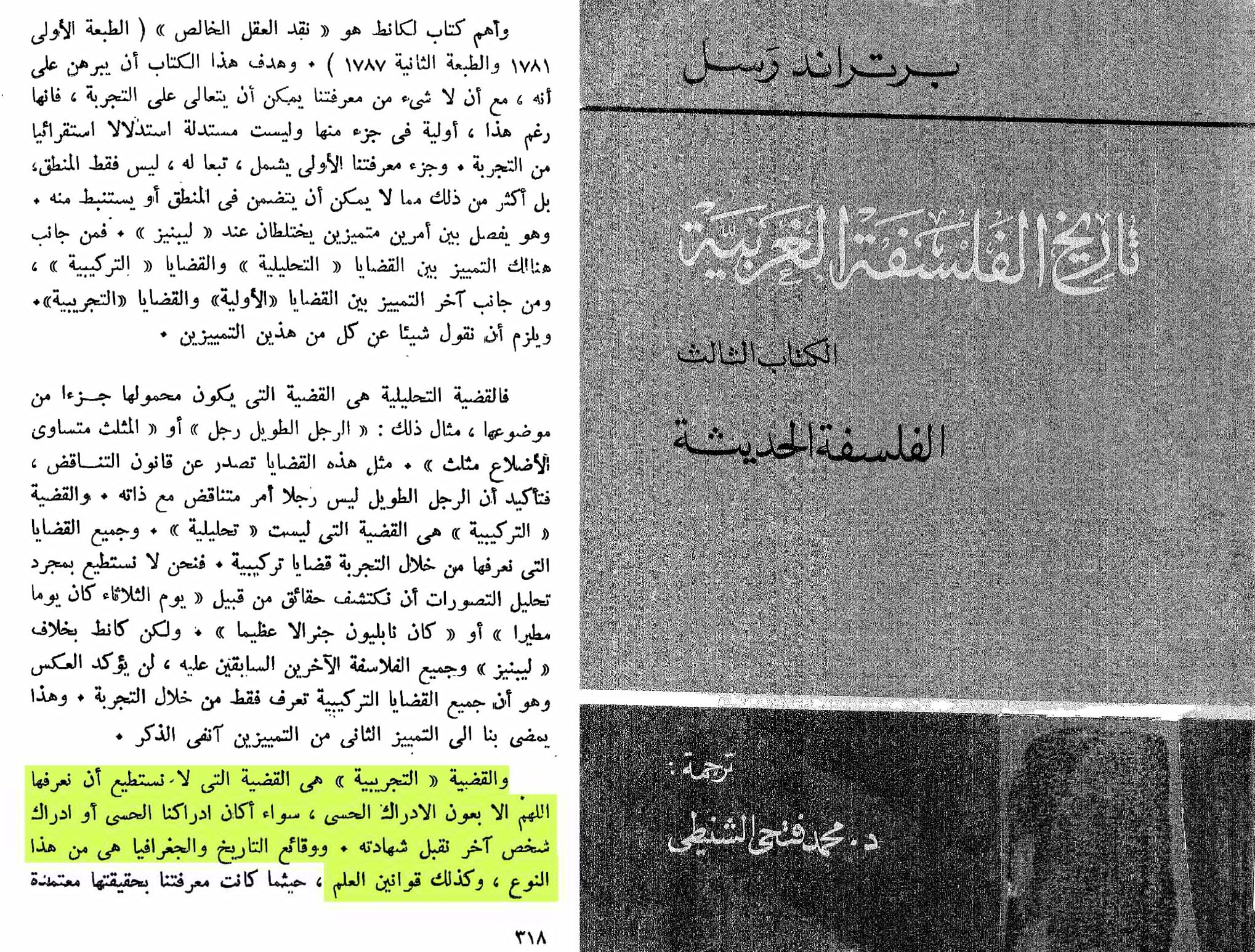
Bertrand Russell — History of Modern Western Philosophy, passage on testimony as the basis of most human knowledge
Bertrand Russell — History of Modern Western Philosophy The highlighted passage explains that many things are known through testimony rather than direct personal observation. It says that history, geography, and even many scientific laws are accepted because people trust reports, witnesses, and transmitted knowledge.
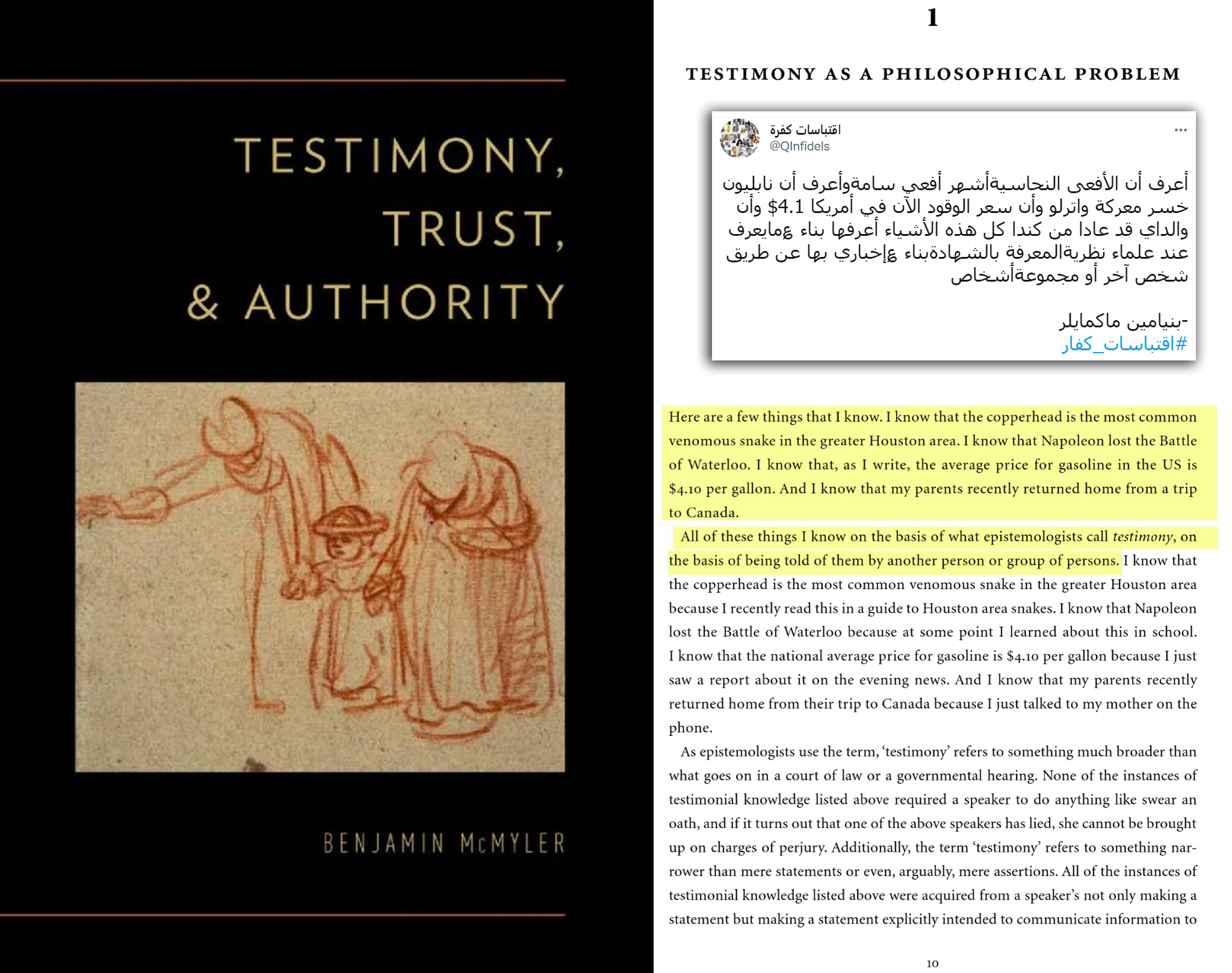
Benjamin McMyler — Testimony, Trust, and Authority, passage establishing testimony as the foundation of ordinary human knowledge
Benjamin McMyler — Testimony, Trust, and Authority The highlighted text says that much of ordinary human knowledge comes through testimony from other people. It gives examples such as historical events, scientific facts, and news reports to show that people rely heavily on trusted sources rather than direct experience.
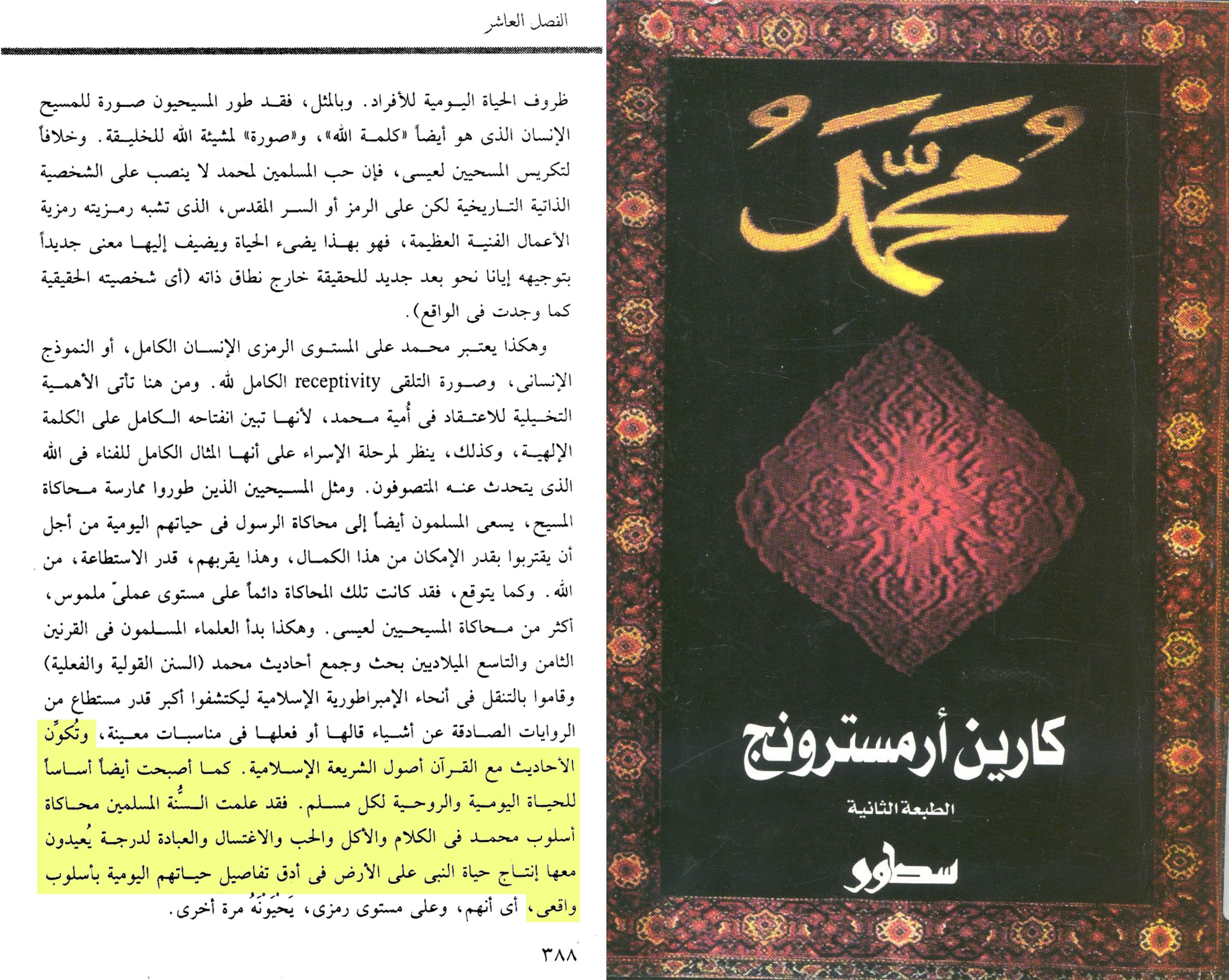
Karen Armstrong — Muhammad, passage praising Muslim scholars' care in collecting and authenticating reports about the Prophet
Karen Armstrong — Muhammad The highlighted passage says that Muslim scholars collected reports about the Prophet Muhammad ﷺ with unusual care and developed methods to distinguish authentic narrations from false ones. It states that the science of hadith became an important tool for preserving the details of the Prophet’s life and teachings.
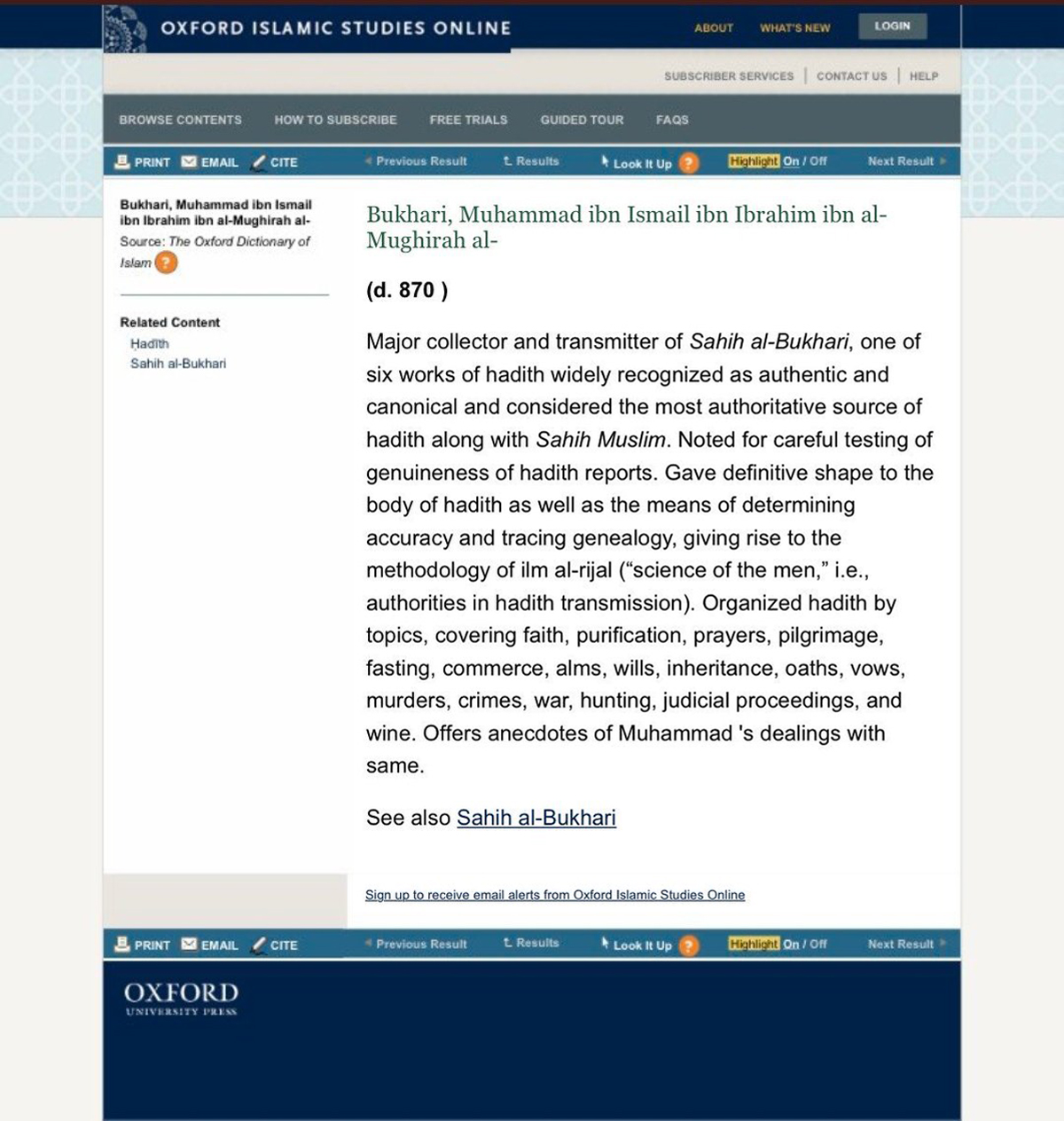
Additional source — further Western acknowledgment of the rigor of hadith scholarship
ISNAD Science: Western Admission of Its Accuracy
The accuracy and reliability of the Islamic science of isnād — chain of transmission — has been acknowledged by Western orientalists and Eastern Christian scholars alike.
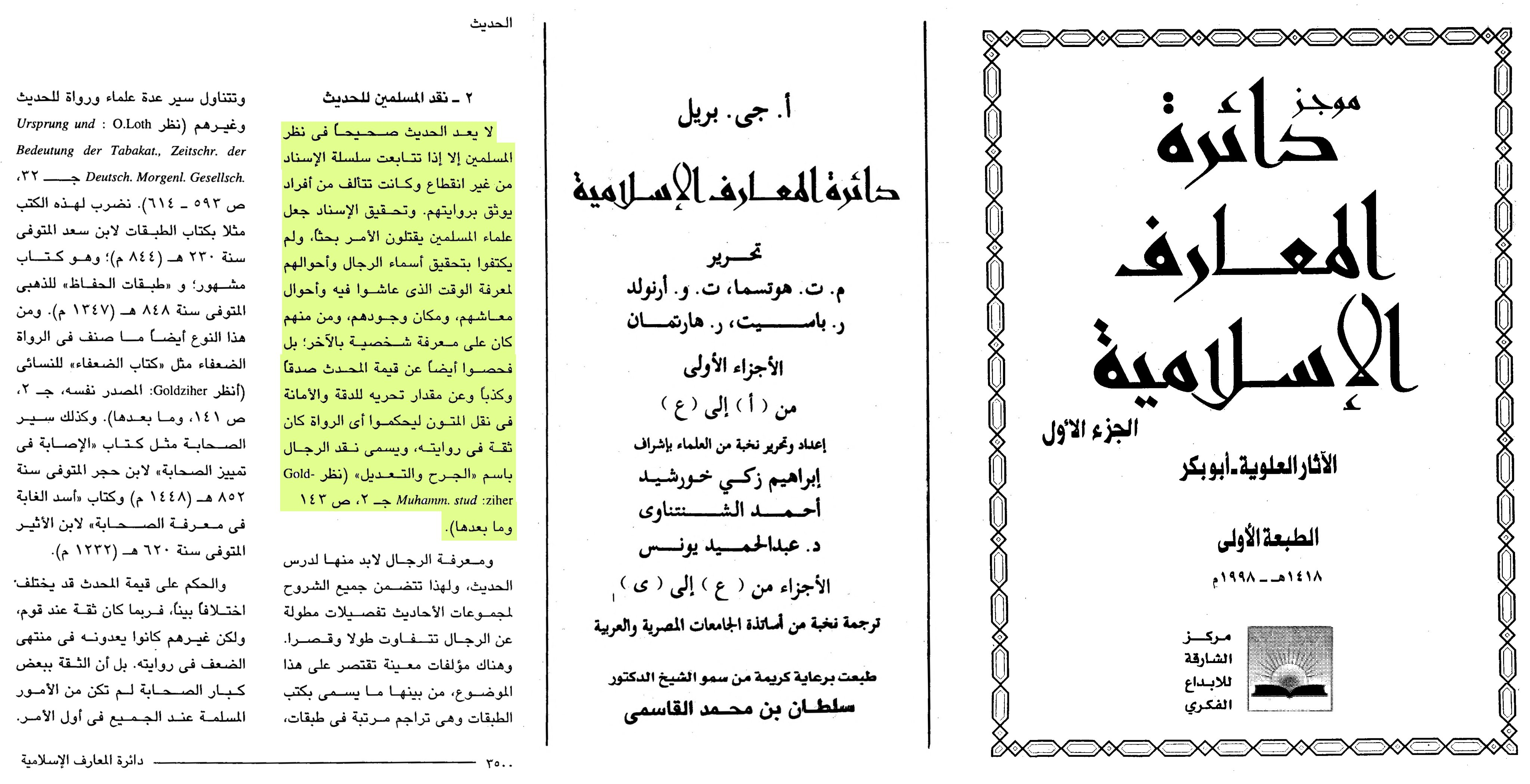
Encyclopedia of Islamic Knowledge — passage on Muslim scholars' strict methods for verifying historical reports and hadith narrations
Encyclopedia of Islamic Knowledge The highlighted passage says that Muslim scholars developed strict methods to verify historical reports and hadith narrations. It explains that they examined chains of transmission, checked the reliability of narrators, and studied their biographies in order to determine whether a report was authentic or false.
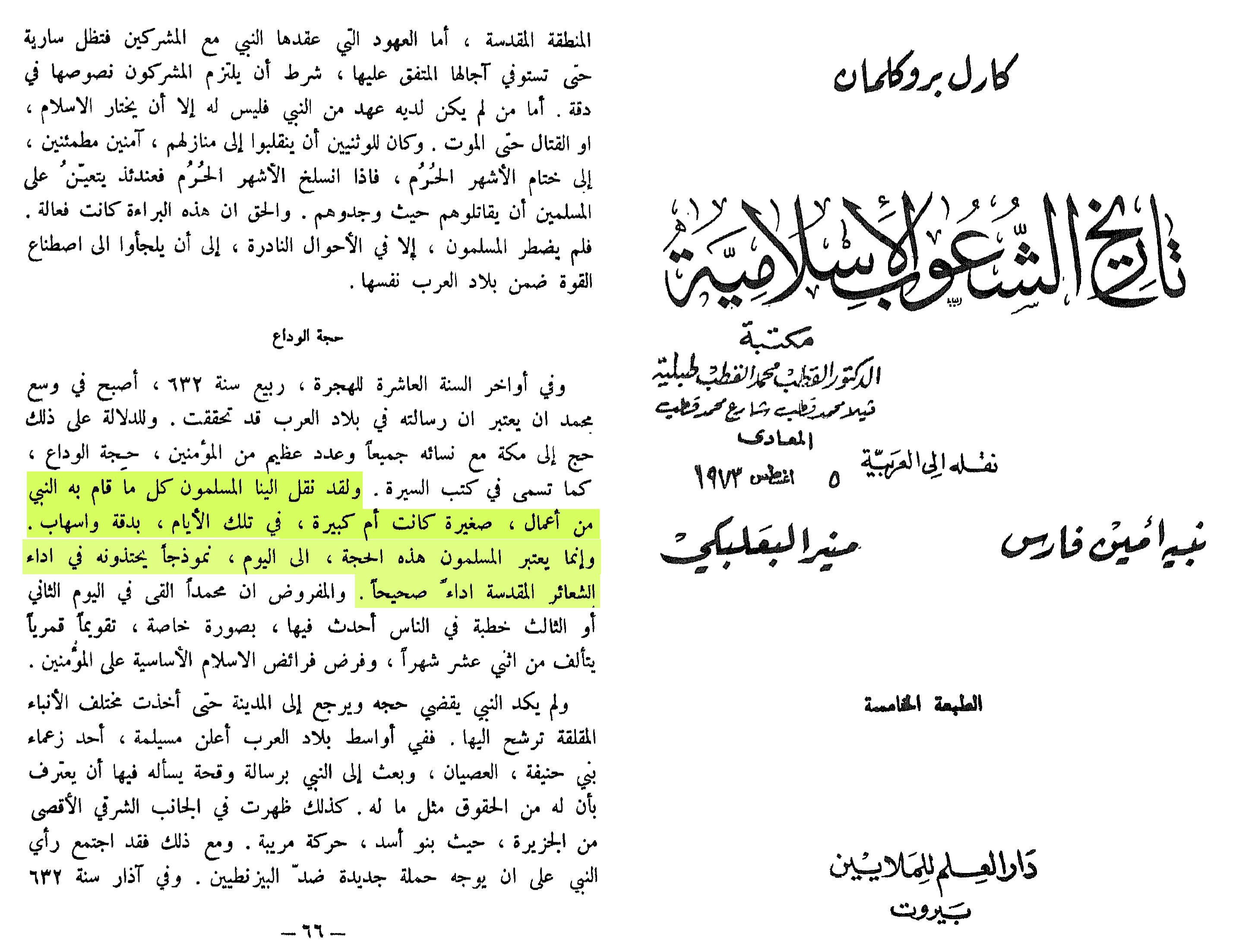
Carl Brockelmann — The Rise and Decline of Islamism, passage on the meticulous documentation of the Farewell Pilgrimage
Carl Brockelmann — The Rise and Decline of Islamism The highlighted text says that Muslims preserved very detailed records of the Prophet’s ﷺ actions during the Farewell Pilgrimage. It argues that even small details from those days were recorded carefully, making the Farewell Pilgrimage one of the best-documented events in early Islamic history.
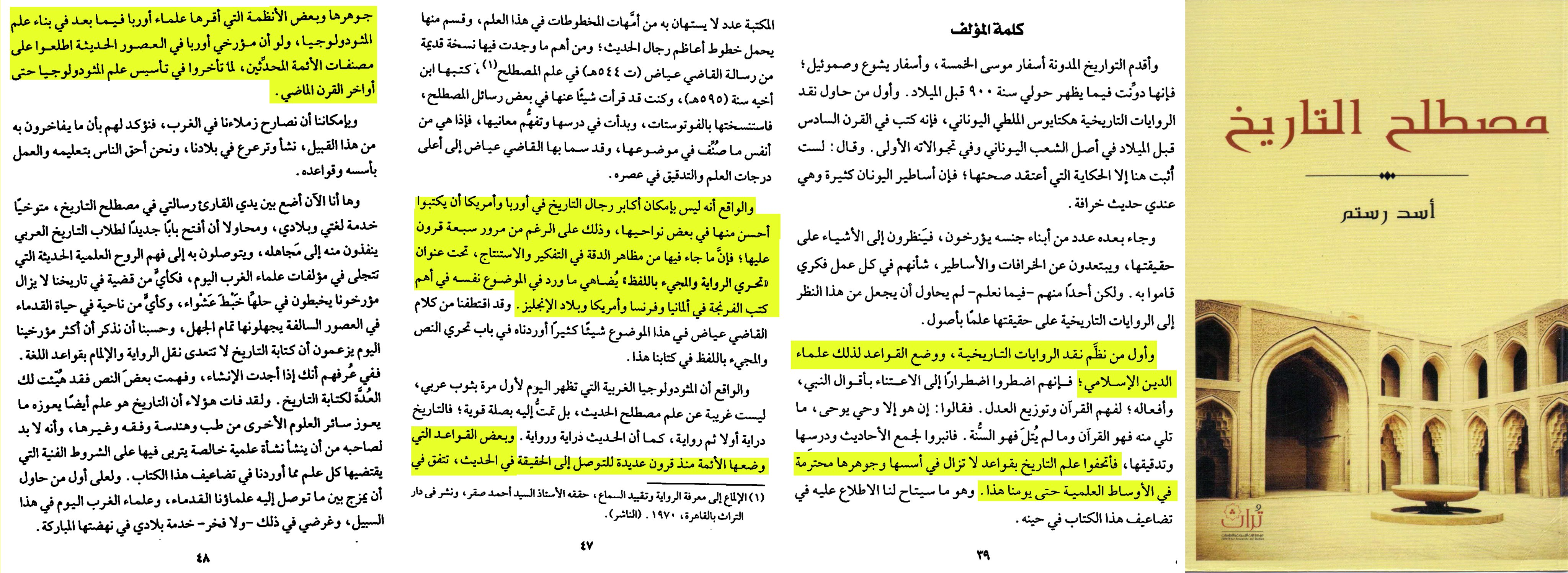
Asad Rustum — Terminology of History, passage on Muslim scholars developing historical verification methods centuries before Europe
Asad Rustum — Terminology of History The highlighted passage says that Muslim scholars created rules for criticizing and verifying historical reports centuries before Europe developed similar methods. It also says that European historians later built historical methodology on principles that Muslim scholars had already established in hadith criticism and source verification.
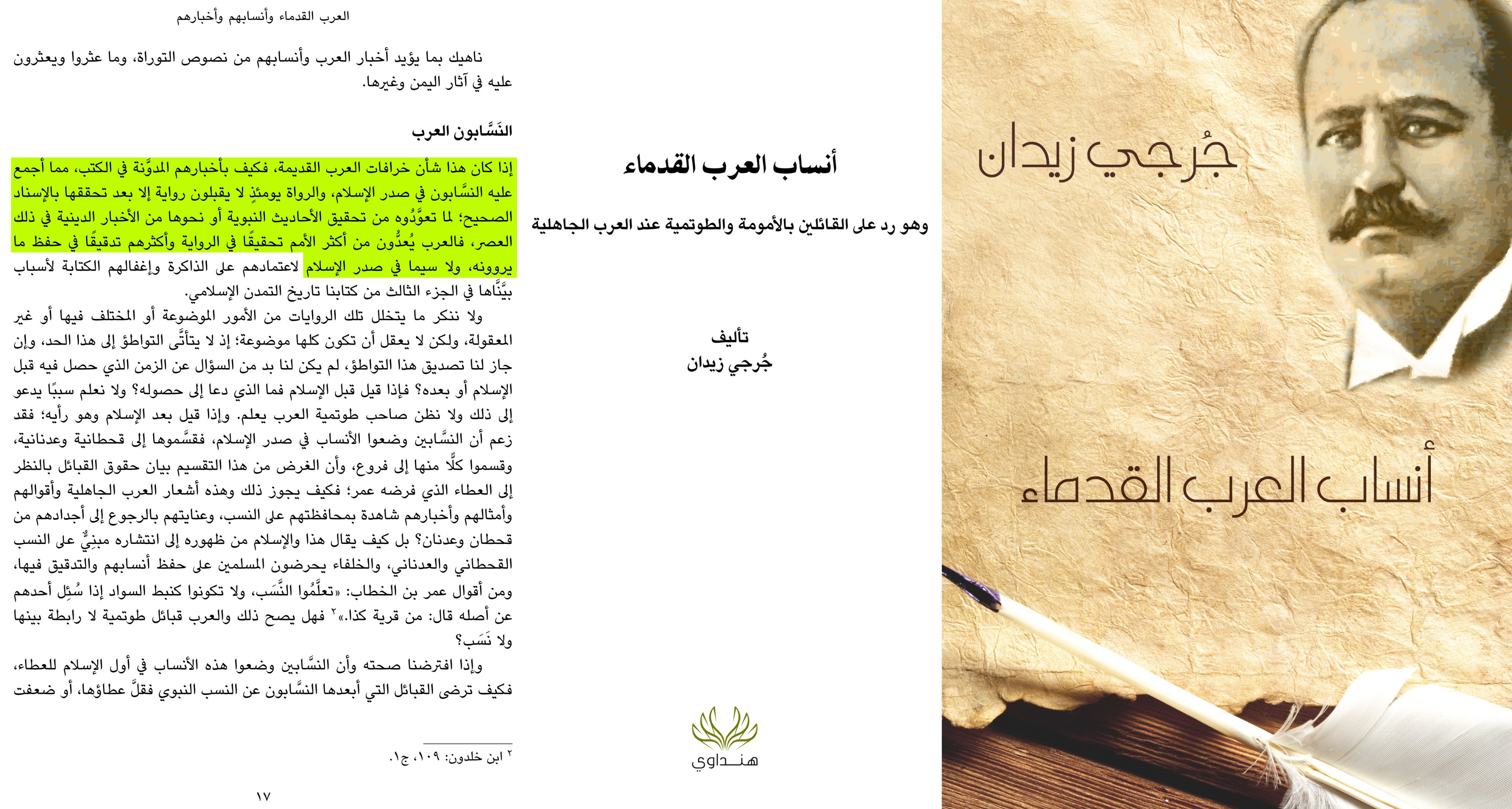
Jurji Zaydan — Genealogies of the Ancient Arabs, passage on early Muslims' superior accuracy in preserving Arab genealogies
Jurji Zaydan — Genealogies of the Ancient Arabs The highlighted text says that early Muslims were very careful in preserving Arab genealogies and would not accept reports without verification. It argues that Muslim scholars preserved lineages with greater accuracy than many other ancient peoples because of their attention to transmission and documentation.
Egyptology: Muslims as the First Decipherers
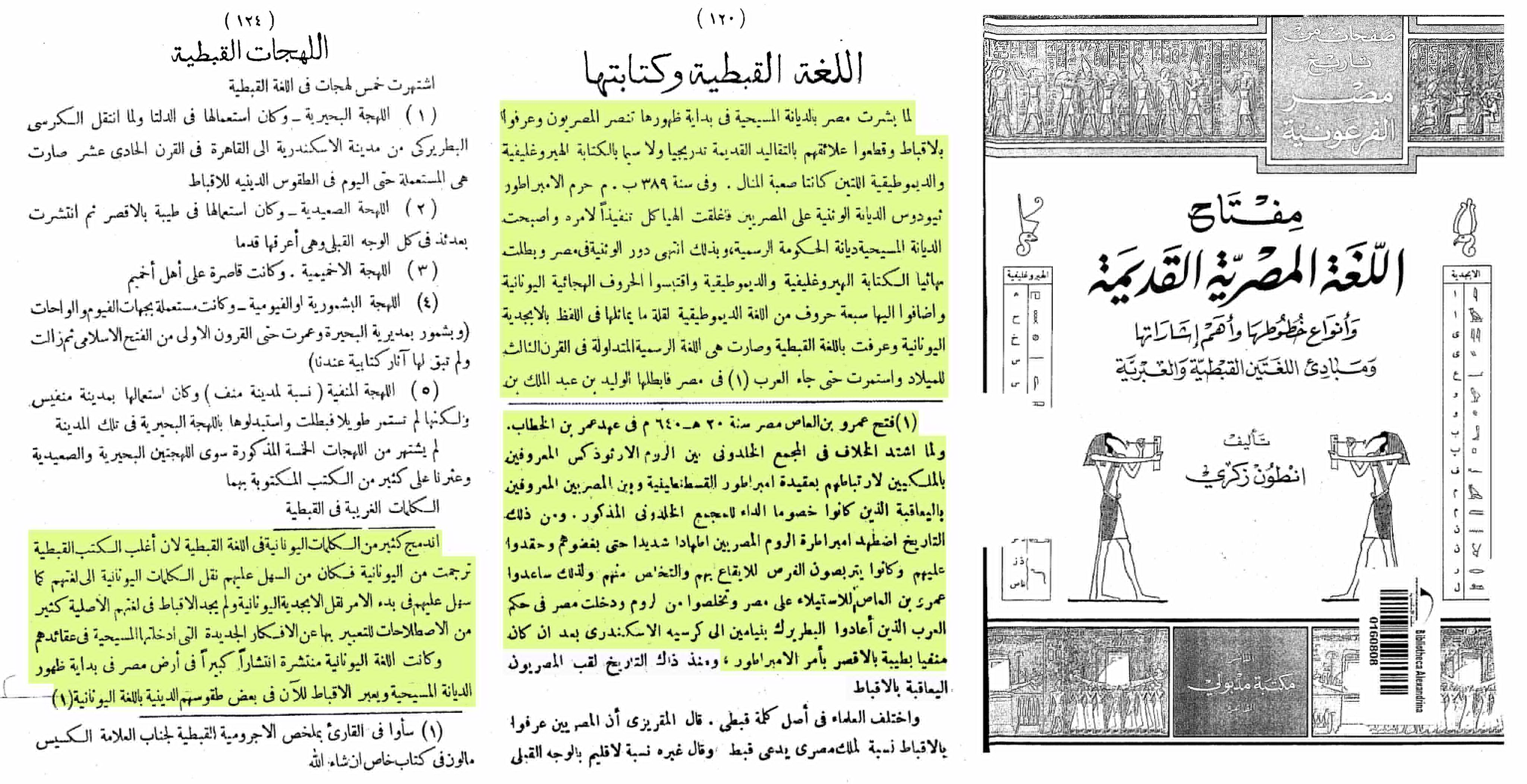
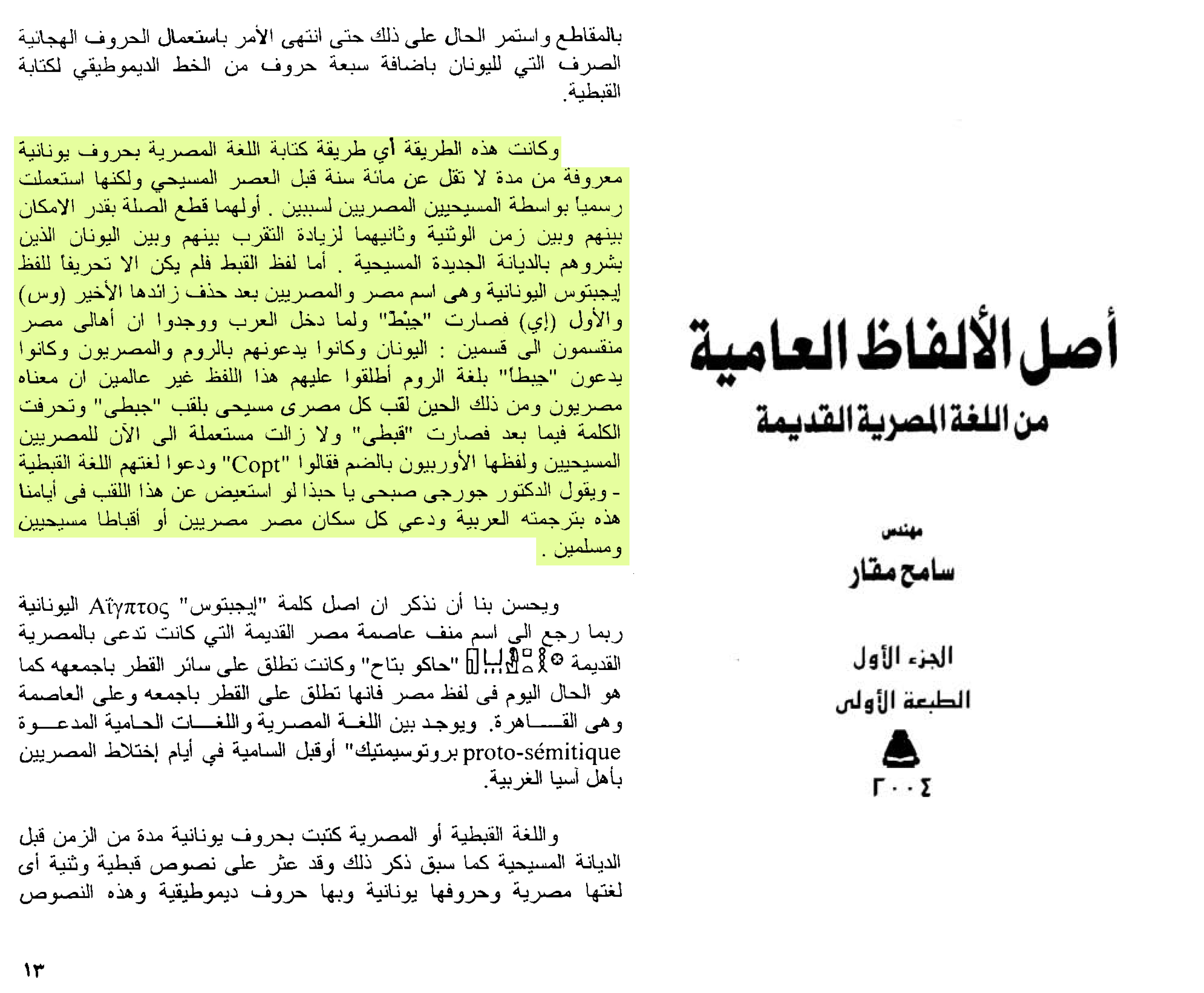
The ancient Egyptians enjoyed a rich civilization whose knowledge passed to the Greeks. When Christianity became the religion of the Roman Empire and rejected science and civilization, all sciences were neglected — and even the use of hieroglyphic letters was forbidden — leading to the loss of Egypt’s heritage. The first to attempt to decode hieroglyphic symbols were Muslim scholars, not European Egyptologists.
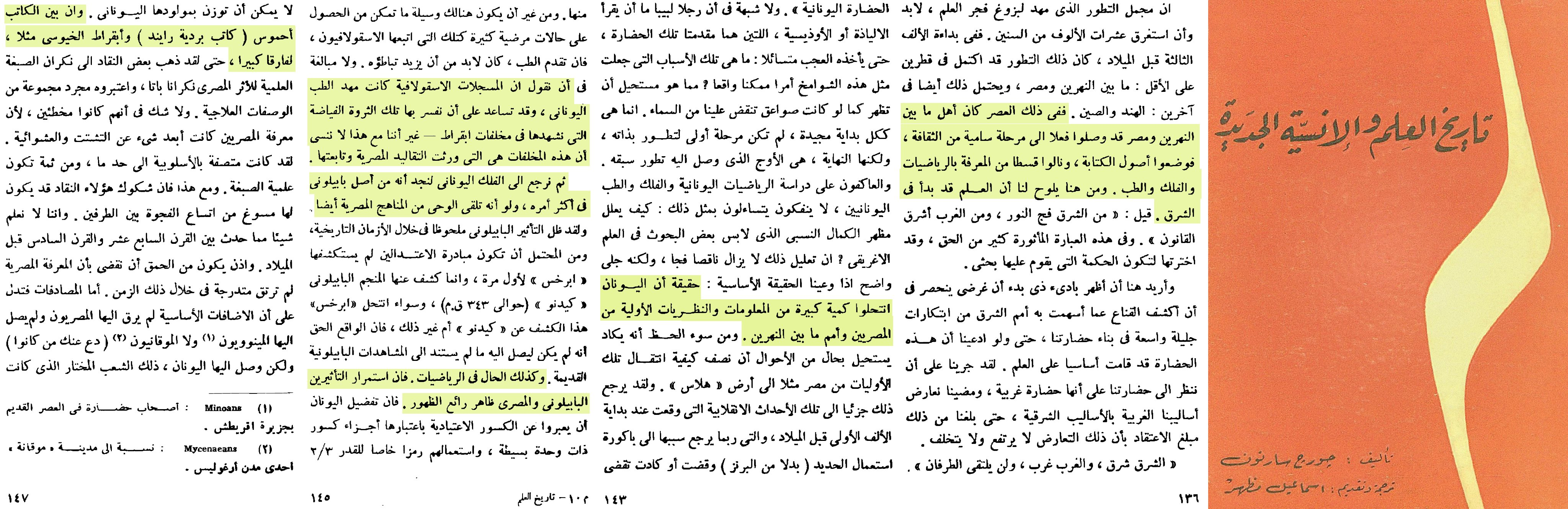
Mustafa Nazmi — History of Human Sciences, passage on Egypt and Mesopotamia predating Greece in mathematics, astronomy, medicine, and philosophy
Mustafa Nazmi — History of Human Sciences The highlighted passage says that both Mesopotamia and Egypt reached advanced levels of culture long before Greece. It argues that the Greeks inherited much of their mathematics, astronomy, medicine, and philosophy from earlier Eastern civilizations, especially Egypt and Babylon.
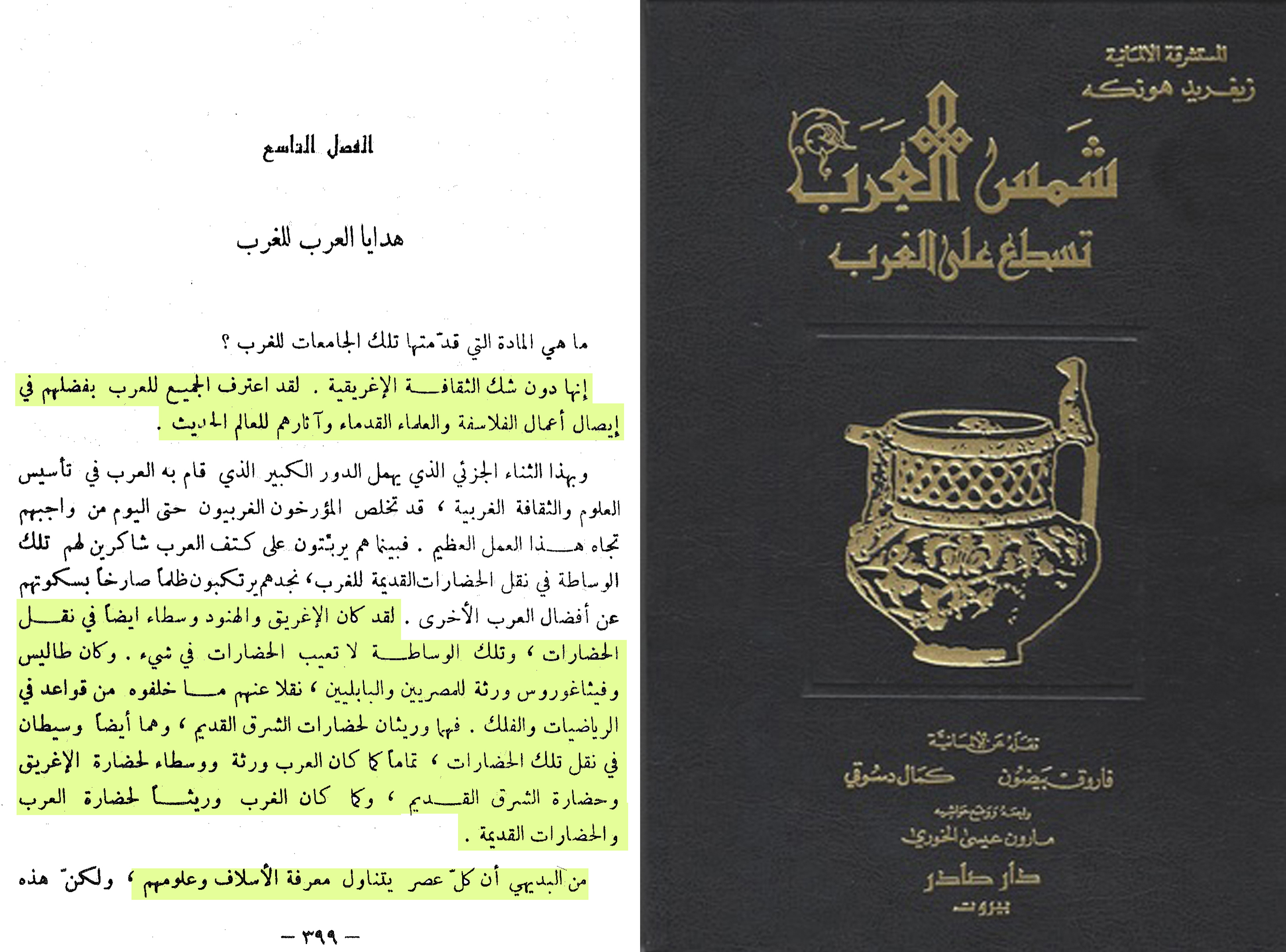
Sigrid Hunke — The Sun of the Arabs Shines on the West, passage on Arab civilization as a bridge between ancient civilizations and Europe
Sigrid Hunke — The Sun of the Arabs Shines on the West The highlighted text says that Arab civilization acted as a bridge between ancient civilizations and Europe. It states that the Arabs transmitted the knowledge of Greek philosophers and scientists to the West, while also preserving and adding to the heritage of Egypt, Mesopotamia, Persia, and India.
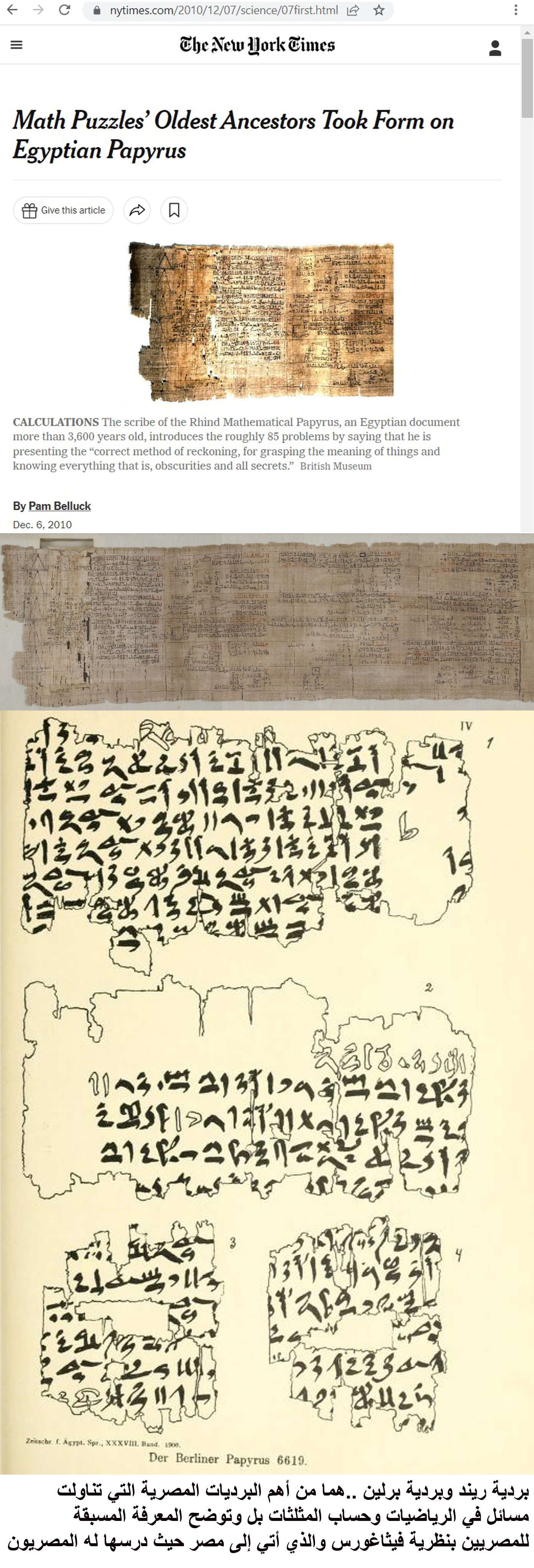
The Rhind Mathematical Papyrus — evidence of advanced mathematics in ancient Egypt centuries before Greece
The Rhind Mathematical Papyrus The highlighted material says that advanced mathematics existed in ancient Egypt long before Greece. It notes that Egyptians used numerical calculations, fractions, geometry, and mathematical symbols centuries before later Greek developments.
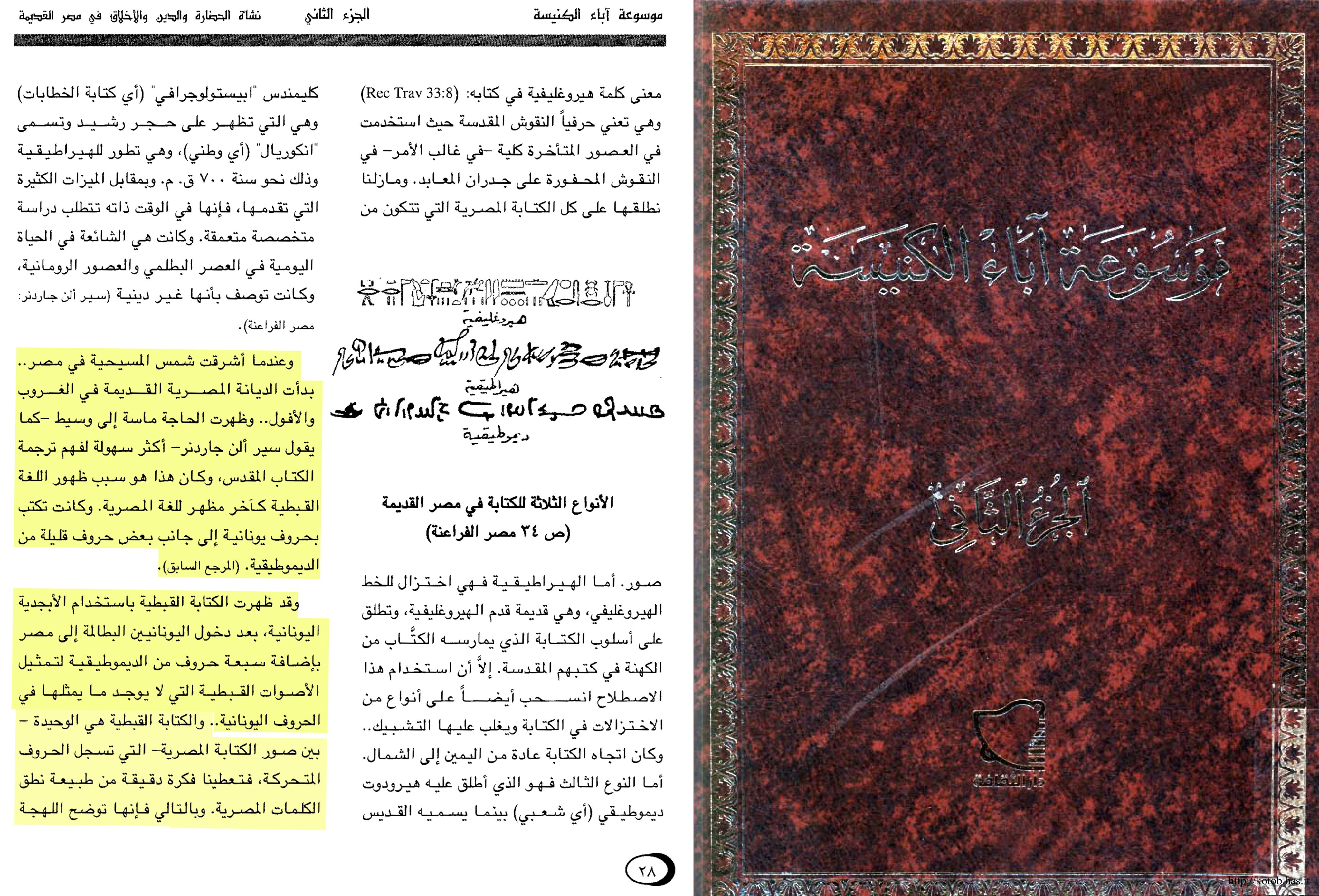
Treasures of the Church Fathers — passage on how the spread of Christianity caused the decline of ancient Egyptian writing systems
Treasures of the Church Fathers: Civilization, Religion and Ethics in Ancient Egypt The highlighted passage says that when Christianity spread in Egypt, the ancient Egyptian language began to disappear. It explains that the Coptic alphabet was created using Greek letters with a few Demotic additions, and that this shift contributed to the decline of older Egyptian writing systems.
Hieroglyphics: Muslims Preceded Champollion
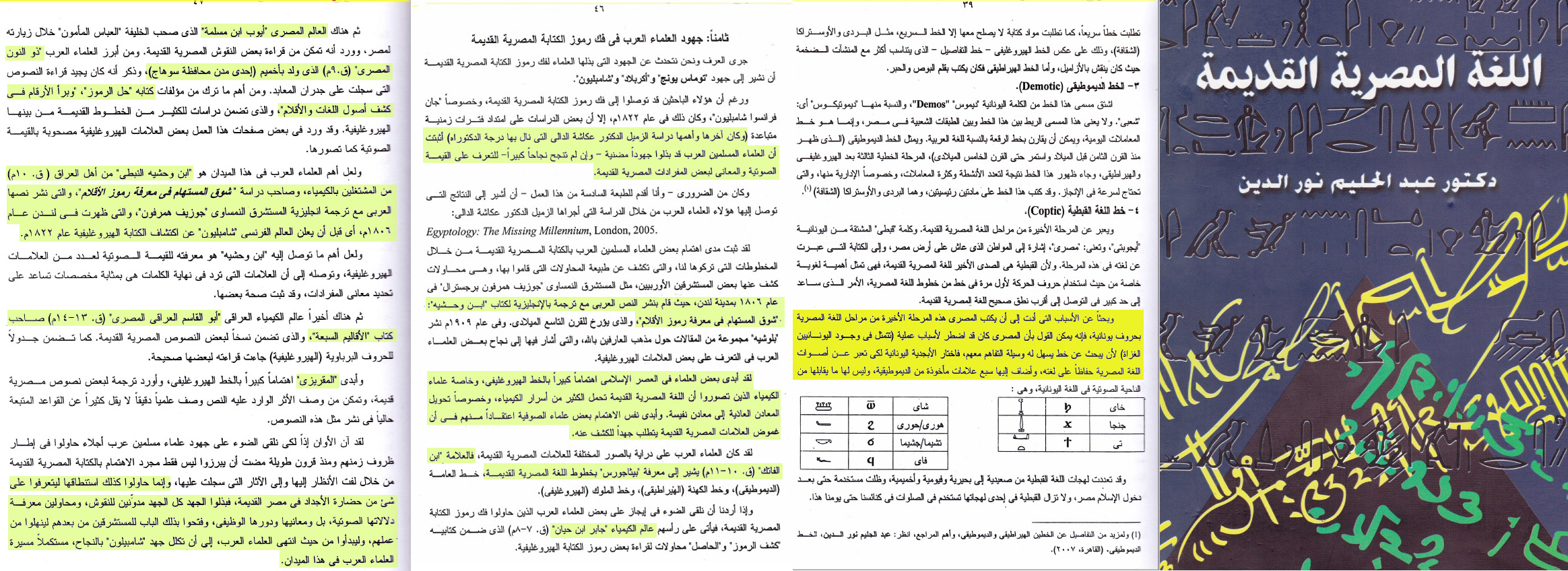
Today’s Christians attempt to claim the civilization of the ancient Egyptians as part of their heritage — even though the instrument of that civilization’s destruction was the Christian religion itself, which worked to destroy Egypt’s monuments, replaced Egyptian letters with the letters of the Greek conquerors, rejected the religion of the ancients, and embraced the language of the Bible. The Muslim scholars preceded Champollion in decoding hieroglyphics by nine centuries.
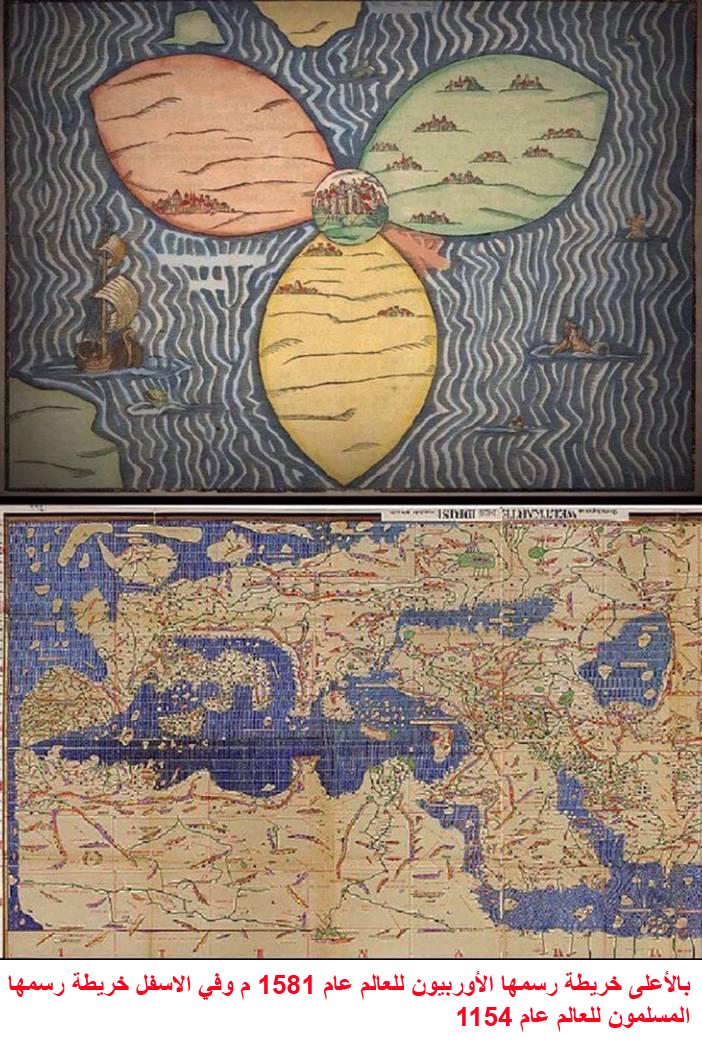
Source on Christian destruction of Egyptian monuments and the imposition of Greek over Egyptian script
The passage above documents the deliberate displacement of Egyptian script by the conquering Greek alphabet under Christian Roman authority.
Source on Muslim scholars' early attempts to decode hieroglyphic symbols
The source material above records the first systematic Muslim efforts to decode the hieroglyphic writing system.
Further source on Muslim decipherment of hieroglyphics predating Champollion's 1822 work
The documentation continues, establishing the priority of Muslim scholars in hieroglyphic decipherment.
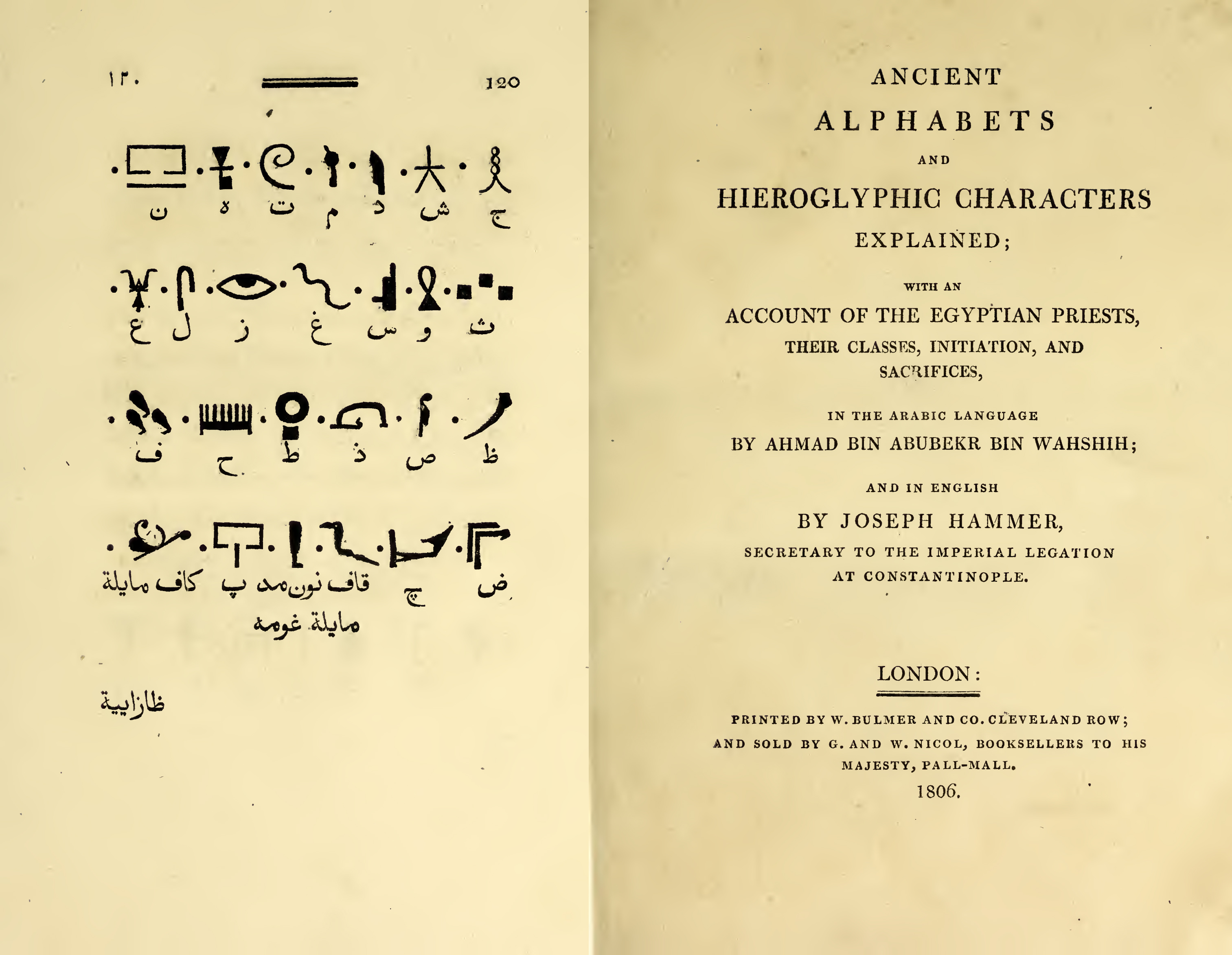
Additional source — the 10th-century Muslim hieroglyphic work printed in London in 1806
Ahmad Ibn Wahshiyya
Aḥmad ibn Wahshiyya authored the book Shawq al-Mustahām fī Maʿrifat Rumūz al-Aqlām — printed in London in 1806 — in which he decoded more than half of the hieroglyphic alphabet. This work dates to the tenth century: nine centuries before Champollion’s celebrated decipherment.
Islamic civilization was not incidental to the history of science — it was its engine. From the experimental method to algebra, from hospitals to universities, from hadith criticism to Egyptology, the Muslim world built the foundations upon which modern knowledge rests. Western historians, secular scholars, atheist philosophers, and even the institutions of NASA and the Library of Congress have confirmed what Islamic theology always demanded: that knowledge is worship, and that the created world is a book to be read.