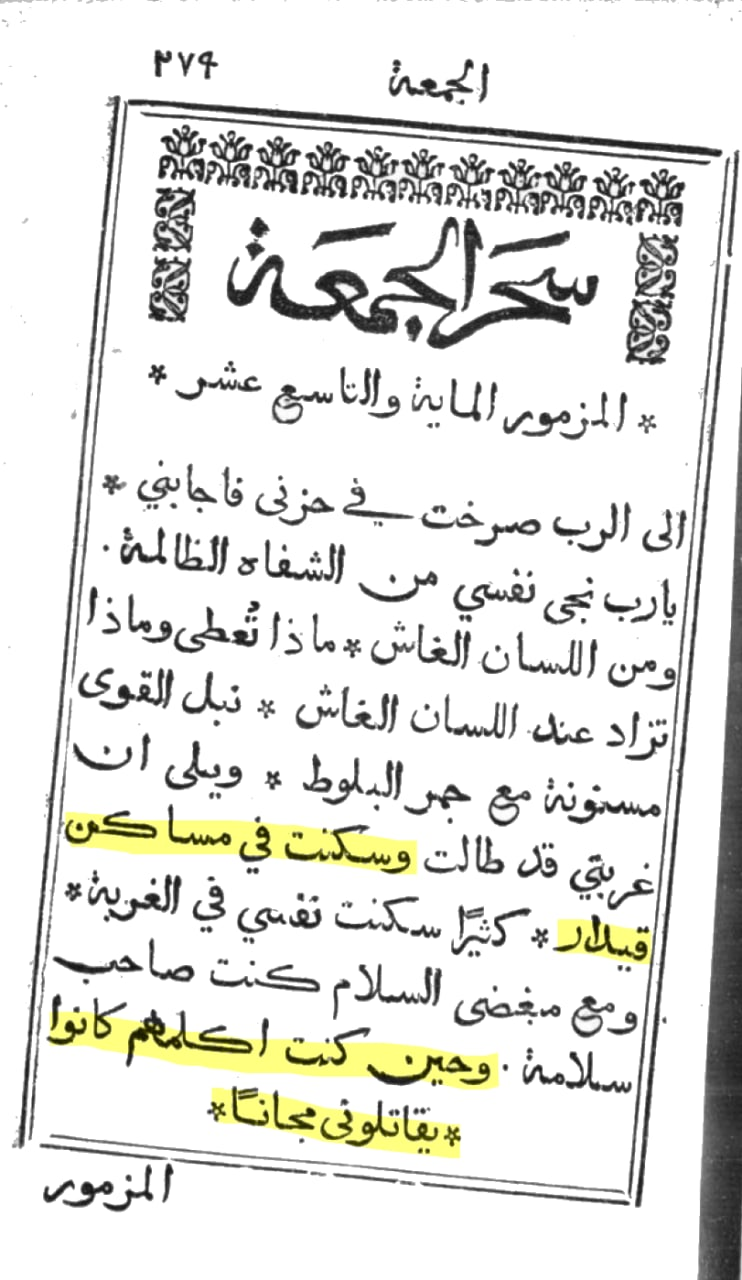
Psalm 120 in the Tents of Kedar and the Meccan Persecution
Psalm 120, Kedar, and the Meccan Persecution Before the Hijrah
Primary Source: J. J. L. Bargès (1861)
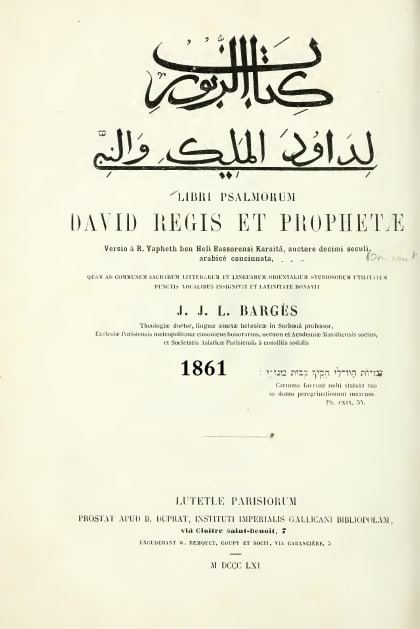
David Regis et Prophetae
Edited by J. J. L. Bargès, 1861.
Arabic-Latin Psalms witness preserving Kedar:
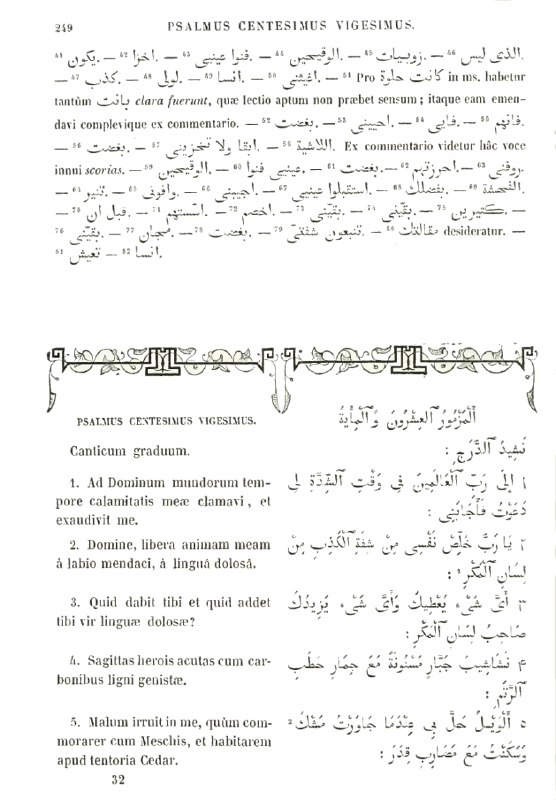
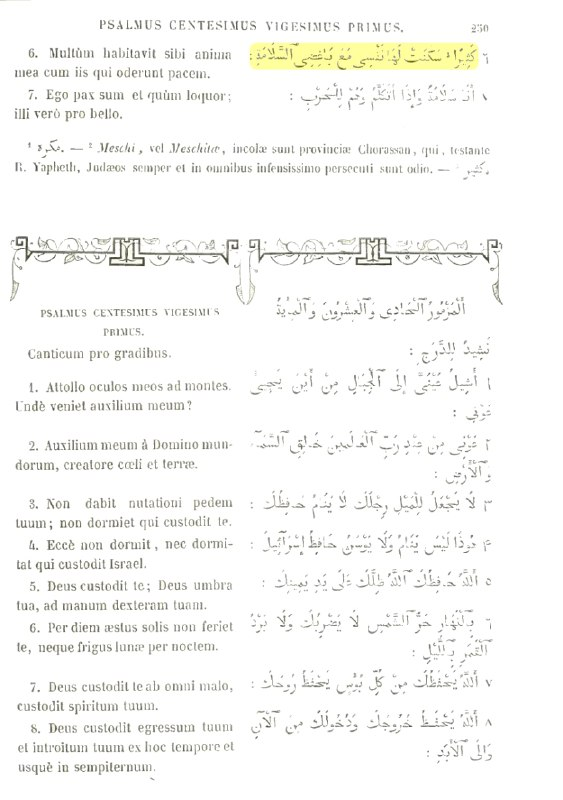
Psalm 120 preserves:
“Woe is me, that I sojourn long… and dwell in the tents of Kedar.”
The argument made is that Kedar refers to the Arabs—specifically associated with Quraysh—rather than an abstract distant people.
The Aramaic Targum
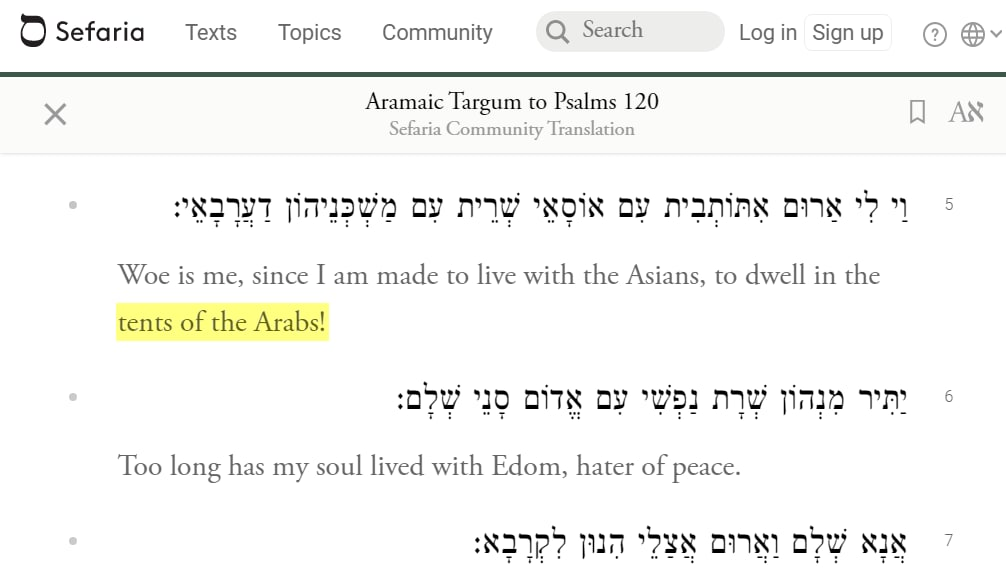
The Aramaic Targum to Psalms 120 replaces Kedar with:
“The tents of the Arabs.”
Source:
https://www.sefaria.org/Aramaic_Targum_to_Psalms.120.6?lang=bi
Significance
This is used as evidence that ancient Jewish interpretive tradition understood Kedar ethnically as the Arabs, not merely symbolically.
Basilian Church Psalter (1871)
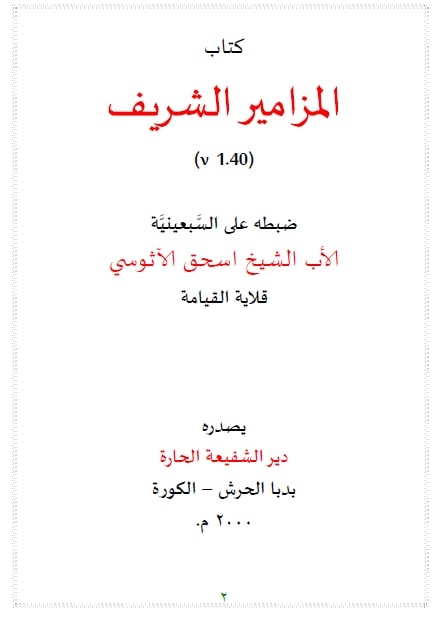
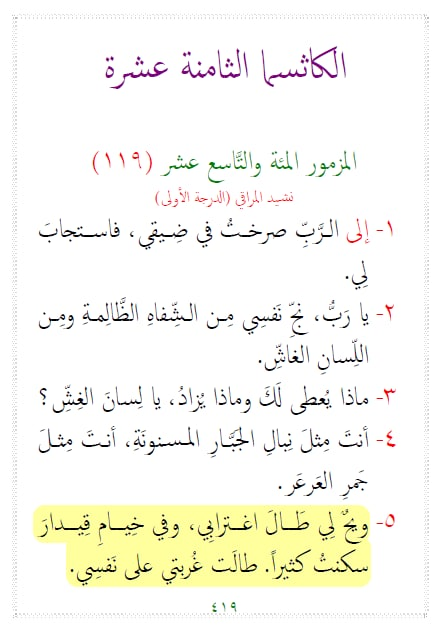
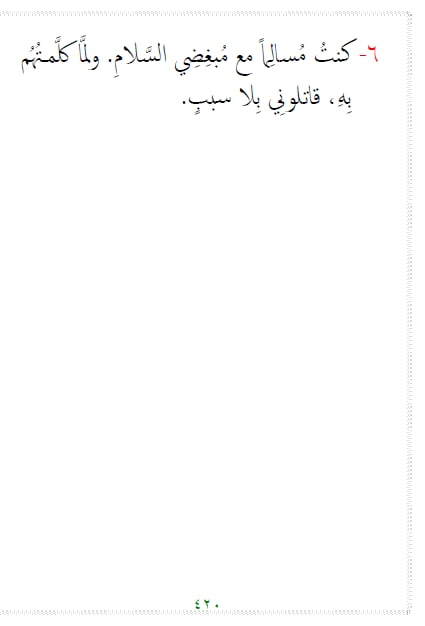
Arabic Christian Psalter witness:
سكنت في مساكن قيدار
”I dwelt in the dwellings/tents of Kedar.”
This is cited as another witness preserving the Arabian identification.
On “Meshak” (משך)
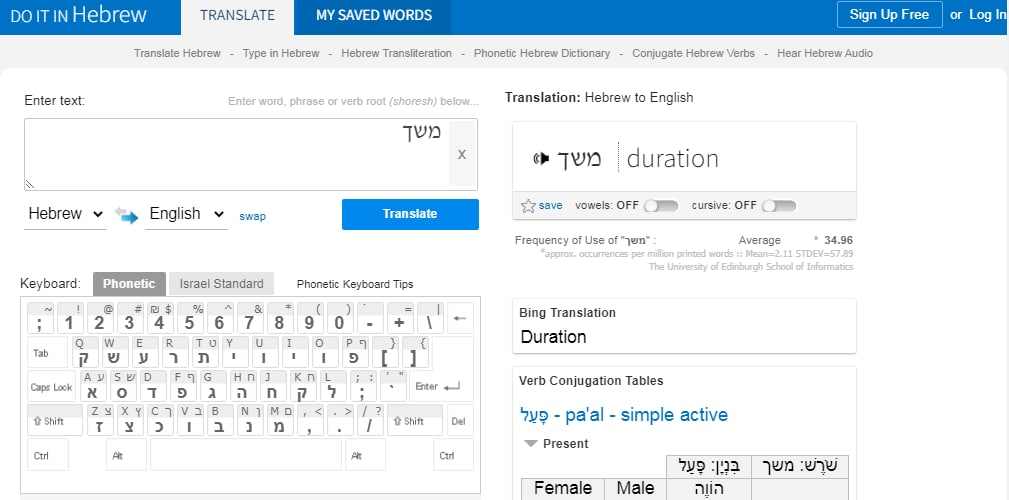
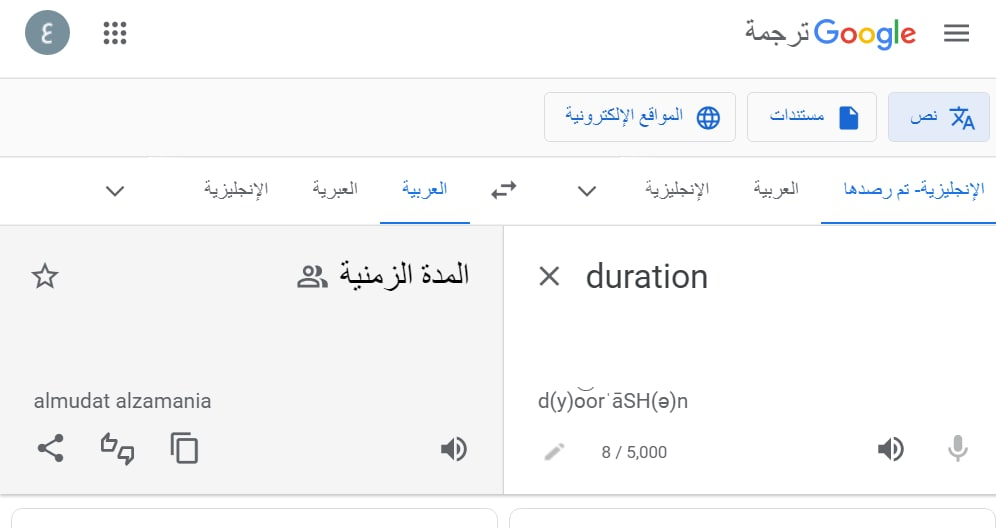
Thus verse 5 may be read:
- Not: “I dwell in Meshech…”
- But: “Long have I dwelt…”
Argument
- Ancient Hebrew originally lacked vowel markings.
- Masoretic vocalization came much later.
- Removing vocalization permits the “duration” reading.
This is central to the claim that the passage concerns prolonged persecution, not geographic exile.
Reading Psalm 120 as Meccan Persecution
The Psalm is interpreted as describing:
- Long oppression in Mecca
- Dwelling among Quraysh (Kedar)
- Peaceful believers opposed by aggressors
- The pre-Hijrah condition of Muslims
Relevant lines:
“Long has my soul dwelt…"
"Among the tents of Kedar…"
"I am for peace, but when I speak, they are for war.”
These are read as fitting the condition of early Muslims before migration.
On Maimonides’ Interpretation
Maimonides, in his letter to Yemen, applied the Psalm to Jewish suffering under Muslim rule.
He cites:
“Woe is me that I dwell with Meshach and among the tents of Kedar.”
Counter-Argument
The objection raised against Maimonides’ use is:
If Kedar refers to Quraysh/Arabs and the verse says:
“to dwell in the tents of Kedar”
did Jews literally dwell among the tents of Mecca?
Thus the argument is made that the Psalm is not naturally about Muslims persecuting Jews, but rather Muslims suffering among Quraysh before the Hijrah.
Summary Argument
The cumulative argument rests on:
- Kedar understood as Arabs / Quraysh
- Targum explicitly says “Arabs”
- Meshak read as prolonged duration
- Psalmic language parallels Meccan persecution
Additional Witness