A common polemical claim states: “Islamic civilization did not truly produce science. The famous scientists were either atheists, heretics, or persecuted by religion.” This claim is historically weak because it confuses theological criticism with hostility to science.
The question is not whether some individuals were criticized by Muslim scholars. The real question is: were they criticized because of medicine, mathematics, chemistry, astronomy, and experimentation — or because of theological and philosophical errors?
Were These Scientists Atheists
The article argues that the figures usually cited were not atheists in the modern sense of denying God’s existence. Instead, many of them identified as Muslims, believed in God, accepted prophecy, wrote within an Islamic cultural environment, and were criticized because of specific doctrinal deviations.
PicsArt ٠١ ٢٨ ١٢.٢٢.٣٦
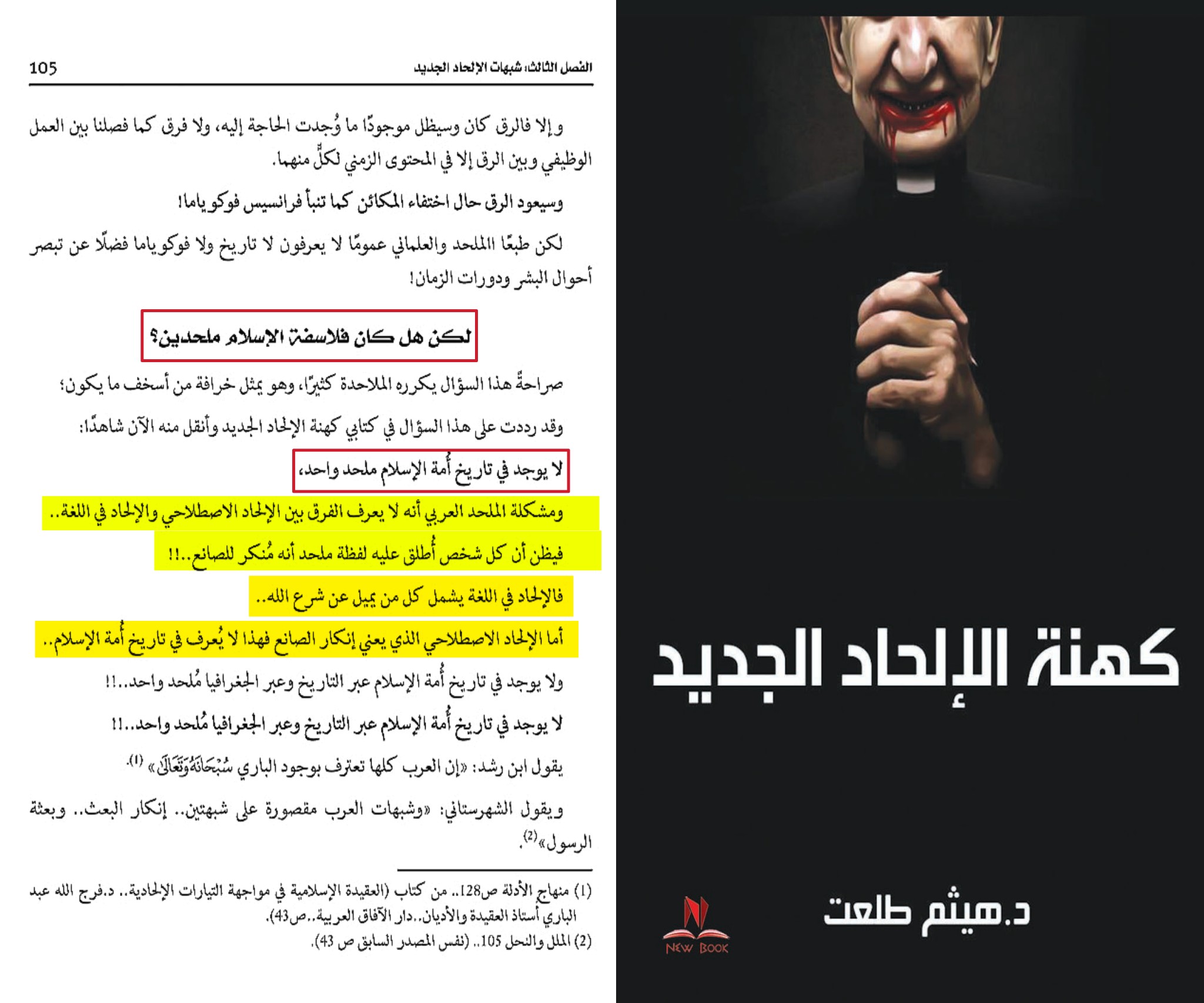
This image argues that several famous historical figures were wrongly presented as “atheists” in the modern sense. The Arabic term ilḥād historically can mean deviation from religious truth, not necessarily denial of the Creator.
PicsArt ٠١ ٢٨ ٠١.٤٤.٢٠
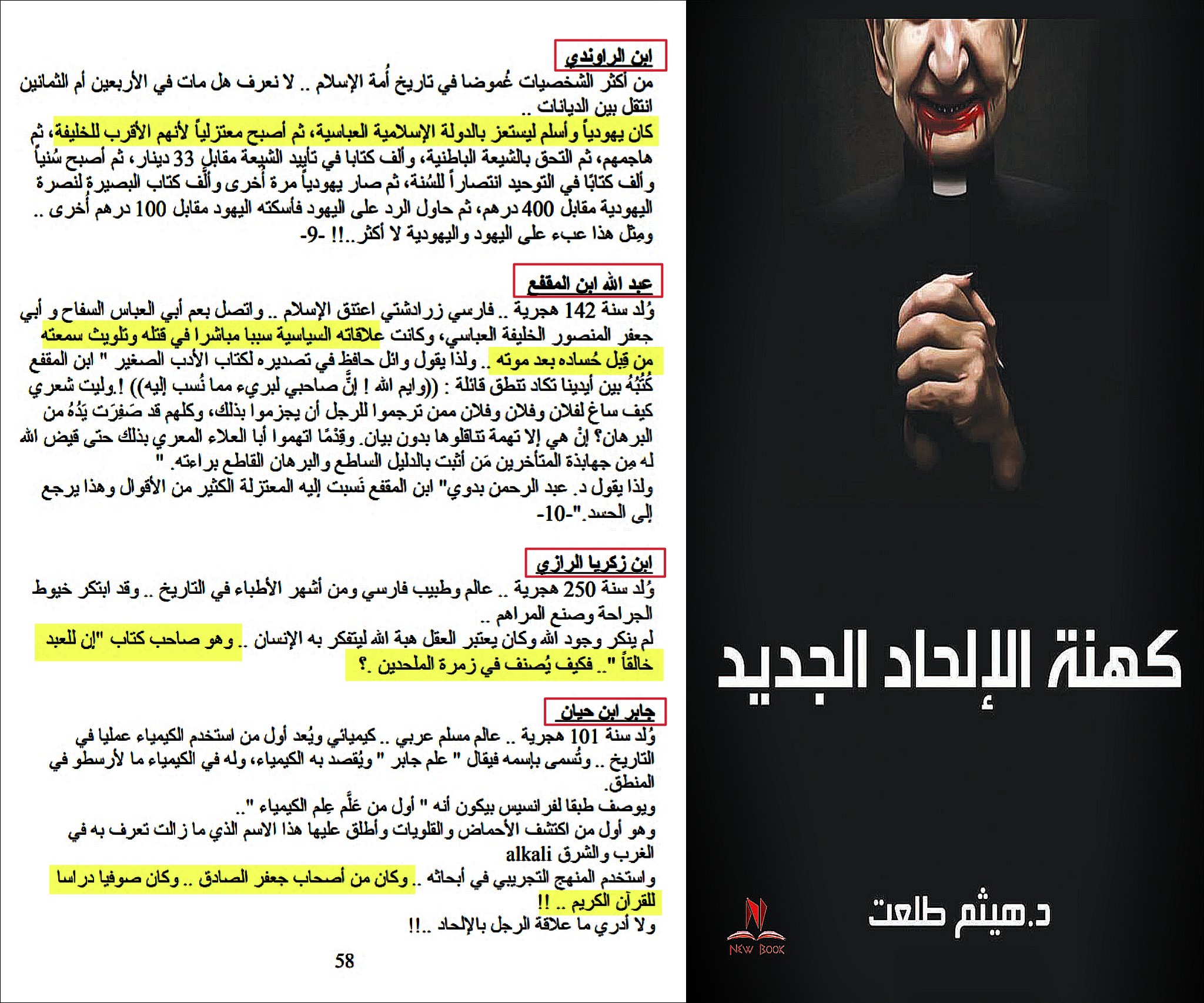
This scan lists figures such as Ibn al-Rāwandī, Ibn al-Muqaffaʿ, Ibn Zakariyyā al-Rāzī, and Jābir ibn Ḥayyān. Later polemicists sometimes exaggerate or distort accusations against these historical Muslim figures.
PicsArt ٠١ ٢٨ ٠٢.٣٤.٥٣
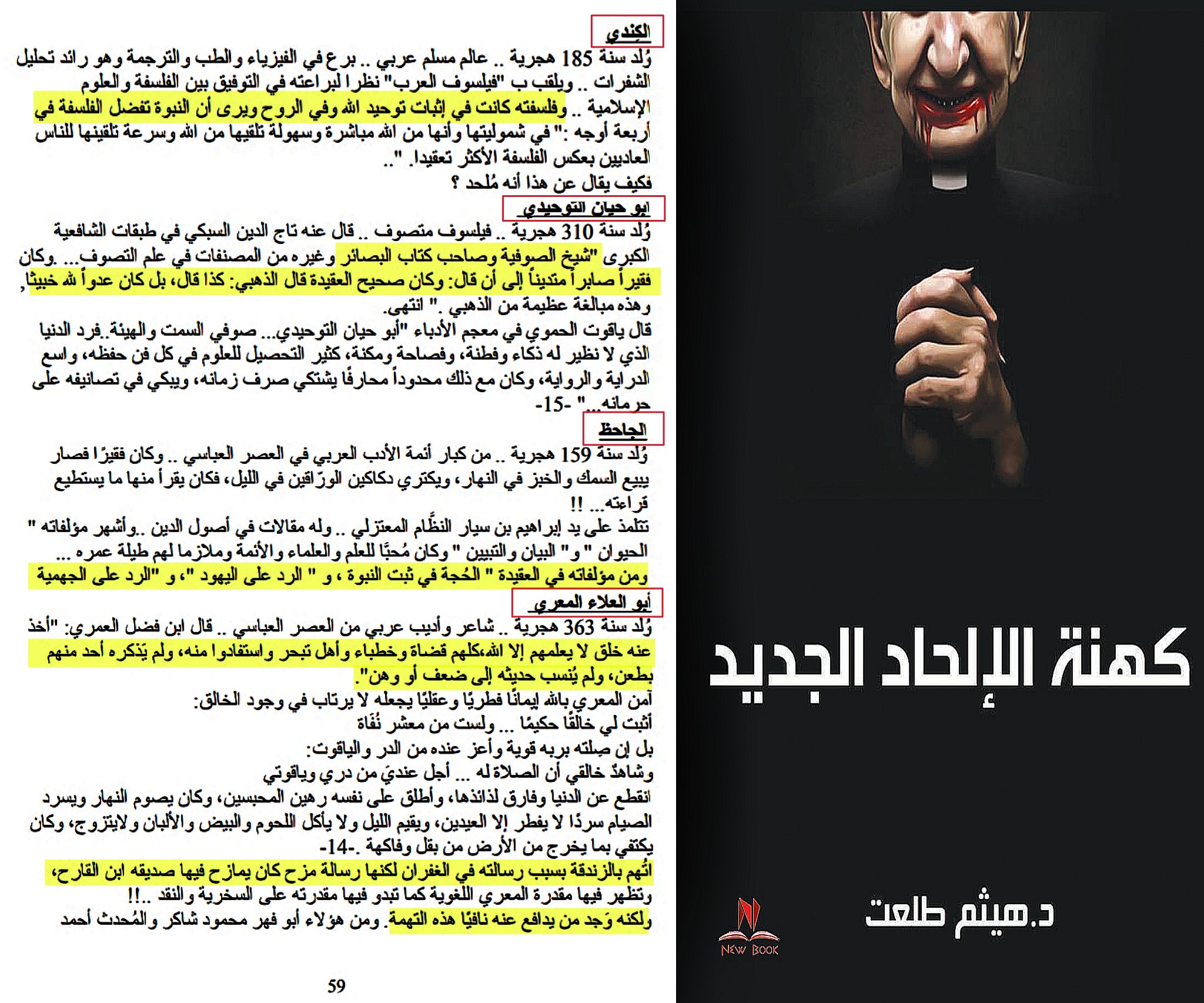
This image continues the list of controversial figures. These names are often grouped together carelessly, even though their cases differ historically, theologically, and intellectually.
PicsArt ٠١ ٢٨ ٠٣.١٠.٣٧
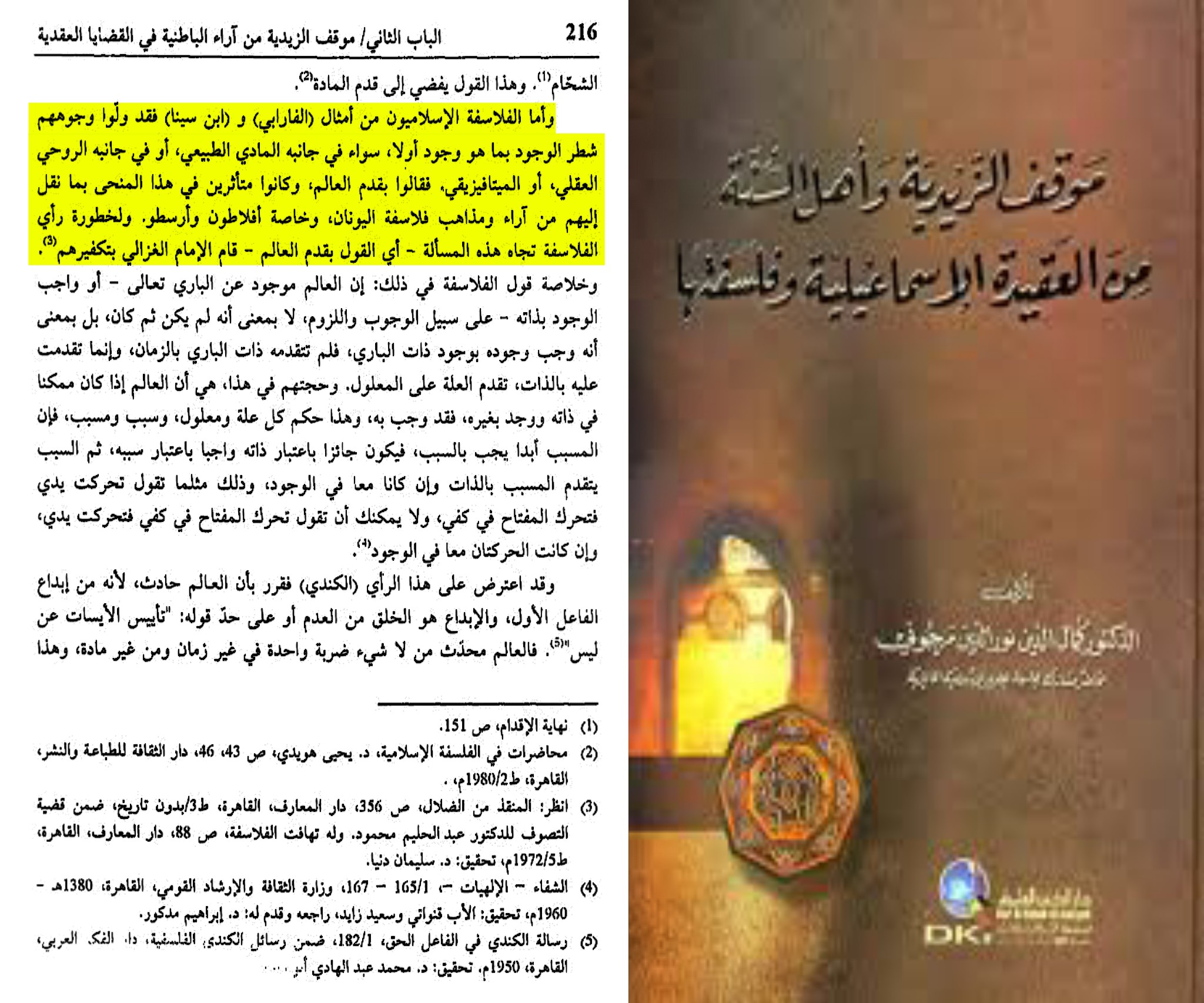
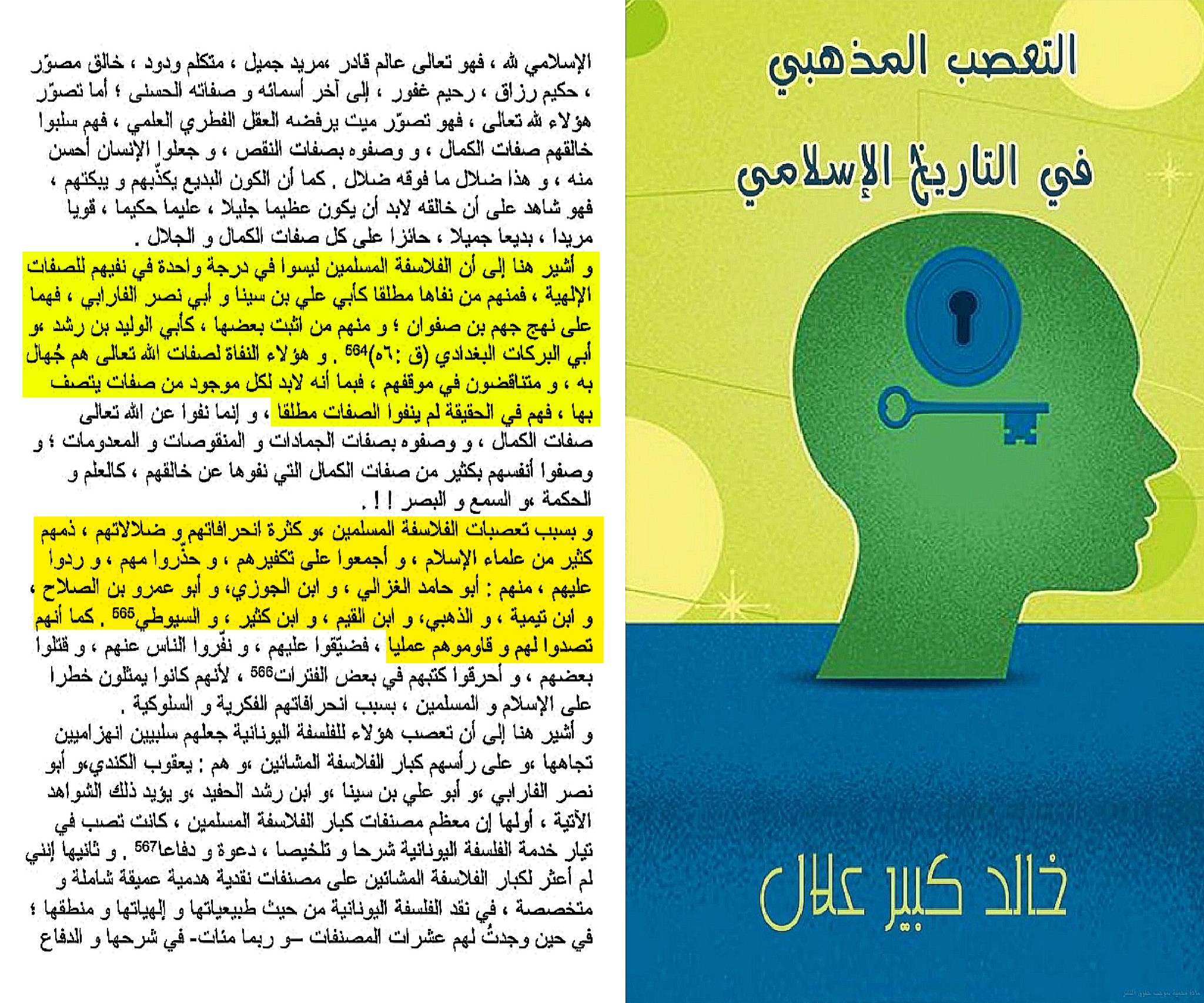
This image discusses philosophers such as al-Fārābī, Ibn Sīnā, Ibn Ṭufayl, and Ibn Rushd. Objections against them were mostly related to metaphysical doctrines, not to scientific disciplines.
Why Some Figures Were Criticized
Some scholars were criticized for beliefs such as the eternity of the universe, denial or reinterpretation of divine attributes, philosophical doctrines taken from Greek metaphysics, extreme esoteric or mystical claims, or practices associated with occultism, talismans, astrology, or magic.
The accusation was never “he studied medicine” or “he practiced mathematics.” The criticism was attached to creedal claims, not to ordinary empirical science.
Science Itself Was Not the Problem
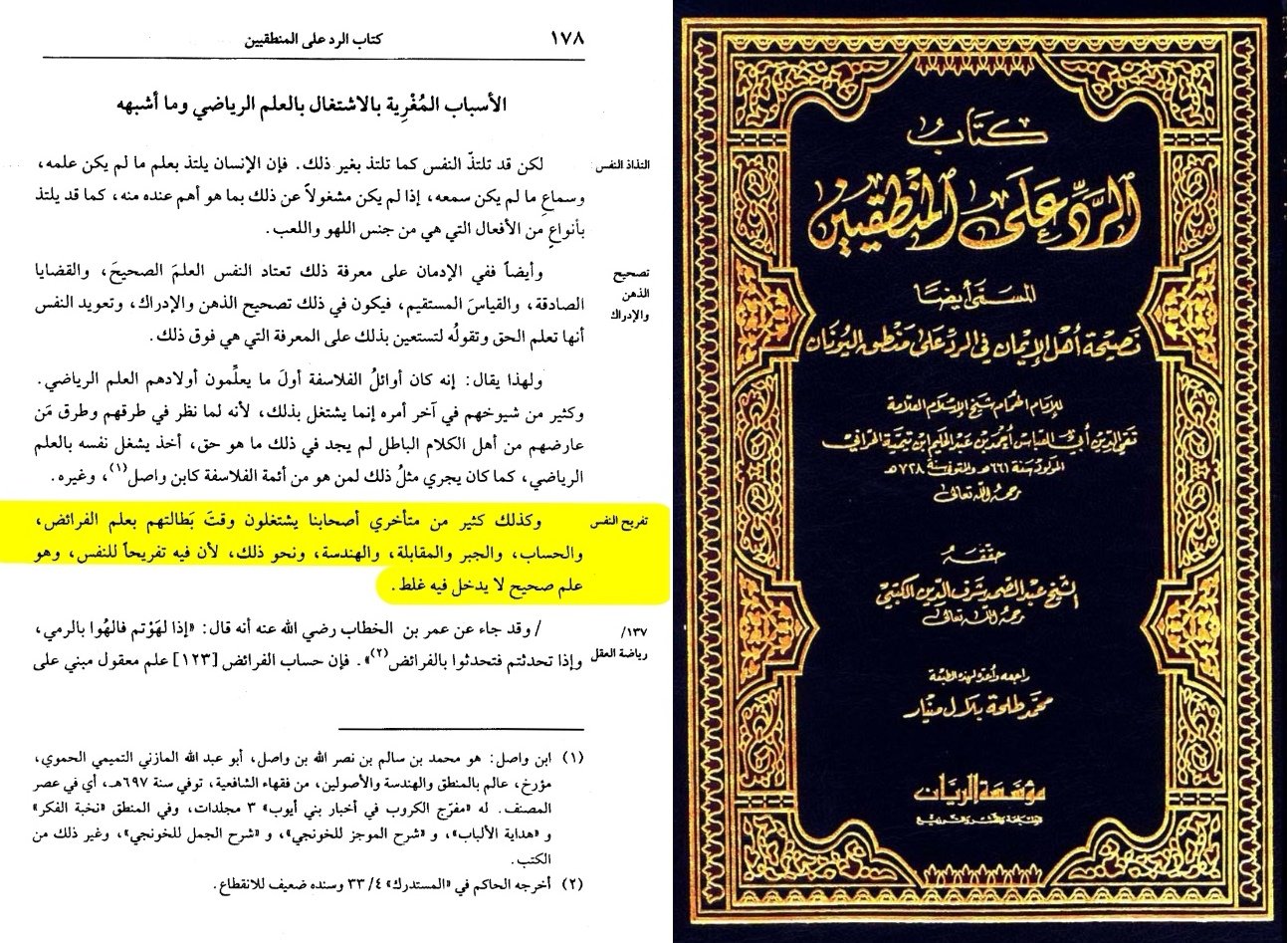
The article cites the example of Ibn Taymiyyah, who strongly criticized some philosophers but still accepted valid sciences such as mathematics, arithmetic, inheritance calculation, algebra, geometry, and similar disciplines.
PicsArt ٠١ ٢٧ ١١.٤٩.١٩
This scan shows that Muslim scholars who criticized certain philosophers did not therefore reject mathematics or rational calculation. This refutes the comparison between Islamic scholarship and the Church’s historical conflict with science.
If the issue was science itself, Muslim scholars would have condemned mathematics, medicine, engineering, and astronomy as disciplines. This did not happen. The distinction between theological criticism and hostility to empirical science is decisive.
Medicine and Islamic Scholarship
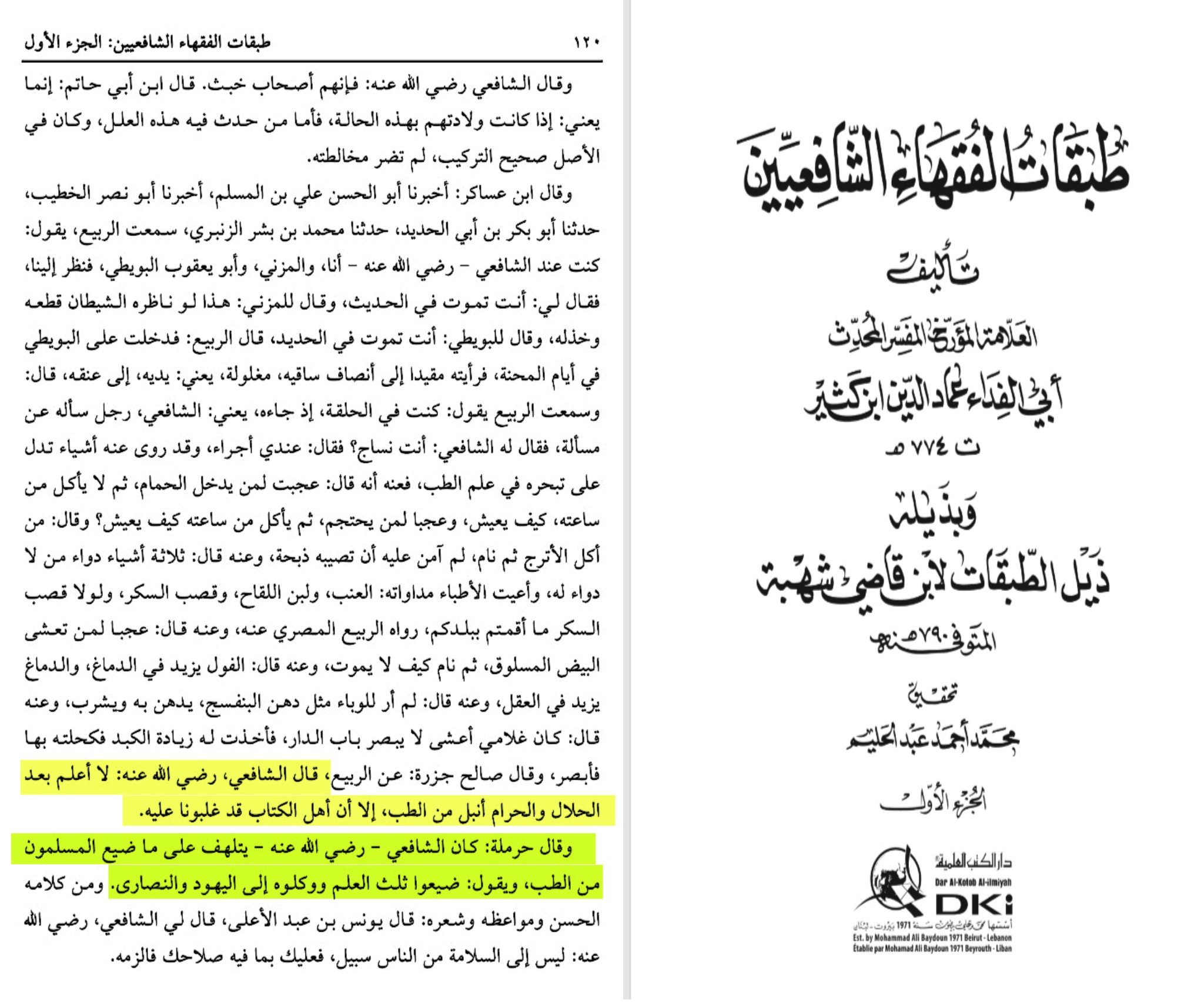
The article argues that medicine was respected by major Muslim scholars, citing statements attributed to scholars such as al-Shāfiʿī, al-ʿIzz ibn ʿAbd al-Salām, and others who viewed medicine as beneficial knowledge serving human welfare.
FCn75j XEAQc7jX
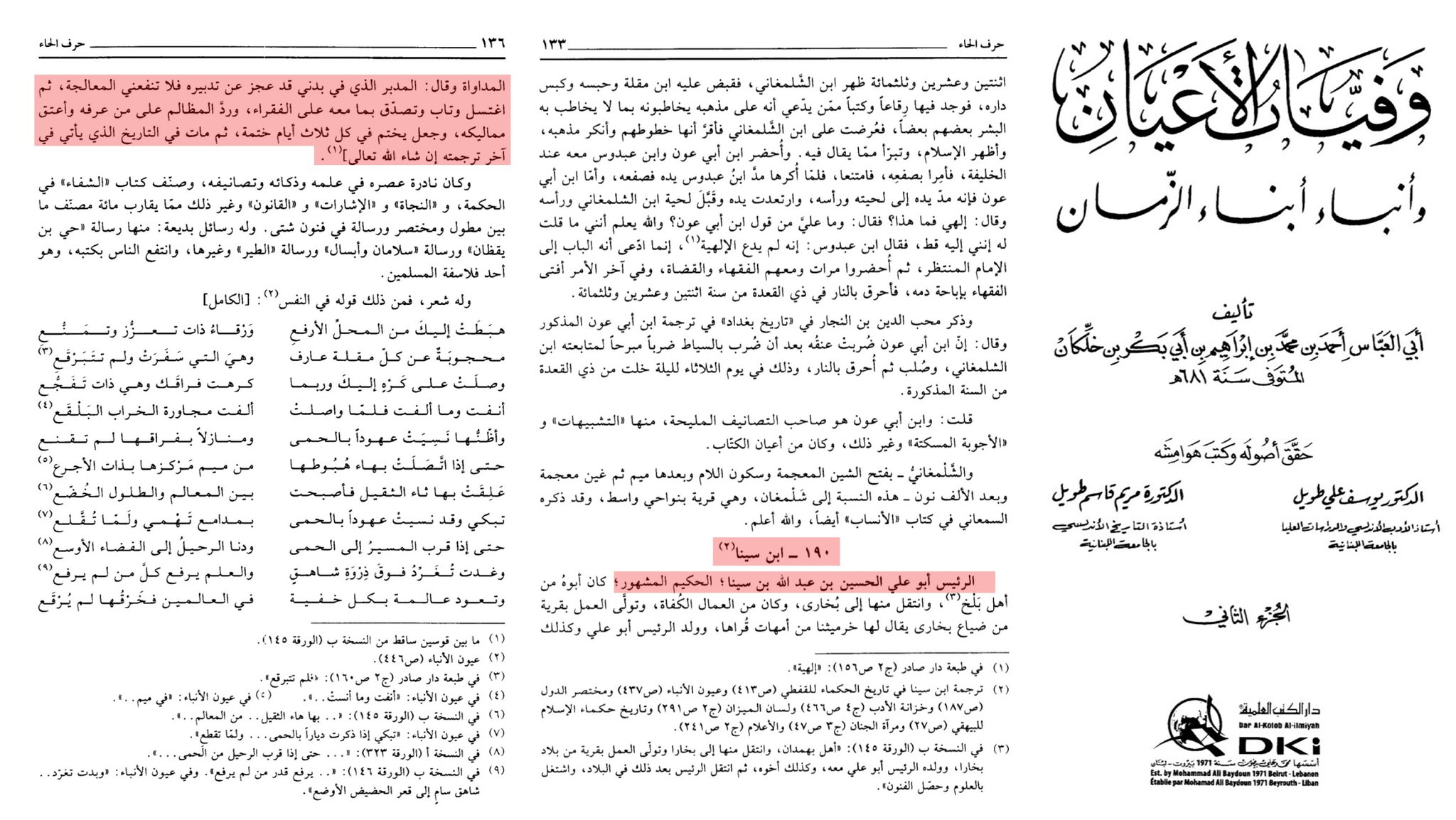
This scan is used to show that Ibn Sīnā’s medical expertise was not the reason for theological criticism. Muslim scholars could criticize someone’s creed while still recognizing the value of his medical knowledge.
FDxJaCcXEAA ul9
This source page supports the idea that medicine was viewed as a noble and beneficial science within Islamic scholarship.
Chemistry Alchemy and Jabir Ibn Hayyan
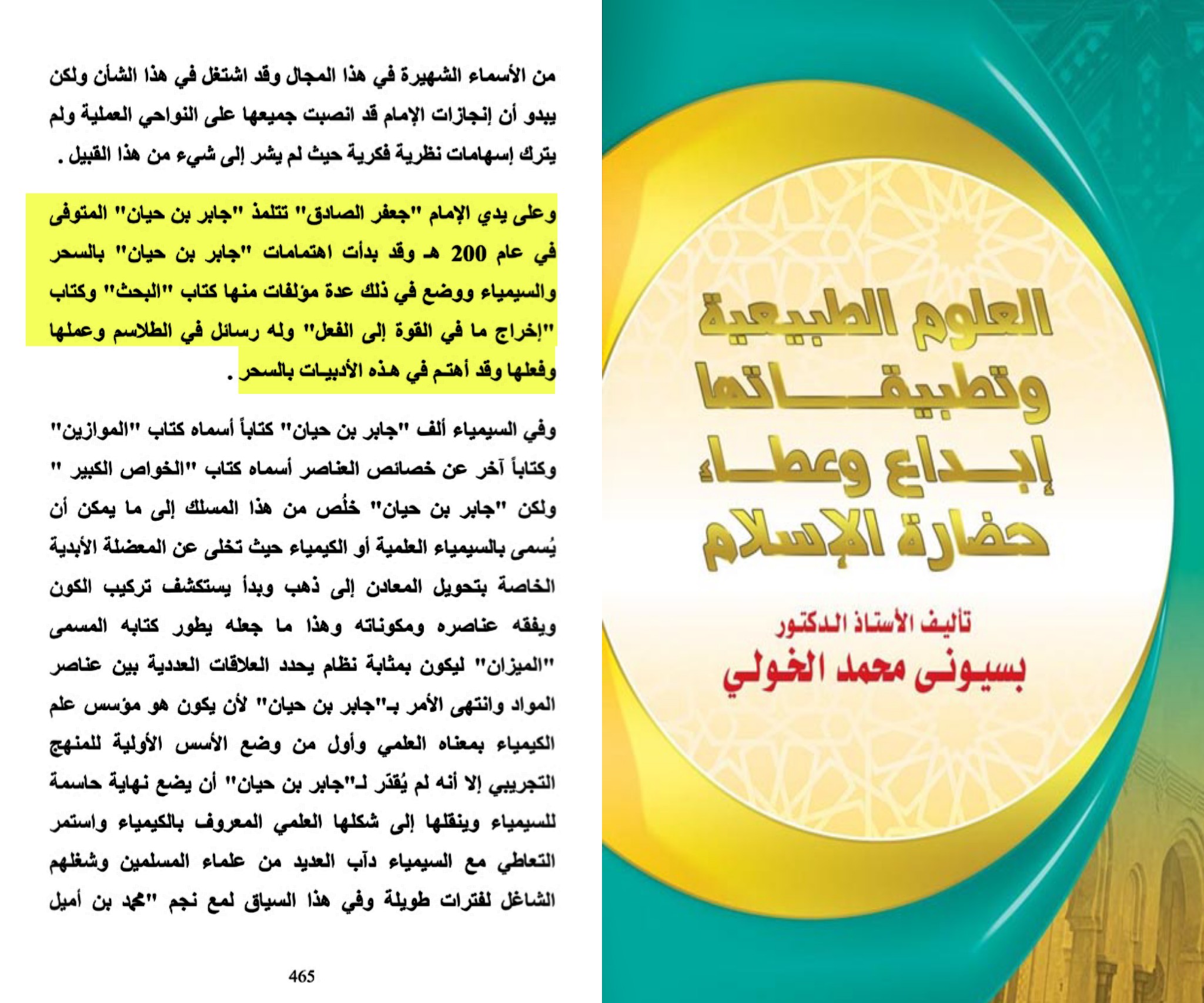
The article treats Jābir ibn Ḥayyān as a special case. It argues that criticism of Jābir was connected not simply to chemistry, but to practices associated with alchemy, talismans, occult sciences, astrology, and magical correspondences between matter and spirit.
PicsArt ٠٢ ٠١ ٠٦.٥٢.٢٣
This image distinguishes between chemistry as an empirical science and occult forms of alchemy or talismanic practice — the latter being the actual source of scholarly criticism.
PicsArt ٠٢ ٠١ ٠٥.٣٤.٢٥
This scan presents Jābir ibn Ḥayyān as a major figure in the development of chemical sciences, while noting that his work included pre-modern alchemical elements.
Why Were Other Muslim Scientists Not Declared Heretics
If Islam condemned science itself, why were so many Muslim scientists praised, preserved, and transmitted across generations? Examples include Ibn al-Nafīs, al-Zahrāwī, al-Jazarī, al-Kāshī, Ibn al-Shāṭir, ʿAbd al-Laṭīf al-Baghdādī, al-Khwārizmī, and many others. A handful of controversial figures cannot be used to erase the vast scientific production of Islamic civilization.
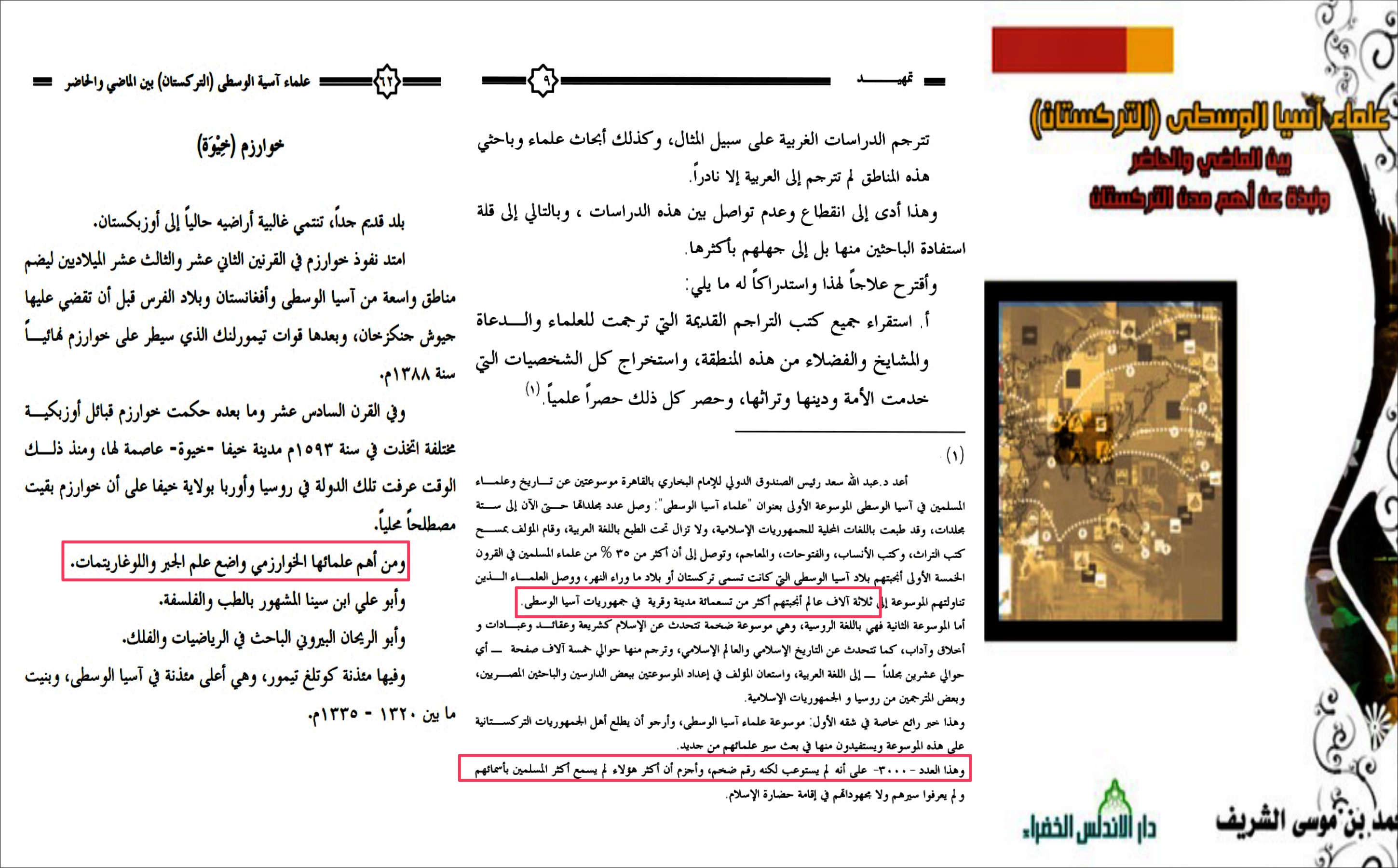
3000 عالم
This image cites a work discussing scholars of Central Asia and Turkistan, arguing that Islamic civilization produced large numbers of scholars in medicine, engineering, astronomy, mathematics, law, and other fields.
Western Testimonies on Islamic Civilization and Science
The article cites Western writers and academics to argue that Islamic civilization produced an unusually large and sustained scientific culture.
PicsArt ٠١ ٢٤ ١٢.٤٩.٤٤
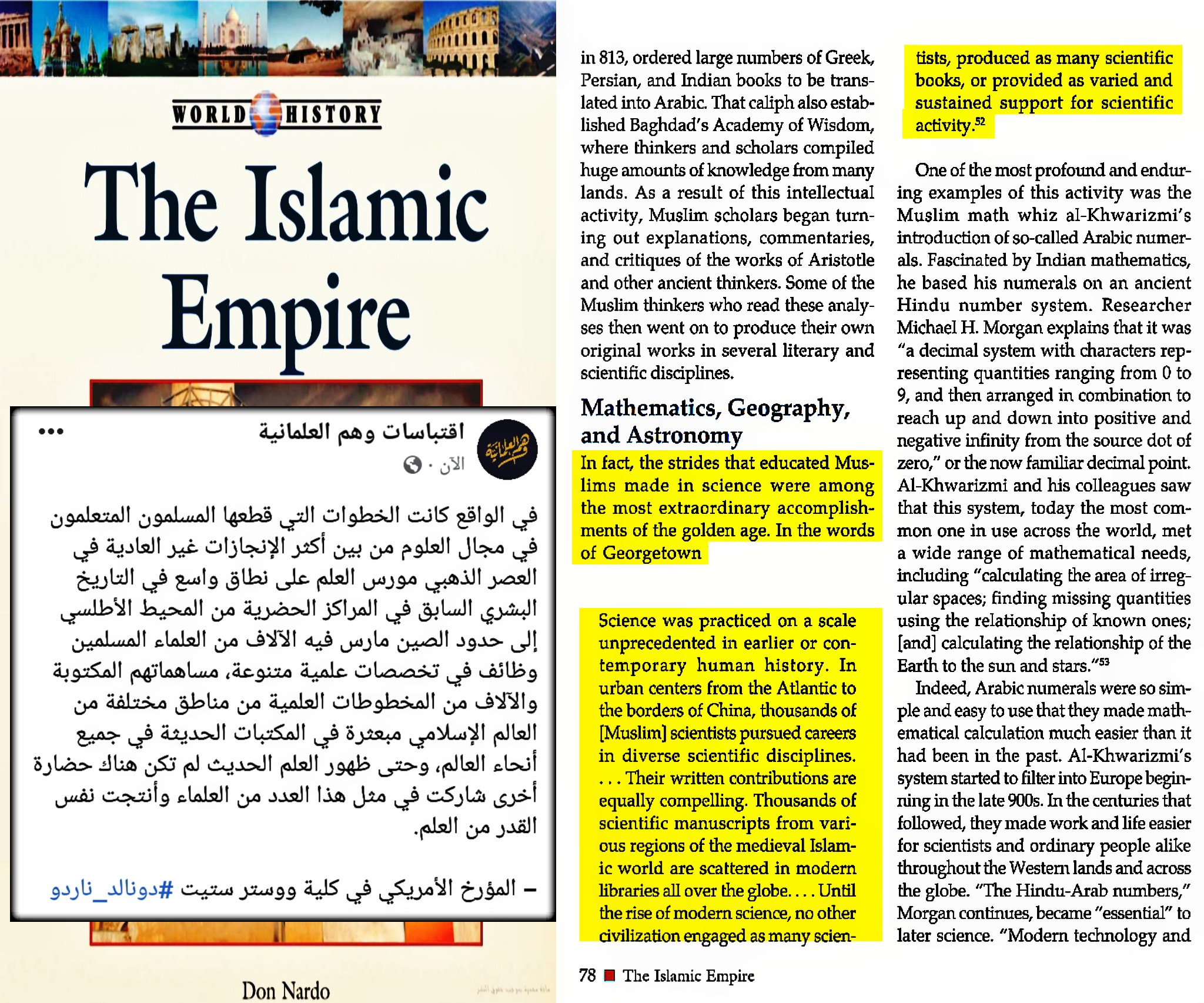
This scan cites Don Nardo’s discussion of the Islamic Empire, used to support the claim that Muslim civilization produced a vast amount of scientific work during the medieval period.
PicsArt ٠٢ ٠٢ ٠٦.٥٤.٢٥
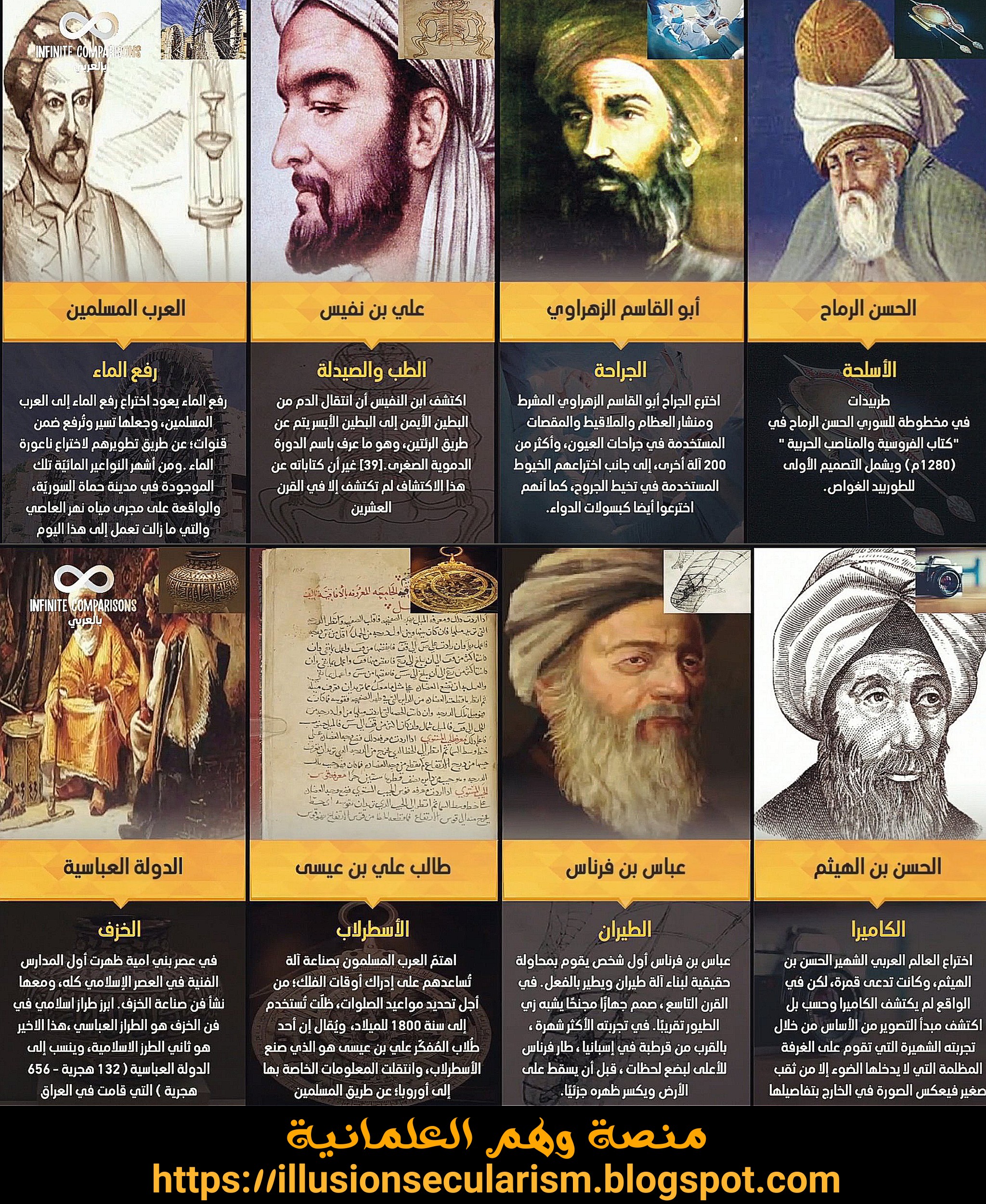
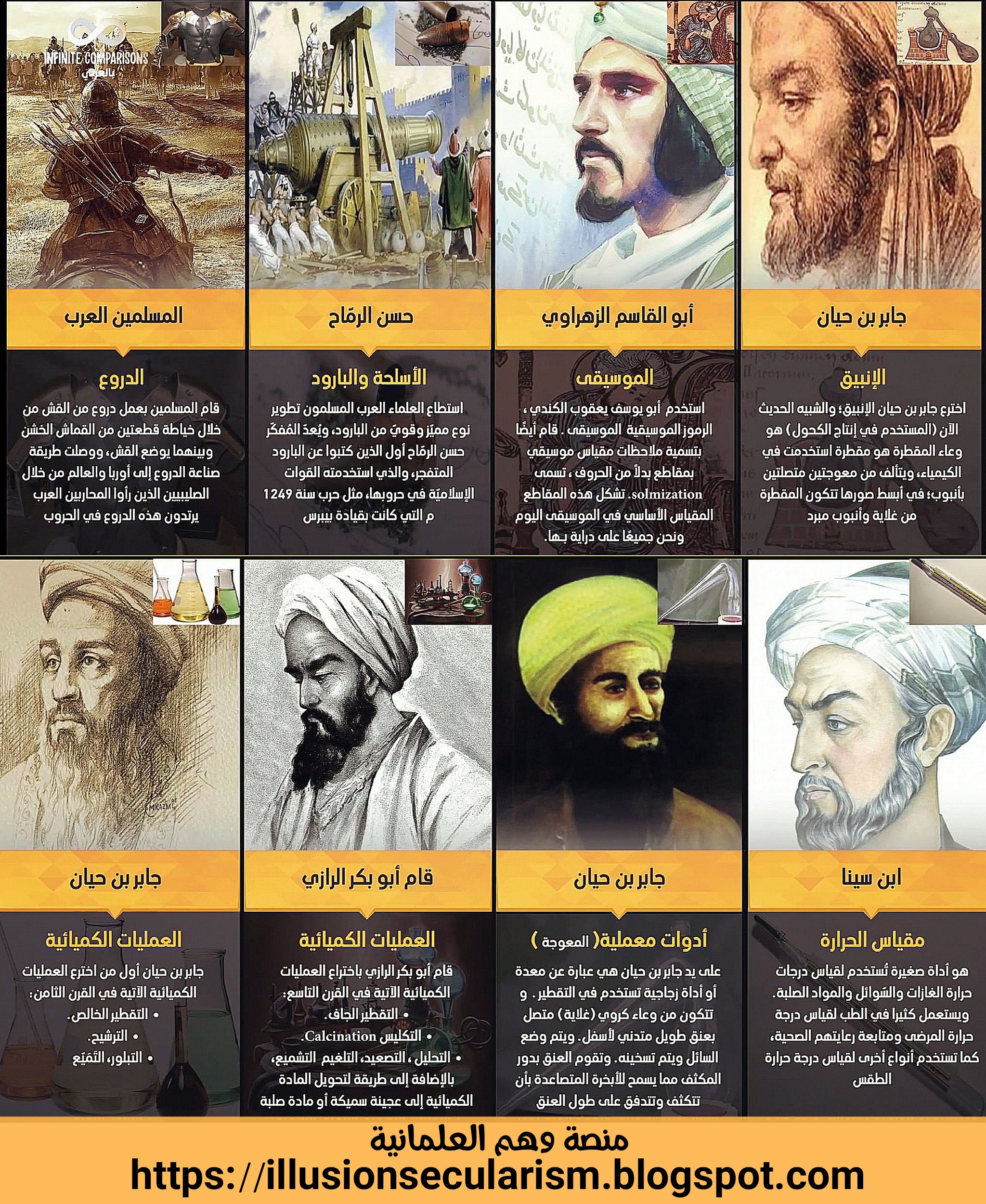
This infographic lists various Muslim contributions to science and technology, including optics, surgery, medicine, military technology, aviation attempts, and numerical systems.
PicsArt ٠٢ ٠٢ ٠٦.٤٧.٢٧
This image continues the presentation of Muslim scientific and technical contributions, including chemistry, musical theory, military tools, and medical instruments.
PicsArt ٠٢ ٠٢ ٠٧.٠١.٢٩
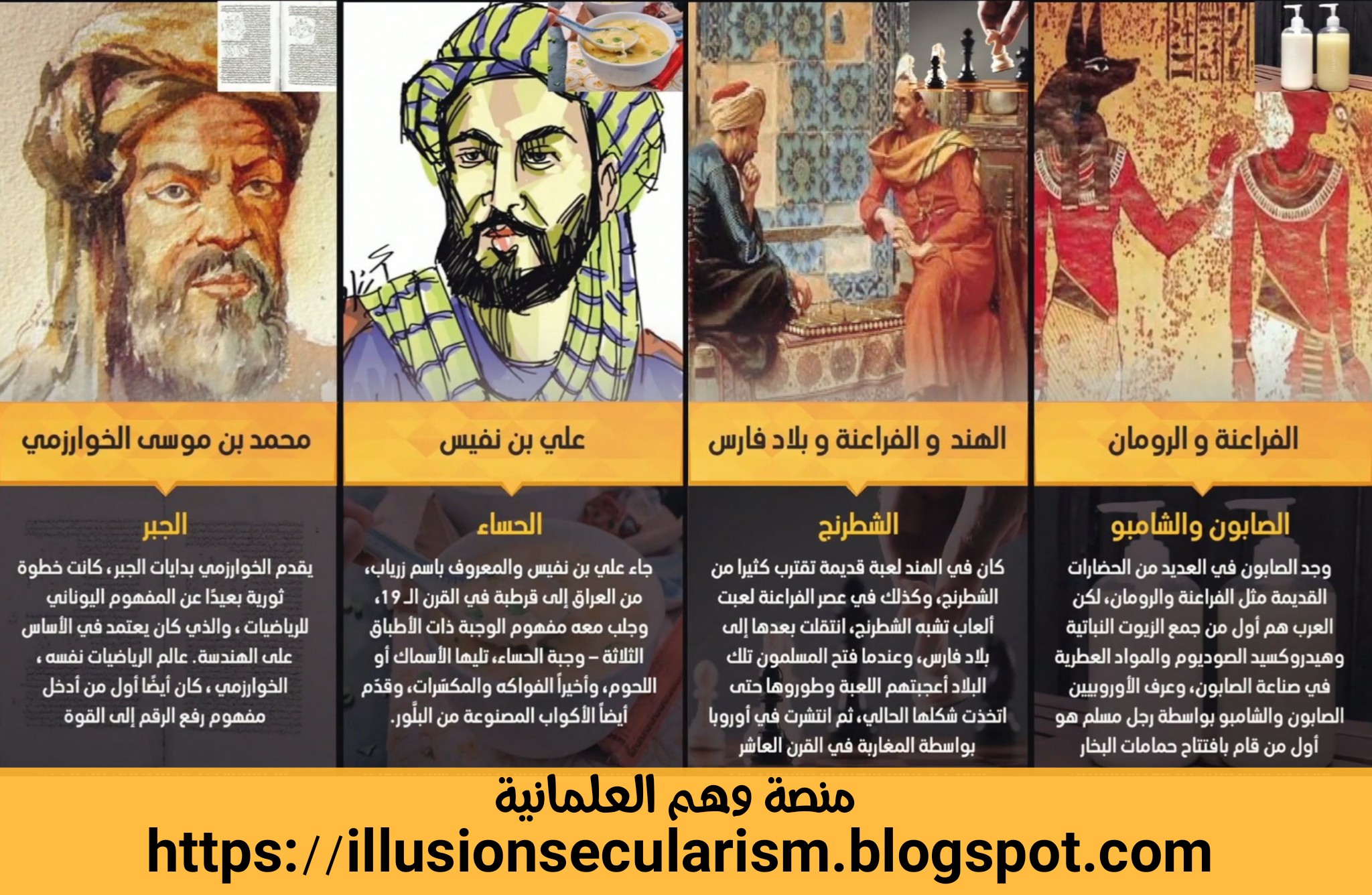
This image highlights additional scientific and technological developments attributed to Muslim civilization, including algebra, medical work, glassware, and soap production.
The Muslims Only Translated Greek Science Argument
A secondary claim states: “Muslims only translated Greek science and did not create anything original.”
Even if Muslims translated earlier Greek, Persian, Indian, and other sciences, this itself proves that Islamic civilization did not ban worldly sciences. Translation, preservation, commentary, correction, expansion, and innovation all demonstrate a civilization actively engaged in knowledge. Muslim rulers and scholars supported translation movements and then developed new work from inherited knowledge — this is not mere copying, it is the engine of cumulative scientific progress.
Islam Has No Church-Style Clergy
A major theme of the article is that critics often project the history of the medieval Church onto Islam. The article rejects this comparison because Islam does not have a priestly caste controlling forgiveness, sacramental confession to clergy, sale of indulgences, a church institution monopolizing scripture, or a clerical hierarchy equivalent to the medieval Church.
PicsArt ٠١ ٢٢ ٠٣.١٥.٠٩
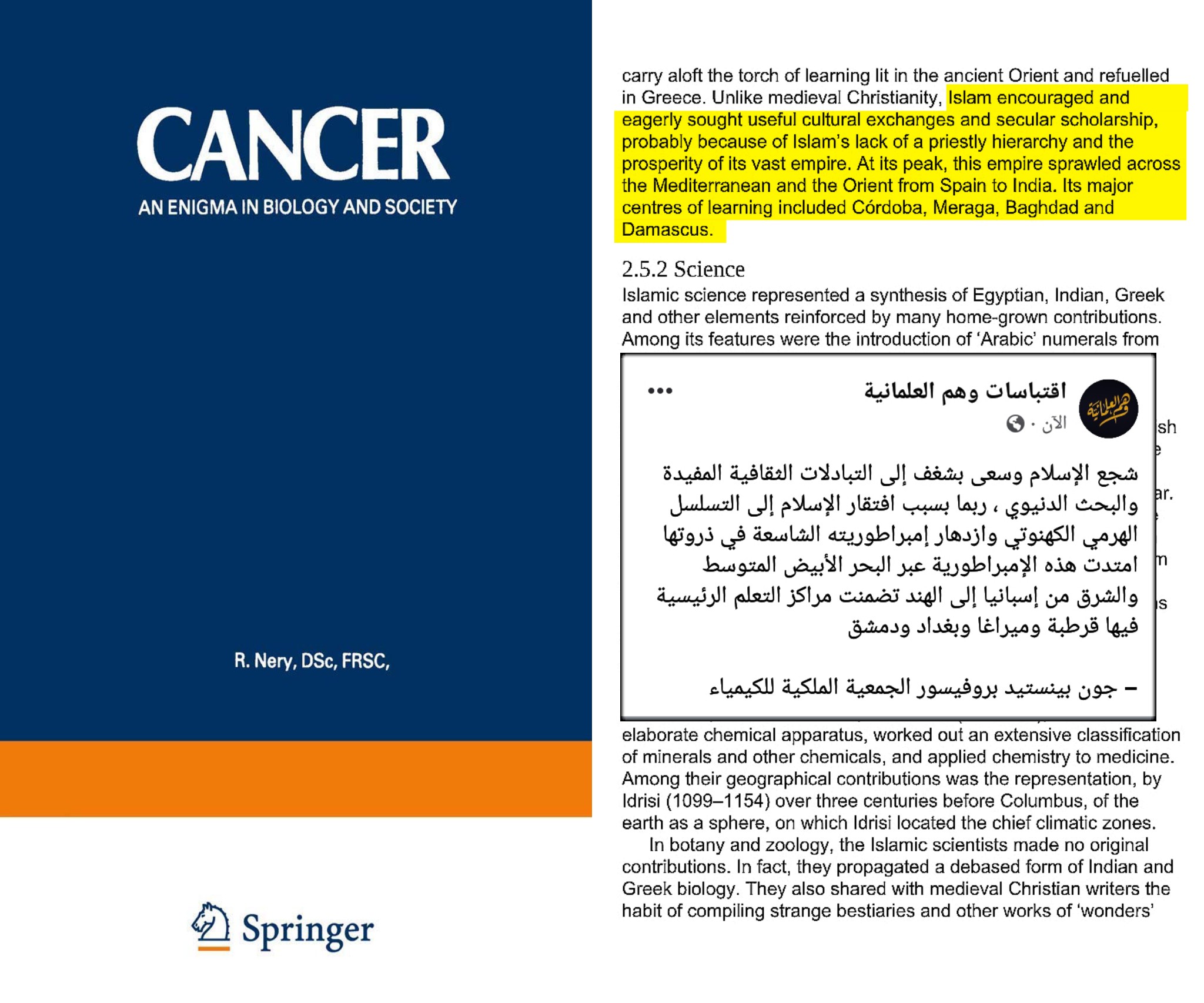
This scan cites an English source arguing that Islam encouraged useful cultural exchange and secular scholarship, partly because Islam lacked a priestly hierarchy comparable to the Church.
FCnU5JmWYAkjovO
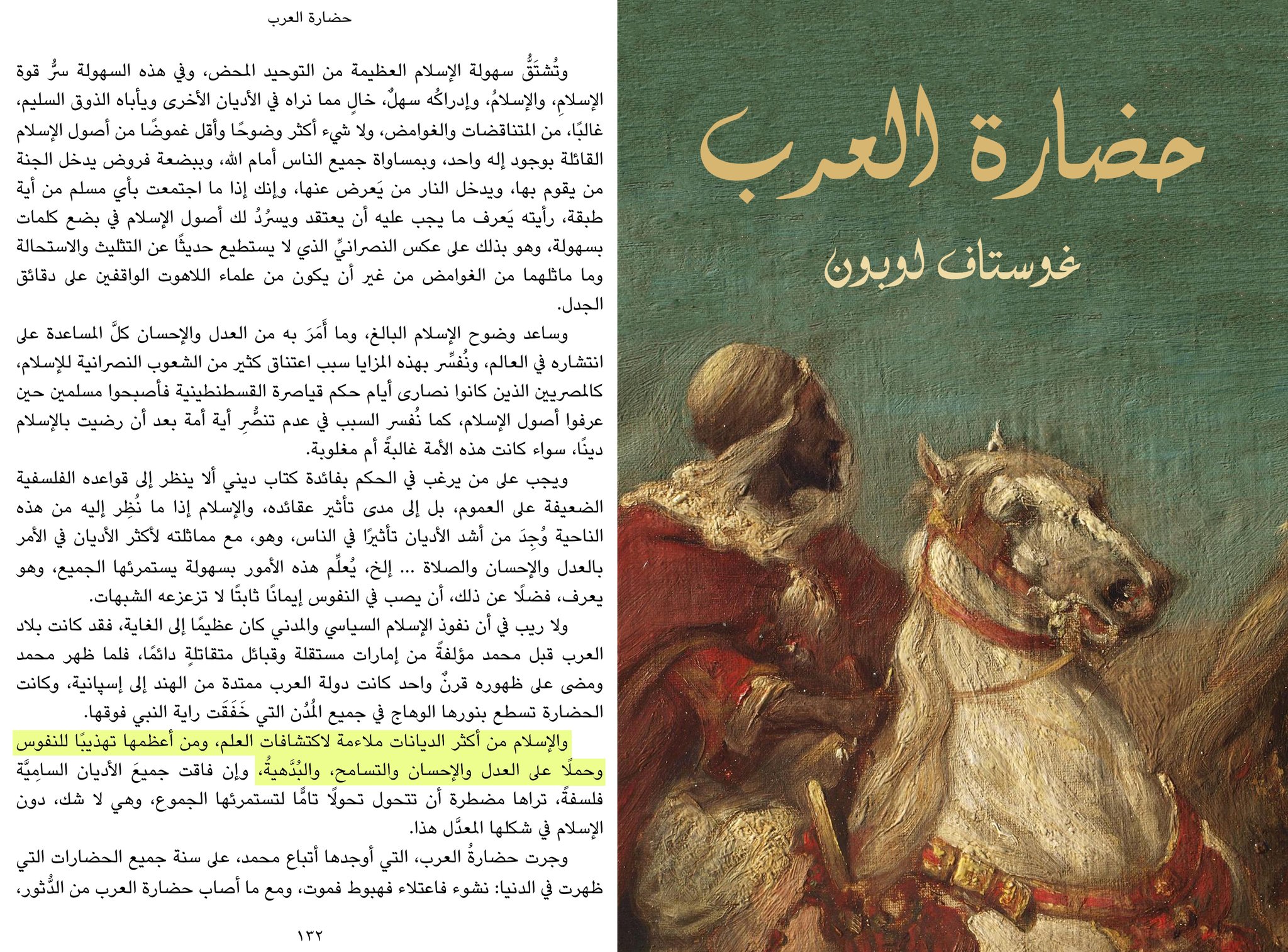
This scan cites Gustave Le Bon and presents him as arguing that Islam is highly compatible with scientific discovery.
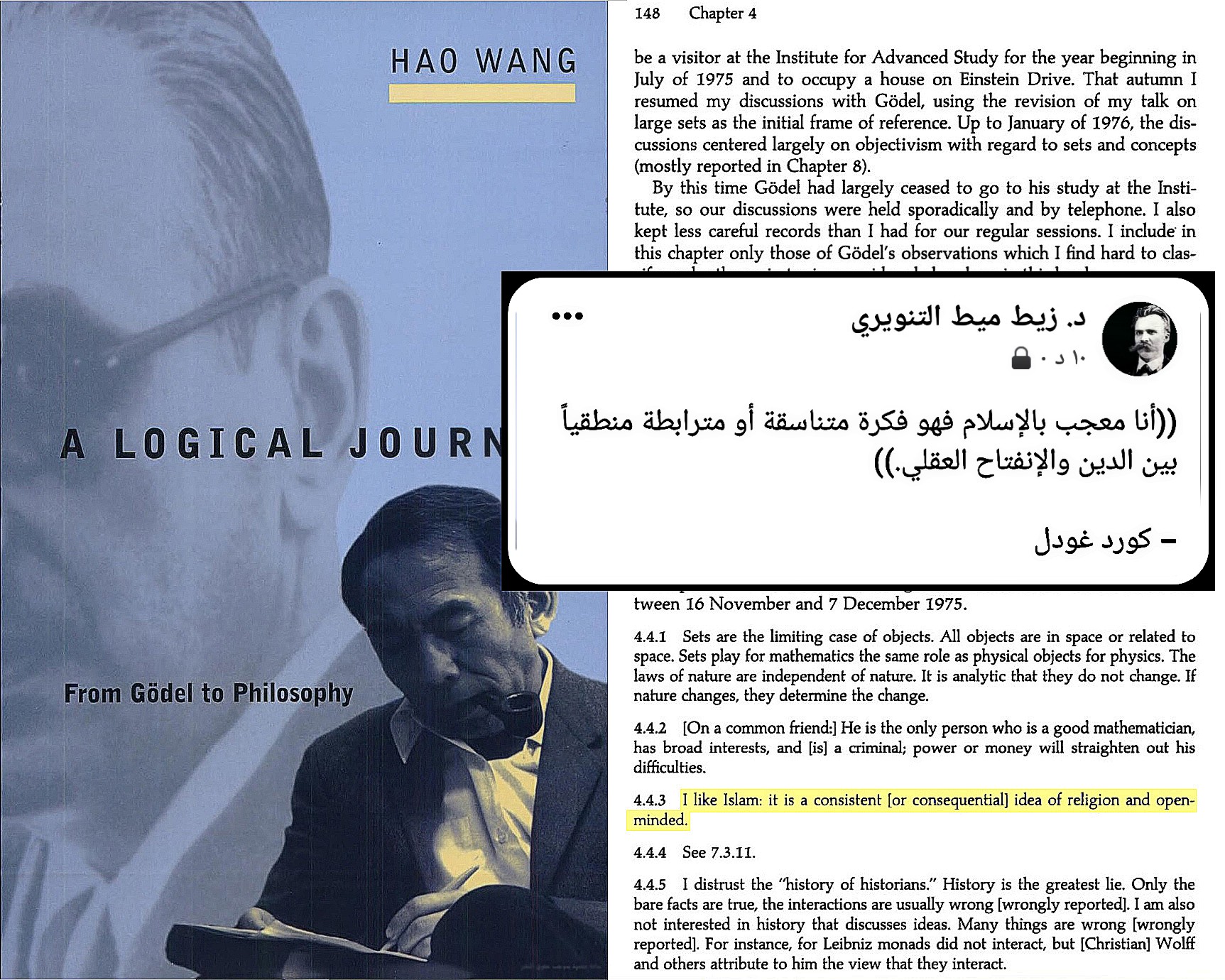
كورد غودل
This image cites Kurt Gödel as admiring Islam as a logically coherent system connecting religion and open-mindedness.
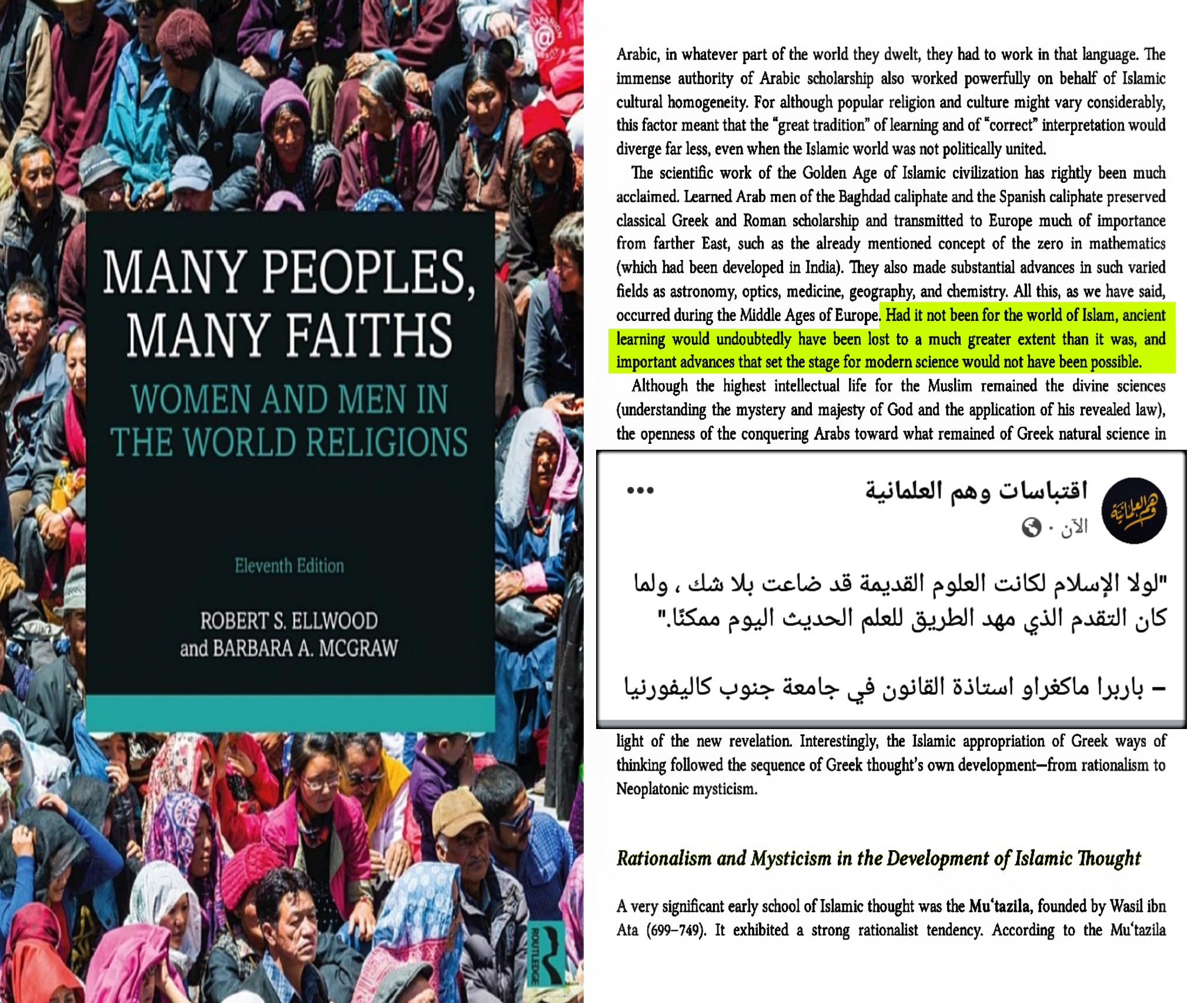
PicsArt ٠١ ٢٢ ٠٥.٤١.١٧
This scan argues that without Islamic civilization, much ancient learning may have been lost and several foundations of modern science would not have developed in the same way.
What Did Humanity Gain from the Quran and Sunnah
A common objection asks: “Name one scientific discovery extracted directly from the Quran or Islamic tradition.” This is a flawed question because the Quran and Sunnah are not chemistry manuals or engineering textbooks — they are a religious and civilizational system.
The proper comparison is between secularism and Islam as civilizational frameworks — neither is a laboratory formula, and both are judged by the civilization they produce. The Quran does not need to contain a chemical formula to encourage science. Its role is to create a worldview that values reflection, order, causality, knowledge, and investigation of creation.
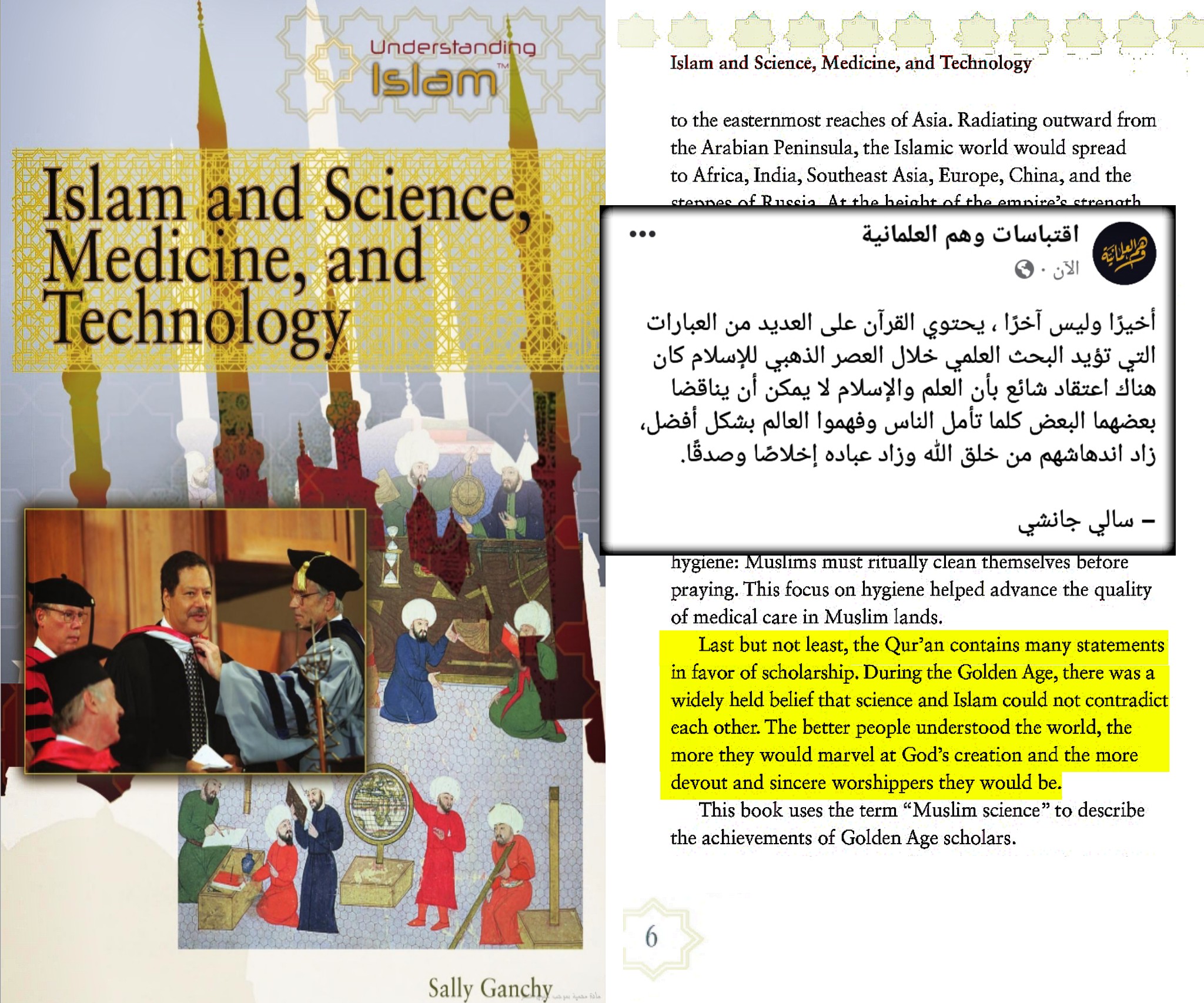
orca image 1702958593PicsArt ١١ ١٠ ٠٢.٤٥.٢٤
This scan cites a source saying that the Quran contains many statements favouring scholarship, and that during the Islamic Golden Age many believed science and Islam could not truly contradict each other.
Islam Science and Causality
Science depends on causality, order, intelligibility, observation, repeatability, and the search for reasons behind phenomena. The article argues that the Islamic worldview — centred on a rational, ordered Creator — is fully compatible with and indeed supportive of this scientific foundation. It then criticizes atheistic worldviews that reduce reality to blind chance or deny deeper metaphysical order.
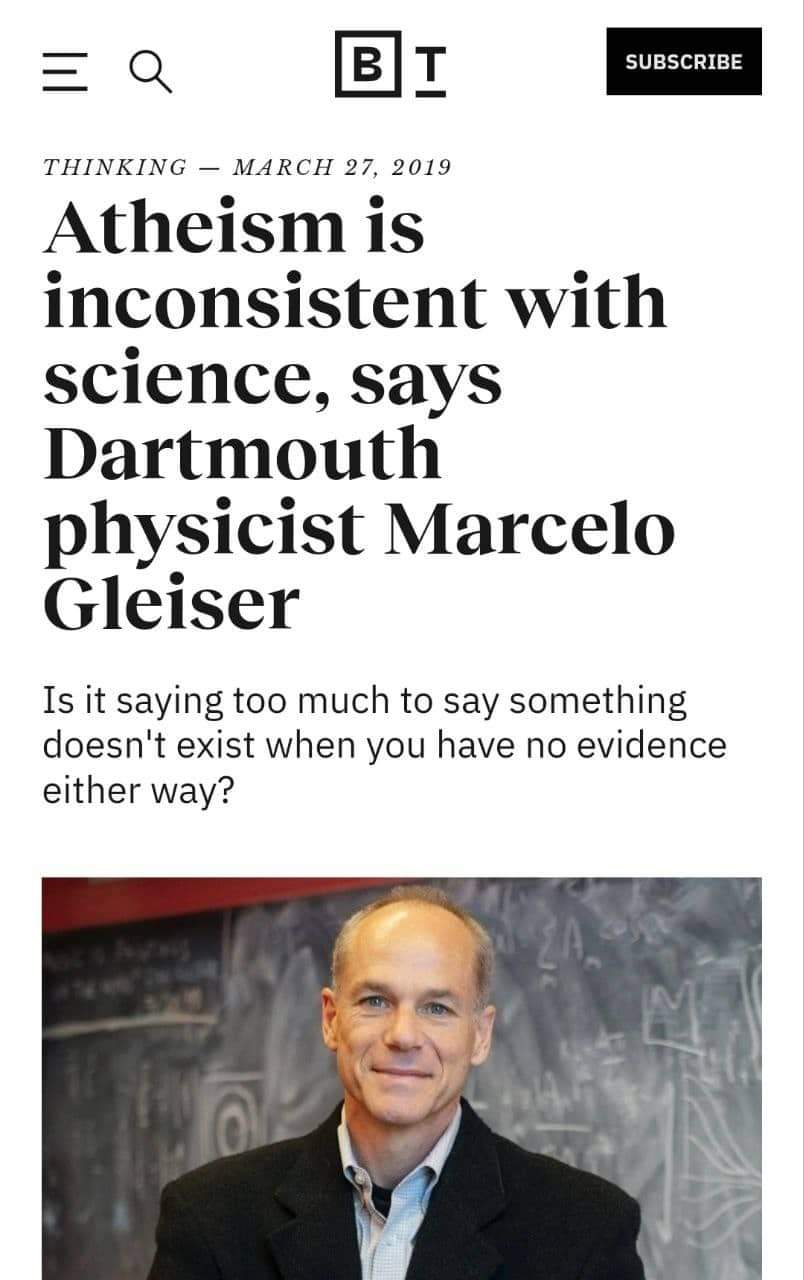
received 2875834746045665
This image cites physicist Marcelo Gleiser’s statement that atheism is inconsistent with science, used as part of the broader argument that atheism should not be treated as the natural home of scientific inquiry.
Final Conclusion
The claim that “Muslim scientists were declared heretics because they practiced science” is historically misleading. Some figures were criticized because of theology, metaphysics, or occult doctrines — not because they practiced medicine, mathematics, chemistry, optics, engineering, or astronomy. Islamic civilization did not treat worldly sciences as heresy. It translated, preserved, expanded, and produced scientific knowledge across many regions and centuries.
The polemical comparison between Islam and the medieval Church is historically weak. Islam had no church-style priesthood, no monopoly over scripture by clergy, and no doctrine that worldly sciences were inherently forbidden. The Islamic Golden Age itself is the most powerful evidence that the Muslim world did not see science as the enemy of religion.