Other

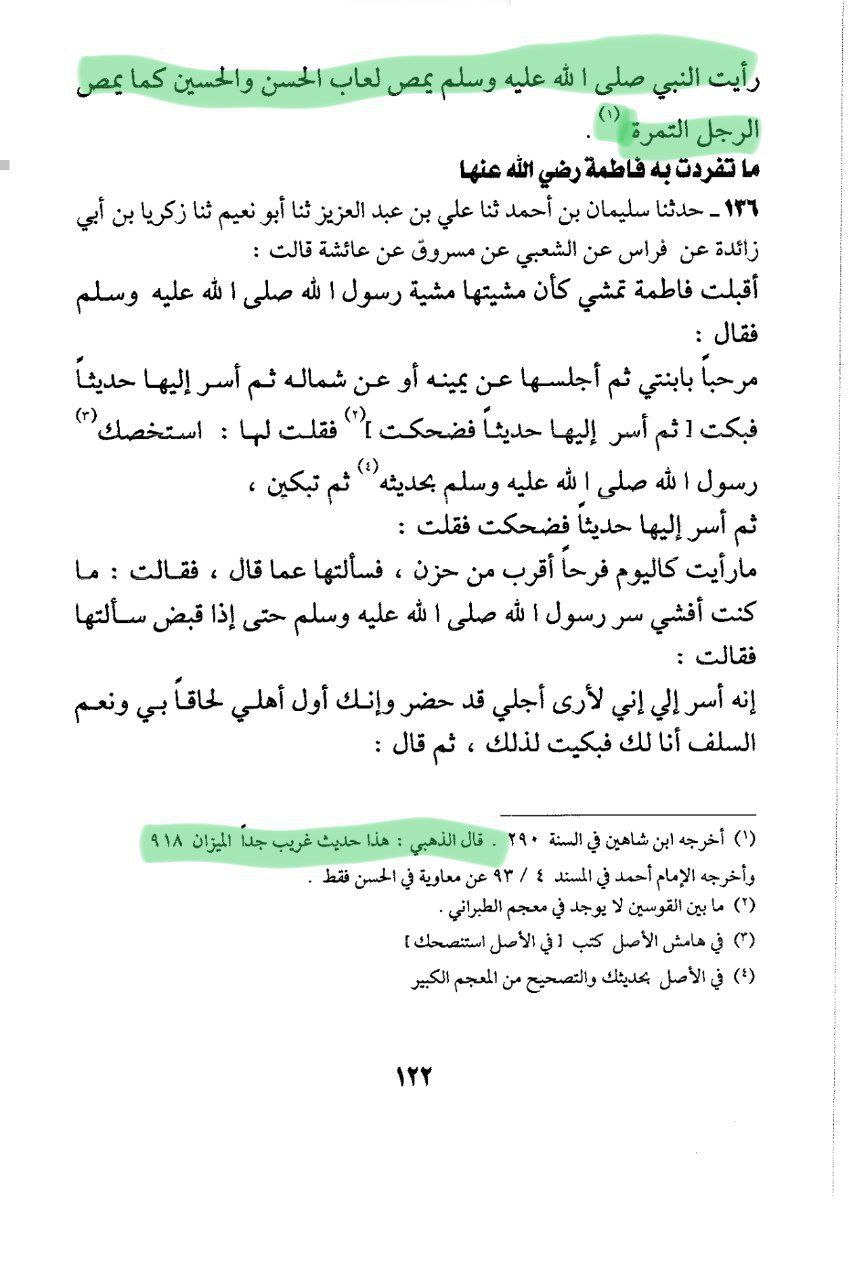
Did the Prophet Kiss Al-Hasan on the Lips? Context, Hadith Analysis & Christian Objections Refuted

2 min read 413 words
Christian Objection

I don’t think any of them knows why the Prophet kissed Al-Hasan’s lips, in what circumstances, what the story is, or when. They ignore research and refutations; their only concern is to slander, lie, and fabricate. If one of them were to do a simple search, he would easily find the answer.

Obscene and Indecent Sexual Paragraphs in Bible

Response — Key Points

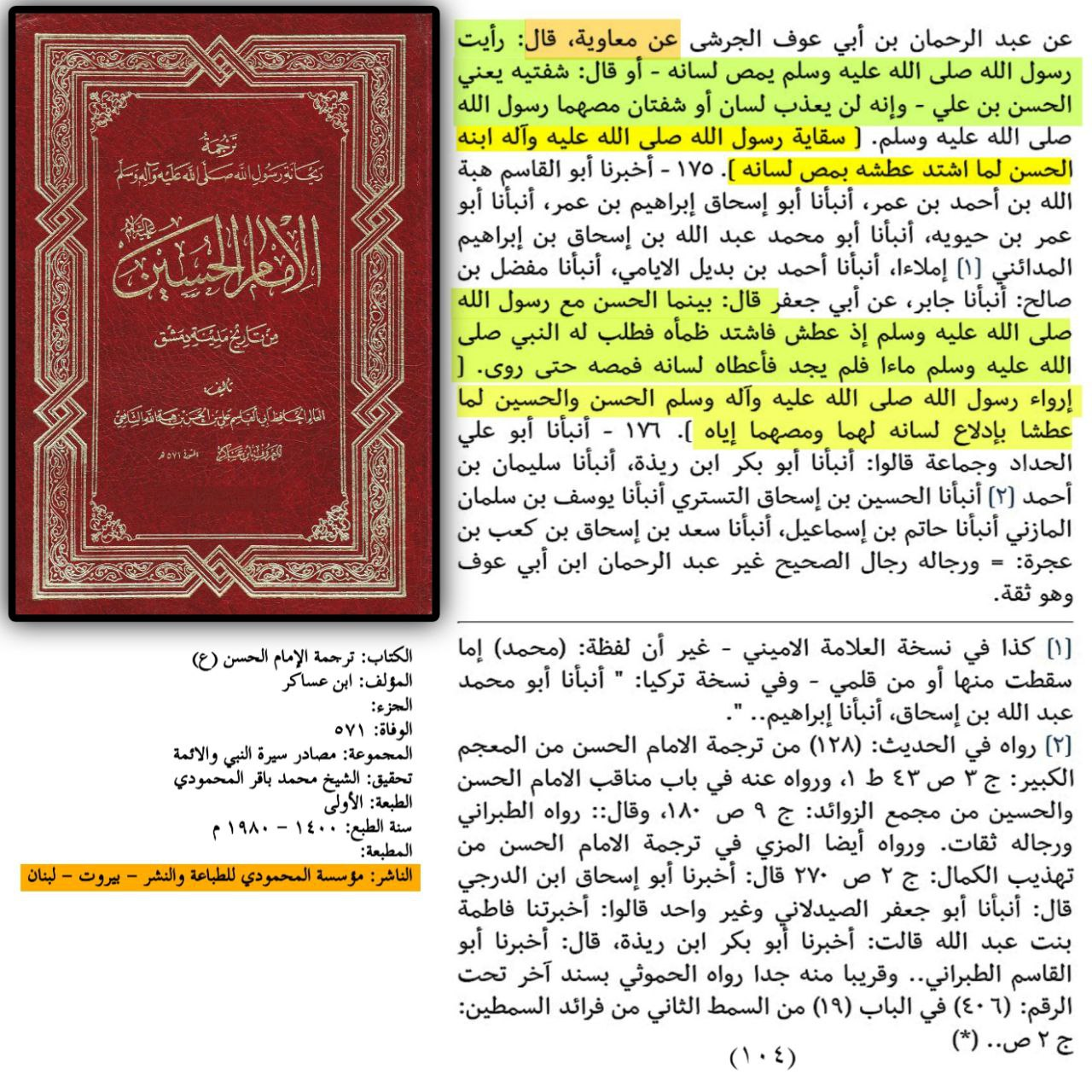
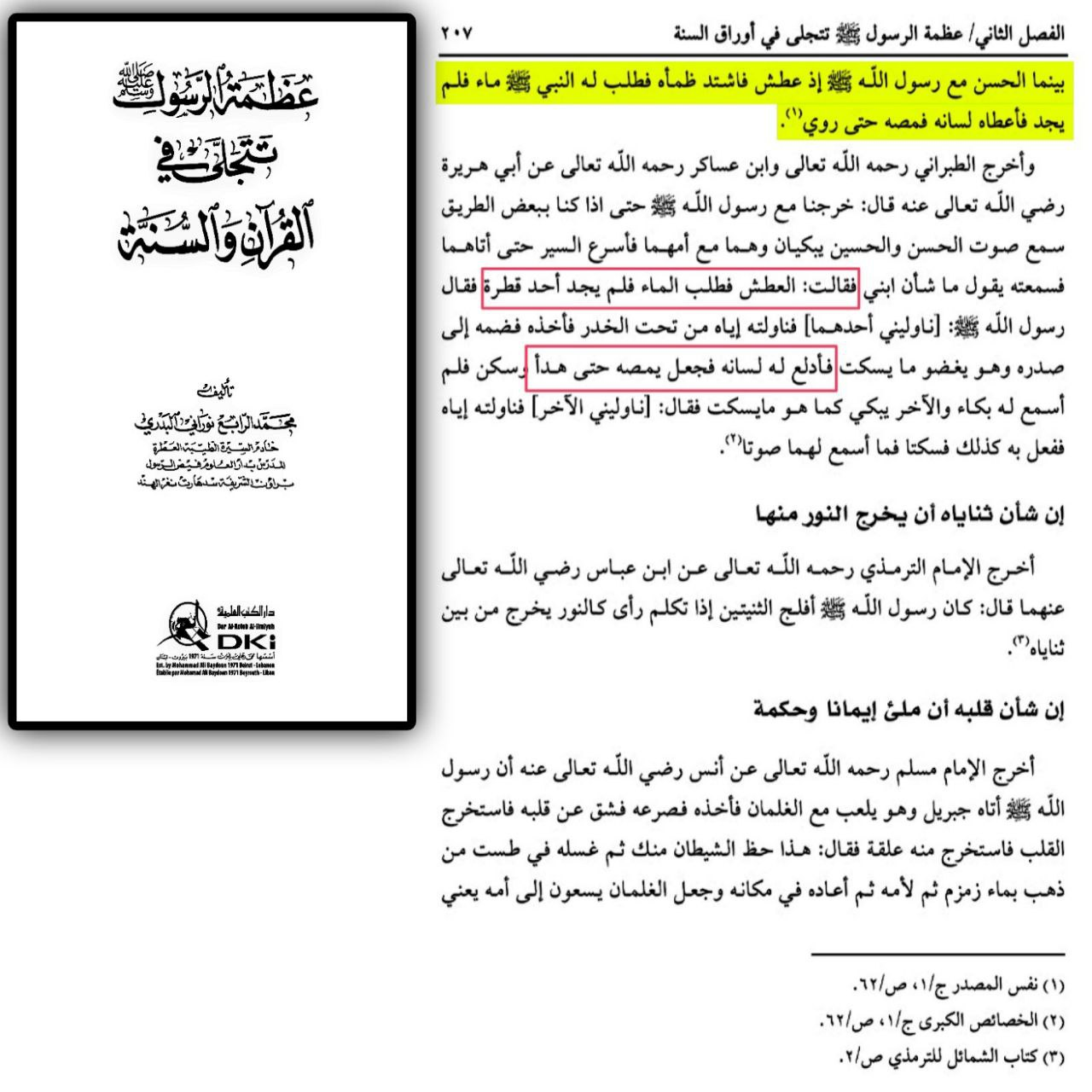
Secondly, Al-Hasan and Al-Husayn were the Prophet’s (peace and blessings be upon him) grandsons, and they were infants, as mentioned in the complete hadith.

The Prophet did this because they were thirsty, as they were infants and could not bear the thirst. The Prophet asked people for water for his grandsons, but none was found. Out of his mercy, love, and compassion, he tried to alleviate their suffering, and this is well-known. Even today, if you go to Bedouin areas, you will find this. It even happens in Libya and other countries. There is nothing wrong with it, no shame or deficiency, as some Christians imagine. I also included the weakness of the narration about kissing the prayer mark on the forehead of al-Husayn (may God be pleased with him), because I know some will bring it up.
10bf4edc 02ab 48e8 b923 748800f5e41a 737e66136ad0becc

a80448d4 8070 45b0 ae9f fa17815e97f3 a830f08c046ab946

4dd8aade a8d5 471b a42b 6f9ec1b34e55 edefe9a06977777f

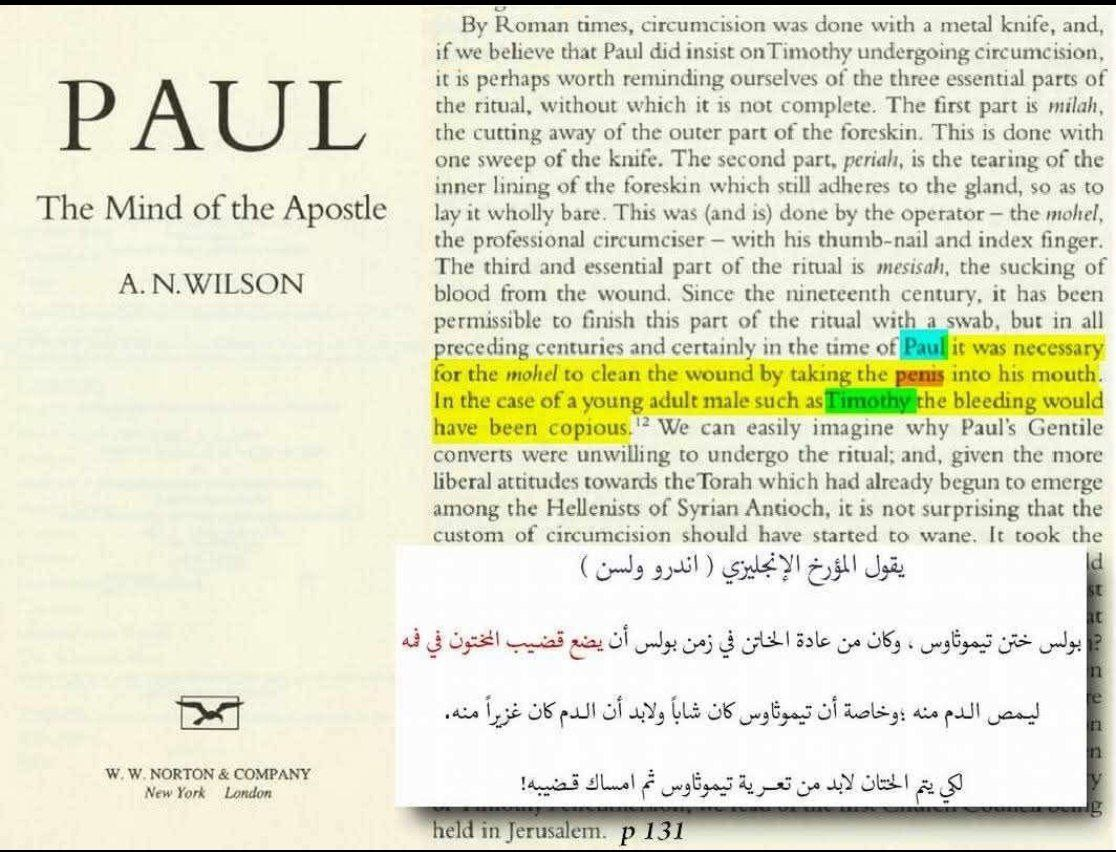
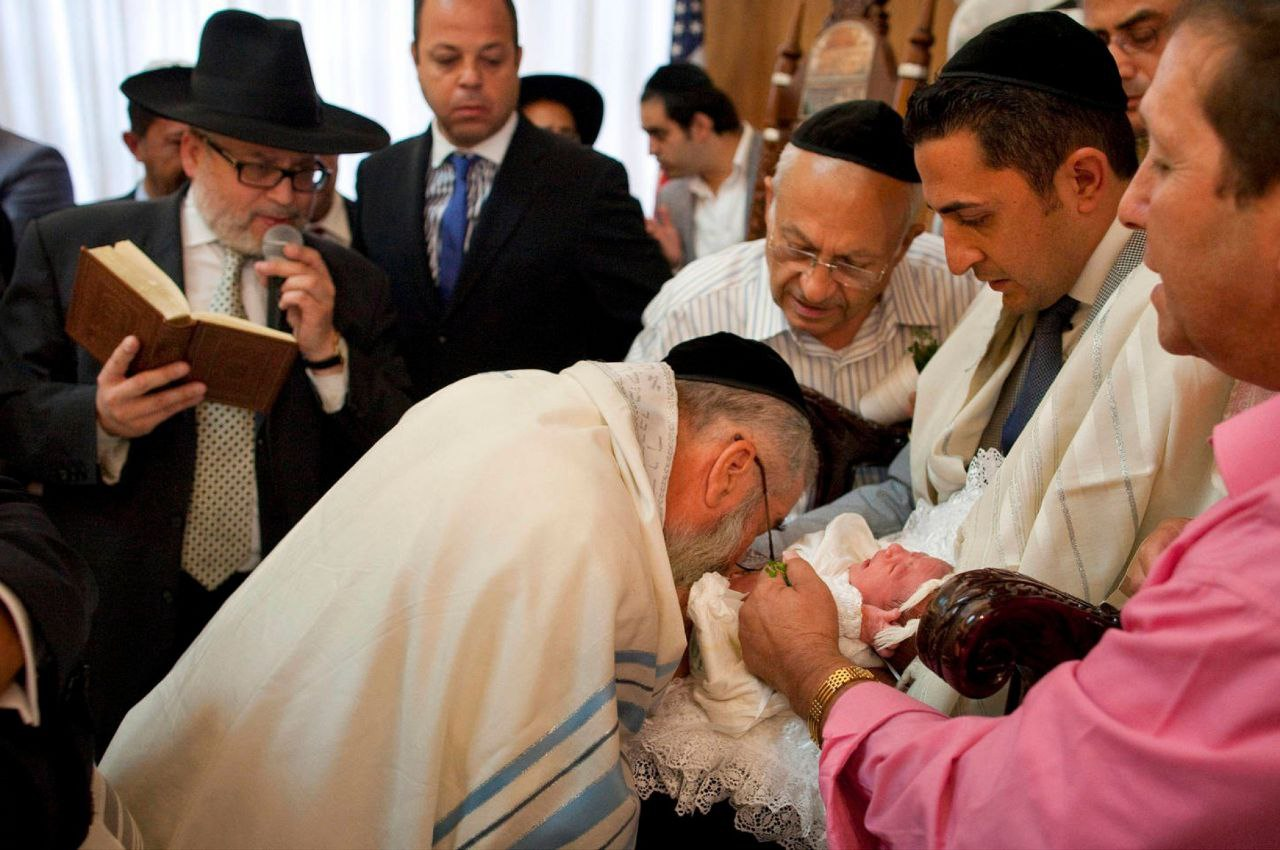
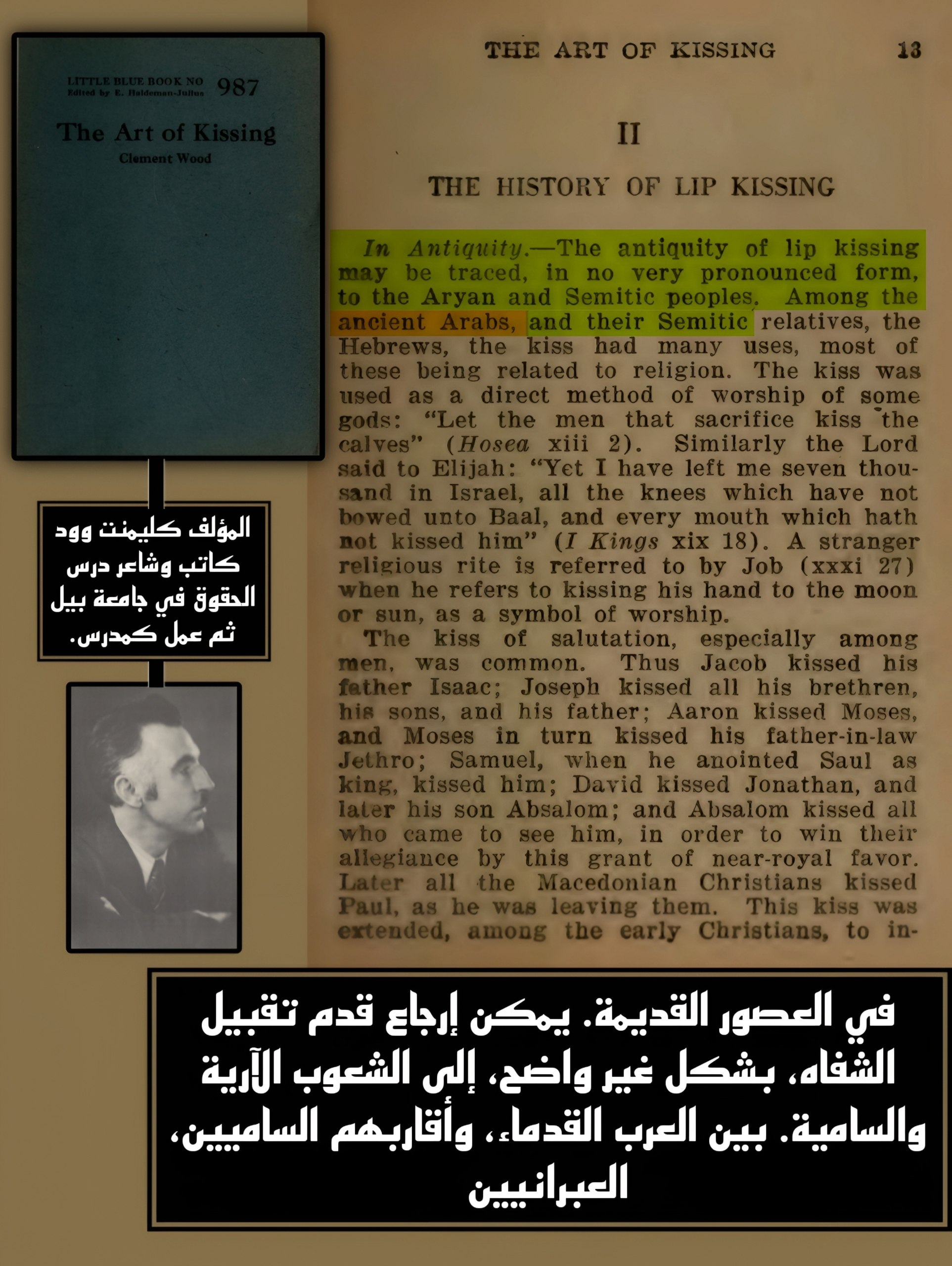
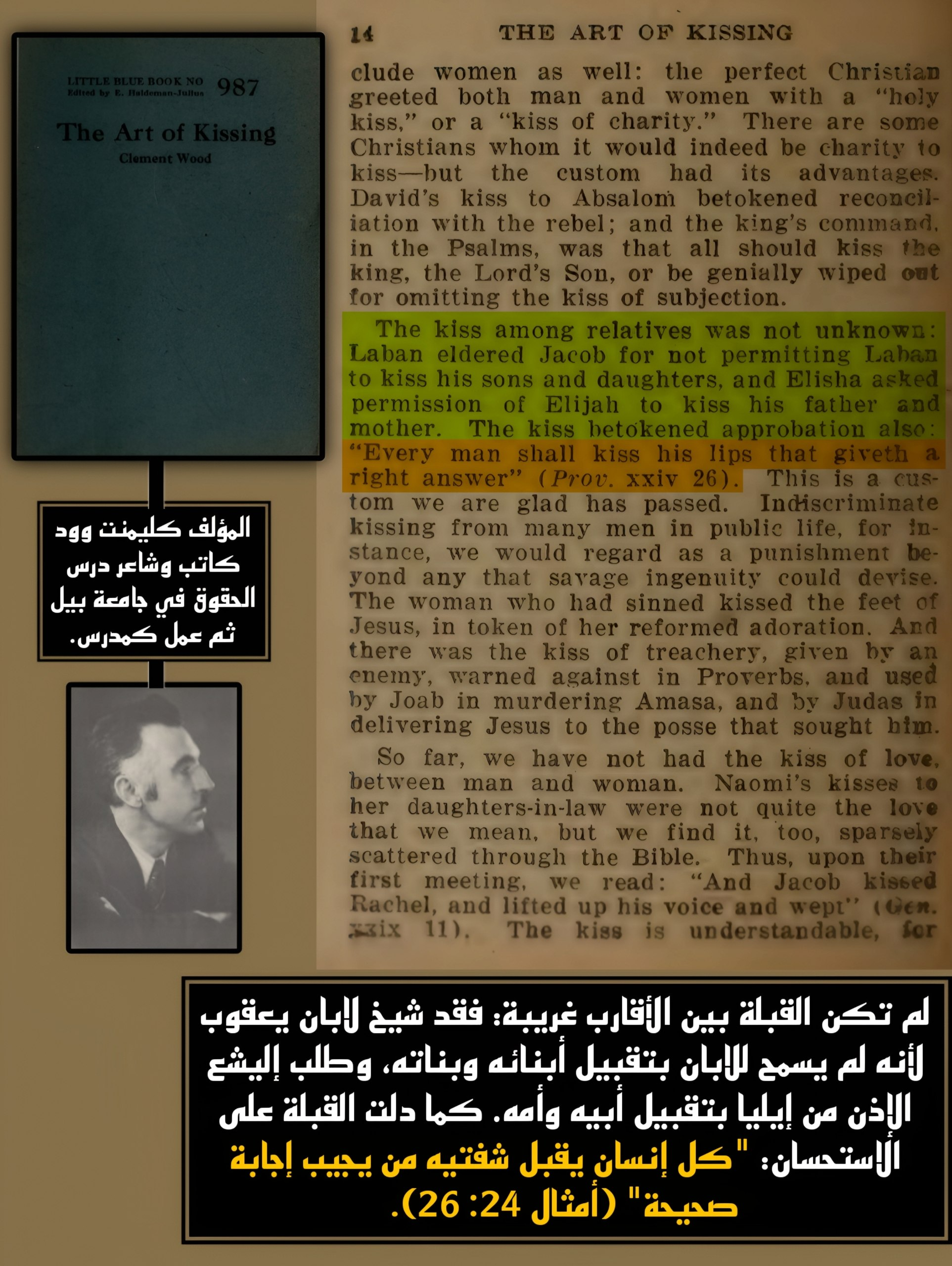
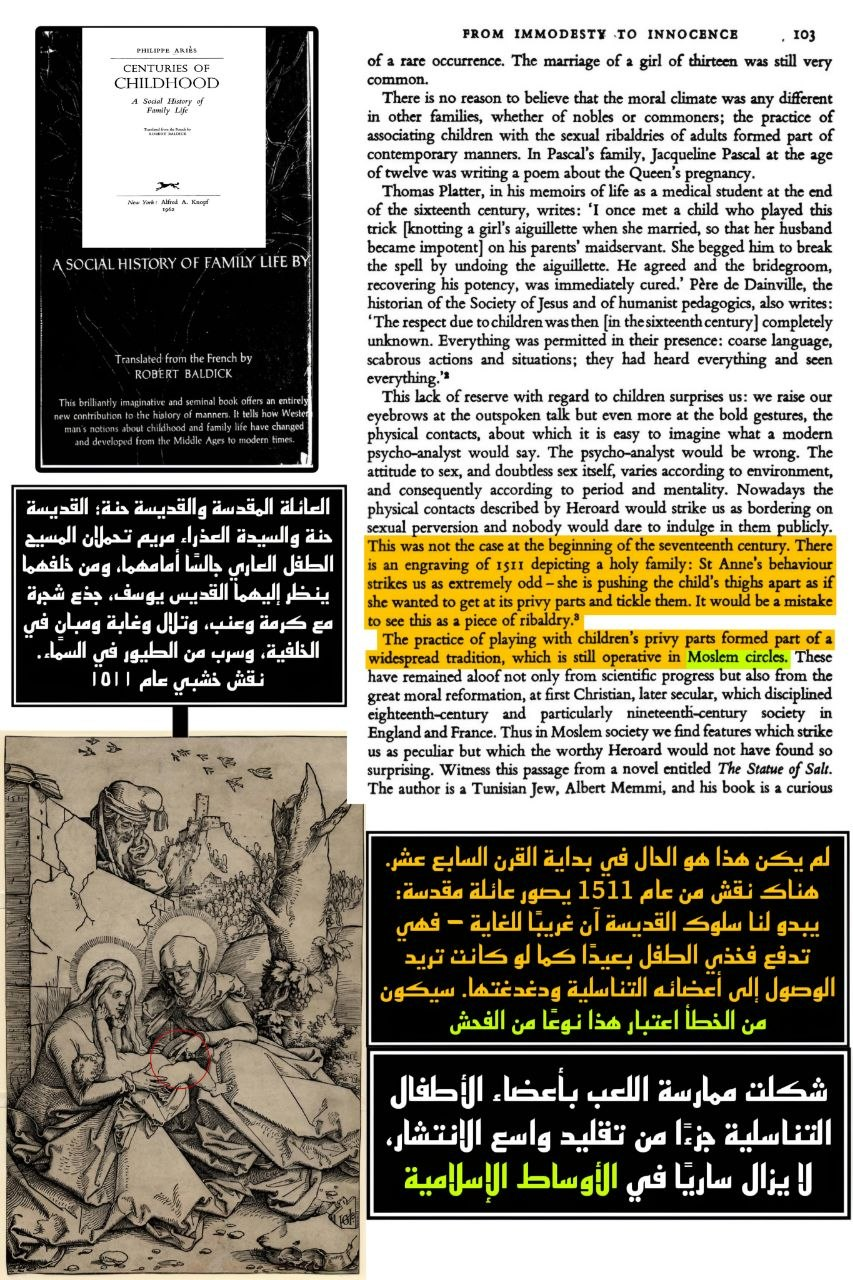
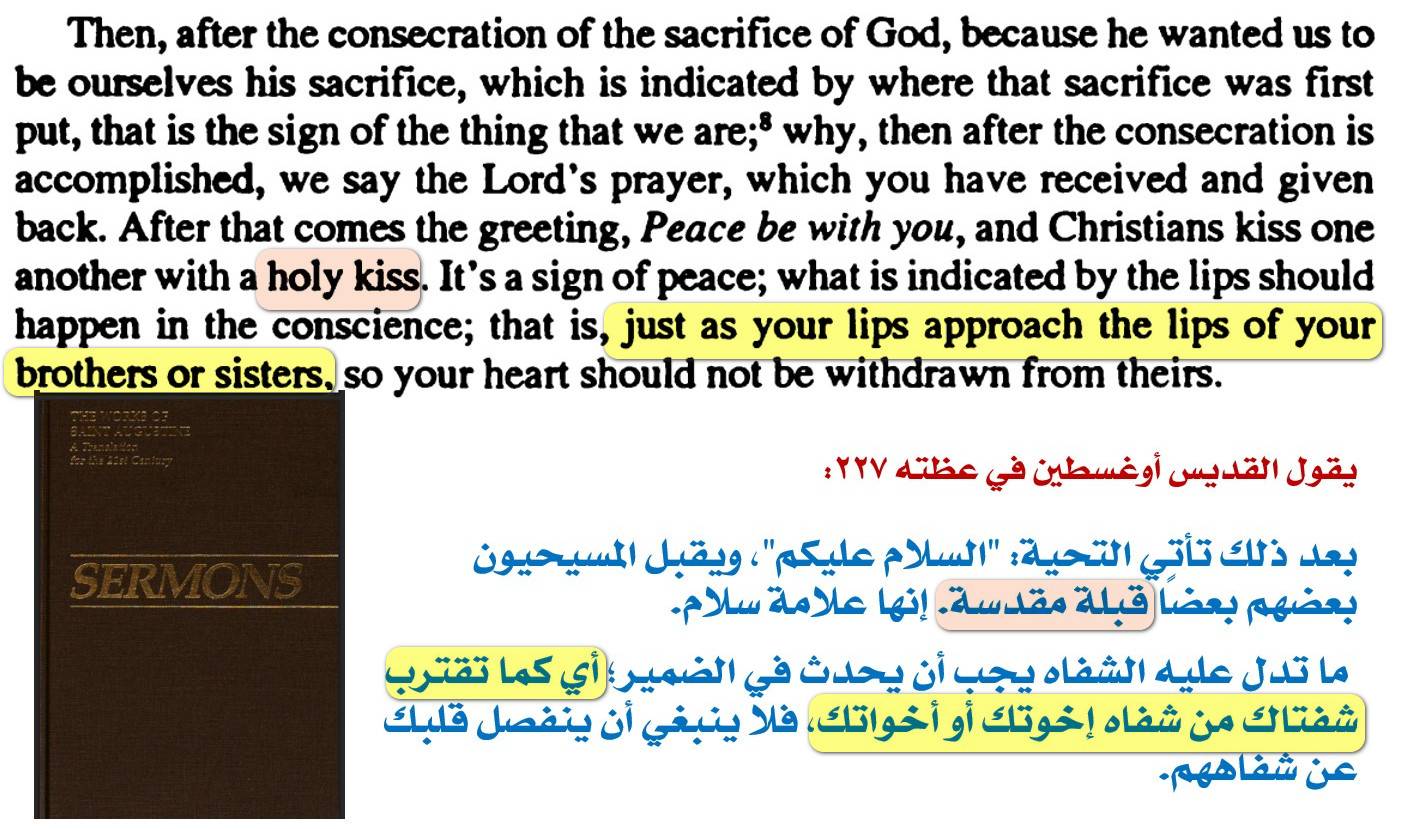
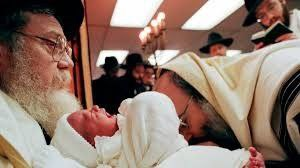
Tu Quoque — Jewish Circumcision Custom

This was, of course, done with Jesus and Timothy.
7b454642 6479 4594 9f48 fde70fc0092d b01d671b714422e1

e9e52535 66c1 4f16 aae6 0af8bd0e5a8e b3cea278ba9891cd

b1f17837 6613 42b1 97aa 1964ad76617c 3c200baaa0bcf542

ddfd9019 feb3 4519 b1b7 0021e79387c9 d4d0c094890ba9c5

8b828ca0 aa61 40a3 b64f 153615b8ba42 5381a9b6eaaae018

b28cf662 8c5e 4eec 9e7e dff5cf458367 9a92ebdb42c3b55e

e148de58 3e82 4f15 b9ef 51ce4f1c95e2 9fec6dcee3b5c265

d797e2ee 18b6 4c09 9255 279de6864028 712d56af9d508bc1

Hadith Criticism — Weakness of the Narration

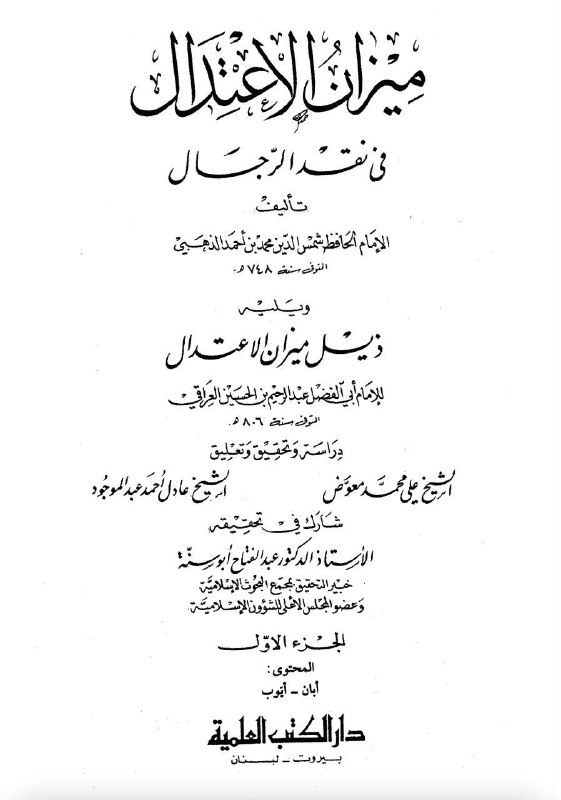
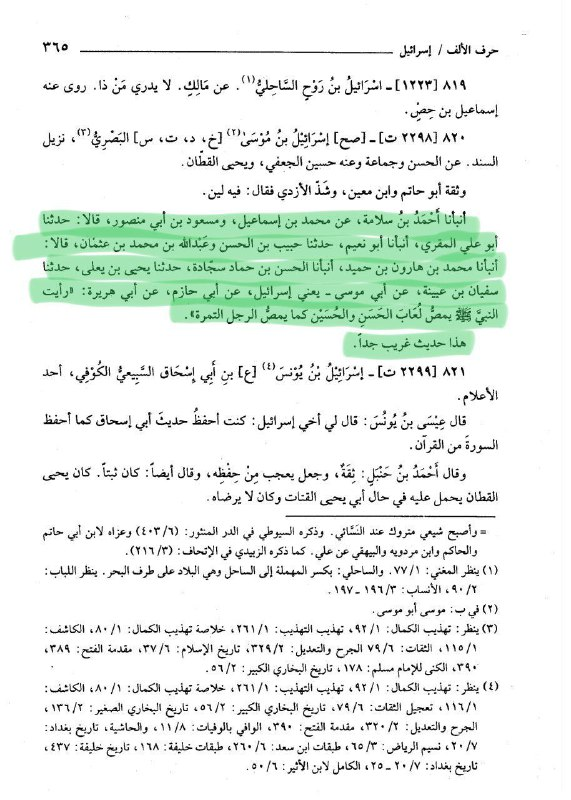
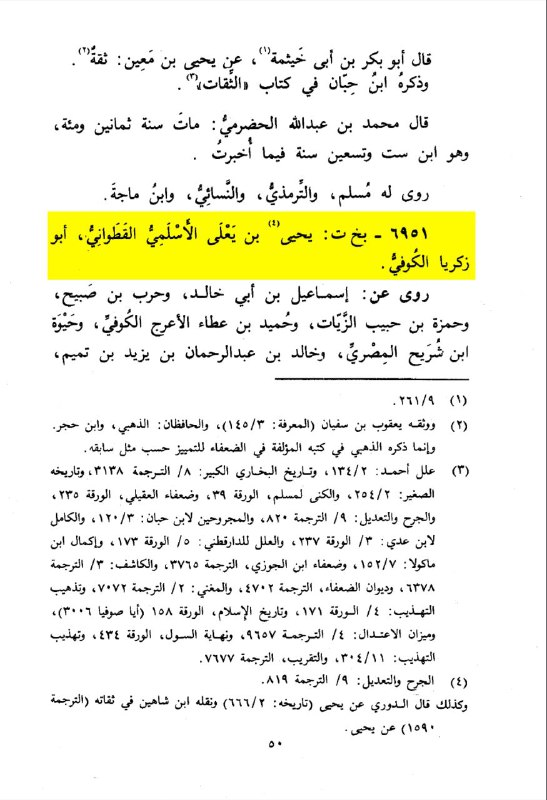
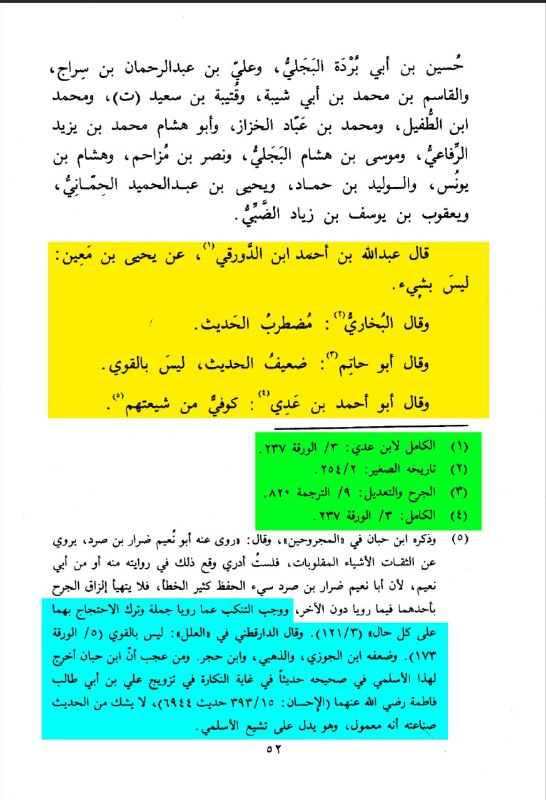
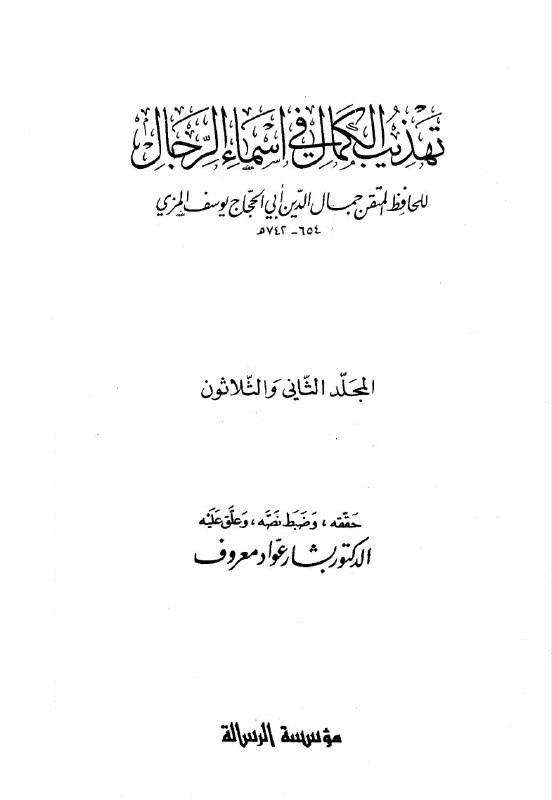
The chain of narration includes Yahya ibn Ya’la, who is weak.
b0565e0d 3483 4087 b12f 279065b37c19 09207ffae4ba4cb4

903fce7a 8e87 4f3c a67f 97fcaba6c0fb 64fca149688fdb15

da1c66f6 2f10 4a73 94f6 16fa0387cf5f 8ebe3cc40dd48779

4f4d6cae 3a2c 419c 9283 341dceccde81 66062b62f925e71c

030c871c 7f24 47f0 be9e 9dfb19740352 6e314c0dd97cf921

4bb25b06 124f 4b24 93e8 d831c282add2 1456f6da70162588

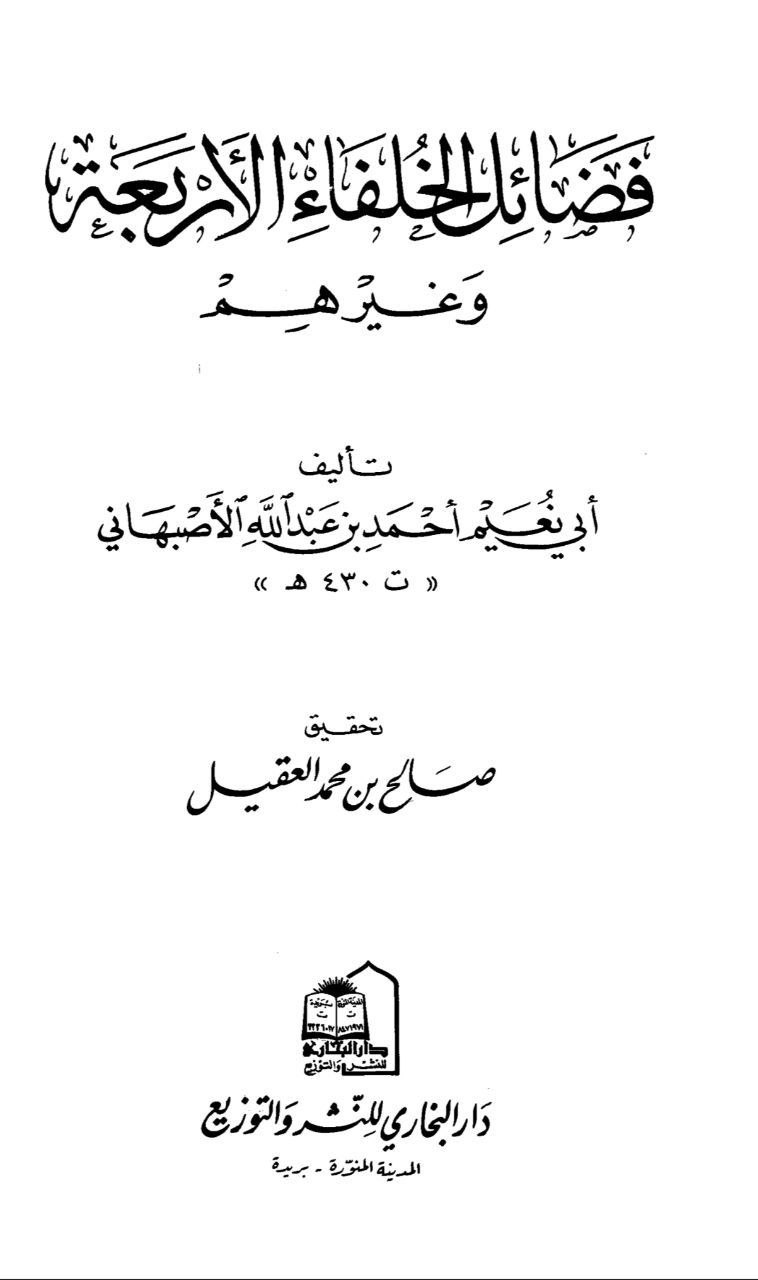
Note on Source

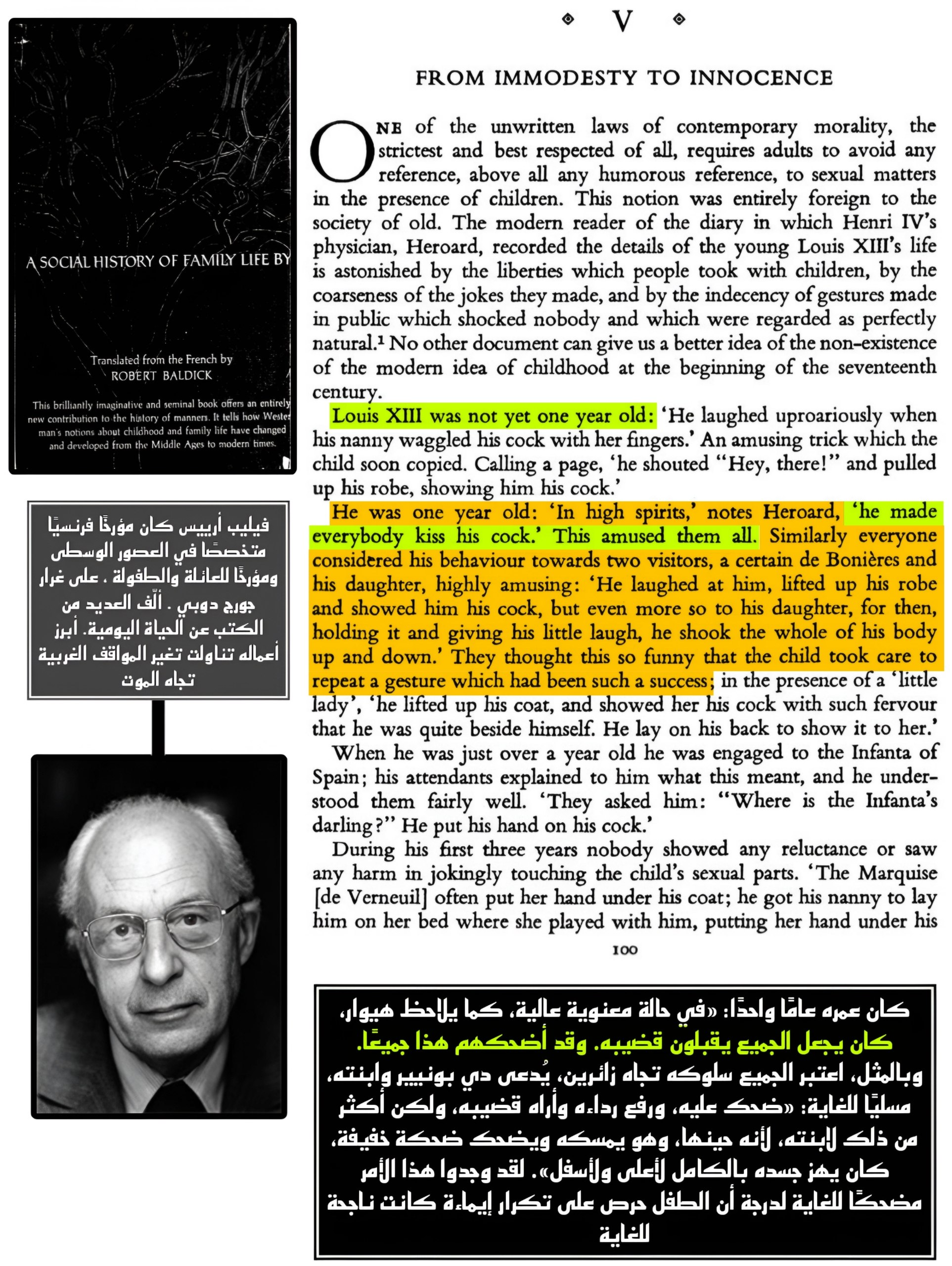
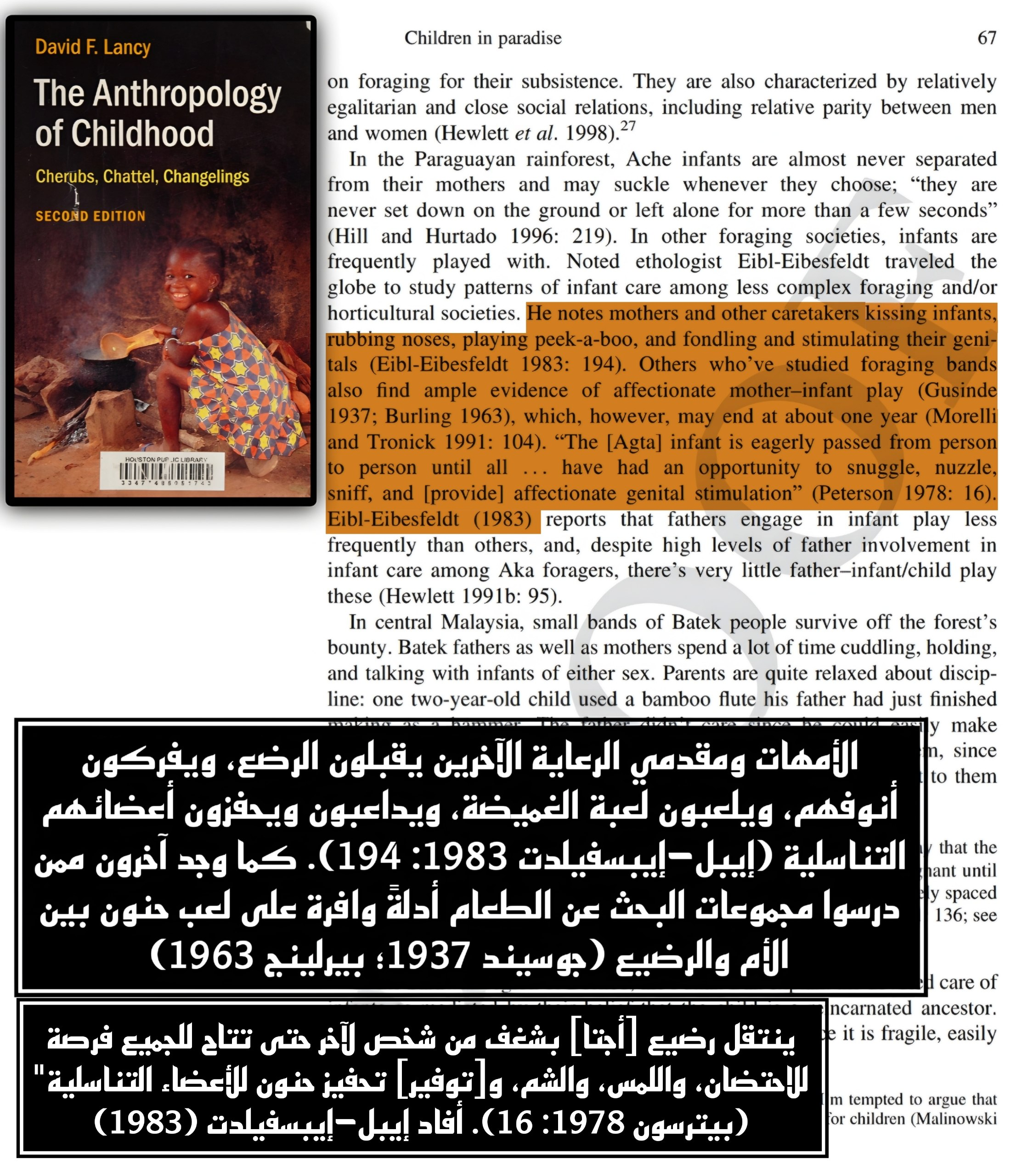
Louis XIII. It should be noted that the account is weak, and this is merely for the sake of argument.
a488a1af 2a18 4b2d aba0 dfa7833ea4aa 27f1229ca2751e75

676e1a19 6393 4ada a2ef 5546c8892f5f 3cf020b1a091735f

20250724 202154 b3fcbabb06bc306e