Did the Quran Copy the Talmud? A Complete Refutation of the Plagiarism Claim
Table of Contents
- First — Important Definitions
- Second — Key Points That Refute the Allegations
- Point 1 — The Illiteracy of the Messenger
- Point 2 — The Impossibility of Talmud Reaching Mecca
- Point 3 — The Messenger Knew the Jews Had Composed Books
- Point 4 — Islamic Influence on Jewish Culture in the Middle Ages
- Point 5 — Jews Stole Quranic Stories
- Point 6 — The Talmud Was Burned and Concealed
- Point 7 — Oldest Talmud Manuscripts Post-Date Islam
- Point 8 — Quranic Miracles Are Absent from the Talmud
- Point 9 — Ancient Writings and the Bible
- Point 10 — Correct Roots in Jewish Heritage
- Point 11 — New Testament Writers Quoted from the Apocrypha
- Summary and Conclusions
First — Important Definitions
1) The Talmud
The Talmud consists of two main parts:
A) The Mishnah — Hebrew for “to repeat.” A collection of oral laws written in the second century AD. Consists of 6 sections and 23 articles.
B) The Gemara — Aramaic for “study of traditions.” Written after the third century AD. Contains discussions of rabbis of Palestine and Babylon. There is the Palestinian Talmud and the Babylonian Talmud — the latter considered more comprehensive and reliable.
2) Importance of the Talmud for Jews
With the adoption of the Torah by Christianity as a holy book, Rabbinic Judaism emphasized the importance of the Talmud at the expense of the Torah — and thus the phrase “study of the Torah” actually came to mean “study of the Talmud.”
3) Haggadah / Agada
- Agada — general definition: any heritage stories or moral explanation of sacred Jewish texts.
- Haggadah — also used for the sacred Jewish text dealing with the story of the Exodus, recited before the Passover meal.
4) Midrash
- Halacah Midrash — deals with legal topics.
- Hagadah Midrash — deals with moral topics and stories.
Second — Key Points That Refute the Allegations
Point 1 — The Illiteracy of the Messenger
{And you did not recite before it any scripture, nor did you inscribe it with your right hand. Then the falsifiers would have had doubts.} [Al-Ankabut 48]
Point 2 — The Impossibility of Talmud Reaching Mecca
The Arab Jews were isolated from their co-religionists in other countries where the Talmud was still in stages of modification and writing. The Talmud did not reach its final form until700 AD — after the emergence of Islam.
Some of the text did not reach its final form until around 700. Traditionally, the rabbis who edited the Talmud after the end of the Amoraic period are called the Saboraim.
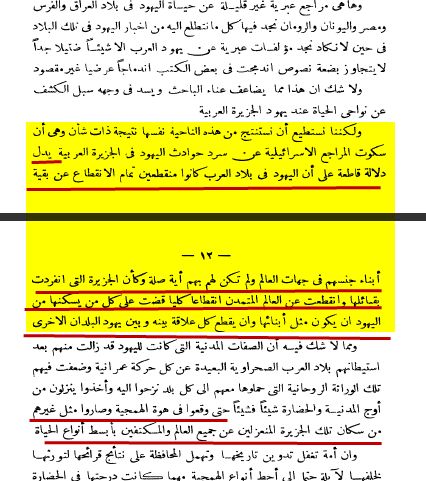
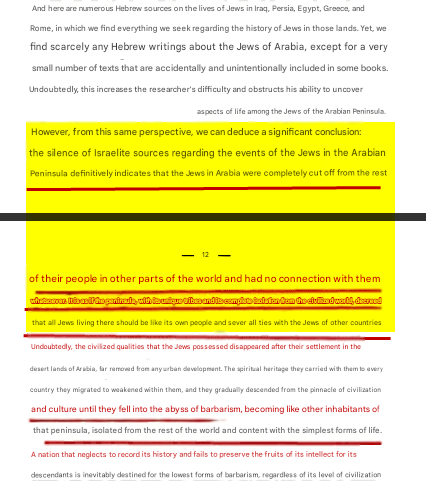
The Jews of the Arabian Peninsula are not mentioned in Jewish or non-Jewish references before the mission of the Messenger due to the severance of their relations with the rest of the Jews of the world. Their relationship with the Jews of Palestine was a commercial relationship no different from the relationship of the other Arab tribes with them.
Jewish historians confirm that the Jews of the Arabian Peninsula did not fully submit to the Talmud and did not recognize it.
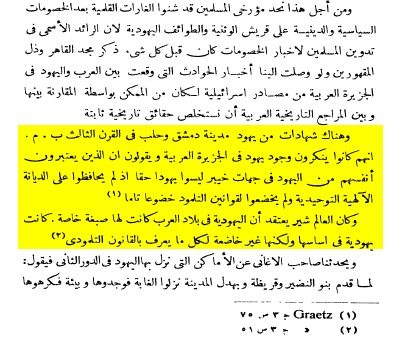
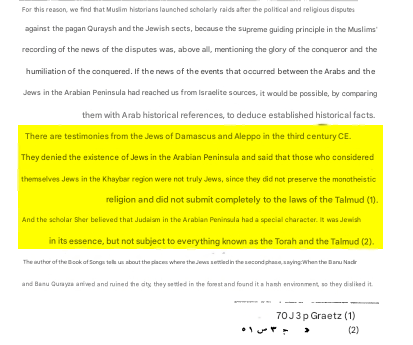
There is evidence that the Jews of Damascus and Aleppo did not (in the eighth century AD) consider the Jews of the Arabian Peninsula to be Jews at all — because they did not know the Talmud, and if they did know it, they did not submit to its laws. Their Judaism was summarized in belief in the doctrine of monotheism and the Old Testament.
While the Mishnah was mentioned with the word “Mithna” in a few traces, there is no mention of the Gemara in any ancient Arab trace.
“From the approach of the Hour, the wicked will be raised and the good will be put down, and the Muthanna will be read among the people.” I said: “What is the Muthanna?” He said: “Nothing was written except the Book of God.”(Narrator’s ruling: Its men are the men of the Sahih)
The Messenger of Allah came to Medina and found the Jews fasting on the day of Ashura. They said: “This is the day on which Allah gave victory to Moses and the Children of Israel over Pharaoh, so we fast it to honor him.” The Prophet said: “We are closer to Moses than you are.” So he ordered that it be fasted.
This story is evidence of the absence of knowledgeable Jews in Mecca.
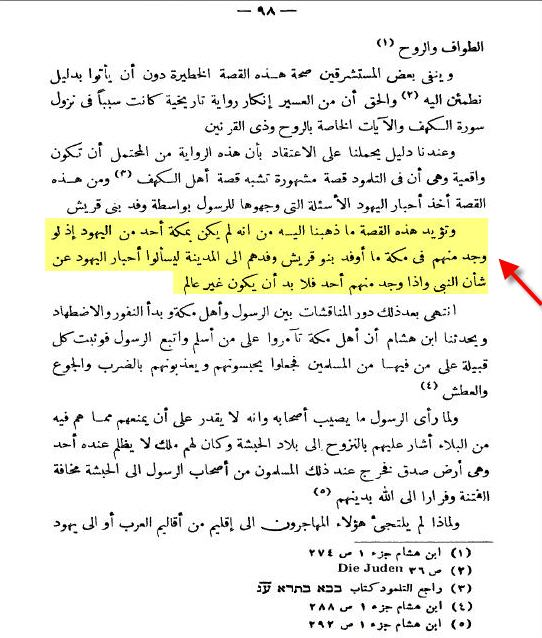
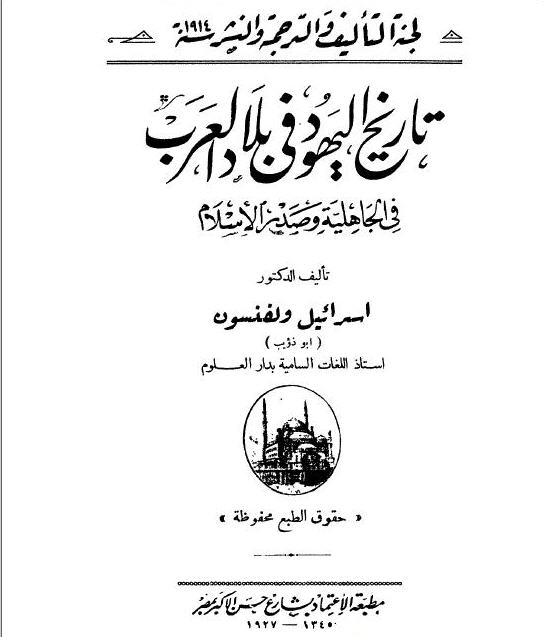
Access to the Talmud during this period was not guaranteed to the general Jewish public — it was limited to scholars and rabbis. The holy books were not circulated among the people.
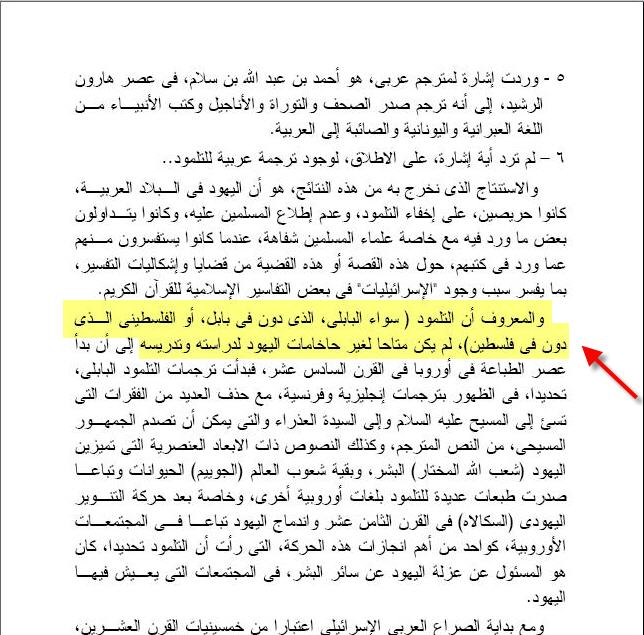
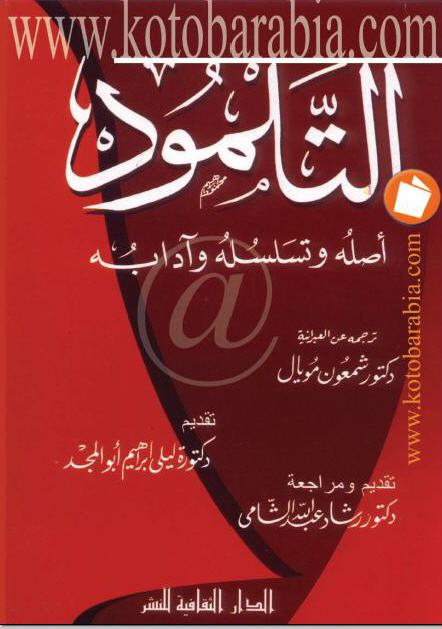
This is according to the admission of the Jews themselves — not the words of the Muslims.
It has been shown to us that the Jewish interpreters borrowed a lot from the Muslim interpreters.
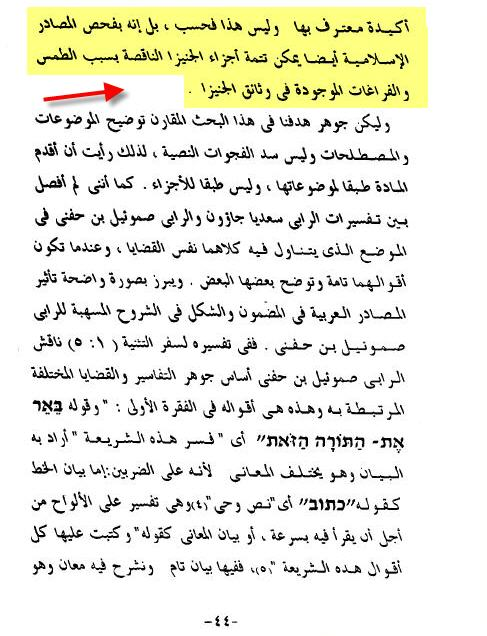
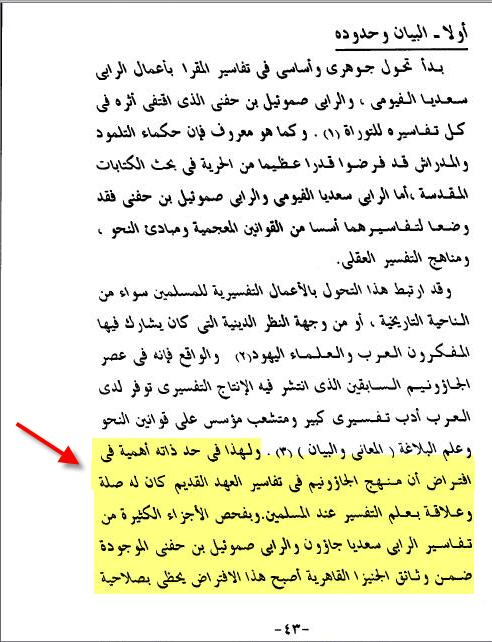
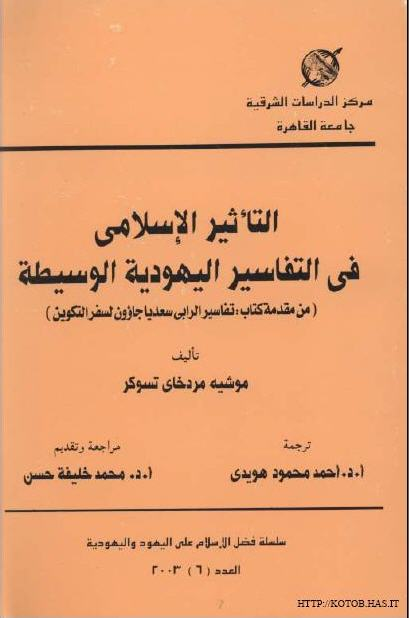
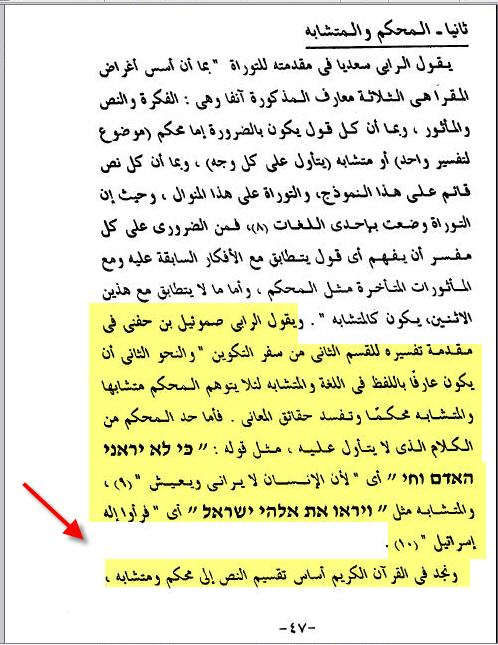
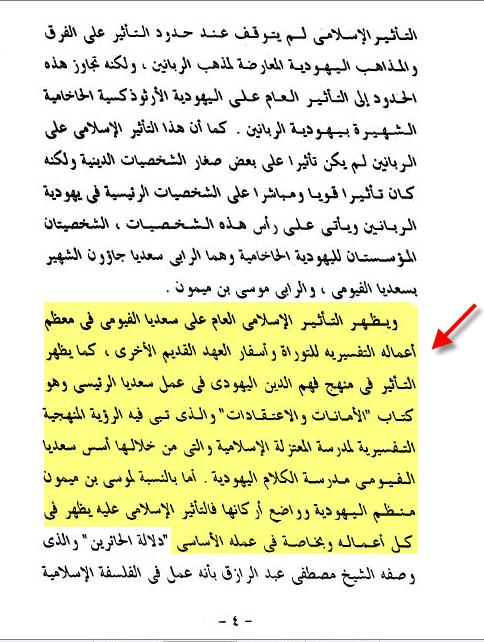
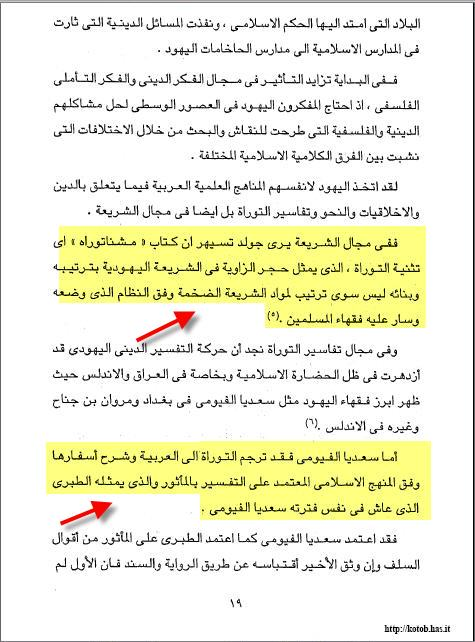
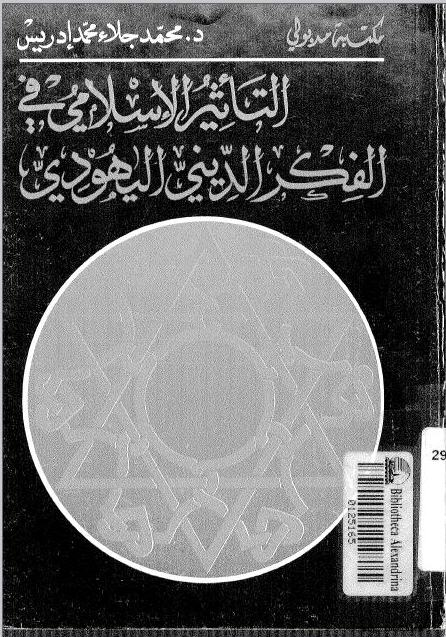
Judaism owes much to Islam for the emergence of the complete Jewish philosophical works of the Middle Ages. This literature includes the writings of Rabbi Saadia Gaon, Maimonides, Rabbi Pashaya ben Bakuda, and Rabbi Yehuda Halevi — forming a cornerstone of Jewish culture to this day.http://www.commongroundnews.org/arti…0&sp=0&isNew=1
Point 3 — The Messenger Knew the Jews Had Composed Books
This means he would not have naively transmitted their fabricated traditions thinking they were scripture.
“The Children of Israel wrote a book and followed it and abandoned the Torah.”(Narrator’s ruling: Its men are trustworthy)
“The Muthanna will be read among the people.” I said: “What is the Muthanna?” He said: “Nothing was written except the Book of God.”(Narrator’s ruling: Its men are the men of the Sahih)
Point 4 — Islamic Influence on Jewish Culture in the Middle Ages
Islamic and Jewish cultures met significantly in the Middle Ages, especially in Andalusia under Islamic rule. This is clearly evident in the thought ofMoses Maimonides, whose writings clearly show the influence of Islamic thought (e.g., Guide for the Perplexed).
http://plato.stanford.edu/entries/maimonides-islamic/
The position of Judah ha-Levi in Jewish philosophy is parallel to that occupied in Islam by Ghazali — by whom he was influenced.http://en.wikipedia.org/wiki/Judah_ha-Levi
Point 5 — Jews Stole Quranic Stories
The Jews’ influence by Islam reached the point of stealing Quranic stories, prophetic hadiths, and sayings of the Companions — attributing them to their own rabbis. Examples include the story of Joseph and the story of Abraham and Ishmael, as attested by Jews themselves today.
Point 6 — The Talmud Was Burned and Concealed
The Talmud reaches approximately10,000 pages and has been subjected to massive burning, concealment, and deletion of texts to please the Church — confirming the impossibility of its texts remaining intact over this long period.
{Embed}
https://www.jewishencyclopedia.com/articles/14213-talmud#145
Point 7 — Oldest Talmud Manuscripts Post-Date Islam
This is hundreds of years after Islam — and at the peak of Islamic cultural influence on Jewish scholarship.
- MS Oxford Bodleian Lib. 2673 — oldest firmly dated manuscript, 1123 CE
- MS Florence National Lib. III 7-9 — completed 1177 CE
- MS Hamburg 165 — written 1184 CE
- MS New York JTS No. 44830 — 1290 CE
- MS Munich Code. Heb. 95 — 1342 CE — contains the entire Talmud
- Cambridge Fragment — possibly earliest extant manuscript, 9th or 10th century
{Embed}
https://www.islamic-awareness.org/quran/sources/bbcanda
The oldest manuscript copies of the Mishnah are in Parma (13th century), Cambridge, and New York (vocalized fragments, 10th or 11th century). The first printed edition appeared in Naples (1492).http://www.come-and-hear.com/talmud/nezikin_h.html
Point 8 — Quranic Miracles Are Absent from the Talmud
- The stages of embryonic development (sperm, leech, pump, image formation after 42 days)
- The positions of the stars and the weaving of the sky
- The rotation of the sun and moon
- The prediction of the defeat of the Persians at the height of their victory over the Romans
- The prediction of the large number of Muslims and their weakness
- The prediction of abandoning camels
- The spread of knowledge and writing
And where in the Qur’an do we find the Jewish myths — such as Adam’s height from earth to sky, Eve created from his head or tail, or God resting after creation?
Point 9 — Ancient Writings and the Bible
- The Bible’s writers quoted from Gilgamesh.
- The writers of Gilgamesh were informed of Noah’s Flood through transmitted generations or prophets — then it came again in the Bible through divine revelation.
Jews, Christians, and Muslims all choose the second possibility for Gilgamesh.
Possibility 2 — What is in the Talmud that agrees with the Quran is what the prophets told them — passed down orally until written in Jewish heritage — then came again in the Quran through divine revelation.
Christians assert Possibility 2 for Gilgamesh and the Bible — but Possibility 1 for the Quran. What is the matter with you? How do you judge, O Christians?
Point 10 — Correct Roots in Jewish Heritage
- Agrees with the Quran and Sunnah → remnants of revelation and words of the messengers.
- Contradicts the Quran and Sunnah → human interventions with no connection to revelation.
- Neither confirmed nor denied → we remain silent and leave it to history.
Point 11 — New Testament Writers Quoted from the Apocrypha
“Behold! He cometh with ten thousands of His holy ones to execute judgment upon all, and to destroy all the ungodly, and to convict all flesh of all the works of their ungodliness.”http://www.thenazareneway.com/book_of_enoch.htm
“And Enoch also, the seventh from Adam, prophesied of these, saying, Behold, the ADONAY cometh with ten thousands of his saints, to execute judgment upon all.”http://www.htmlbible.com/sacrednamebiblecom/B65C001.htm
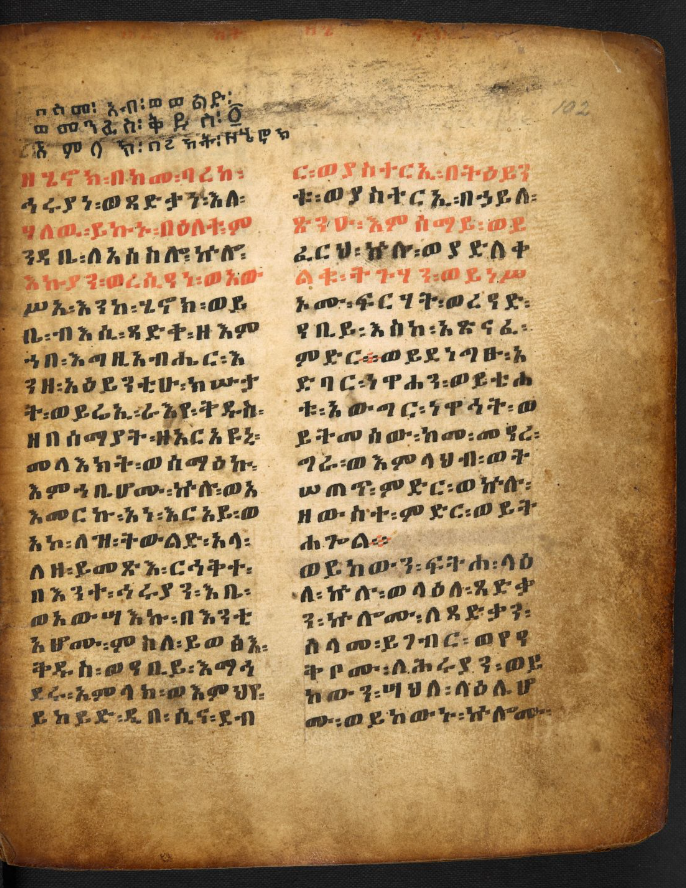
How do you say the Book of Enoch is apocryphal while the writer of the Epistle of Jude quotes from it as a canonical inspired book?http://holy-bible-1.com/articles/display/10298/ajax
Among the Egyptians were the two arch-magicians Jannes and Jambres. They made wings for themselves, with which they flew up to heaven…http://www.sacred-texts.com/jud/loj/loj303.htm
The writers of the New Testament, headed by Paul, considered the Haggadah stories to be true and sacred — taking lessons from them. Yet Christians claim these are merely myths when it suits them.
Summary and Conclusions
- The Messenger ﷺ was illiterate.
- No strong connection existed between the Jews of Mecca and those in the Levant/Babylon where the Talmud was still being written.
- The Jews of Arabia did not fully submit to the Talmud — confirmed by Jewish historians.
- Most verses they claim were borrowed were revealed during the Meccan period — where there were almost no Jews.
- Access to the Talmud was limited to rabbis, not the general public.
{This is from the news of the unseen which We reveal to you. You knew it not, you nor your people, before this.} [Hud 49]
{And you were not on the western side when We decreed to Moses the command, nor were you among the witnesses.} [Al-Qasas 44]
{That is from the news of the unseen which We reveal to you, and you were not with them when they cast their pens as to which of them should be responsible for Mary.} [Al Imran 44]
{This is from the news of the unseen which We reveal to you, and you were not with them when they decided their plan while they were plotting.} [Yusuf 105]
- Islamic culture deeply influenced the great Talmud interpreters and Jewish Torah scholars in the Middle Ages.
- This influence reached the point of quoting stories from the Quran and Sunnah and attributing them to their rabbis.
- The oldest Talmudic manuscripts date to the Middle Ages — at the peak of this Islamic influence.
- The Talmud was burned and deleted by the Church many times.
Result: It is impossible to be certain of the stability of Talmud texts — some may have been written recently under the dominance of Islam.
- The Bible contains stories consistent with ancient books such as Gilgamesh.
- The Bible cites books not found today.
- New Testament writers quoted from Jewish heritage not found in the Old Testament.
Result: What prevents the Quranic stories similar to Jewish heritage from having roots in revelation — remnants of the words of the prophets, transmitted orally or in writing, whose written sources have been lost?
Christian scholars believe the New Testament writers knew these through revelation and that the Jewish heritage contains real things mixed with myths — yet they refuse to apply the same principle to explain similarities between the Talmud and the Holy Quran.
New Testament Writers Quote From the Haggadah
New Testament Writers Quote From the Haggadah Part 2
Is the Holy Quran Taken From the Bible_(Academical RESPONSE
Did the Quran Copy Abraham’s Story from the Haggadah? A Complete Refutation with Historical Evidence
...n-from-the-bible-academical-response|Is the Holy Quran Taken From the Bible_(Academical RESPONSE]]
...is blessed series, God willing. If I am right, it is from God Almighty, and if I am wrong, it is from myself and Satan. This, and may God's blessings and peace be upon our master Muhammad, his...
...n-from-the-bible-academical-response|Is the Holy Quran Taken From the Bible_(Academical RESPONSE]]