Did the Quran Copy Abraham's Story from the Haggadah? A Complete Refutation with Historical Evidence
Table of Contents
- 1 — Is the Old Testament the Source of the Stories?
- 2 — What About the Apocrypha?
- 3 — Definition of Midrash
- 4 — Contents of the Haggadah
- 5 — Its Status Among the Jews
- 6 — When Was It Written?
- 7 — Who Quoted from Whom?
- 8 — What About the Bible?
- 9 — Response to What It Contains
1 — Is the Old Testament the Source of the Stories?
Does the fact that a story is mentioned in ancient heritage and not in the Old Testament mean that this story is false? Or does the Old Testament not contain all the stories and there are stories that were not recorded in it?
Now the acts of King David, first and last, are they not written in the books of Samuel the seer, and in the books of Nathan the prophet, and in the books of Gad the seer?
And the sun stood still, and the moon stood still, until the people had avenged themselves on their enemies. Is not this written in the book of Jasher?
Now the rest of the acts of Solomon, and all that he did, and his wisdom, are they not written in the book of the acts of Solomon?
Now the rest of the acts of Solomon, first and last, are they not written in the books of Nathan the prophet, and in the prophecy of Ahijah the Shilonite, and in the visions of Iddo the seer?
The affairs of Solomon, Jasher, the history of Nathan and others — many books of the Old Testament are not present and have gone with the wind. There are those who admit the bitter truth that these books have been lost, such as the Encyclopedia of the Bible.
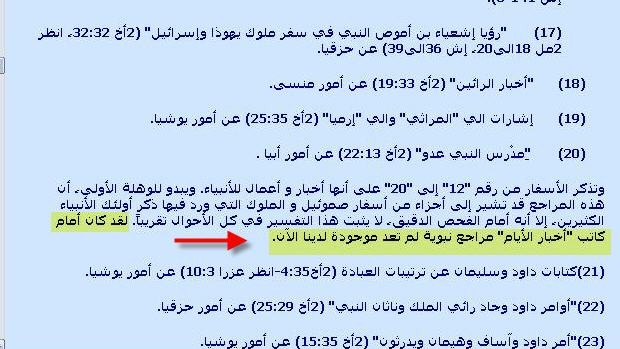
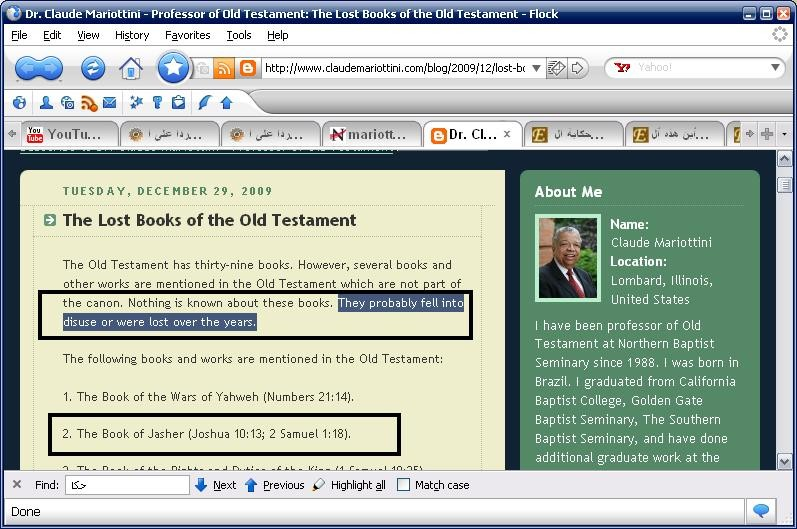
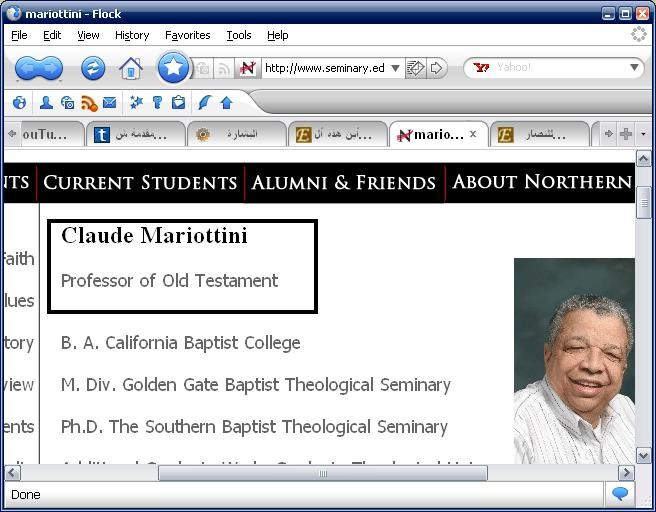
The fathers stated that the writers of the Old Testament quoted things from these lost books — so they are not inspired books, yet the book of revelation quoted from them.
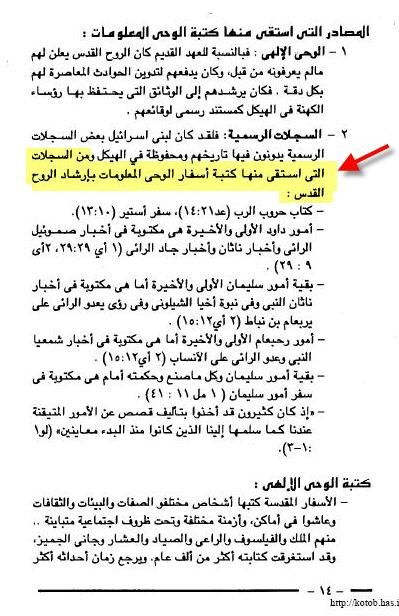
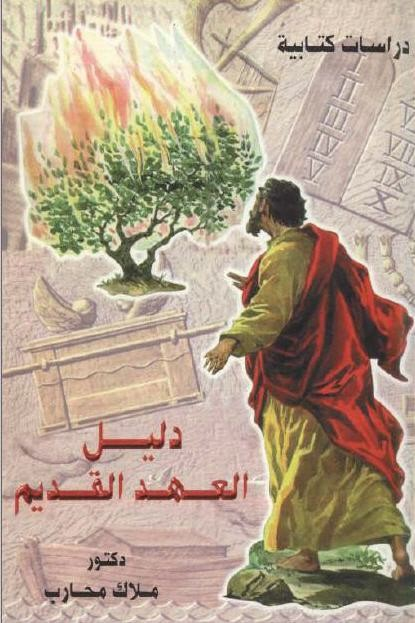
The Old Testament that we see now is not the source of ancient history — it is merely a summary of very old documents. Anyone who studies the Old Testament knows the theory of the four sources (J, E, D, P).
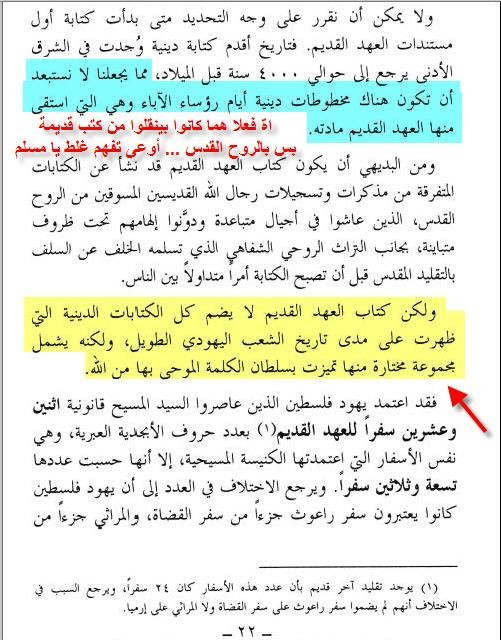
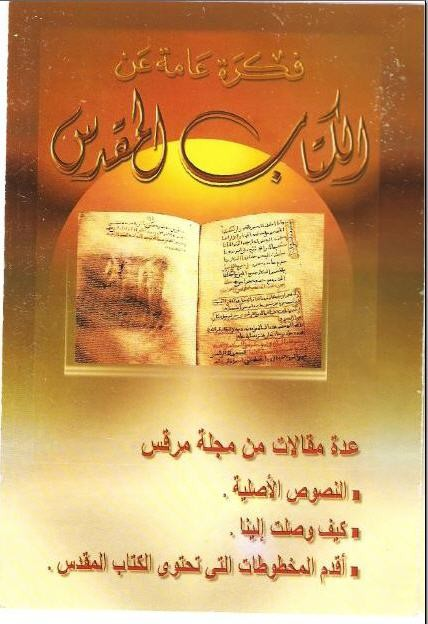
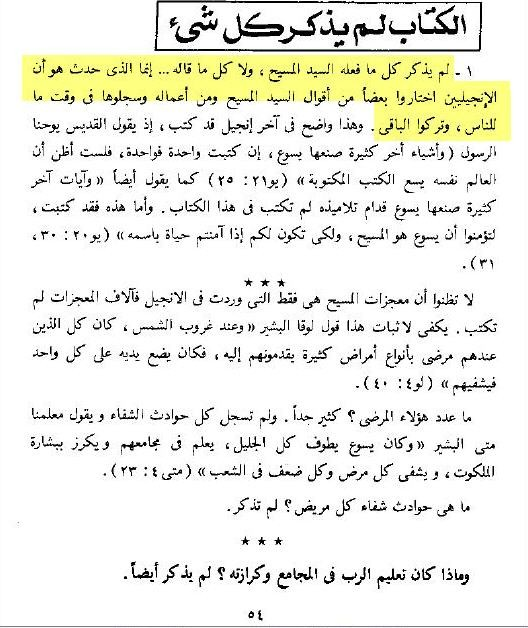
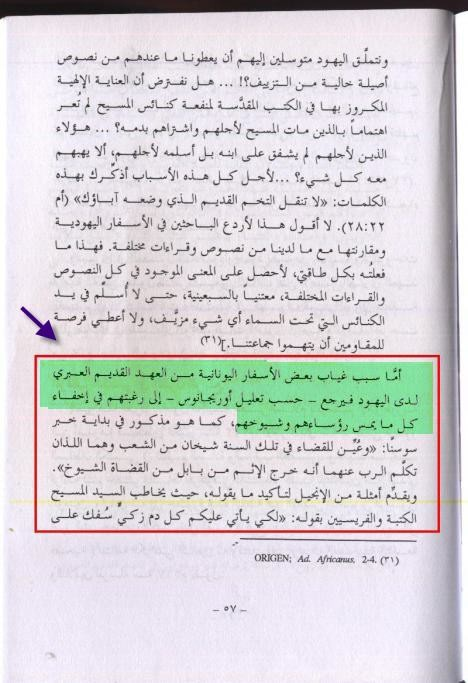
The Jews distorted the Old Testament as the Church Fathers told us — they deleted and added to it. Origen justifies the absence of the second canonical books in the Hebrew version by saying that the Jews deleted them because they offended their elders.
And he came and dwelt in a city called Nazareth, that it might be fulfilled which was spoken by the prophets, He shall be called a Nazarene.(This prophecy is not found in the Old Testament — so where did it go?)
“Be not curious, nor overbusy. For many of the prophetic writings have been lost; and this one may see from the history of the Chronicles. For being negligent, and continually falling into ungodliness, some they suffered to perish, others they themselves burned up and cut to pieces.”http://www.clerus.org/bibliaclerusonline/en/cl0.htm
- The Old Testament does not contain all of human history.
- The Old Testament is merely a carrier of ancient documents.
- Many books were lost from it.
- It was distorted by the Jews as the Church Fathers explained.
2 — What About the Apocrypha?
It is funny and shameful for a Christian to claim the Quran quoted from the Apocrypha — because Christians themselves do not agree on what the Apocrypha even is.
- If the Quran confirmed something in the Book of Isaiah → a Samaritan would call it Apocrypha.
- If the Quran confirmed something in the Book of Sirach → a Jew or Protestant would call it Apocrypha.
- If the Quran confirmed something in the Book of the Ascension of Isaiah → everyone would object except the Ethiopian Church.
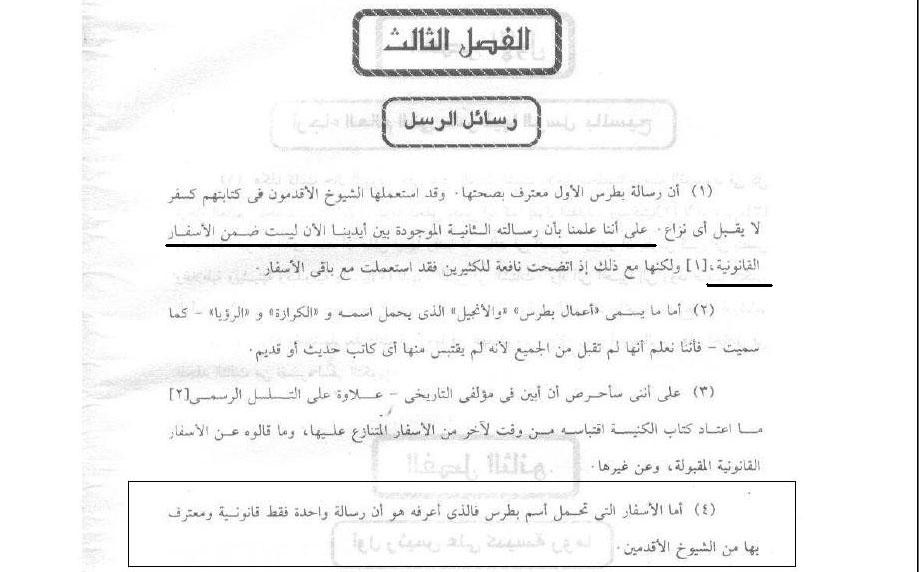
- If the Quran confirmed something in the Revelation of Peter → everyone would be angry, but Clement of Alexandria would not — he believed it was holy.
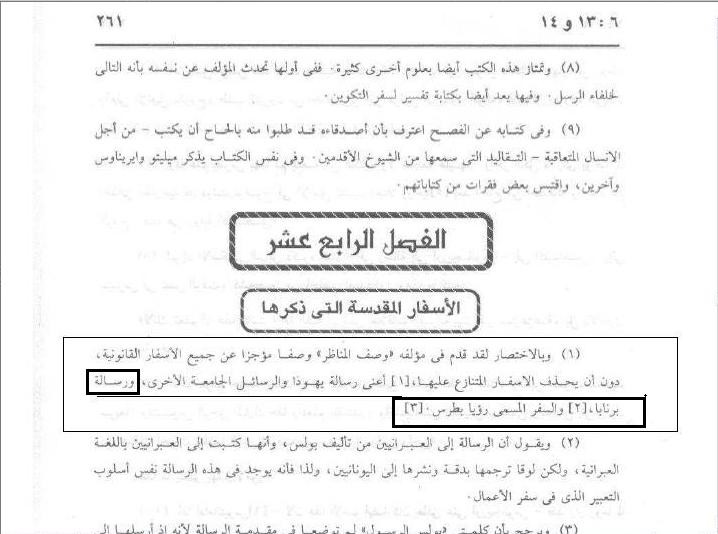
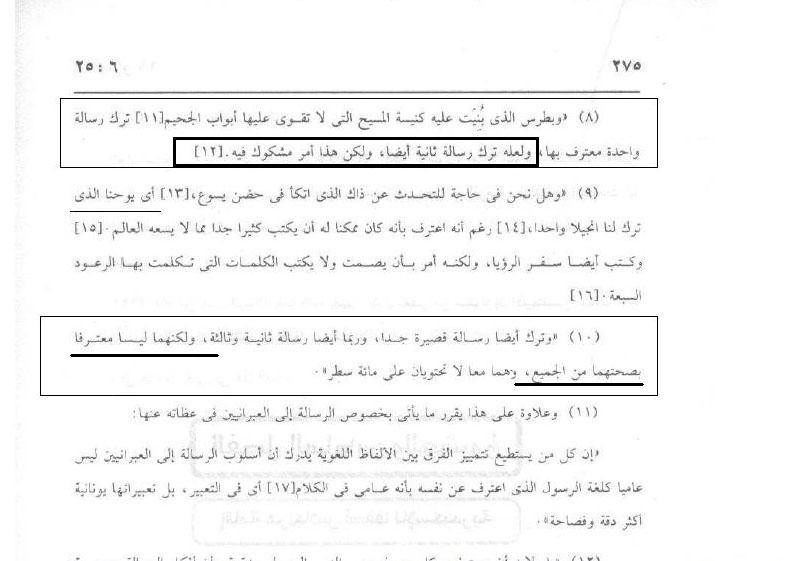
(On the Second Epistle of Peter — Clement of Alexandria did not believe in it)
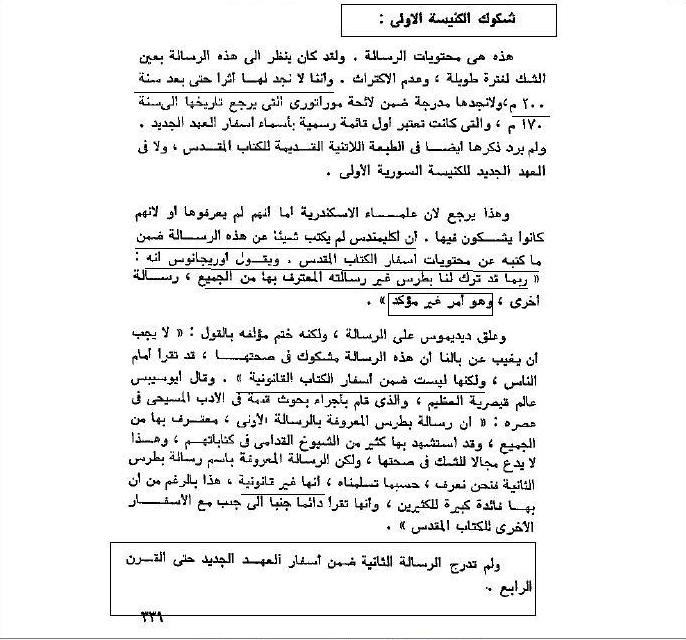
(Origen objected to the Second Epistle of John)
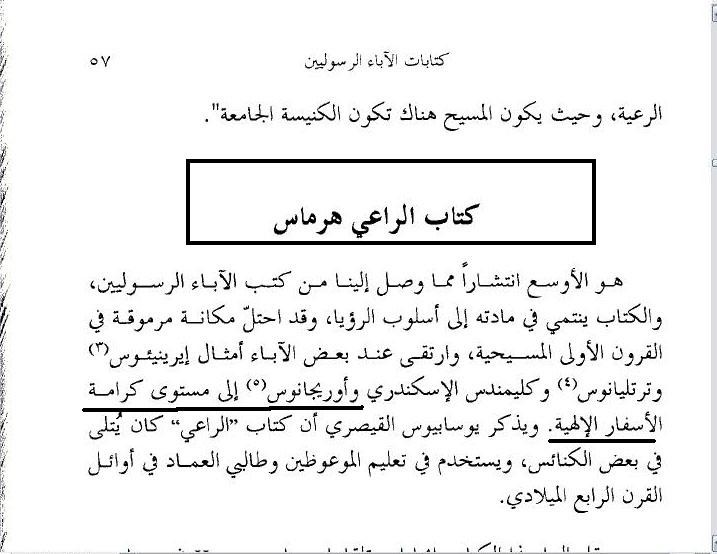
(Origen believed the Shepherd of Hermas was a holy book)
(Eusebius of Caesarea did not believe in the Book of Revelation)
(Athanasius the Apostolic did not believe in the Second Book of Maccabees)
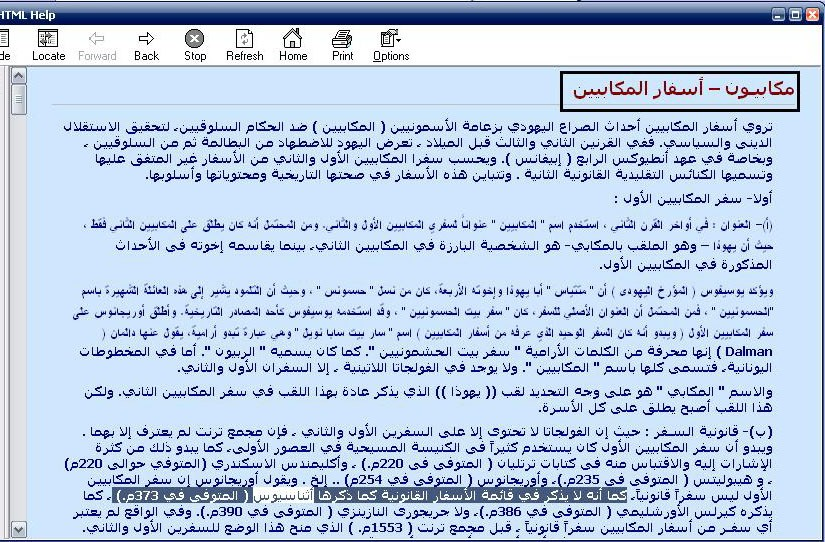
(On the Epistle of Jeremiah — believed in the past, rejected later)
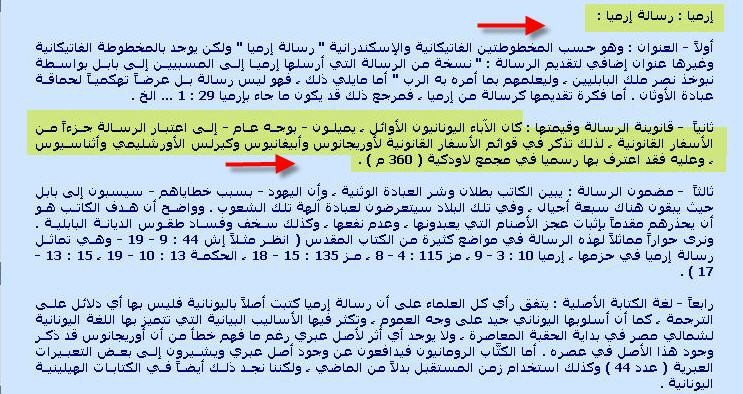
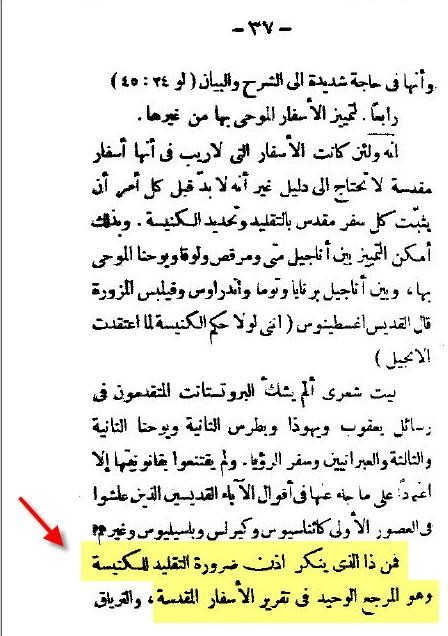
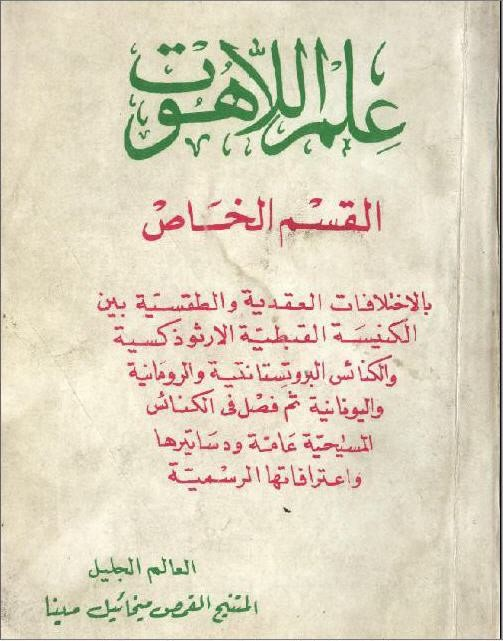
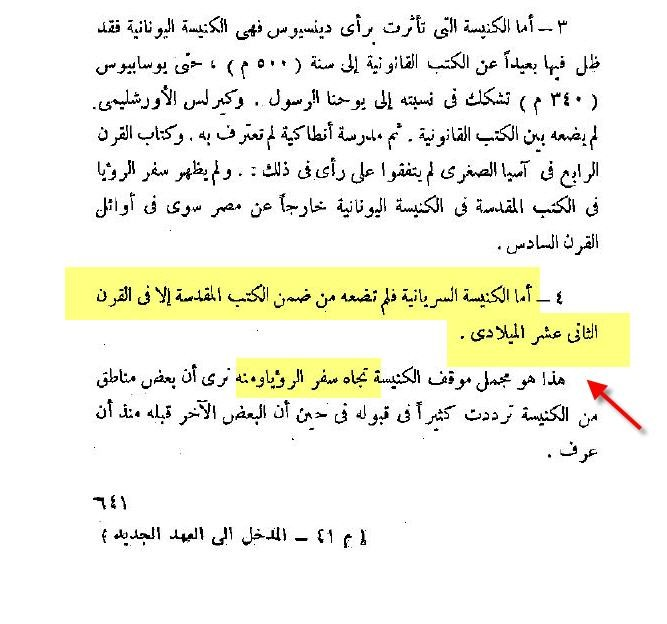
(The Syriac Church rejected the Book of Revelation for 1200 years then accepted it)
{They have no knowledge of it. They follow nothing but assumption, and assumption avails nothing against the truth.}
3 — Definition of Midrash
Midrash is the interpretation of the Torah by the rabbis to clarify legal points and provide moral instruction using news, proverbs, and narratives.https://www.albishara.org/dictionary.php?op=bGV0dGVyPU5EZzBNQT09Jmt3b3JkPU1qUT0.&libro=c4ca4238a0b9238230dcc509a6f75849b
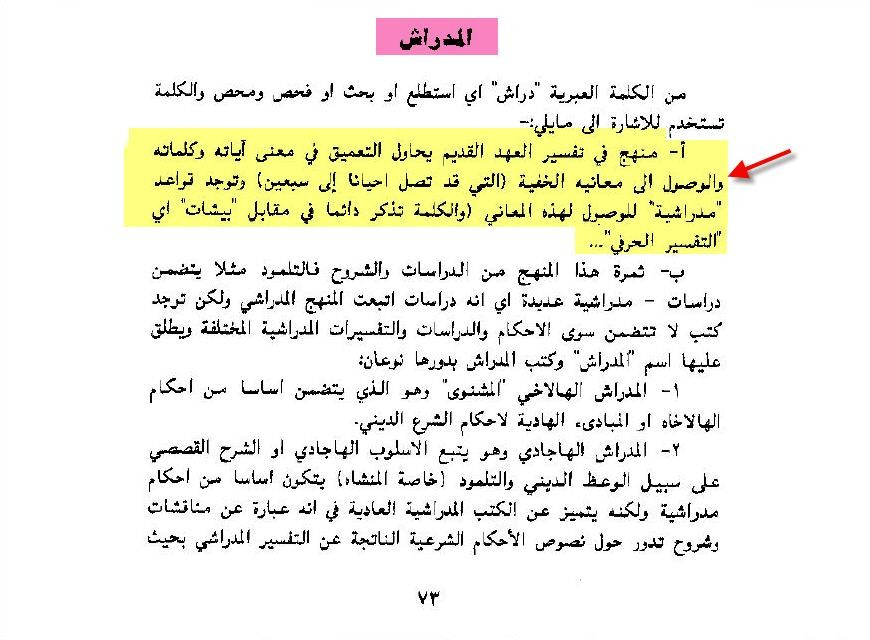
The method of the rabbis in interpreting the Old Testament, where the words are scrutinized to reach the meaning of the text and what it conceals.
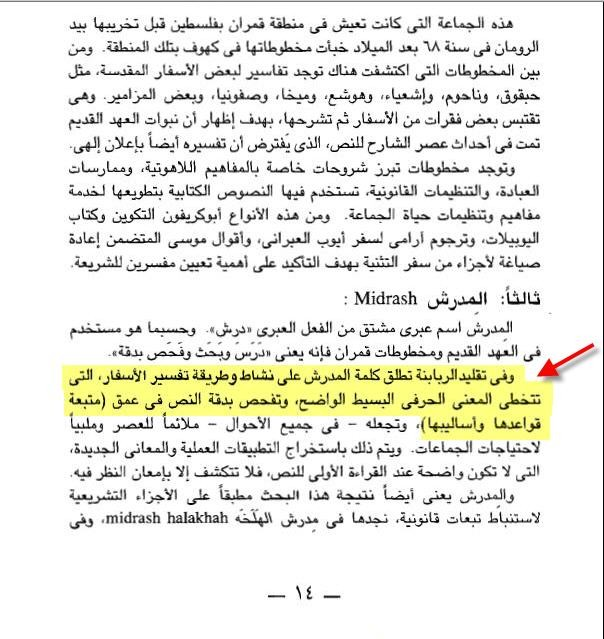
The term commonly designates ancient rabbinical commentaries on the Hebrew Scriptures.http://www.newadvent.org/cathen/10286b.htm
{Embed}
http://www.newadvent.org/cathen/10286b.htm
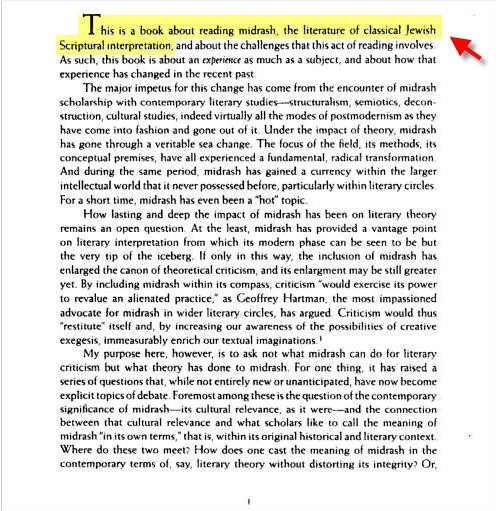
- Midrash Halachah — deals with legal material.
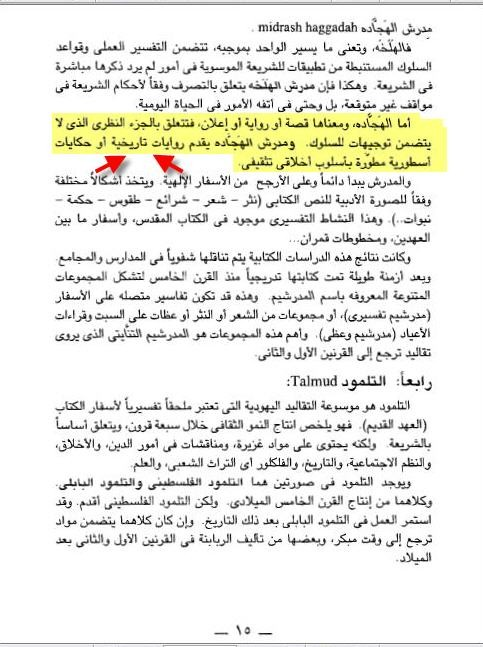
- Midrash Haggadah — deals with moral or theological issues and stories.
http://www.yashanet.com/studies/juda…rs/midrash.htm
http://www.newworldencyclopedia.org/entry/Midrash
http://www.judaismsanswer.com/midrash.htm
4 — Contents of the Haggadah
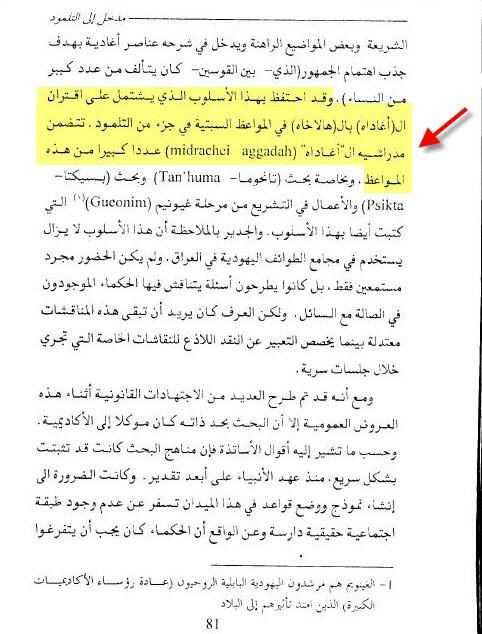
The Haggadah deals with the narrative explanation of the texts of the Old Testament — it attempts to interpret the texts using stories and sermons.
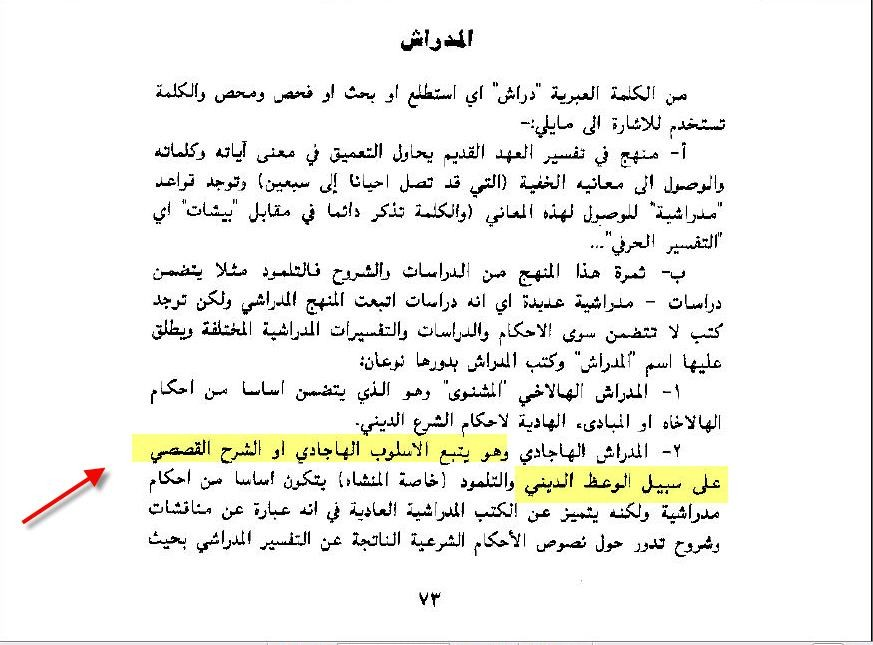
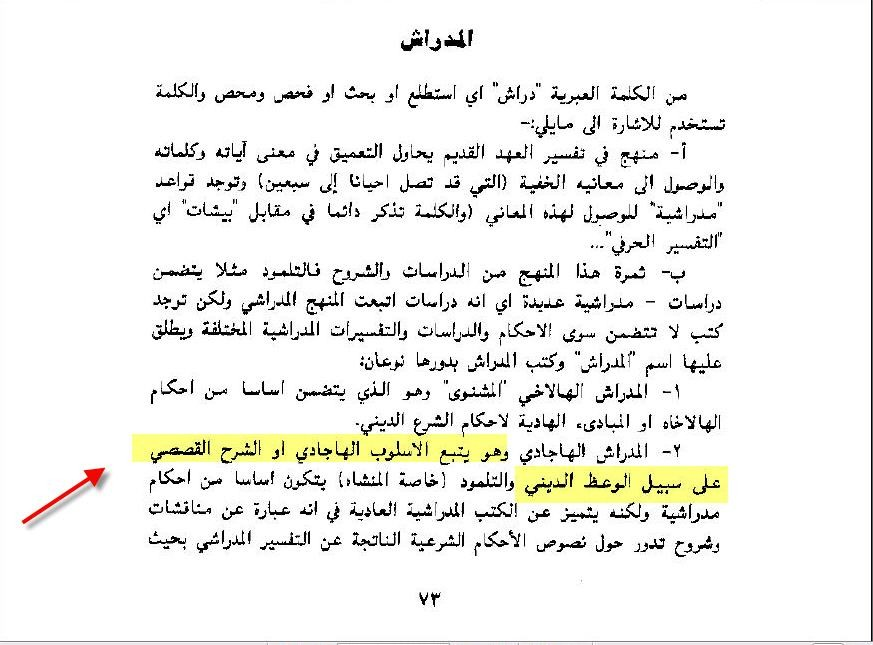
Midrash Haggadah embraces the interpretation, illustration, or expansion, in a moralizing or edifying manner, of the non-legal portions of the Bible.https://www.jewishencyclopedia.com/articles/10806-midrash-haggadah
{Embed}
https://www.jewishencyclopedia.com/articles/10806-midrash-haggadah
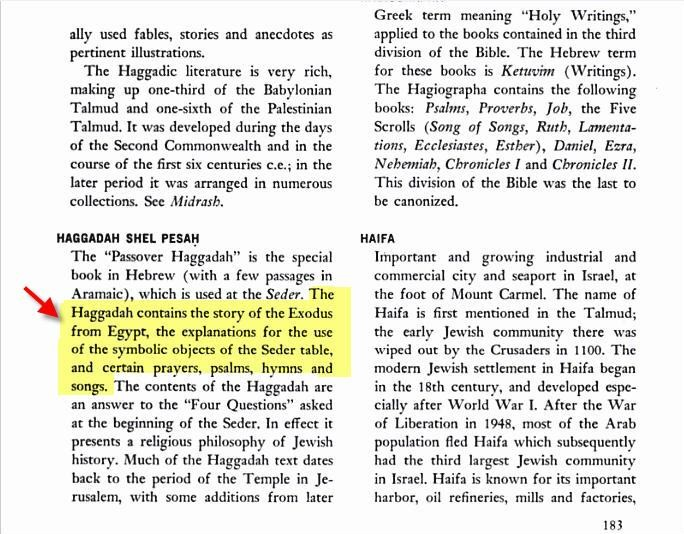
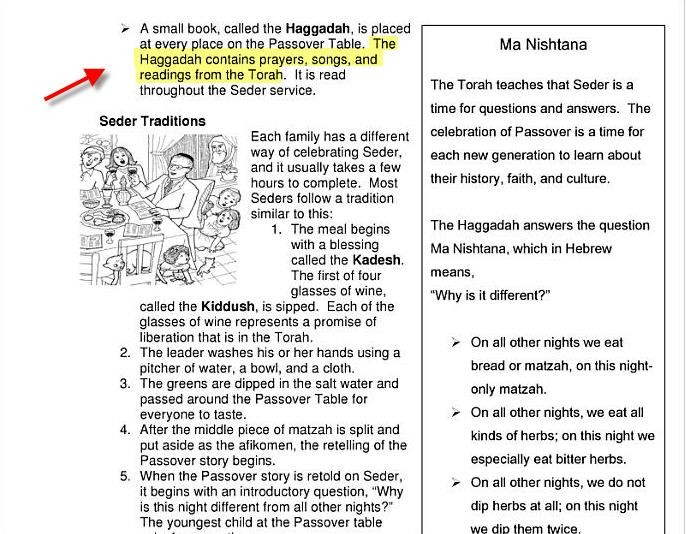

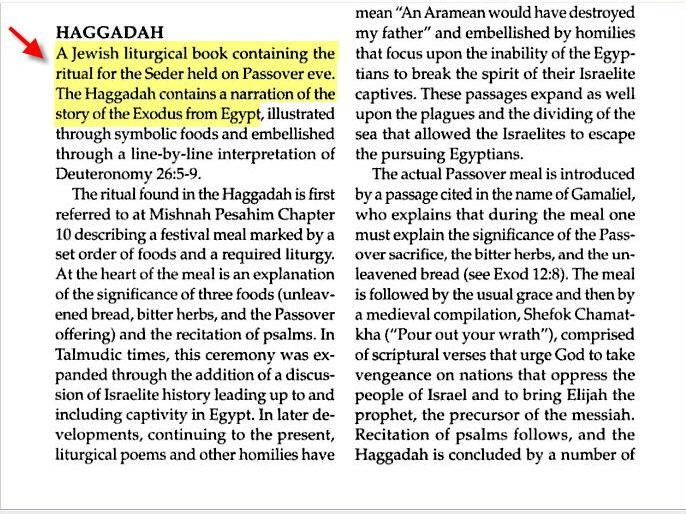
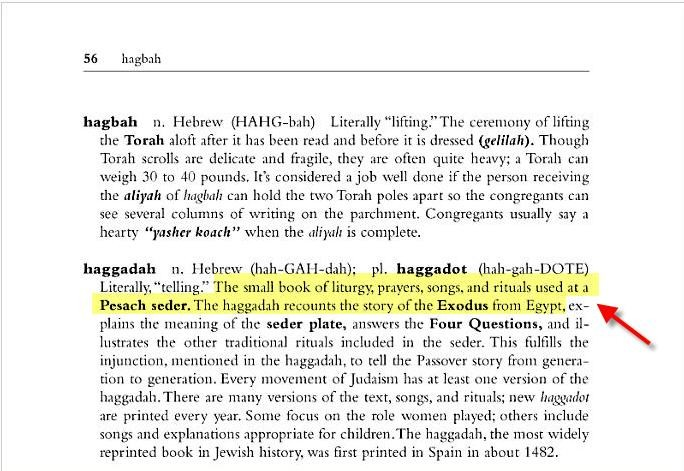
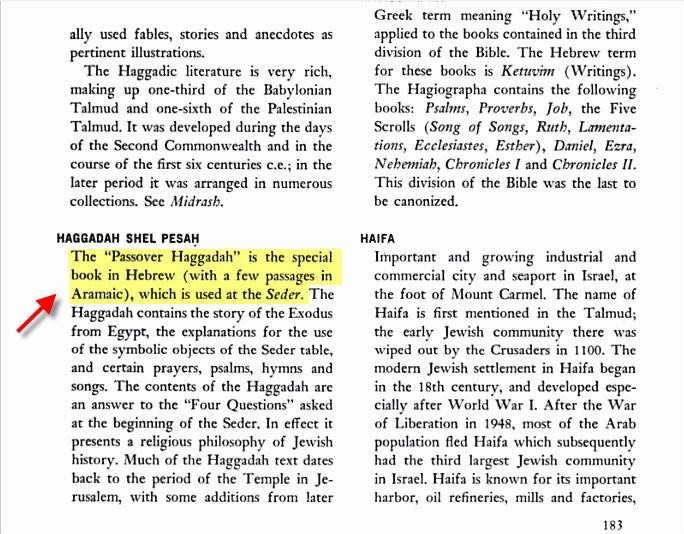
The Haggadah contains prayers, readings from the Torah, instructions for the Seder, old and new commentary on the Exodus, and sometimes songs.http://www.wisegeek.com/what-is-the-haggadah.htm
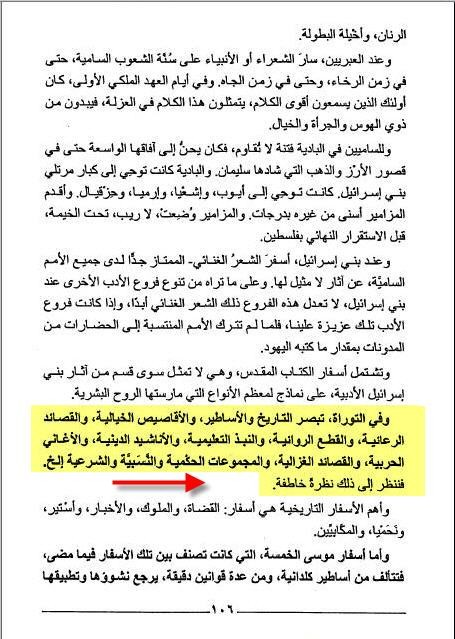
Readings from the Torah, prayers, songs, stories about the Exodus, rabbinical commentaries, psalms, hymns, and legends — just like what Christians call the Old Testament. Saying the Haggadah is merely a “book of myths” is incorrect and shows ignorance.
5 — Its Status Among the Jews
The Jews sanctify the Talmud more than the Torah — and the Haggadah has its own sanctity for the Jews, read during the Passover holiday.
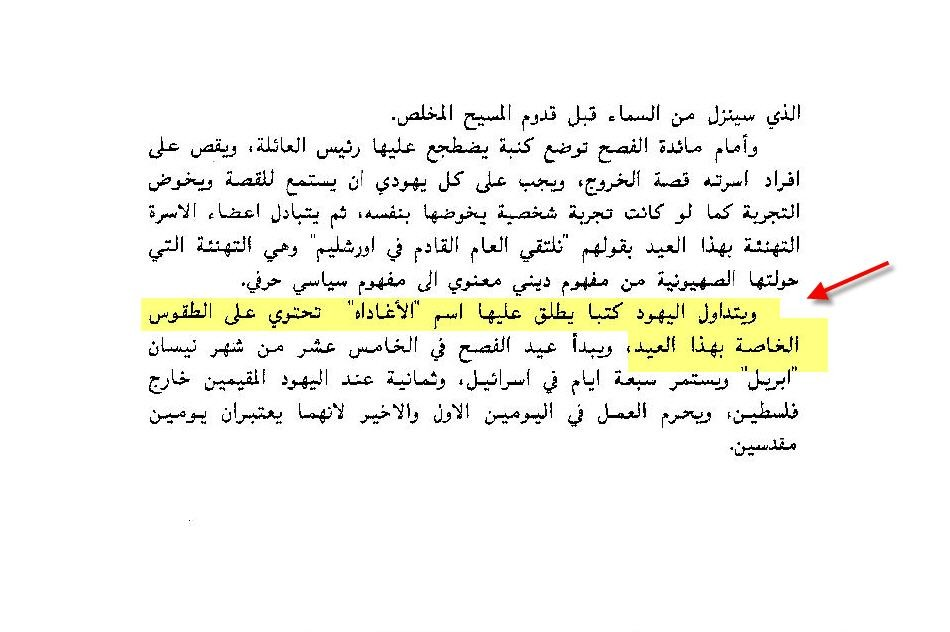
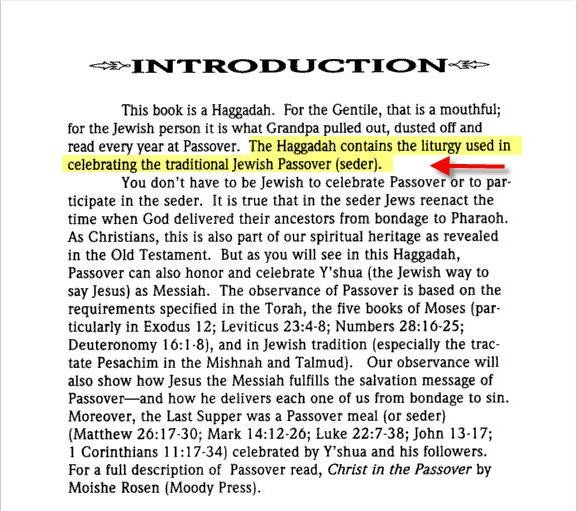
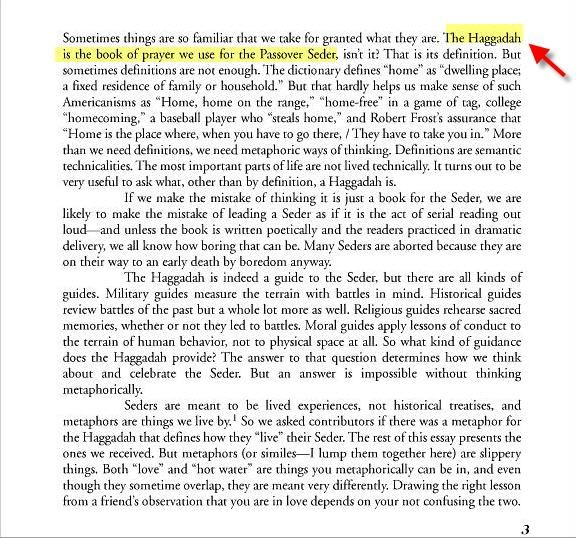
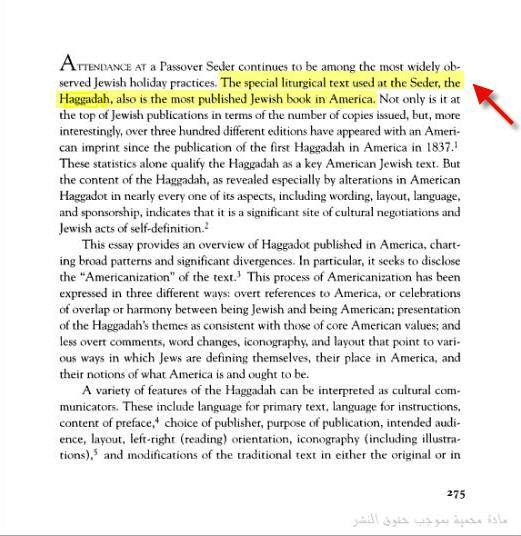
The Haggadah contains the religious rituals of Passover and is the most printed Jewish book in America.
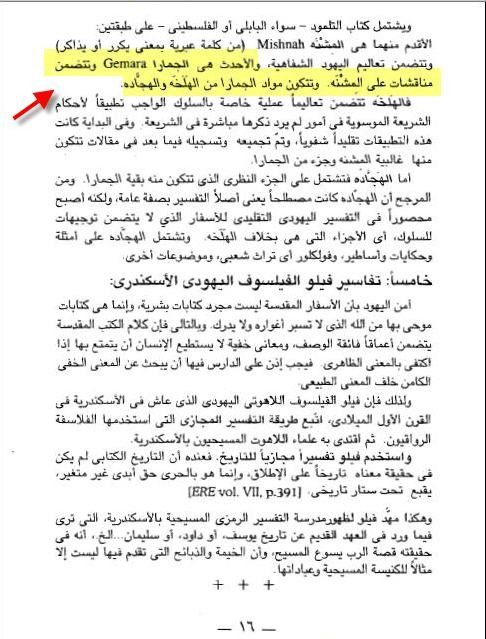
The Talmud is a Mishnah and a Gemara — the Gemara contains many Haggadahs.
{Embed}
http://www.jewfaq.org/holidaya.htm
6 — When Was It Written?
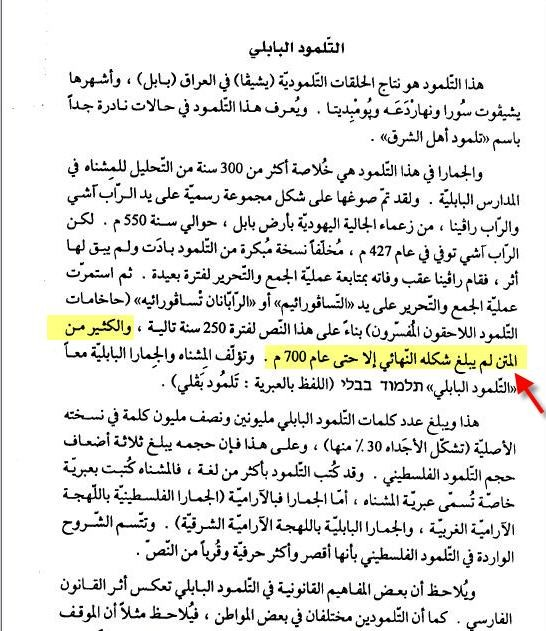
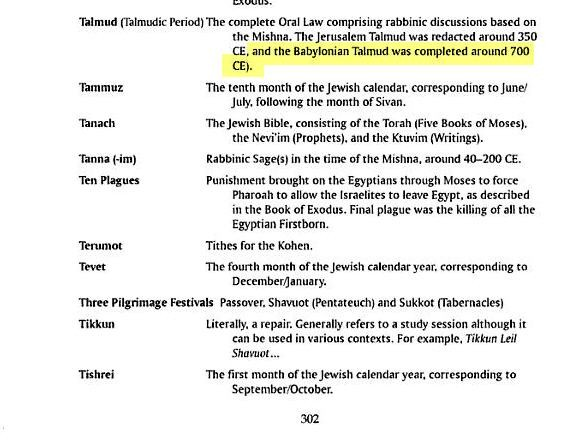
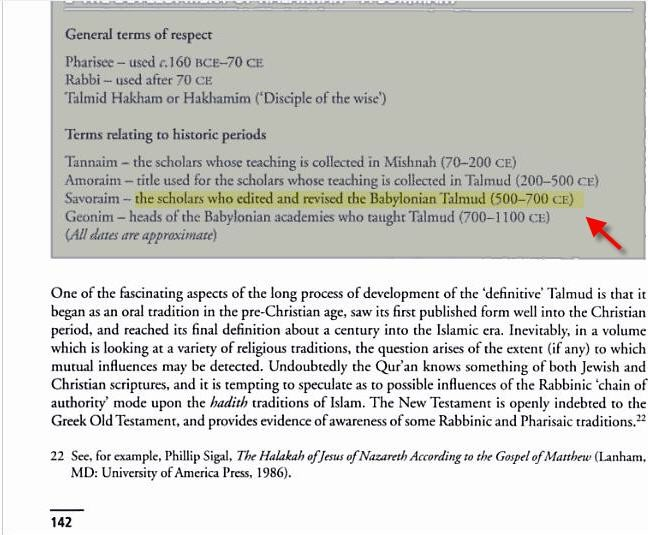
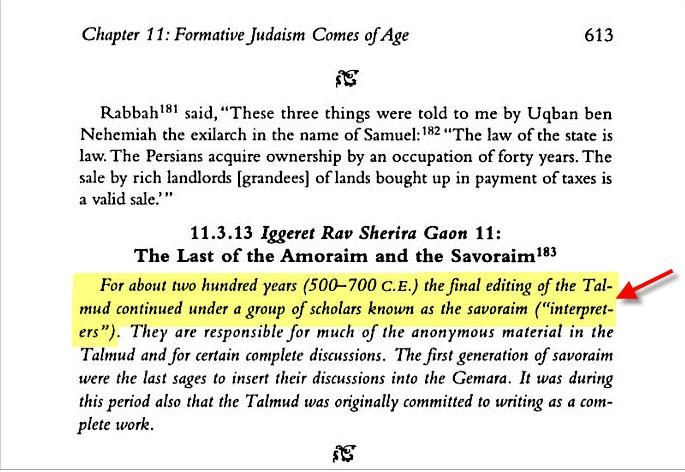
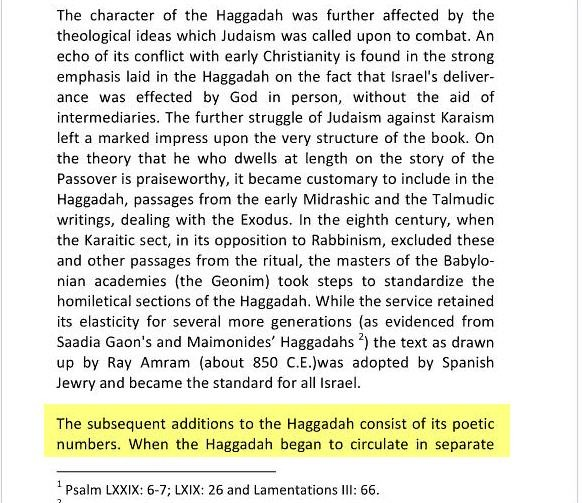
Some of the text did not reach its final form until around 700 CE.http://www.newworldencyclopedia.org/entry/Talmud
http://wapedia.mobi/en/Babylonian_Talmud
- Began in 170 AD (Tanaaim Period)
- Content increased in Amoraim Period (500 AD)
- Stable form established in 9th–10th centuries by the Geonim in Babylonia
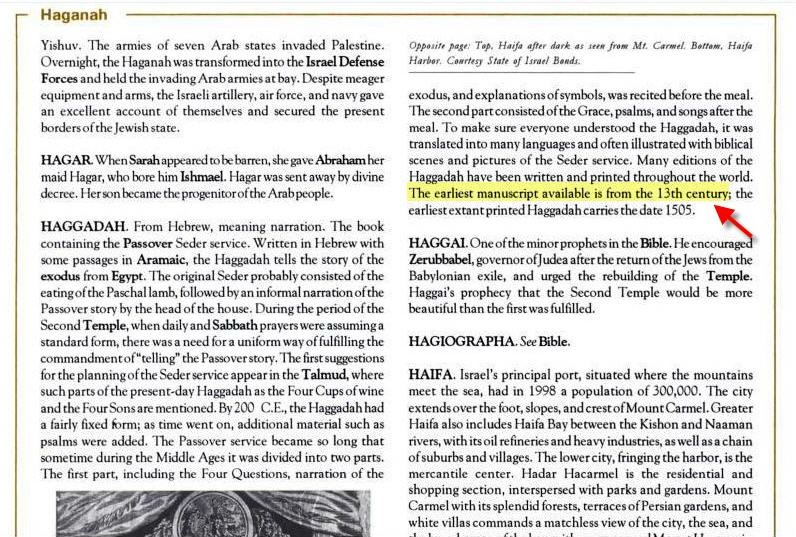
- Oldest manuscripts date to the 13th century
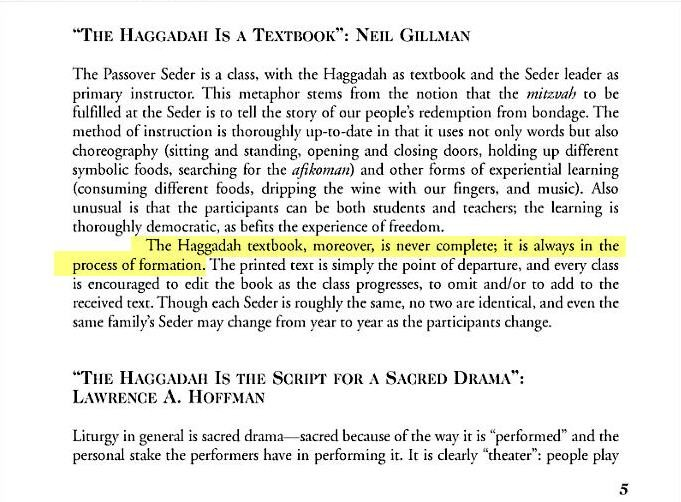
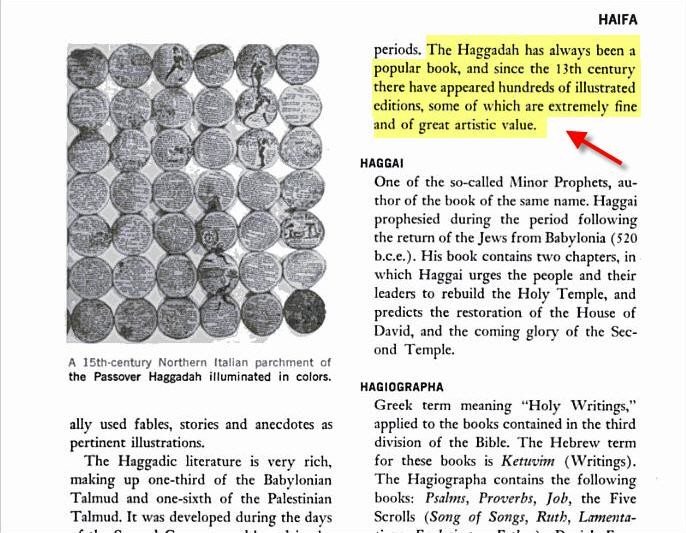
- Different Midrashim were written over almost a thousand years, from 300–1200 CE. http://www.yashanet.com/studies/juda…rs/midrash.htm
- The complete oldest Haggadah dates from the 10th century. http://www.angelfire.com/pa2/passove…rhaggadah.html
- Stable version formed only during 9th–10th centuries CE. http://festivals.iloveindia.com/passover/haggadah.html
- 7th–8th Century CE: The Geonim compile the version of the Haggadah as known today. http://www.algemeiner.com/generic.asp?id=5351
{Embed}
http://4passover.tripod.com/haggadah.html
{Embed}
http://jhom.com/calendar/nisan/history.html
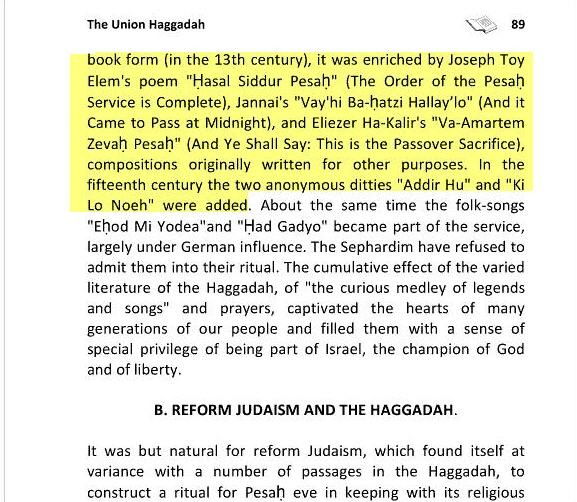
{Embed}
http://www.sacred-texts.com/jud/uh/uh28.htm
The oldest manuscripts date back to the 13th century.
{Embed}
https://web.library.yale.edu/international/judaica-collection
As early as the third century, Rabbi Joshua ben Levi interpreted Deuteronomy 9:10 to mean that the entire Law — including Mikra, Mishnah, Talmud, and Haggadah — had been revealed to Moses on Sinai.http://www.jewishencyclopedia.com/vi…rch=talmud#114
7 — Who Quoted from Whom?
This is according to the admission of the Jews themselves — not the words of the Muslims.
It has been shown to us that the Jewish commentators borrowed a lot from the Muslim commentators.
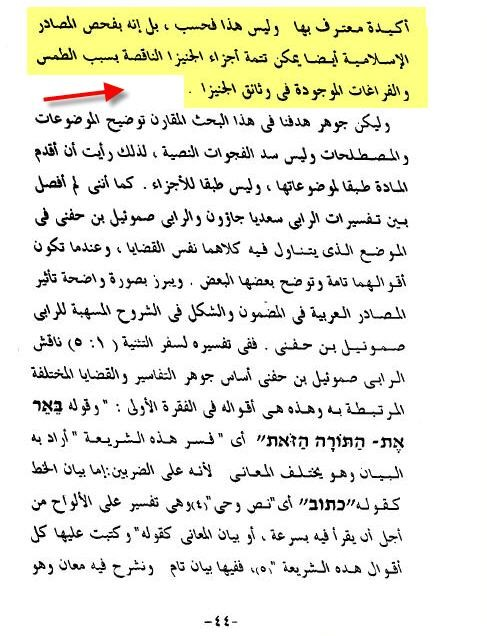
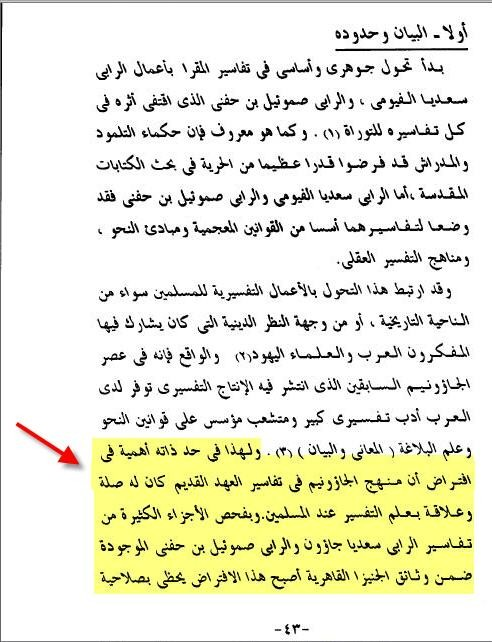
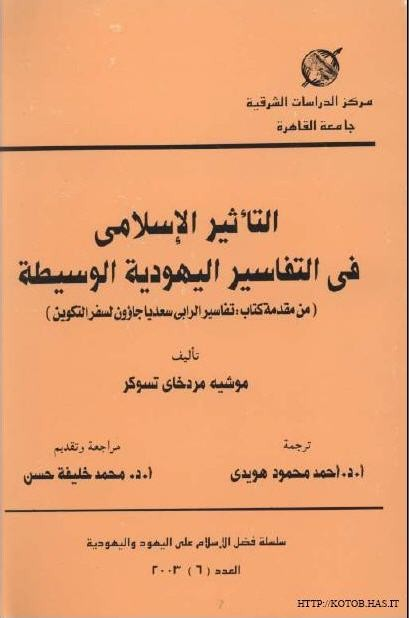
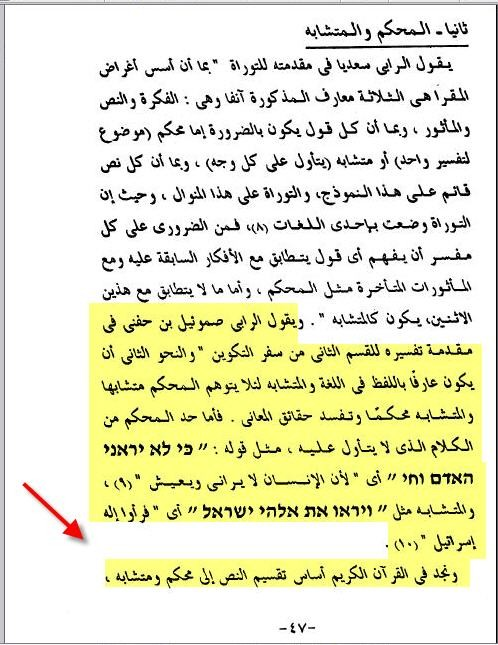
Judaism owes a lot to Islam for the emergence of the complete Jewish philosophical works in the Middle Ages — including the writings of Rabbi Saadia Gaon, Maimonides, Rabbi Pashaya ibn Bakuda, and Rabbi Yehuda Halevi.http://www.commongroundnews.org/arti…0&sp=0&isNew=1
- The Messenger was illiterate — he could neither read nor write.
- No book was translated into Arabic during his lifetime.
- Most stories came in Meccan surahs — and there were no Jews with knowledge in Mecca.
- Even if there were Jews in Mecca, the holy books were only available to rabbis.
- It is impossible that a Jew taught him — because the Quran condemned Jewish beliefs. If there was a Jewish source, he would have been disgraced later.
- The Messenger remained imprisoned for 3 years in the valley of Abu Talib — and the Quran did not stop.
- The Messenger migrated from Mecca to Medina and back — was this person migrating with him?
- How did the Messenger challenge the Jews and Christians with the Quran while supposedly learning from them?
- How do we explain stories that do not exist in the Old Testament at all — such as the Prophet Saleh, Haman the minister of Pharaoh, and the people of Aad?
- If he could quote entire Surahs, how could he make a “mistake” on the name of Abraham’s father (Azar in the Quran, Terah in the Torah)?
This story is evidence of the absence of knowledgeable Jews in Mecca.
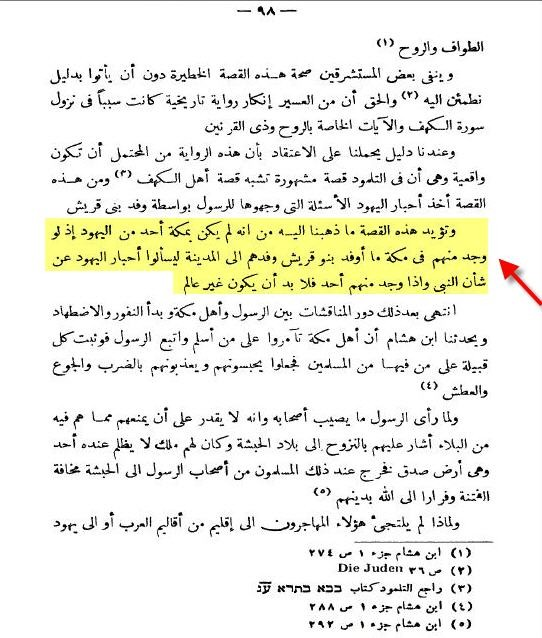
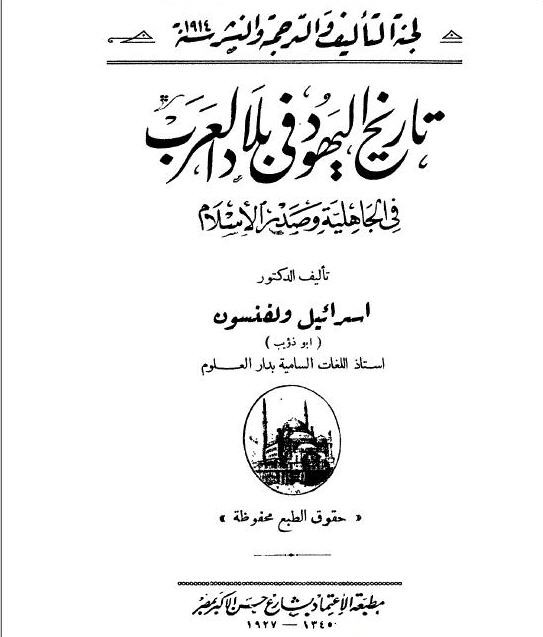
The Messenger came to Medina and found the Jews fasting on the day of Ashura. He did not know about this until he migrated — confirming there were no Jews with knowledge in Mecca.
Holy books were not available except to rabbis — not circulated among the people.
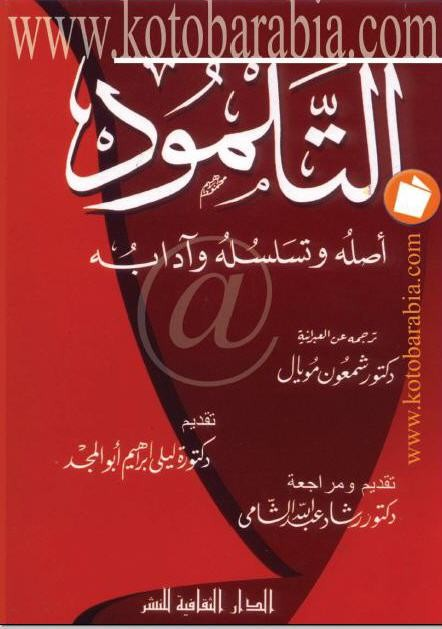
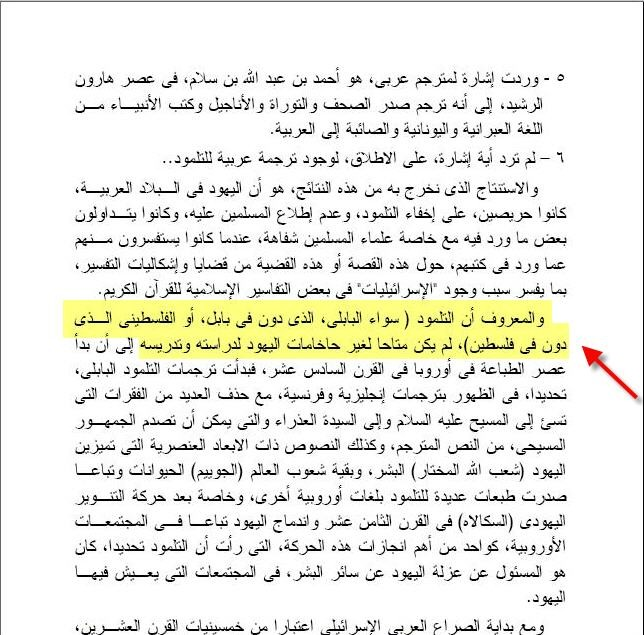
And when Our verses are recited to them, they say, “We have heard. If we willed, we could say something like this. This is not but myths of the ancients.”
And when it is said to them, “What has your Lord revealed?” They say, “Myths of the ancients.”
The Jews consider the Haggadah a religious book — yet when they hear a story in the Quran that resembles the Haggadah, they accuse the Messenger of telling myths. These accusations were made by polytheists — not Jews. The Messenger was accused of being a soothsayer, a magician, a madman, a liar — there is no accusation in the universe that has not been directed at him.
The People of the Book used to read the Torah in Hebrew and explain it in Arabic to the Muslims, so the Messenger of Allah said: “Do not believe the People of the Book and do not disbelieve them, and say: We believe in Allah and in what was revealed to us and what was revealed to you.”
The critic uses a narration about theTorah to prove the Messenger quoted from the Haggadah — two completely different things. This narration also occurred in the Medinan era — not Mecca, where the stories were revealed. In the Meccan era: the call began in secret, then came torture, then migration.
{And you were not on the western side when We decreed to Moses the command, nor were you among the witnesses.} [Al-Qasas 44]
{That is from the news of the unseen which We reveal to you, and you were not with them when they cast their pens as to which of them should be responsible for Mary.} [Al Imran 44]
{This is from the news of the unseen which We reveal to you, and you were not with them when they decided their plan while they were plotting.} [Yusuf 105]
8 — What About the Bible?
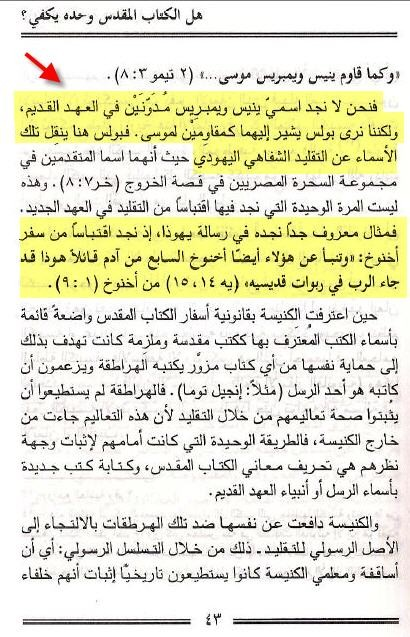
And just as Jannes and Jambres resisted Moses, so these also resist the truth.
The Messenger knew the two names not from the Bible, but from Jewish tradition.
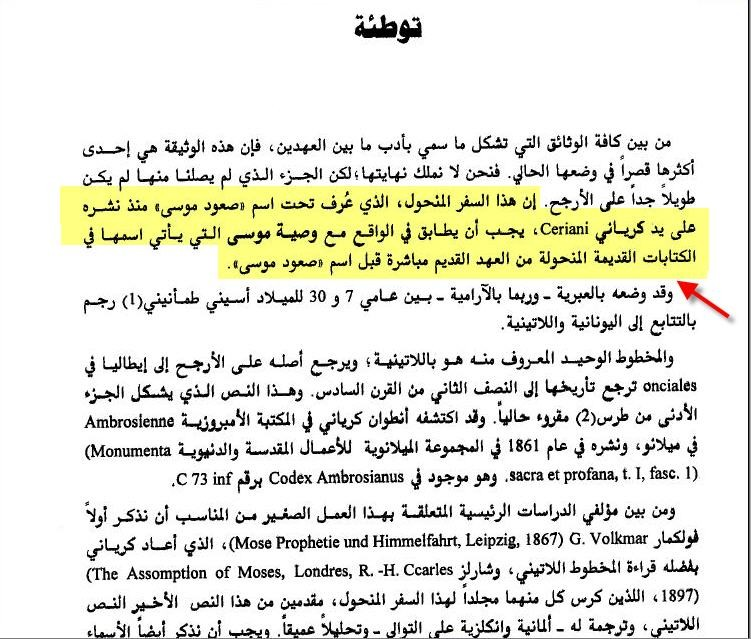
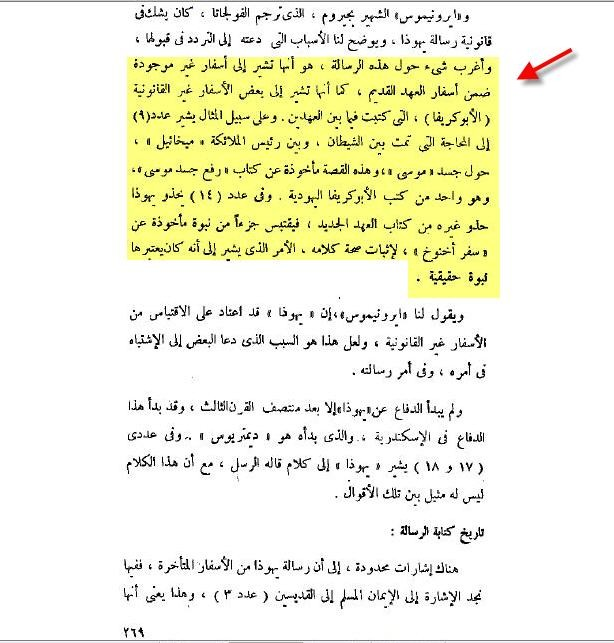
But when Michael the archangel disputed with Satan, arguing about the body of Moses, he did not dare to utter a slanderous sentence, but said, “The Lord rebuke you.”(This story is taken from the apocryphal Book: The Lifting of the Body of Moses — as stated by William Barclay)
And Enoch also, the seventh from Adam, prophesied about these, saying, Behold, the Lord comes with ten thousands of his saints.
(The Epistle of Jude was rejected in the past by some of the fathers)
How did Matthew the disciple quote from Mark, who was not a disciple? How did John, the beloved of the Lord, quote from Mark, who had never seen the Lord? The Gospels also used lost documents (J, M, and Q) — what evidence do Christians have that these documents are 100% authentic?
There are notable points of agreement between the Code of Hammurabi and the Law of Moses (Exodus 20:22–23:32). We cannot assert that the agreements came as a result of random coincidence, nor can we say they were directly transferred from the Code of Hammurabi.
Zahi Hawass stated that Psalms 104 and 105 of the Old Testament are quoted word for word from the hymns of Pharaoh Akhenaten found on the walls of the temples.
9 — Response to What It Contains
- Apocryphal to Jews, Orthodox, Catholics, and Protestants
- Canonical in the Ethiopian Church
“What help and profit we have from those idols which thou dost worship, and before which thou dost bow thyself? For there is no spirit in them — for they are dumb forms, and a misleading of the heart. Worship them not: Worship the God of Heaven.”http://www.pseudepigrapha.com/jubilees/12.htm
{When he said to his father, ‘O my father, why do you worship that which does not hear and does not see and does not avail you at all?’}
{Embed}
https://books.google.com.pk/books?id=-x9QIC6p93EC&pg=PA137&dq=Abraham+answered+his+fathe&redir_esc=y
The Ethiopian Bible consists of 46 books in the Old Testament and 35 in the New Testament. They additionally accept: the Shepherd of Hermas, Enoch, Jubilees, Maccabees, Tobit, Judith, Wisdom, Sirach, Baruch, the Four Books of Esdras, the Ascension of Isaiah, the Book of Adam, and others.The story is found in the Ethiopian Church Book — not just the Talmud.
We neither believe them nor disbelieve them.
What the Quran confirms is true. What the Quran denies is false. What the Quran is silent about, we are silent about.
God Almighty did not send down a book called “the Old Testament” or “the New Testament” — these are human names, the names of Melito and Tertullian.
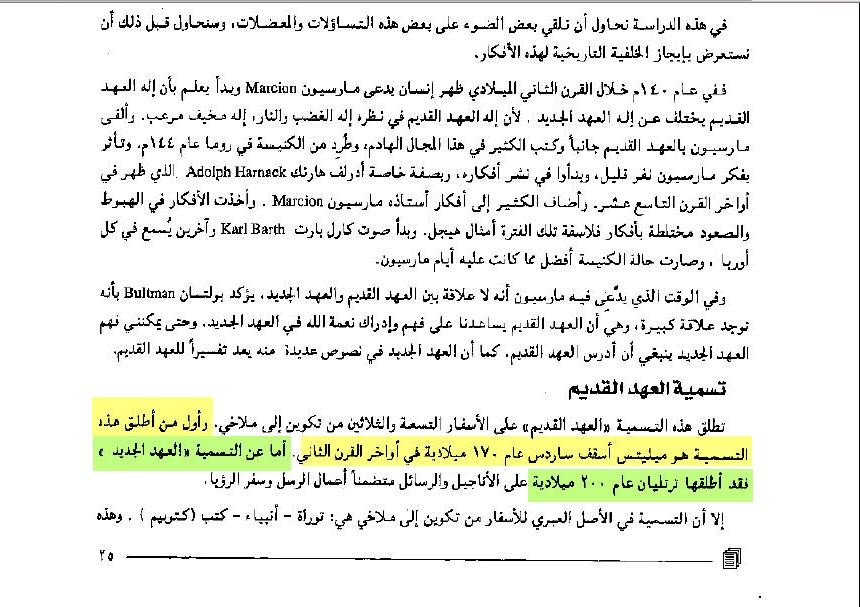
All these heritage books — Old Testament, Apocrypha, Talmud, Haggadah, tradition — are the same to Muslims. We neither believe them nor disbelieve them. What the Quran confirms is true. What the Quran denies is false. What the Quran is silent about, we are silent about.
New Testament Writers Quote From the Haggadah
New Testament Writers Quote From the Haggadah Part 2
Is the Holy Quran Taken From the Bible_(Academical RESPONSE
Did the Quran Copy the Talmud? A Complete Refutation of the Plagiarism Claim
Response to the Allegation That the Qur’An Borrowed Pharaoh’S Claim of Divinity for Himself From The
Was Prophet Muhammad Illiterate? Non-Islamic Sources on the Unlettered Prophet
...ead from the book: A Brief History of the Salesian Church written by: Father Boutros Haddad...
] [[New Testament Writers Quote From the Haggadah Part 2]]
...he-plagiarism-claim|Did the Quran Copy the Talmud? A Complete Refutation of the Plagiarism Claim]]