Response to the Allegation That the Qur’An Borrowed Pharaoh’S Claim of Divinity for Himself From The
Table of Contents
- The Claim
- The Quranic Verses — Evidence of Prophethood
- The Original Sources of the Story
- Rebuttal — Both Midrashim Were Composed After Islam
- No Jews With Knowledge in Mecca
- Professor Abraham Ofir Shemesh — The Claim of Divinity Was New 10th Century Material
- Jewish Texts Before the Quran Made No Mention of Pharaoh’s Claim to Divinity
- Conclusion
The Claim
The enemies of Islam quoted from the bookLegends of the Jews, Part Two, claiming that the Quran borrowed Pharaoh’s claim of divinity from Midrashic texts.
“Moses announced the first plague to Pharaoh one morning when the king was walking by the river’s brink. This morning walk enabled him to practice a deception. He called himself a god, and pretended that he felt no human needs… ‘Verily, I am no god,’ replied Pharaoh, ‘I only pretend to be one before the Egyptians, who are such idiots, one should consider them asses rather than human beings.’”Original Sources
- Midrash Tanhuma
- Midrash Exodus Rabbah
The Quranic Verses — Evidence of Prophethood
{Then he said, “I am your Lord, the Most High.”}
{And Pharaoh said, “O eminent ones, I do not know of any god for you other than me. So ignite for me, O Haman, upon the clay, and make for me a tower that I may look up to the god of Moses. And indeed, I think he is among the liars.”}
{And Pharaoh called out among his people, saying, “O my people, do I not have a god other than me?”}
These are historical miracles. Egyptologists confirmed through decoding hieroglyphics and studying Egyptian antiquities that many pharaohs claimed divinity and were regarded as divine kings on earth.This fact was never mentioned in the Torah.
The Original Sources of the Story
“Why did Pharaoh go to the waters early in the morning? Because the wicked one boasted that since he was a god, he had no need to go to the water to relieve himself. Therefore he went out early in the morning so that no one would see him performing a demeaning act.”https://www.sefaria.org/Midrash_Tanchuma%2C_Vaera.14.1?lang=bi
Rebuttal — Both Midrashim Were Composed After Islam
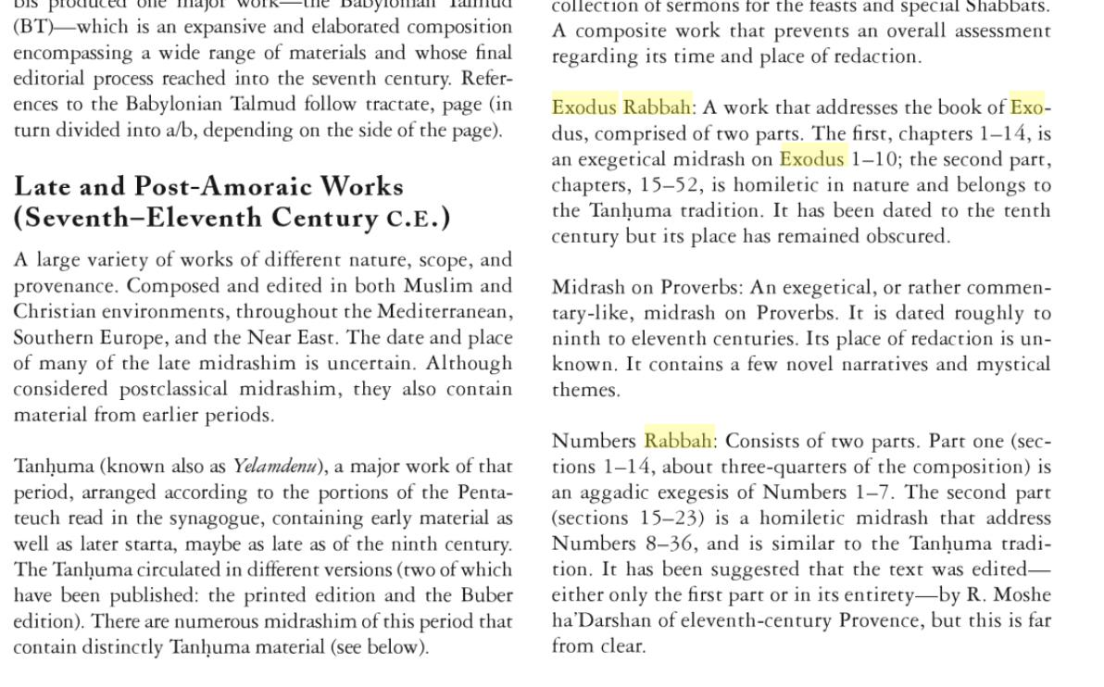
1. Midrash Tanhuma — Composed After the Muslim Conquest
It is therefore not correct to attribute plagiarism to Islam. The correct conclusion is that the writers of the Midrash copied Pharaoh’s claim to divinityfrom the Quran.
“To the period from the Muslim conquest (c. 640 CE) to the end of the tenth century belong many variegated midrashic and aggadic works… The most important group of Midrashim of this period — all of which are homiletical — are those of the Tanḥuma Midrash group… In most of them external influences from the Muslim or Byzantine eras can be seen.”https://www.encyclopedia.com/philosophy-and-religion/judaism/judaism/midrash
“TANHUMA (also known as Yelamdenu) — a major work of that period… containing early material as well as later strata, maybe as late as the ninth century.”
2. Midrash Exodus Rabbah — Composed as Late as the 10th Century
“In style and content Exodus Rabbah i often resembles later medieval Midrashim and aggadot… The redaction of Exodus Rabbah i took place, it seems, not earlier than the tenth century CE.”
https://www.encyclopedia.com/philosophy-and-religion/judaism/judaism/midrash
No Jews With Knowledge in Mecca
The Quranic stories about the Children of Israel were revealed during theMeccan period — and there were no Jewish rabbis or Jewish synagogues in Mecca. The Jews were in Medina. Some sources also confirm that the Jews of the Arabian Peninsula were not recognized because they did not adhere to the teachings of the Talmud.
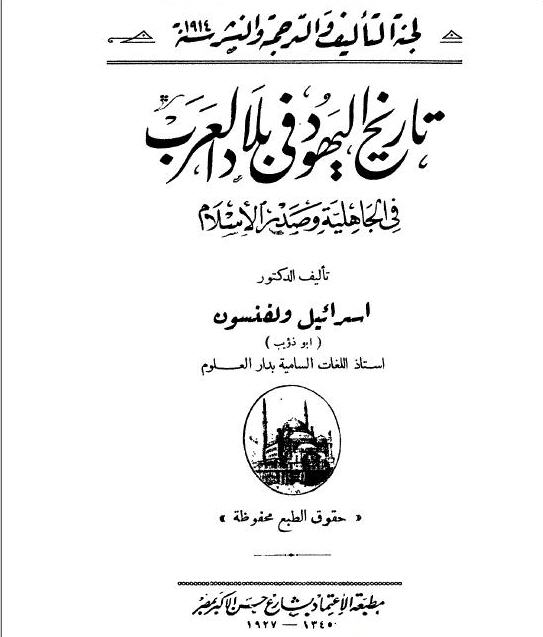
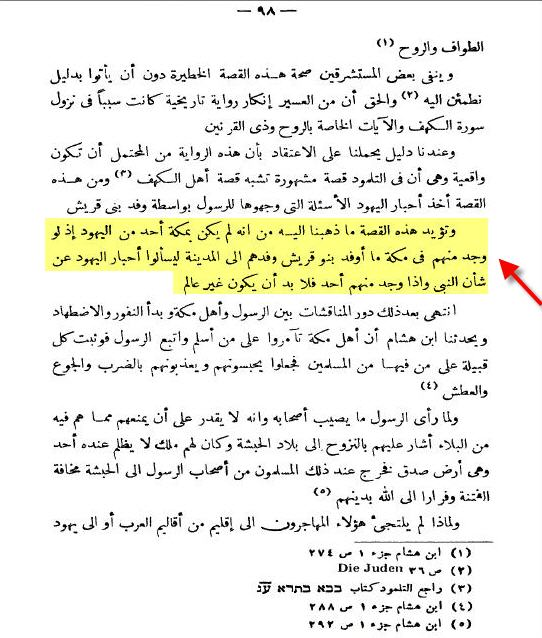
The highlighted passage argues that the story of the Companions of the Cave (Aṣḥāb al-Kahf) was known among the Jews and that Quraysh only learned of this test-question through Jewish rabbis, since there were no Jews residing in Mecca at the time,
Professor Abraham Ofir Shemesh — The Claim of Divinity Was New 10th Century Material
The text of the dialogue included in this suspicion is found in the Midrash Exodus Rabbah — which was composed in thetenth century AD (centuries after the revelation of the Holy Quran). He comments that Pharaoh’s claim to divinity was new material.
The executive retells the biblical story in an expanded form, with the new material expressing a new idea through an epic story. Pharaoh pretended to be a God, of which one manifestation was that he did not have to relieve himself.”
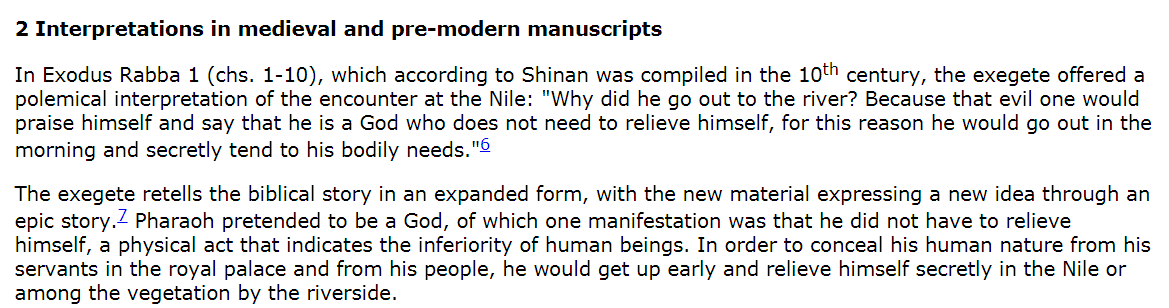
The reference in the Book of Exodus is that Moses met Pharaoh at the river — butno reason is given for why this meeting took place there.
“Go to Pharaoh in the morning, and he will come out to the water. Stand to meet him at the river’s edge. Take in your hand the rod that has become a snake.”
The truth is that this fact existed among the Jews in ancient times but was deleted from their books in the Hellenistic period until they forgot it. Then the Prophet Muhammad ﷺ came and reminded them of it.
“But the Comforter, the Holy Spirit, whom the Father will send in my name, will teach you all things and remind you of all that I have said to you.”
Jewish Texts Before the Quran Made No Mention of Pharaoh’s Claim to Divinity
The books of Jewish tradition writtenbefore the revelation of the Holy Quran that dealt with the dialogues of Pharaoh with Moses did not include Pharaoh’s claim to divinity.
A. Mo’ed Katan — Pharaoh Went to the River for Magic, Not Divinity
“Avitul the scribe also said in the name of Rav Pappa: The Pharaoh who lived in the days of Moses was a sorcerer [amgushi], as it is stated: ‘Behold, he goes out to the water’ (Exodus 7:15). Pharaoh would regularly go out to the water in order to engage in witchcraft.”https://www.sefaria.org/Moed_Katan.18a.13?lang=bi
The Talmud says Pharaoh went to the river to practice magic — it makes no mention of any claim to divinity.
B. Shabbat 75a — No Mention of Pharaoh’s Divinity
Speaks about the punishment of those who practice magic — and mentionsnothing about Pharaoh or his claim to divinity.
https://www.sefaria.org/Shabbat.75a?lang=bi
Conclusion
- If Pharaoh’s claim to divinity was from the legacies of Jewish tradition, it would have been mentioned in all the Midrash texts that dealt with these situations — but this did not happen.
- It was never mentioned in any book specific to Jewish tradition written before Islam.
- Both Midrash Tanhuma and Midrash Exodus Rabbah were composed after the Muslim conquest — possibly as late as the 9th–10th century AD.
The correct conclusion: The writers of the Midrash copied Pharaoh’s claim to divinity from the Quran — not the other way around.
New Testament Writers Quote From the Haggadah
New Testament Writers Quote From the Haggadah Part 2
Is the Holy Quran Taken From the Bible_(Academical RESPONSE
Did the Quran Copy the Talmud? A Complete Refutation of the Plagiarism Claim
Did the Quran Copy Abraham’s Story from the Haggadah? A Complete Refutation with Historical Evidence
Was Prophet Muhammad Illiterate? Non-Islamic Sources on the Unlettered Prophet
...he-plagiarism-claim|Did the Quran Copy the Talmud? A Complete Refutation of the Plagiarism Claim]]