

The Birth of the Prophet ﷺ: Date, Signs & Prophecies
The birth of the final Messenger of God, Muhammad ibn Abdillah ﷺ, was itself surrounded by remarkable signs — signs that were recorded by eyewitnesses, corroborated by companions’ narrations, and foretold in the scriptures of prior nations. From the precise calendar date debated among historians, to the trembling of Persian palaces, to the falling of Meccan idols, the night of his birth left traces across continents and across religious traditions.
The Date of His Birth
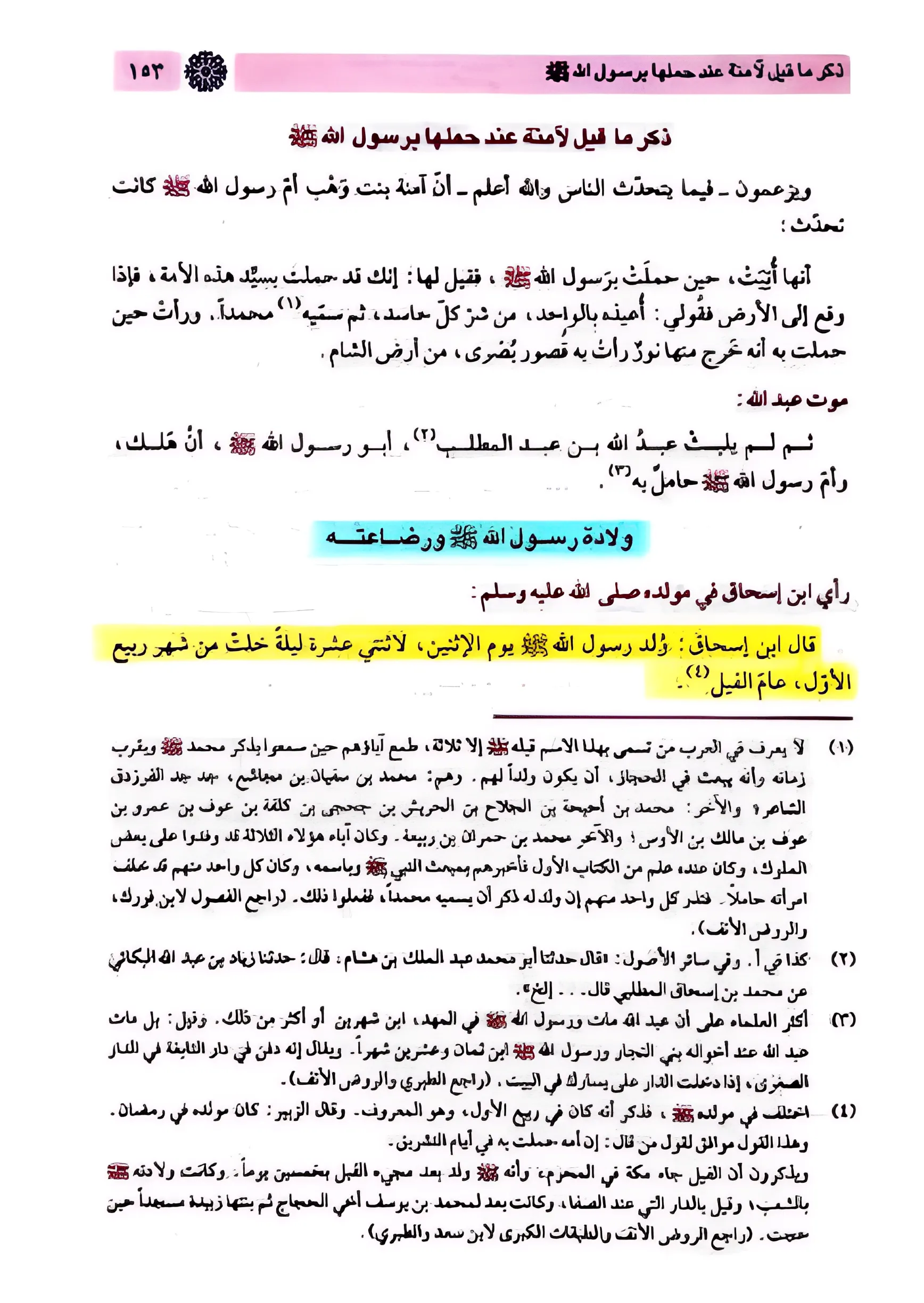
Although historians differ regarding the precise birthdate of the Prophet ﷺ, there is strong evidence supporting the position of Ibn Ishaq, who stated that:
The Prophet ﷺ was born on Monday, the 12th of Rabi’ Al-Awwal, in the year of the Elephant — based on the account of Ibn Abbas.
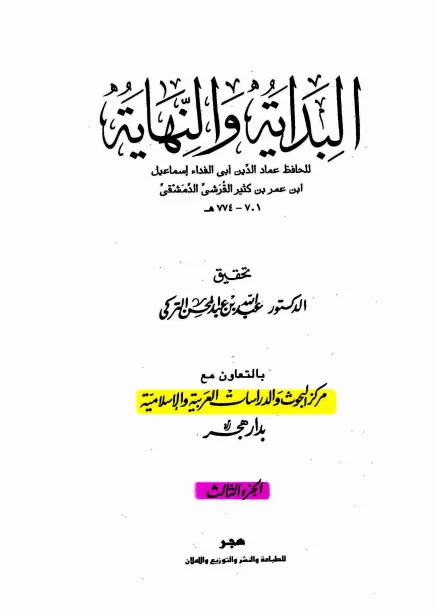
This account is further corroborated in Al-Bidaya wan-Nihaya:
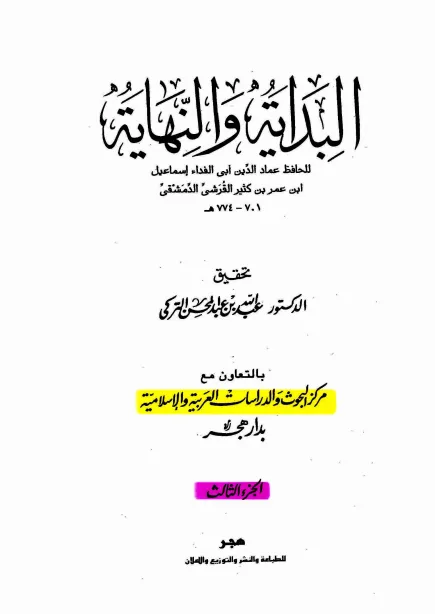
The classical sources are consistent: Monday, 12 Rabi’ Al-Awwal, Year of the Elephant is the position supported by the strongest chains of narration.
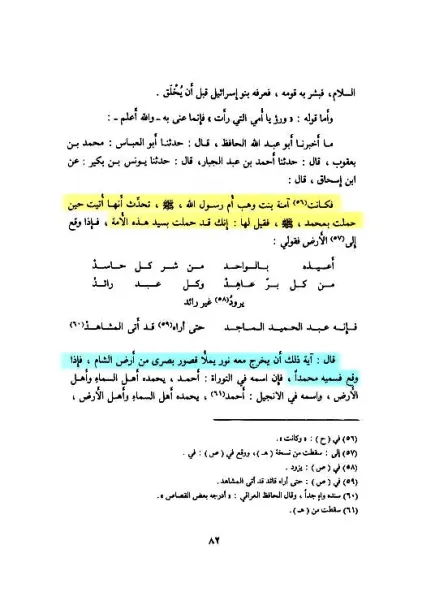
Al-Bidaya wan-Nihaya 3/375
The Signs of Prophethood on the Night of His Birth
The Light That Illuminated the Levant — The Prophet’s Own Account
The Prophet ﷺ himself described the significance of his birth in a narration reported by Arbad ibn Sariyah:
‘I am with God in the Preserved Tablet as the Seal of the Prophets, while Adam was still in his clay. I will tell you the interpretation of that: the supplication of my father Abraham, the glad tidings of Jesus to his people, and the vision of my mother — who saw that a light came out of her that illuminated the palaces of Syria.’
This narration links his birth directly to the prophetic chain — from Abraham’s supplication, to Jesus’s glad tidings, culminating in the physical sign of light witnessed at the moment of his birth.
The reference to Abraham’s supplication points to Psalm 72, which speaks in strikingly universal terms:
May he rule from sea to sea, and from the River to the ends of the earth. May the desert tribes bow before him and his enemies lick the dust. May the kings of Tarshish and of distant shores bring tribute to him. May the kings of Sheba and Seba present him gifts. May all kings bow down to him and all nations serve him.
Eyewitness Accounts from the Companions
The question naturally arises: is the Prophet’s own account the only evidence for this sign, or do we have independent eyewitness testimony? We have multiple corroborating accounts from companions who were present or whose mothers were present at the birth.
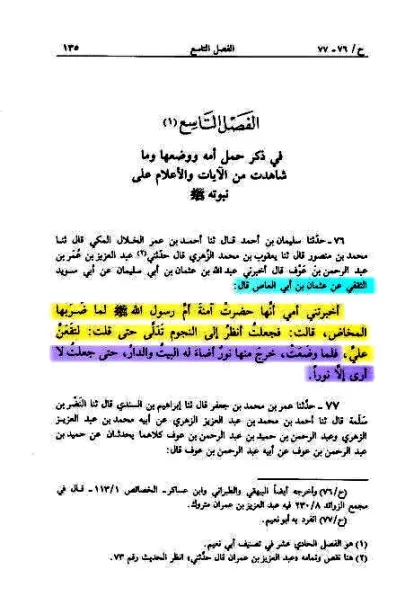
The companion Uthman ibn Abi al-As narrated from his mother, who was present while Aminah was giving birth:
Once Aminah had given birth to the Prophet ﷺ, a light came out of her that illuminated the entire place. Nothing else could be seen other than light.
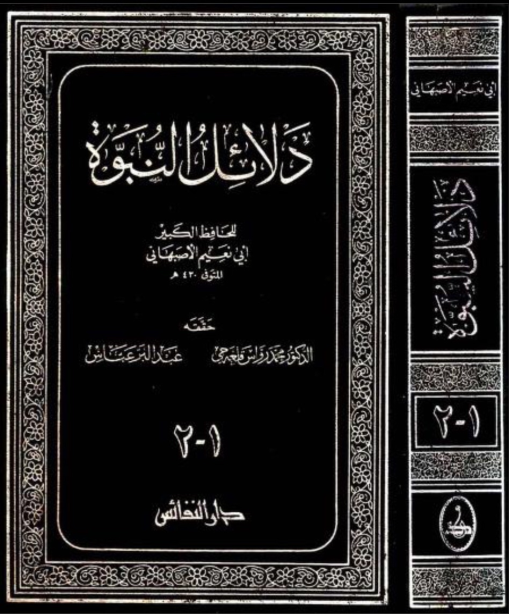
A second and equally significant account comes from Abdur-Rahman ibn Awf, one of the ten companions promised Paradise during the Prophet’s own lifetime. He narrates from his mother, Shifa’ bint Amr:
‘When Aminah had delivered, and I had taken him in my hands, I heard a voice saying: “May your Lord have mercy on you.” Then everything between the east and the west was illuminated for me, until I saw some of the palaces of the Levant.’
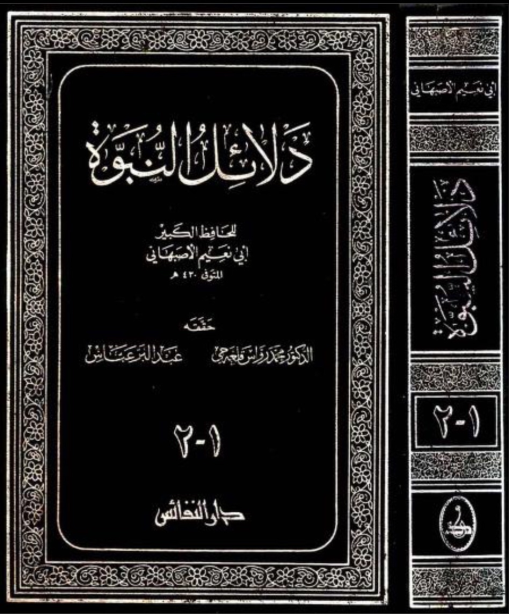
Shifa’ bint Amr was not merely a passive witness — once the Prophet ﷺ began preaching, she was among the first to accept Islam, a fact that lends her testimony particular weight.
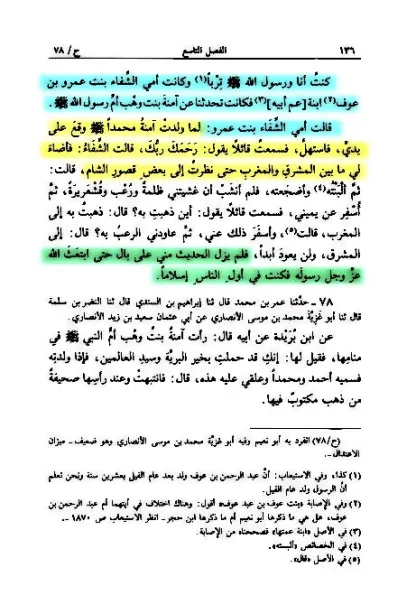
The Dreams of Sayyida Aminah
These signs were themselves the fulfilment of the visions that Sayyida Aminah had seen before the birth, in which the previous prophets visited her and gave her the glad tidings of bearing the Master of the nation.
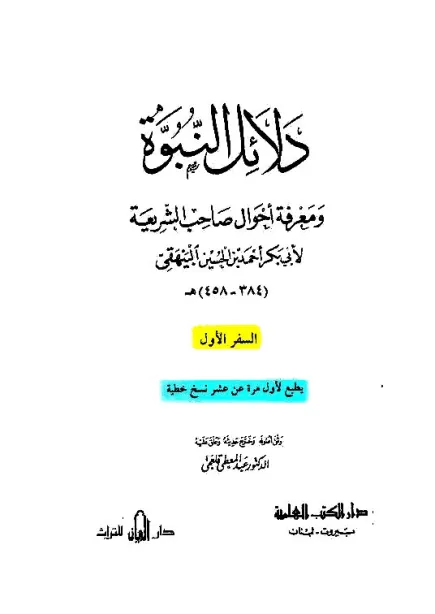
They foretold the very sign of the Levantine light, and also instructed her:
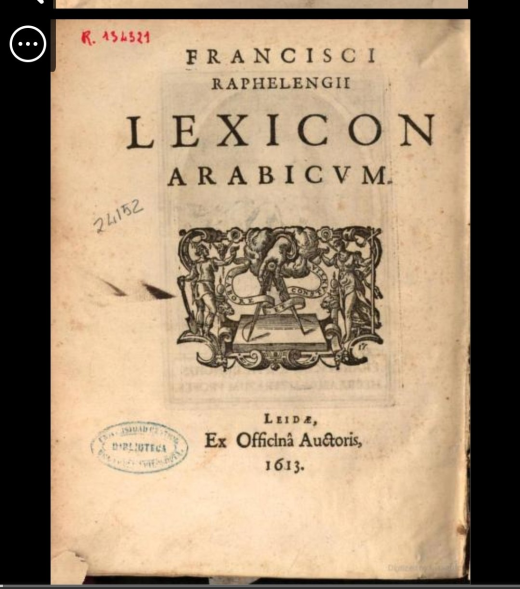
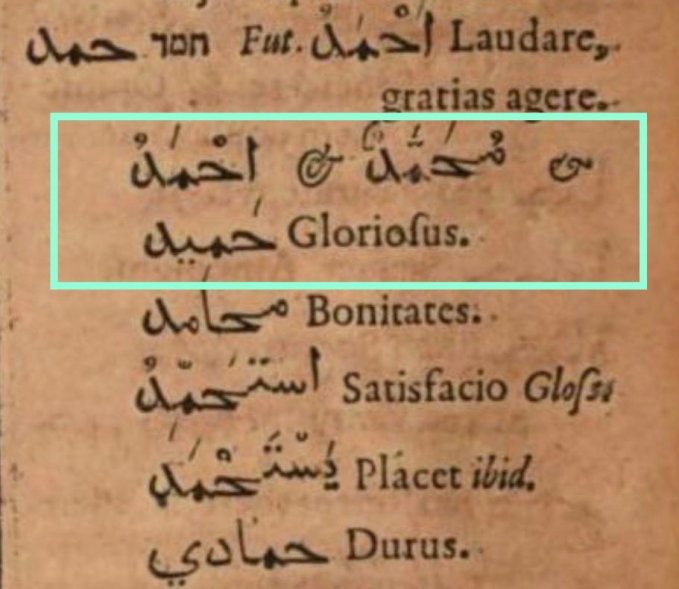
‘Whenever the signs appear, name the child Muhammad — for indeed his name in the Torah is Ahmad, and in the Gospel is Ahmad. He is glorified by those in the heavens.’
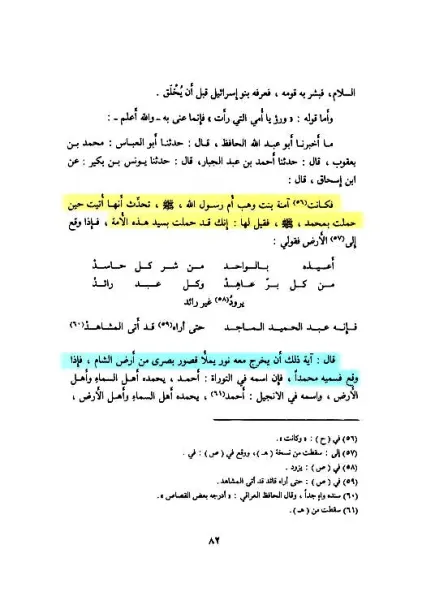
The name Ahmad appearing in both the Torah and the Gospel is addressed in detail in:
- Did Jesus Prophesy “Ahmad” in John 16? The Greek-Arabic Connection Explained
- Is Muhammad (Ahmad) Named in Isaiah 42:1? The “Chosen One” Prophecy Explained
The Miraculous Signs in Persia
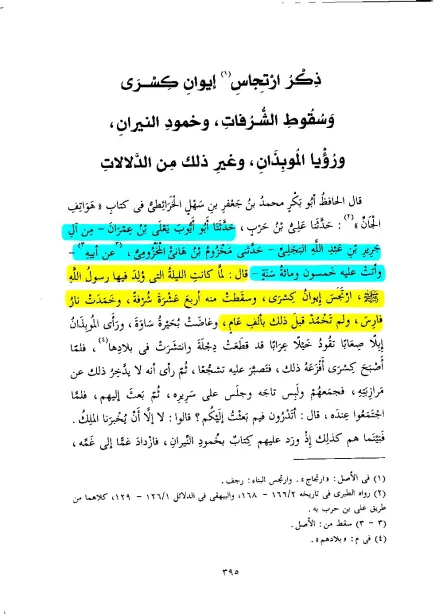
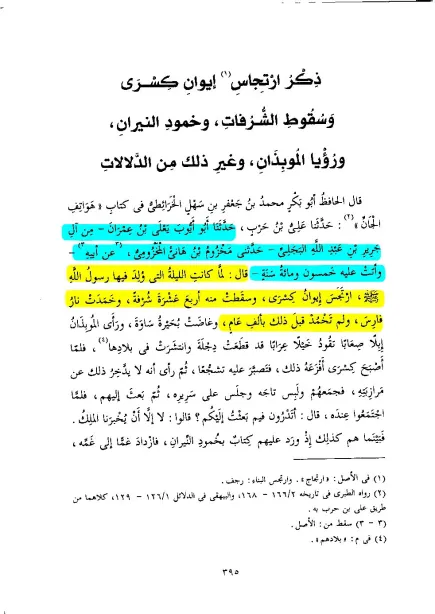
The signs of his birth were not confined to the Arabian Peninsula. Makhzum ibn Hani al-Makhzumi narrated from his father — a man who had witnessed the pre-Islamic period and had lived to 150 years — that on the night the Prophet ﷺ was born:
The palaces of Chosroes trembled. Fourteen pillars of their palace fell down. The pure fire of the Zoroastrians was extinguished — a fire that had not been put out for approximately one thousand years.
The Zoroastrian Fire in Their Own Texts
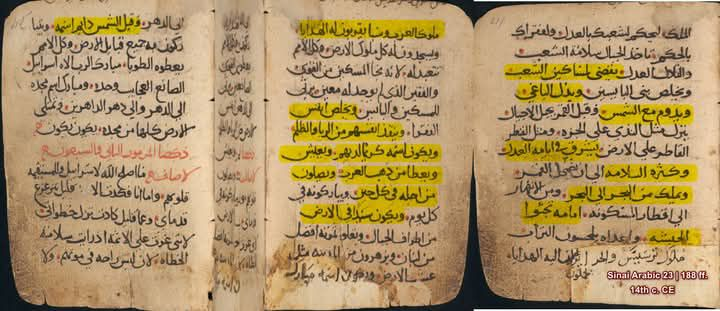
What makes this sign particularly remarkable is that the extinguishing of the sacred fire is referenced in Zoroastrian literature itself, long before the Islamic accounts. In the Avesta, specifically the Yasna section, a prayer addressed to the fire reads:
In order to be burning in this house, In order to be ever burning in this house, In order to be blazing in this house, In order to be increasing in this house — Even throughout the long timeUntil the mighty Renovation, Including the mighty, good Renovation.
The phrase rendered in Pahlavi script as 𐬀𐬌𐬞𐬌 𐬰𐬭𐬎𐬎𐬀𐬥𐬈𐬨 𐬎𐬞𐬀 𐬯𐬎𐬭𐬄 𐬟𐬭𐬀𐬱𐬊 𐬐𐬈𐬭𐬈𐬙𐬍𐬨 carries the meaning: ==“Until the time of the coming of the Great Reformer.”== The Zoroastrian sacred fire was expected to burn continuously until the arrival of a promised reformer — at which point it would be extinguished. The extinguishing on the night of the Prophet’s birth fulfilled precisely this expectation, according to the Zoroastrians’ own scripture.
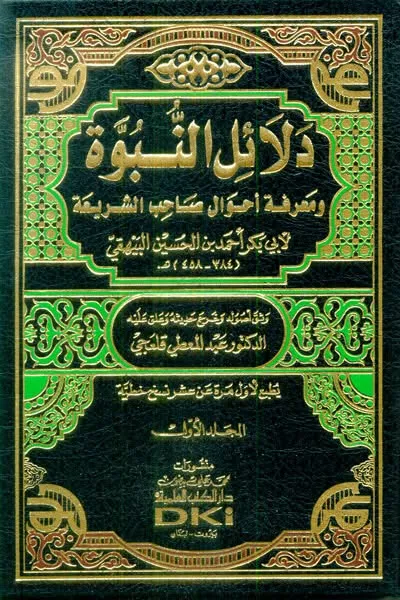
Both Abu Nu’aym and Al-Hafiz al-Bayhaqi record this sign in their works on the proofs of prophethood.
The Idols of Mecca Fall Face Down
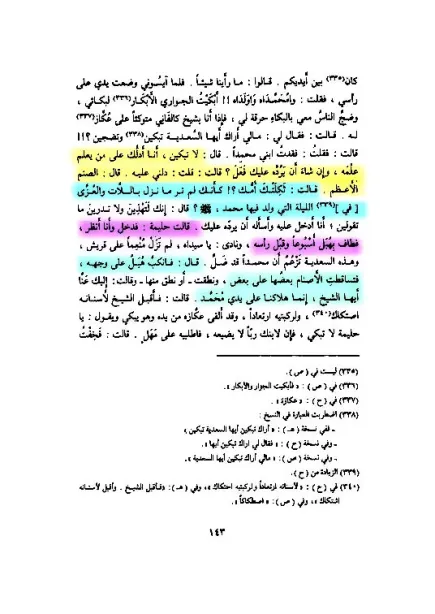
The miraculous signs extended to the Ka’ba itself. Abdullah ibn Abbas narrated in a lengthy report that Sayyida Halimah bint Abi Dhu’ayb al-Sa’diyyah, the foster-mother of the Prophet ﷺ, once went to a chief of Mecca seeking his assistance. An old man, having heard her account, directed her to the greatest idol standing beside the Ka’ba.
At this she exclaimed: ‘May your mother be bereaved of you! As if you don’t know what had happened to the idols of Al-Lat and Al-Uzzah on the night he was born?!’ Upon hearing that, the old man went to the idol of Hubaal and began to circle it. While he was praying, the idol fell onto its face — and following that, the rest of the idols fell on their faces one by one.
Haggai 2:7 — The Shaking of the Nations
This sign finds resonance in the Book of Haggai:
“And I will shake all nations, and Muhammad will come, and I will fill this house with glory,” says the Lord of hosts.
Is “The Desire of All Nations” in Haggai 2:7 a Prophecy About Muhammad? The Hebrew “Hmd” Explained
Isaiah 42 — The Purification of the Arabian Peninsula
The falling of the idols also corresponds directly to the prophecy of Isaiah 42:
11 Let the wilderness and its cities lift up their voice, the towns where Kedar dwells. Let the inhabitants of Sela sing, let them shout for joy from the tops of the mountains. 12 Let them give glory to the LORD, and declare his praise in the isles. 13 The LORD goes forth like a mighty warrior; He stirs up his zeal like a man of war; He shouts and cries out, He prevails against his enemies. 14 “I have been silent from of old; I am still; I am strong; I cry out like a woman in labor; I sigh and growl together. 15 I will destroy the mountains and the hills, and dry up all their grass; I will make the rivers dry, and dry up the marshes. 16 I will also lead the blind by a way they do not know; I will make them walk by paths they have not known; I will make darkness light before them, and make crooked places straight. These things will I do, and I will not forsake them. 17 They are turned back; utterly put to shame those who trust in graven images, who say to the molten images, ‘You are our gods!’”
This prophecy speaks directly of the abandonment of idol worship and the peoples’ return to the one God — and it is geographically specific: the land of Kedar is the land of the Arabs. The image of God going forth as a mighty warrior in verse 13 is a metaphor for His command to the believers to fight the polytheists. Verse 17 records that those who trusted in idols were disgraced — and this is precisely what the Messenger of God ﷺ accomplished: he purified the Arabian Peninsula from all idols and statues.
Isaiah 42 — A Prophecy About the Prophet Muhammad ﷺ
The birth of the Prophet ﷺ was accompanied by signs that were witnessed across three continents — in Arabia, in the Levant, and in Persia — and corroborated by multiple independent eyewitness chains. The extinguishing of the Zoroastrian fire was expected within Zoroastrian scripture itself. The falling of the Meccan idols was remembered by the inhabitants of Mecca decades later. And the light that illuminated the palaces of Syria was seen by women present at the birth, who later became Muslims upon recognising the one they had witnessed enter the world.
This article is part of the KufrCleaner Dawah Library — Seerah & Prophecies of the Prophet ﷺ in Scripture series.