

Weak Narration in Tārīkh al-Madīnah: Did ʿUthmān Burn or Tear Qur’an Copies?
The Weak Narration in Tārīkh al-Madīnah About ʿUthmān and the Qur’an Copies
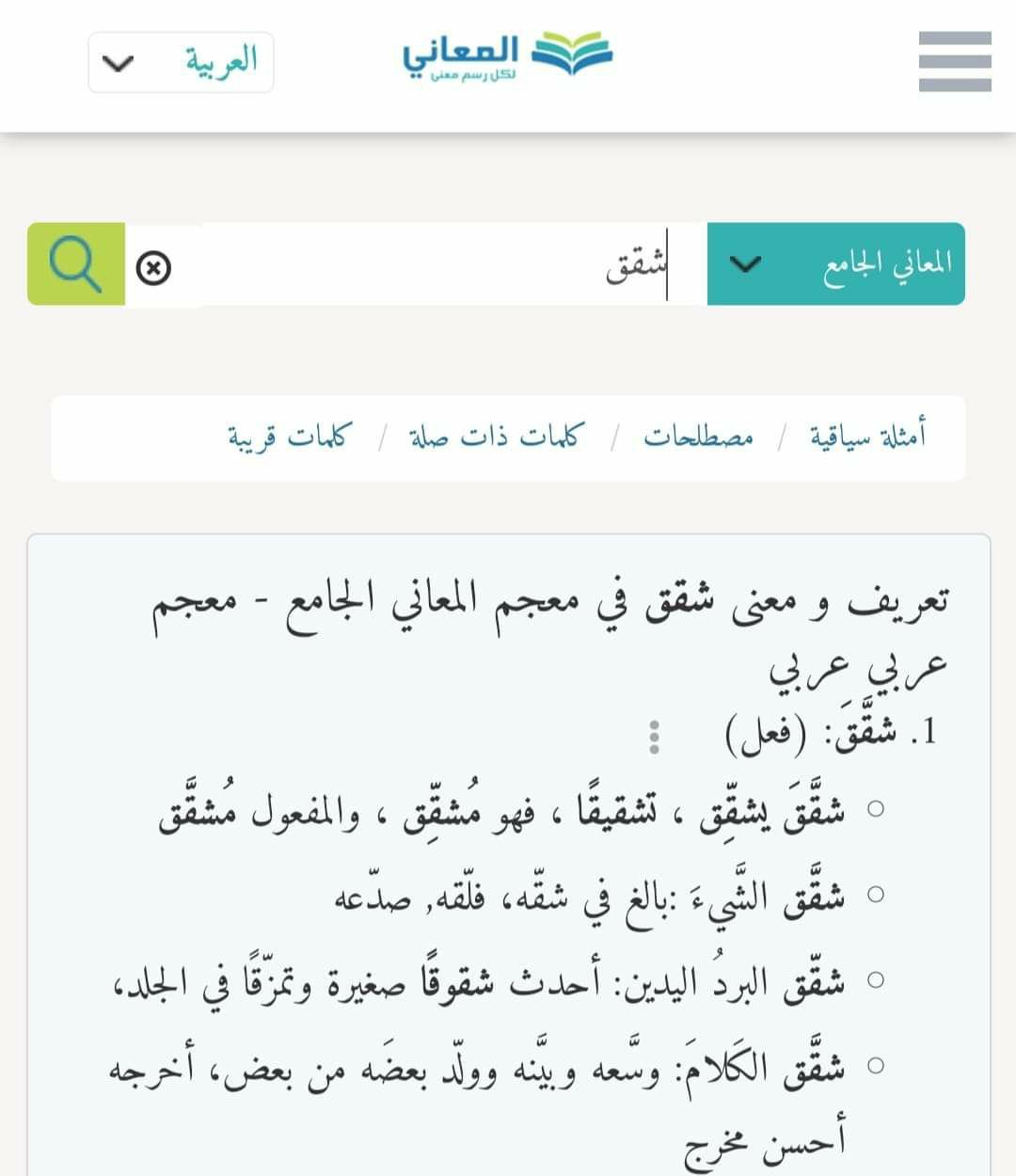
However, there is nothing problematic in the wording itself. The verb “shaqqa” does not mean “burn.”
More importantly, the narration is weak because its chain contains al-Rabīʿ ibn Badr al-Saʿdī al-Tamīmī, who was declared weak by hadith critics such as al-Nasāʾī and others.
The Narration in Tārīkh al-Madīnah
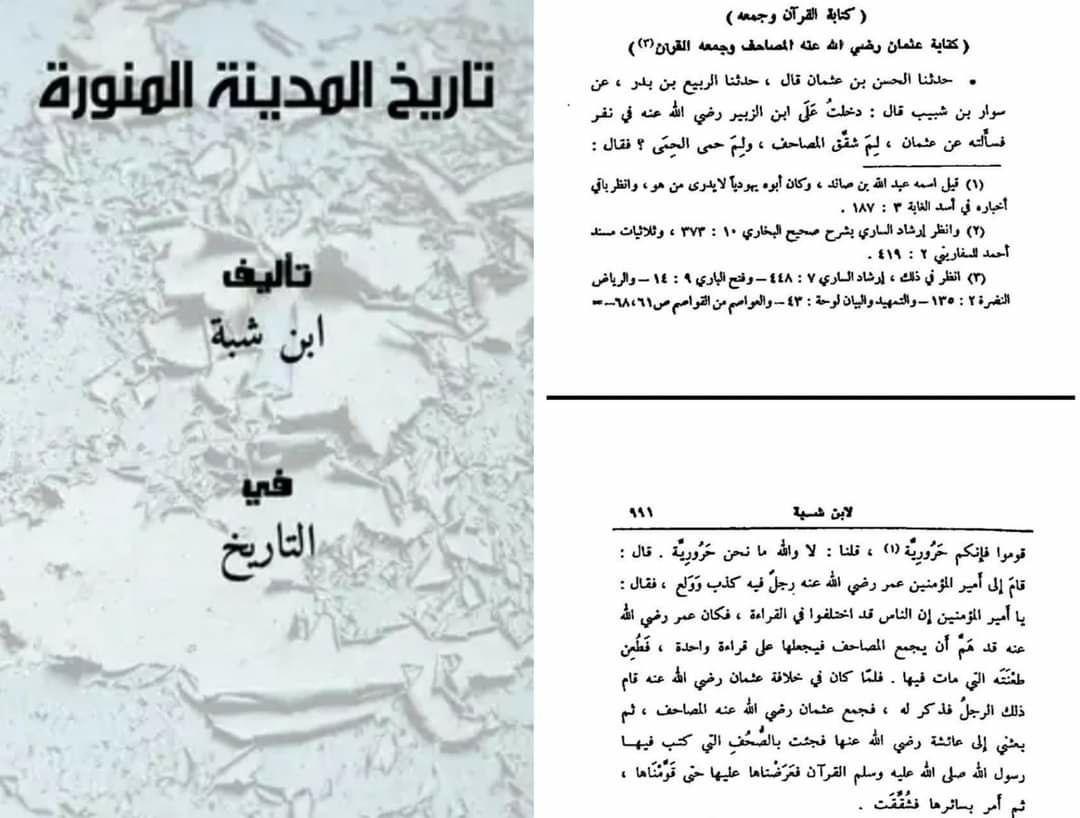
The narration is sometimes cited in discussions about what ʿUthmān رضي الله عنه did with other written Qur’an copies after the official muṣḥaf was standardized.
The important point is that the wording uses the verb “shaqqa”, which does not mean “burn.” It means something closer to tearing, splitting, or cutting.
Therefore, using this narration to claim “burning” from the word shaqqa is linguistically weak.
Weakness in the Chain: al-Rabīʿ Ibn Badr
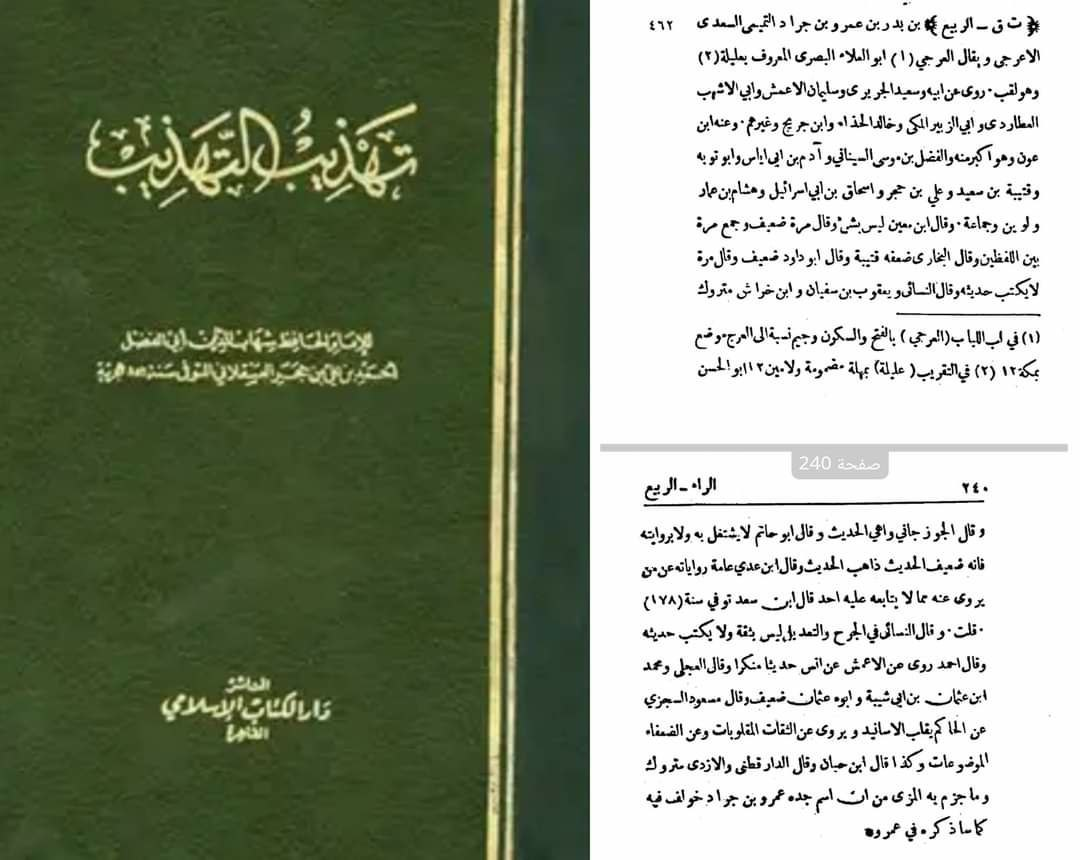
His presence in the chain is the main issue, because he was criticized by the scholars of hadith.
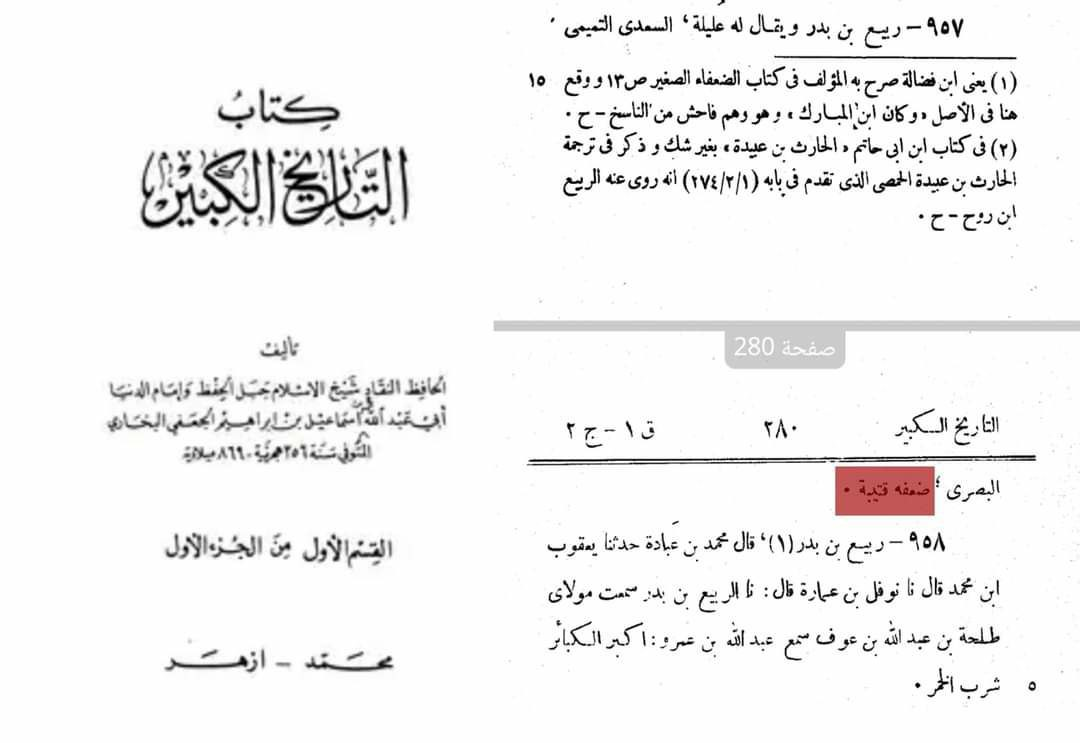
The point being established is that this narrator is not reliable enough for a report like this to be used as strong evidence in a major historical or theological claim.
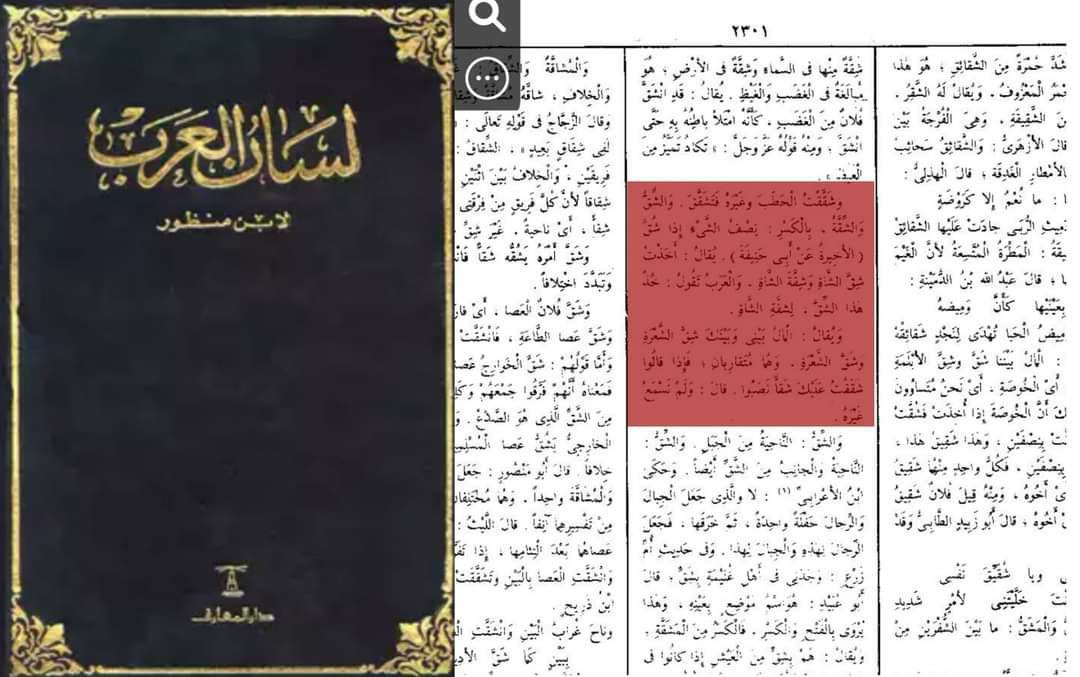
It supports the same conclusion: the narrator was weakened by hadith scholars, so the narration cannot be treated as authentic proof.
Among those who weakened him was al-Nasāʾī, along with other hadith critics.
Therefore, the chain of this narration is not strong.
Linguistic Point: “Shaqqa” Does Not Mean “Burn”
This does not mean “burned.”
Rather, it means something like:
- split,
- tore,
- cut,
- divided,
- or separated.
The Arabic wording itself does not support that translation.
Hadith-Critical Point
al-Rabīʿ ibn Badr al-Saʿdī al-Tamīmī
He was considered weak by hadith scholars, including:
- al-Nasāʾī
- and others from the critics of narrators.
Final Conclusion
First, the word “shaqqa” does not mean “burn.”
Second, the narration is weak due to the presence of al-Rabīʿ ibn Badr al-Saʿdī al-Tamīmī, who was weakened by hadith scholars such as al-Nasāʾī and others.
Therefore, this report cannot be used as strong evidence against ʿUthmān رضي الله عنه or against the preservation of the Qur’an.
It does not prove what polemicists want it to prove.
Why Did Uthman Burn Other Qur’an Copies? The Uthmanic Codex and Preservation of the Qur’an