Isaiah 42 — A Prophecy About the Prophet Muhammad ﷺ
·45 min read·10068 words
Isaiah 42 is a prophecy about the mission of the Prophet ﷺ, the faith of those who believed with him from the Adnanite Ismaili Arabs, and the destruction of idols and statues in the land of the Arabs.
The Text: Isaiah 42
Isaiah 42:1–20 (ESV) 1 “Behold, my servant, whom I uphold, my chosen one in whom my soul delights. I have put my Spirit upon him, and he shall bring forth justice to the Gentiles. 2 He shall not cry out, nor lift up his voice, nor make it heard in the street. 3 A bruised reed he shall not break, nor smoldering wick he shall not quench; he shall bring forth justice to safety. 4 He will not faint or be discouraged until he establishes justice in the earth, and the islands will wait for his law.” 5 Thus says the Lord God, who created the heavens and stretched them out, who spread out the earth and its outgrowths, who gives breath to the people on it and spirit to those who dwell in it: 6 “I, the Lord, have called you in righteousness; I will take you by the hand and keep you, and will make you a covenant for the people, a light for the nations, 7 to open the eyes of the blind, to bring out the captives from the dungeon, from the prison house. 8 I am the LORD, that is my name; and my glory I will not give to another, nor my praise to graven images. 9 Behold, the former things have come to pass, and new things I declare; before they spring up I make them known to you.” 10 Sing to the LORD a new song, His praise from the ends of the earth. 11 Let the wilderness and its cities lift up their voice, the towns where Kedar dwells; let the inhabitants of Sela sing, let them shout from the tops of the mountains; 12 let them give glory to the LORD, and declare his praise in the isles. 13 The LORD will go forth like a mighty warrior. Like a man of war, he stirs up his zeal; he shouts and cries out, and prevails against his enemies. 14 “I have been silent from the beginning; I am still; I am strong; I cry out like a woman in labor; I sigh and groan together. 15 I will destroy the mountains and the hills, and dry up all their grass; I will turn the rivers into dry land, and dry up the marshes. 16 I will lead the blind by a way they have not known. I will make them walk in paths they have not known; I will make darkness light before them, and make crooked places straight. These things will I do, and I will not forsake them. 17 They are turned back; utterly put to shame those who trust in graven images, who say to the molten images, ‘You are our gods!’ 18 “Hear, you deaf! See, you blind! See that you may see. 19 Who is blind but My servant? And deaf as My messenger whom I will send? Who is blind as the perfect one, and blind as the servant of the Lord? 20 He sees much, and does not perceive; He has open ears, and does not hear.”
The Claim
We say that this is a prophecy about:
The mission of the Prophet ﷺ, without a doubt.
The faith of those who believed with him from the Adnanite Ismaili Arabs.
The destruction of idols and statues in the land of the Arabs.
To prove this, the subject is divided into three sections:
Section 1 — Proof that the prophecy speaks about the Arabs and their dwellings
Section 2 — Proof that the prophecy foretells the Arabs’ faith in the One God and their abandonment of idol worship
Section 3 — Response to the Christian objection
Section 1 — The Arabs and Their Dwellings
We say without a doubt that the prophecy is specific to the Arabs and what happens in the land of the Arabs.
The text refers directly to two identifiers:
The sons of Qedar
The inhabitants of Sela
Both of these are identified as Arab regions by the commentators themselves.
Commentary Evidence
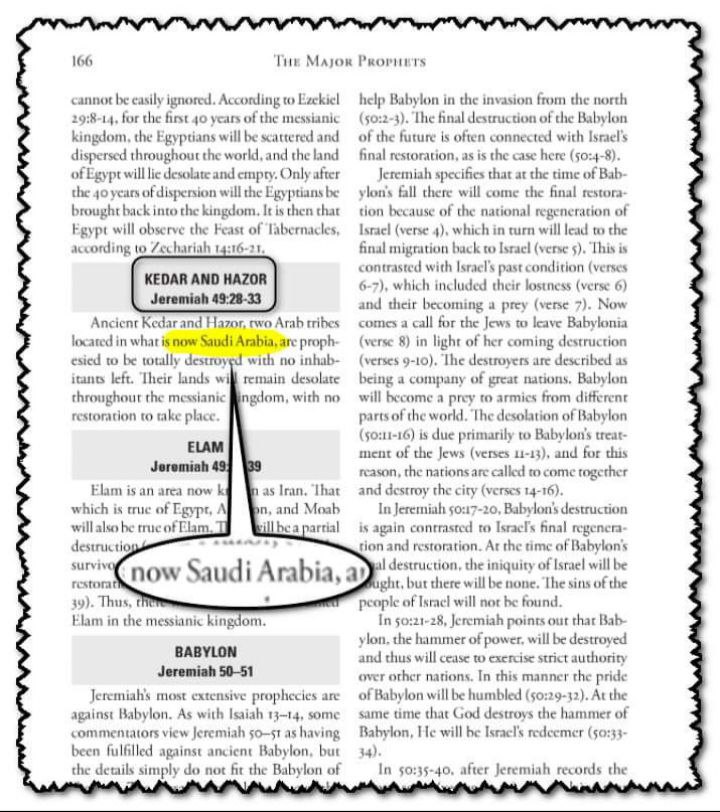
— Commentary on Isaiah 42:11 “Let the wilderness — The most uncultivated countries, and the most rude and uncivilized people, shall confess and celebrate with thanksgiving the blessing of the knowledge of God graciously imparted to them. By the desert is meant Arabia Deserta; by the rocky country, Arabia Petraea; by the mountains, probably those celebrated, Paran, Horeb, Sinai, in the same country; to which also belonged Kedar, a clan of Arabians, dwelling for the most part in tents. The villages that Kedar doth inhabited — The Arabs, according to the Targum.”
Jamieson-Fausset-Brown — Commentary on Isaiah 42:11 “Kedar — in Arabia Deserta (Isaiah 21:16; Genesis 25:13). The Kedarenians led a nomadic, wandering life.”
Gill’s Exposition — Commentary on Isaiah 42:11 “Arabia Deserta, and the inhabitants of the cities which were in it. The Arabians that inhabit the wilderness shall praise.”
Brown-Driver-Briggs Lexicon — Entry: H6938 קֵדָר “Tribe of nomads in Arabian desert. Arabs dwelling in tents (black goat-skin tents).”
Geographic Breakdown
The Romans divided Arabia into three zones:
Zone
Territory
Arabia Petra
Jordanian desert + Northwest Arabia
Arabia Deserta
Central and Northern Arabia
Arabia Felix
Yemen, Najran, Jizan, Asir
Arabia Felix = fertile southern Arabia (Encyclopaedia Britannica).
Conclusion of Section 1
“Kedar” = Arabs
The region references = the Arabian Peninsula
Classical scholars agree on this identification without exception
For Those Who Doubt the Hijaz Connection For those who doubt that the Arabian Peninsula or the Hijaz is part of the Qedarites’ dwellings, see Prophecy in Deuteronomy 33:2, Genealogy of Muhammad from Ishmael, and Additional Notes on Prophet Muhammad in the Bible.
But I Will Revise Here and Explain in the Best Way
1*D JZ64xDDhHv8qVyEdgTcw
We read in Deuteronomy 33:
Deuteronomy 33:2 “And he said, ‘The Lord came from Sinai, and dawned upon them from Seir; He shone forth from Mount Paran, and came from ten thousand holy places; and at His right hand was a fire of law for them.’”
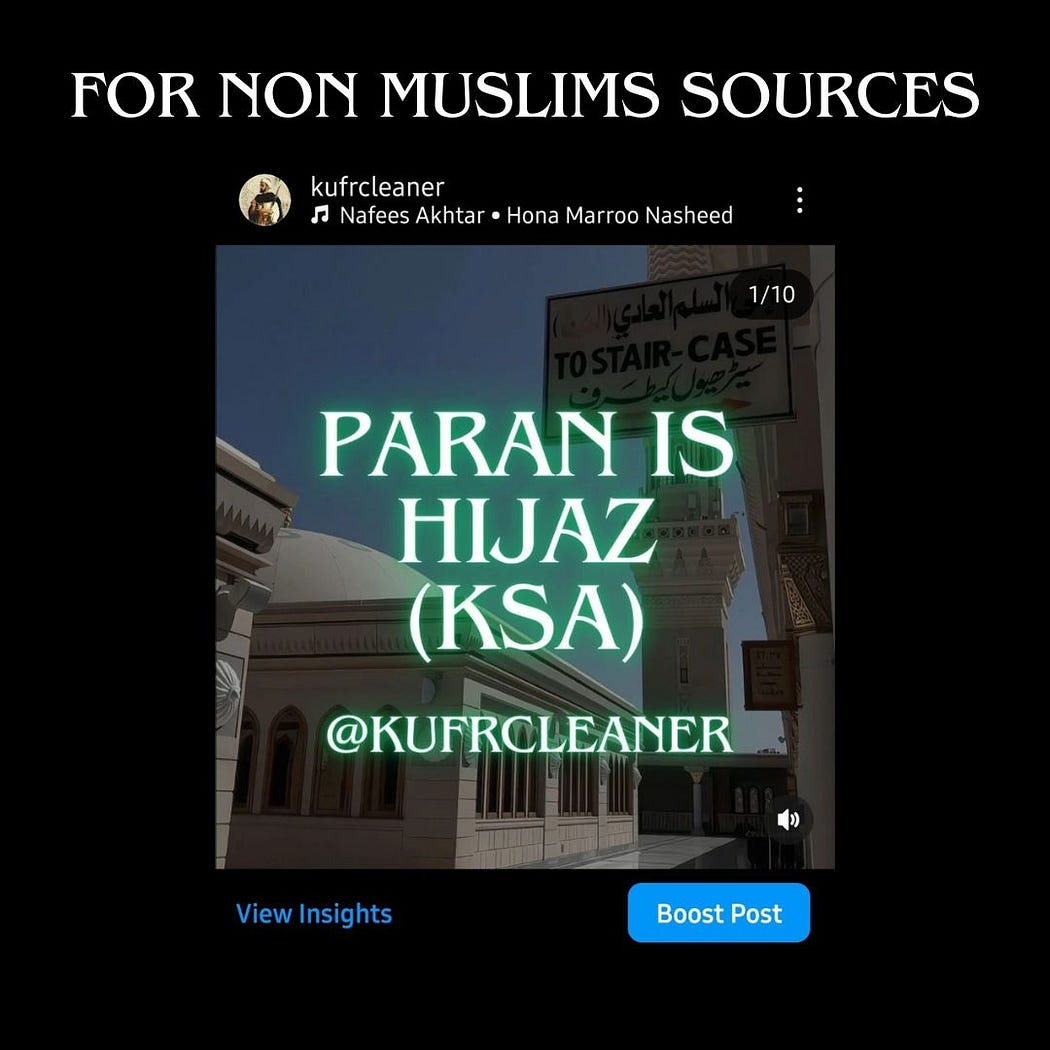
This verse in the Holy Book refers to the prophecy of the three prophets, the owners of the laws and heavenly books. In Sinai, God Almighty revealed the Torah to Moses ﷺ. Seir is a mountain in Palestine, in a clear reference to Christ ﷺ and his prophecy. Mount Paran is a reference to Mecca — specifically the Mountain of Light in it — because Paran is the Hijaz, as we will now explain.
The explanation comes in three parts:
Determining the location of Paran according to the Holy Book, and that the children of Ishmael ﷺ lived there
Mentioning Islamic sources that stated Paran is the Hijaz
Mentioning non-Islamic sources that stated Paran is the Hijaz
Part One: Determining the Location of Paran According to the Holy Book
We read in Genesis chapter 25:
Genesis 25:16–18 16 These are the sons of Ishmael, and these are their names by their towns and their strongholds: twelve princes according to their families. 17 And these are the years of the life of Ishmael: one hundred and thirty-seven years. And he gave up his spirit and died and was gathered to his people. 18 And they dwelt from Havilah unto Shur, which is before Egypt, as you go toward Assyria; he encamped before all his brothers.
And we read in Genesis chapter 21:
Genesis 21:17–21 17 And God heard the voice of the lad; and the angel of God called to Hagar out of heaven, and said to her, “What ails thee, Hagar? Fear not, for God hath heard the voice of the lad where he is.” 18 “Rise, lift up the lad and hold him in your hand, for I will make him into a great nation.” 19 Then God opened her eyes, and she saw a well of water. So she went and filled the bottle with water and gave the lad a drink. 20 And God was with the lad, and he grew and lived in the wilderness and became an archer. 21 And he dwelt in the wilderness of Paran, and his mother took him a wife out of the land of Egypt.
And we read in Numbers 10:
Numbers 10:11–12 11 And in the second year, in the second month, on the twentieth day of the month, the cloud was taken up from over the tabernacle of the testimony. 12 And the children of Israel journeyed on their journeys from the wilderness of Sinai, and the cloud abode in the wilderness of Paran.
Three Things We Summarize from These Verses
The Wilderness of Paran is not the Wilderness of Sinai.
The children of Ishmael ﷺ and their grandfather Ishmael ﷺ lived in Paran.
The borders of Paran extend from Havilah to Shur.
We move now to the proof that Paran is the dwelling place of the children of Ishmael ﷺ. The statement came from Jewish sources that Paran is the dwelling place of the children of Ishmael ﷺ — and this requires that Paran stretches from Havilah to Shur.
Rabbi Rashi — Commentary on Deuteronomy 33:2 “And shone forth from Seir to them: Because God first offered the children of Esau who dwelt in Seir that they accept the Torah, but they did not want to accept it. From Mount Paran: Because He went there and offered the children of Ishmael who dwelt in Paran to accept the Torah, but they also did not want to accept it. — [AZ 2b]”
Jamieson-Fausset-Brown — Commentary on Genesis 21:20–21 “God was with the lad — Paran (that is, Arabia), where his posterity has ever dwelt (compare Genesis 16:12; also Isaiah 48:19, 1 Peter 1:25). And as Ishmael was now virtually deprived of his father, his mother set about forming a marriage connection for him, it would seem, among her relatives.”
And thus it becomes clear that the area from Shur to Havilah is the same as the area of Paran, which is the dwelling place of the children of Ishmael ﷺ.
Part Two: Proof that Paran — from Shur to Havilah — Is the Hijaz
Now Let Us Read the Surprise
What is Havilah?
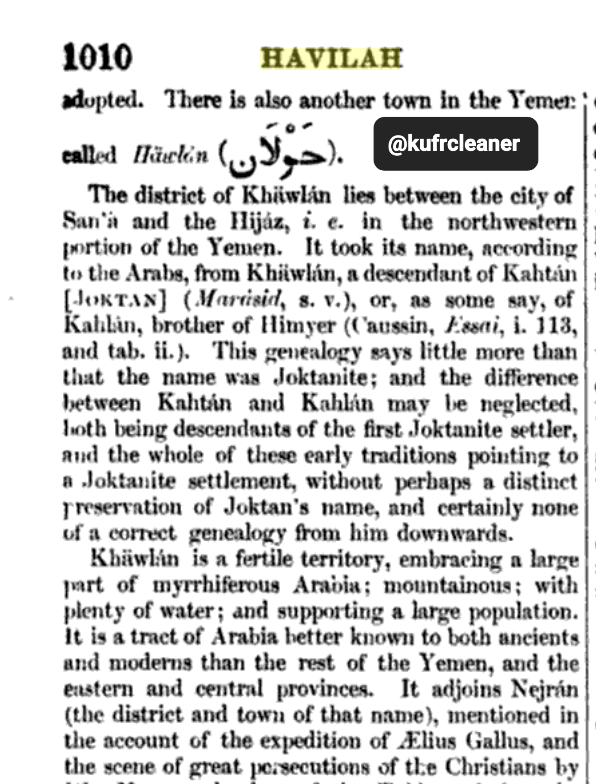
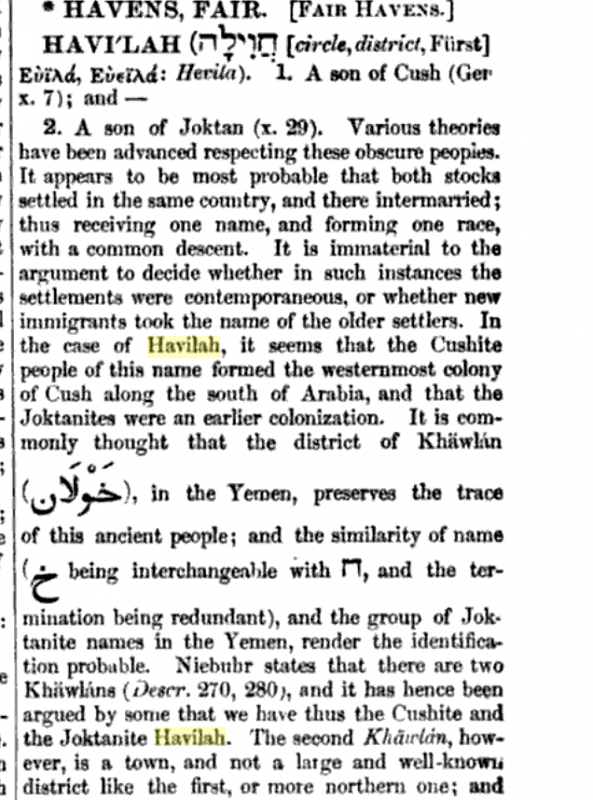
Strong’s Dictionary — Entry: H2341 חֲוִילָה “District in Arabia of the Ishmaelites named from the 2nd son of Cush; probably the district of Kualan. A province inhabited by the Ismailis located in the Arabian Peninsula. It is likely the province of Khawlan in the northwestern part of Yemen.”
Bible Dictionary (Anba Takla) — Entry: Havilah “A Semitic name meaning ‘sandy.’ A province in the land of Arabia, some of which is inhabited by the Cushites and some of which is inhabited by the Joktani, who are a Semitic people (Genesis 7:10 and 1:29 and 1 Chronicles 9:1 and 23). The connection between Hawila, Hadhramaut and other places indicates a location in the middle or south of the Arab countries. In Havilah is the Kishon River, and the region is rich in gold, a medicinal aromatic gum, and precious stones (Genesis 11:2, 12). Some prefer to identify it with the Khawlan region, in the western part of the Arab lands, north of Yemen. It is not known how far north Havilah extended, and from the story of Saul’s fight with the Amalekites we can conclude that a section of the Arabian desert, extending several hundred miles north of Yamamah, bore the name Havilah (1 Samuel 7:15; compare Genesis 18:25).”
Smith’s Bible Dictionary — Entry: Havilah “A district in Arabia Felix (Genesis 10:7), named from the second son of Cush; probably the district of Kualan, in the northwestern part of Yemen.”
We also read from Smith’s Bible Dictionary, pages 1009–1010:
1*FkD4j1G9PG 9113q 2AtXQ1*kab09VBqgTQswiL4oC9zlA
If Havilah is the Khawlan district in Yemen — then what is Shur?
What is Shur?
Smith’s Bible Dictionary — Entry: Shur “Shur (a wall), a place just without the eastern border of Egypt. Shur is first mentioned in the narrative of Hagar’s flight from Sarah (Genesis 16:7). Abraham afterward ‘dwelled between Kadesh and Shur, and sojourned in Gerar’ (Genesis 20:1). It is also called Etham. The wilderness of Shur was entered by the Israelites after they had crossed the Red Sea (Exodus 15:22–23). It was also called the wilderness of Etham (Numbers 33:8). Shur may have been a territory town east of the ancient head of the Red Sea; and from its being spoken of as a limit, it was probably the last Arabian town before entering Egypt.”
Bible Dictionary (Anba Takla) — Entry: Shur “A Hebrew name meaning ‘wall.’ It is a place in the desert in southern Palestine, or more specifically south of Bir Lahi Roi (Genesis 16:7 and 25:18), and eastern Egypt (1 Samuel 15:7; 28:8). The children of Israel walked through it for three days when they crossed the Red Sea (Exodus 15:22). This was sometimes called the wilderness of Etham (Numbers 33:8). Shur was first mentioned in the story of Hagar’s flight (Genesis 16:7). It later became the dwelling place of the Ishmaelites (Genesis 25:18). Abraham dwelt between Kadesh and Shur (Genesis 20:1).”
Strong’s Dictionary — Entry: H7793 שׁוּר “Shur. A desert region. Southwest of Palestine. Border of Egypt.”
If Shur is located east of Egypt and south of Palestine (or southwest of Palestine, according to different opinions) — and especially south of Bir Lahi Roi — then we read in the Bible Dictionary that this well is located south of Beersheba:
Bible Dictionary (Anba Takla) — Entry: Bir Lahi Roi “This is a phrase meaning ‘the well of the living who sees me,’ a spring of water between Kadesh and Bared (Genesis 16:14 and 24:62 and 25:11) on the way from Assyria to Egypt, to which Hagar the Egyptian headed when she fled from her mistress. Genesis 25:11 indicates that this well is not far from Gerar. Roland says he found the well at Ain Muwaylih, 50 miles south of Beersheba, and about 11 miles west of Ain Kadesh.”
What we said above is supported by the fact that the Holy Bible in Genesis 14 says:
Genesis 14:6 “And the Horites in their mount Seir as far as Botparan, which is by the wilderness.”
And Batmaparan is Eilat according to the Bible Dictionary:
Bible Dictionary (Anba Takla) — Entry: Botparan / Batmaparan “Perhaps Batmaparan (Genesis 14:6) was the place known in ancient times as Eilat and today as Eilat, which is located west of Aqaba.”
This requires that it is part of Paran — which means it is located south of Shur and north of Havilah. It is known that Eilat is the last city in southern Palestine and is located on the coast of the Gulf of Aqaba. The Hijaz begins in the region that is located south of it, approximately east of it, until it reaches Havilah in Yemen.
Conclusion of the Geographic Proof
Thus:
Shur is in the Negev desert, south of Beersheba, north of the Red Sea, east of Egypt.
Havilah is the Khawlan region in Yemen.
This geographical region — from Shur to Havilah — is the region known to the Arabs as the Hijaz. There is no other choice after this.
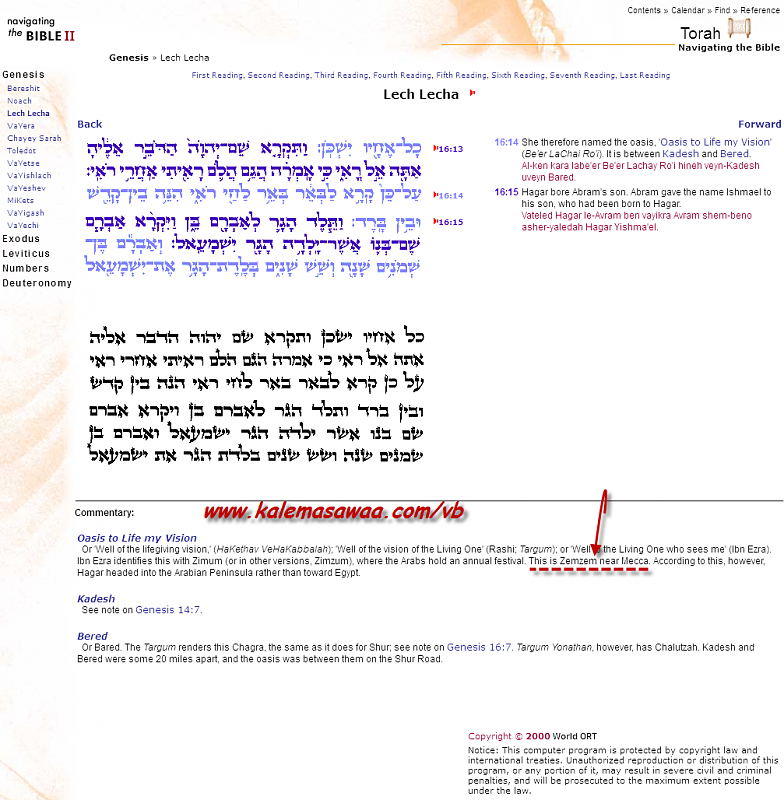
The Jewish interpreter Ben Ezra throws a stone at the priests and the guardians. The Jewish rabbi acknowledges the true destination of our mother Hagar ﷺ: the destination is the Arabian Peninsula, not Egypt.
As we said previously, the word Kedar symbolizes in the Talmud and in Jewish sources all Bedouin Arabs, because the word indicates dark or dark skin color. The Jews sometimes applied this word to all Bedouin Arabs.
The Gesenius’ Hebrew-Chaldee Lexicon confirms this.
Smith’s Bible Dictionary — Entry: Kedar “Kedar (dark-skinned), the second in order of the sons of Ishmael (Genesis 25:13; 1 Chronicles 1:29) and the name of a great tribe of Arabs settled on the northwest of the peninsula and on the confines of Palestine. The ‘glory of Kedar’ is recorded by the prophet Isaiah (Isaiah 21:13–17) in the burden upon Arabia; and its importance may also be inferred from the ‘princes of Kedar’ mentioned by Ezekiel (Ezekiel 27:21), as well as the pastoral character of the tribe. They also appear to have been, like the wandering tribes of the present day, ‘archers’ and ‘mighty men’ (Isaiah 21:17; compare Psalm 120:5). That they also settled in villages or towns we find from Isaiah (Isaiah 42:11). The tribe seems to have been one of the most conspicuous of all the Ishmaelite tribes, and hence the rabbins call the Arabians universally by this name.”
Father Anthony Fikry — Commentary on Isaiah 42:11 “This is the song of the redeemed from the Jews and the Gentiles (Revelation 7:10) and Christ came to fight the devil and is still fighting him within us. He is like a man of wars. He came to the whole world. Kedar = the land of the Arabs. Sela = the capital of Edom. And the islands = that is, the distant countries. And he arouses his zeal = he arose in the fullness of time to save his people because of his zeal for them.”
Section 2 — Proof that the Prophecy Concerns the Arabs’ Faith in the One God and Their Rejection of Idolatry
This is clear from the context itself. The text says:
Isaiah 42:11–17 11 Let the wilderness and its cities lift up their voice, the towns where Kedar dwells. Let the inhabitants of Sela sing, let them shout for joy from the tops of the mountains. 12 Let them give glory to the LORD, and declare his praise in the isles. 13 The LORD goes forth like a mighty warrior; He stirs up his zeal like a man of war; He shouts and cries out, He prevails against his enemies. 14 “I have been silent from of old; I am still; I am strong; I cry out like a woman in labor; I sigh and growl together. 15 I will destroy the mountains and the hills, and dry up all their grass; I will make the rivers dry, and dry up the marshes. 16 I will also lead the blind by a way they do not know; I will make them walk by paths they have not known; I will make darkness light before them, and make crooked places straight. These things will I do, and I will not forsake them. 17 They are turned back; utterly put to shame those who trust in graven images, who say to the molten images, ‘You are our gods!’”
It is a prophecy that speaks about the peoples’ faith in the one and only God and abandoning the worship of carved images and idols. It is specific to those mentioned in the text — the land of Qedar, the land of the Arabs.
The Lord’s coming out as a mighty warrior in verse 13 is a metaphor for His command to the believers to fight the polytheists. We read after that in verse 17 that those who trusted in idols were disgraced. This actually happened to the Messenger of God ﷺ — he purified the Arabian Peninsula from all idols and statues.
The Bible Dictionary on Kedar
Bible Dictionary (Anba Takla) — Entry: Kedar “Sam Sami means ‘mighty’ or ‘black’ or ‘dark-skinned’ and is the name of the second son of Ishmael, son of Abraham (Genesis 25:13; 1 Chronicles 29:1). He is the father of the most famous tribes of the Arabs, and their country is also called Qedar (Isaiah 21:16; Jeremiah 49:28). They were mostly nomadic shepherds who lived in black tents — they are the Bedouins (Song of Songs 1:5). However, some of them were civilized and lived in cities, and they were the urbanites (Isaiah 42:11). They had many livestock and were skilled in war, especially in archery, and the Assyrians fought them. Nebuchadnezzar persecuted them when he marched with his army into their country and destroyed it. Kedar is the ancestor of the Arab tribes that are called by this name in the biblical prophecies from the time of Solomon to the time of the Babylonian captivity.
In Isaiah’s prophecy about the land of Arabia (Isaiah 21:13–17), he mentions ‘Kedar’ with the Dadanites and Tema, and how ‘within a year… all the glory of Kedar will perish’ (Isaiah 21:16 — which indicates how great it was at that time — see also Ezekiel 27:21) and ‘the remnant of the number of the archers, the mighty men of the sons of Kedar will be diminished, for the Lord, the God of Israel, has spoken’ (Isaiah 21:17).
The image that the Bible presents to us about Kedar is that of a Bedouin people from the descendants of Ishmael who did not worship the Lord (Yahweh). However, Isaiah prophesies that they will be among the peoples who will enjoy the Kingdom of God in the future (Isaiah 42:11, 60:7).”
Kedar Is Quraysh
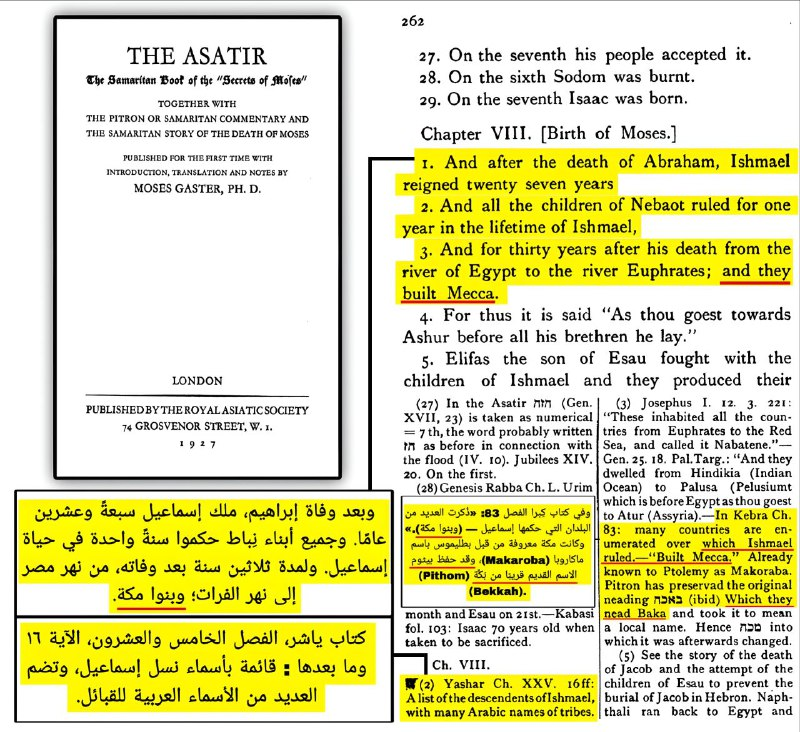
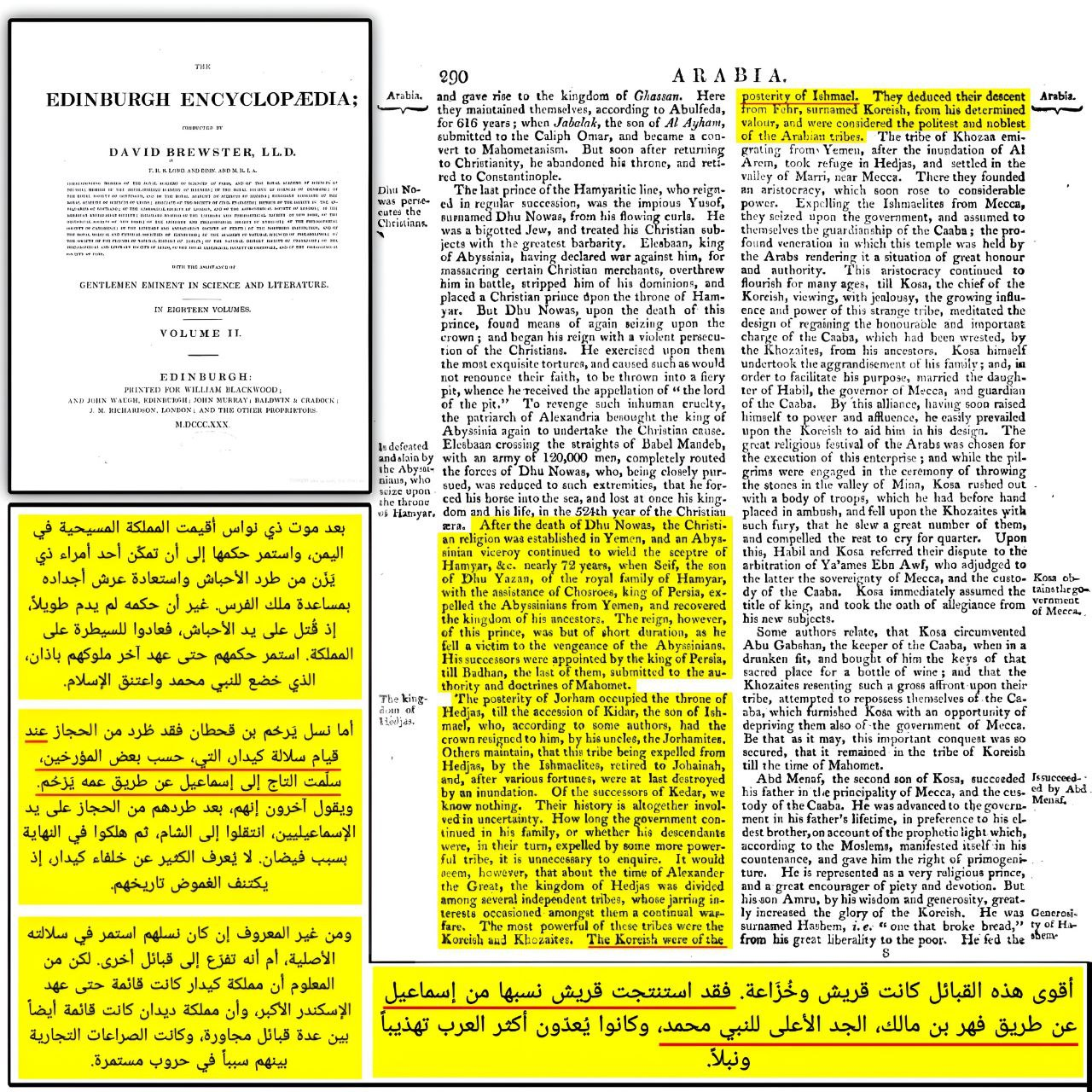
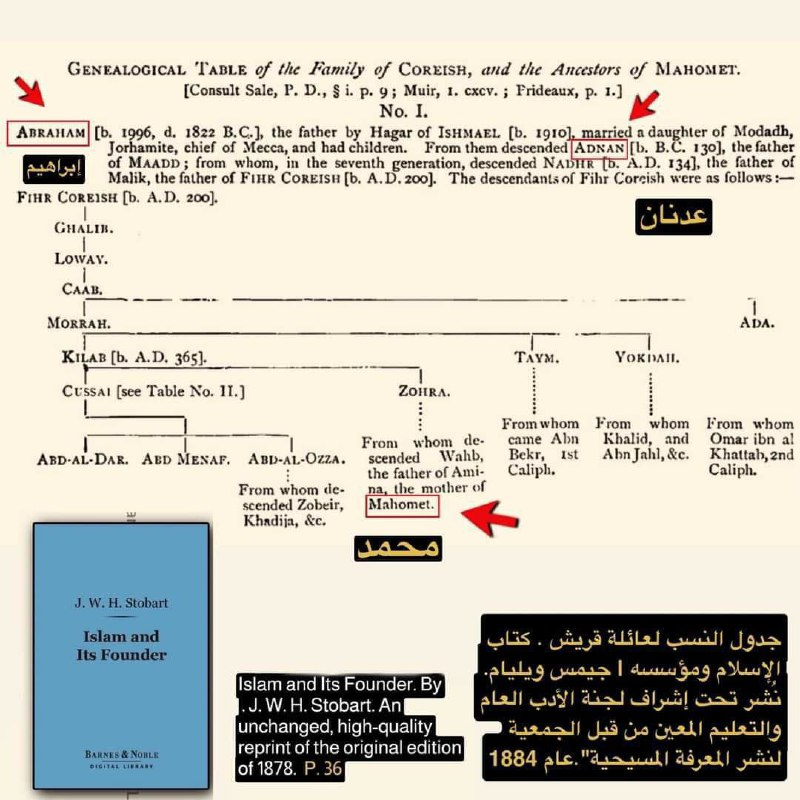
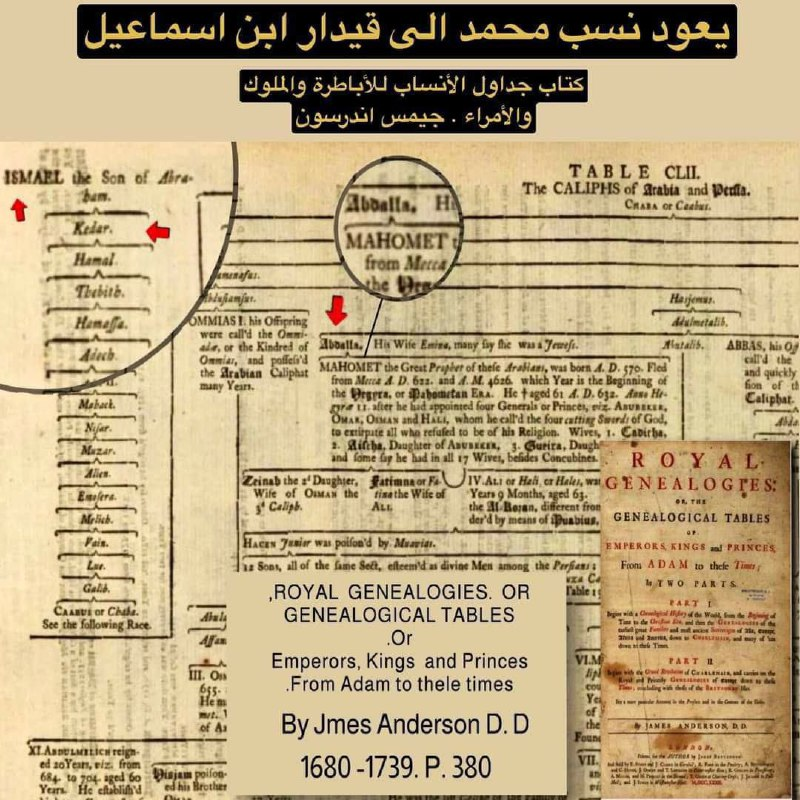
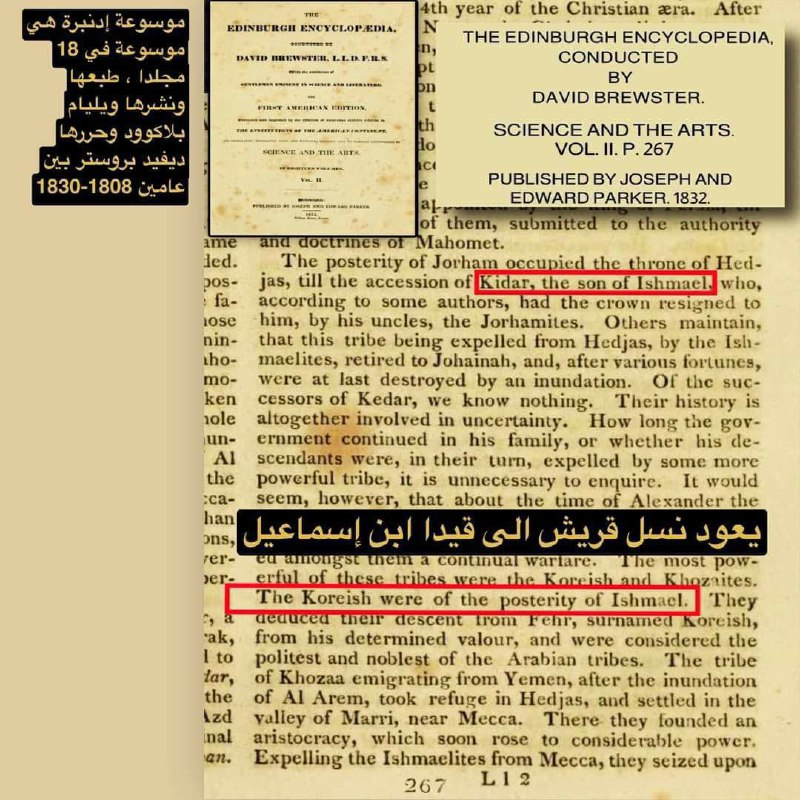
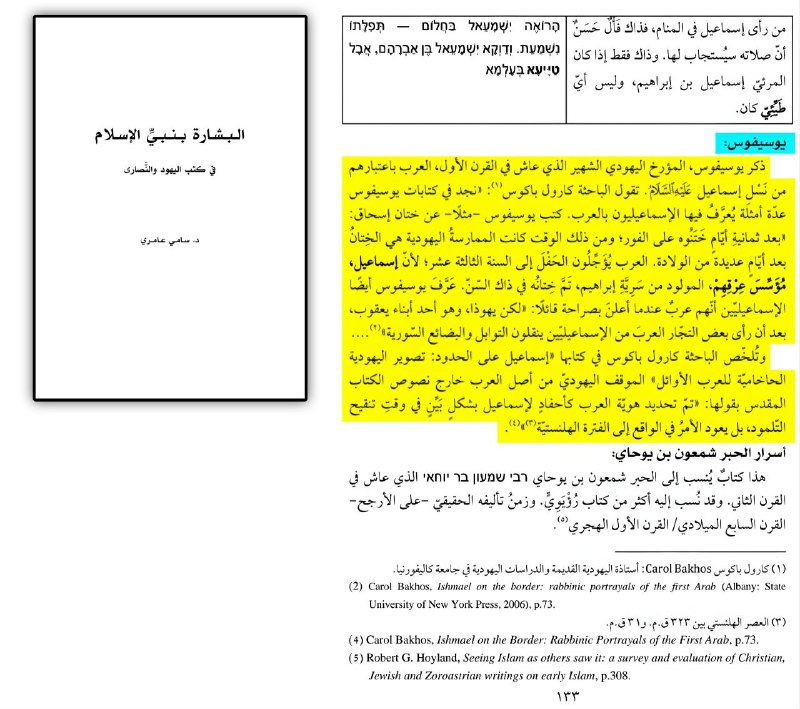
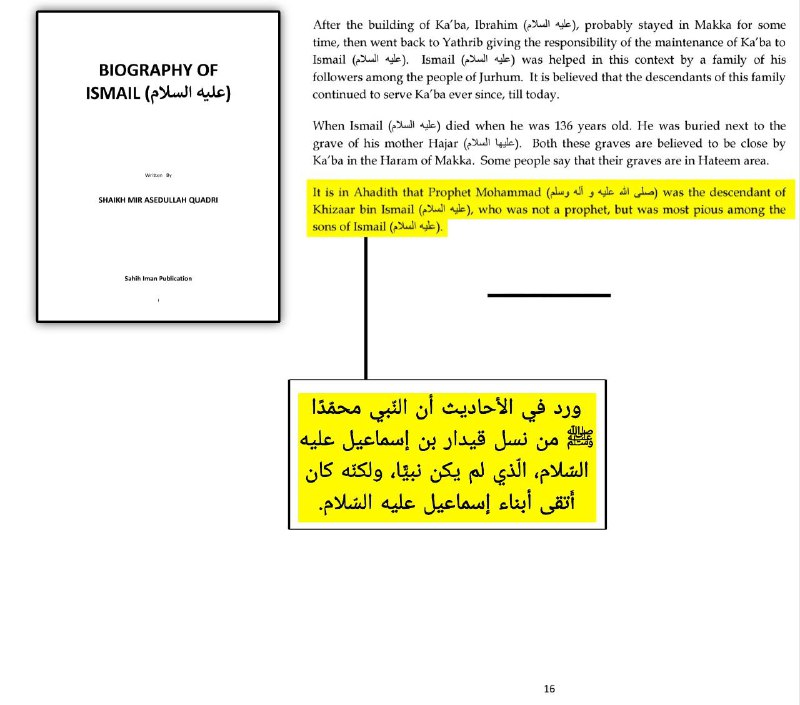
Sources from the books of foreign researchers and orientalists prove that Adnan, the great-grandfather of the Prophet ﷺ, was a descendant of Ishmael, son of Abraham — peace be upon them both.
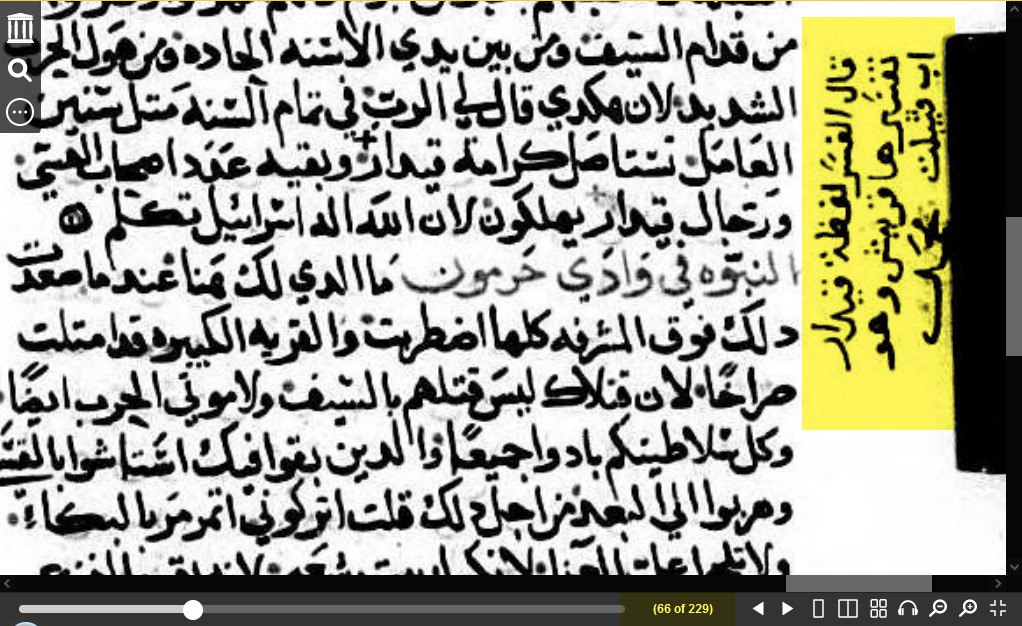
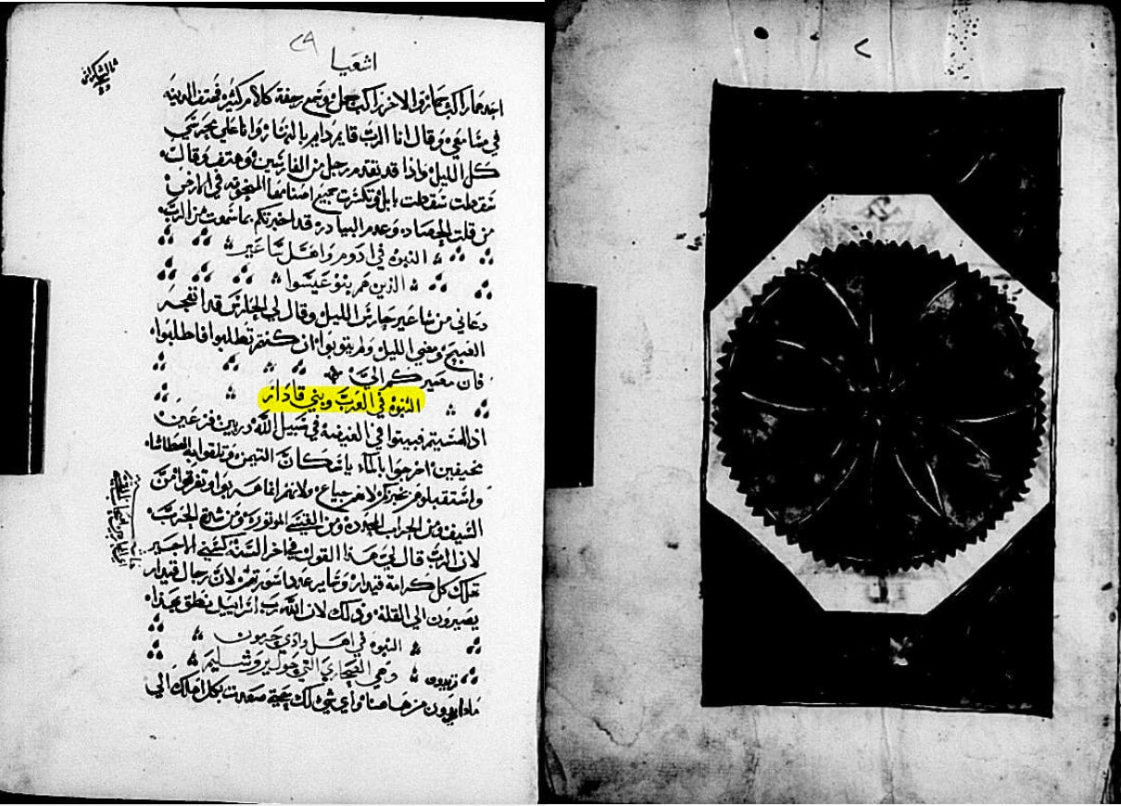
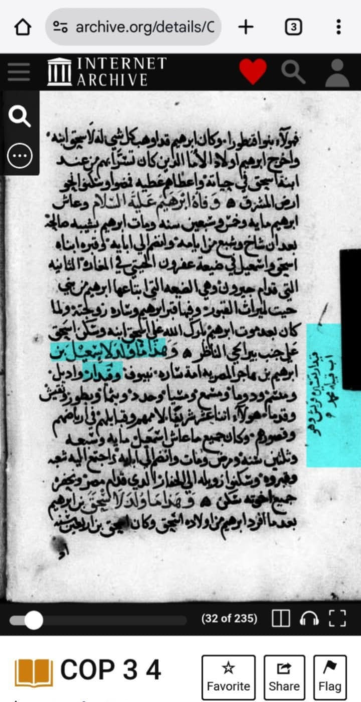
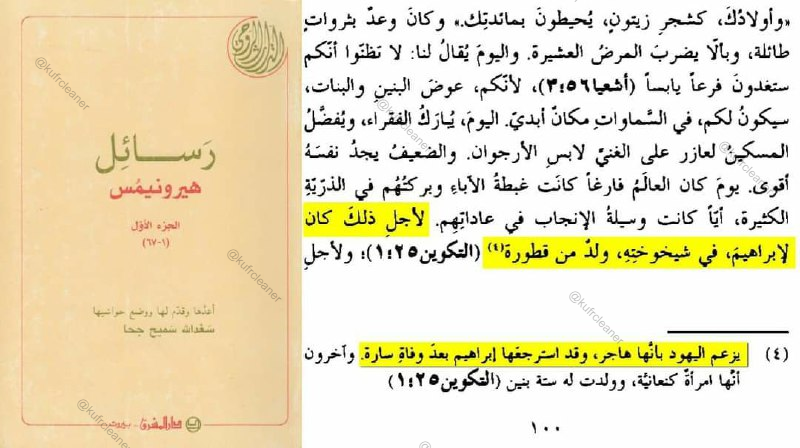
From the manuscripts uploaded online by the Coptic Orthodox Patriarchate, in the margin of the Isaiah 42:11 text:
Coptic Orthodox Patriarchate Manuscript — COP8-4, p. 65 “Kedar is interpreted as Quraysh, the ancestor of Muhammad’s tribe.”
The text being annotated reads: “Let the wilderness and its towns lift up their voice, the settlements where Kedar dwells. Let the inhabitants of Sela sing for joy; let them shout for joy from the mountaintops.” (Isaiah 42:11)
isa42 even accepted by jews of medina 4
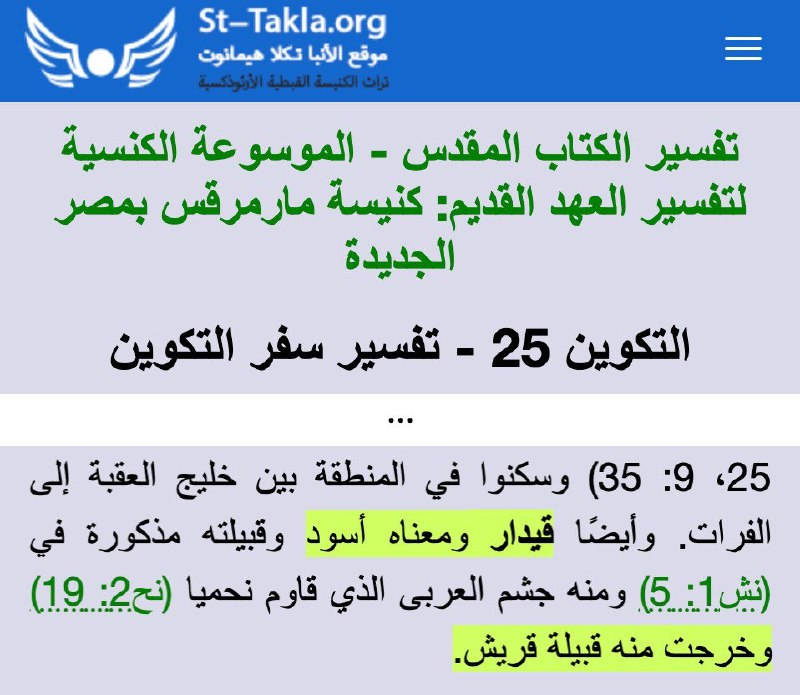
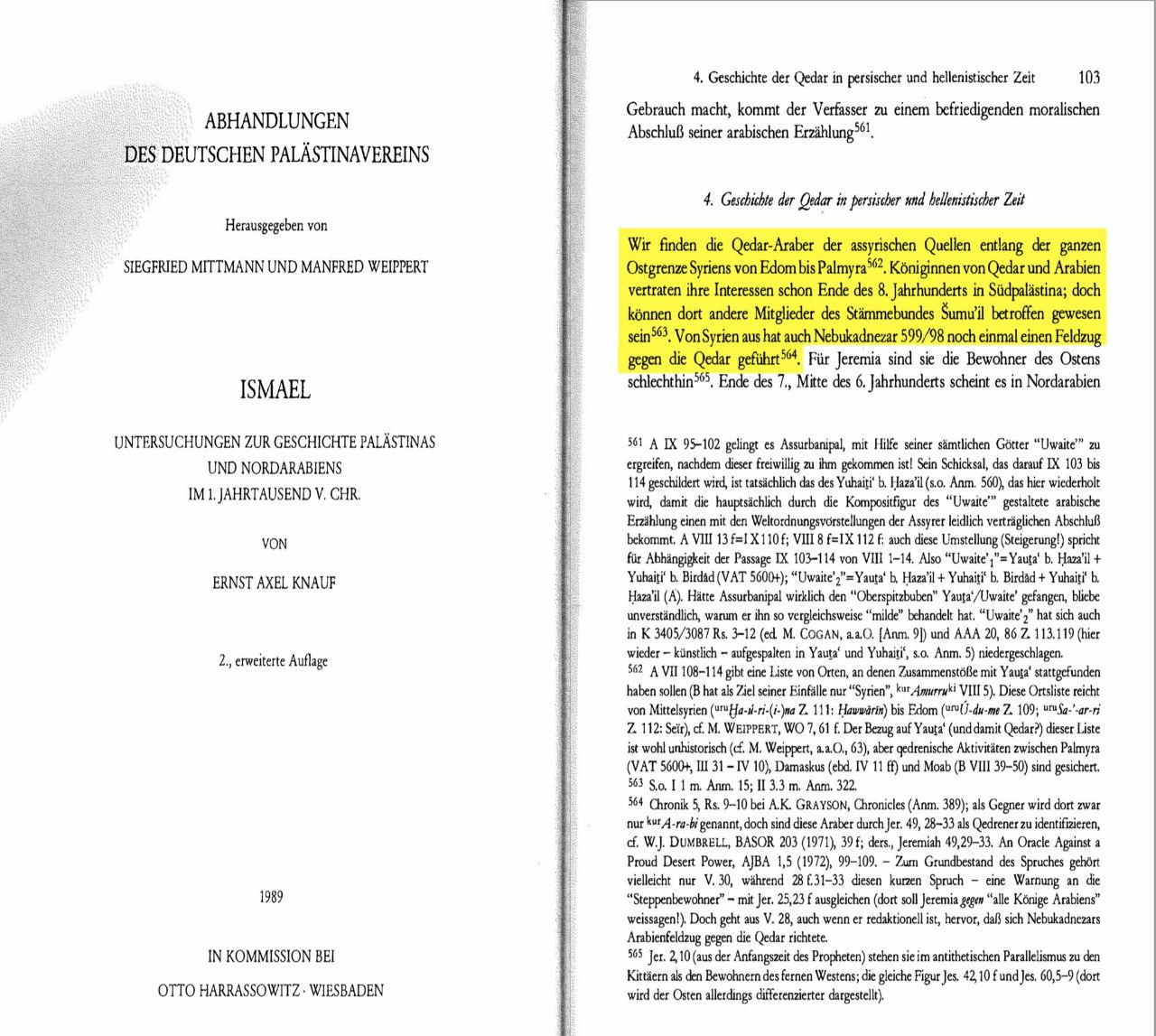
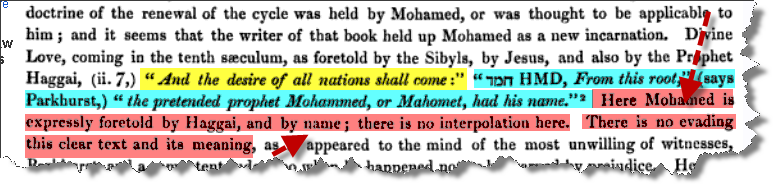
The following scans document the Kedar–Prophet ﷺ connection from scholarly sources:
isaiah 42 the main prophecyisaiah 42 the main prophecy 1isaiah 42 the main prophecy 2isaiah 42 the main prophecy 3isaiah 42 the main prophecy 4isaiah 42 the main prophecy 5isaiah 42 the main prophecy 6isaiah 42 the main prophecy 7isaiah 42 the main prophecy 8isaiah 42 the main prophecy 10
Qedar — the tribe of Quraysh came from it.
isaiah 42 the main prophecy 11isaiah 42 the main prophecy 12isaiah 42 the main prophecy 14
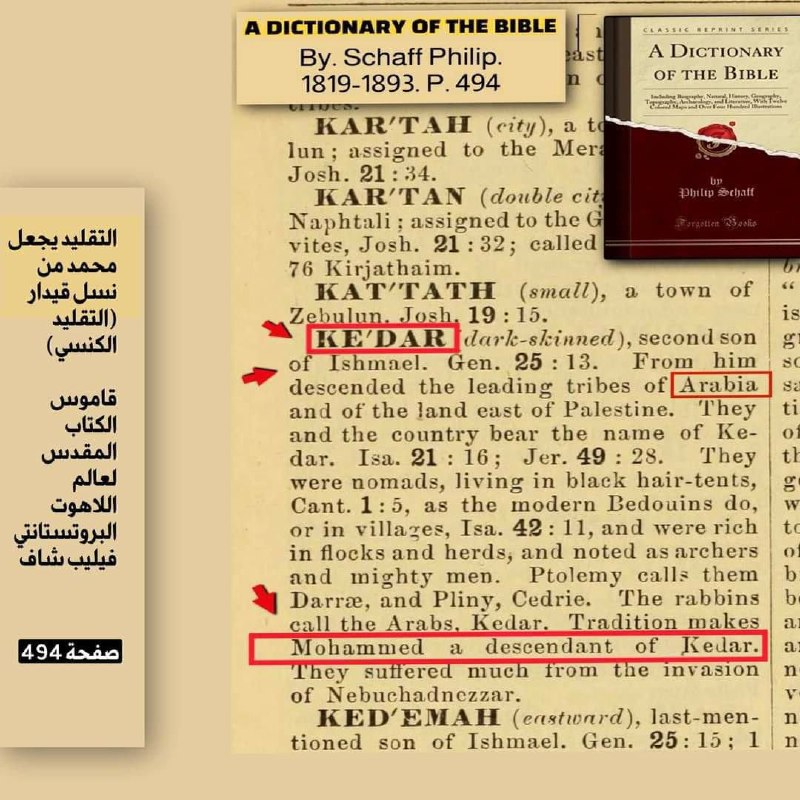
Maimonides and Philip Schaff
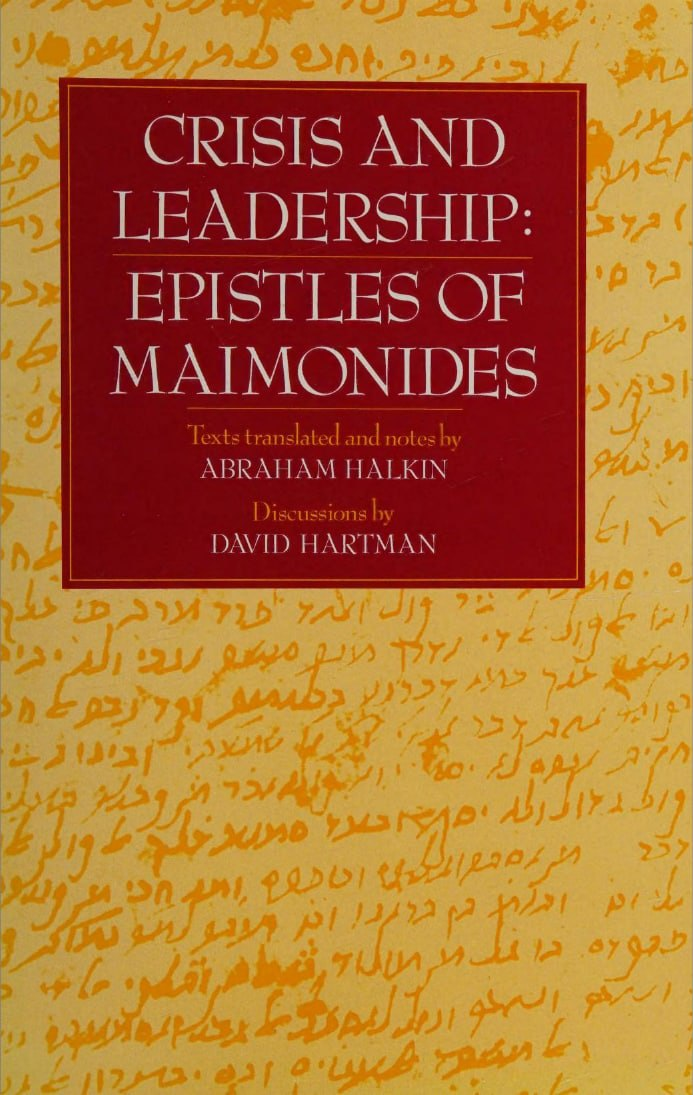
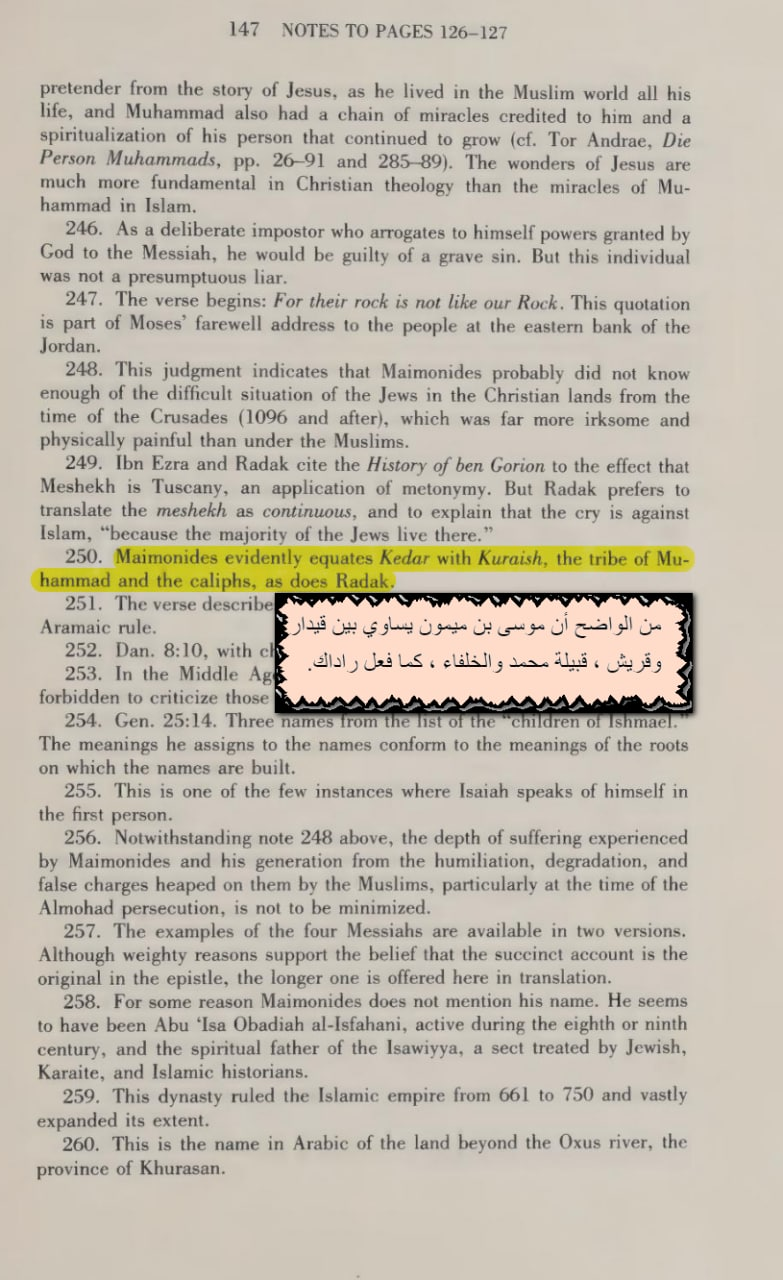
One of the greatest Jewish scholars, Moses Maimonides, equates Kedar with the tribe of Quraysh.
Philip Schaff — Dictionary of the Bible “Tradition makes Qedar one of the ancestors of Muhammad.”
isaiah 42 the main prophecy 15isaiah 42 the main prophecy 16isaiah 42 the main prophecy 13
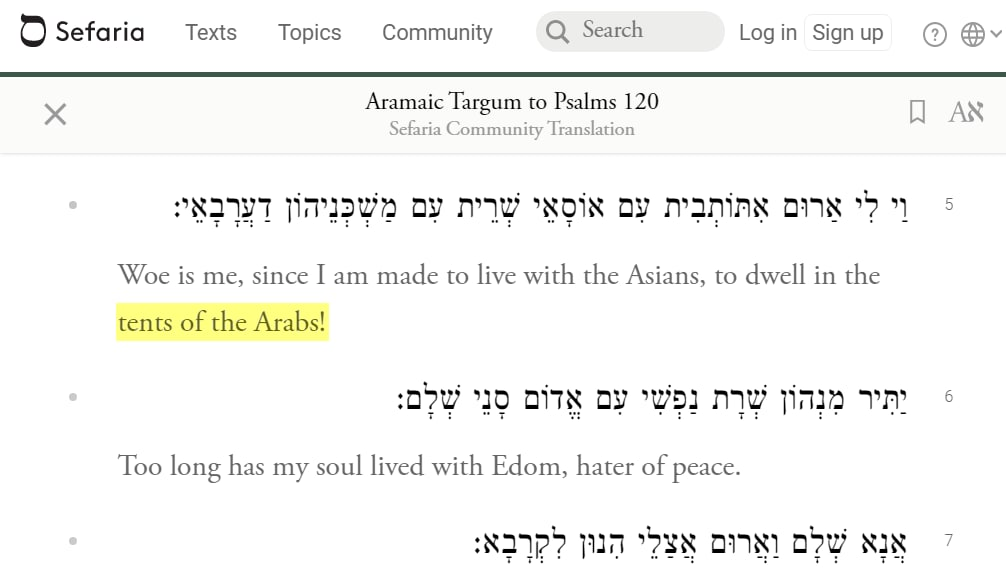
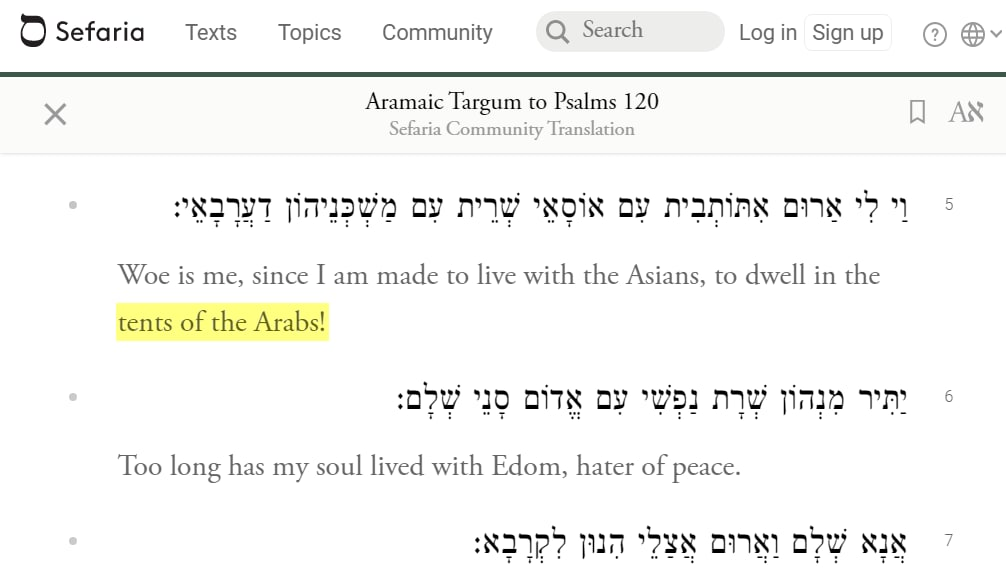
The Aramaic Targum replaces Kedar with the Arabs. Here the word Kedar is literally replaced by Arabs.
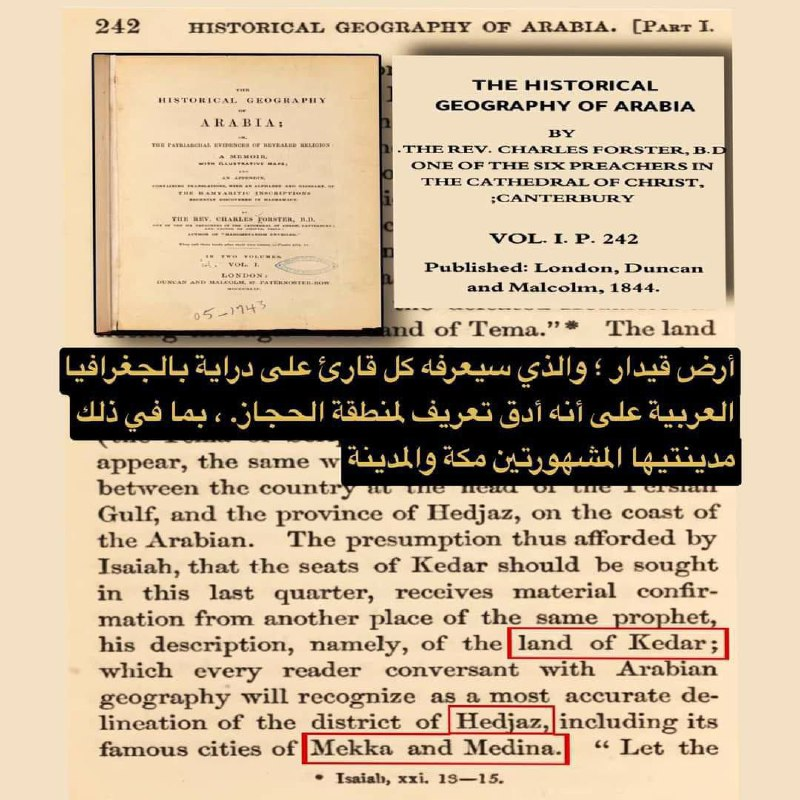
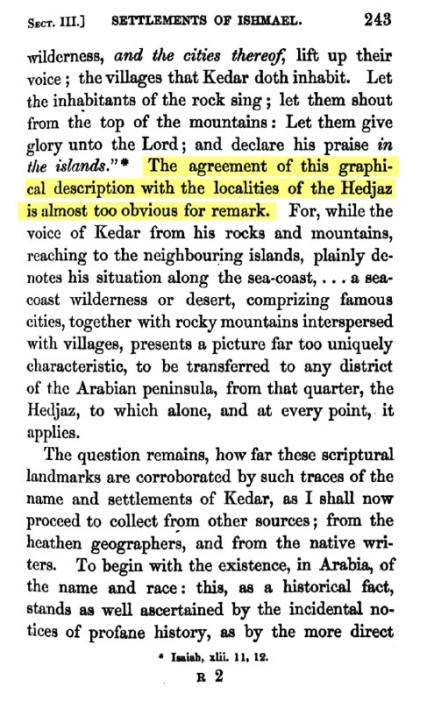
The striking similarity between this descriptive imagery and the Hijaz region is evident in Charles Foster’s commentary on Isaiah 42. Foster was an 18th-century Anglican priest.
Rabbi David Rosen — Jewish Scholar Admits that the final Prophet Muhammad ﷺ is the greatest gentile prophet (other than the Jewish race).
Rabbi Tuvia Singer also acknowledges that the Holy Quran is a divine revelation.
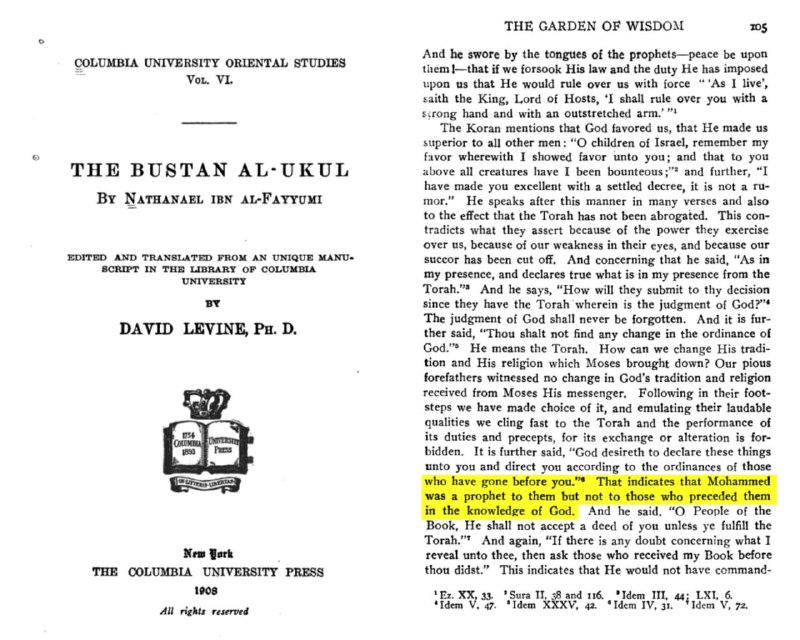
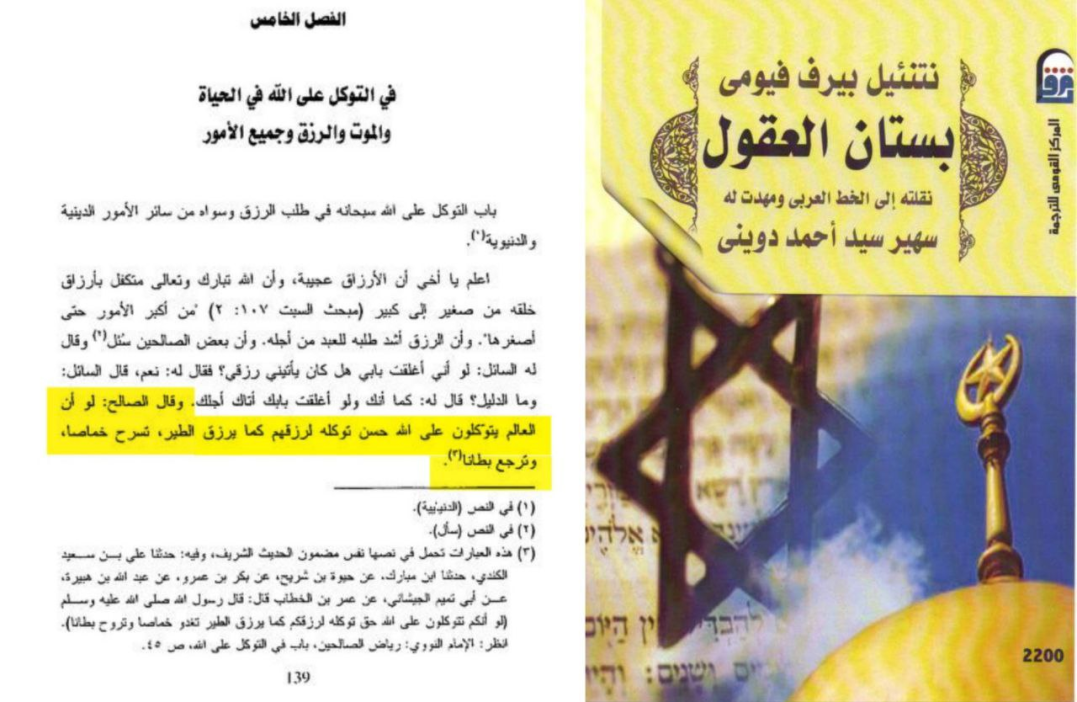
Rabbi Nathanael of Fayoum
Rabbi Nathanael of Fayoum, one of the great medieval rabbis, believed in the prophethood of Muhammad ﷺ — though he believed he was a prophet only for the Arabs. He frequently quoted from the Quran in his writings and referred to the Prophet ﷺ as “the Righteous One,” saying:
“The Righteous One said, ‘If the world were to truly rely on God, He would provide for them as He provides for the birds: they go out hungry and return full.’”
isa42 even accepted by jews of medina 5isa42 even accepted by jews of medina 6
Admission from Adam Clarke — Prophets Among the Arabs
The missionary Adam Clarke conveys a confession that the Jews at the time of Christ ﷺ believed in the mission of prophets to the Kingdom of Sheba and the inhabitants of the Arab countries. This is considered a crushing response to those who denied the mission of prophets among the Arabs on the grounds that they were not from the Children of Israel — and also to those who denied the prophethood of Shu’ayb, Hud, and Salih ﷺ because they were not mentioned in their books.
— Commentary on Matthew 2:1 “There came wise men from the east — Or, Magi came from the eastern countries. ‘The Jews believed that there were prophets in the kingdom of Saba and Arabia, who were of the posterity of Abraham by Keturah; and that they taught in the name of God, which they had received in tradition from the mouth of Abraham.’ — Whitby. That many Jews were mixed with this people there is little doubt; and that these eastern magi, or philosophers, astrologers, or whatever else they were, might have been originally of that class, there is room to believe.”
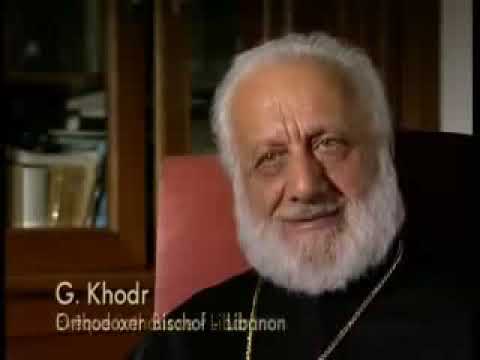
Metropolitan George Khodr
The Christian Metropolitan George Khodr’s recognition that our Master Muhammad ﷺ was a monotheist who believed in the one and only God:
hqdefault 8e23eaa80124eb1f
Prophecy Among the Arabs and the Descendants of Kedar
isa42 even accepted by jews of medina 7isa42 even accepted by jews of medina 8
“Kedar is Quraysh who is the Father of Muhammad.”
Keturah is said to be the name of Abraham’s wife, according to Jewish and Arabic sources. Some Jewish references state that Keturah is the same as Hagar, Abraham’s wife, according to the Jews. Thus, Hagar would be the mother of Midian — the people of Jethro — and the mother of Ishmael — the people of the Prophet Muhammad ﷺ. The Jews described Keturah’s descendants as Arabs and powerful, and they always referred to them as being from the East, a name used for Arabs.
According to the Jews According to the Jews, Hagar was a daughter of the Arab kings who ruled Egypt.
isa42 even accepted by jews of medina 9
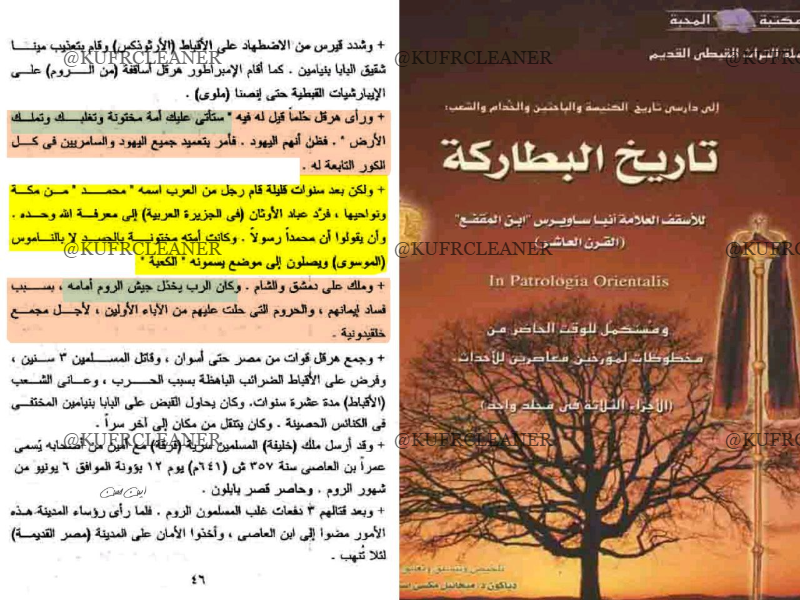
Severus ibn al-Muqaffa — History of the Patriarchs, p. 46 “Heraclius had a dream in which he was told: ‘A circumcised nation will come against you, conquer you, and rule the land.’ He thought they were the Jews. So he ordered the baptism of all the Jews and Samaritans in all the districts under his rule. But after a few years, a man from the Arabs named Muhammad from Mecca and its surroundings came and brought the idolaters in the Arabian Peninsula back to the knowledge of God alone, and to say that Muhammad was a messenger. His nation was circumcised physically, not according to the Mosaic law, and they prayed towards a place they called the Kaaba. He ruled over Damascus and the Levant. And the Lord caused the Roman army to falter before him because of the corruption of their women and the excommunications that had been imposed upon them by the early fathers because of the Council of Chalcedon.”
isa42 even accepted by jews of medina 10
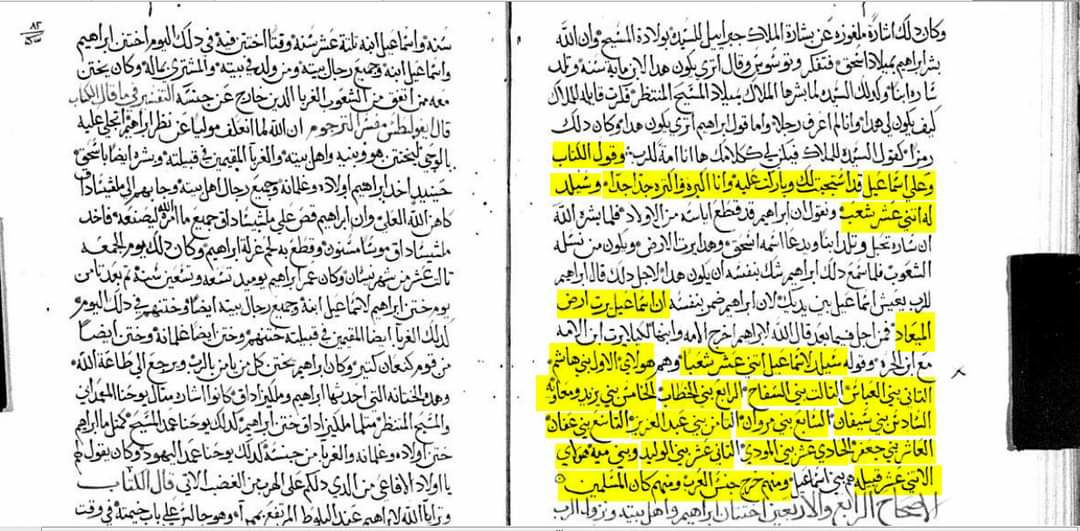
Genesis 17 — The Twelve Princes of Ishmael “And as for Ishmael, I have heard you; behold, I have blessed him and will make him fruitful and multiply him exceedingly. He shall father twelve princes, and I will make him a great nation.”
Ishmael will father twelve peoples — from him descended the Arab race, and from them came the Muslims. In a Coptic Orthodox manuscript (COP 18-7 Theology 7, dated 1773 CE), the twelve princes are identified as: the Banu Hashim, the Banu Abbas, the Banu al-Saffah, the Banu al-Khattab, the Banu Yazid and Muawiyah, the Banu Sufyan, the Banu Marwan, the Banu Abd al-Aziz, the Banu Affan, the Banu Ja’far, the Banu al-Mudi, the Banu al-Walid, and the Banu Umayya.
isa42 even accepted by jews of medina 11
This is the strongest admission that the text predicts their belief in the one and only God in the future. Isaiah ﷺ gives us a clear prophecy about the belief of the people of the Arabian Peninsula in the message of Islam.
The author of the statement in the Bible Dictionary tried to reduce the weight of this by limiting the text to the Qedarite tribes living in southern Jordan. This is false for three reasons:
First: The Qedarite kingdom ended in the fifth century BC, and their descendants among the Arabs were not known to have entered any monotheistic religion other than Islam.
Second: If we assume — and this is a far-fetched assumption — that their lineage was limited to the tribes living in that region, then they are now Muslims who profess the religion of monotheism.
Third: Jewish sources used to call all Arab Bedouins Qedarites, whether they were descendants of Qedar or not.
In any case, the matter only applies to Islam!
Section 3 — Response to the Christian Objection
The Claim: Matthew 12 Applies Isaiah 42 to Jesus
The Christians say: this prophecy was confirmed in a decisive way to be about Jesus Christ. It is sufficient that Matthew the Evangelist confirmed this in his quote in the Gospel of Matthew 12:15.
Matthew 12:15–23 15 When Jesus knew it, he departed from there. And great multitudes followed him, and he healed them all. 16 And he charged them not to make him known, 17 that it might be fulfilled which was spoken by Isaiah the prophet, saying: 18 “Behold, my servant whom I have chosen, my beloved in whom my soul is well pleased. I will put my Spirit upon him, and he will declare justice to the Gentiles. 19 He will not quarrel or cry out, and no one will hear his voice in the streets. 20 A bruised reed he will not break, and smoking flax he will not quench, until he brings justice to victory. 21 And in his name the Gentiles will hope.” 22 Then a demon-possessed man, blind and mute, was brought to him, and he healed him, so that the blind and mute man spoke and saw. 23 And all the crowds were amazed and said, “Could this be the Son of David?”
What distinguishes this kind of argumentation is not the number of its deceptions, but the way it deceives and cuts the context. He often begins like this so that the reader is initially set up with the deception, and then the reader walks with him based on this deception. The response to this point is in several parts:
Response Point 1 — This Is the Opinion of the Anonymous Writer of Matthew, Not Jesus Himself
What is cited here represents the opinion of the anonymous writer of Matthew, not a statement from Jesus ﷺ himself. The quotation in Matthew 12:17 is the narrator’s commentary — “that it might be fulfilled which was spoken by Isaiah the prophet” — not a declaration Jesus made about himself.
Response Point 2 — The Context Was Cut, Because the Context Destroys the Claim
The Christians omitted the context before this quote, because the full context demolishes what they claim and directly contradicts the text of Isaiah 42. They made the reader believe that the crowds who followed Jesus were from the nations mentioned in Isaiah 42 — while in reality they were only Israelites.
Let us read the full context:
Matthew 12:1–15 — The Full Context 1 At that time Jesus went through the cornfields on the Sabbath, and his disciples were hungry and began to pluck the heads of grain and eat. 2 When the Pharisees saw it, they said to him, “Look, your disciples are doing what is not lawful to do on the Sabbath!” 3 Then he said to them, “Have you not read what David did when he and his companions were hungry? 4 How he entered the house of God and ate the bread of the showbread, which was not lawful for him to eat, nor for his companions, but only for the priests? 5 Or have you not read in the law that on the Sabbath in the temple the priests profane the Sabbath and are blameless? 6 But I say to you, that here is one greater than the temple. 7 If you had known what this means, ‘I desire mercy and not sacrifice,’ you would not have condemned the innocent. 8 For the Son of Man is Lord even of the Sabbath.” 9 And he departed from there and came into their council. 10 And behold, there was a man with a withered hand. And they asked him, “Is it lawful to heal on the Sabbath?” 11 Then he said to them, “What man among you, having one sheep, if it falls into a pit on the Sabbath day, will he not lay hold of it and lift it out? 12 How much more valuable is a man than a sheep! So it is lawful to do good on the Sabbath day!” 13 Then he said to the man, “Stretch out your hand.” And he stretched it out, and it was restored whole like the other. 14 So when the Pharisees went out, they consulted against him how to destroy him. 15 But when Jesus knew it, he departed from there. And great multitudes followed him, and he healed them all.
The text is clear. It speaks of Israelite multitudes — not Gentile multitudes. The entire chapter is a debate between Jesus and the Pharisees about the Sabbath law. These are the very Israelites who were debating Jewish religious law. They are not the inhabitants of Kedar’s wilderness. They are not the people of Sela shouting from mountaintops. We will talk later about the reason his following and his call were confined to the children of Israel.
Response Point 3 — The Language Argument
Furthermore: the Prophet Muhammad ﷺ came with one language — the Arabic language — and did not speak anything other than Arabic. The question is raised: how can he be for all nations?
We turn this question back: did Jesus know any language other than Hebrew and Aramaic? Jesus did not even know Greek itself — which is the language in which the New Testament was written.
As for the accusation about Banu Qurayza — this is playing the game of casting doubts with loose words. Has the objector read his own book? Can he tell us, for example, about the fate of the Canaanites, the Midianites, and other peoples in the Old Testament? Someone whose house is made of glass should not throw stones at others — and this house is worse than a spider’s web.
Response Point 4 — The Pivot to Paul and Isaiah 53
After that, the objection pivots: it takes a text from Paul’s words in Philippians 2 to philosophize the meaning of the word “servant” in Isaiah 42:
Philippians 2:6–7 “6 who, being in the form of God, did not consider it robbery to be equal with God. 7 But he emptied himself, taking the form of a servant, and coming in the likeness of men.”
Then it cites Isaiah 53:11 to claim the servant of Isaiah 42 refers to the one who bears sins. Then it cites Isaiah 43:10–14 to argue the Savior is God. The argument jumps: Isaiah 42 → Isaiah 53 → Isaiah 43. Only those who do not have a direct answer jump like this.
Let us deal with each element:
Refutation A — The Old Testament Explicitly Rejects Inherited Sin and Vicarious Atonement
The books of the Old Testament clearly state that sin is not inherited and that redemption in the sense claimed by the church does not exist at all.
Numbers 16:22 “And they fell on their faces and said, ‘O God, the God of the spirits of all flesh, will one man sin, and You be angry with the whole congregation?’”
Deuteronomy 24:16 “The fathers shall not be put to death for the children, nor shall the children be put to death for the fathers. Every man shall be put to death for his own sin.”
Ezekiel 18:20–22 20 The soul that sins, it shall die. The son shall not bear the iniquity of the father, nor shall the father bear the iniquity of the son. The righteousness of the righteous shall be upon him, and the wickedness of the wicked shall be upon him. 21 But if the wicked man turns from all his sins which he has committed, and keeps all my statutes, and does what is lawful and right, he shall surely live; he shall not die. 22 All his transgressions which he has committed shall not be remembered against him; in his righteousness which he has done he shall live.
And Isaiah himself says:
Isaiah 55:7 “Let the wicked forsake his way, and the unrighteous man his thoughts, and let him return to the LORD, and he will have mercy on him; and to our God, for he will abundantly pardon.”
Refutation B — The True Meaning of “Bearing Iniquity” in the Old Testament
The interpretation of Isaiah 53 as vicarious atonement is rejected because the Old Testament itself shows what “bearing iniquity” means. We read in Numbers 18:
Numbers 18:1 “And the Lord said to Aaron: ‘You and your sons and your father’s house with you shall bear the iniquity of the sanctuary, and you and your sons with you shall bear the iniquity of your priesthood.’”
Rabbi Rashi — Commentary on Isaiah 53:11 “And their iniquities he would bear: He would bear, in the manner of all the righteous, as it is said (Numbers 18:1): ‘You and your sons shall bear the iniquity of the sanctuary.’”
Meaning: any shortcomings of the people at that time will be borne by the servant and will be considered a sin against him because he was short in teaching them — not because of inheriting sin.
Father Antonius Fikry — Commentary on Numbers 18 “And here God, after being angry with them because of the grumbling about Korah, returns them to care again here. And they bear the guilt if they neglected to teach the people, but if they taught the people and warned them and then the people sinned of their own will, they are innocent (Ezekiel 3).”
Refutation C — Isaiah 53 Is a Continuation of Isaiah 52, Which Speaks of Israel
The text of Isaiah 53 is a continuation of chapter 52, which speaks about what the people of Israel will be exposed to:
Isaiah 52:1–6, 13–15 1 Awake, awake! Put on your strength, O Zion! Put on your beautiful garments, O Jerusalem, the holy city; For no more shall the uncircumcised or the unclean enter you. 2 Shake yourself from the dust; arise, sit down, O Jerusalem; loose the bands from around your neck, O captive daughter of Zion. 3 For thus says the Lord: “You were sold for nothing, and you shall be redeemed without money.” 4 For thus says the Lord God: “My people went down to Egypt at first to sojourn there, and then Assyria oppressed them without cause. 5 Now then, what have I here, says the Lord, that my people should be taken for nothing? Those who rule over him cry out, says the Lord, and my name is continually disgraced every day. 6 Therefore my people shall know my name; therefore in that day they shall know that I am he who speaks. Here I am.”
13 Behold, my servant shall be wise; he shall be lifted up, he shall be exalted, he shall be greatly exalted. 14 As many were astonished at thee; so was his countenance more disfigured than a man, and his form more than a man. 15 Thus he sprinkles many nations. For his sake kings will shut their mouths, for they have seen what was not told them, and they have understood what they did not hear.
What is meant by “My servant” here is the people of Israel. That is why the Jewish commentators understood it as Israel.
Rabbi Rashi — Commentary on Isaiah 52:13 “Behold My servant shall prosper: Behold, at the end of days, My servant Jacob [i.e., the righteous among him] shall prosper.”
And here is what the Dictionary of the Bible of Christians declares loud and clear:
Philip Schaff — Dictionary of the Bible “Tradition makes Qedar one of the ancestors of Muhammad.”
No consolation for liars.
Christian Translations of Isaiah 53 Have Manipulated the Context and Meaning
The Van Dyke Translation (Isaiah 53) reads:
Isaiah 53:1–8 (Van Dyke Translation) 1 Who has believed our report, and to whom has the arm of the Lord been revealed? 2 He grew up before him like a tender shoot, and like a root out of dry ground. He had no form or majesty that we should behold him, nor any appearance that we should desire him. 3 He was despised and rejected by men, a Man of sorrows and acquainted with grief; and as one from whom one hides our faces; he was despised, and we did not esteem him. 4 Surely he has borne our griefs and carried our sorrows; yet we esteemed him stricken, smitten by God, and afflicted. 5 But he was wounded for our transgressions, he was bruised for our iniquities. The chastisement for our peace was upon him, and by his stripes we are healed. 6 All we like sheep have gone astray; We have turned every one to his own way; And the LORD has laid on him the iniquity of us all. 7 He was oppressed, and he was afflicted, yet he opened not his mouth. Like a lamb that is led to the slaughter, and like a sheep before its shearers is silent, so he opened not his mouth. 8 From oppression and from judgment he was taken away. And in his generation, who could have thought that he was cut off from the land of the living, that he was stricken for the transgression of my people…
The Masoretic translation (Jewish Publication Society):
Isaiah 53:1–12 (Masoretic / JPS Translation) 1 Who would have believed our report? And to whom hath the arm of the LORD been revealed? 2 For he shot up right forth as a sapling, and as a root out of a dry ground; he had no form nor comeliness, that we should look upon him, nor beauty that we should delight in him. 3 He was despised, and forsaken of men, a man of pains, and acquainted with disease, and as one from whom men hide their face: he was despised, and we esteemed him not. 4 Surely our diseases he did bear, and our pains he carried; whereas we did esteem him stricken, smitten of God, and afflicted. 5 But he was wounded because of our transgressions, he was crushed because of our iniquities: the chastisement of our welfare was upon him, and with his stripes we were healed. 6 All we like sheep did go astray, we turned each one to his own way; and the LORD hath made to light upon him the iniquity of us all. 7 He was oppressed, though he humbled himself and opened not his mouth; as a lamb that is led to the slaughter, and as a sheep that before her shearers is dumb; yea, he opened not his mouth. 8 By oppression and judgment he was taken away, and with his generation who did reason? for he was cut off out of the land of the living, for the transgression of my people to whom the stroke was due. And they made his grave with the wicked, and with the rich his tomb; although he had done no violence, neither was any deception in his mouth. 10 Yet it pleased the LORD to crush him by disease; to see if his soul would offer itself in restitution, that he might see his seed, prolong his days, and that the purpose of the LORD might prosper by his hand. 11 Of the travail of his soul he shall see to the full, even My servant, who by his knowledge did justify the Righteous One to the many, and their iniquities he did bear. 12 Therefore I will divide him a portion among the great, and he shall divide the spoil with the mighty; Because he bared his soul to death, and was numbered with the transgressors; yet he bore the sin of many, and made intercession for the transgressors.
The Identified Manipulations in the Translation
Three Translation Manipulations in Isaiah 53
Manipulation 1: The phrase “for our transgressions” and “for our iniquities” in verse 5 is incorrect. The correct translation is “because of our transgressions” and “because of our iniquities” — because the Masoretic text uses the preposition מִ (because of), not לְ (for).
Manipulation 2: The expression “our iniquities” is also incorrect in verse 6. It is supposed to be translated “because of our iniquity” — as stated above.
Manipulation 3: The expression “the Lord laid on him the iniquity of us all” in verse 6 is wrong. The correct translation is “he made him bear the injustice of us all” — because the Masoretic text uses the word עָוֺן (avon), which means iniquity in the sense of injustice and punishment, not guilt or sin transferred to another.
We read in the same chapter, verse 9: “Because he had done no violence, and no deceit was in his mouth” — which shows the servant is described as innocent, not as one paying for others’ guilt.
Lexical Evidence
Brown-Driver-Briggs Lexicon — Entry: H5771 עָוֺן “Iniquity, guilt, or punishment of iniquity. Consequence of, or punishment for, iniquity. Isaiah 53:11: the consequences of their iniquities he shall bear. Isaiah 53:6: הִפְגִּיעַ — the meaning of Isaiah 53:6 is that the Lord has borne our (the people of Israel’s) iniquities against Him, i.e. He has forgiven them and has appeased concerning the iniquity of all of us, that He did not destroy His world.”
Strong’s Dictionary — Entry: H5771 עָוֺן “עָוֺן ʻâvôn — from H5753; perversity, i.e. (moral) evil — fault, iniquity, mischief, punishment of iniquity.”
The correct interpretation of verse 11 has already been given above. We also repeat that the translation made a mistake in using the term “their iniquities” — the correct term is “their injustice.”
Refutation D — Isaiah 53 Cannot Apply to Jesus
First: Isaiah 53:10 Requires Children and Long Life
Isaiah 53:10 (Van Dyke Translation) “But it pleased the Lord to crush him; He caused him to be grievous. If he makes himself an offering for sin, he shall see his seed, he shall prolong his days, and the pleasure of the Lord shall prosper in his hand.”
Isaiah 53:10 (Masoretic / JPS Translation) “Yet it pleased the LORD to crush him by disease; to see if his soul would offer itself in restitution, that he might see his seed, prolong his days, and that the purpose of the LORD might prosper by his hand.”
So: did Jesus live long, or did he die at the age of thirty? Did Jesus marry and have children? The answer is no. We cannot apply the chapter to Jesus.
Of course, as is their habit when they see a problem in interpreting the text as it stands, they resort to what is called spiritual interpretation — interpreting the text other than its apparent meaning and burdening it with more than its meaning to escape the terrible contradiction.
Father Antonius Fikry — Commentary on Isaiah 53:10 “He sees offspring = the offspring are the believers whom He redeemed. He was the grain of wheat that fell so that there would be many grains. His days will be long = that is, his life will not end in death. This is a prophecy about the resurrection.”
This is the escape hatch. They interpreted “offspring” as spiritual followers and “prolonging his days” as the resurrection. This is not exegesis — it is eisegesis. Whoever is forced to abandon the literal meaning of plain text to save their interpretation has already lost the argument.
Second: Isaiah 53:8 Limits the Servant’s Work to Israel Alone
Isaiah 53:8 “He was cut off from the land of the living, stricken for the transgression of my people.”
“My people” in this context refers to Israel — not all of humanity. This directly contradicts the church’s claim that the servant died for the sins of all mankind.
Refutation E — The Isaiah 43 “Savior” Argument Does Not Support Incarnation
The objection cites Isaiah 43:10–14 to argue that the “savior” in the Old Testament is God incarnate — and therefore the servant who saves is divine Jesus. Let us read the entire context:
Isaiah 43:1–16 1 And now thus says the LORD, your Creator, O Jacob, and your Former, O Israel: “Do not fear, for I have redeemed you. I have called you by name; you are Mine. 2 When you pass through the waters, I will be with you; and through the rivers, they will not overflow you. When you walk through the fire, you will not be burned, and the flame will not consume you. 3 For I am the LORD your God, the Holy One of Israel, your Savior. I have given Egypt as your ransom, Cush and Seba for you. 4 For you are precious and honored in my sight, and I have loved you. I will give men for you, peoples for your life. 5 Do not fear, for I am with you. 6 I say to the north, ‘Give,’ and to the south, ‘Do not withhold.’ Bring my sons from far, and my daughters from the ends of the earth. 7 Everyone who is called by my name, whom I created for my glory; I formed them and made them. 8 I will bring out the blind people, who have eyes, and the deaf, who have ears. Gather together, all you nations, and let the tribes be gathered together. Who among them can declare this and show us former things? Let them present their witnesses and be justified, or let them hear and say, ‘It is true.’ 10 You are my witnesses,” says the Lord, “and my servant whom I have chosen, so that you may know and believe me and understand that I am he.” Before me there was no God formed, nor will there be after me. 11 I, even I, am the Lord, and besides me there is no savior. 12 I have declared and saved; I have made known, and there is no stranger among you. You are my witnesses, says the Lord, and I am God. 13 Even from this day on I am he, and there is none who can deliver from my hand. What will I do, and who can revoke it? 14 Thus says the LORD, your Redeemer, the Holy One of Israel: “For your sake I sent to Babylon and threw all the bars, and the Chaldeans into their singing ships. 15 I am the LORD, your Holy One, the Creator of Israel, your King. 16 Thus says the LORD, who makes a way in the sea and a path in the mighty waters.
The chapter begins with God addressing Jacob/Israel. The phrase “My servant whom I have chosen” refers to Jacob — or rather Israel — not to Christ ﷺ. The context is a discourse between God Almighty and the people of Israel. “You are My witnesses, O nations, and My servant Jacob, whom I have chosen.”
Rabbi Rashi — Commentary on Isaiah 43:10 “And My servant: Jacob whom I chose. He, too, shall testify that I promised him when he went to Mesopotamia, and I kept My promise. In order that you know: I did all this in order that you put your heart to know Me.”
Jamieson-Fausset-Brown — Commentary on Isaiah 43:10 “And my servant — that is, the whole Jewish people (Isaiah 41:8).”
The Word “Savior” Here Means Political Deliverance, Not Redemptive Atonement
As for the use of the word “Savior” — this is also an abuse of the text. The objection inserts the doctrine of redemption into it in a way the context does not support.
We read from the context itself: the Savior here sent the people against Babylon, threw down its bars, and released the Chaldeans to their ships. This is national deliverance from military conquest — not spiritual atonement for sin.
The same word is used in Hosea with the same meaning:
Hosea 13:4–11 “I am the Lord your God from the land of Egypt; besides me you have not known any God, nor is there any savior besides me. 5 I knew you in the wilderness, in the land of thirst. 6 When they have fed, they are satisfied; they are full, and their heart is lifted up; therefore they have forgotten me. 7 I will be like a lion to them; I will lie in wait on the road like a leopard. 8 I will strike them like a bear that is bereaved of its children; I will tear open the lining of their hearts; I will devour them there like a lioness; the wild beasts of the field will tear them to pieces. 9 Your destruction, O Israel, is that you are against me, against your helper. 10 Where then is your king, that he should save you in all your cities, and your judges, where you said, ‘Give me a king and princes’? 11 I gave you a king in my anger, and took him away in my wrath.”
And we read in Jeremiah 14:
Jeremiah 14:7–10 “But if our iniquities testify against us, O Lord, act for your name’s sake, for our transgressions are many; against you we have sinned. 8 O hope of Israel, their Savior in the time of trouble, why should you be like a stranger in the land, and like a traveler who turns aside to lodge? 9 Why should you be like a man who is perplexed, like a mighty man who cannot save? You, O Lord, are in our midst, and we are called by your name. Do not leave us.”
The savior in the context of these texts is the one who delivers the people from external harm or external invasion. This is confirmed by the lexicon:
Brown-Driver-Briggs Lexicon — Entry: H3467 יָשַׁע “Verb Hiphil — deliver. Of God, who saves his people from external evils. Accordingly God is savior — Isaiah 43:11; Isaiah 45:15, 21; Isaiah 63:8; Hosea 13:4.”
Refutation F — The “My Soul Delights” Argument
We stop at one more important sentence from the Christian argument: “My chosen one in whom My soul delights.” The objection asks: who is the one in whom God’s soul delights?
Then it cites:
Matthew 3:17 “And a voice from heaven said, ‘This is my beloved Son, with whom I am well pleased.’”
And the question is posed: is your apostle the only Son of God, through whom God’s soul was pleased?
The answer is simple. The question confuses two different matters. The phrase “in whom my soul delights” in Isaiah 42:1 is applied to the servant chosen for the mission of bringing justice to the nations. The verse in Matthew 3:17 is the evangelist’s report of a voice at Jesus’s baptism. These are two entirely different textual contexts. Jumping between them — from Isaiah 42 to Isaiah 53 to Isaiah 43 to Matthew 3:17 — is confusing the rope with the arrow. Only those who have no direct answer do this.
Refutation G — The “Servant = Israel” Objection
The Objection “Isaiah 41:8 in the previous chapter identifies the ‘servant’ very clearly. It is not a person but Bnei Yisrael — the nation of Israel.”
And yet the Targum applies Isaiah 42 to an individual — the Messiah.
In Isaiah 40–55 there is not just one servant — there are two.
Isaiah 49 explicitly speaks about an individual servant.
Isaiah 49 and Isaiah 42 have far more parallel language in common with each other than Isaiah 41 and Isaiah 42 do.
Hence the servant of Isaiah 42 is not Israel the nation but rather the individual servant also described in Isaiah 49. Ibn Ezra mentioned this as well — see his commentary on Isaiah 42 and Isaiah 49.
Yes, Isaiah 41 is closer in placement.
But Isaiah 49 is closer in parallel language.
This is why many agree the servant of Isaiah 42 and the servant of Isaiah 49 are the same person.
You can check other rabbis — Isaiah 49 is widely accepted as referring to an individual.
Consider: in Isaiah 49, the servant’s mission is to Israel. It is not really possible for “Israel the nation” to go to Israel the nation. The servant is sent to restore Israel, to bring Jacob back to itself:
His mission is to Israel
He is sent to bring Jacob back to God
He is sent to restore Israel
Therefore: the servant is an individual, not the nation.
Even the rabbis who applied Isaiah 49 to Isaiah the prophet did not understand “Israel” as a literal national name. It can be explained as poetic language — the servant is called “Israel” because his mission is tied to Israel — or it is being used functionally, not literally.
The rabbis were correct in understanding Isaiah 49 as referring to an individual. Where they went wrong is in applying it to Isaiah the prophet himself. That is erroneous because Isaiah did not fulfill what is mentioned in the servant songs. For example: he did not convert the nations to monotheism.
Conclusion
Isaiah 42 is a prophecy about an upcoming servant of God from the Arabs, from the lineage of Ishmael — who will break the idols. Who fits this description?
The context of the speech is very clear to those who listen and bear witness.
Summary of the Three Sections Section 1 established that the text names Kedar and Sela — Arabian geography — confirmed by Adam Clarke, Jamieson-Fausset-Brown, Gill’s Exposition, the Brown-Driver-Briggs Lexicon, Rabbi Rashi, the Coptic Orthodox Dictionary, and Smith’s Bible Dictionary. Kedar = Arabs = Arabian Peninsula.
Section 2 established that the prophecy announces a spiritual transformation: the people of Kedar — who did not worship the Lord — will give glory to Him, while those who trusted in graven images are put to shame. This happened through the mission of Muhammad ﷺ when the idols of the Kaaba were destroyed. The Coptic Patriarchate manuscript identifies Kedar as Quraysh. The Aramaic Targum replaces Kedar with Arabs. Philip Schaff’s Dictionary of the Bible says tradition makes Kedar one of the ancestors of Muhammad. Maimonides equates Kedar with Quraysh.
Section 3 dismantled the Christian claim through six refutations: (A) The Old Testament explicitly rejects inherited sin. (B) “Bearing iniquity” means accountability for neglecting to teach, not vicarious substitution. (C) Isaiah 53 is a continuation of Isaiah 52 which speaks of Israel — and Rabbi Rashi confirms the servant is Jacob. (D) Isaiah 53:10 requires the servant to have children and live long — Jesus had neither. (E) The “savior” of Isaiah 43 saves from military conquest, not from sin — confirmed by BDB and Jamieson-Fausset-Brown. (F) The pivot from text to text — Isaiah 42 to 53 to 43 — is what those do who have no direct answer. (G) The servant of Isaiah 42 is an individual, not the nation, as shown by the parallel with Isaiah 49.